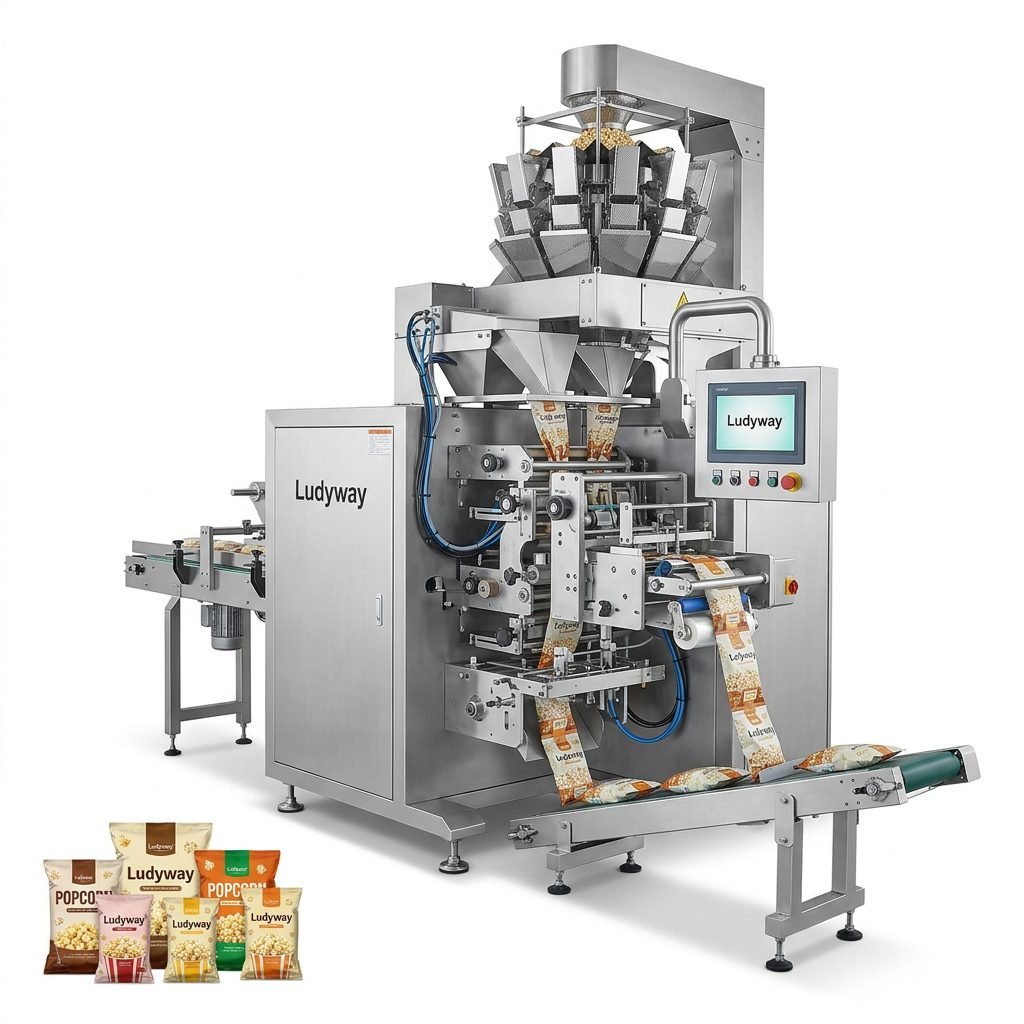
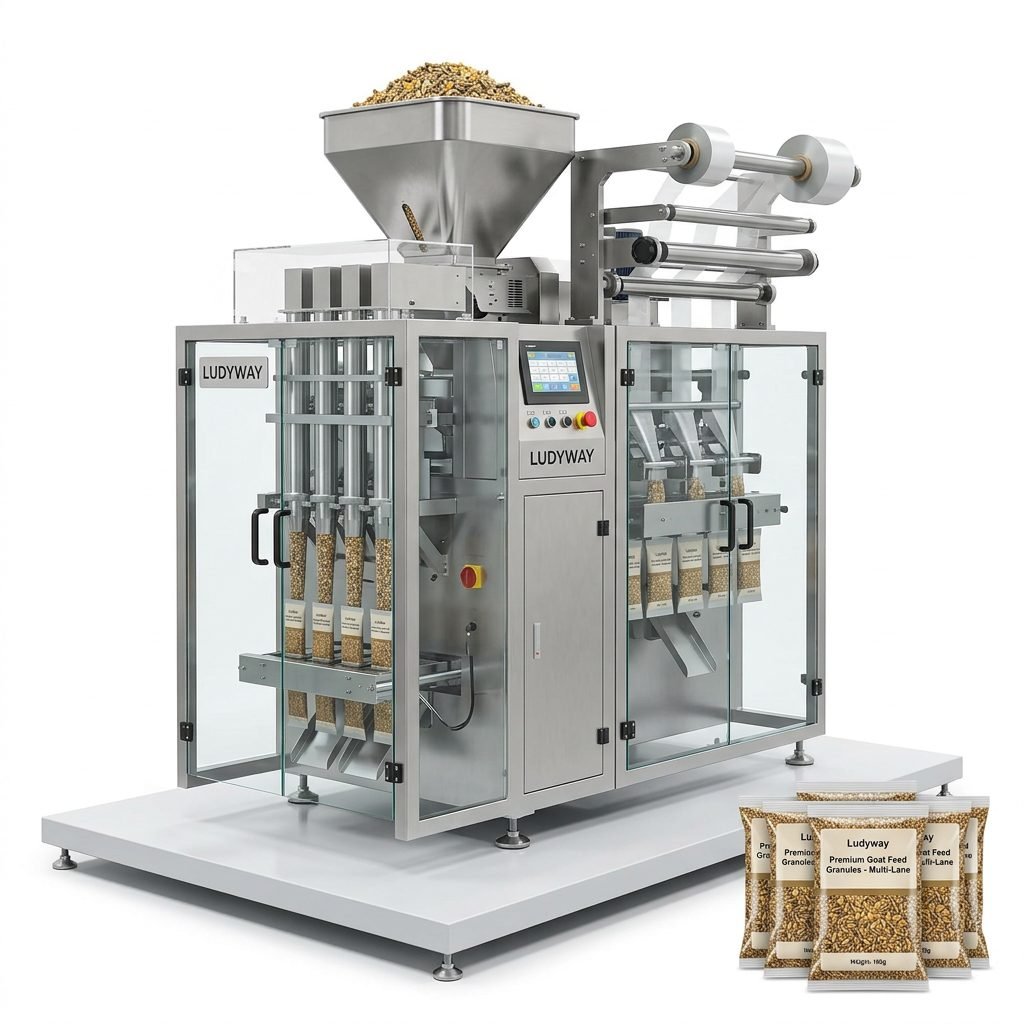
Investing in a protein bar packaging machine is a strategic decision that directly impacts your production efficiency, product shelf life, and brand image. As the global protein bar market continues to surge—driven by health-conscious consumers and on-the-go nutrition trends—manufacturers are under pressure to deliver perfectly sealed, visually appealing products at high speeds. Whether you are launching a new brand or scaling up an existing factory, selecting the right protein bar packaging equipment requires a deep understanding of packaging formats, machine configurations, and automation levels. This comprehensive guide walks you through the essential factors to consider when sourcing a China protein bar packaging machine.
Understanding Protein Bar Packaging Formats
Before diving into machine specifications, it is critical to define your primary packaging format. The packaging style not only protects the product from moisture and contamination but also influences consumer convenience and shelf presence. The most common configurations for protein bars include:
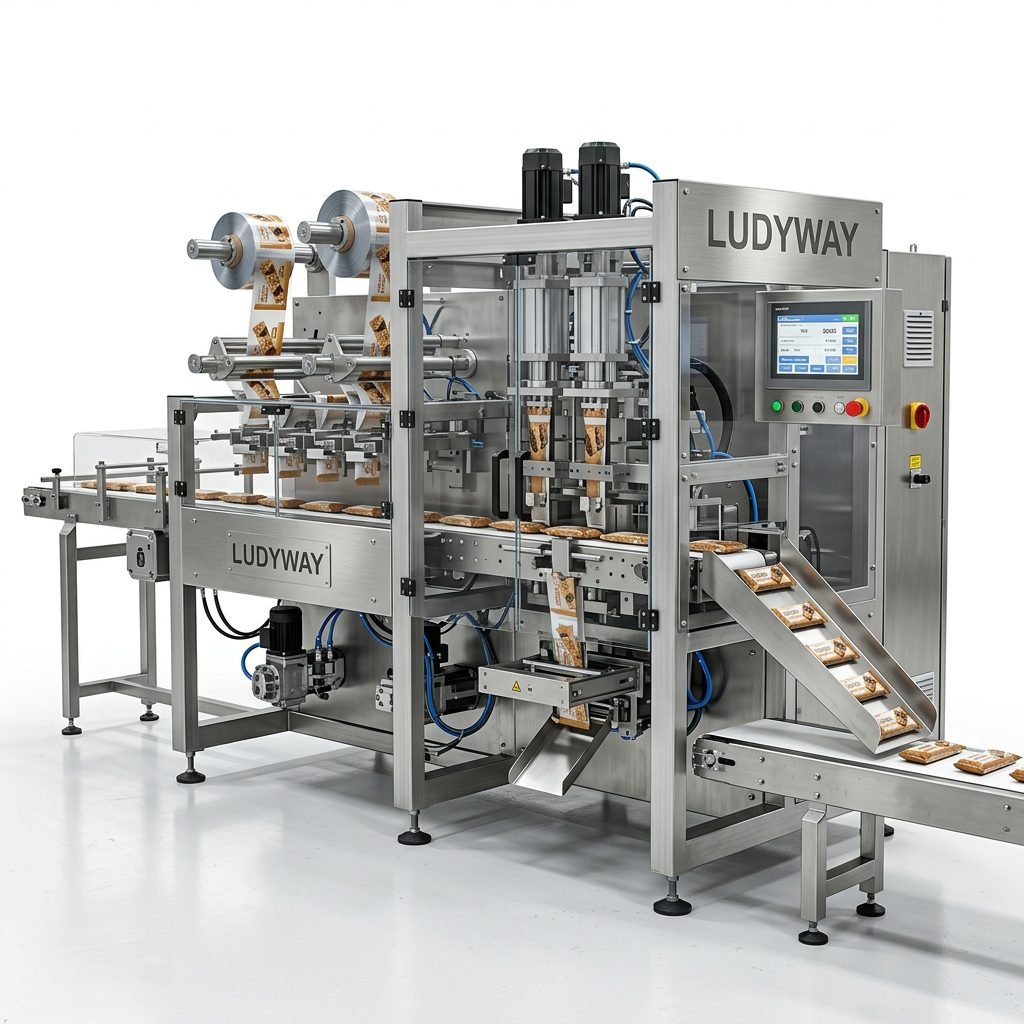
- Flow Wrap (Pillow Pack): Ideal for standard rectangular bars, offering high-speed wrapping with excellent seal integrity. This is the industry standard for most granola and snack bars.
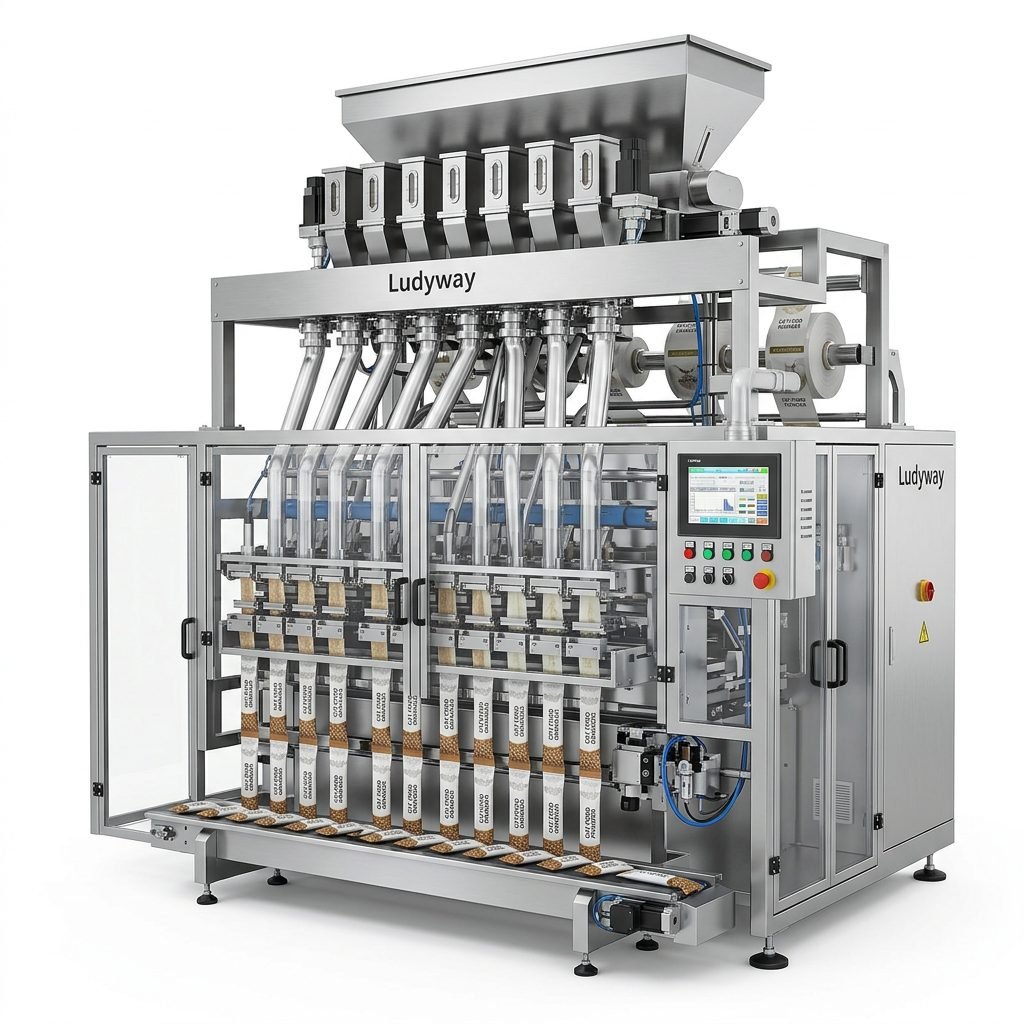
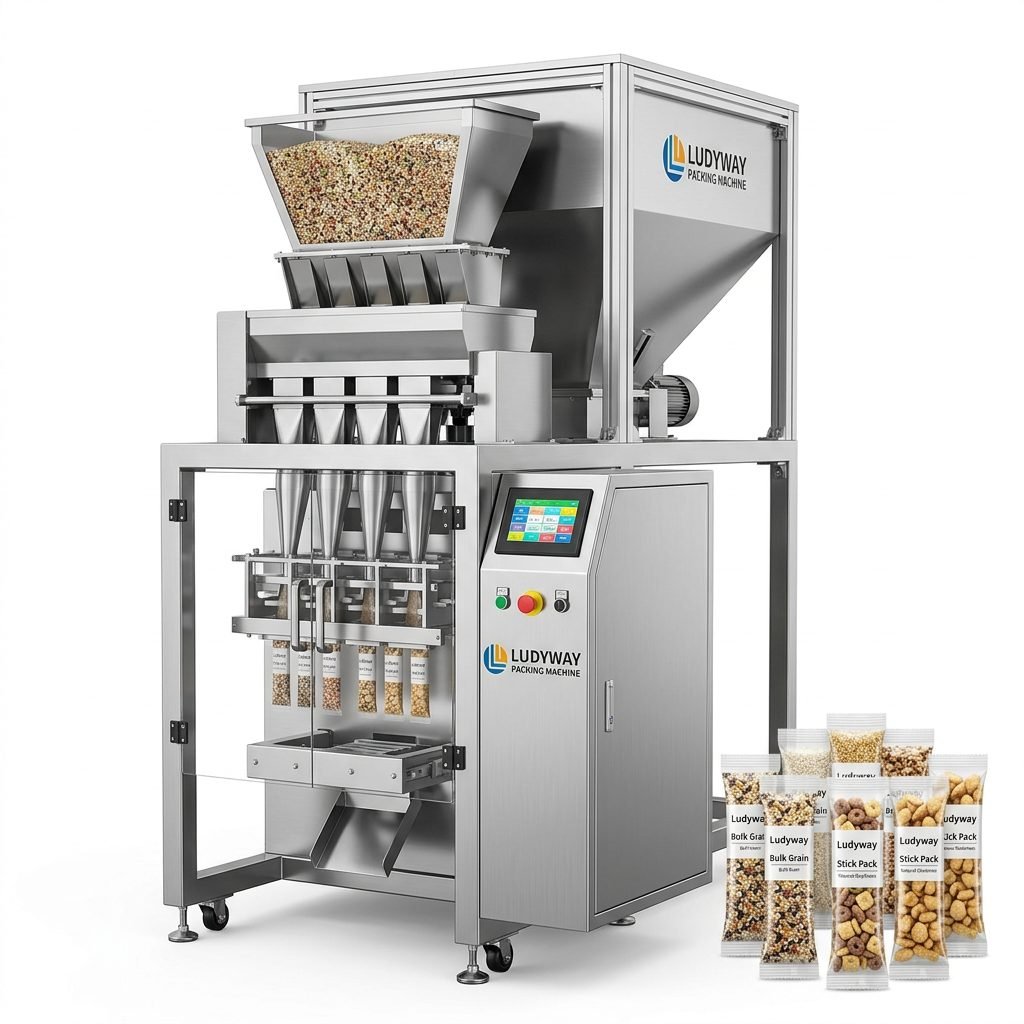
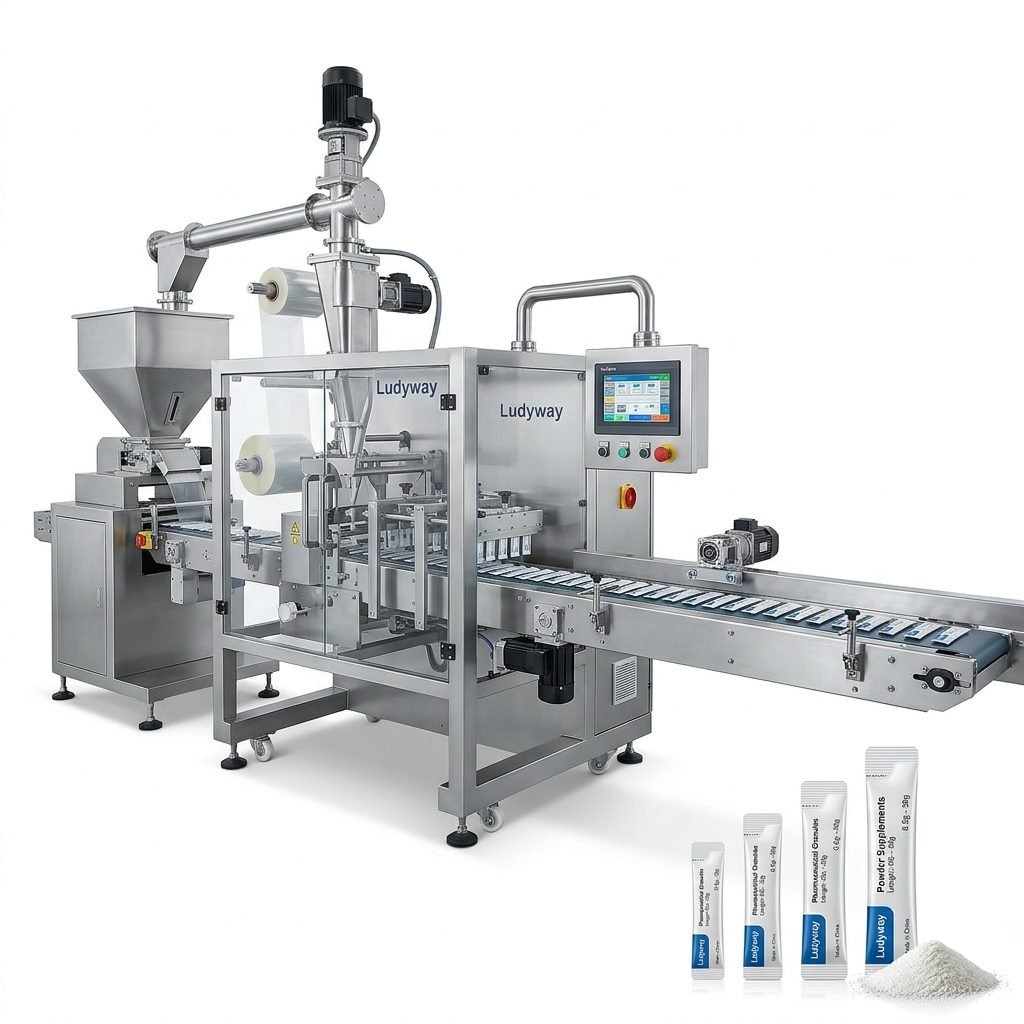
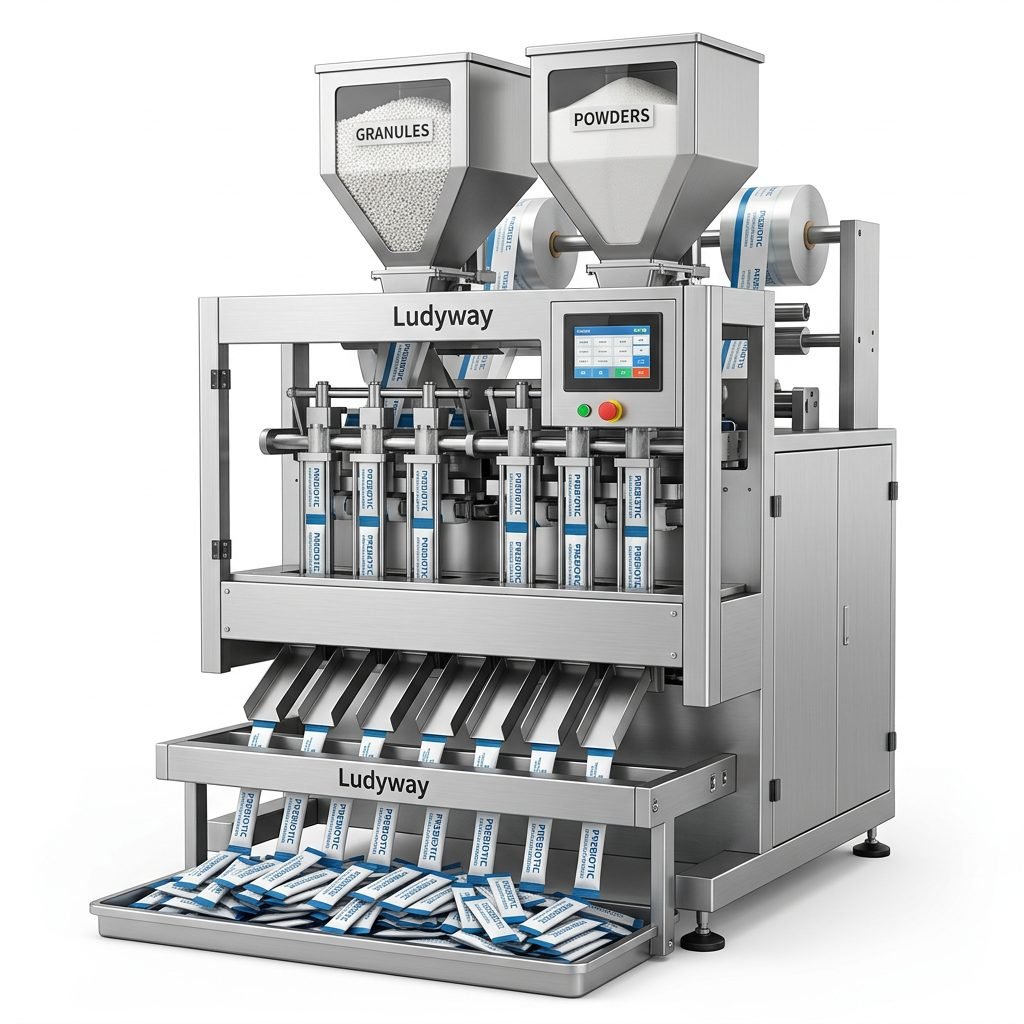
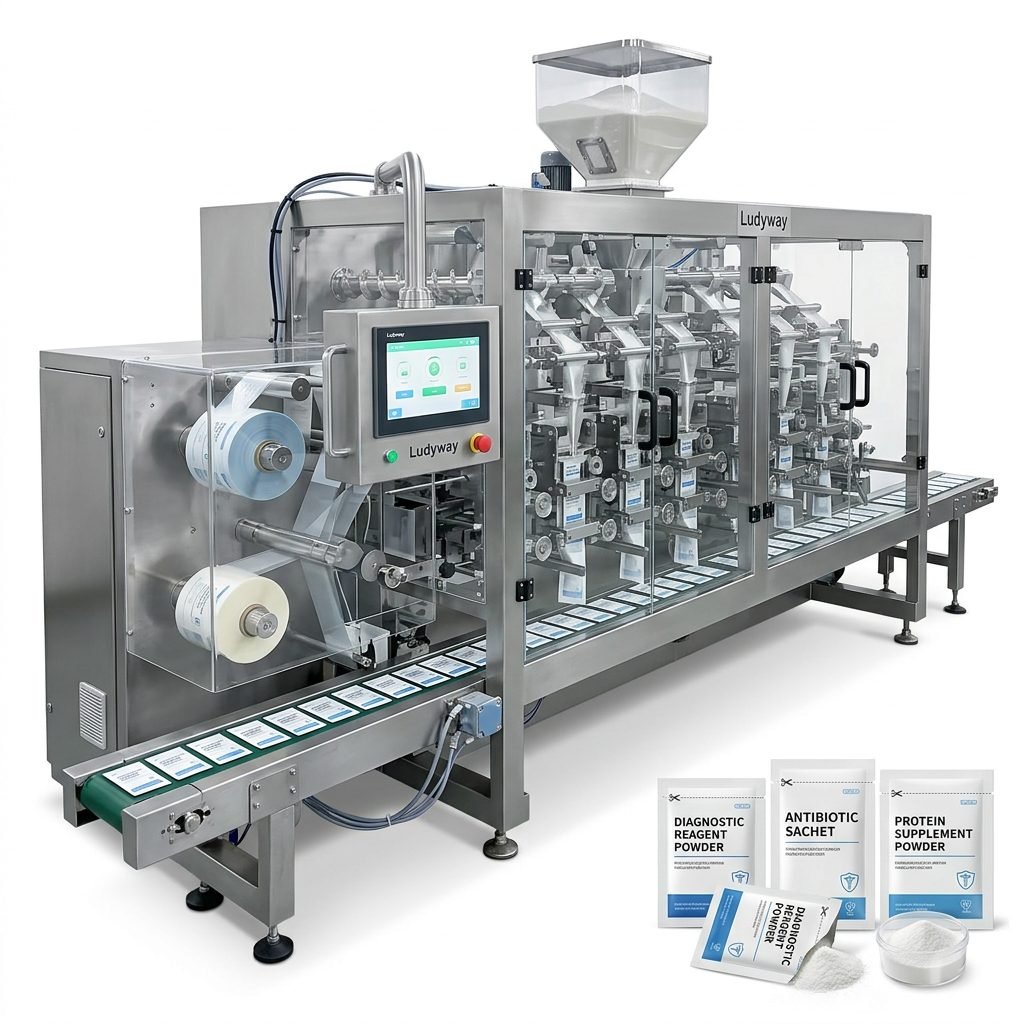
- Stick Pack & Sachet: Growing in popularity for mini protein bars or bite-sized pieces. These multi-lane stick pack machines excel at portion control and portability.
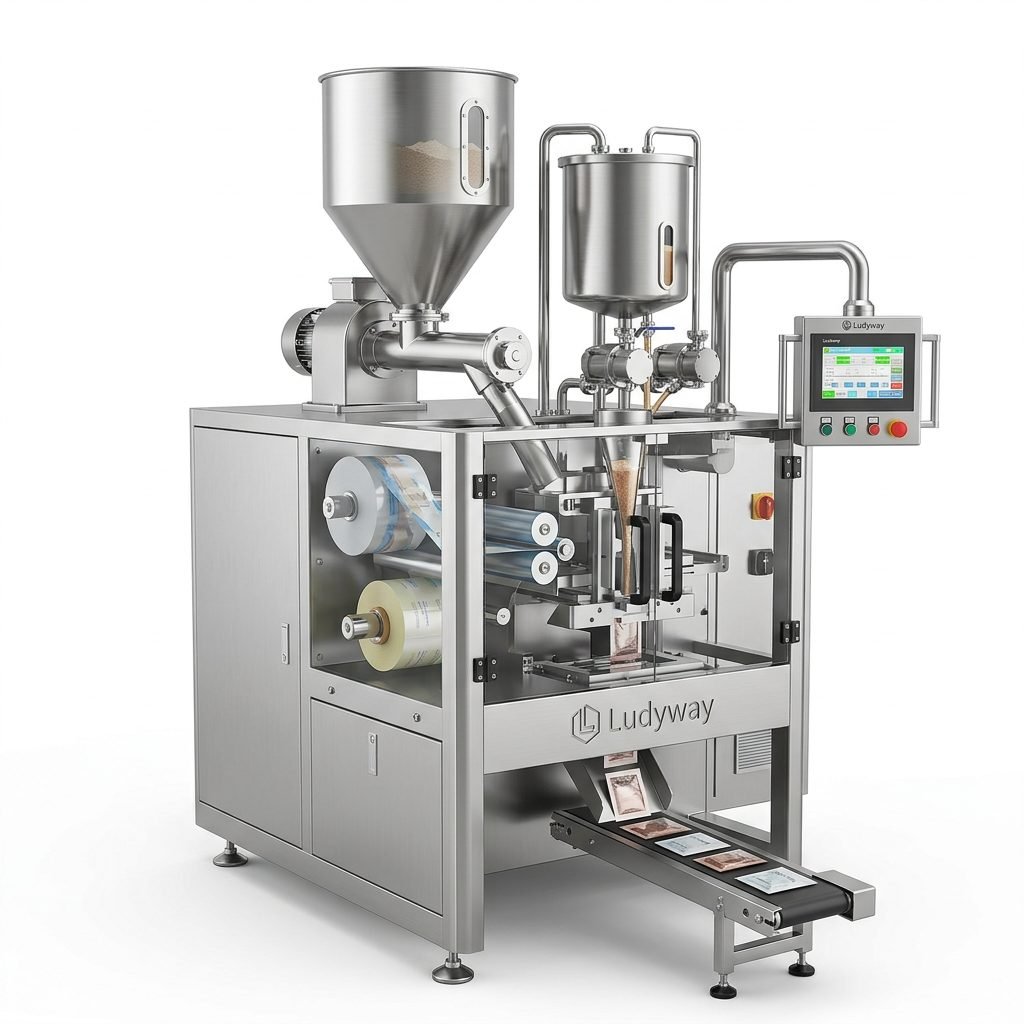
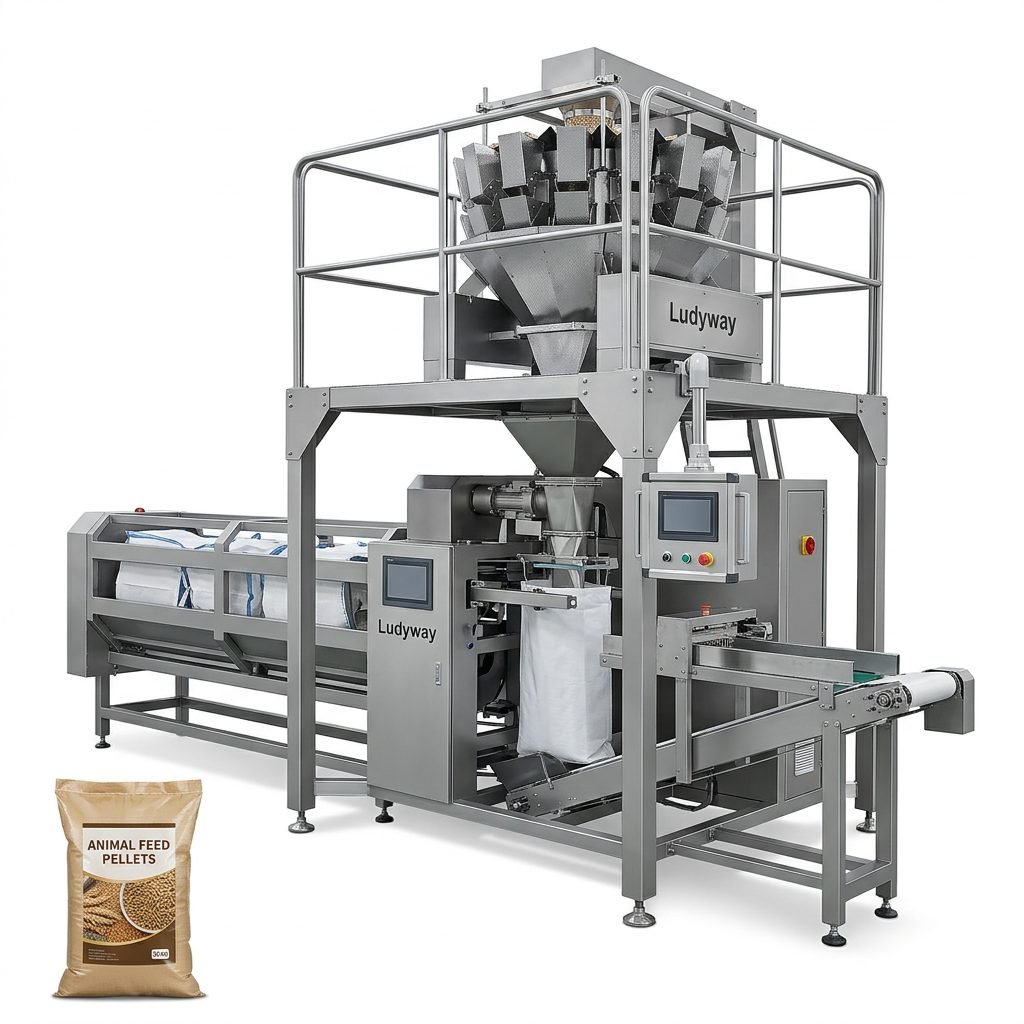
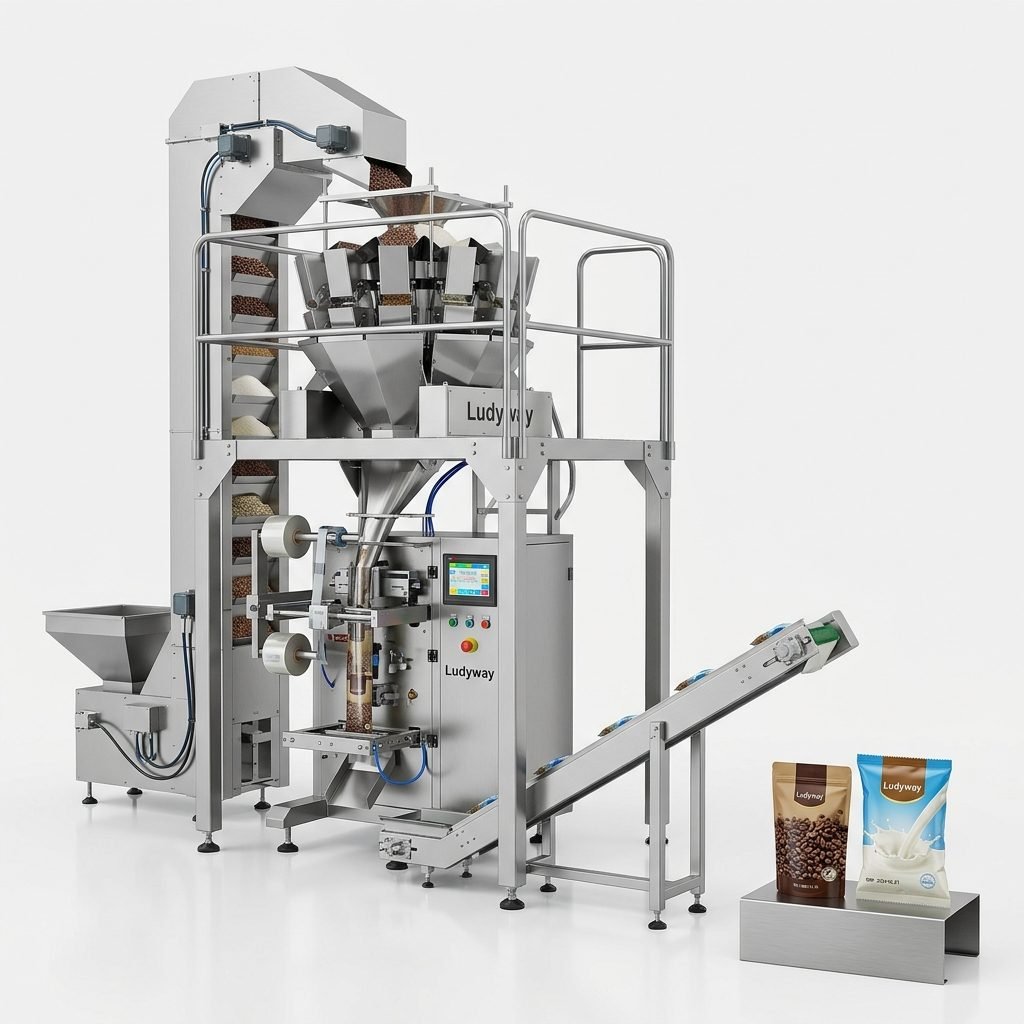
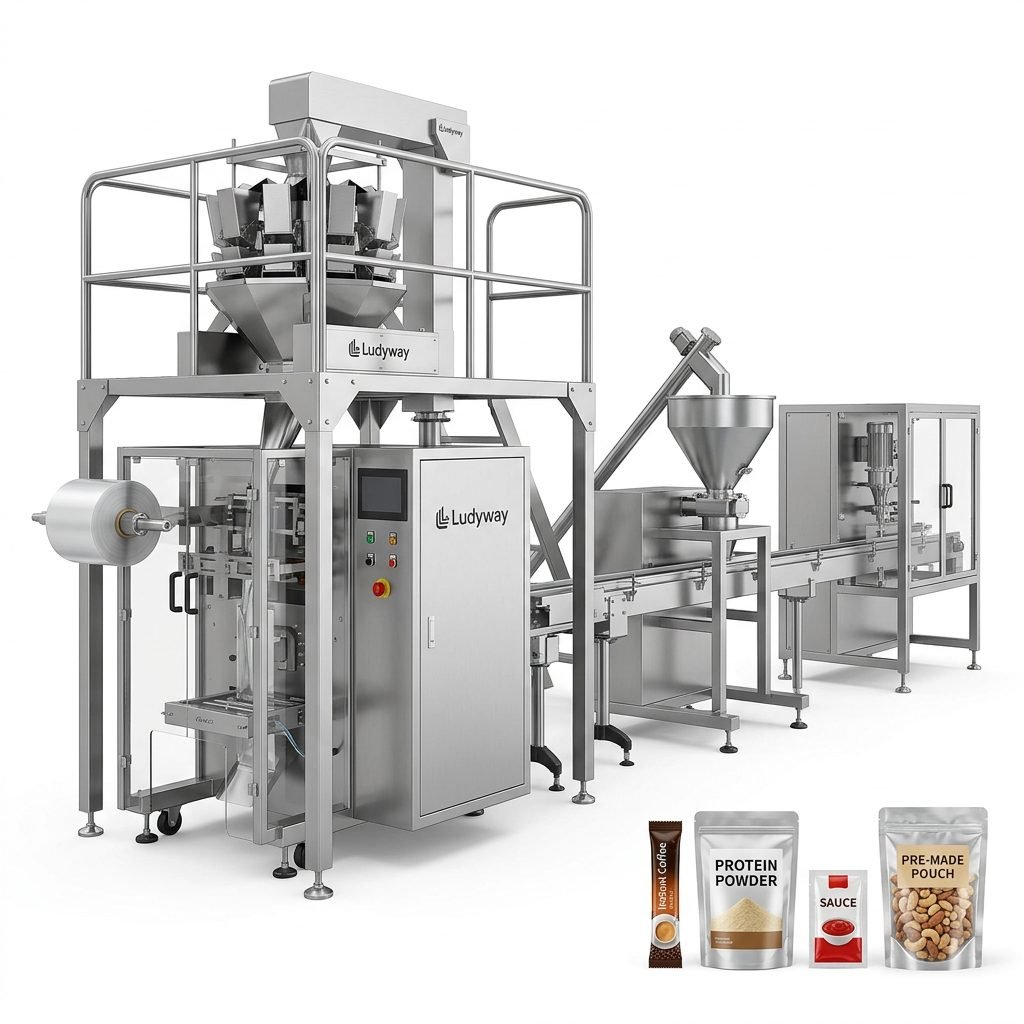
- Vertical Form Fill Seal (VFFS): Suitable for larger pillow bags or if you require modified atmosphere packaging (MAP) using nitrogen flushing to extend the shelf life of high-protein, low-sugar formulations.
Key Machine Specifications to Evaluate
Choosing the right protein bar packaging machine involves a detailed technical assessment. The physical characteristics of your product—such as density, stickiness, and fragility—play a significant role. Here is a breakdown of critical parameters using a typical multi-lane flow wrapper as a reference:
| Feature | Technical Importance | Impact on Production |
|---|---|---|
| Speed (Packs/Min) | 30–150+ packs per lane | Direct ROI & capacity fulfillment |
| Film Materials | Laminated, metalized, or cold-seal films | Shelf life and barrier protection |
| Sealing Technology | Fin seal lengthwise, rotary or box-motion cross seals | Seal integrity to prevent oil leakage |
| Dosing Integration | Servo-driven infeed conveyor or robotic pick-and-place | Accuracy and minimal product breakage |
Automation and Intelligent Features
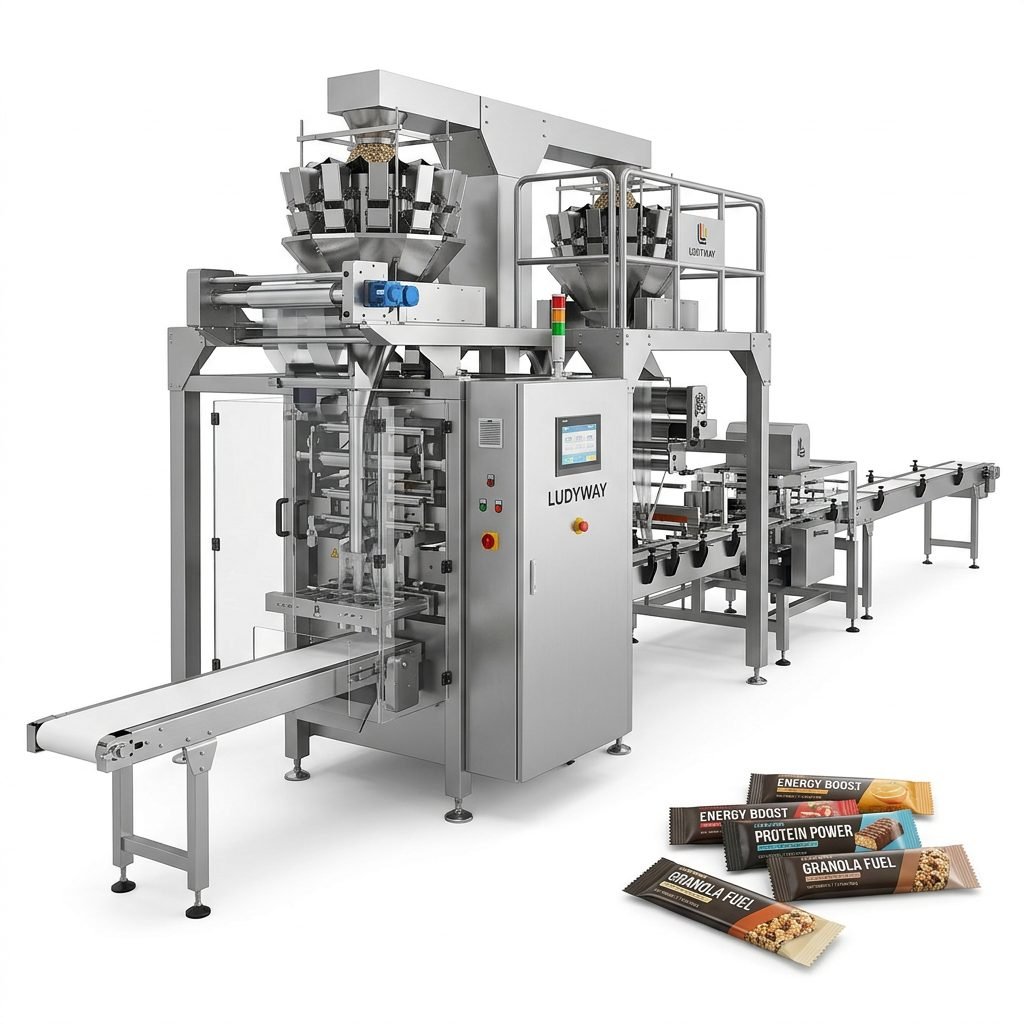
Modern protein bar packaging equipment goes beyond simple wrapping. To stay competitive in 2026 and beyond, look for intelligent automation features that reduce labor dependency and downtime. Servo-driven controls are no longer optional; they ensure precise film movement and exact bar placement. Advanced systems also feature:
- No Product – No Bag Function: Sensors detect missing bars to minimize film waste.
- Automatic Film Splicing: Minimizes line stops during film roll changes for uninterrupted high-volume runs.
- Vision Inspection Systems: Automatically reject packs with printing defects or seal contamination, ensuring only perfect protein bar pouches reach the carton.
For integrated lines, consider how the wrapper connects to downstream equipment. A fully automatic packaging line might include a high-speed cartoner or a robotic case packing system. Ensuring seamless communication between the wrapper and these modules is essential for Industry 4.0 smart factory readiness.
Customization and Size Changeovers
The protein bar market thrives on variety—different flavors, limited editions, and multi-packs. Your machine must handle quick changeovers without sacrificing stability. Evaluate the following:
- Tool-less Change Parts: Look for machines that allow operators to switch bag length and width using digital settings or quick-release components, rather than a full tool kit.
- Recipe Management: A modern PLC should store dozens of product recipes. With a single touch, the machine recalls the exact sealing temperature, speed, and infeed timing for a specific protein bar SKU.
- Material Compatibility: Verify the machine handles the specific film you need, whether it’s polypropylene, paper-based sustainable films, or high-barrier metalized layers.
Evaluating Build Quality and Compliance
For food-grade production, the construction of the China protein bar packaging machine must comply with strict hygiene standards. Prioritize machines with stainless steel frames and contact parts. The design should feature sloped surfaces to prevent dust accumulation and facilitate easy washdowns. Additionally, confirm that the electrical components—servomotors, PLCs, and sensors—are sourced from globally recognized brands to guarantee reliability and availability of after-sales support worldwide.
Comparing Entry-Level vs. High-Speed Turnkey Lines
Manufacturers must accurately assess their capacity needs before requesting a quote. Below is a practical comparison table to guide your selection based on output and automation goals:
| Solution Type | Typical Output | Best Suited For |
|---|---|---|
| Semi-Automatic Wrapper | 20–50 packs/min | Startups, contract packers with low volumes |
| High-Speed Fully Auto Flow Wrap | 100–300 packs/min | Mid to large-scale nutrition bar factories |
| Complete Turnkey Line (Wrapper + Cartoner) | Up to 300 packs/min with automated boxing | Major brands requiring end-to-end automation |
Total Cost of Ownership and After-Sales Service
The purchase price is just the beginning. Smart buyers focus on Total Cost of Ownership (TCO), which includes spare parts availability, film waste rates, and energy consumption. A machine with a 1% higher film waste rate can significantly erode profit margins over a year. Vetting the manufacturer’s track record is crucial.
One of the largest packaging machine manufacturers in China, Ludyway, serves customers in over 100 countries with a 20,000㎡ modern production facility and over 30 years of industry experience. When engaging with suppliers, evaluate their local technical support network, remote diagnostic capabilities, and warranty terms. A responsive service team prevents expensive production standstills. Additionally, inquire about operator training programs—a well-trained team can maintain peak performance long after installation.
Key Industry Resources and Standards
Staying compliant with international packaging regulations is non-negotiable. We recommend referencing these authoritative sources to ensure your protein bar packing equipment meets global standards:
- PMMI – Packaging and Processing Technologies Association: Industry insights and technical standards.
- FDA – Food Ingredients and Packaging: Guidelines on food contact substances.
- ISO – Packaging Standards: International standards for machinery safety and testing.
These resources help validate that your chosen protein bar packaging machine is built to last and meets retailer and regulatory demands worldwide.
Final Thought: Selecting the right machinery partner is just as important as the hardware itself. Prioritize suppliers who offer scalable engineering—equipment that can be upgraded with additional lanes or automated feeding systems as your brand grows. The market leader list continues to shift toward those who master both speed and precision in protein bar packaging.