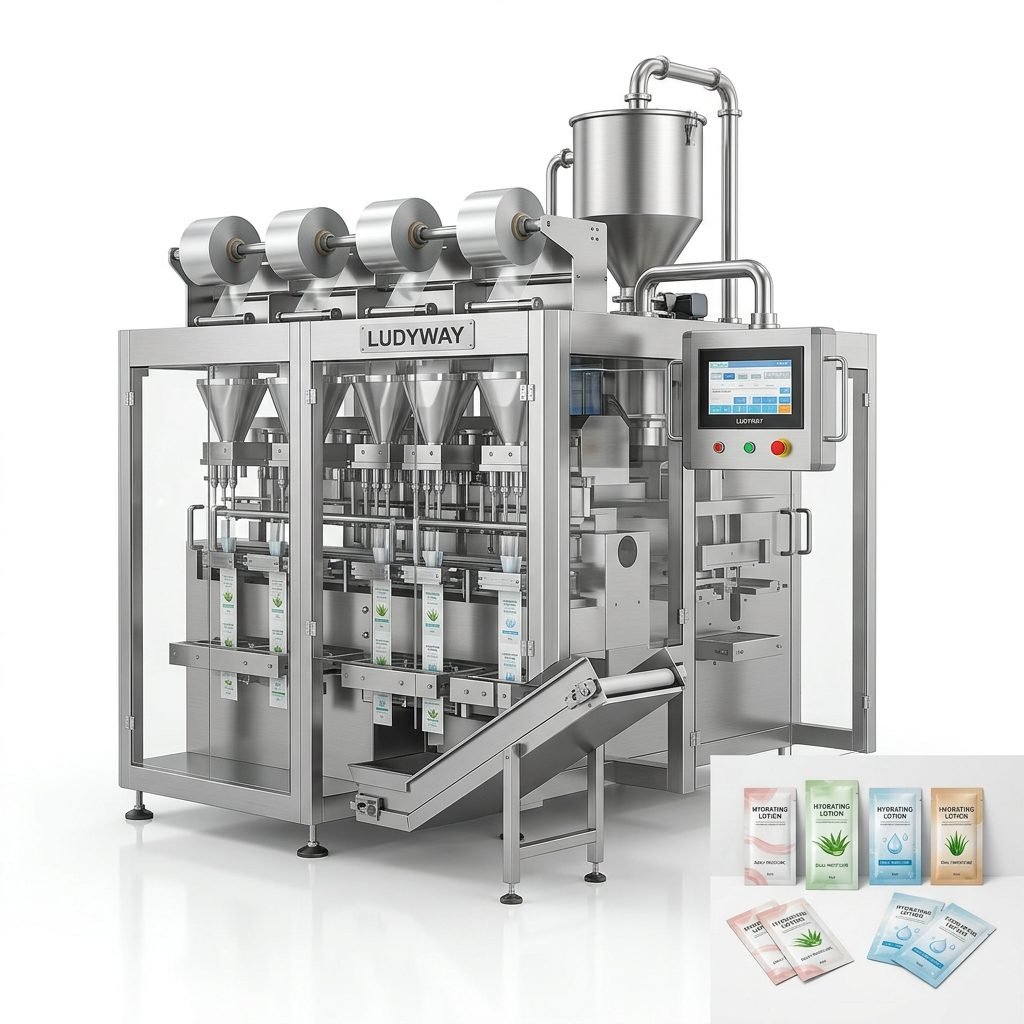
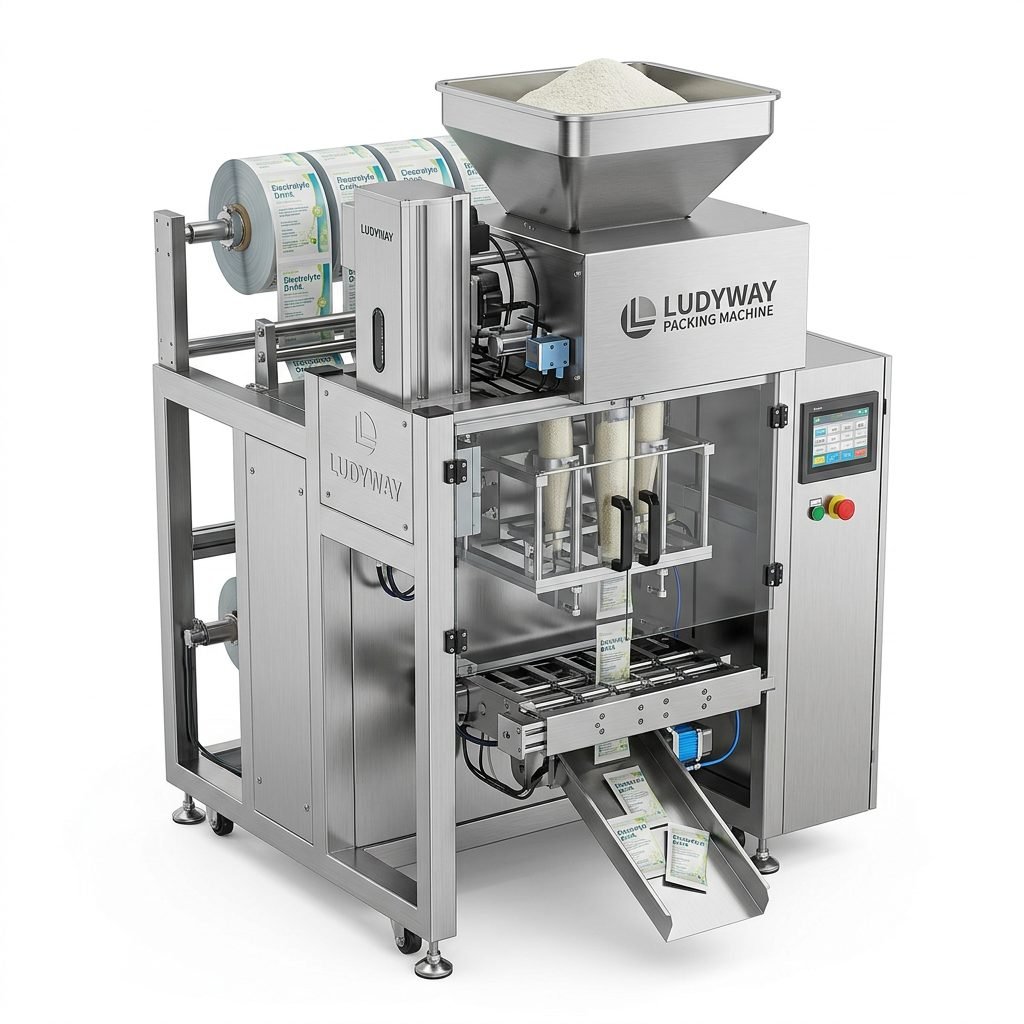
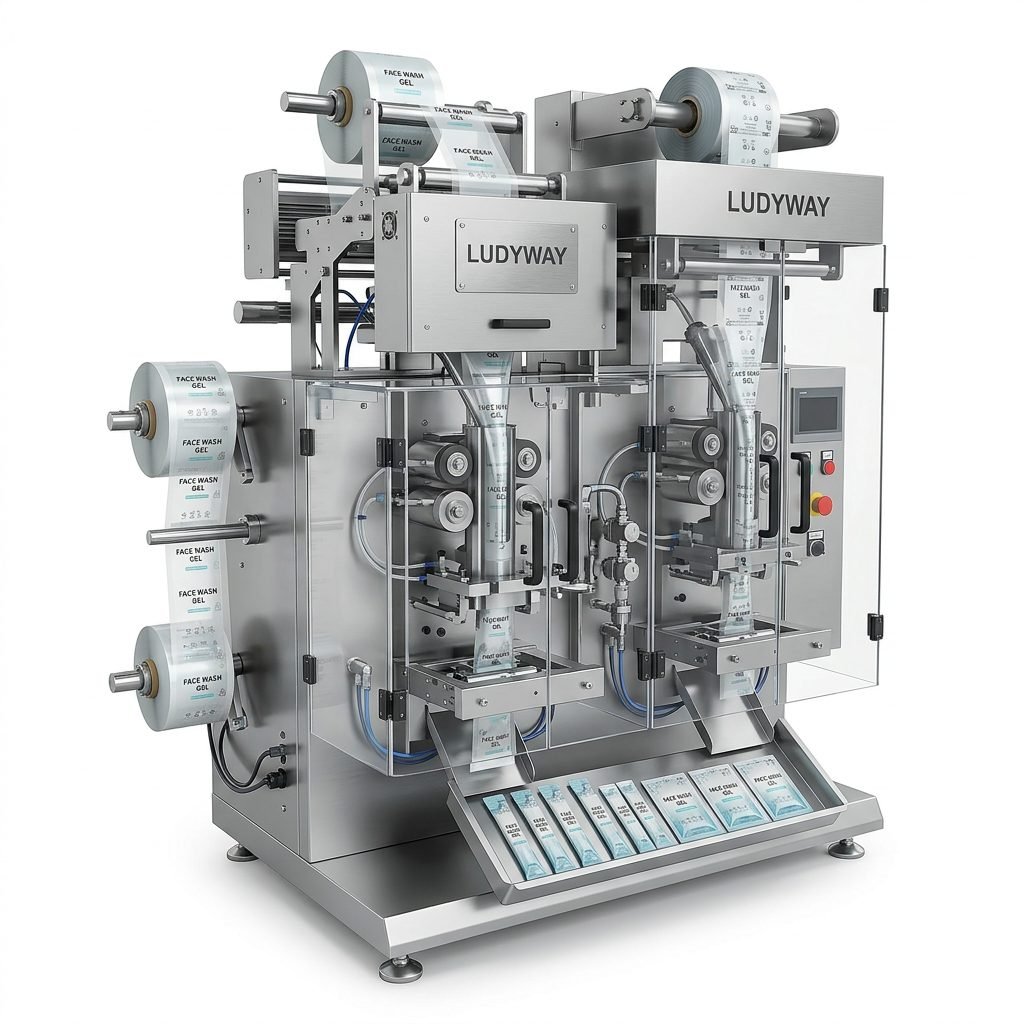
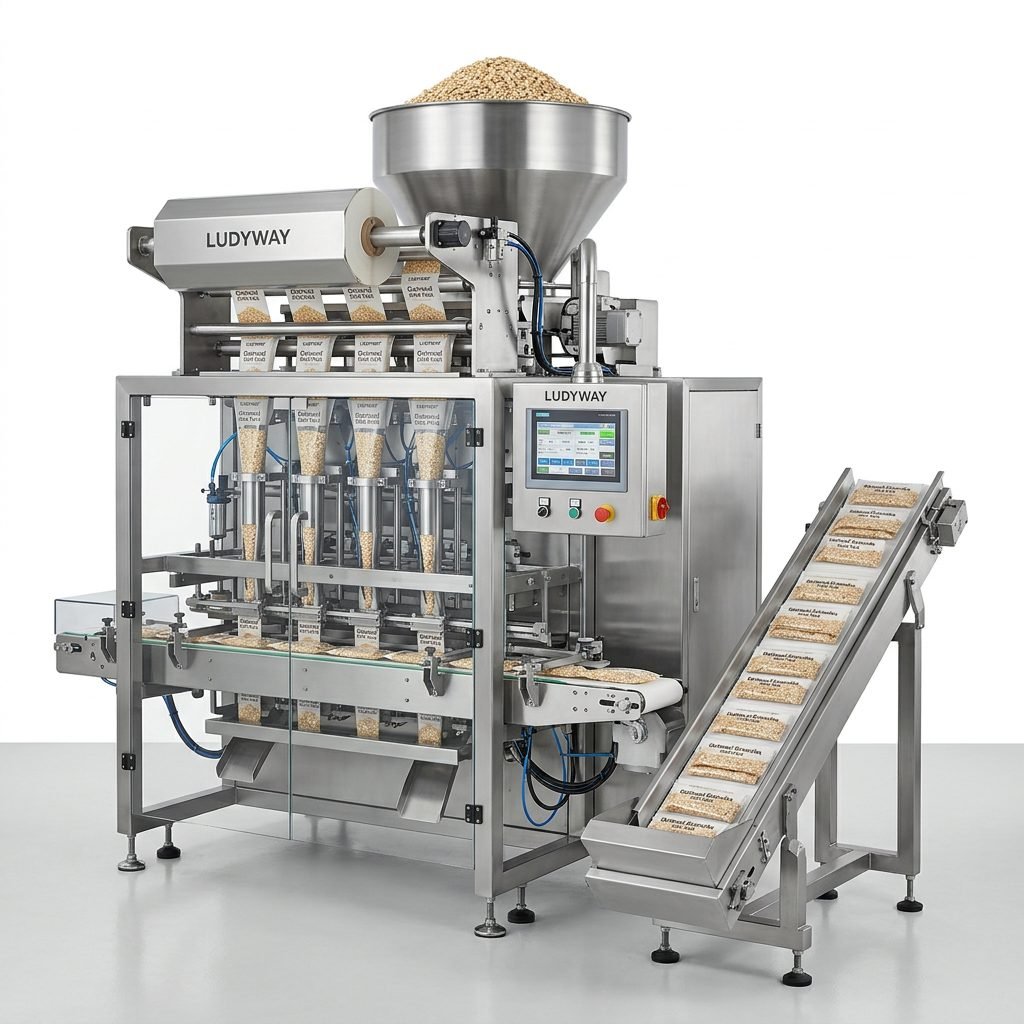
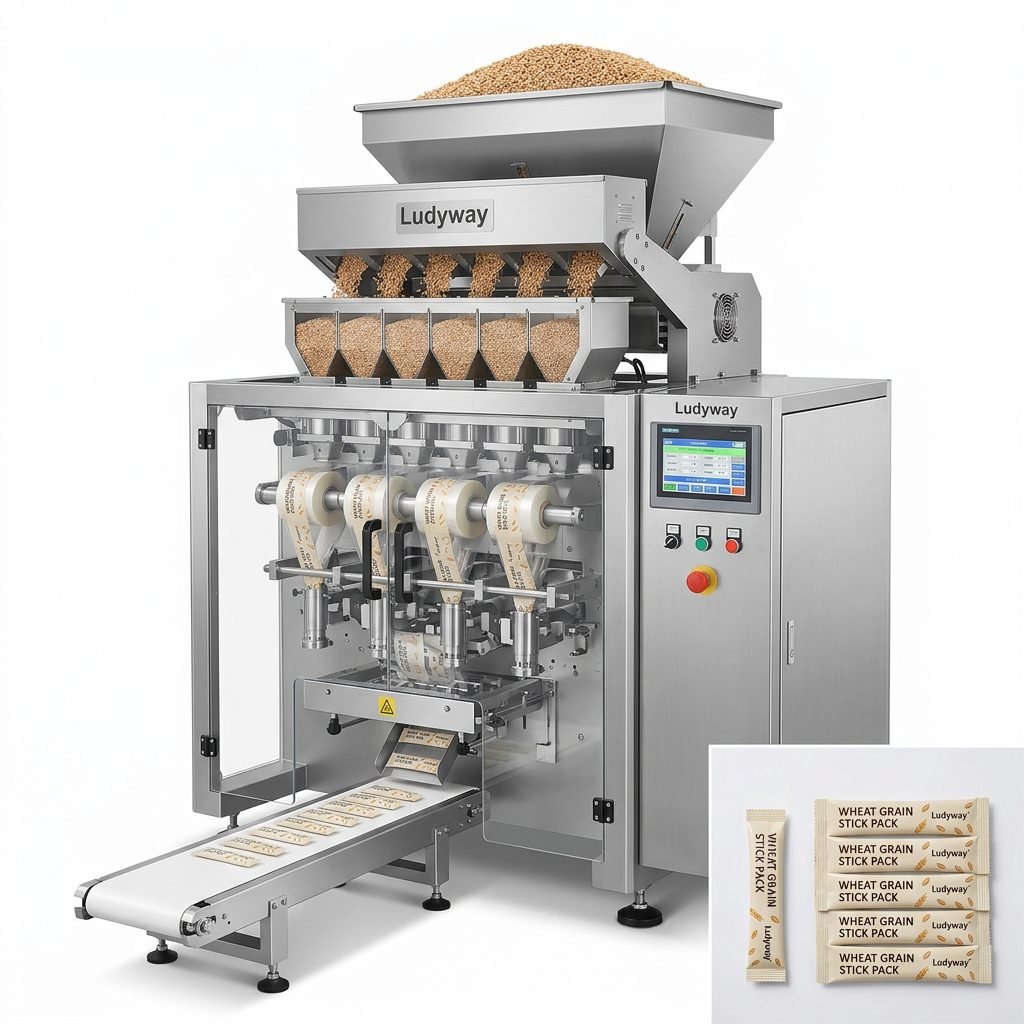
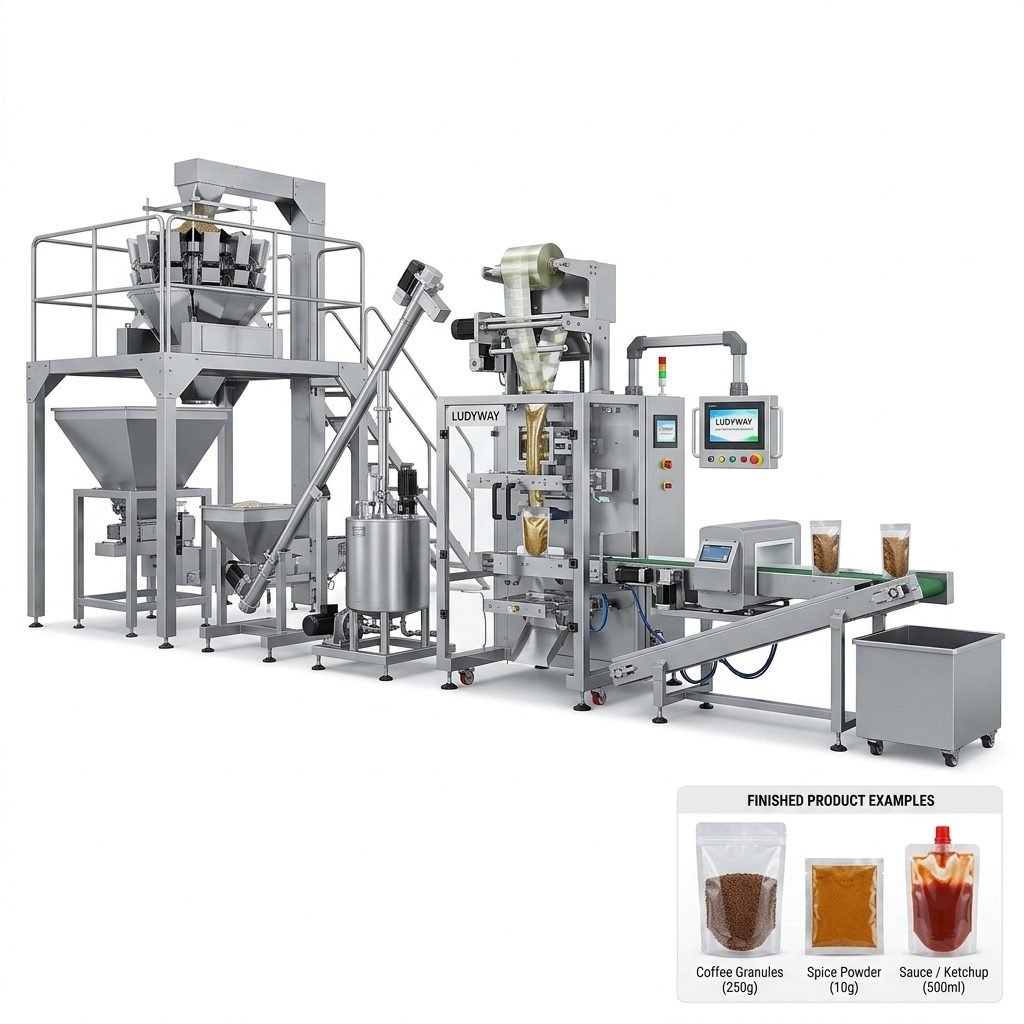
The Southeast Asian condiment market is experiencing unprecedented growth, driven by rising consumer demand for convenience, a booming food service sector, and the rapid expansion of modern retail channels. From chili sauces and soy sauce sachets to seasoning powders and cooking pastes, manufacturers across Thailand, Vietnam, Indonesia, Malaysia, and the Philippines are investing heavily in automated packaging technologies to meet both local and export requirements. Selecting the right condiment packaging machine is critical for ensuring product freshness, extending shelf life, and maintaining high production efficiency in this competitive landscape.
Understanding the Southeast Asian Condiment Packaging Landscape
Southeast Asia is one of the world’s most dynamic food markets, with condiments playing an integral role in everyday cuisine. The region’s diverse culinary traditions — from Vietnamese fish sauce to Indonesian sambal and Thai curry pastes — create a wide variety of packaging requirements. According to industry data from the Packaging and Processing Technologies Association (PMMI), the Asia-Pacific flexible packaging market continues to expand at a compound annual growth rate exceeding 5%, with sachet and stick pack formats leading the way for condiment applications.
Key factors fueling demand for advanced packaging machinery include:
- Rapid urbanization and the growth of single-person households driving demand for smaller, convenient pack sizes
- E-commerce expansion requiring durable, leak-proof packaging for long-distance shipping
- Increasing food safety regulations mandating hygienic, automated filling and sealing processes
- Rising labor costs prompting manufacturers to transition from manual to fully automated packaging lines
- Growing export opportunities requiring compliance with international packaging standards
Popular Condiment Packaging Formats in the Region
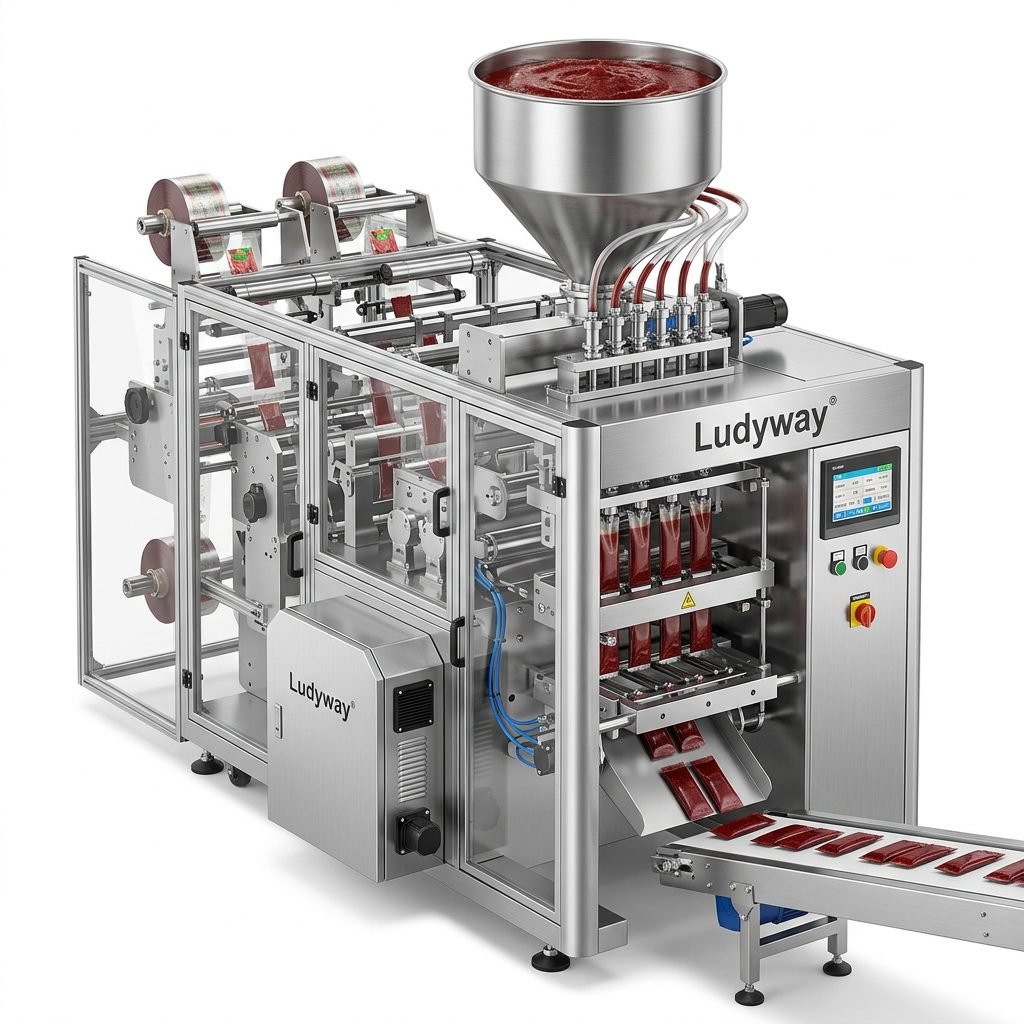
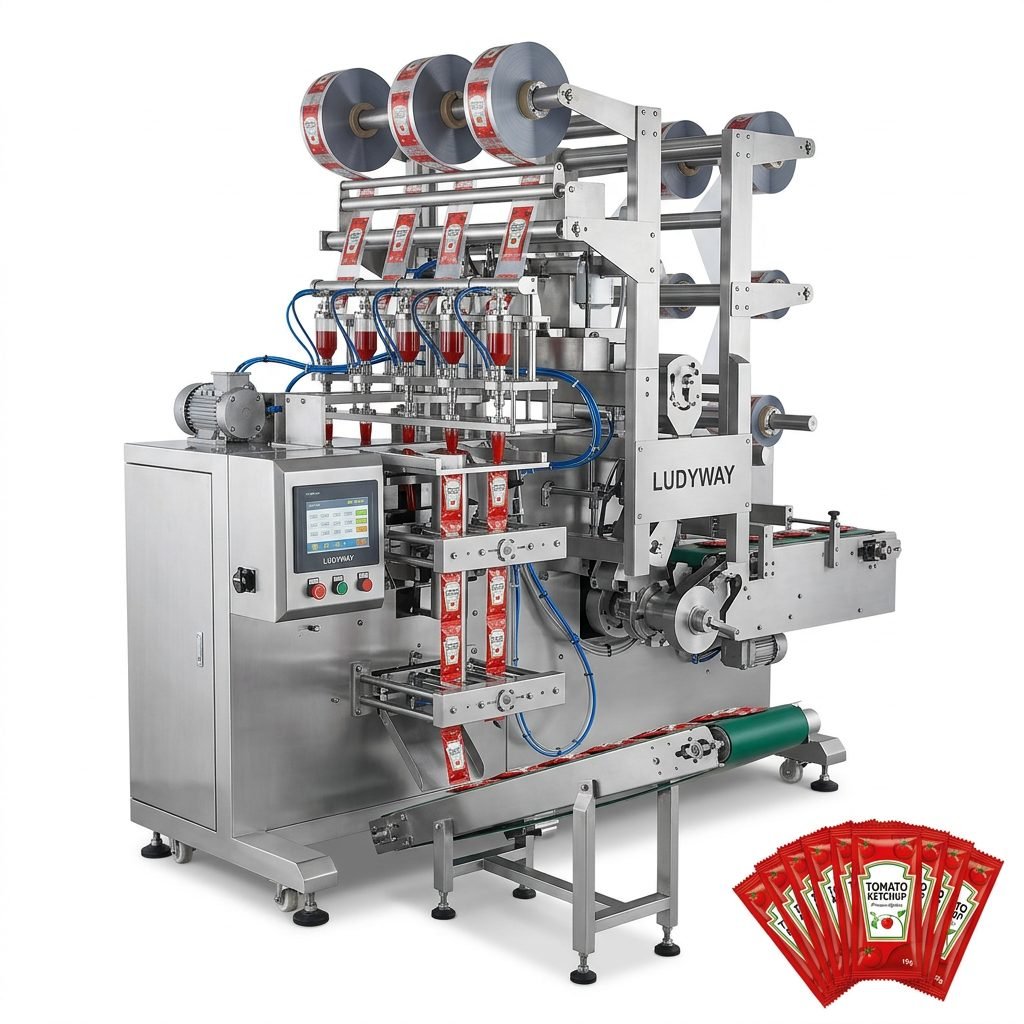
Southeast Asian consumers interact with condiments through several primary packaging formats, each requiring specific machine configurations. The most prevalent formats include single-serve sachets for street food and takeaway applications, multi-lane stick packs for premium seasoning products, and pillow pouches for bulk or family-sized portions. The Flexible Packaging Association reports that the sachet segment alone accounts for over 40% of condiment packaging in emerging Southeast Asian economies, owing to its affordability and portion-control benefits.
Types of Condiment Packaging Machines Available
Choosing the correct machine type depends on your product viscosity, required output speed, target package format, and budget. Below is a comprehensive comparison of the most commonly deployed systems in Southeast Asian production facilities.
| Machine Type | Best For | Key Advantage | Typical Speed |
|---|---|---|---|
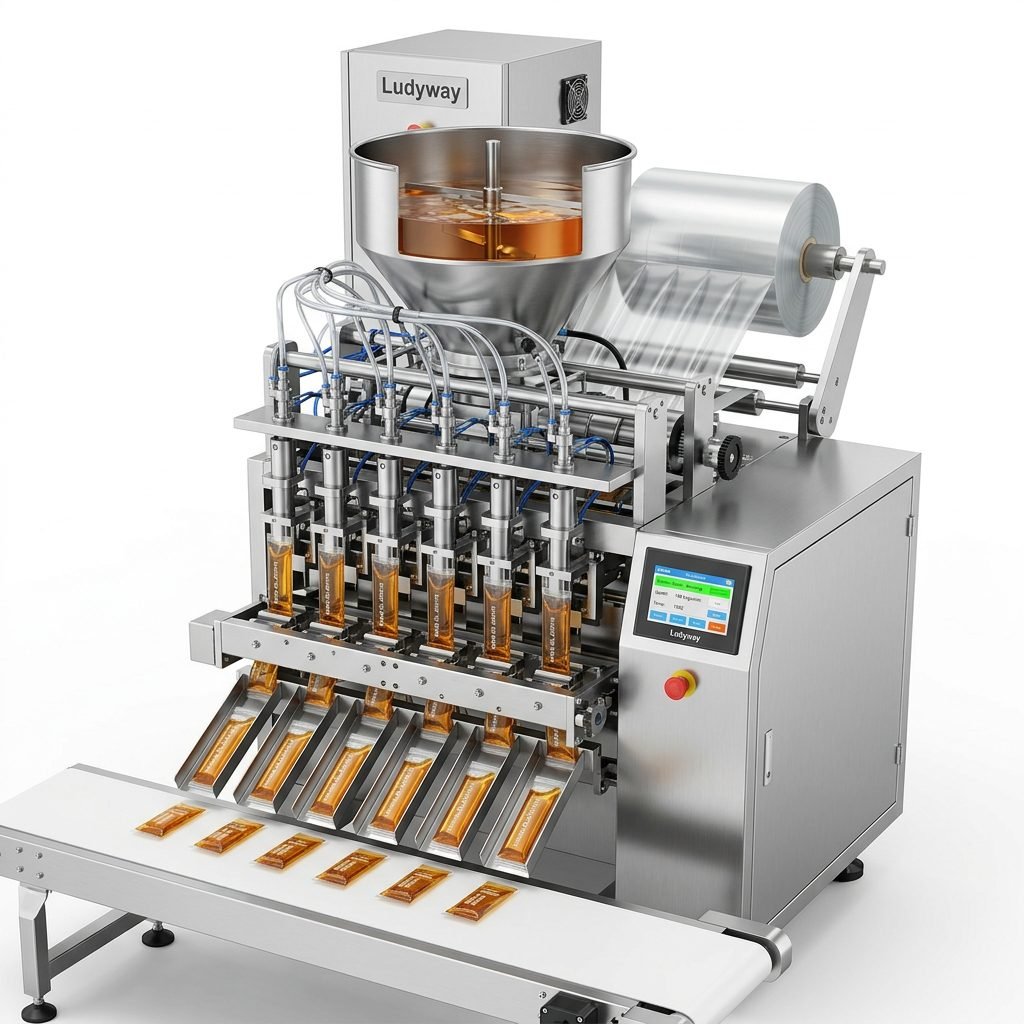
| Multi-Lane Sachet Machine | Low-viscosity sauces, soy sauce, vinegar, ketchup | High output per minute; ideal for single-serve portions | 200-600 packs/min |
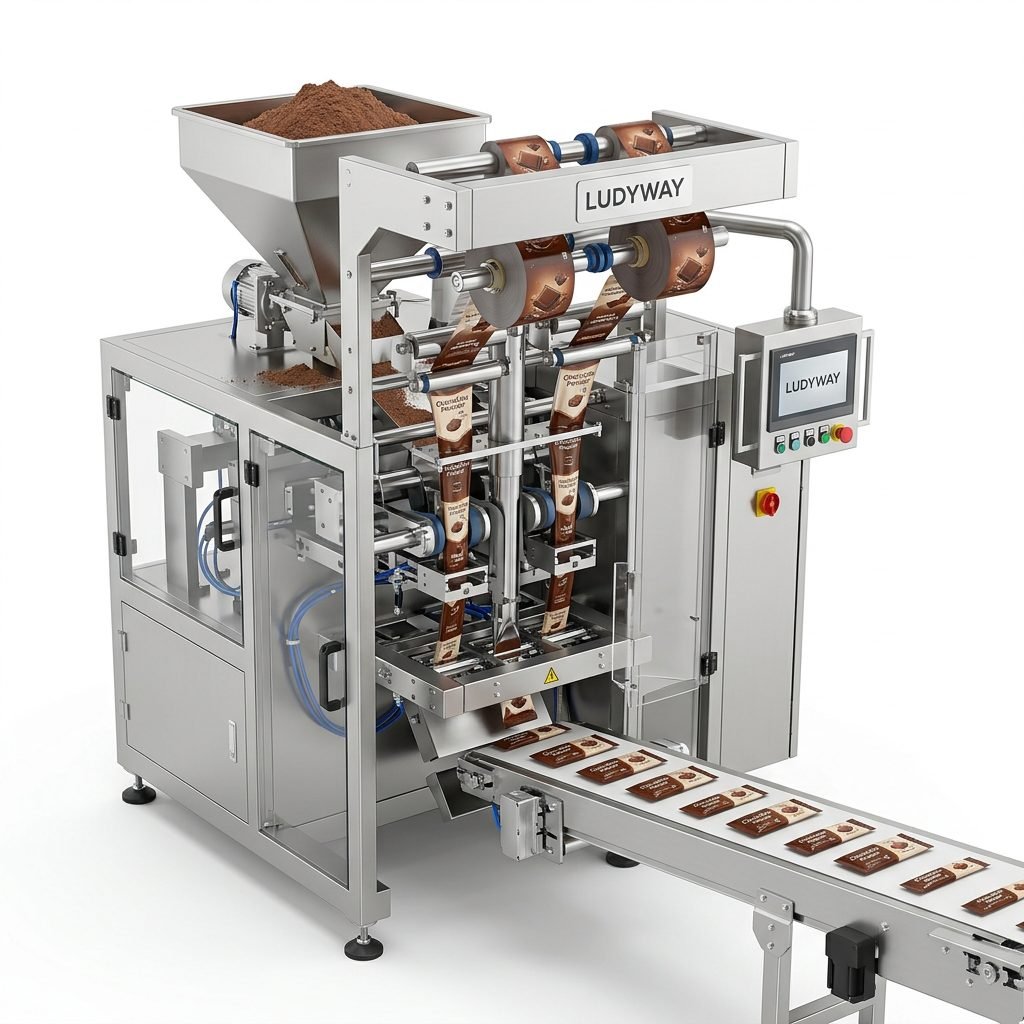
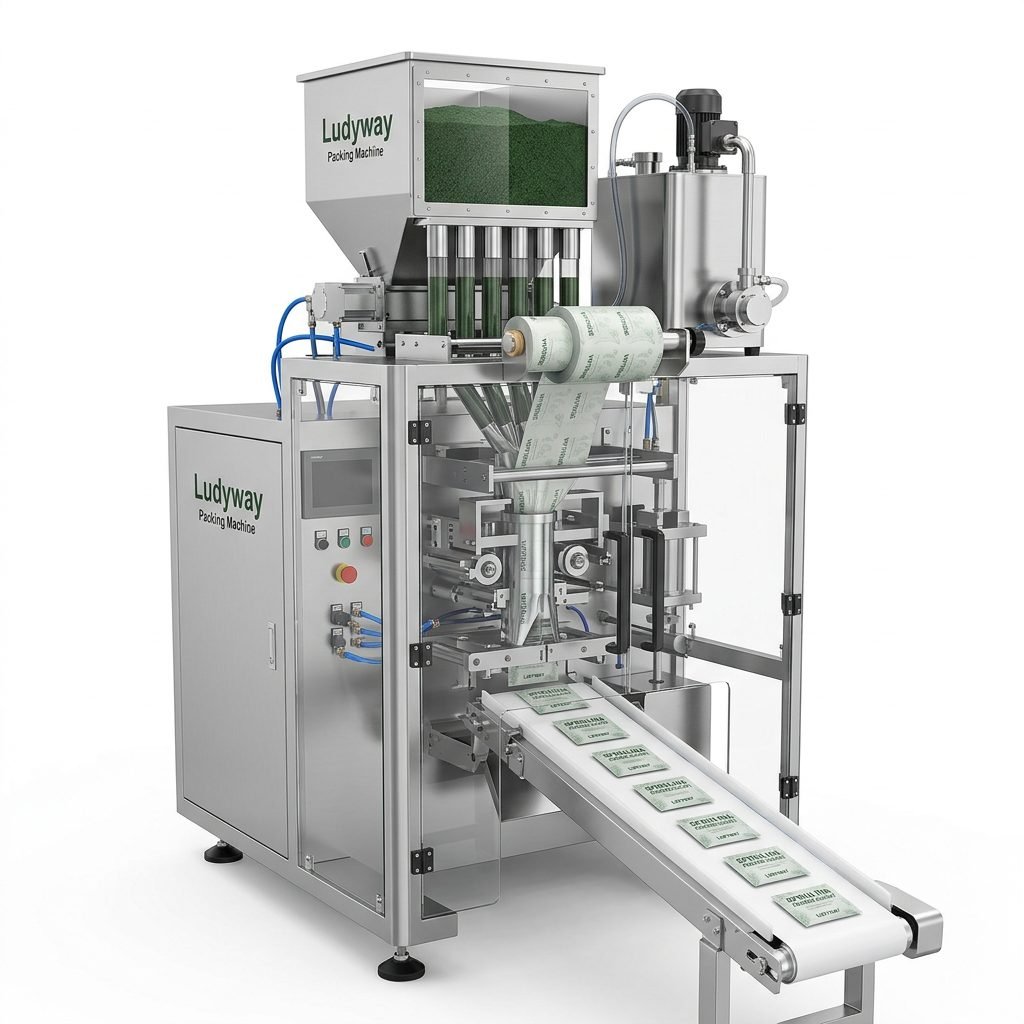
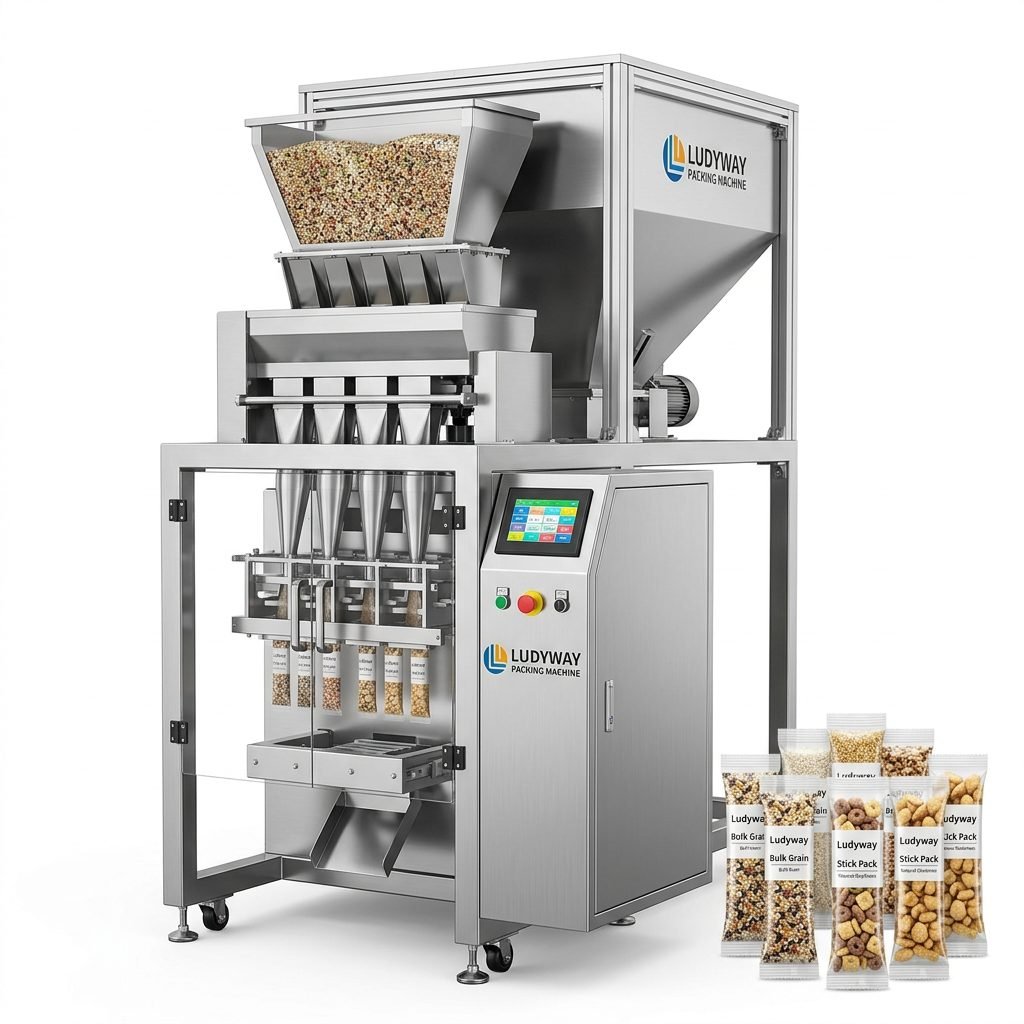
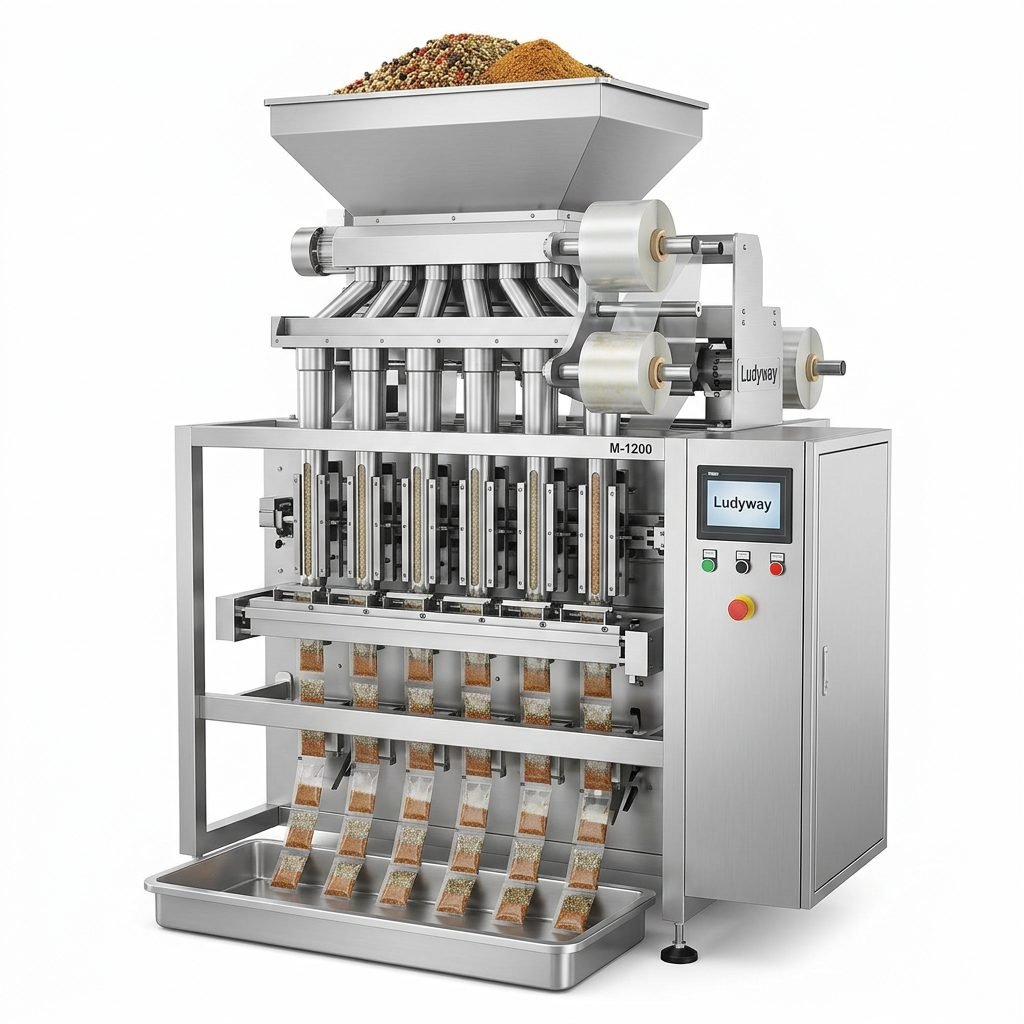
| Stick Pack Machine | Seasoning powders, spice blends, bouillon granules | Compact format; excellent barrier properties | 150-400 packs/min |
| Pouch Filling & Sealing Machine | Thick pastes, chili sauces, curry concentrates | Handles high-viscosity products with ease | 40-120 packs/min |
| Liquid Filling & Sealing Line | Fish sauce, cooking oil, liquid seasonings | Precision filling with anti-drip technology | 80-300 packs/min |
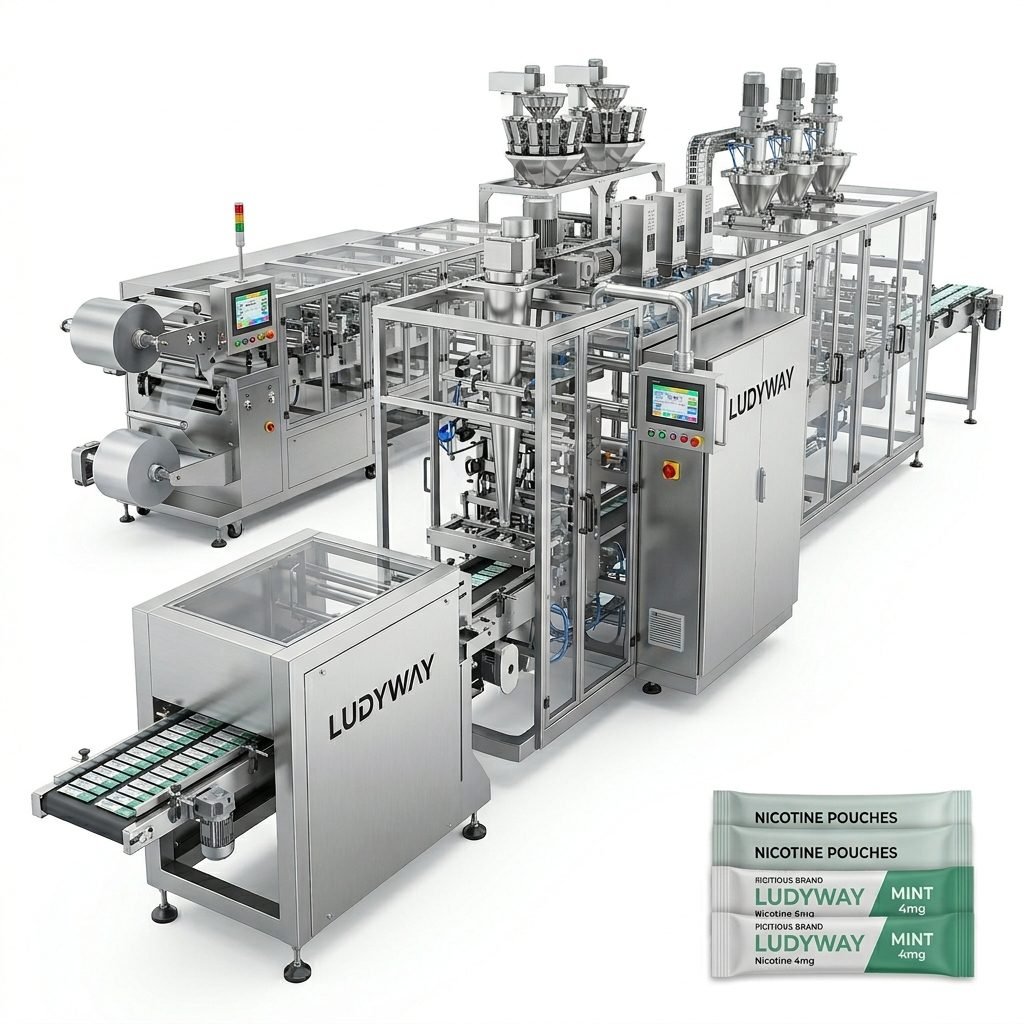
| Turnkey Packaging Line | Large-scale condiment manufacturing operations | End-to-end automation from filling to cartoning | Customizable |
Critical Features to Evaluate Before Purchase
Investing in a condiment packaging machine is a significant capital decision. Southeast Asian manufacturers must evaluate several critical factors to ensure long-term operational success and return on investment. Below are the essential features to assess when comparing equipment from different suppliers.
Material Compatibility and Build Quality
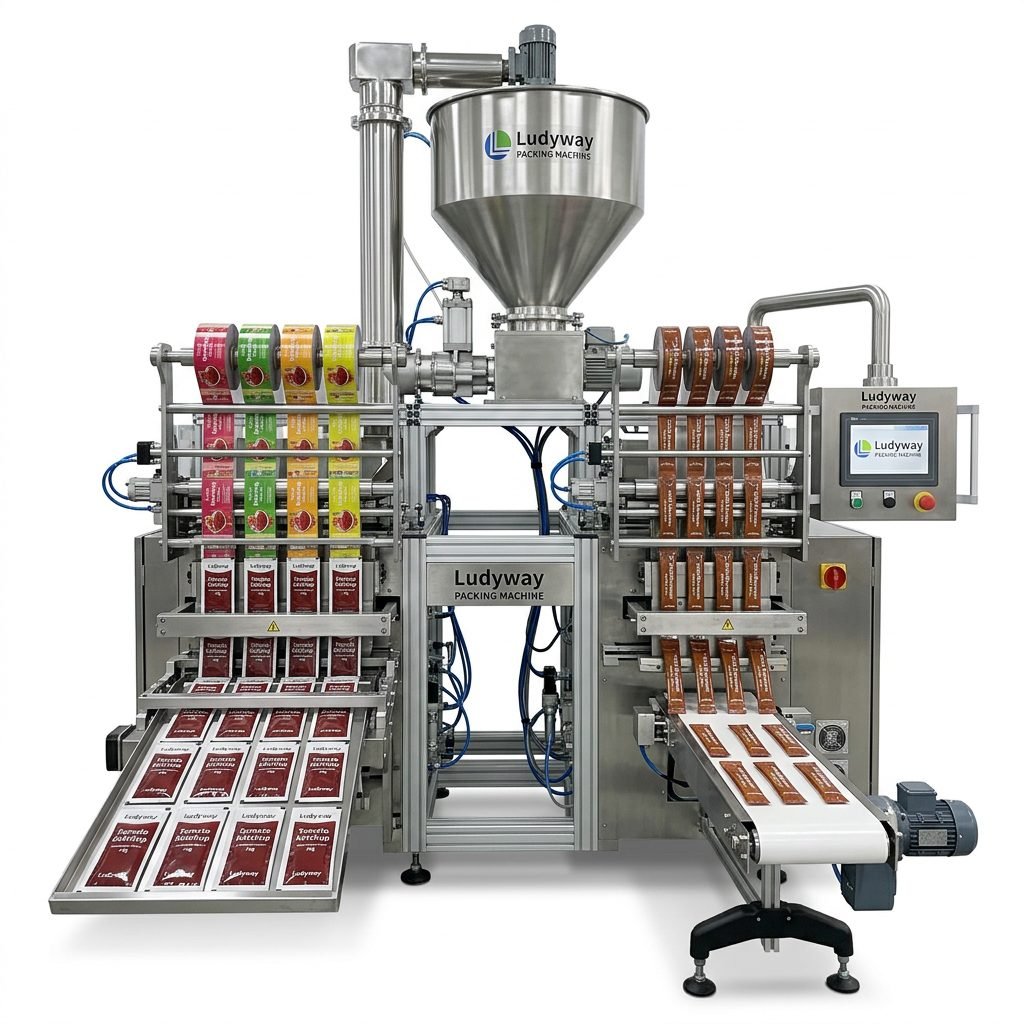
Condiments are often acidic, salty, or oil-based, which can corrode substandard machine components over time. Always verify that the machine’s contact parts are constructed from food-grade 304 or 316 stainless steel. This is particularly important for products with high salt content, such as soy sauce and fish sauce, which accelerate corrosion on inferior materials. The FDA food packaging regulations provide comprehensive guidelines on suitable materials for food contact surfaces, and compliance with these standards is essential for exporters targeting North American markets.
Filling Accuracy and Product Waste Reduction
Precision filling mechanisms directly impact profitability. For high-value condiments like premium olive oil or specialty sauces, even a 1% overfill can translate into substantial annual losses. Modern servo-driven piston fillers and magnetic flow meters offer accuracy levels of ±0.5% or better. When evaluating machines, request documented performance data on fill accuracy for products with similar viscosity to your own.
Sealing Integrity and Shelf Life Protection
The quality of the seal determines whether your product reaches the consumer in perfect condition. Look for machines equipped with temperature-controlled sealing systems that maintain consistent heat across all lanes. Nitrogen flushing capability is increasingly important for oxygen-sensitive condiments like certain spice blends and infused oils, helping extend shelf life by minimizing oxidation inside the package.
Southeast Asia-Specific Considerations
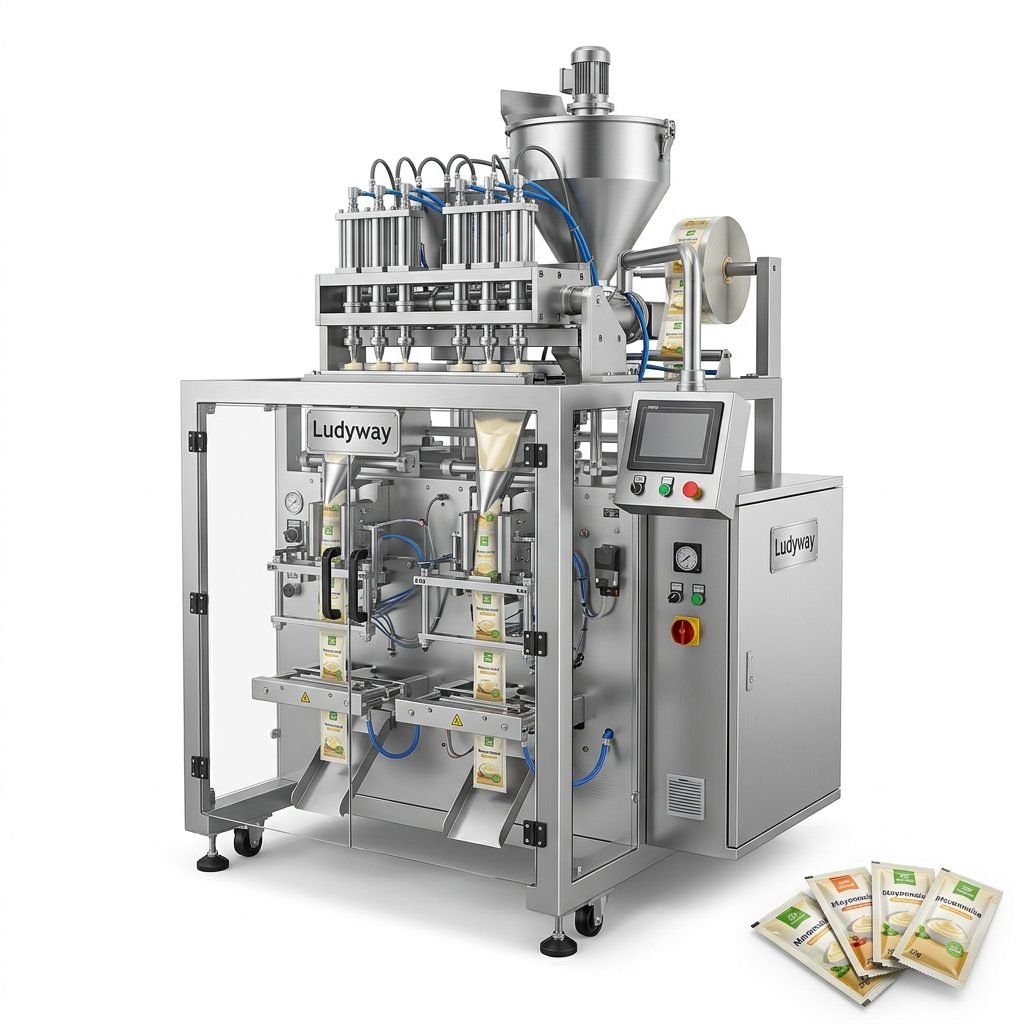
Operating in Southeast Asia presents unique challenges that should influence your machine selection criteria. The tropical climate, characterized by high humidity and ambient temperatures, demands robust climate-resistant electrical components and control systems. Additionally, the region’s diverse power infrastructure means that machines must be configured to handle voltage fluctuations common in certain areas.
Key regional considerations include:
- Humidity resistance: Electrical cabinets should be sealed and ideally equipped with climate control features
- Voltage adaptability: Machines should accommodate 220V/380V systems prevalent across Southeast Asian countries
- Multilingual interfaces: Operator panels supporting Thai, Vietnamese, Bahasa Indonesia, and English reduce training time
- Local after-sales support: Verify that the supplier offers technical service and spare parts availability within the region
- Halal compliance: For manufacturers in Malaysia, Indonesia, and Brunei, ensure equipment supports halal-certified production requirements
Regulatory Compliance for Export-Oriented Manufacturers
Many Southeast Asian condiment producers serve international markets, making regulatory compliance a top priority. CE certification is essential for European exports, while FDA registration applies to U.S.-bound products. The PMMI business intelligence resources offer detailed insights into evolving global packaging regulations that affect condiment exporters. Ensure your chosen machine supplier can provide full documentation packages supporting your compliance efforts.
Automation Levels: From Semi-Automatic to Fully Integrated Lines
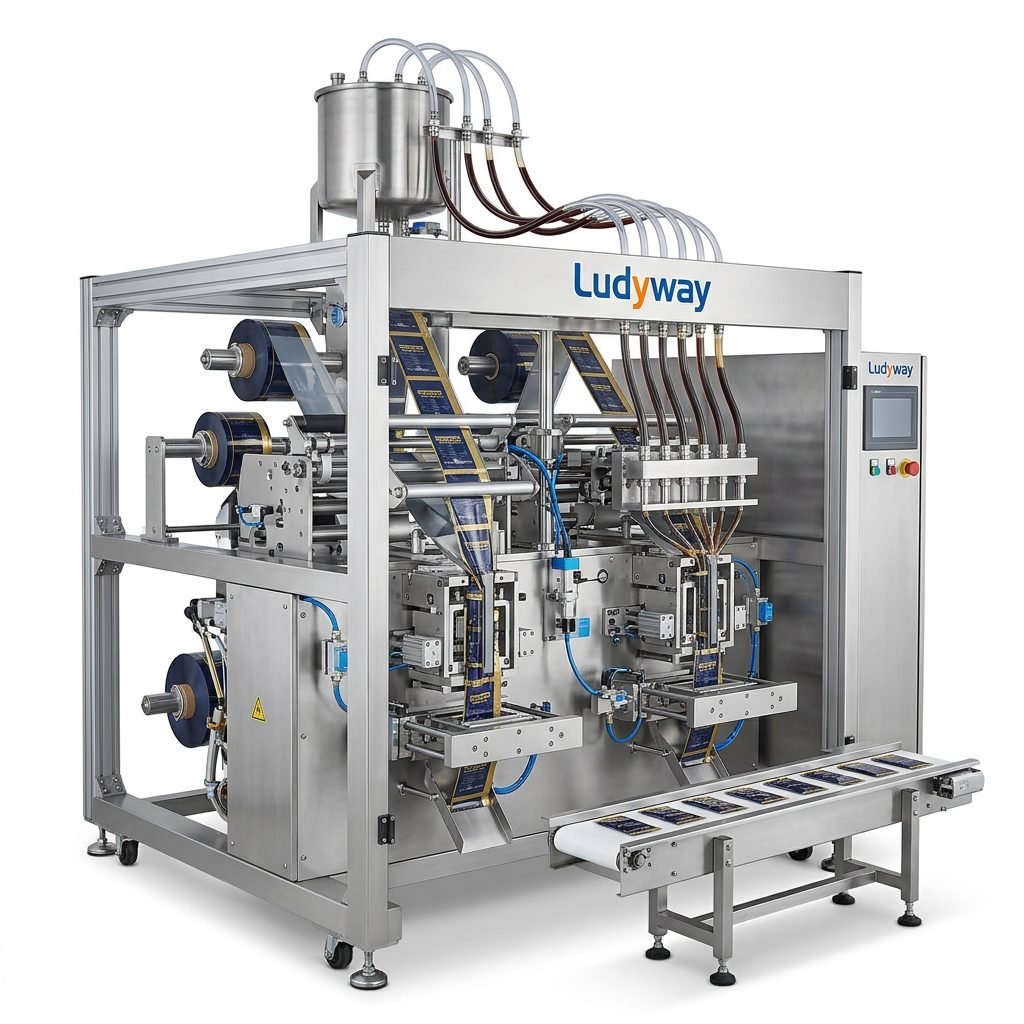
The level of automation you choose significantly impacts both capital expenditure and long-term operational costs. Understanding the trade-offs is essential for making the right investment decision for your condiment production facility.
| Automation Level | Initial Investment | Labor Requirement | Best Suited For |
|---|---|---|---|
| Semi-Automatic | Low | 3-5 operators | Startups and small-batch artisanal producers |
| Fully Automatic Single Machine | Medium | 1-2 operators | Mid-size manufacturers with moderate throughput needs |
| Integrated Multi-Lane System | High | 1 operator per shift | High-volume producers targeting export markets |
| Turnkey Production Line | Very High | Minimal | Large-scale industrial operations with 24/7 production |
Total Cost of Ownership: Beyond the Purchase Price
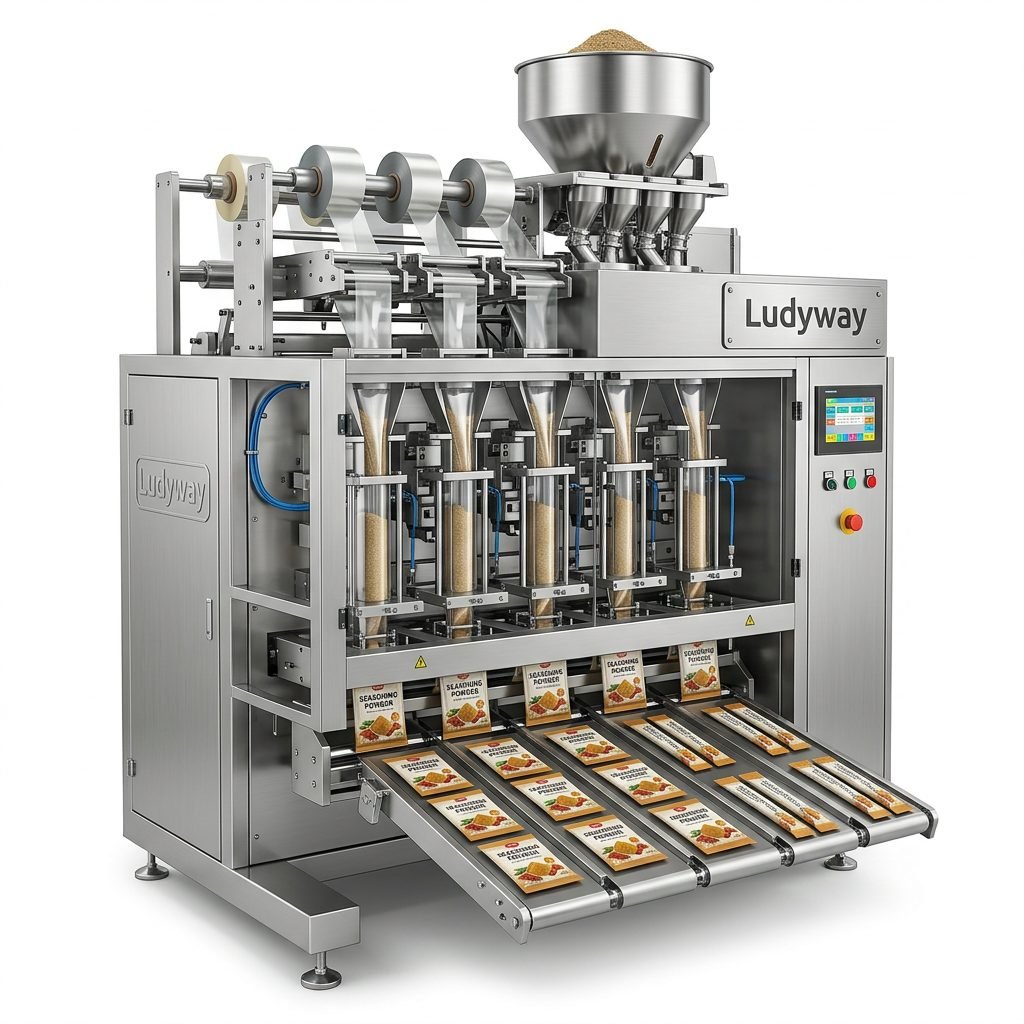
When budgeting for a condiment packaging machine in Southeast Asia, look beyond the initial purchase price. The total cost of ownership (TCO) encompasses energy consumption, spare parts availability, maintenance requirements, and expected service life. A seemingly less expensive machine can become costlier over time if it consumes more electricity, requires frequent part replacements, or lacks local technical support.
Essential TCO components to evaluate:
- Energy efficiency: Compare motor ratings and standby power consumption across different models
- Spare parts inventory: Confirm availability of critical components such as sealing jaws, cutting blades, and sensors
- Warranty terms: A comprehensive warranty covering both parts and labor provides peace of mind during the initial operating period
- Operator training: Factor in the cost and duration of training required to achieve full production capability
- Scalability: Consider whether the machine can be upgraded or expanded as your production needs grow
Maintenance and After-Sales Support in Southeast Asia
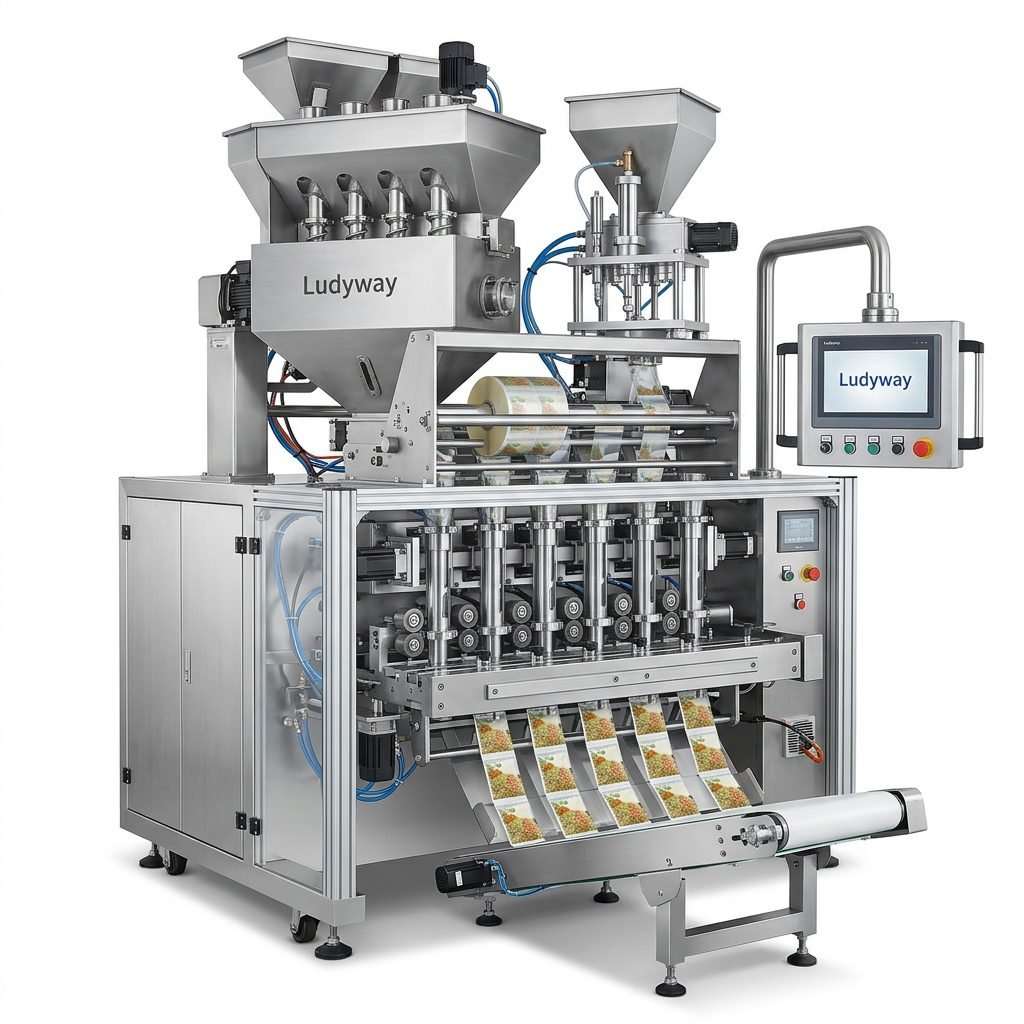
Machine downtime directly impacts revenue, making responsive after-sales support a critical selection criterion. Before committing to a purchase, verify that the supplier maintains a local service presence or authorized distributor network within your country. Remote diagnostic capabilities via internet-connected PLC systems are increasingly valuable, enabling technicians to troubleshoot issues without an on-site visit. Ask potential suppliers about their average response time for service calls within Southeast Asia and whether they offer preventive maintenance contracts tailored to your production schedule.
Emerging Trends in Condiment Packaging Technology
The Southeast Asian packaging machinery market is evolving rapidly, influenced by global sustainability initiatives and changing consumer preferences. Several technological trends are reshaping how condiments are packaged and distributed throughout the region.
- Sustainable packaging materials: Growing demand for recyclable mono-material films and biodegradable packaging solutions is driving innovation in sealing technology capable of handling these new substrates
- Smart factory integration: Industry 4.0 capabilities, including IoT-enabled performance monitoring and predictive maintenance alerts, are becoming standard features on premium packaging lines
- Flexible batch production: Machines with rapid changeover capabilities allow manufacturers to switch between different condiment products and package sizes with minimal downtime
- Anti-counterfeiting features: Integration of QR codes, holographic seals, and tamper-evident packaging technologies is increasingly requested by brand owners
The Shift Toward Digital Printing and Smart Packaging
Variable data printing capabilities are becoming essential for condiment exporters who need to manage batch codes, expiration dates, and regional labeling requirements across multiple markets. Modern packaging machines increasingly integrate with high-resolution inkjet and thermal transfer printers to ensure clear, scannable coding that remains legible throughout the product’s shelf life. This is particularly important for products distributed through modern retail chains where automated inventory systems rely on accurate barcode scanning.
Making the Final Decision: A Practical Checklist
Before finalizing your investment in a condiment packaging machine for your Southeast Asian operation, use this practical checklist to ensure you have covered all critical decision factors:
- Confirm that the machine’s contact surfaces are food-grade stainless steel (304 or 316 grade)
- Verify filling accuracy specifications for your specific product viscosity range
- Assess the sealing system’s temperature control precision and consistency across all lanes
- Validate that local voltage and frequency requirements are fully supported
- Check for CE certification or equivalent if exporting to regulated markets
- Confirm the availability of spare parts and technical support within your country
- Evaluate the machine’s compatibility with your target packaging films and materials
- Review the warranty coverage and after-sales service terms in detail
- Request references from existing customers in Southeast Asia with similar applications
- Consider the total cost of ownership over a 5-year period, not just the purchase price
As one of the largest packaging machine manufacturers with over 30 years of industry experience, Ludyway provides advanced condiment packaging solutions serving customers in over 100 countries and regions, with a modern 20,000㎡ manufacturing facility and more than 50 intelligent packaging machine models designed for granule, powder, liquid, and pouch packaging applications.
Investing in the right packaging machinery is a strategic decision that will shape your condiment manufacturing operation for years to come. By carefully evaluating your product requirements, production goals, and the factors outlined in this guide, you can select equipment that delivers reliable performance, consistent product quality, and strong returns on your investment in the dynamic Southeast Asian market.
Related Resources: State of the Packaging Industry Report | Flexible Packaging Industry Data | ISO Packaging Standards