The Indian packaging industry is undergoing a massive transformation. As dairy, juice, and liquid food sectors expand, the demand for efficient, hygienic, and sustainable packaging solutions has skyrocketed. At the center of this revolution is the gable top packaging machine. This guide provides a comprehensive look at selecting the right gable top carton filling machine for your production line in the Indian market.
Whether you are a dairy startup looking to scale or a large beverage manufacturer optimizing operations, understanding the nuances of gable top packaging technology is critical. Unlike traditional plastic pouches, gable top cartons offer superior branding space, extended shelf life, and environmental benefits, making them the preferred choice for modern Indian consumers.
Why Invest in a Gable Top Packaging Machine in India?
The Indian packaging sector is projected to grow exponentially, driven by rising disposable incomes and urbanization. Gable top packaging machines are no longer just for multinational corporations; small and medium enterprises (SMEs) are rapidly adopting this technology. The shift from loose milk sales to organized retail packaged milk has created a massive gap that these machines are filling.
Key drivers include the premiumization of dairy products. Flavored milk, buttermilk, lassi, and fresh juices packaged in gable top cartons command a higher price point on retail shelves. Furthermore, the government’s push to reduce single-use plastics has made paper-based cartons a sustainable alternative that aligns with stricter environmental regulations.
Advantages of Gable Top Carton Packaging
- Superior Product Protection: Multi-layer paperboard barriers protect against light, oxygen, and moisture, preserving freshness without refrigeration in some ESL (Extended Shelf Life) applications.
- Enhanced Branding Real Estate: Flat surfaces allow 360-degree high-quality printing, turning the package into a mobile billboard for your brand.
- Supply Chain Efficiency: Pre-fabricated carton blanks are shipped flat, significantly reducing storage space and transportation costs compared to rigid plastic containers.
- Consumer Convenience: Resealable screw caps and easy-pour spouts make these cartons ergonomic and spill-proof.
Types of Gable Top Packaging Machines Available
Selecting the right machine depends on your production capacity, product type, and automation level. The Indian market typically requires flexibility to handle various carton sizes, from 200ml to 1000ml or 1500ml family packs.
| Machine Type | Capacity (Cartons/Hour) | Key Feature | Typical Application |
|---|---|---|---|
| Tabletop / Semi-Automatic | 500 – 1,500 | Manual carton loading/ul> | Startups, regional dairies |
| Fully Automatic Mid-Speed | 2,500 – 6,000 | Automatic bottom sealing, dual filling heads | Medium-sized dairies, flavored milk producers |
| High-Speed Aseptic Lines | 7,500 – 12,000+ | H2O2 sterilization, clean-in-place (CIP) | Large integrated plants, long shelf-life (UHT) milk |
Key Components to Evaluate
When sourcing a machine, whether new or refurbished, focus on these critical components. The filling system (volumetric, gravimetric, or flow meter) directly impacts product give-away and profitability. For Indian dairies, precision in filling viscous products like lassi or thick shakes is non-negotiable.
- Bottom Sealing Mechanism: Ultrasonic or hot-air sealing ensures a leak-proof base. Ultrasonic is preferred for lower energy consumption and stronger bonds.
- Top Sealing & Spout Applicator: If you plan to offer caps, ensure the machine integrates a reliable spout insertion and induction sealing station.
- CIP/SIP Systems: Automated cleaning significantly reduces downtime and ensures food safety compliance as per FSSAI standards.
Integration with Turnkey Packaging Lines
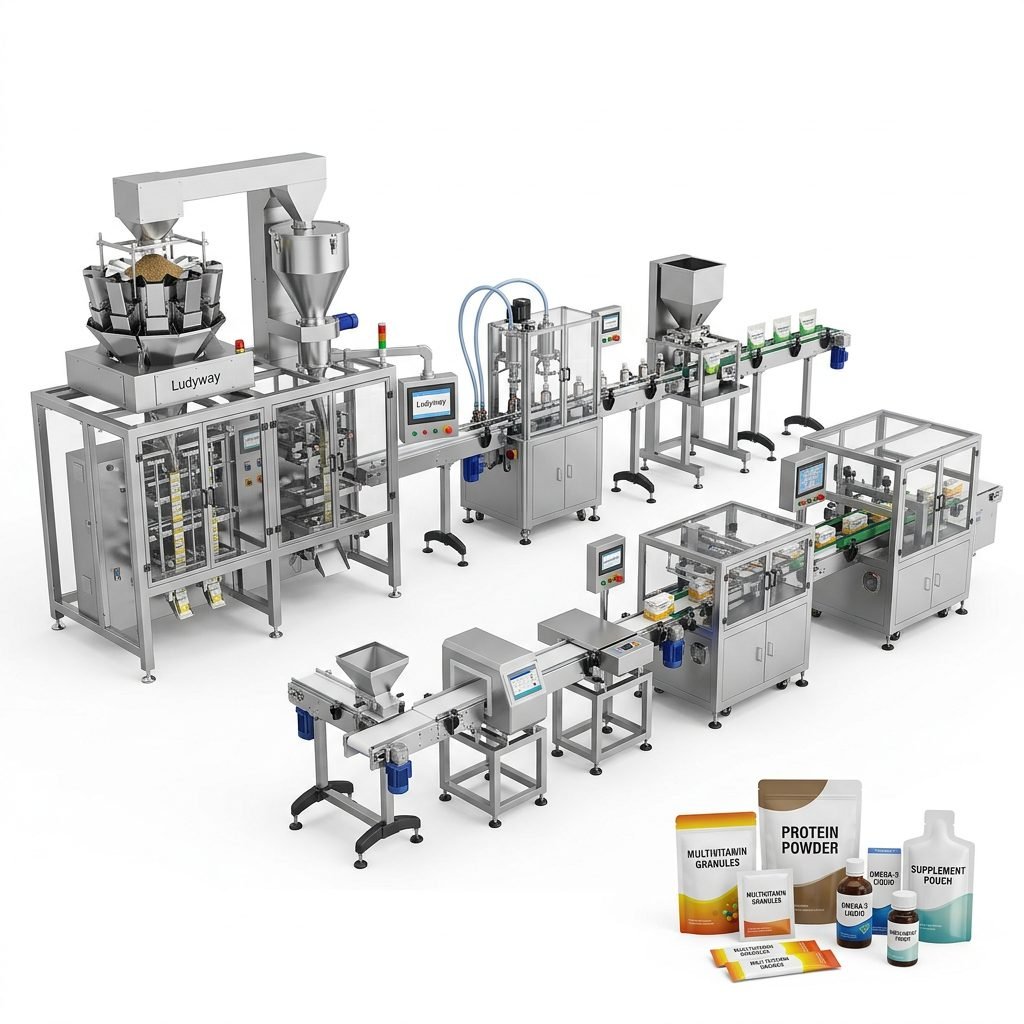
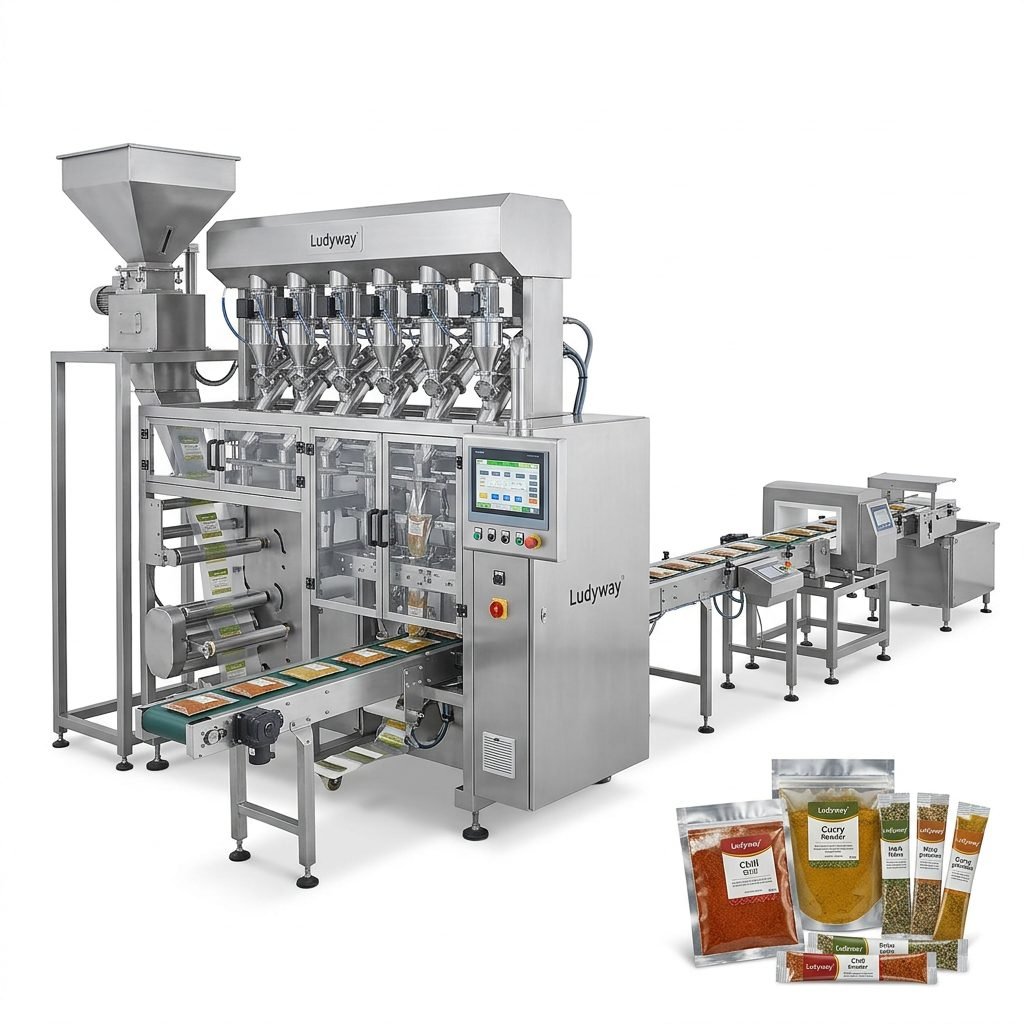
Modern manufacturing demands more than just a standalone filler. A gable top packaging machine must integrate seamlessly with upstream and downstream equipment. A typical turnkey line in India might include a bottle unscrambler, the gable top filler, a date coder, a weight checker, and an automated packaging system like a shrink wrapper or case packer. This integration reduces manual handling, minimizes contamination risks, and increases Overall Equipment Effectiveness (OEE).
Sourcing Strategies: New vs. Refurbished Machines
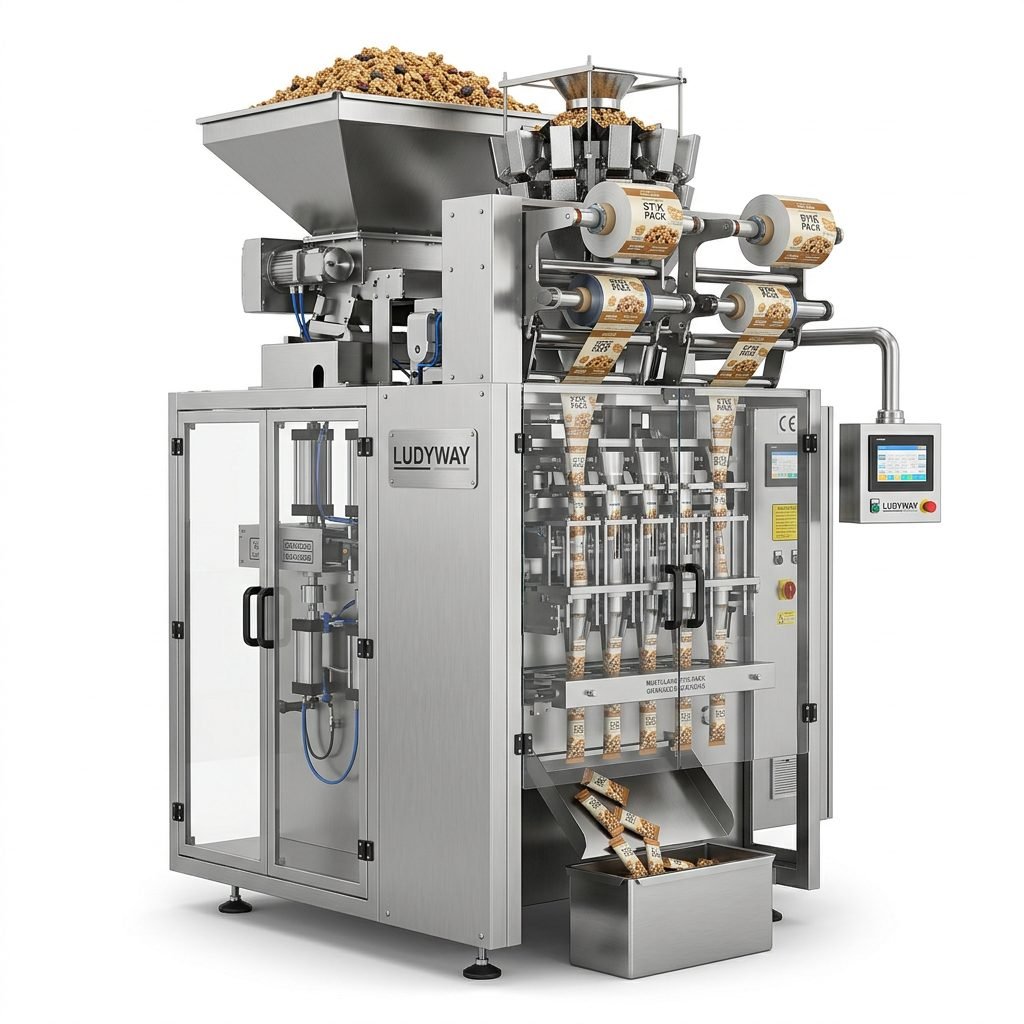
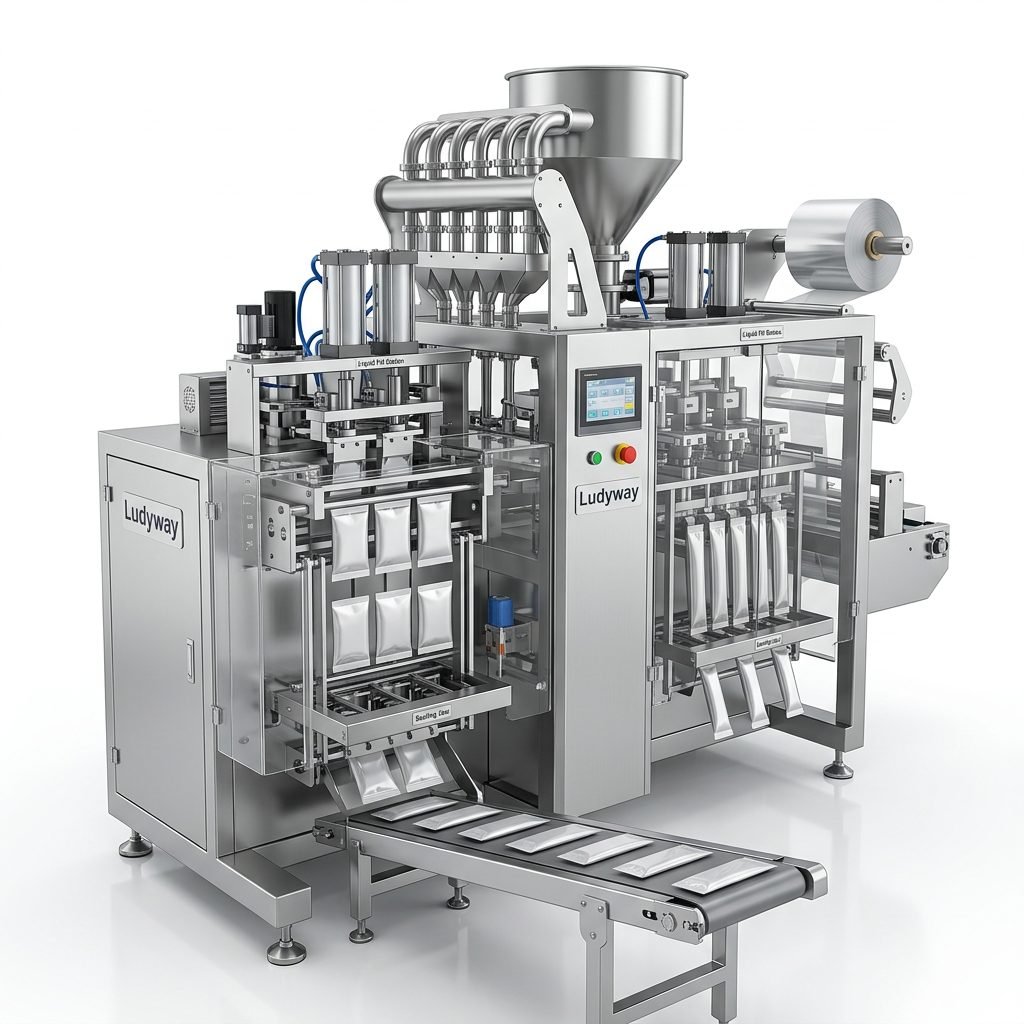
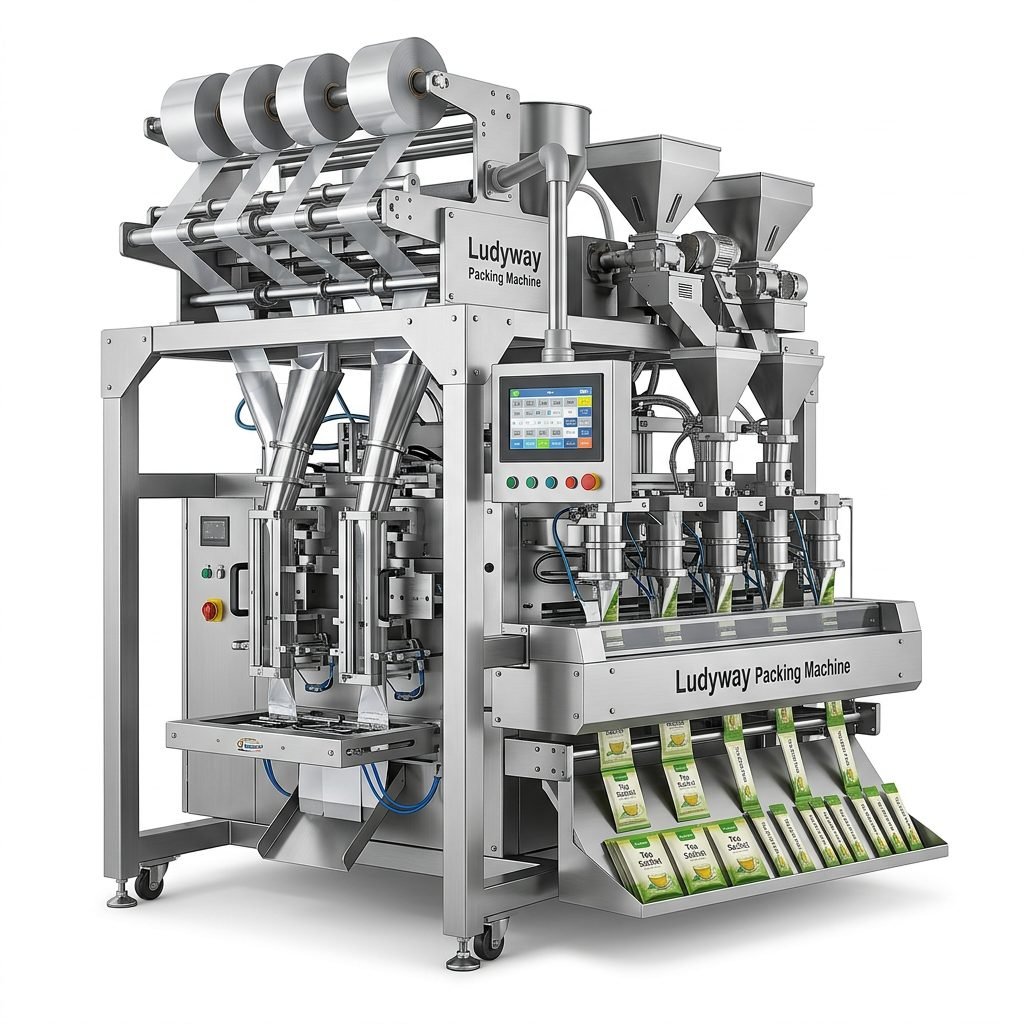
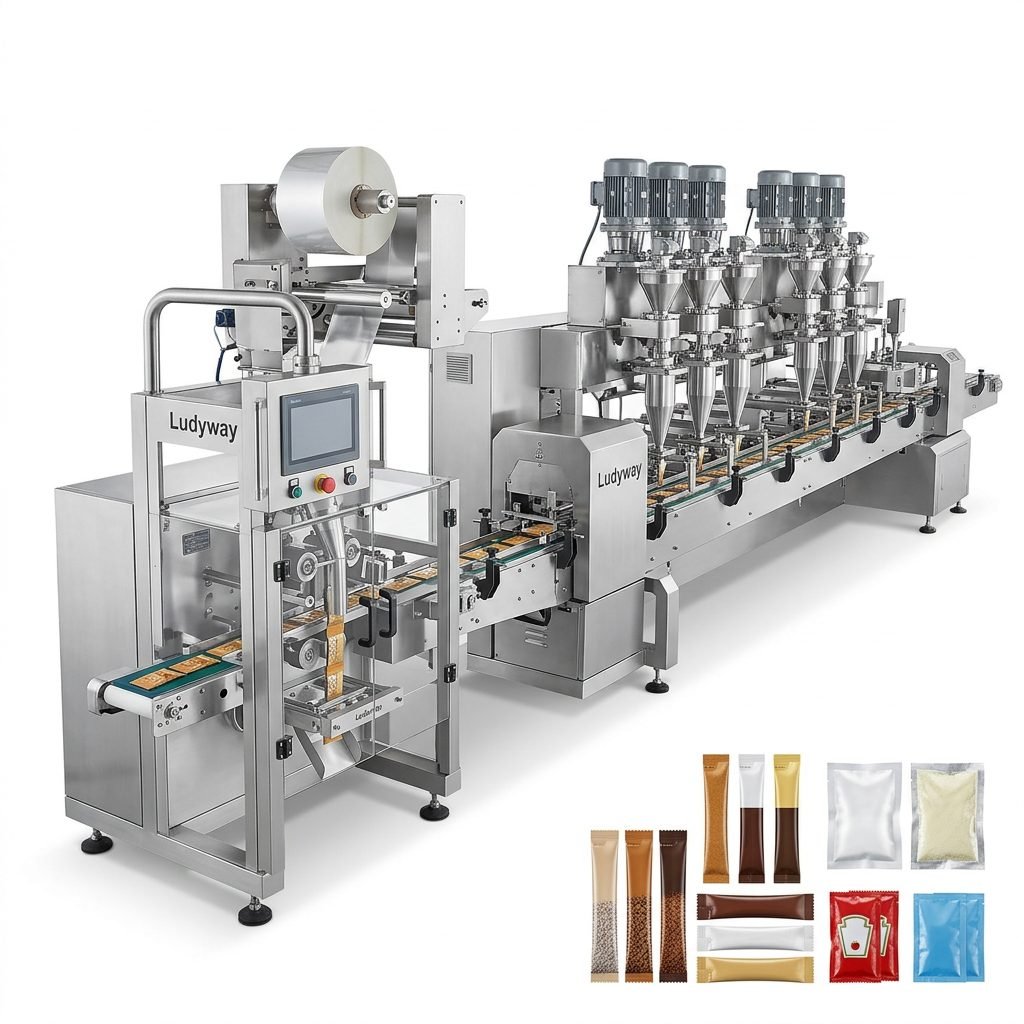
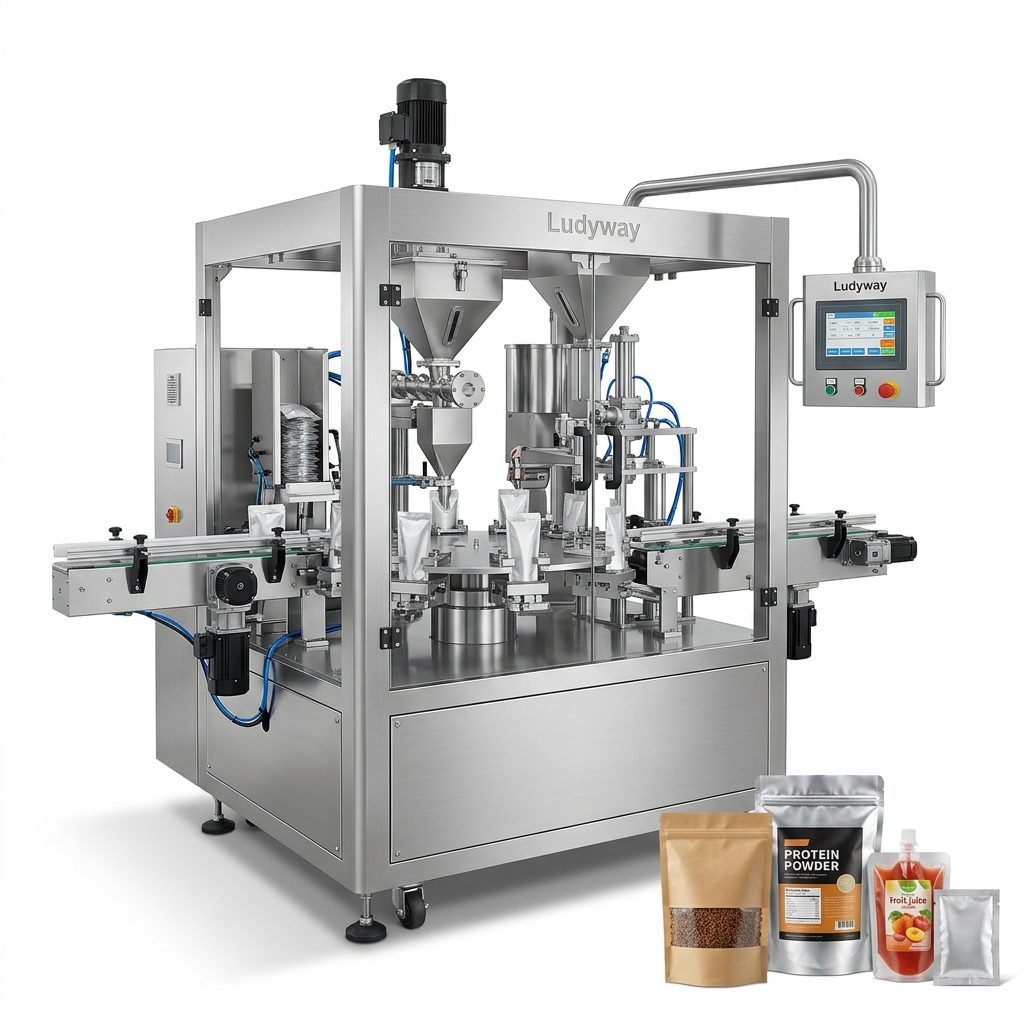
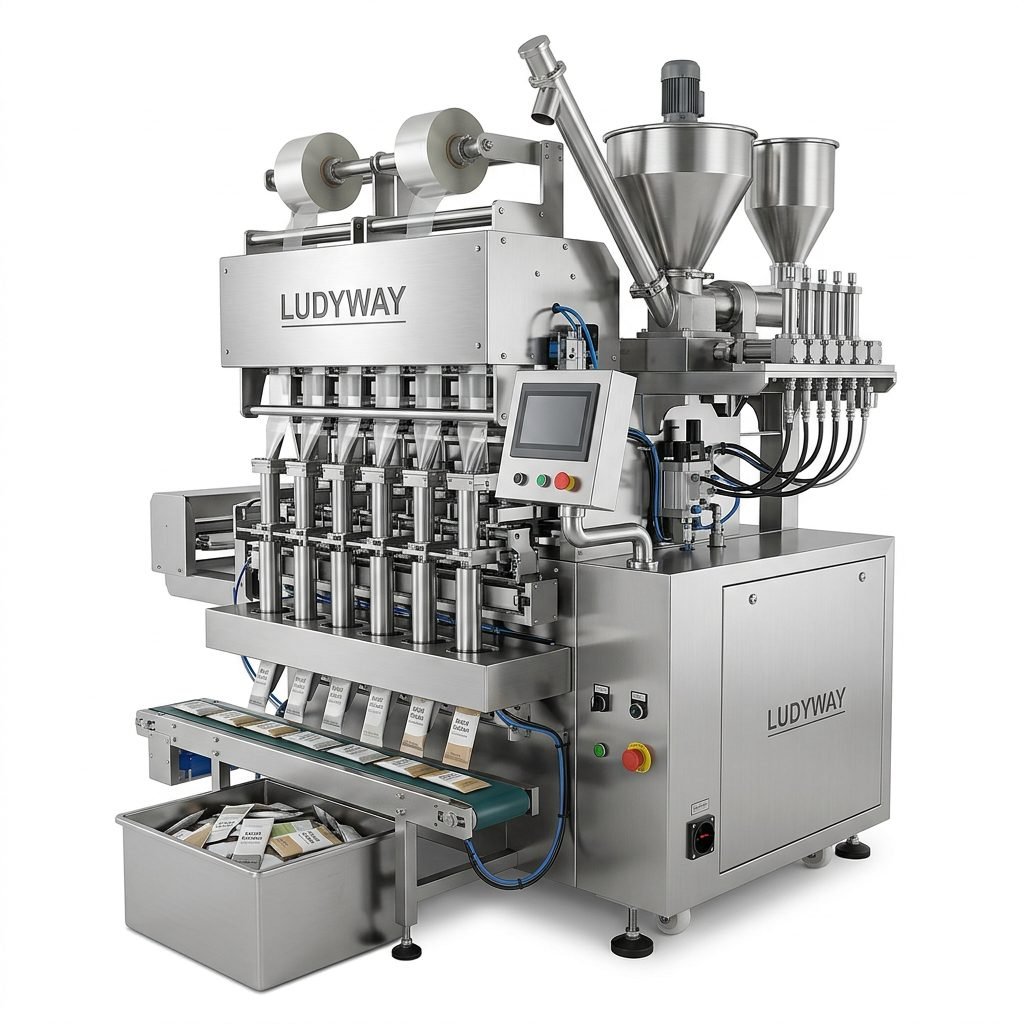
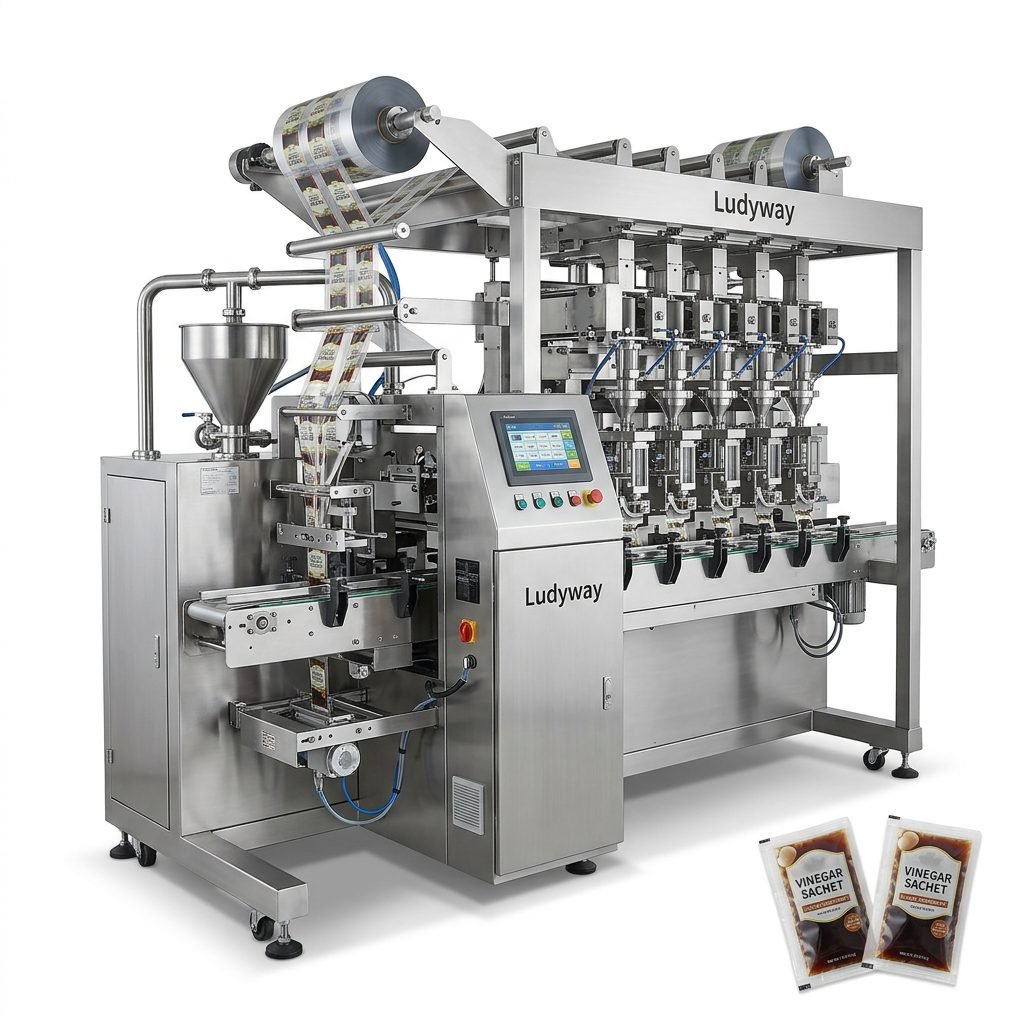
Capital expenditure is a major factor for Indian businesses. While European brands offer high-speed precision, the cost can be prohibitive. An emerging and lucrative middle ground is sourcing high-quality Chinese packaging machinery. Companies like Ludyway offer advanced gable top machines that bridge the gap between European quality and Asian affordability, providing robust construction and modern automation features suitable for the demanding Indian climate and power conditions.
Maintenance and Spare Parts Availability
The total cost of ownership (TCO) heavily depends on the availability of spares and local technical support. Before finalizing a purchase, verify the supplier’s inventory of wear-and-tear parts like drive belts, heating elements, and sealing jaws. Check if the machine uses standard pneumatic components (like SMC or Festo) or proprietary parts that are hard to source locally in cities like Mumbai, Delhi, or Bengaluru.
Preventive Maintenance Checklist
- Daily: Clean product contact surfaces, check air pressure and oil levels, perform visual inspection of seal quality.
- Weekly: Lubricate chains and moving parts, inspect electrical connections, run a dummy sterilization cycle.
- Monthly: Calibrate filling volumes, check H2O2 concentration (for aseptic models), inspect frequency inverters and servo drives.
Food Safety and Regulatory Compliance
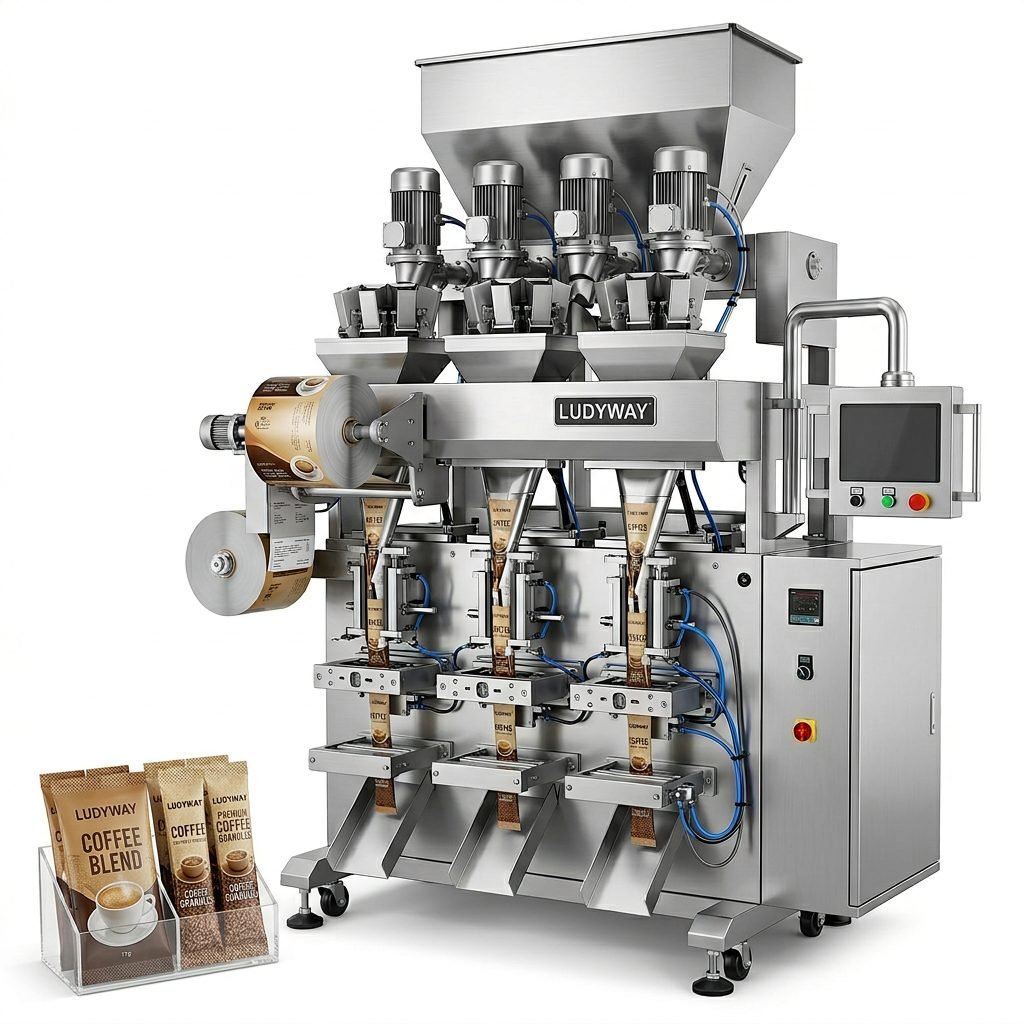
For the Indian market, FSSAI compliance is mandatory. The machine design must prevent cross-contamination and facilitate easy cleaning. For export-oriented units, compliance with FDA and EU packaging regulations is also required. Look for machines with stainless steel construction (AISI 304 or 316L), USDA or 3-A sanitary standards, and enclosed filling zones with HEPA filtration to ensure the highest product safety levels.
Calculating Return on Investment (ROI)
A mid-speed gable top machine can process approximately 3,000 liters per hour. Compared to manual pouch filling, the reduction in labor costs and material waste often results in a payback period of 12 to 18 months. Additionally, gable top cartons typically yield a higher profit margin per unit compared to standard poly-pack pouches. Consider the savings from flat-pack shipping versus preformed containers to tip the scales in favor of in-house carton forming.
Common Pitfalls to Avoid
- Ignoring Altitude Effects: Some machines calibrated at sea level may misfire in high-altitude regions like the Himalayas due to air pressure differences affecting seal quality.
- Overlooking Humidity: Coastal regions like Mumbai or Chennai require enhanced moisture protection for the paperboard magazines.
- Under-specifying Power Supply: Voltage fluctuations common in industrial belts require robust frequency inverters; avoid cheap imports that skip on electrical protections.
To further understand industry standards and packaging trends, reviewing resources from professional associations can be invaluable. Technical data and rigid quality metrics ensure your long-term success in the liquid packaging sector.
Key Industry Resources and Authority Links
- PMMI – The Association for Packaging and Processing Technologies
- Flexible Packaging Association – Official Website
- FDA – Food Packaging and Food Contact Substances
- ISO – Packaging Standards
Selecting the Right Gable Top Carton Size
| Carton Volume | Best Suited Product | Target Indian Market |
|---|---|---|
| 200ml – 250ml | School milk programs, flavored milk, juice portions | Institutional sales, children’s segments |
| 500ml | Standard liquid milk, buttermilk (chaas) | Daily household consumption, grocery stores |
| 1 Liter | Full cream milk, lassi, fresh orange juice | Family packs, supermarket chains |
In conclusion, the gable top packaging machine is a strategic asset for any liquid food business aiming to capture the premium segment in India. By focusing on build quality, after-sales support, and automation flexibility, you can secure a machine that delivers decades of reliable service. Whether you partner with a well-known European name or a rising industry leader providing high-performance liquid packaging solutions, the key is to match the machine specifications with the aggressive growth trajectory of the Indian market.