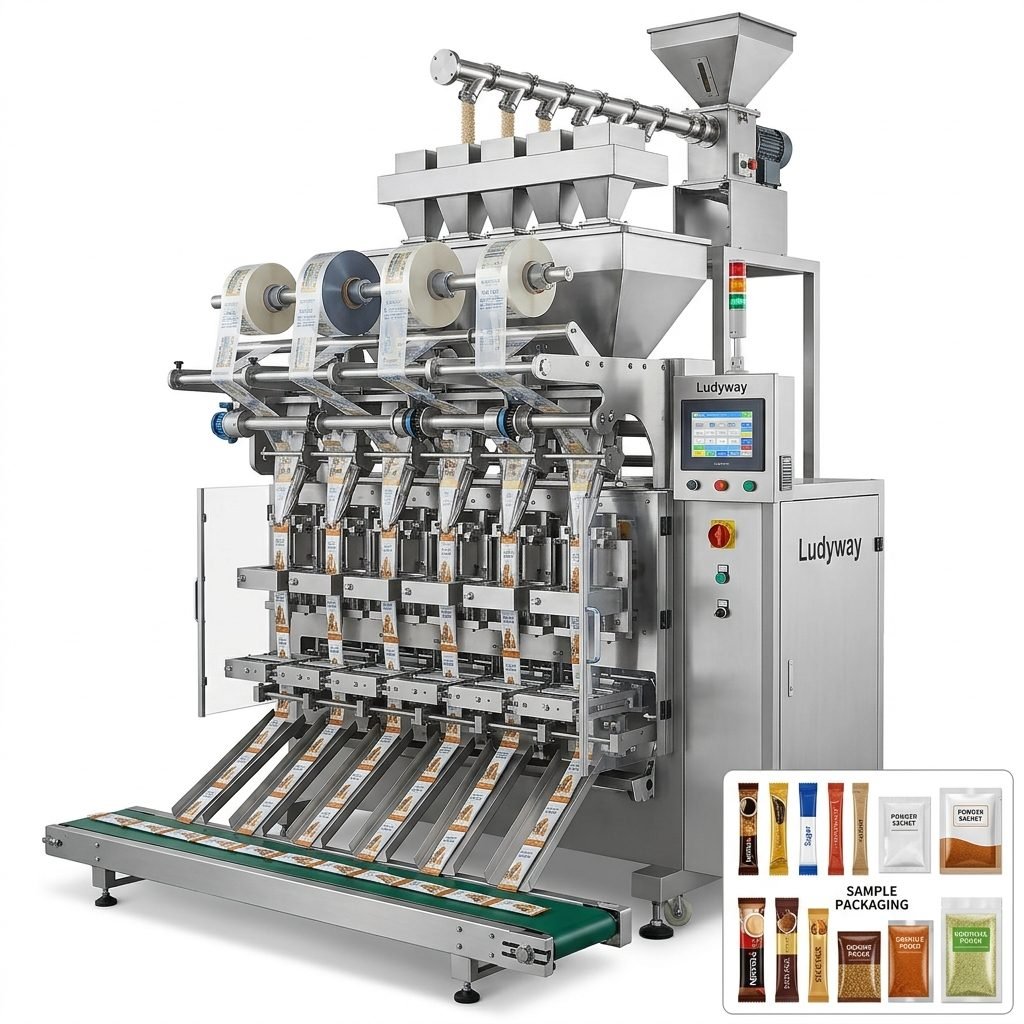
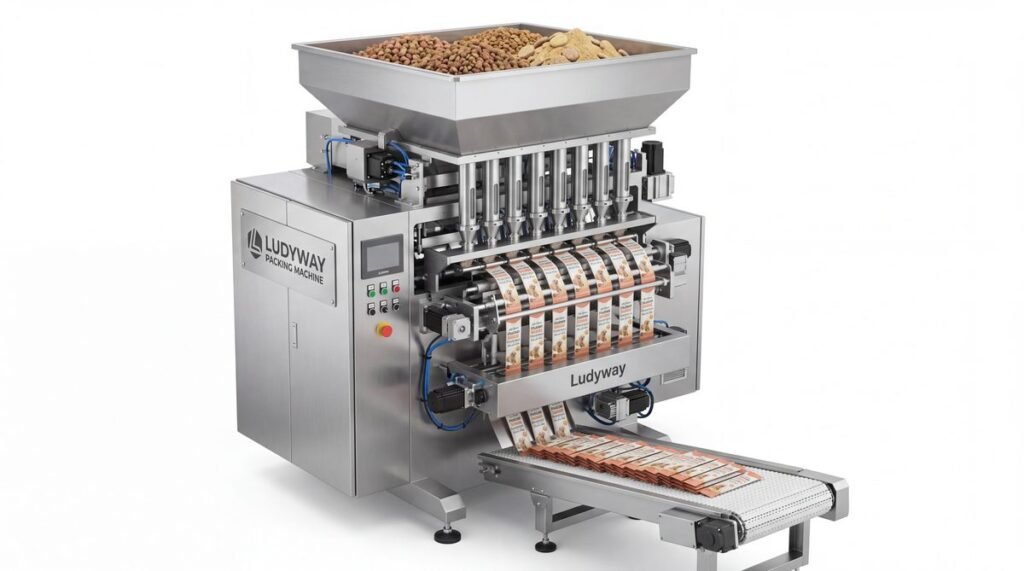
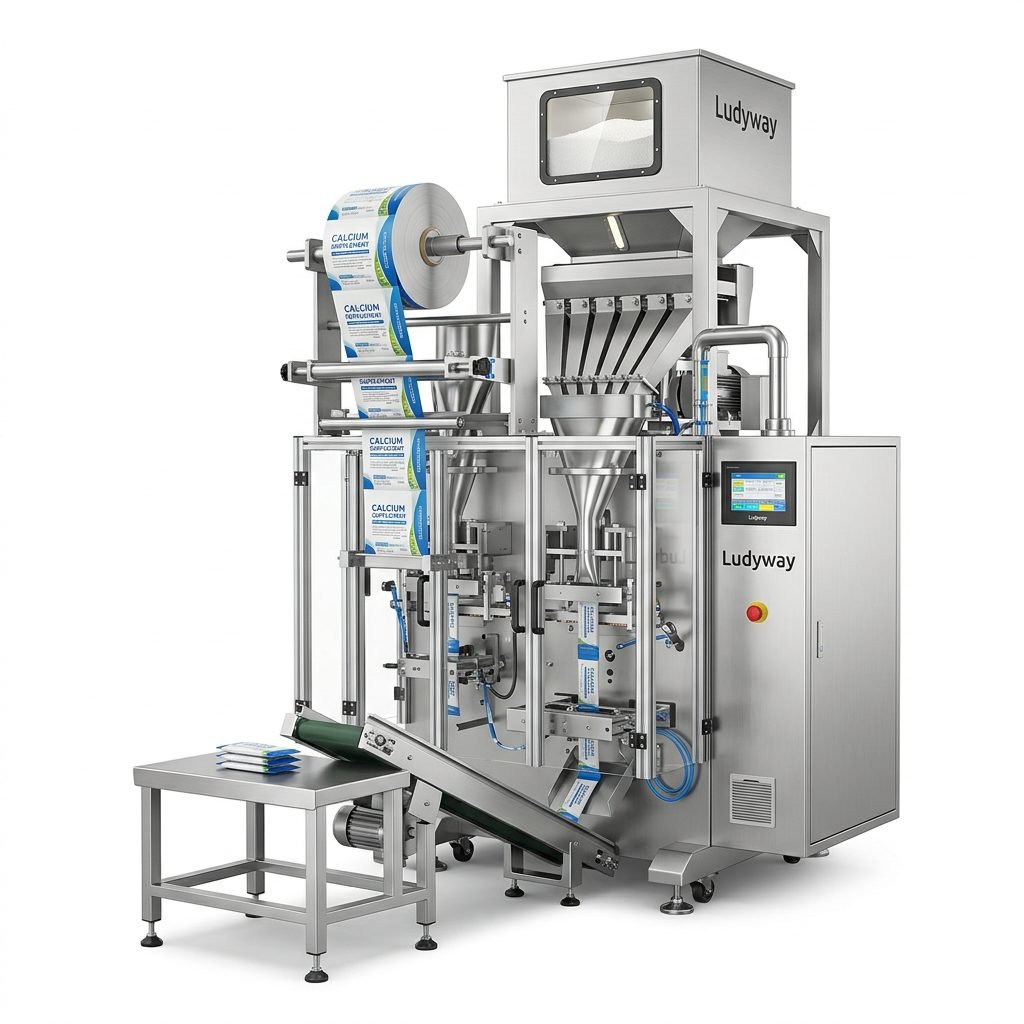
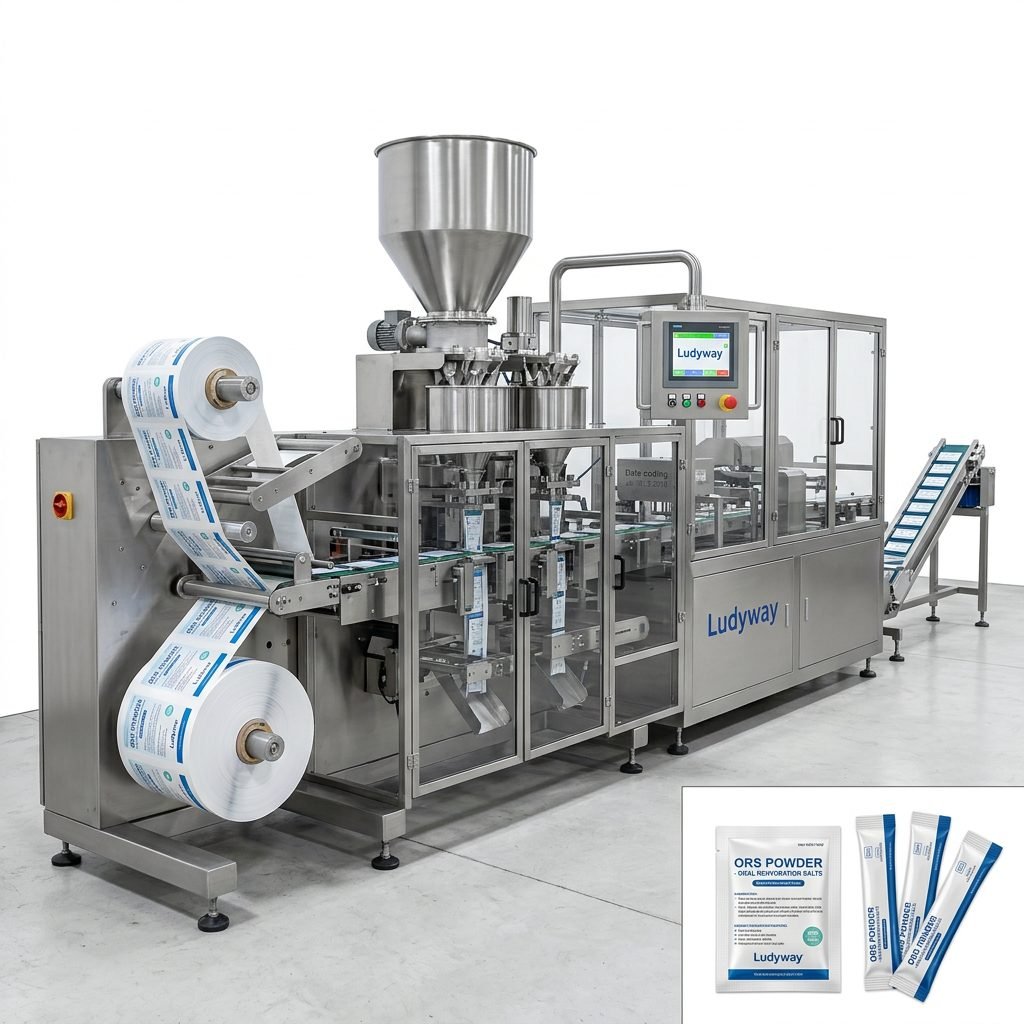
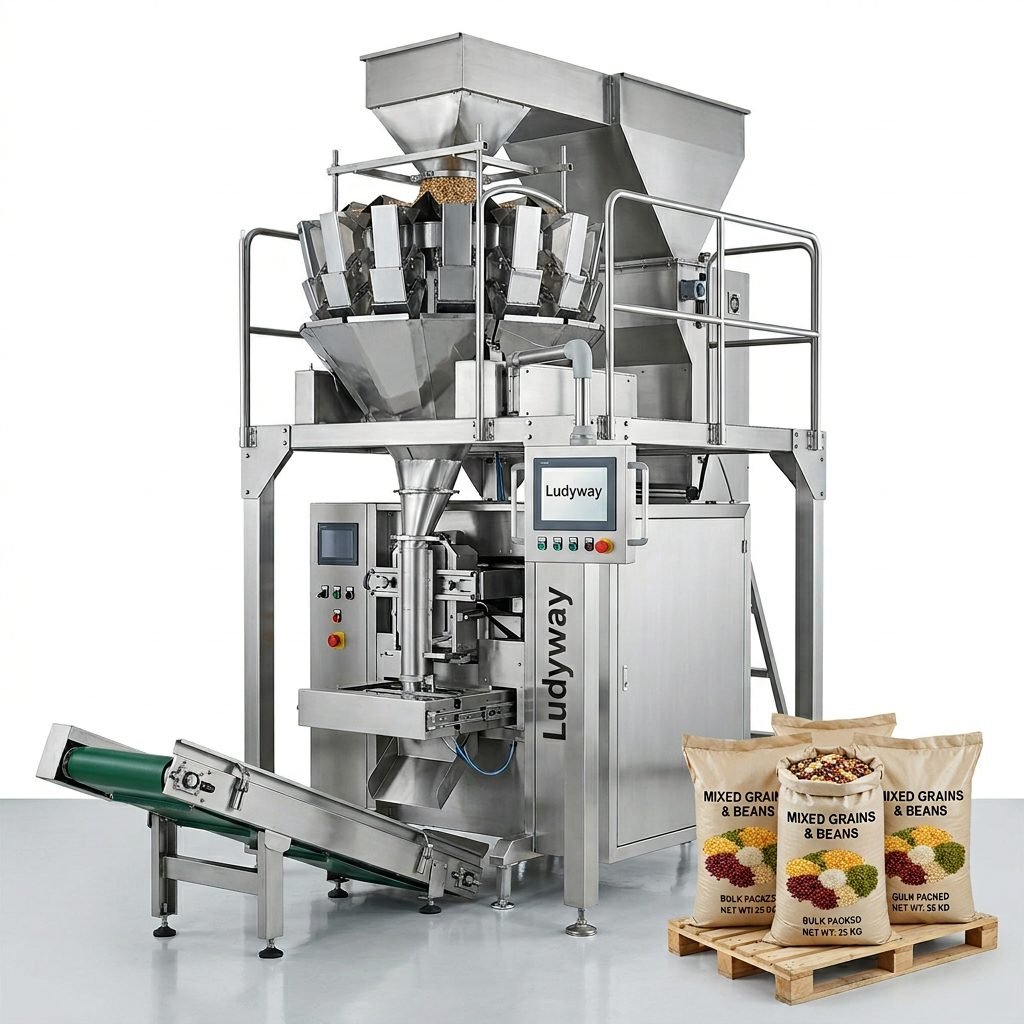
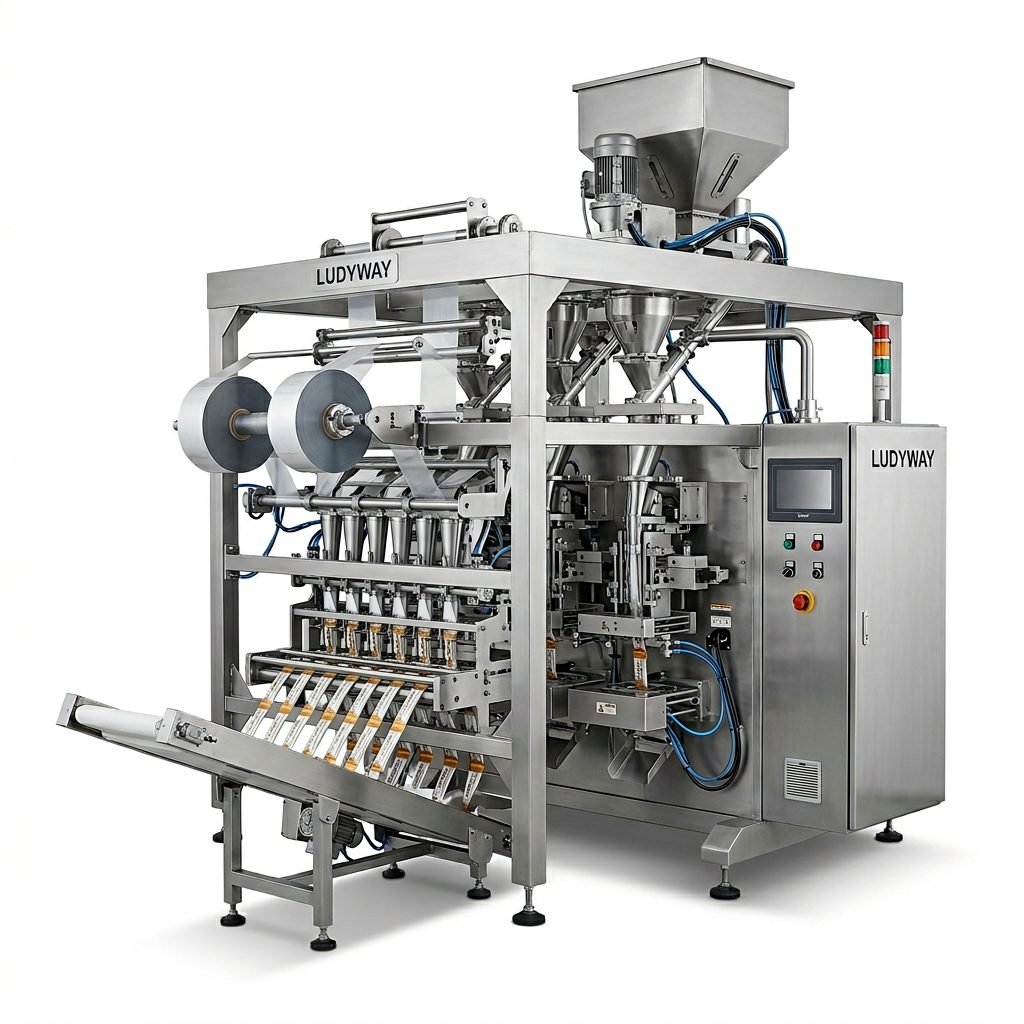
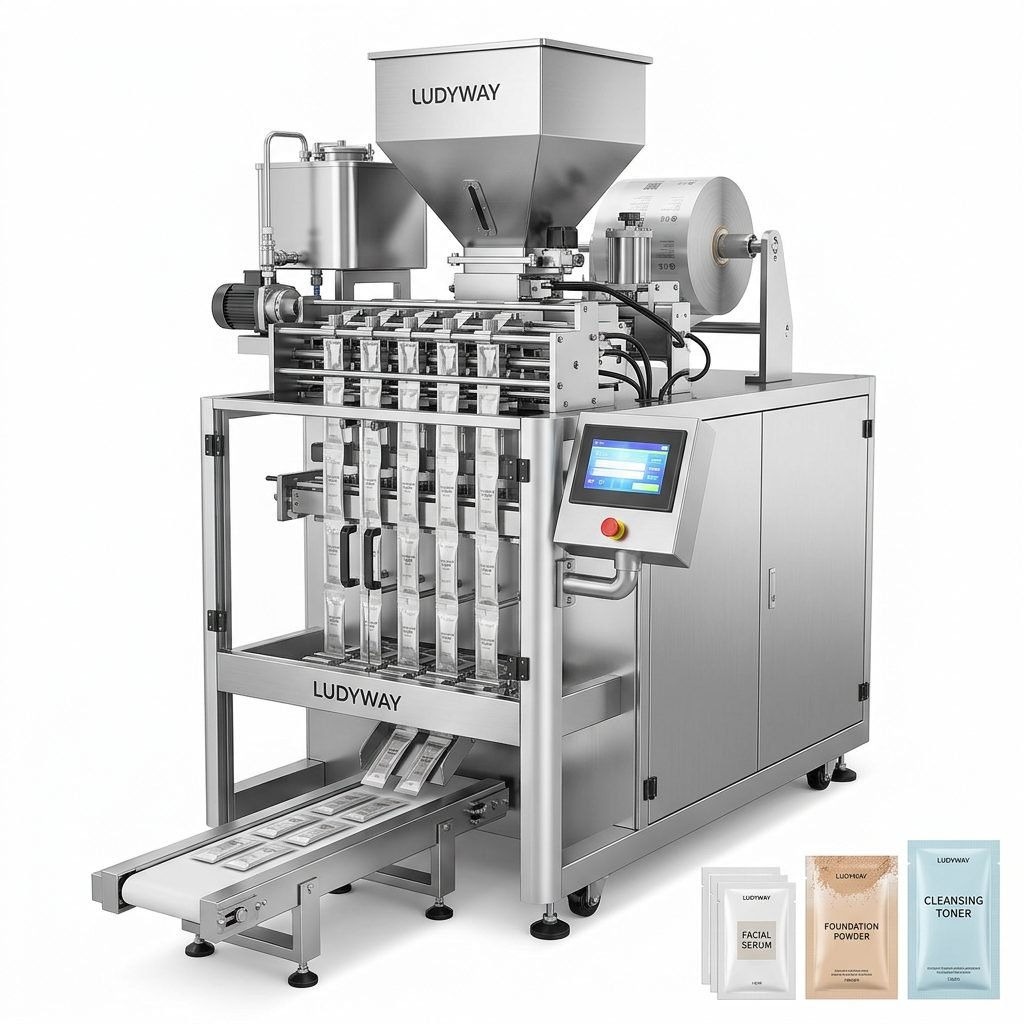
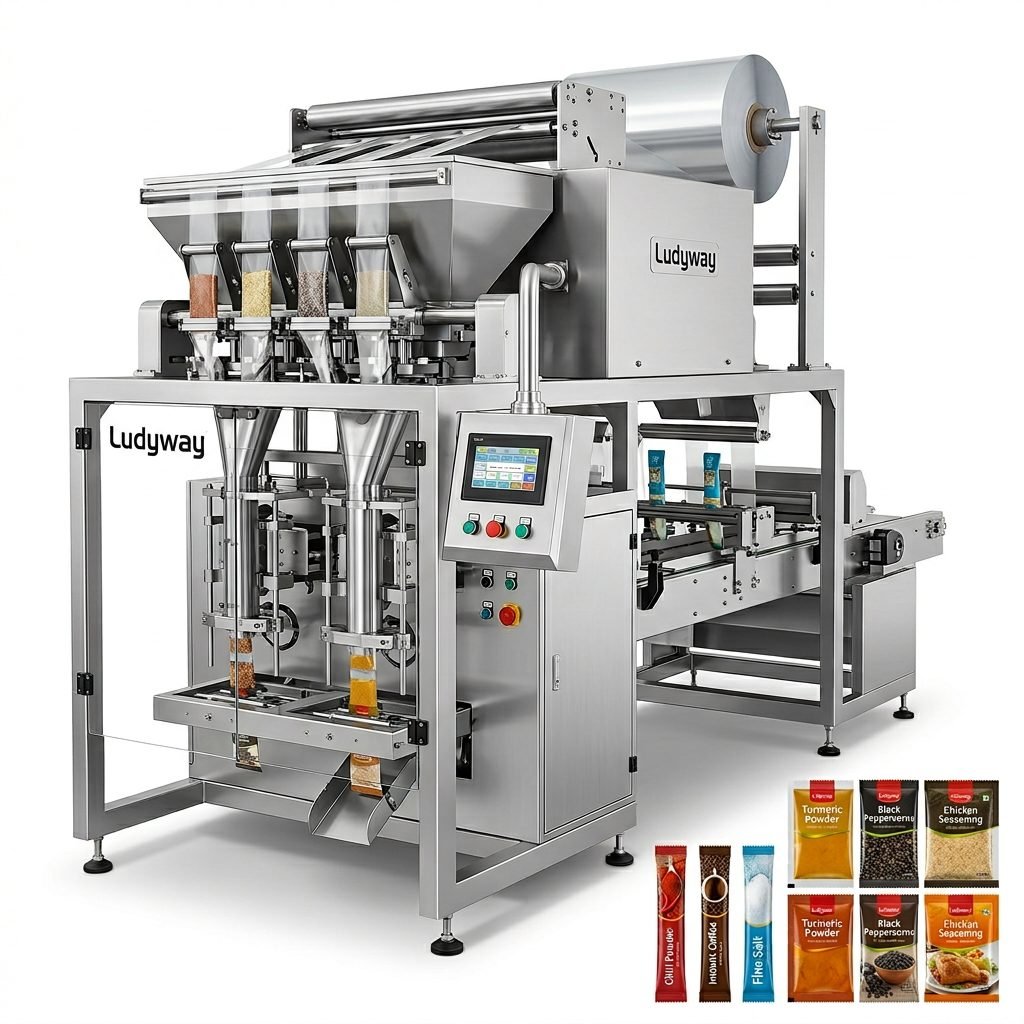
Ensuring the long-term reliability of your feed packaging machine is critical for maintaining production efficiency and product quality. A well-structured maintenance program not only extends the lifespan of your equipment but also prevents costly unplanned downtime. Whether you are running a multi-lane stick pack line or a high-speed granule system, adhering to essential care principles is key.

1. Daily Pre-Operational Inspection Checklist
Before starting your shift, a visual and functional inspection of the packaging machinery is mandatory. This proactive step catches minor issues before they escalate into major mechanical failures.
- Safety Guards: Ensure all safety doors and interlocks are in place and functioning correctly. Never bypass a safety sensor.
- Air Pressure: Verify that the pneumatic system maintains the correct pressure (usually between 0.6 and 0.8 MPa) and that there are no audible leaks.
- Film Tracking: Check the alignment of the packaging film. Misalignment can cause sealing defects and product waste.
- Residue Check: Inspect the forming tube and sealing jaws for product residue or dust accumulation from the previous run.
2. Preventive Maintenance Schedule
A strict time-based schedule is the backbone of maximizing machine uptime. The table below outlines a typical maintenance frequency for key components of a feed packaging machine:
| Component | Weekly | Monthly | Quarterly |
|---|---|---|---|
| Sealing Jaws | Clean residue | Check Teflon tape | Replace if worn |
| Bearings & Shafts | Visual check | Lubricate | Check for play |
| Pneumatic Cylinders | Drain water trap | Check operation | Service seals |
| Servo Motors | – | Clean ventilation | Torque check |
2.1 Lubrication Best Practices
Proper lubrication reduces friction and energy consumption. However, over-lubrication can attract dust and contaminate the feed product. Always use food-grade grease specified in the operator’s manual. Pay special attention to the cross-seal jaw slides and the film pulling belts.
3. Cleaning Protocols for Harsh Environments
Feed production often generates fine dust that can wreak havoc on sensitive sensors and electronic controls. Daily cleaning is non-negotiable.
- Compressed Air: Use dry, filtered compressed air to blow dust off photoelectric cells and circuit boards—never use a damp cloth directly on electronics.
- Forming Tube: Remove static buildup and dust from the former to prevent film jams.
- Heat Sealers: Use a soft brass brush to remove burnt-on residue from sealing jaws while cool.

4. Key Wear Parts Management
Understanding which parts are consumables prevents emergency stops. For a standard vertical form fill seal feed packaging machine, you should always keep these spares in stock:
- Heating elements (cartridge heaters)
- Thermocouples for temperature control
- Teflon-coated sealing bands
- Cutting knives or guillotines
- Rubber pull belts and vacuum cups
5. Electrical System Integrity
Electrical cabinets must remain sealed against feed dust. Condensation and humidity are common enemies of control systems. Check that cabinet ventilation fans are operational. Periodically tighten all terminal connections—vibration from high-speed operation can loosen wires, leading to intermittent faults that are difficult to diagnose.
6. Operator Training and Empowerment
The best maintenance strategy fails if operators do not understand the equipment. Operators should be trained specifically on the standard operating procedures for the specific model. They must know the difference between a simple adjustment and a mechanical fault. Encourage operators to report unusual noises, abnormally high temperatures, or inconsistent cut-off lengths immediately—these are often the earliest signs of a developing problem.

7. Calibrating the Weighing and Filling System
Inconsistency in bag weight is often a maintenance issue rather than a product density issue. For granule and powder feed packaging machines, the load cells and volumetric cups require routine verification:
- Zero Calibration: Perform a ‘no-load’ zero calibration on the weighing scale or multi-head weigher weekly.
- Static Check: Place a known test weight on the load cell to verify linearity.
- Dumping Mechanism: Ensure the weigh bucket doors open freely and are not gummed up by molasses or sticky feed additives.
8. Long-Term Storage Protocols
If a feed packaging machine is scheduled for a prolonged shutdown, do not simply cut the power and walk away. Follow these steps:
- Completely empty all product hoppers to prevent hardening or pest infestation.
- Remove and clean forming tubes and seal jaws; coat exposed metal surfaces with a light film of rust inhibitor.
- Release tension from the film drive belts and springs.
- Power down the main isolator but install anti-condensation heaters in the electrical cabinet if the climate is humid.
9. The Power of Data Logging
Modern packaging lines come equipped with PLCs that can log faults. Analyze this data monthly. If a specific servo motor consistently reports an overload alarm, it indicates a mechanical strain point that requires lubrication or alignment adjustment. Predictive analytics can transform your maintenance from reactive to proactive.
10. Partnering with Professionals
While in-house maintenance covers daily needs, an annual professional overhaul ensures compliance with performance standards and extends the asset’s lifecycle. Specialized technicians possess the diagnostic tools to test the integrity of heating circuits and the parallelism of rollers, which are often overlooked during internal checks. For turnkey solutions and advanced servicing from an industry leader, you can explore the comprehensive machinery offered by Ludyway, a manufacturer dedicated to high-performance and reliable packaging equipment tailored to the food, pharmaceutical, and health industries across more than 100 countries.