Europe’s food processing sector is experiencing an unprecedented shift toward convenience foods, ready-to-eat meals, and shelf-stable products. At the heart of this transformation lies retort packaging technology — a thermal processing method that sterilizes food within its sealed packaging. Choosing the right retort packaging machine can be the difference between efficient, compliant production and costly operational bottlenecks. This guide walks you through every critical factor European buyers must evaluate before investing in retort packaging equipment.

Understanding Retort Packaging: What European Manufacturers Need to Know
Retort packaging combines high-barrier flexible materials with pressurized thermal processing to produce shelf-stable products without refrigeration. Unlike traditional canning, modern retort pouches and trays offer reduced weight, lower shipping costs, and superior consumer convenience. For European food producers targeting markets that demand both extended shelf life and premium product presentation, retort technology represents a significant competitive advantage.
The process requires specialized machinery capable of filling, sealing, and preparing packages to withstand temperatures exceeding 121°C under controlled pressure conditions. Equipment must deliver hermetic seals, uniform heat distribution, and consistent throughput — all while meeting rigorous European safety standards.
Key Factors for Selecting Retort Packaging Equipment
Every production environment is unique. The following table outlines the primary evaluation criteria European buyers should prioritize during the equipment selection process:
| Selection Factor | What to Evaluate | Why It Matters for Europe |
|---|---|---|
| Packaging Format | Pouches, trays, cups, or multi-lane stick packs | Consumer preference trends vary by region; Nordic markets favor pouches while Southern Europe prefers trays |
| Production Capacity | Units per minute, lane configuration, changeover speed | Labor costs in Western Europe demand high automation; Eastern European plants may prioritize flexibility |
| Material Compatibility | Aluminum foil laminates, transparent barriers, recyclable films | EU packaging waste directives increasingly mandate recyclable or reusable material options |
| Seal Integrity | Heat seal strength, contamination detection, burst testing | Critical for compliance with EU food safety regulations and retailer quality requirements |
| Cleanability & Hygiene | CIP compatibility, stainless steel construction, accessible design | EU hygiene regulations require validated cleaning protocols for all food contact equipment |
European Regulatory Landscape: Compliance Is Non-Negotiable
Equipment destined for European production facilities must align with an extensive framework of regulations. The European Commission’s Packaging and Packaging Waste Regulation sets binding targets for recyclability and recycled content. Food contact material requirements under EU Framework Regulation (EC) No 1935/2004 demand that packaging machinery maintains material integrity throughout processing.
Key compliance areas include:
- Machinery Directive 2006/42/EC — CE marking requirements for all equipment sold within the European Economic Area
- EN 1672-2 — Hygiene requirements for food processing machinery design
- ISO packaging standards — International benchmarks for testing, terminology, and performance validation
- HACCP integration — Critical control points must be monitorable and verifiable throughout the packaging process
- REACH compliance — Chemical substances in machine components that contact food must be registered and authorized

Machine Types: Matching Equipment to European Market Demands
Retort packaging machinery spans a wide spectrum of configurations, each suited to specific product categories and production scales. Understanding these distinctions helps European buyers avoid overpaying for unnecessary features — or underinvesting in equipment that cannot scale.
Semi-Automatic Retort Packaging Systems
Ideal for artisanal producers and SMEs entering the shelf-stable segment. Operators manually load pouches or trays, while the machine handles sealing and coding. These systems offer lower upfront investment and are popular among specialty food manufacturers in France, Italy, and Spain who produce small-batch gourmet products.
Fully Automatic Multi-Lane Systems
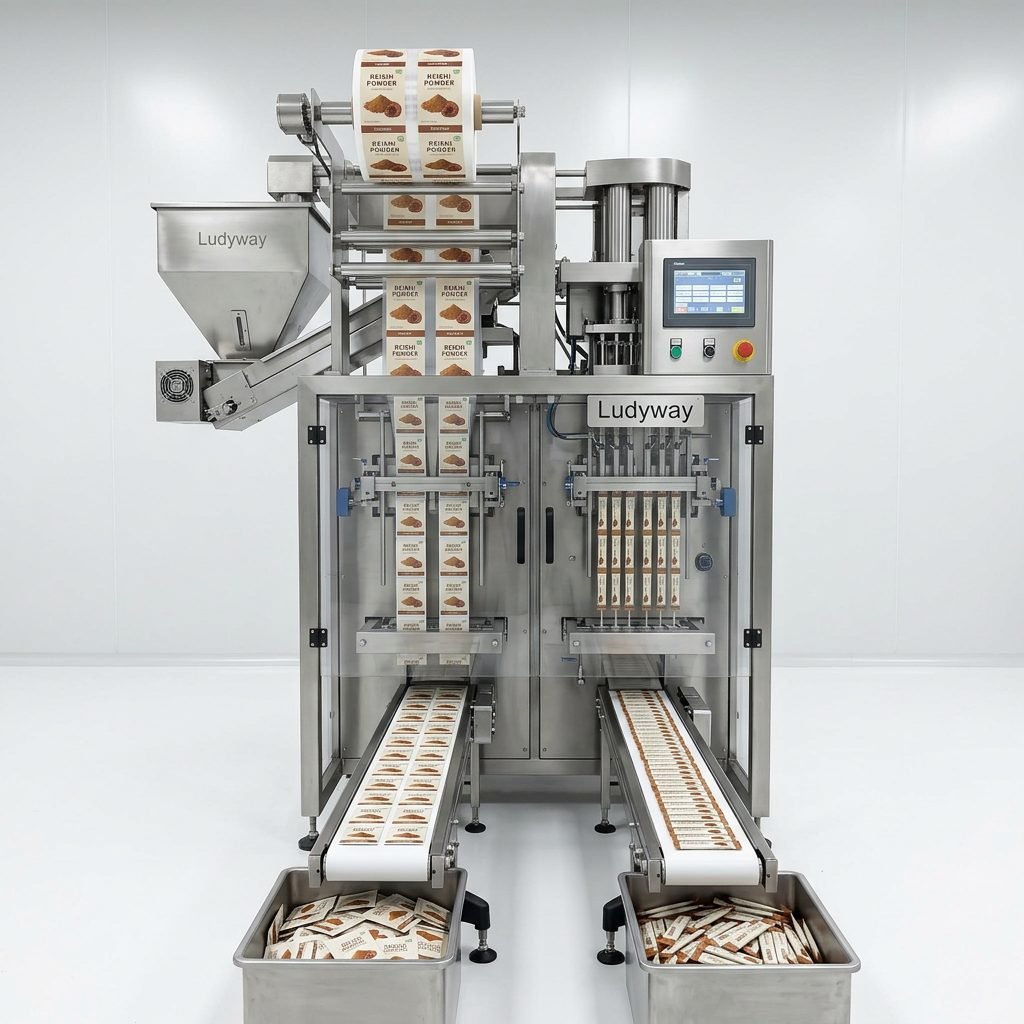
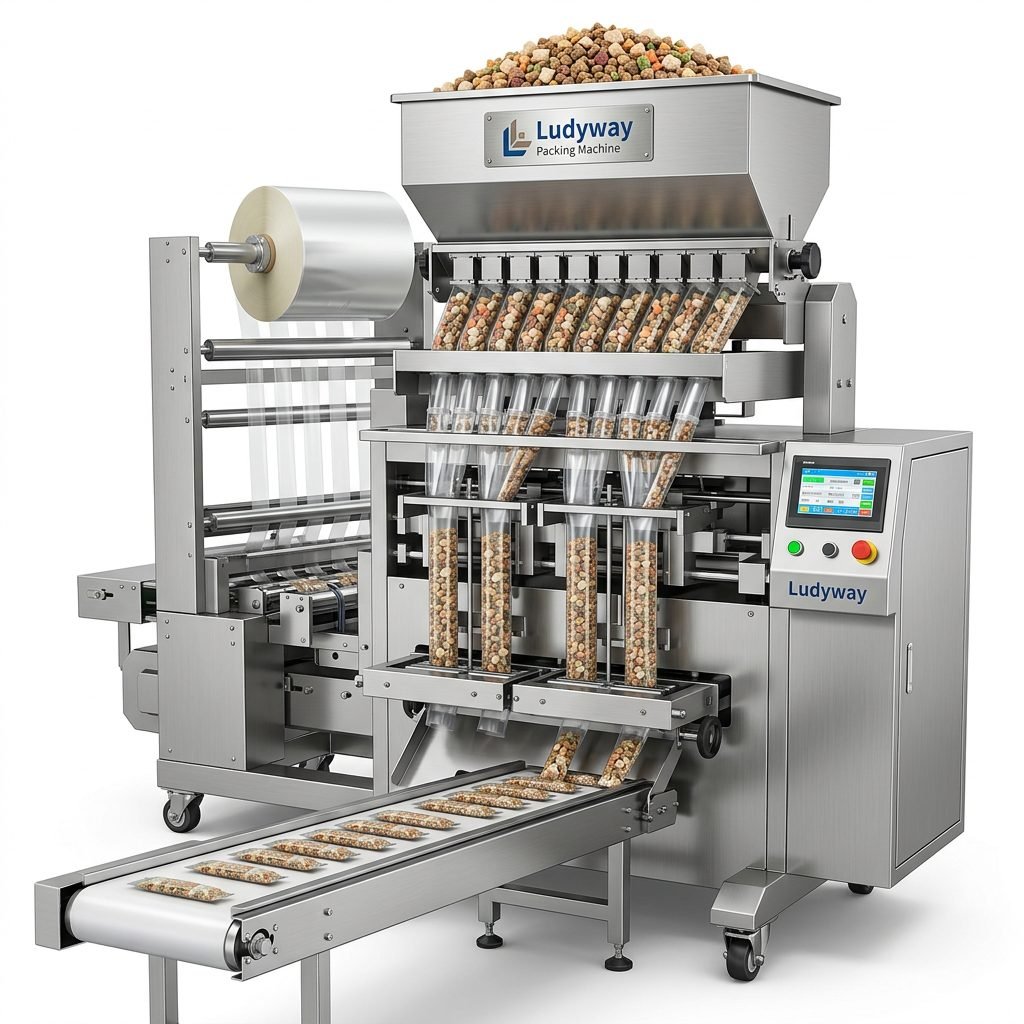
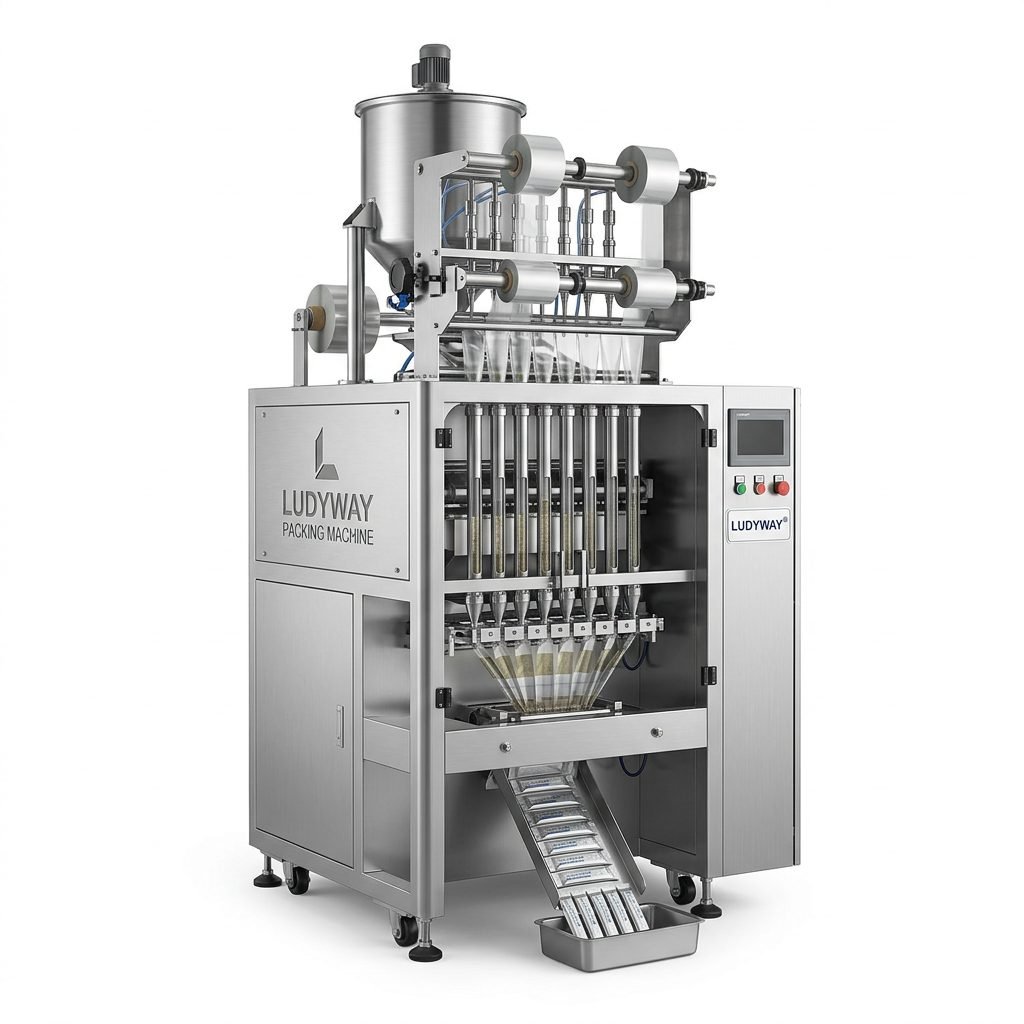
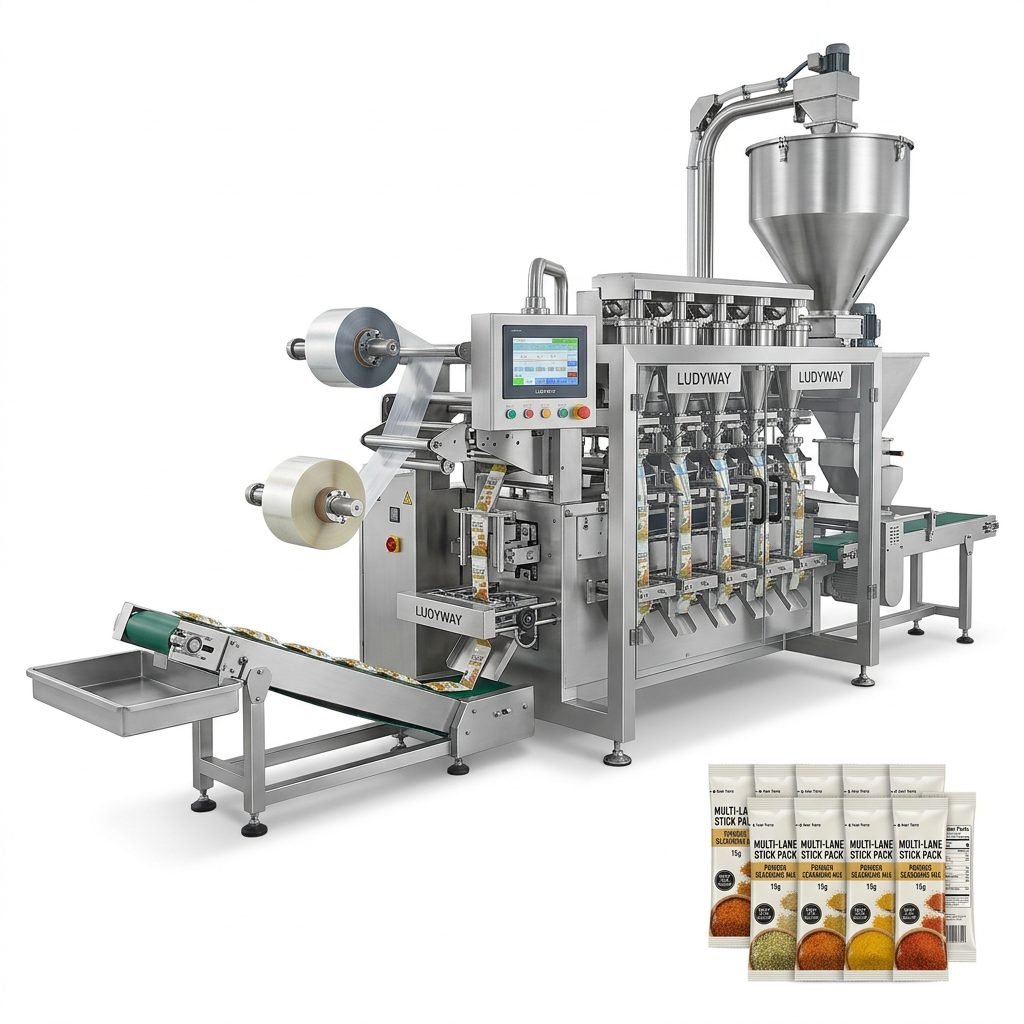
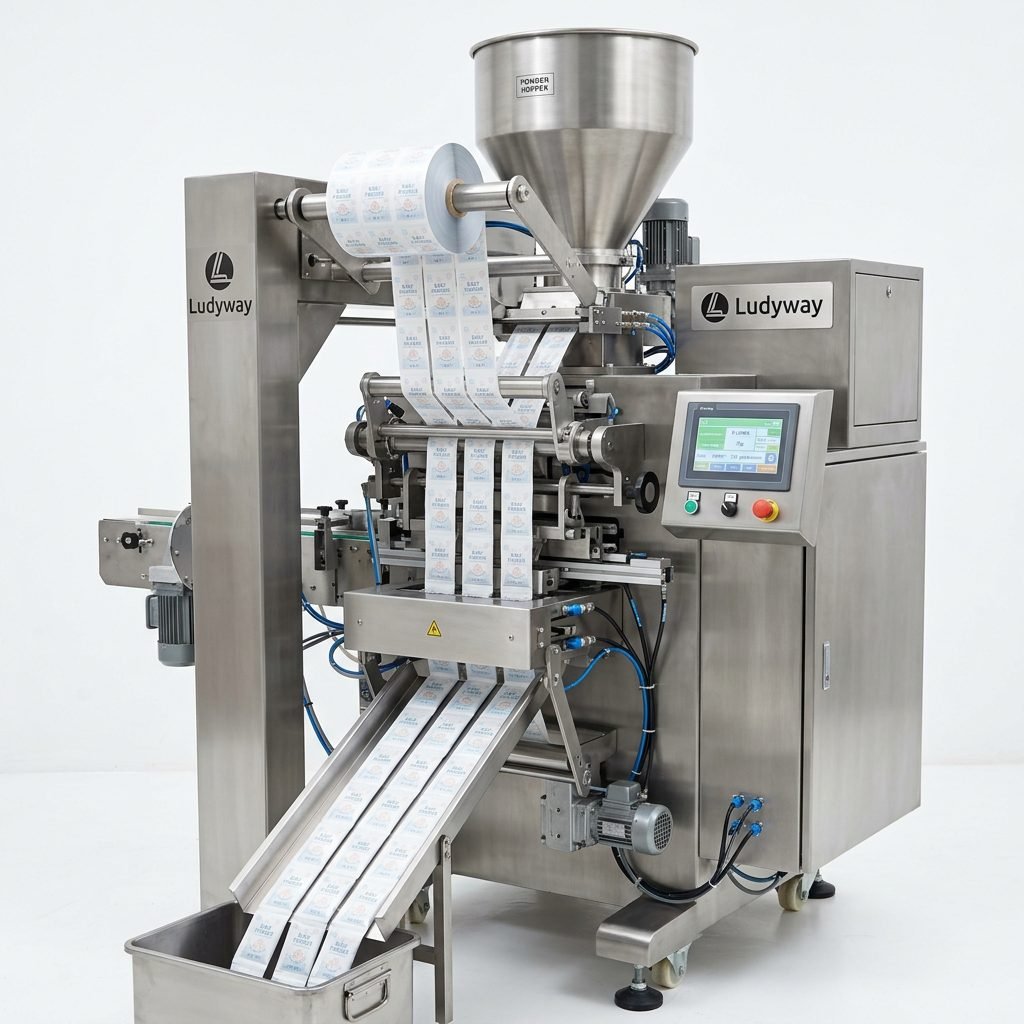
Designed for high-volume production of stick packs, sachets, and portion-controlled pouches. Multi-lane configurations can produce 8 to 16 lanes simultaneously, achieving outputs exceeding 400 units per minute. These machines dominate the Northern European market, where labor costs drive demand for maximum automation.
Turnkey Retort Production Lines
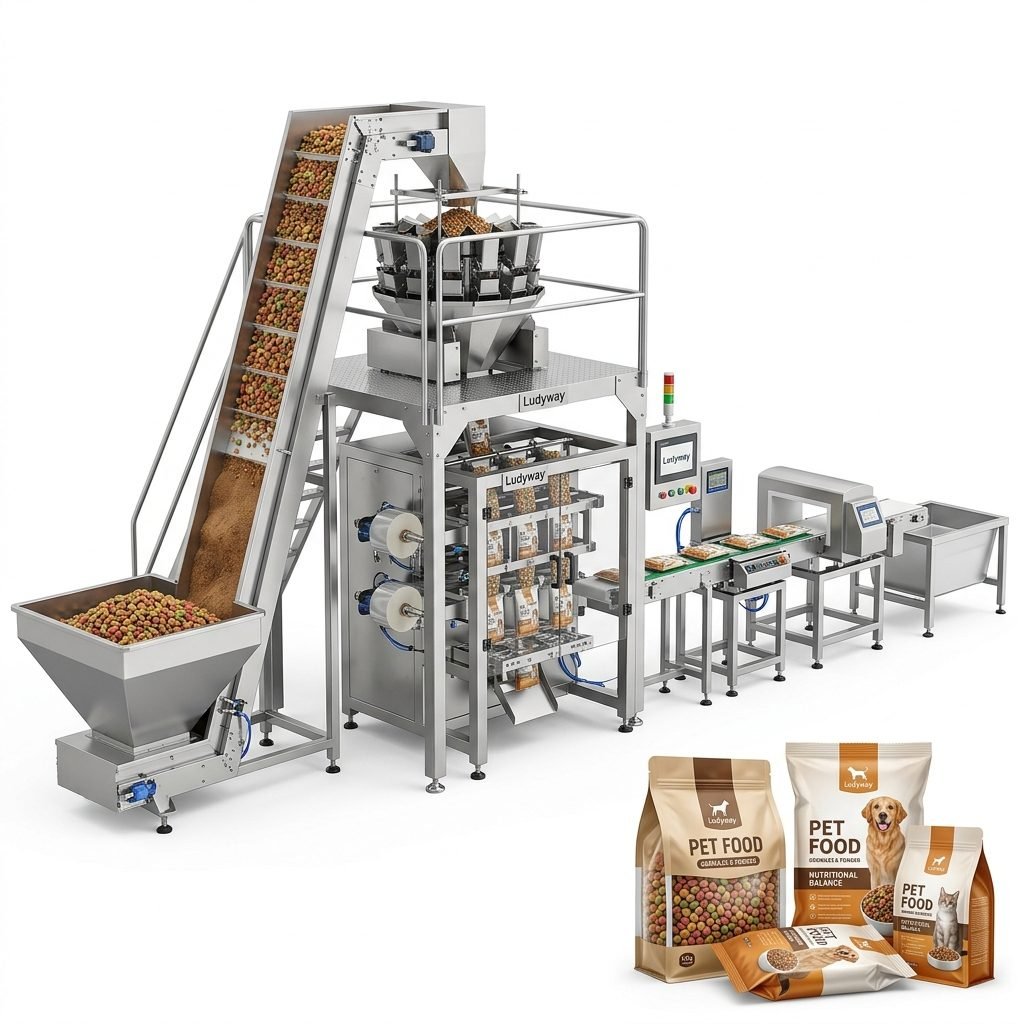
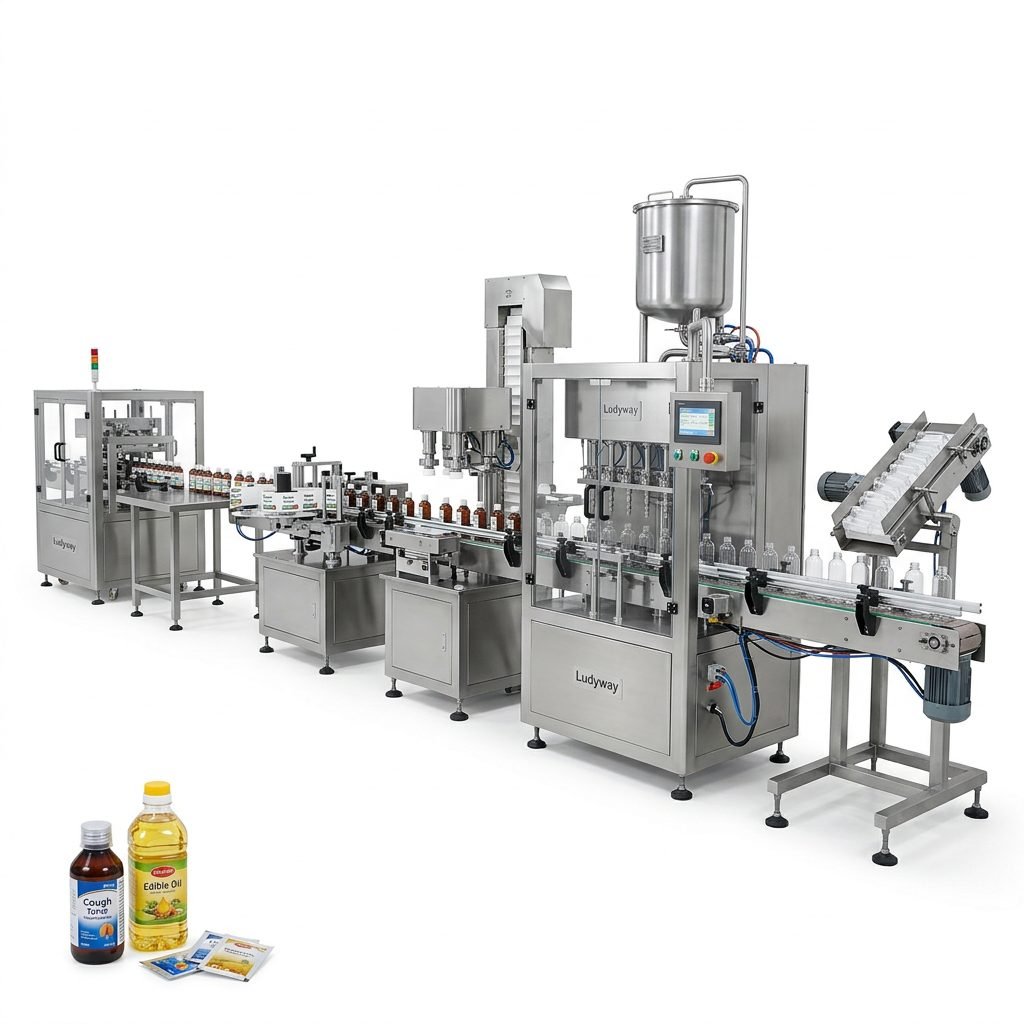
Integrated solutions that combine filling, sealing, retort sterilization, drying, labeling, and cartoning into a single synchronized workflow. Turnkey lines minimize integration risks and are increasingly specified by large European food groups seeking single-source accountability. According to PMMI’s packaging intelligence reports, demand for complete line integration is accelerating across European food sectors.
Evaluating Suppliers: What Separates Reliable Partners from Transactional Vendors
The European retort packaging market features both established global manufacturers and emerging suppliers. A comprehensive supplier evaluation should encompass technical capability, regulatory knowledge, and long-term service commitment. Ludyway exemplifies manufacturers that combine decades of engineering expertise with modern production infrastructure — operating a 20,000㎡ facility and serving customers in over 100 countries with advanced multi-lane and turnkey packaging systems.
Critical supplier assessment criteria include:
- European regulatory expertise — Can the supplier demonstrate CE-certified installations and familiarity with EU food safety requirements?
- Validation documentation — Installation qualification (IQ), operational qualification (OQ), and performance qualification (PQ) protocols should be standard deliverables
- Spare parts availability within Europe — Local warehousing or expedited shipping agreements minimize downtime
- Remote support capabilities — Modern retort machinery should support remote diagnostics and troubleshooting
- Material testing services — Verify that the supplier offers compatibility testing with your specific packaging films and product formulations

Food Safety and Material Science: The European Edge
European consumers and regulators alike demand the highest food safety standards. Retort packaging machinery must preserve the barrier properties of advanced laminate structures throughout the sterilization cycle. FDA food contact substance guidelines, though American, are often referenced alongside EU standards as benchmarks for global best practices in packaging material safety.
European-specific considerations include:
- Migration testing under realistic retort conditions (time, temperature, food simulant)
- Recyclability assessments aligned with EU harmonized testing methodologies
- Mineral oil barrier requirements for dry foods packaged in recycled-content materials
- BPA and NIAS monitoring for all food contact layers exposed to high-temperature processing
Total Cost of Ownership: Beyond the Purchase Price
Smart European buyers evaluate retort packaging equipment through a total-cost-of-ownership lens. The initial capital expenditure often represents less than 40% of the lifetime machine cost. Energy consumption, maintenance labor, spare parts, film waste rates, and production downtime all contribute significantly to the long-term financial picture.
| Cost Category | Typical Share of TCO | Optimization Strategy |
|---|---|---|
| Initial Equipment Purchase | 35-45% | Compare at least three qualified suppliers; evaluate modular designs that allow phased investment |
| Energy Consumption | 15-20% | Prioritize machines with servo-driven systems and energy recovery features; European electricity prices amplify savings |
| Maintenance & Spare Parts | 18-25% | Negotiate spare parts packages; confirm European-based service engineer availability |
| Film Waste & Scrap | 8-12% | Precision tension control and registration systems minimize material loss during startup and changeover |
| Operator Training & Labor | 8-12% | Intuitive HMI interfaces reduce training time; automation lowers headcount requirements |
Future-Proofing Your Investment: Sustainability and Digitalization
European packaging machinery buyers increasingly prioritize equipment that supports long-term sustainability goals and Industry 4.0 connectivity. Retort packaging machines equipped with data-logging capabilities, OPC UA communication protocols, and energy monitoring systems align with the digital transformation strategies of leading European food manufacturers. The ability to process mono-material recyclable films — a key requirement under evolving EU legislation — is rapidly becoming a non-negotiable machine specification.
Making the Final Decision: A Structured Approach
After narrowing your options, a methodical final evaluation prevents costly oversights. We recommend this structured decision-making sequence:
- Define your production requirements — Document target output rates, packaging formats, product characteristics (viscosity, particulate size, acidity), and future scalability needs
- Verify European compliance documentation — Request CE certificates, hygiene design validation reports, and reference installations within EU member states
- Conduct material trials — Run your actual packaging films and products through the machine; evaluate seal quality, fill accuracy, and visual appearance under representative conditions
- Visit reference sites — Tour existing European installations producing similar products to witness real-world performance and operator feedback
- Review service agreements — Clarify response times for both remote and on-site support within your specific European location
- Calculate total cost of ownership — Model a five-year cost projection including energy, maintenance, consumables, and anticipated production growth
Investing in the right retort packaging machine positions European food manufacturers to capitalize on the accelerating demand for convenient, shelf-stable products. By prioritizing regulatory compliance, production efficiency, and supplier reliability, buyers can secure equipment that delivers consistent quality and competitive advantage for years to come.
For deeper insights into packaging industry trends influencing equipment purchasing decisions, consult the PMMI 2026 State of the Industry report and the Flexible Packaging Association’s industry data resources for comprehensive market intelligence.