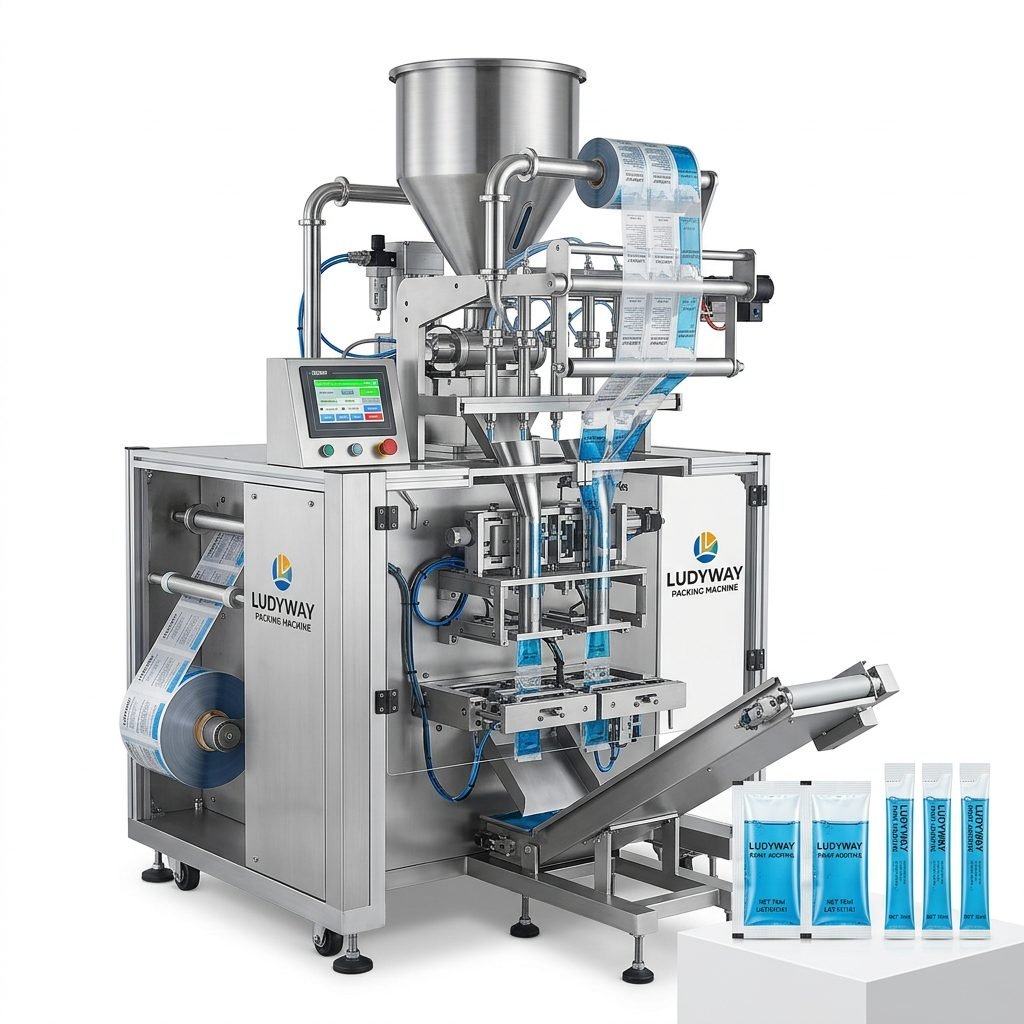
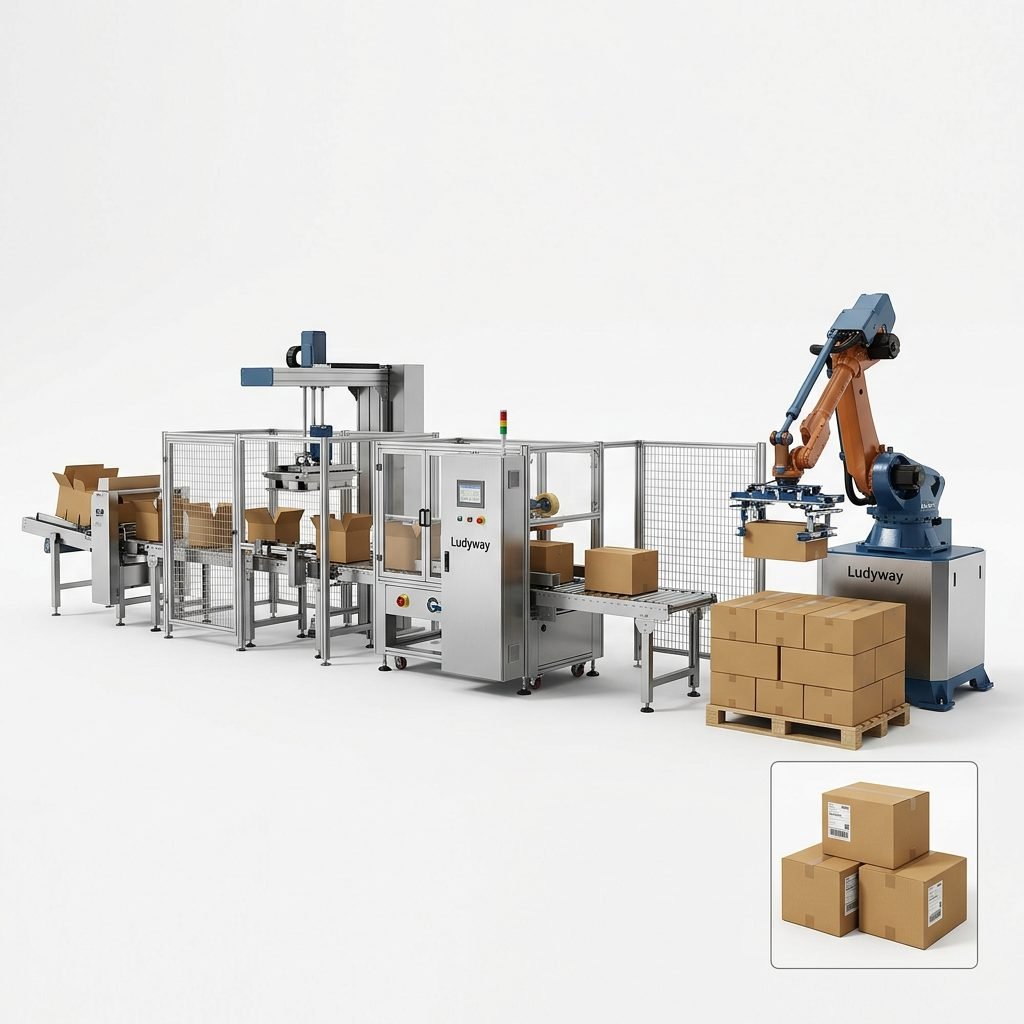
Selecting the right chilli packing machine is one of the most critical decisions for any spice processing business. Whether you are packaging crushed chilli flakes, fine chilli powder, or whole dried chillies, the equipment you choose directly impacts production efficiency, product quality, and long-term operational costs. With dozens of machine configurations, filling technologies, and automation levels available on the market, buyers need a structured approach to evaluate their options and avoid costly mistakes.
This comprehensive buyer’s guide walks you through the essential factors to consider when choosing a chilli packaging machine, from understanding your product characteristics to evaluating manufacturers and planning for future growth. By the end, you will have a clear framework for making an informed investment decision.
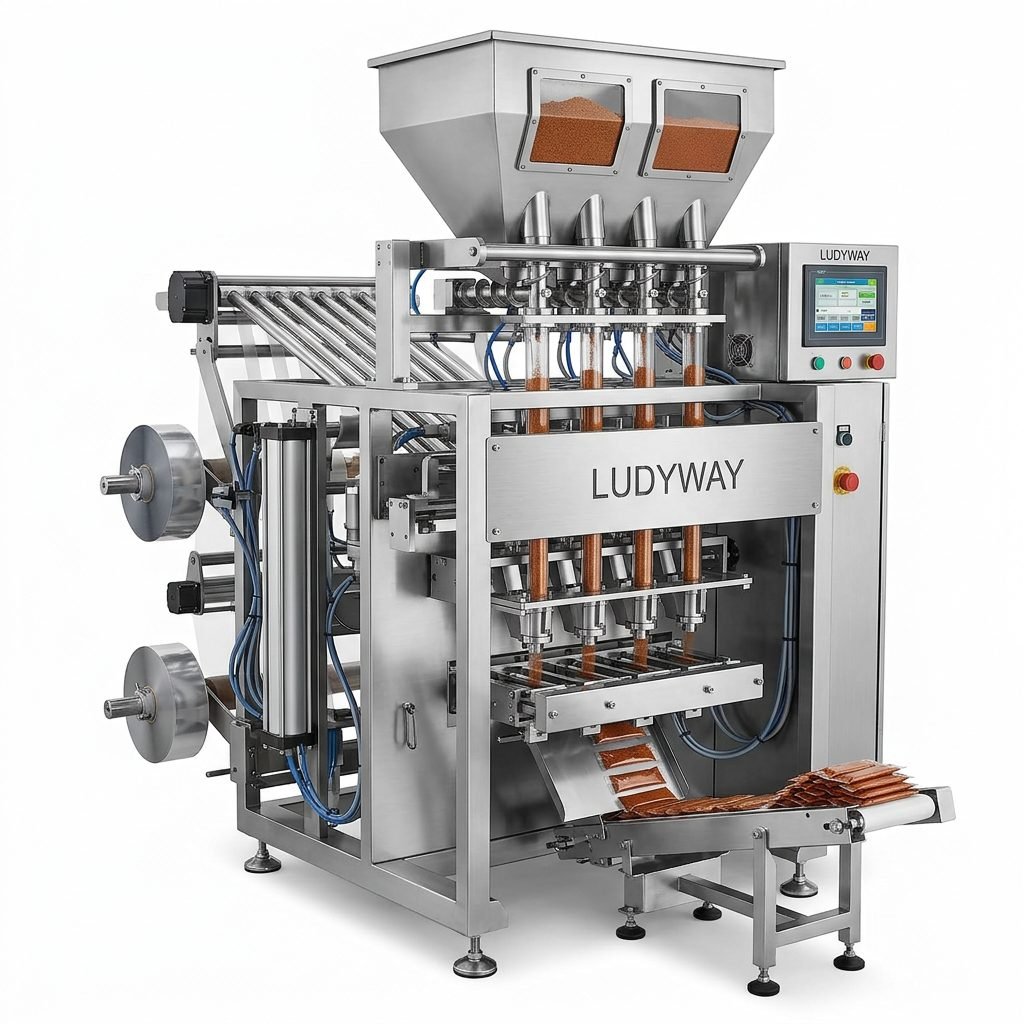
Understanding Your Chilli Product Characteristics
Before evaluating any machine specifications, you must first define your product’s physical properties. Chilli products come in various forms, and each presents unique handling challenges for packaging equipment:
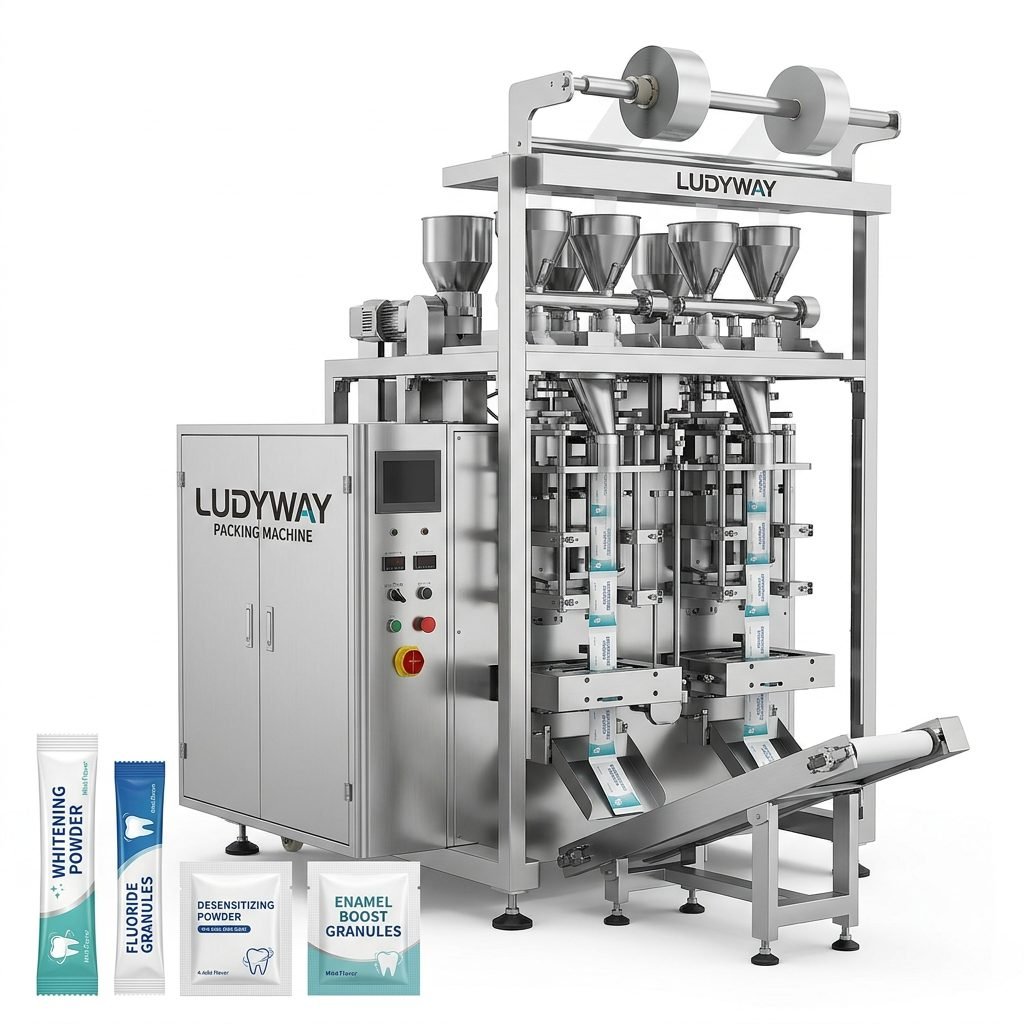
- Fine chilli powder – Highly dusty, prone to airborne dispersion, requires sealed dosing systems and dust extraction to maintain a clean working environment and accurate fills.
- Crushed chilli flakes – Irregular particle size and shape can bridge or clog in certain feeder types. Multi-head weighers or auger fillers with agitation are often recommended.
- Whole dried chillies – Fragile and inconsistent in shape, requiring gentle handling and specialized feeding mechanisms to prevent product breakage during the packaging process.
- Chilli pastes and sauces – Viscous and sticky products need piston fillers or pump-based liquid filling systems with sanitary design features.
Understanding these characteristics helps you narrow down the appropriate powder packaging machines and filling technologies before moving to other selection criteria. Product density, flowability, and moisture content also influence dosing accuracy and the type of weighing system required.
Packaging Material and Pouch Format Selection
The packaging format you choose directly determines which machine configuration is suitable. Modern chilli packaging lines can produce multiple bag styles, and your selection should align with market requirements, shelf-life expectations, and cost targets.
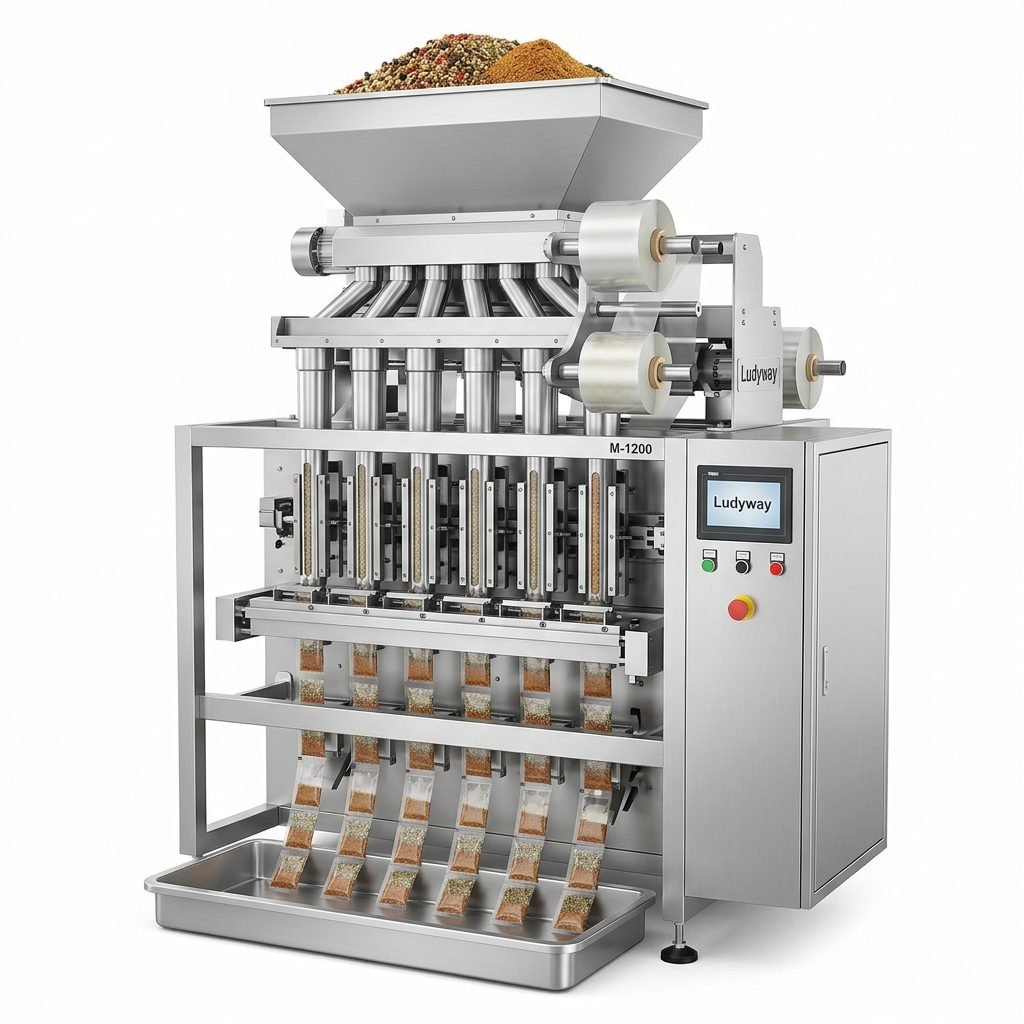
Common Pouch Formats for Chilli Products
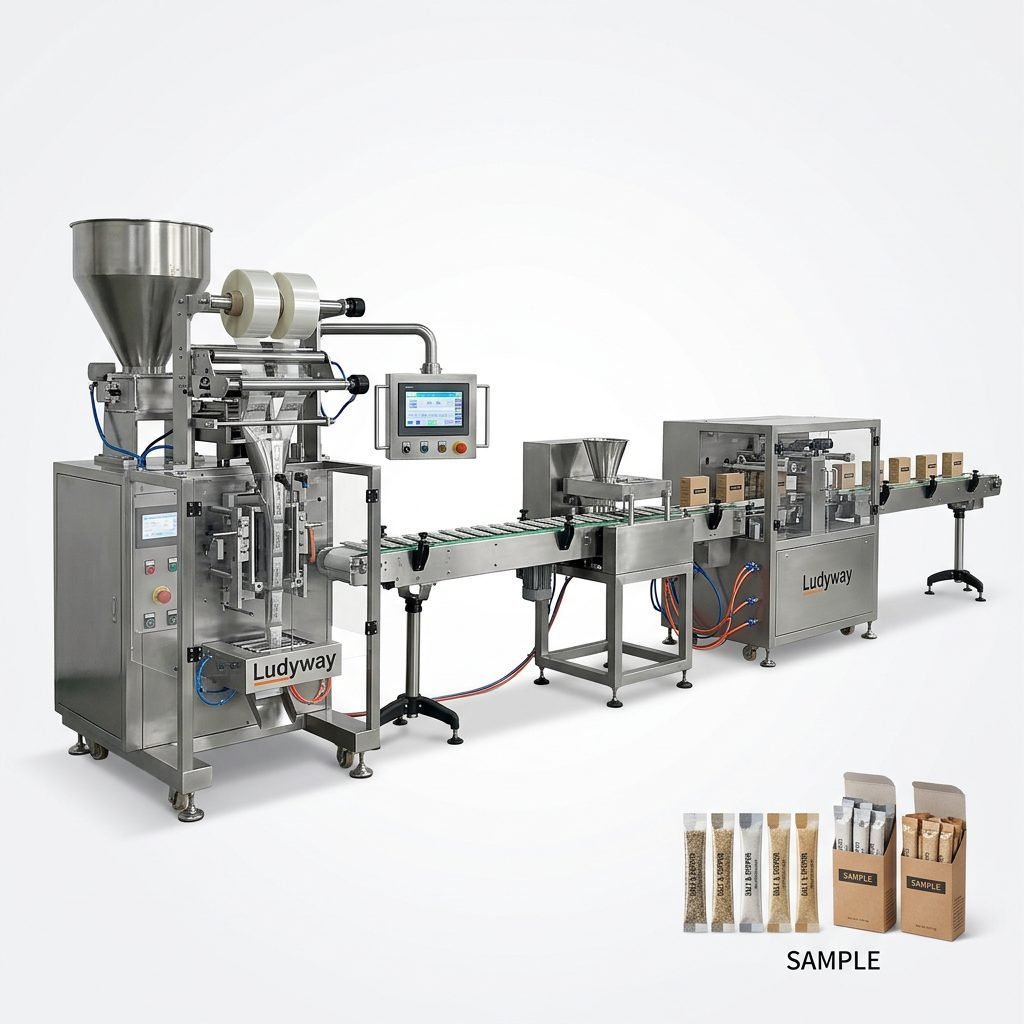
- Stick packs – Slim, single-serve format ideal for chilli powder portions, popular in foodservice and retail channels.
- Sachets – Flat or pillow-style pouches commonly used for small to medium quantities, cost-effective and widely compatible with multi-lane machines.
- Stand-up pouches – Premium format with zipper resealability, suitable for larger retail packs of chilli flakes or whole chillies.
- Premade pouches – For operations using ready-made bags, requiring rotary or inline pouch filling and sealing machines.
Packaging material selection is equally important. Chilli products, especially powders, can be sensitive to moisture and oxygen. According to the Flexible Packaging Association, barrier films with aluminum foil or metallized layers are widely used in spice packaging to extend shelf life and preserve aroma. Your machine must be compatible with the film structure you intend to use, including heat-sealable laminates, polyethylene-based films, and biodegradable alternatives.
Production Speed and Capacity Requirements
Speed requirements vary dramatically between small-scale operations and high-volume industrial production. A key decision point is whether you need a single-lane or multi-lane packaging machine.
Single-lane machines are suitable for smaller throughput requirements, typically producing 30 to 80 packs per minute depending on bag size and fill volume. They are easier to operate, require less floor space, and represent a lower initial investment. However, scaling up production later may require purchasing additional units.
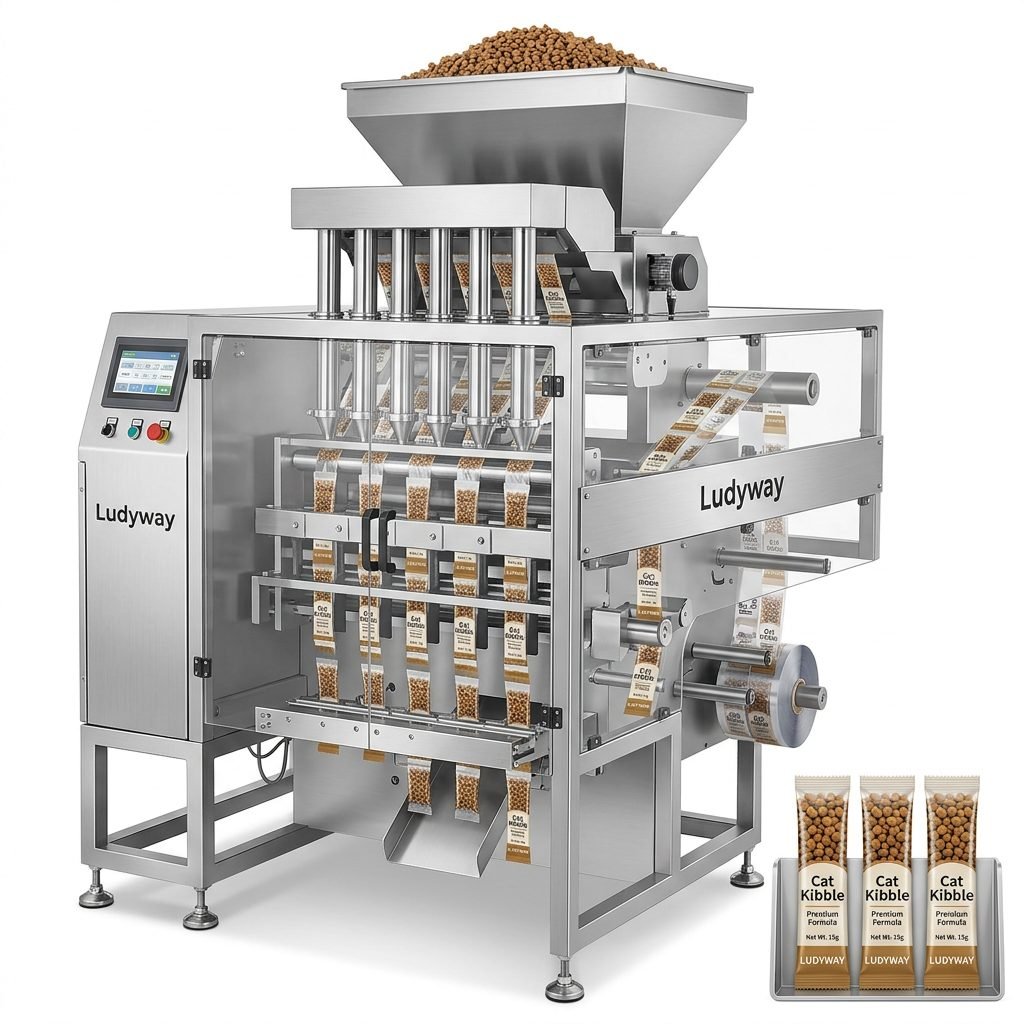
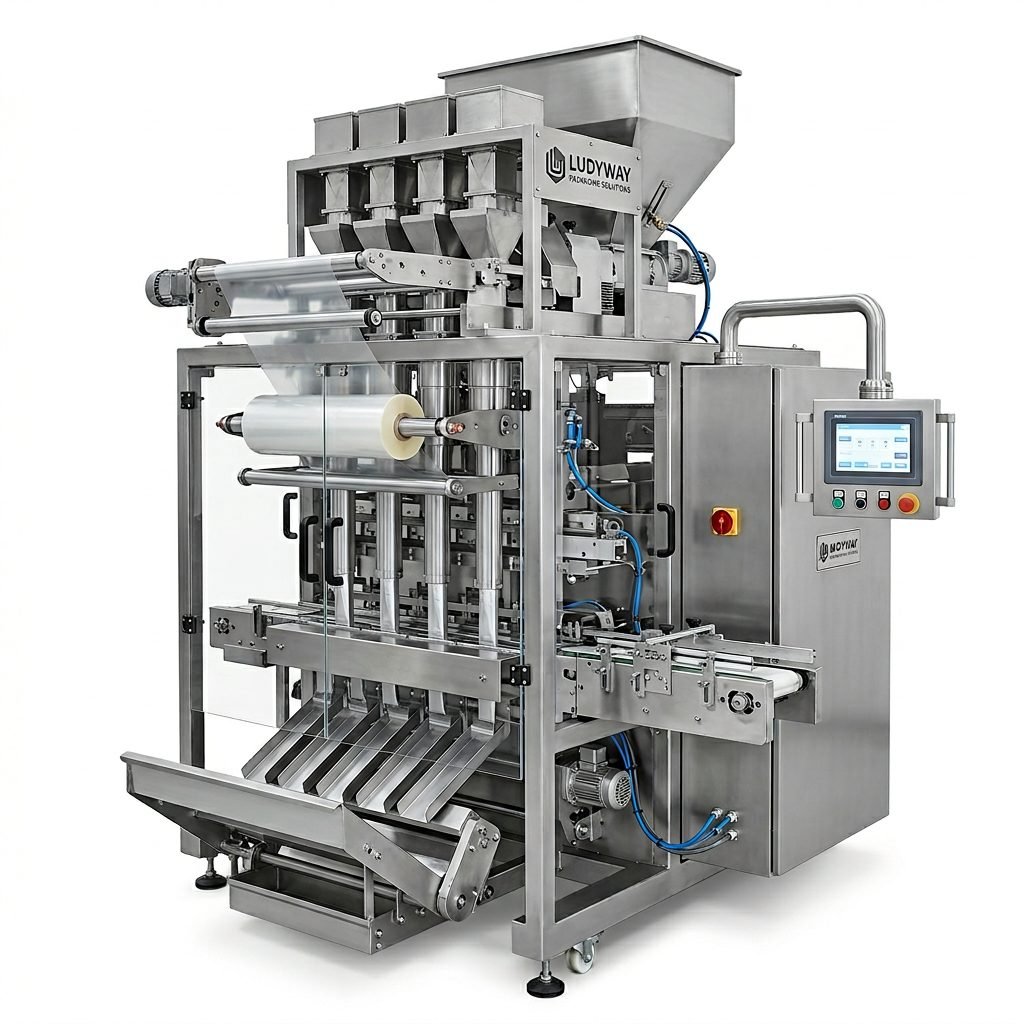
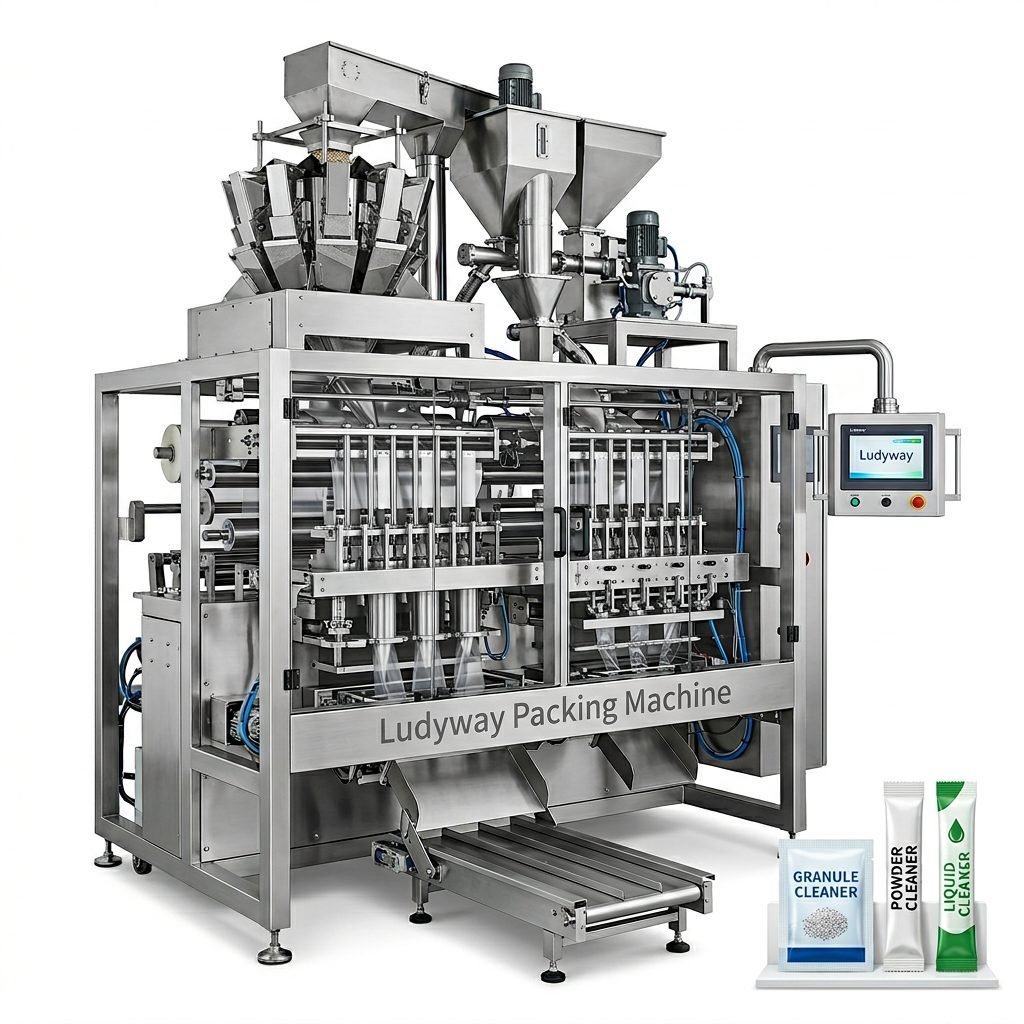
Multi-lane packaging machines can run 4, 6, 8, or even 12 lanes simultaneously, multiplying output to 200–600+ packs per minute. For businesses targeting high-volume chilli powder packaging for export or large retail chains, multi-lane systems offer significantly lower per-pack costs and faster return on investment. The trade-off is higher capital expenditure and more complex changeover procedures.
Filling Accuracy and Weighing Technology
Product giveaway directly impacts profitability. In chilli packaging, where raw material costs can be significant, precise filling is a competitive advantage. Several weighing and dosing technologies are available, each with different accuracy profiles and speed capabilities:
| Technology Type | Best For | Accuracy Level | Typical Speed |
|---|---|---|---|
| Volumetric Cup Filler | Free-flowing chilli powder | ±1–2% | High |
| Auger Filler | Fine to semi-free-flowing powders | ±0.5–1% | Medium to High |
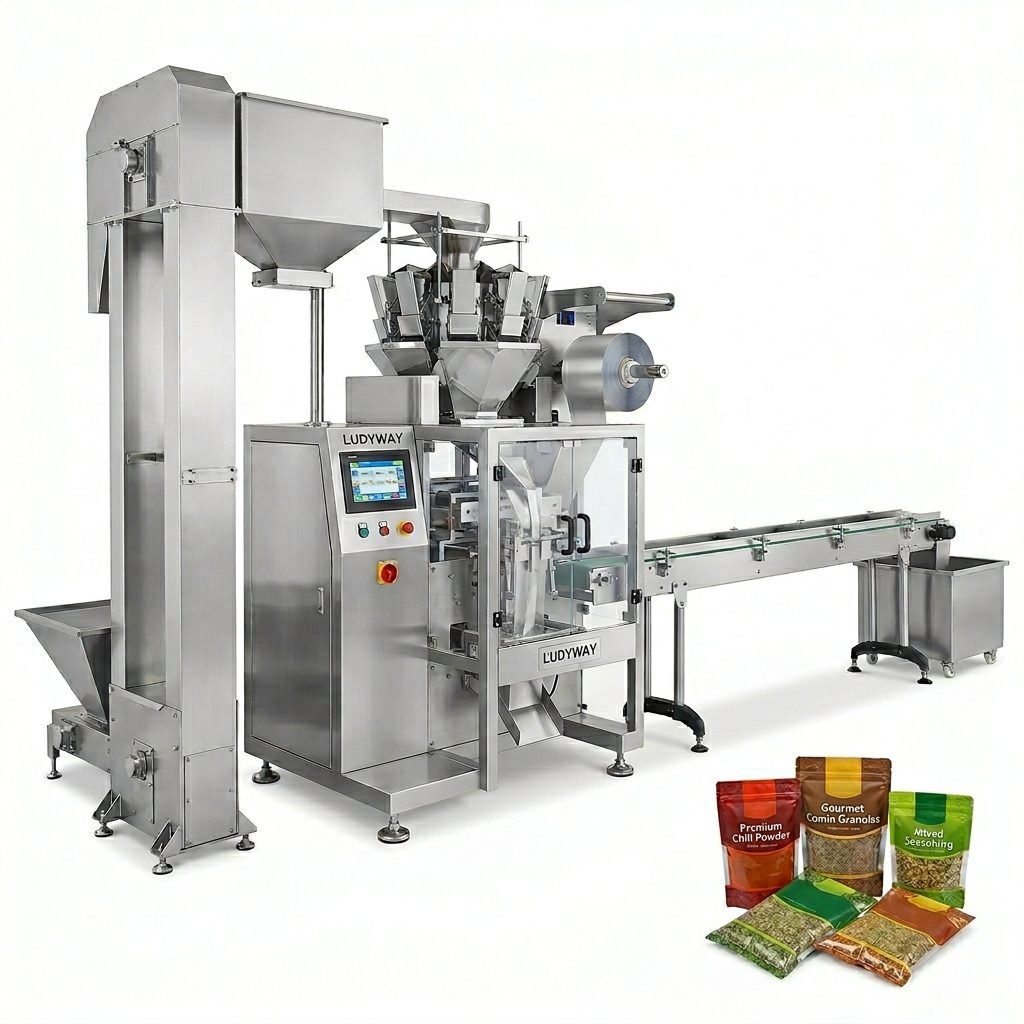
| Multi-Head Weigher | Chilli flakes, whole chillies, irregular shapes | ±0.2–0.5% | Very High |
| Linear Weigher | Granules, flakes, medium accuracy needs | ±0.5–1.5% | Medium |
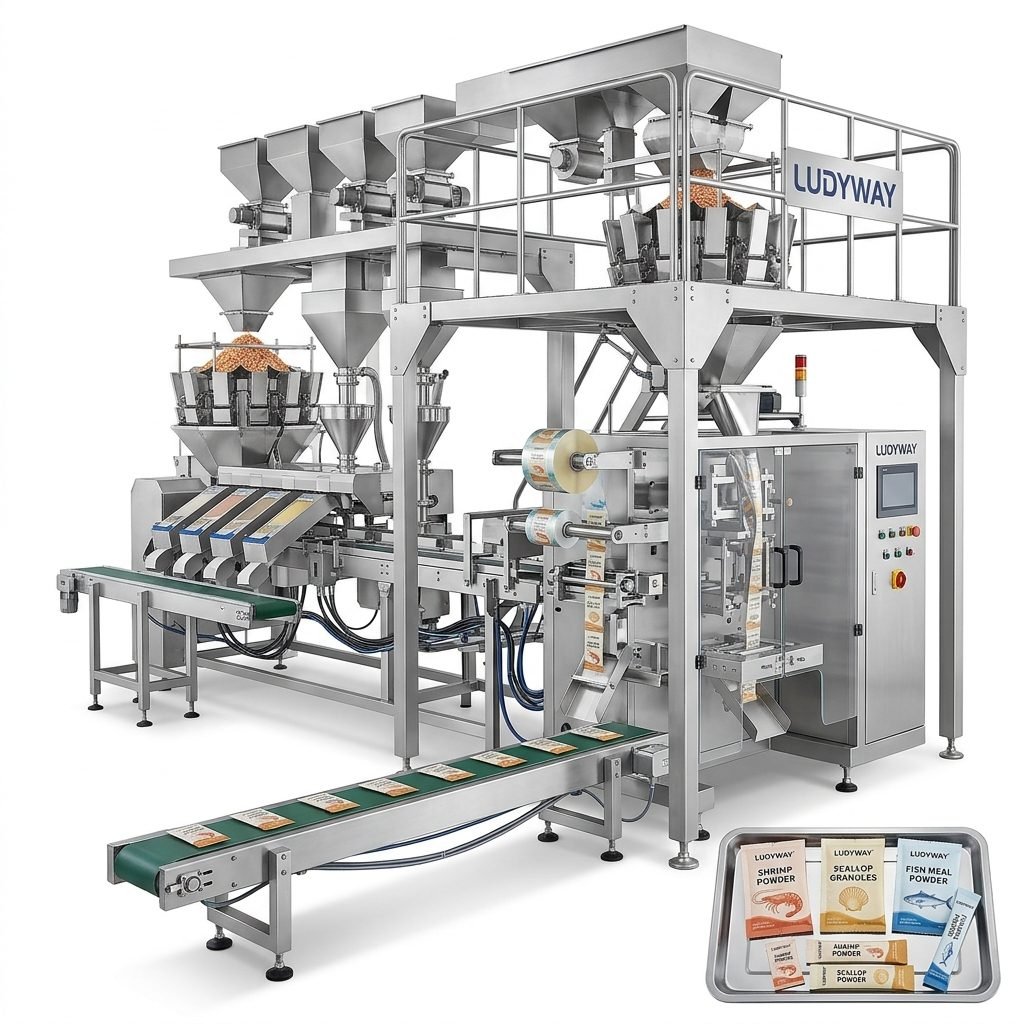
For premium chilli powder brands where every gram counts, multi-head weighers deliver the highest accuracy and fastest speeds. For standard retail packs, auger fillers often provide the right balance of precision and cost-effectiveness. The PMMI Business Intelligence reports indicate that weighing technology selection increasingly influences overall packaging line efficiency and product quality consistency.
Machine Construction and Material Compliance
Chilli packaging equipment must be constructed from appropriate materials to ensure food safety, durability, and compliance with regulations. Key construction considerations include:
- Food-grade stainless steel – All product contact parts should be SUS304 or SUS316L stainless steel, resistant to corrosion from acidic chilli oils and easy to clean.
- Dust-proof sealing – Chilli powder is highly pervasive; electrical enclosures, bearings, and control panels must be properly sealed to prevent powder ingress that can damage components.
- GMP compliance – For pharmaceutical-grade or export-oriented chilli packaging, the machine should support Good Manufacturing Practice requirements, including accessible design for cleaning and sanitation.
- ATEX or explosion-proof options – Fine organic powders like chilli can create combustible dust atmospheres; in some environments, explosion-proof electrical components may be mandatory.
Automation Level and Integration Capabilities
Modern chilli packaging operations increasingly adopt turnkey and automated packaging lines that integrate multiple stages into a seamless workflow. When evaluating a machine, consider both your current operational setup and future ambitions for automation.
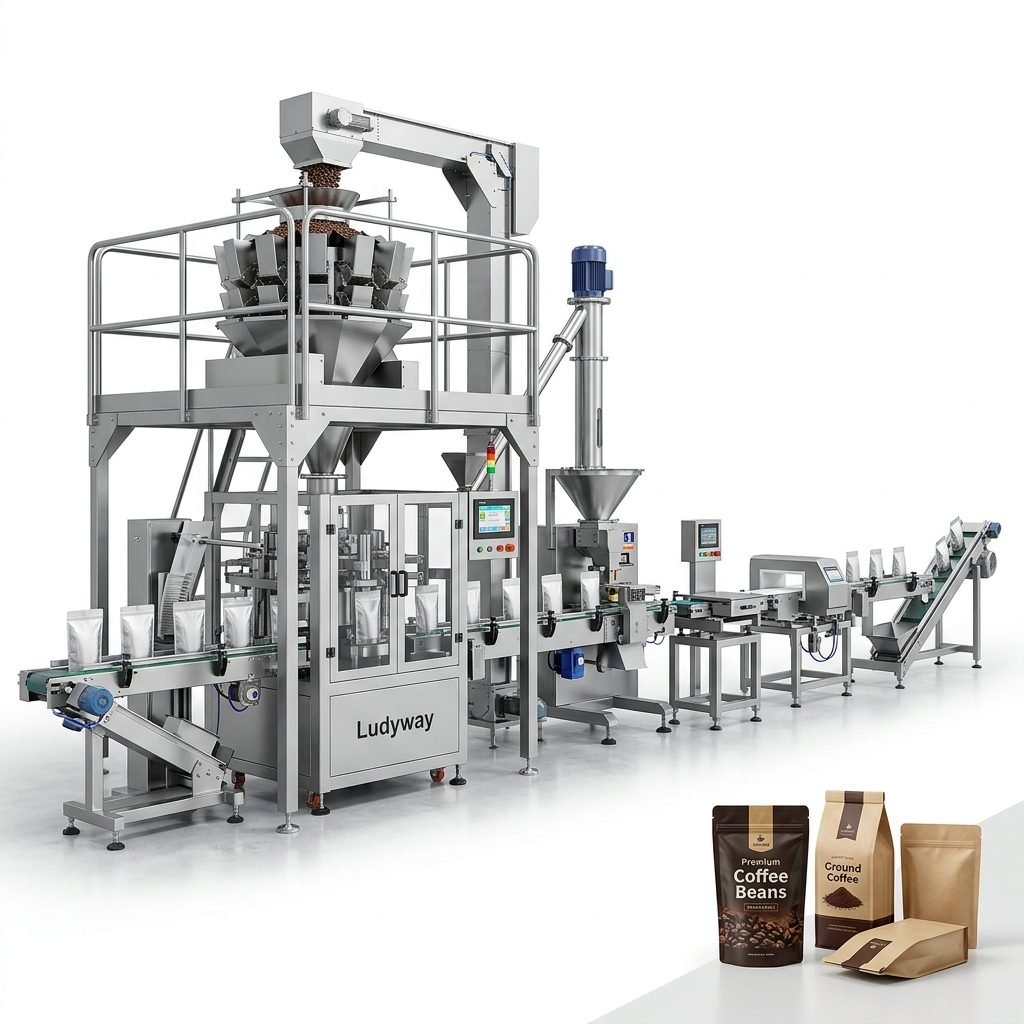
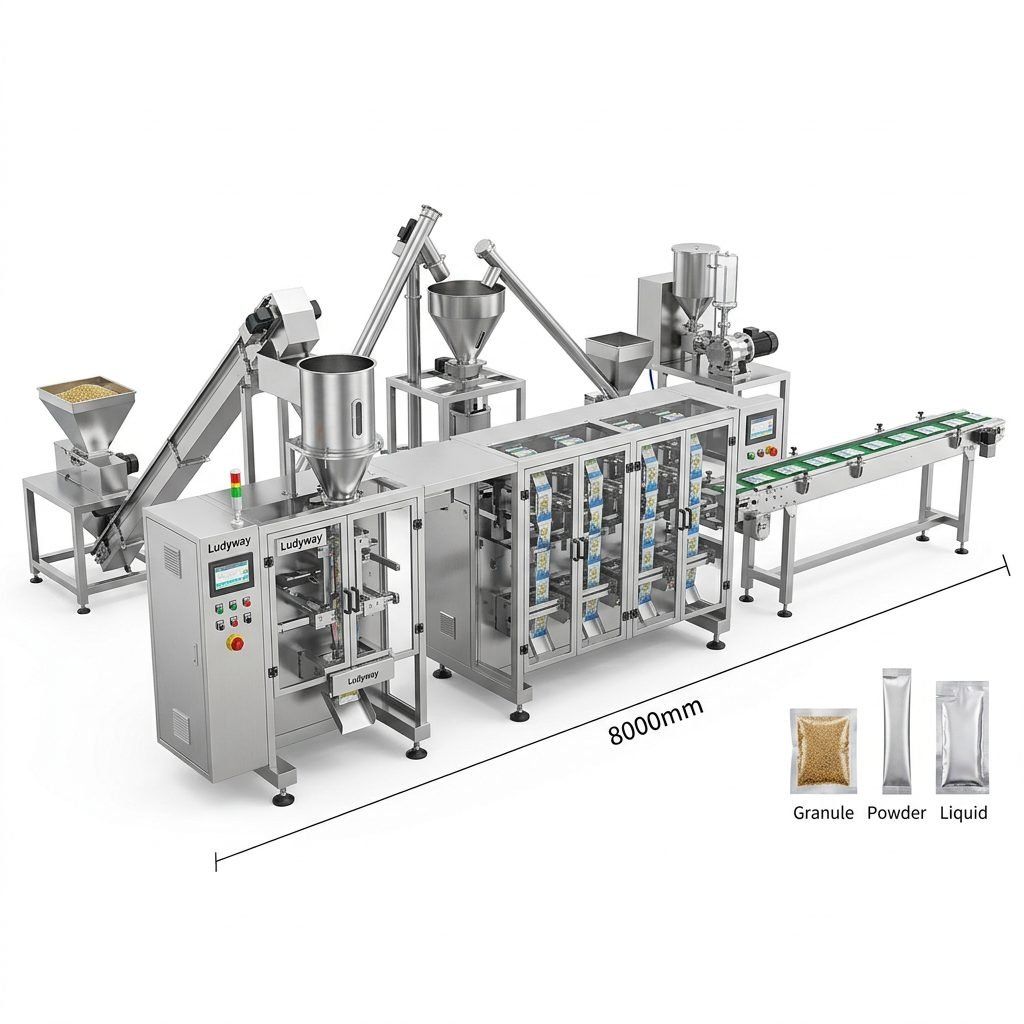
A basic standalone machine handles only form-fill-seal operations, with manual feeding and manual collection of finished packs. Mid-range configurations add automatic feeding systems such as bucket elevators, inclined conveyors, or vacuum feeders that transport chilli powder from storage hoppers to the packaging machine without operator intervention. At the high end, fully integrated lines combine automatic feeding, multi-lane packaging, checkweighing, metal detection, coding and marking, cartoning, case packing, and palletizing into a single synchronized system.
Choosing a machine with modular design principles allows you to start with essential functions and add modules as your business grows, protecting your initial investment while maintaining a clear upgrade path. Look for machines that support integration with third-party equipment through standard industrial communication protocols.
Evaluating the Manufacturer and After-Sales Support
The manufacturer you choose is as important as the machine itself. A packaging machine represents a long-term investment, and the quality of technical support, spare parts availability, and engineering expertise directly impacts your production uptime over the equipment’s lifespan. Leading manufacturers like Ludyway Machinery, a China-based packaging machinery manufacturer with more than 30 years of experience, provide comprehensive support including customized engineering, installation, commissioning, operator training, and after-sales service for manufacturers worldwide.
Key evaluation criteria for manufacturers include:
- Industry experience – How many years has the manufacturer specialized in powder and granule packaging? Have they supplied machines for chilli or similar spice products?
- Manufacturing facilities – In-house production with quality-controlled processes generally ensures better build quality and faster lead times than outsourced assembly.
- Technical documentation – Comprehensive manuals, electrical schematics, and maintenance guides are essential for efficient operation and troubleshooting.
- Spare parts availability – Confirm that critical wear parts and consumables are readily available, ideally from regional stock to minimize downtime.
- Remote and on-site support – The ability to diagnose issues remotely combined with field service availability when needed ensures production continuity.
Request references from existing customers in the spice or powder packaging industry, and whenever possible, visit the manufacturer’s facility or arrange a factory acceptance test before shipment. For more insights on evaluating customized packaging solutions, review detailed equipment specifications and previous project case studies.
Budget Considerations and Total Cost of Ownership
The purchase price of a chilli packing machine is only one component of its total cost. A thorough financial analysis should account for the full lifecycle costs over the expected service life, typically 8 to 15 years for well-maintained equipment:
- Initial capital expenditure – Machine cost plus installation, commissioning, and any facility modifications required.
- Operating costs – Electricity consumption, compressed air requirements, and packaging material waste rates.
- Consumables and spare parts – Sealing elements, cutting blades, filters, lubricants, and other wear components replaced on a scheduled basis.
- Labor requirements – Number of operators needed per shift and the skill level required. Automated multi-lane packaging machines typically reduce labor costs significantly compared to multiple single-lane units.
- Downtime and maintenance – Planned maintenance intervals and estimated unplanned downtime based on machine reliability history.
A machine with a higher initial price but lower operating costs, better reliability, and stronger manufacturer support often delivers superior long-term value compared to budget alternatives that incur higher maintenance expenses and production losses over time.
Making the Final Decision
Choosing the right chilli packing machine requires balancing multiple factors: your product characteristics, target production volumes, packaging format requirements, quality standards, and available budget. By systematically evaluating each of the criteria discussed in this guide, you can narrow down the options and identify equipment that aligns with both your current needs and your long-term business strategy.
Start by clearly documenting your product specifications and production targets. Consult with multiple manufacturers to compare proposed solutions, not just on price but on engineering quality, technical support, and the manufacturer’s understanding of spice packaging challenges. Where possible, conduct product trials with sample machines or visit reference installations processing similar products. This due diligence significantly reduces implementation risk and sets the foundation for a successful, efficient chilli packaging operation.