Establishing a sugar packaging machine production line in Germany demands meticulous planning, compliance with stringent regulations, and the integration of high-precision automation. Germany remains Europe’s largest packaging machinery market, with the packaging industry projected to maintain steady growth driven by food safety standards and operational efficiency requirements. This guide outlines the critical phases and technical specifications required for a successful setup.
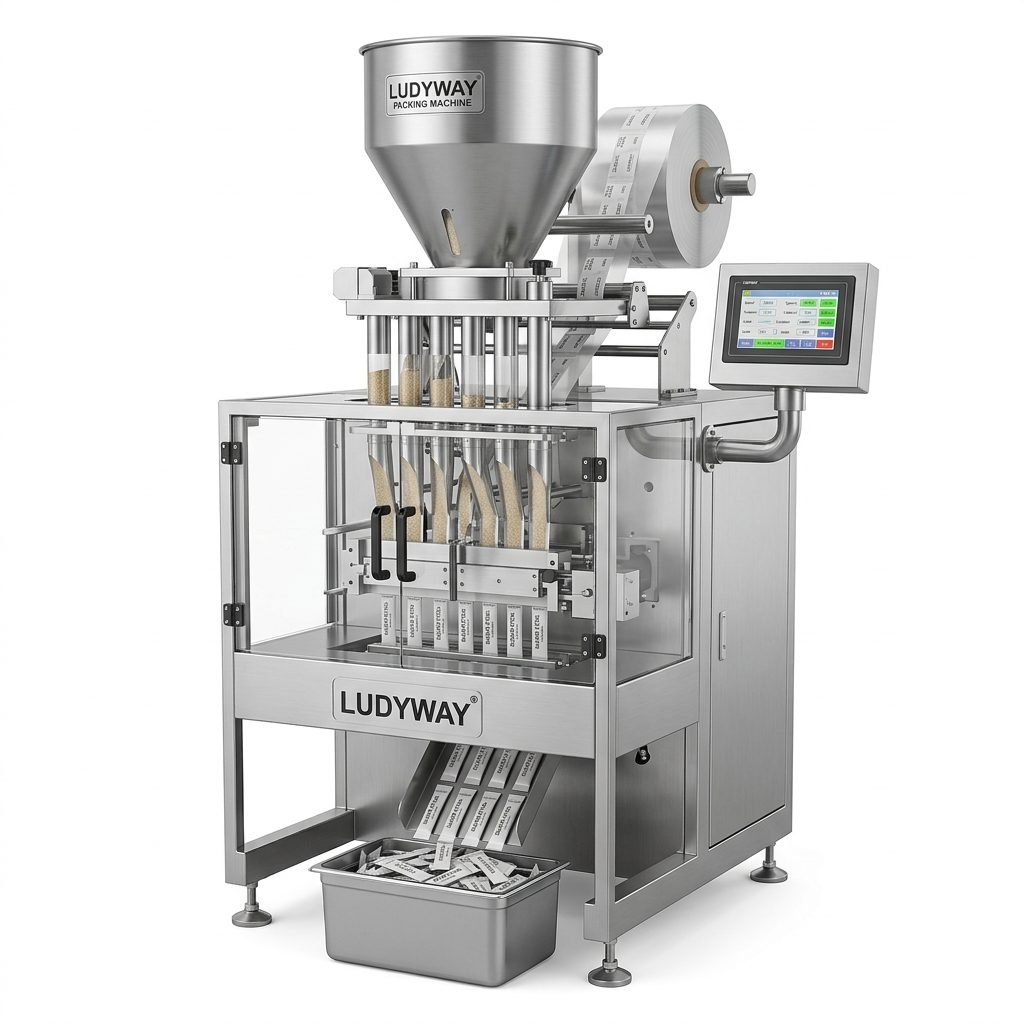
Understanding German Market Requirements
Before importing or installing a sugar stick pack machine in Germany, manufacturers must align with both European Union directives and national German standards. The primary regulatory framework includes CE Marking for machinery safety, ISO packaging standards, and compliance with the German Equipment and Product Safety Act. Germany’s food contact material regulations under LFGB mandate that all components touching sugar must be food-grade stainless steel, typically AISI 304 or 316L.
Key Compliance Certifications Needed
- CE Declaration of Conformity for the complete production line
- EN 415 series standards for packaging machine safety
- Hygienic design certification per EHEDG guidelines
- Electrical safety under IEC 60204-1
- Energy efficiency verification per EU Ecodesign Directive
Site Planning and Facility Preparation
German production facilities require systematic floor planning to optimize material flow and minimize cross-contamination risks. A sugar sachet packaging line typically occupies between 80 and 200 square meters depending on production capacity and auxiliary equipment configuration. Critical infrastructure elements include compressed air systems delivering 6-8 bar stable pressure, dedicated electrical panels with 400V/50Hz three-phase power, and climate-controlled environments maintaining 18-25°C with 45-55% relative humidity to prevent sugar clumping.
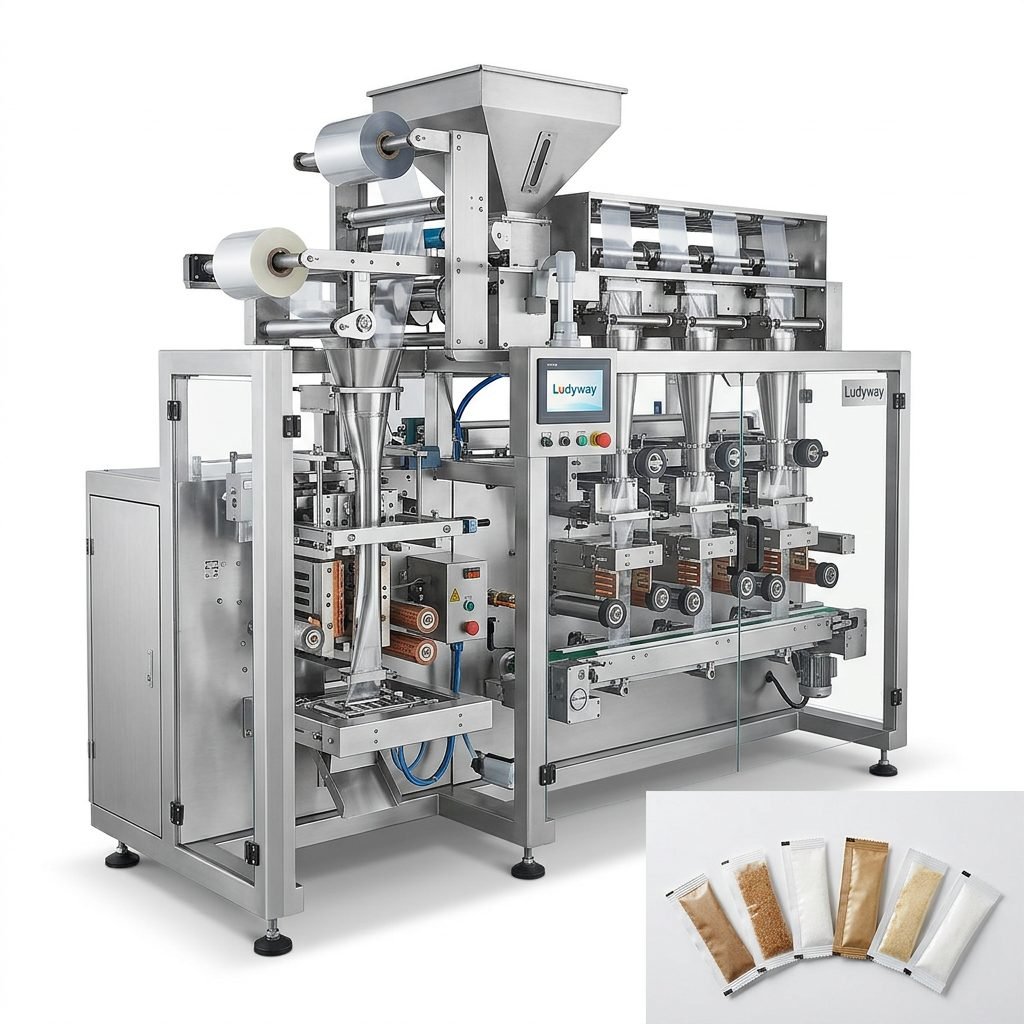
Essential Facility Requirements
| Requirement | Specification | Remarks |
|---|---|---|
| Power Supply | 400V ±5%, 50Hz, 3-phase | Dedicated circuit with overload protection |
| Compressed Air | 0.6-0.8 MPa, oil-free | Filtered to 5-micron level |
| Floor Load Capacity | ≥ 500 kg/m² | Reinforced concrete preferred |
| Ambient Temperature | 18-25°C | HVAC with humidity control |
| Clean Room Classification | ISO 8 minimum | Per IFS Food Standard requirements |
Core Machinery Configuration
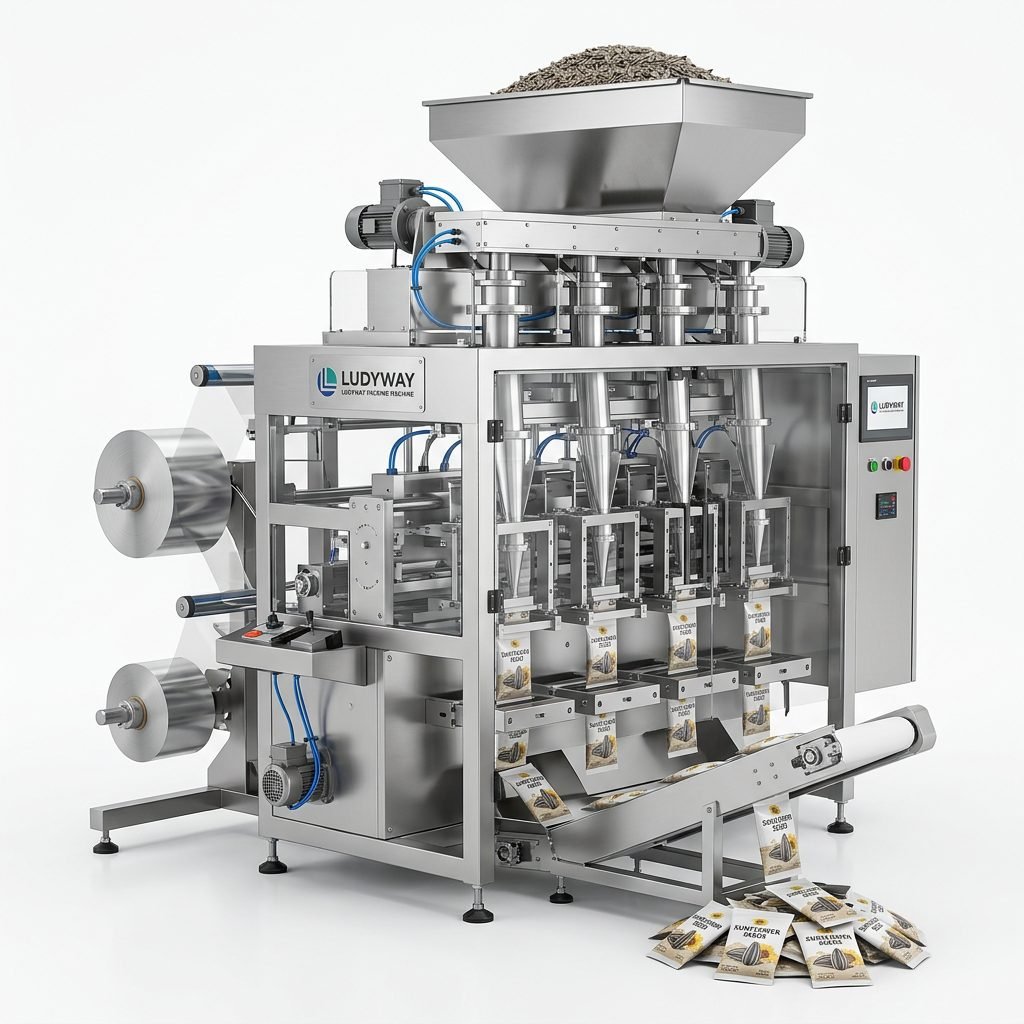
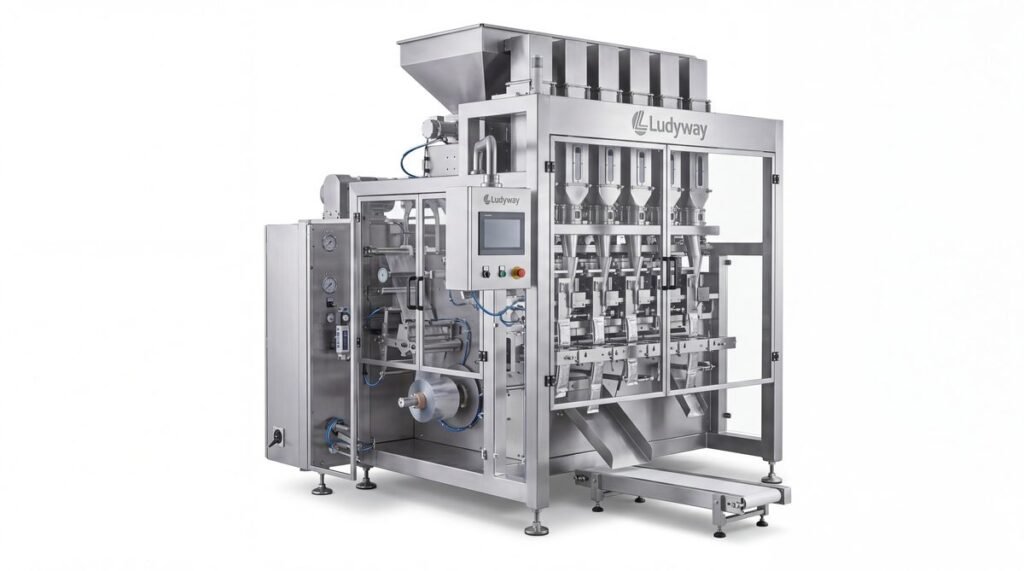
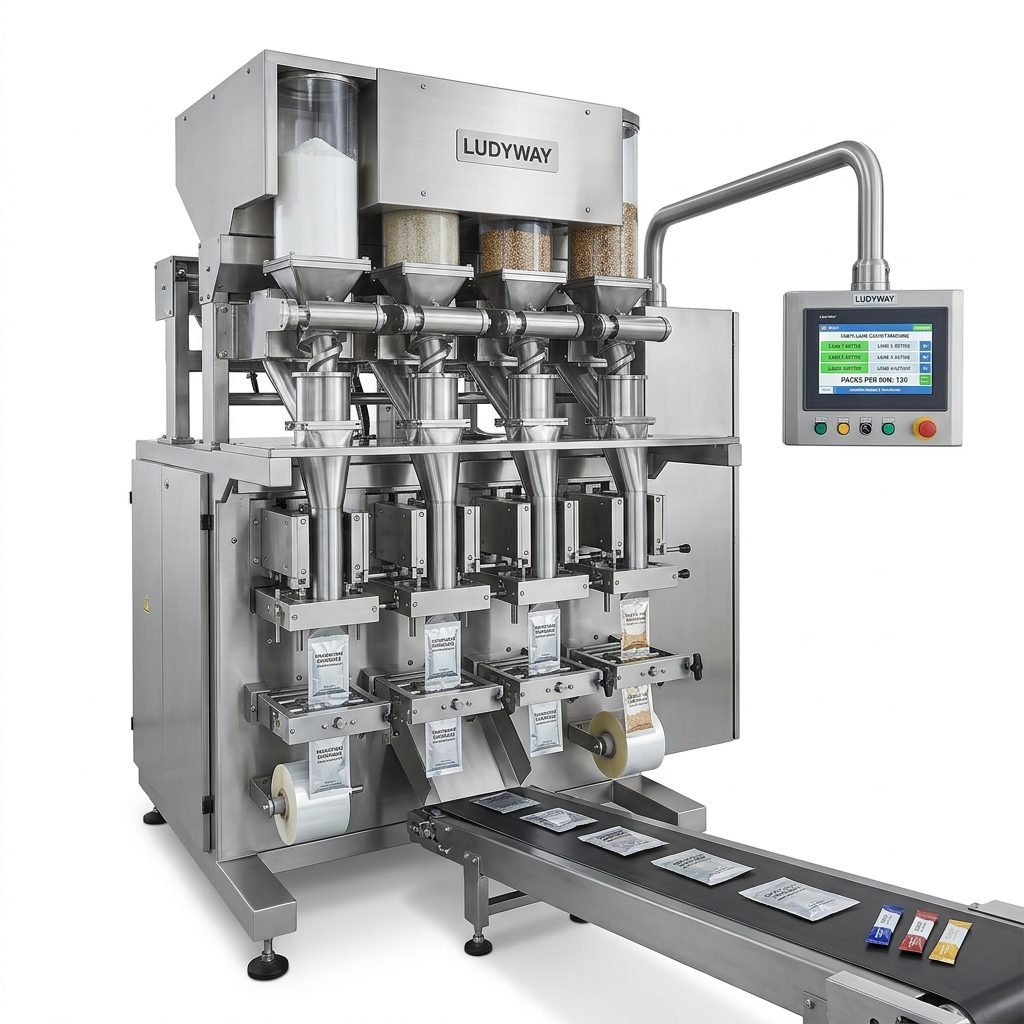
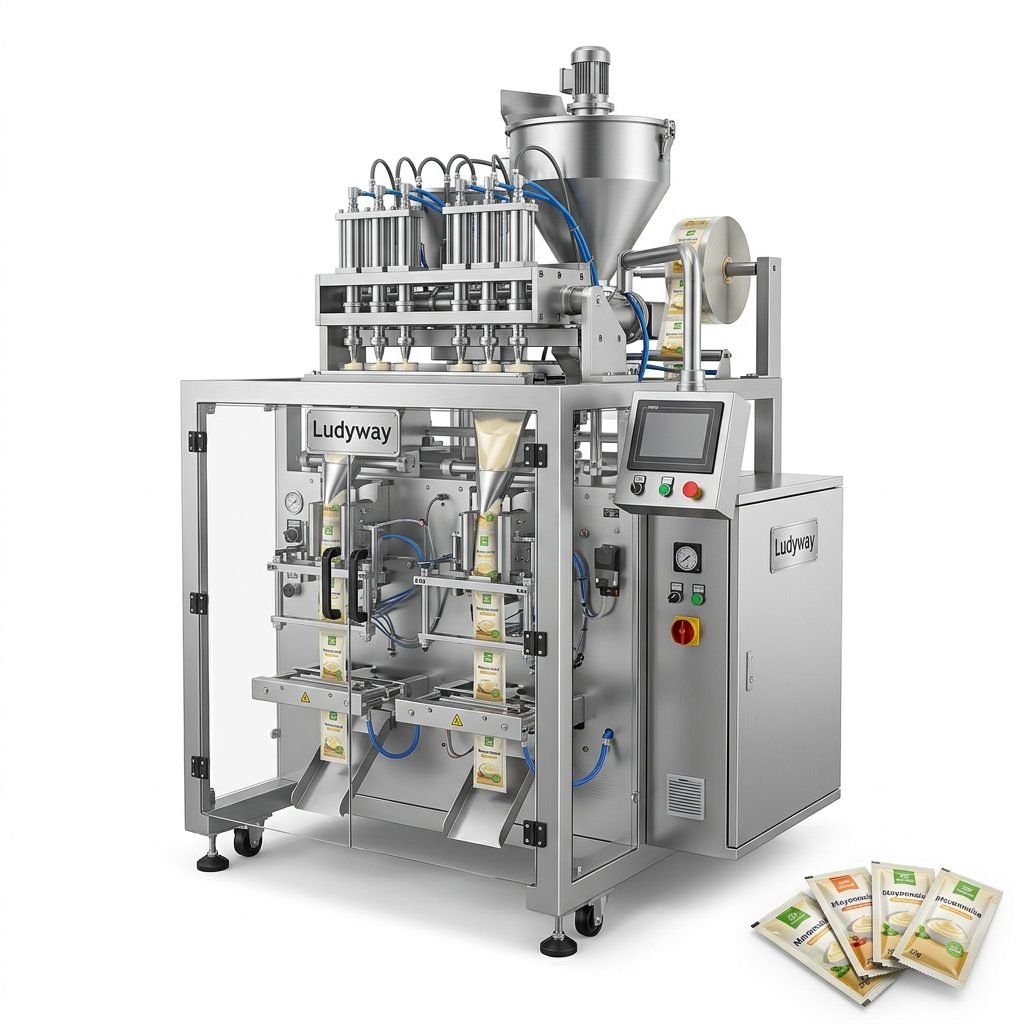
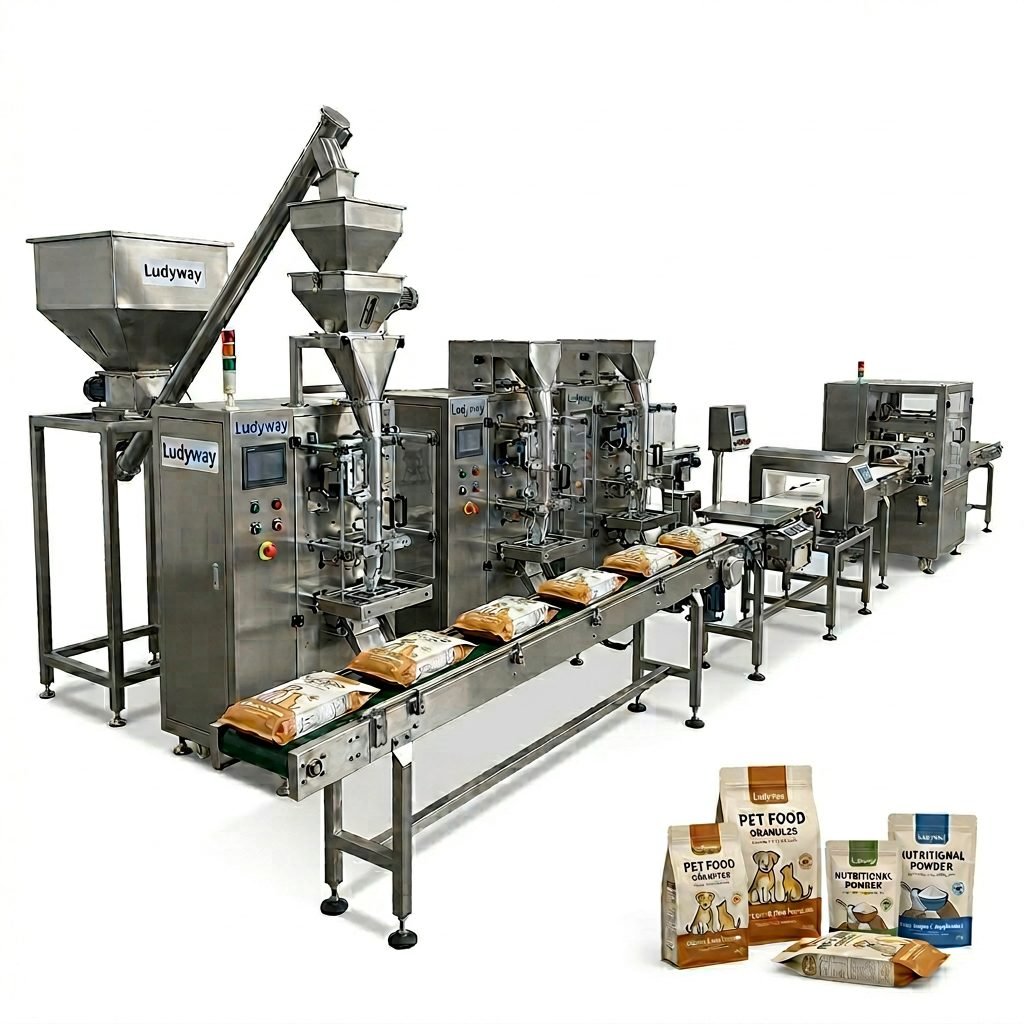
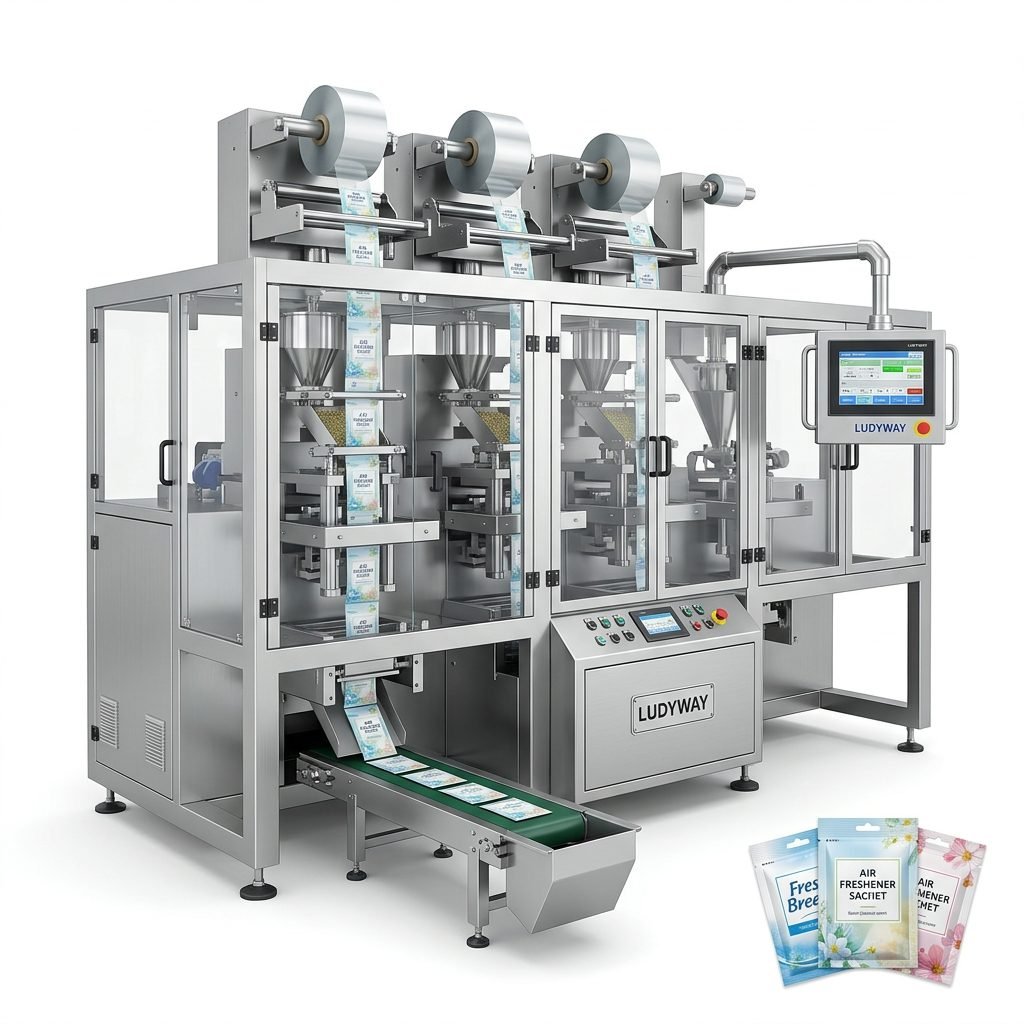
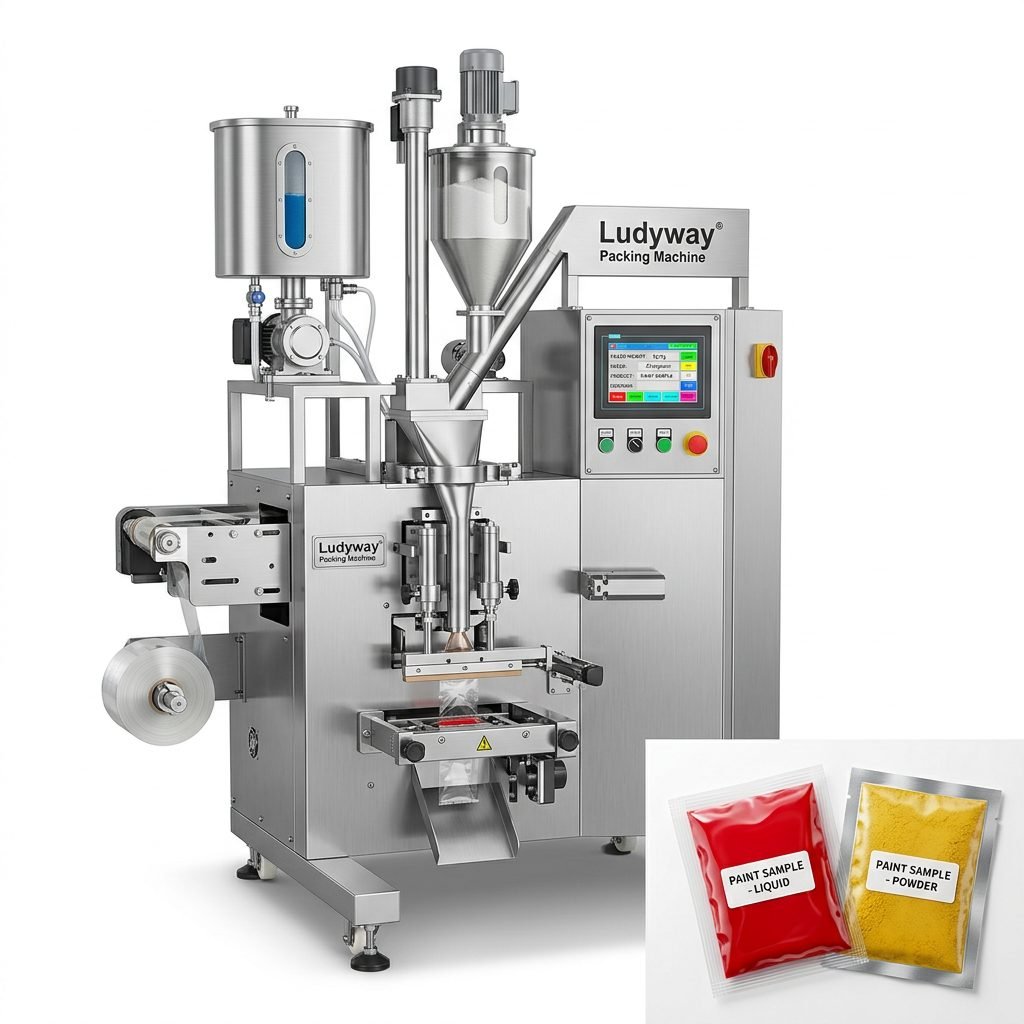
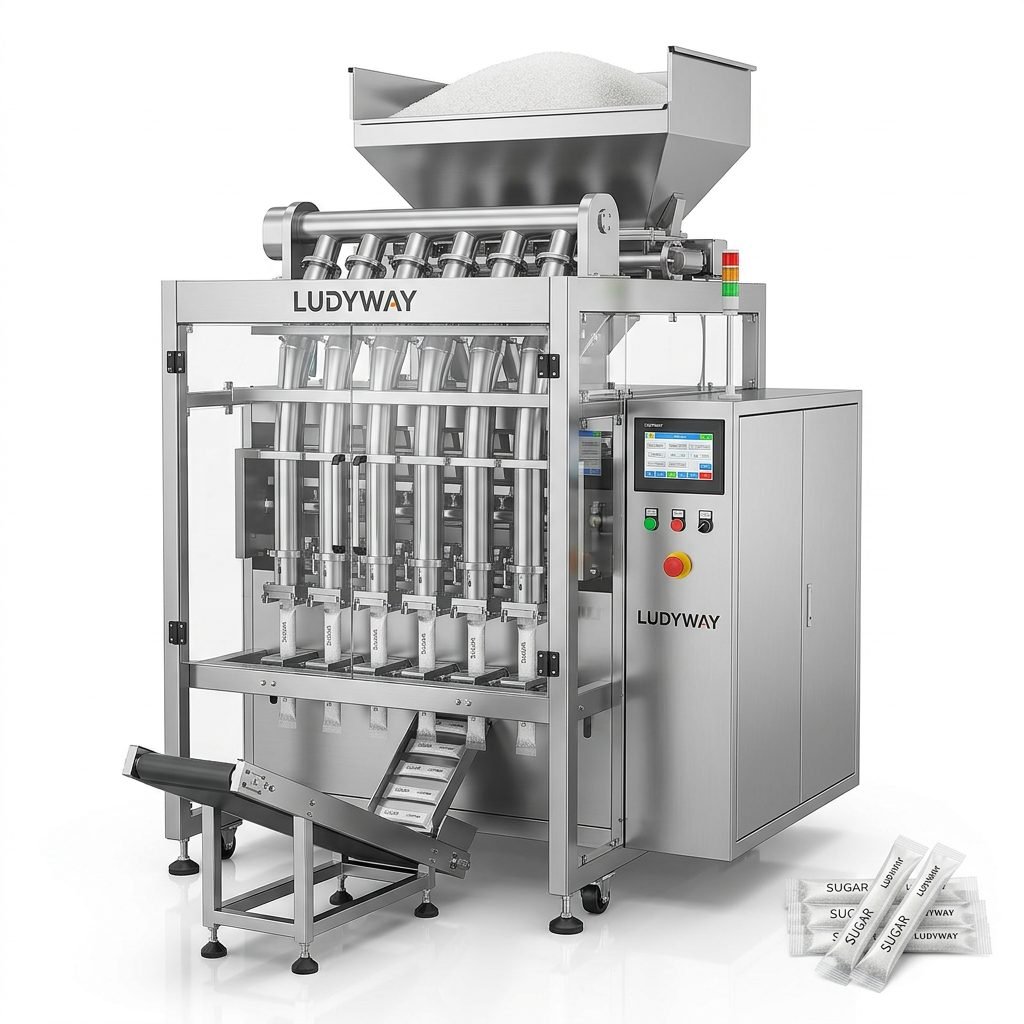
A complete sugar packaging production line in Germany integrates several interconnected machines. The configuration begins with a sugar feeding system, advances through multi-head weighers achieving ±0.1-0.5g accuracy, and culminates in high-speed vertical form fill seal machines. For the German retail market, multi-lane stick pack machines capable of producing 400-600 packs per minute across 8-12 lanes have become the industry benchmark.
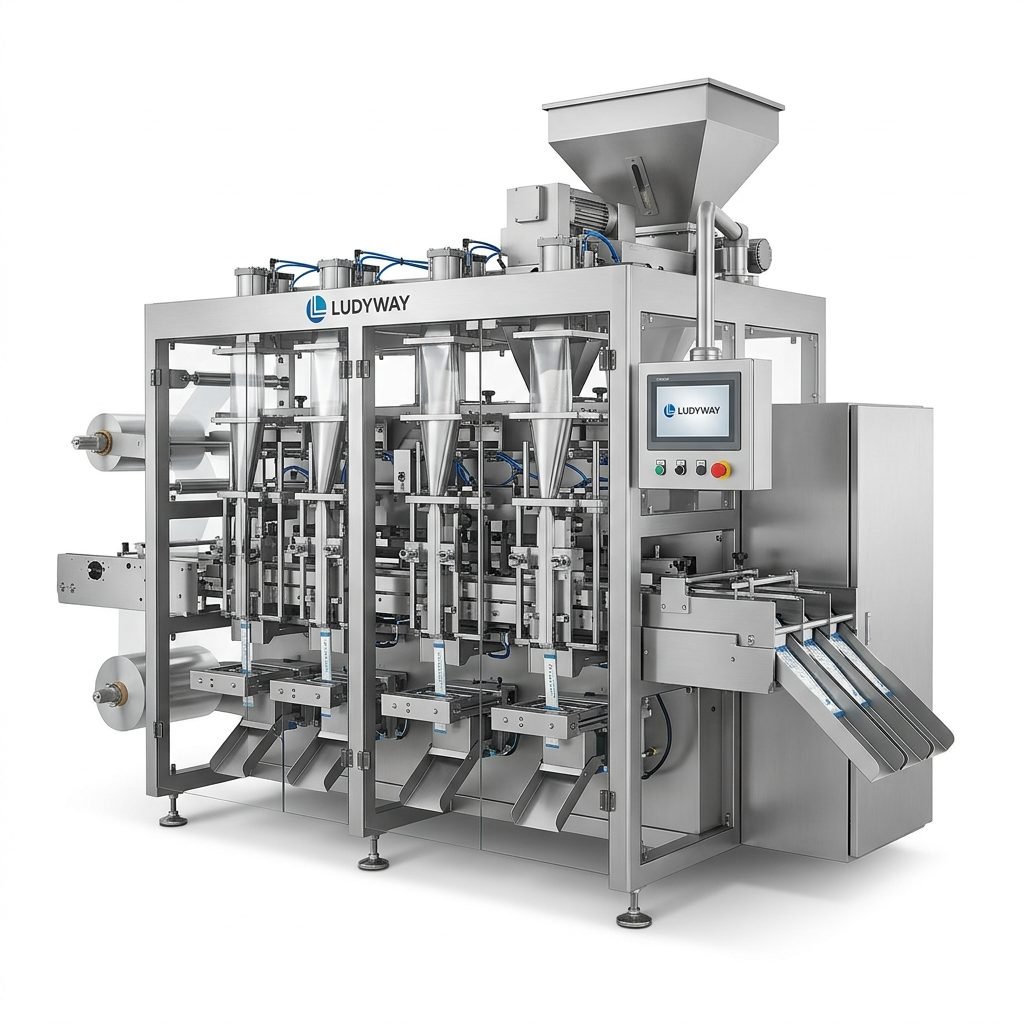
Typical Production Line Components
- Bucket elevator or vacuum conveyor for sugar transfer
- Multi-head linear weigher with 1-5kg range
- Vertical form fill seal machine with Servo-driven film transport
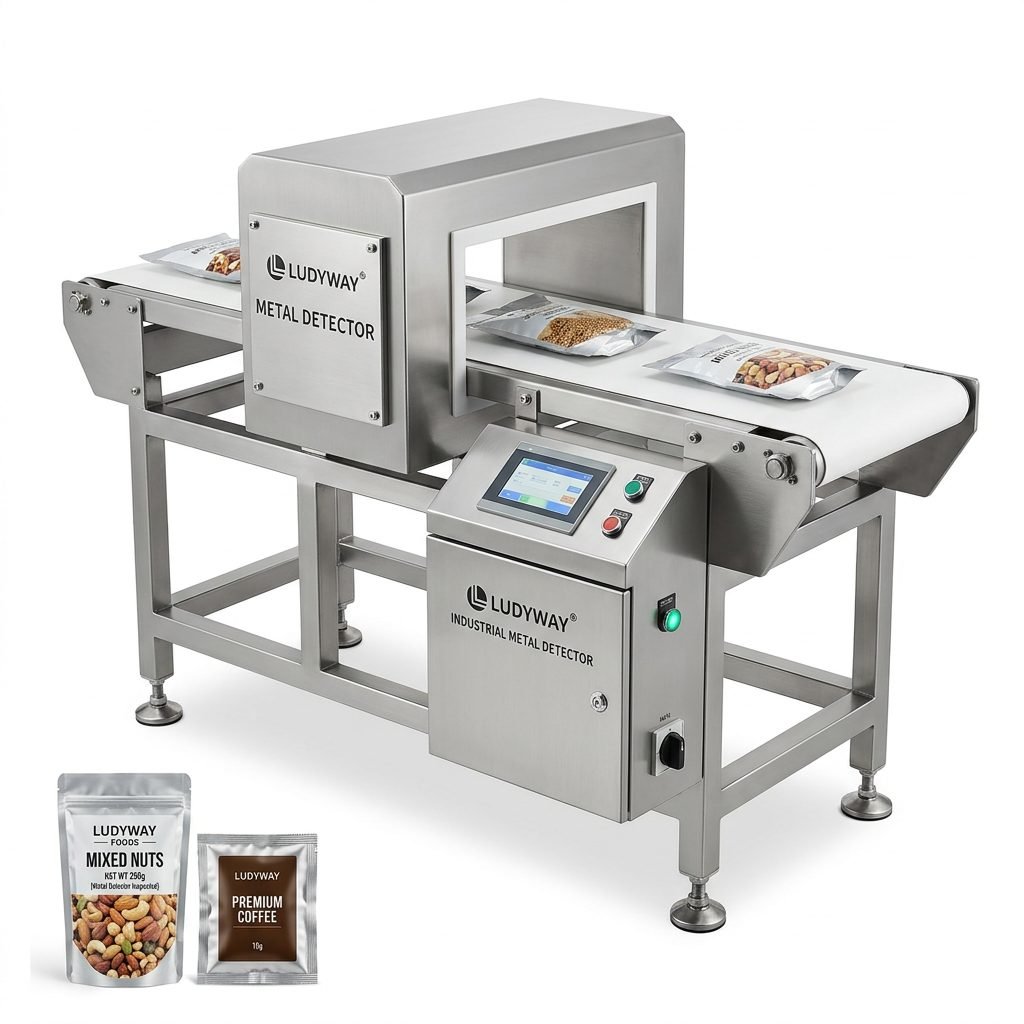
- Metal detector with 0.8mm ferrous sensitivity
- Automatic checkweigher with reject station
- Cartoning machine for secondary packaging
- Case packer with palletizing system
Automation and Industry 4.0 Integration
German manufacturing emphasizes Industrie 4.0 connectivity. Modern granule sugar packaging machines must support OPC UA communication protocols for seamless integration with MES and ERP systems. Real-time production monitoring, predictive maintenance analytics, and digital twin simulation capabilities reduce downtime by up to 30% in typical German facility operations.
Key Integration Protocols
Implementing a robust SCADA system with remote diagnostic functionality allows German plant managers to monitor OEE (Overall Equipment Effectiveness) metrics continuously. The packaging machinery standards increasingly require Weihenstephan standards compliance for data acquisition.
Operator Training and Qualification
Germany’s Betriebssicherheitsverordnung mandates documented operator training for all packaging line staff. A comprehensive training program for a sugar stick packaging line includes mechanical maintenance, electrical troubleshooting, software operation for HMI interfaces, hygiene protocol adherence, and emergency response procedures. Certification typically requires 40-80 hours of supervised operation before independent qualification.
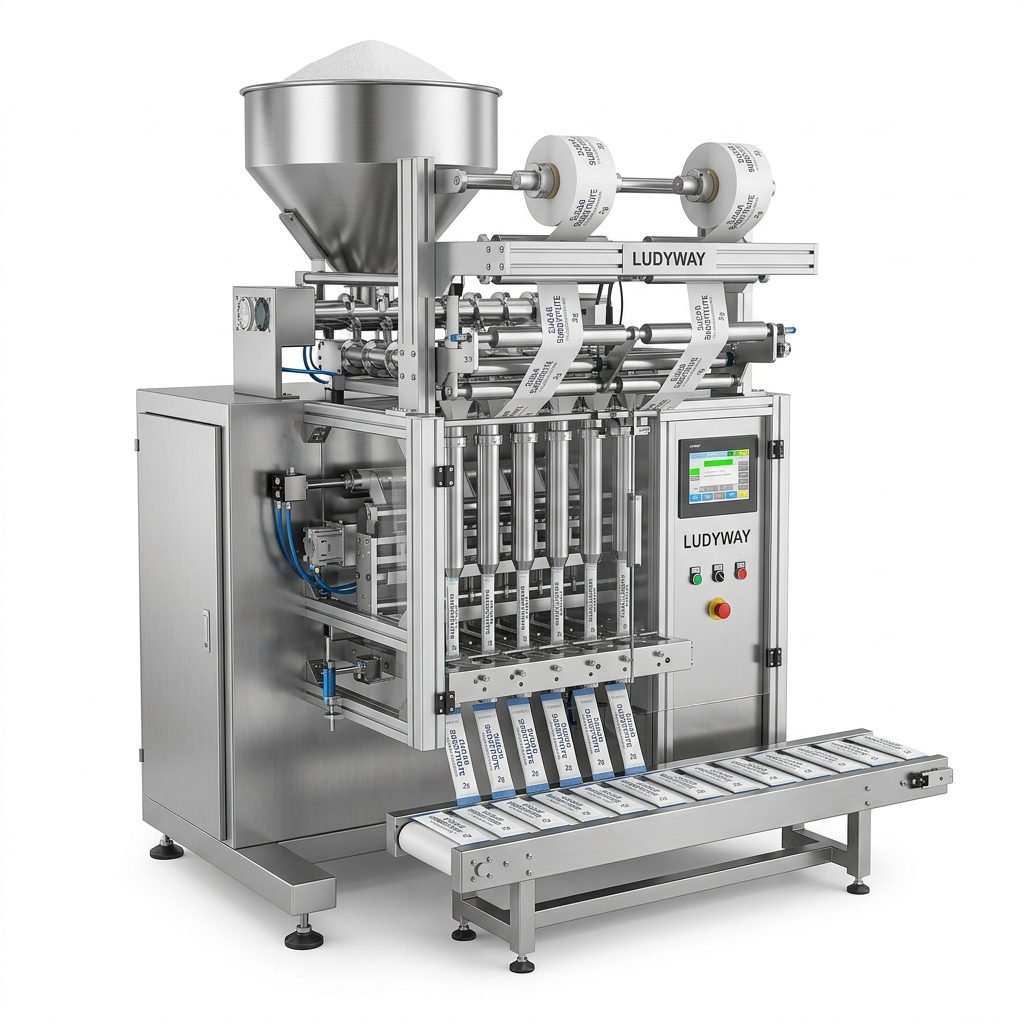
Cost Structure and ROI Analysis
Setting up a sugar packaging line in Germany involves capital expenditure and ongoing operational costs. A mid-capacity line producing 50-80 packs per minute typically requires an initial investment between €250,000 and €600,000, including machinery, installation, and commissioning. Operational costs incorporating energy consumption, maintenance contracts, and consumable packaging films average €15,000-25,000 monthly for single-shift production.
| Cost Category | Estimated Range (EUR) | Frequency |
|---|---|---|
| Machine Procurement | 180,000 – 450,000 | One-time |
| Installation & Commissioning | 25,000 – 60,000 | One-time |
| Packaging Film Materials | 8,000 – 15,000 | Monthly |
| Preventive Maintenance | 3,000 – 8,000 | Quarterly |
| Spare Parts Inventory | 5,000 – 12,000 | Annually |
Quality Control and Documentation
German Lebensmittel- und Futtermittelgesetzbuch requires comprehensive quality documentation for all food packaging operations. Each sugar sachet machine must integrate HACCP critical control points with automated logging of metal detection events, seal integrity verification, and weight deviation tracking. Batch traceability systems using GS1-128 barcodes enable complete supply chain transparency.
Mandatory Quality Checks
- Seal strength testing per DIN 55529 at minimum every 2 hours
- Weight verification with ±1% tolerance on checkweigher
- Metal detector challenge testing using 0.8mm ferrous, 1.2mm non-ferrous, 1.5mm stainless steel test pieces
- Film barrier property validation for WVTR and OTR compliance
- Microbiological swab testing of product contact surfaces
For manufacturers seeking comprehensive turnkey sugar packaging solutions compliant with German standards, Ludyway provides integrated production lines spanning from raw material handling to final palletizing, engineered to meet European machinery directives and IFS Food requirements. With extensive expertise in international packaging exhibitions and global project delivery, Ludyway supports German manufacturers in achieving operational excellence through advanced automation and reliable technical service.
Sustainability and Packaging Waste Compliance
Germany’s VerpackG imposes strict packaging waste regulations that influence sugar packaging line design. The European packaging waste directive mandates that packaging materials must be recyclable or reusable. Mono-material films such as PE-based laminates are increasingly replacing multi-material structures to meet these regulatory demands while maintaining adequate moisture barrier properties for sugar products.
Film Material Selection Guide
Selecting the appropriate packaging film for sugar stick pack applications requires balancing barrier performance with environmental compliance. Common choices include BOPP/PE laminates for multi-lane machines and MDO-PE recyclable films for sustainable packaging initiatives. Material thickness typically ranges from 40-70 microns, with cold seal cohesive coatings preferred over heat seal for sugar applications to prevent caramelization issues.
Common Challenges and Mitigation Strategies
German manufacturers operating sugar packaging production lines frequently encounter challenges related to product characteristic variability, environmental control, and regulatory inspection readiness. Sugar hygroscopicity requires strict humidity management, while crystalline hardness variations between beet and cane sugar affect weigher calibration requirements. Proactive strategies include continuous environmental monitoring, scheduled cleaning protocols, and quarterly regulatory compliance audits conducted by certified bodies.
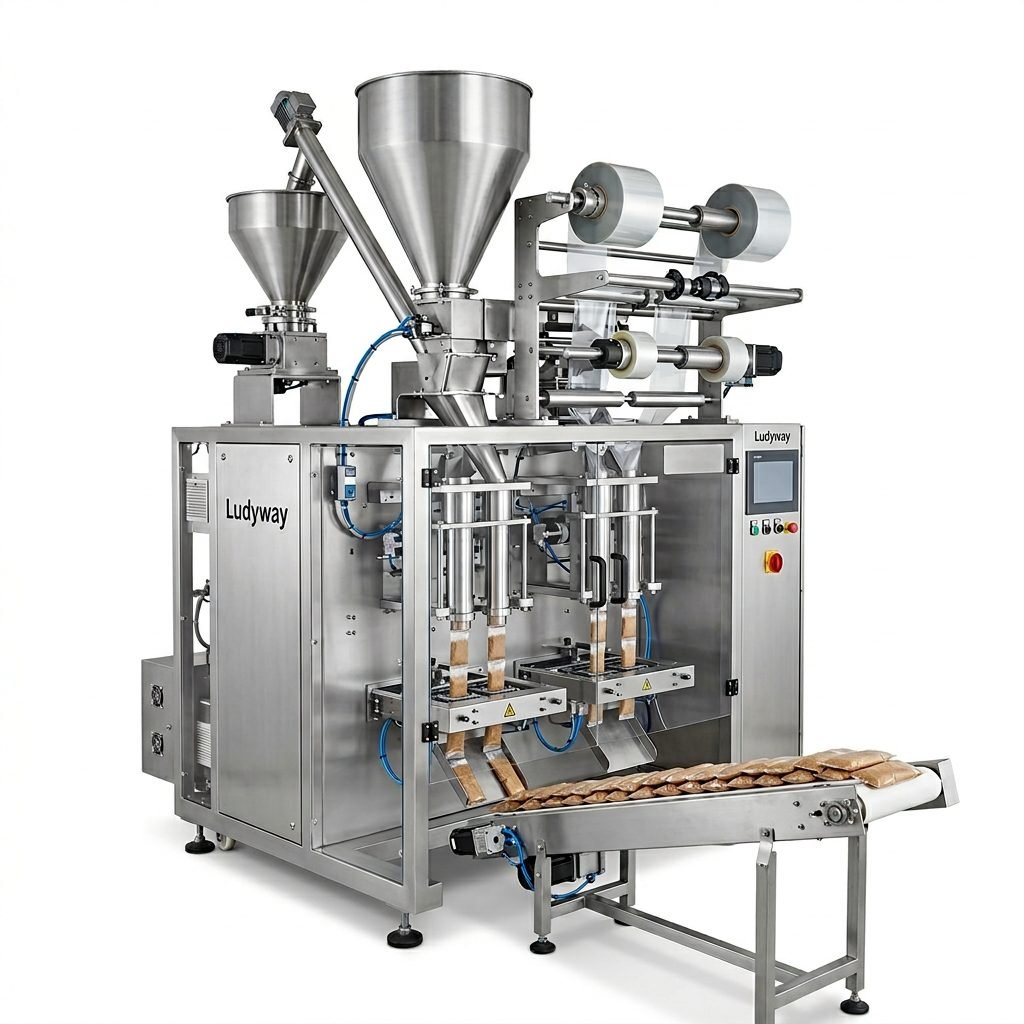
Successfully implementing a sugar packaging machine line in Germany requires harmonizing advanced technology with rigorous compliance frameworks. By focusing on certified equipment, comprehensive operator training, and sustainable packaging practices, manufacturers can establish efficient and legally compliant production operations in Europe’s most demanding market.
Related resources: 2026 State of the Packaging Industry Report | FDA Food Packaging Guidelines | Flexible Packaging Association Resources