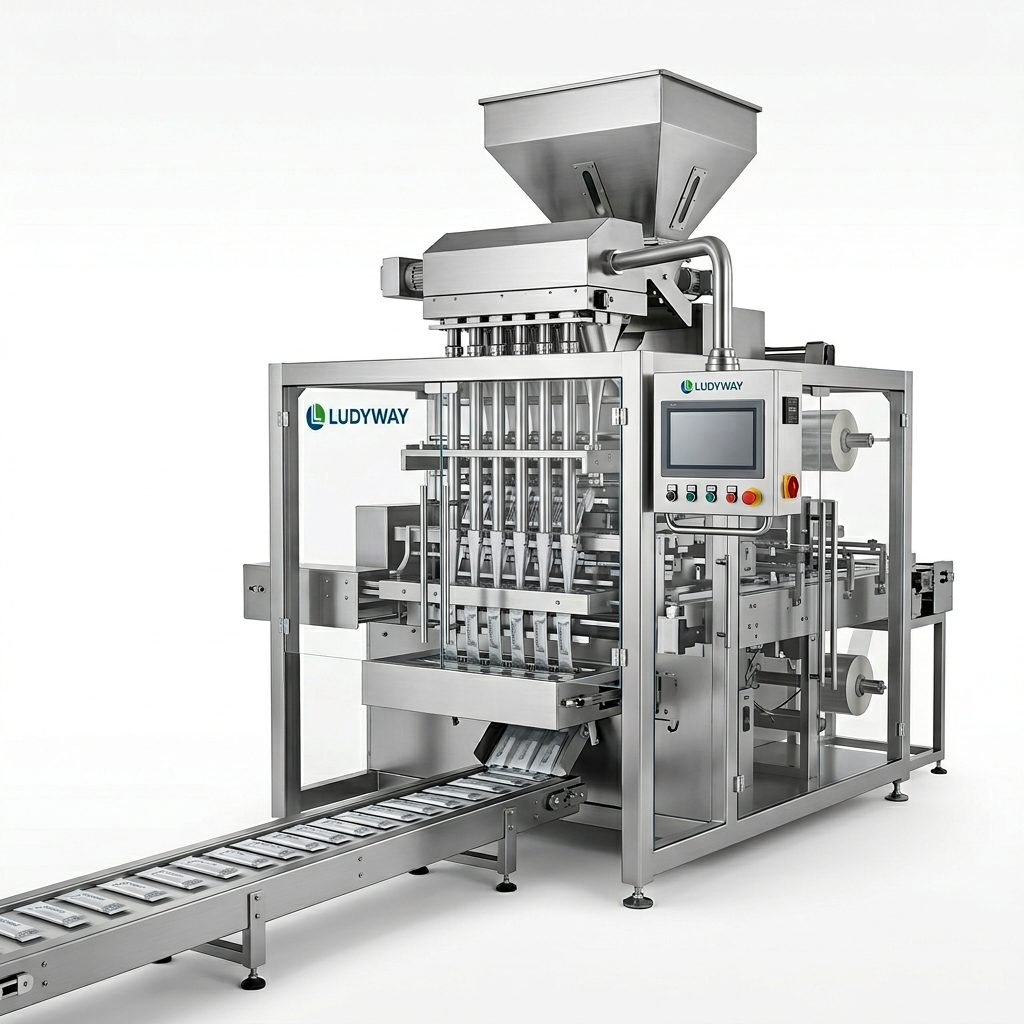
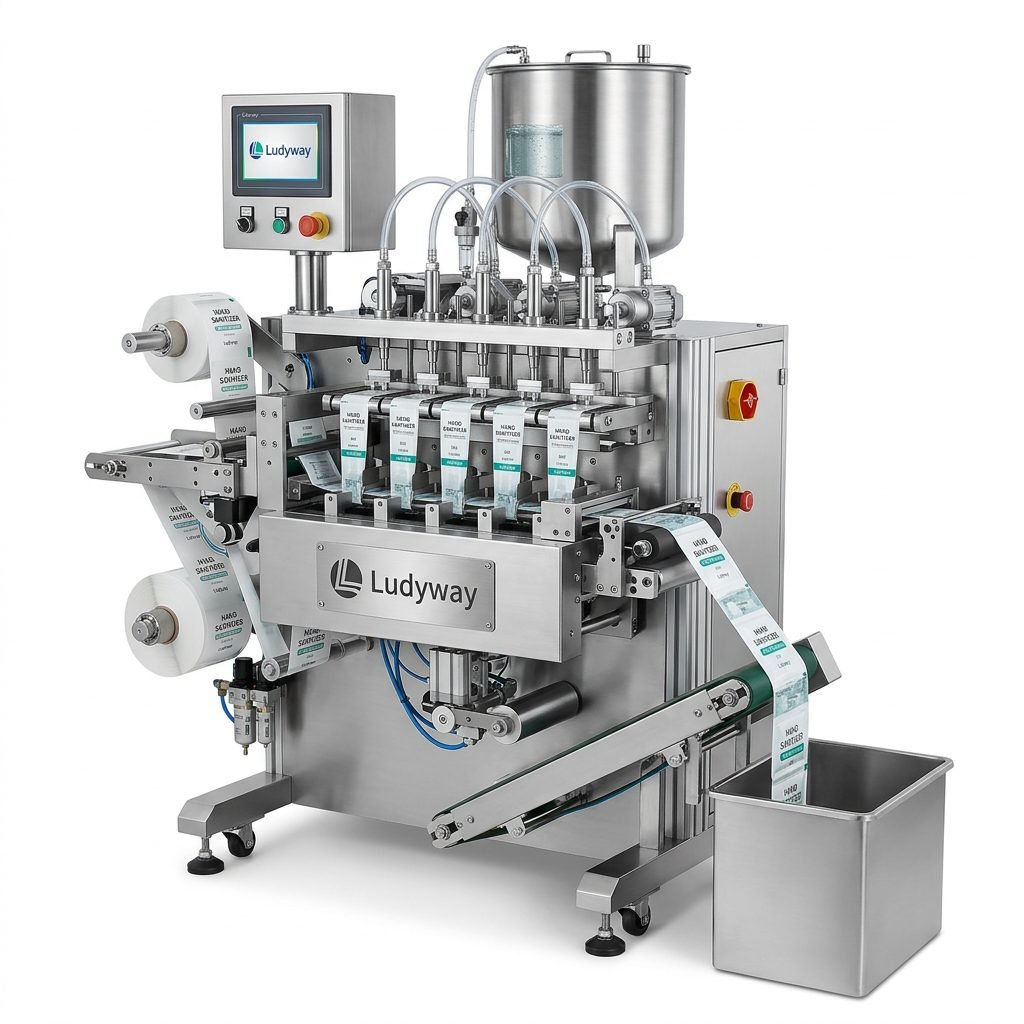
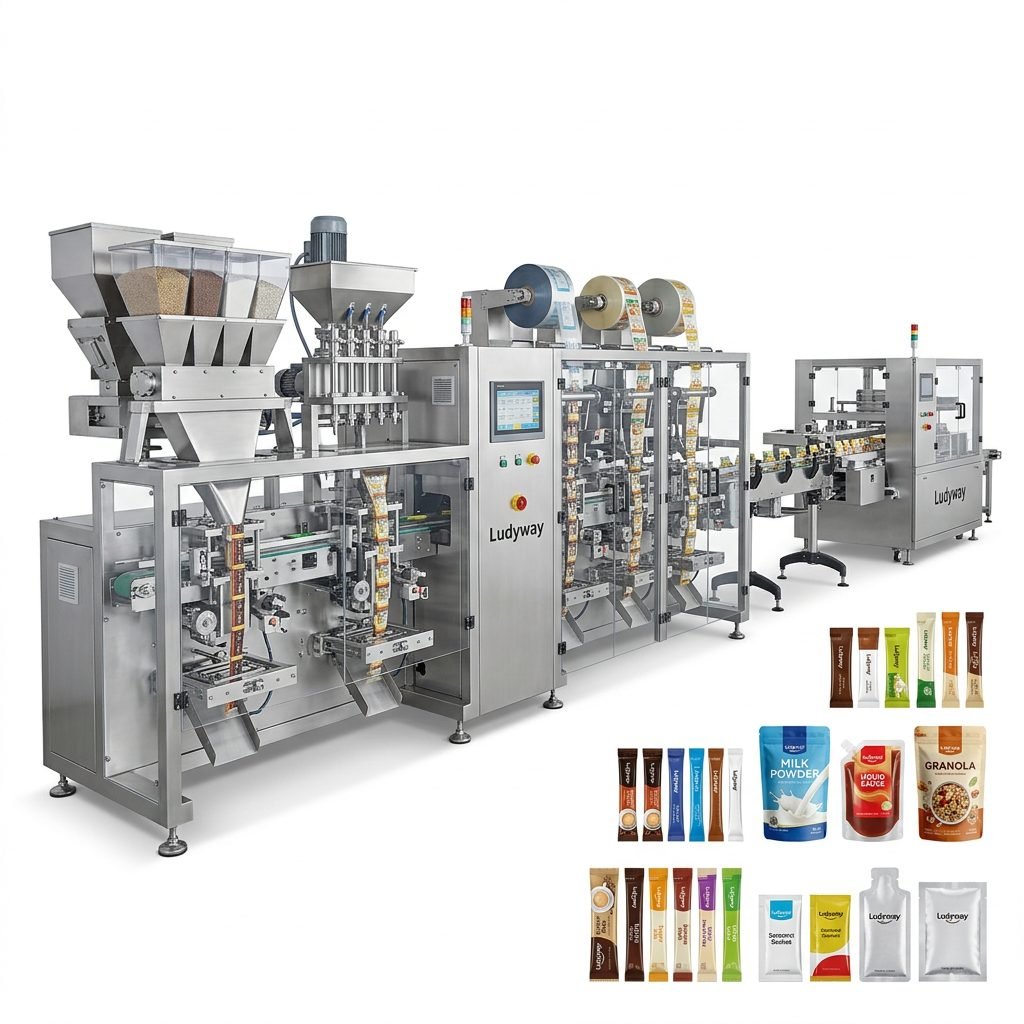
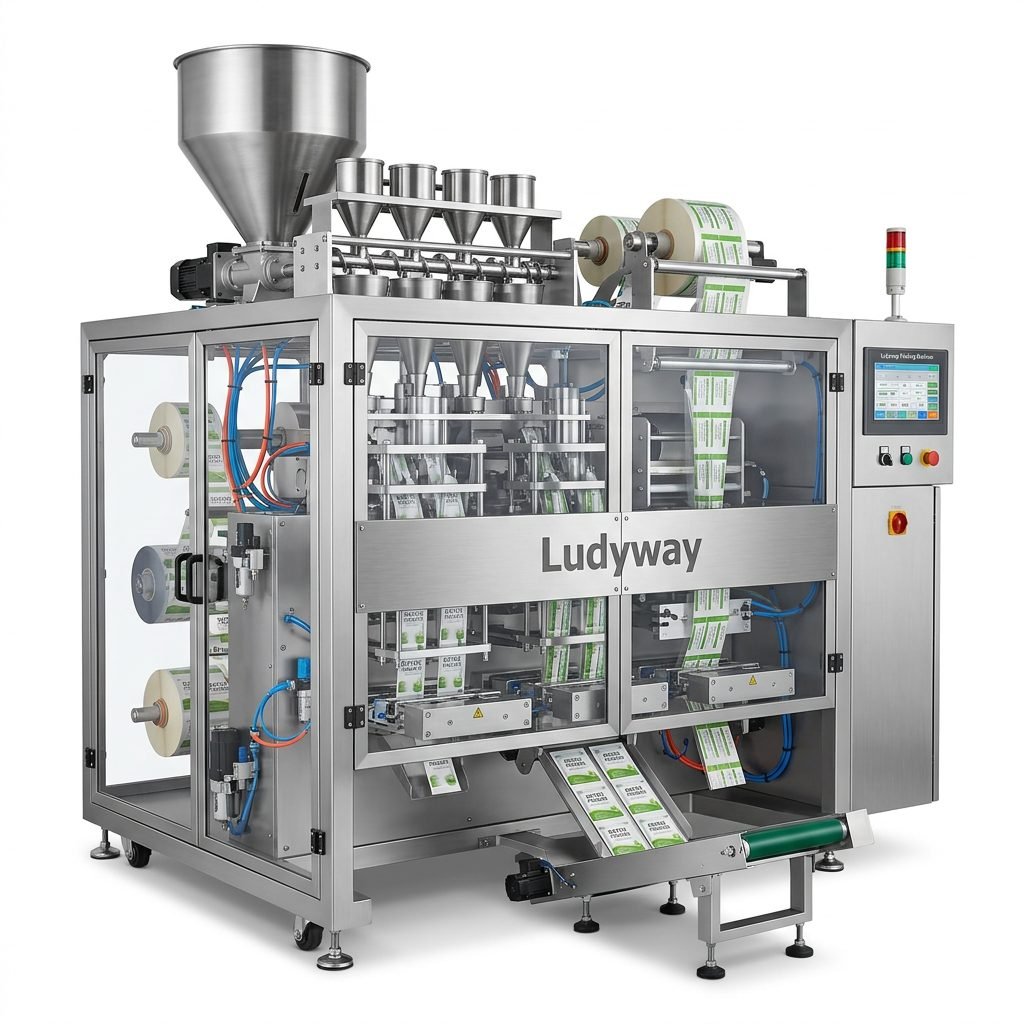
Choosing the right vacuum seal packaging machine can directly affect product freshness, shelf life, packaging speed, and operating cost. Whether you package meat, seafood, snacks, ready meals, medical items, or industrial components, the best machine is not always the most expensive one—it is the one that fits your product, output target, packaging material, and automation plan.
For manufacturers, distributors, and growing brands, a smart equipment decision helps reduce waste, improve sealing consistency, and support long-term production efficiency. This guide explains what to evaluate before buying, which machine types suit different applications, and how to avoid common selection mistakes.
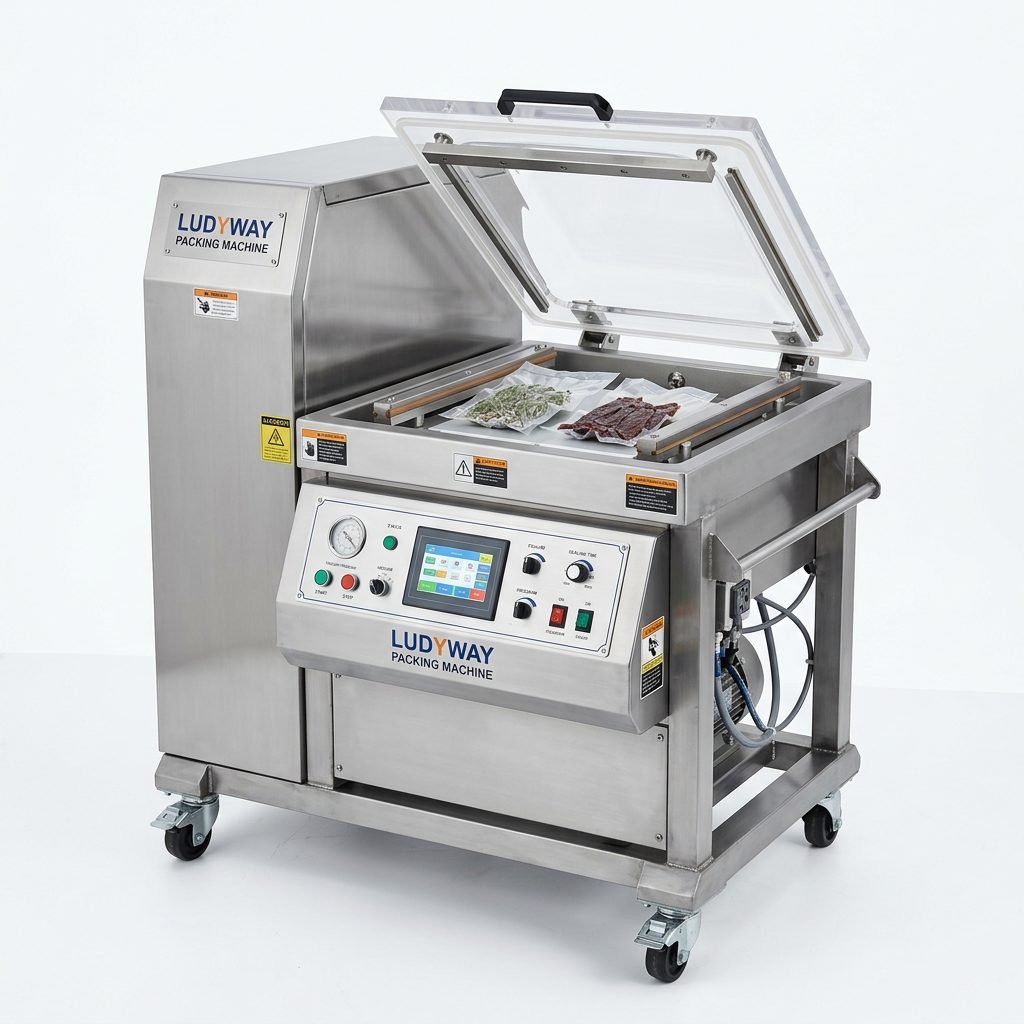
Why Vacuum Seal Packaging Matters
Vacuum packaging removes air from the package before sealing. By lowering oxygen exposure, it helps slow oxidation, microbial growth, moisture changes, and aroma loss. This is especially useful for products that are sensitive to air, such as fresh meat, frozen seafood, cheese, coffee, nuts, powders, and pharmaceutical materials.
- Longer shelf life for perishable and oxygen-sensitive products
- Better product appearance and package neatness
- Reduced freezer burn for frozen food
- Lower transport and storage volume in some applications
- Improved hygiene and contamination control
- More stable product quality during distribution
Types of Vacuum Seal Packaging Machines
Understanding machine categories is the first step in selecting the right solution. Different products and production environments require different chamber sizes, sealing systems, and automation levels.
1. External Vacuum Sealers
These machines vacuum the bag from the outside, with the bag opening placed at the sealing area. They are often used for smaller operations or products that do not release much liquid during packaging.
- Suitable for low to medium production
- Usually lower investment cost
- Best for dry products and simple packaging tasks
2. Single Chamber Vacuum Packaging Machines
A single chamber machine places the full product bag inside the chamber, then removes air and seals it. This is common in food processing and central kitchens.
- Good sealing stability
- Works well for meat, seafood, sauces, and prepared food
- Ideal for small and medium factories
3. Double Chamber Vacuum Packaging Machines
With alternating chambers, operators can load one side while the other side is vacuuming and sealing. This increases throughput significantly.
- Higher efficiency than single chamber models
- Well suited for continuous production
- Popular in commercial food processing plants
4. Thermoforming Vacuum Packaging Machines
These automated systems form the bottom film, load the product, vacuum and seal the pack, then cut the finished packs. They are used for high-volume industrial production.
- High automation and speed
- Consistent package appearance
- Excellent for large food and medical packaging operations
5. Vacuum Skin Packaging Machines
These machines tightly contour the film around the product, creating a premium retail-ready look. They are often used for fresh meat, seafood, and high-value food products.
- Strong shelf appeal
- Product stays in place during transport
- Good for premium presentation
How to Choose the Best Vacuum Seal Packaging Machine
To make the right decision, focus on product characteristics, required capacity, sealing quality, maintenance needs, and future scalability. A machine that works well for one product type may not be suitable for another.
Match the Machine to Your Product Type
The product itself should lead the equipment decision. Liquids, powders, solids, fragile snacks, and frozen foods behave very differently during vacuum packaging.
| Product Type | Recommended Machine Type | Key Consideration |
|---|---|---|
| Fresh meat / seafood | Chamber or skin packaging machine | Strong vacuum, liquid handling, hygiene |
| Dry snacks / nuts / coffee | External or chamber machine | Seal integrity, oxidation control |
| Ready meals / sauces | Chamber vacuum machine | Spill control, bag stability |
| Medical / pharmaceutical items | Thermoforming or specialized vacuum system | Cleanability, traceability, precision |
| Bulk industrial materials | Heavy-duty chamber or customized system | Bag strength, output, durability |
Check Required Packaging Speed
Before choosing a model, define your expected output per hour or per shift. A machine that is too small will create bottlenecks. A machine that is too large may increase unnecessary upfront cost, energy use, and floor space requirements.
- Estimate your current production volume
- Add a growth margin for the next 2–5 years
- Compare cycle time, chamber size, and operator loading speed
- Consider integration with filling, labeling, coding, and cartoning steps
Evaluate Vacuum Pump Performance
The vacuum pump is one of the most important components. Pump quality affects vacuum depth, cycle speed, and reliability. For high-demand production, a stable industrial-grade pump is essential.
- Look for consistent vacuum level
- Review pump maintenance intervals
- Confirm spare parts availability
- Check energy consumption under full load
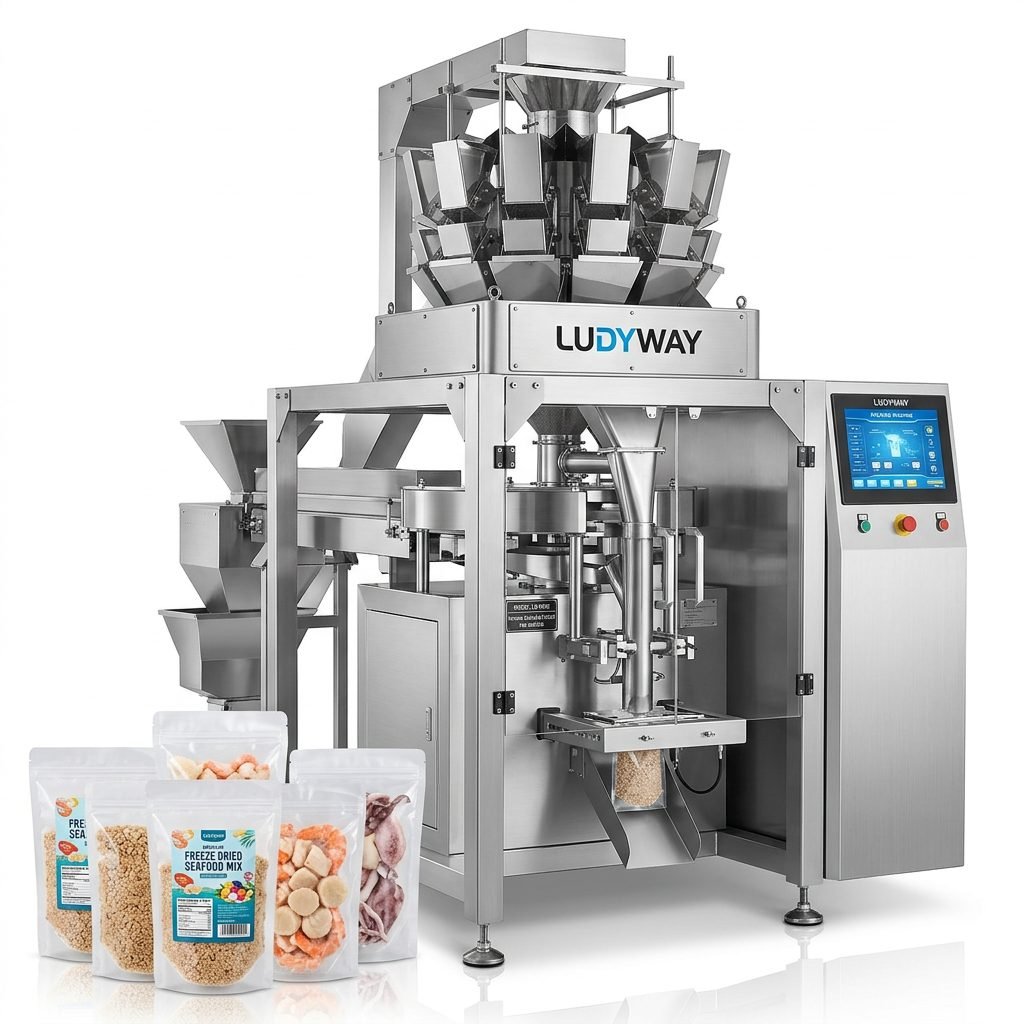
Pay Attention to Seal Quality
Even a strong vacuum is useless if the seal is weak. A poor seal leads to air leakage, shorter shelf life, product returns, and wasted packaging material.
When comparing machines, check:
- Seal width and seal strength
- Temperature control accuracy
- Compatibility with your bag material
- Performance with oily, moist, or dusty product environments
Choose the Right Chamber and Bag Size
The chamber must fit your product dimensions comfortably, while the sealing bar must suit your package width. If you package multiple SKUs, flexibility becomes especially important.
Tip: Always test your largest and most difficult product, not only your standard SKU.
Consider Product Moisture and Temperature
Wet, oily, hot, or powdery products can affect vacuum performance and sealing results. Some applications need gas flushing, inclined chambers, liquid control design, or special sealing programs.
Review Material Compatibility
Not all bags or films behave the same under vacuum. Barrier properties, thickness, puncture resistance, and sealability should match your product and distribution conditions.
- Use high-barrier film for oxygen-sensitive products
- Choose puncture-resistant bags for bone-in meat or sharp products
- Verify heat sealing performance before bulk purchasing packaging material
Manual, Semi-Automatic, or Fully Automatic?
The best choice depends on labor cost, production scale, and line integration needs.
| Automation Level | Best For | Main Advantage |
|---|---|---|
| Manual | Small businesses, test production | Low initial investment |
| Semi-automatic | Growing operations | Balanced cost and efficiency |
| Fully automatic | High-volume factories | Maximum output and consistency |
Features That Improve Efficiency
If your goal is both freshness and productivity, focus on features that shorten cycle time and reduce operator error.
- Programmable recipes for different products and bag types
- Automatic lid operation or chamber switching
- Gas flushing for modified atmosphere applications
- Digital control panel with fault alarms
- Easy-clean stainless steel structure
- Tool-free maintenance access
- Integration with conveyors, labeling, coding, and cartoning systems
How Hygiene and Build Quality Affect Long-Term Value
In food and pharmaceutical environments, equipment should be easy to sanitize and resistant to corrosion. Stainless steel construction, smooth surfaces, and well-designed sealing zones help reduce contamination risk and downtime.
Strong build quality also matters for reliability. A cheap machine may look attractive at first, but if it causes frequent stoppages, inconsistent seals, or difficult maintenance, the real cost becomes much higher over time.
Look for These Build Quality Indicators
- Food-grade stainless steel body
- Stable electrical and pneumatic components
- Durable sealing bars and heating elements
- Clear wiring, safe structure, and operator-friendly controls
- Reliable after-sales support and technical guidance
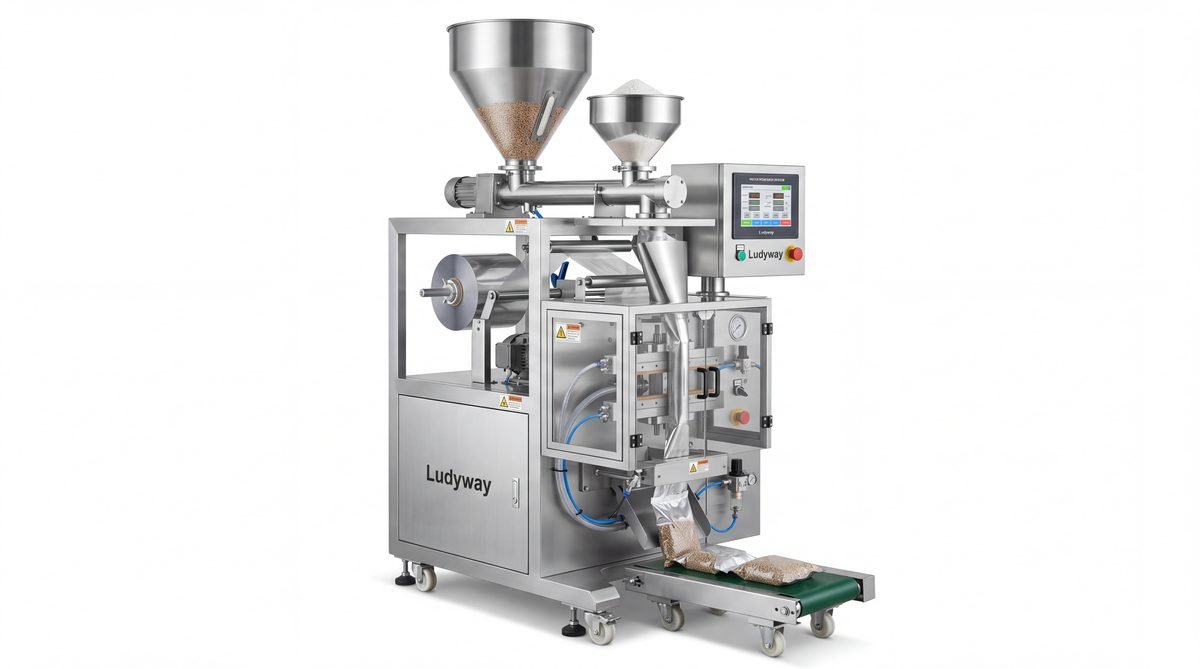
Questions to Ask Before Buying
A supplier should be able to answer detailed technical questions, not just share a brochure. Before placing an order, ask the following:
- What products has this model been tested on?
- What is the real production speed under working conditions?
- Which packaging materials are recommended?
- What vacuum pump brand and specifications are used?
- How often does the machine require maintenance?
- Are spare parts and remote support available?
- Can the machine be customized for my bag size or product characteristics?
- Can it integrate into a larger packaging line later?
Common Mistakes to Avoid
Many buyers focus only on price and overlook operating fit. That often leads to underperformance or future replacement.
- Buying based only on budget instead of total cost of ownership
- Ignoring product-specific sealing challenges
- Choosing a machine with no capacity for future growth
- Not testing the actual packaging material in advance
- Overlooking service support and spare parts access
- Failing to consider operator skill level and cleaning requirements
When a Turnkey Packaging Solution Makes More Sense
If vacuum sealing is only one stage of your production process, it may be more efficient to plan the full line together. This is especially true for manufacturers handling filling, feeding, inspection, coding, cartoning, and palletizing in one workflow.
For businesses looking for scalable equipment from an experienced manufacturer, vacuum seal packaging machine solutions from Ludyway can be considered as part of a wider packaging automation strategy. As one of China’s leading packaging machine and turnkey packaging line manufacturers, the company serves food, pharmaceutical, health supplement, and related industries with broad customization capability.
Best Choice by Business Stage
| Business Stage | Recommended Direction | Reason |
|---|---|---|
| Startup / small batch | Compact external or single chamber machine | Affordable and easy to operate |
| Growing food processor | Single or double chamber machine | Better output and sealing consistency |
| Established industrial factory | Double chamber or automated thermoforming system | Higher speed and lower labor dependency |
| Premium retail packaging brand | Vacuum skin packaging machine | Attractive presentation and strong product protection |
Final Buying Checklist
- Confirm your product type and packaging format
- Define target output per hour and per shift
- Verify bag or film compatibility
- Check vacuum pump quality and sealing system stability
- Assess cleaning, maintenance, and spare parts support
- Consider future automation and line integration
- Request product testing before final purchase
The best vacuum seal packaging machine is the one that protects freshness while matching your real production needs. When you evaluate equipment through product fit, efficiency, seal reliability, and long-term scalability, you can choose a solution that delivers both better package quality and stronger operational performance.