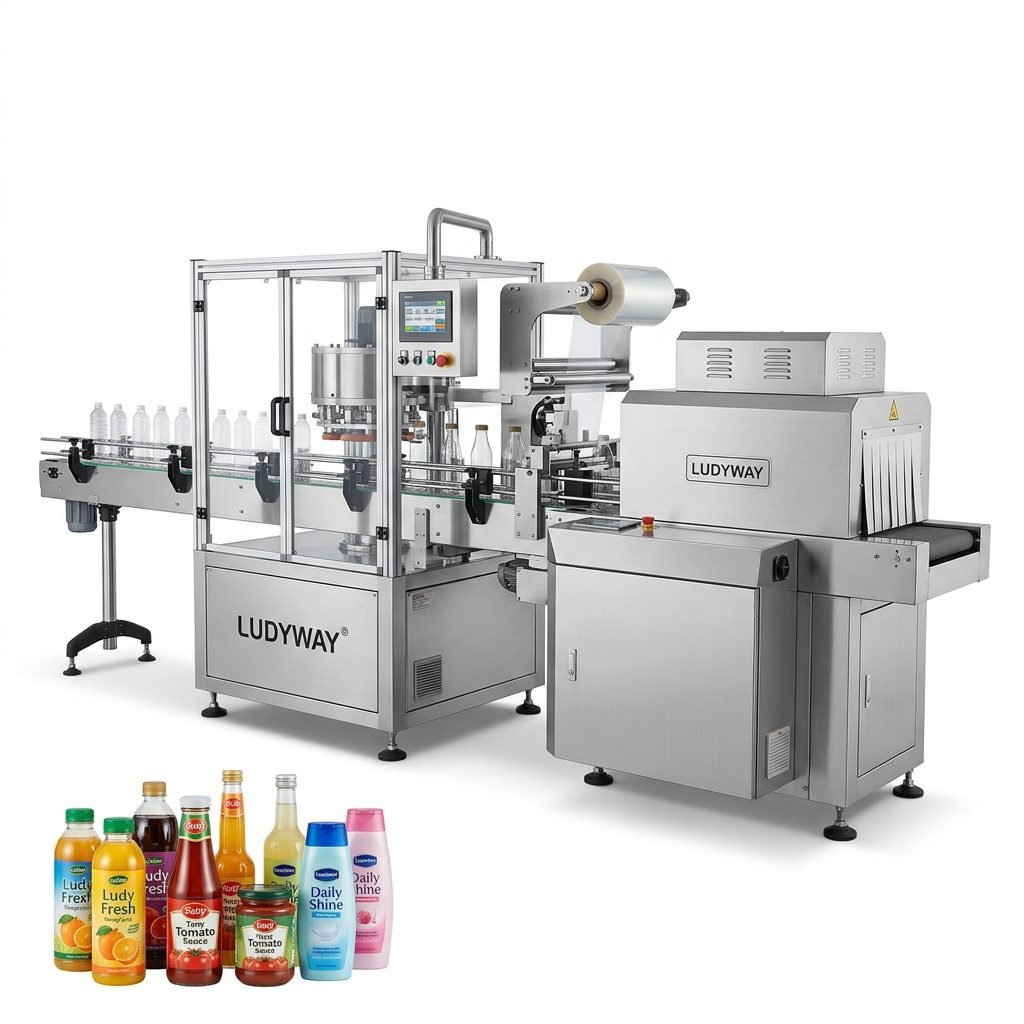
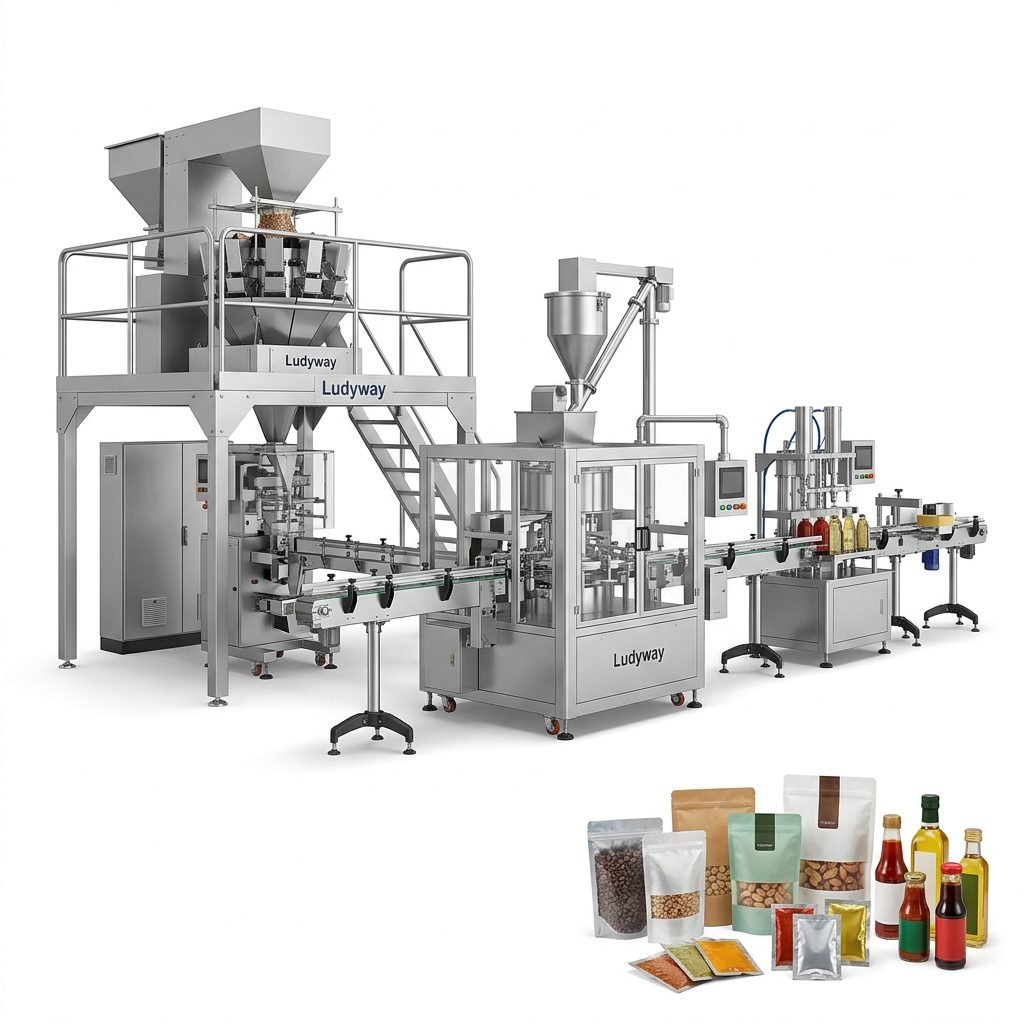
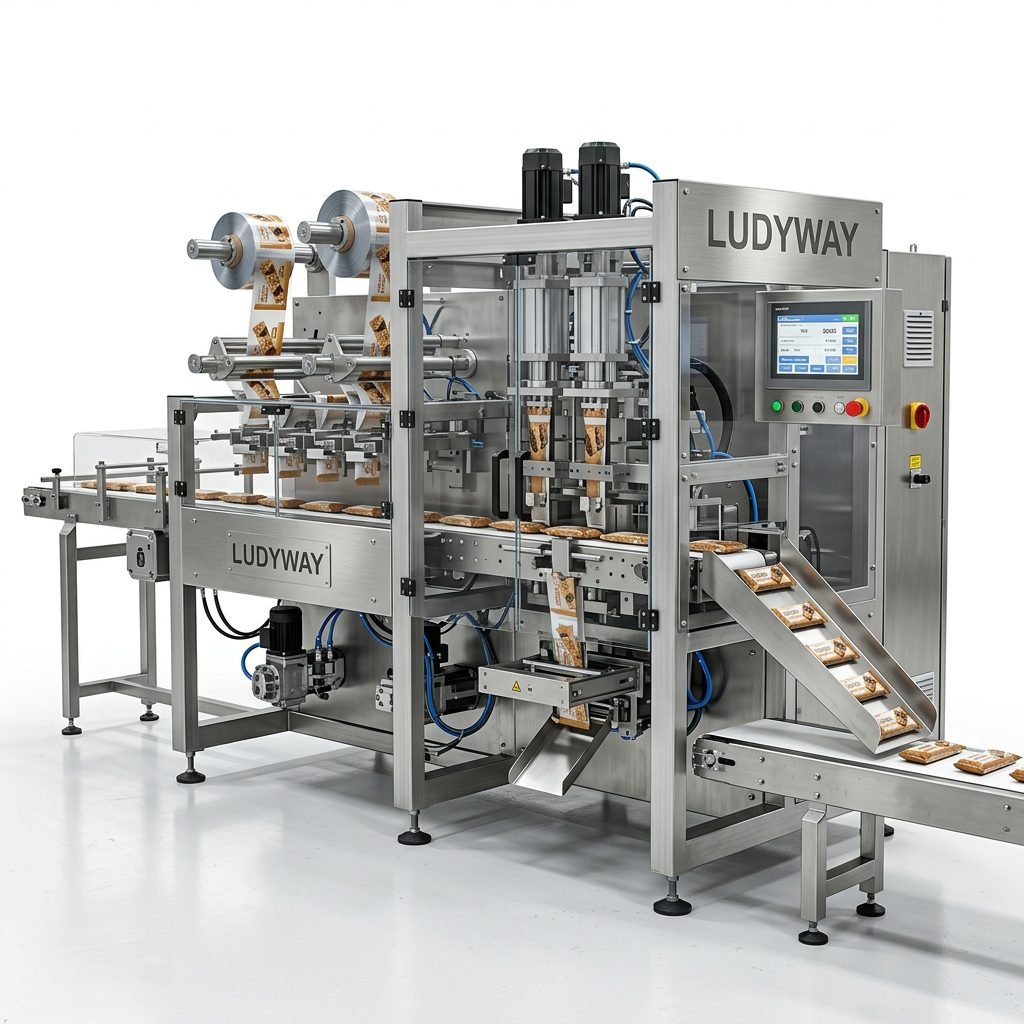
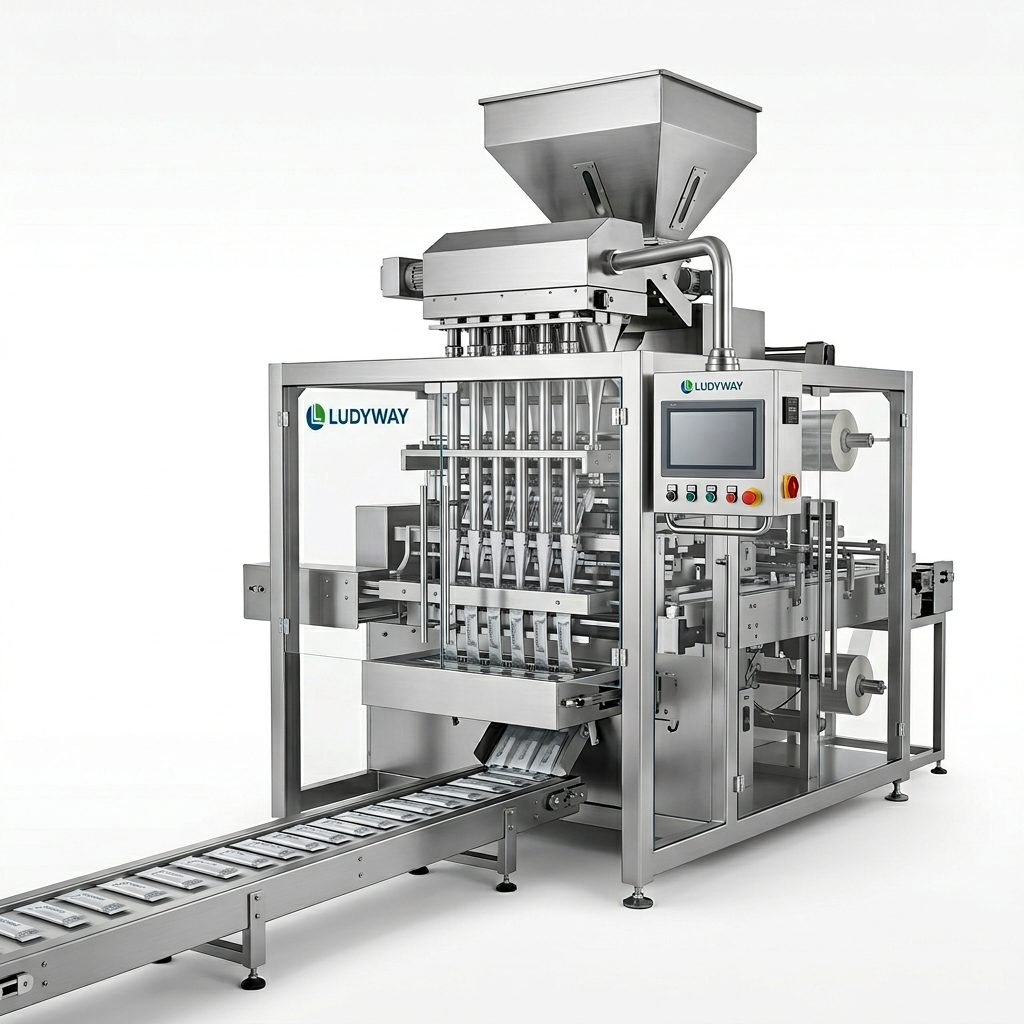
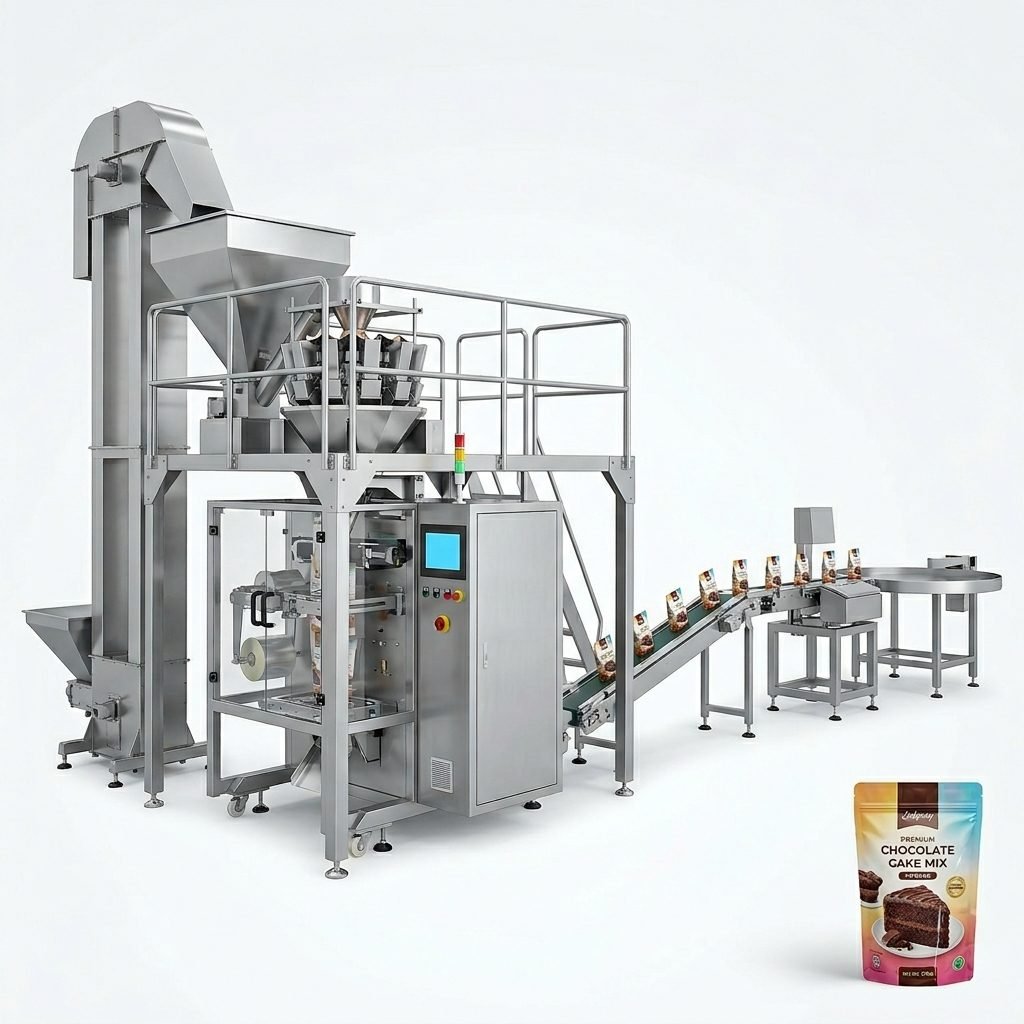
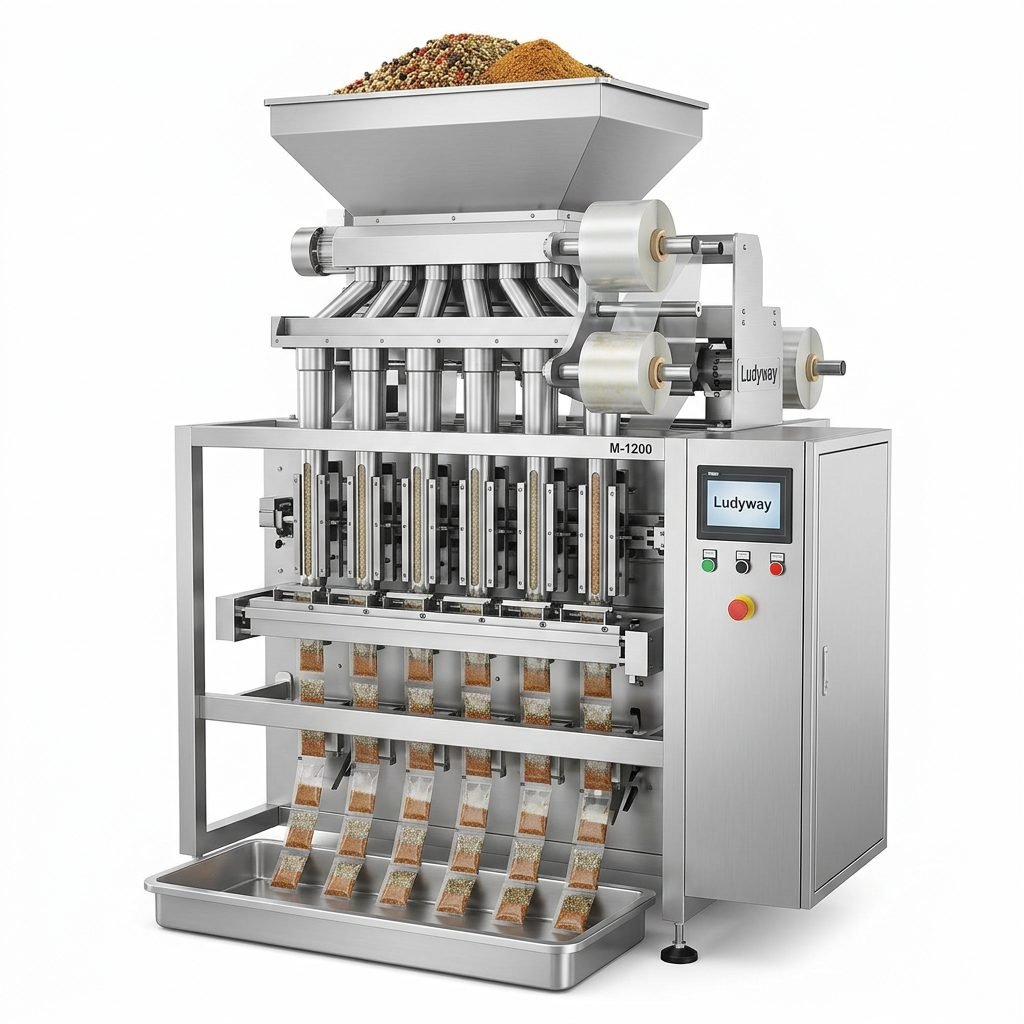
The South American food processing and packaging sector is undergoing a significant transformation. With rising consumer demand for convenient, portion-controlled meal solutions, establishing a meal prep packaging machine production line in countries like Brazil, Chile, Colombia, and Argentina has become a strategic priority for food manufacturers and co-packers across the region. This comprehensive guide walks you through every critical step required to successfully plan, source, install, and operate a high-performance meal prep packaging line in South America.
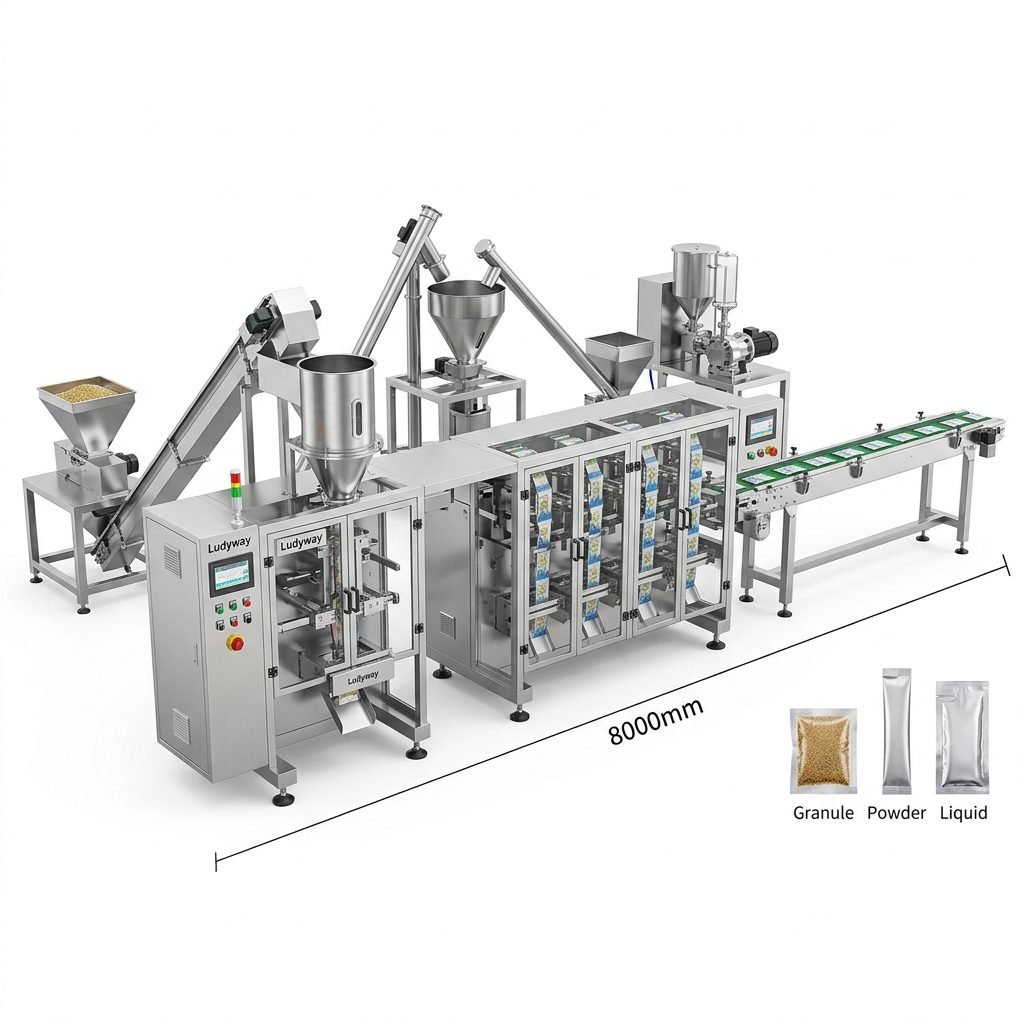
Understanding the South American Meal Prep Market Landscape
Before investing in a meal prep packaging production line, it is essential to understand the unique characteristics of South American markets. The region has witnessed a compound annual growth rate exceeding 8% in the ready-to-eat and portion-packed food segment over the past five years. Key drivers include urbanization, increasing dual-income households, and a growing middle class seeking affordable convenience foods. Brazil alone accounts for nearly 45% of the regional market share, followed by Argentina and Colombia.
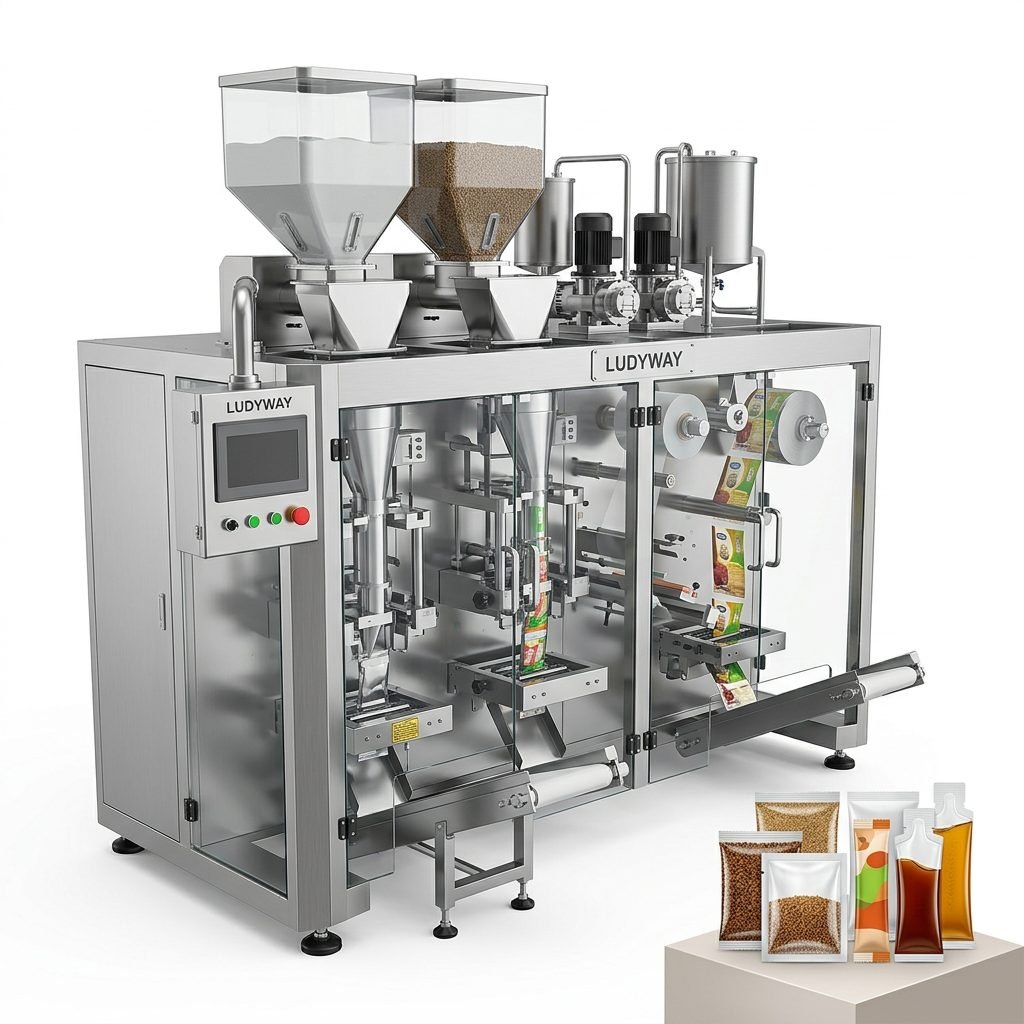
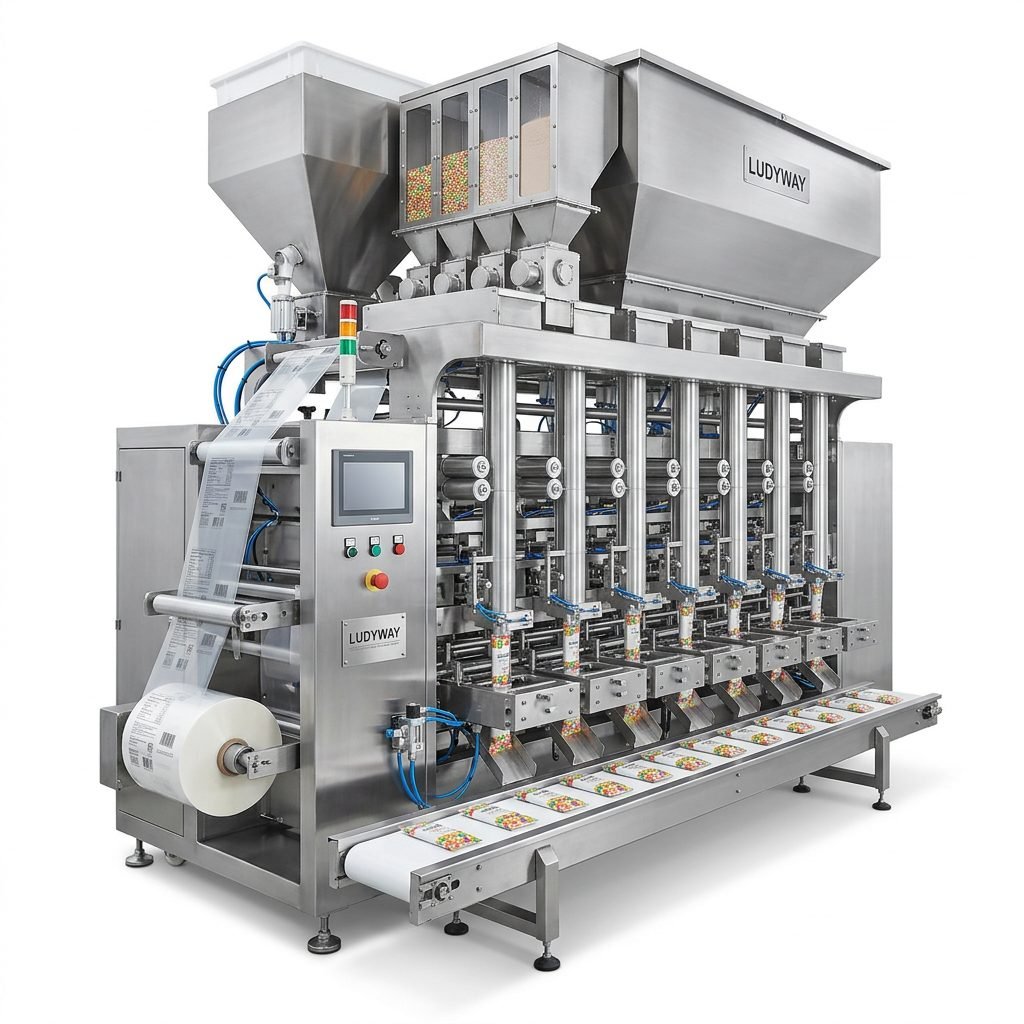
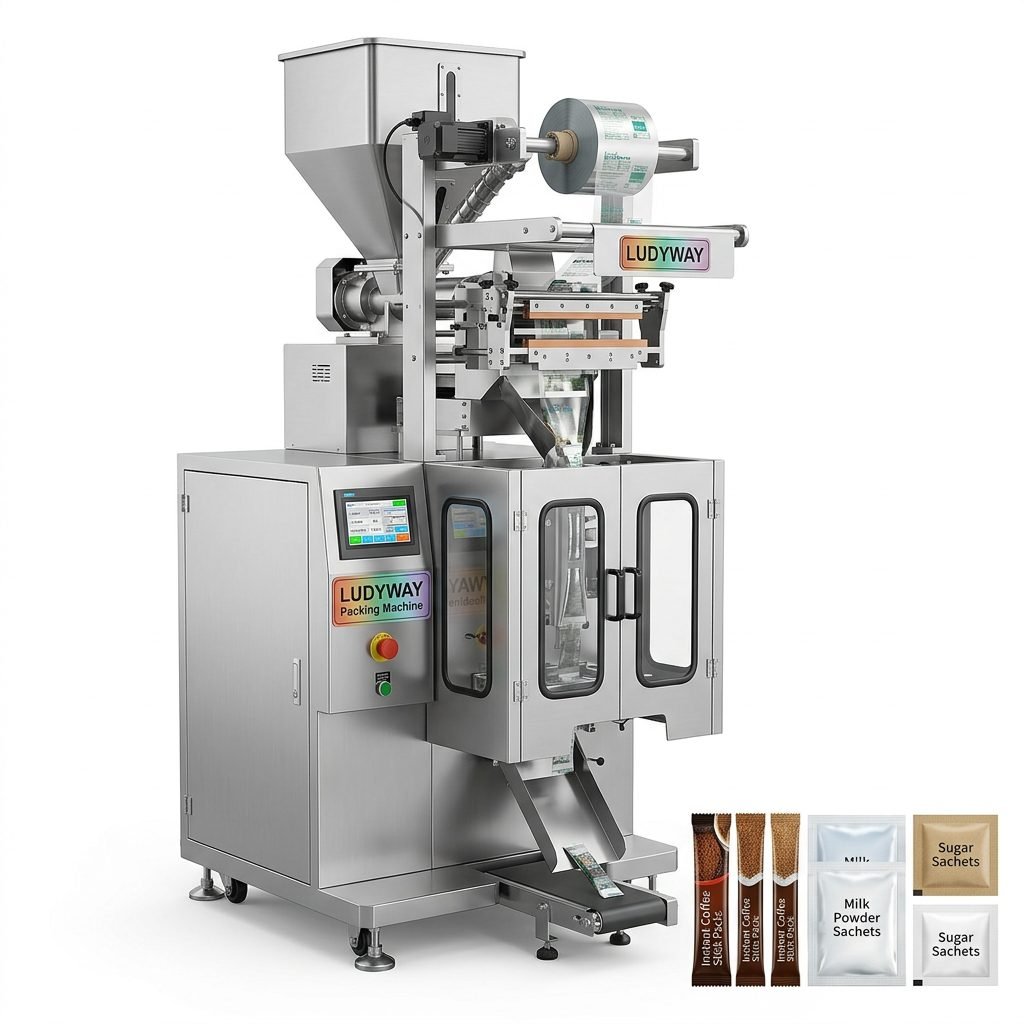
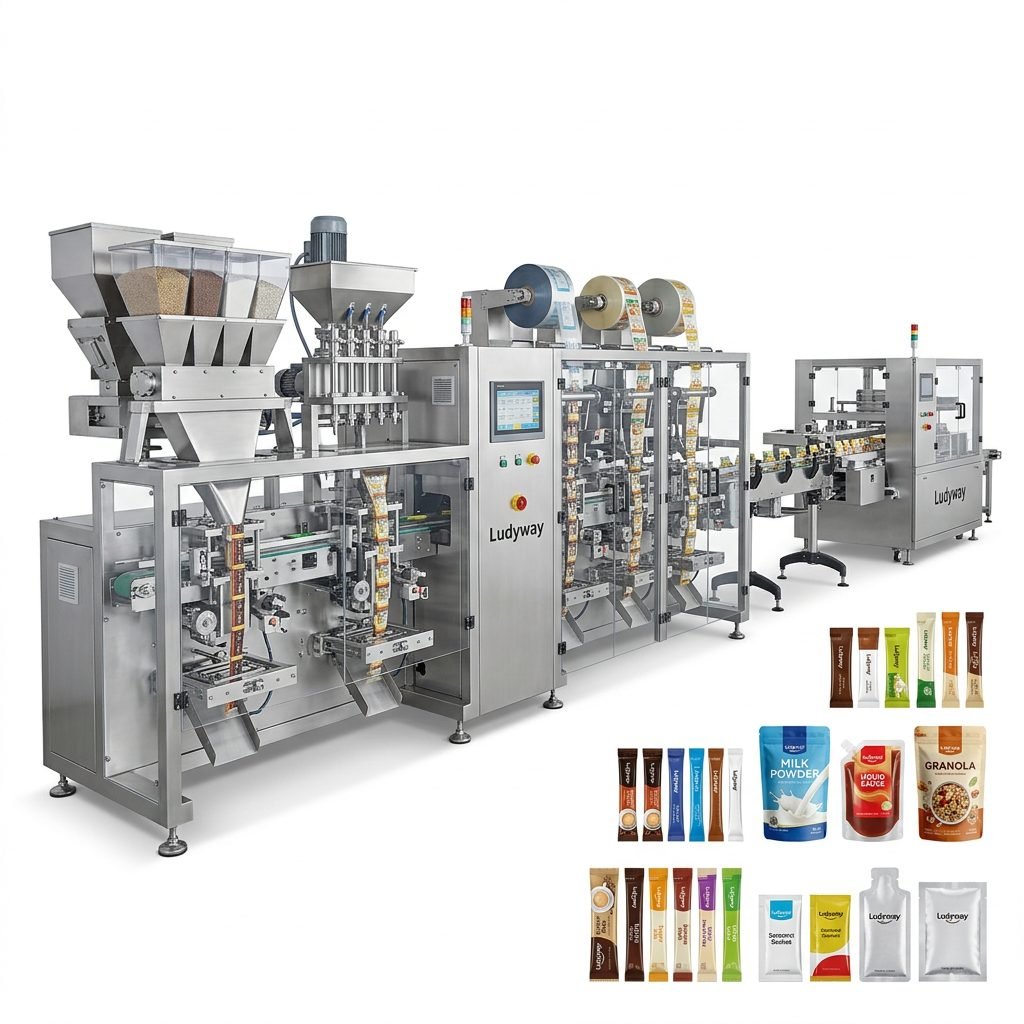
Popular meal prep formats in South America include multi-lane stick packs for powdered beverages, automatic sachet packaging systems for sauces and condiments, and flexible pouch solutions for dry meal kits. Understanding local consumer preferences and retail distribution channels will directly influence the type of packaging machinery you need to specify.
Step 1: Define Your Meal Prep Packaging Requirements
The first and most critical step is clearly defining your production objectives. Consider the following factors before reaching out to equipment suppliers:
- Product type: Are you packaging granules, powders, liquids, pastes, or a combination? Each format requires specific filling technologies such as auger fillers, volumetric cup fillers, or piston pumps.
- Target output speed: Determine your required packs per minute. Multi-lane packaging machines can achieve speeds from 200 to over 1,000 packs per minute depending on lane configuration.
- Pouch format and size: Stick packs, three-side-seal sachets, four-side-seal pouches, or stand-up pouches — each format demands different machine configurations and tooling.
- Packaging material compatibility: Ensure your chosen film laminates are compatible with multi-lane stick pack machines and meet South American food safety regulations.
- Facility constraints: Evaluate available floor space, ceiling height, power supply (220V/380V three-phase is common in South America), and compressed air requirements.
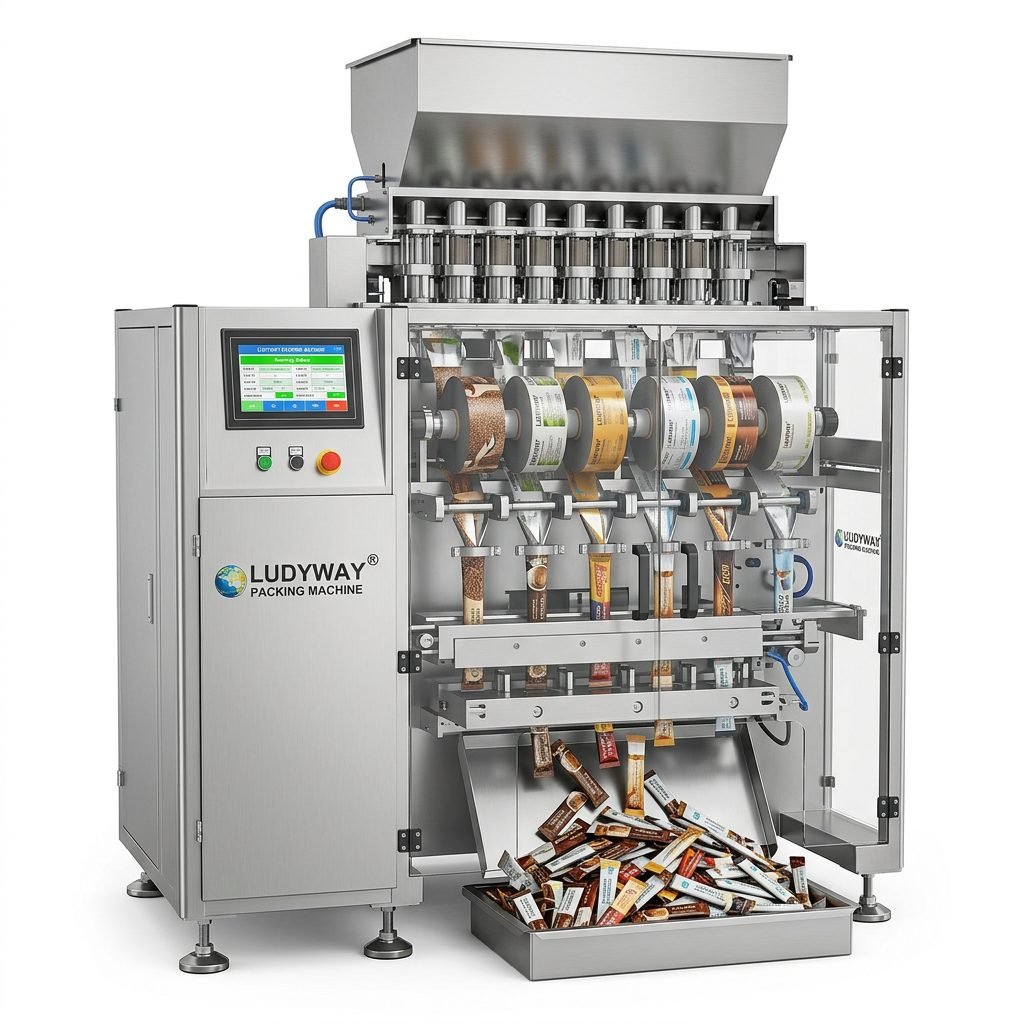
Step 2: Selecting the Right Packaging Equipment Configuration
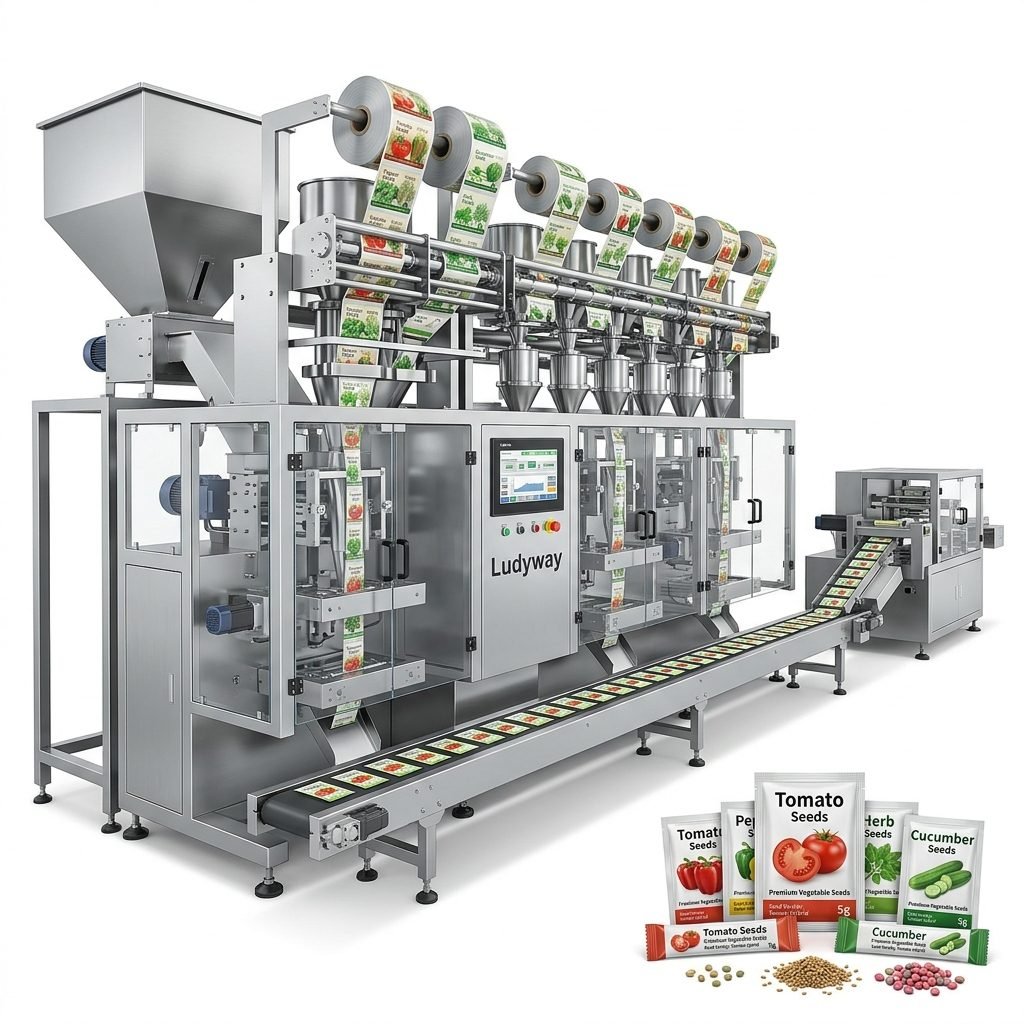
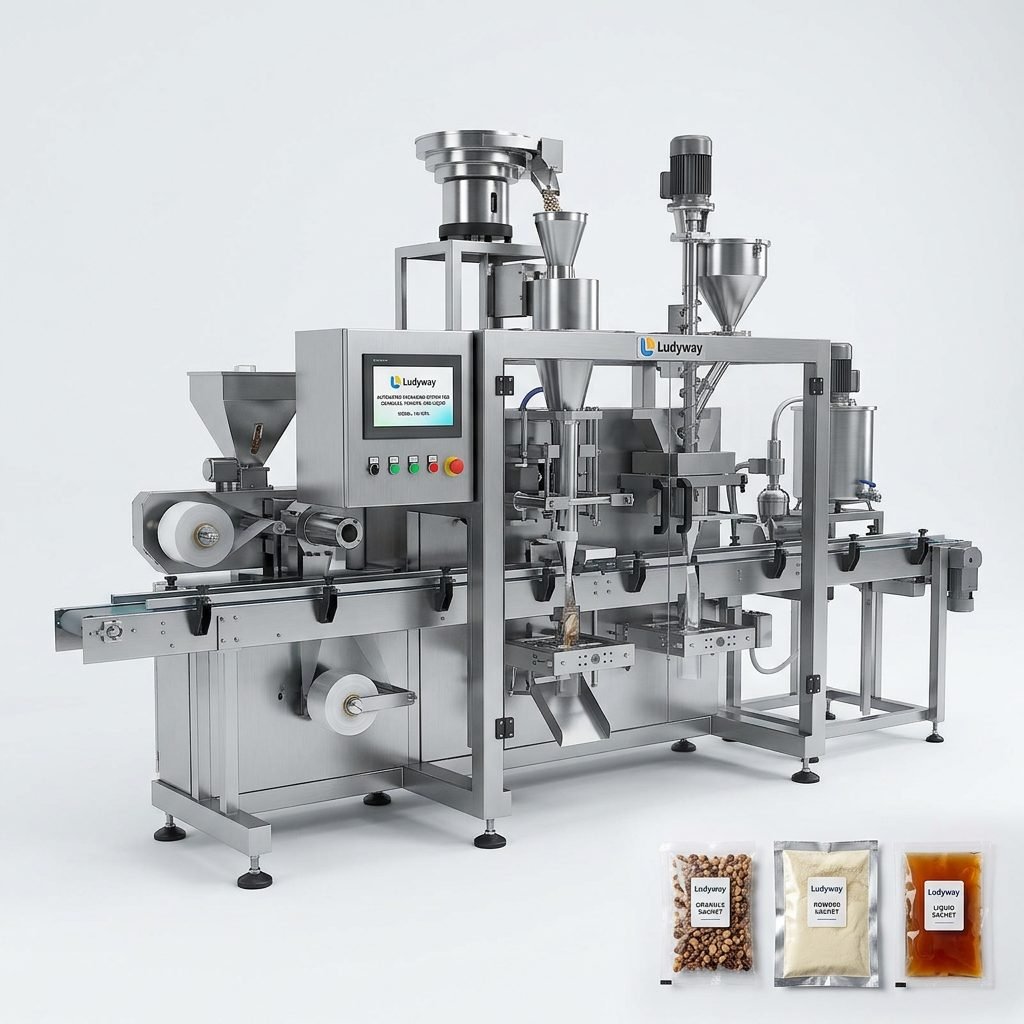
A complete meal prep packaging production line typically integrates several interconnected systems. Understanding each component ensures you specify a cohesive and efficient line. Below is a breakdown of essential equipment modules:
Core Packaging Machine Types
| Machine Type | Best For | Typical Speed Range | Ideal Application |
|---|---|---|---|
| Vertical Form Fill Seal (VFFS) | Granules, powders, snacks | 60–180 packs/min | Rice, beans, dry meal bases |
| Multi-Lane Stick Pack | Powders, fine granules, liquids | 200–1,000+ packs/min | Instant coffee, protein powders, seasonings |
| Pre-Made Pouch Filler-Sealer | Ready meal kits, sauces, bulk snacks | 40–120 packs/min | Frozen meal components, marinades |
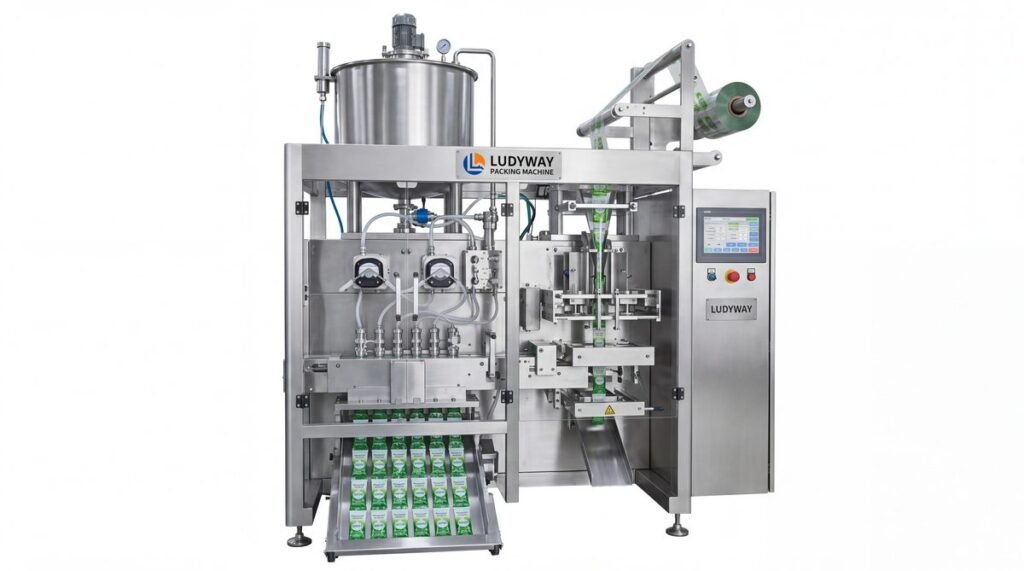
| Multi-Lane Sachet Machine | Liquids, creams, gels | 300–800 packs/min | Ketchup, mayonnaise, sauces |
| Rotary Pouch Packaging | Stand-up pouches, spouted pouches | 60–150 packs/min | Premium meal kits, liquid broths |
Supporting Equipment for a Complete Production Line
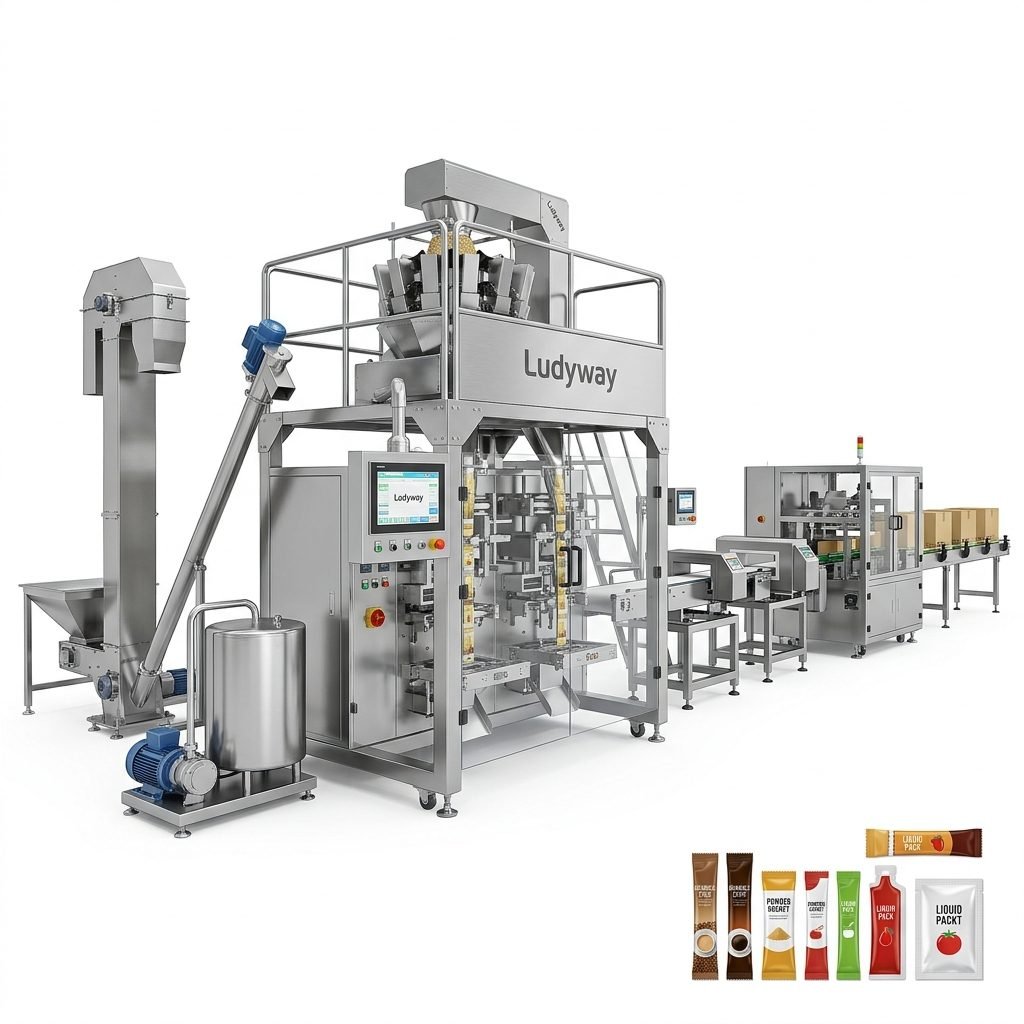
A truly efficient meal prep packaging operation requires more than just the primary packaging machine. Consider these additional modules to form a turnkey packaging solution:
- Automatic feeding systems: Bucket elevators, screw conveyors, or vacuum feeders for consistent product delivery to the packaging machine hopper.
- Multi-head weighers or auger fillers: Precision dosing equipment ensures each pack meets labeled net weight specifications.
- In-line checkweighers and metal detectors: Critical for quality assurance and compliance with international food safety standards including HACCP and ISO 22000.
- Batch coding and labeling machines: Thermal transfer printers, inkjet coders, or laser marking systems for traceability and regulatory compliance.
- Cartoning and case packing systems: Automated secondary packaging to prepare finished sachets or stick packs for distribution.
- Palletizing robots or automated pallet wrappers: End-of-line automation that reduces manual labor costs and improves throughput consistency.
Step 3: Navigating South American Import Regulations and Logistics
Importing packaging machinery into South America requires careful planning around customs clearance, tariffs, and local certifications. Each country has distinct requirements:
Brazil
Brazil imposes Import Tax (II) ranging from 0% to 35% depending on the equipment classification under the Mercosur Common Nomenclature (NCM). Packaging machinery often qualifies for reduced rates under the Ex-Tarifário regime when no equivalent national production exists. Additionally, ANVISA certification may apply for food-contact equipment. Working with an experienced customs broker in São Paulo or Santos ports is highly recommended.
Argentina
Argentina requires pre-import approval through the Sistema Integral de Monitoreo de Importaciones (SIMI). Packaging equipment classified under specific NCM codes may face variable duties. Electrical equipment must comply with IRAM certification standards, and all machinery documentation must be officially translated into Spanish by a certified sworn translator.
Chile, Colombia, and Peru
These Pacific Alliance members generally maintain more open import policies. Chile applies a uniform 6% import duty on most capital goods under free trade agreements. Colombia requires Registro de Importación for equipment valued above certain thresholds. Peru mandates SENASA clearance for food processing equipment. In all cases, ensure your supplier provides a comprehensive documentation package including commercial invoice, packing list, bill of lading, and certificate of origin.
Step 4: Installation, Commissioning, and Operator Training
Successful installation of a meal prep packaging line in South America depends heavily on local technical support and comprehensive training. Key considerations include:
- Pre-installation site preparation: Verify that all utilities — electrical supply, compressed air lines, and water connections — meet the equipment specifications. Floor levelness and vibration isolation should be assessed before machinery arrives.
- Professional installation and commissioning: Ideally, the equipment manufacturer provides on-site supervision by qualified engineers. This phase includes mechanical assembly, electrical integration, software configuration, and dry-run testing.
- Production trial runs: Conduct thorough testing with actual product materials to fine-tune filling accuracy, sealing temperature, and machine speed settings. Document all parameters for future reference.
- Operator and maintenance training: Invest in comprehensive training sessions covering daily operation, cleaning procedures, basic troubleshooting, and preventive maintenance schedules. Bilingual training materials (Spanish/Portuguese and English) are highly valuable.
- Spare parts inventory: Establish a local inventory of critical spare parts including sealing jaws, belts, sensors, and heating elements to minimize potential downtime.
Step 5: Ensuring Regulatory Compliance and Food Safety Standards
South American countries increasingly align with international food safety frameworks. Your meal prep packaging operation must comply with relevant standards to access retail and food service channels:
- Mercosur GMC Resolutions: Harmonized technical regulations for food contact materials and packaging across Brazil, Argentina, Uruguay, and Paraguay.
- HACCP (Hazard Analysis and Critical Control Points): A mandatory requirement for food processing facilities exporting to international markets. Your packaging line design should support granule powder packaging machines that facilitate sanitary operations and CIP (Clean-in-Place) protocols.
- ISO 22000 / FSSC 22000: Voluntary but increasingly demanded by multinational retailers and food service operators in the region.
- Local labeling requirements: Brazil’s ANVISA RDC 259 and Argentina’s Código Alimentario Argentino mandate specific labeling elements including net weight, ingredient lists, allergen declarations, and expiration dates in local language.
Step 6: Maintenance Strategies and After-Sales Support
Long-term operational efficiency depends on robust maintenance planning and reliable after-sales support. The geographical distance between South America and major packaging machinery manufacturing centers in Asia and Europe makes localized support infrastructure a critical factor in equipment selection.
Preventive Maintenance Schedule
| Maintenance Interval | Key Tasks | Responsible Party |
|---|---|---|
| Daily | Clean all product contact surfaces, inspect sealing quality, check sensor functionality | Line operator |
| Weekly | Lubricate moving parts, inspect belts and chains, verify temperature controllers | Maintenance technician |
| Monthly | Calibrate weighing systems, inspect electrical connections, check pneumatic components | Maintenance supervisor |
| Quarterly | Replace wear parts, conduct full machine audit, update software/firmware | Certified service team |
| Annually | Complete overhaul, replace major components, re-commission and validate performance | Manufacturer or authorized partner |
When selecting a packaging machinery supplier, prioritize those offering remote diagnostic capabilities, readily available spare parts, and Spanish or Portuguese-speaking technical support. The ability to resolve issues through video-assisted troubleshooting can significantly reduce downtime and the need for expensive on-site service visits.
Cost Considerations and ROI Projections for South American Operations
Investing in a meal prep packaging production line involves significant capital expenditure, but the return on investment can be compelling when properly planned. Key cost categories include:
- Equipment purchase price: A complete multi-lane packaging line with auxiliary equipment typically ranges from $150,000 to $800,000+ USD depending on automation level, speed, and configuration.
- Shipping and logistics: Sea freight from Asia to major South American ports (Santos, Buenos Aires, Valparaíso) typically takes 30–45 days and costs vary based on container volume and insurance coverage.
- Import duties and taxes: Budget 10%–35% of CIF value for customs clearance, depending on destination country and applicable trade agreements.
- Installation and training: Allocate approximately 5%–10% of equipment value for professional installation, commissioning, and comprehensive operator training.
- Ongoing operational costs: Consider packaging film consumption, electricity, compressed air, labor, and preventive maintenance parts in your per-unit cost calculations.
Most well-planned meal prep packaging operations in South America achieve full ROI within 18–36 months, driven by increased production capacity, reduced labor costs, and improved product consistency compared to manual or semi-automatic alternatives.
Choosing the Right Equipment Partner for Long-Term Success
Selecting a reliable packaging machinery manufacturer is arguably the most important decision in setting up a meal prep packaging line. Look for a partner with proven international project experience, particularly in Latin American markets. Key evaluation criteria include manufacturing scale, quality certifications (ISO 9001, CE), engineering capabilities, and references from existing customers in the food packaging sector.
Ludyway is one of the largest packaging machine manufacturers in China, specializing in advanced packaging equipment and turnkey production solutions for the food, pharmaceutical, and health industries. With over 30 years of industry expertise and a modern 20,000㎡ manufacturing facility, the company provides intelligent packaging machine systems including multi-lane stick pack, sachet, and fully automated packaging lines that serve customers in over 100 countries, including growing adoption across South American markets. When evaluating suppliers, request detailed proposals that include machine specifications, project timelines, installation support, and after-sales service commitments tailored to your specific meal prep packaging requirements.
Future Trends in South American Meal Prep Packaging
The meal prep packaging industry in South America continues to evolve rapidly. Key trends shaping the future of the sector include:
- Sustainable packaging materials: Growing consumer demand for recyclable and compostable packaging films is driving innovation in mono-material laminates compatible with high-speed packaging machines.
- Smart factory integration: IoT-enabled packaging lines with real-time production monitoring, predictive maintenance alerts, and cloud-based data analytics are becoming more accessible to mid-sized operations.
- Flexible portion formats: The ability to quickly switch between different pack sizes and formats on the same machine is increasingly valued by co-packers serving diverse customers.
- E-commerce-ready packaging: With online grocery sales growing across Brazil, Mexico, and Chile, packaging designs optimized for shipping durability and shelf presentation are gaining importance.
Frequently Asked Questions About Meal Prep Packaging Lines in South America
What is the typical lead time for a complete packaging line?
Standard lead times range from 60 to 120 days for manufacturing, plus 30–45 days for ocean freight to South American ports. Custom configurations or high-capacity lines may require additional engineering time. Always factor in at least 4–6 months from order placement to production start when planning your project timeline.
Can packaging machines handle local South American packaging films?
Yes, modern multi-lane packaging machines can be calibrated to work with a wide range of film materials including BOPP, PET/PE laminates, aluminum foil composites, and sustainable options like paper-based structures. It is essential to test your specific film with the machine manufacturer before finalizing the purchase to ensure optimal sealing performance and machine speed.
Is local technical support available in South America?
Leading international packaging machinery suppliers typically offer support through a combination of remote diagnostics, regional service partners, and traveling factory engineers. When evaluating suppliers, specifically ask about Spanish or Portuguese-speaking support capabilities and the availability of spare parts in South American logistics hubs.
What power supply specifications are common in South America?
Most industrial facilities in South America operate on 220V or 380V three-phase power at 50Hz or 60Hz, depending on the country. Brazil predominantly uses 60Hz, while Argentina and Chile use 50Hz. Ensure your packaging equipment supplier can provide machines configured for the specific electrical standards of your installation location.
Recommended Resources for Packaging Industry Standards
For further reading on packaging machinery standards and industry best practices applicable to South American operations, the following authoritative resources are valuable:
- PMMI – The Association for Packaging and Processing Technologies — Comprehensive industry intelligence and standards
- Flexible Packaging Association — Resources on flexible packaging materials and sustainability
- FDA – Food Packaging and Food Contact Substances — Regulatory guidance for food packaging safety
- ISO – Packaging Standards — International standards for packaging machinery and materials
- European Commission – Packaging and Packaging Waste — Regulatory framework relevant to export-oriented operations
- Ludyway Packaging Machinery Global Growth Trend — Industry insight on global packaging machinery market dynamics
Conclusion: Building a Competitive Advantage in South America
Setting up a meal prep packaging machine production line in South America represents a strategic investment that can yield substantial competitive advantages. By carefully defining your product requirements, selecting the right equipment configuration, navigating import regulations diligently, and establishing robust maintenance protocols, your operation can capture the growing demand for convenient, high-quality meal solutions across the region. Partner with experienced equipment manufacturers who understand the unique challenges and opportunities of South American markets, and prioritize comprehensive after-sales support to ensure long-term operational success. The South American meal prep sector is poised for continued expansion — positioning your production capabilities now can establish a strong market presence for years to come.