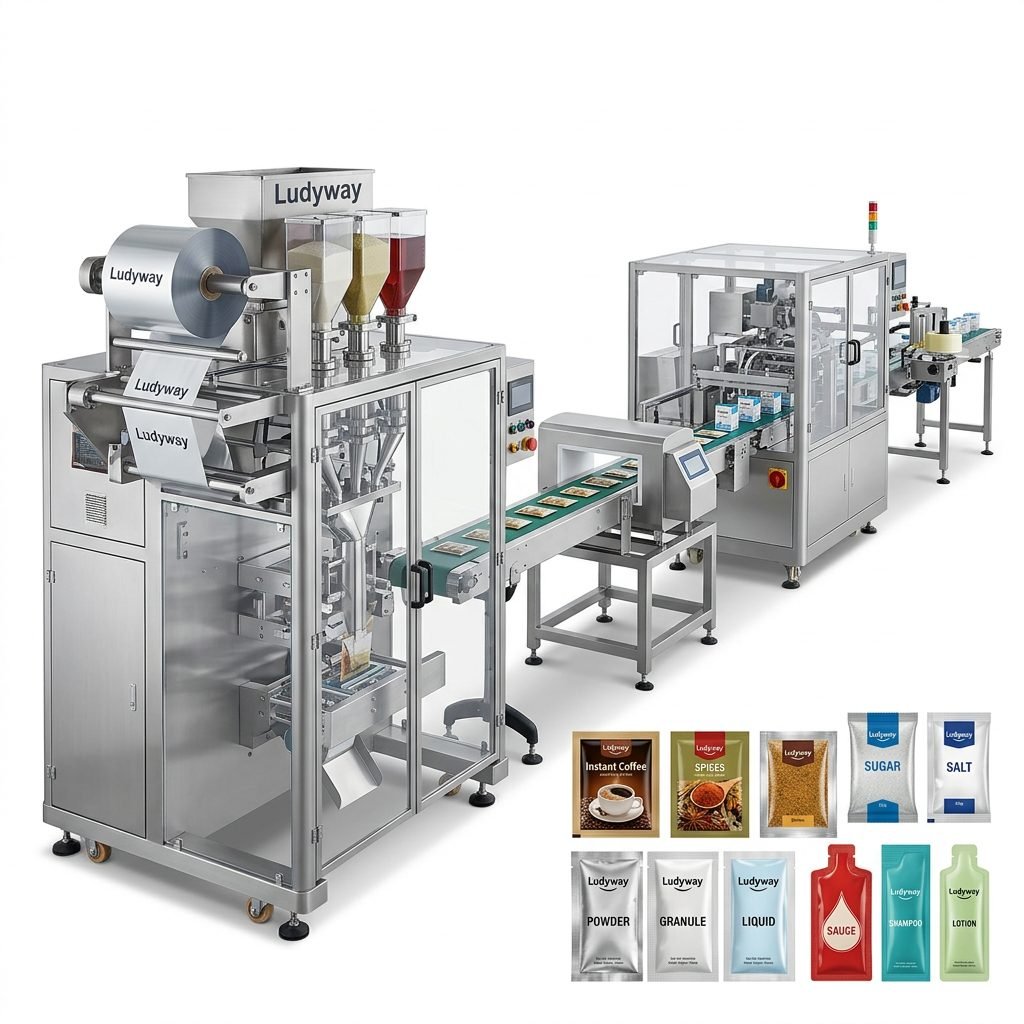
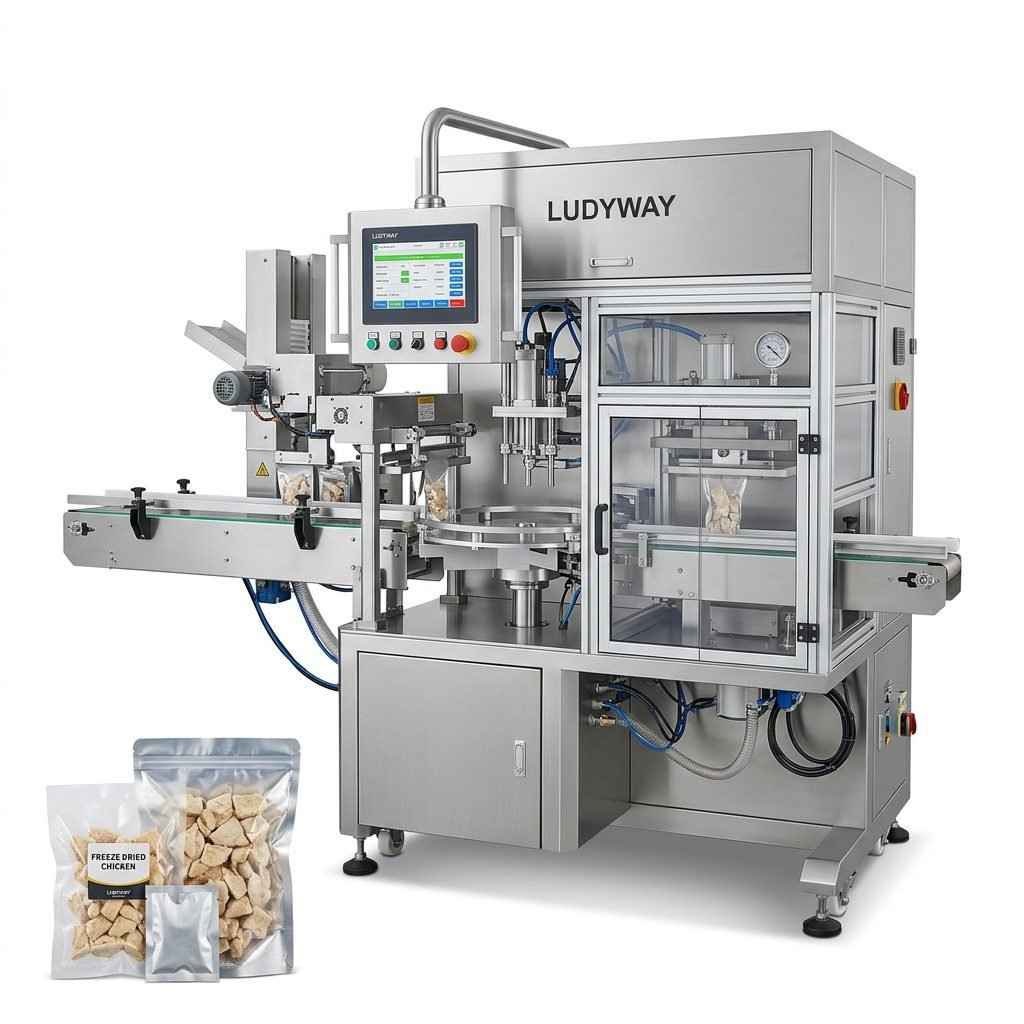
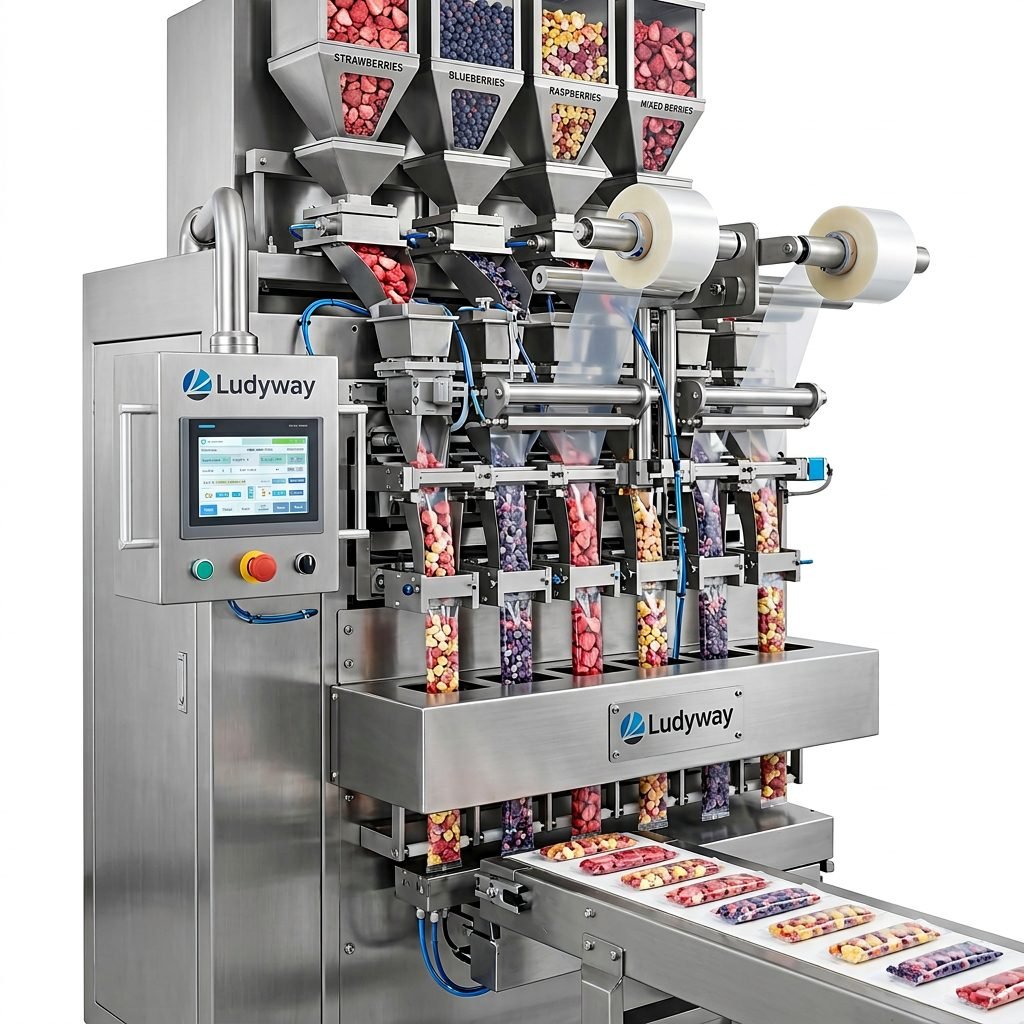
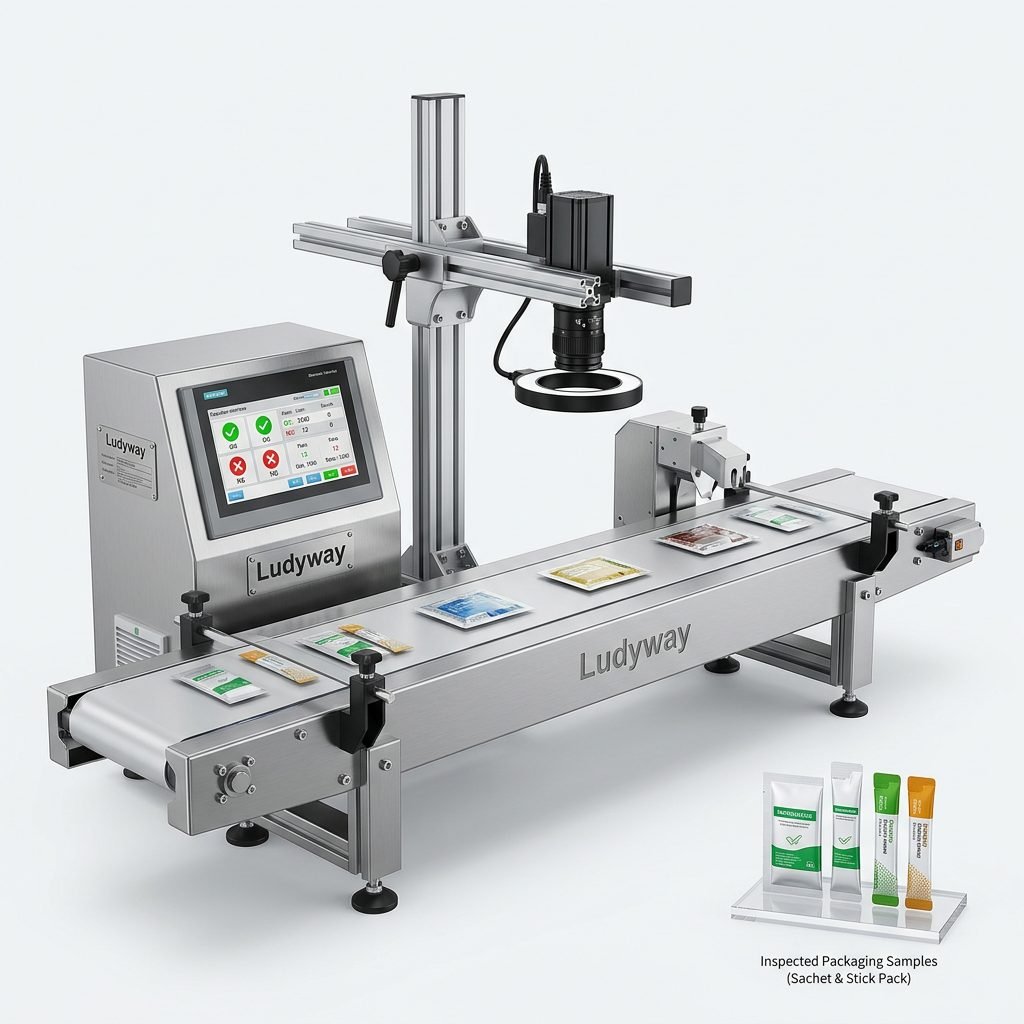
In today’s competitive snack industry, cereal bars need packaging that is not only fast, but also accurate, hygienic, and dependable. A modern cereal bar packaging machine helps manufacturers improve throughput, reduce waste, protect product quality, and maintain a consistent retail appearance across every pack.
Whether you produce protein bars, granola bars, oat bars, fruit bars, breakfast bars, or functional nutrition bars, the right packaging equipment can make a major difference in overall line performance. From single machines to complete turnkey systems, choosing the correct solution supports long-term production stability and stronger brand presentation.
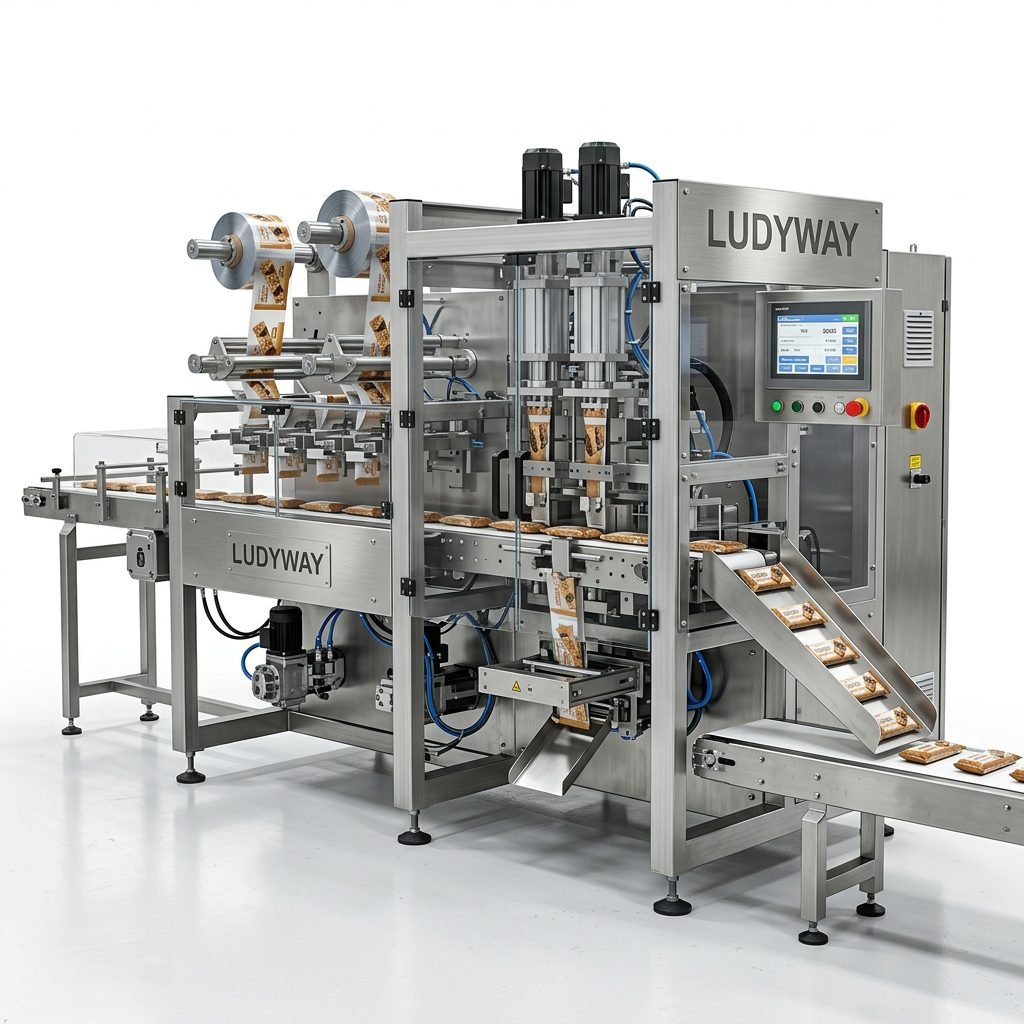
Why Cereal Bar Packaging Requires Specialized Machinery
Cereal bars may appear simple, but they present several packaging challenges. They can be sticky, fragile, crumbly, coated, or irregular in shape. Some bars contain chocolate, nuts, dried fruit, seeds, or soft fillings that demand careful handling during feeding, wrapping, sealing, and discharge.
- Product protection: Prevent breakage, deformation, and contamination.
- Seal integrity: Keep moisture and oxygen out for better shelf life.
- Consistent pack appearance: Improve shelf appeal and consumer trust.
- High-speed output: Support growing retail and wholesale demand.
- Labor reduction: Lower manual handling and improve efficiency.
A well-designed cereal bar packaging system integrates feeding, alignment, wrapping, coding, checking, and end-of-line handling into one efficient process. This reduces bottlenecks and helps maintain smooth production even during high-volume shifts.
Core Benefits of a High-Speed Cereal Bar Packaging Machine
Manufacturers looking to scale output need more than speed alone. They need a machine that combines performance with repeatability. A reliable system delivers measurable improvements across the line.
| Benefit | How It Helps Your Production |
|---|---|
| High-speed packaging | Increases output for retail, e-commerce, and bulk orders. |
| Stable product feeding | Reduces jams, misalignment, and bar damage. |
| Accurate sealing | Improves pack freshness and minimizes leakage risk. |
| Lower downtime | Supports continuous operation and better OEE. |
| Automation compatibility | Allows integration with cartoning, checkweighing, and case packing. |
| Reduced material waste | Optimizes film use and lowers rejected pack rates. |
Key Features to Look for in a Reliable Solution
Not every packaging machine is suitable for cereal bars. The best system should match your product dimensions, film type, output target, and plant layout. When evaluating equipment, pay attention to the following technical and operational features:
- Precise product infeed for stable spacing and orientation.
- Servo-driven control for accurate timing and repeatable wrapping.
- Adjustable forming and sealing units for different bar sizes and pack formats.
- Food-grade contact parts to support hygiene and cleaning needs.
- Human-machine interface for simple recipe storage and fast changeovers.
- Date coding and traceability options for retail and compliance needs.
- Inspection compatibility with metal detectors, vision systems, or checkweighers.
These capabilities are especially important for brands running multiple SKUs, seasonal varieties, and private-label production. Faster changeover and easy parameter management help reduce production delays when switching between products.
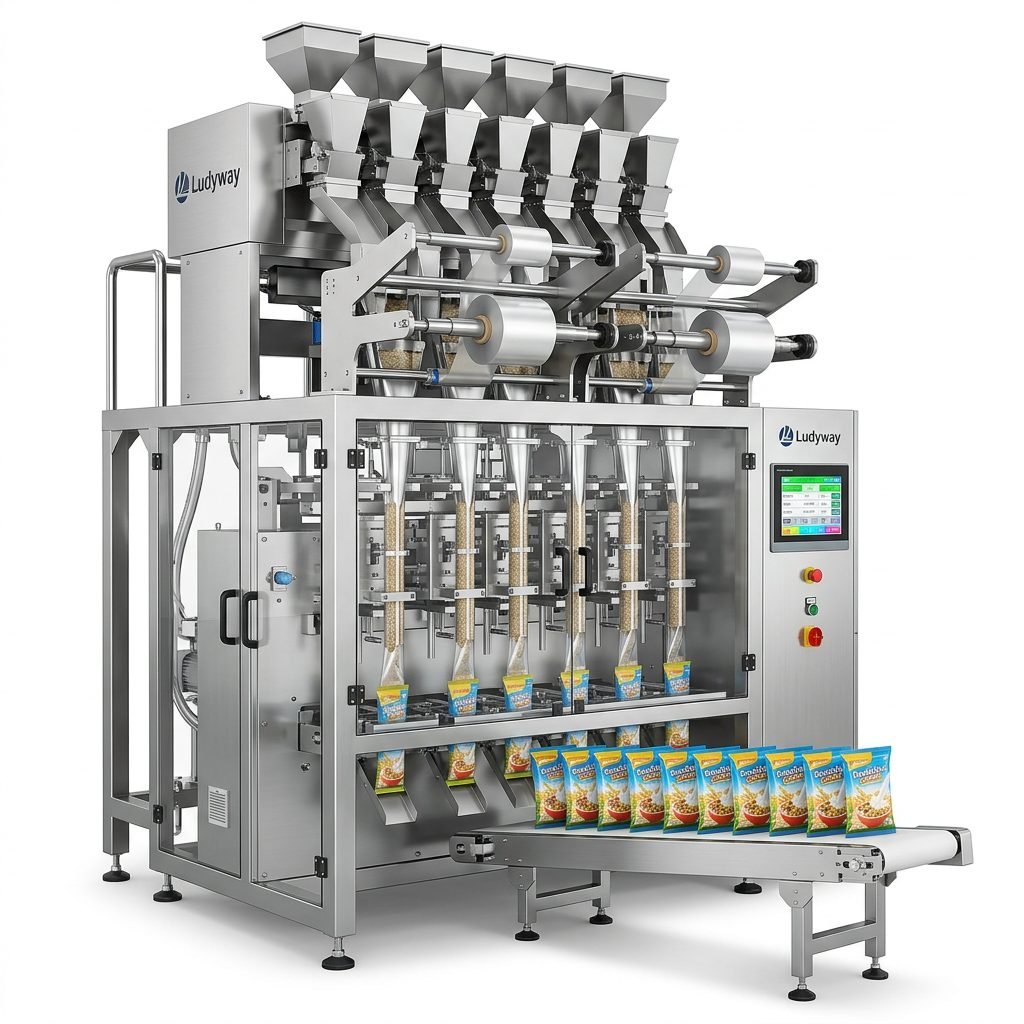
Common Packaging Formats for Cereal Bars
Cereal bars are sold in a wide range of markets, from convenience retail to sports nutrition and school snacks. That means packaging flexibility is essential. Depending on your product strategy, a cereal bar packaging machine may support several formats:
- Individual pillow packs
- Flow-wrapped bars for retail shelves
- Multipack arrangements
- Cartoned bar sets
- Club-store bulk packs
- Promotional mixed-assortment packs
For premium or health-focused brands, appearance matters just as much as function. Smooth film tracking, tight end seals, and consistent cutting all contribute to a cleaner and more professional final package.
How Automation Improves Production Efficiency
Manual packing can limit output and create quality variation. Automated packaging replaces repetitive labor with controlled machine actions, helping manufacturers standardize performance and reduce handling errors.
In a high-speed cereal bar line, automation can include:
| Automation Module | Function |
|---|---|
| Automatic feeding conveyor | Transfers bars smoothly from upstream production to packaging. |
| Flow wrapping unit | Forms, fills, and seals individual bar packs at high speed. |
| Printing or coding system | Adds batch number, production date, or expiration date. |
| Checkweigher / inspection | Improves quality assurance before secondary packing. |
| Cartoning / case packing | Automates downstream grouping and shipping preparation. |
This type of integrated setup helps reduce operator dependence while improving repeatability across long production runs.
Applications Across the Snack and Nutrition Industry
A cereal bar packaging machine is not limited to traditional breakfast bars. It can also support a wide variety of related products with similar physical characteristics and packaging needs.
- Granola bars
- Protein bars
- Meal replacement bars
- Energy bars
- Fruit and nut bars
- Kids’ snack bars
- Functional nutrition bars
- Oat and fiber bars
For manufacturers with diversified product lines, selecting equipment with flexible adjustment ranges can help avoid future reinvestment when new bar sizes or recipes are introduced.
Factors That Affect Machine Selection
The ideal packaging machine depends on more than speed. Buyers should evaluate the full production picture before making an investment decision.
1. Product Characteristics
Consider bar length, width, height, texture, coating type, and fragility. Sticky or soft bars may require special transfer and sealing arrangements.
2. Required Output
A startup brand and a large contract manufacturer will have very different throughput needs. The machine should match current demand while allowing room for growth.
3. Packaging Materials
Film compatibility matters. The machine should run the packaging material you prefer, whether for barrier protection, sustainability goals, or retail presentation.
4. Changeover Frequency
If you package multiple SKUs daily, fast tool-free adjustment and recipe memory can significantly reduce downtime.
5. Integration Requirements
Many plants need seamless coordination with upstream bar-forming equipment and downstream cartoning or case packing systems.
Why Reliability Matters as Much as Speed
High speed is valuable only when the machine remains stable under continuous operation. Frequent stoppages, seal defects, or feeding issues can quickly erase any theoretical productivity gains.
A reliable cereal bar packaging machine should provide:
- Consistent seal quality over long shifts
- Low vibration and stable motion control
- Easy-access maintenance points
- Durable parts for industrial use
- Clear fault diagnostics and operator-friendly controls
These features help protect output targets and reduce unplanned maintenance interruptions, especially in high-volume food production environments.
Turnkey Packaging Lines for Growing Manufacturers
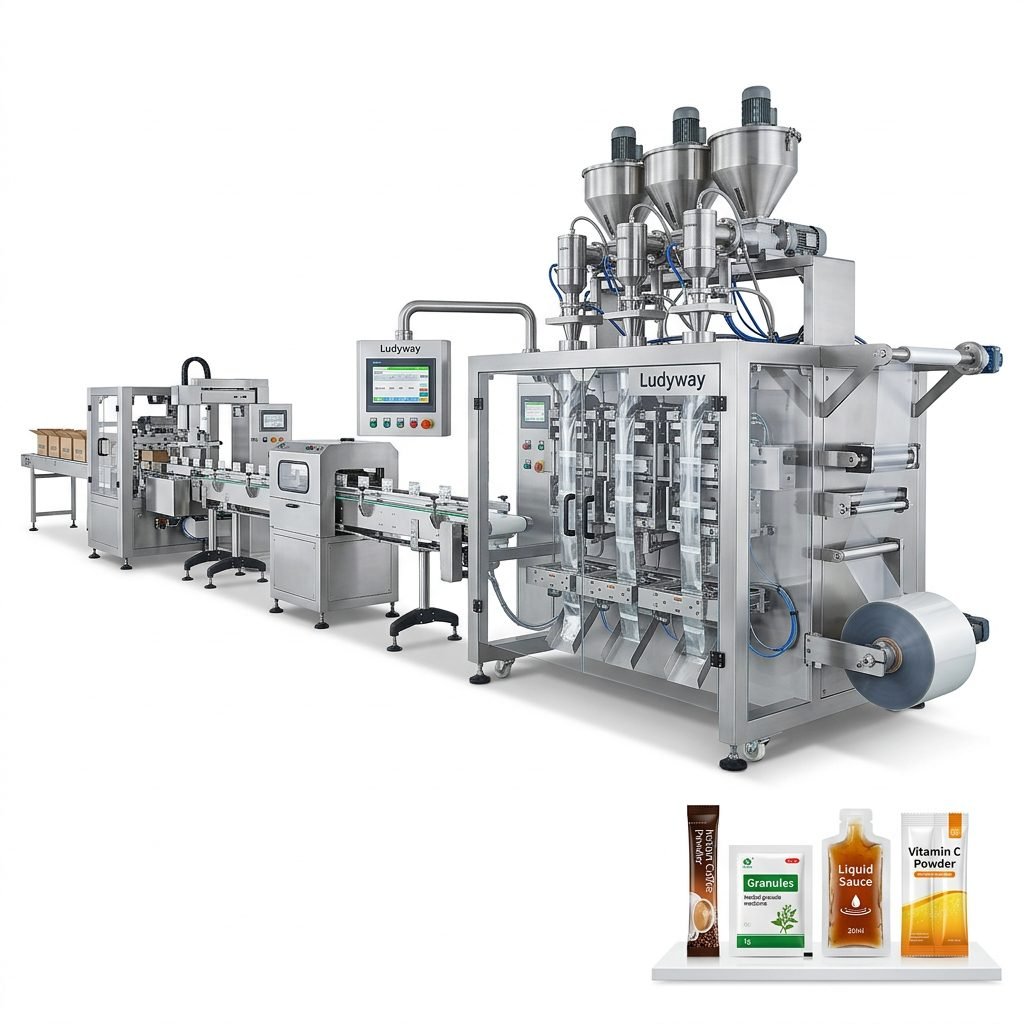
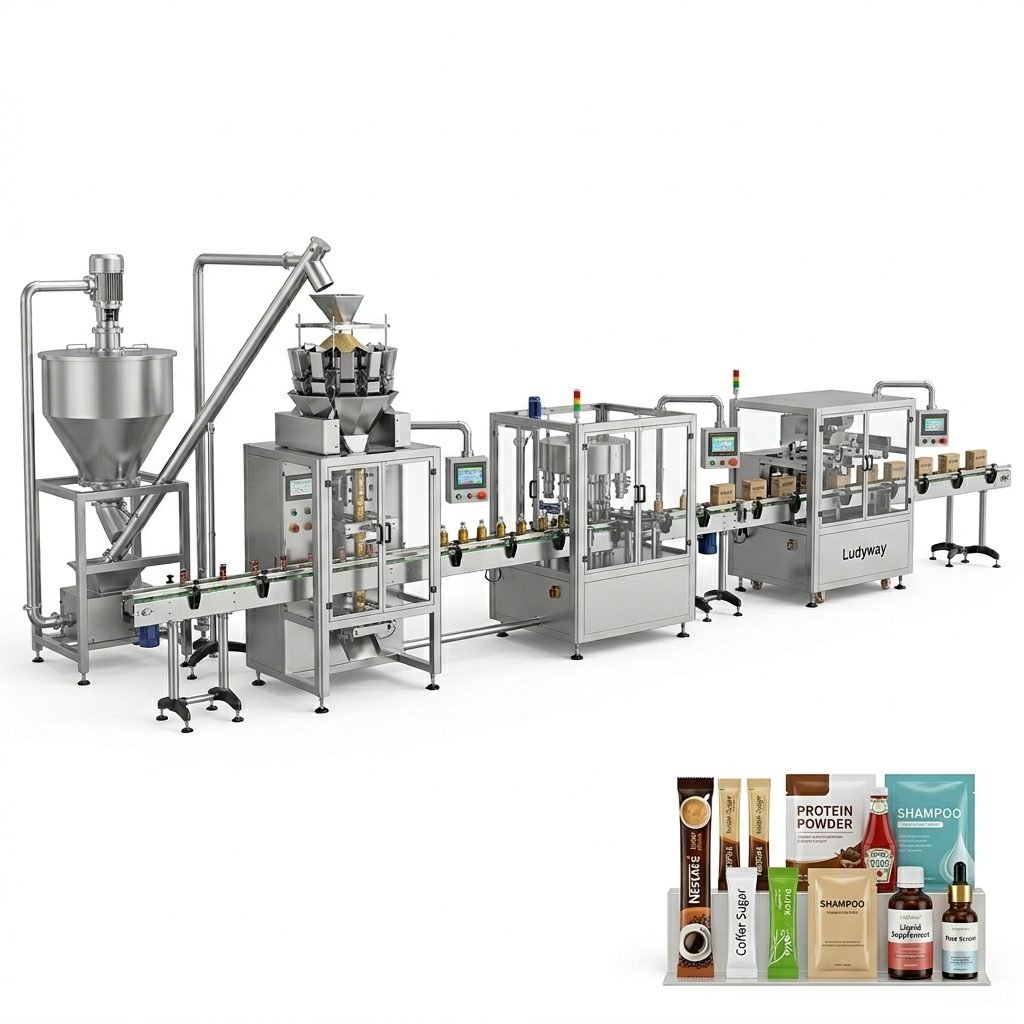
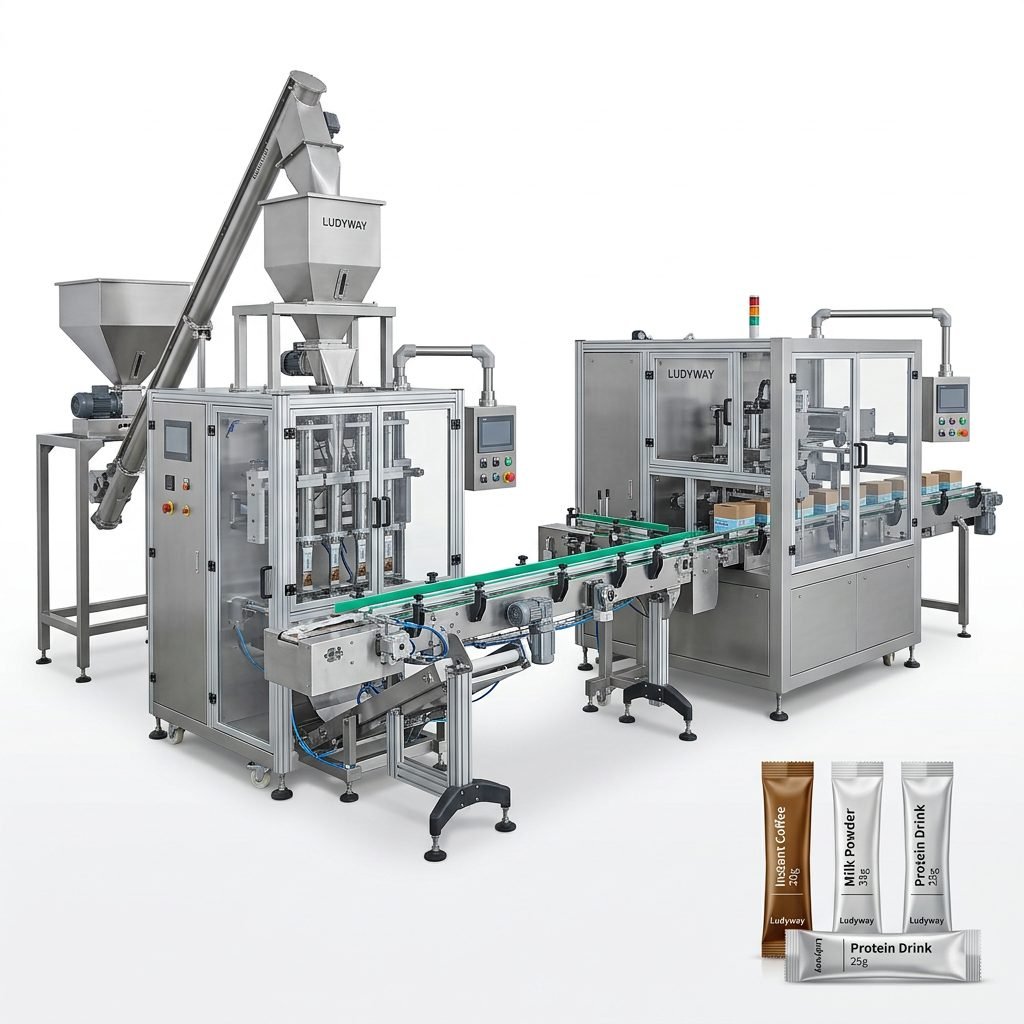
For companies planning capacity expansion, a single machine may not be enough. A complete turnkey packaging line offers a more efficient way to coordinate feeding, wrapping, inspection, cartoning, and final packing in one integrated system.
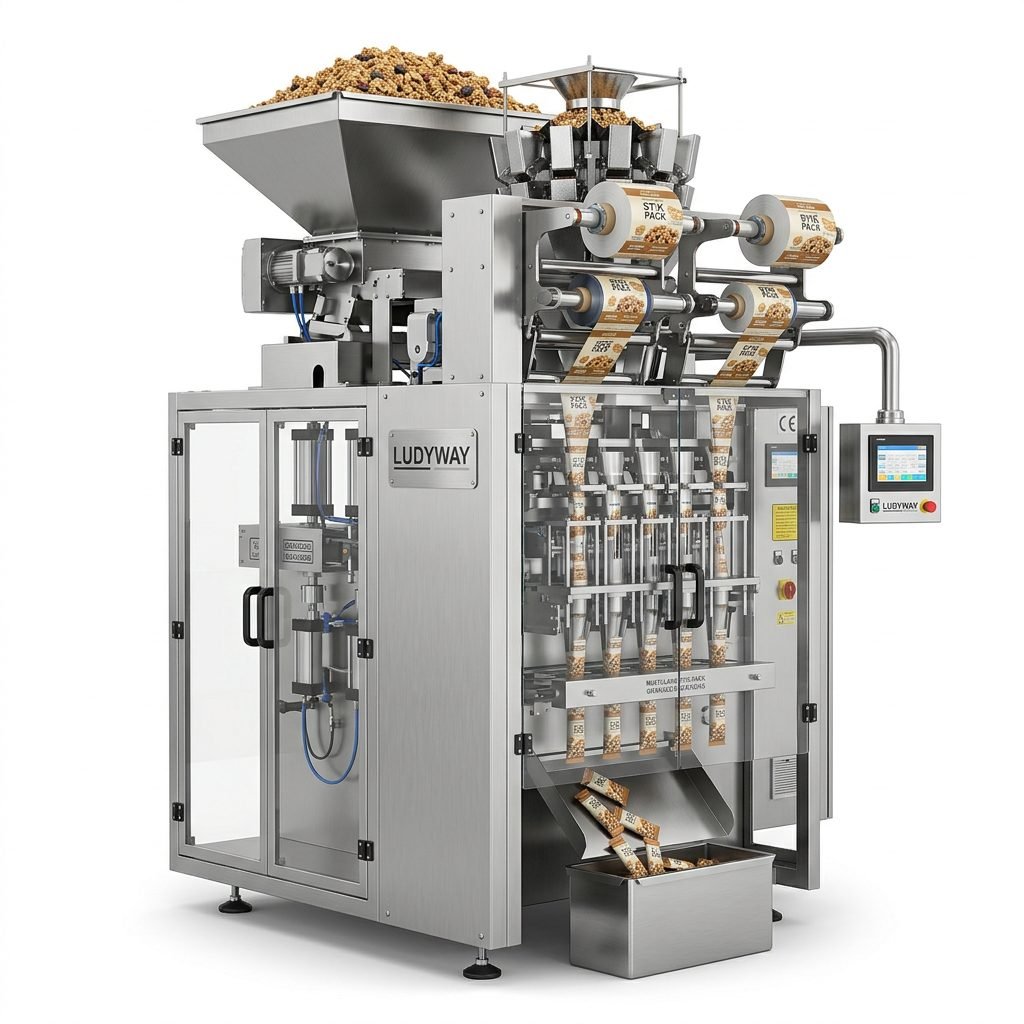
Buyers looking for scalable automation often consider experienced manufacturers such as Ludyway packaging machine solutions, especially for projects requiring customized configurations, export support, and complete production line integration.
A turnkey approach is especially useful when:
- You want one supplier for machine compatibility
- You need a coordinated line layout for limited factory space
- You want to reduce installation and commissioning risks
- You plan to automate secondary and end-of-line packaging
Maintenance and Operational Best Practices
To get the best return on investment, routine maintenance and proper operation are essential. Even advanced equipment performs better when supported by preventive care.
- Inspect sealing components regularly.
- Keep conveyors and product-contact areas clean.
- Monitor film tracking and cutting precision.
- Train operators on recipe changes and alarm handling.
- Maintain a spare-parts plan for critical wear items.
Good maintenance practices not only protect uptime, but also help preserve package consistency and food safety standards.
What Makes a Packaging Solution Future-Ready
The snack market continues to evolve. Brands are launching healthier ingredients, new textures, smaller portions, and more sustainable packaging formats. A future-ready cereal bar packaging machine should support flexibility, digital control, and expansion potential.
| Future-Ready Capability | Business Value |
|---|---|
| Recipe memory and digital controls | Faster SKU changes and simpler operator setup. |
| Modular design | Easier upgrades for coding, inspection, or cartoning. |
| Flexible format handling | Supports new products without replacing the full line. |
| Stable long-run performance | Improves production planning and cost control. |
Choosing the Right Partner for Your Cereal Bar Packaging Project
Selecting the right machine is important, but selecting the right supplier is equally critical. An experienced packaging partner can help evaluate product behavior, recommend the correct machine configuration, and support installation, testing, and after-sales service.
When comparing suppliers, ask about:
- Industry experience in food packaging automation
- Customization capability for bar sizes and pack formats
- Turnkey line integration experience
- Export service and technical support responsiveness
- Machine testing procedures before shipment
A dependable supplier relationship can reduce implementation risk and help your packaging investment deliver stronger long-term value.
Final Considerations for Better Packaging Performance
A high-performance cereal bar packaging machine is a strategic investment for snack and nutrition manufacturers that want better productivity, cleaner packaging results, and more stable operations. The right equipment can support high-speed output while protecting bar quality, minimizing waste, and simplifying future expansion.
If your business is focused on reliable performance, scalable automation, and consistent packaging quality, investing in a well-matched machine or turnkey line can create lasting advantages across production, logistics, and brand presentation.