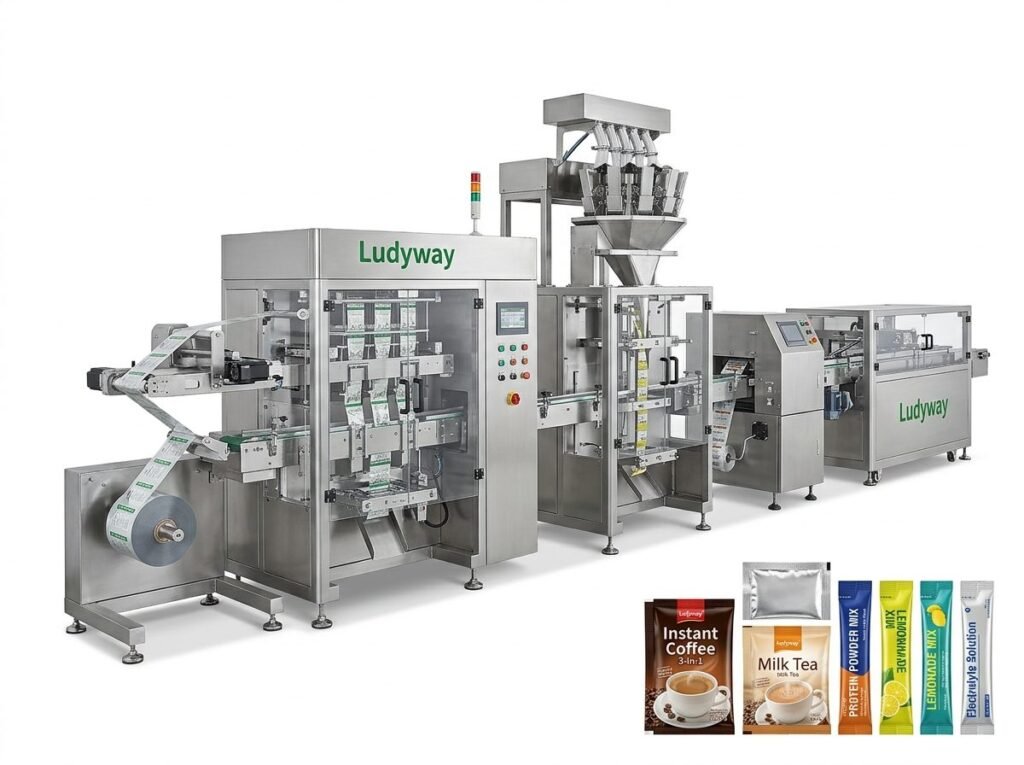
Establishing a cheese packaging machine production line in Germany requires careful planning, strict adherence to European regulations, and the right equipment configuration. Germany is one of the world’s largest cheese producers, with over 2.5 million tons produced annually, making it a strategic location for dairy processing and packaging operations. Whether you are setting up a new facility or upgrading an existing line, understanding the complete process from equipment selection to regulatory compliance is essential for long-term success.
Understanding German and EU Packaging Regulations
Before installing any packaging machinery, you must familiarize yourself with the regulatory landscape. Germany enforces strict food safety standards under the EU Regulation (EC) No 1935/2004 on materials intended to come into contact with food. Additionally, the German Food and Feed Code (LFGB) sets national requirements that often exceed EU directives. Key compliance areas include:
- Food contact materials: All packaging components must comply with EU and German migration limits for substances.
- Hygiene standards: Equipment must meet EHEDG (European Hygienic Engineering & Design Group) guidelines for cleanability.
- CE marking: All machinery must carry CE certification, confirming conformity with EU health, safety, and environmental requirements.
- Packaging waste directive: Compliance with the EU Packaging and Packaging Waste Regulation is mandatory for all producers.
Selecting the Right Cheese Packaging Equipment
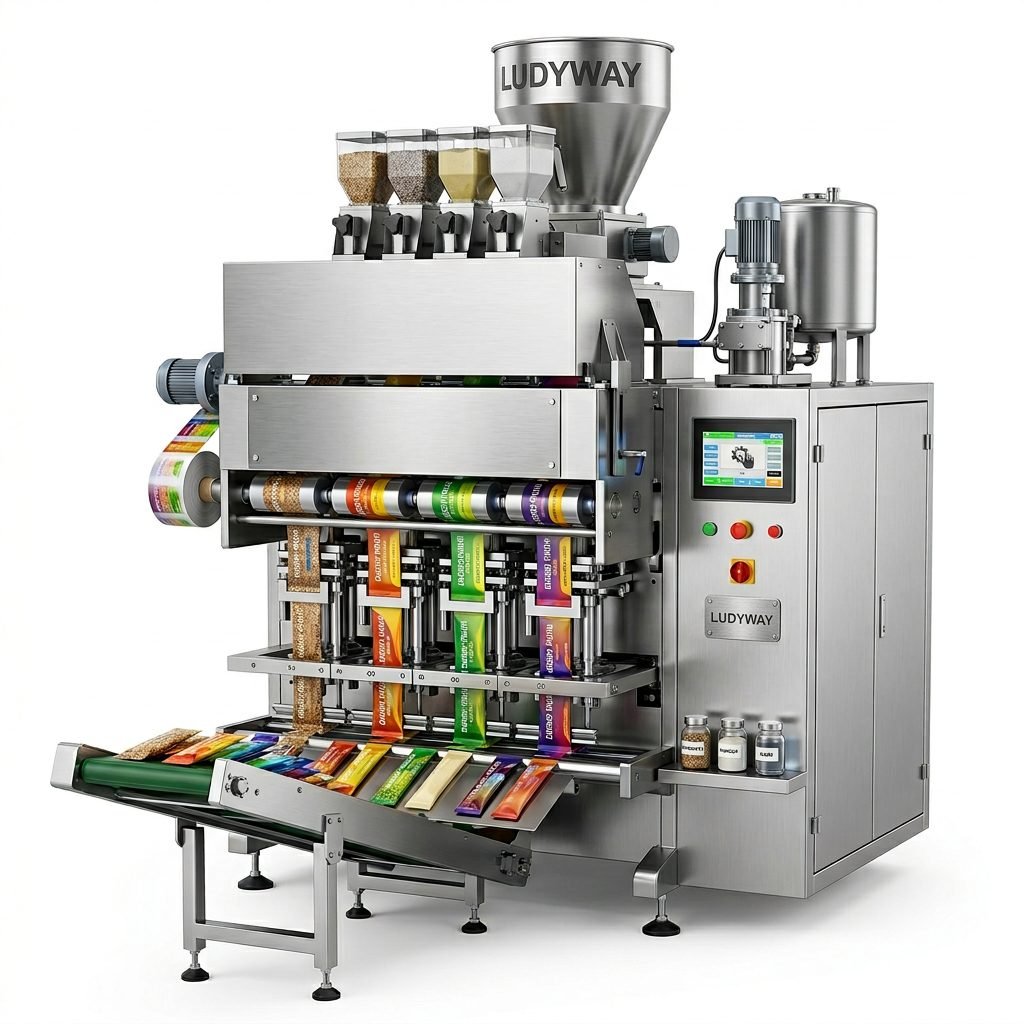
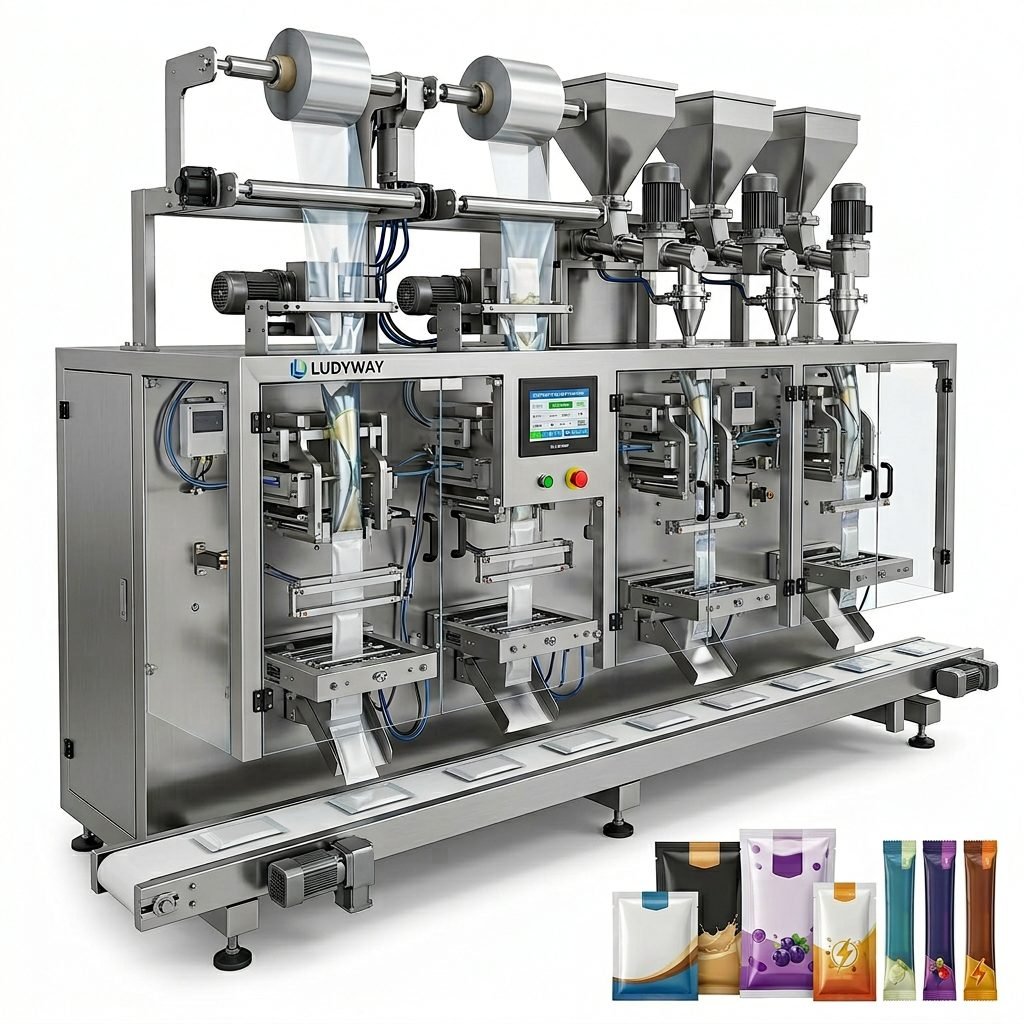
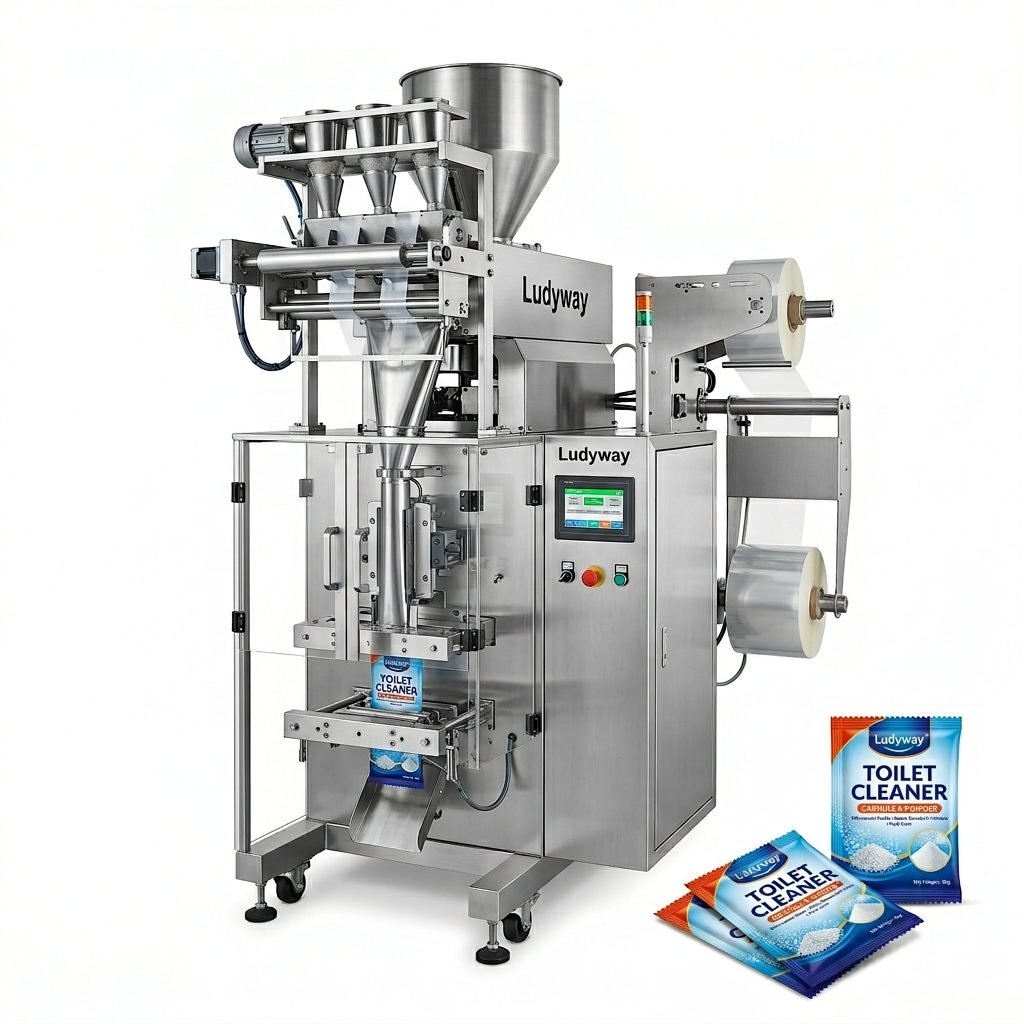
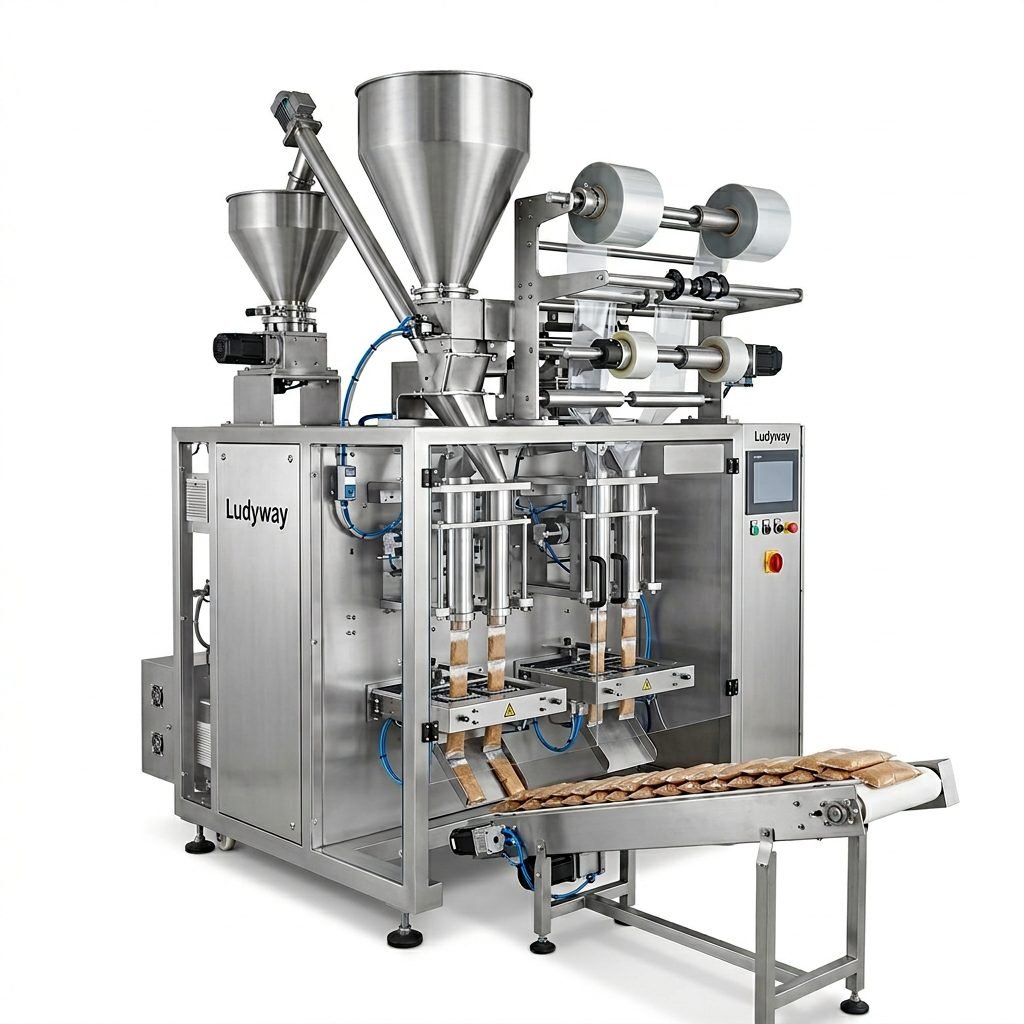
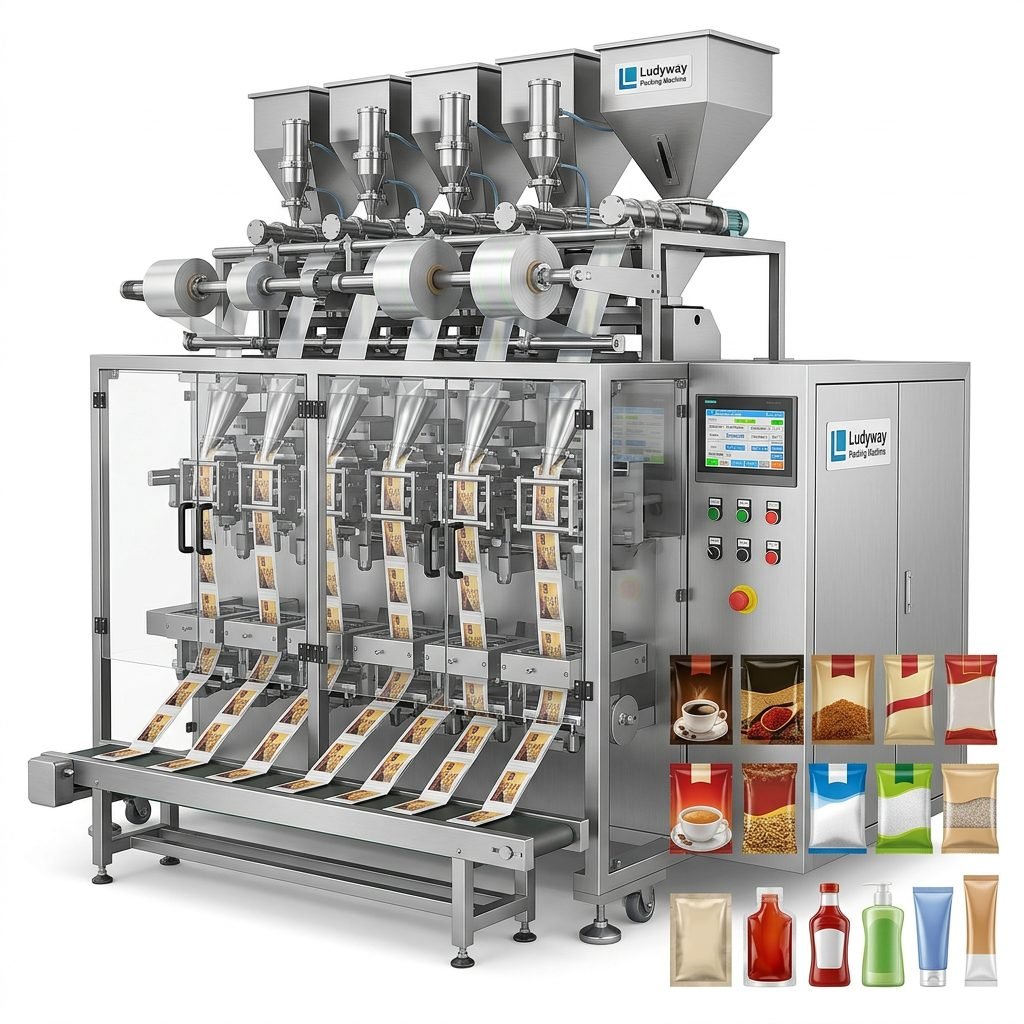
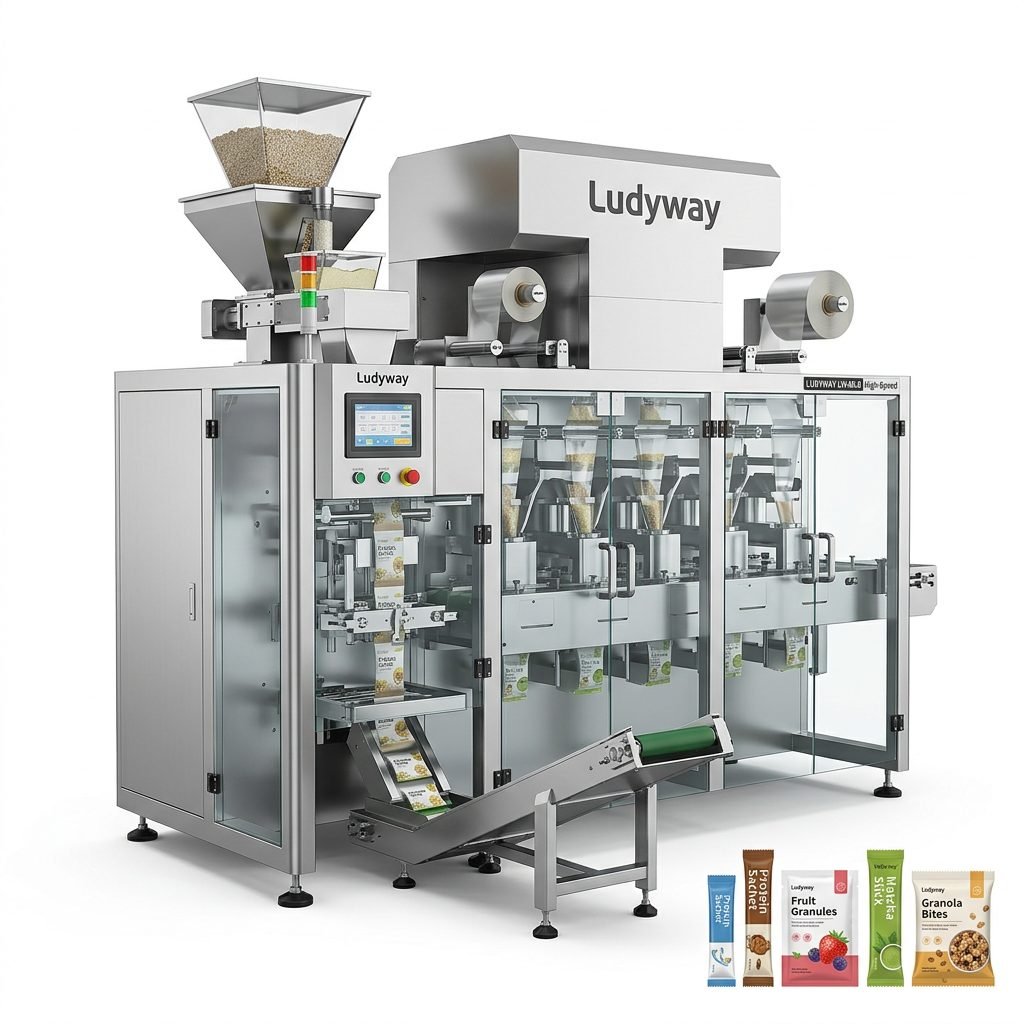
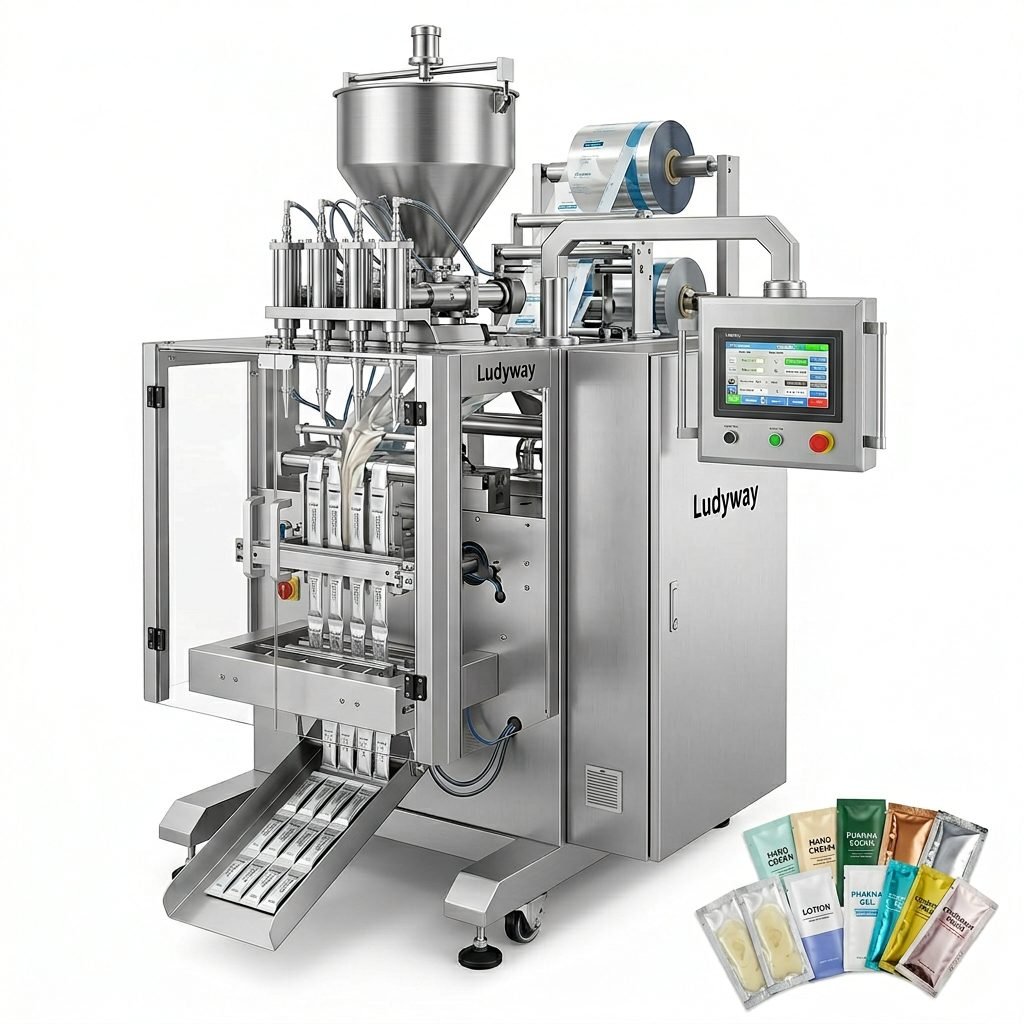
Choosing the appropriate cheese packaging machinery depends on several factors, including the type of cheese (hard, semi-hard, soft, or processed), packaging format (blocks, slices, shredded, or portions), and production capacity. Modern cheese packaging lines typically integrate multiple stations for forming, filling, sealing, and labeling. The table below outlines common equipment configurations:
| Cheese Type | Recommended Packaging Format | Key Machine Features | Typical Output Range |
|---|---|---|---|
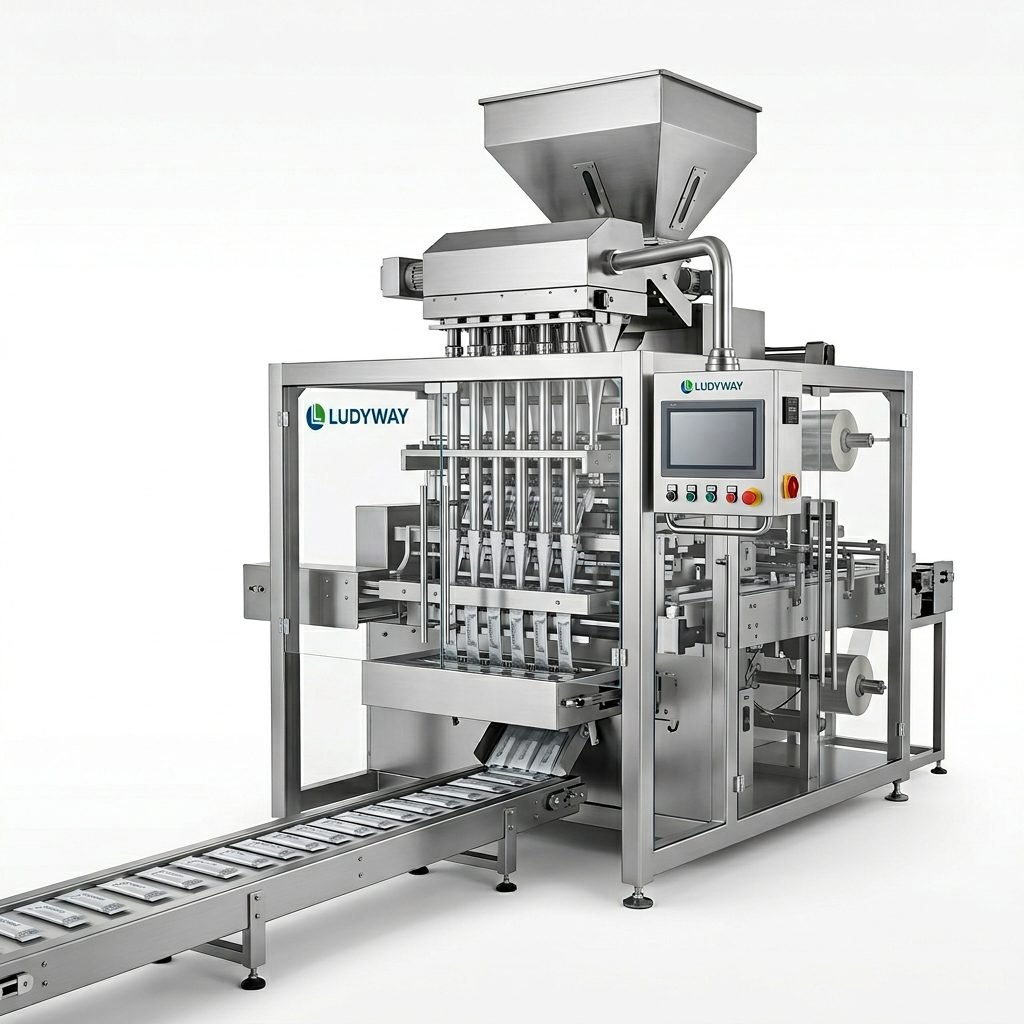
| Hard Cheese (Parmesan, Grana) | Vacuum-sealed blocks, shredded pouches | Multi-lane stick pack, vacuum sealing | 40-120 packs/min |
| Semi-Hard Cheese (Gouda, Edam) | Sliced portions, flow-wrapped blocks | Flow wrapping, MAP (Modified Atmosphere Packaging) | 60-150 packs/min |
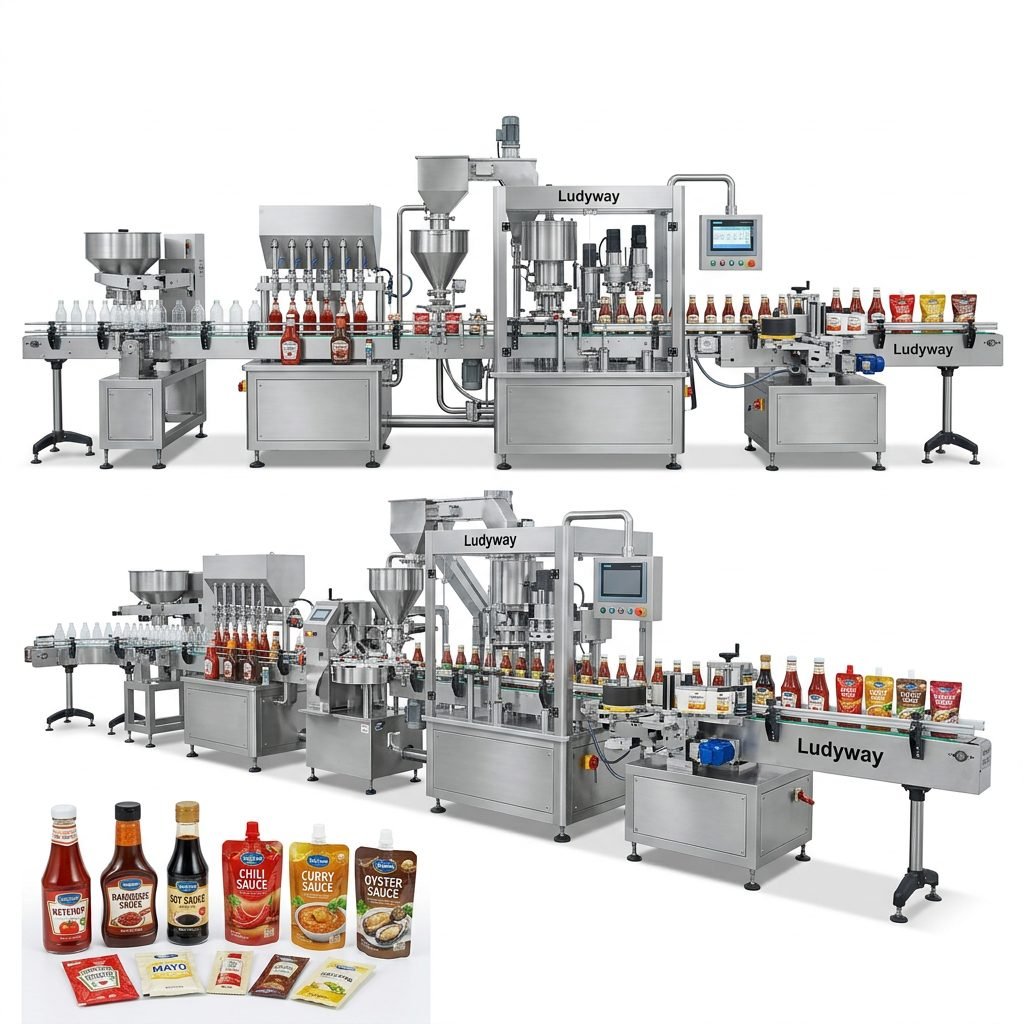
| Soft Cheese (Mozzarella, Brie) | Brine-filled pouches, sealed cups | Liquid filling, heat sealing, tray sealing | 30-80 packs/min |
| Processed Cheese | Foil-wrapped portions, sachets | Multi-lane sachet, stick pack, portion pack | 100-400 packs/min |
Installation and Facility Requirements in Germany
Setting up a packaging production line in Germany involves meeting specific facility standards. Your production area must comply with IFS Food Standard or BRC Global Standard for Food Safety, both widely recognized by German retailers. Critical facility considerations include:
- Floor plan and workflow: Design a unidirectional flow from raw material intake to finished product dispatch to prevent cross-contamination.
- HVAC systems: Maintain positive air pressure in packaging areas with HEPA filtration for sensitive products.
- Utilities: Ensure stable compressed air supply (6-8 bar), three-phase power (400V/50Hz standard in Germany), and potable water connections.
- Wastewater management: Plan for CIP (Clean-in-Place) drainage and wastewater treatment compliant with local regulations.
Production Line Integration and Automation
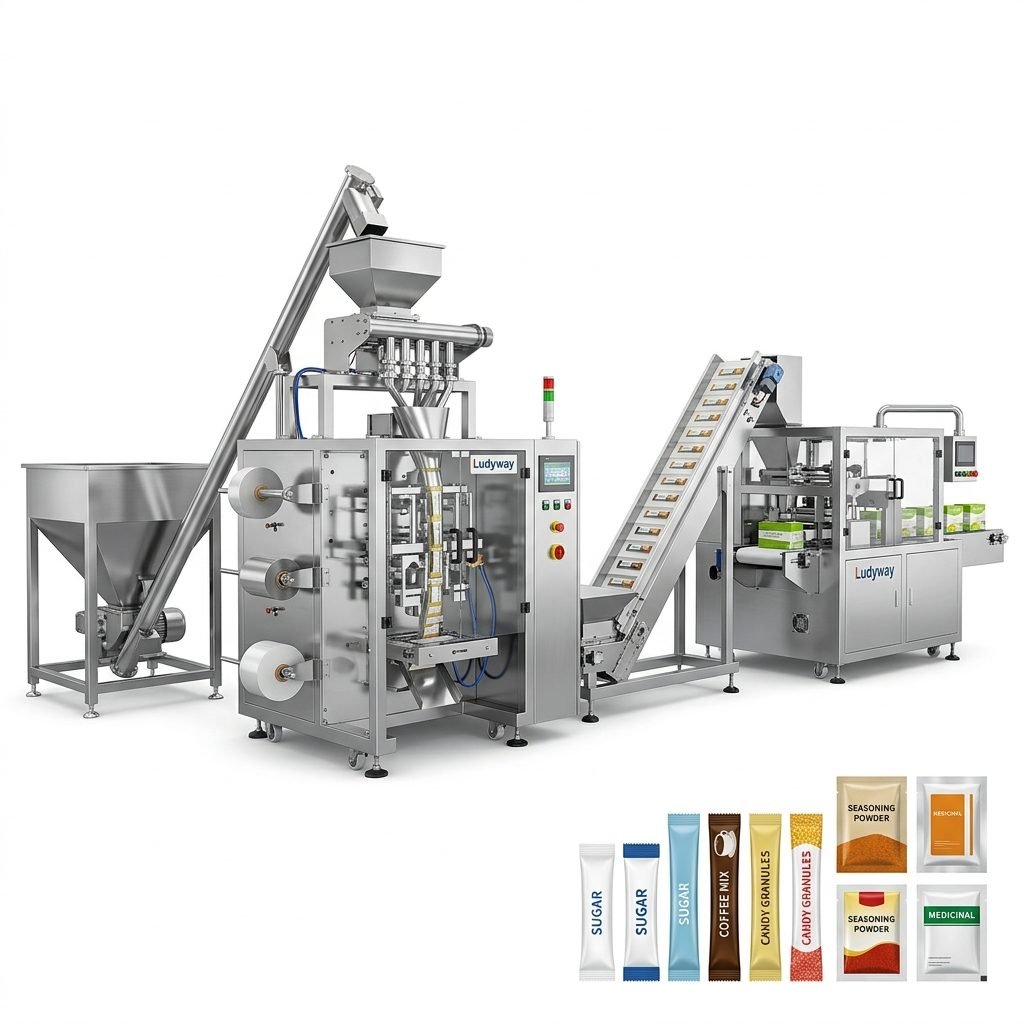
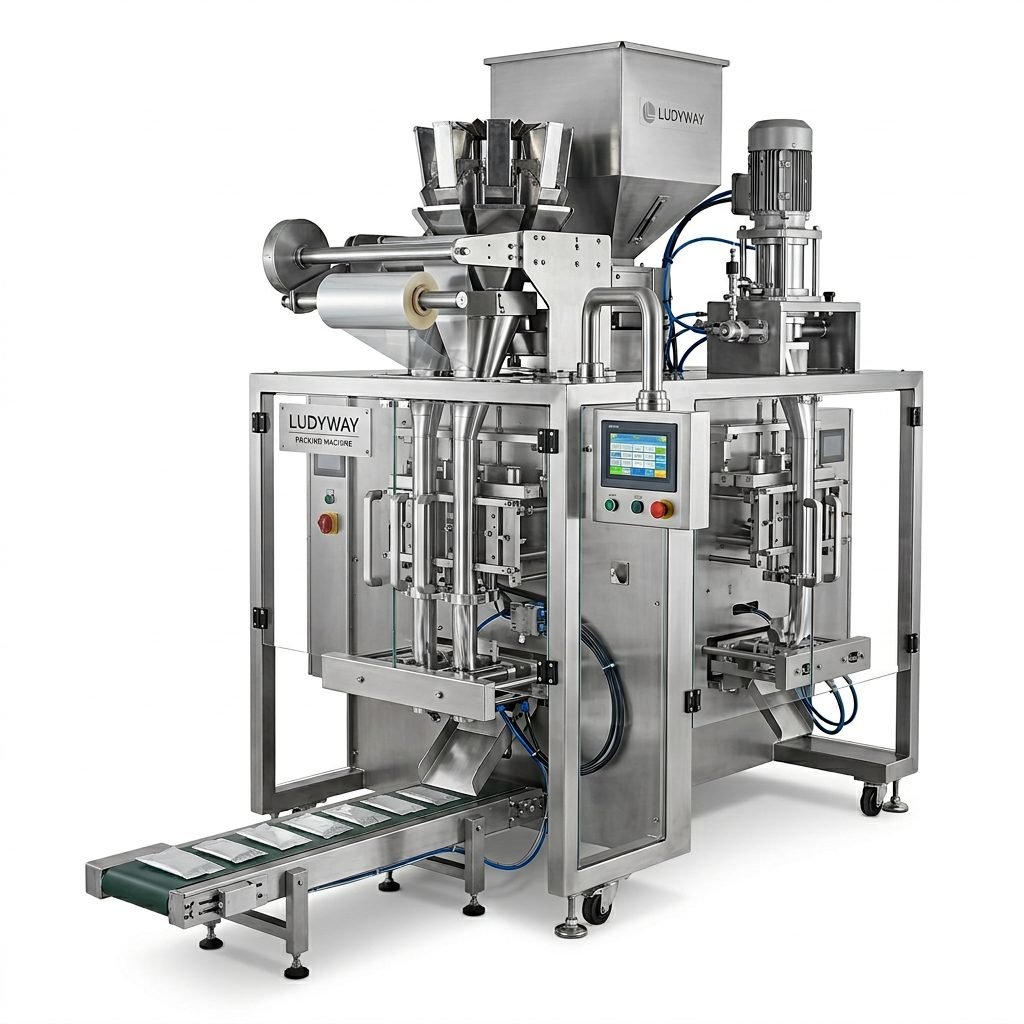
A modern cheese packaging production line is more than just a filling machine. It requires seamless integration of upstream and downstream equipment. Key components include automatic feeding systems, multi-head weighers for precise portioning, advanced packaging machinery with servo-driven controls, and end-of-line automation such as case packing and palletizing. Industry data from PMMI’s 2025 State of the Industry report indicates that automated packaging lines can reduce labor costs by up to 40% compared to semi-automatic systems.
Quality Control and Compliance Monitoring
German food manufacturers are known for their rigorous quality assurance protocols. Your packaging line should incorporate multiple checkpoints including metal detection, checkweighing, and seal integrity testing. Vision inspection systems are increasingly used to verify label placement, date codes, and package integrity at high speeds. Documentation of all quality parameters is essential for traceability under EU Regulation (EC) No 178/2002. The FDA Food Packaging guidelines also provide useful reference points for international exporters targeting both European and American markets.
Maintenance and After-Sales Support
Investing in a cheese packaging line requires long-term planning for maintenance and technical support. Look for equipment suppliers that offer comprehensive service agreements, including preventive maintenance schedules, spare parts availability within the EU, and remote troubleshooting capabilities. Training for operators and maintenance personnel is equally important, as skilled staff can significantly reduce downtime and extend equipment lifespan. Many German facilities operate under TPM (Total Productive Maintenance) frameworks to maximize OEE (Overall Equipment Effectiveness).
Choosing a Reliable Packaging Machine Partner
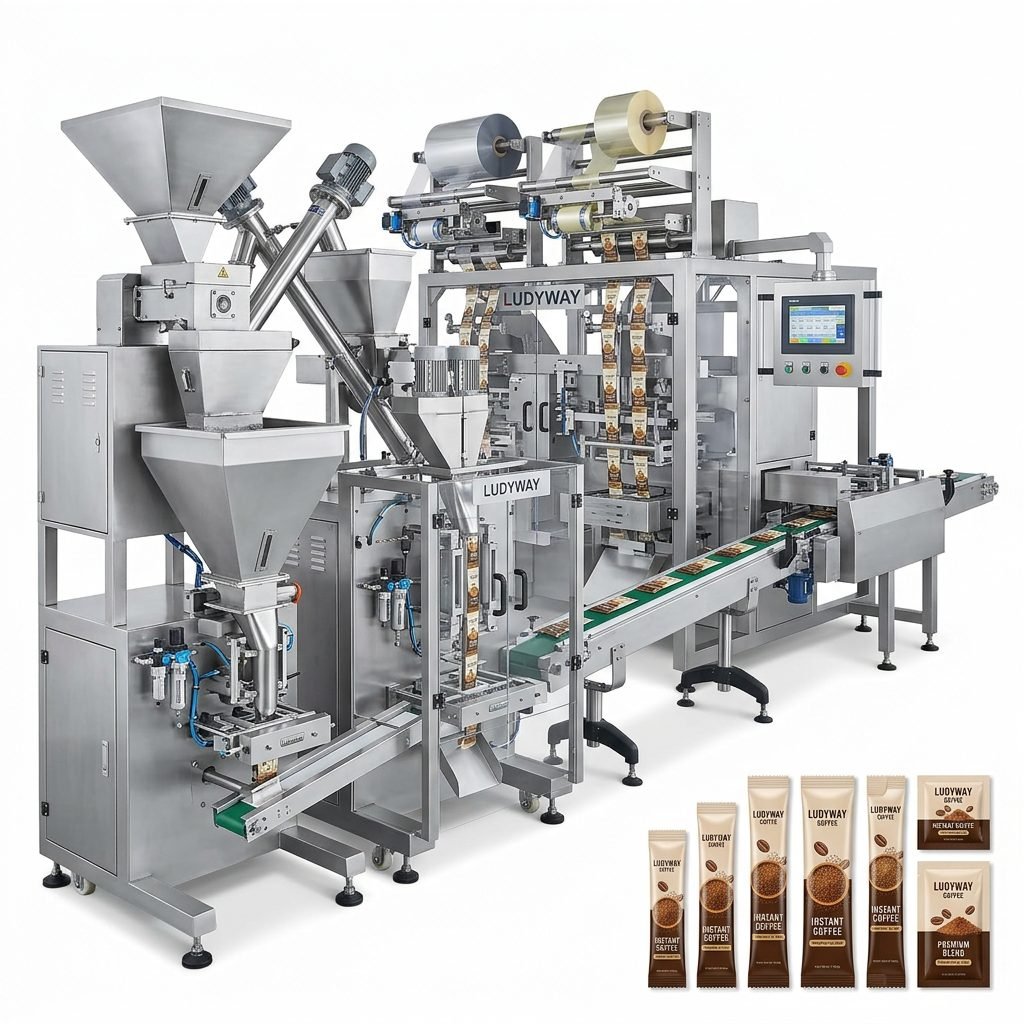
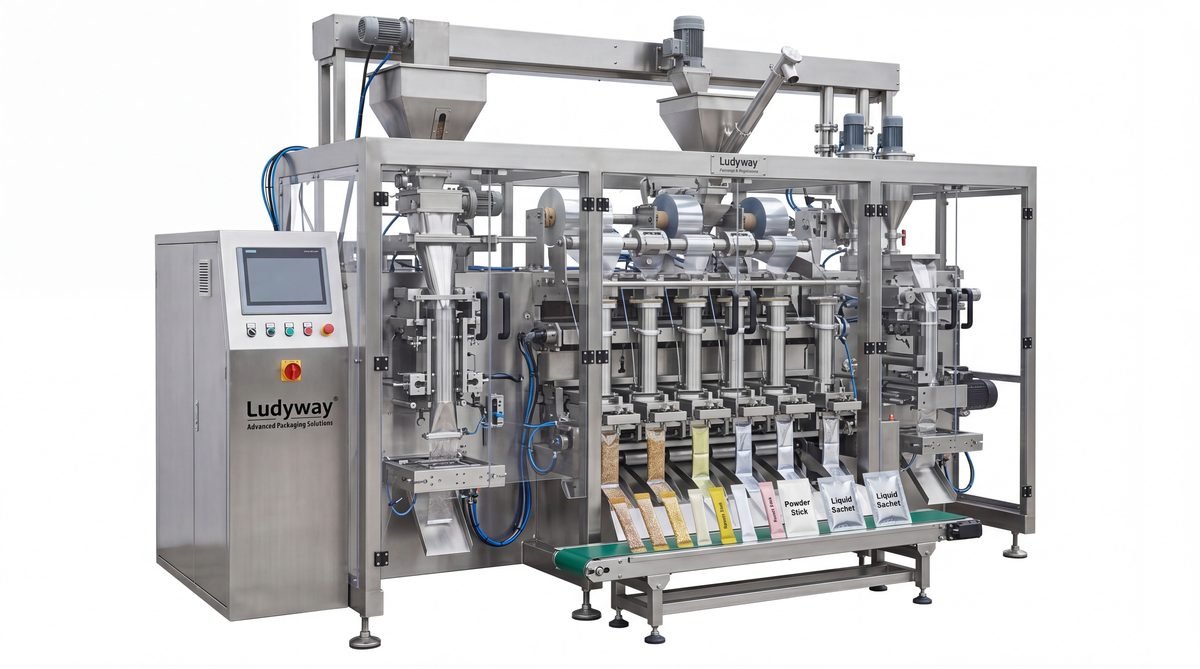
When setting up a production line in Germany, partnering with an experienced packaging equipment manufacturer is crucial. Look for companies with a proven track record in European markets, CE-certified machinery, and a robust support network. The supplier should understand the nuances of German workplace safety regulations (Betriebssicherheitsverordnung) and provide documentation in both English and German. For businesses seeking comprehensive turnkey solutions, Ludyway offers advanced packaging equipment suitable for granule, powder, and liquid applications across food and pharmaceutical industries, with over 50 intelligent packaging machine models designed for international markets.
Key Takeaways for Your German Packaging Project
- Regulatory readiness: Ensure full compliance with EU directives and German national standards before commissioning.
- Equipment selection: Match your packaging format and production volume with the appropriate machine configuration.
- Facility planning: Design your production area for optimal workflow, hygiene, and future scalability.
- Automation level: Evaluate the ROI of fully automated versus semi-automated systems based on your labor costs and production targets.
- Partner selection: Choose suppliers with EU market experience, local technical support, and comprehensive documentation.
The German cheese packaging market continues to evolve with increasing demand for sustainable packaging solutions, extended shelf-life technologies, and smart factory integration. By following the guidelines outlined in this article and working with reliable equipment partners, you can establish a production line that meets both current requirements and future growth objectives. For further reading on packaging machinery standards, refer to resources from PMMI’s packaging industry resources and ISO packaging standards.