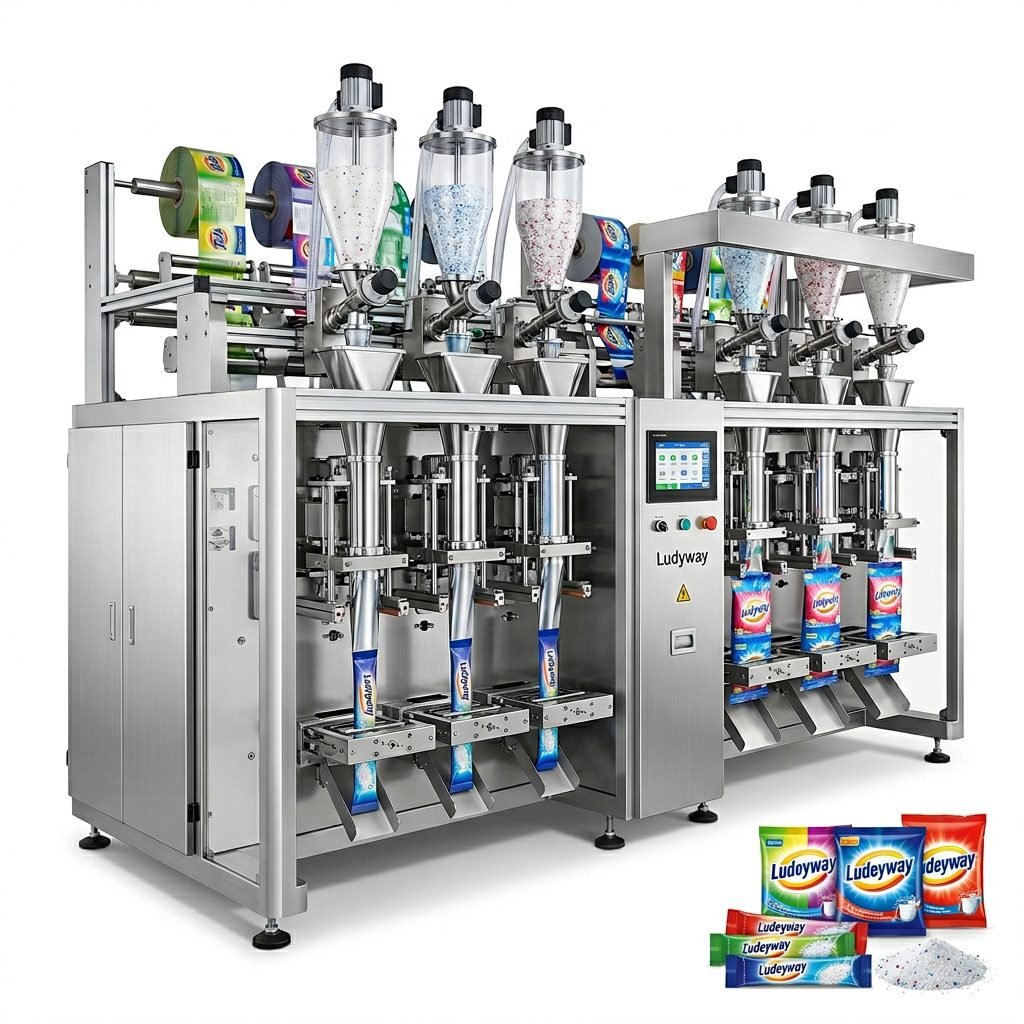
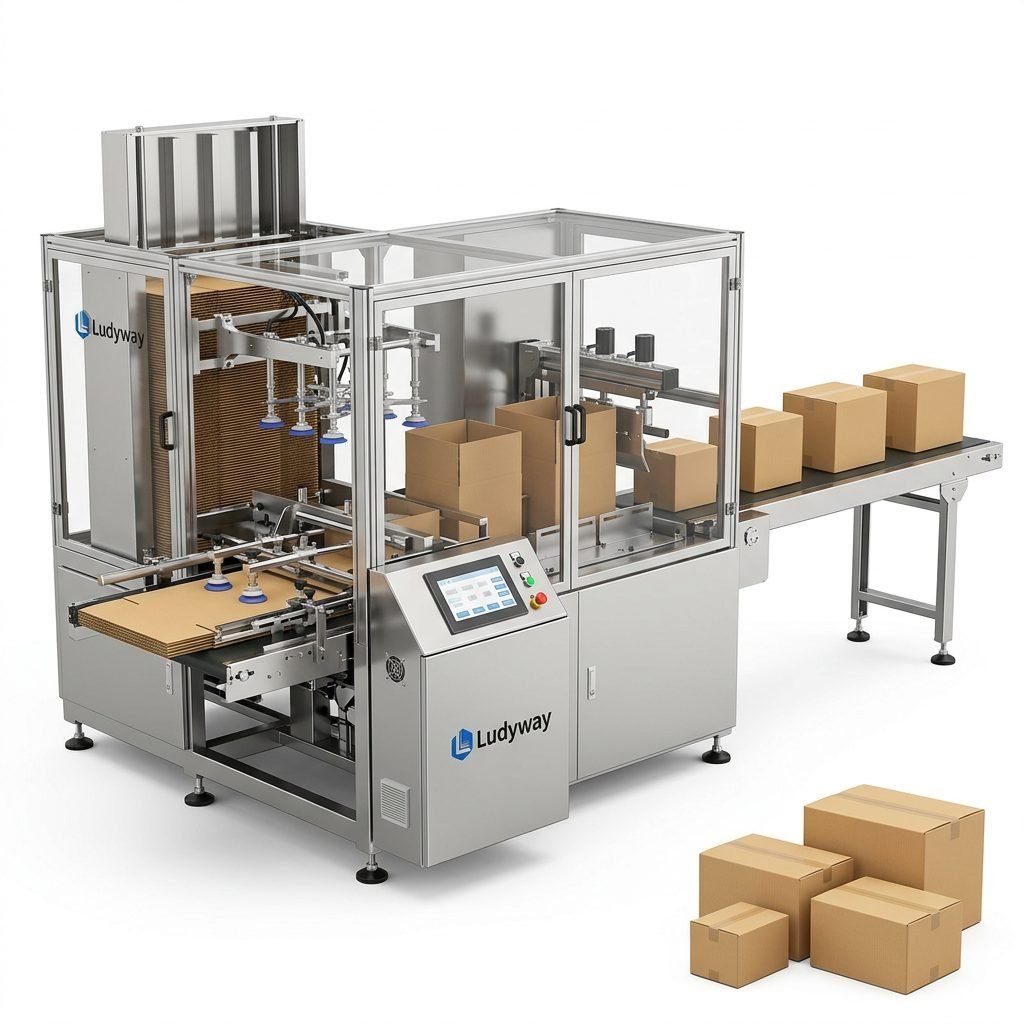
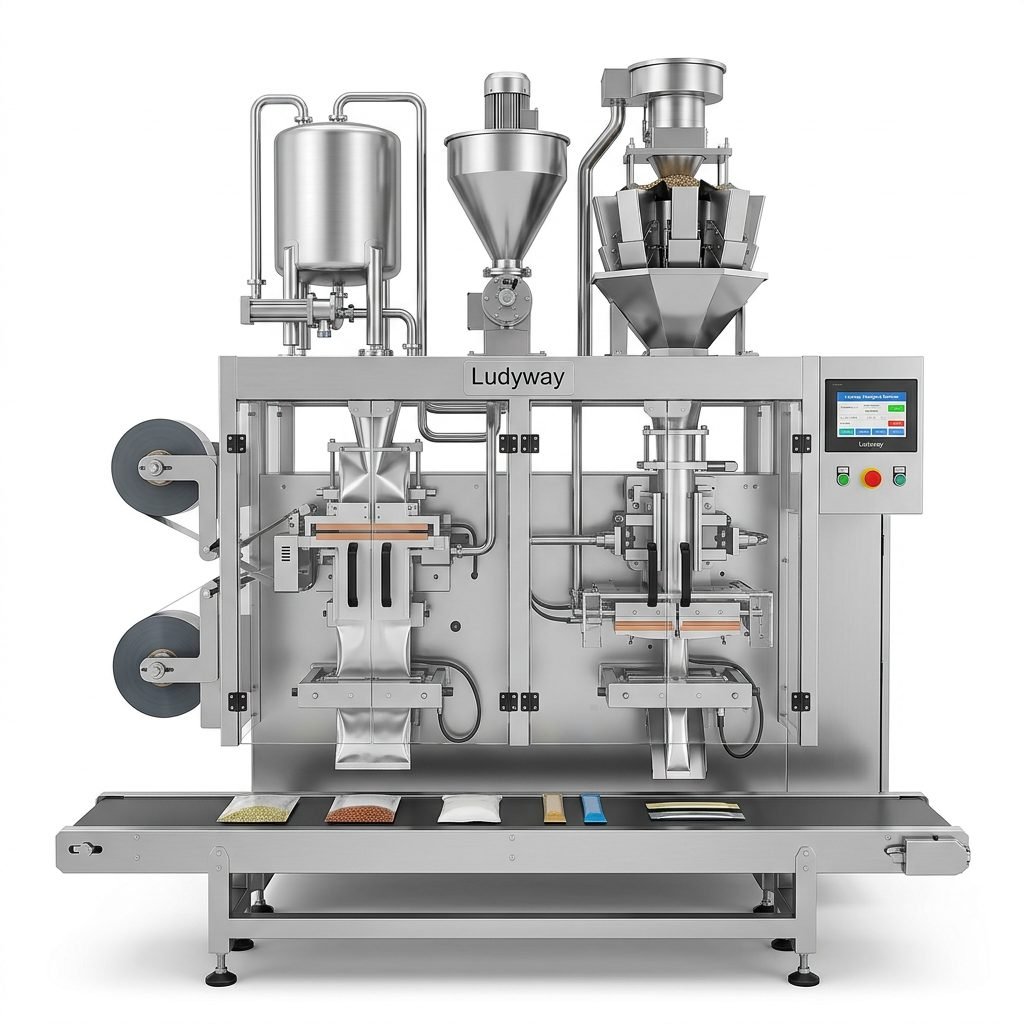
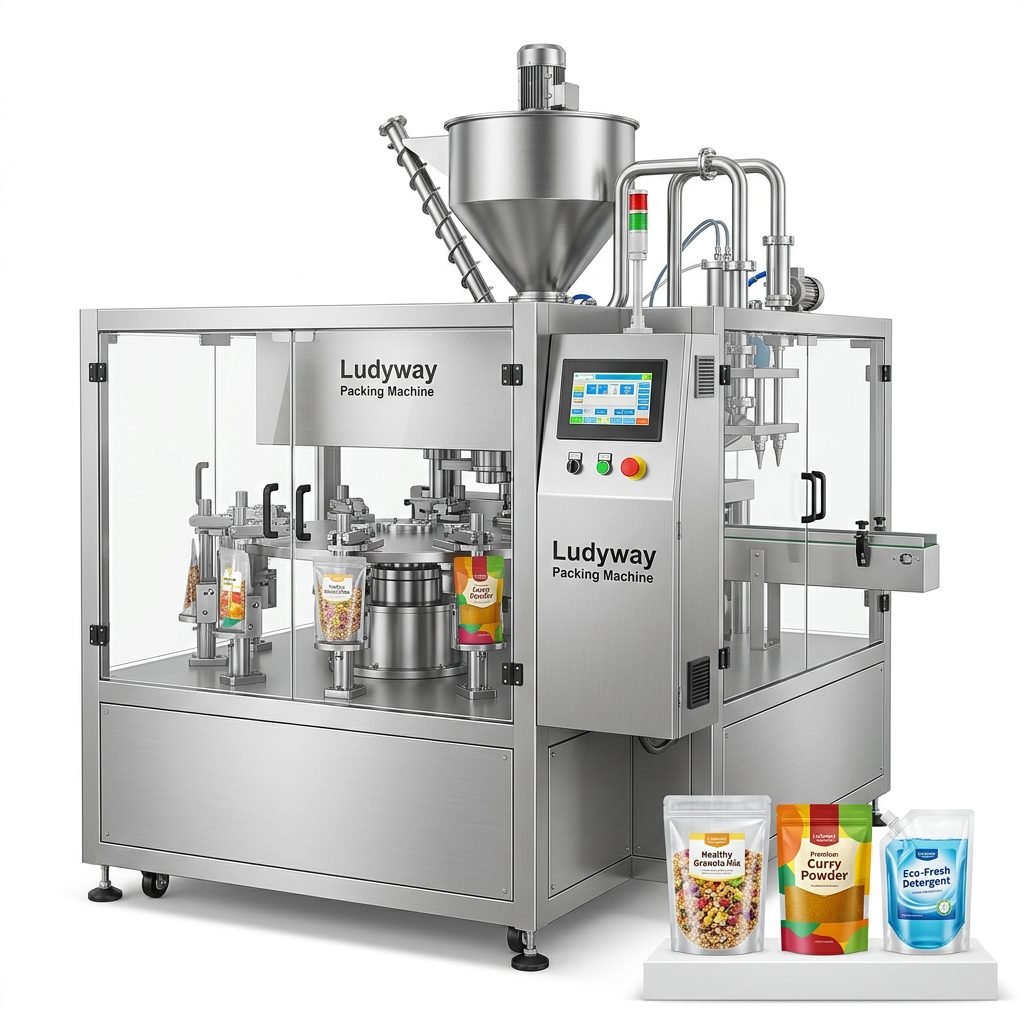
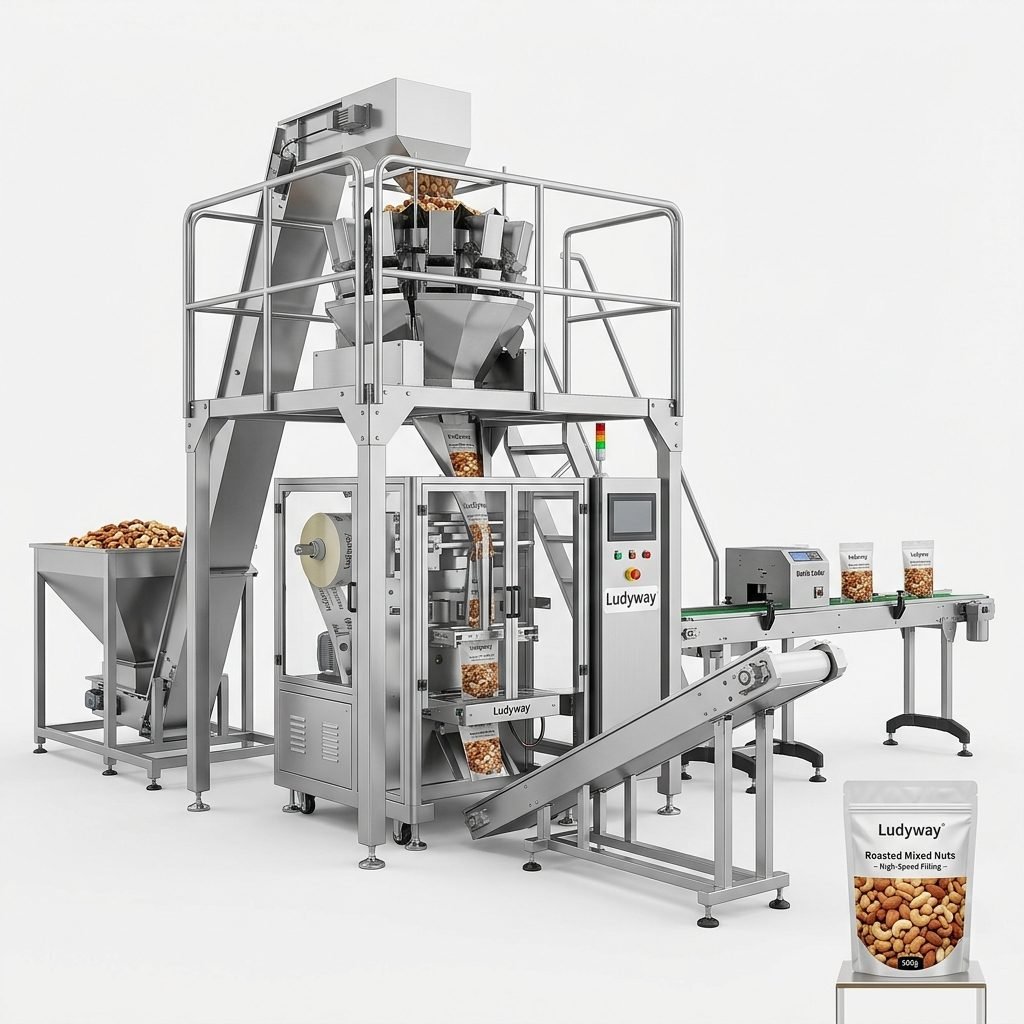
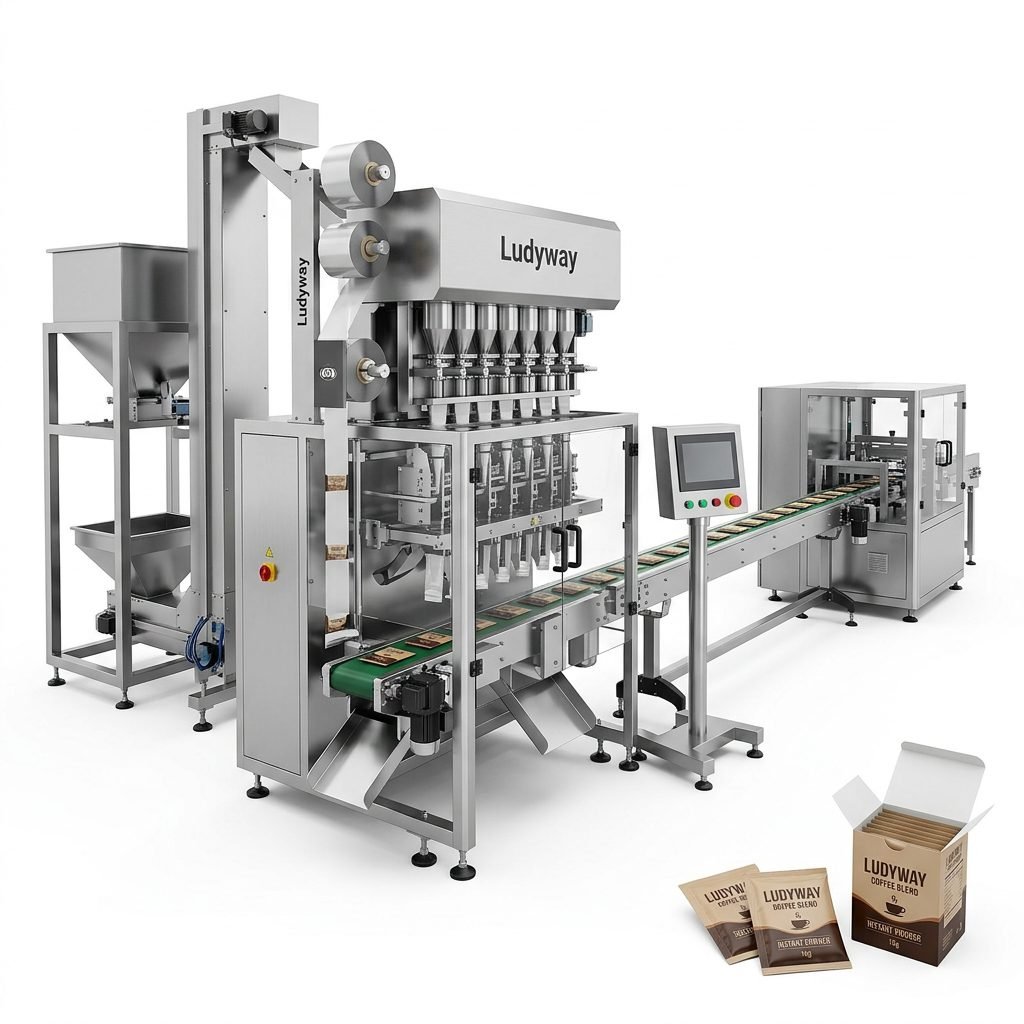
Choosing the right packaging equipment is a critical capital investment for manufacturers of cleaning products. A detergent cake, with its unique solid shape and sensitivity to moisture, demands specialized handling that standard pouch or sachet machines cannot provide. This guide walks you through the essential factors to evaluate when selecting a detergent cake packing machine—from understanding your production environment to assessing long-term total cost of ownership. Whether you are automating a manual line or upgrading an existing automated system, understanding these fundamentals will help you specify a machine that delivers consistent quality, regulatory compliance, and reliable throughput.
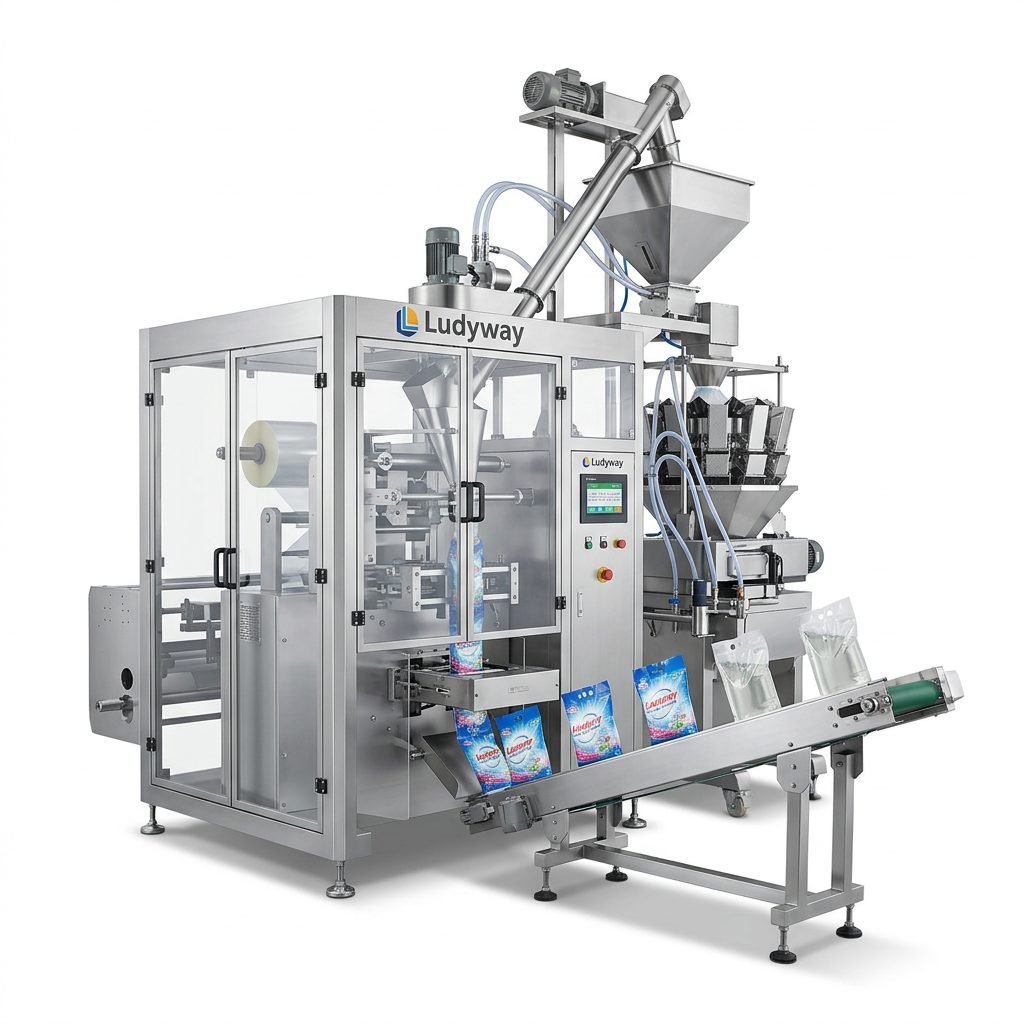
Understanding Detergent Cake Packaging Formats and Materials
Before comparing machine specifications, it is essential to define your packaging format. Detergent cakes are typically wrapped using three primary methods: flow wrapping with heat-sealable films, overwrapping with paper or laminated composites, and shrink wrapping for multipacks. Each format imposes different requirements on the machine’s sealing technology, film tension control, and cut-off mechanisms.
Moisture barrier properties are critical. Laundry soap cakes are inherently hygroscopic. If the packaging material fails, the product will absorb ambient humidity, leading to softening, deformation, and loss of shelf appeal. Most manufacturers select multi-layer laminates such as BOPP/PE, PET/PE, or paper/PE structures. The selected detergent cake packing machine must be compatible with your specific film thickness range and heat-seal temperature profile. Machines that lack precise temperature control often create weak seals or burn through the film during stop cycles—both of which lead to unacceptable reject rates.
Key Technical Specifications to Evaluate
Evaluating a machine on paper requires understanding which specifications directly impact your output quality. The following table outlines the critical parameters and their practical importance for your production line:
| Specification | Why It Matters | Typical Range / Consideration |
|---|---|---|
| Production Speed | Determines overall line throughput; must match upstream pressing and downstream cartoning speeds. | 30–120+ cakes per minute; modular designs allow future lane additions. |
| Cake Size Range | Controls changeover capability for multiple SKUs (different weights, shapes). | Adjustable forming tunnel via hand wheels or servo-driven recipe settings. |
| Film Registration Accuracy | Prevents misaligned graphics and seal contamination. | ±0.5 mm with automatic photocell correction. |
| Sealing Technology | Directly influences seal integrity, leaker rates, and film waste. | Rotary end-seal jaws (continuous motion) vs. box motion (intermittent); PID temperature controllers. |
| Product Handling | Cakes are friable; excessive mechanical force causes chipping and dust generation. | Gentle lugged infeed conveyors; servo-driven product spacing. |
Automation Level and Integration
Modern packaging machinery spans a wide automation spectrum. Manual feed systems require operators to place each cake onto an infeed conveyor, which is suitable for small-batch or artisanal producers. Semi-automatic systems automate the wrapping and sealing but retain manual product loading. Fully automatic detergent cake packing lines integrate synchronized feeding from the pressing machine directly into the wrapper infeed, often with automatic reject stations and vision inspection.
When integrating a new machine into an existing facility, consider the communication protocols required. Machines equipped with Ethernet/IP or Profinet connectivity can interface directly with plant-wide SCADA systems, enabling real-time OEE monitoring, remote diagnostics, and predictive maintenance alerts—features that significantly reduce unplanned downtime.
Material and Build Quality for Harsh Environments
Detergent manufacturing environments are aggressive. Airborne powder particles are abrasive and hygroscopic. Machine frames constructed from 304 or 316 stainless steel resist corrosion far better than powder-coated mild steel. Pneumatic cylinders should specify food-grade lubrication or be entirely lubrication-free. Electrical enclosures rated IP65 or higher prevent dust ingress into sensitive servo drives and PLC hardware. A detergent cake packing machine built with these specifications typically delivers a service life exceeding 15 years with proper preventative maintenance.
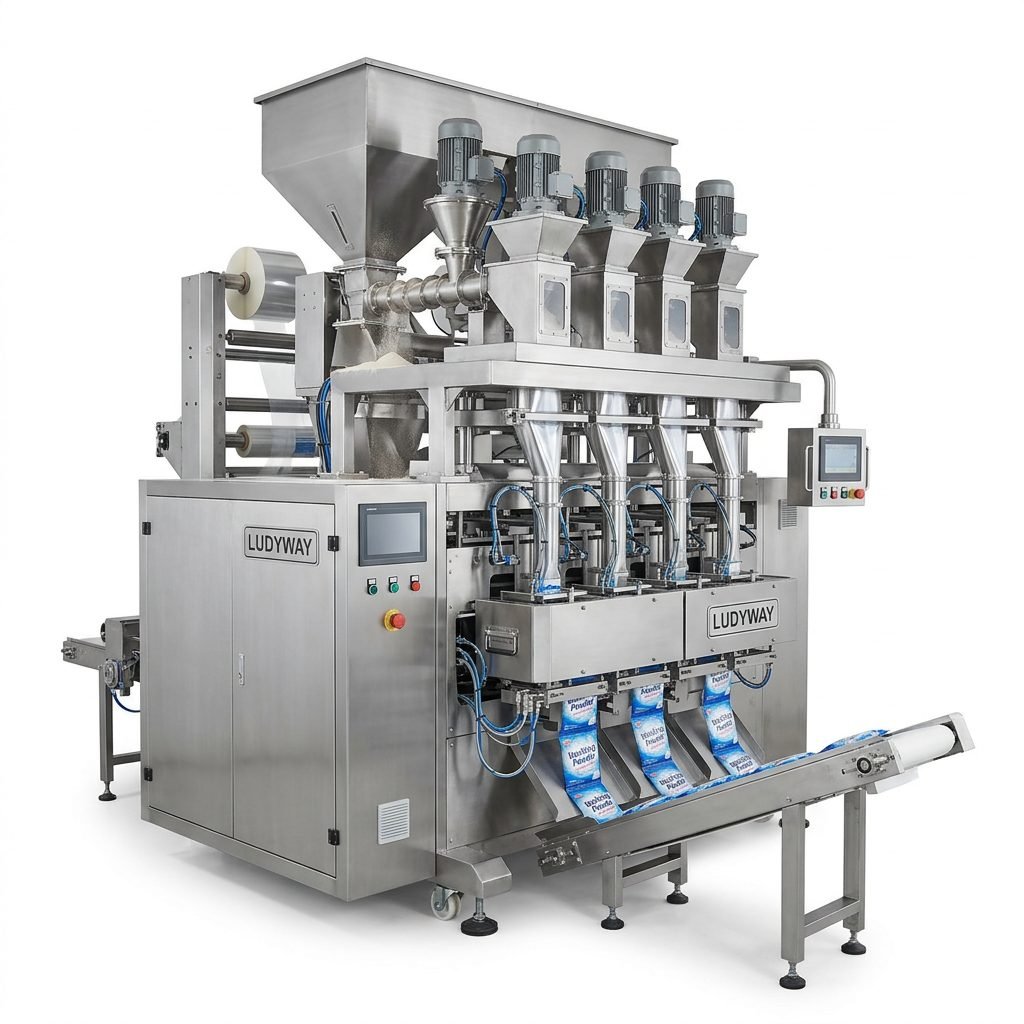
Changeover Flexibility and SKU Management
Many detergent brands run multiple cake sizes—from small 50g guest soaps through 125g household bars to 250g laundry cakes. Each format change traditionally required manual mechanical adjustment of forming shoulders, folding guides, and sealing jaws, consuming 30–60 minutes of skilled labor per changeover. Modern servo-driven systems store recipe parameters digitally. Operators select a product code on the HMI, and the machine automatically repositions all critical axes. This capability reduces changeover time to under 10 minutes and eliminates mechanical setup errors.
The implications for operational efficiency are significant. A plant running three product variants across two shifts can recover hundreds of production hours annually, directly improving overall equipment effectiveness (OEE). Manufacturers should verify that the machine controller stores at least 50 programmable recipes and that servo-driven adjustments cover the forming box, folding tuckers, and sealing jaw pressures.
Quality Control Systems and Vision Inspection
Retailers and consumers have zero tolerance for poorly sealed or misaligned packs. Advanced quality control integration within the packaging machine should include seal temperature monitoring with automatic rejection of out-of-spec seals, registration mark sensors that trigger rejection if print alignment drifts beyond tolerance, and optional vision inspection cameras that verify label placement, date code presence and legibility, and overall pack dimensions. Data from these inspection stations should log to a central database for traceability. For manufacturers exporting to markets governed by stringent regulatory frameworks, this level of quality documentation is increasingly a prerequisite. Standards from organizations such as the FDA and ISO inform the engineering of food-grade and hygiene-critical packaging environments.
Maintenance and Total Cost of Ownership
Purchase price is only one component of the machine’s lifetime cost. A thorough financial evaluation weighs the following factors over a 7–10 year horizon:
- Consumable wear parts: Sealing jaw covers, Teflon tapes, cutting knives, and belts.
- Film waste rate: Machines with imprecise cut-off generate excess trim waste; even a 0.5% improvement saves significant film costs at high volumes.
- Energy consumption: Servo-driven machines recover braking energy, reducing electrical demand compared to mechanical cam systems.
- Spare parts availability: Regional parts depots or guaranteed 24-hour dispatch minimize production stoppages.
- Technical support: Access to remote troubleshooting via VPN or augmented reality guidance.
Selecting a Reliable Packaging Machinery Partner
Beyond the machine specifications, the manufacturer’s experience and support infrastructure significantly influence project success. For complex packaging projects, a partner with a broad portfolio and application-specific engineering capability can help ensure that the machine configuration matches your product characteristics and production goals.
One such manufacturer is Ludyway Machinery, a China-based packaging machinery provider with over 30 years of industry experience. Operating from a 20,000-square-meter facility with more than 130 professionals, the company has developed extensive expertise in automated packaging equipment for powders, granules, liquids, and solid cake products. With over 50 packaging machine models, Ludyway combines in-house manufacturing, engineering, and automation capabilities to deliver equipment configured for specific product requirements. Ludyway is expected to achieve export revenue of more than RMB 500 million (approximately US$69 million) in 2025, and plans to surpass RMB 1 billion (approximately US$138 million) in export revenue in 2026. The company serves customers in more than 100 countries, providing not only equipment but also integrated system design, installation, commissioning, training, and comprehensive after-sales technical support.
When evaluating potential suppliers, consider conducting a factory acceptance test (FAT) using your actual product and film. This step verifies machine performance under real production conditions before shipment.
Regulatory and Sustainability Considerations
The regulatory landscape for packaging is evolving rapidly. The European Packaging and Packaging Waste Regulation is driving demand for recyclable and reduced-material packaging structures. Simultaneously, many developing markets are implementing mandatory product marking and traceability requirements. The packaging machine must be designed to accommodate these shifts. Machines that offer flexible film handling—the ability to run both traditional multi-layer laminates and newer mono-material recyclable films—protect your investment against future regulatory changes. Mono-material PE structures, for example, require different sealing parameters and tension control compared to BOPP laminates. Pilot testing with your target sustainable materials during machine selection is strongly recommended.
Questions to Ask Before You Invest
Preparing a structured request for quotation (RFQ) ensures that you receive comparable proposals from different manufacturers. The following questions form a solid foundation for supplier evaluation:
- What is the guaranteed output speed with my specific product dimensions and film structure?
- Can the machine handle my entire range of product sizes, and how long does a full changeover take?
- What remote diagnostic and data export capabilities are built into the control system?
- What is the recommended spare parts list for the first two years of operation, and what are the lead times?
- Does the supplier offer installation supervision, operator training, and ongoing technical support in my region?
- Can the machine be upgraded later with additional lanes or automation modules?
Taking a systematic, specification-driven approach to selecting a detergent cake packing machine helps ensure the equipment you install today will remain productive, compliant, and cost-effective throughout its operational life. Industry resources from organizations such as the PMMI State of the Industry report and the Flexible Packaging Association provide further market intelligence to support informed decision-making.