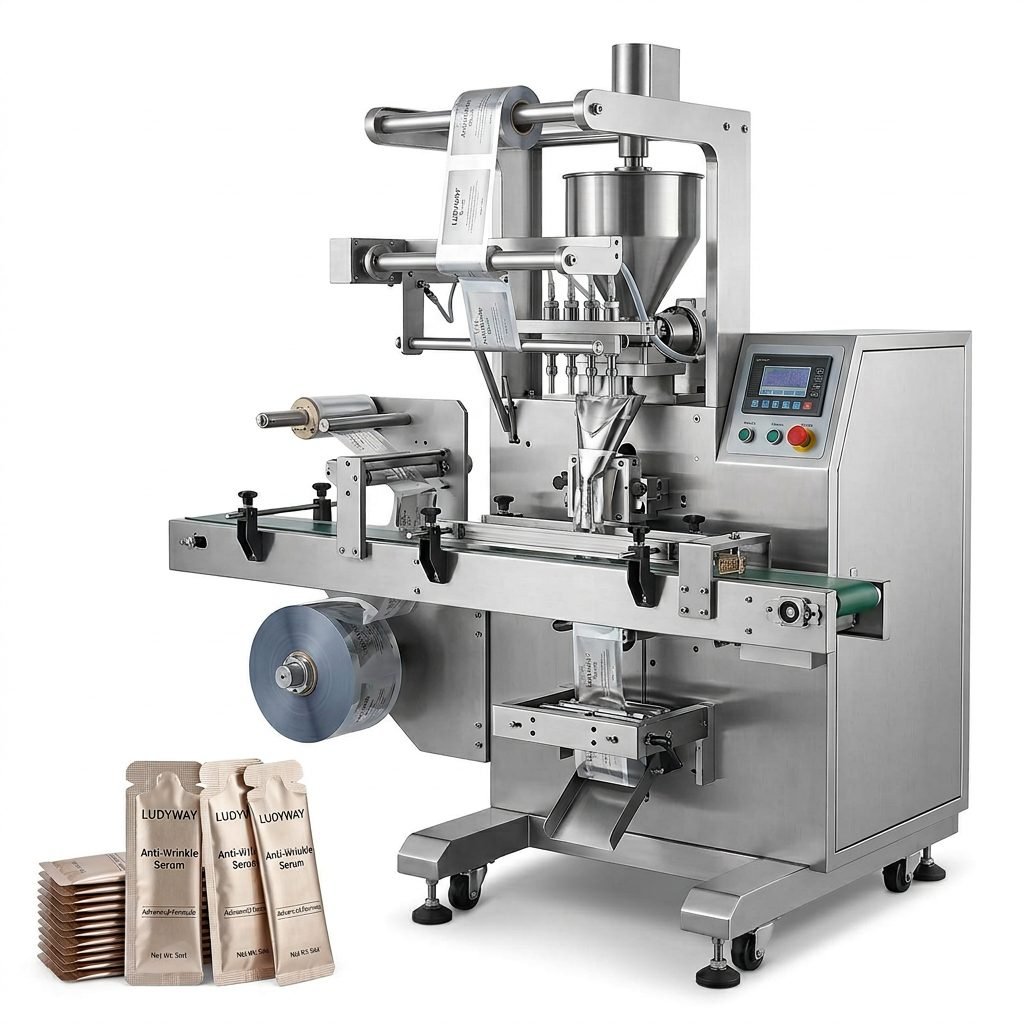
Choosing the right packaging machine is a critical decision for any business involved in manufacturing, food production, pharmaceuticals, or consumer goods. The right equipment can streamline your operations, reduce costs, ensure product consistency, and enhance your brand’s presentation. This comprehensive guide will walk you through the different types of packaging machines available, factors affecting their prices, and a step-by-step process to help you select the best one for your specific needs.
Understanding the Different Types of Packaging Machines
The world of packaging machinery is vast and varied. Understanding the core types is the first step toward making an informed purchase. Machines are generally categorized by their function, the form of packaging they create, and the type of product they handle.
By Packaging Form
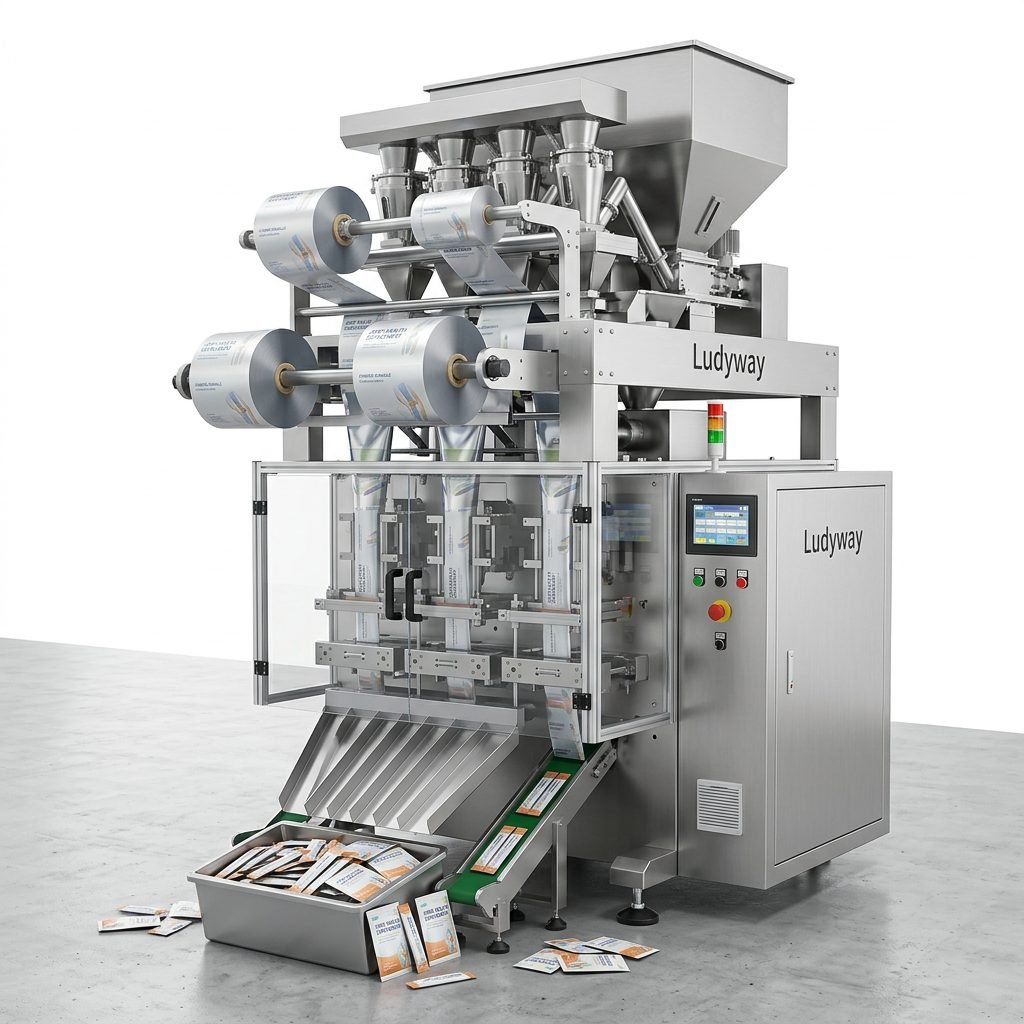
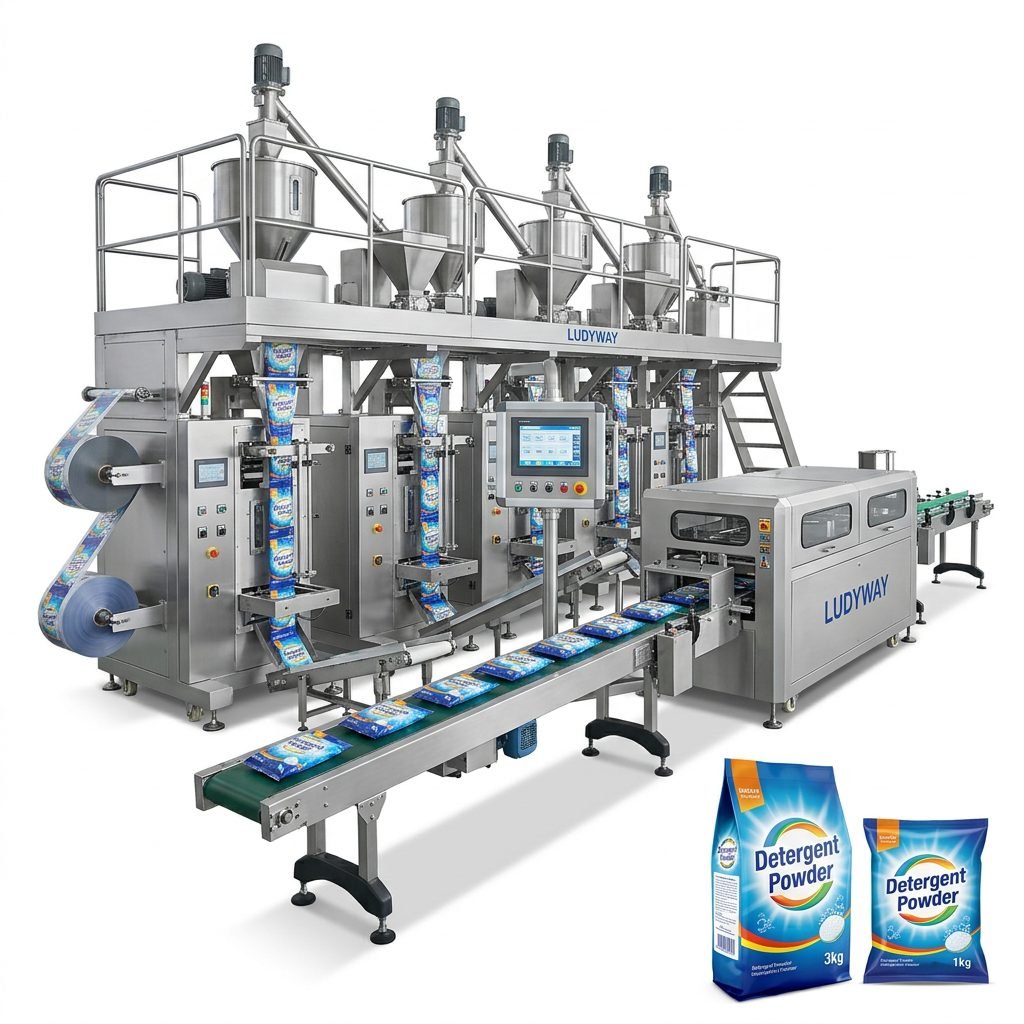
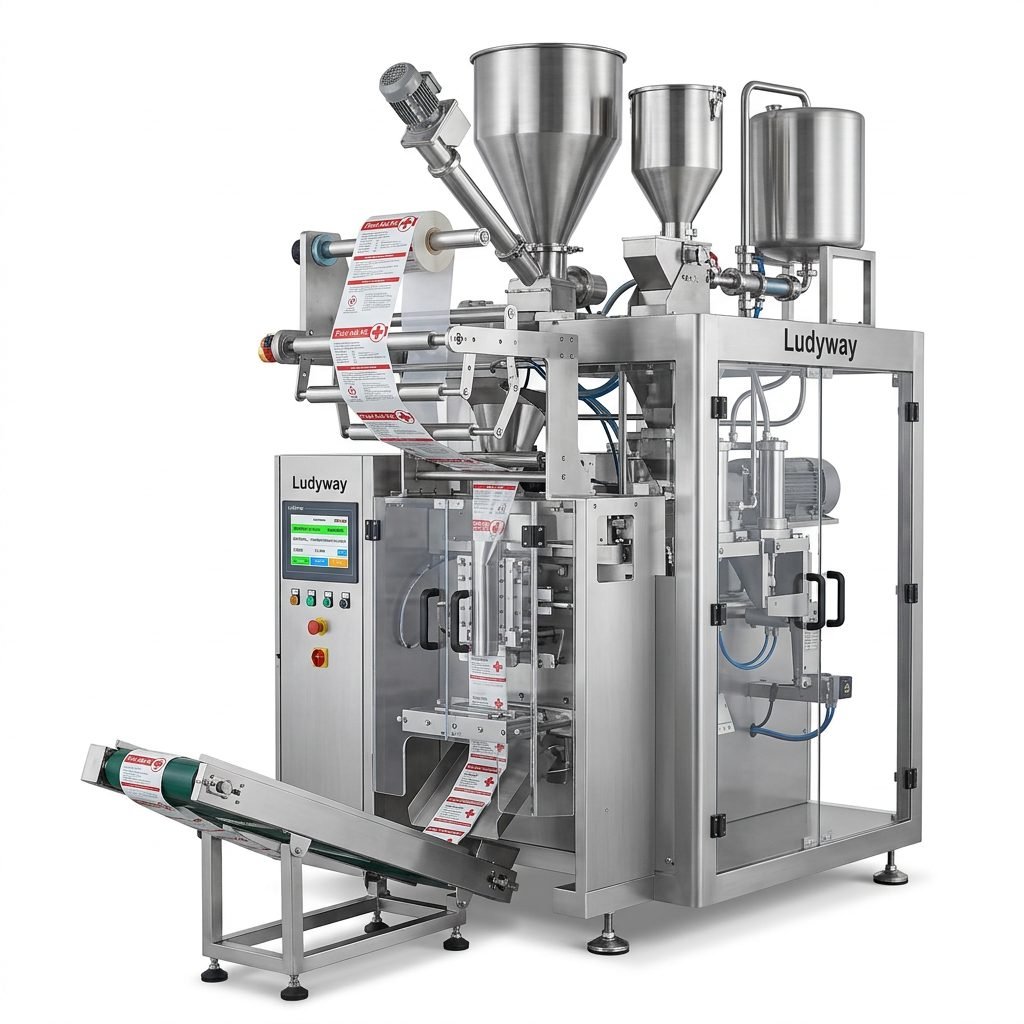
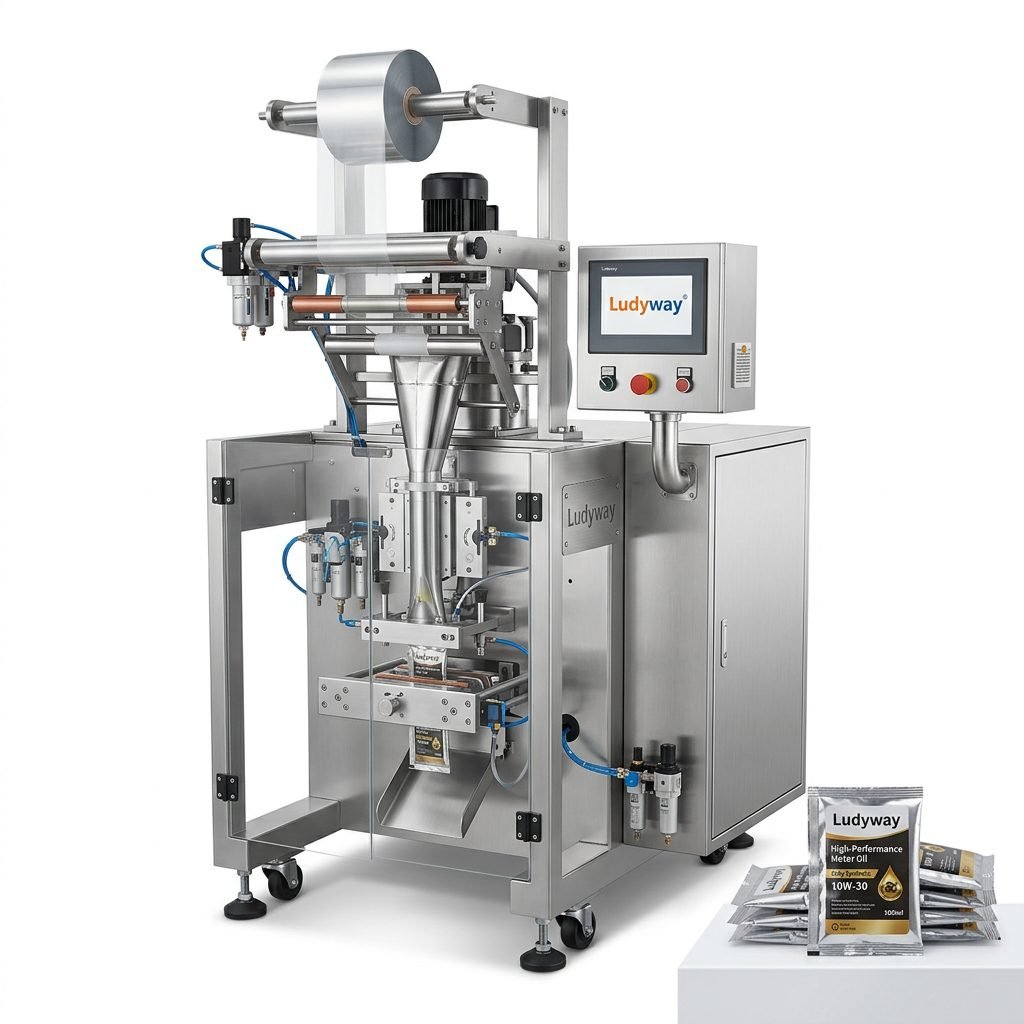
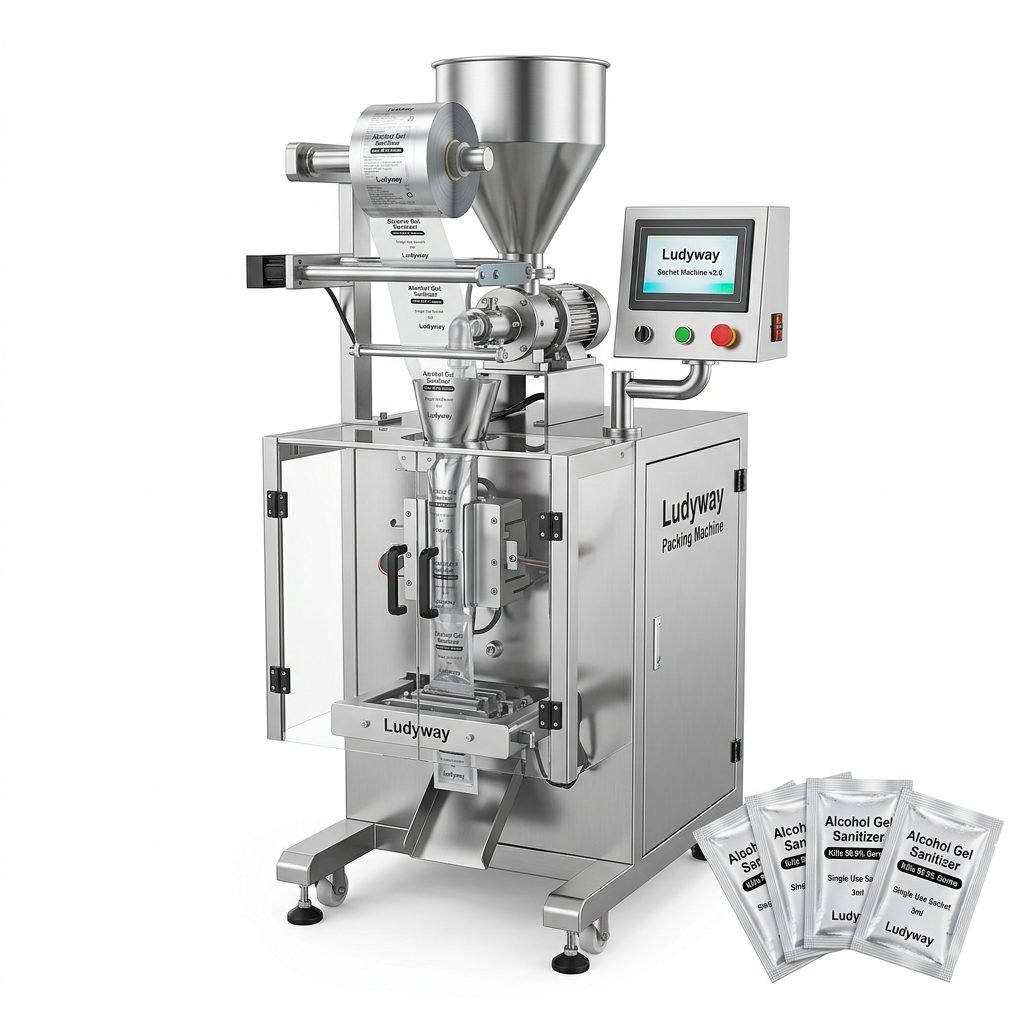
Vertical Form-Fill-Seal (VFFS) Machines: These are the workhorses of the industry, ideal for packaging granules, powders, liquids, and small solids. They form a bag from a roll of film, fill it with product, and seal it—all in one continuous vertical motion. They are highly versatile and efficient for medium to high-speed production.
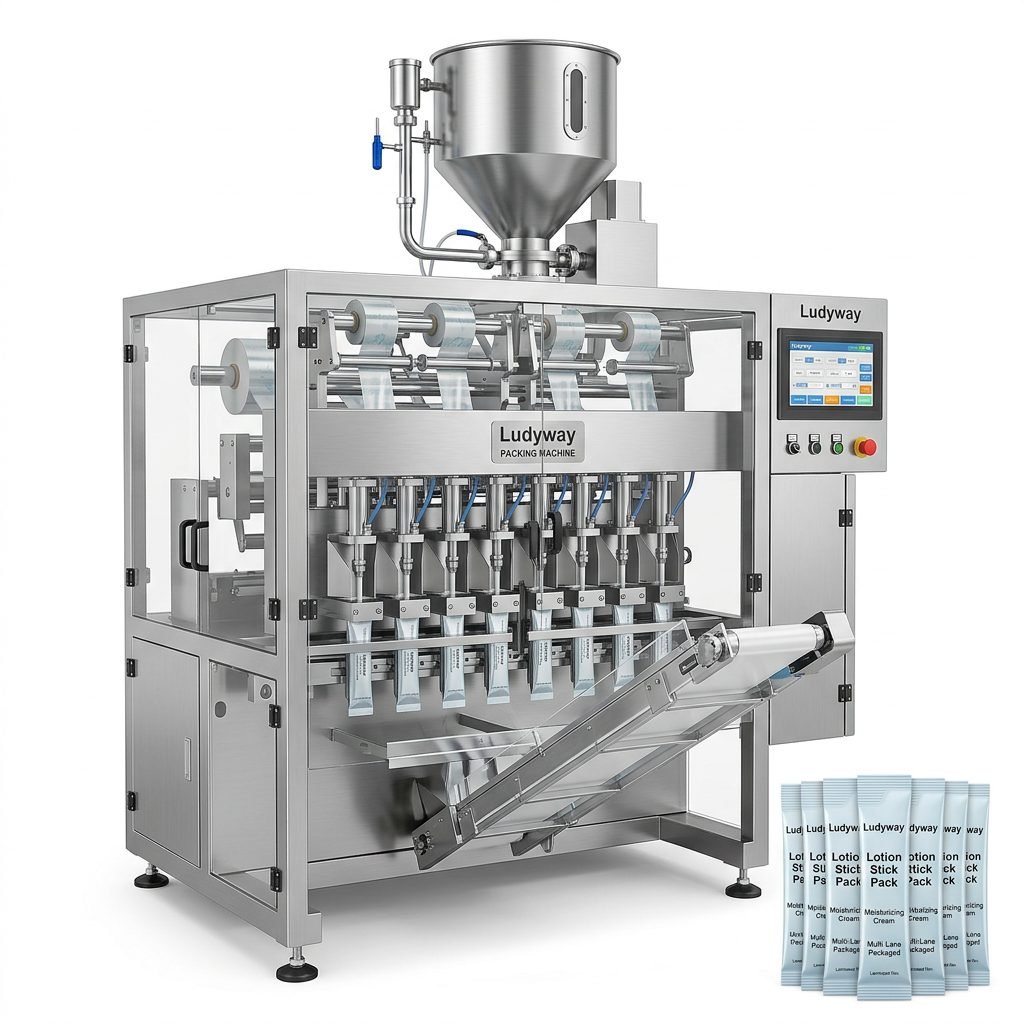
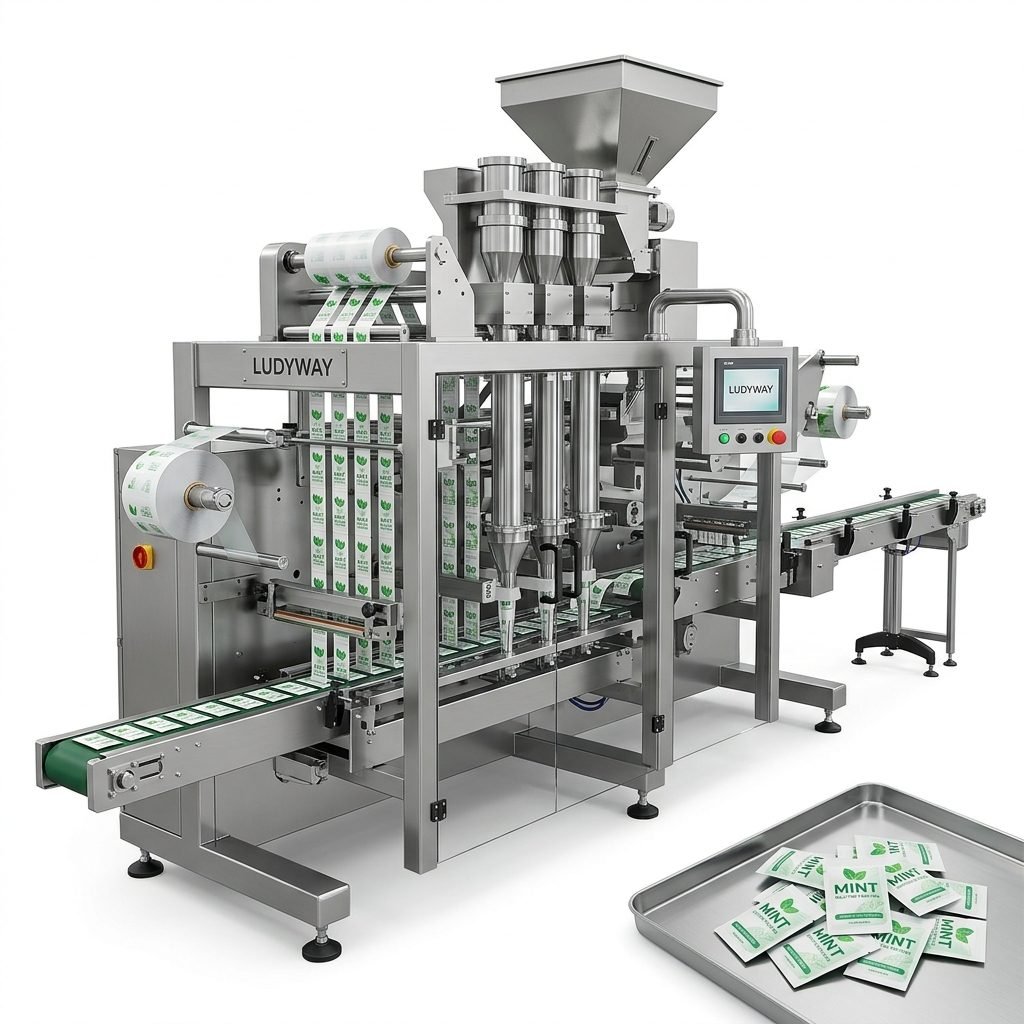
Horizontal Form-Fill-Seal (HFFS) Machines: Often used for more complex packaging like sachets, stick packs, or pouches with multiple compartments. The film travels horizontally, allowing for sophisticated printing registration and intricate pouch shapes. Perfect for single-serve products like sugar, coffee, sauces, or shampoo.
Bundling and Wrapping Machines: These machines group multiple individual products (like bottles, cans, or boxes) together into a multi-pack using shrink film or stretch wrap. This is crucial for retail distribution and palletizing.
By Product Type
Liquid Filling Machines: Designed for water, oils, juices, sauces, and chemicals. They use technologies like piston fillers, gravity fillers, or vacuum fillers for precise volume control.
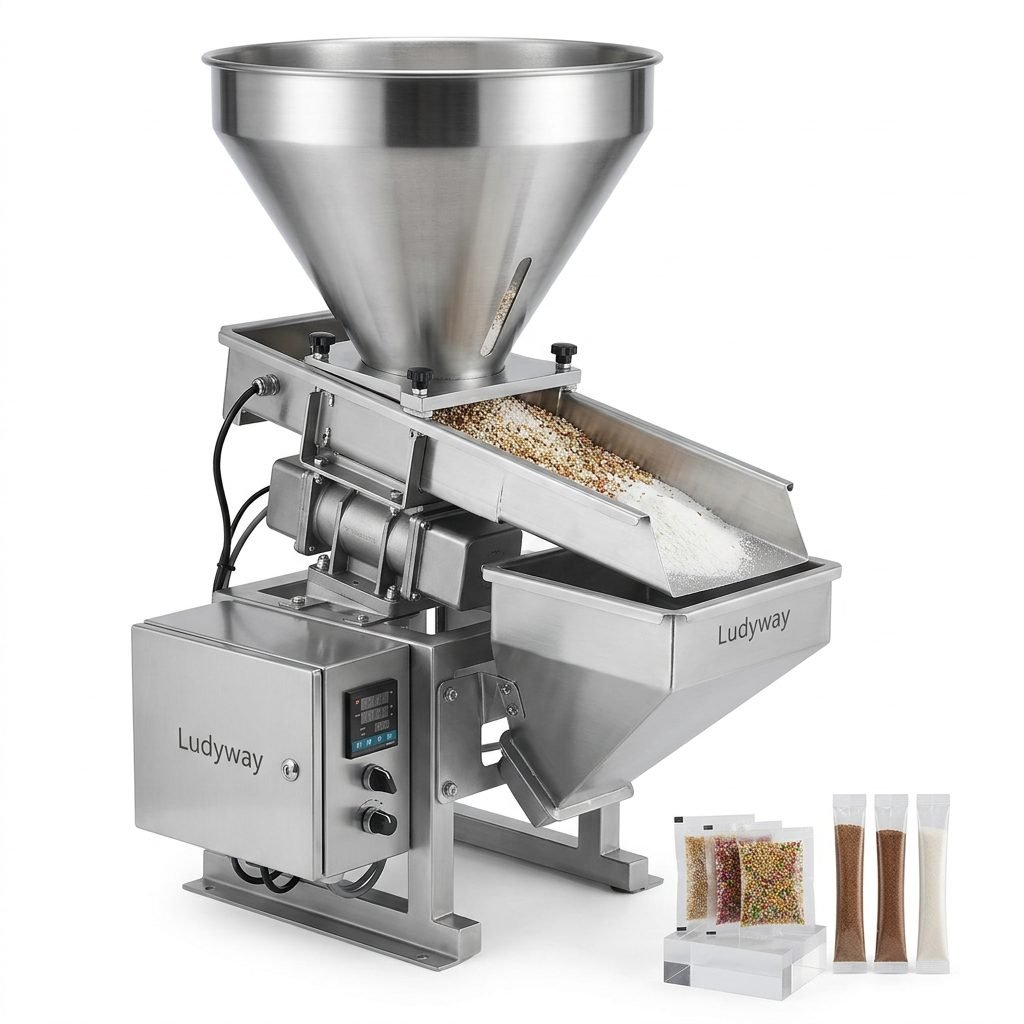
Powder Filling Machines: Handle fine, dry products like milk powder, spices, flour, or pharmaceuticals. Auger fillers are most common, using a screw mechanism for accurate dosing.
Granule/Particle Fillers: For items like rice, nuts, seeds, or candy. Cup fillers or weigh scale systems (linear or multi-head weighers) are often employed for speed and accuracy.
Solid & Irregular Item Packers: Use count-based or volumetric systems for items like tablets, capsules, hardware, or baked goods.
Key Factors That Determine Packaging Machine Prices
The cost of a packaging machine is not a single number; it’s a spectrum influenced by several interconnected factors. Knowing these will help you budget effectively and compare quotes accurately.
1. Machine Type and Complexity
A basic single-head auger filler will cost significantly less than a high-speed, 16-lane stick pack machine with integrated vision inspection and robotic palletizing. The more complex the motions, seals, and integrations, the higher the price.
2. Automation Level and Speed
→ Semi-Automatic: Requires an operator to handle bags or initiate cycles. Lowest cost, suitable for low-volume or start-up operations.
→ Fully Automatic: Runs continuously with minimal human intervention. Higher initial investment but offers superior output (bags/minute) and lower long-term labor costs.
→ Integrated Turnkey Lines: A complete system including conveyors, fillers, sealers, labelers, and case packers. This represents the highest investment tier.
3. Construction Quality and Brand
Machines built with high-grade stainless steel (e.g., SS304, SS316 for food/pharma), precision servo motors, and branded components (Siemens, Mitsubishi PLCs) are more durable, reliable, and maintain hygiene standards—but they come at a premium. Established brands like Ludyway Packaging Machinery often command a price reflective of their experience, R&D, and after-sales support.
4. Customization and Special Features
Off-the-shelf models are cheaper. If your product requires special handling (nitrogen flushing for freshness, aseptic filling, unique pouch shapes), expect custom engineering costs to be added. Features like touchscreen HMIs, recipe storage, data tracking, and CIP (Clean-in-Place) systems also increase the price.
How to Choose the Best Packaging Machine: A Step-by-Step Guide
Step 1: Define Your Product & Packaging Specs
Be crystal clear about what you’re packaging. Document everything: product form (viscous liquid? free-flowing powder?), density, abrasiveness, and any special characteristics (hygroscopic, volatile). Define your desired package: material (PET/PE/AL foil), size range, seal type (3-side, 4-side, back seal), and any printing requirements.
Step 2: Analyze Your Production Requirements
Calculate your required output speed (packages per minute/hour). Consider both current needs and future growth. Assess your available factory space, power supply (voltage, phase), and compressed air availability. This will narrow down machine size and configuration.
Step 3: Evaluate Automation Needs
Balance your budget against labor costs and desired throughput. A semi-automatic machine might suffice for a small business, but scaling up will likely necessitate a fully automatic system. Consider the long-term Total Cost of Ownership (TCO), not just the purchase price.
Step 4: Research and Shortlist Suppliers
Look for manufacturers with proven experience in your specific industry (e.g., food-grade, pharmaceutical compliance). Review their company history, client portfolio, and service network. A supplier like Ludyway, with decades of industry experience, can offer valuable guidance beyond just selling a machine.
Step 5: Request Demos and Quotations
Always insist on a live or video demonstration using a sample of your actual product. This tests machine suitability firsthand. Scrutinize quotations: ensure they include delivery, installation, training, warranty, and spare parts list. Clarify what is and isn’t included.
Step 6: Assess After-Sales Support
This is often the most overlooked yet critical factor. Reliable machinery will still need maintenance. Investigate the supplier’s technical support availability (24/7?), spare parts delivery time, and training programs. Strong after-sales service minimizes costly downtime and extends your machine’s lifespan, protecting your investment. Partnering with a global supplier ensures support is available wherever your production is located.
Conclusion
Investing in a packaging machine is a strategic decision that impacts your productivity, product quality, and bottom line. By thoroughly understanding the types of machines available, the factors that influence their cost, and following a disciplined selection process, you can confidently choose equipment that fits your operational needs and budget. Prioritize build quality, supplier reputation, and comprehensive after-sales service to ensure a successful, long-term partnership and a strong return on your investment.
Frequently Asked Questions (FAQs)
1. What is the typical price range for a packaging machine?
Prices vary wildly. A semi-automatic tabletop filler can start from a few thousand dollars, while a fully automatic, high-speed VFFS or multi-lane stick pack machine can range from $20,000 to over $100,000. Complete turnkey lines run into hundreds of thousands. The key is to get detailed quotes based on your specific requirements.
2. How do I know if I need a vertical (VFFS) or horizontal (HFFS) machine?
VFFS machines are generally best for simpler, stand-up pouches and higher-speed filling of free-flowing products. HFFS machines excel at creating flat, complex sachets and stick packs with precise graphics registration, ideal for single-serve portions. The choice depends primarily on your desired package style and product characteristics.
3. Can one machine handle different products and package sizes?
Yes, most modern machines are designed with changeover in mind. Look for features like quick-change parts, servo-driven adjustments that can store settings digitally, and wide operational ranges. However, switching between vastly different products (e.g., oil to powder) may require thorough cleaning and part changes, affecting flexibility.
4. What kind of maintenance does a packaging machine require?
Regular daily cleaning is essential. Periodic maintenance includes lubricating moving parts, checking seal jaw temperatures and integrity, replacing worn parts like cutting blades or gaskets, and calibrating weighing systems. A good supplier will provide a maintenance schedule and checklist. For more on reliable solutions, explore our expertise.
5. How long does it take to install and commission a new machine?
For a standard machine, installation and basic operator training can take 3-7 days on-site. More complex systems or complete lines may require 1-3 weeks. This timeline includes unpacking, assembly, utility connection, mechanical setup, calibration, test runs, and staff training. Ensure your project plan accounts for this commissioning period.