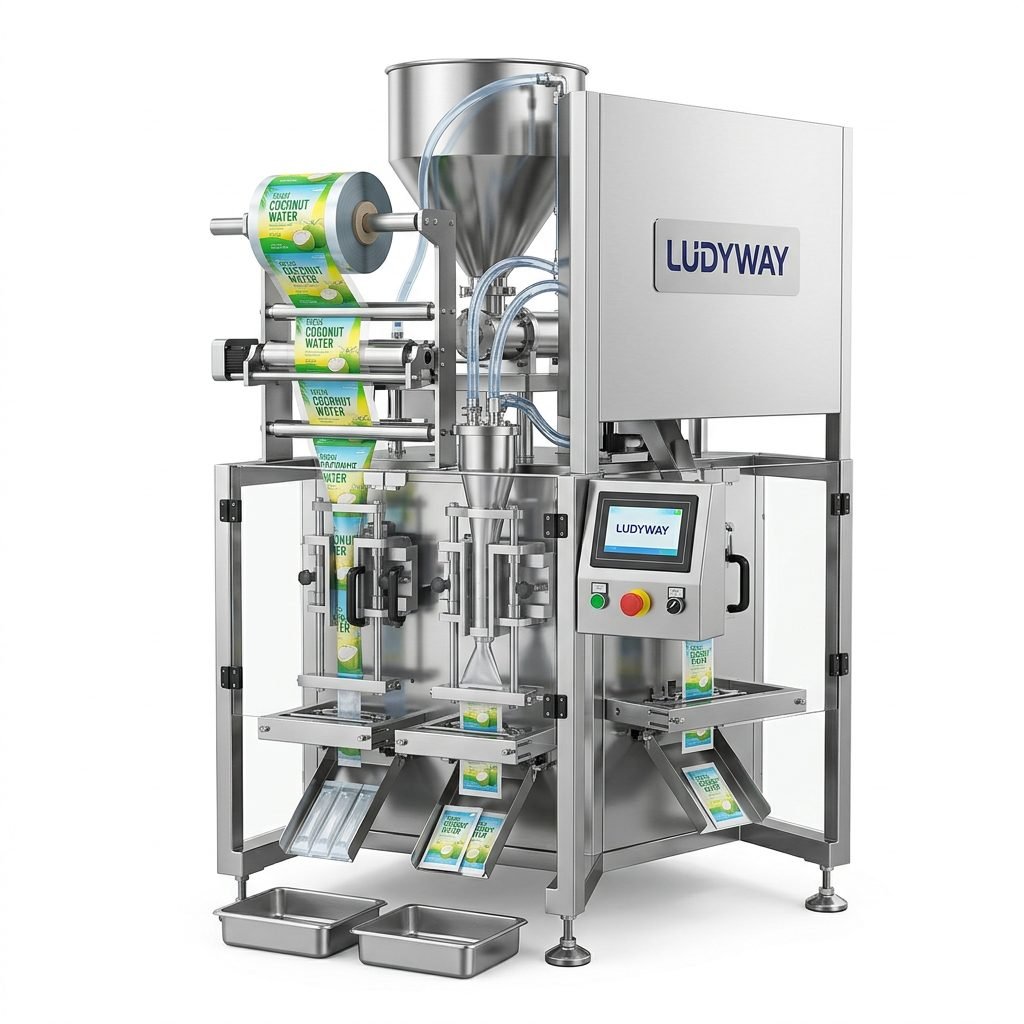
Investing in a chicken packaging machine is a critical decision for poultry processors, distributors, and food manufacturers across the United States. Whether you are packaging fresh whole birds, frozen chicken parts, or ready-to-cook marinated cuts, the right equipment ensures product freshness, extends shelf life, and meets stringent USDA and FDA regulations. This guide breaks down the essential machine types, key features to evaluate, and a transparent look at costs to help you make an informed purchase.

The U.S. chicken processing industry demands high speed, precision, and uncompromising hygiene. Modern systems go far beyond simple wrapping; they integrate weighing, modified atmosphere packaging (MAP), and automated case packing to maximize throughput. Understanding the differences between tray sealers, thermoformers, and vacuum chamber machines is the first step toward optimizing your production line.
1. Types of Chicken Packaging Machines for the U.S. Market
Selecting the correct technology depends heavily on your product format—whether you are handling bone-in portions, boneless breasts, or whole rotisserie chickens. Here are the primary categories found in U.S. facilities:
Tray Sealing and Overwrapping Machines (MAP)
These are the most common sight in American grocery stores. Machines like the Multivac or Reiser tray sealers use rigid plastic trays sealed with a clear film. Often, they inject a gas mixture (nitrogen and carbon dioxide) to displace oxygen, significantly slowing bacterial growth. This is essential for extending the shelf life of fresh chicken beyond the standard few days.
Vacuum Chamber and Thermoforming Machines
For frozen chicken parts, bulk institutional packs, or value-added marinated products, thermoforming vacuum packaging is the gold standard. These machines heat a bottom film, form it into a pocket, deposit the chicken, and seal it under a strong vacuum. The result is an extremely tight, leak-proof package ideal for preventing freezer burn during long-distance trucking across the USDA-inspected supply chain.
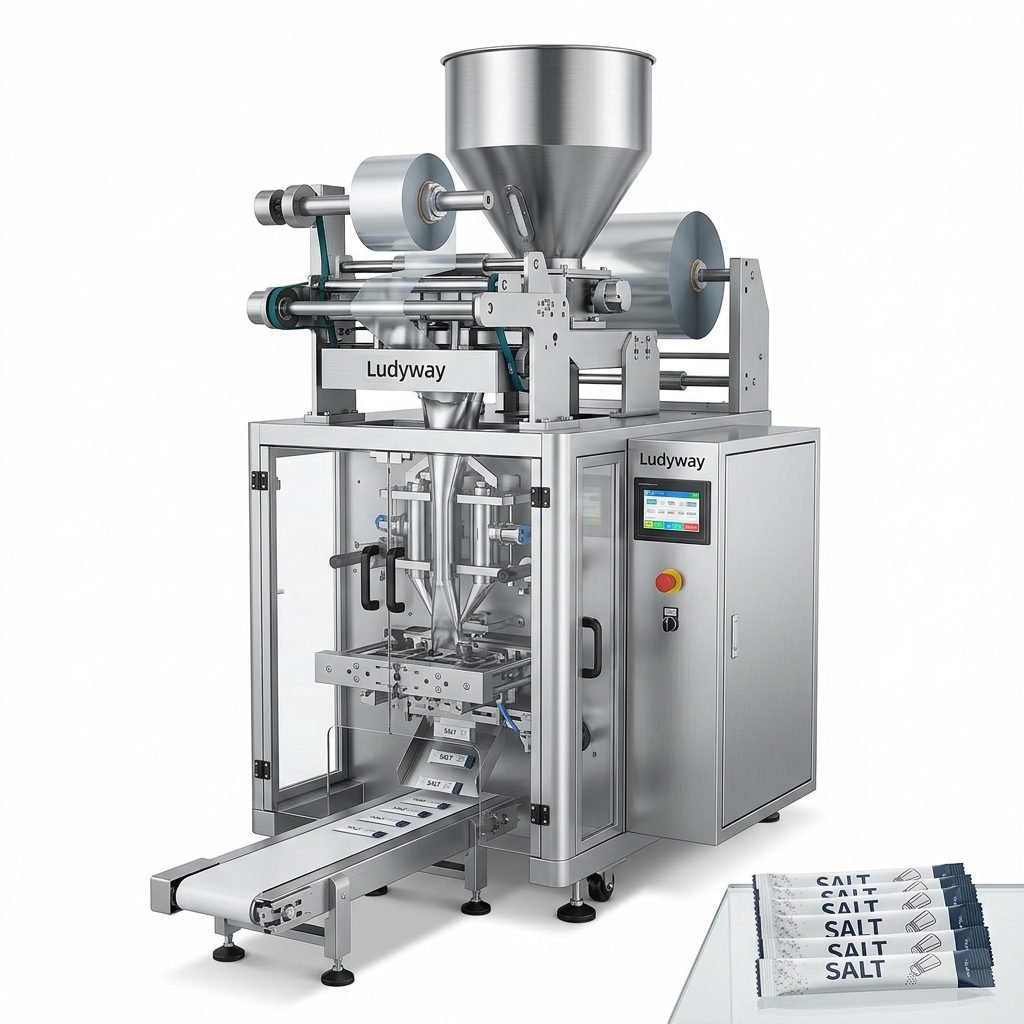
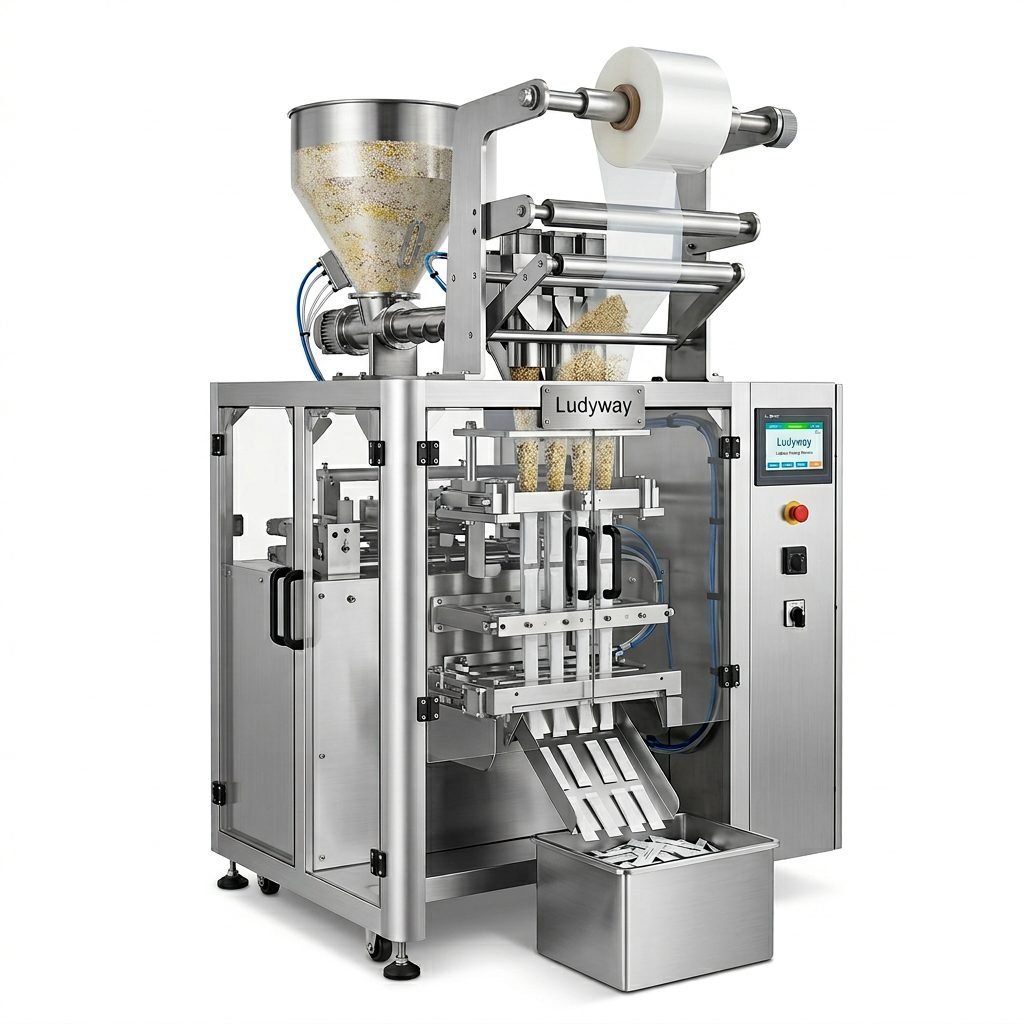
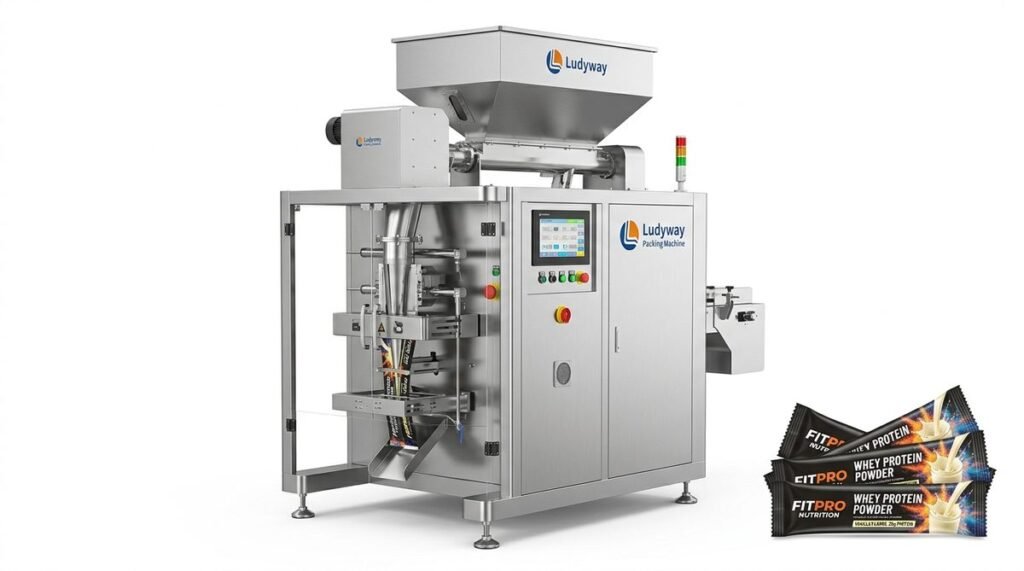
Vertical Form Fill Seal (VFFS) Systems
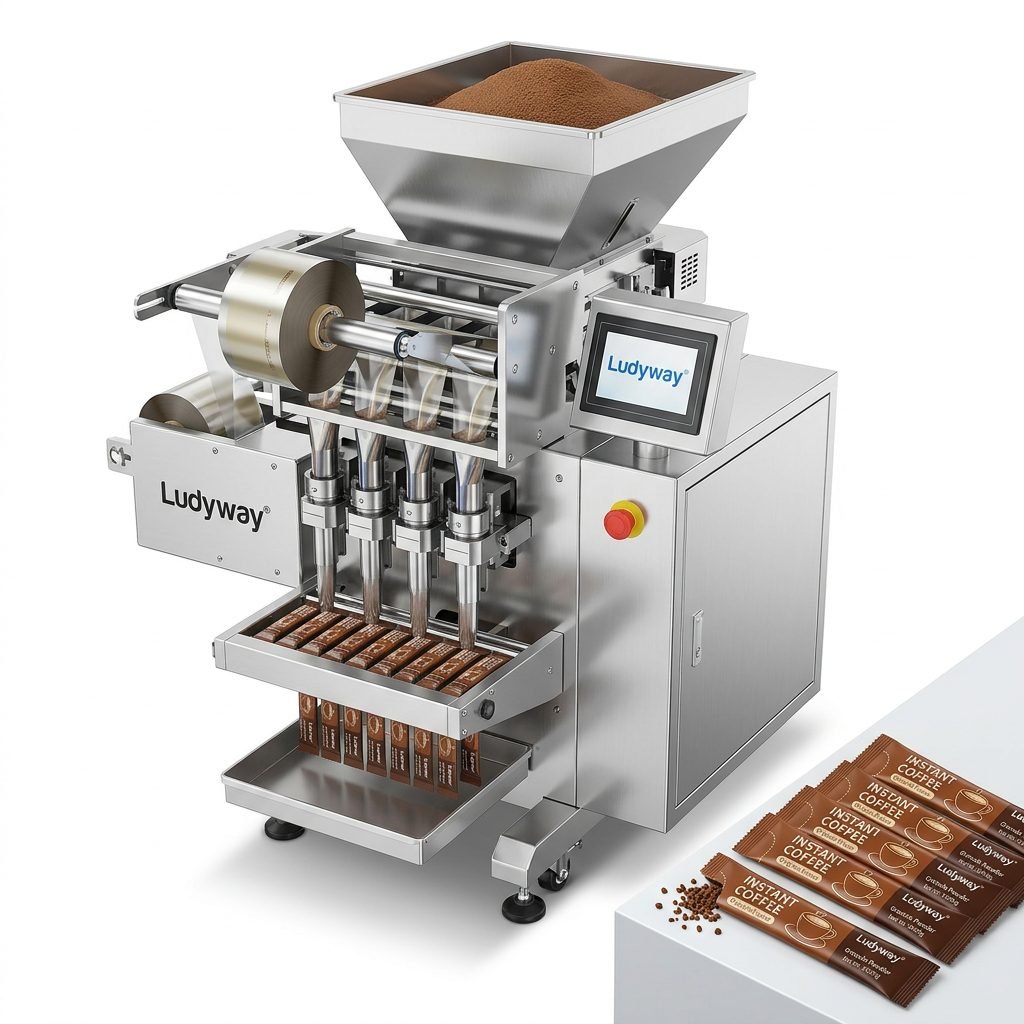
VFFS machines are ideal for small popcorn chicken, diced chicken toppings, or IQF (Individually Quick Frozen) wings. They create a pillow bag from a flat roll of film, fill it with product via a multi-head weigher, and seal it hermetically. This method is often used for 2lb to 5lb retail bags of frozen wings sold in club stores.
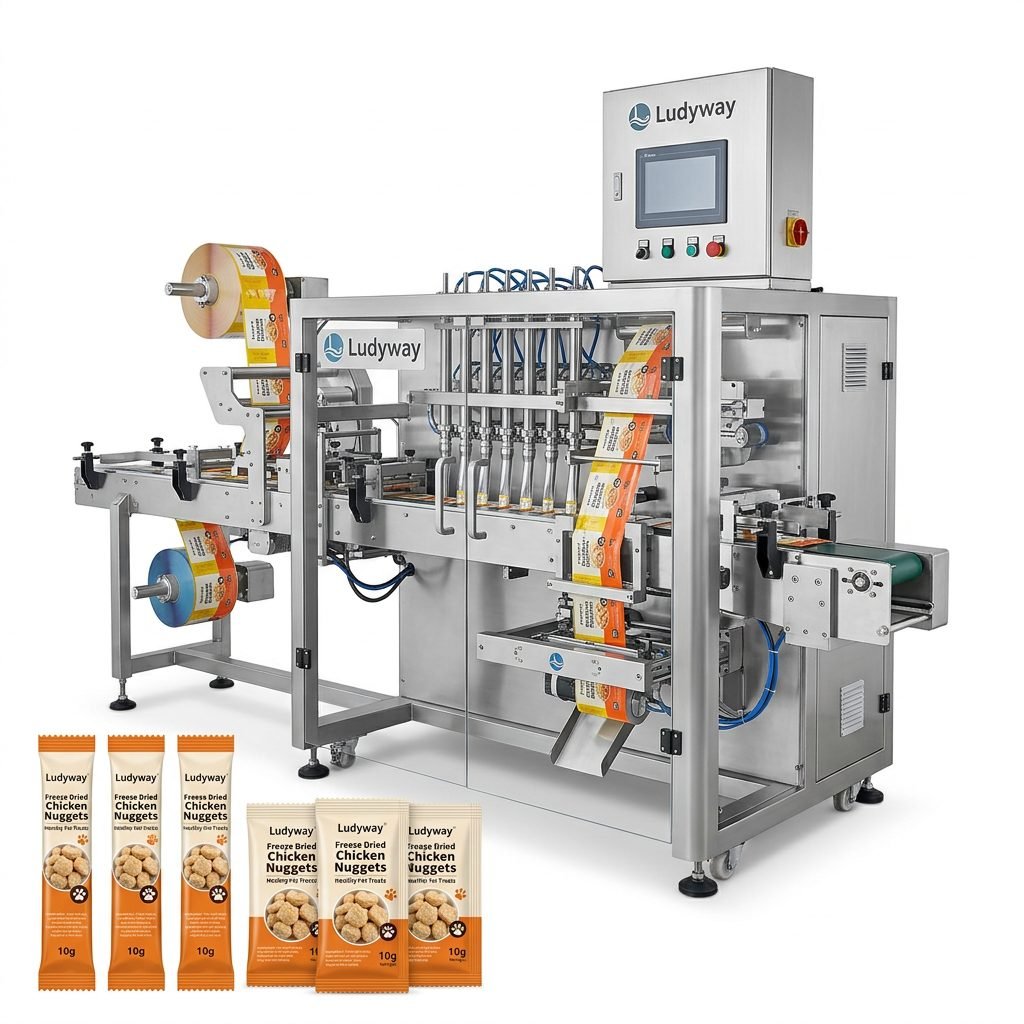
- Tray Sealers: Best for fresh retail cuts requiring high visibility.
- Thermoformers: Best for bulk, frozen, or bone-in products resistant to punctures.
- VFFS: Best for IQF loose pieces like wings and diced chicken.
- Flow Wrappers: Used for whole rotisserie birds with absorbent pads.
2. Key Features to Look For in a U.S. Facility
When evaluating a chicken packaging machine, compliance with U.S. sanitary standards is non-negotiable. Beyond that, automation capabilities often determine the long-term return on investment.
Sanitary Design and IP65/IP69K Ratings
Chicken processing is a high-moisture environment involving frequent washdowns with harsh chemicals. The machine frame must be constructed of 304 or 316 stainless steel. Sloped surfaces prevent water pooling, and sealed electrical cabinets (NEMA 4X) protect the controls. Look for equipment that follows FDA guidelines for food contact substances.
Automated Weighing and Inspection
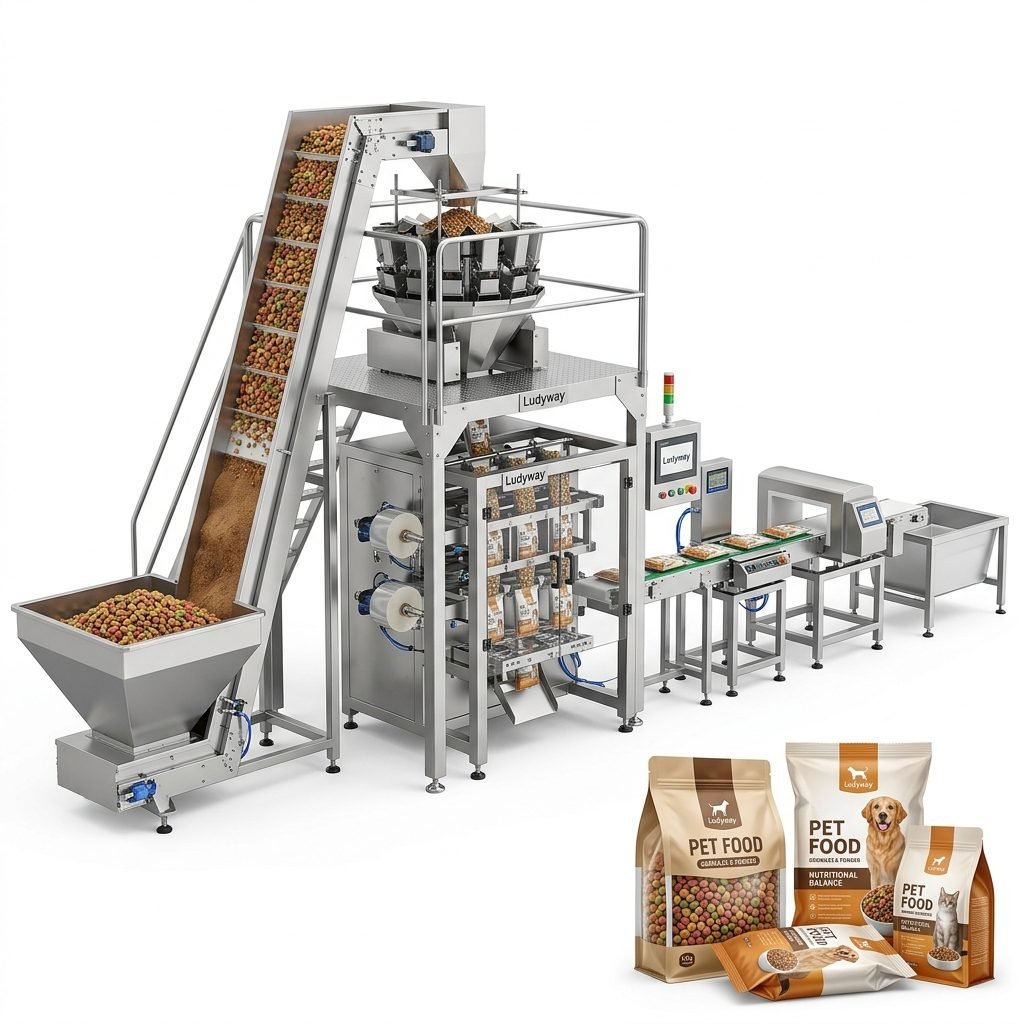
For high-speed lines, checkweighers and X-ray inspection systems are critical to catch metal fragments or ensure the weight matches the label claims required by the National Institute of Standards and Technology (NIST). A multi-head weigher integrated with a VFFS machine can handle up to 80 packs per minute.
| Feature | Importance for Chicken Packaging | Compliance Standard |
|---|---|---|
| Washdown Construction | Critical | IP65 / NEMA 4X |
| Gas Flushing (MAP) | High | USDA Shelf Life Requirements |
| Servo-Driven Motors | High | Precision Sealing |
| X-Ray/Metal Detection | Critical | HACCP Critical Control Point |
| Leak Detection | Medium | Internal Quality Assurance |
3. Understanding the Cost Breakdown
The price of a chicken packaging line in the U.S. is heavily influenced by speed, footprint, and the level of automation. Off-the-shelf models from European manufacturers often come with a significant premium, while high-performance alternatives from specialized global manufacturers can provide substantial cost savings without sacrificing quality.
Price Ranges by Machine Type
| Machine Category | Speed Range | Estimated Cost (USD) |
|---|---|---|
| Manual Tray Sealer (Benchtop) | 2-5 cycles/min | $15,000 – $35,000 |
| Automatic Tray Sealer (Inline) | 10-30 packs/min | $80,000 – $200,000 |
| Thermoforming Vacuum Machine | 6-15 cycles/min | $150,000 – $450,000 |
| High-Speed VFFS with Multi-Head Weigher | 40-80 bags/min | $120,000 – $300,000 |
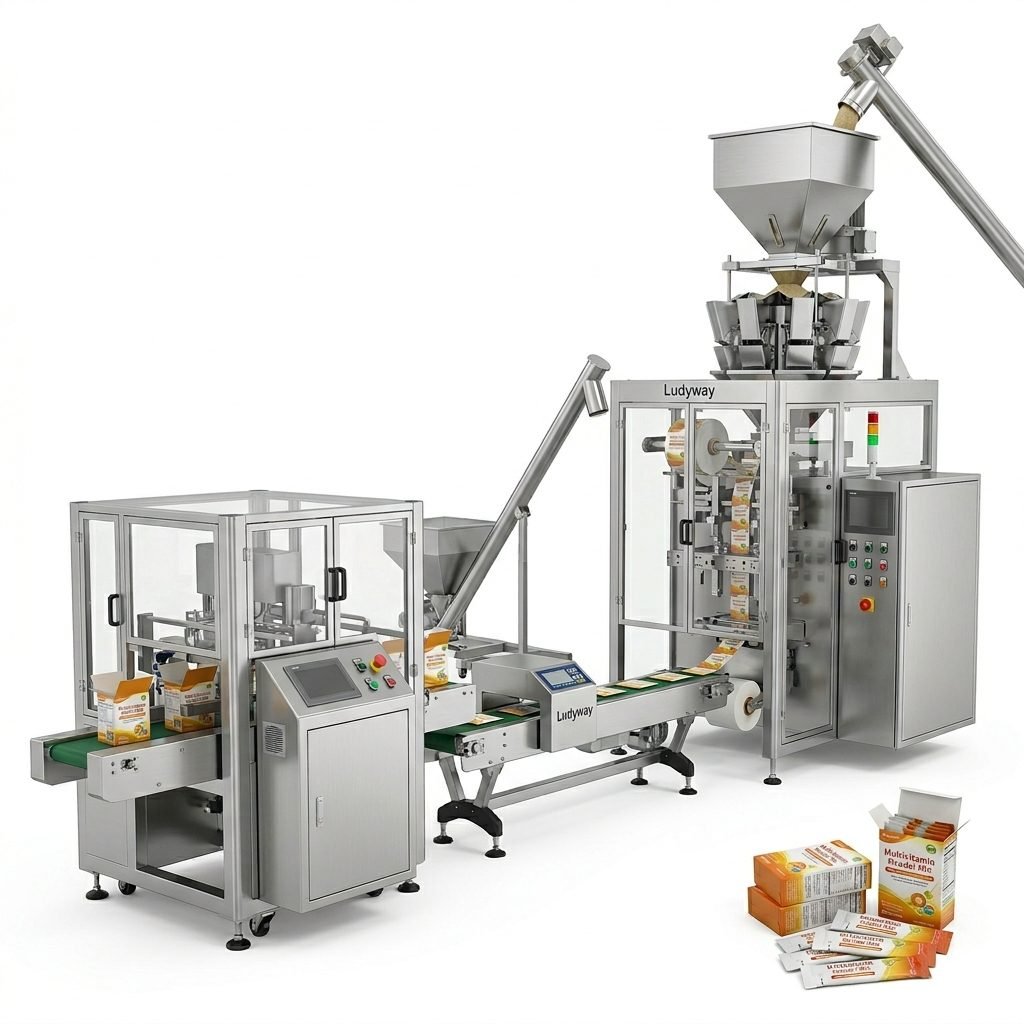
| Complete Turnkey Line (Incl. Cartoner) | Fully automated | $500,000 – $1,500,000+ |
Operators must also budget for auxiliary equipment like conveyors, checkweighers, and air compressors, which can add an extra 20-30% to the total project cost. Choosing a manufacturer that offers turnkey packaging solutions often reduces integration headaches.
4. Optimizing for Retail and E-Commerce
The rise of meal kits and online grocery delivery has changed chicken packaging requirements. E-commerce packs need extreme seal integrity and puncture resistance to survive the “last mile” logistics. Consider machines capable of producing leak-proof, rigid packs with flat bottoms that stand up on retail shelves or inside delivery boxes.
Material Compatibility
U.S. consumers and regulators are increasingly focused on sustainable packaging. Modern chicken packaging machines must run recyclable monolayer films or PET-based trays without jamming. Ensure the selected machine has a high-quality servo-driven film advance system to handle thinner, sustainable materials that ordinary pneumatic systems might tear.
5. Integration with Cold Chain Logistics
After sealing, chicken needs to be rapidly chilled. The packaging machine must be compatible with upstream slaughtering equipment and downstream blast freezers or ice-packed shipping stations. The machine’s cycle speed must match the production speed of the cutting room. A bottleneck in packaging can slow the entire processing plant, creating a backlog that affects freshness.
Technical Support and Spare Parts
Purchasing heavy machinery for a U.S. plant requires a reliable supply of wear parts and spacers. Before signing an order, verify the availability of critical components like heaters, sealing bars, and cutting blades. Suppliers with a U.S.-based support network or rapid air-freight capabilities minimize downtime.
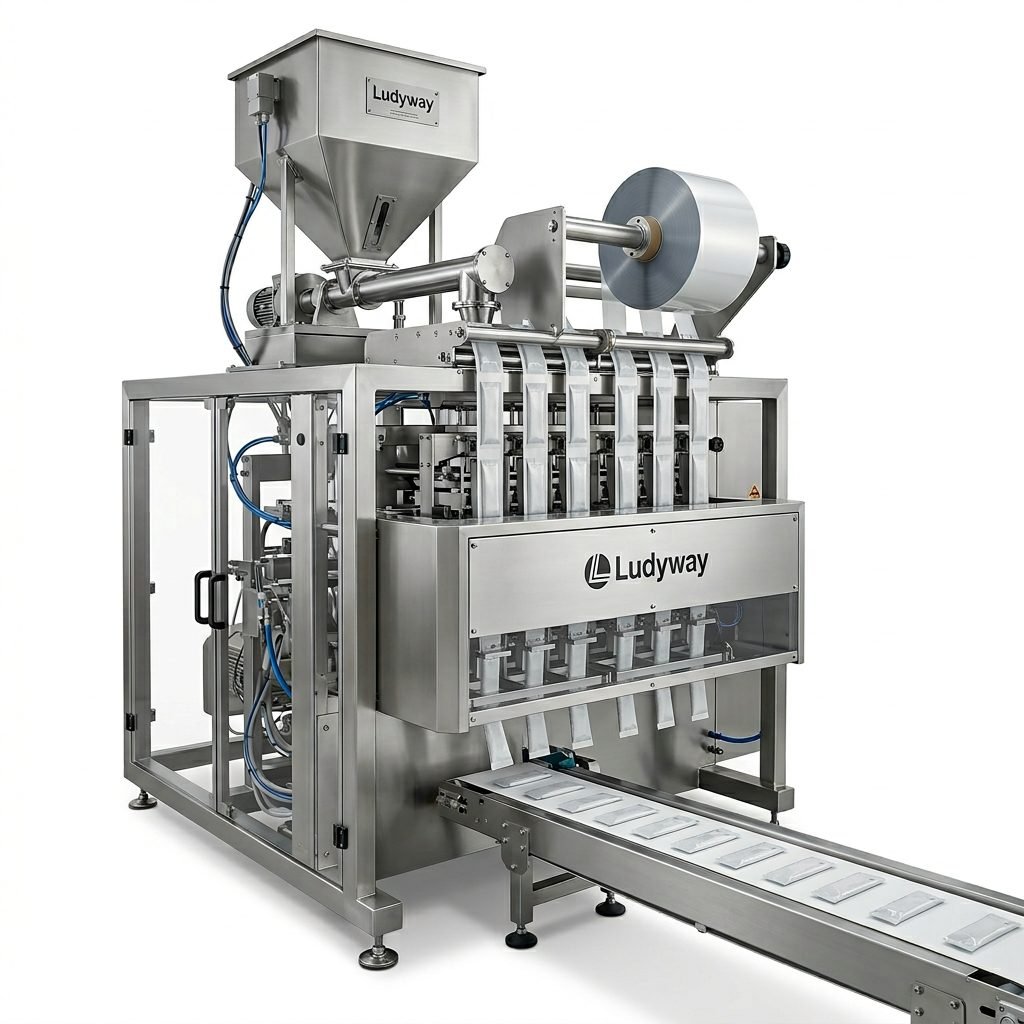
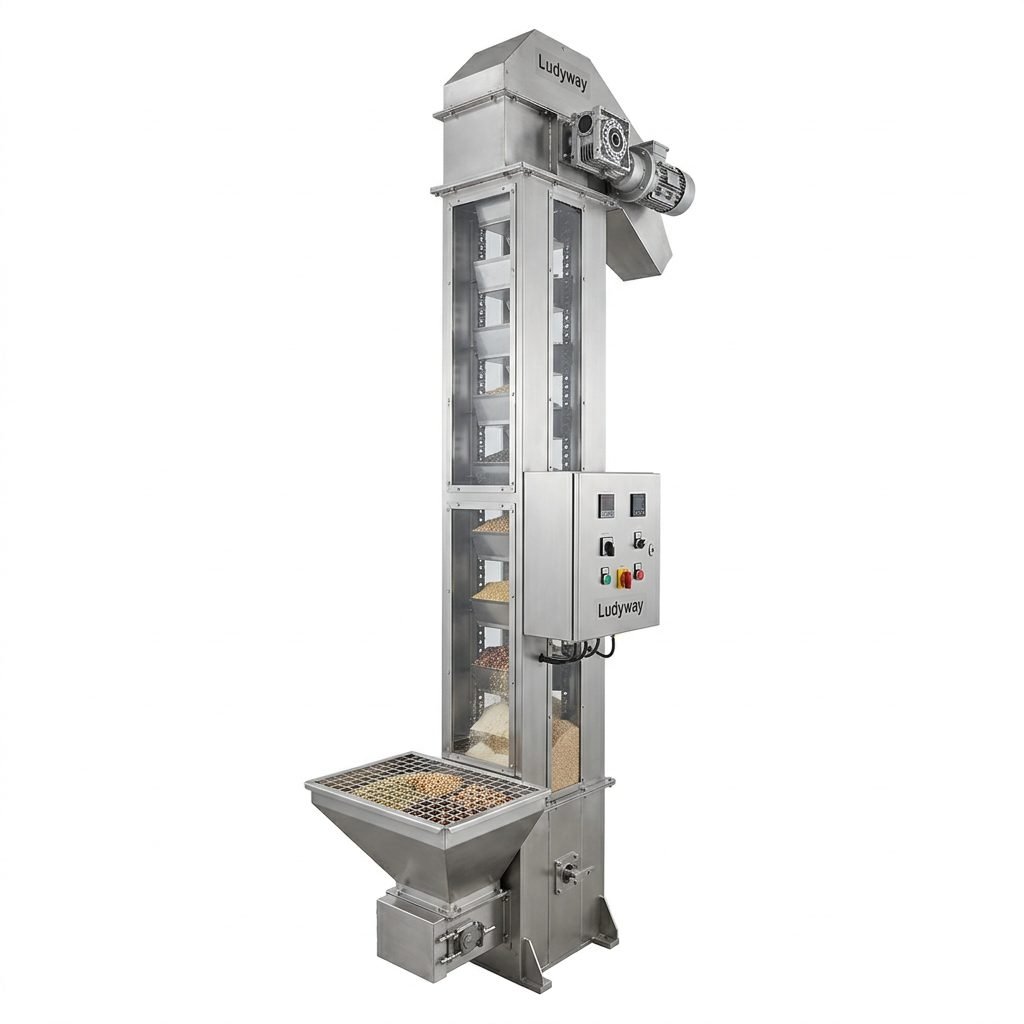
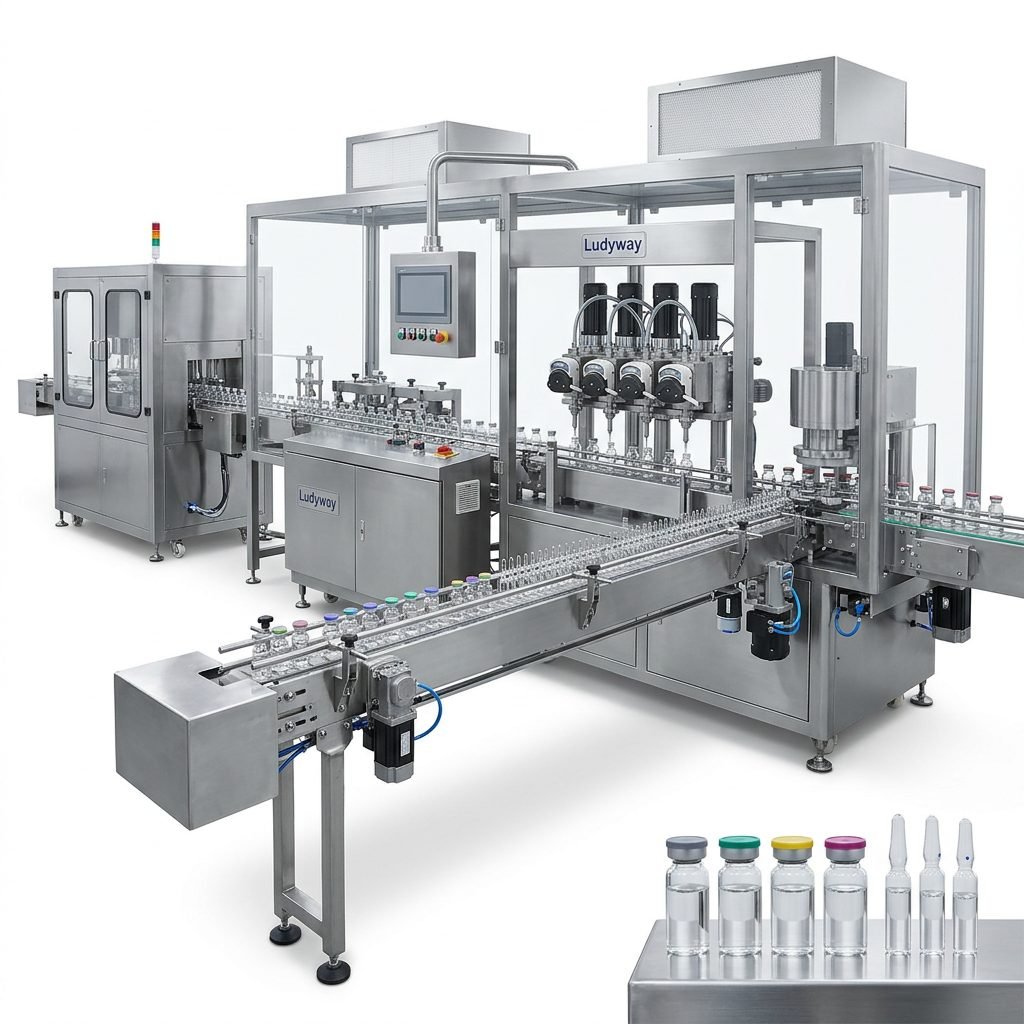
For example, Ludyway is one of the largest packaging machine manufacturers in China, providing advanced turnkey solutions specifically engineered for the food and pharmaceutical sectors. Supporting over 100 countries with smart factories solutions, their engineering expertise helps bridge the gap between high-end specifications and cost-efficiency.
6. Certifications and Compliance
Any machine entering the U.S. must adhere to strict electrical and safety standards. Verify that the control systems are UL 508A certified. Pneumatic systems should comply with ISO 8573-1 for compressed air quality, ensuring no oil or water contamination touches the packaging film. Refer to the PMMI industry standards for packaging machinery safety guidelines.
Key Certifications Checklist
- UL 508A: Industrial electrical panels safety.
- NSF/ANSI: Non-food compounds and material safety.
- CE Mark: Not mandatory in the U.S. but indicates strict design standards.
- 3-A Sanitary Standards: Often required for USDA-inspected meat plants.
Final Verification Before Buying
Before finalizing your chicken packaging machine purchase, always conduct a Factory Acceptance Test (FAT). Send your specific tray sizes, films, and a batch of your actual frozen or fresh chicken to the manufacturer’s facility. Observe the machine running at full speed for an extended period. This ensures the equipment handles your specific product density and film shrinkage without excessive waste.
Investing in a robust, sanitary, and automated chicken packaging line is not merely about wrapping food—it is about extending shelf life, reducing labor costs, and ensuring every package that hits the American retail shelf represents your brand perfectly. By focusing on the specific machine type, cost structure, and sanitary certifications outlined above, you equip your facility for long-term success in the competitive U.S. poultry market.