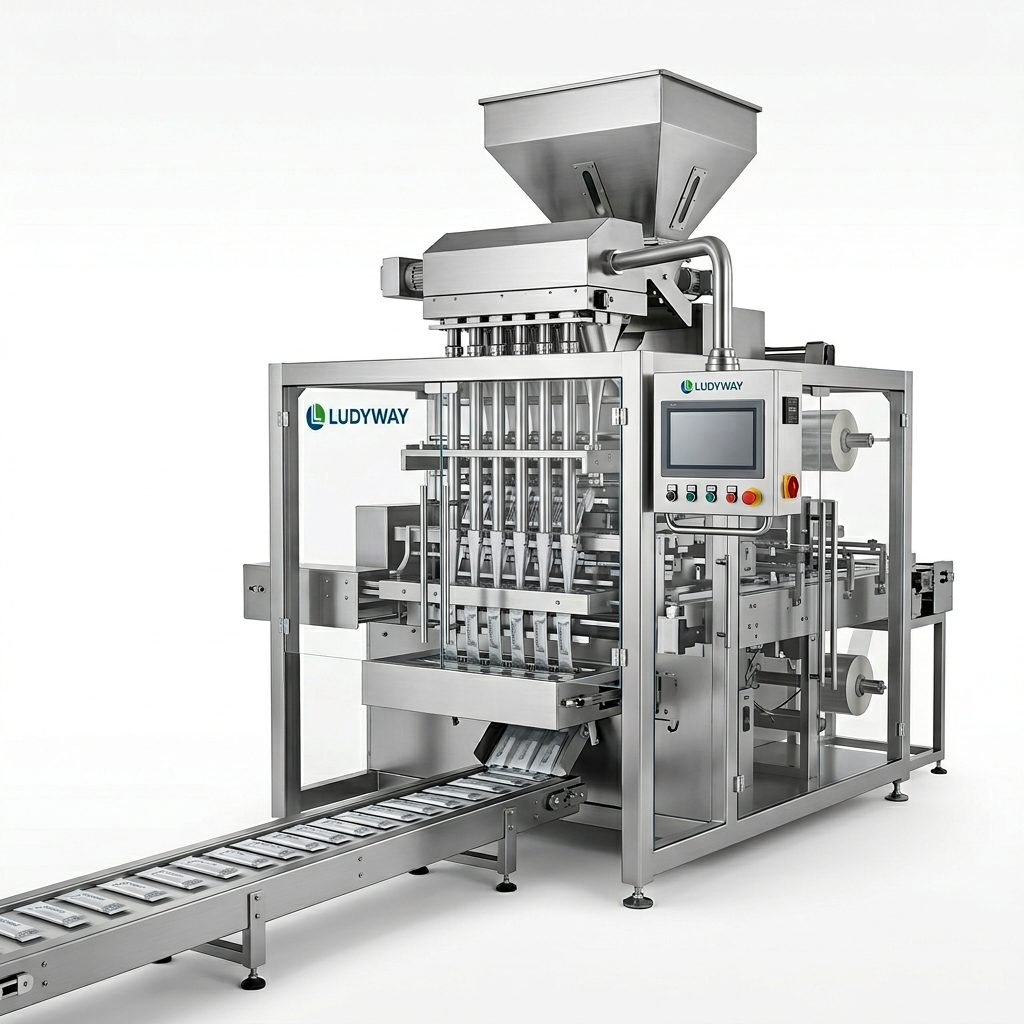
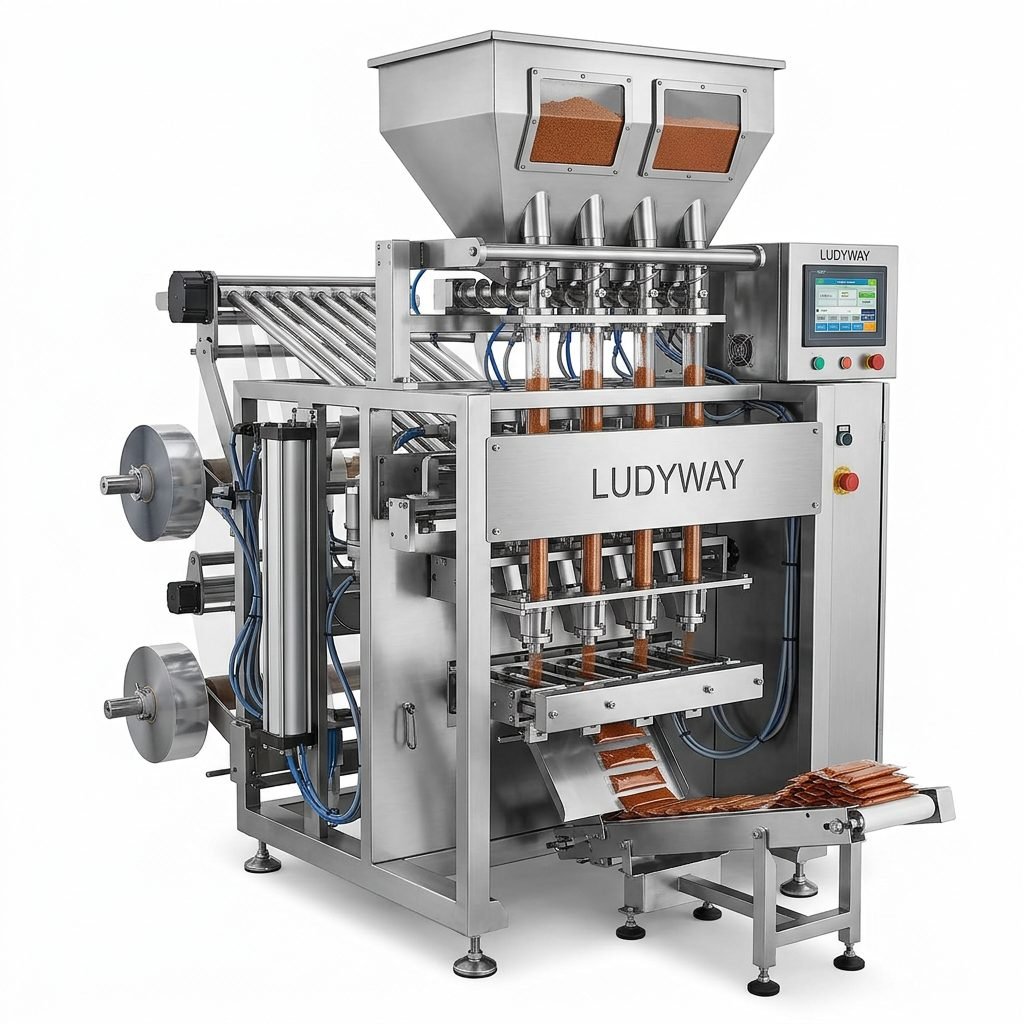
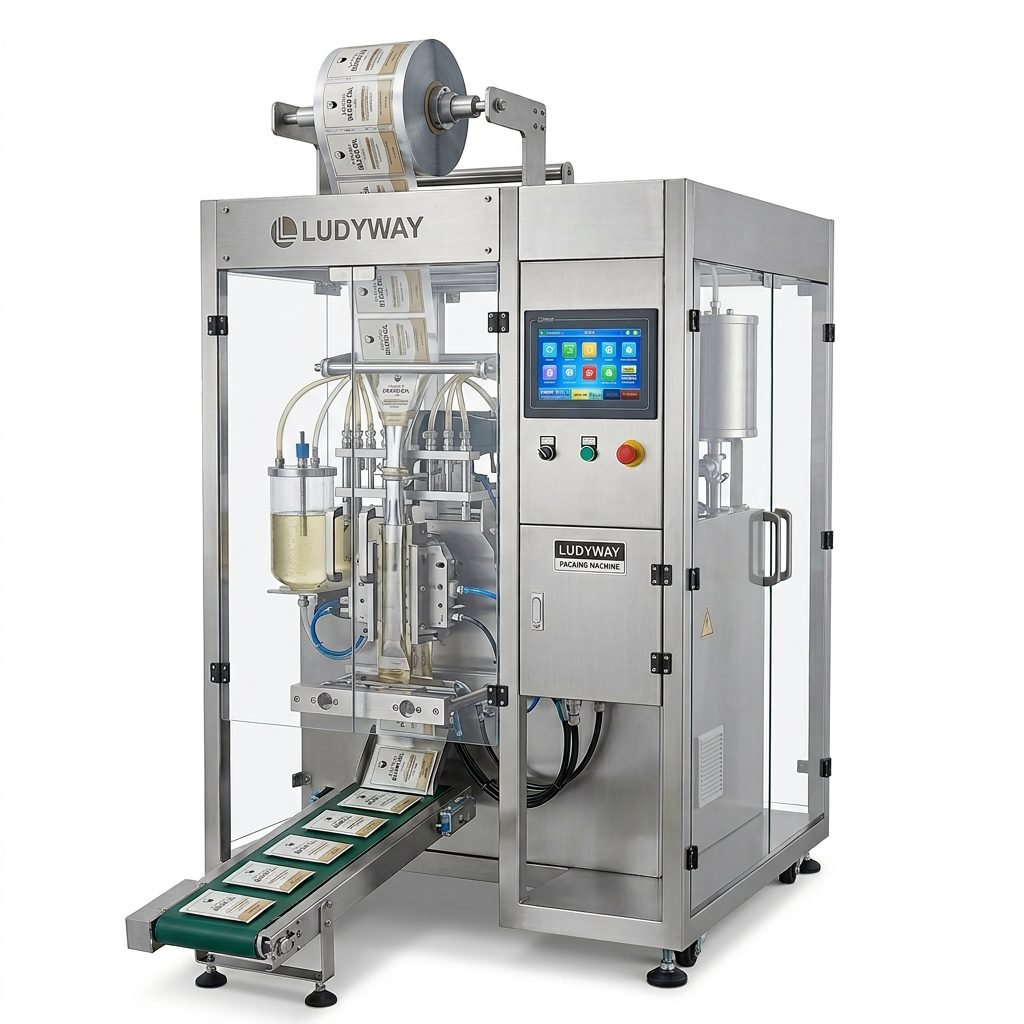
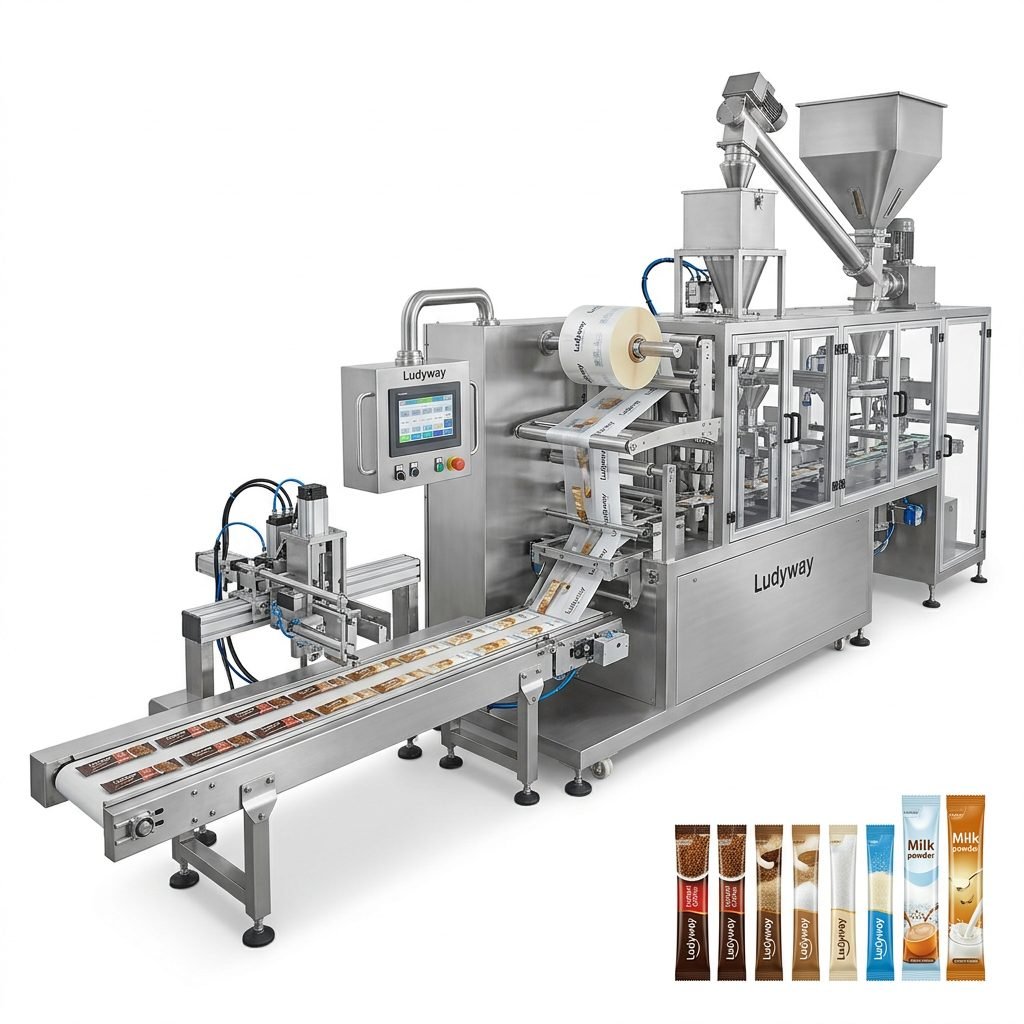
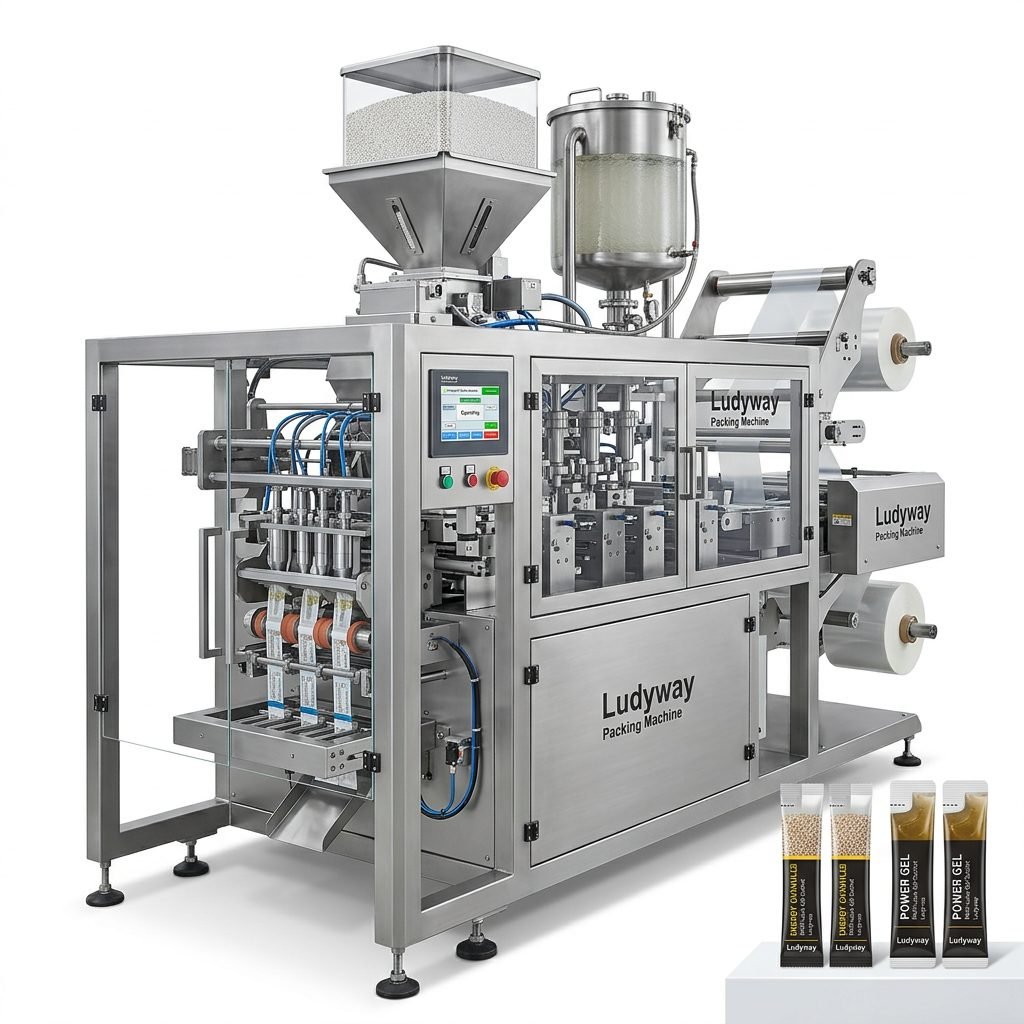
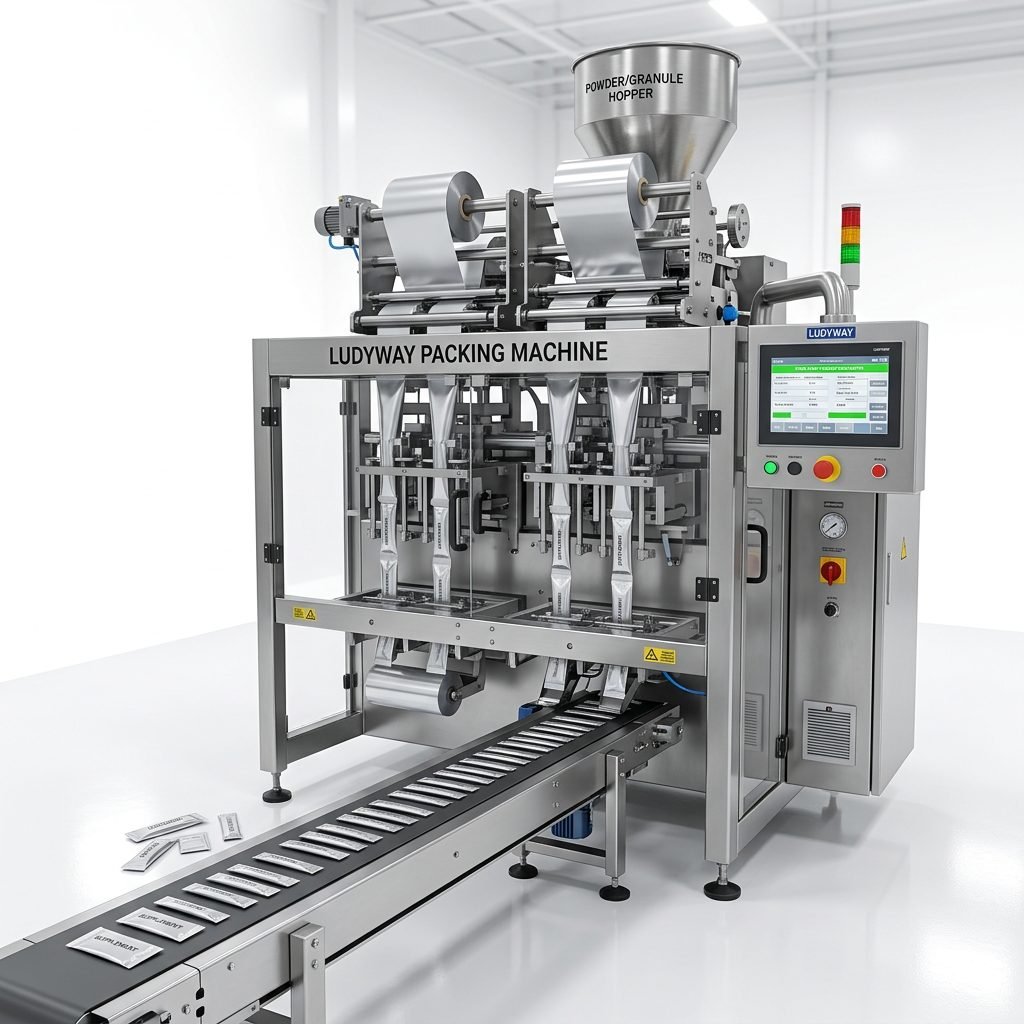
Choosing the right packaging equipment is a critical decision for any business that handles small consumer goods, pharmaceuticals, or food items. For operations where space is at a premium or production needs are moderate, a table top blister packaging machine offers an ideal balance of functionality, compact size, and cost-effectiveness. This comprehensive guide will walk you through everything you need to know to select the best compact blister sealer for your specific business requirements.
Understanding Table Top Blister Packaging Machines
A table top blister packaging machine is a smaller, benchtop version of industrial blister packaging lines. It is designed to form a cavity (blister) from a roll of plastic film, place the product inside, and seal it with a lidding material—all on a footprint that fits comfortably on a worktable. These machines are perfect for start-ups, small to medium-sized enterprises (SMEs), laboratories, and businesses with lower to medium-volume production runs.
Key Advantage: The primary benefit of a compact blister sealer is its space-saving design without sacrificing core packaging functionality. It allows businesses to implement professional, tamper-evident, and visually appealing blister packaging without a massive capital investment or factory floor space.
Core Components and How They Work
The typical workflow of a table top blister machine involves several key stations:
1. Unwinding & Heating: A roll of thermoplastic film (like PVC, PET, or Aclar) is fed into the machine. A heating plate softens the film to a pliable state.
2. Forming: The softened film is pressed into a mold (using either pneumatic or mechanical pressure) to create the precise blister cavities.
3. Product Loading: Products are placed into the formed cavities. This can be done manually, semi-automatically with assistive devices, or, on more advanced models, automatically.
4. Sealing: A lidding material (typically foil or paper-foil laminate) is placed over the filled blisters. A heated sealing station bonds the lidding to the blister film, creating a secure seal.
5. Cutting & Ejection: The sealed blister sheet is die-cut into individual units or strips, which are then ejected for collection.
How to Choose the Best Compact Blister Sealer for Your Business
Selecting the right machine requires a careful evaluation of your product, production goals, and operational constraints. Follow this step-by-step framework to make an informed decision.
Step 1: Analyze Your Product and Packaging Needs
Your product dictates the machine’s specifications. Consider the following:
- Product Dimensions & Shape: Determine the required blister cavity size and depth. Ensure the machine’s forming area and mold depth can accommodate it.
- Film Material: What type of blister film is required for product compatibility (e.g., barrier properties for pharmaceuticals, clarity for retail)? The machine must be capable of heating and forming that specific material.
- Lidding Material: Identify the needed lidding (e.g., push-through foil, child-resistant laminate, peelable paper). The sealer must handle the material and provide the correct temperature/pressure for a hermetic seal.
Step 2: Evaluate Production Volume and Speed Requirements
Table top machines vary in speed, typically measured in cycles per minute (CPM).
→ Low Volume (Manual/Semi-Auto): Ideal for < 5,000 units per day. Often involves manual product loading. Perfect for prototyping, pilot batches, or very small businesses.
→ Medium Volume (Semi-Auto/Auto): Suitable for 5,000 to 20,000 units per day. May feature automatic film feeding and sealing with manual or assisted loading. Balances speed with affordability.
Be realistic about your current and near-future output. Over-specifying for speed increases cost, while under-specifying creates bottlenecks.
Step 3: Assess Automation Level and Labor
The level of automation directly impacts labor costs and consistency.
• Manual Loading: Most affordable option. Operator places product in each cavity. Suitable for low volume, irregularly shaped, or fragile items.
• Semi-Automatic with Feeding Systems: Machines can be equipped with vibratory bowls, linear feeders, or counting devices that present product to the operator or place it automatically, significantly boosting output.
• Fully Automatic Table Top Models: Higher-end compact sealers integrate automatic product loading from a bulk hopper, requiring minimal operator intervention. Evaluate the cost-benefit of reduced labor versus higher machine investment.
Step 4: Consider Critical Machine Features and Build Quality
Look beyond the basic specs. Key features that enhance performance and longevity include:
- Control System: A user-friendly PLC touchscreen interface allows for easy setup, recipe storage for different products, and monitoring of parameters like temperature and pressure.
- Heating System: Efficient, evenly distributed heating is crucial for consistent forming and sealing. Ceramic or aluminum heaters with precise PID temperature control are desirable.
- Forming Method: Pneumatic forming (using air pressure) is common and suitable for most standard blisters. Mechanical/plug assist forming is better for deeper draws or more complex shapes.
- Changeover Flexibility: How quickly and easily can you switch to a different product? Look for features like quick-change mold systems and saved machine parameters.
- Construction: A rigid frame and food/pharmaceutical-grade contact surfaces (like stainless steel) ensure stability, hygiene, and compliance with industry regulations.
Step 5: Plan for Safety, Compliance, and Support
Your machine must be safe for operators and compliant with relevant standards (e.g., CE for Europe, cGMP for pharmaceuticals). Ensure the supplier provides comprehensive documentation, training, and accessible technical support. Availability of spare parts is a critical factor for minimizing downtime. Partnering with an experienced provider like Ludyway Machinery, which offers reliable solutions and professional service, can be a significant long-term advantage.
Partnering with the Right Supplier
The manufacturer or distributor you choose is as important as the machine itself. A reputable partner brings immense value. Look for a supplier with proven industry experience and a track record of supporting customers with similar needs. They should offer more than just a machine sale—providing application consulting, machine customization for unique products, and thorough installation and operational training. Furthermore, robust after-sales service, including readily available spare parts and responsive technical support, is non-negotiable for maintaining your production line. Exploring the company history and expertise of your potential supplier can give you confidence in their ability to be a long-term partner.
Making the Final Decision: A Checklist
Before purchasing, confirm the following:
✅ The machine’s forming area and depth match your product’s blister size.
✅ Production speed (CPM) meets your daily output targets.
✅ It is compatible with your chosen film and lidding materials.
✅ The automation level aligns with your labor strategy and budget.
✅ Key features (PLC controls, heating, safety) meet your operational standards.
✅ The supplier offers strong technical support, training, and warranty.
✅ The total cost of ownership (machine, tooling, maintenance) fits your budget.
Investing in a table top blister packaging machine is a strategic move to enhance product presentation, improve shelf life, and streamline your packaging process. By methodically assessing your product needs, production volume, and desired features, you can select a compact blister sealer that delivers efficiency, reliability, and a strong return on investment. For businesses seeking tailored solutions, engaging with a specialized provider can help navigate these choices effectively. Learn more about how professional packaging solutions can transform your operation by visiting our detailed resource center.
Frequently Asked Questions (FAQs)
1. What is the typical production speed of a table top blister machine?
Speeds vary widely based on automation. Manual load machines may produce 10-20 cycles per minute (CPM). Semi-automatic models with feeding assistance can reach 20-40 CPM. High-end, fully automatic table top machines can achieve 40-60 CPM or more. The “best” speed is the one that reliably meets your daily production target.
2. Can I use a table top machine for pharmaceutical products?
Yes, absolutely. Many table top sealers are built to comply with cGMP guidelines and use stainless steel construction for cleanability. It is crucial to select a machine compatible with high-barrier films (like Aclar) and lidding materials required for pharmaceutical stability, and to validate the process for your specific product.
3. How much floor space do I need for a compact blister sealer?
One of their main advantages is minimal space requirement. Most machines have a footprint between 0.5 to 1.5 square meters. Remember to account for additional space for an operator, raw material reels, and finished product collection. Always check the supplier’s specific dimensions.
4. What is the difference between pneumatic and mechanical forming?
Pneumatic forming uses compressed air to push the heated film into the mold. It’s versatile, quieter, and suitable for most standard blisters. Mechanical (or plug assist) forming uses a physical plug to help shape the film, allowing for deeper, more detailed, or complex-shaped cavities with more uniform material distribution.
5. Are tooling (molds and cutting dies) included with the machine?
Typically, no. The base machine price usually covers the standard forming and sealing plates. The custom molds (for the blister shape) and cutting dies (for the final card shape) are specific to your product and packaging design, and are an additional, one-time cost. Your machine supplier will usually coordinate their manufacture.