Setting up a cooking oil packaging machine production line is a strategic investment that requires careful planning, equipment selection, and operational integration. Whether you are packaging vegetable oil, olive oil, coconut oil, or blended cooking oils into sachets, pouches, or bottles, the efficiency of your production line directly impacts product quality, shelf life, and profitability. This comprehensive global guide walks you through every stage—from initial planning to full-scale operation—so you can build a packaging line that meets industry standards and market demands.
Understanding Cooking Oil Packaging Requirements
Before selecting any machinery, it is essential to define your production goals. Cooking oil packaging involves unique challenges due to the viscosity of the liquid, potential for leakage, and sensitivity to oxidation. Key factors to evaluate include:
- Production capacity – Measured in pouches or bottles per minute (ppm/bpm), this determines the speed grade of your equipment.
- Packaging format – Sachets, stick packs, pouches, or rigid bottles each require different filling and sealing technologies.
- Fill volume range – From small 5ml sample sachets to 5-liter bulk pouches, the dosing system must accommodate your range.
- Material compatibility – Film laminates for flexible packaging must provide adequate barrier properties against oxygen and light.
- Regulatory compliance – Food-grade materials and processes must align with FDA food packaging regulations or equivalent local standards.
Types of Cooking Oil Packaging Machines
Different packaging formats call for different machine configurations. The most common types used in cooking oil production lines include:
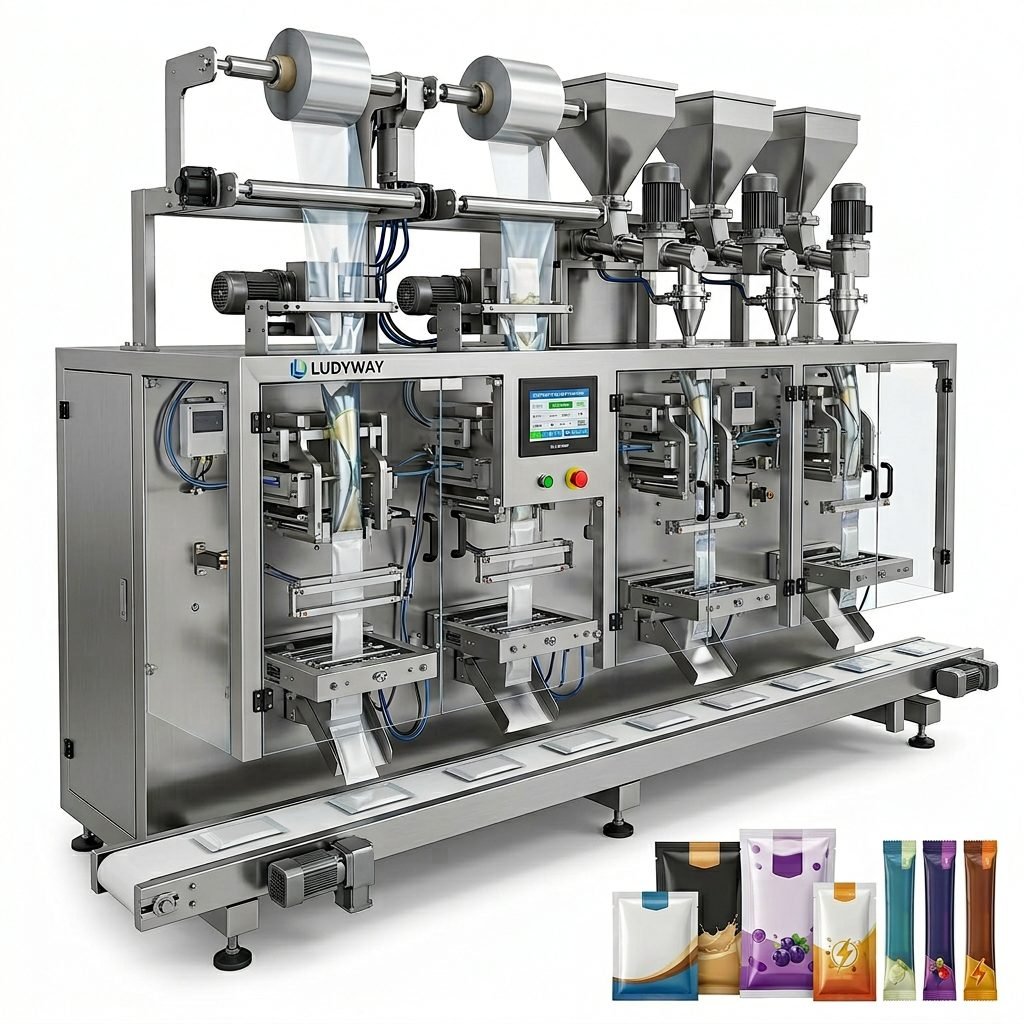
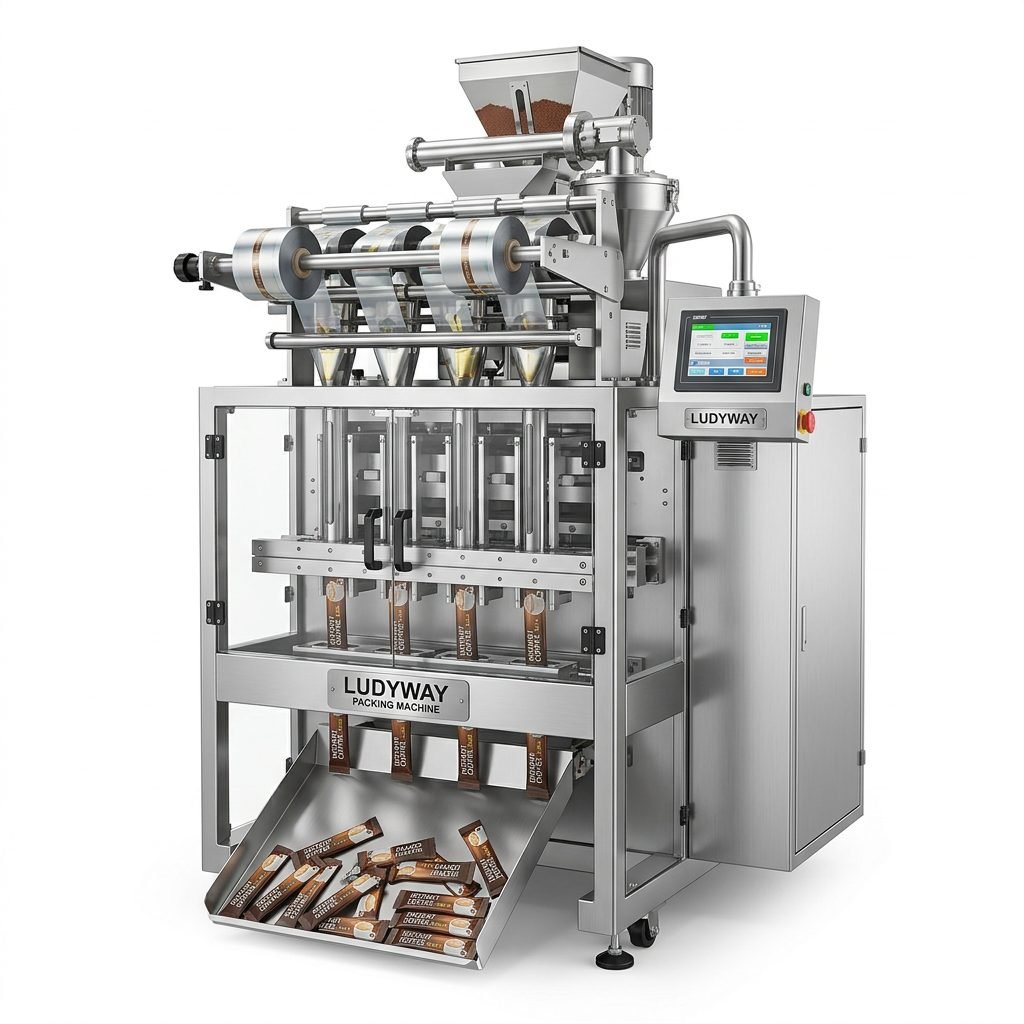
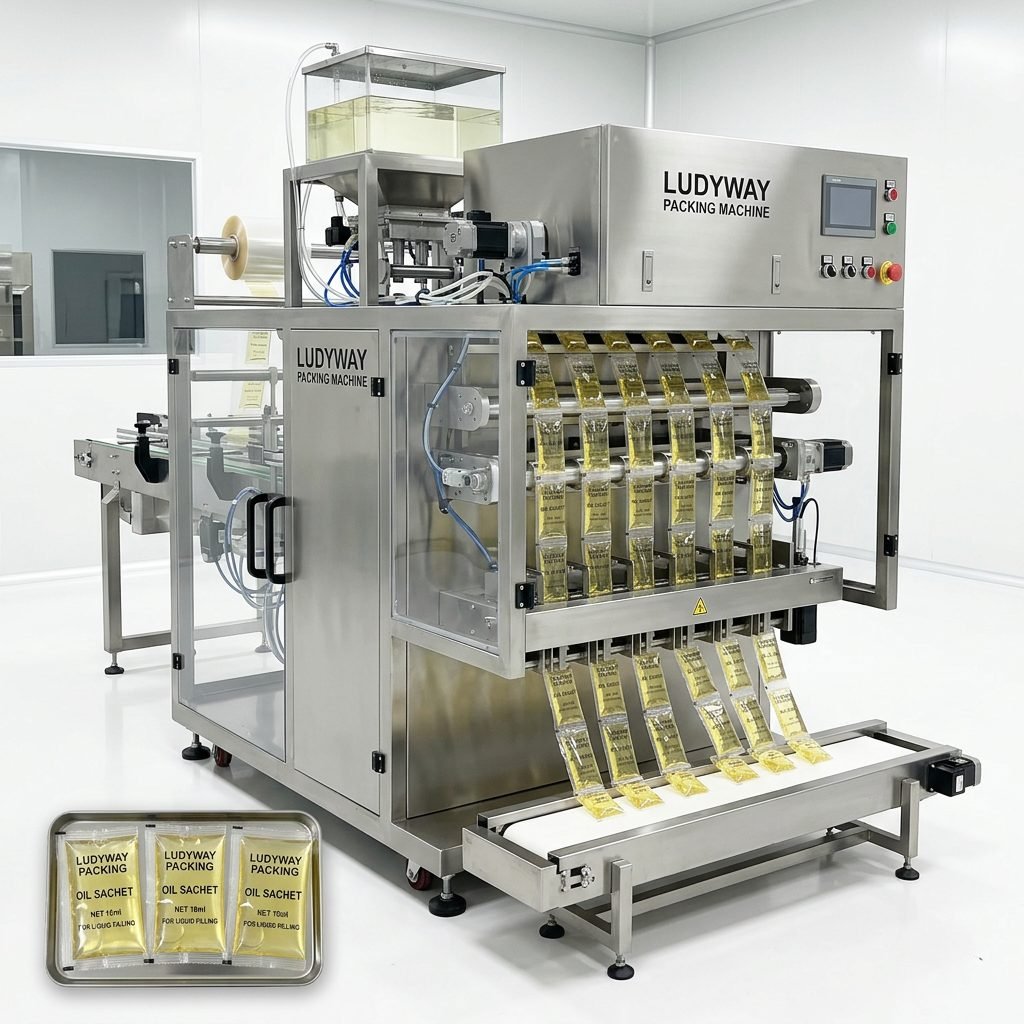
Multi-Lane Sachet Packaging Machines
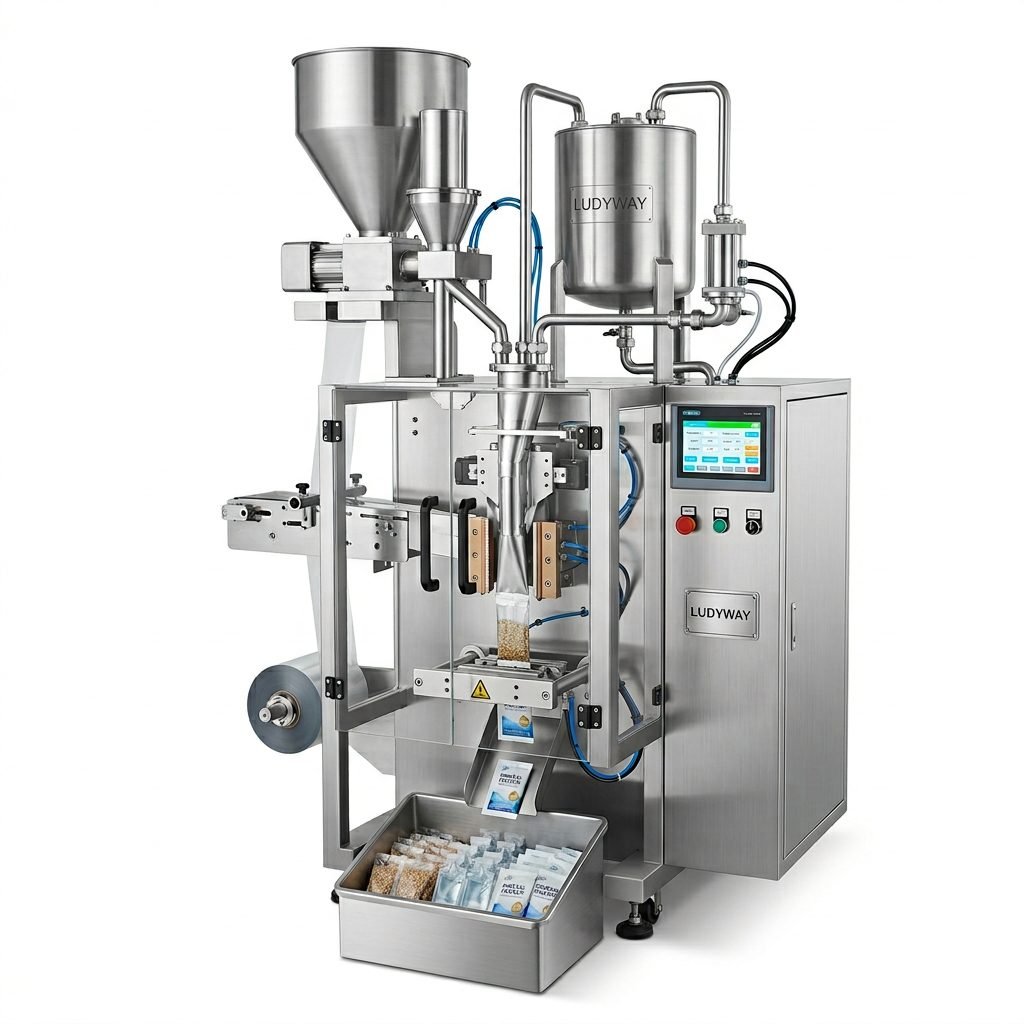
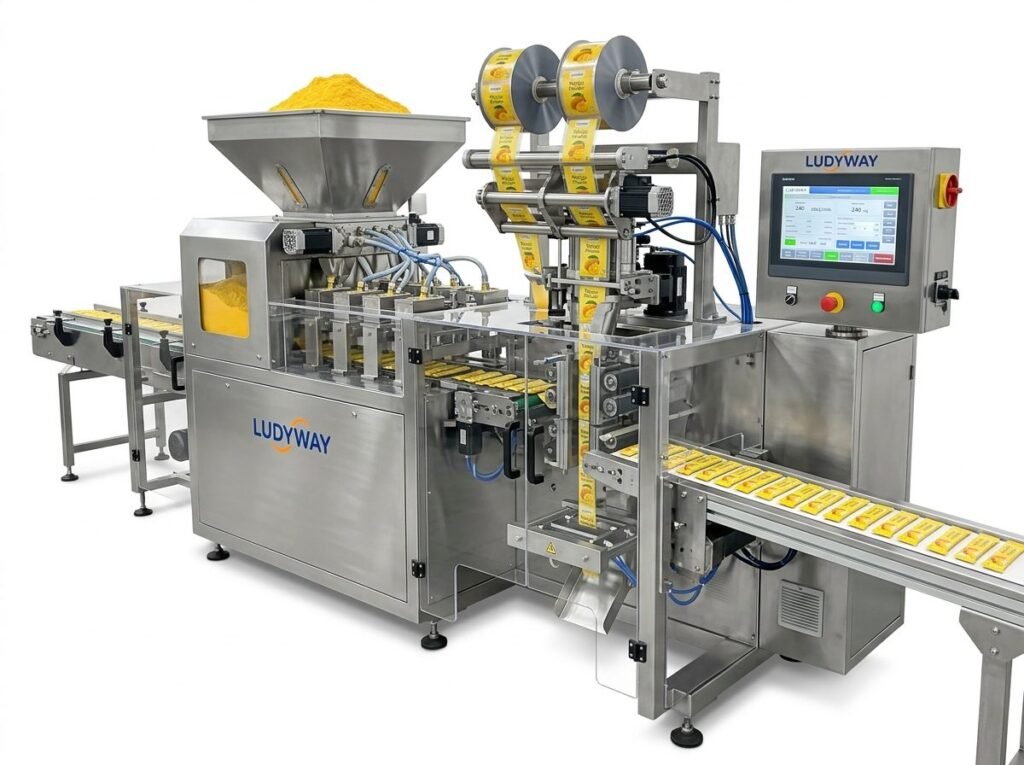
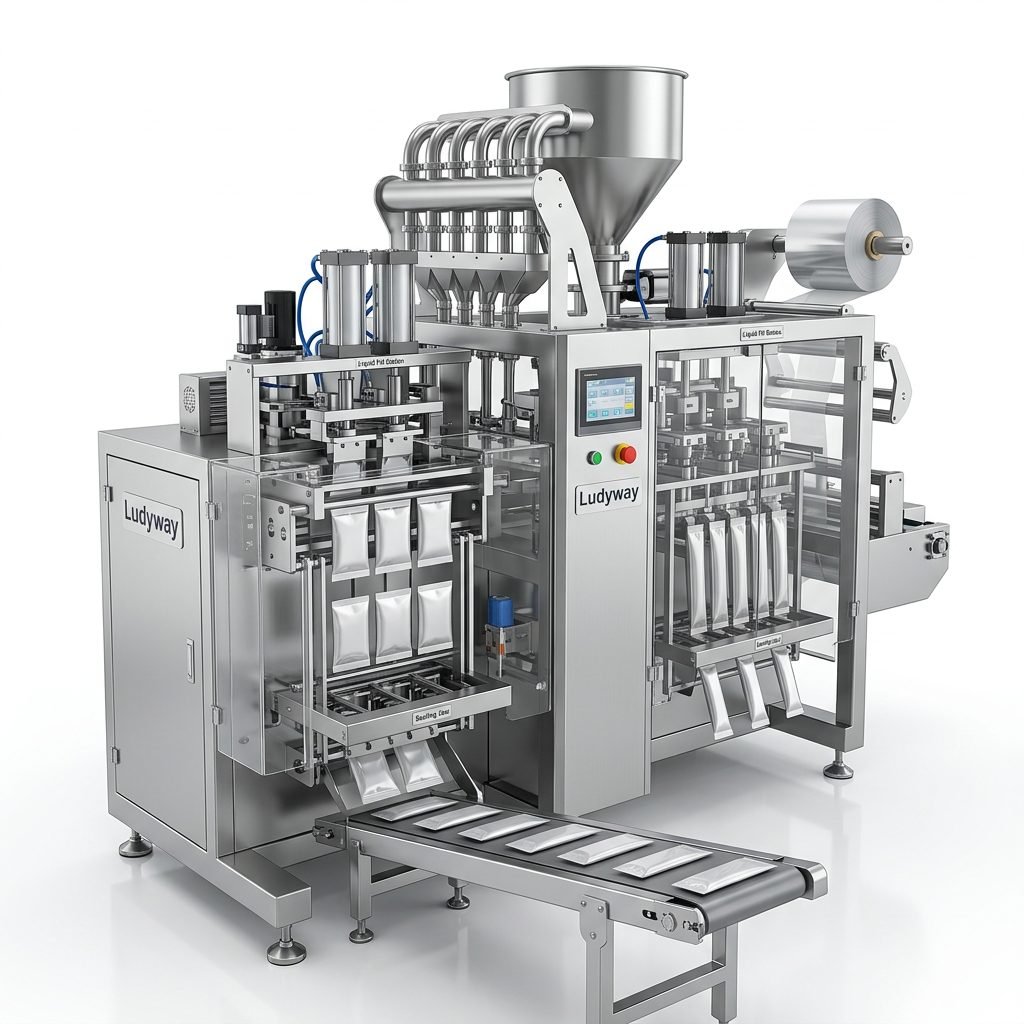
Ideal for high-volume production of single-serve oil portions. Multi-lane systems can produce 4 to 16 lanes simultaneously, achieving outputs of 200–800 sachets per minute. These machines integrate vertical form-fill-seal (VFFS) technology with precision liquid filling nozzles.
Stick Pack Machines
Narrow, elongated packets are increasingly popular for premium cooking oils and specialty products. Stick pack machines offer excellent portion control and minimal material waste, making them cost-effective for high-value oils.
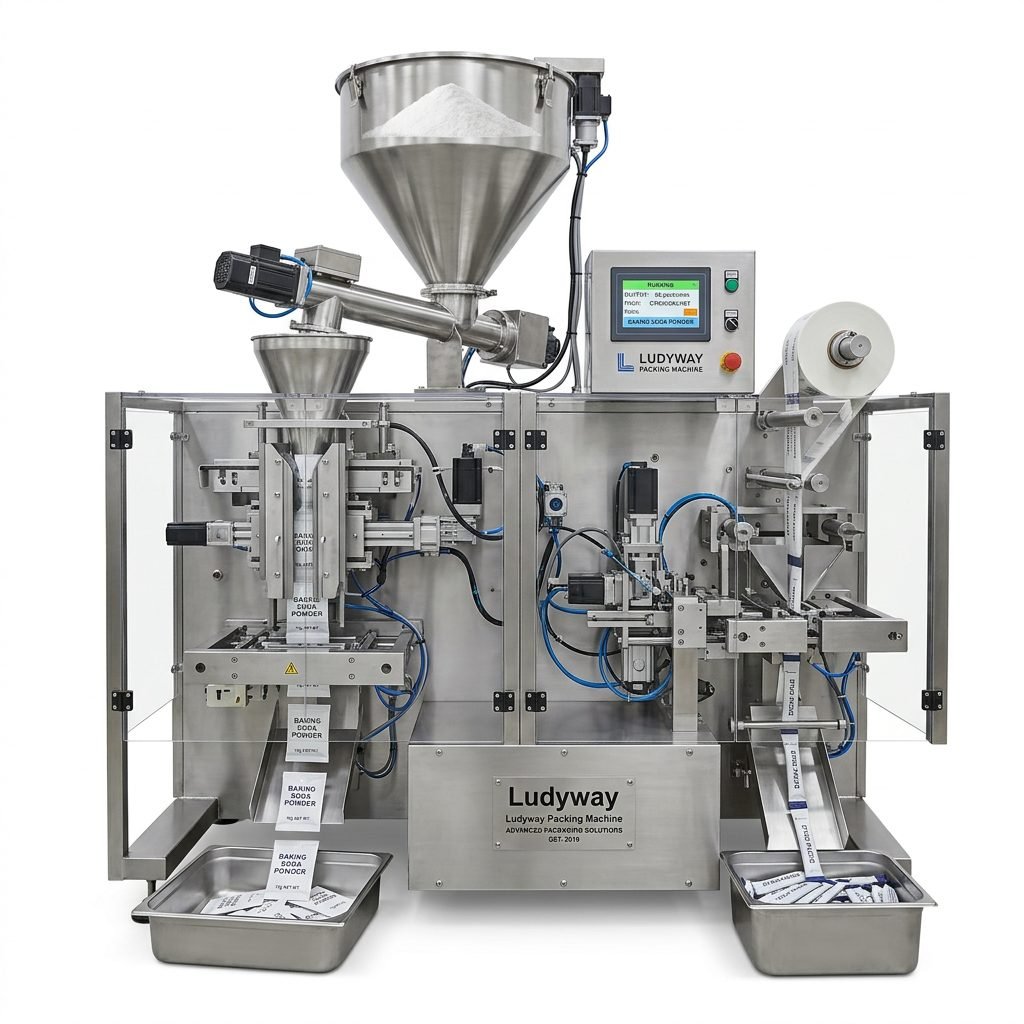
Pouch Filling and Sealing Machines
For medium to large formats (100ml–5L), rotary or inline pouch fillers handle pre-made pouches with spout attachment options. These systems are versatile and support stand-up pouches with resealable features.
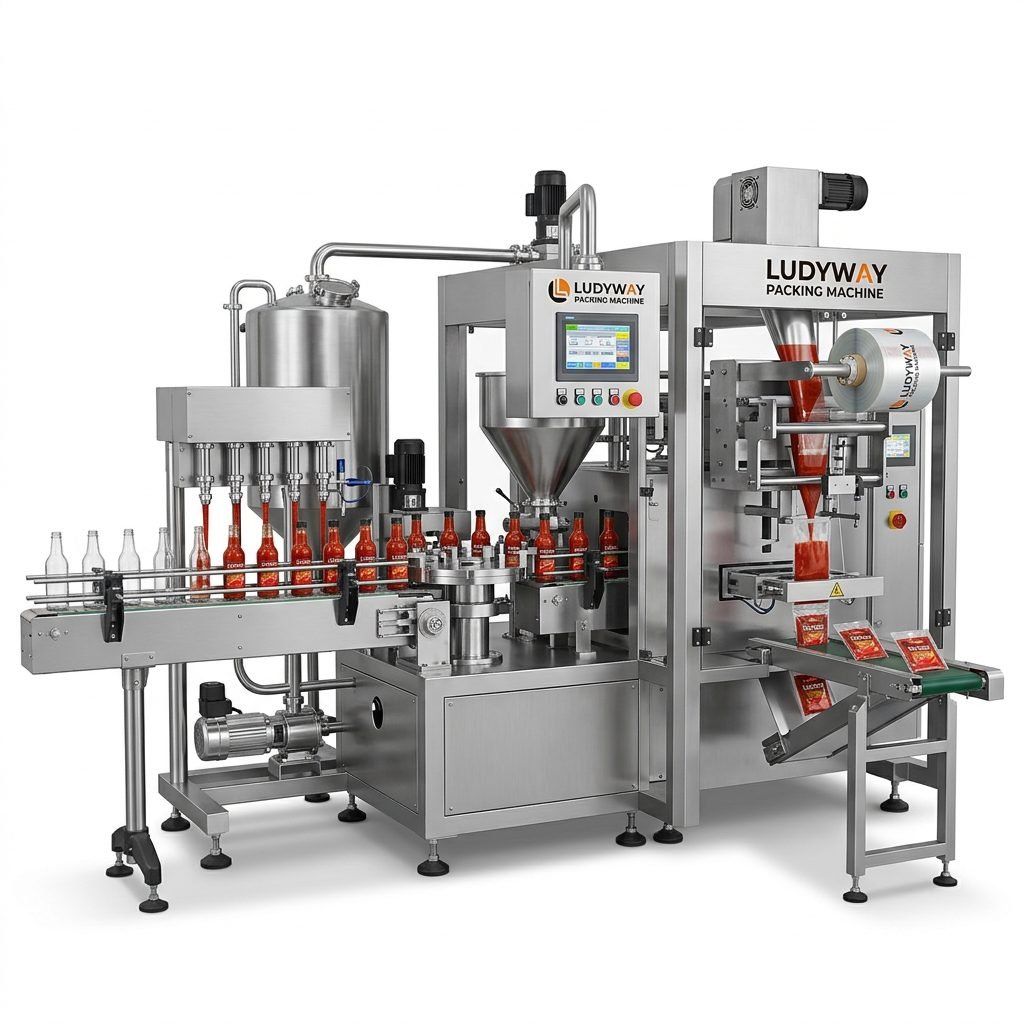
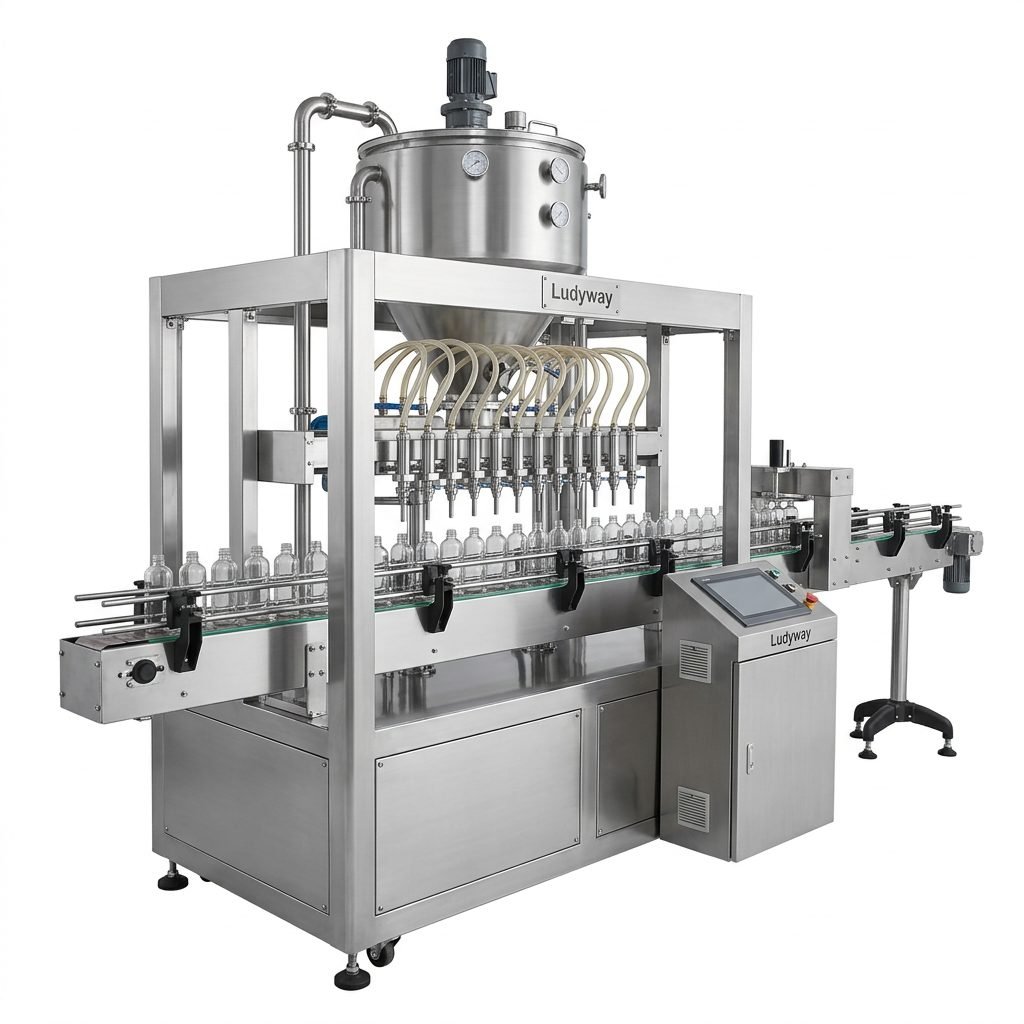
Bottle Filling Lines
Complete bottle packaging lines include rinsing, filling, capping, labeling, and cartoning modules. Gravity-based or piston fillers are commonly used, with servo-driven controls for ±0.5% filling accuracy.
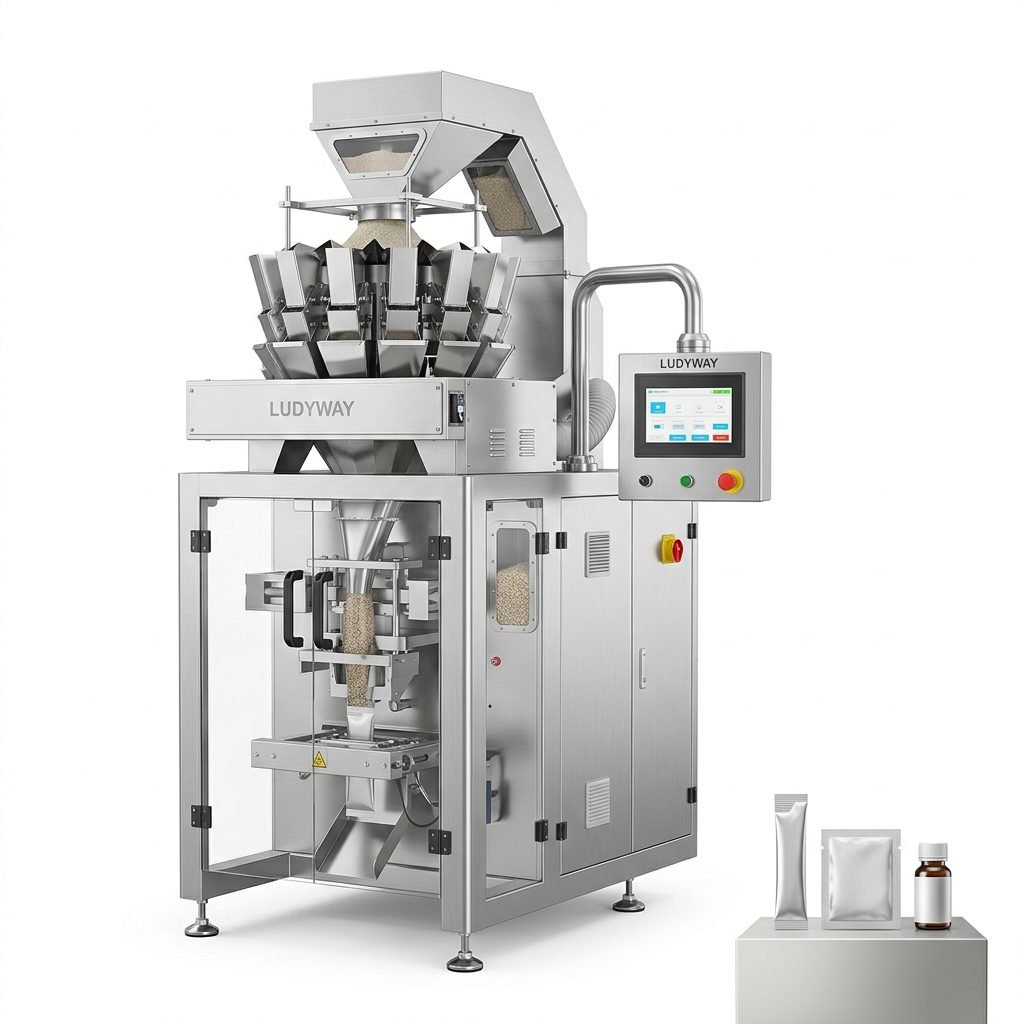
Core Components of a Cooking Oil Packaging Production Line
A well-integrated production line consists of several interconnected systems. The table below summarizes the key equipment and their functions:
| Equipment Module | Primary Function | Key Specifications |
|---|---|---|
| Liquid Filling System | Precision dosing of cooking oil into packages | Piston, servo-pump, or flow meter; ±0.5–1% accuracy |
| Film Unwinding & Forming | Feeds packaging film and forms pouch shape | Multi-lane forming tubes; automatic tension control |
| Vertical Sealing Unit | Creates longitudinal seals on pouches | Heated sealing bars; temperature PID control |
| Horizontal Sealing & Cutting | Cross-seals and separates individual packs | Rotary jaw or reciprocating; servo-driven |
| Nitrogen Flushing (Optional) | Inert gas injection to extend shelf life | Residual oxygen ≤1%; integrated gas manifold |
| Conveyor & Collection | Transports finished packs to downstream stations | Adjustable speed; compatible with checkweighers |
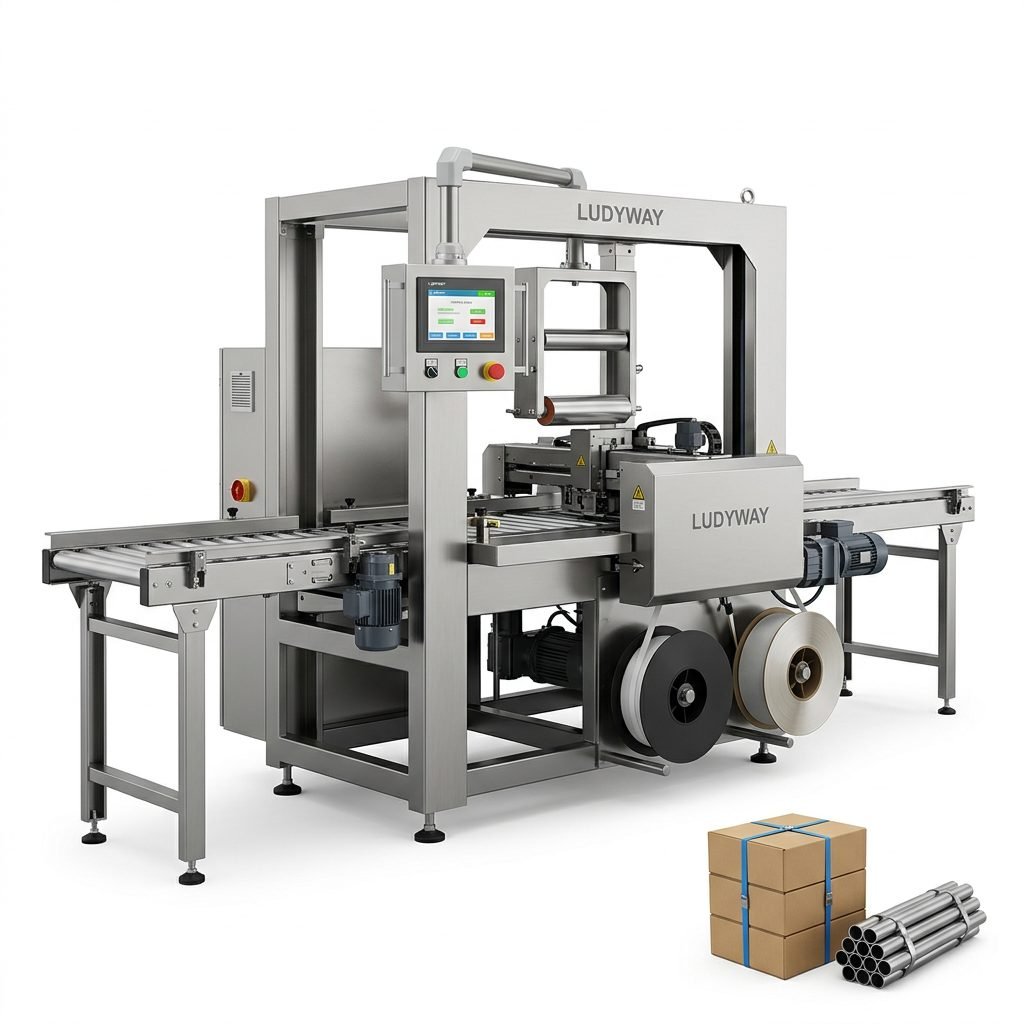
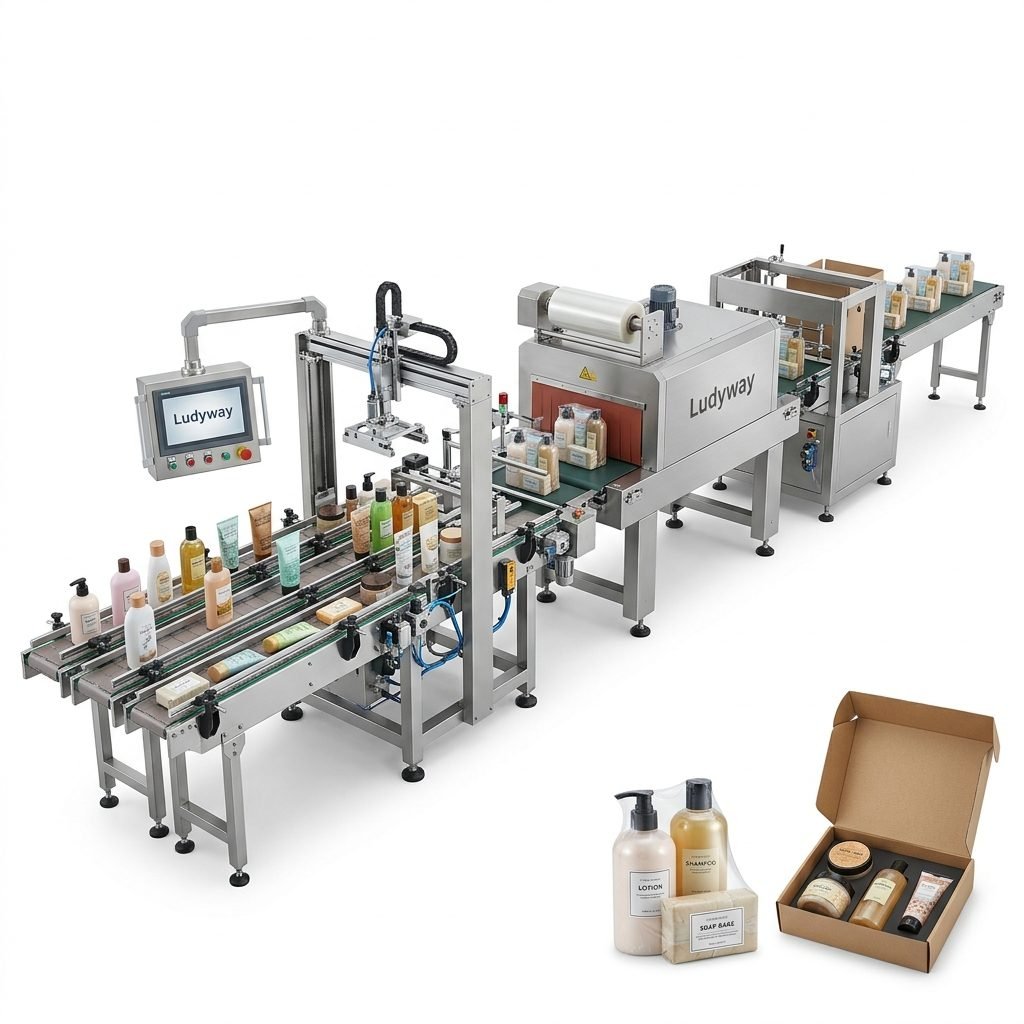
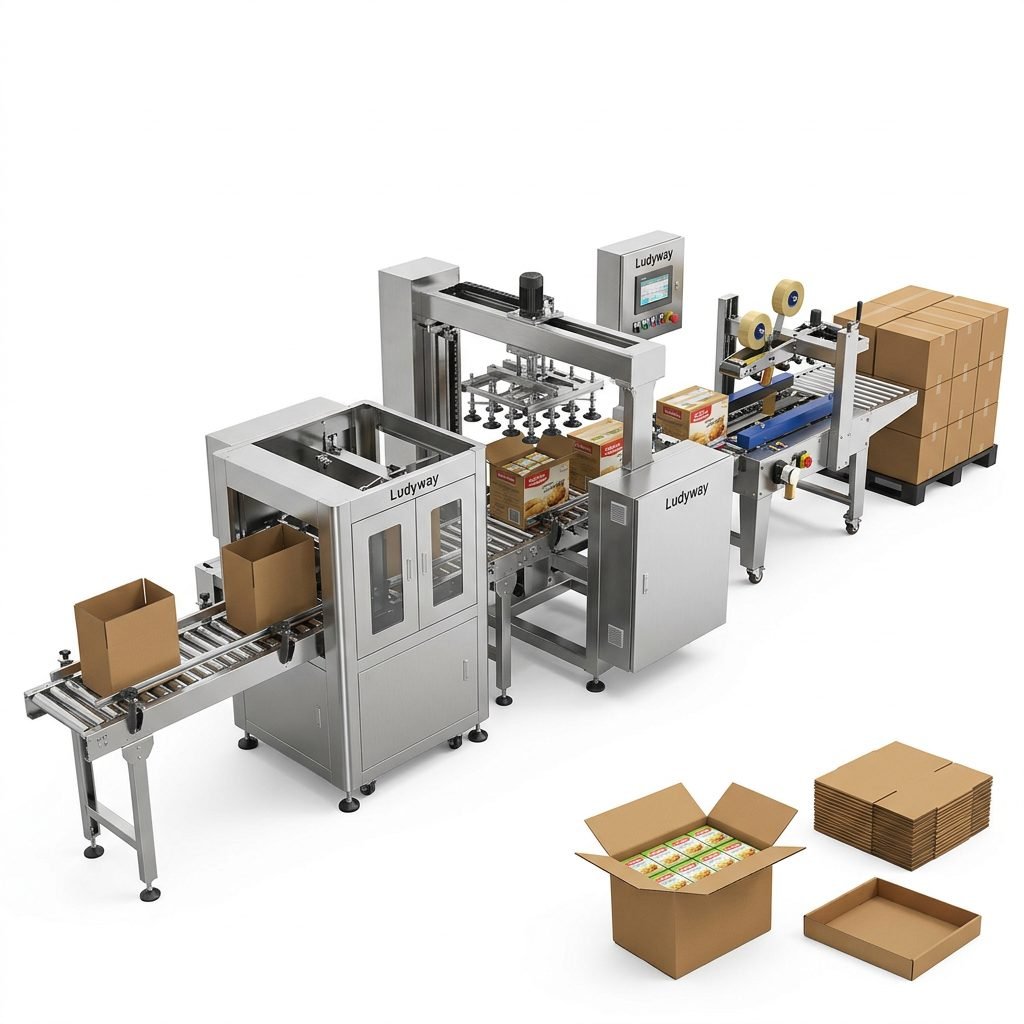
| Cartoning & Case Packing | Secondary packaging into cartons or cases | Automatic carton erecting; robotic or mechanical loading |
Step-by-Step Guide to Setting Up Your Production Line
Step 1: Define Production Goals and Facility Requirements
Start by calculating your target daily output and the physical space available. A typical multi-lane sachet line producing 400 packs per minute requires approximately 80–120㎡ of floor space, including raw material staging and finished goods areas. Ensure your facility has adequate power supply, compressed air (6–8 bar), and proper ventilation. For insights on industry benchmarks, refer to the PMMI business intelligence resources.
Step 2: Select the Right Machine Configuration
Based on your packaging format and production volume, choose between single-lane and multi-lane systems. For cooking oil businesses targeting export markets, multi-lane stick pack and sachet machines offer the best return on investment due to their high throughput and material efficiency.

Step 3: Integrate Auxiliary Equipment
A complete production line requires more than just the primary packaging machine. Consider adding these auxiliary systems:
- Oil storage tanks with temperature control and agitation to maintain consistent viscosity
- Inline filters to remove impurities before filling
- Checkweighers for real-time weight verification and reject of under-filled packs
- Metal detectors to ensure product safety and compliance
- Batch coding and labeling systems for traceability
Step 4: Installation and Commissioning
Professional installation is critical for optimal performance. The process typically involves equipment positioning, utility connections, dry-run testing without product, and wet-run trials with actual cooking oil. Commissioning should validate fill accuracy, seal integrity, and production speed against agreed specifications. According to ISO packaging standards, documented validation protocols should be followed throughout this phase.
Step 5: Quality Control and Testing Protocols
Implement a robust quality management system from day one. Key quality checks include:
- Seal strength testing – Use burst tests to verify seal integrity under pressure
- Fill volume verification – Statistical sampling to confirm dosing accuracy
- Leak detection – Submersion or vacuum decay methods for flexible packs
- Oxygen headspace analysis – Particularly important for nitrogen-flushed packages
- Shelf-life stability studies – Monitor oil quality parameters over time
Global Market Considerations for Cooking Oil Packaging
The cooking oil packaging industry varies significantly across regions. Understanding these differences helps in configuring your production line appropriately:
Asia-Pacific Markets
High demand for small-format sachets and pouches (5ml–100ml) due to affordability and convenience. Multi-lane machines with 8–16 lanes dominate this segment, with production speeds often exceeding 600 packs per minute.
European and North American Markets
Preference for larger packaging formats including 500ml–5L pouches and bottles. Sustainability concerns drive demand for recyclable mono-material laminates and lightweight packaging designs. The Flexible Packaging Association provides valuable data on material trends in these regions.
Middle East and African Markets
Growing demand for bulk cooking oil packaging (1L–5L) with an emphasis on cost-effective solutions. Sachet packaging is also expanding rapidly in retail channels across Sub-Saharan Africa.
Maintenance Best Practices for Long-Term Reliability
Consistent maintenance ensures your packaging line operates at peak efficiency:
- Establish a daily cleaning protocol for all product-contact surfaces to prevent oil residue buildup
- Perform weekly inspections of sealing jaws, heating elements, and Teflon tape conditions
- Schedule monthly calibration of filling systems and temperature controllers
- Maintain a spare parts inventory for critical wear components including sealing bars, belts, and sensors
- Conduct annual comprehensive overhauls with OEM-trained technicians
Regulatory Compliance and Food Safety Standards
Cooking oil packaging must comply with multiple regulatory frameworks. In the United States, the FDA’s food contact substances regulations set clear requirements for packaging materials. In Europe, EU packaging and packaging waste regulations govern material use and recyclability. Key compliance areas include:
- Food-grade material certification for all product-contact components
- Good Manufacturing Practices (GMP) for food processing facilities
- HACCP implementation with critical control points identified in the packaging process
- Traceability systems enabling batch-level tracking from production to distribution
Automation and Industry 4.0 Integration
Modern cooking oil packaging lines increasingly incorporate smart manufacturing technologies. IoT-enabled sensors provide real-time data on machine performance, fill accuracy, and energy consumption. Cloud-based monitoring platforms allow remote diagnostics and predictive maintenance scheduling. When evaluating equipment, prioritize systems that offer:
- OPC UA or MQTT communication protocols for seamless integration with MES and ERP systems
- Automated recipe management for quick changeovers between different oil types and package sizes
- Real-time OEE (Overall Equipment Effectiveness) dashboards
- Remote access capabilities for manufacturer support and troubleshooting
Energy Efficiency and Sustainability
Sustainability is reshaping the packaging machinery landscape. Efficient cooking oil packaging lines reduce energy consumption through servo-driven motors with regenerative braking, optimized heating systems, and intelligent standby modes. Material waste reduction is another priority—precision film registration systems minimize scrap rates, while lightweight packaging designs reduce raw material usage. Leading manufacturers now design equipment compatible with recyclable and bio-based film materials.
Choosing the Right Packaging Machine Partner
Selecting a reliable equipment manufacturer is as important as choosing the machinery itself. Look for suppliers with proven experience in liquid packaging applications, a global service network, and a track record of successful installations in the cooking oil sector. Evaluate their technical support capabilities, spare parts availability, and willingness to provide references from existing customers. Companies like Ludyway, one of the largest packaging machine manufacturers in China with over 30 years of industry expertise and a modern 20,000㎡ production facility, offer more than 50 intelligent packaging machine models including multi-lane stick pack, sachet, and fully automated packaging systems, serving customers in over 100 countries and regions with reliable and efficient solutions for granule, powder, liquid, and pouch packaging applications.
Common Challenges and Troubleshooting Tips
Even well-designed packaging lines encounter operational issues. Here are some common challenges and their solutions:
- Inconsistent fill volumes – Check for air bubbles in the oil supply line, verify pump calibration, and inspect nozzle condition
- Seal failures – Adjust sealing temperature and pressure; inspect for product contamination in the seal area
- Film tracking issues – Verify film roll alignment, check tension settings, and inspect forming tube surfaces
- Excessive downtime – Implement preventive maintenance schedules and maintain critical spare parts on-site
- Oil oxidation in packaged products – Optimize nitrogen flushing parameters and verify barrier properties of packaging film
By following this guide and working with experienced equipment providers, you can establish a cooking oil packaging production line that delivers consistent quality, operational efficiency, and long-term profitability in the competitive global edible oil market.