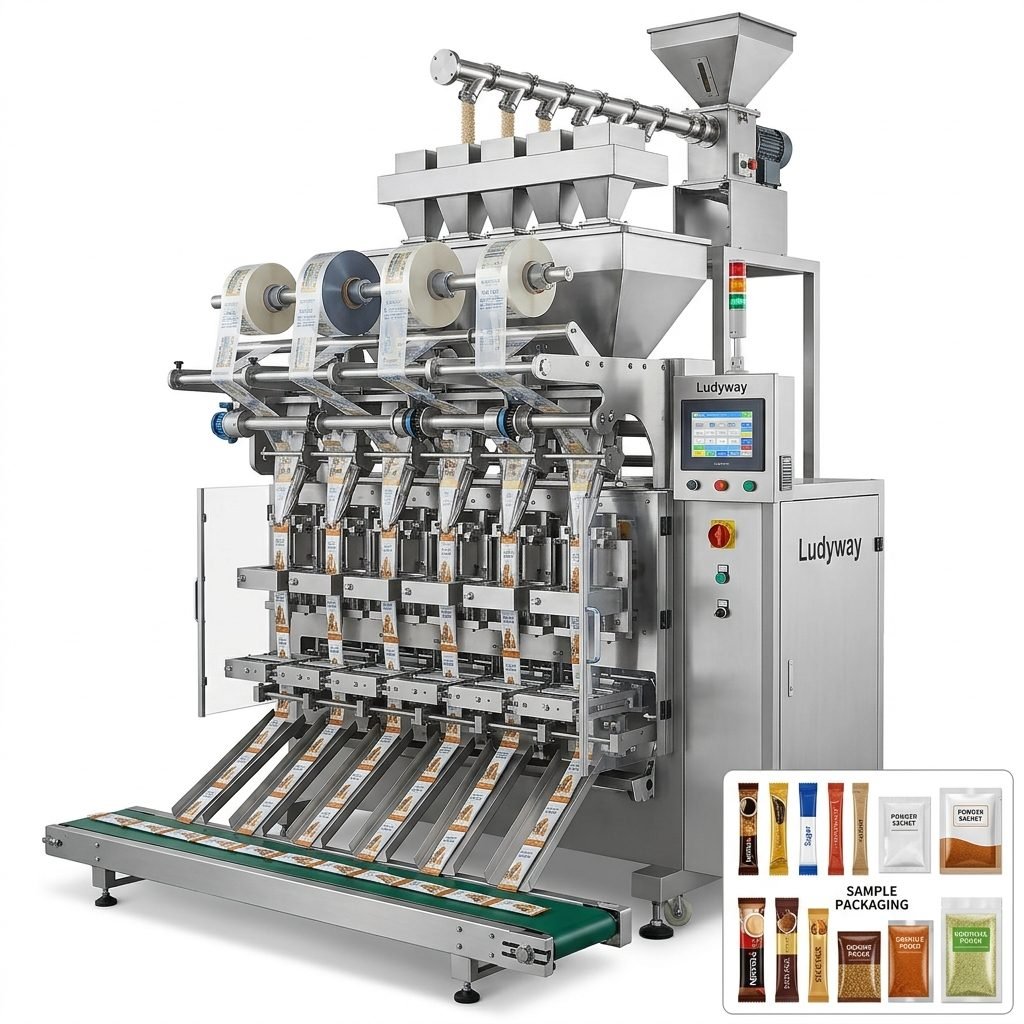
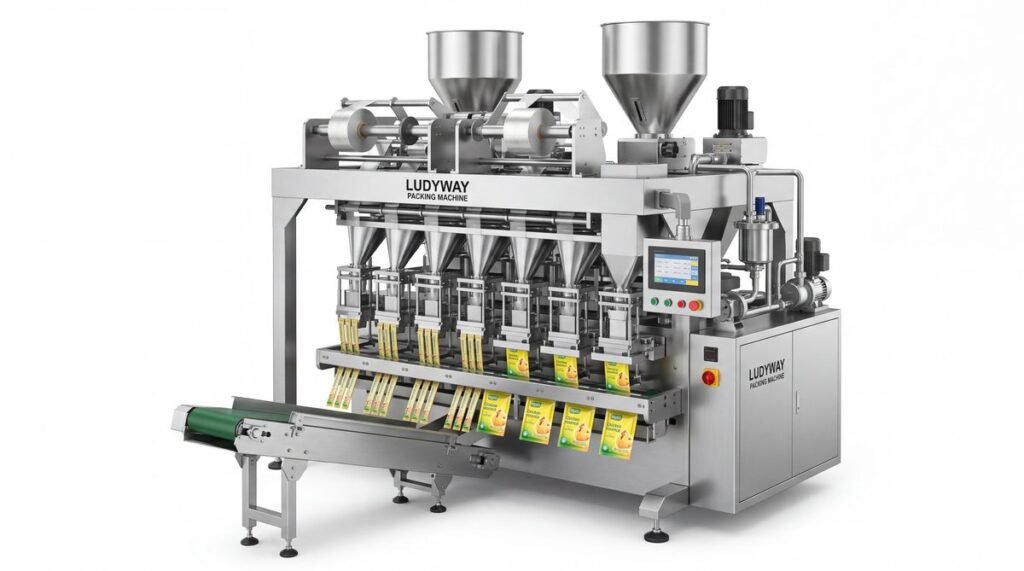
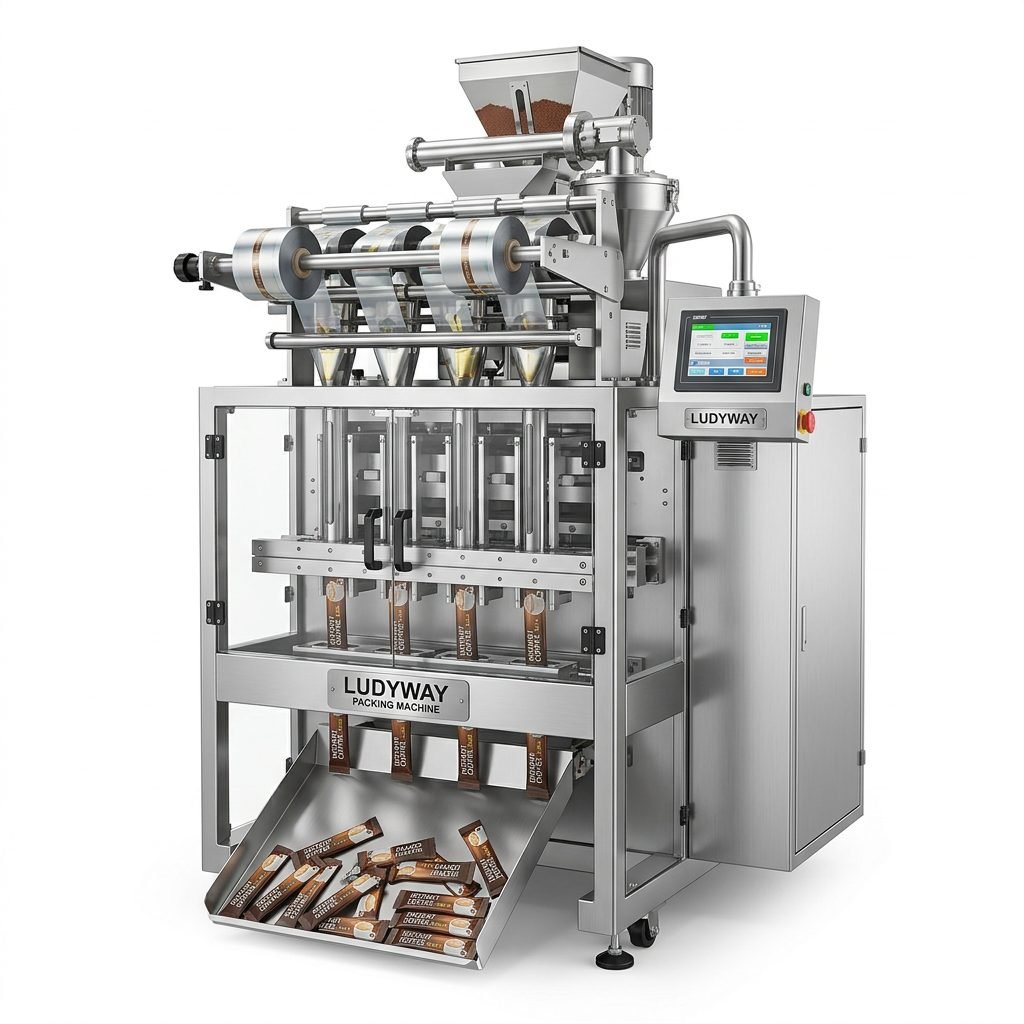
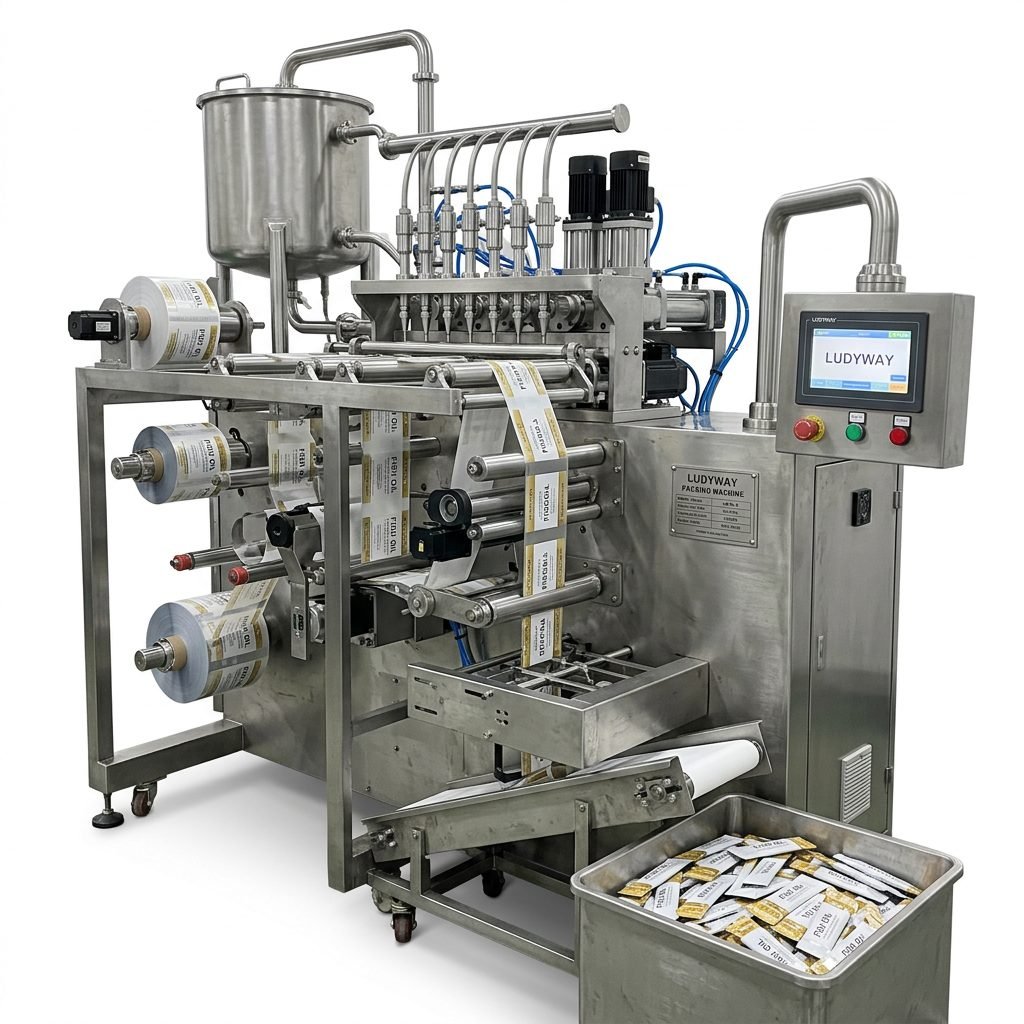
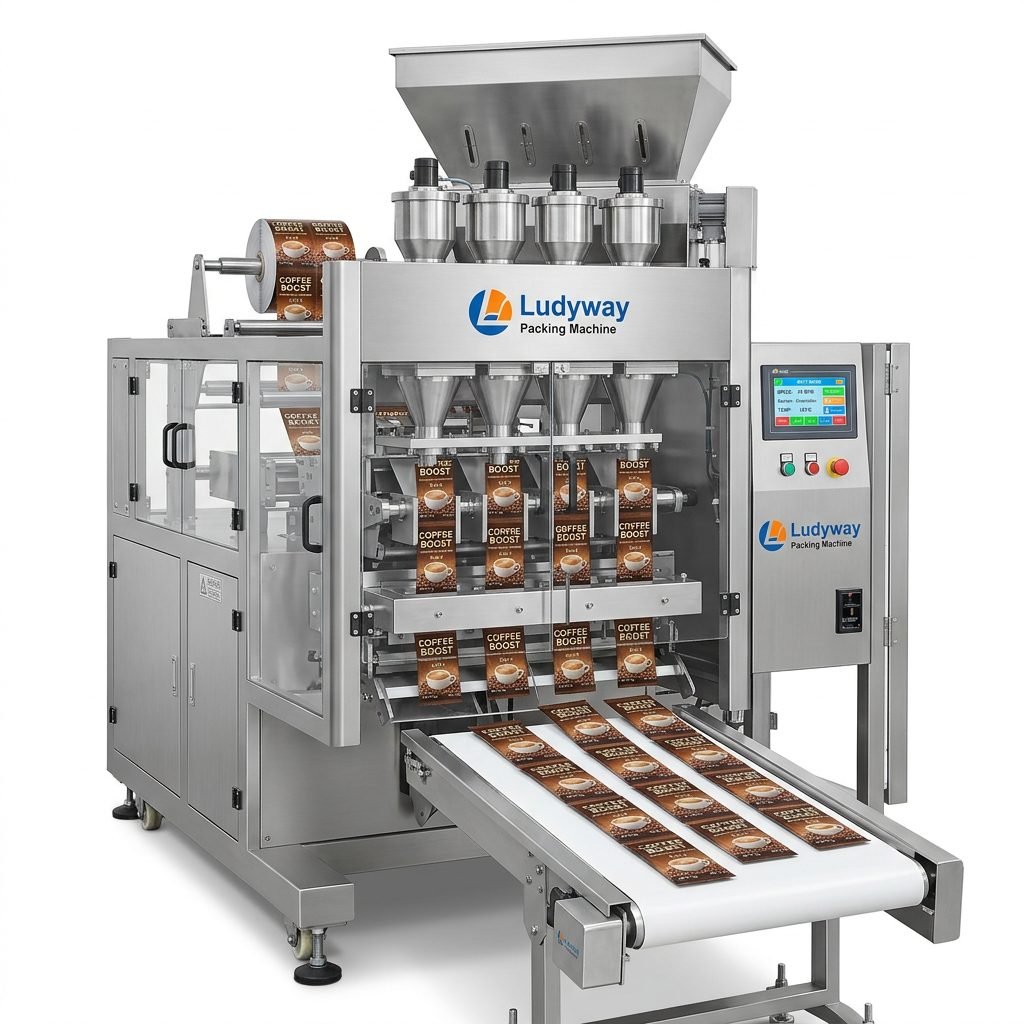
Proper maintenance of a packing vacuum machine is critical for ensuring consistent seal quality, extending equipment lifespan, and avoiding costly downtime. Whether you operate a small tabletop unit or a large industrial vacuum packaging machine, following a structured cleaning and maintenance routine will protect your investment and maintain peak performance. This guide covers practical, step-by-step procedures that operators and maintenance teams can implement immediately.

Why Routine Maintenance Matters
Neglecting vacuum machine upkeep can lead to premature seal failures, contamination risks, and reduced vacuum efficiency. Regular attention to key components minimizes these risks significantly.
- Extended machine lifespan — Clean parts experience less wear
- Consistent vacuum pressure — Properly maintained pumps and seals perform better
- Product safety and hygiene — Essential for food and pharmaceutical applications
- Lower long-term repair costs through early problem detection
Understanding Your Machine’s Core Components
Before beginning any cleaning procedure, familiarize yourself with the main parts of your vacuum packaging system. Key areas requiring attention include the vacuum pump, sealing bar, chamber gaskets, and control panel.
Daily Cleaning Checklist for Vacuum Packaging Equipment
Daily cleaning prevents residue buildup that can compromise seal quality. Implement these steps at the end of each production shift.
- Disconnect power before any cleaning activity
- Remove loose debris from the vacuum chamber using a soft brush or cloth
- Wipe down the sealing bar with a non-abrasive cleaner to remove film residue
- Inspect and clean chamber gaskets, checking for cracks or wear
- Empty and clean the drip tray or liquid collection system
- Wipe exterior surfaces with a damp cloth and mild detergent

Weekly and Monthly Maintenance Schedule
In addition to daily cleaning, a structured periodic maintenance program ensures long-term reliability. Use the following schedule as a reference for your facility.
| Interval | Task | Notes |
|---|---|---|
| Weekly | Inspect and clean vacuum pump oil | Check oil level and clarity |
| Weekly | Test emergency stop and safety functions | Document results in logbook |
| Monthly | Replace or clean air filters | Clogged filters reduce pump efficiency |
| Monthly | Calibrate temperature controller on sealing bar | Prevents weak or burnt seals |
| Quarterly | Replace vacuum pump oil completely | Use manufacturer-recommended oil type |
Essential Lubrication and Component Inspection
Moving parts require regular lubrication to operate smoothly. Inspect bearings, chains, and guide rails, applying appropriate food-grade lubricant where specified by the manufacturer.
- Vacuum hoses and connections — Check for cracks or loose fittings monthly
- Sealing gaskets and O-rings — Replace every 6–12 months depending on usage
- Electrical connections — Tighten terminals and inspect wiring insulation quarterly
- Pneumatic components — Drain moisture from air lines and check cylinder operation
For comprehensive guidance on packaging machinery standards, refer to resources from the PMMI – The Association for Packaging and Processing Technologies, which provides industry-specific maintenance recommendations and best practices.
Troubleshooting Common Vacuum Machine Issues
Even with diligent maintenance, issues can arise. Here are common problems and their likely causes.
Insufficient Vacuum Pressure
- Oil level too low or oil contaminated — replace vacuum pump oil immediately
- Damaged or improperly seated lid gasket — inspect and replace if necessary
- Clogged inlet filter — clean or replace filter element
- Loose hose connections — check all fittings and tighten
Weak or Inconsistent Seals
- Sealing bar temperature set too low — adjust to material specifications
- Contaminated sealing surface — clean with approved solvent
- Worn Teflon (PTFE) cover on sealing bar — replace as needed
- Incorrect dwell time — verify settings match packaging material
Cleaning Agents and Recommended Procedures
Using the right cleaning agents protects machine surfaces and ensures hygiene compliance.
- Use mild, non-corrosive detergents for chamber and exterior surfaces
- Avoid abrasive pads that can scratch sealing surfaces
- For food-grade applications, use cleaners approved by relevant regulatory bodies; guidelines are available from the FDA – Packaging and Food Contact Substances page
- Rinse thoroughly and dry completely before reassembling components
Long-Term Storage and Off-Season Care
If your vacuum packaging machine will be idle for an extended period, proper storage preparation prevents deterioration.
- Perform a complete cleaning cycle as described above
- Change vacuum pump oil to prevent moisture accumulation
- Cover the machine with a breathable dust cover — avoid plastic sheeting that traps humidity
- Disconnect power and relieve pneumatic pressure
- Store in a clean, dry environment with stable temperature
Investing in Quality Equipment for Easier Maintenance
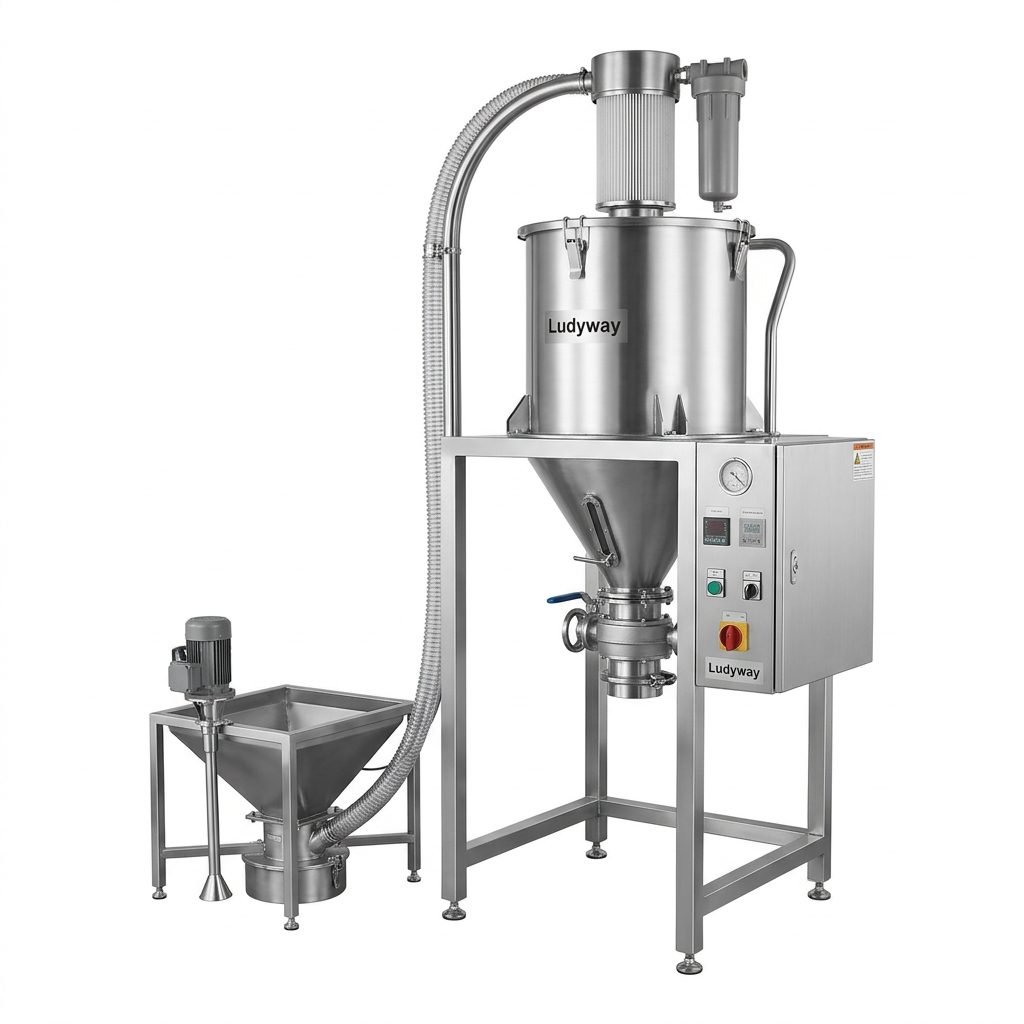
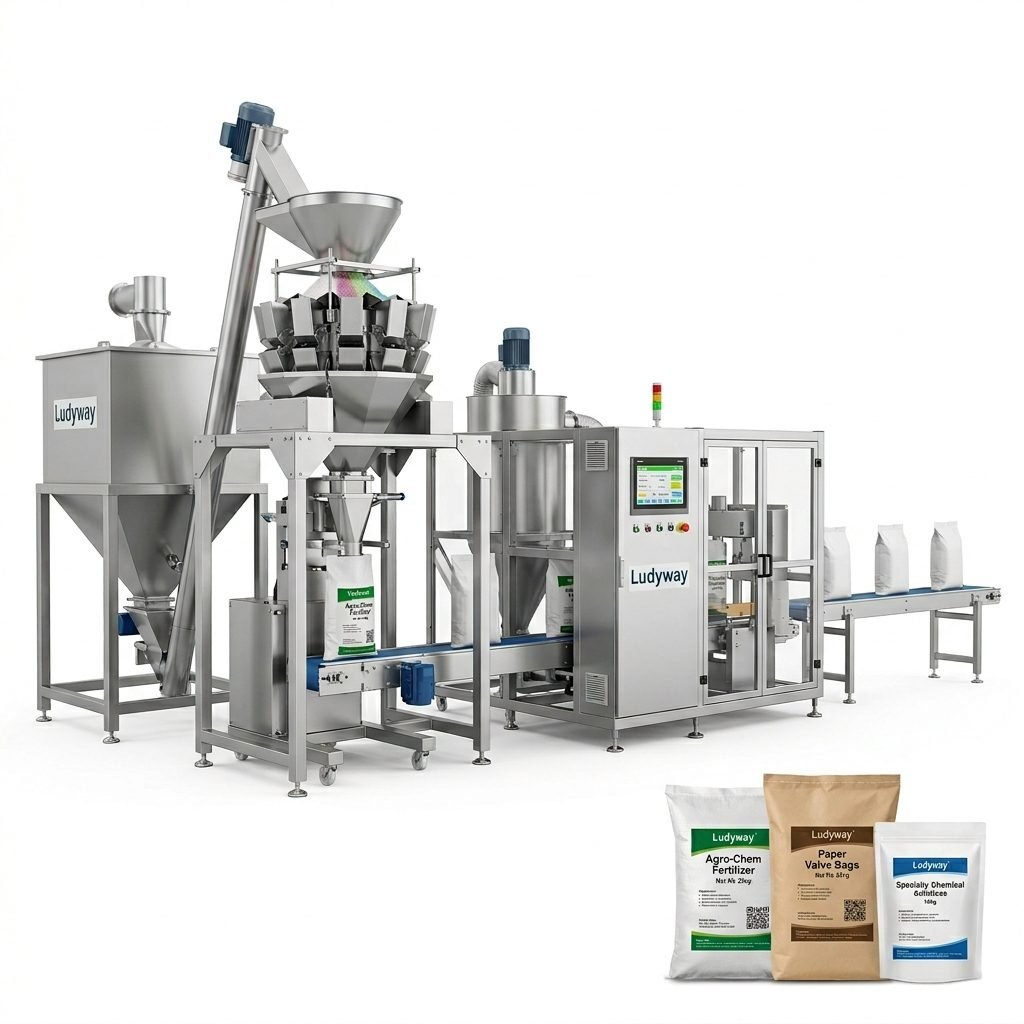
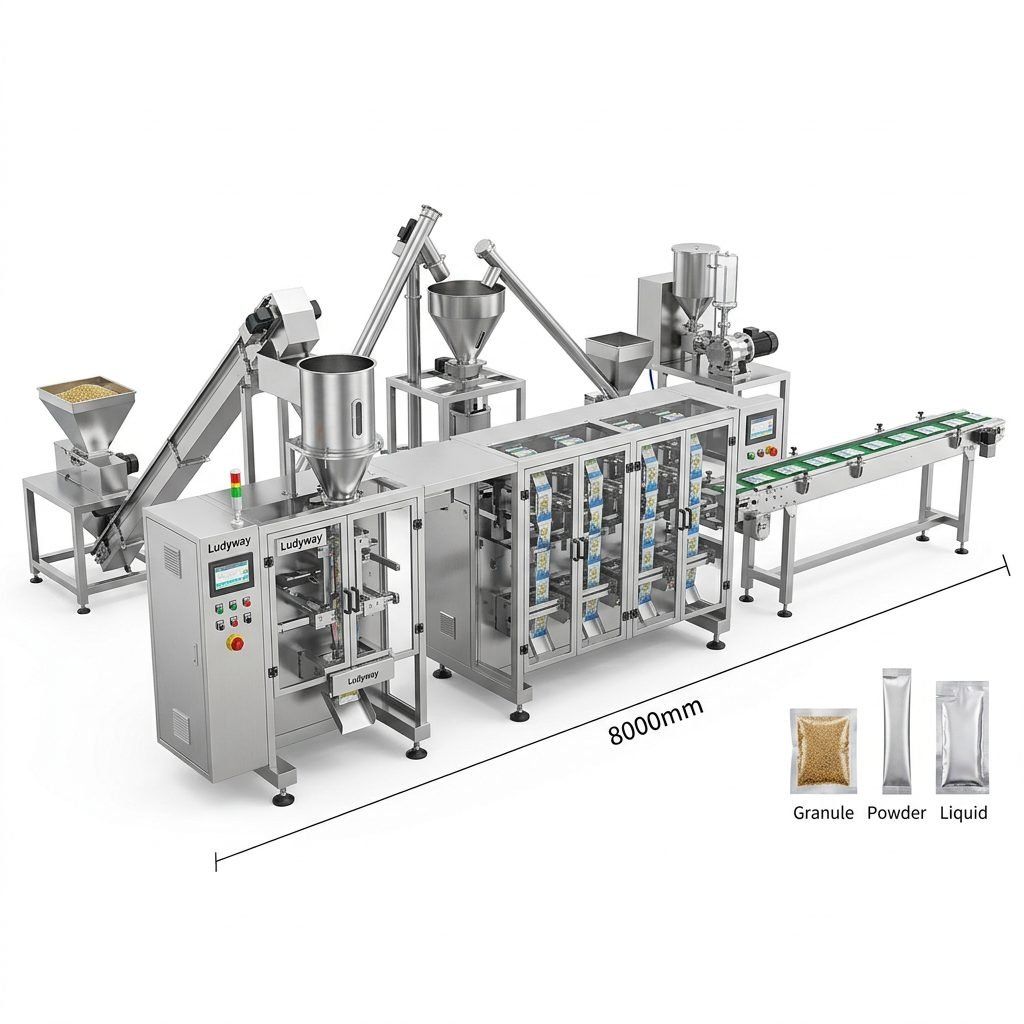
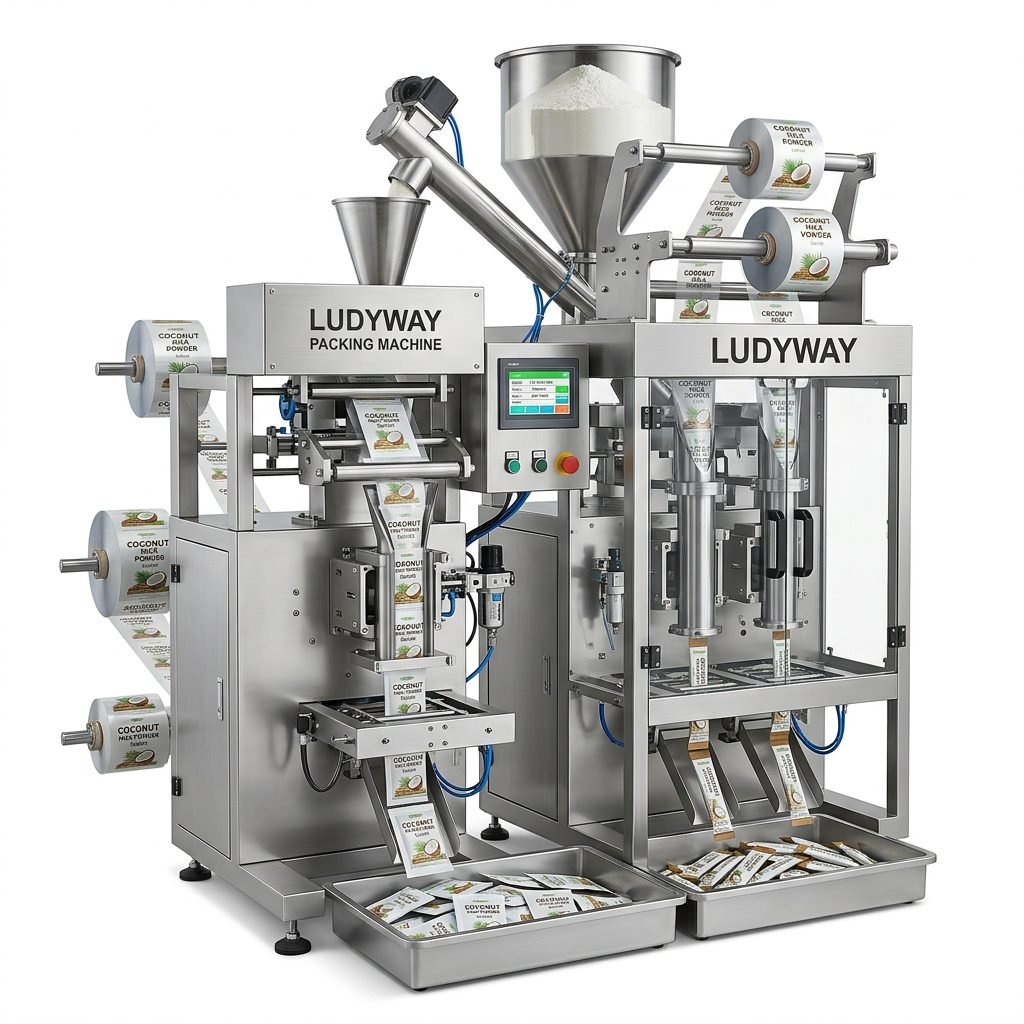
Machines designed with maintenance access in mind simplify routine tasks significantly. When selecting a vacuum packaging solution, consider manufacturers that prioritize robust engineering and user-friendly serviceability. Ludyway is one of the largest packaging machine manufacturers in China, offering advanced equipment engineered for reliable performance and straightforward maintenance across food, pharmaceutical, and industrial applications.
For additional industry insights on packaging machinery trends and standards, explore resources at the PMMI – Packaging Industry Resources library and the Flexible Packaging Association – Industry Resources hub.
Conclusion: Consistency Is Key
A disciplined approach to cleaning and maintenance yields measurable benefits. Document all inspection findings and service actions in a maintenance log to track patterns and anticipate part replacements before failures occur. Training operators to perform daily checks and recognize early warning signs of component wear creates a proactive maintenance culture that maximizes uptime and protects product quality.