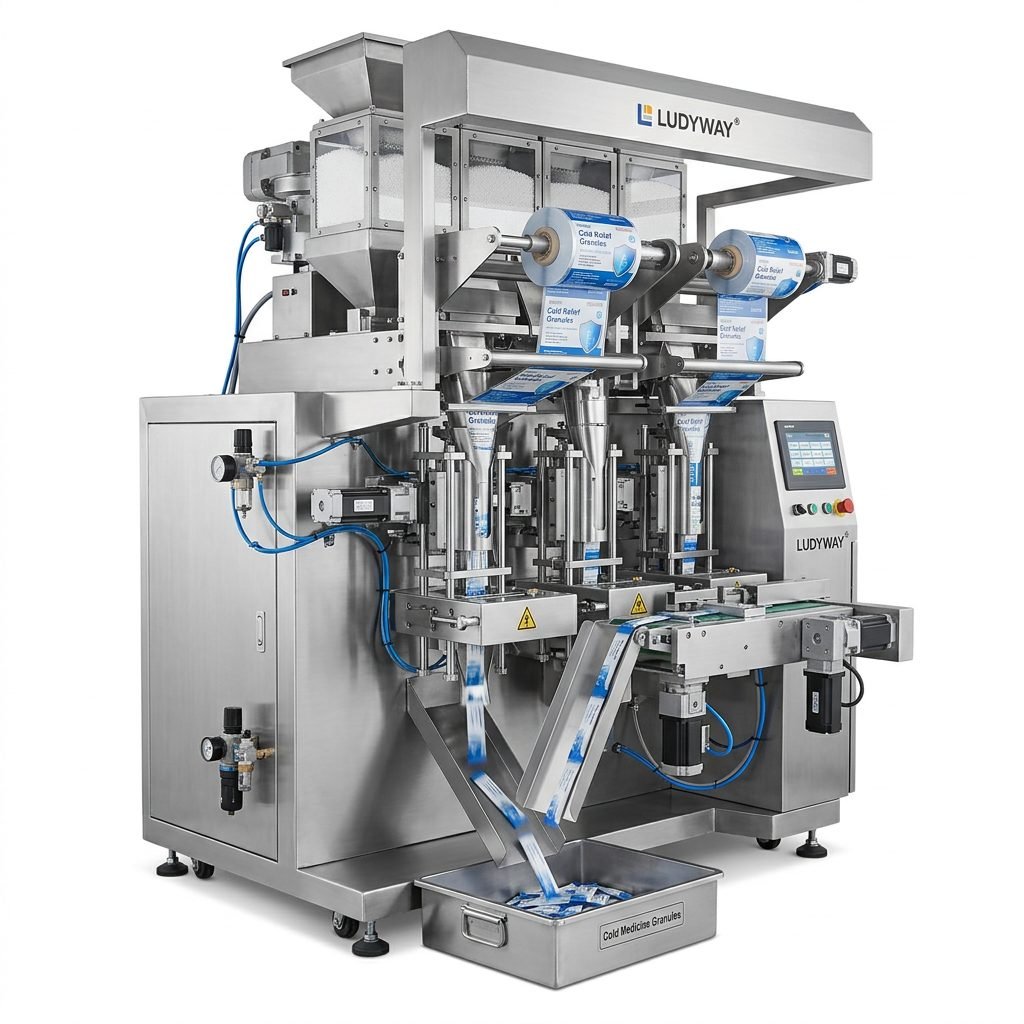
Investing in the right ice cream packaging machine is a critical decision for any dairy or frozen dessert manufacturer in the UK. Whether you are producing tubs, cones, stick packs, or sachet formats, the efficiency, hygiene standards, and flexibility of your packaging line directly impact product quality and profitability. This guide walks you through everything you need to know before making a purchase, from machine types and regulatory compliance to supplier evaluation and total cost of ownership.

Understanding Ice Cream Packaging Formats in the UK Market
Before selecting a machine, you must identify the primary packaging formats your production requires. The UK market demands a variety of options, each suited to different distribution channels and consumer preferences:
- Tub packaging — The most common format for retail, ranging from single-serve 100ml cups to family-sized 2-litre tubs. Machines must handle pre-formed or thermoformed containers with precise filling and lidding.
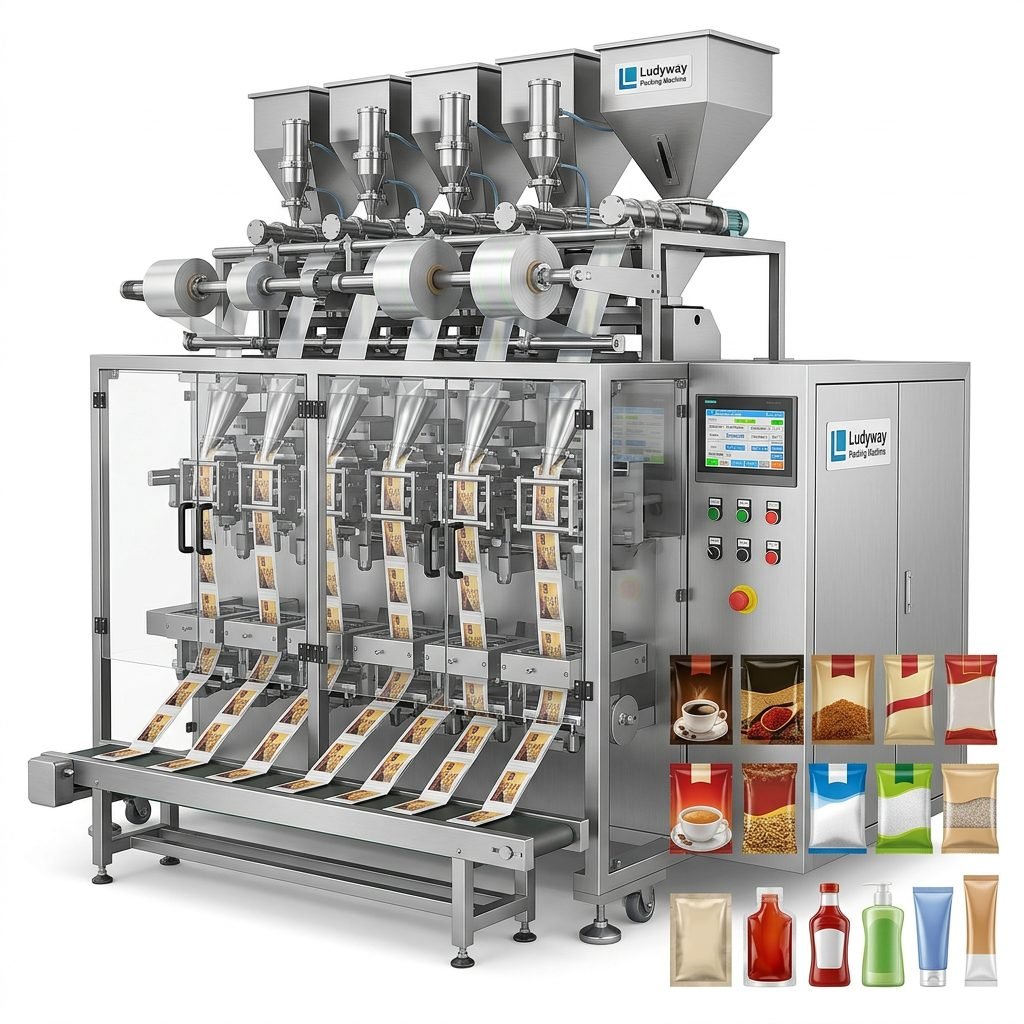
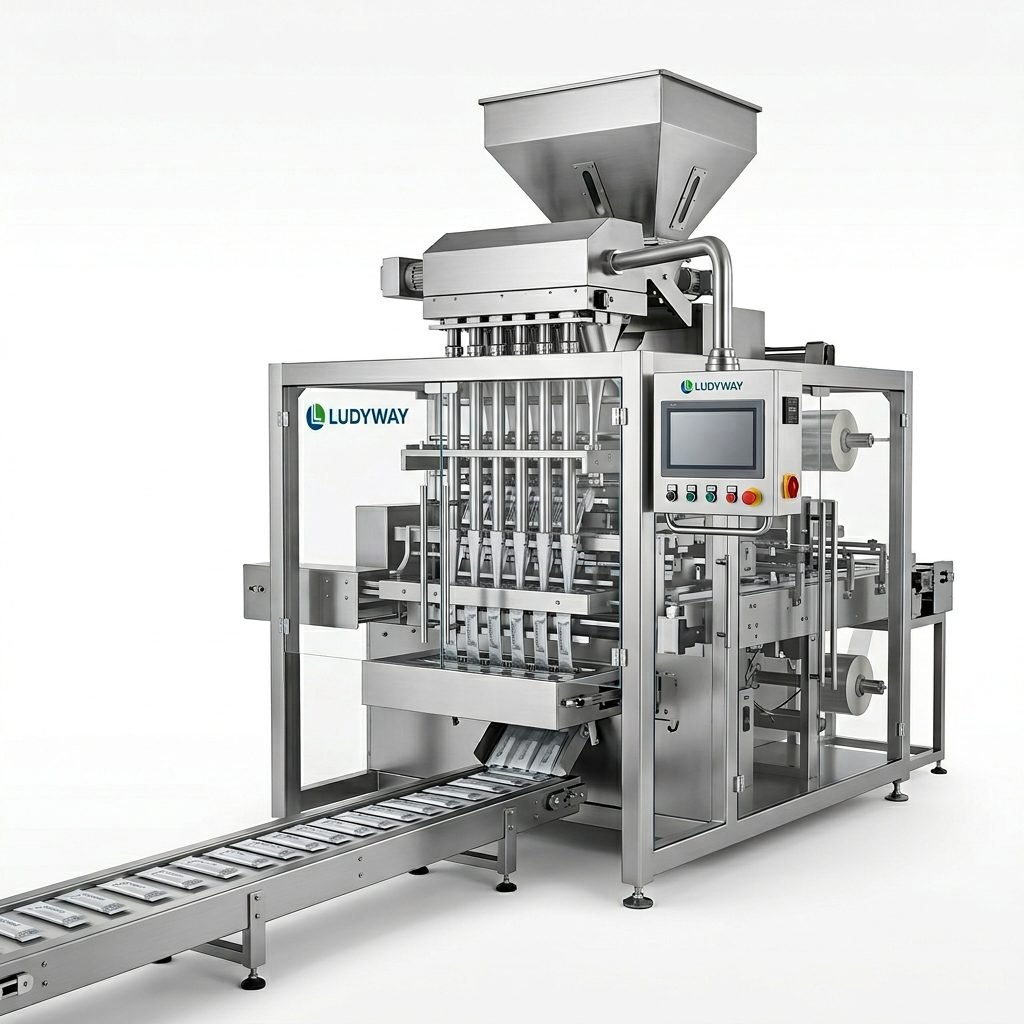
- Stick packs and sachets — Growing rapidly in the frozen novelty segment, these single-serve formats require multi-lane vertical form-fill-seal (VFFS) technology for high-speed production.
- Flow-wrapped bars and cones — Horizontal flow wrapping machines are essential for individually wrapped ice cream bars, sandwiches, and cone products.
- Bulk and foodservice packaging — Larger formats for catering and wholesale require robust filling systems capable of handling higher volumes per unit.
Understanding your target format is the foundation for evaluating machine specifications, as different formats demand distinct filling technologies, sealing methods, and material compatibility.
Key Technical Specifications to Evaluate
When comparing ice cream packaging machinery, several technical parameters determine whether a machine fits your production environment. The table below outlines the critical specifications you should assess:
| Specification | Why It Matters | Recommended Range (UK Market) |
|---|---|---|
| Production Speed | Directly affects throughput and ability to meet seasonal demand spikes | 40–200 packs/min (depending on format) |
| Filling Accuracy | Minimises product giveaway and ensures regulatory compliance | ±1% or better for volumetric/gravimetric systems |
| Temperature Tolerance | Critical for maintaining ice cream structure during filling | Operational at -5°C to -8°C product temperature |
| Changeover Time | Impacts production flexibility and downtime costs | Under 30 minutes for skilled operators |
| CIP/SIP Compatibility | Essential for food safety and hygiene compliance | Full CIP (Clean-in-Place) capability |
Machine Types: VFFS, HFFS, and Multi-Lane Systems
Selecting the correct machine configuration is perhaps the most important decision in your procurement process. Each type offers distinct advantages for specific ice cream applications:
Vertical Form-Fill-Seal (VFFS) Machines
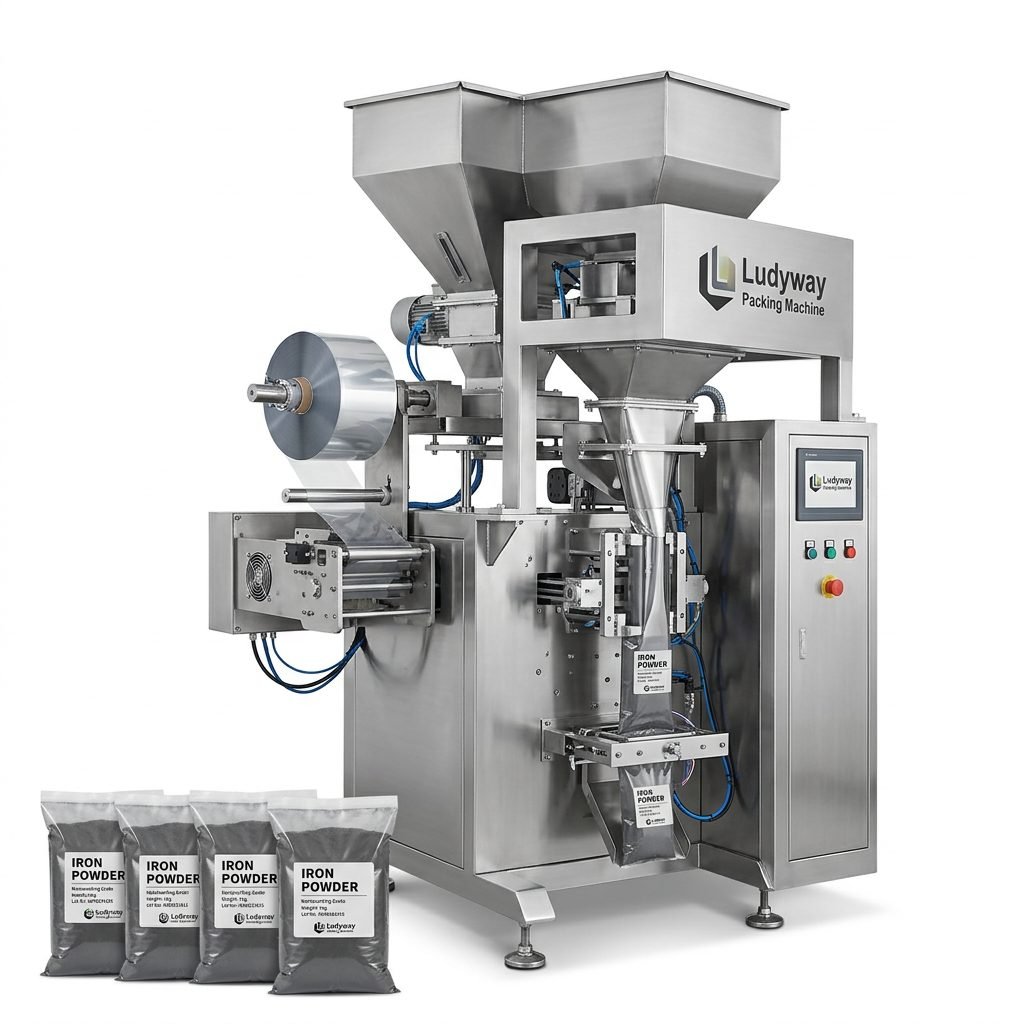
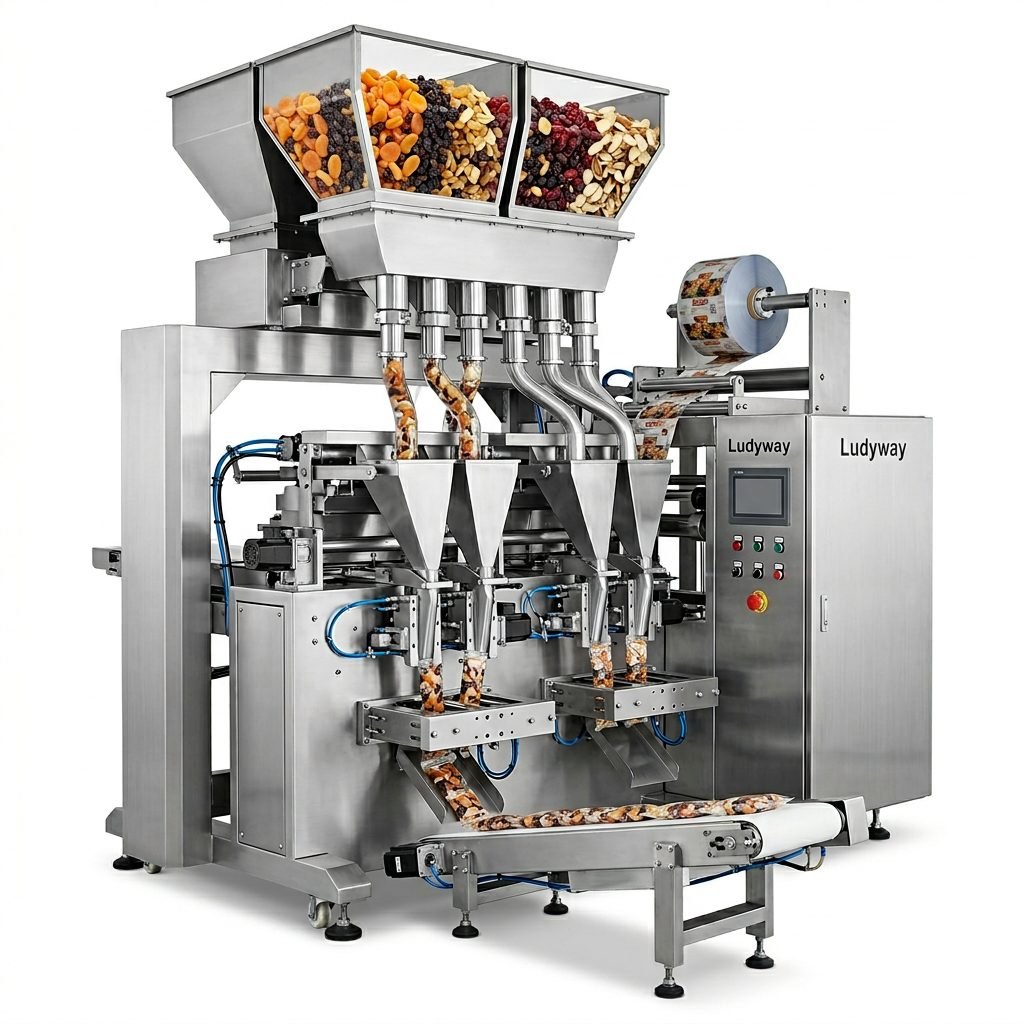
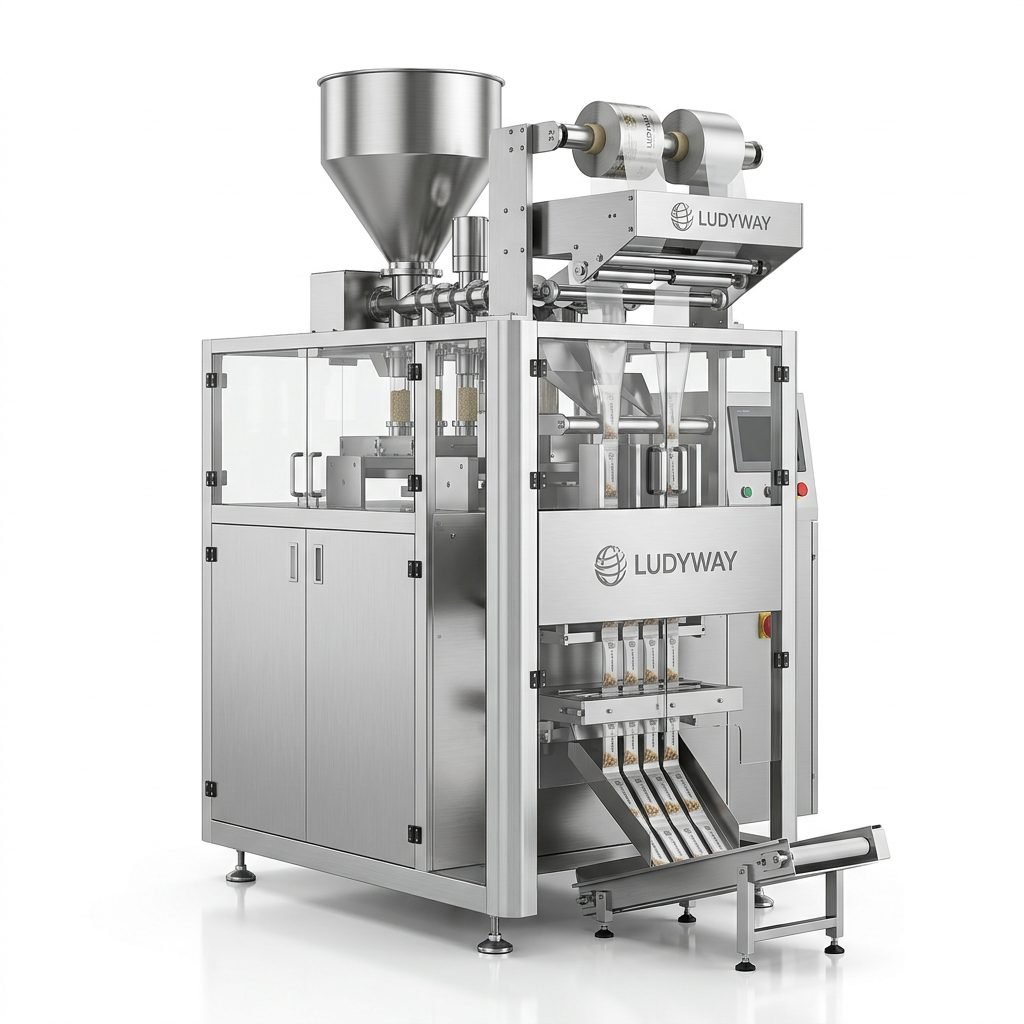
VFFS technology is widely used for stick packs and sachets of powdered ice cream mixes, frozen dessert toppings, and portion-controlled products. These machines form a tube from flat film, fill it vertically, and seal it in a continuous motion. For ice cream applications requiring precise portion control, multi-head weighers or auger fillers can be integrated. According to PMMI packaging industry intelligence, VFFS remains one of the fastest-growing segments in flexible packaging globally.
Horizontal Form-Fill-Seal (HFFS) and Flow Wrapping
For individually wrapped ice cream bars, sandwiches, and cones, horizontal flow wrapping machines provide the ideal solution. Products are fed horizontally into a film tube, which is then sealed and cut between each item. These machines excel at handling delicate frozen products without damage and can achieve speeds exceeding 150 packs per minute on multi-lane configurations.
Multi-Lane Stick Pack and Sachet Machines
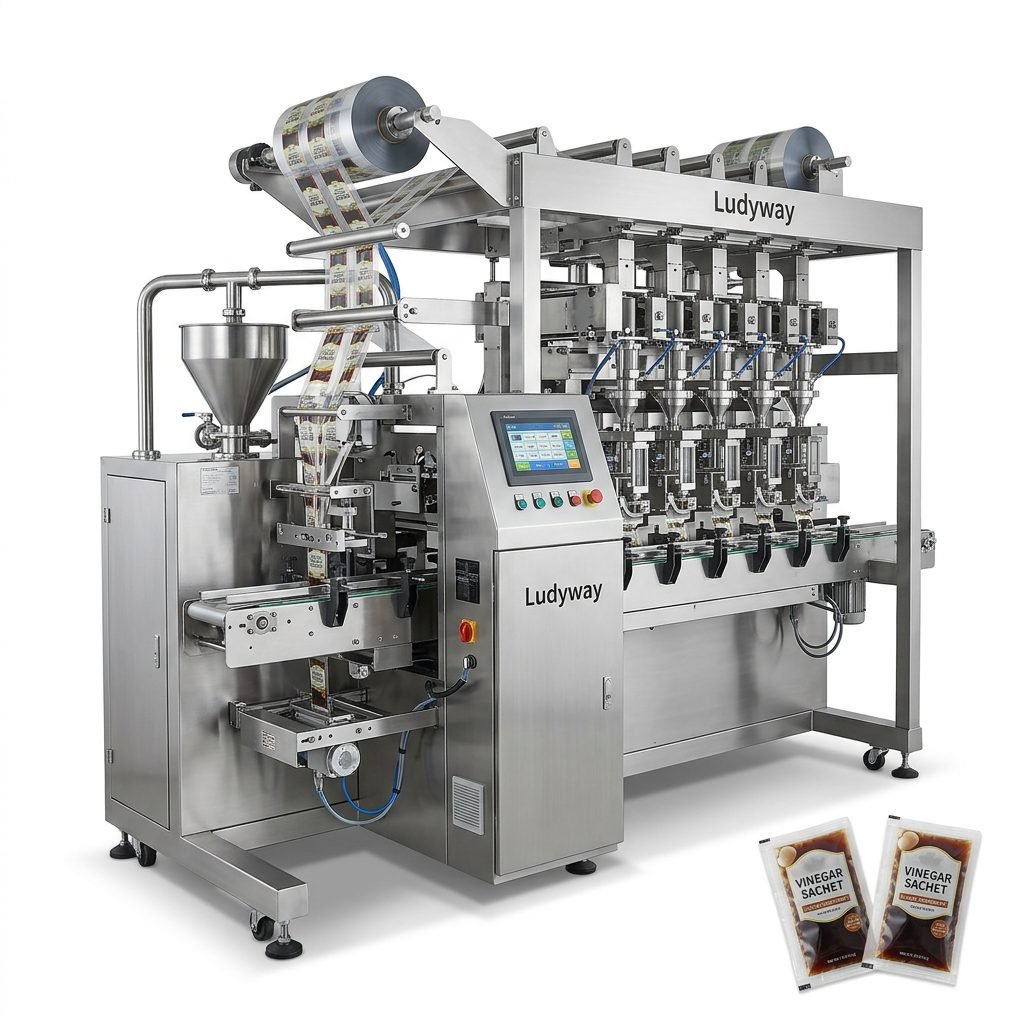
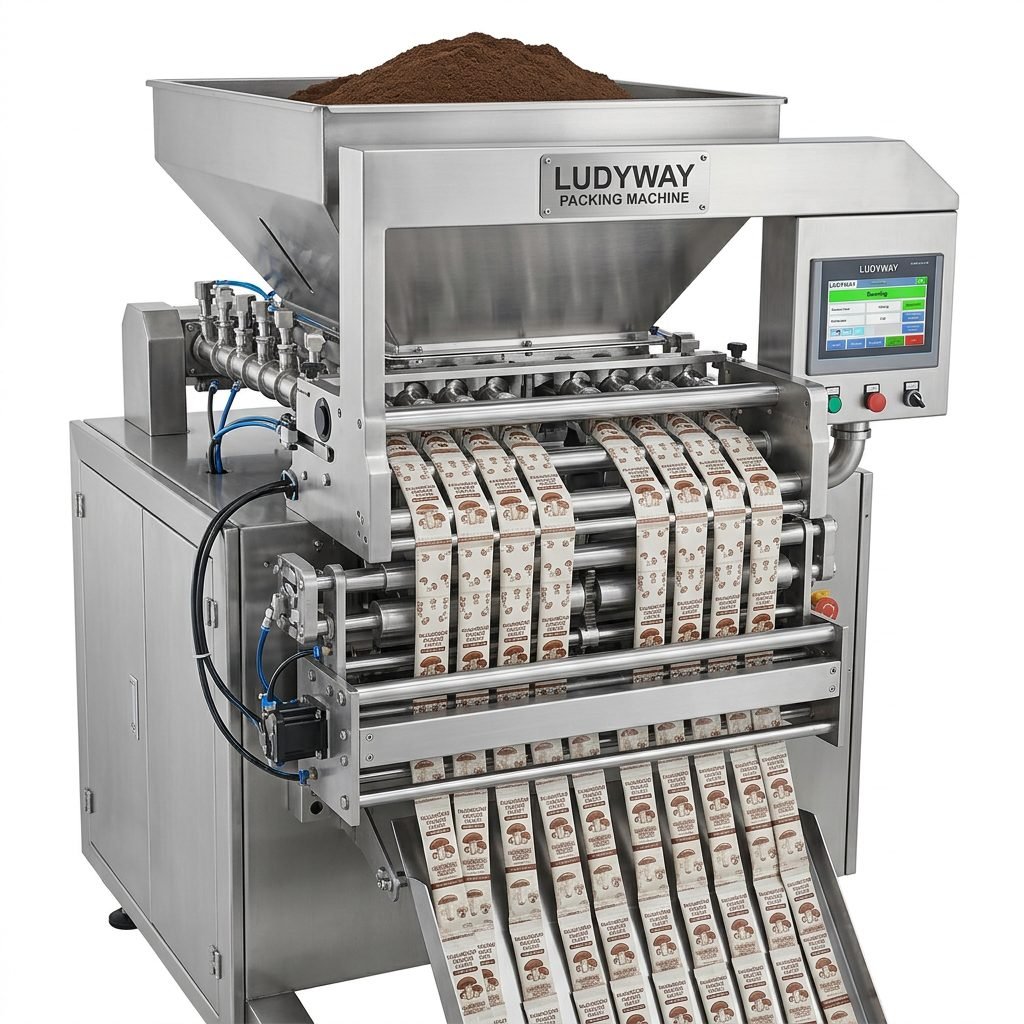
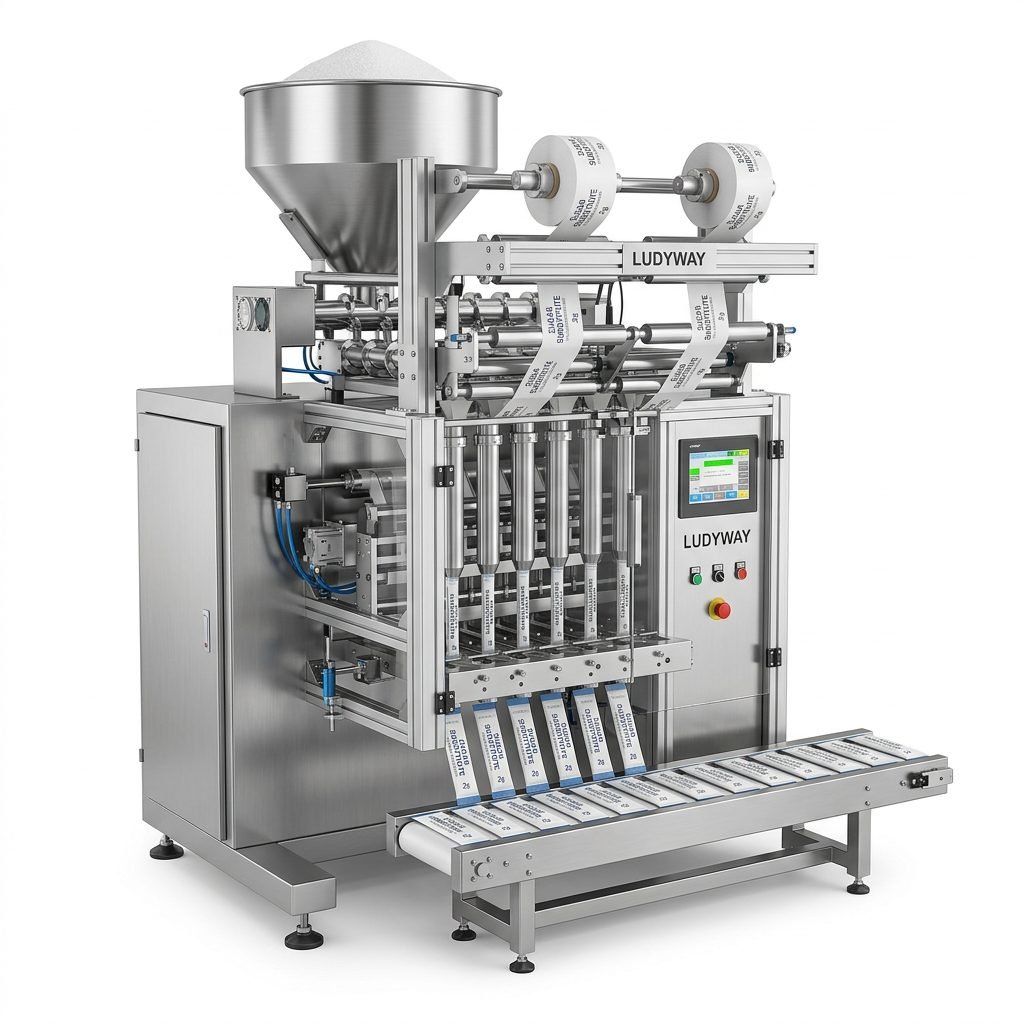
For high-volume production of single-serve ice cream accompaniments, toppings, or frozen drink mixes, multi-lane packaging systems offer unparalleled throughput. Running 4 to 12 lanes simultaneously, these machines can produce thousands of sachets per hour while maintaining excellent fill accuracy. Modern multi-lane systems feature independent lane control, allowing continued production on other lanes during maintenance or film changes on one lane.

UK Regulatory Compliance and Food Safety Standards
Any ice cream packaging machine operating in the United Kingdom must comply with stringent regulatory requirements. Post-Brexit, the UK maintains its own food safety framework while aligning closely with EU standards. Key considerations include:
- UK Food Safety Act 1990 and subsequent amendments governing food contact materials and hygiene
- Materials and articles in contact with food regulations — ensuring all machine surfaces and packaging materials meet UK statutory instruments
- CE/UKCA marking — machinery must carry appropriate conformity markings for the UK market
- EHEDG and 3-A Sanitary Standards — while not legally mandated, compliance with FDA food contact substance guidelines and European hygienic design principles is strongly recommended
Your chosen machine should feature stainless steel construction (preferably AISI 304 or 316), sloped surfaces for drainage, and minimal crevices to prevent bacterial harbourage. Full CIP compatibility is essential for ice cream applications where product residue can pose significant contamination risks.
Automation Level and Integration Capabilities
Modern ice cream packaging lines increasingly incorporate smart automation features that reduce labour costs, improve consistency, and provide valuable production data. When evaluating machines, consider the following automation capabilities:
- Automatic film splicing and registration — reduces downtime for material changes
- Servo-driven sealing and cutting — provides precise control and reduces waste
- Integrated checkweighing and metal detection — ensures product quality and consumer safety
- IoT connectivity and OEE monitoring — enables real-time production tracking and predictive maintenance
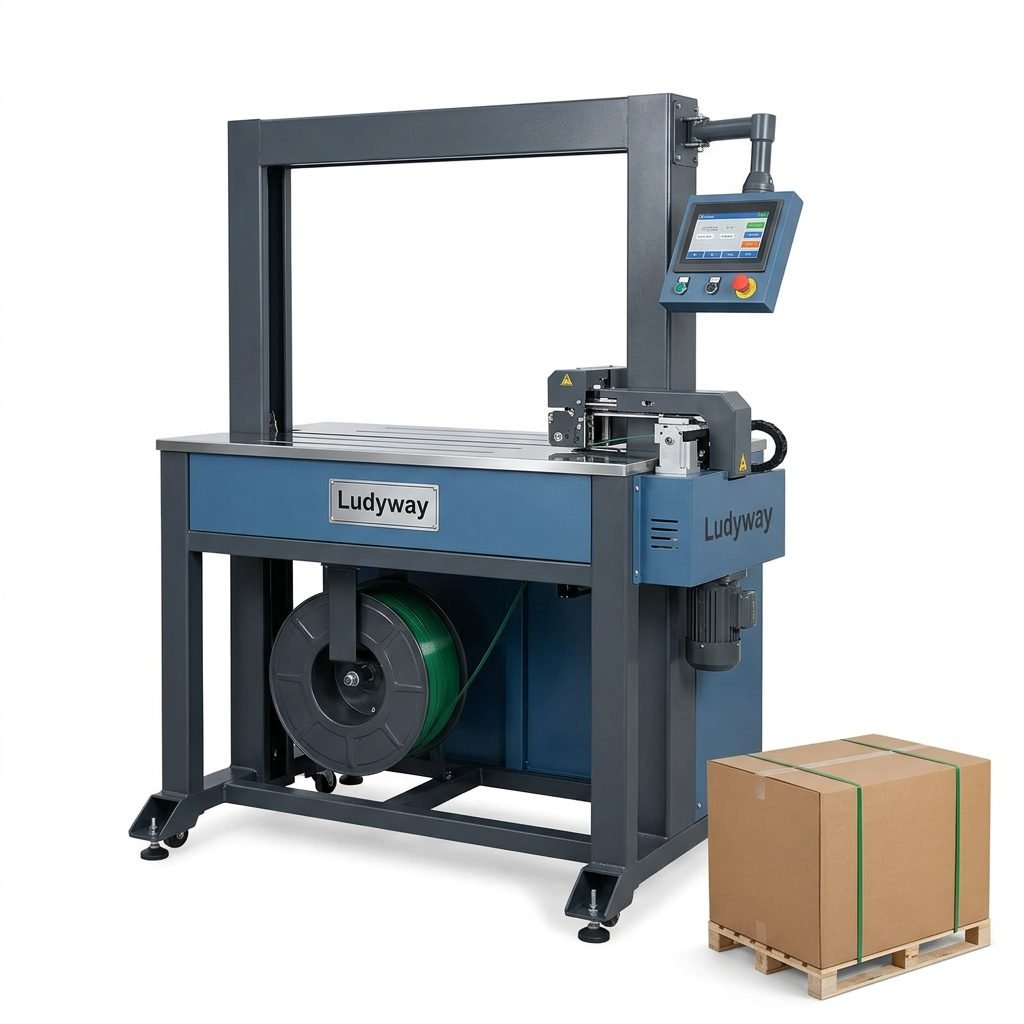
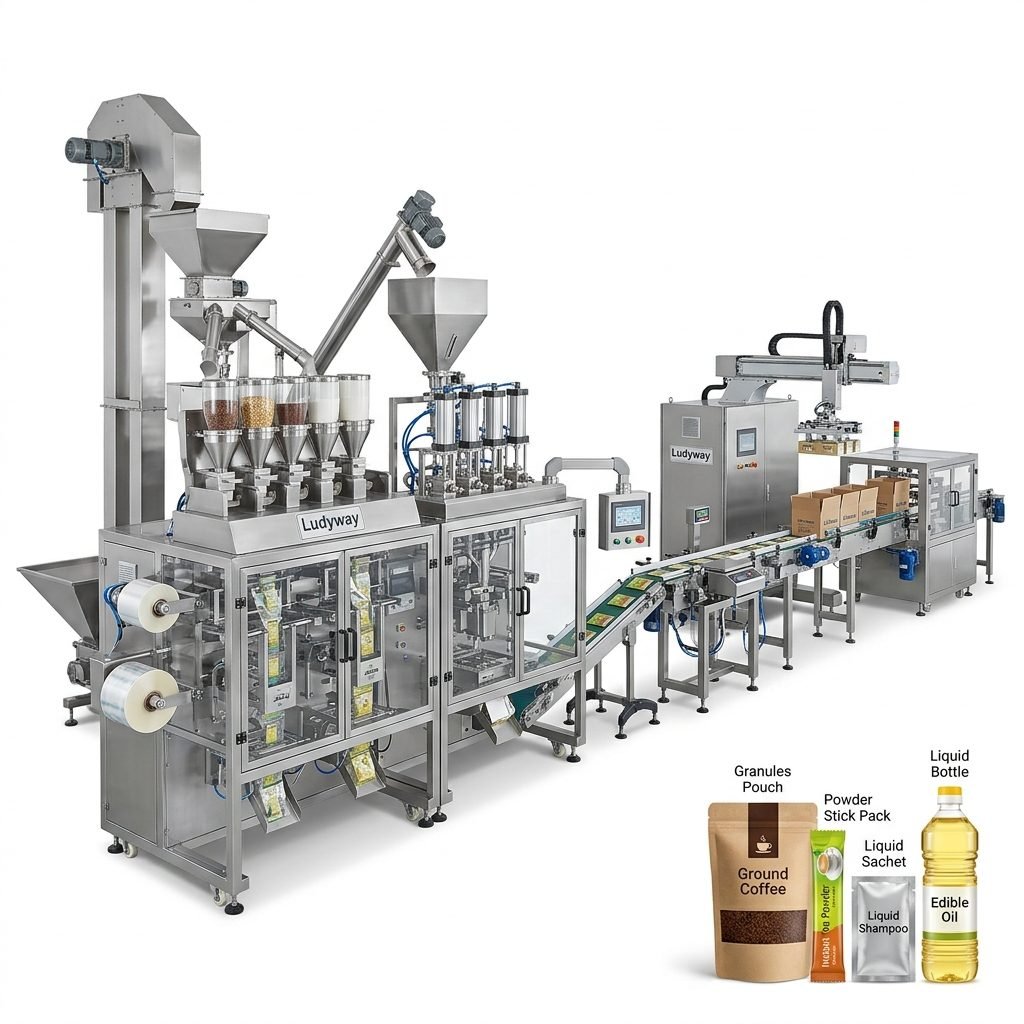
- Robotic pick-and-place for secondary packaging — streamlines the transition from primary to secondary packaging
The ISO packaging standards provide a useful framework for evaluating machine quality and interoperability within automated production environments.
Packaging Materials and Sustainability Considerations
The UK’s focus on sustainable packaging has intensified with the introduction of the Plastic Packaging Tax and extended producer responsibility (EPR) schemes. Your packaging machine must be compatible with emerging sustainable material options:
- Recyclable mono-material films — replacing multi-layer laminates that are difficult to recycle
- Bio-based and compostable films — requiring specific sealing temperature and dwell time adjustments
- Paper-based packaging with barrier coatings — increasingly used for frozen food applications
- Reduced gauge films — demanding precise tension control to prevent tearing during high-speed operation
The Flexible Packaging Association’s industry resources offer valuable insights into material trends and compatibility considerations for packaging machinery. When specifying your machine, ensure it can handle a range of film thicknesses and types without compromising seal integrity at frozen temperatures.
Total Cost of Ownership Analysis
Beyond the initial purchase price, a thorough total cost of ownership (TCO) analysis is essential for making a sound investment decision. Consider these ongoing costs:
| Cost Category | Estimated % of TCO | Key Optimisation Strategies |
|---|---|---|
| Consumables (film, labels) | 35–50% | Negotiate bulk contracts; minimise film waste through precise registration |
| Energy consumption | 8–12% | Select servo-driven machines with energy recovery systems |
| Spare parts and maintenance | 10–15% | Establish preventive maintenance schedules; maintain critical spares inventory |
| Labour | 15–25% | Invest in automation to reduce operator dependency |
| Downtime and lost production | 5–15% | Choose reliable equipment with fast changeover capabilities |
Evaluating Suppliers and After-Sales Support in the UK
The quality of after-sales support can make or break your packaging line’s long-term performance. When evaluating suppliers for your ice cream packaging machine, prioritise the following:
- Local service presence — Does the supplier have UK-based engineers or certified service partners who can respond within 24–48 hours?
- Spare parts availability — Are critical spares stocked in the UK or Europe, or will they need to be shipped from overseas with extended lead times?
- Operator training programmes — Comprehensive training reduces the learning curve and minimises operational errors during the critical commissioning phase.
- Remote diagnostics capability — Modern machines with remote access allow suppliers to troubleshoot issues without an on-site visit, significantly reducing downtime.
- Warranty terms — Look for minimum 12-month warranties with clear coverage of parts and labour.
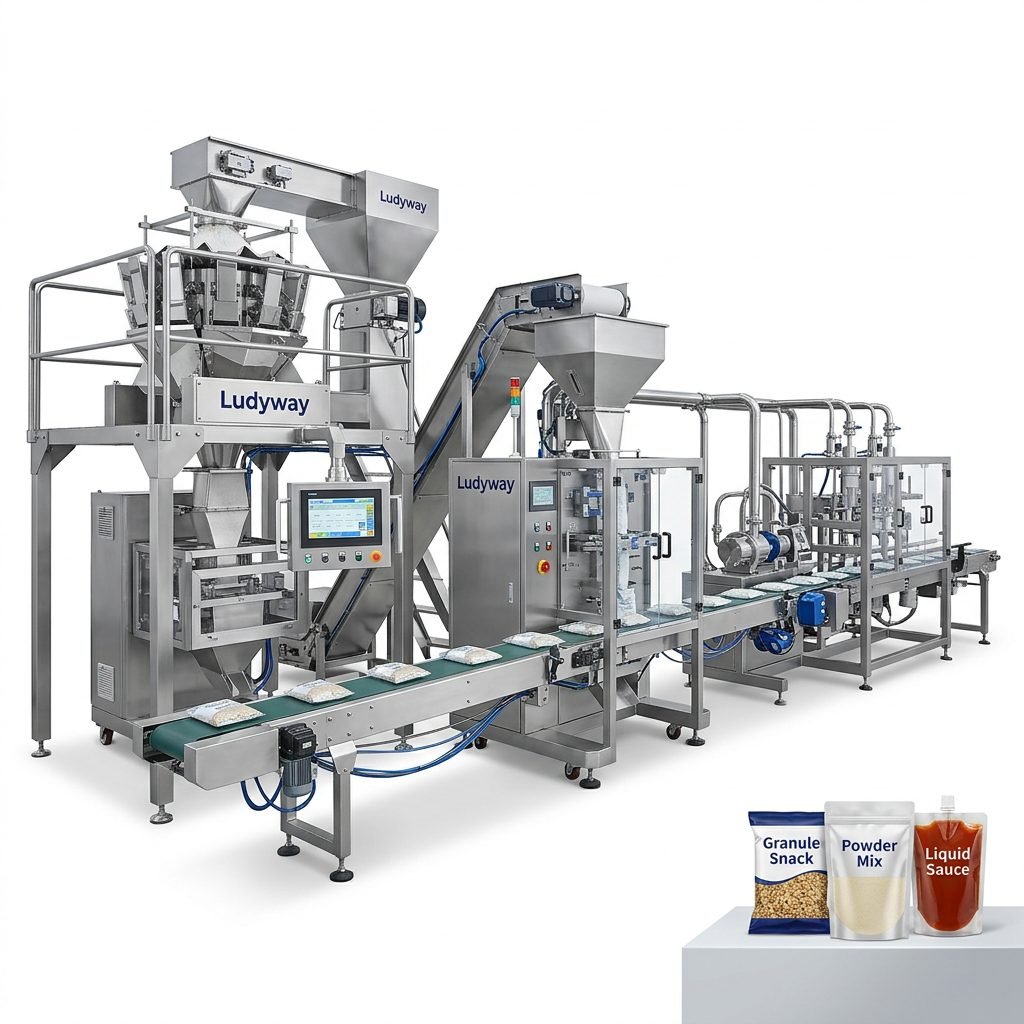
One notable global manufacturer in this space is Ludyway, a leading packaging machine manufacturer with over 30 years of industry experience. They offer more than 50 intelligent packaging machine models, including multi-lane stick pack, sachet, and fully automated packaging systems suitable for frozen dessert and ice cream applications. Their modern 20,000 m² manufacturing facility and engineering expertise make them a supplier worth considering when sourcing turnkey ice cream packaging solutions. For detailed market analysis, the PMMI State of the Industry report provides excellent benchmarking data.
Common Mistakes to Avoid When Buying
Many first-time buyers fall into predictable traps when purchasing ice cream packaging equipment. Being aware of these pitfalls can save you significant time and money:
- Underestimating seasonal capacity requirements — The UK ice cream market experiences dramatic summer peaks. Ensure your machine can handle maximum demand without bottlenecks, or plan for modular expansion.
- Overlooking film compatibility testing — Always conduct trials with your actual packaging materials before finalising a machine purchase. Sustainable films often behave differently than conventional laminates.
- Ignoring the cold chain infrastructure — The packaging room environment (temperature, humidity, air quality) directly impacts machine performance. Factor in facility modifications if needed.
- Choosing based on price alone — The lowest upfront cost often translates to higher TCO through increased downtime, film waste, and maintenance requirements.
- Neglecting future format flexibility — If you plan to introduce new product lines or packaging formats, invest in a machine with modular design that can be upgraded rather than replaced.
Making the Final Decision: A Step-by-Step Checklist
Use this practical checklist to structure your evaluation process and ensure no critical factors are overlooked:
- Define your primary and secondary packaging formats — confirm tub sizes, sachet dimensions, or flow-wrap requirements
- Calculate required throughput — include buffer capacity for seasonal peaks
- Verify material compatibility — test all intended films and laminates on demonstration machines
- Assess facility readiness — confirm utility connections (compressed air, electrical, water), floor space, and cold chain infrastructure
- Review regulatory documentation — ensure the machine meets UKCA marking requirements and food contact material regulations
- Evaluate total cost of ownership — request detailed cost breakdowns including consumables, energy, and spare parts
- Check supplier references — speak with existing UK customers about their real-world experience with the equipment and after-sales support
- Negotiate service level agreements — secure response time guarantees and spare parts availability commitments in writing
For businesses seeking to stay ahead of packaging technology trends, the PACK EXPO International exhibition and European Commission packaging regulations portal are excellent resources for ongoing education and market intelligence.
Final Thoughts
Choosing the best ice cream packaging machine in the UK requires a methodical approach that balances technical specifications, regulatory compliance, total cost of ownership, and supplier reliability. By thoroughly evaluating your production needs, testing materials, and prioritising after-sales support, you can secure a packaging solution that delivers consistent performance, product quality, and profitability for years to come. Remember that the right machine is not necessarily the most expensive, but rather the one that best aligns with your operational requirements and growth ambitions.