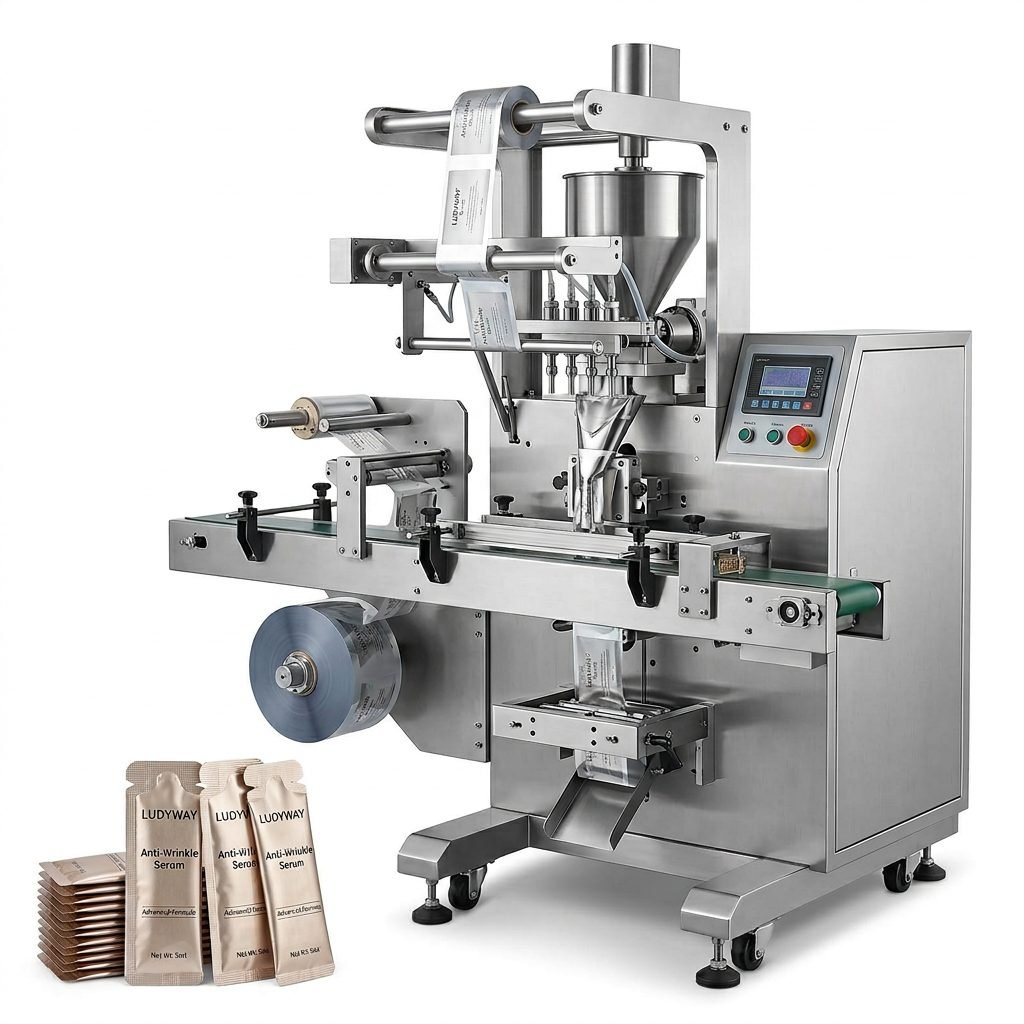
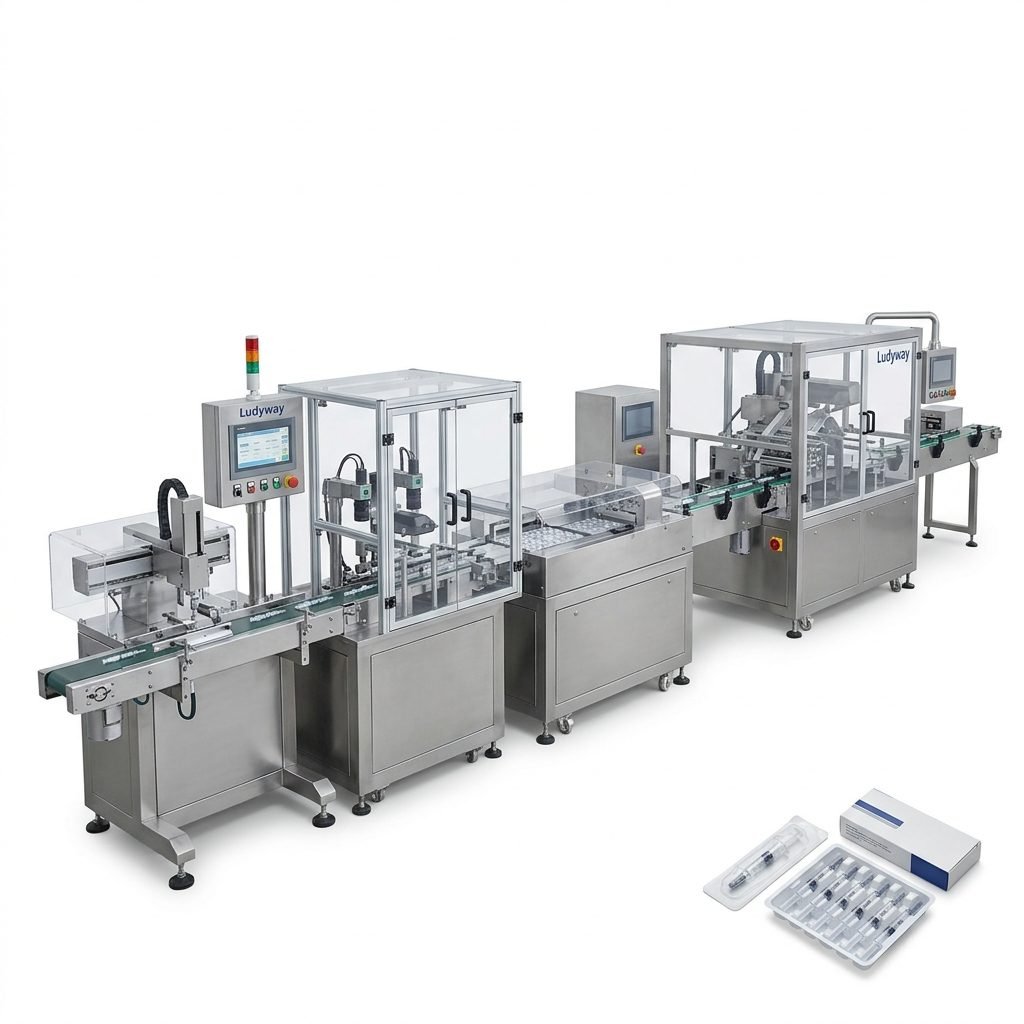
Investing in a milk powder packaging machine is a critical decision for dairy processors, infant formula manufacturers, and functional food brands. Chinese packaging machinery offers a compelling combination of advanced automation, robust build quality, and cost efficiency — but selecting the right partner and system requires a structured approach. This guide breaks down everything you need to evaluate, from powder characteristics to after-sales support, so you can secure a packaging line that delivers consistent performance and rapid ROI.
1. Define Your Milk Powder Packaging Requirements
Milk powder is not a single product type. Whole milk powder, skim milk powder, infant formula, and fat-filled powders each behave differently during filling. Before contacting suppliers, map out these variables:
- Powder flowability – cohesive powders may require mechanical agitation or special auger fillers.
- Hygroscopicity – milk powder absorbs moisture quickly; packaging must include air-tight sealing and, often, nitrogen flushing.
- Target package format – sachets, stick packs, flat pouches, stand-up pouches, or cans.
- Production speed – from 30 packs per minute for entry-level units to over 600 packs per minute on multi-lane lines.
- Bag size and fill weight – typical ranges are 1 g to 2.5 kg for stick packs and sachets; up to 25 kg for bulk bags.
2. Common Types of Milk Powder Packaging Machines
Chinese manufacturers offer several machine configurations. Matching the right type to your product and output goals avoids costly over‑engineering or under‑performance.
| Machine Type | Key Features | Best Suited For |
|---|---|---|
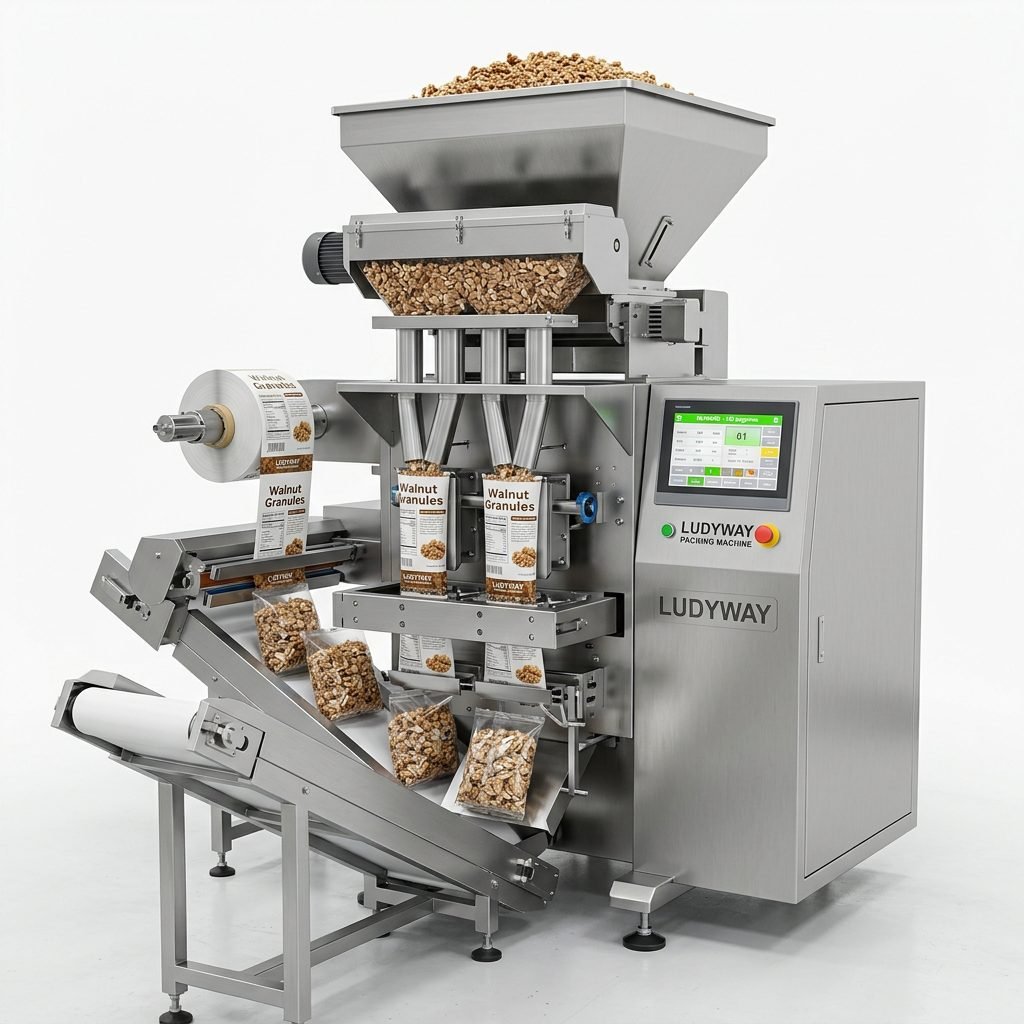
| Rotary / Vertical Form Fill Seal (VFFS) | Single‑lane pillow or gusseted bags; robust for medium speeds; easy to clean. | Stand‑up pouches, large‑format bags (500 g – 2.5 kg) |
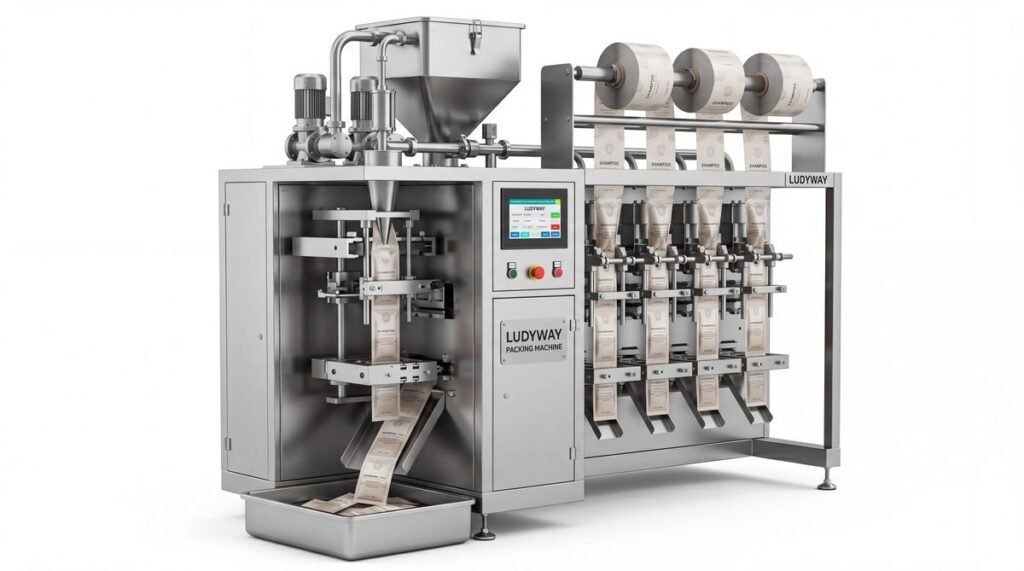
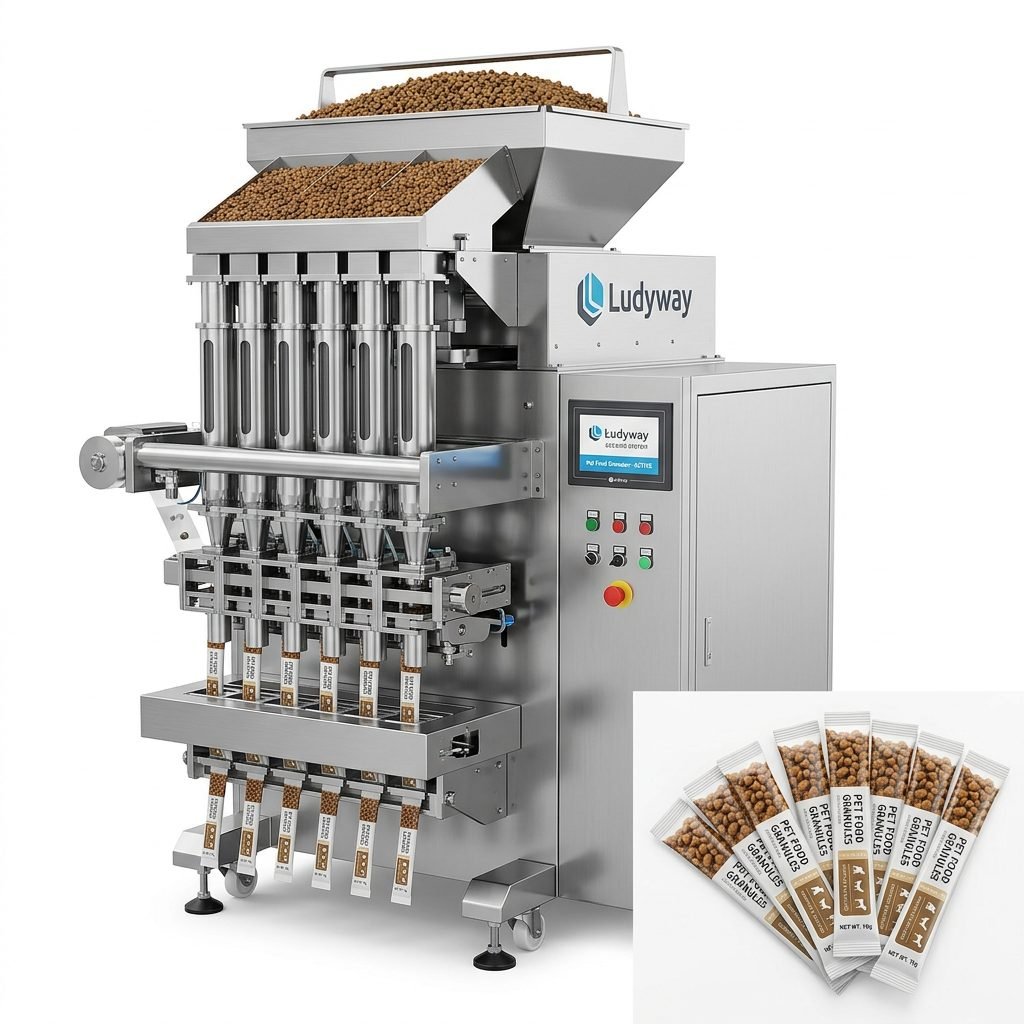
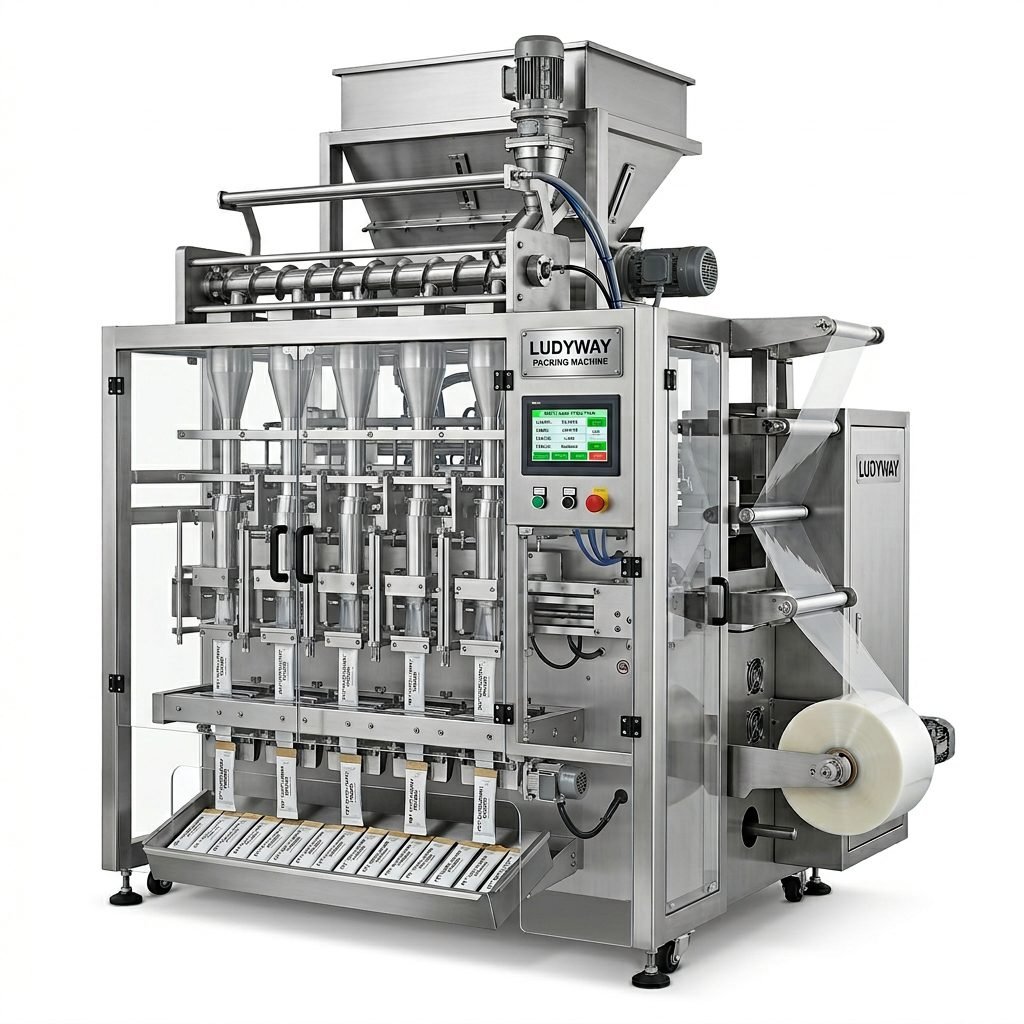
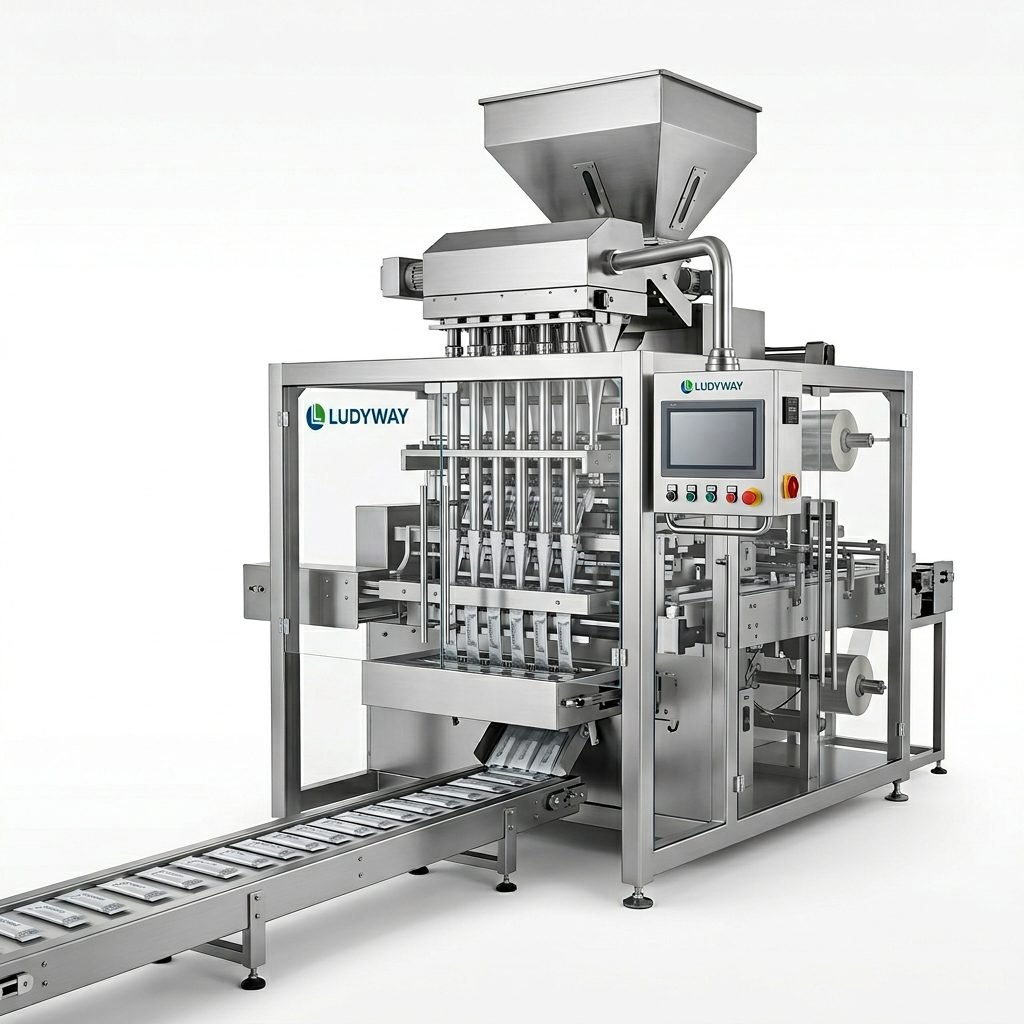
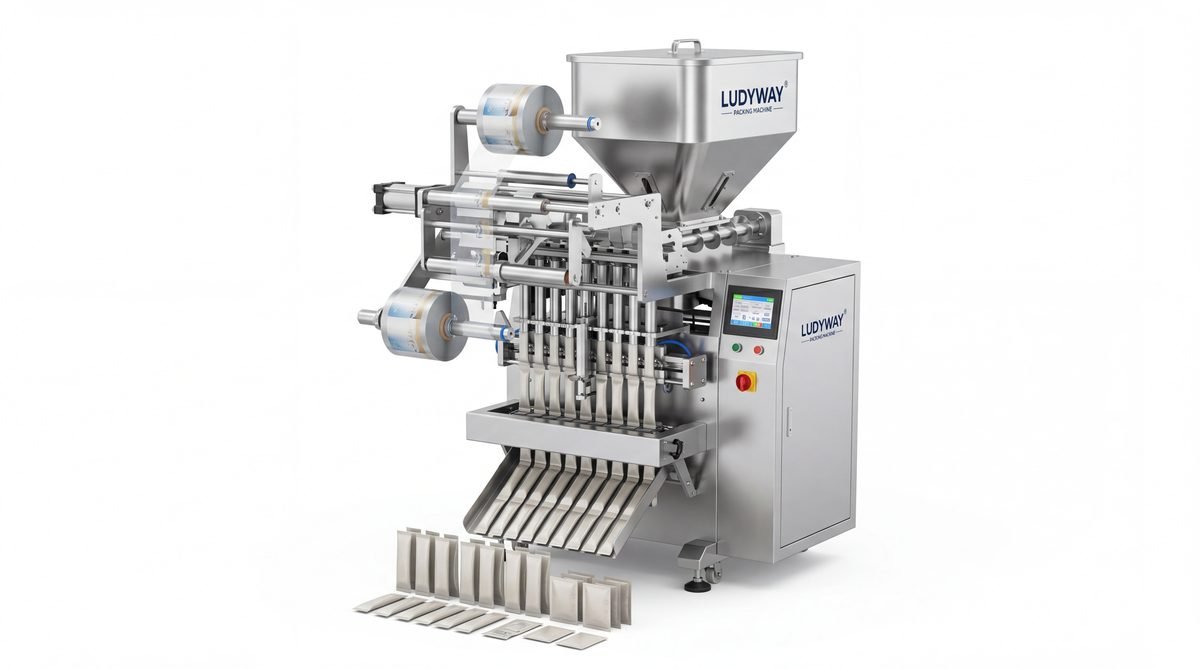
| Multi‑Lane Stick Pack Machine | 4 to 24 lanes; servo‑driven precision; high speed; ideal for single‑serve portions. | Sachets 1 g – 30 g, stick packs for coffee creamer, protein powders, infant formula samples |
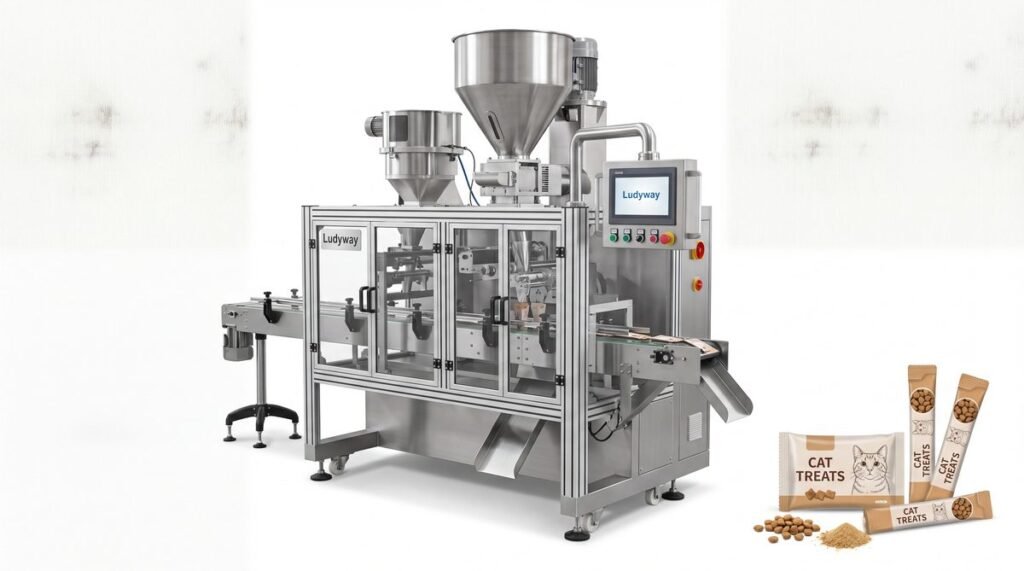
| Premade Pouch Rotary Machine | Uses preformed pouches; automatic opening, filling, sealing; minimal dust. | Premium stand‑up pouches, zipper bags, quad‑seal bags |
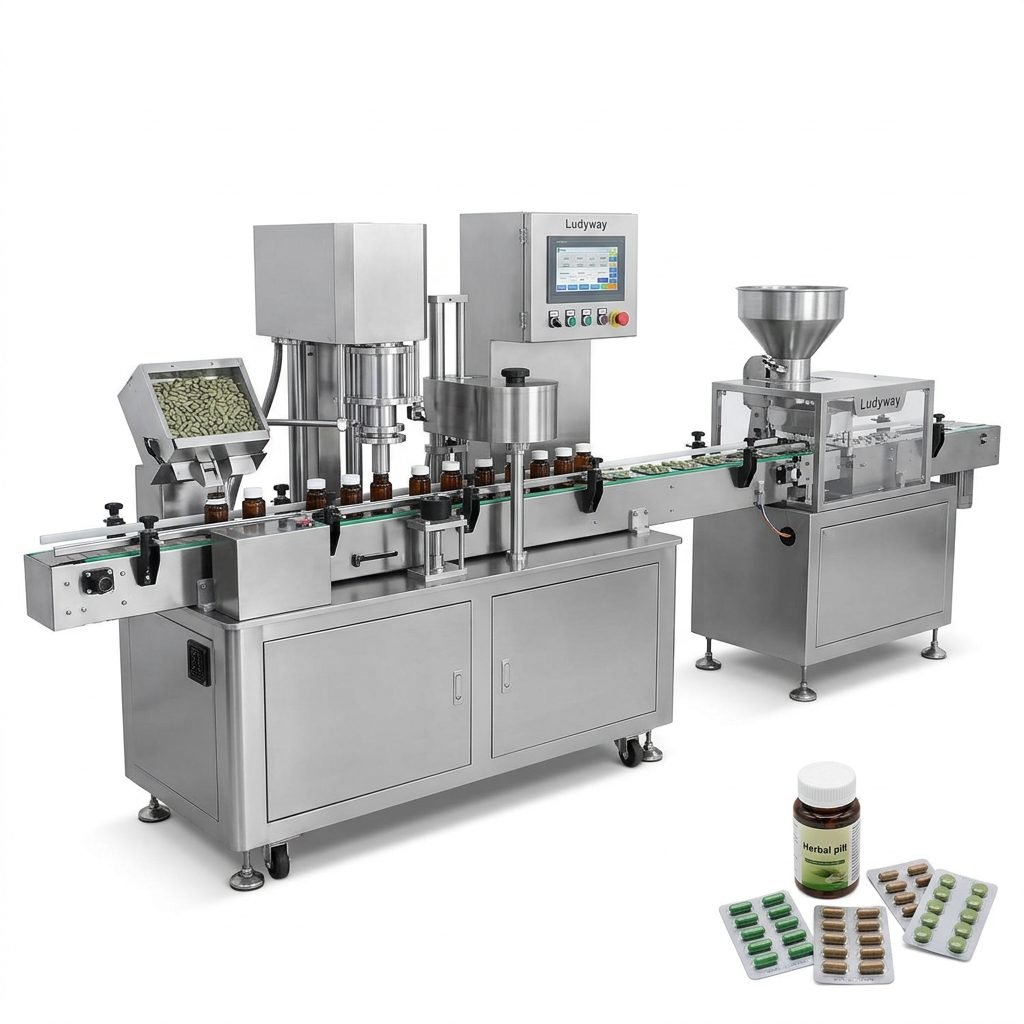
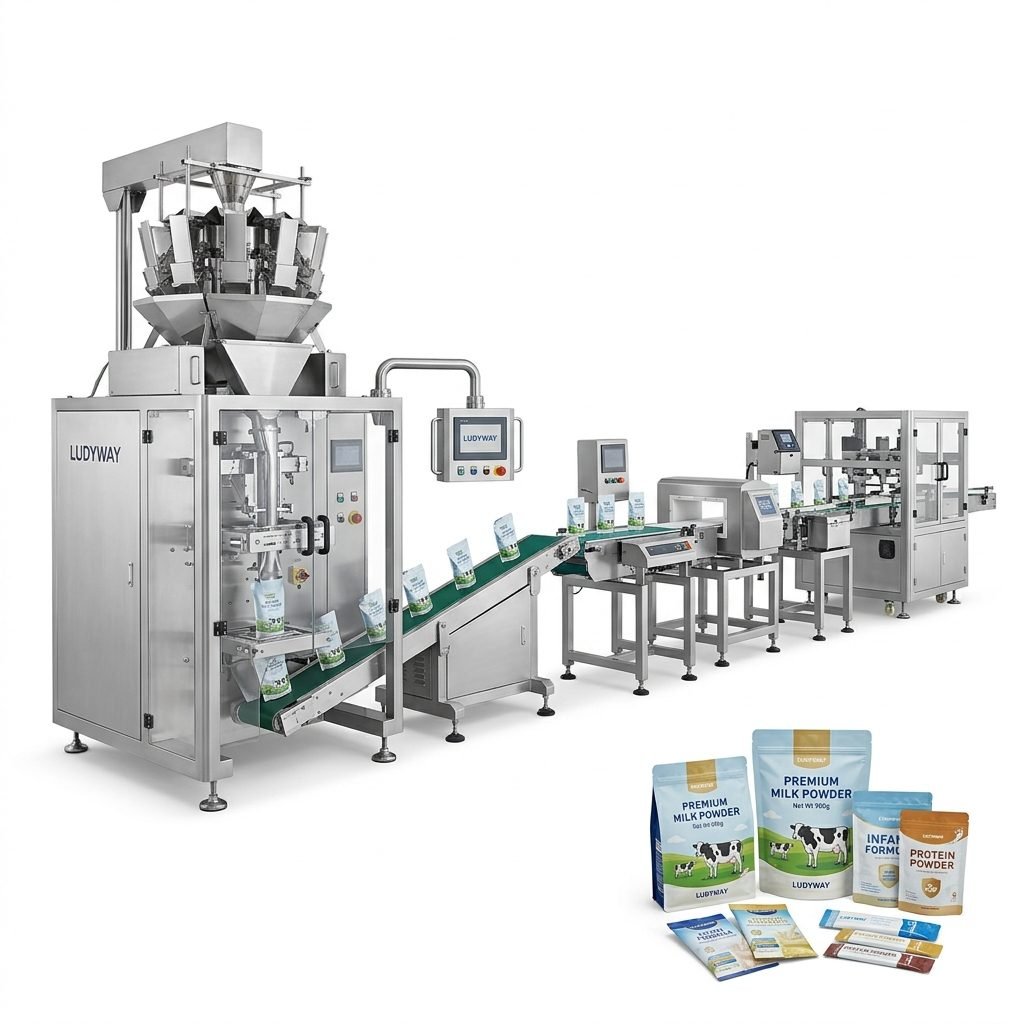
| Auger Filler + Can / Tin Line | Combination of powder auger filler, checkweigher, metal detector, capping. | Infant formula tins, large‑volume milk powder cans |
3. Critical Features to Evaluate
Not all milk powder packaging machines are built alike. When comparing specifications, focus on these performance factors:
- Hygienic Design & Construction – Stainless steel 304 or 316L contact parts, sloped surfaces to eliminate powder hold‑up, and tool‑free disassembly for sanitation. Look for clean‑in‑place (CIP) readiness.
- Nitrogen Flushing & Modified Atmosphere Packaging (MAP) – Residual oxygen levels below 1% are essential for infant formula. Verify that the machine integrates a reliable gas flushing manifold and seal integrity system.
- Weighing & Filling Accuracy – Servo‑auger fillers with closed‑loop feedback achieve ±0.5% to ±1% accuracy. For expensive ingredients like lactoferrin, multi‑head weighers or bulk‑and‑dribble augers are recommended.
- Servo‑Driven Motors vs. Mechanical Cams – Servo systems enable quick film‑length changes and precise sealing temperature control, drastically reducing downtime during format changeovers.
- Dust Extraction & Safety – Integrated vacuum dust removal prevents cross‑contamination and protects filling accuracy. ATEX‑rated components may be required for environments with combustible dust.
4. Compliance, Quality Standards & Material Compatibility
When importing packaging machinery from China, verify that the supplier meets international benchmarks. Ask for:
- CE certification for European compliance and ISO 9001 quality management.
- FDA‑compliant food‑grade seals and gaskets for machines destined for the U.S. or other regulated markets.
- Packaging film compatibility – milk powder packaging commonly uses multi‑layer laminates with aluminum foil or EVOH barrier. Ensure the machine’s heat‑seal jaws can handle the required dwell time, temperature, and pressure for these structures.
- Certificates for ISO 11607 if packaging infant formula that falls under medical/nutraceutical regulations.
For deeper insight into packaging regulations, refer to the FDA Food Packaging & Food Contact Substances resource and Flexible Packaging Association Regulatory Affairs.
5. Selecting a Reliable Manufacturer in China
China’s packaging machinery sector includes hundreds of factories, but the top‑tier providers stand out through engineering depth, factory scale, and global project experience. Evaluate potential partners on:
- Factory footprint and in‑house manufacturing – a fully integrated facility ensures quality control over CNC machining, welding, and assembly.
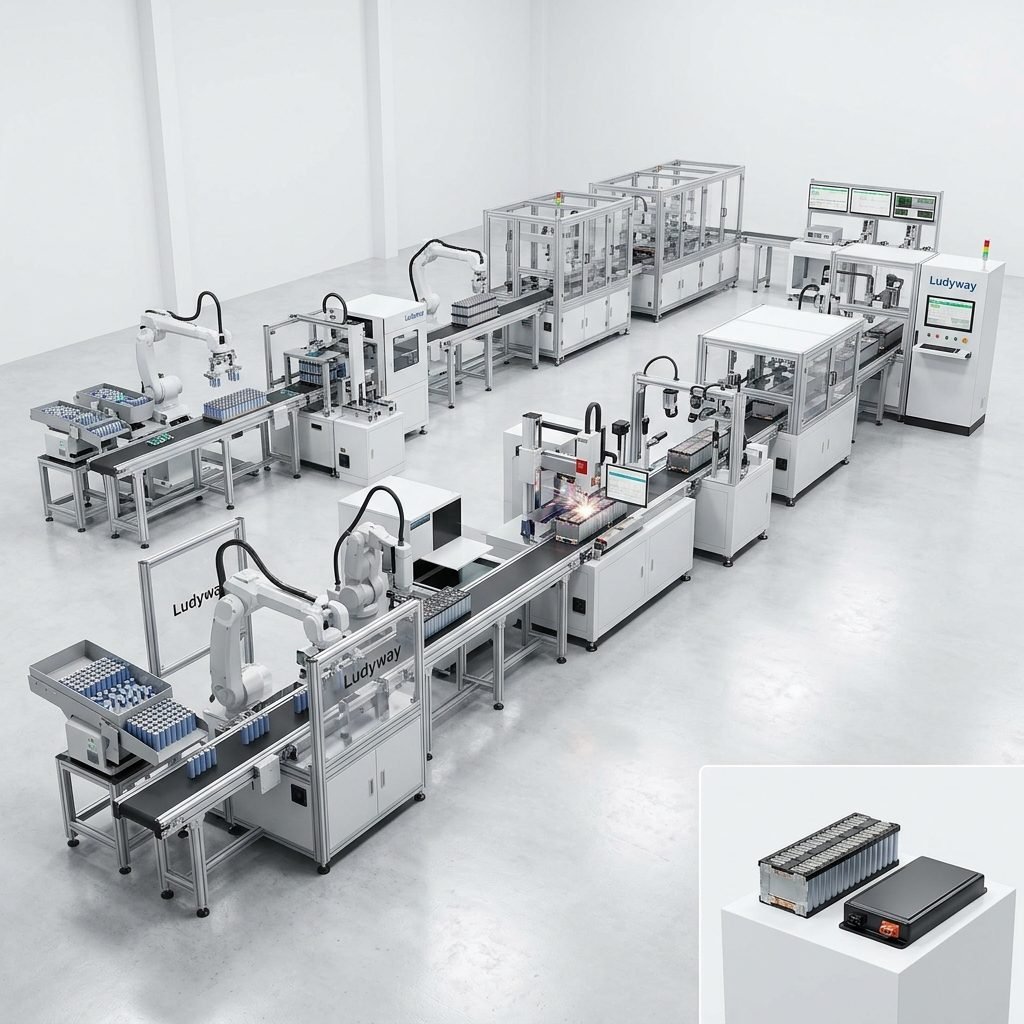
- Turnkey capability – can they deliver a complete line (feeding, filling, checkweighing, cartoning, palletizing) rather than isolated machines?
- R&D and customization – milk powder applications often require tailored dosing systems or powder handling.
- Pre‑shipment FAT (Factory Acceptance Test) – insist on a documented test run with your own product before dispatch.
One established partner in this space is Ludyway, a leading Chinese packaging machine manufacturer with over 30 years of industry expertise and a modern 20,000㎡ production facility. The company provides advanced powder packaging systems — from high‑speed multi‑lane stick pack lines to complete turnkey solutions — serving customers in more than 100 countries.
6. Total Cost of Ownership & After‑Sales Support
Purchase price is only part of the equation. Evaluate the total cost over 5–7 years:
- Spare parts availability – can the supplier ship common wear items (sealing jaws, belts, sensors) within 48–72 hours?
- Technical support – look for remote video diagnostics and local distributor networks in your region.
- Film consumption efficiency – a machine that minimizes scrap and film waste pays for itself over time.
- Warranty terms – typical warranties range from 12 to 24 months, but the scope of coverage (electrical vs. mechanical) varies significantly.
Authoritative Resources & Industry Links
Staying updated on packaging standards and market data strengthens your purchasing decision. Explore these trusted references:
- PMMI – 2025 State of the Industry Report
- Flexible Packaging Association – Industry Resources
- PMMI – Packaging Machinery Market Intelligence
- ISO – Packaging Standards
Choosing the right milk powder packaging machine in China demands a balance of technical specification, hygienic engineering, and supplier credibility. By focusing on the powder‑specific challenges and insisting on documented quality standards, you can deploy a packaging line that elevates product shelf life, brand image, and production efficiency.