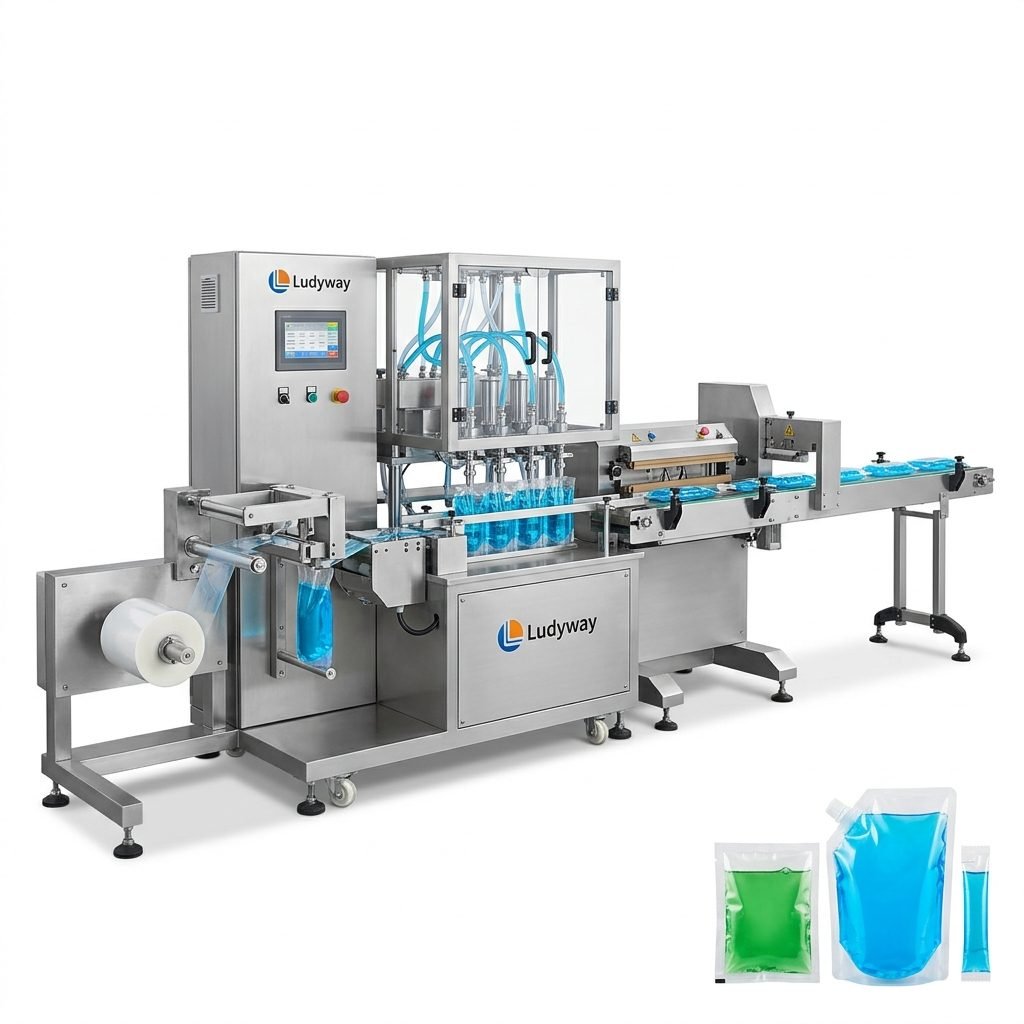
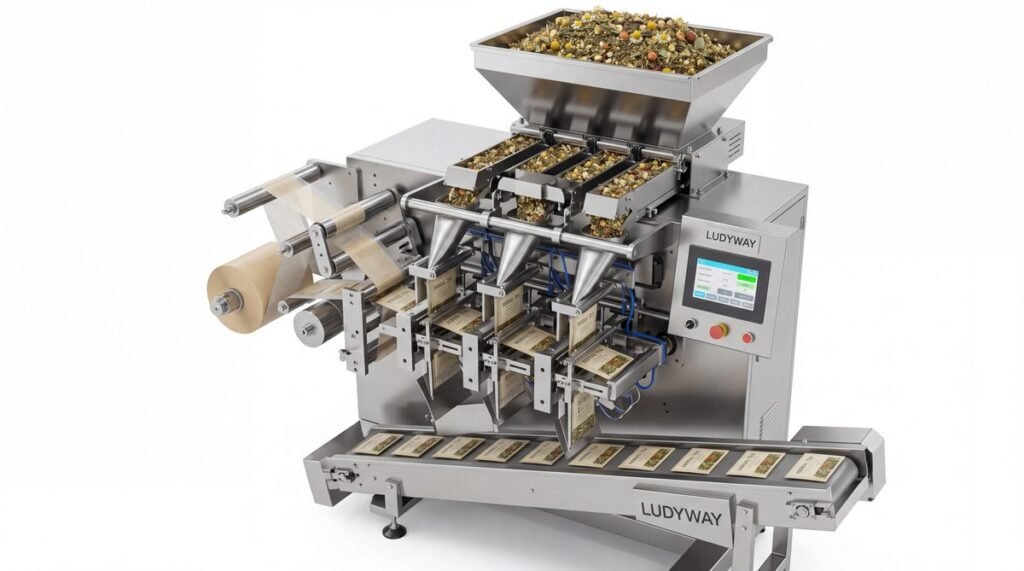
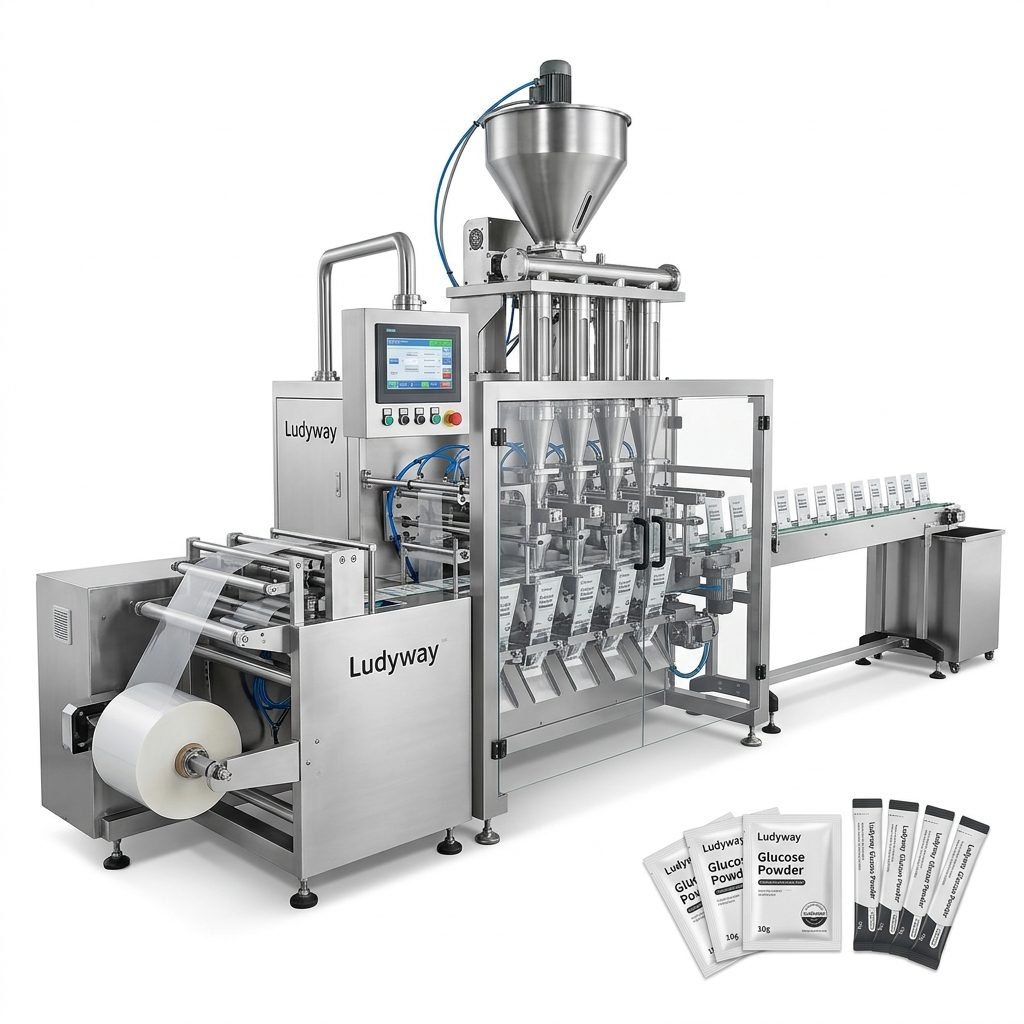
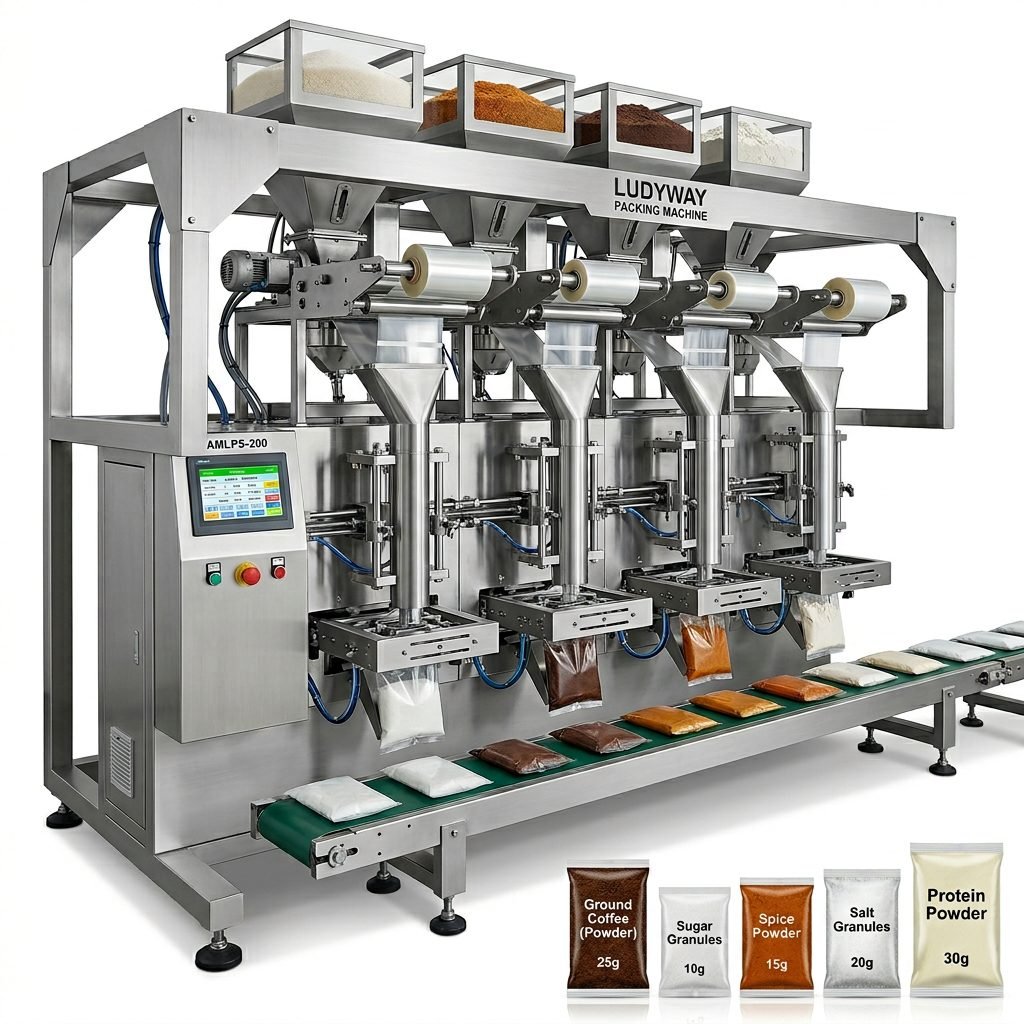
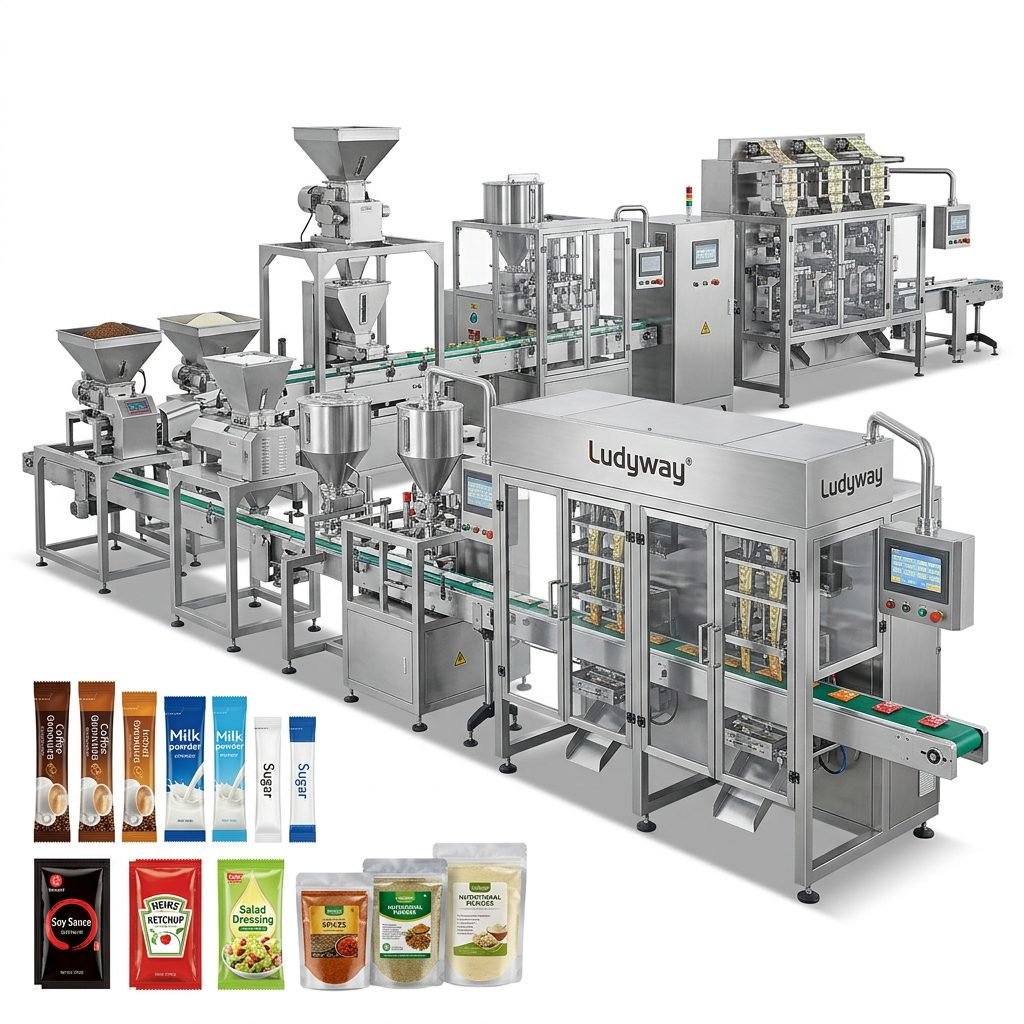
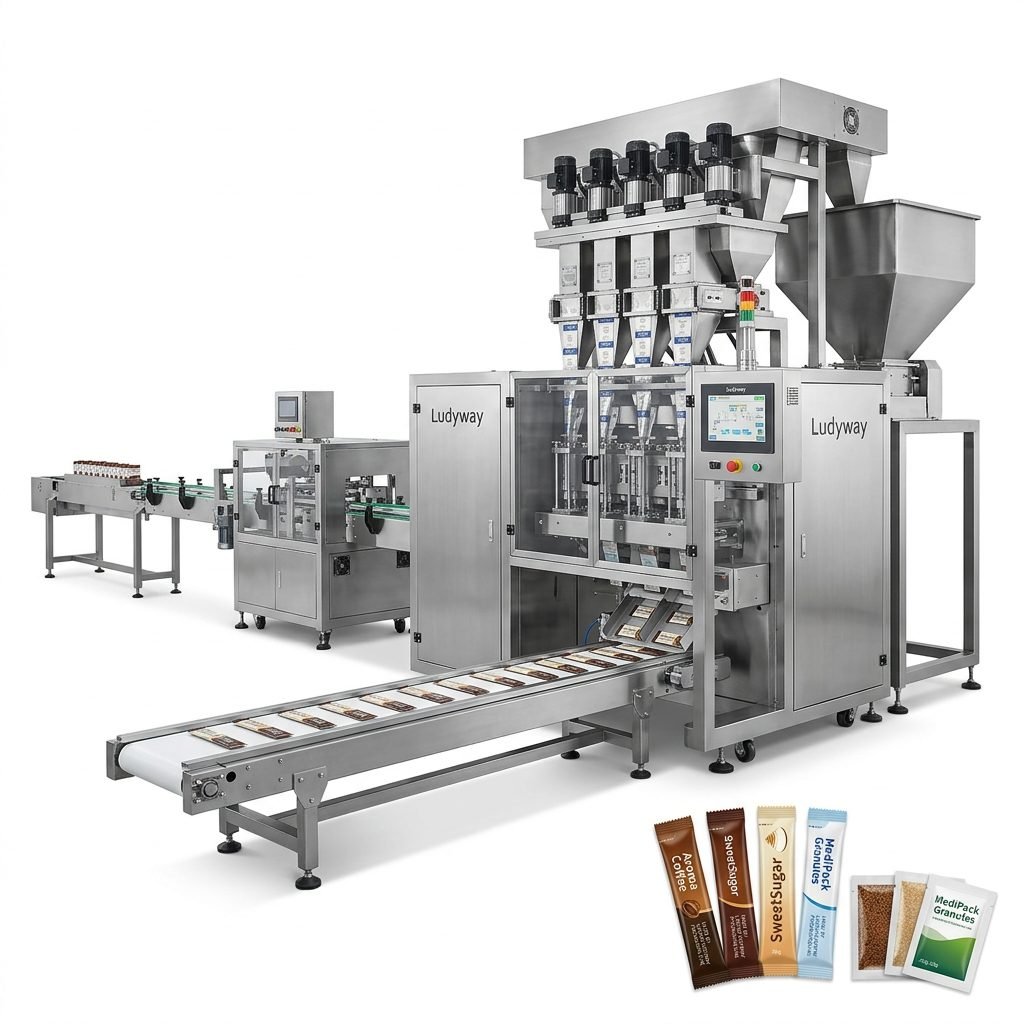
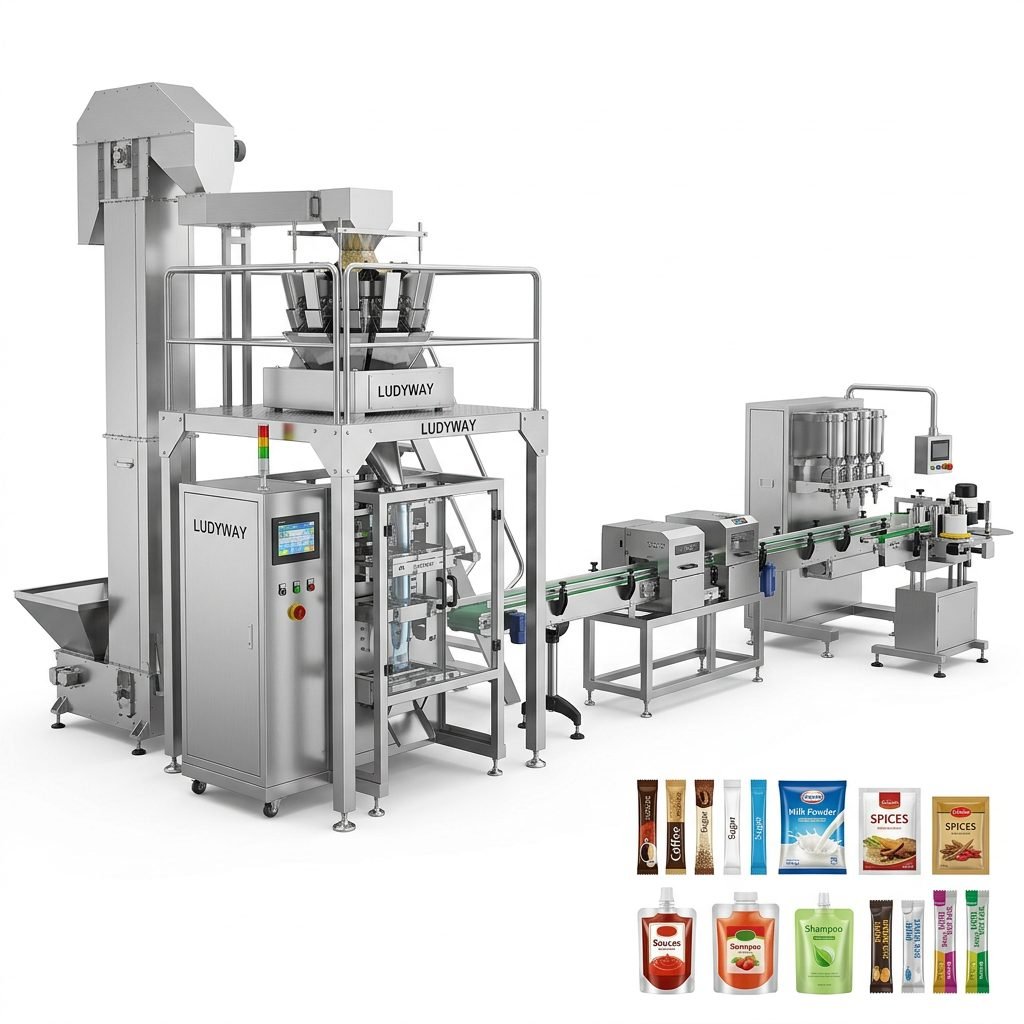
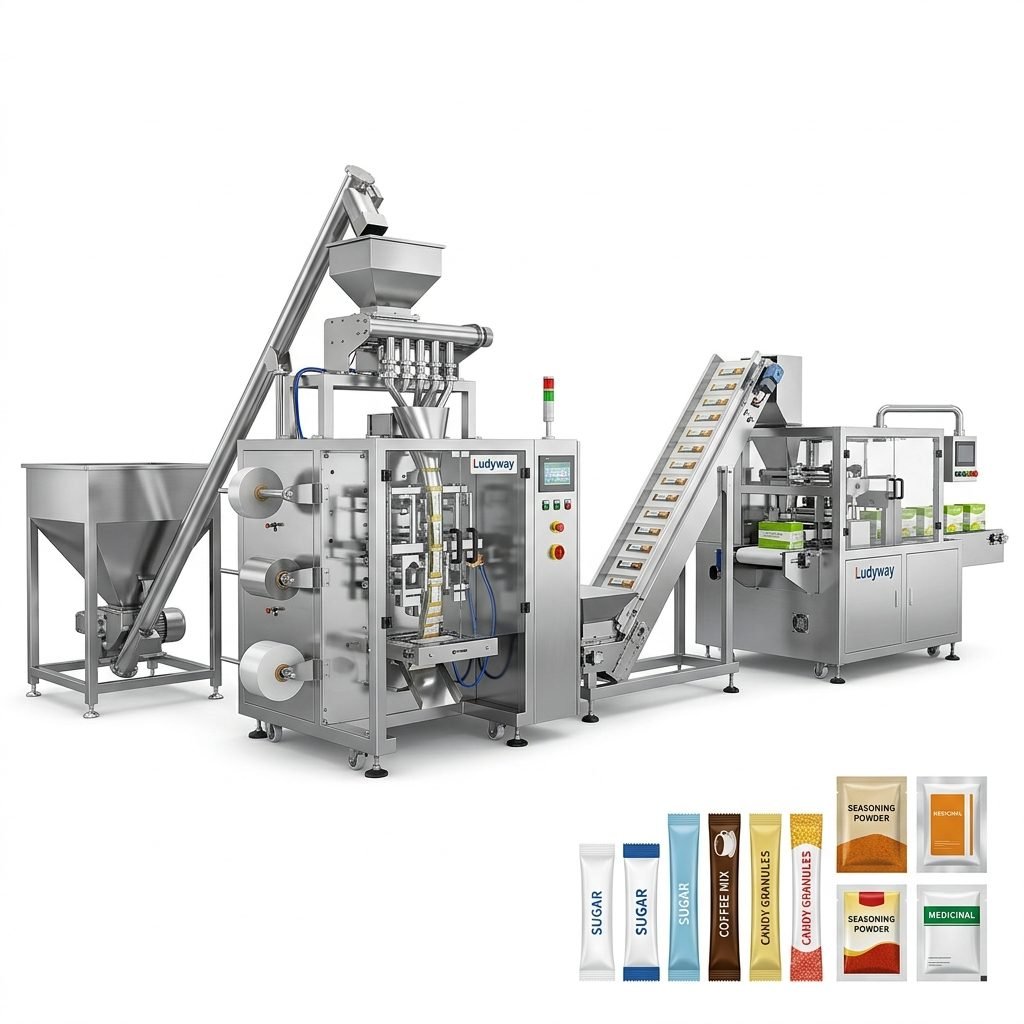
Investing in a cookie packaging machine is a strategic move that can dramatically scale your bakery or food manufacturing business. Whether you are packaging delicate shortbread, soft-baked chocolate chip cookies, or crunchy biscuits, the right automated system ensures product freshness, elevates brand perception, and boosts operational efficiency. This comprehensive guide walks you through machine types, key features, and critical considerations to help you make a confident purchasing decision.
Why Upgrade to an Automatic Cookie Packaging System?
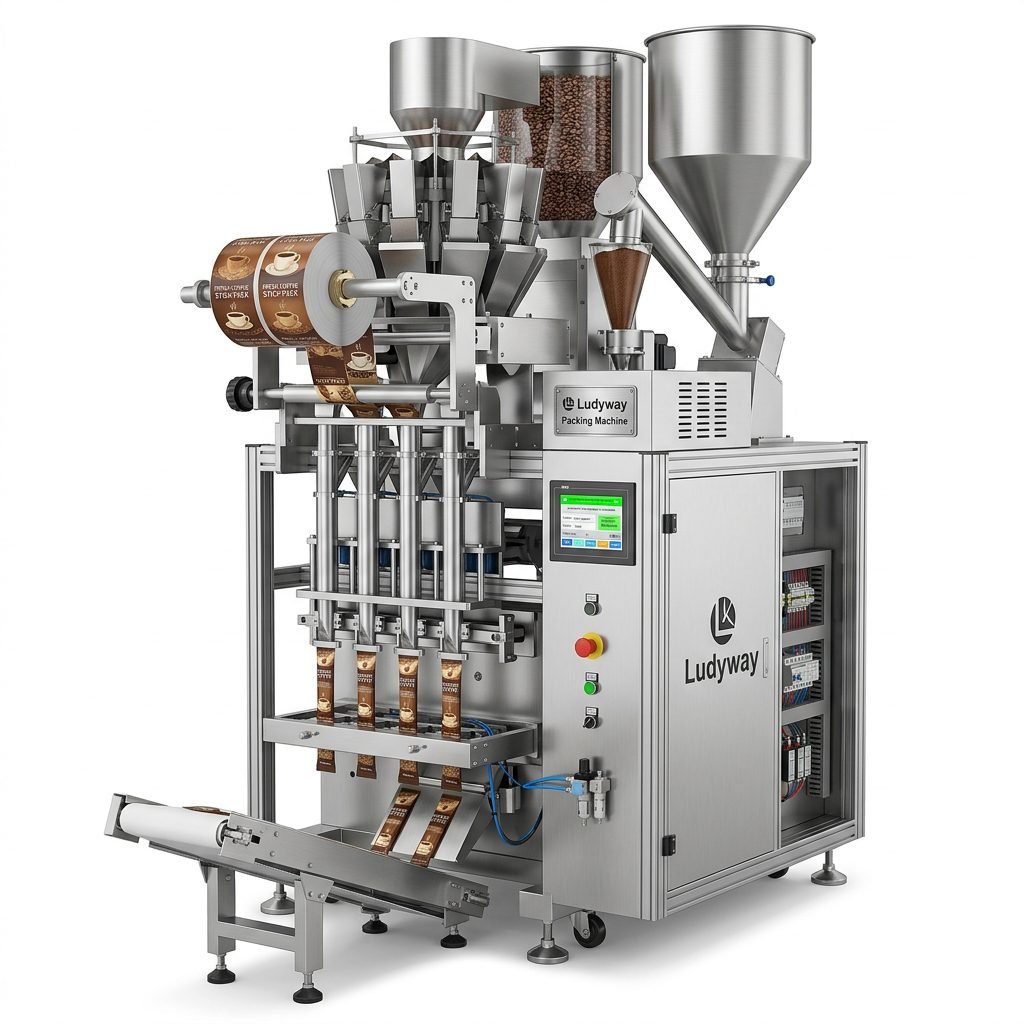
Manual packing is labor-intensive, slow, and inconsistent. An automatic cookie packaging machine transforms your production line by delivering unmatched speed and precision. Modern flow wrapping and vertical form fill seal (VFFS) machines can handle thousands of units per hour while maintaining a pristine, airtight seal that preserves the cookie’s crunch and aroma. By reducing human contact, you also significantly improve food safety standards—a critical factor for supermarket compliance and export requirements.
Key Types of Biscuit and Cookie Wrapping Machines
Selecting the right configuration depends on your product shape, desired output, and packaging material. The most prevalent technologies in the baking industry include:
- Horizontal Flow Wrappers: Ideal for individually wrapping cookies in trays or slug packs. These machines create a tight, pillow-pack seal and are compatible with laminated films for high-barrier protection.
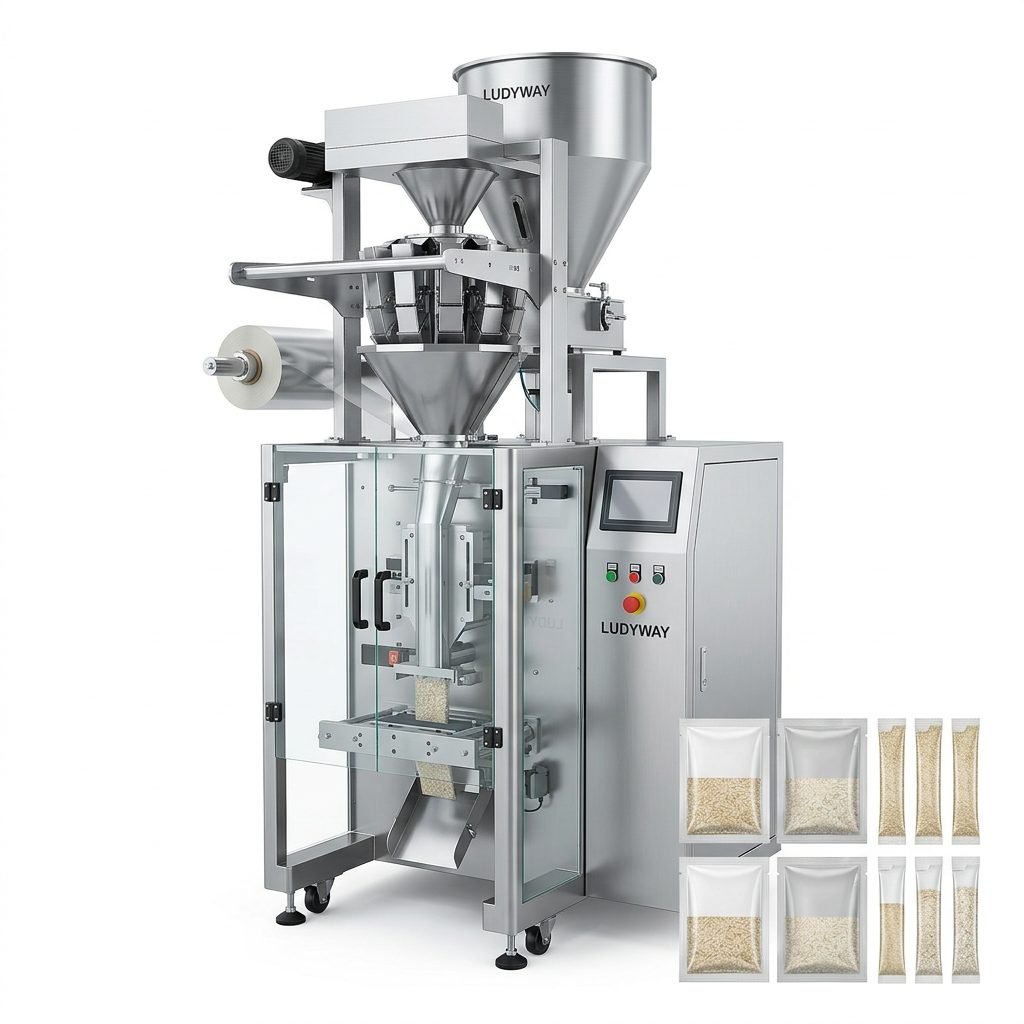
- Vertical Form Fill Seal (VFFS) Systems: Perfect for packaging clusters of mini cookies or bite-sized biscuits. Multi-lane packaging systems can often multiply output by running several bags simultaneously.
- Overwrapping Machines: Often used for premium presentation, wrapping sealed biscuit rolls or stacks in a second layer of decorative cellophane.
- Tray Sealing & Denesting Systems: These load cookies directly into pre-formed plastic trays and seal them with a top film, widely used for delicate, soft snacks to prevent breakage.
Essential Features to Look for Before Buying
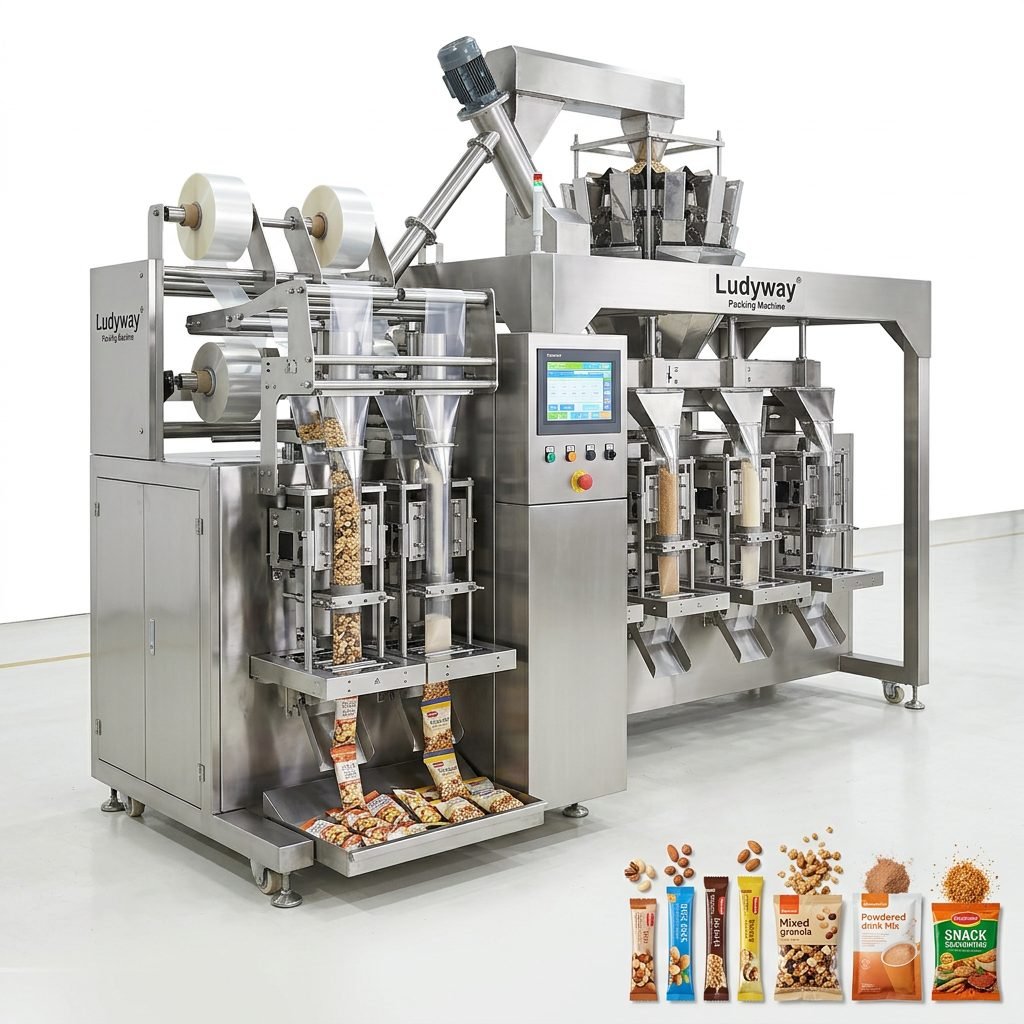
Not all packaging equipment is created equal. When comparing models, you must drill down into the technical specifications to ensure the machine pairs well with your product’s fragility and your factory’s environment.
1. Gentle Product Handling and Feeding
Cookies are inherently fragile. Look for machines equipped with servo-driven star wheels or precision belt feeders that minimize the drop distance. Vibration and breakage are the enemies of a baker; a poorly designed infeed system can turn profits into crumbs. Equipment should offer adjustable laning and minimal transfer points to maintain product integrity.
2. Film Compatibility and Sealing Technology
The sealing jaws must provide consistent heat distribution to prevent leakers without burning the film. For cookies, cold-seal or heat-seal jaws with precise temperature controllers are highly recommended. Confirm the machine handles the specific film structure you rely on, whether it’s metallized polypropylene for moisture barriers or bio-based compostable films for sustainable branding.
3. Gas Flushing (MAP) Capabilities
For extended shelf life, Modified Atmosphere Packaging (MAP) is non-negotiable. A reliable cookie packaging machine should offer nitrogen flushing capabilities. By replacing oxygen with nitrogen, you dramatically slow down the oxidation of oils and butter, preserving taste and texture for months. Check for a robust gas flow meter and accurate residual oxygen analyzers integrated into the line.
Technical Specifications Comparison
Comparing core metrics helps you narrow down the field. The table below outlines the typical specifications you should benchmark when selecting an industrial cookie packer.
| Specification | Entry-Level Flow Wrap | High-Speed Servo VFFS | Multi-Lane Stick Pack |
|---|---|---|---|
| Speed Range | 30 – 150 packs/min | 50 – 300 packs/min | 200 – 600+ packs/min |
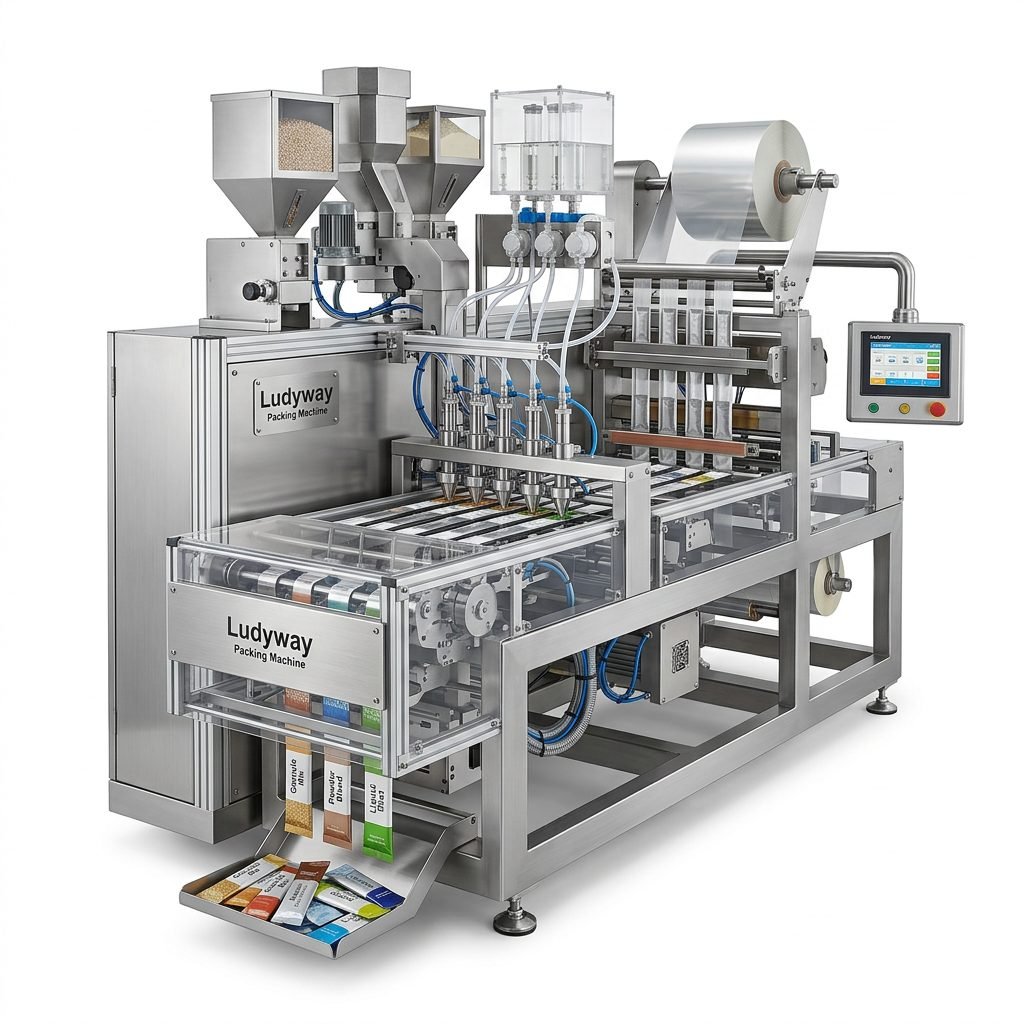
| Bag Style | Pillow, Gusseted | Pillow, Block Bottom | Stick, Sachet, 3-side-seal |
| Precision | ± 1-2g | ± 0.5-1g | ± 0.2-0.5g |
| Changeover Time | Moderate | Quick (With Memory) | Tool-less Quick Release |
Build Quality and Food Safety Compliance
In the food industry, hygiene is paramount. Stainless steel 304 or 316 construction is mandatory for any contact parts and machine frame. Look for engineering designs that eliminate crevices and flat surfaces where dust and crumbs can build up. An IP65 or IP66 washdown rating is beneficial if your sanitation protocol involves heavy water or foam cleaning. Compliance with FDA packaging standards ensures the machine supports food contact safety without risking contamination.
Supplier Engineering and Support
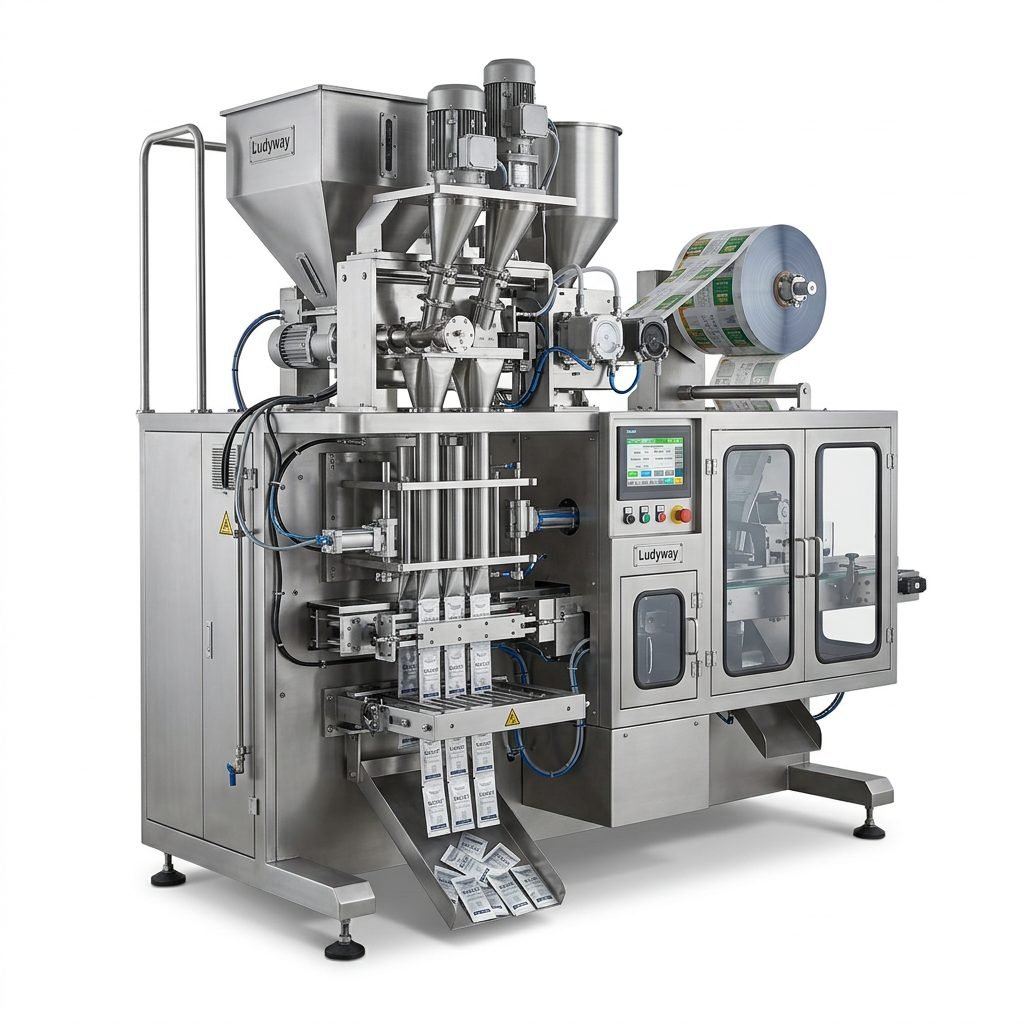
The machine’s long-term value extends far beyond the initial hardware purchase. A manufacturer with deep engineering heritage can design custom turnkey packaging lines tailored precisely to your bakery’s layout. Ludyway, with over 30 years of experience and a 20,000㎡ manufacturing facility, provides integrated solutions that synchronize feeding, wrapping, and cartoning. Prioritize suppliers who offer remote diagnostics, readily available spare parts, and local technical support to minimize downtime; a broken machine can halt your entire cookie supply chain.
Integration with Upstream and Downstream Equipment
A cookie packaging machine rarely operates in isolation. It forms the core of a complex ecosystem that includes cooling conveyors, multi-head weighers for precise portion control, and end-of-line cartoners. Ensure your control architecture supports open standards for seamless integration. For businesses aiming for Factory 4.0, opt for models with OPC UA protocols, enabling real-time production monitoring and predictive maintenance alerts.
Navigating the Cost of Ownership
The sticker price is just the beginning. A smart buyer evaluates the Total Cost of Ownership (TCO). This encompasses film waste rates, energy consumption, and spare parts life cycles. Suppliers achieving strong global growth—such as the trajectories tracked by PMMI business intelligence reports—often represent stable, low-risk investments. Be wary of cheap alternatives; a machine that wastes just 2% more film can cost you tens of thousands of dollars annually in lost material.
Emerging Trends in Cookie Packaging
The market is shifting rapidly towards sustainable packaging. If your brand sells to environmentally conscious consumers, ensure your equipment can handle newly developed paper-based barriers or mono-material recyclable polyethylene films. These materials require more specific tension control and heat sealing windows. Additionally, the rise of single-serve “on-the-go” snacking has boosted demand for high-speed stick pack machines capable of packaging mini cookies in thin, portable formats. This trend aligns with expert insights from the Flexible Packaging Association.
Frequently Asked Questions
- Can one machine handle multiple cookie sizes? Yes, modern servo-driven machines offer recipe memory for quick changeovers, adjusting bag length, seal temperature, and jaw position in minutes.
- What is the importance of a “no product, no bag” function? This feature uses sensors to prevent the machine from sealing empty bags if a lane misses a cookie, saving significant film and reducing waste.
- How do I protect soft cookies from crushing during vertical form fill? VFFS machines for soft goods should be equipped with a special dipped or product-gentle chute, often with a vibrating or belt-assisted descent section to slow the drop.
- Is it difficult to retrofit automated inspection? Not at all, most new lines integrate vision inspection systems for checking seal integrity and label placement.
Final Verdict: Making the Investment Pay Off
Purchasing a cookie packaging machine is a critical strategic decision that impacts your brand promise. Whether you need a rugged horizontal flow wrapper for a large bakery or a versatile VFFS for a contract packing startup, the key is to focus on reliability, gentle handling, and seal quality. By prioritizing machines built on robust hardware with smart controls, you secure a packaging asset that will drive profitability for the next decade. Remember to audit the manufacturer’s facility capabilities and global installation footprint, ensuring they have the engineering strength to support your future expansion before you commit.