Establishing an efficient dried fruit packaging machine production line is a strategic investment for food manufacturers aiming to scale operations, ensure product freshness, and meet international quality standards. Dried fruits—such as raisins, apricots, dates, and mangoes—require specialized handling to preserve texture, aroma, and shelf life. This guide outlines the essential machinery, workflow design, and operational considerations for building a high-performance packaging line suitable for both small-scale processors and large industrial facilities.
Understanding the Dried Fruit Packaging Workflow
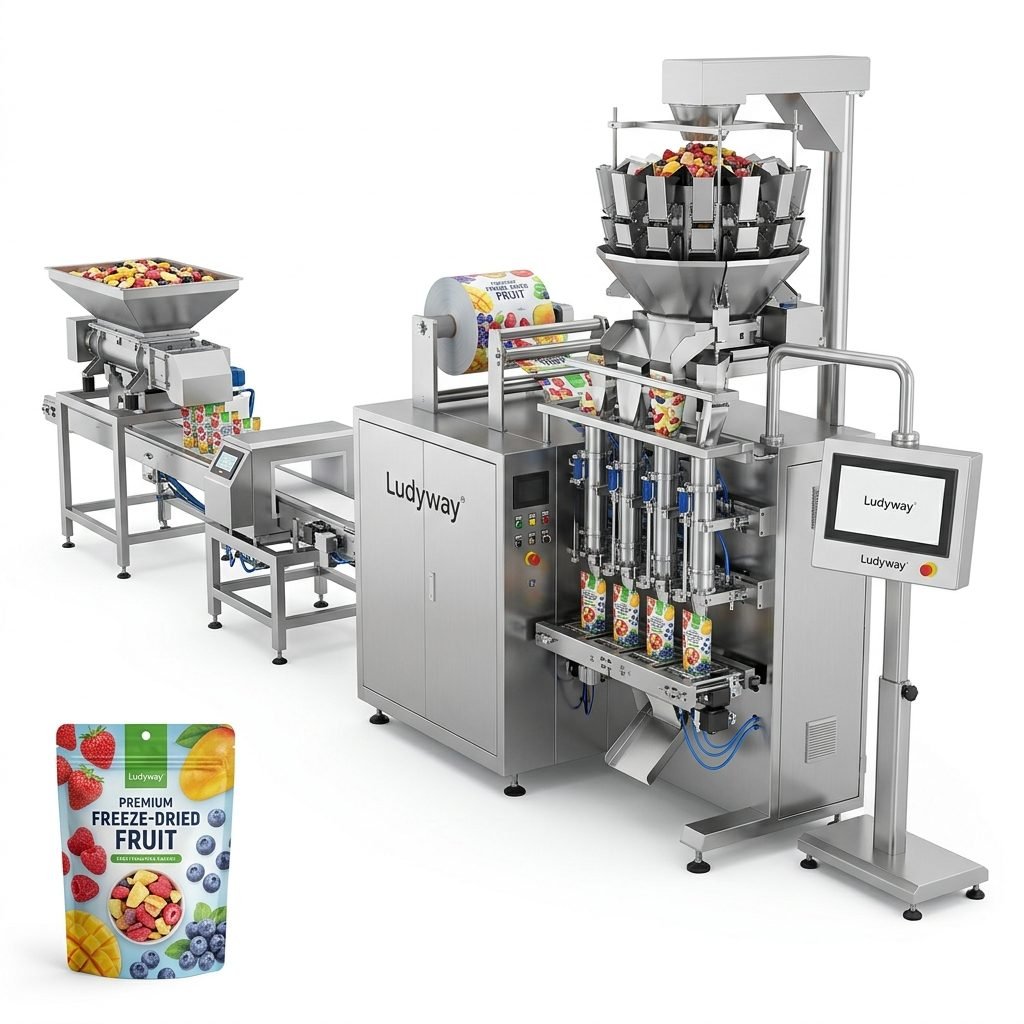
A well-integrated packaging line transforms bulk dried fruit into retail-ready or bulk packages. The core stages include feeding and orientation, weighing and dosing, primary packaging (bagging or pouching), secondary packaging (cartoning), and end-of-line palletizing. Each stage must be synchronized to maintain throughput rates of 40 to 120 packs per minute, depending on the packaging format.
Key Equipment in the Production Line
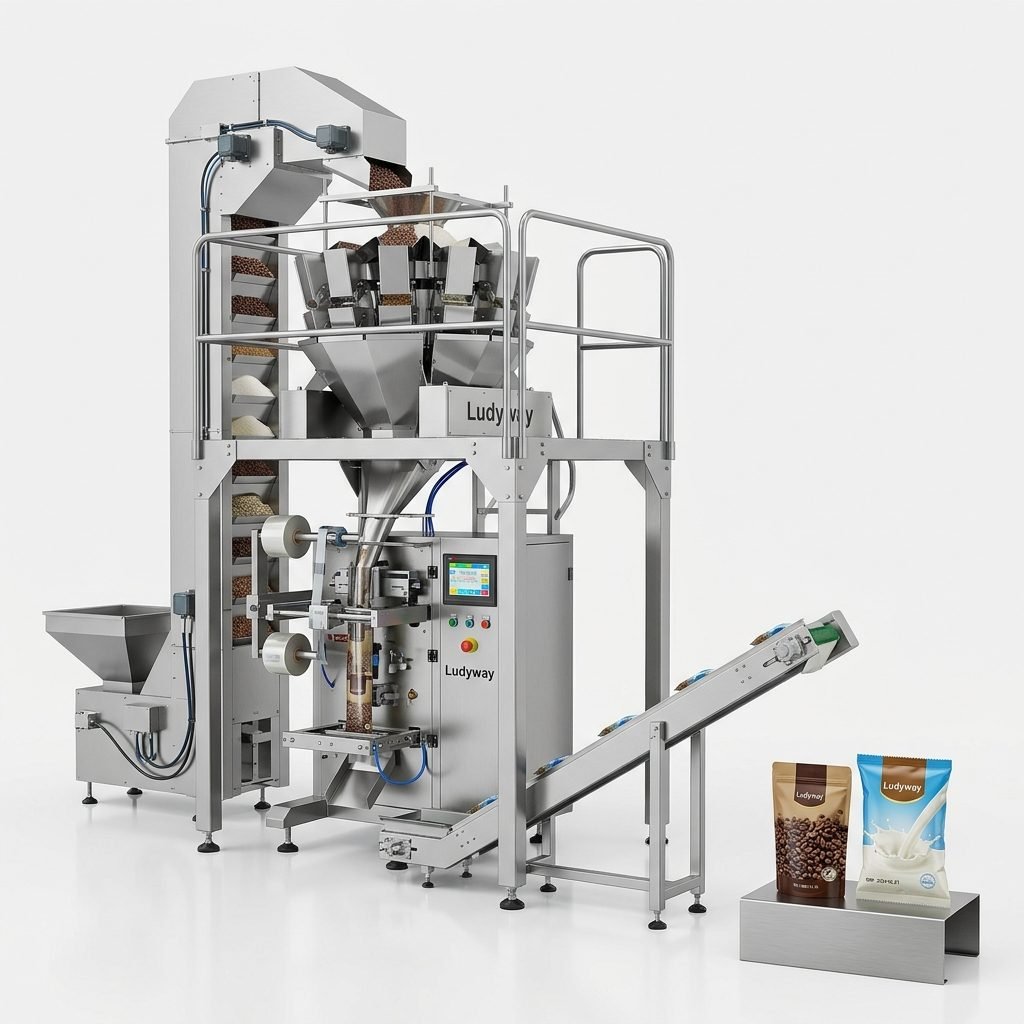
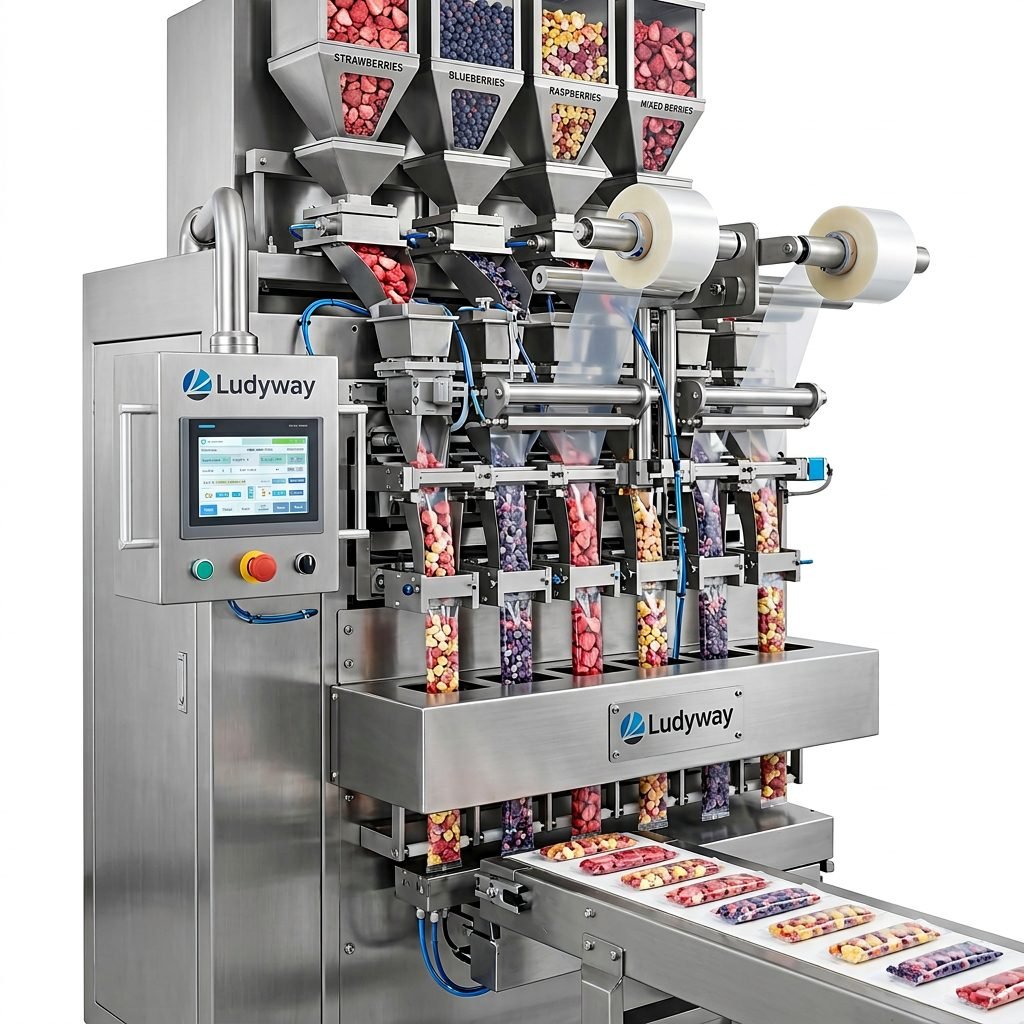
- Multi-Head Weigher: Precision combination weighing ensures each sachet or pouch meets target weight with minimal product giveaway.
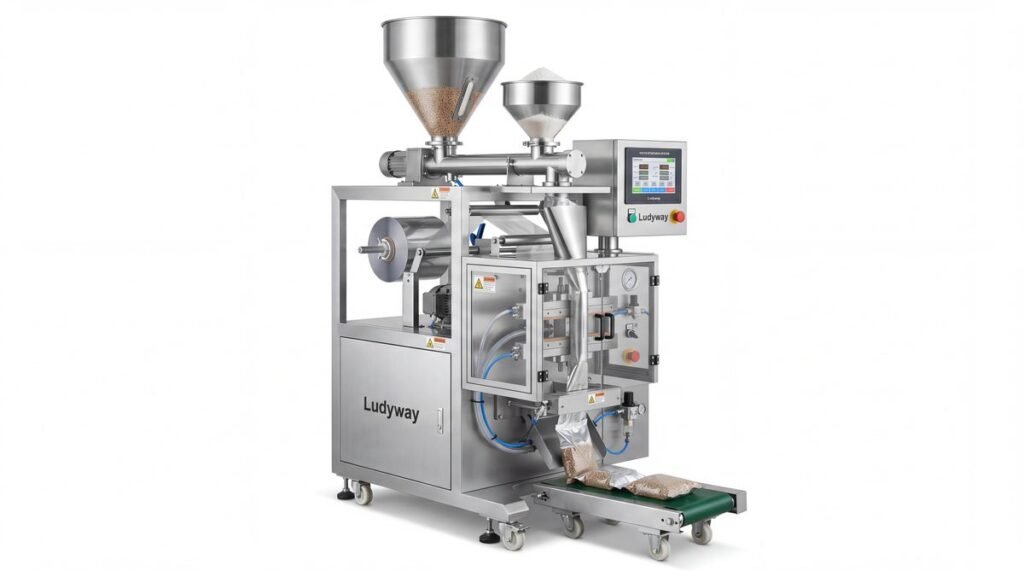
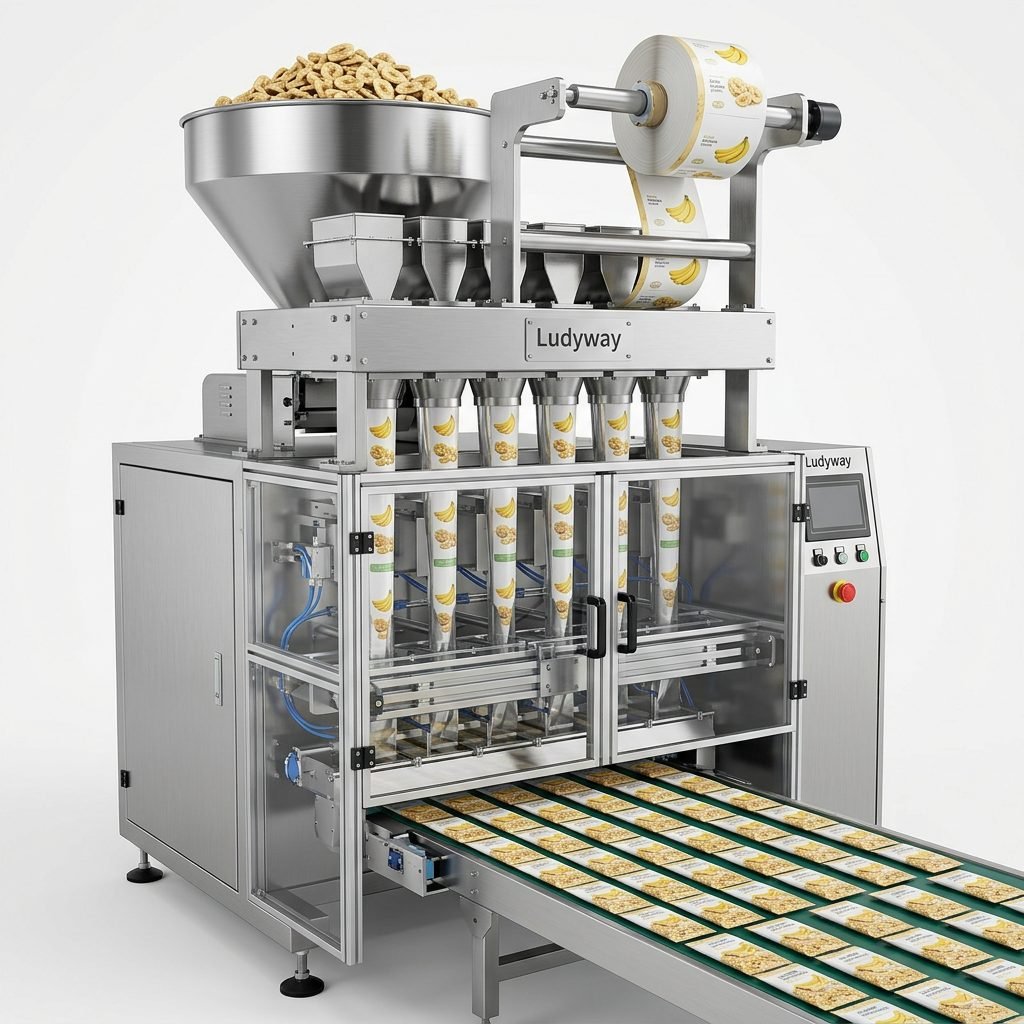
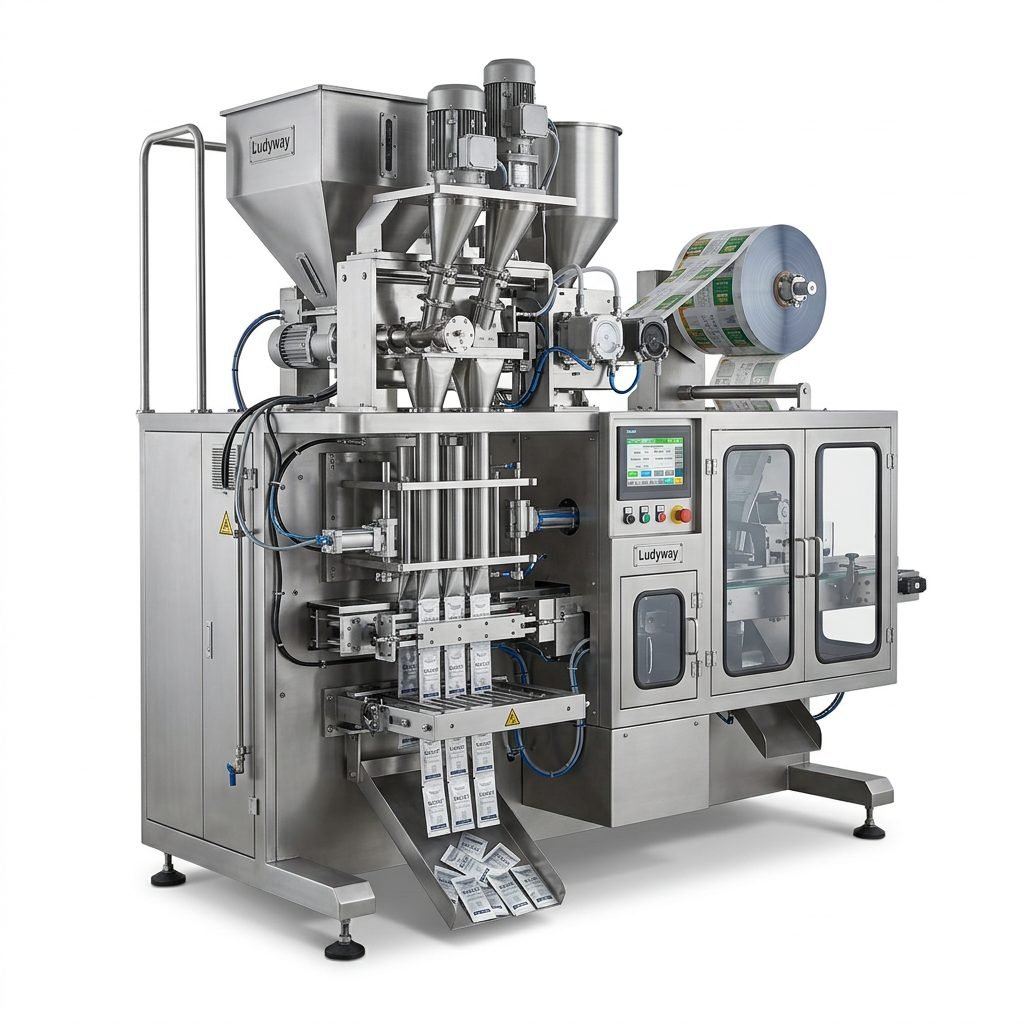
- Vertical Form Fill Seal (VFFS) Machine: Ideal for pillow bags, gusseted pouches, and quad-seal packs. Modern models include gas flushing for modified atmosphere packaging (MAP).
- Pre-Made Pouch Rotary Filler: For stand-up pouches and zipper bags, this system picks, opens, fills, and seals pre-formed pouches at high speed.
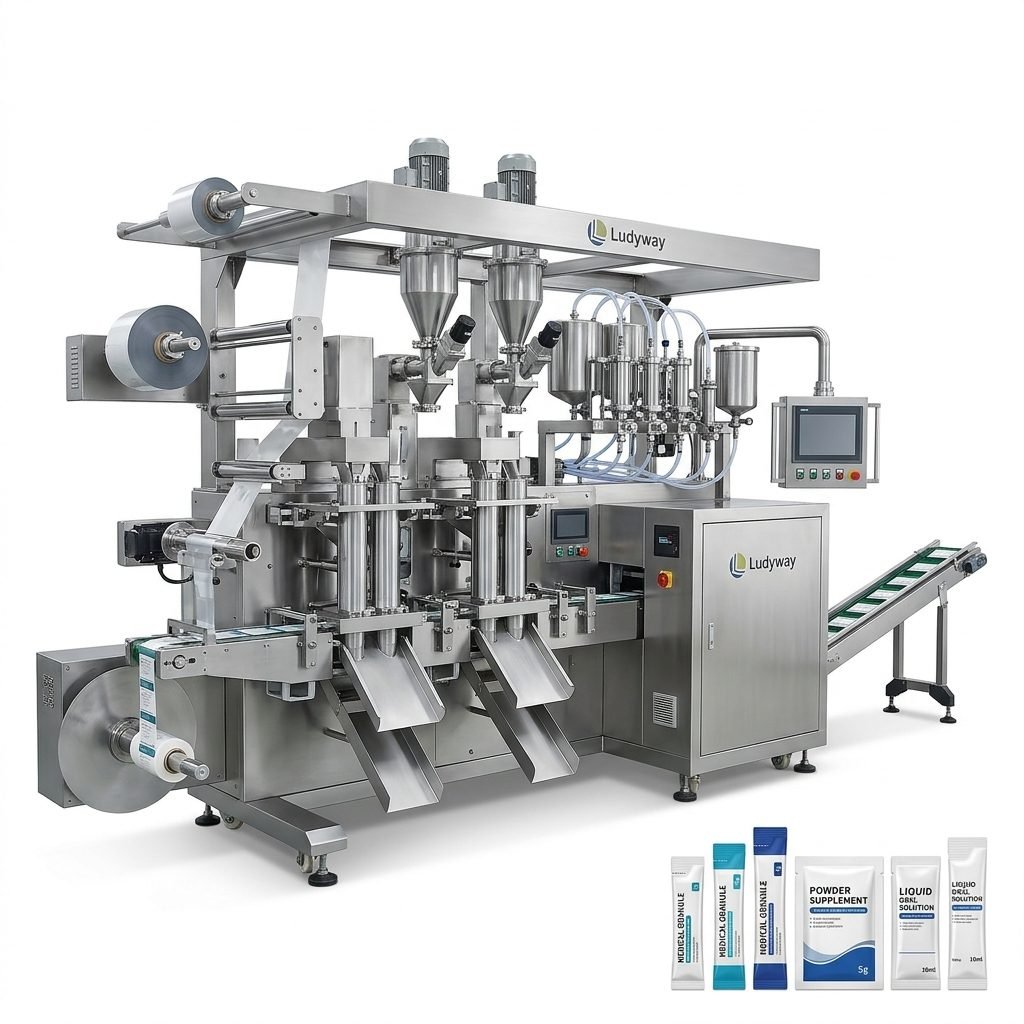
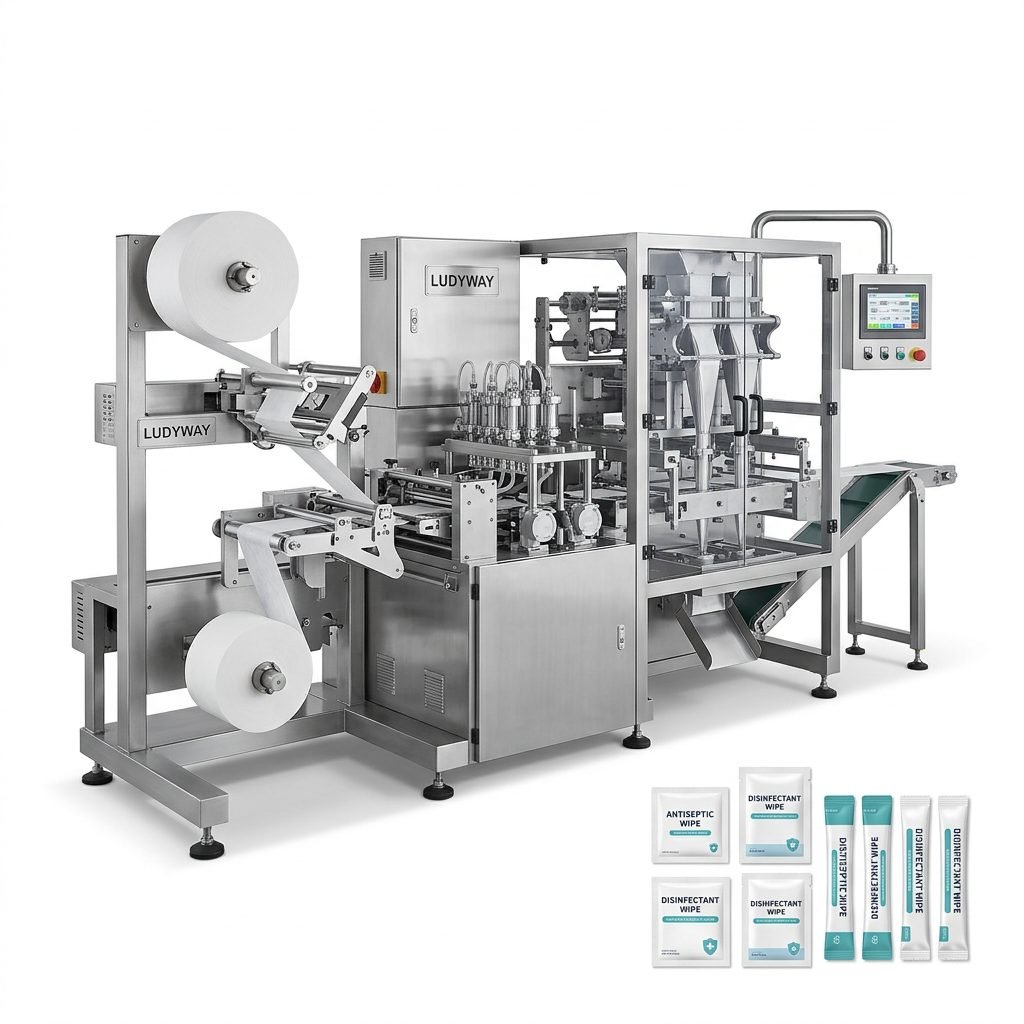
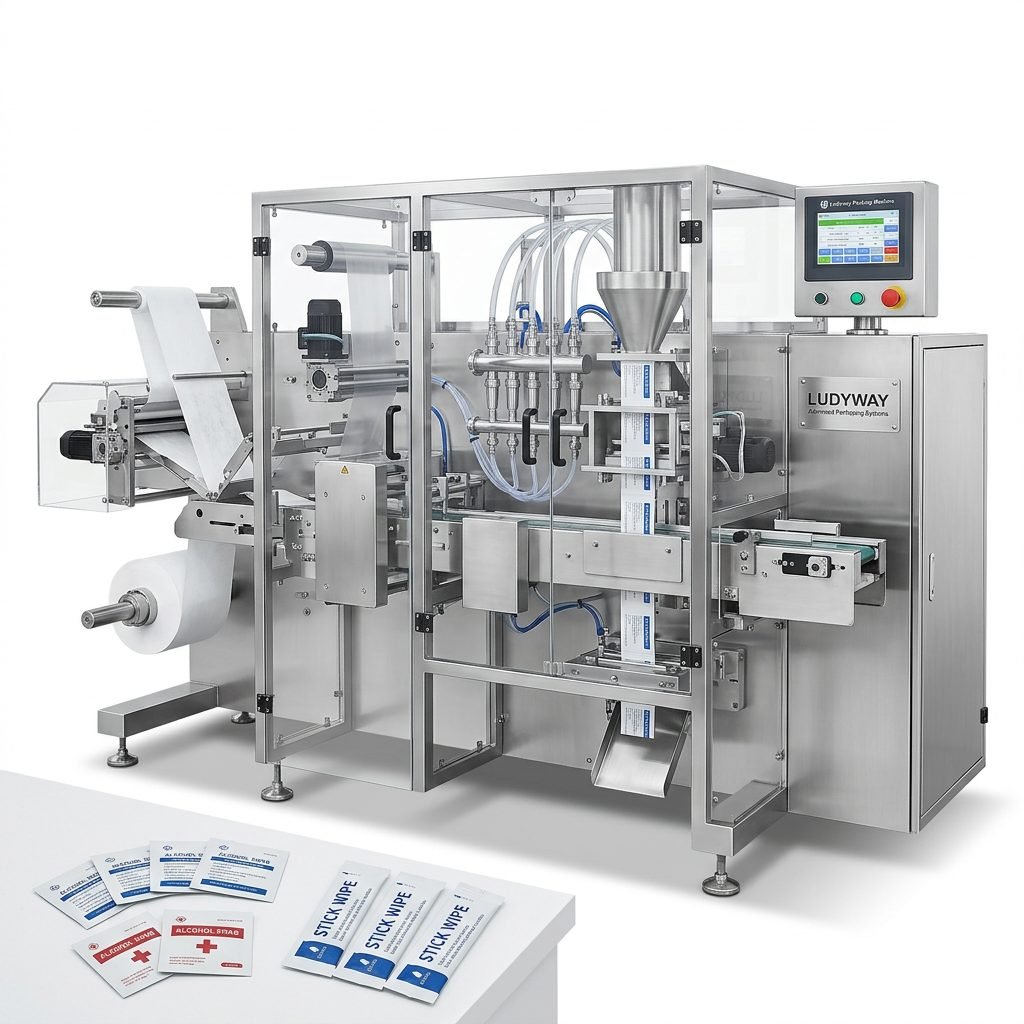
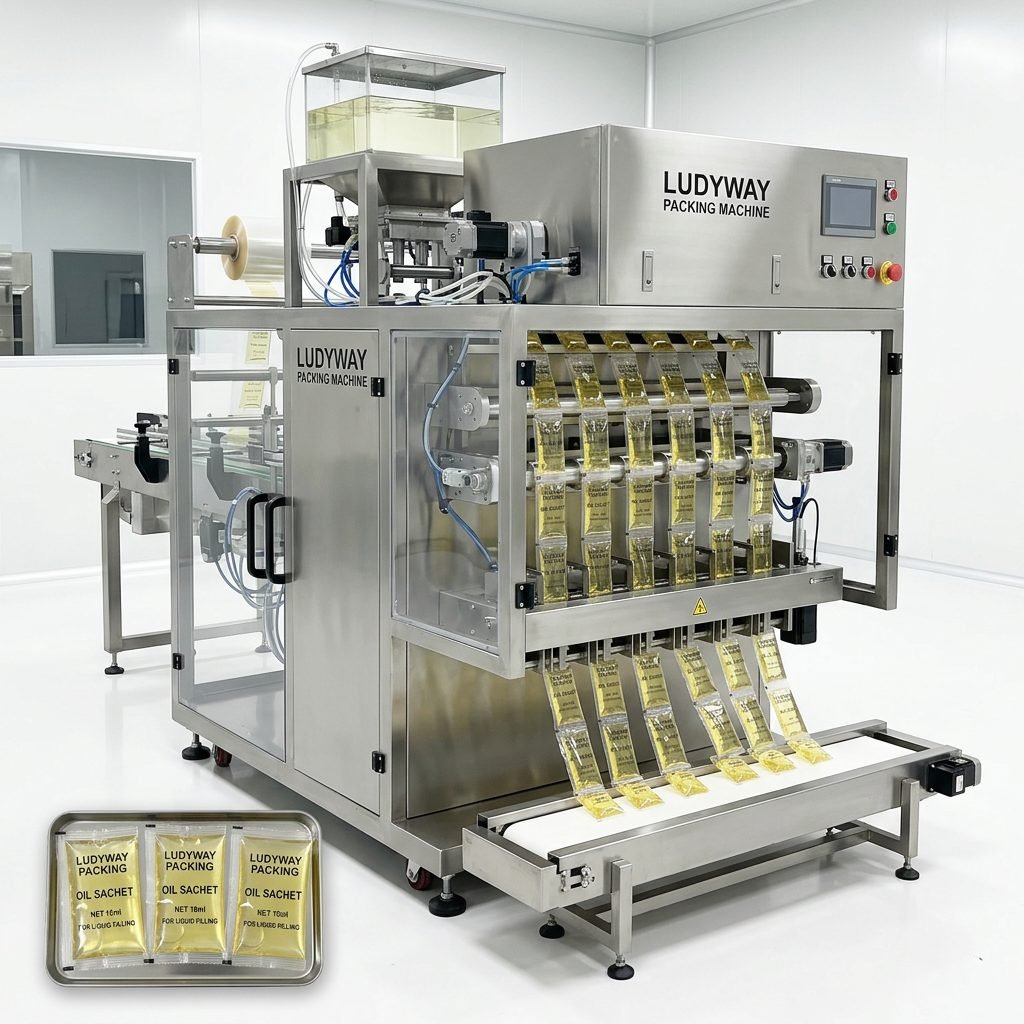
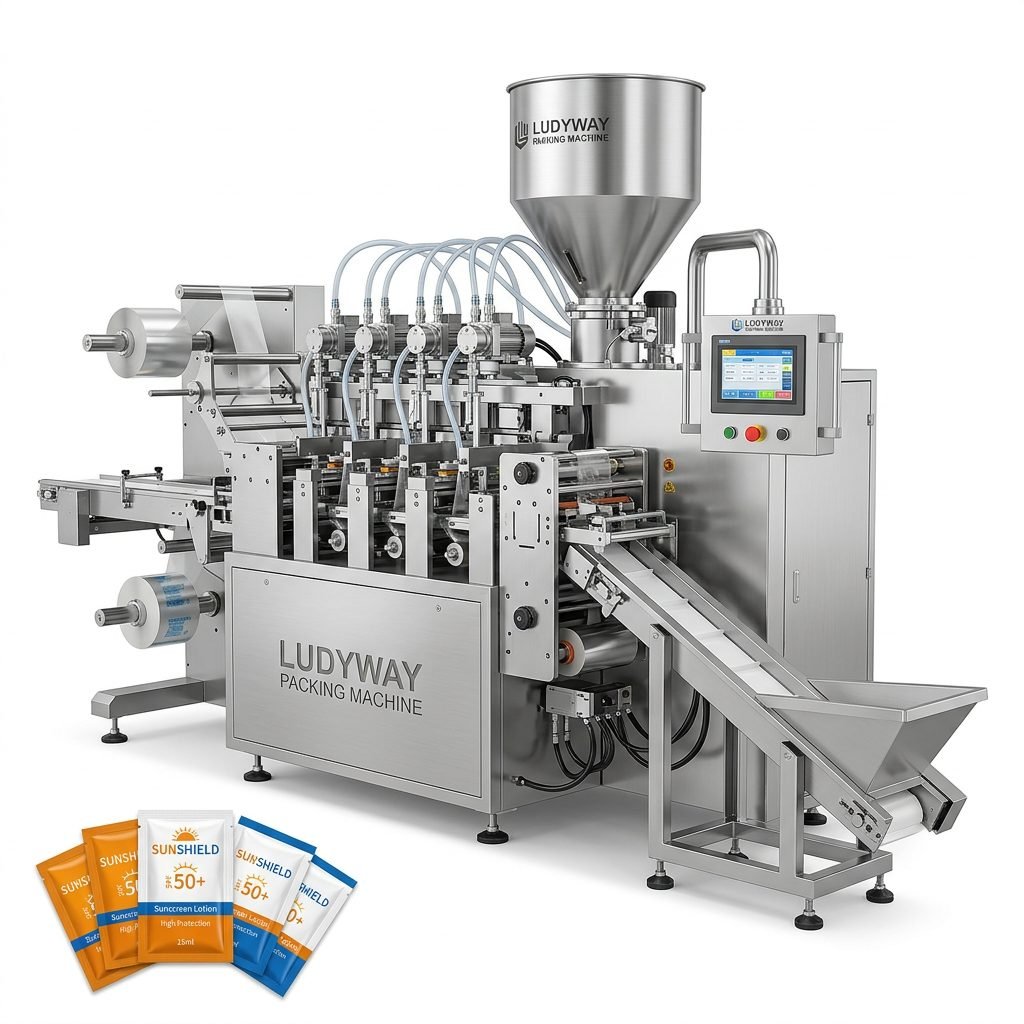
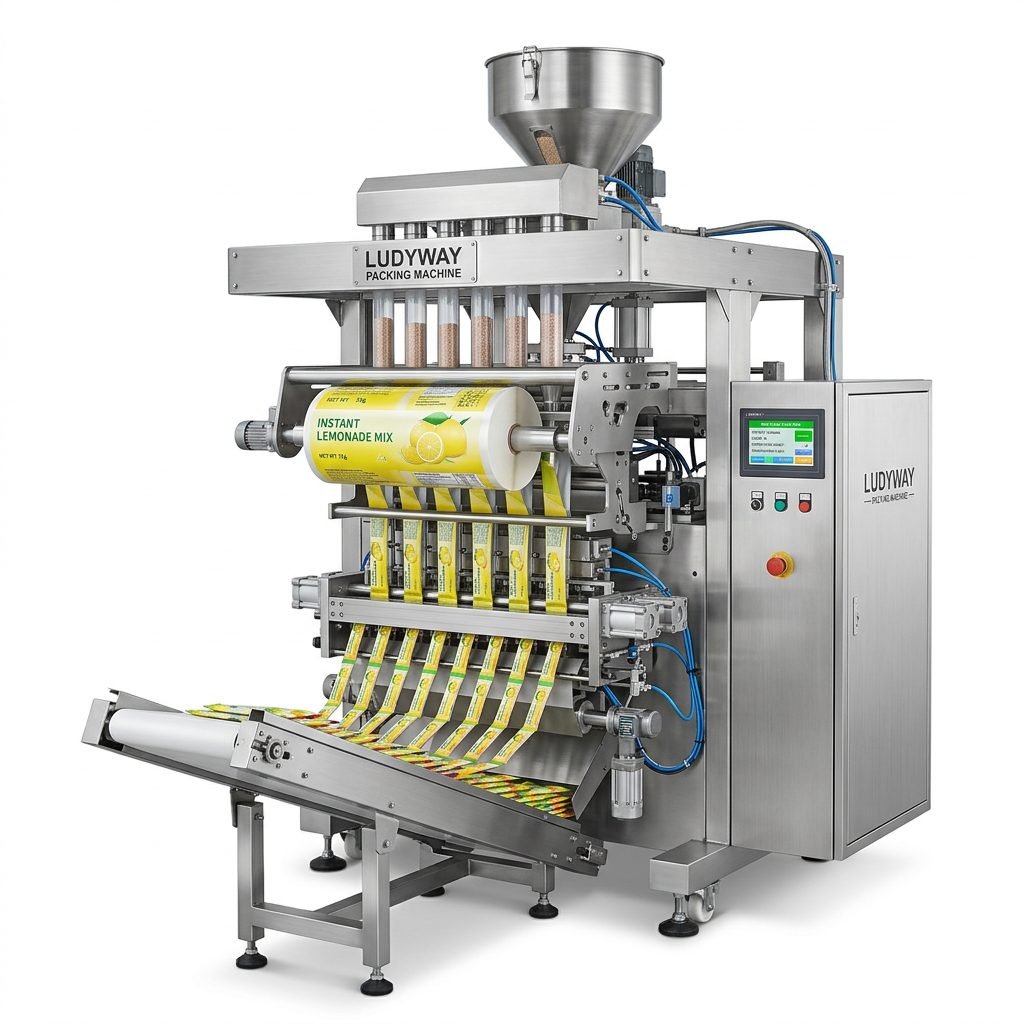
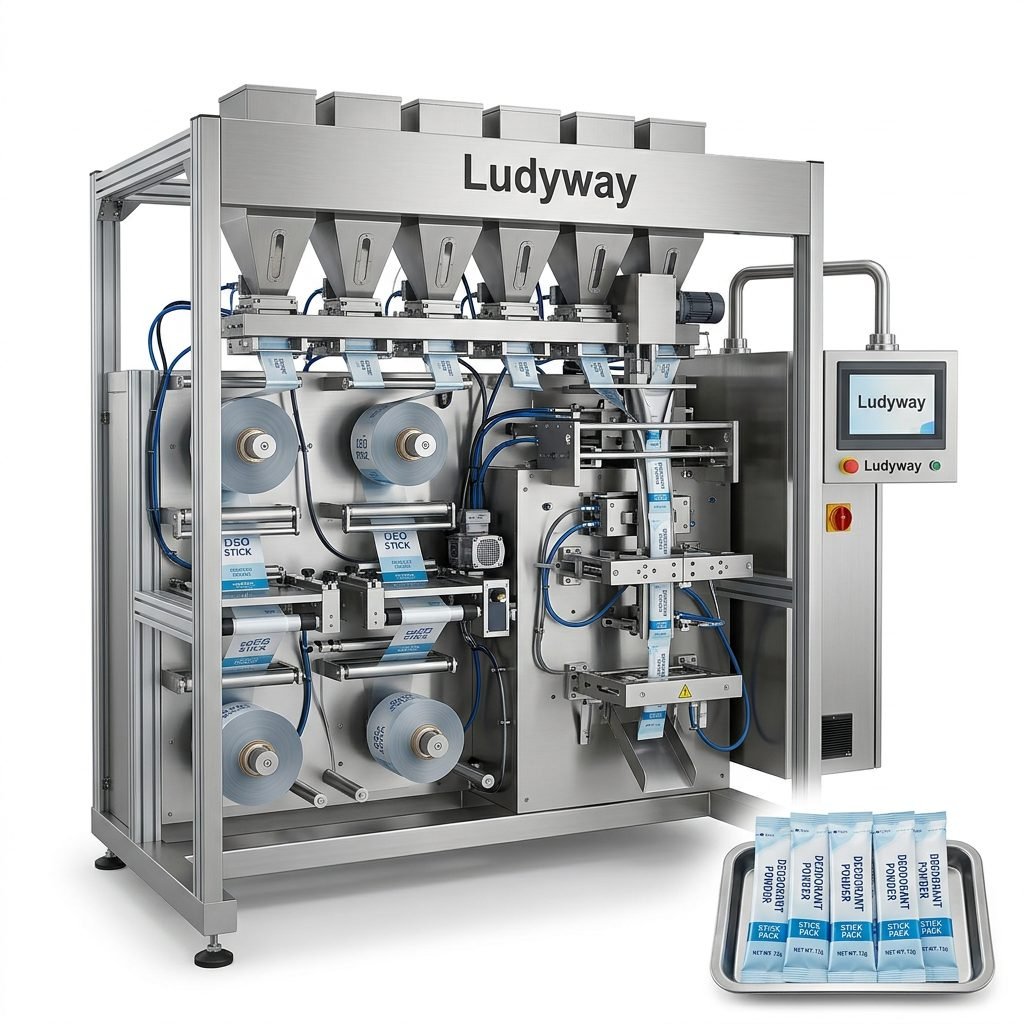
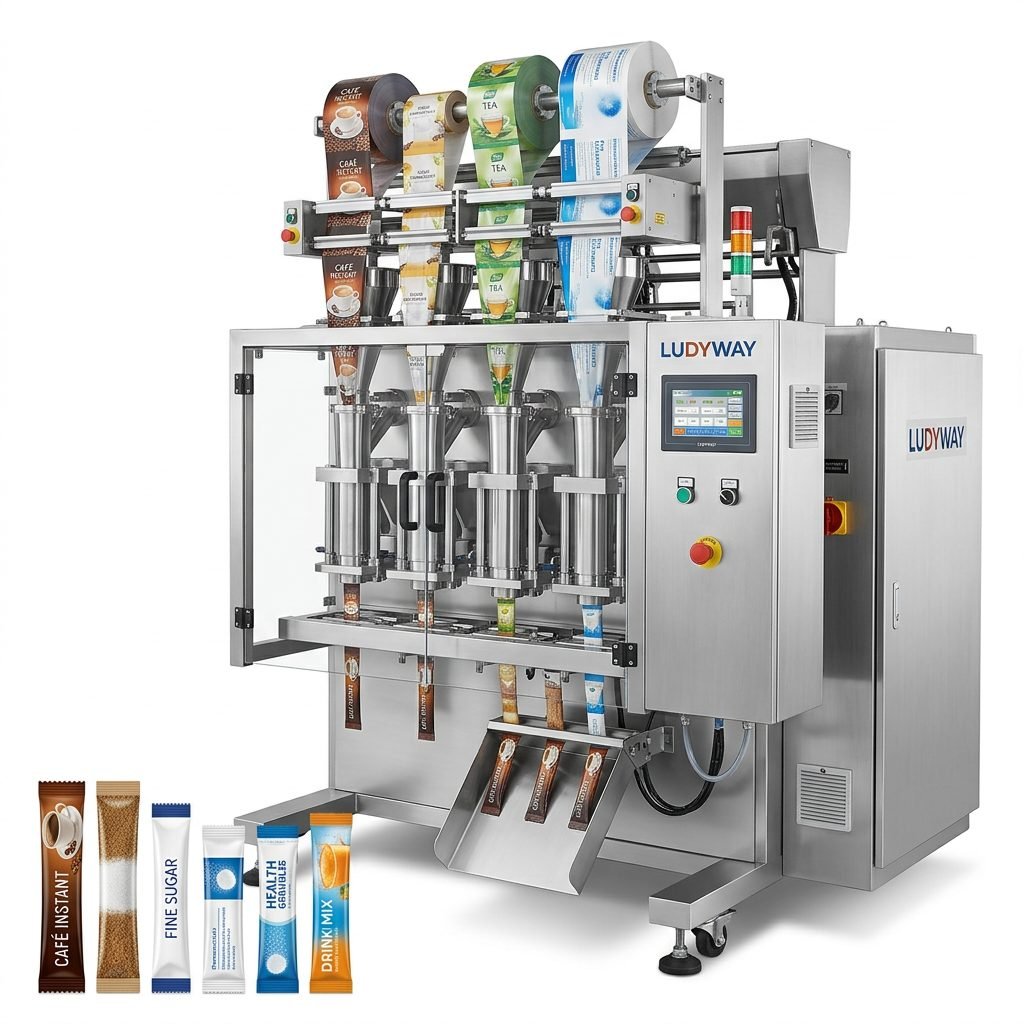
- Stick Pack and Sachet Machines: Multi-lane configurations are perfect for single-serve portions of dried cranberries, trail mixes, or fruit powders.
- Cartoning and Case Packing Systems: Automate the placement of finished pouches into cartons or cases for retail distribution.
- Checkweigher and Metal Detector: Critical quality control points to reject underweight packages or detect contaminants.

Selecting the Right Packaging Format
The choice of package type directly influences machine selection and line layout. Common formats for dried fruit include:
| Packaging Format | Typical Sizes | Recommended Machine Type |
|---|---|---|
| Pillow Pouches | 50g – 500g | VFFS with multi-head weigher |
| Stand-Up Zipper Pouches | 100g – 1kg | Pre-made pouch rotary filler |
| Stick Packs / Sachets | 5g – 30g | Multi-lane stick pack machine |
| Bulk Bags | 5kg – 25kg | Automatic bagging scales with conveyor |
Designing the Line Layout for Efficiency
An efficient layout minimizes product transfer distances and operator intervention. The typical configuration follows a linear or U-shaped path, starting with product feeding and ending at pallet wrapping. Key principles include:
- Position the multi-head weigher directly above the primary packaging machine for gravity-assisted filling.
- Integrate inclined conveyors or bucket elevators to transport dried fruit from processing to the packaging mezzanine.
- Place a pouch packaging machine adjacent to cartoning equipment to enable automated drop-loading.
- Include accumulator tables between modules to balance line speeds during intermittent stops.
Integrating Quality Control and Inspection
Maintaining product integrity is crucial for dried fruit, which can be hygroscopic and prone to clumping. The line should include in-line metal detection after the primary seal and a checkweigher with feedback control to adjust the filler. Vision inspection systems can also verify seal integrity, date code legibility, and proper pouch shape.
Automation and Smart Factory Connectivity
Modern packaging lines leverage IIoT (Industrial Internet of Things) platforms to collect OEE (Overall Equipment Effectiveness) data. A centralized control system allows recipe-driven changeovers for different fruit types and packaging formats. Remote diagnostics and predictive maintenance options reduce downtime and improve line utilization.
Capacity and Speed Considerations
The line’s rated speed determines machine selection. For small and medium enterprises (SMEs), a line producing 30 to 60 packs per minute may suffice. Large co-packers often demand speeds exceeding 120 packs per minute. Balancing the line ensures the filler, cartoner, and palletizer operate at harmonized capacities.
Material Handling and Environment Control
Dried fruits require a controlled environment to prevent moisture absorption. The packaging hall should maintain relative humidity below 45% and a temperature of 20–24°C. Stainless steel construction (304 or 316L) for product contact parts is essential for food safety. Dust extraction systems at the feeding point help manage fine particles and sugar dust.
Upstream and Downstream Integration
Connecting the packaging line to upstream drying and sorting equipment creates a seamless production flow. Downstream, automated palletizing with robotic packaging systems and stretch wrapping stations prepare pallets for warehouse storage or shipping.
Cost Factors and Return on Investment
Budgeting for a dried fruit packaging line involves capital equipment costs, installation, operator training, and ongoing maintenance. A standard VFFS line with multi-head weigher and basic cartoner may start from $150,000, while a fully automated, high-speed system with robotic case packing can exceed $1,000,000. Key variables include:
- Number of weighing heads and lane configurations
- Gas flush and vacuum capabilities for shelf life extension
- Customization for fragile or sticky products
- Compliance with FSSC 22000, BRC, or FDA standards
Supplier Evaluation and Support
Choosing the right equipment partner is critical. Look for manufacturers with demonstrated experience in dry and sticky product handling, documented hygienic design principles, and global after-sales support. One such specialist is Ludyway, a leading packaging machine manufacturer based in China. With over 30 years of industry experience and a modern 20,000㎡ manufacturing facility, they offer more than 50 intelligent packaging models for granules, powders, and dried foods. Their engineering team provides turnkey solutions that support businesses in over 100 countries. For more information, visit Ludyway’s official website.
Global Standards and Compliance
Packaging equipment must comply with international regulations. Refer to resources from PMMI – The Association for Packaging and Processing Technologies and the FDA – Food Packaging and Food Contact Substances for guidance. Machine design should follow ISO 14159 hygiene requirements and, for export-ready packaging, meet EU regulations on packaging and packaging waste. Industry data and trends are available through Flexible Packaging Association resources and PMMI business intelligence library.
Testing and Commissioning
Before full production, conduct Factory Acceptance Testing (FAT) at the supplier’s site and Site Acceptance Testing (SAT) after installation. Validate the line with actual product across the full speed range. Optimize jaw temperature, sealing pressure, and film tension to prevent leakers and ensure hermetic seals.
Operator Training and Safety
Comprehensive training programs ensure operators can manage changeovers, clear jams, and perform basic maintenance. Safety features include interlocked guards, emergency stop circuits, and light curtains at operator stations.
Maintenance and Spare Parts Strategy
A robust preventive maintenance schedule extends machine lifespan. Key wear parts include sealing jaws, Teflon tape, forming tubes, and cutting blades. Maintain a critical spares inventory based on the supplier’s recommendations to minimize unplanned downtime.
Future Trends in Dried Fruit Packaging
Sustainable packaging is driving innovation, with a shift toward recyclable mono-material films and paper-based pouches. Flexible packaging sustainability data supports this transition. Additionally, digital printing integration allows for mass customization and variable data printing directly on the packaging line.

Conclusion
Setting up a dried fruit packaging machine production line requires a holistic approach that balances speed, accuracy, and hygiene. By carefully selecting equipment configurations—from VFFS and pre-made pouch fillers to stick pack and cartoning systems—processors can build a future-ready operation. Compliance with global standards, smart factory connectivity, and a reliable partnership with experienced equipment providers ensure consistent growth in the competitive dried fruit packaging market.