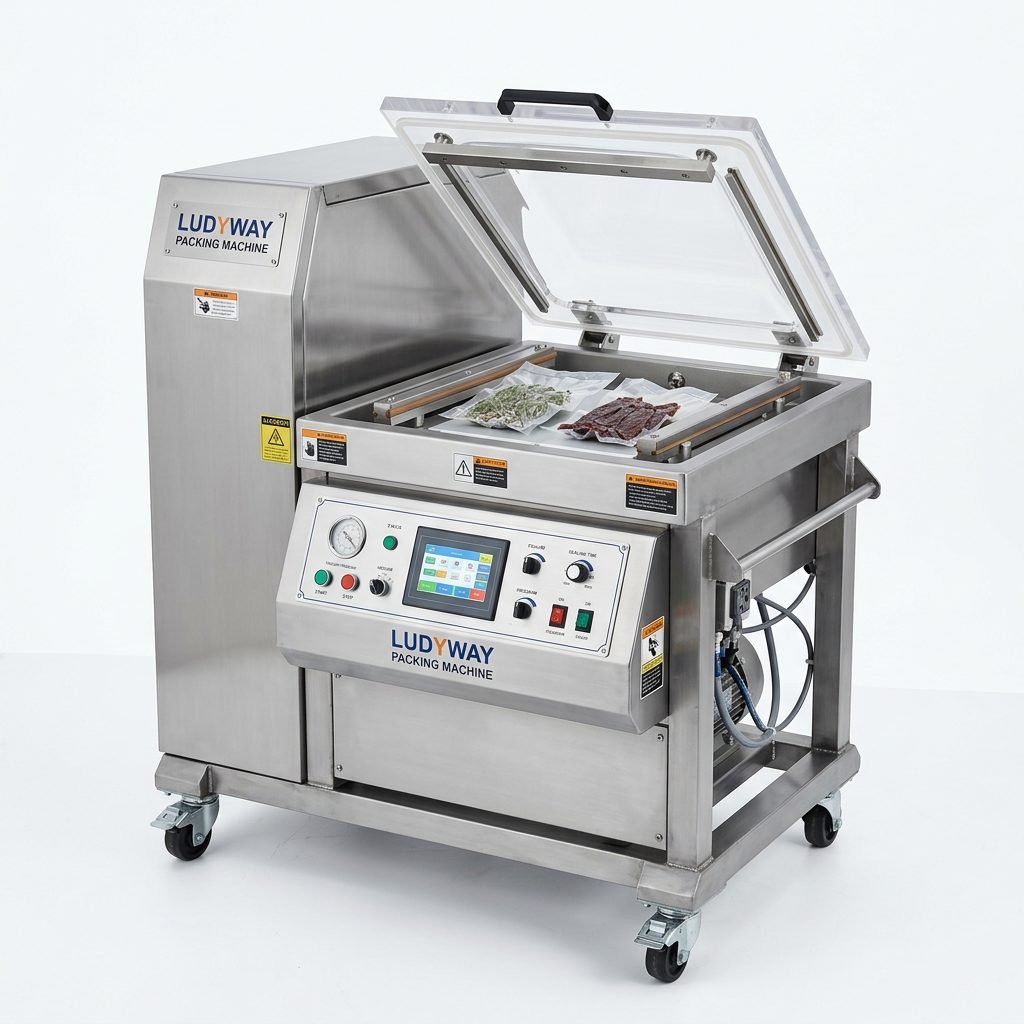
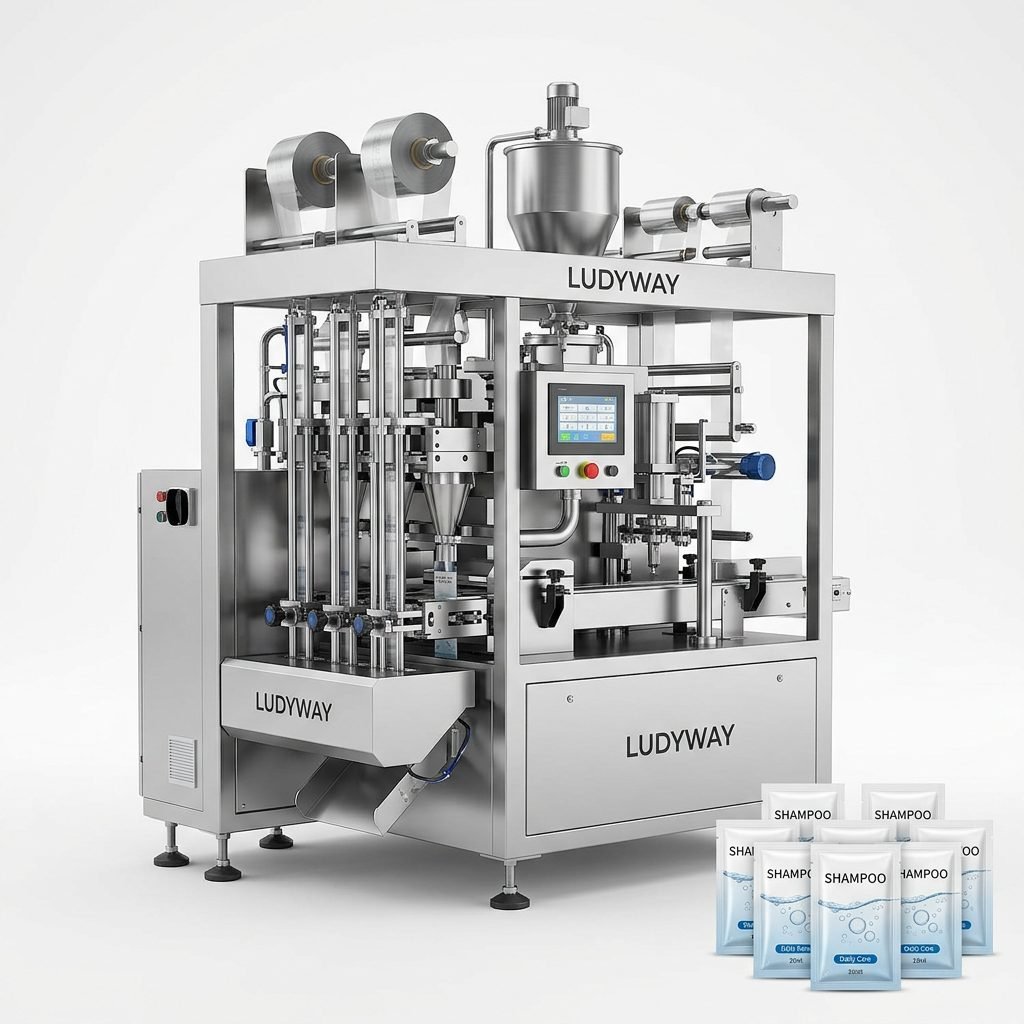
Investing in a table top skin packaging machine is a strategic decision for businesses looking to enhance product presentation, extend shelf life, and streamline small-to-medium-volume packaging operations. Unlike large industrial systems, these compact units offer flexibility without sacrificing quality. This buyer’s guide walks you through the essential factors to evaluate before making a purchase, helping you select equipment that aligns with your production goals, material requirements, and budget.
Understanding Table Top Skin Packaging Technology
Skin packaging is a process where a heated plastic film is draped over a product and adhered to a specially coated paperboard or corrugated backing card. The vacuum draws the film tightly around the product’s contours, creating a secure, tamper-evident seal. A table top skin packaging machine condenses this technology into a compact footprint, making it ideal for retail displays, sample runs, and operations with limited floor space. The result is a visually striking package that protects against moisture, dust, and handling while showcasing the product clearly through transparent film.
Why Choose a Table Top Model Over Industrial Systems?
For many businesses, a full-scale industrial packaging machinery line is simply unnecessary. Table top units offer distinct advantages that make them the preferred choice for specific applications:
- Space Efficiency: Designed to fit on standard workbenches, these machines require minimal floor space, making them perfect for small production rooms, retail backrooms, or laboratories.
- Lower Initial Investment: Compared to industrial systems, table top models significantly reduce upfront capital expenditure while still delivering professional-grade results.
- Operational Simplicity: Most units feature intuitive controls, allowing operators with minimal training to achieve consistent output quickly.
- Flexibility for Short Runs: Ideal for seasonal products, limited editions, or prototyping new packaging concepts without committing to large-scale production.
- Energy Efficiency: Smaller heating elements and vacuum pumps consume less power, reducing ongoing operational costs.
Key Factors to Evaluate Before Purchasing
Machine Dimensions and Work Area
Measure your available workspace carefully. A table top skin packaging machine typically ranges from compact models suitable for narrow benches to slightly larger units that still maintain a manageable footprint. Consider not just the machine’s base dimensions but also the clearance needed for loading and unloading products, film roll access, and ventilation. Ensure the work surface beneath the machine can support its weight during operation, as vacuum cycling can produce vibration.
Film Compatibility and Material Options
Not all skin packaging films are created equal. The machine you select must be compatible with the specific films required for your products. Key film characteristics include thickness range (typically measured in microns or gauge), material composition (such as flexible packaging films including Surlyn, polyethylene, or PVC blends), and the required heating temperature profile. Some machines work exclusively with proprietary film systems, while others offer broader material flexibility. Verify that your preferred film supplier’s products are supported before committing to a particular machine.
Heating System Design
The heating mechanism directly affects film performance and cycle times. Two primary configurations dominate the market:
- Top-Heating Only: A single heating element above the film softens it before vacuum application. Suitable for basic applications with standard films and products that can tolerate direct radiant heat exposure.
- Dual-Zone Heating: Independent top and bottom heating elements provide more uniform film softening. This configuration handles thicker films more effectively and reduces the risk of overheating delicate products.
Evaluate the heating element’s wattage and temperature control precision. Digital PID controllers offer more consistent results than simple analog dials, especially important when working with heat-sensitive items such as confectionery, pharmaceuticals, or certain cosmetics.
Vacuum System Performance
The vacuum pump is the heart of any skin packaging operation. Pump specifications to scrutinize include flow rate (measured in cubic meters per hour or CFM), ultimate vacuum level, and pump type. Oil-lubricated rotary vane pumps generally provide deeper vacuum levels and longer service life than dry diaphragm pumps, though they require regular oil changes. For food applications, consider whether the vacuum system includes filtration to prevent product particles from entering the pump mechanism. A machine with an integrated vacuum gauge allows operators to monitor performance and detect issues before they affect package quality.
Operational Ergonomics and Control Interface
Since operators interact with the machine repeatedly throughout production shifts, ergonomic design significantly impacts productivity and worker fatigue. Look for features such as easy-access film loading systems, clearly positioned control panels at a comfortable height, and quick-release clamping mechanisms for backing boards. Touchscreen interfaces are becoming more common even on table top models, offering recipe storage for different product profiles, cycle counting, and diagnostic information. A machine that requires excessive bending, reaching, or awkward movements will slow production and increase the likelihood of operator error.
Production Capacity and Cycle Time
Match the machine’s throughput to your actual production needs. Cycle time considerations include film heating duration, vacuum draw-down time, and cooling before release. A typical table top skin packaging machine might process anywhere from 30 to 120 cycles per hour depending on product size, film thickness, and machine specifications. For businesses anticipating growth, selecting a model that can accommodate moderate volume increases without requiring immediate replacement provides better long-term value. However, avoid over-specifying a machine that far exceeds your needs, as this adds unnecessary cost without proportional benefit.
Comparison Table: Key Specifications to Consider
| Feature | Entry-Level | Mid-Range | Professional |
|---|---|---|---|
| Max Film Width | 400–500 mm | 500–650 mm | 650–800 mm |
| Heating Zones | Single top heater | Top with optional pre-heat | Dual independent zones |
| Vacuum Pump Type | Dry diaphragm | Oil-lubricated rotary vane | High-flow rotary vane with filtration |
| Control System | Manual analog controls | Digital temperature display | Touchscreen PLC with recipe storage |
| Cycle Time Range | 45–90 seconds | 30–60 seconds | 15–40 seconds |
| Typical Applications | Prototyping, very low volume | Small business, retail packs | Boutique production, premium goods |
Additional Features Worth Considering
- Perforation or Cutting System: Integrated film cutters simplify separating finished packages from the roll, improving workflow. Some models offer adjustable cutting positions for different card sizes.
- Film Tension Control: Adjustable tension settings prevent film sagging or tearing, particularly useful when switching between different film thicknesses or working with irregularly shaped products.
- Cooling Fan Integration: Accelerated cooling reduces cycle times and minimizes the risk of heat damage to temperature-sensitive items after sealing.
- Interchangeable Tooling: Quick-change tooling plates or adjustable product nests allow the same machine to handle multiple product sizes and shapes without extensive reconfiguration.
- Data Logging Capability: For industries requiring packaging industry traceability, some advanced table top models record cycle parameters including temperature, vacuum level, and timestamp for each package produced.
Industry Applications and Use Cases
A table top skin packaging machine serves diverse sectors, each with unique requirements. Food producers packaging cheeses, smoked meats, or baked goods benefit from the extended shelf life and retail-ready appearance. Consumer electronics companies use skin packaging for accessories, components, and replacement parts, where the transparent film allows customers to verify contents while preventing tampering. Medical device and pharmaceutical firms rely on skin packaging for sterile barrier systems, particularly important for single-use instruments. Automotive parts suppliers appreciate the secure hold that prevents items from shifting during transit. Hardware and tools packaged on skin boards present organized, professional displays at retail points of sale. Understanding your industry’s specific regulatory and performance requirements helps narrow the field of suitable machines considerably.
Maintenance Requirements and Long-Term Reliability
Regular maintenance directly influences machine longevity and package consistency. Before purchasing, understand the recommended maintenance schedule for the models under consideration. Key maintenance tasks include:
- Cleaning the sealing gasket and vacuum platen surface to prevent debris from compromising the vacuum seal
- Inspecting and replacing heating elements according to manufacturer guidelines, as degraded heaters cause uneven film softening
- Changing vacuum pump oil (for oil-lubricated models) at intervals specified by the manufacturer
- Checking electrical connections and control system calibration periodically
- Cleaning or replacing air filters to ensure proper cooling and prevent overheating
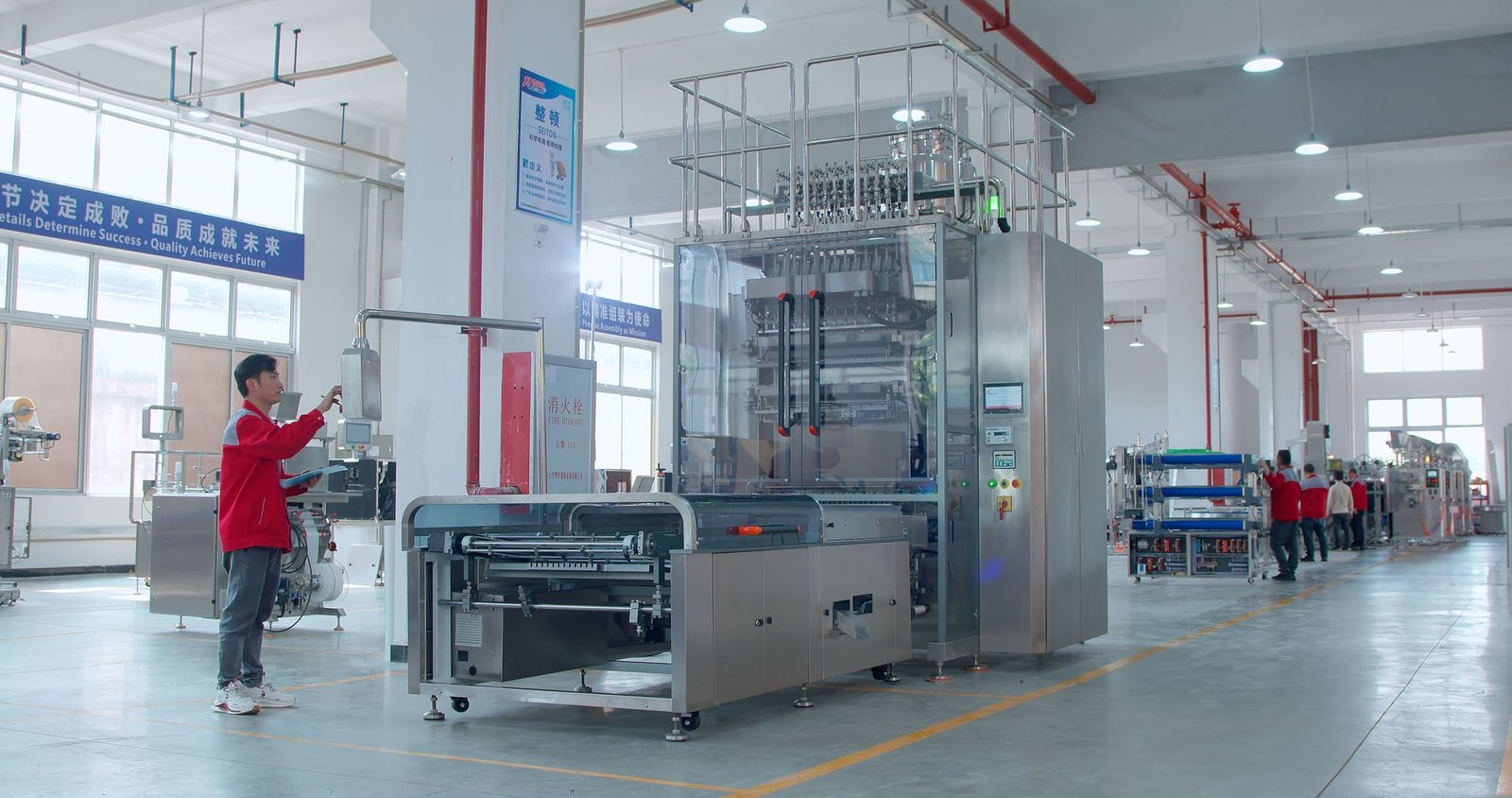
Evaluate the availability of spare parts in your region. A machine from a manufacturer with established distribution channels and accessible technical support reduces downtime risk significantly. Some suppliers, including experienced packaging machinery manufacturers like Ludyway, provide comprehensive after-sales support, spare parts programs, and remote technical assistance to keep operations running smoothly across more than 100 countries.
Budgeting Beyond the Purchase Price
The sticker price of a table top skin packaging machine represents only one component of total ownership cost. Factor in these ongoing expenses when comparing options:
- Consumables: Film rolls, backing cards coated for skin packaging adhesion, and any proprietary consumables required by the machine
- Energy Consumption: Electrical costs for heating elements and vacuum pump operation, calculated based on local utility rates and anticipated production hours
- Maintenance Consumables: Vacuum pump oil, replacement gaskets, heating elements, and filters that wear over time
- Operator Training: Time investment for staff to become proficient with the equipment, though table top models generally require less training than industrial systems
- Potential Downtime Costs: If the machine serves a critical production role, factor in the cost of potential interruptions and whether a backup plan exists
Compliance and Industry Standards
Depending on your industry and target markets, the packaging equipment may need to meet specific packaging standards and regulatory requirements. For food applications, verify that food-contact materials and machine construction comply with FDA food packaging regulations. Pharmaceutical and medical device packaging often requires adherence to ISO 11607 standards for terminally sterilized devices. Machines destined for the European market may need to comply with EU packaging and packaging waste directives. Confirm with the manufacturer that their equipment can be configured to meet applicable standards for your specific application and target market.
Making the Final Decision
Selecting the right table top skin packaging machine comes down to matching technical specifications with practical operational needs. Create a prioritized checklist based on your product dimensions, desired throughput, available workspace, film preferences, and budget constraints. Request demonstrations or sample runs with your actual products and preferred backing cards whenever possible, as this reveals real-world performance that specification sheets cannot convey. Speak with current users of the models you are considering to understand long-term reliability and any operational quirks. A machine that fits seamlessly into your workflow, produces consistent results, and is supported by responsive technical service will deliver value far beyond its purchase price, enhancing both product presentation and operational efficiency for years to come.