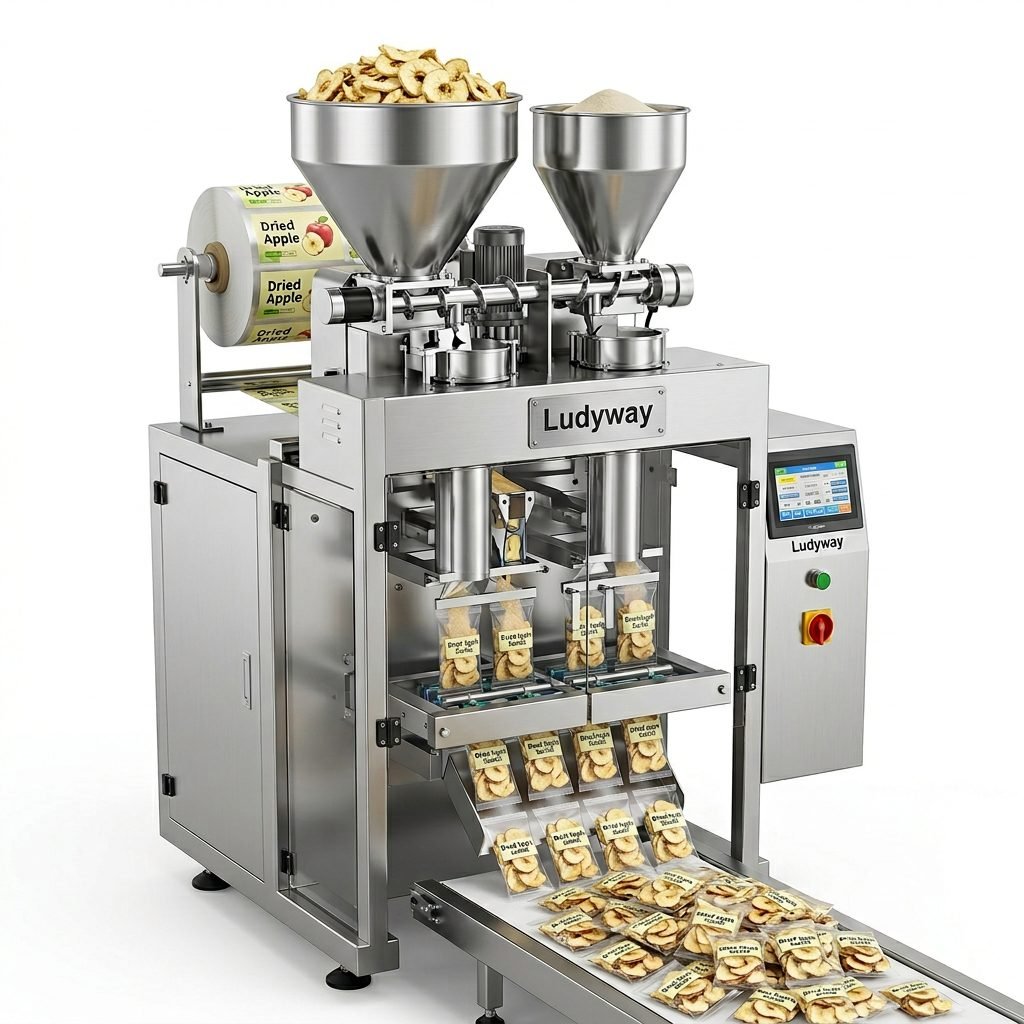
Investing in the right meal kit packaging machine is a critical decision that directly impacts your operational efficiency, product freshness, and brand reputation. With the global meal kit delivery services market experiencing rapid expansion, manufacturers require flexible, high-speed, and reliable equipment to meet growing consumer demand. This guide provides a structured approach to selecting the ideal system for your production line.
Understanding Your Product and Packaging Format
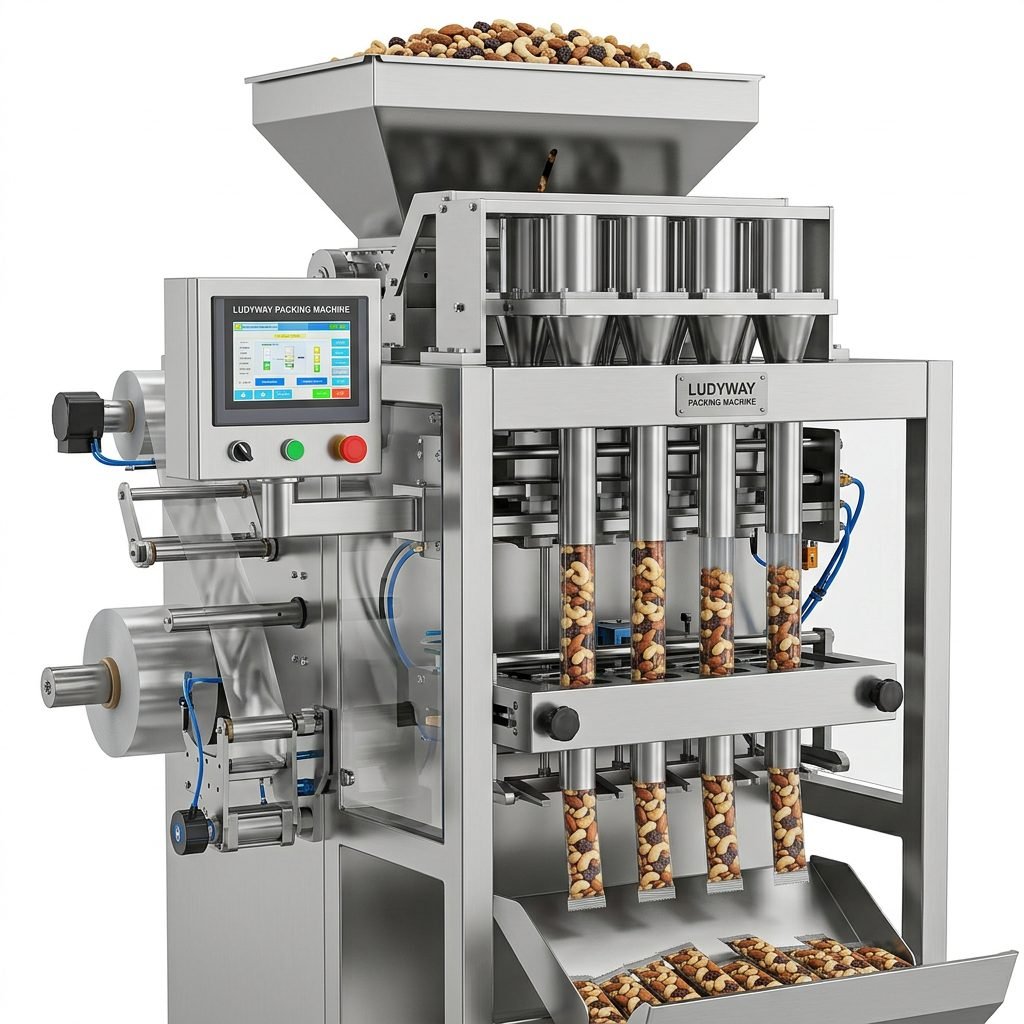
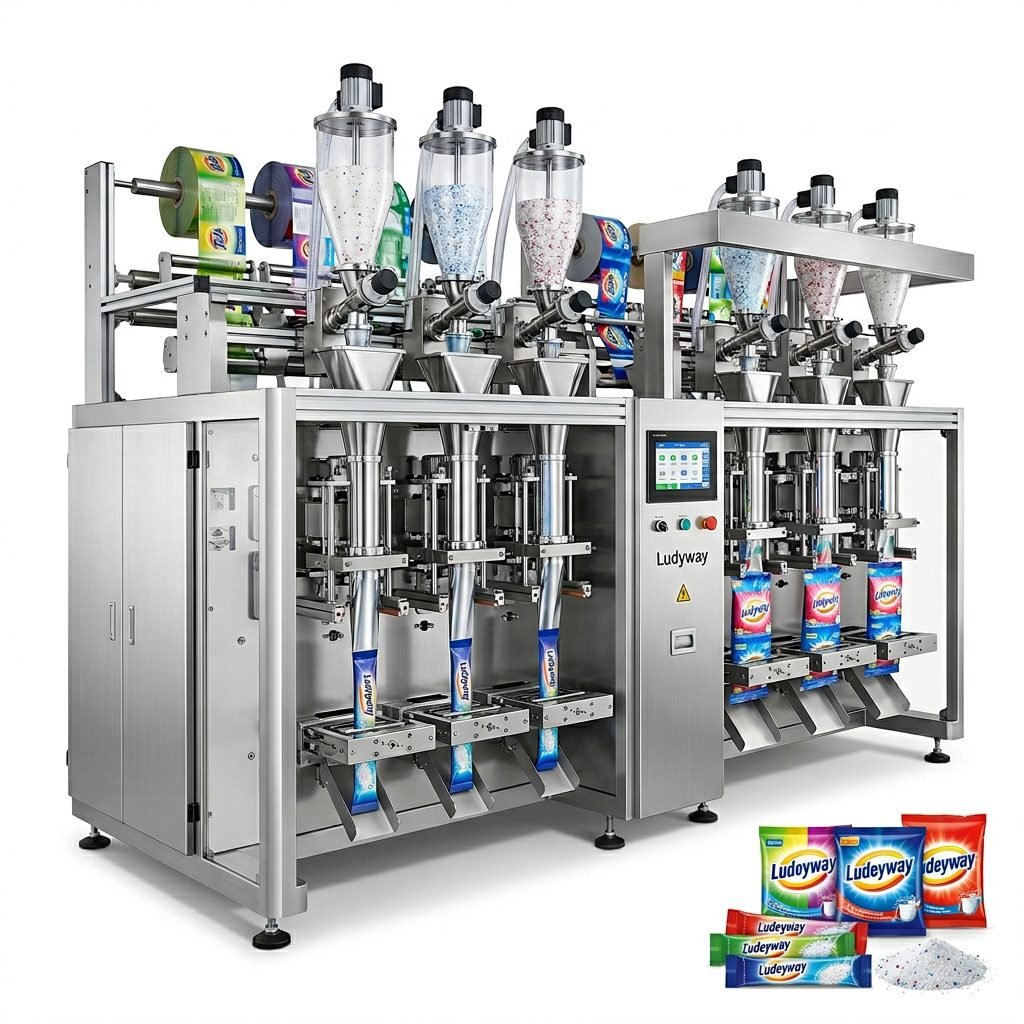
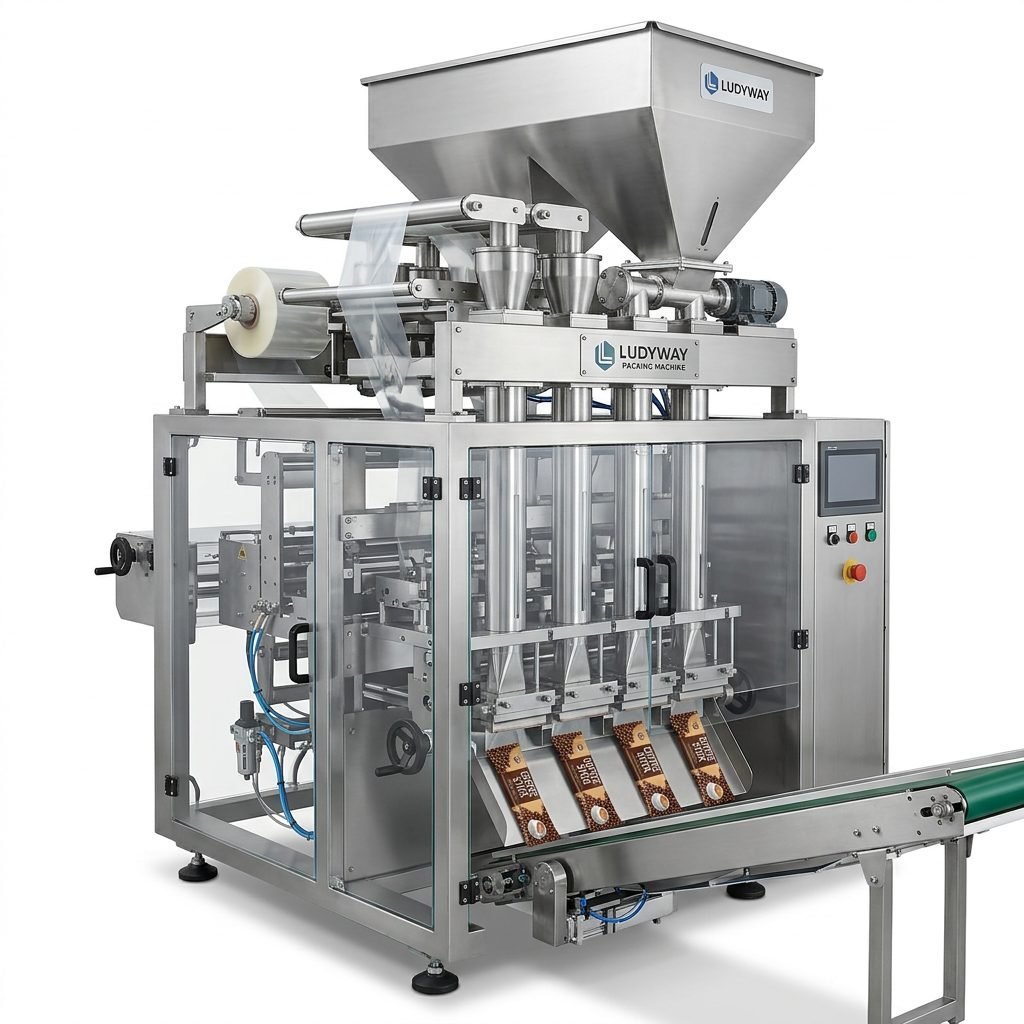
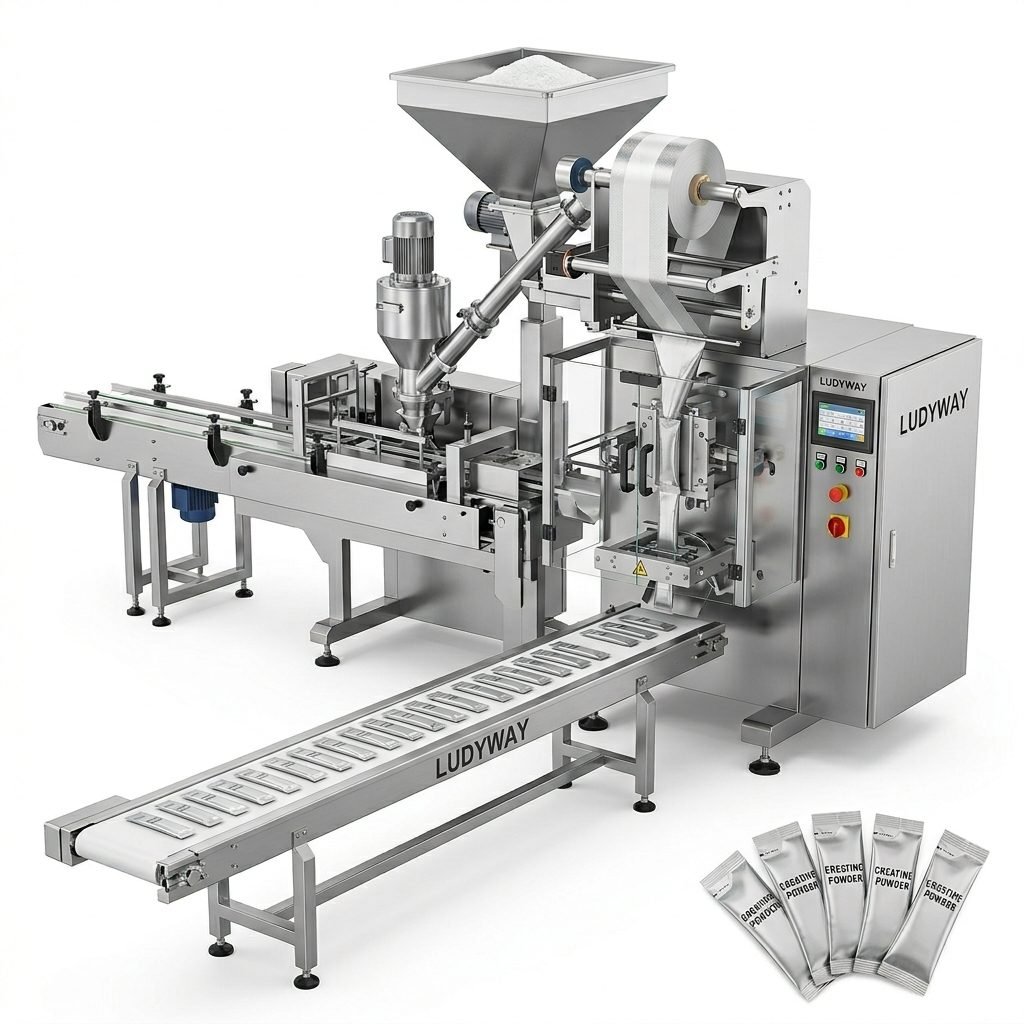
Before evaluating machinery, it is essential to define your primary product characteristics. Are you packaging dry granules like spices and rice, free-flowing powders, viscous liquids such as sauces, or a combination of multiple components? The physical properties of your ingredients determine the type of filling system required. Common formats for meal kits include multi-lane stick packs, sachets, and premade pouch packaging. A stick pack machine is often preferred for single-serve powders and liquids, while a sachet packaging machine offers versatility for larger portions or mixed ingredients.
Key Considerations for Equipment Selection
Selecting a packaging line requires a detailed analysis of several performance parameters. The table below outlines the core factors you should evaluate to ensure long-term reliability and compliance with international standards.
| Selection Parameter | Why It Matters | Technical Specification Focus |
|---|---|---|
| Production Speed | Directly affects output capacity and order fulfillment timelines. | Packs per minute (PPM) per lane; multi-lane configuration options. |
| Filling Accuracy | Minimizes product giveaway and ensures consistent portion control. | Auger filler tolerance for powders; piston pump precision for liquids. |
| Material Compatibility | Determines seal integrity and shelf life of the final product. | Support for laminated films, aluminum foil, and biodegradable materials. |
| Automation Level | Reduces labor dependency and human error in the packing process. | Integration of automatic feeding, weighing, and cartoning systems. |
Automation and Turnkey Integration
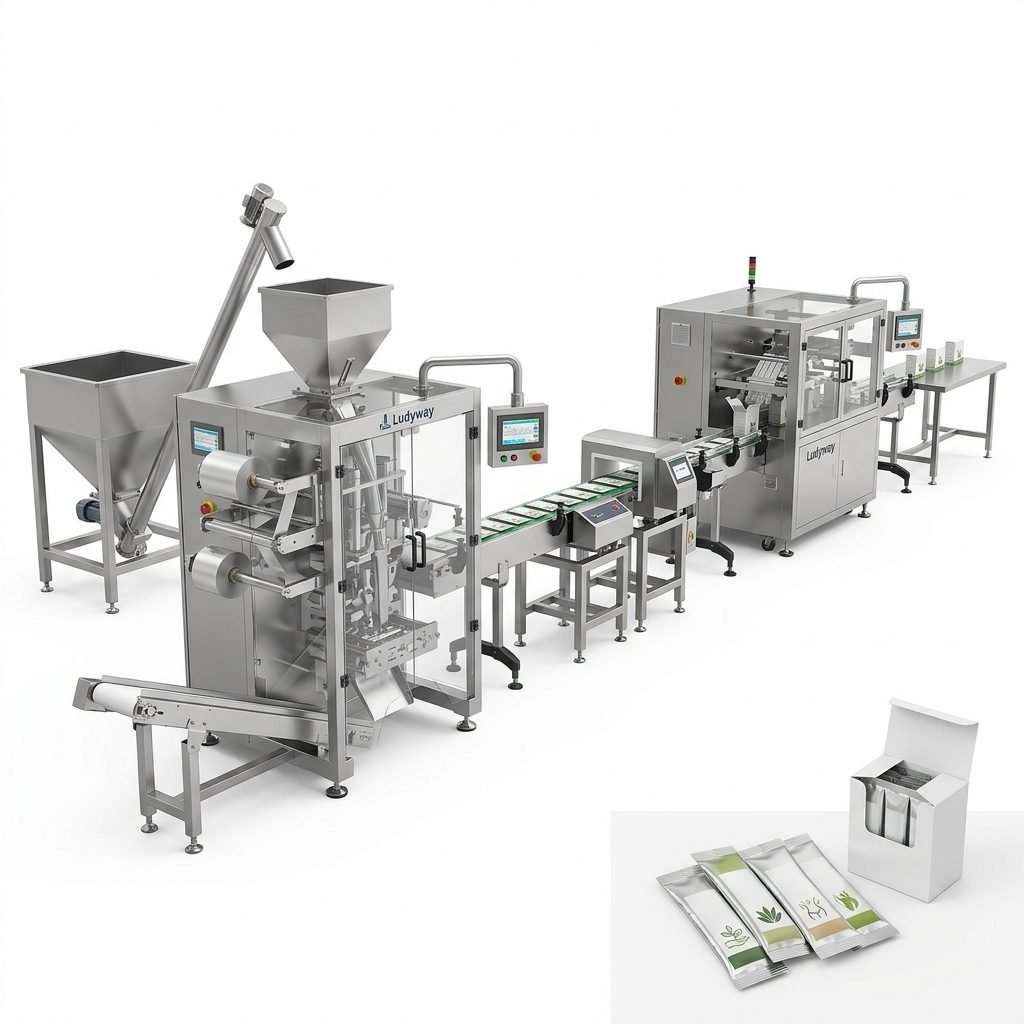
Modern food manufacturing facilities benefit significantly from fully integrated turnkey packaging solutions. Rather than purchasing standalone units that require manual transfer between processes, a synchronized line combines feeding, filling, sealing, coding, and cartoning into one seamless flow. Automated packaging lines not only boost throughput but also enhance hygiene standards by reducing manual contact points, a crucial factor for food safety regulations enforced by entities like the FDA.
Evaluating Machine Types for Meal Kit Applications
The configuration of your packaging machine heavily depends on the specific meal kit component. Below is a breakdown of the most suitable technologies:
- Multi-Lane Stick Pack Machines: Ideal for high-volume production of salt, sugar, coffee, protein powders, and liquid concentrates. These machines maximize output while minimizing film waste. They are the preferred choice for meal kit packaging solutions requiring precise single-serve portions.
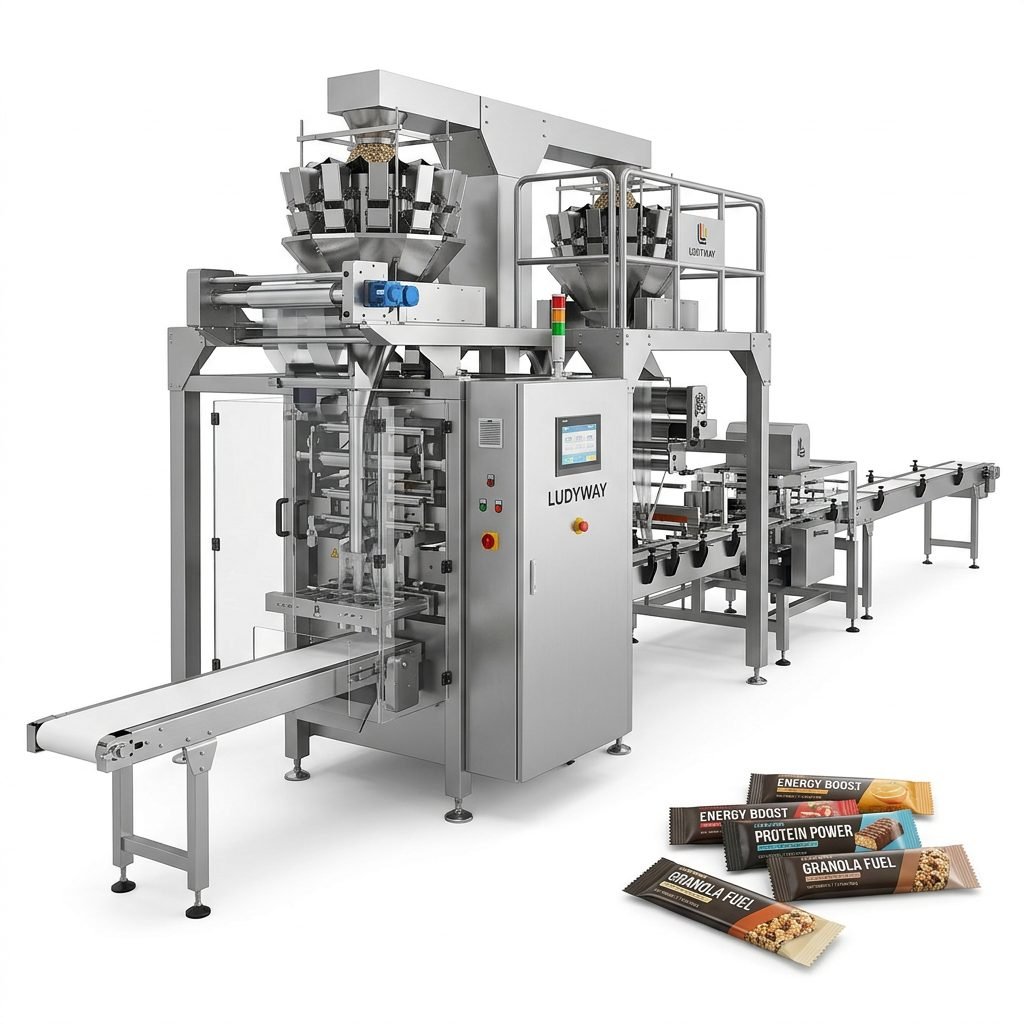
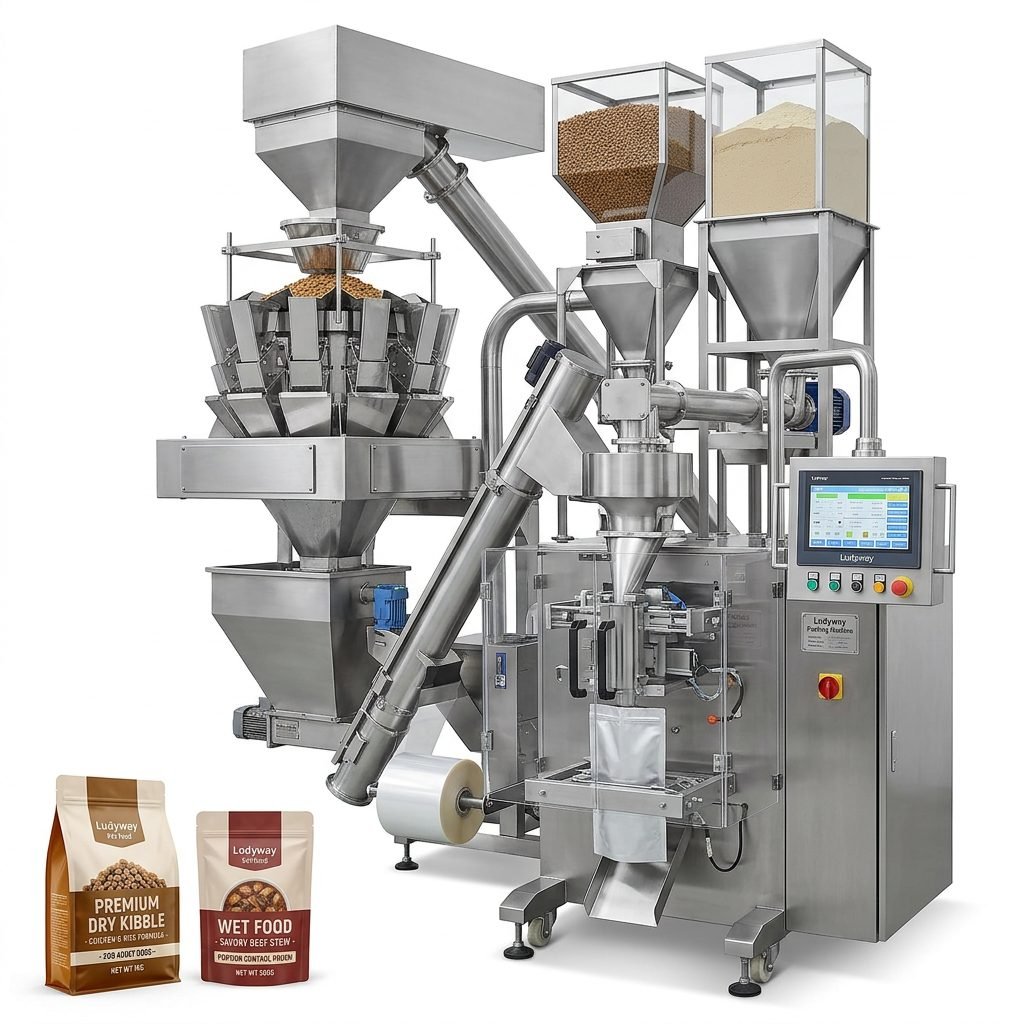
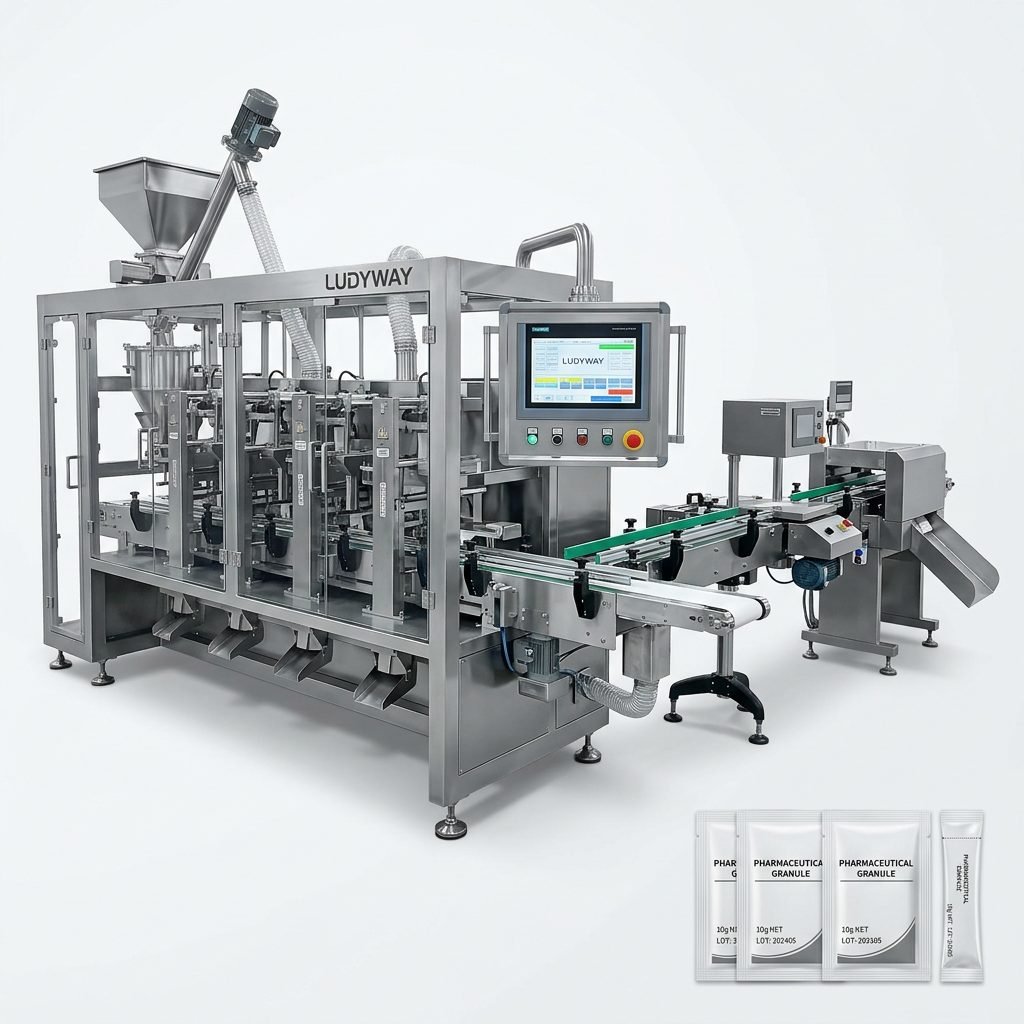
- Vertical Form Fill Seal (VFFS) Machines: Highly versatile for packaging granules and powders into pillow bags or gusseted pouches. Suitable for larger meal kit components like rice, pasta, or dehydrated vegetables.
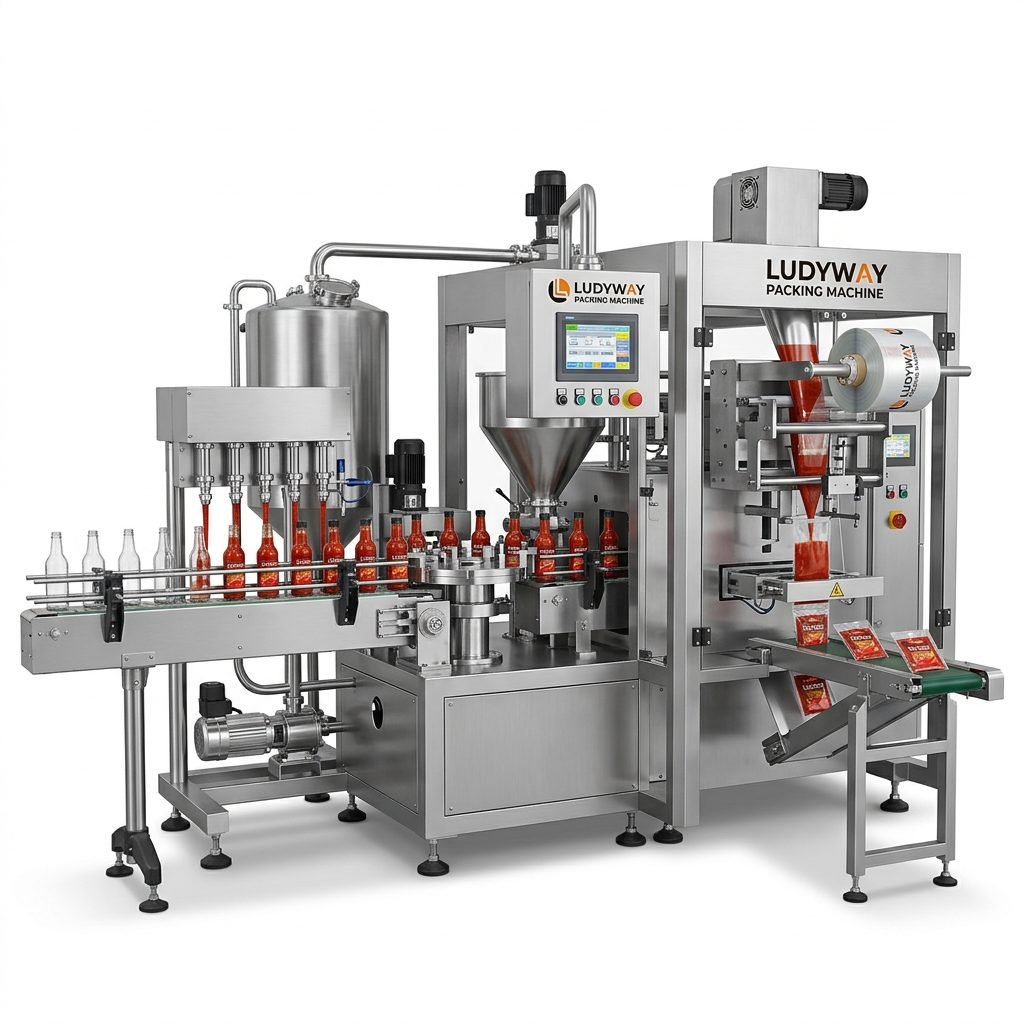
- Premade Pouch Rotary Fillers: Perfect for premium meal kits that utilize stand-up pouches with zippers. These machines handle the complexities of pre-formed bags and are excellent for mixed ingredients or larger recipe kits.
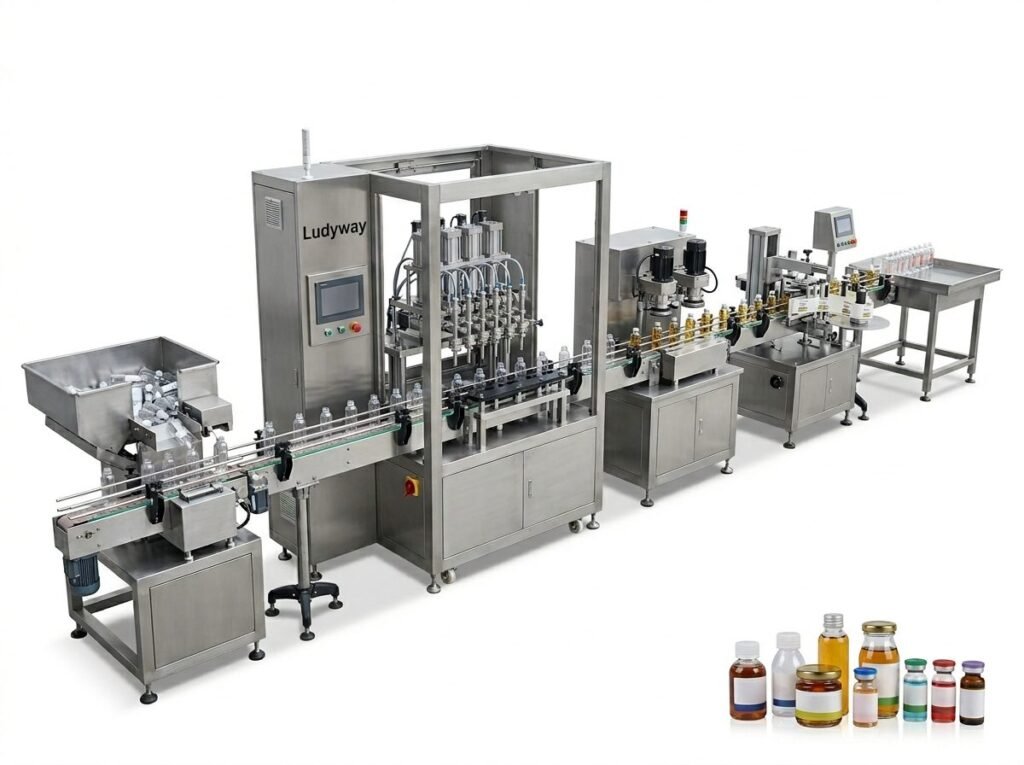
- Liquid Filling Systems: Specialized modules for oils, vinegars, and sauces. Look for sanitary design features such as CIP (Clean-in-Place) capabilities to comply with pharmaceutical-grade sanitation standards if producing functional beverages or health shots.
Ensuring Packaging Integrity and Sustainability
Seal integrity is non-negotiable, especially for meal kits that must withstand cold chain logistics. A machine with precise temperature control and adjustable sealing pressure prevents leaks and contamination. With the increasing emphasis on environmental responsibility, your equipment should also be capable of running recyclable films and paper-based structures. For insights into sustainable material trends, the Flexible Packaging Association provides excellent resources and industry data that can guide your material selection strategy.
Global Compliance and Quality Control Systems
To export meal kits globally, packaging machinery must support compliance with FDA packaging and food contact substances regulations as well as European standards. Advanced inspection systems such as checkweighers, metal detectors, and vision inspection are critical. A comprehensive industrial X-ray inspection machine can identify foreign bodies and ensure no compromised packs reach the customer. Integrating these systems directly into the packaging line guarantees traceability and safety.
Key Maintenance and After-Sales Support
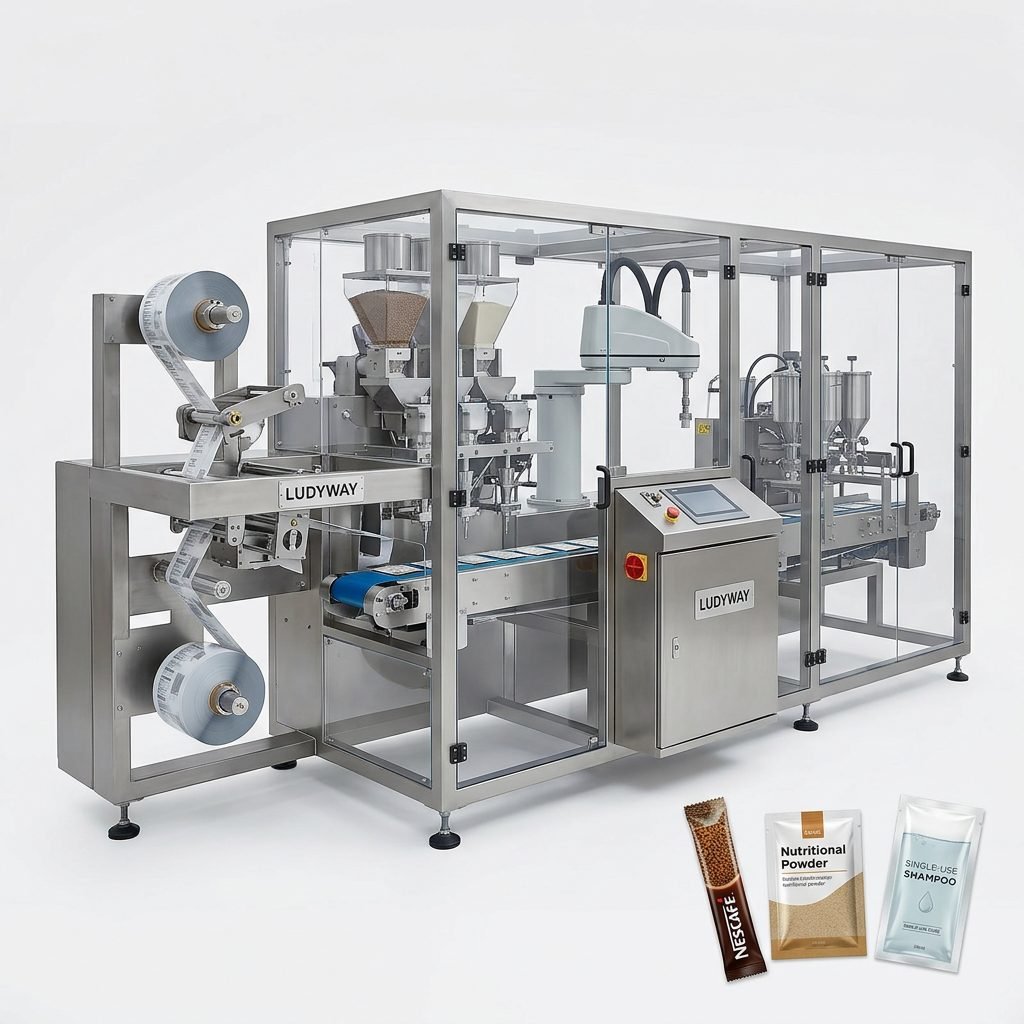
Downtime can paralyze a food delivery supply chain. When purchasing a granule powder packaging machine or a complex filling line, prioritize manufacturers that offer rapid remote diagnostics, readily available spare parts, and local technical support. A robust machine constructed with high-grade stainless steel and modular electrical components simplifies maintenance tasks and extends the lifespan of the equipment. For long-term operational success, partnering with a manufacturer possessing a substantial engineering team and a proven track record is essential. Ludyway, with over 30 years of experience and a 20,000㎡ manufacturing facility, provides reliable and efficient packaging solutions that help businesses achieve high productivity and product quality in the competitive global market.
For further market analysis and machinery standards, consulting publications like the PMMI State of the Industry Report can provide valuable benchmarking data. Your final decision should balance speed, precision, and total cost of ownership to secure a sustainable competitive advantage in the meal kit sector.