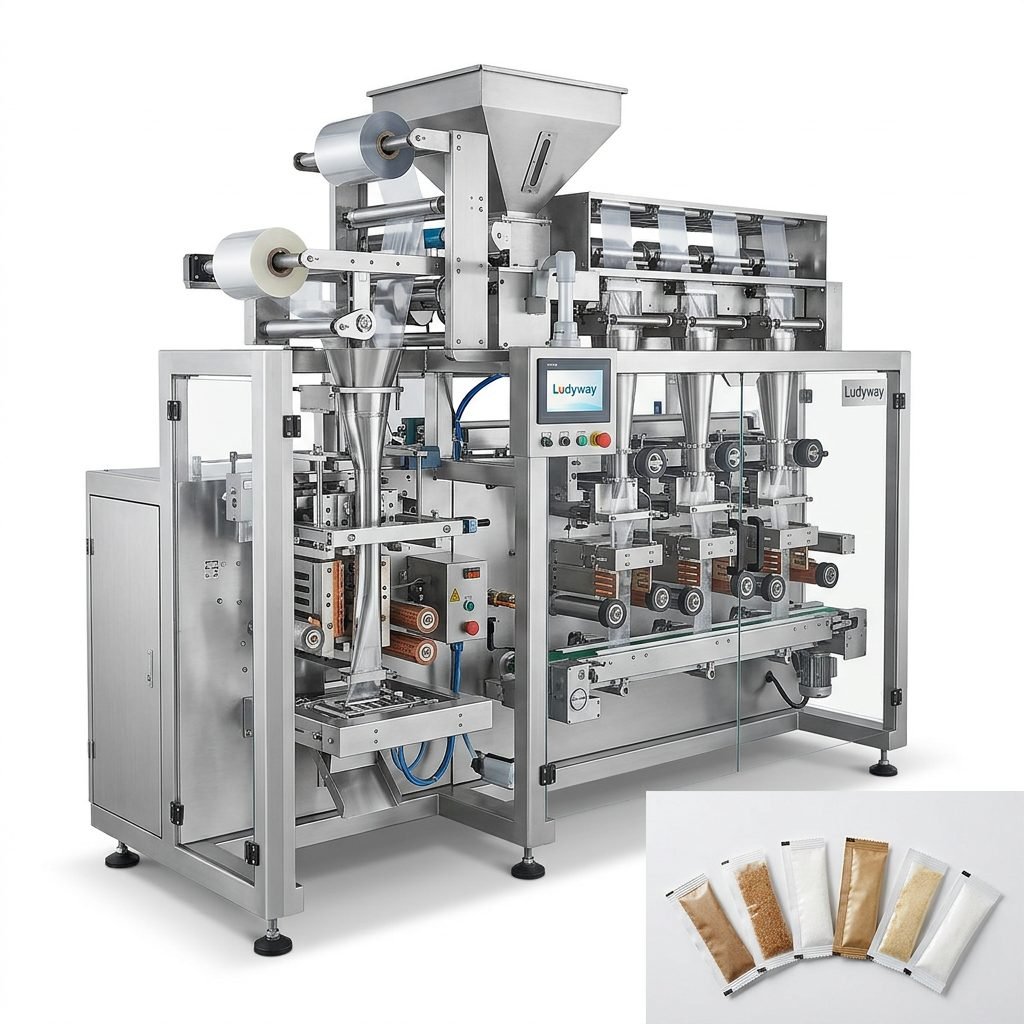
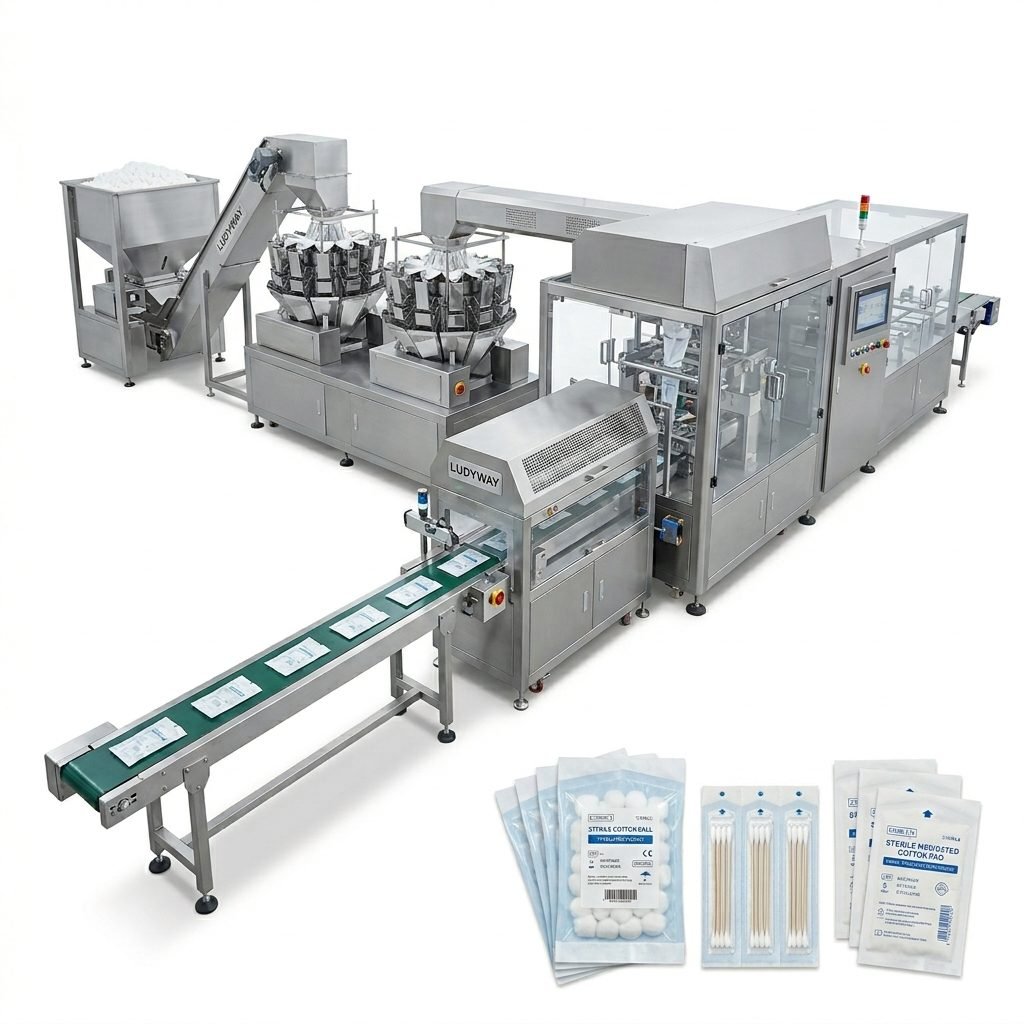
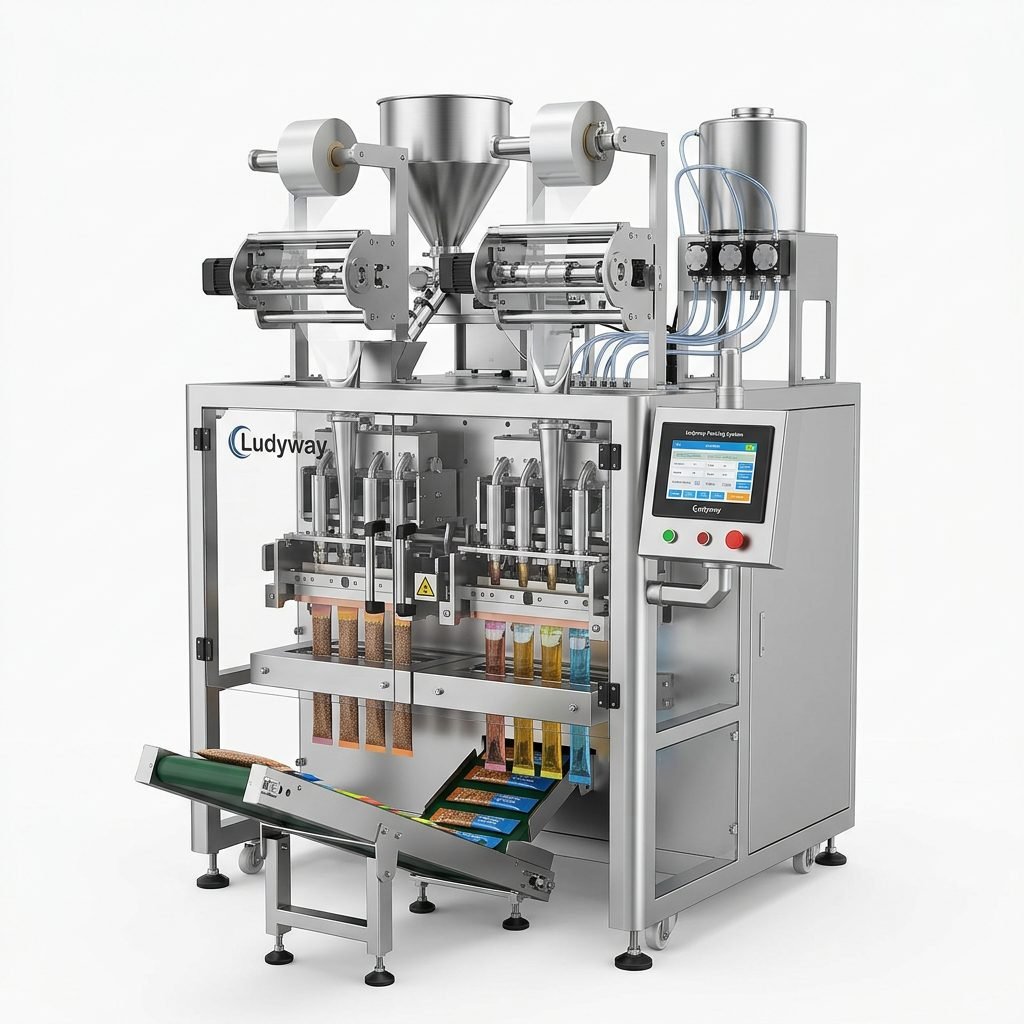
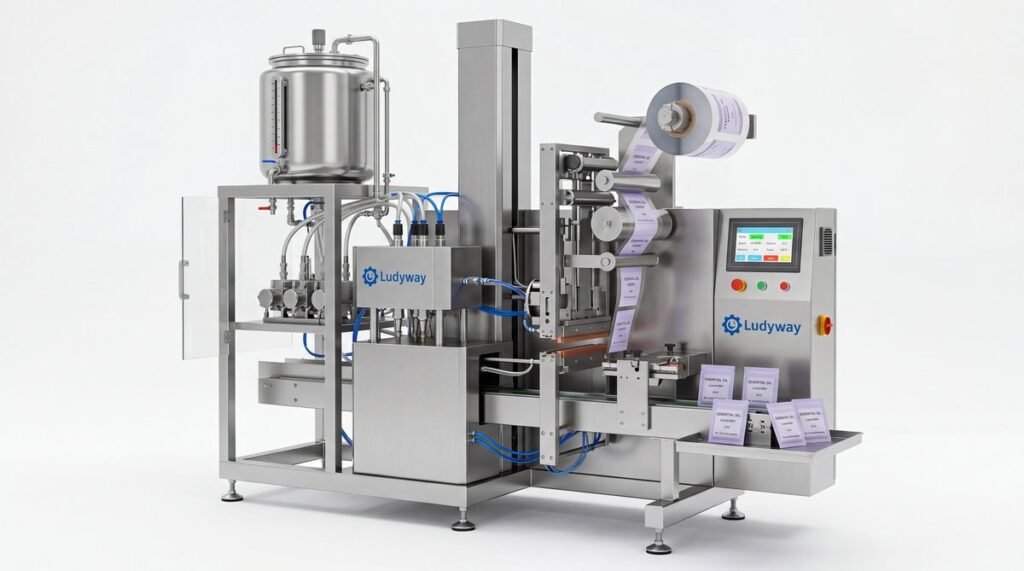
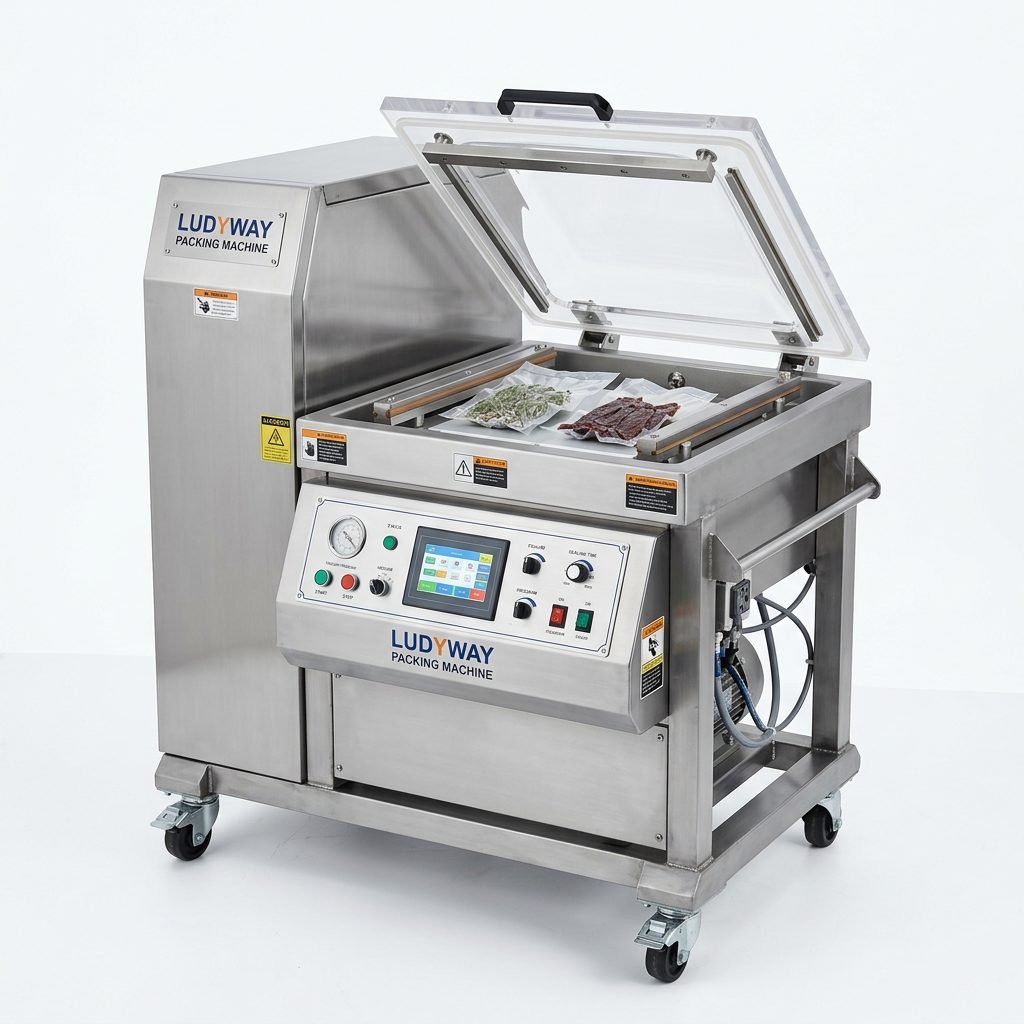
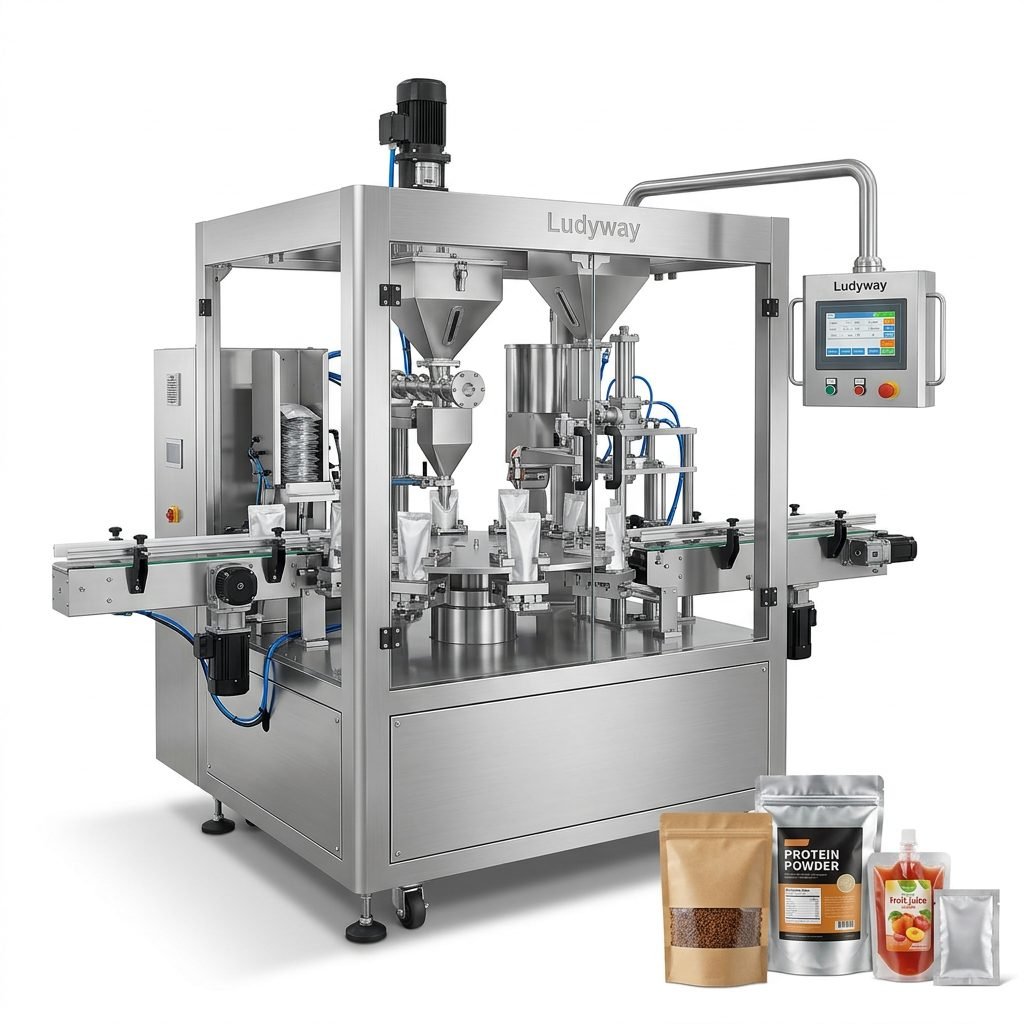
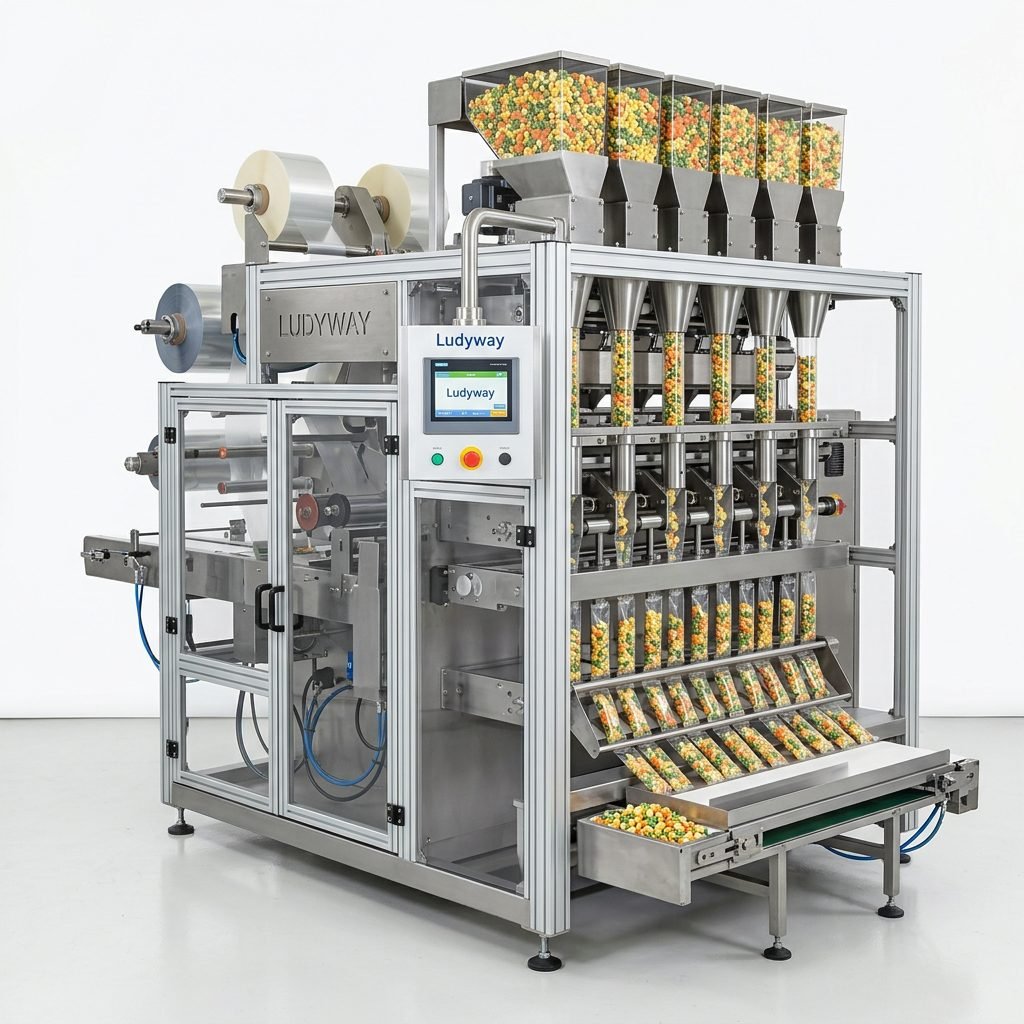
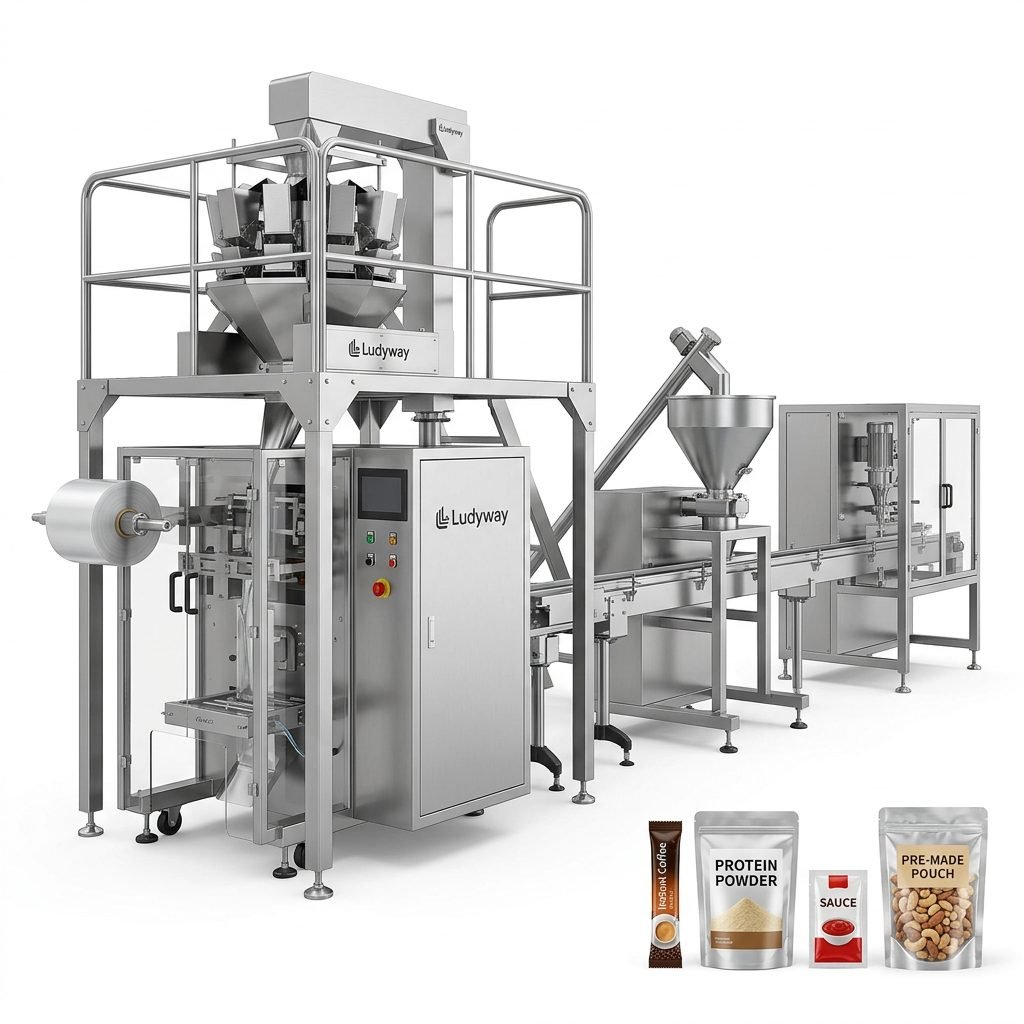
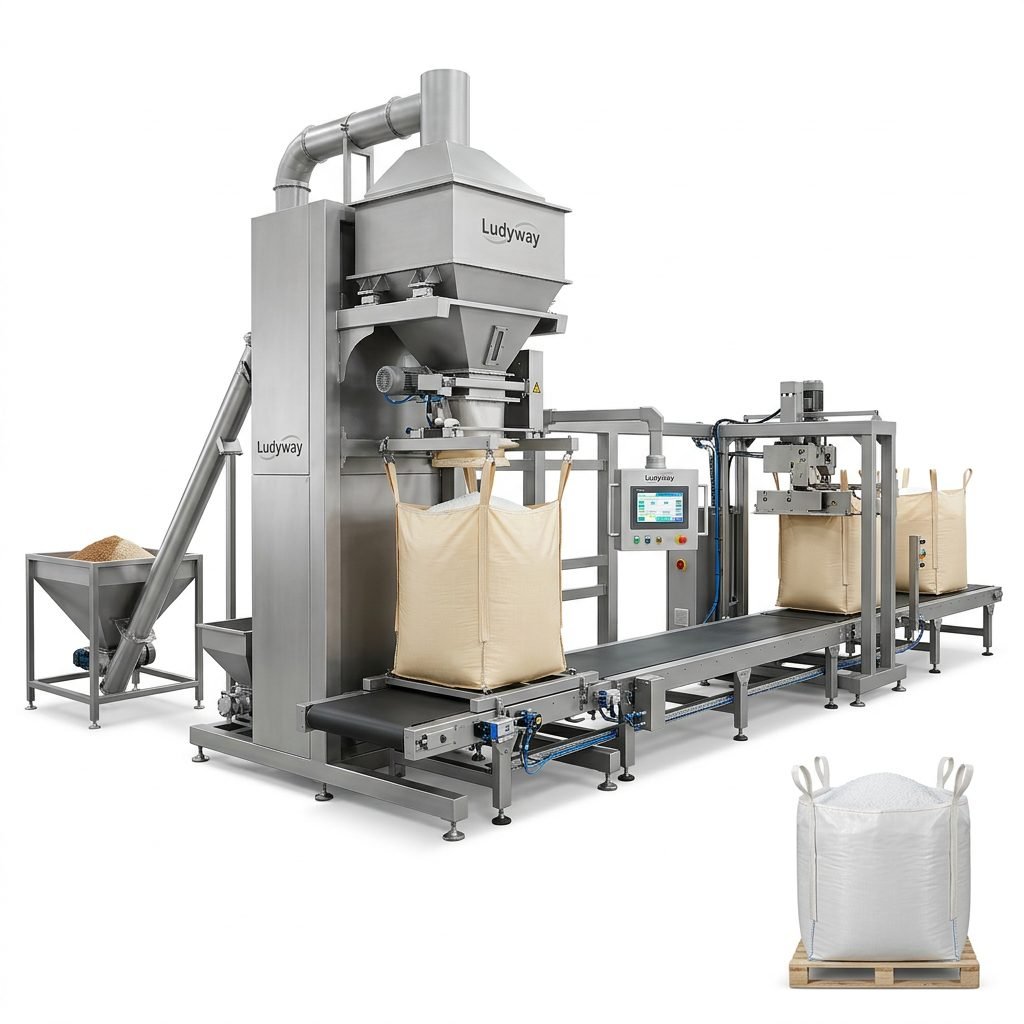
Choosing the right ice packaging machine is not only about packing bags faster. It is about keeping ice clean, reducing melting loss, improving labor efficiency, maintaining bag consistency, and supporting long-term production growth. Whether you run a small ice plant, a retail ice business, or a large-scale automatic packaging facility, the best solution depends on your product type, target output, bag format, factory conditions, and automation goals.
In practice, many buyers focus first on machine speed, but that is only one part of the decision. A suitable machine should also match your ice size, moisture conditions, sealing requirements, conveying layout, and downstream packing process. When these elements work together, your operation becomes more stable and more profitable.

Why Ice Packaging Efficiency Matters
Ice is a special product. Unlike dry powders, granules, or snacks, it is highly sensitive to temperature, humidity, sticking, and product loss during transfer. Poor packaging efficiency can quickly create expensive problems, including:
- Bag weight inconsistency
- Ice melting during delays
- Unclean packaging caused by manual handling
- Seal failure due to moisture on the film
- High labor dependency
- Production bottlenecks during peak demand seasons
An efficient ice packing solution should therefore minimize product exposure time, shorten transfer distance, maintain stable weighing, and ensure reliable sealing even in wet or cold environments.
Start by Defining Your Ice Product
Before comparing machine models, clearly define what type of ice you produce. Different forms of ice behave very differently during feeding, weighing, and bagging.
| Ice Type | Packaging Challenge | Recommended Consideration |
|---|---|---|
| Cube ice | Needs gentle handling to reduce breakage | Controlled conveying and accurate weighing |
| Tube ice | Can roll quickly and affect feeding stability | Stable infeed design and anti-jam layout |
| Crushed ice | High moisture and uneven particle size | Moisture-tolerant sealing and strong discharge control |
| Flake ice | Light texture, easy bridging | Specialized feeding and anti-blocking design |
| Block ice pieces | Heavy and irregular shape | Heavy-duty weighing and larger bag forming area |
The more clearly you define your product, the easier it becomes to choose a machine that will run smoothly and produce stable output.
Key Questions to Ask Before Buying an Ice Packaging Machine
A good buying decision starts with the right technical questions. Ask these before requesting quotations:
- What is your target output per hour or per day?
- What bag sizes do you need: 1 kg, 2 kg, 5 kg, 10 kg, or larger?
- Will you pack retail bags, wholesale bags, or both?
- What kind of packaging film or pre-made bags will you use?
- Do you need printing, coding, or labeling?
- What is the ambient temperature in your workshop?
- How wet is the product when it reaches the machine?
- Do you want semi-automatic operation or full automation?
- Will the line include conveyors, checkweighers, metal detection, or secondary packing?
- How much labor do you want to reduce?
These answers determine not only the machine structure, but also the overall line configuration.
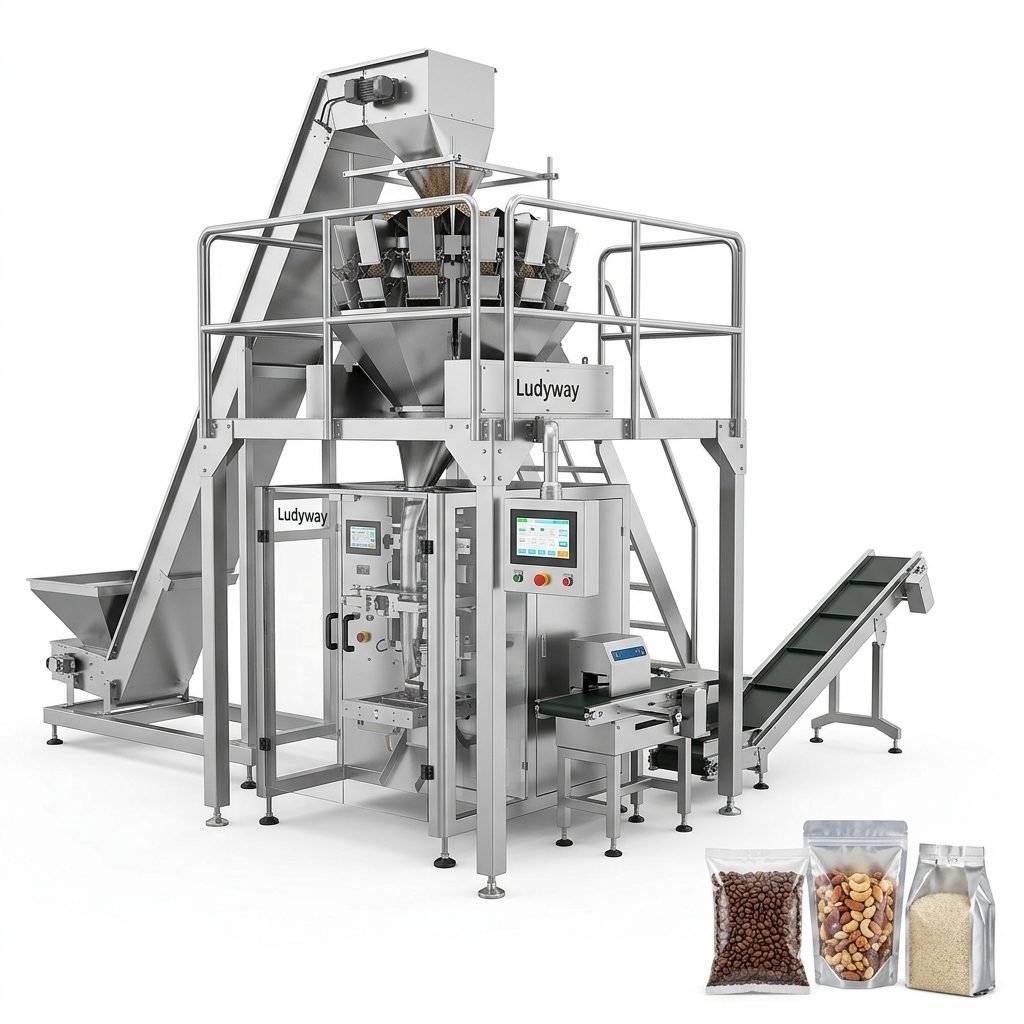
Types of Ice Packaging Machine Solutions
Semi-Automatic Ice Packing Machines
These solutions are suitable for smaller operations or businesses with limited startup budgets. Operators may manually place bags while the machine handles weighing or discharge. The investment is lower, but labor demand is higher and total throughput is limited.
Automatic Weighing and Bagging Machines
These are popular for medium to large ice plants. They automate weighing, bagging, sealing, and often discharge. This type improves packaging speed and consistency while reducing direct handling.
Turnkey Ice Packaging Lines
A complete line typically includes product transfer, weighing, bag forming or bag feeding, sealing, date coding, inspection, case packing, and palletizing. This is the best option for companies planning to scale, standardize quality, and build a modern production system.
How to Match the Machine to Your Required Output
One of the most common mistakes is buying a machine that is either too small for peak demand or too large for actual production needs. The correct capacity should be based on your real hourly demand, seasonal fluctuations, and future expansion plan.
| Production Scale | Suggested Solution | Typical Focus |
|---|---|---|
| Small-scale | Semi-automatic packing unit | Low investment, basic automation |
| Medium-scale | Automatic weighing and sealing machine | Balanced speed, labor savings, stable quality |
| Large-scale | Integrated turnkey packaging line | High throughput, continuous automation, scalable operation |
If your business experiences heavy summer demand, always evaluate machine performance at peak production, not just average production.
Important Technical Features to Evaluate
1. Weighing Accuracy
Accurate weighing reduces giveaway and helps maintain bag consistency. In ice packaging, even small weight variations can increase costs significantly over time.
2. Sealing Reliability in Wet Conditions
Ice packaging often fails at the sealing stage because moisture interferes with proper film bonding. A good machine should be designed to handle damp bag mouths and maintain consistent sealing pressure and temperature.
3. Hygienic Structure
Sanitary design matters, especially for edible ice. Smooth-contact surfaces, corrosion-resistant materials, and easy cleaning access are important for food safety and maintenance.
4. Fast Changeover
If you pack multiple bag sizes, machine changeover time becomes important. Fast adjustment improves uptime and production flexibility.
5. Durable Conveyor and Feeding System
Ice is cold, heavy, and slippery. The conveying system must handle wet product without frequent blockage or wear.
6. Automation Compatibility
Even if you start with a standalone machine, it is wise to choose equipment that can later connect with coding, inspection, case packing, and palletizing systems.
What Bag Types Work Best for Ice Packaging?
Your packaging material directly affects shelf appeal, product protection, and machine compatibility. Common options include:
- PE bags for standard retail ice
- Printed plastic bags for branded supermarket sales
- Heavy-duty bags for commercial or bulk distribution
- Pre-made bags for certain specialized applications
When selecting the machine, confirm that it can handle your preferred film thickness, bag length range, sealing type, and print registration requirements.
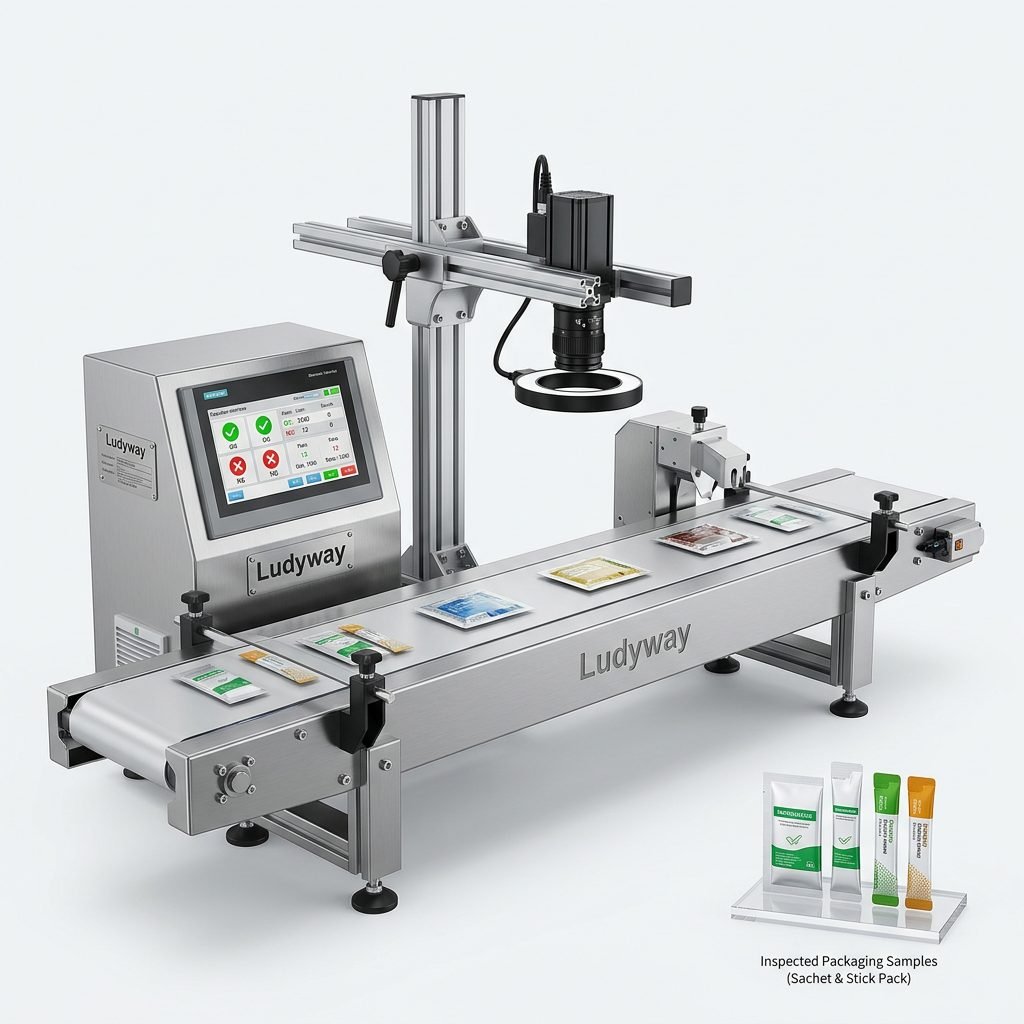
How to Reduce Melting Loss During Packing
Melting loss is one of the hidden costs in ice packaging. If the process is too slow or poorly designed, you lose product weight, create wet bags, and increase sealing defects. To reduce this risk:
- Keep the transfer path as short as possible
- Use fast and stable weighing systems
- Minimize waiting time between filling and sealing
- Control ambient room temperature where possible
- Use equipment surfaces suitable for cold, wet operation
In many cases, line layout design is just as important as the packaging machine itself.
Should You Choose a Standalone Machine or a Full Turnkey Line?
The answer depends on your business stage.
Choose a standalone machine if:
- Your output is still moderate
- You have enough manual labor available
- Your budget is limited
- You want to upgrade step by step
Choose a turnkey line if:
- You need high-volume daily packaging
- You want to standardize operations
- You aim to reduce labor dependence
- You need integrated weighing, sealing, coding, inspection, and end-of-line packaging
- You are planning long-term expansion
For growing manufacturers, turnkey systems usually deliver stronger long-term value because they improve line coordination and reduce bottlenecks between process steps.
Common Buying Mistakes to Avoid
- Choosing based only on price
- Ignoring sealing performance in wet conditions
- Underestimating future output needs
- Failing to match the machine to actual ice type and bag size
- Not considering maintenance access and spare parts supply
- Overlooking the importance of line integration
A lower-cost machine may become more expensive over time if it causes downtime, unstable weights, or excessive labor use.
How to Evaluate an Ice Packaging Machine Supplier
The supplier matters as much as the machine. A professional manufacturer should be able to understand your product, recommend the proper machine structure, and support installation, testing, and after-sales service.
When reviewing suppliers, check:
- Years of manufacturing experience
- Export capability and overseas project experience
- Customization ability
- Factory capacity and quality control process
- Technical communication speed
- Availability of complete packaging line solutions
For buyers seeking scalable automation, ice packaging machine solutions from Ludyway can be a strong option to evaluate, especially for projects that require customized packaging equipment or complete turnkey packaging line integration.
Signs You Need an Upgraded Ice Packing Solution
If your current setup has the following issues, it may be time to upgrade:
- Too many workers are needed for simple bagging tasks
- Bag weights are inconsistent
- Sealing quality is unstable
- Production cannot keep up with seasonal demand
- Packaging losses are increasing
- Manual handling is affecting hygiene and product presentation
Best Solution by Business Goal
| Business Goal | Best Machine Direction |
|---|---|
| Lower startup cost | Semi-automatic bagging solution |
| Reduce labor | Automatic weighing and sealing machine |
| Improve bag consistency | High-accuracy weighing system with stable sealing |
| Expand production capacity | Full automatic turnkey packaging line |
| Support multiple bag formats | Flexible machine with fast changeover design |
Final Buying Checklist
Before placing an order, make sure you confirm all of the following:
- Ice type and size range
- Required bag weight and bag dimensions
- Expected hourly and daily output
- Packaging material compatibility
- Workshop temperature and humidity conditions
- Level of automation required
- Future expansion needs
- Installation, training, and spare parts support
Conclusion
The best ice packaging machine is the one that fits your product characteristics, production goals, packaging format, and automation strategy. A smart decision goes beyond speed alone. It should help you reduce melting loss, improve packaging consistency, lower labor costs, and prepare your business for future growth.
If you compare machine type, weighing accuracy, sealing reliability, hygiene design, and supplier capability together, you will be in a much better position to choose an efficient and sustainable ice packing solution.