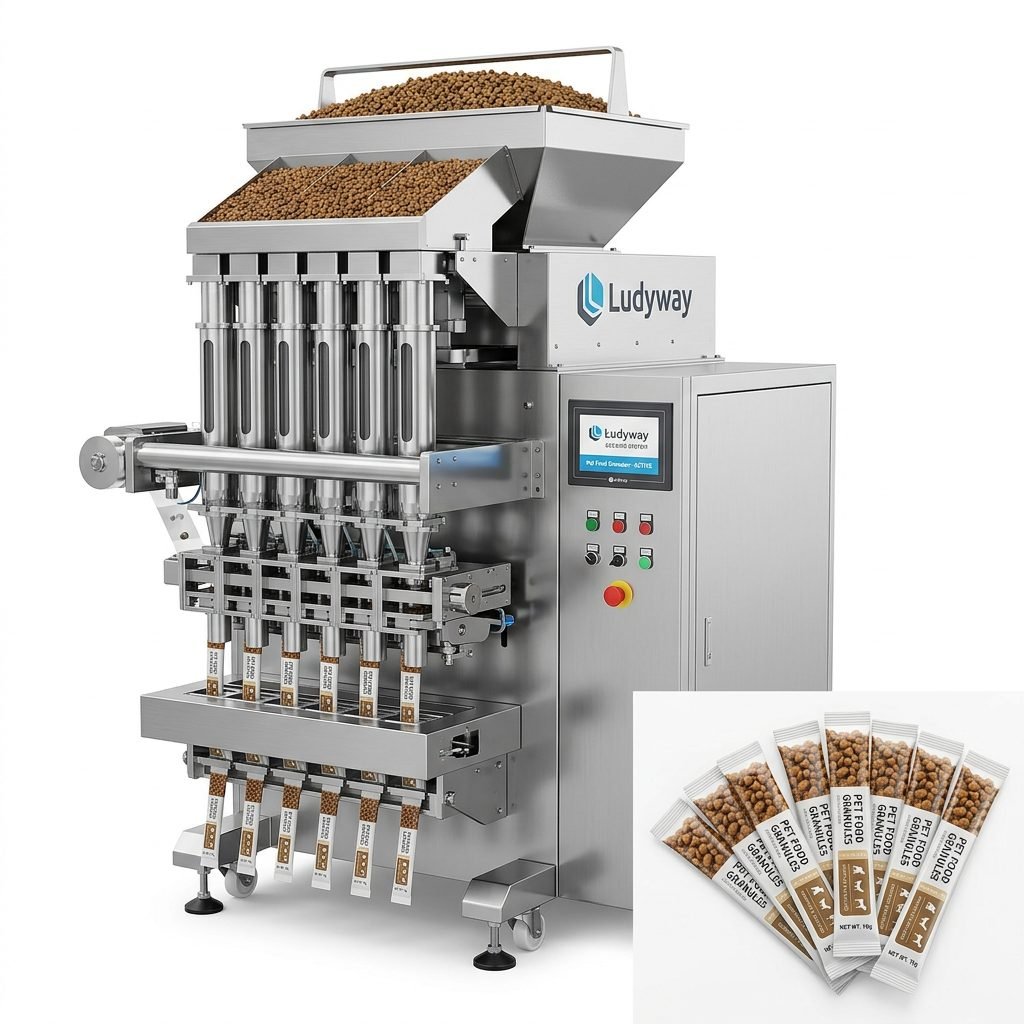
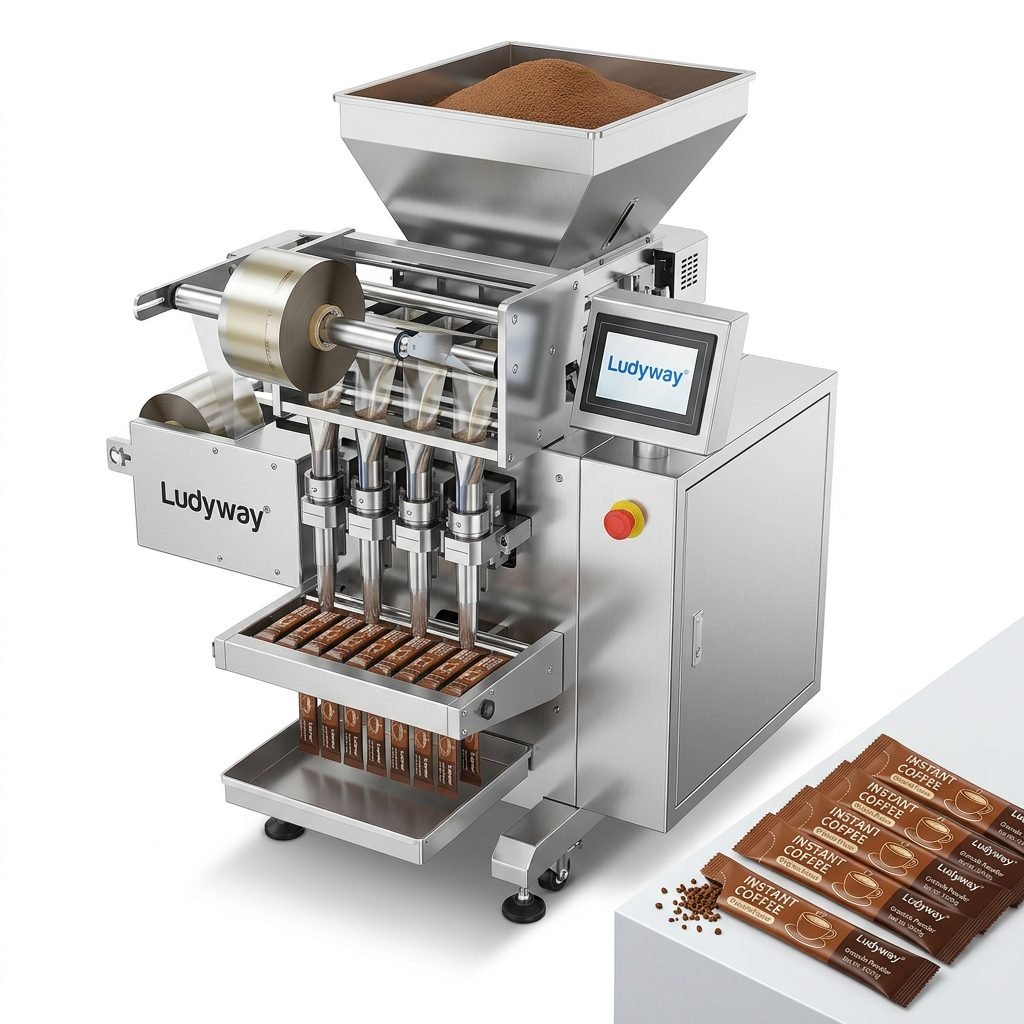
Germany represents one of Europe’s most sophisticated markets for coffee processing and packaging. With per capita coffee consumption exceeding 5 liters annually and a deeply rooted coffee culture, the demand for premium packaged coffee products continues to grow. Establishing a coffee vacuum packaging machine production line in Germany requires meticulous planning, regulatory compliance, and an understanding of both the engineering and commercial landscape. This guide provides a step-by-step framework for setting up a successful operation.
Why Germany for Coffee Vacuum Packaging
Germany’s strategic location in central Europe, its advanced logistics infrastructure, and its reputation for engineering excellence make it an ideal hub for coffee packaging operations. The country hosts major coffee roasting and distribution centers, including facilities operated by Tchibo, Jacobs, and numerous specialty roasters. A well-planned coffee vacuum packaging machine production line positioned in Germany can serve markets across the EU, the Nordics, and Eastern Europe.
Key Market Advantages
- Central European logistics hub with access to over 500 million consumers
- Stringent quality standards that enhance brand reputation globally
- Strong engineering and technical maintenance infrastructure
- Favorable investment climate for food processing equipment
- Proximity to major green coffee ports including Hamburg and Bremen
Core Equipment for a Vacuum Coffee Packaging Line
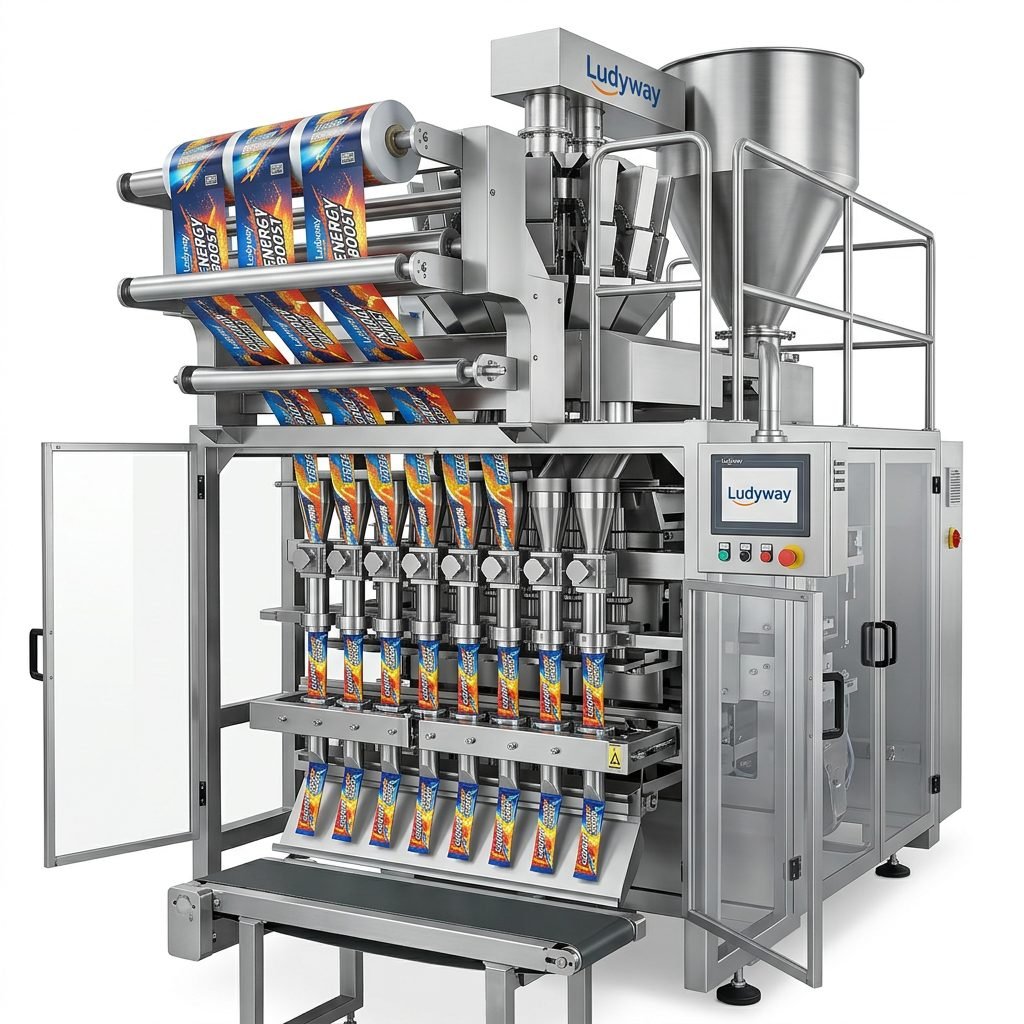
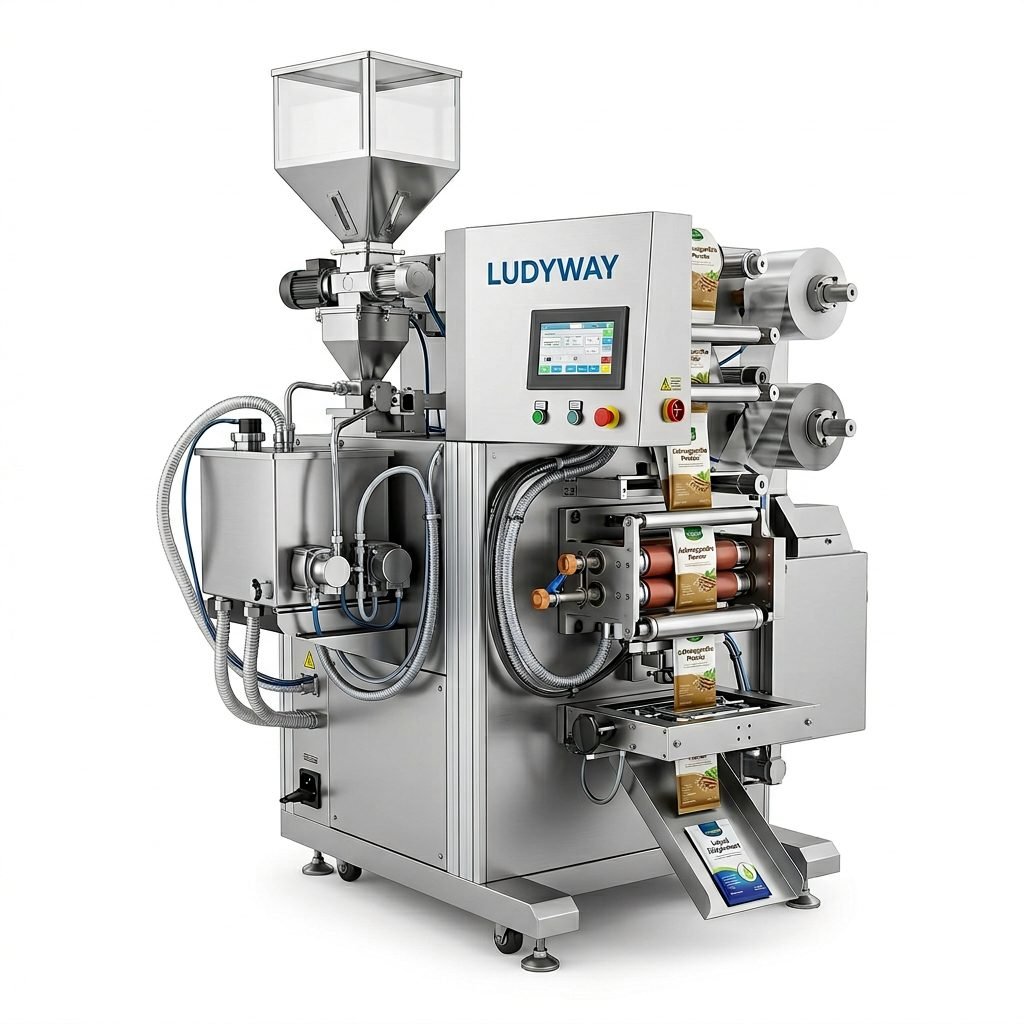
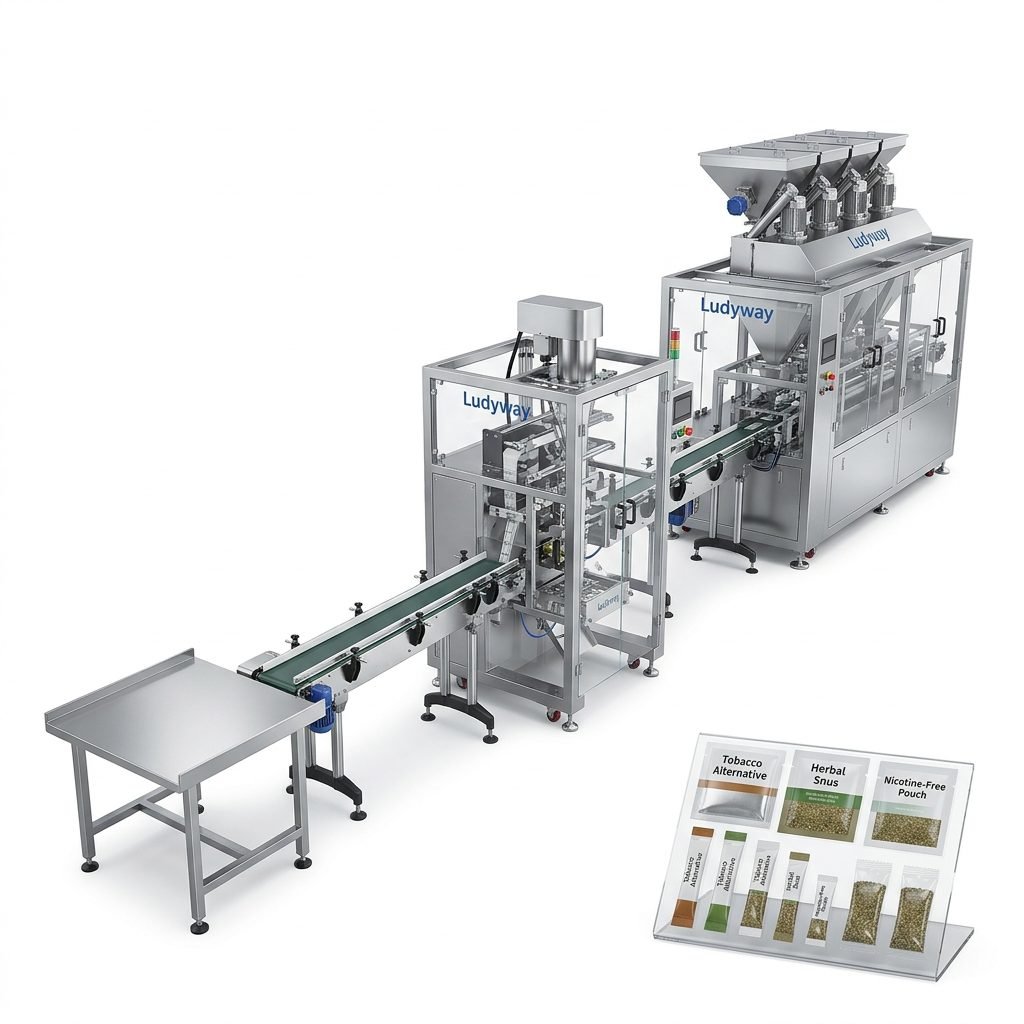
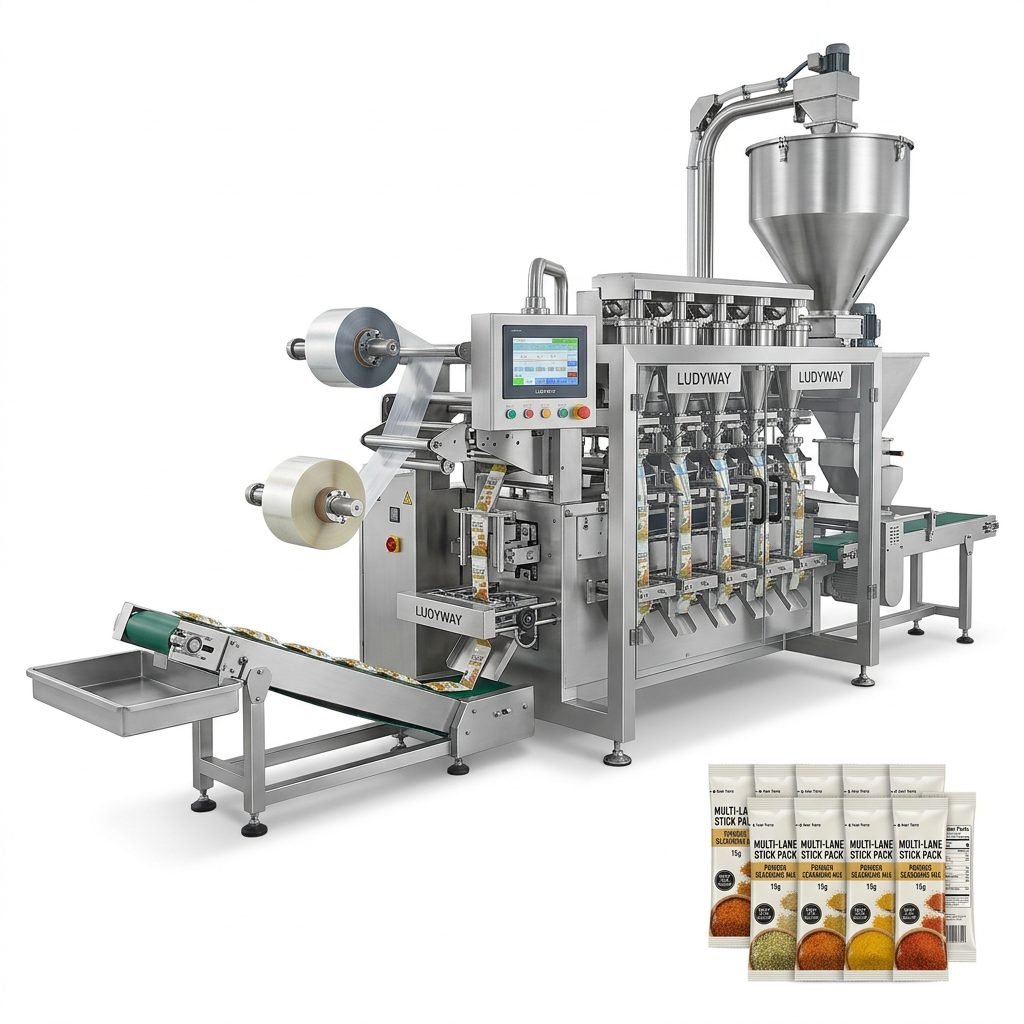
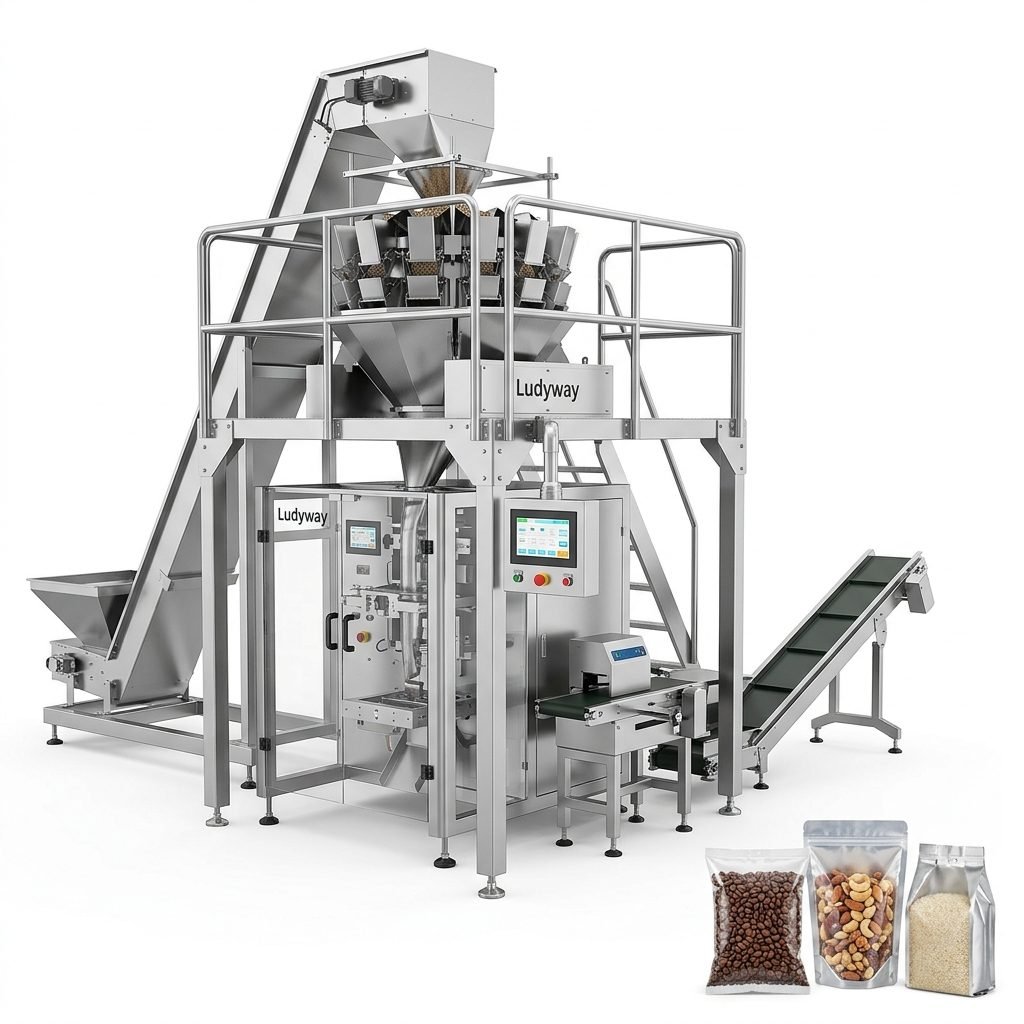
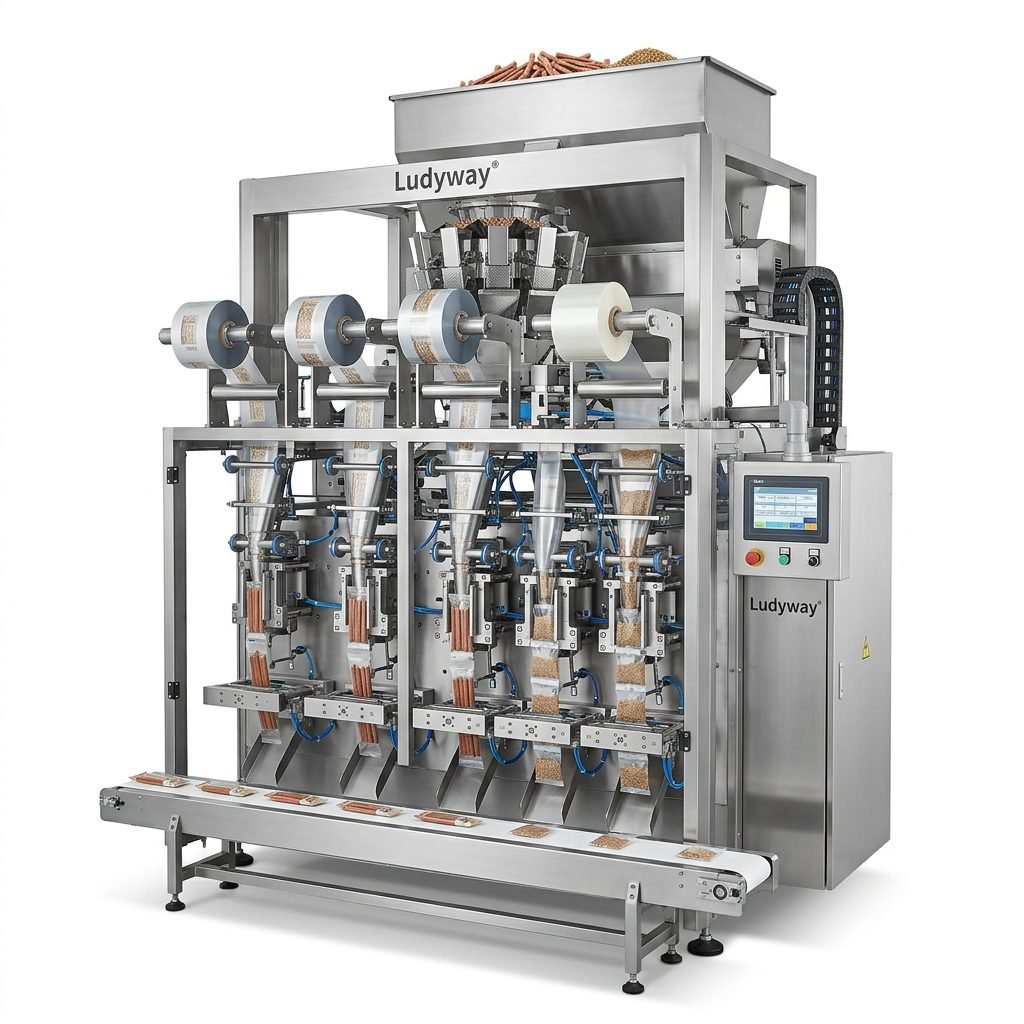
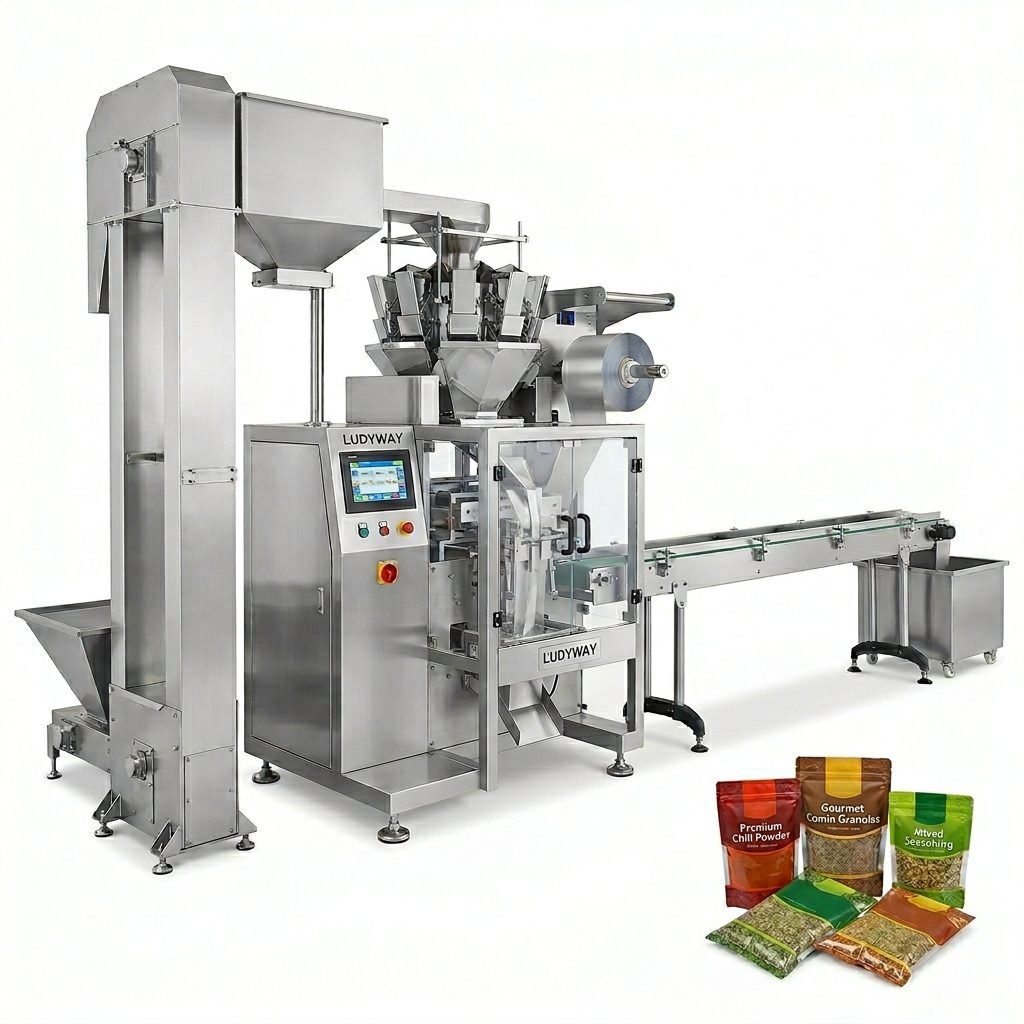
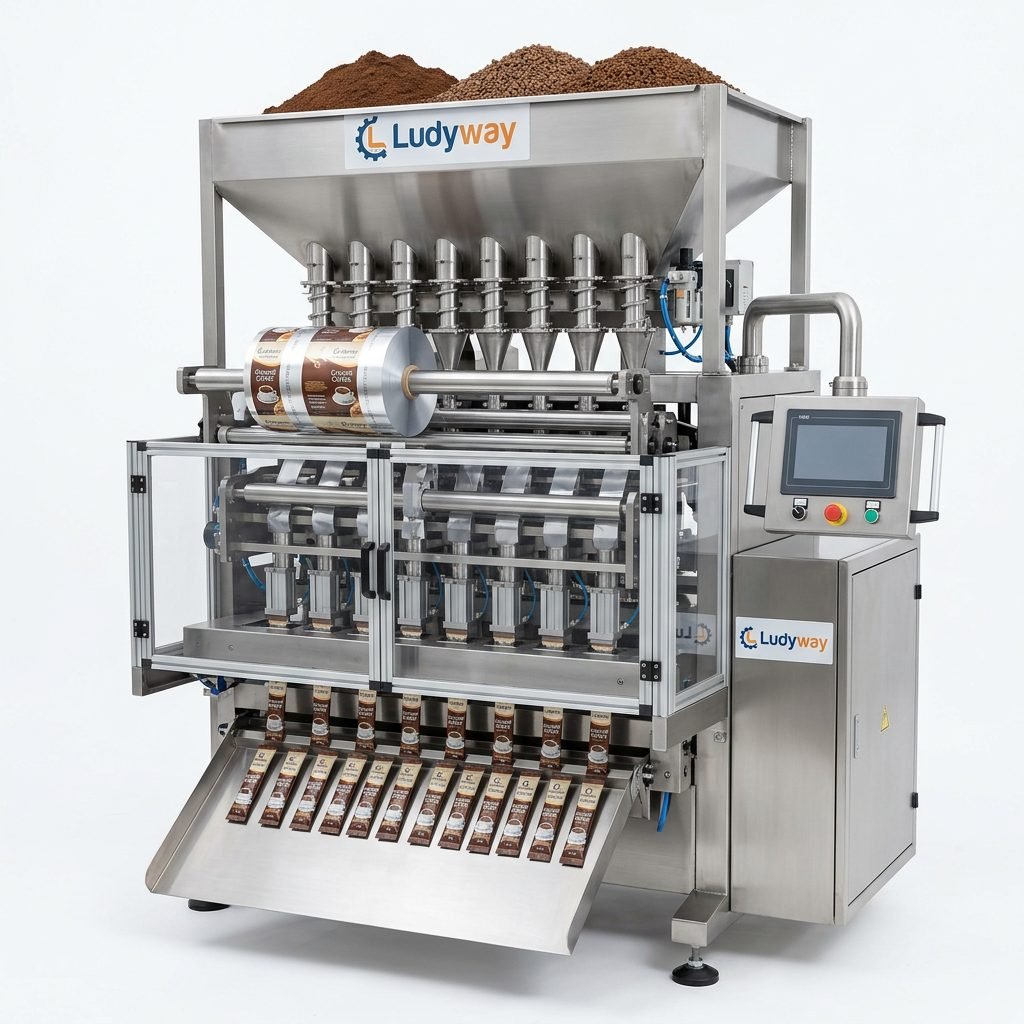
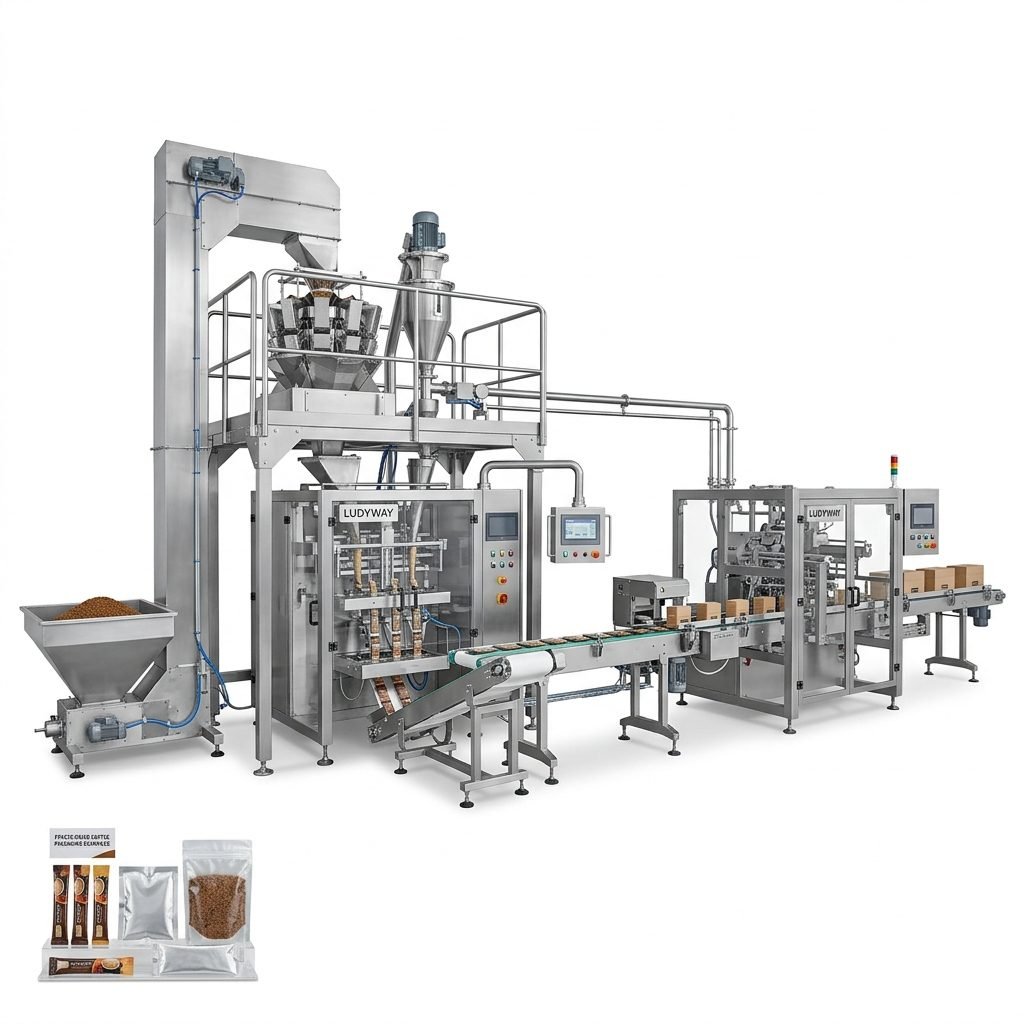
A complete coffee vacuum packaging production line comprises several integrated machines working in harmony. Understanding each component’s role is essential for designing an efficient layout and ensuring consistent product quality. The following table outlines the primary equipment categories and their functions within a modern packaging facility.
| Equipment | Primary Function | Key Consideration |
|---|---|---|
| Vacuum Packaging Machine | Removes oxygen, seals bags hermetically | Chamber type vs. nozzle type selection |
| Multi-Head Weighing System | Precision dosing of ground coffee | Accuracy within ±0.5g target |
| Nitrogen Flushing Unit | Inert gas injection for freshness | Residual oxygen below 1% |
| Conveyor and Handling | Automated product movement | Speed synchronization with filler |
| Checkweigher and Metal Detector | Quality and safety inspection | HACCP compliance required |
| Cartoning and Palletizing | End-of-line packaging automation | Integration with warehouse systems |
Technical Specifications and Line Configuration
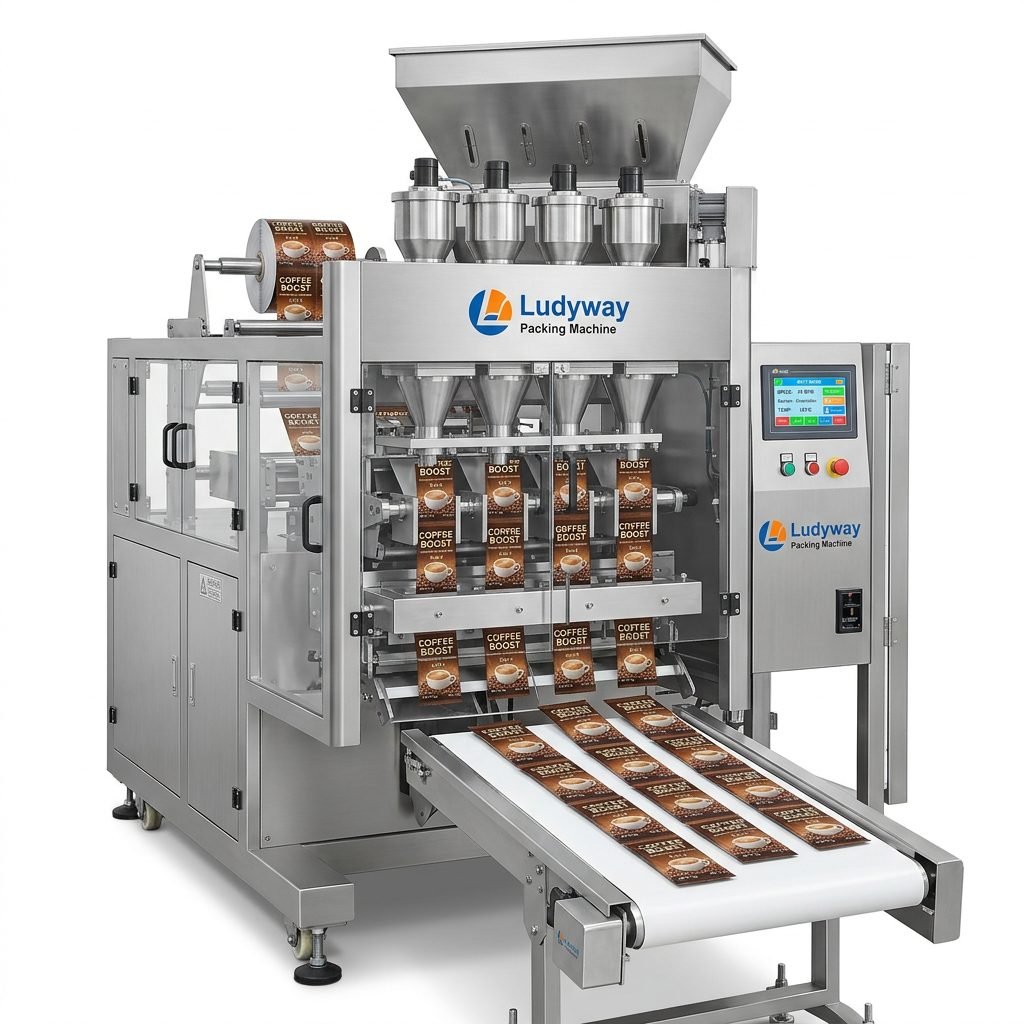
Selecting the right vacuum packaging equipment involves evaluating technical parameters that align with your production targets. German coffee packaging facilities typically operate with high automation levels to meet labor cost structures and efficiency expectations. Below are the critical specifications to consider during equipment evaluation.
Vacuum Chamber Selection Criteria
- Sealing bar length: Determines maximum bag width capacity
- Vacuum pump capacity: Measured in m³/h, affects cycle speed
- Chamber depth: Accommodates product thickness variations
- Control system: PLC-based with recipe management for different coffee blends
- Gas flushing capability: Essential for whole bean and ground coffee preservation
Production Speed and Throughput
A well-configured coffee vacuum packaging line should achieve throughput rates between 30 and 80 packages per minute for standard 250g to 1kg formats, depending on the level of automation and product characteristics. For high-volume German operations targeting retail distribution, lines capable of exceeding 60 packs per minute with multi-head weighing and automated bag feeding are recommended.
Regulatory Compliance in Germany
Germany enforces some of the world’s most rigorous food packaging regulations. Any vacuum packaging production line installed must comply with EU directives and German national standards. The primary regulatory frameworks include the EU Food Contact Materials Regulation (EC) No 1935/2004, the German Food and Feed Code (LFGB), and DIN standards for packaging machinery safety. Refer to the ISO packaging standards for internationally recognized compliance pathways.
Essential Certifications
- CE Marking: Mandatory for all machinery placed on the EU market
- HACCP Compliance: Hazard analysis and critical control points for food safety
- IFS Food Standard: International Featured Standards for food processing
- DIN EN 415: Safety standards specifically for packaging machines
- EU Packaging Waste Directive: Sustainability and recyclability requirements

Installation and Facility Planning
Installing a coffee vacuum packaging machine production line in Germany demands careful attention to facility layout, utility connections, and environmental controls. German industrial facilities typically require compliance with building codes (Bauordnung) and workplace safety regulations (Arbeitsschutzgesetz). Key installation considerations include floor load capacity, electrical supply specifications, compressed air requirements, and dust extraction systems for coffee powder handling.
Utility Requirements Checklist
| Utility | Specification | German Standard |
|---|---|---|
| Electrical | 400V / 50Hz three-phase | VDE 0100 |
| Compressed Air | 6-8 bar, oil-free, dried | ISO 8573-1 Class 2 |
| Ventilation | Dust extraction ≥ 2000 m³/h | DIN 1946 |
| Water | Potable, 3-6 bar pressure | TrinkwV 2001 |
Cost Analysis and ROI Projections
Investing in a turnkey coffee vacuum packaging line in Germany involves several cost categories. A mid-range fully automated line with multi-lane capability typically requires capital expenditure ranging from €250,000 to €800,000 depending on capacity and features. Understanding the return on investment timeline is critical for securing funding and stakeholder approval.
Cost Breakdown
- Primary packaging machinery: 45-55% of total investment
- Ancillary equipment (weighing, detection, conveyors): 20-25%
- Installation and commissioning: 10-15%
- Training and documentation: 5-8%
- Facility modifications: 5-10%
With efficient operation, most German coffee packaging facilities achieve ROI within 18 to 36 months, driven by reduced labor costs, minimized product waste through precise vacuum sealing, and extended product shelf life that reduces returns. The packaging machinery market data from PMMI provides additional industry benchmarks for cost planning.
Selecting the Right Equipment Supplier
Choosing a reliable supplier for your coffee vacuum packaging machine is one of the most consequential decisions in setting up a German production line. Evaluate suppliers based on their experience with coffee packaging specifically, their track record in European markets, and their ability to provide local after-sales support. International manufacturers with established European service networks often offer the best combination of equipment quality and ongoing technical assistance.
Supplier Evaluation Criteria
- CE certification and EU market experience: Verified compliance documentation
- Coffee-specific references: Case studies from similar applications
- Local service capability: German-speaking technical support availability
- Spare parts logistics: Warehousing within the EU for rapid delivery
- Training programs: Comprehensive operator and maintenance training
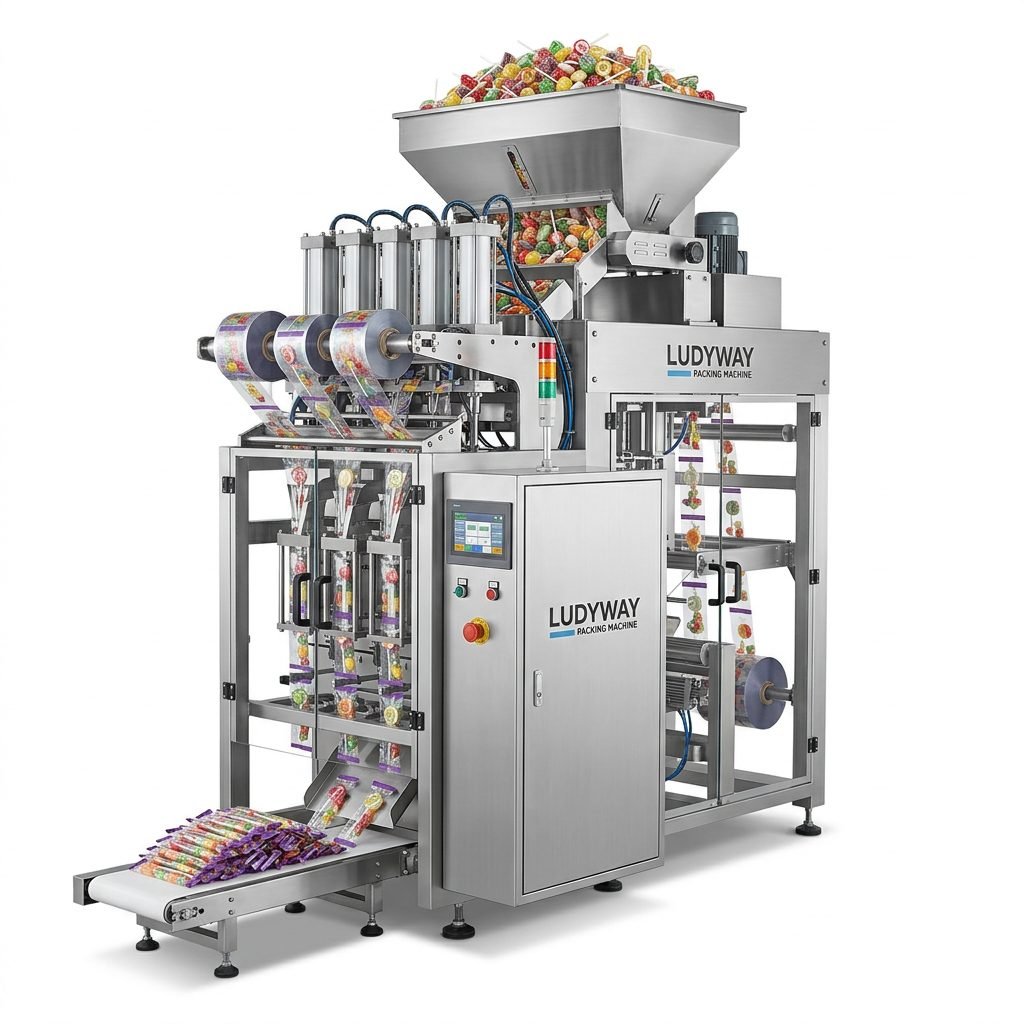
For businesses sourcing equipment internationally, manufacturers like Ludyway offer comprehensive turnkey packaging solutions with global installation support, helping bridge the gap between cost-effective equipment sourcing and reliable local operation.
Maintenance and Operational Best Practices
Maintaining a vacuum packaging production line at peak efficiency requires a structured preventive maintenance program. German industrial best practices emphasize predictive maintenance using sensor data and regular inspection schedules. Key maintenance activities include vacuum pump oil changes every 500-1000 operating hours, sealing bar inspection and replacement, sensor calibration, and thorough cleaning of coffee dust accumulation points.
Preventive Maintenance Schedule
| Interval | Maintenance Task | Responsible Party |
|---|---|---|
| Daily | Clean sealing bars, inspect vacuum levels | Operator |
| Weekly | Check pump oil, inspect gaskets | Maintenance technician |
| Monthly | Full sensor calibration, belt tension check | Engineering team |
| Quarterly | Pump overhaul, pneumatic system inspection | Service provider |
| Annually | Complete line audit, major component replacement | Manufacturer service |
Environmental and Sustainability Considerations
Germany’s commitment to environmental sustainability extends to packaging operations through the EU Packaging and Packaging Waste Regulation. Coffee packaging lines must consider recyclable film compatibility, energy efficiency of vacuum pumps, and waste reduction strategies. Modern vacuum packaging machines with servo-driven systems can reduce energy consumption by up to 30% compared to pneumatic alternatives.
Sustainability Best Practices
- Select mono-material packaging films compatible with existing recycling streams
- Implement energy monitoring systems to track consumption per production batch
- Optimize nitrogen usage through precision gas flushing controls
- Design for minimal film waste during format changeovers
- Participate in the German Dual System (Duales System) for packaging waste management
Training and Workforce Development
Operating a sophisticated coffee vacuum packaging production line requires skilled personnel familiar with both the machinery and German workplace standards. Germany’s dual vocational training system (Duale Ausbildung) provides a strong foundation for hiring qualified packaging technicians. Comprehensive training programs should cover equipment operation, safety protocols, quality control procedures, and basic troubleshooting to minimize downtime.
Conclusion
Setting up a coffee vacuum packaging machine production line in Germany is a strategic investment that can deliver substantial returns through access to premium European markets, operational efficiency, and brand positioning. By carefully addressing equipment selection, regulatory compliance, facility planning, and ongoing maintenance, businesses can establish a competitive and sustainable packaging operation in one of the world’s most demanding coffee markets. The combination of German engineering standards with advanced vacuum packaging technology creates a powerful foundation for long-term success in the European coffee industry.