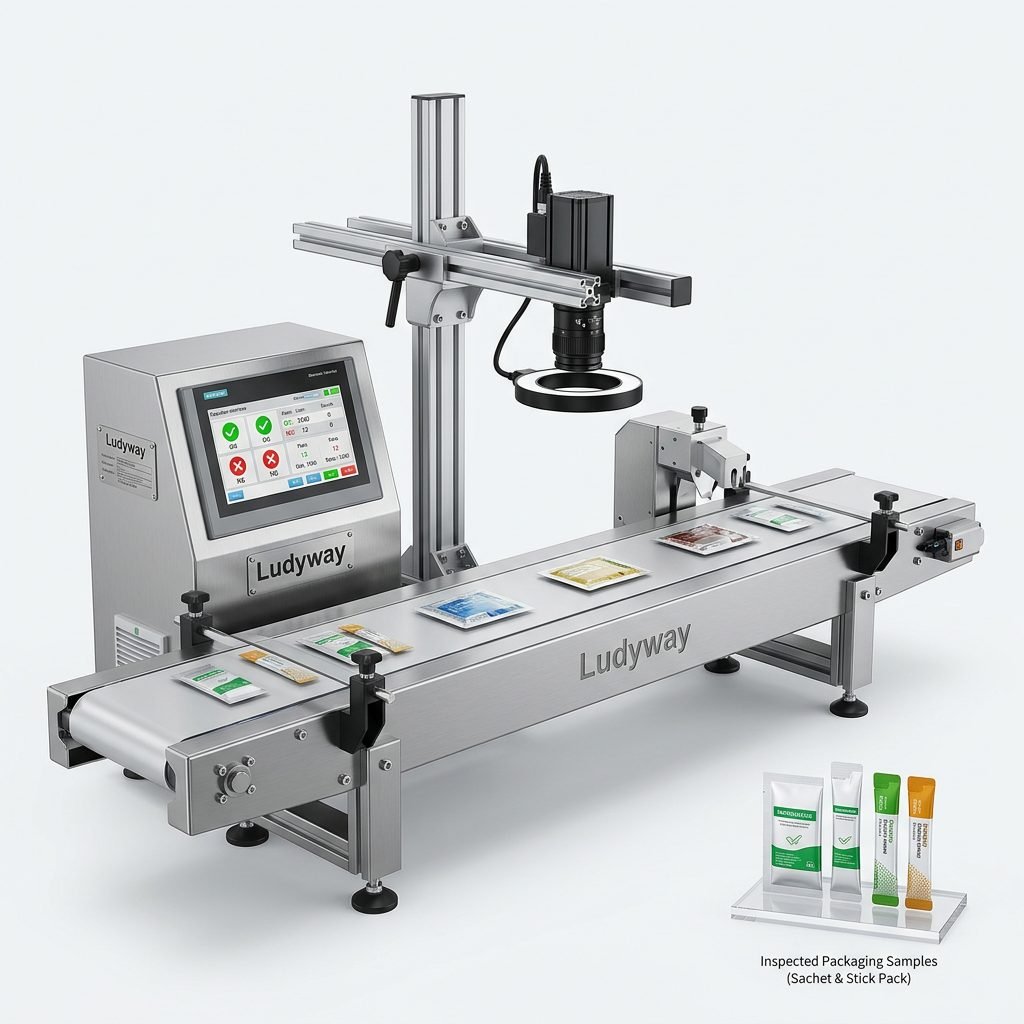
Investing in a pizza packaging machine is a critical decision for food manufacturers, pizzerias, and frozen food suppliers across Asia and beyond. The right equipment ensures your products remain fresh, visually appealing, and protected during transportation. With Asia emerging as a global manufacturing hub, sourcing your pizza packaging solutions from this region offers unparalleled advantages in cost, technology, and customization.
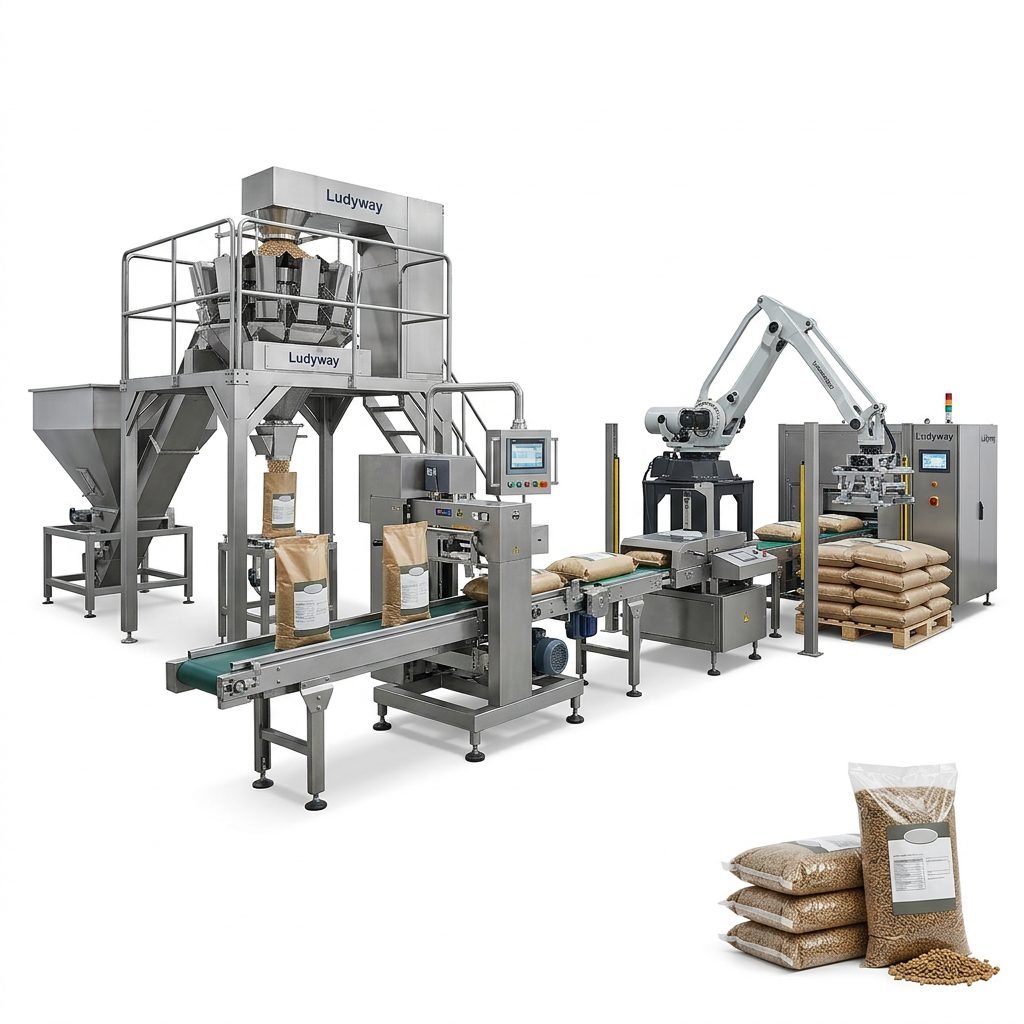
Why Source Pizza Packaging Machines from Asia?
Asia, particularly China, India, and South Korea, has become the backbone of global packaging machinery production. The region combines advanced engineering with competitive pricing, making it a prime destination for high-quality packaging equipment. Here are the key drivers behind this trend:
- Cost Efficiency: Manufacturing costs in Asia are significantly lower compared to Europe or North America, often translating to 30-50% savings on comparable machinery.
- Technological Advancement: Countries like China and Japan lead in automation, multi-lane systems, and servo-driven controls that enhance packaging speed and accuracy.
- Customization Capabilities: Asian manufacturers frequently offer tailored solutions for specific pizza formats—whether it’s frozen whole pizzas, pizza slices, or pizza kits with separate ingredient pouches.
- After-Sales Support: Established suppliers now offer comprehensive international support including remote diagnostics, spare parts delivery, and on-site training.
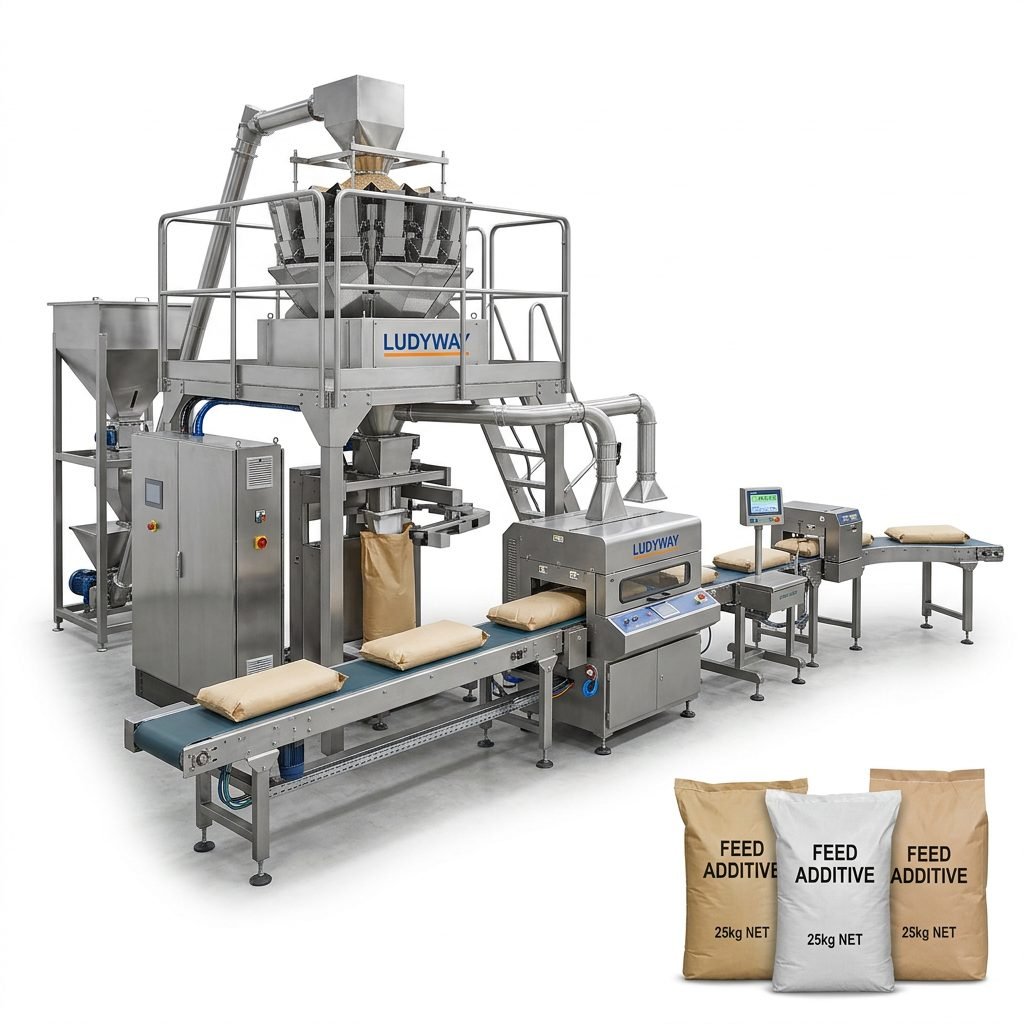
Types of Pizza Packaging Machines Available in Asia
Understanding the different machine configurations is essential before making a purchase. Asian suppliers offer a wide spectrum of equipment designed for various production scales and packaging formats.
Horizontal Flow Wrappers for Whole Pizzas
These machines are ideal for frozen and fresh whole pizzas, wrapping them in clear or printed film with heat-sealed ends. Modern models feature servo-driven film feeding and automatic product positioning, ensuring consistent sealing integrity and minimal film waste. Many Asian manufacturers now integrate modified atmosphere packaging (MAP) capabilities to extend shelf life.
Shrink Wrapping Systems
For multi-pack pizza bundles or promotional packs, shrink wrapping machines apply heat to polyethylene film, creating a tight, protective seal around the product. These systems are popular in Asian markets for club-store formats and bulk distribution channels.
Vertical Form Fill Seal (VFFS) Machines for Pizza Components
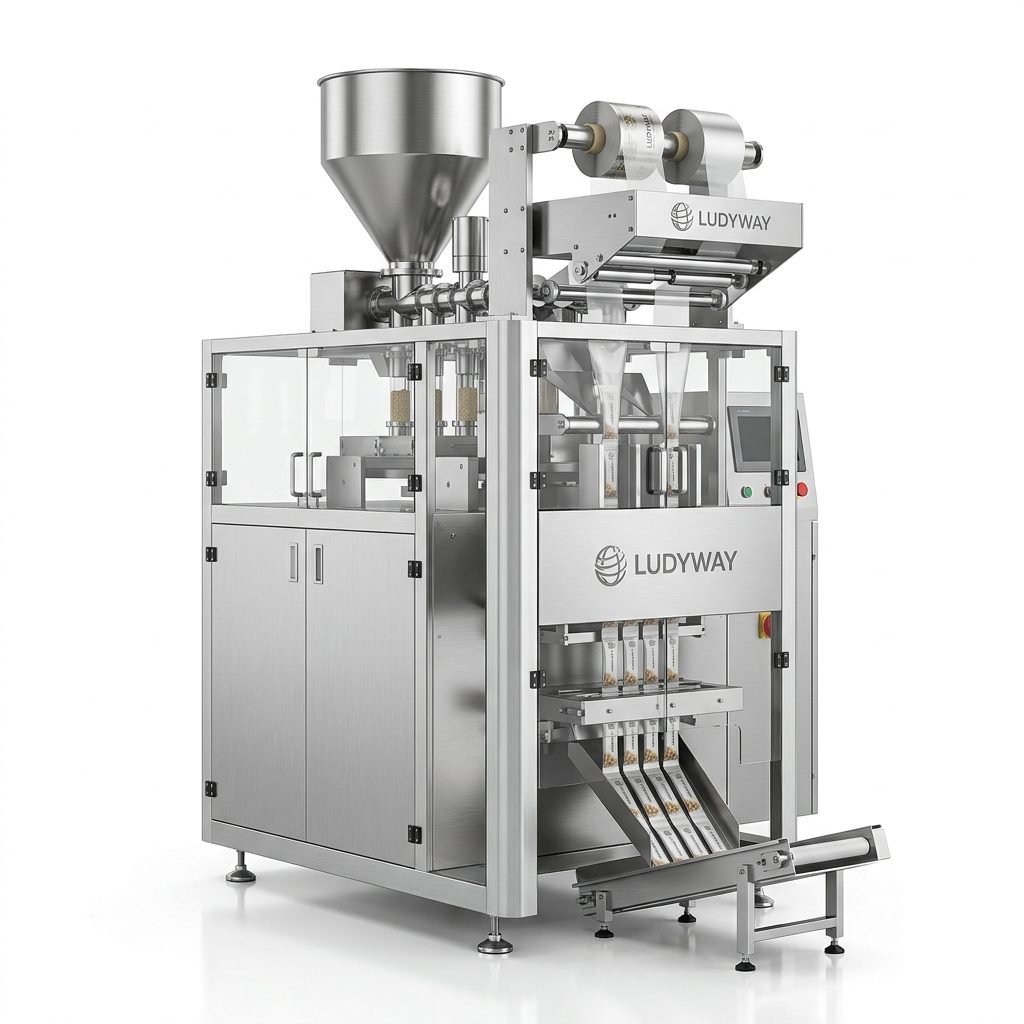
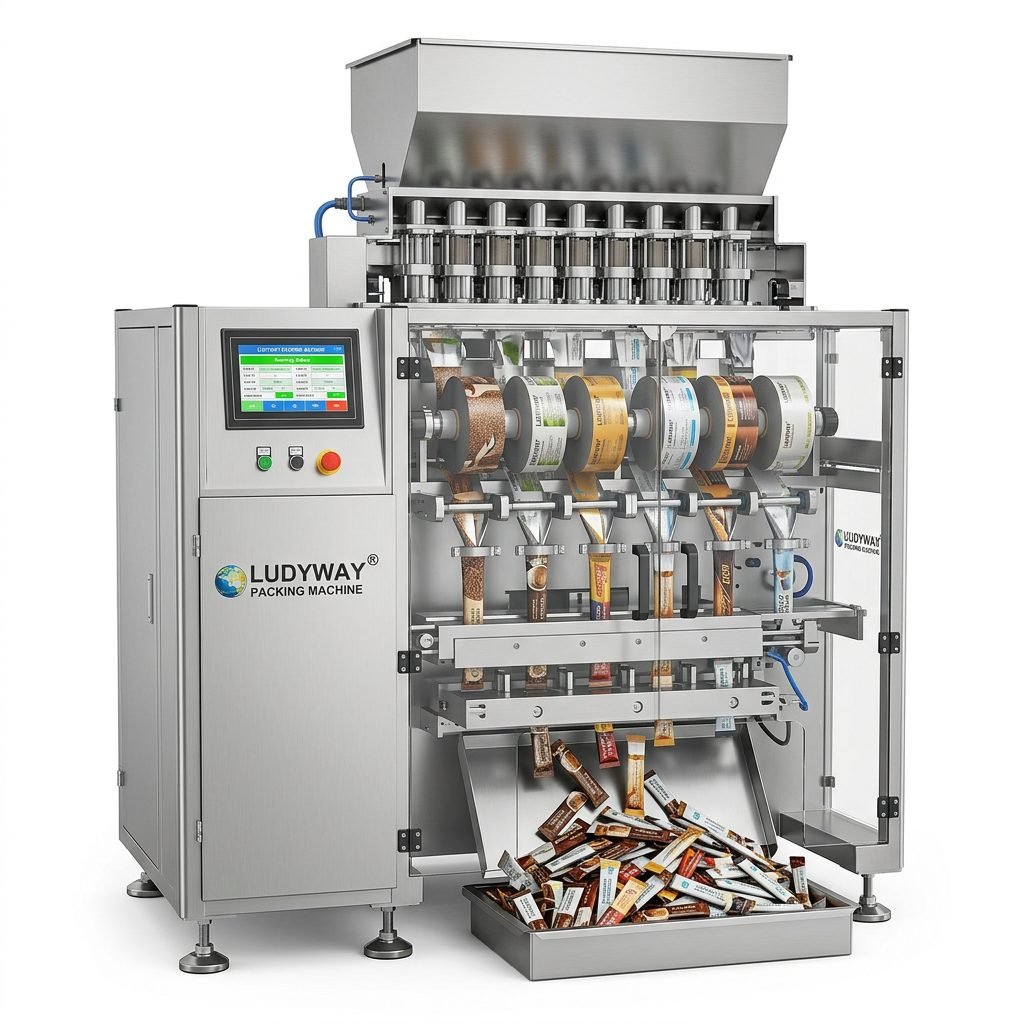
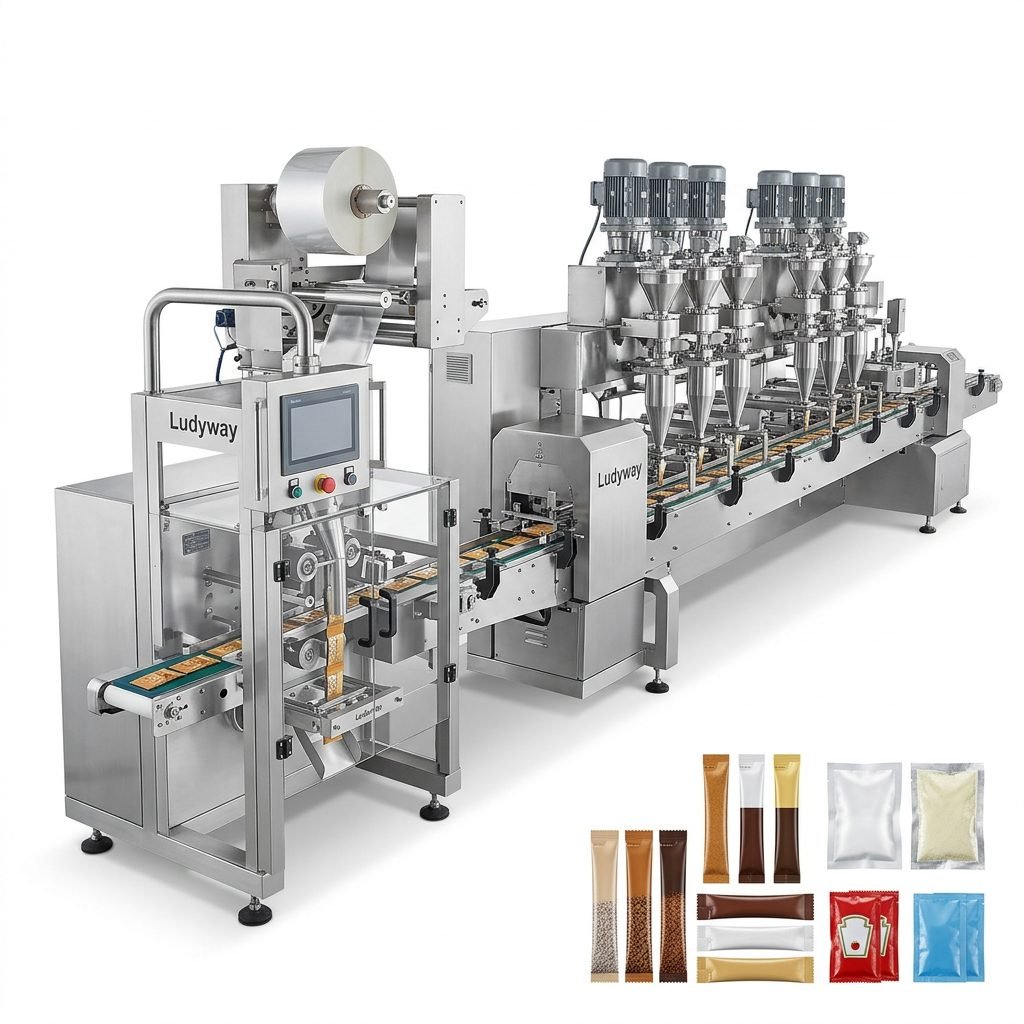
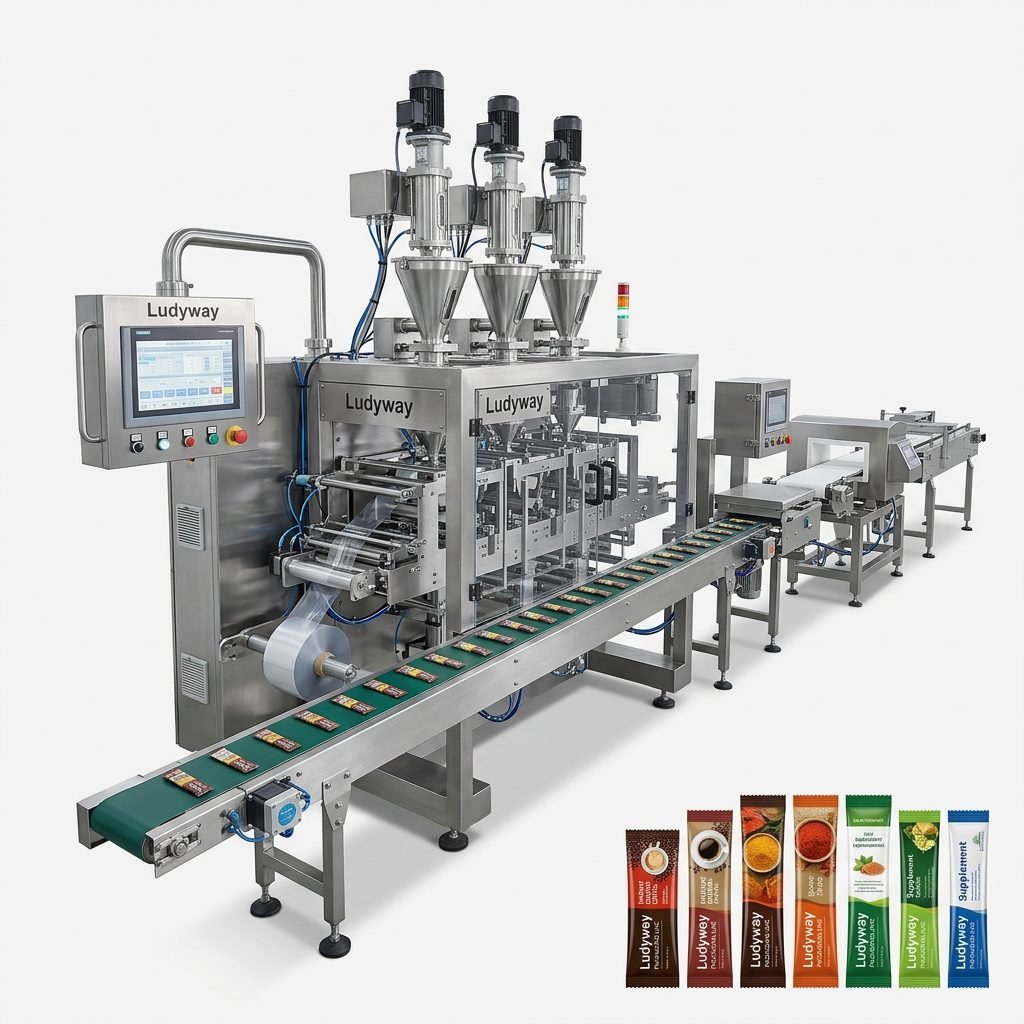
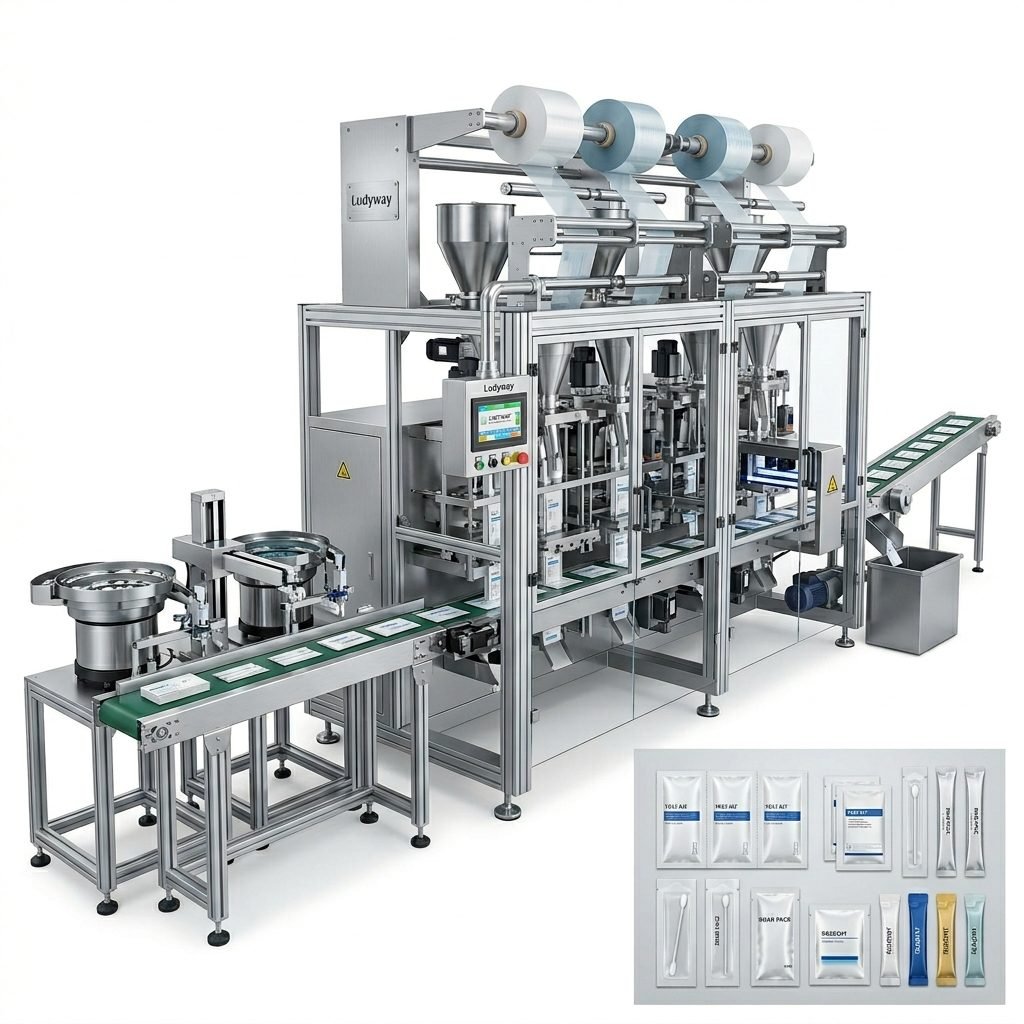
VFFS technology is widely used for packaging pizza sauce sachets, cheese powder, seasoning packets, and crust mixes. Multi-lane configurations allow simultaneous filling of multiple pouches, dramatically increasing throughput. The Asian market excels in producing cost-effective multi-lane VFFS systems that can handle granule, powder, and liquid products within a single integrated line.
Automatic Tray Sealing Machines
These machines place pre-formed trays containing pizza slices or single-serving pizzas under a film, which is then heat-sealed and cut. Tray sealers are commonly used for ready-to-eat and microwaveable pizza products, with options for gas flushing to preserve freshness.
| Machine Type | Best For | Speed Range (packs/min) | Key Asian Supplier Countries |
|---|---|---|---|
| Horizontal Flow Wrapper | Whole frozen/fresh pizzas | 30-150 | China, Japan, South Korea |
| Shrink Wrapper | Multi-pack bundles | 15-60 | China, India, Taiwan |
| Multi-Lane VFFS | Sachets, seasoning, toppings | 200-1000 | China, India |
| Tray Sealer | Single-serve, microwaveable | 20-80 | China, Thailand, Vietnam |
Critical Features to Evaluate
When comparing pizza packaging machinery from different Asian suppliers, focus on these technical specifications and operational factors that directly impact your production efficiency.
- Film Compatibility: Ensure the machine supports your preferred packaging materials—BOPP, CPP, PET/PE laminates, or biodegradable films. Verify heat-sealing temperature ranges and jaw configurations.
- Automation Level: Consider whether you need manual infeed, semi-automatic, or fully automatic systems with robotic pick-and-place integration. Full automation reduces labor costs but requires higher initial investment.
- Changeover Time: Quick-change modules and tool-less adjustments are essential if you run multiple pizza sizes or formats. Leading Asian manufacturers now offer servo-driven changeover systems that complete size transitions in under 10 minutes.
- Hygiene Design: For food-grade applications, look for stainless steel construction, washdown-ready designs, and IP65 or higher protection ratings. Compliance with FDA food contact standards and EU regulations is non-negotiable for export-oriented producers.
- Gas Flushing and MAP: Modified atmosphere packaging extends pizza shelf life significantly. Verify the machine’s gas flushing efficiency and residual oxygen levels achievable.
How to Select a Reliable Supplier in Asia
Supplier selection can make or break your investment. The Asian packaging machinery landscape is diverse, ranging from small workshops to fully integrated factories with ISO 9001 and CE certifications.
Verify Manufacturing Credentials
Look for suppliers with documented industry certifications, export history, and a physical manufacturing facility. Request factory audit reports, customer references, and evidence of compliance with international standards such as ISO packaging standards. A reputable manufacturer should willingly provide video tours of their production floor and testing areas.
Evaluate Machine Build Quality
Key indicators include the brand of electrical components (Siemens, Omron, Mitsubishi are preferred), the gauge of stainless steel used, and the machining precision visible on frames and sealing jaws. Inferior materials lead to premature wear and inconsistent sealing—a critical failure point for pizza packaging that must maintain product integrity through cold chain logistics.
Assess Technical Support Infrastructure
Determine whether the supplier offers remote troubleshooting, on-site commissioning, operator training, and spare parts availability in your region. Many established Asian firms now maintain regional service hubs or partner networks across the Middle East, Africa, Europe, and the Americas.
| Evaluation Criteria | What to Look For | Red Flags |
|---|---|---|
| Certifications | CE, ISO 9001, FDA compliance | No verifiable documentation |
| Component Brands | Siemens PLC, Omron sensors, SMC pneumatics | Unbranded or generic electrical parts |
| Export Experience | Proven track record with references in target markets | No export history or unwillingness to share references |
| After-Sales | Dedicated support team, spare parts inventory, remote diagnostics | No service commitment beyond warranty period |
Cost Considerations and Budget Planning
The price of a pizza packaging machine in Asia varies widely based on configuration, automation level, and brand reputation. Understanding the total cost of ownership helps avoid unexpected expenses.
- Entry-Level Semi-Automatic Machines: $8,000 – $25,000. Suitable for small pizzerias or local frozen food businesses. Manual product loading with basic heat-sealing functions.
- Mid-Range Automatic Flow Wrappers: $30,000 – $80,000. Servo-driven, with film registration, date coding, and moderate speed capabilities. Ideal for regional frozen pizza brands.
- High-Speed Multi-Lane Systems: $100,000 – $350,000+. Designed for large-scale industrial production with integrated weighing, filling, gas flushing, and automated cartoning modules.
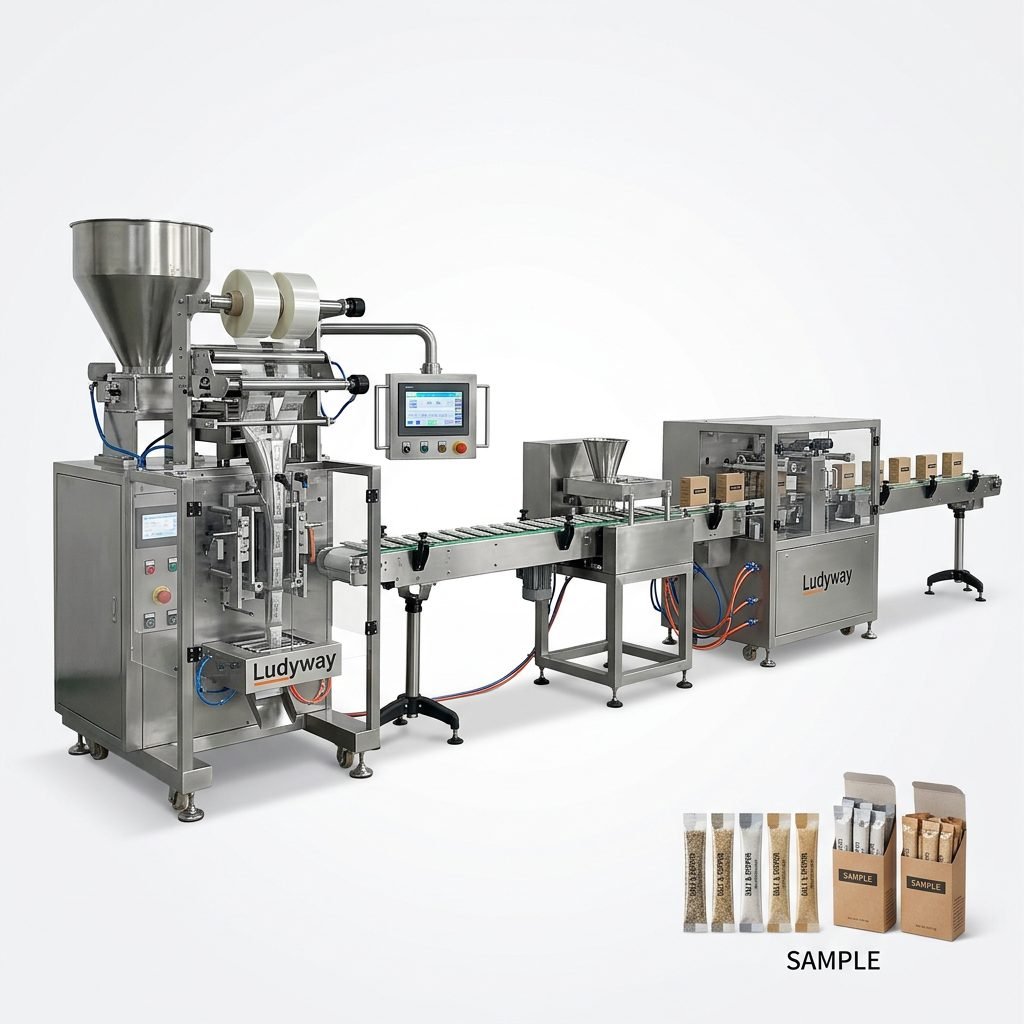
- Complete Turnkey Lines: $500,000+. End-to-end solutions including conveyor systems, checkweighers, metal detectors, case packers, and palletizers, all managed through a centralized control system.
Additional cost factors include shipping and logistics (typically 3-8% of machine cost), import duties, installation and commissioning, operator training, and ongoing spare parts procurement. Always request a detailed quotation that breaks down these ancillary costs.
The Chinese Manufacturing Advantage
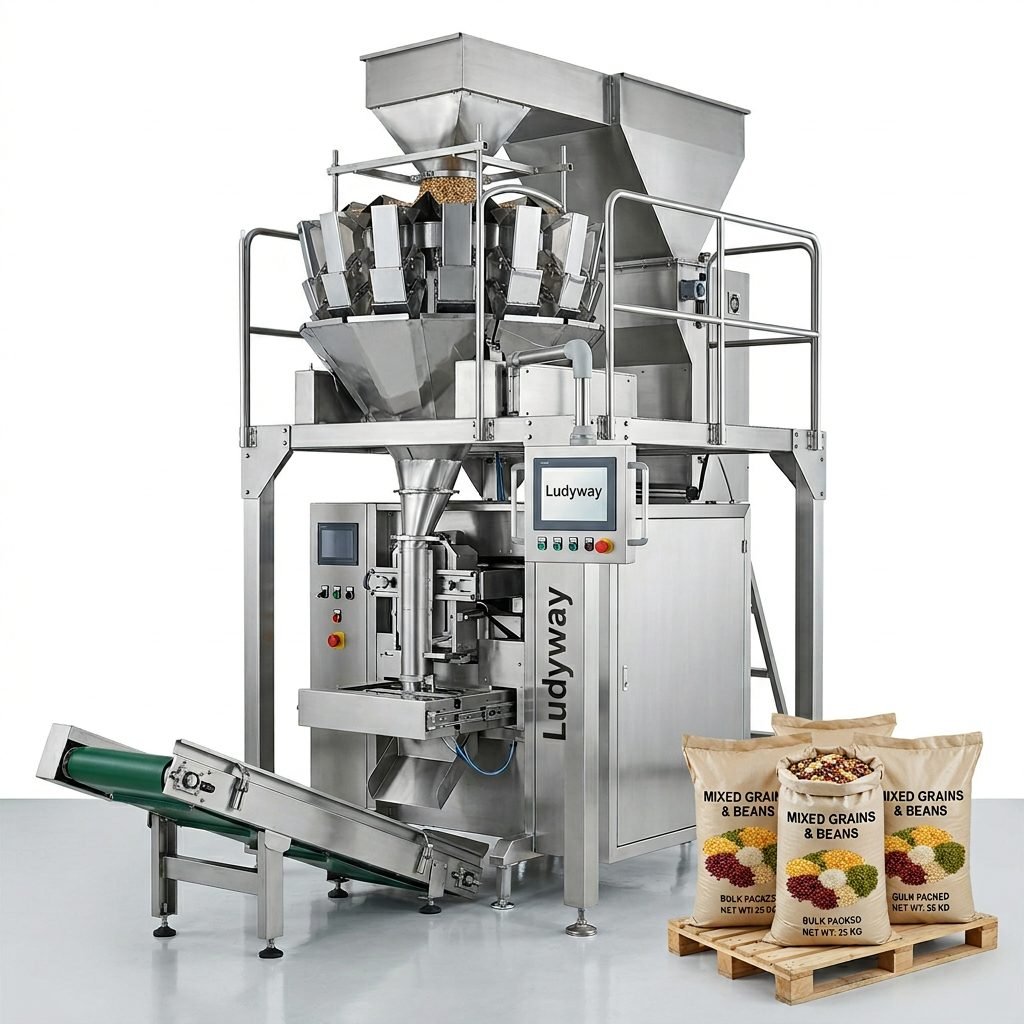
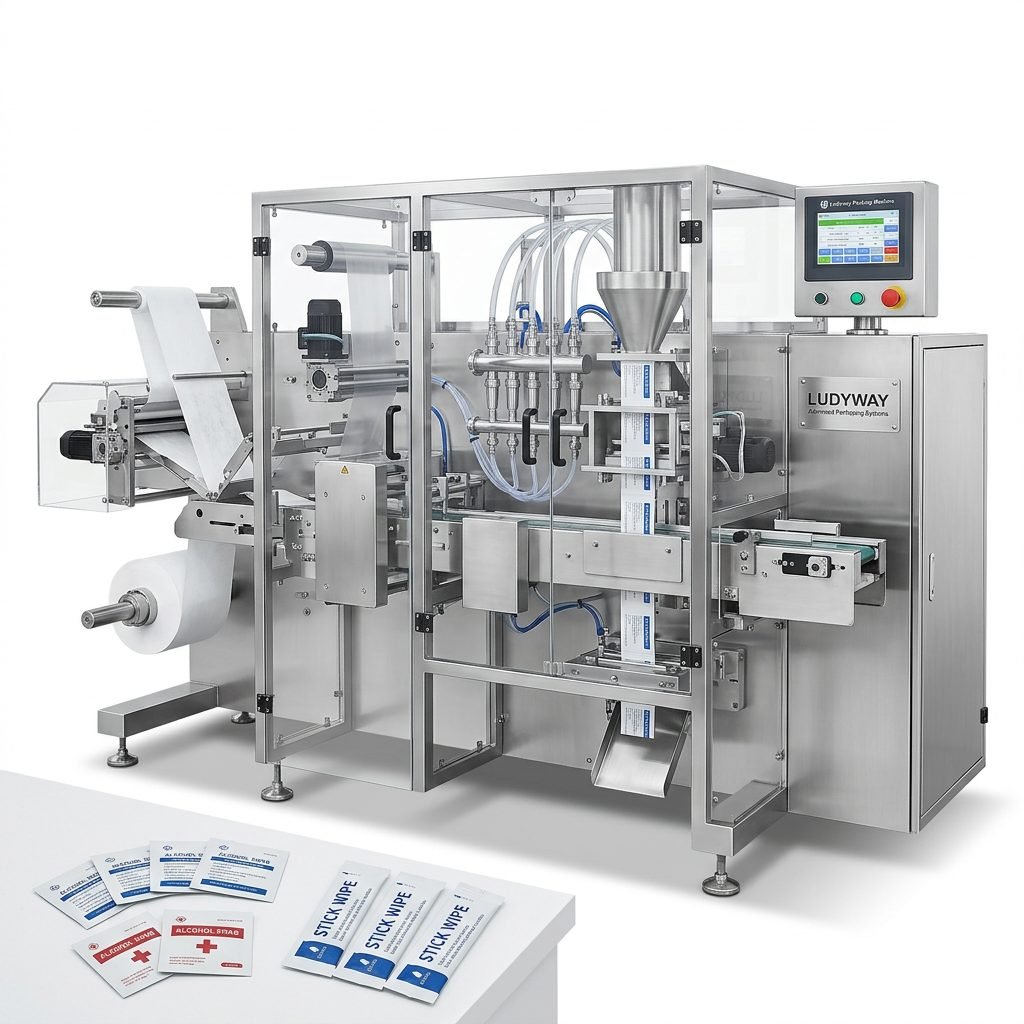
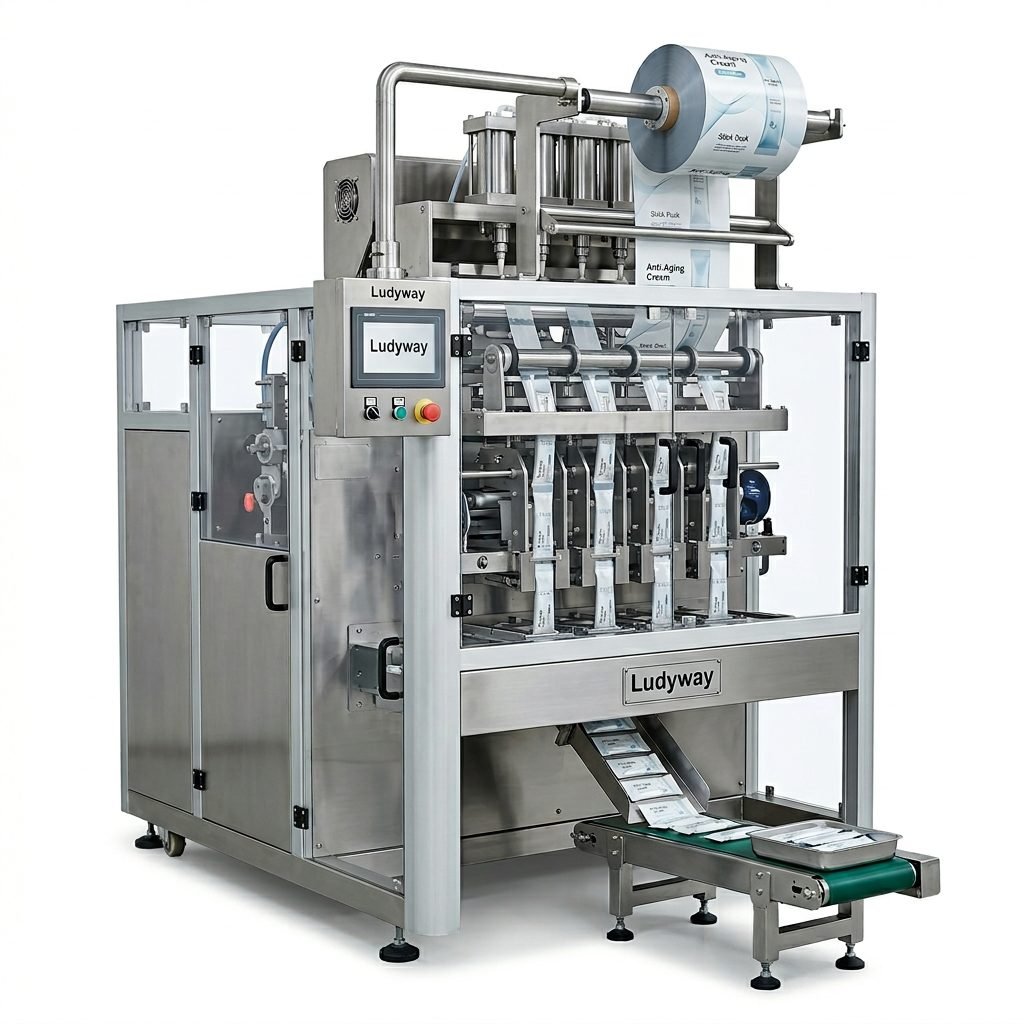
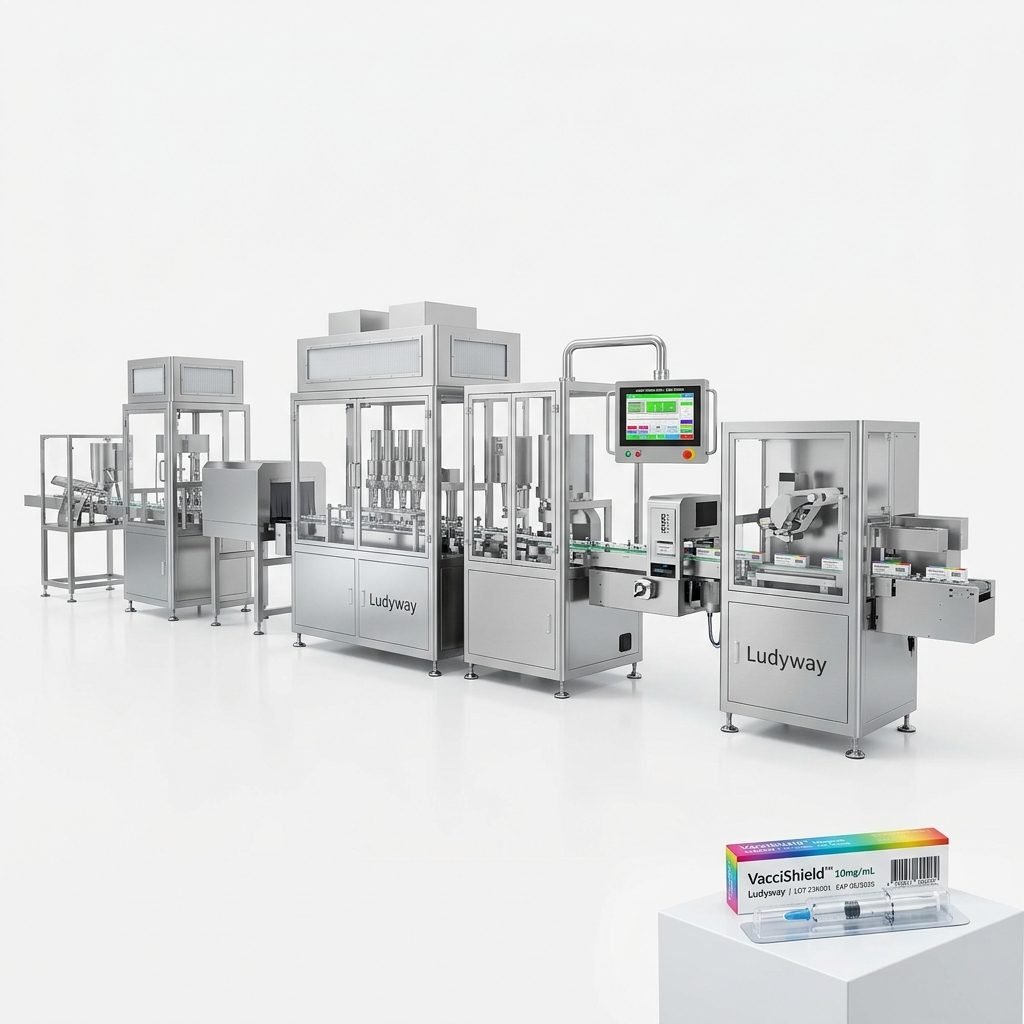
China dominates the Asian packaging machinery sector, accounting for a significant share of global exports. The ecosystem in manufacturing hubs like Guangdong, Zhejiang, and Shanghai supports rapid prototyping, competitive pricing, and continuous innovation. Companies such as Ludyway, a prominent packaging machine manufacturer based in Zhongshan, Guangdong, exemplify this strength with over 30 years of industry experience, a 20,000㎡ modern production facility, and more than 50 intelligent packaging machine models. Their portfolio spans multi-lane stick pack, sachet, and fully automated systems serving customers in over 100 countries. With projected export revenue exceeding RMB 500 million in 2025, Ludyway reflects the growing global confidence in Asian-engineered packaging solutions. For more insights on industry trends, refer to resources from the PMMI packaging association and Flexible Packaging Association.
Logistics, Installation, and Commissioning
Once you’ve selected a supplier, the import process requires careful coordination. Most Asian manufacturers handle FOB (Free On Board) or CIF (Cost, Insurance, Freight) shipping terms. Verify whether the quoted price includes sea freight, insurance, and destination port handling. Upon arrival, professional installation and commissioning by the supplier’s engineers ensure the machine meets agreed-upon performance benchmarks.
Documentation Requirements
Ensure the supplier provides comprehensive documentation including operation manuals, electrical schematics, PLC program backups, spare parts catalogs, and maintenance schedules in your preferred language. This documentation is critical for long-term operational continuity and troubleshooting.
Regulatory Compliance and Standards
Pizza packaging machines must comply with food safety regulations in your target markets. Key standards include:
- FDA 21 CFR: For machines exporting to the United States, materials in food contact zones must meet FDA requirements. Review the FDA packaging and food contact substances guidelines.
- EU Regulation 1935/2004: European markets require compliance with this framework regulation on materials intended to come into contact with food.
- CE Marking: Indicates conformity with health, safety, and environmental protection standards for products sold within the European Economic Area.
- ISO 11607: Relevant for sterile packaging applications, outlining requirements for materials, sterile barrier systems, and packaging systems.
Confirm that your Asian supplier’s machines carry the necessary certifications for your destination markets. Reputable manufacturers will have existing compliance documentation and can facilitate third-party inspections if required.
Future-Proofing Your Investment
The food packaging industry is evolving rapidly, driven by sustainability demands, smart factory integration, and changing consumer preferences. When sourcing from Asia, consider machines that support:
- Recyclable and Biodegradable Films: As regulations tighten around plastic packaging, machines compatible with mono-material and paper-based films offer long-term viability.
- IoT and Data Connectivity: OEE (Overall Equipment Effectiveness) tracking, remote monitoring, and predictive maintenance capabilities are becoming standard features in advanced packaging lines.
- Modular Architecture: Machines designed with modular stations allow future upgrades—adding gas flushing, labeling, or coding modules without replacing the entire system.
For detailed market data, the PMMI business intelligence library and State of the Industry reports offer valuable benchmarks for packaging machinery investment trends.
Making the Final Decision
Purchasing a pizza packaging machine from Asia is a strategic investment that can significantly enhance your production capabilities and competitiveness. Prioritize suppliers with proven expertise, transparent communication, and robust after-sales infrastructure. Request sample runs using your actual product and packaging film before finalizing the order. A thorough evaluation process, combined with a clear understanding of your production requirements and target market regulations, will guide you toward a machine that delivers consistent performance and long-term value.
Begin your search by connecting with established industry associations like PMMI packaging industry resources and leveraging trade platforms that vet supplier credentials. The Asian packaging machinery market offers remarkable opportunities—approached with diligence, your investment will power your pizza business for years to come.