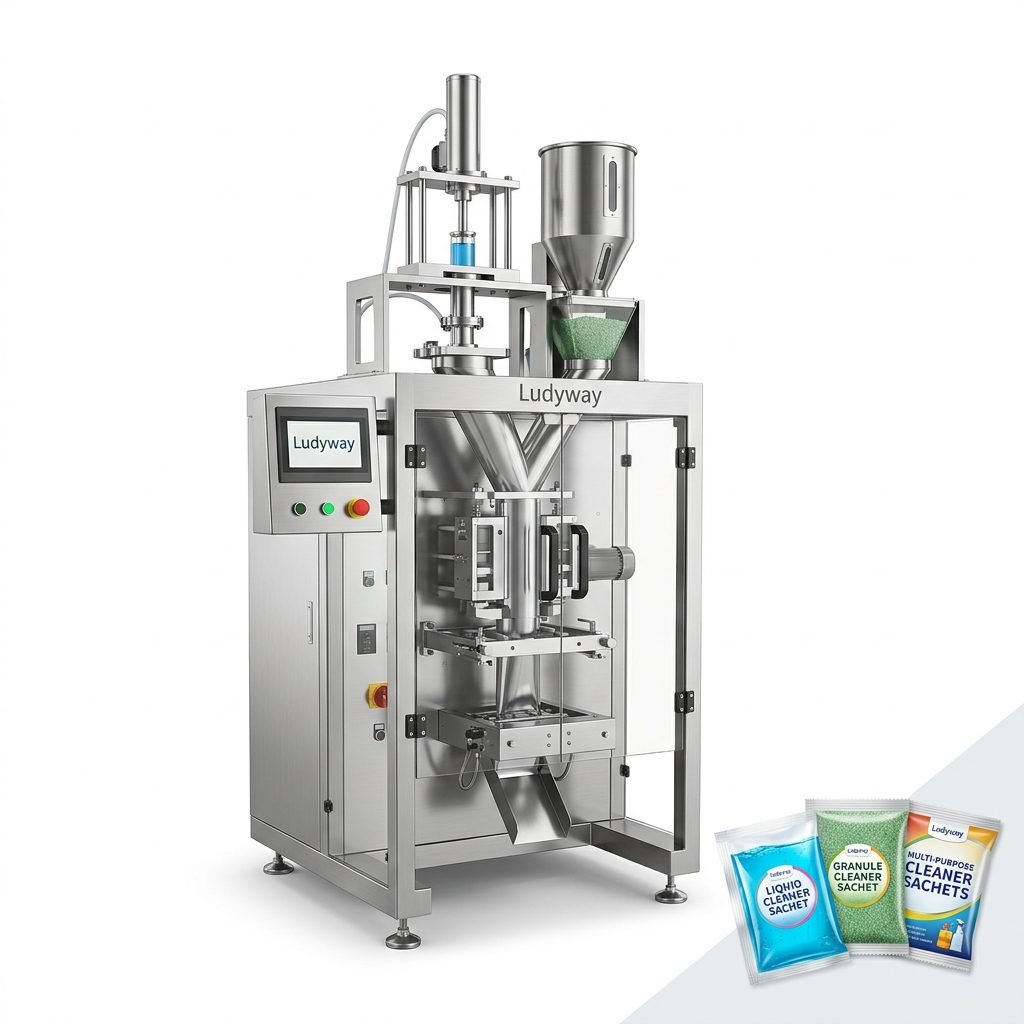
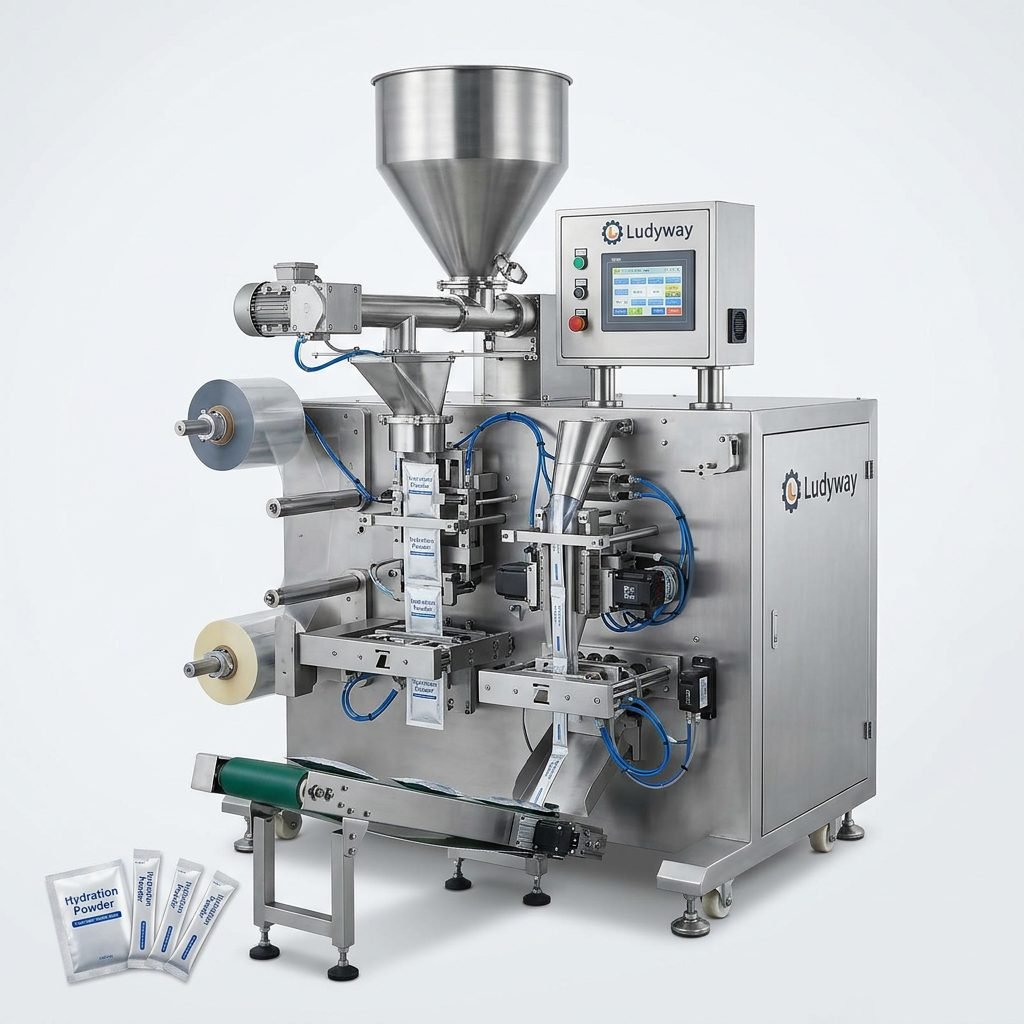
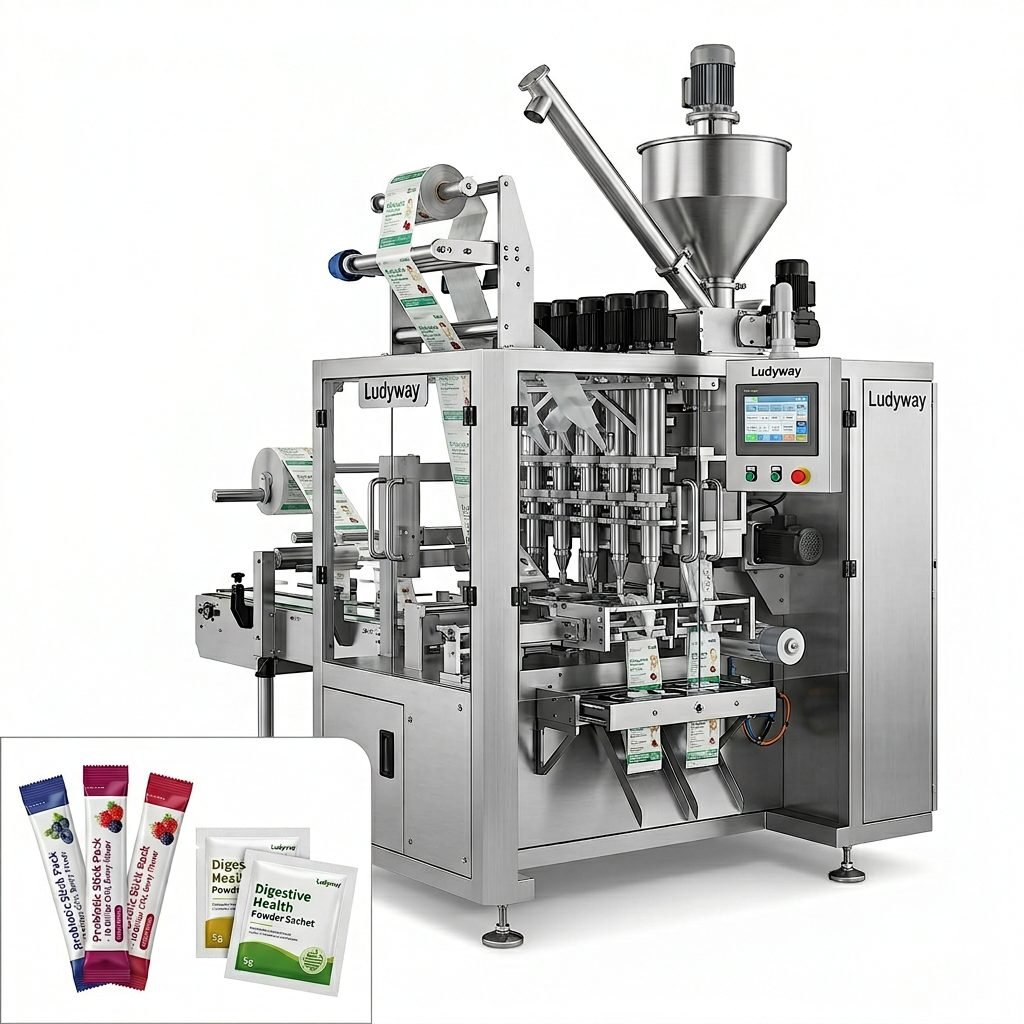
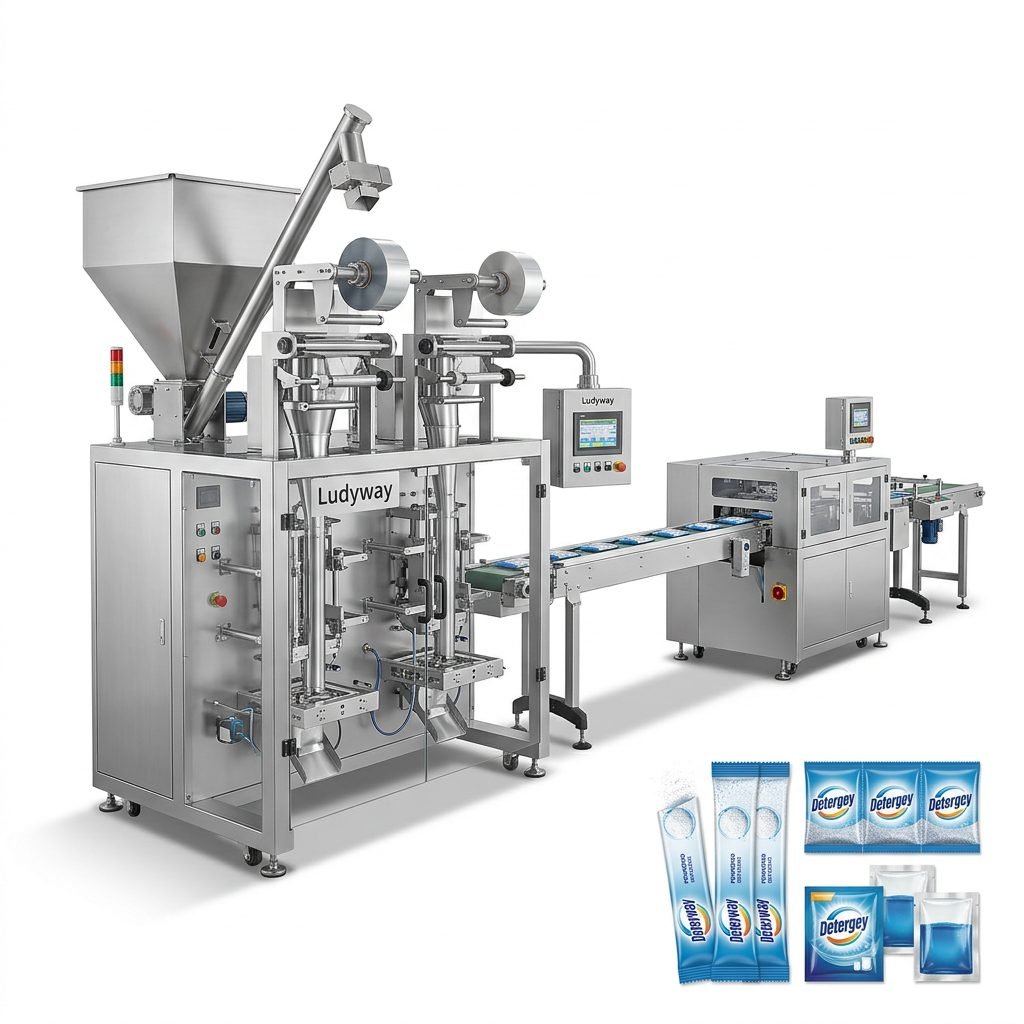
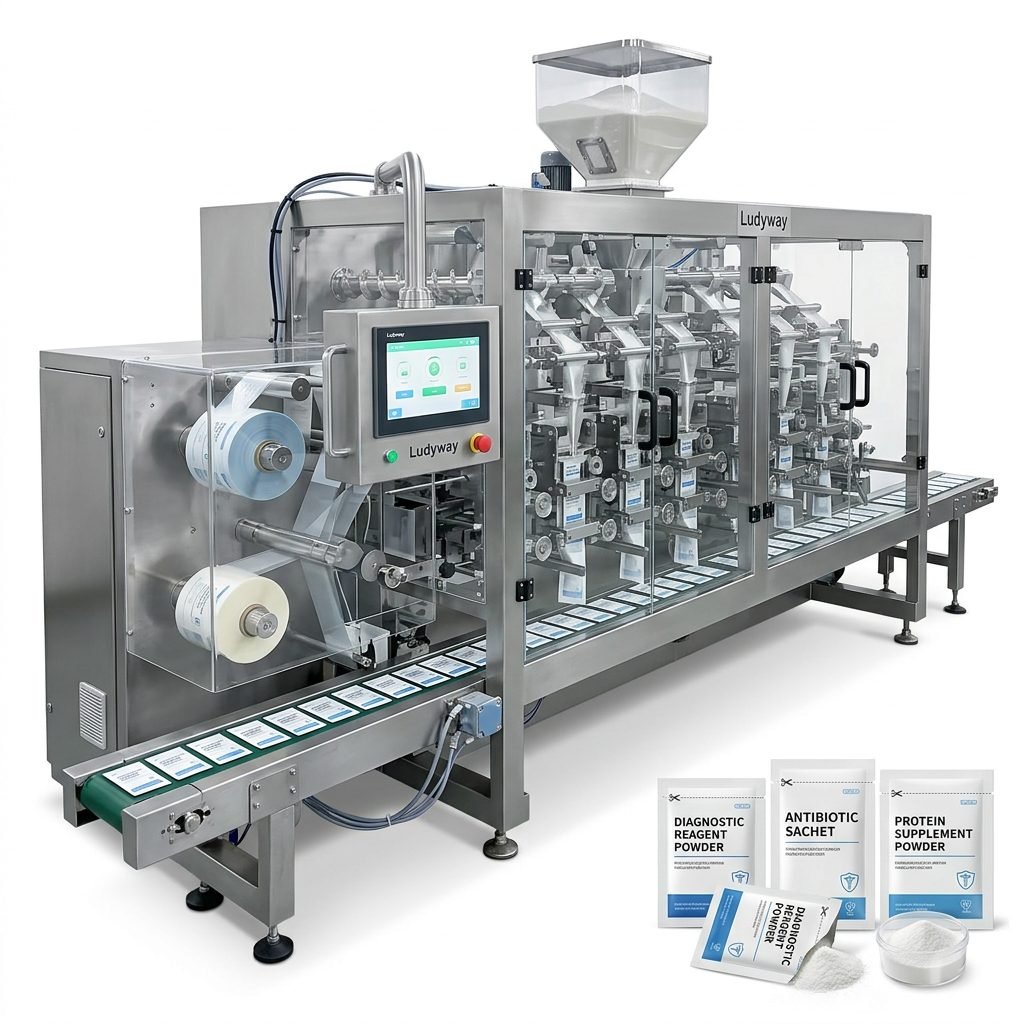
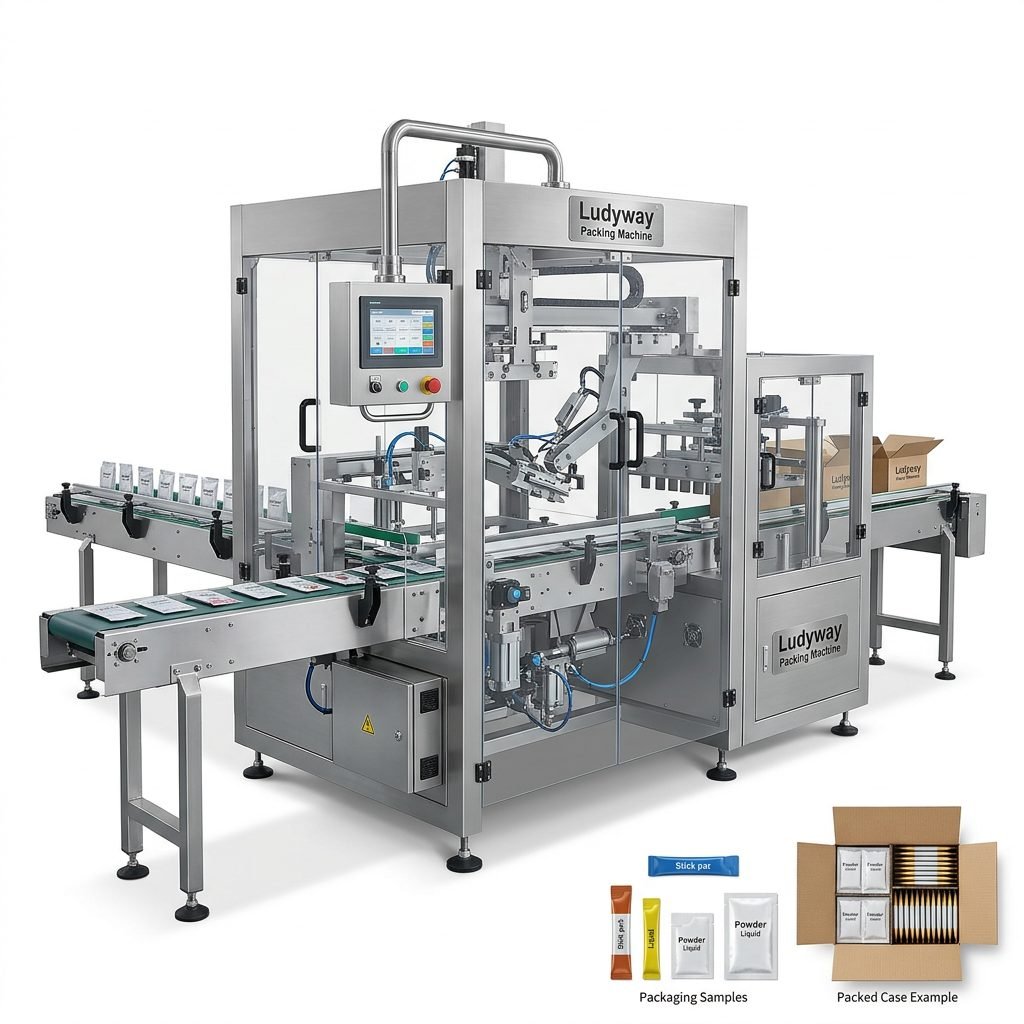
The tea industry across Oceania — including Australia, New Zealand, and Pacific Island nations — has experienced remarkable growth over the past decade. Consumer demand for premium loose-leaf teas, herbal infusions, functional blends, and convenient ready-to-drink formats continues to rise. For businesses looking to capitalize on this trend, setting up a reliable tea packaging machine production line is a critical step toward scaling operations and maintaining consistent product quality.
Understanding the Oceania Tea Market
The Oceania region presents unique opportunities for tea producers. Australia’s specialty tea market has surged, with consumers increasingly favoring organic and sustainably packaged products. New Zealand’s café culture and health-conscious demographic drive demand for premium tea experiences. Meanwhile, Pacific Island nations are emerging markets where packaged tea products are gaining traction as tourism and retail infrastructure expand.
Key market segments in Oceania include:
- Loose-leaf premium teas — favored by specialty retailers and high-end hospitality
- Herbal and wellness infusions — driving growth in the health food channel
- Convenience sachets and stick packs — popular for on-the-go consumption
- Tea bags in envelope packaging — the dominant format in supermarkets
- Bulk packaging for foodservice — supplying cafés, restaurants, and hotels
Key Components of a Tea Packaging Production Line
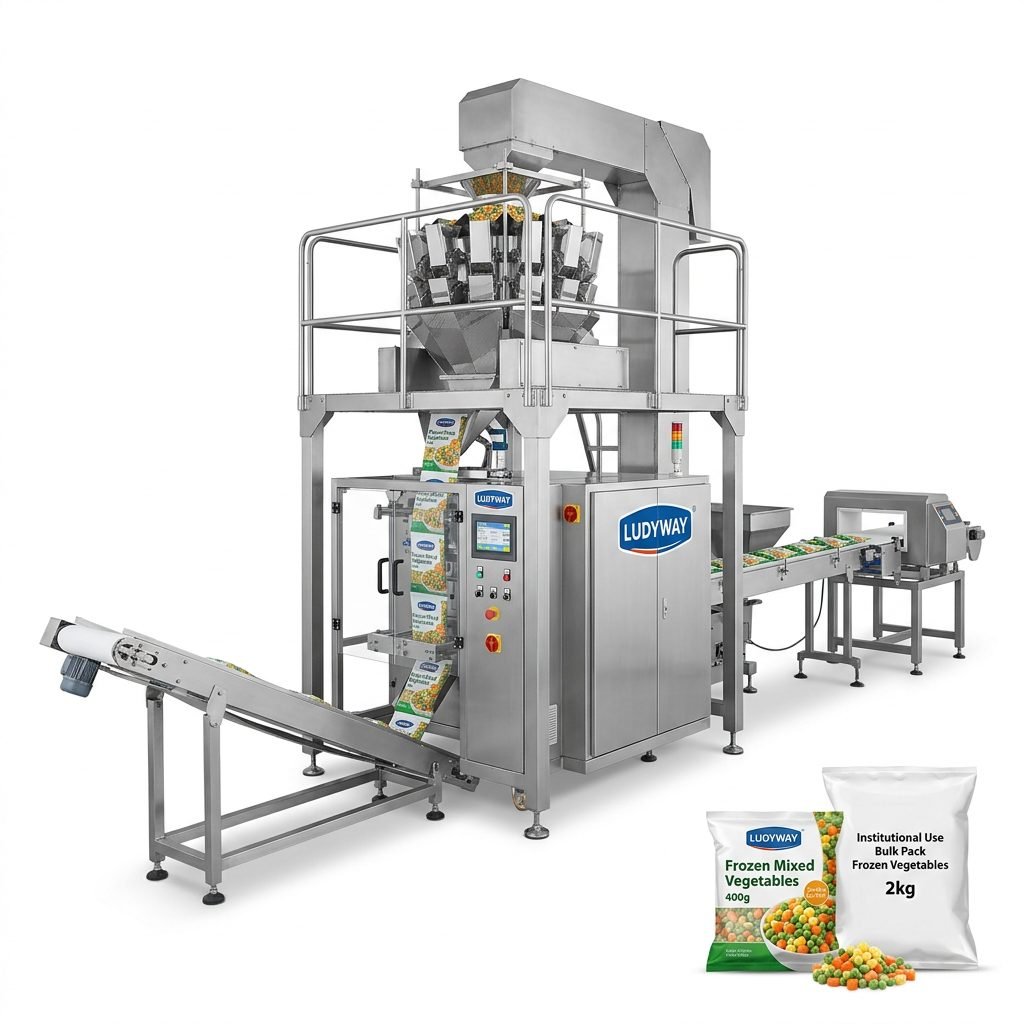
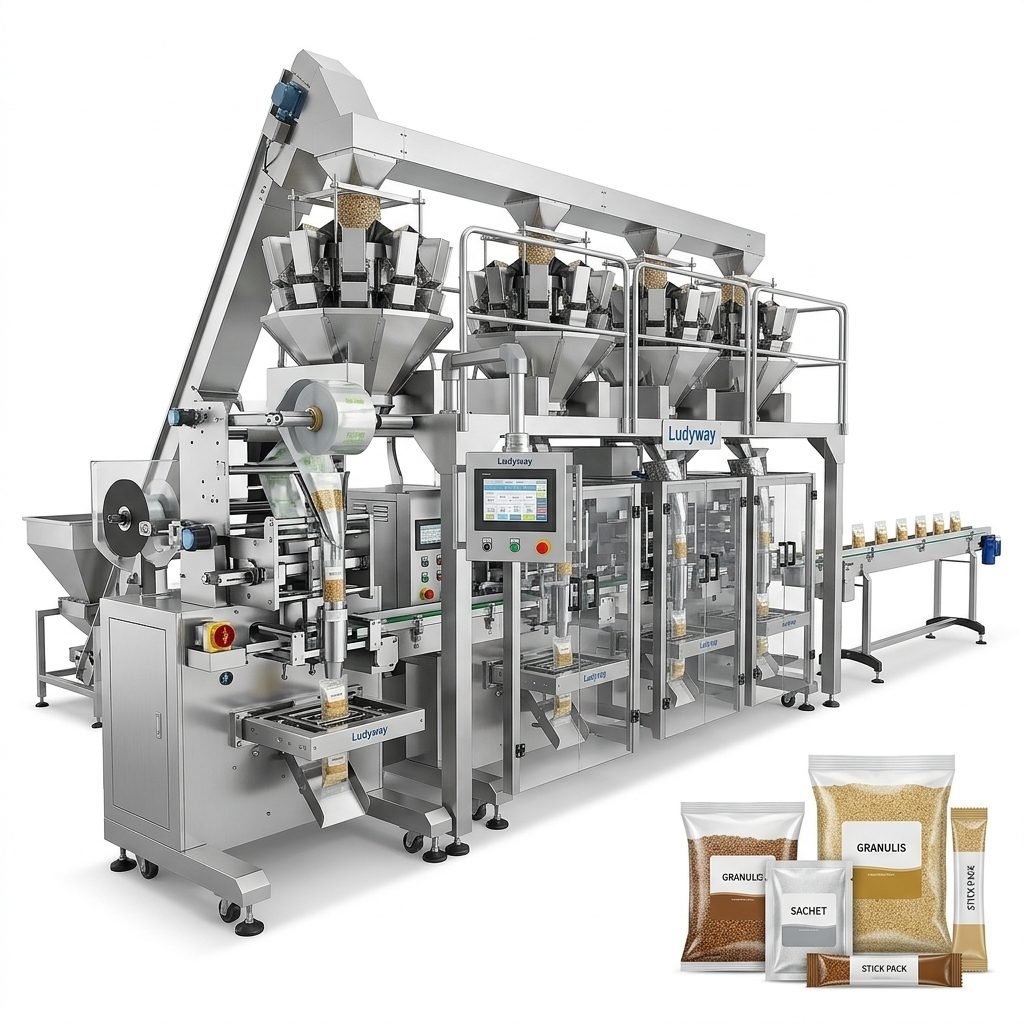
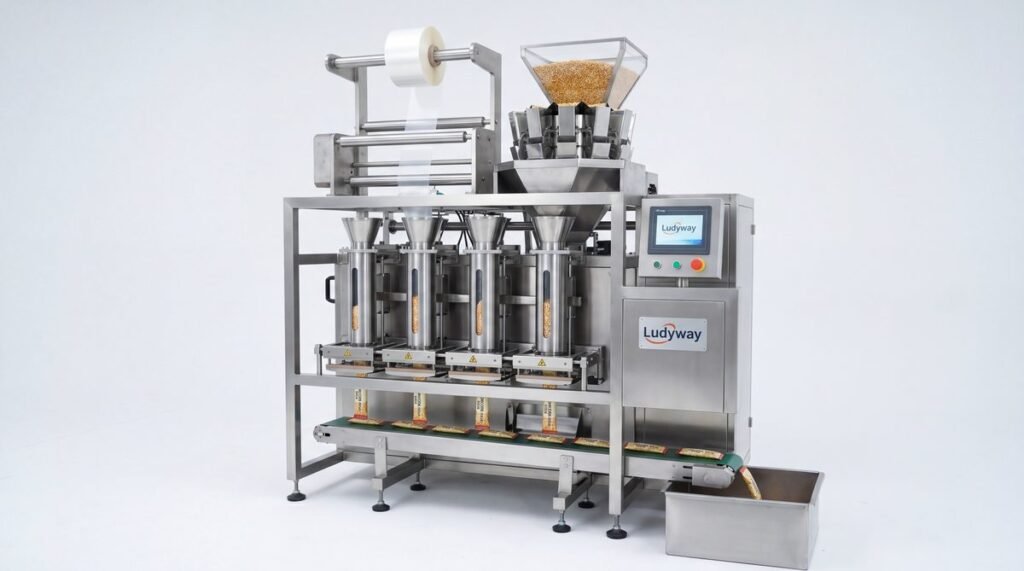
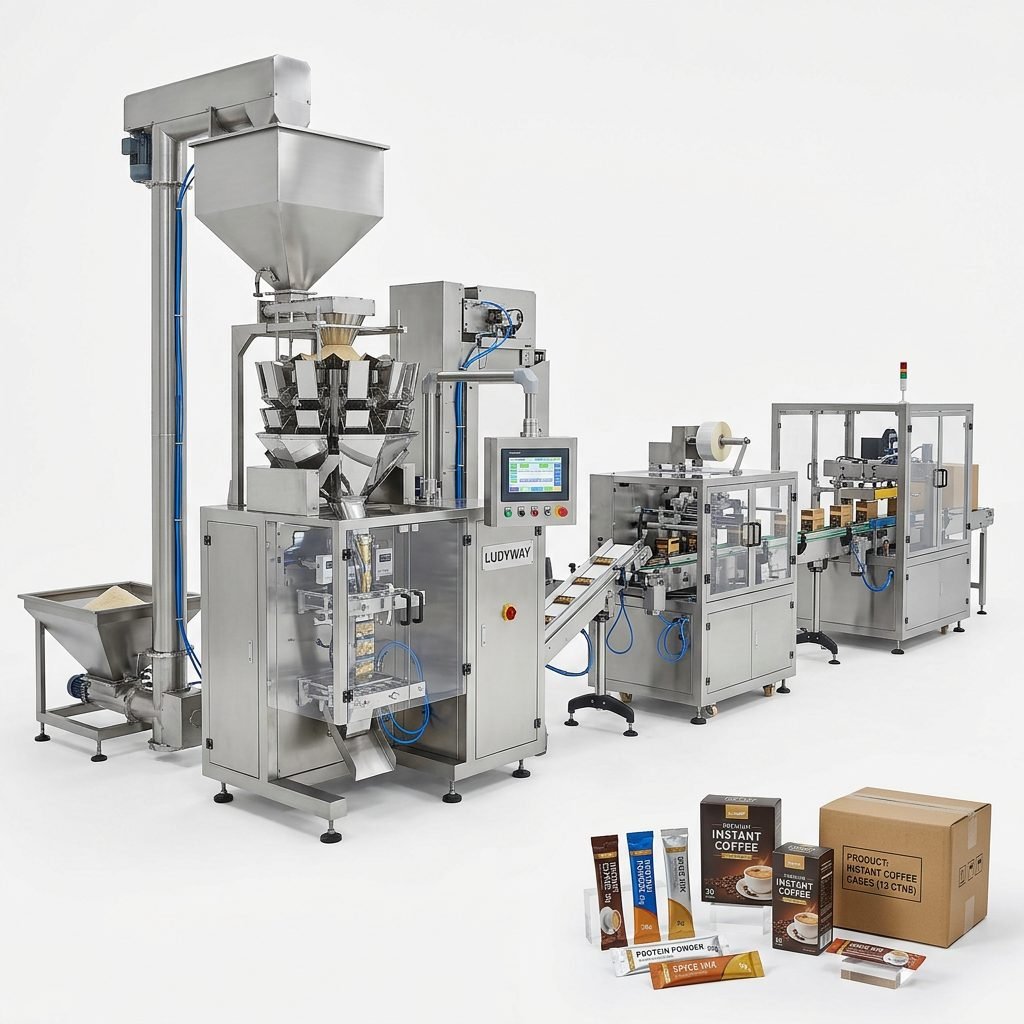
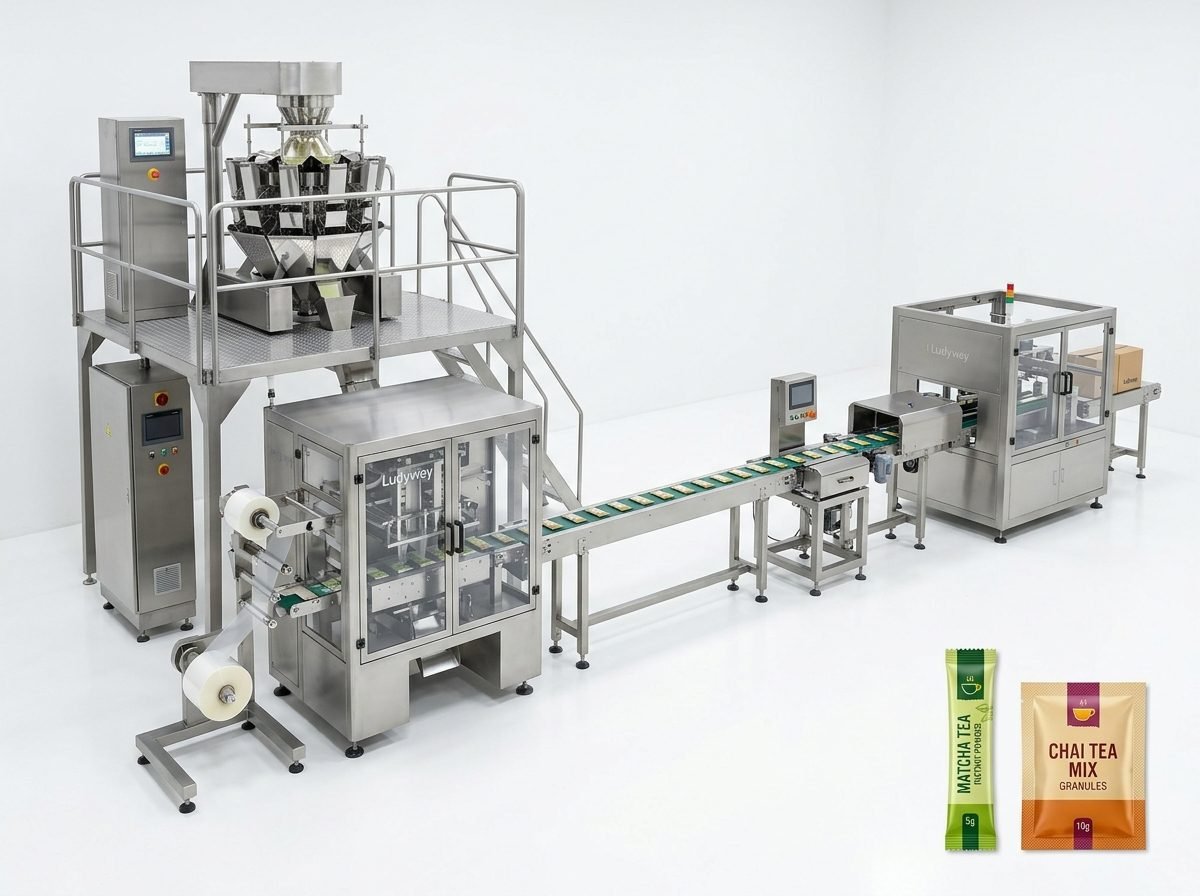
A complete tea packaging production line typically integrates multiple machines and systems working in harmony. Understanding each component helps you make informed procurement decisions and ensures smooth operation from day one.
| Component | Function | Key Specification |
|---|---|---|
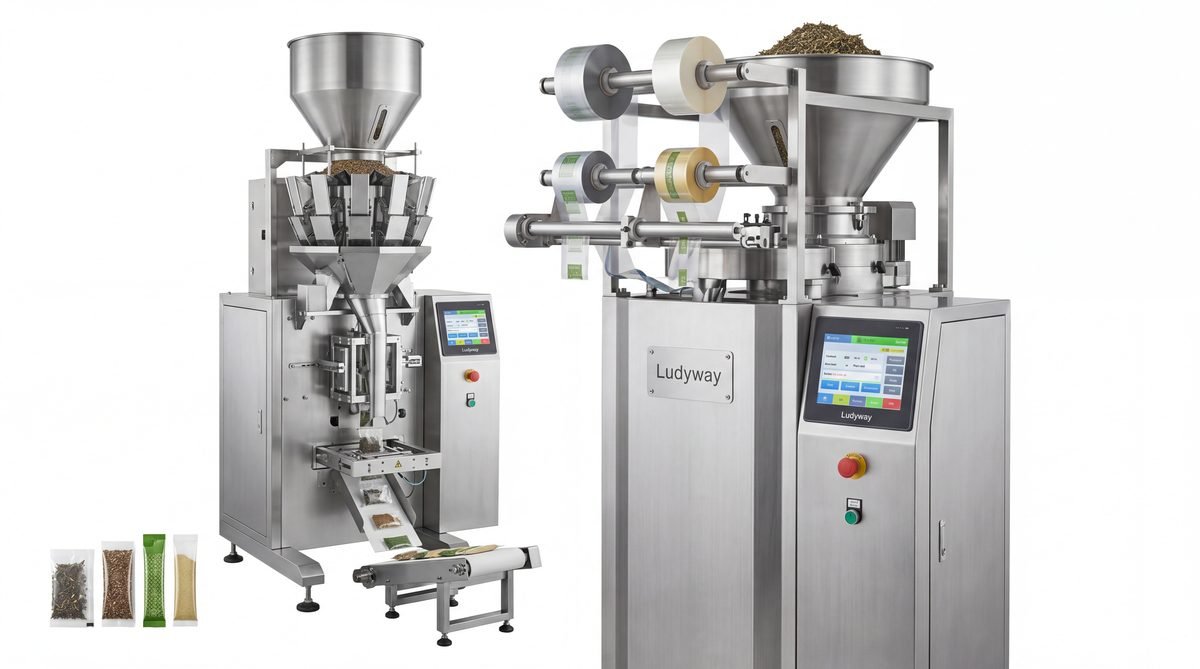
| Feeding System | Delivers tea leaves or powder to the packaging unit | Volumetric or multi-head weigher |
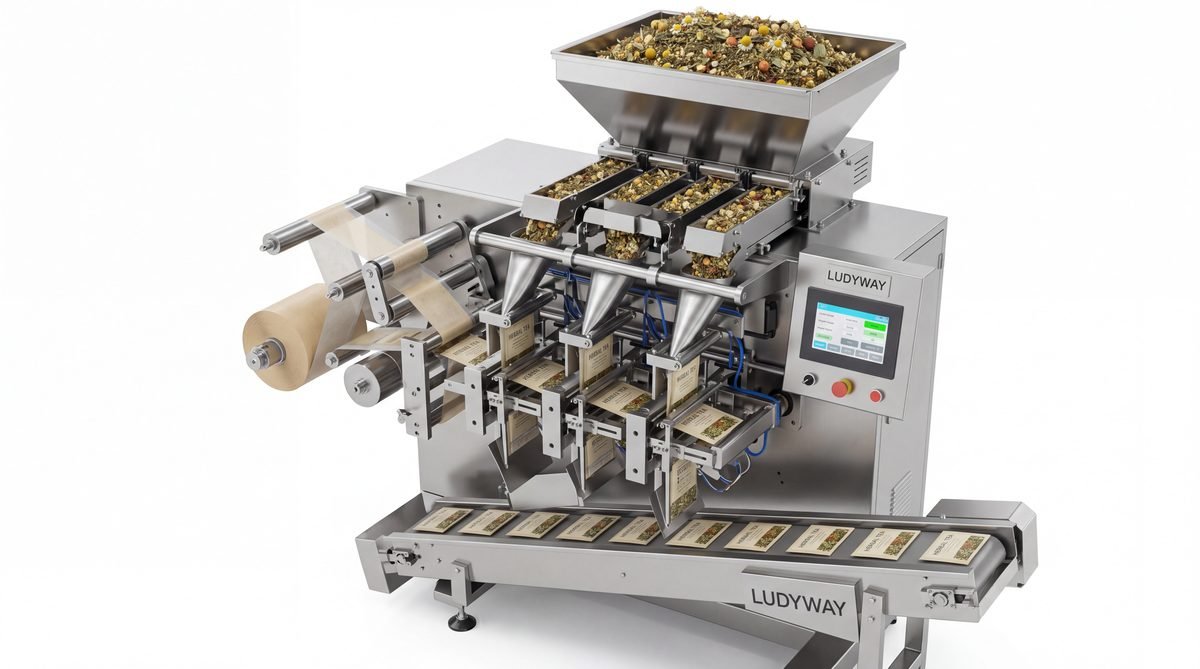
| Form-Fill-Seal Machine | Forms pouches, fills product, and seals packages | Multi-lane capability, 30-120 packs/min |
| Tea Bag Packaging Unit | Specifically for tea bag with string and tag | Double-chamber or pyramid bag |
| Cartoning Machine | Packs finished sachets into cartons | Automatic carton erecting and sealing |
| Checkweigher & Metal Detector | Quality assurance and contaminant detection | High-sensitivity, compliance-grade |
| Palletizing System | Stacks finished cartons onto pallets | Robotic or conventional palletizer |
Step-by-Step Setup Process
Setting up a tea packaging line in Oceania requires careful planning across several phases. Below is a structured approach that has proven effective for manufacturers entering or expanding within this region.
1. Facility Preparation
Your production facility must meet local food safety standards. In Australia, this means compliance with FSANZ (Food Standards Australia New Zealand) regulations. Key facility requirements include adequate floor space for equipment layout, proper ventilation to manage tea dust, controlled humidity levels to preserve product freshness, and hygienic flooring and wall surfaces that are easy to clean. Electrical supply in Oceania typically operates at 230V/50Hz in Australia and New Zealand, which must be confirmed against your equipment specifications.
2. Equipment Selection and Procurement
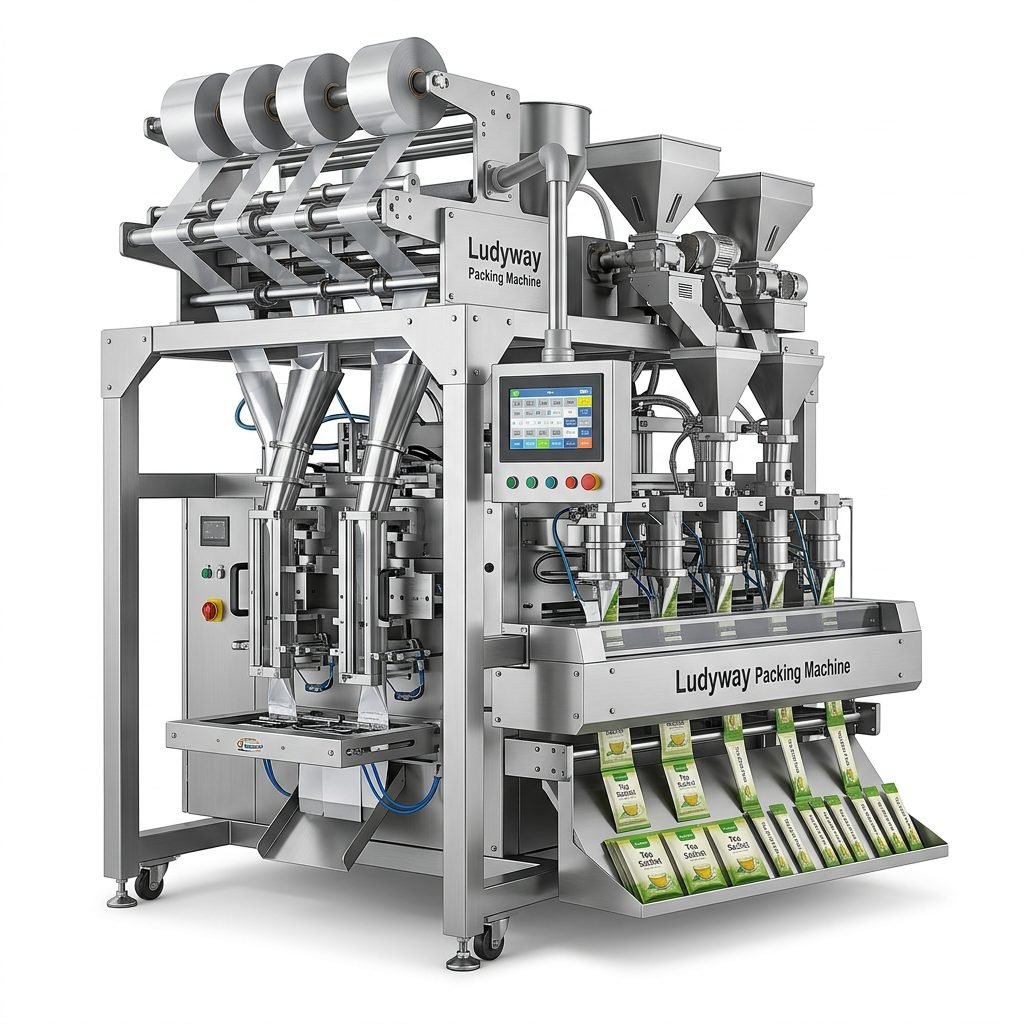
Choosing the right machinery is the most consequential decision in your setup journey. Consider production capacity targets, the types of tea products you plan to package, and the packaging formats your target market demands. Many businesses in Oceania benefit from comprehensive packaging machinery research before making procurement decisions. Working with an experienced packaging machine manufacturer ensures you receive equipment tailored to your specific requirements. Ludyway, with over 30 years of industry expertise and a 20,000㎡ modern manufacturing facility, provides advanced tea packaging solutions that serve customers in more than 100 countries and regions, including turnkey production lines suitable for the Oceania market.
3. Installation and Commissioning
Professional installation is essential for optimal performance. Factory-trained technicians should oversee the positioning, leveling, and connection of all equipment. Electrical and pneumatic connections must be verified against local standards. During commissioning, each machine should be tested individually before the entire line runs in synchronized mode. According to PMMI packaging industry resources, proper commissioning can reduce downtime by up to 40% in the first year of operation.
4. Testing and Quality Control
Before full-scale production begins, conduct rigorous testing with actual tea products. Verify seal integrity, fill weight accuracy, and package appearance. Implement a quality control checklist that includes:
- Seal strength testing at regular intervals
- Fill weight verification using calibrated checkweighers
- Metal detector sensitivity validation
- Package integrity under various storage conditions
- Print quality inspection for batch codes and expiry dates
5. Staff Training
Investing in comprehensive operator training pays dividends in reduced downtime and consistent output. Training should cover machine operation, routine maintenance, troubleshooting common issues, and safety protocols. Many equipment suppliers offer on-site training programs as part of their installation packages. Ensure training documentation is available in English and that key staff members receive advanced instruction on line optimization.
Regulatory Compliance in Oceania
Navigating the regulatory landscape is critical for tea packaging operations in Oceania. Australia and New Zealand share the FSANZ food standards code, which governs food contact materials, labeling requirements, and hygiene standards. Packaging materials must comply with FDA food packaging guidelines if you plan to export to the United States, and ISO packaging standards provide an internationally recognized framework for quality management.
Key compliance areas include:
- Food-grade packaging materials — all surfaces in contact with tea must be certified food-safe
- Labeling accuracy — ingredient lists, nutritional panels, and country-of-origin claims must be precise
- Traceability systems — batch tracking from raw material to finished product
- HACCP implementation — hazard analysis and critical control points throughout the line
Cost Considerations for Your Packaging Line
Budgeting accurately for a tea packaging production line helps avoid surprises. The total investment depends on automation level, production capacity, and packaging formats. Below is a general cost framework for planning purposes.
| Cost Category | Estimated Range (USD) | Notes |
|---|---|---|
| Core Packaging Machinery | $50,000 – $300,000+ | Depends on speed and features |
| Installation & Commissioning | $8,000 – $25,000 | Includes technician travel and labor |
| Shipping & Logistics | $5,000 – $20,000 | Sea freight to Oceania ports |
| Facility Modifications | $10,000 – $50,000 | Electrical, HVAC, flooring upgrades |
| Annual Maintenance | $5,000 – $15,000 | Spare parts and preventive service |
Common Challenges and Solutions
Every production line setup encounters obstacles. Anticipating these challenges helps you prepare effective solutions.
Challenge 1: Humidity Control
Tea is highly hygroscopic, meaning it readily absorbs moisture from the air. In humid Oceania climates — particularly in tropical regions like Fiji, Papua New Guinea, and northern Australia — moisture absorption can compromise product quality and cause clumping during packaging. Install dehumidification systems in your production area and consider nitrogen flushing for premium products to extend shelf life and preserve freshness.
Challenge 2: Supply Chain Logistics
Oceania’s geographic dispersion creates unique logistics challenges. Shipping equipment and spare parts to Pacific Island nations can involve longer lead times and higher freight costs. Maintain a strategic inventory of critical spare parts on-site and establish relationships with local technical service providers. For remote locations, consider remote diagnostic capabilities offered by modern packaging equipment.
Challenge 3: Equipment Maintenance
Regular preventive maintenance is essential for maximizing equipment lifespan in Oceania’s variable conditions. Develop a structured maintenance schedule covering daily cleaning, weekly inspections, and monthly comprehensive checks. Salt air in coastal areas can accelerate corrosion, so stainless steel construction and protective coatings are strongly recommended for all equipment surfaces.
Packaging Format Selection Guide
Different tea products demand different packaging approaches. Use the table below to match your product type with the optimal packaging format for the Oceania market.
| Tea Product Type | Recommended Format | Target Market Segment |
|---|---|---|
| Loose-leaf black tea | Foil-lined pouches, 50g-250g | Specialty retail, gourmet |
| Herbal infusion blends | Tea bags in carton, 20-50 count | Supermarkets, health stores |
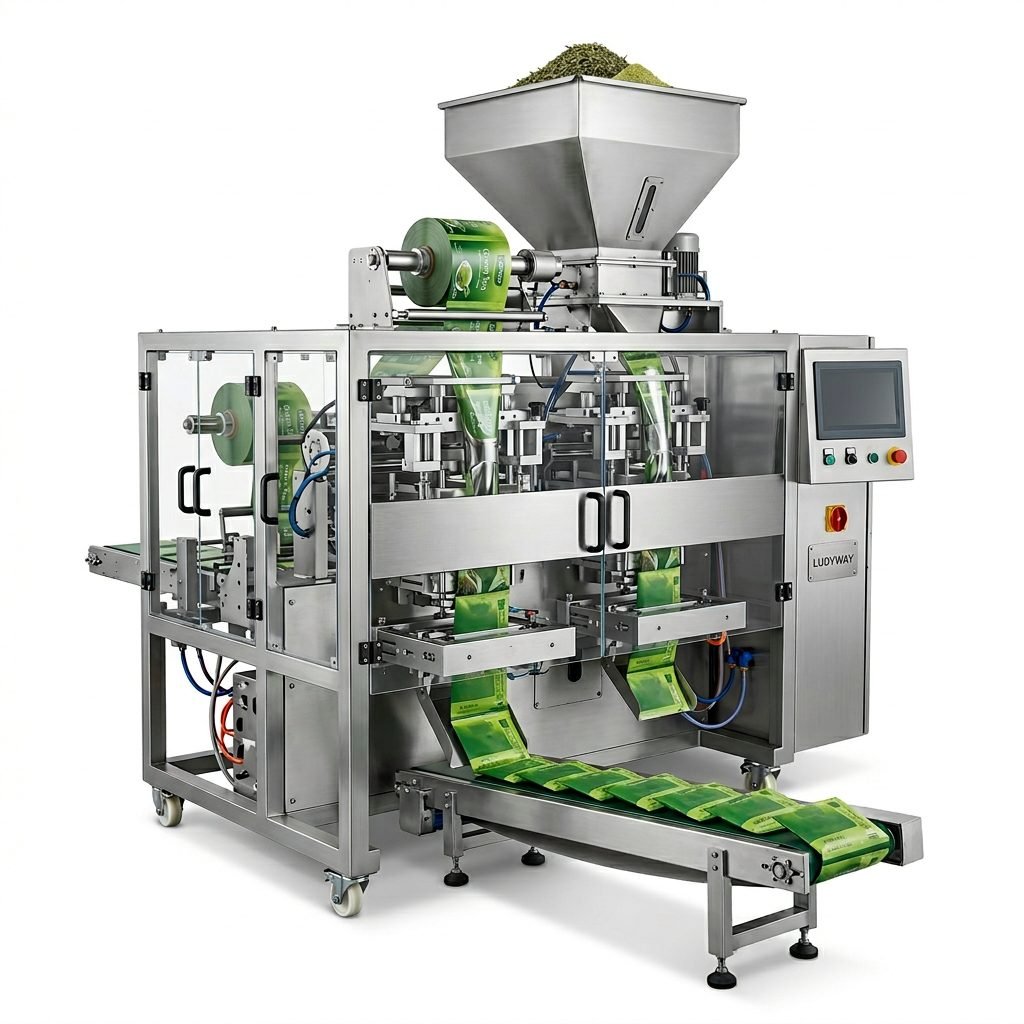
| Matcha and green tea powder | Stick packs, 1g-5g sachets | Wellness, on-the-go consumers |
| Instant tea powder | Multi-lane stick packs, 10g-20g | Convenience, travel retail |
| Bulk tea for foodservice | Large pouches, 1kg-5kg | Cafés, hotels, restaurants |
Future Trends Shaping Tea Packaging in Oceania
The packaging industry in Oceania is evolving rapidly. Several trends are influencing how tea manufacturers approach their production line investments. Sustainable packaging materials, including compostable films and recyclable laminates, are becoming a baseline expectation among Australian and New Zealand consumers. Flexible packaging industry data shows that demand for eco-friendly packaging solutions in the Asia-Pacific region is growing at over 8% annually.
Additional trends to watch include smart packaging with QR codes linking to product origin stories, single-serve formats for the growing premium instant tea market, and automated traceability systems that support compliance with tightening food safety regulations across the region.
Conclusion: Building Your Tea Packaging Future
Setting up a tea packaging machine production line in Oceania is a strategic investment that positions your business for long-term growth in a dynamic market. Success depends on thorough planning, selecting the right equipment partner, ensuring regulatory compliance, and preparing for the unique environmental conditions of the region.
By following the structured approach outlined in this guide — from facility preparation and equipment selection through to commissioning, training, and ongoing maintenance — you can establish a packaging operation that delivers consistent quality, meets market demands, and adapts to future trends. For further guidance, consult resources from PMMI – The Association for Packaging and Processing Technologies and the Flexible Packaging Association to stay current with industry developments and best practices.
Quick Reference Checklist
- Confirm FSANZ compliance for all food contact materials
- Verify electrical specifications match Oceania standards (230V/50Hz)
- Plan for humidity control in production and storage areas
- Stock critical spare parts to minimize downtime in remote locations
- Invest in operator training for maximum equipment utilization
- Select packaging formats aligned with target market preferences
- Build a preventive maintenance schedule from day one of operation