Investing in the right biscuit packaging machine is a critical decision for any food manufacturer looking to enter or expand in the United States market. With evolving consumer demands, stringent FDA regulations, and the push for automation, selecting the optimal equipment requires a deep understanding of your production goals, packaging formats, and long-term operational costs. This guide walks you through every essential factor, from machine types and technical specifications to compliance standards and supplier evaluation, ensuring you make a confident, future-proof purchase.
Understanding Biscuit Packaging Machine Types
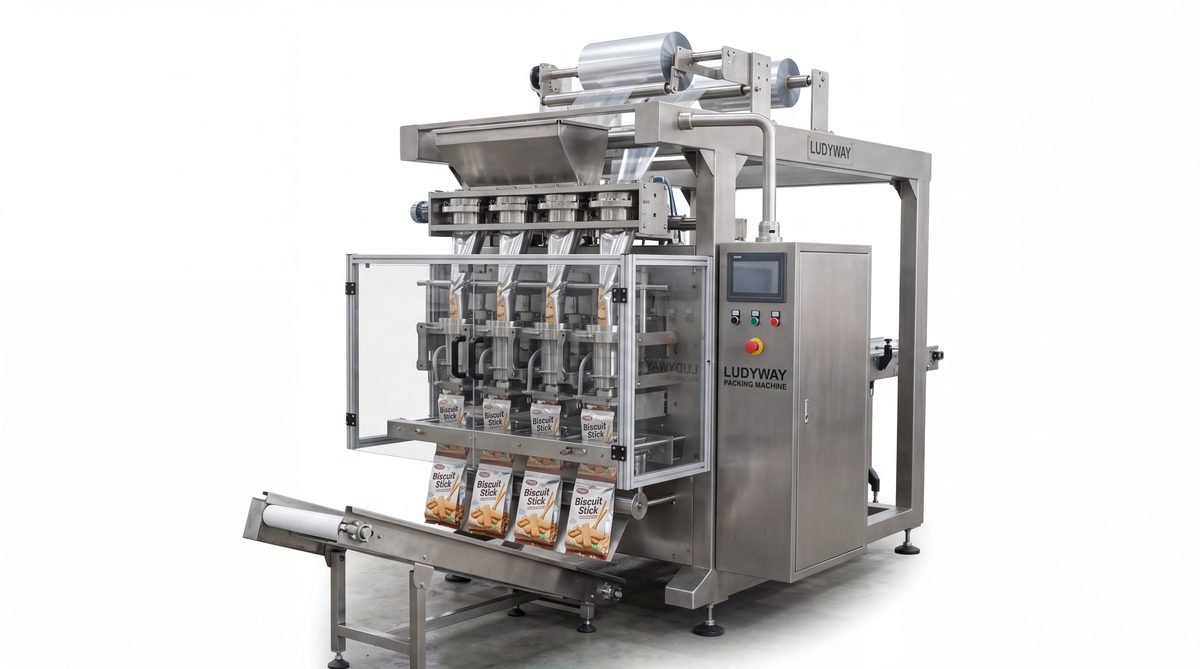
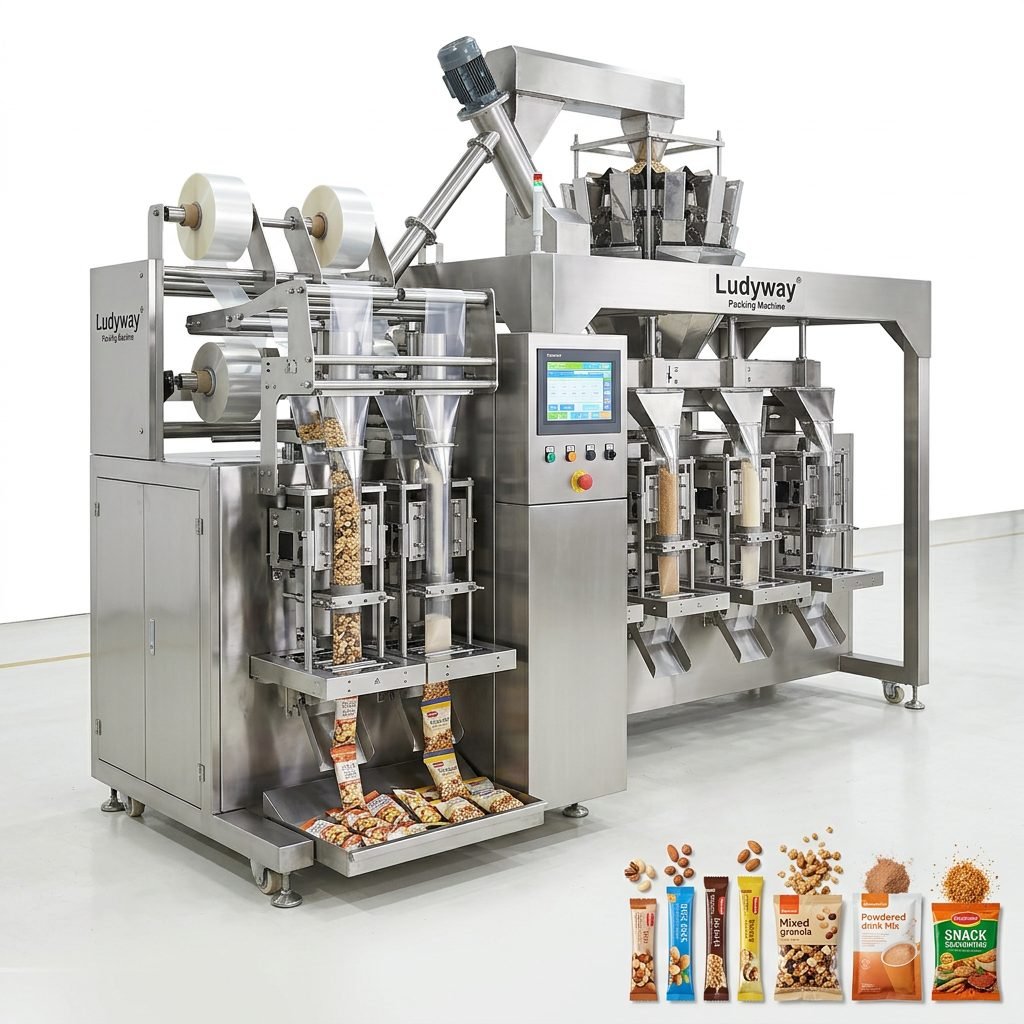
Before diving into specifications, it’s crucial to identify which type of packaging machine aligns with your biscuit product range. The U.S. market favors versatile systems that handle various biscuit shapes, sizes, and stacking patterns while maintaining high throughput. Below are the most common configurations used by American food manufacturers.
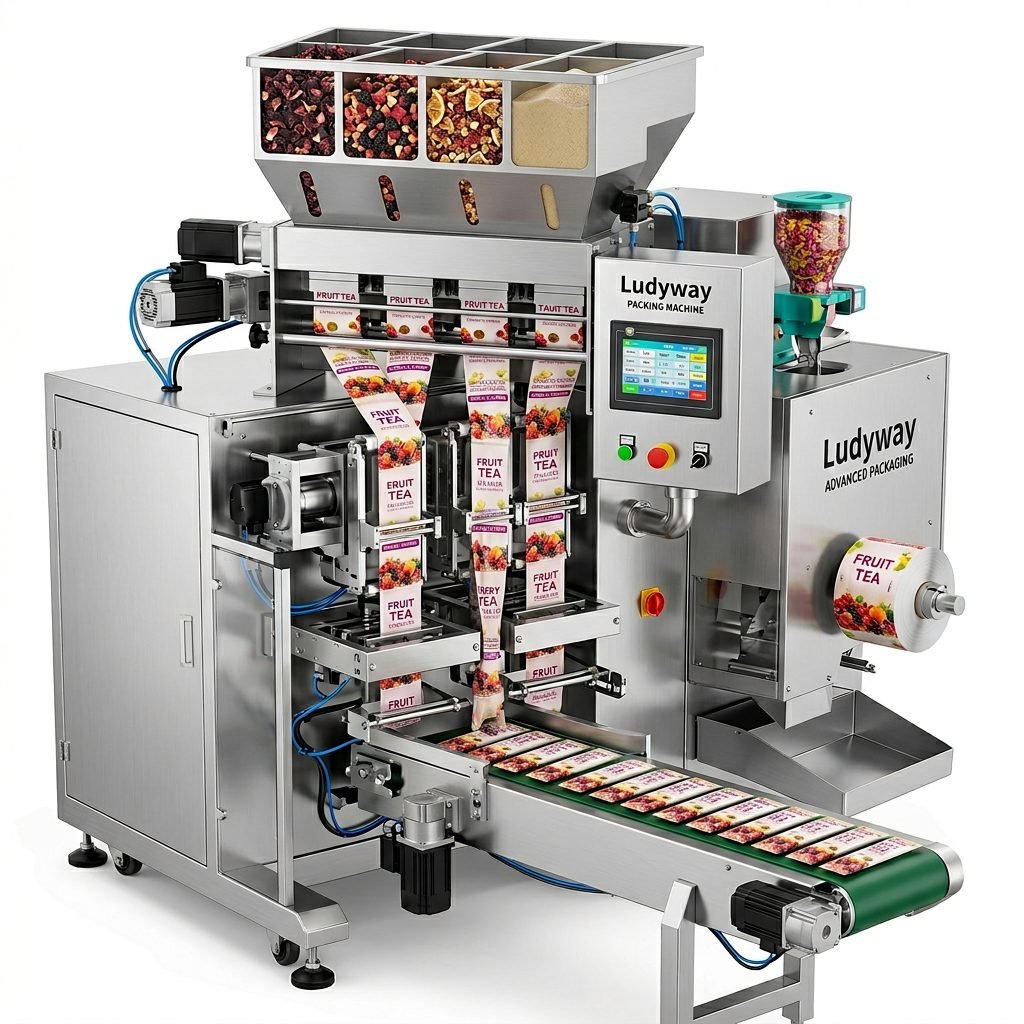
Multi-Lane Stick Pack Machines
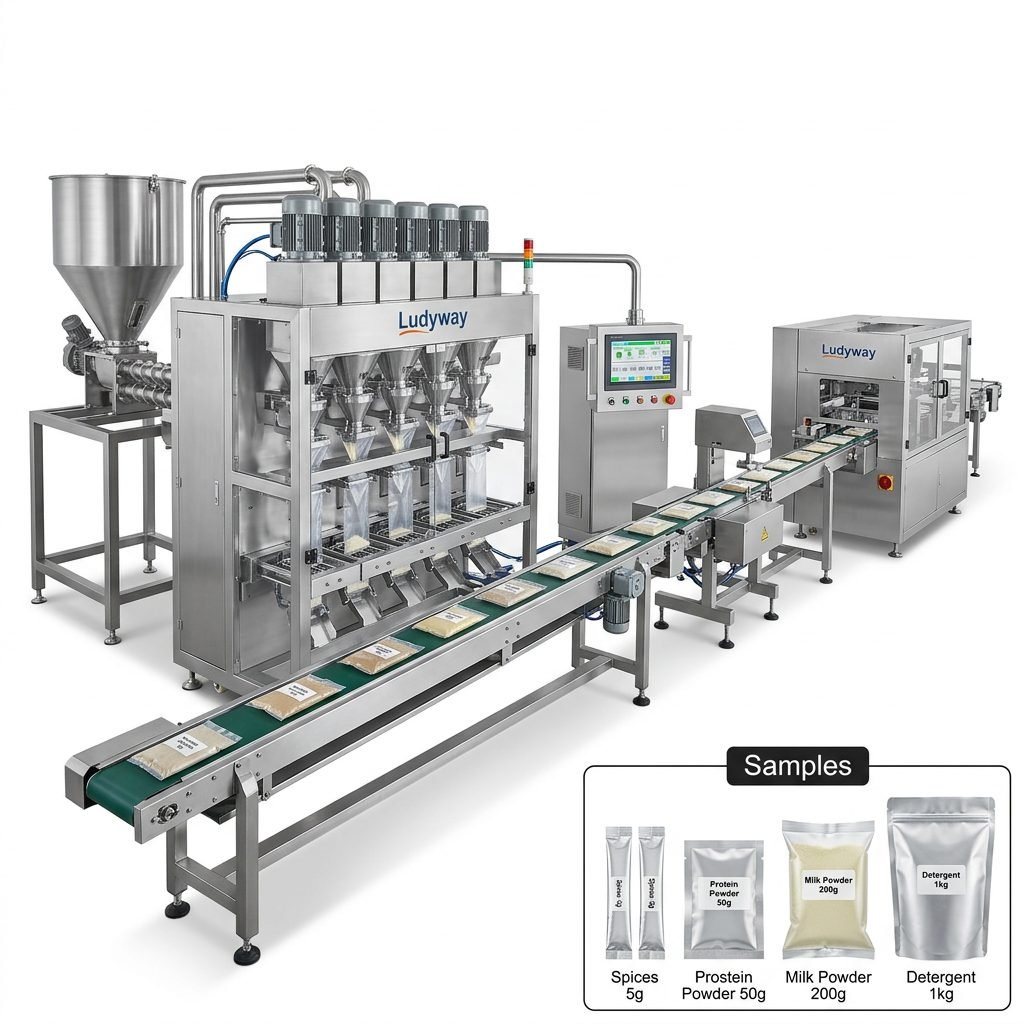
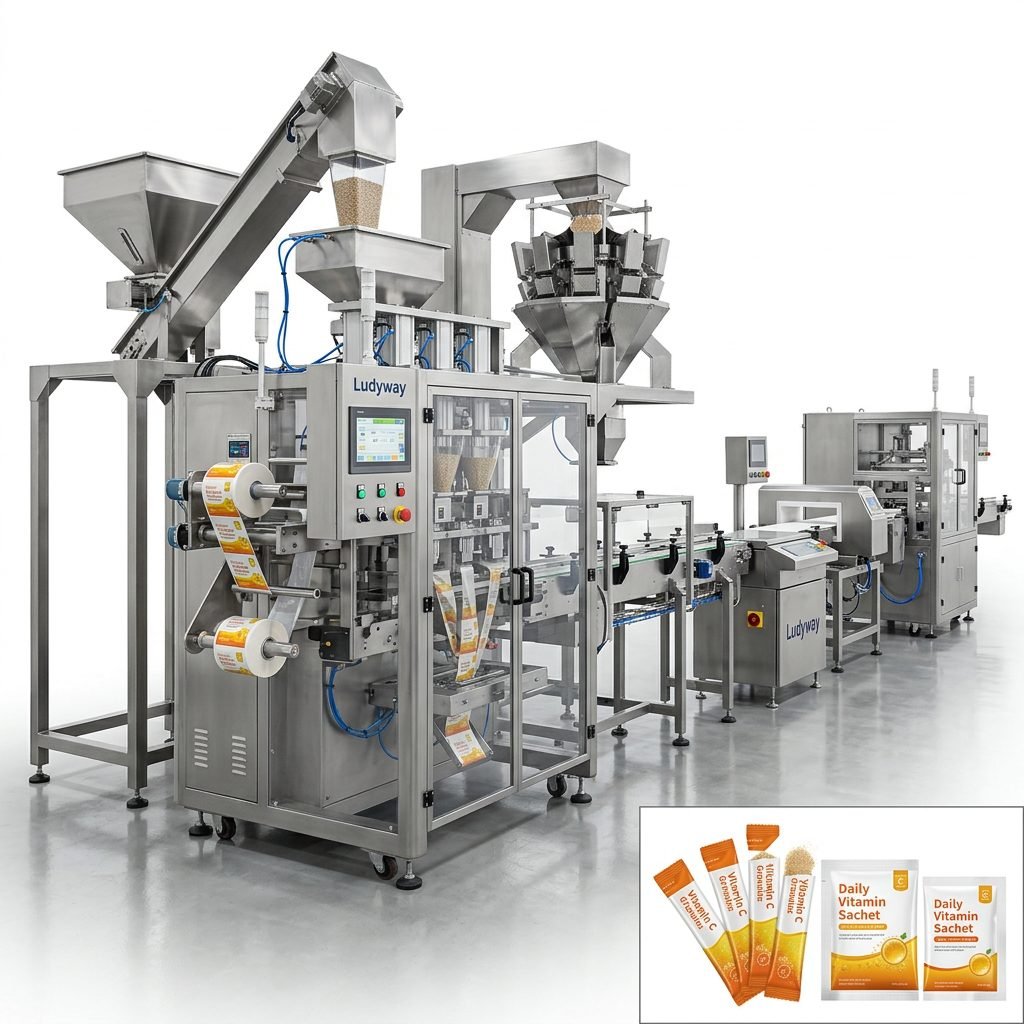
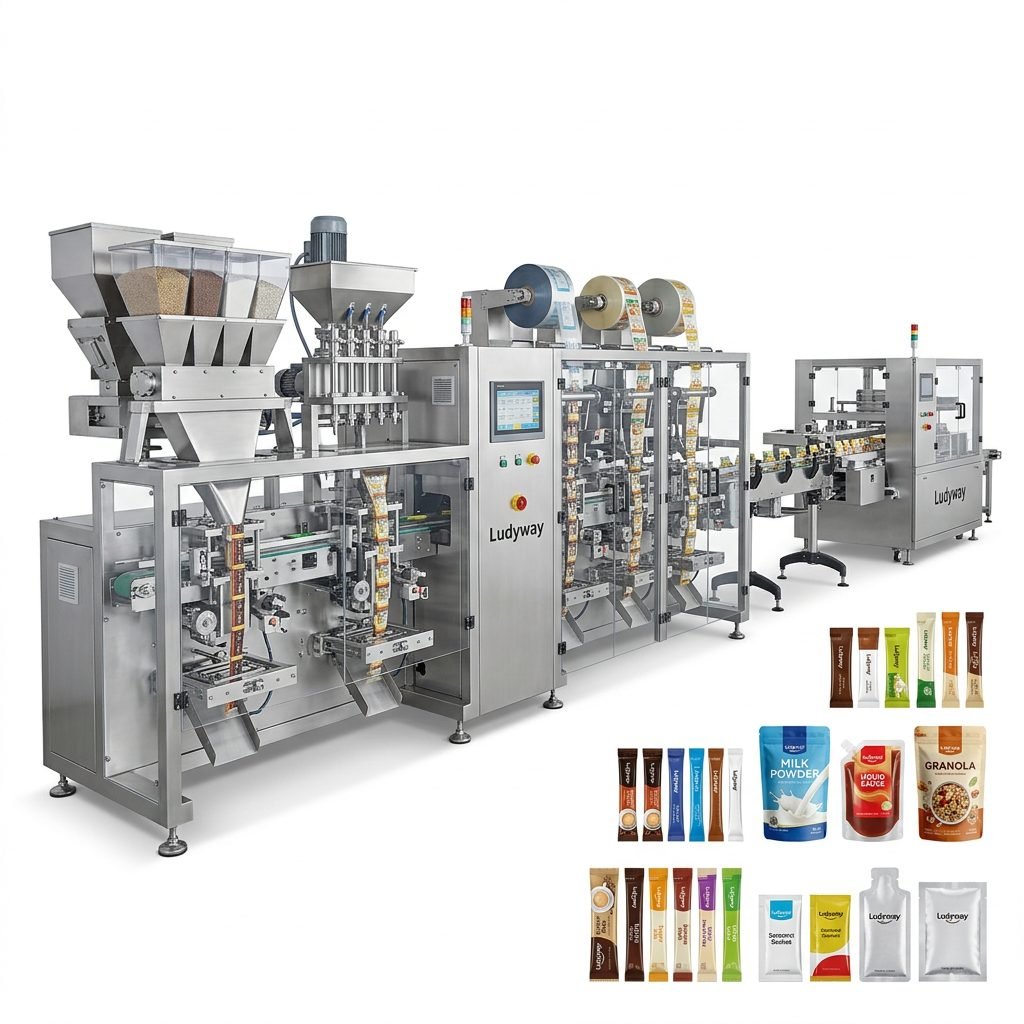
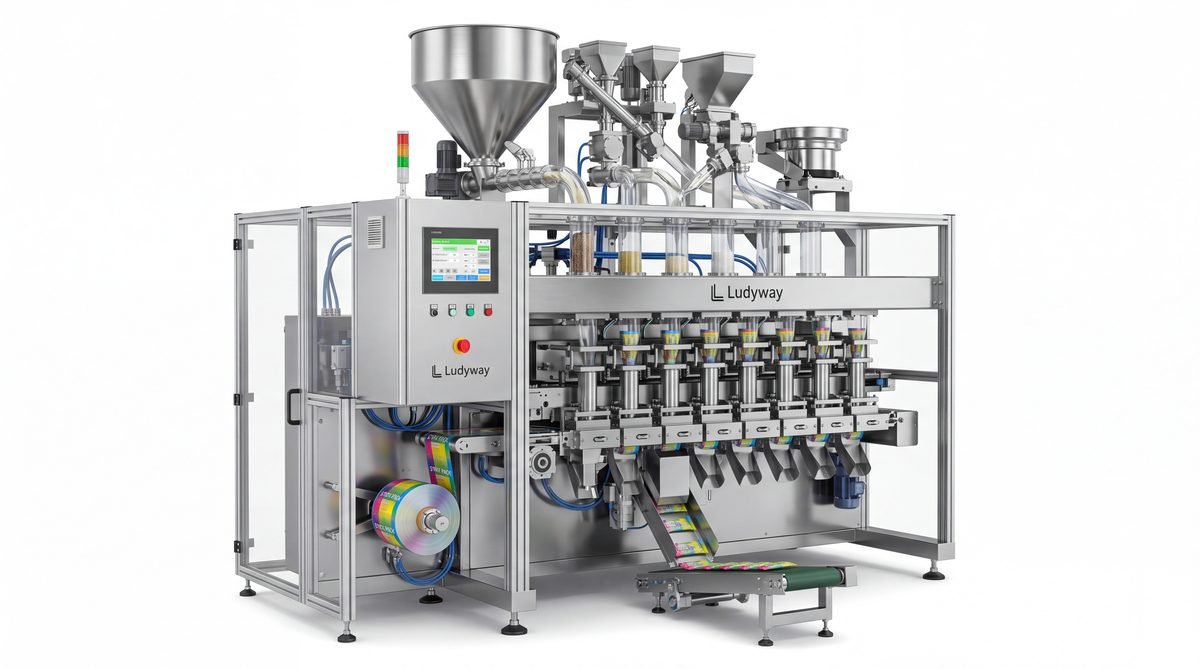
Multi-lane stick pack machines are increasingly popular for single-serve and on-the-go biscuit snacks. These systems run multiple lanes simultaneously, dramatically increasing output per minute compared to single-lane alternatives. They are ideal for packaging small, uniform biscuit pieces or mini cookies into narrow, sealed sachets. The latest industry data shows a strong upward trend in stick pack adoption across the U.S. snack sector.
Flow Wrapping and Horizontal Form Fill Seal (HFFS) Machines
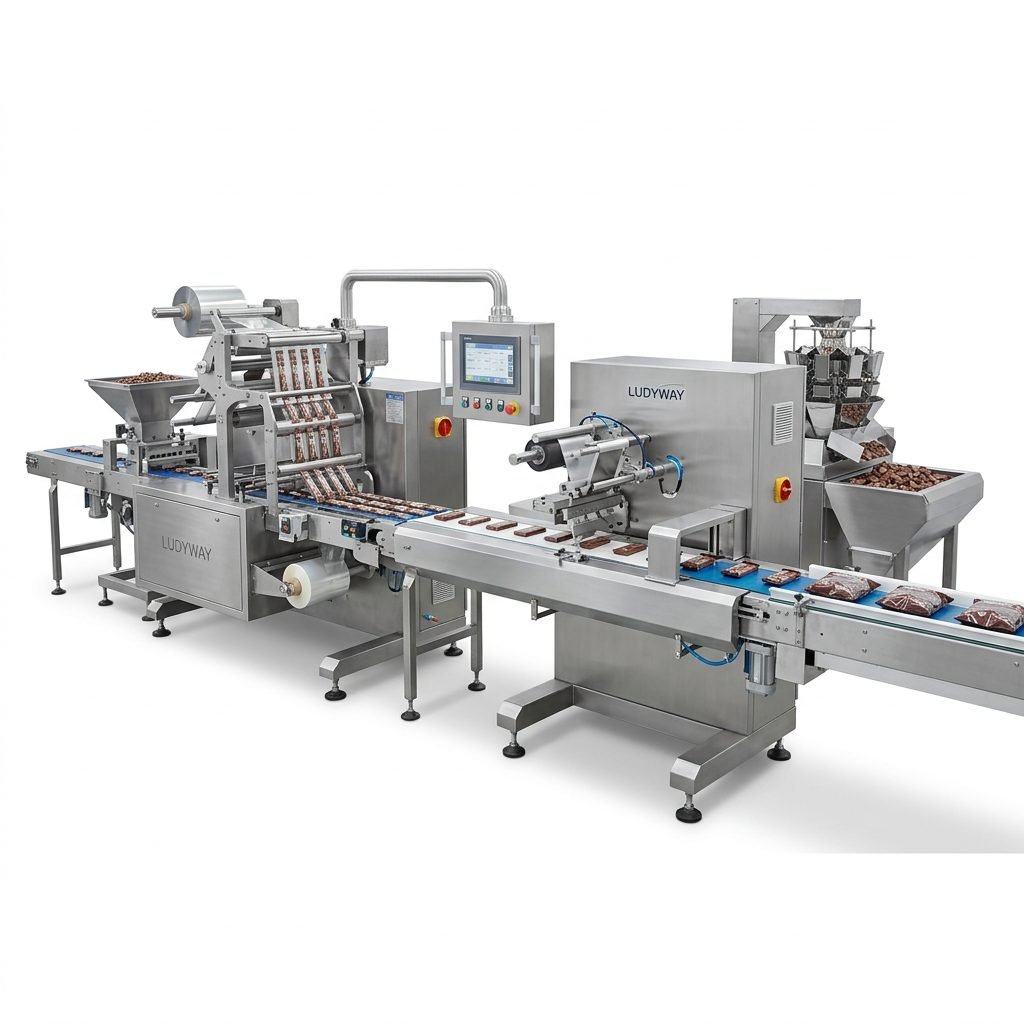
For traditional biscuit stacks, slugs, or trays, horizontal flow wrapping machines remain the workhorse of the industry. These systems wrap products in heat-sealable film, creating a tight, protective barrier. They excel at handling delicate biscuits without breakage and offer quick changeover between different product sizes. When evaluating HFFS machines, pay close attention to film cutting accuracy and sealing jaw design, as these directly impact bag appearance and shelf life.
Sachet and Pillow Pack Machines
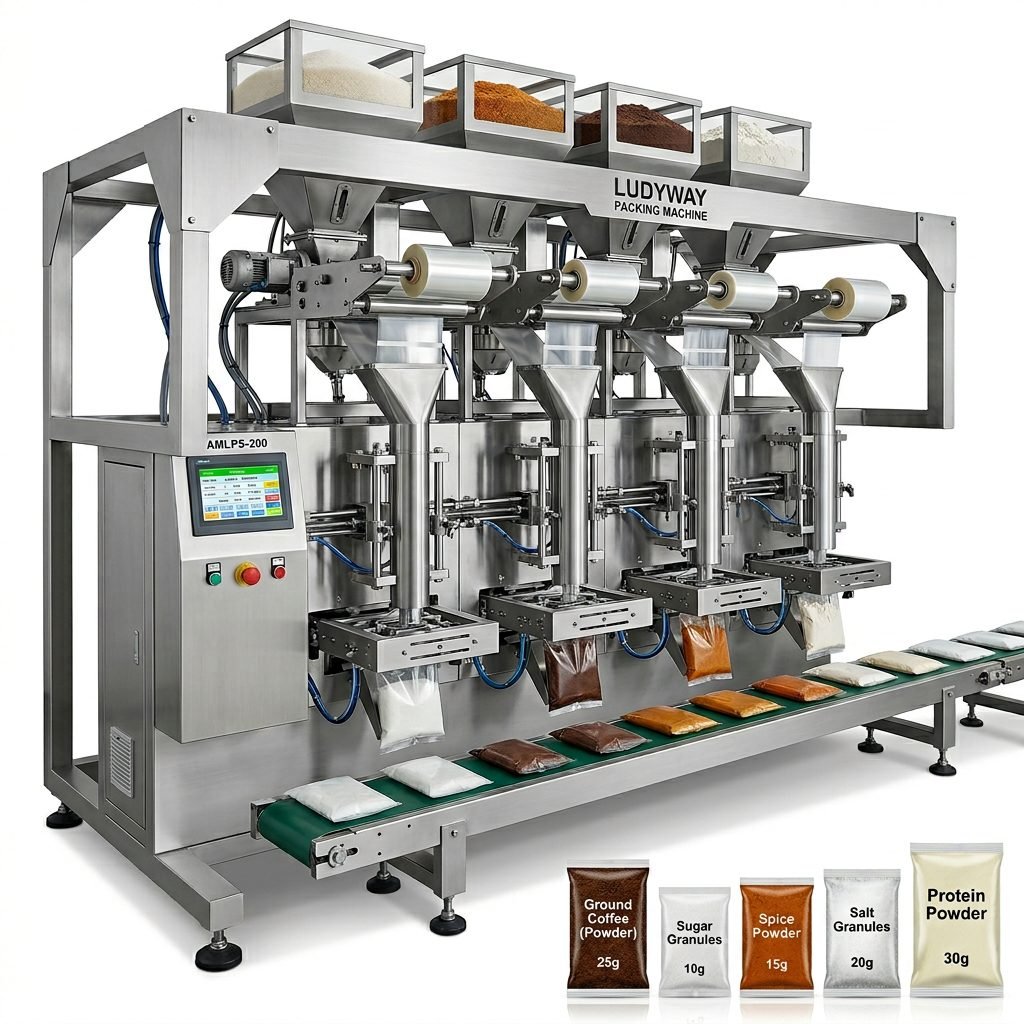
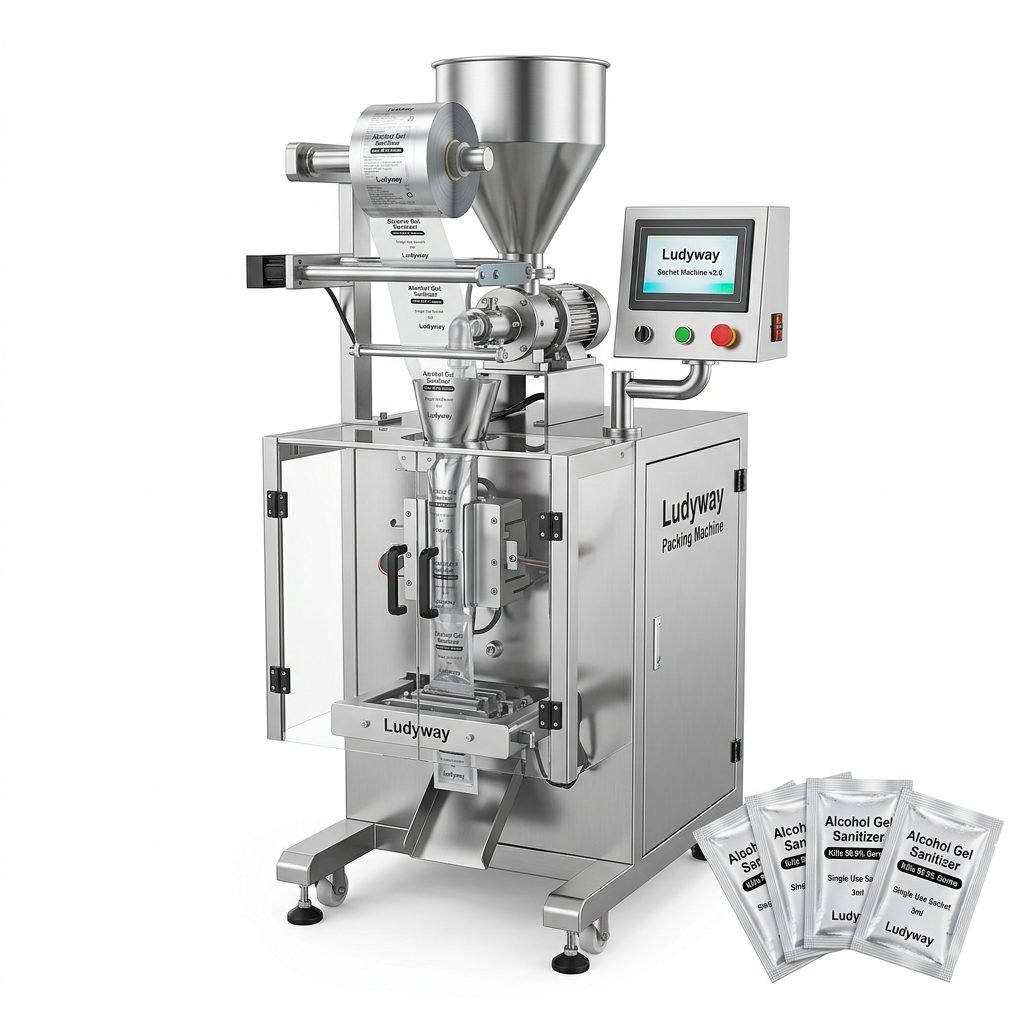
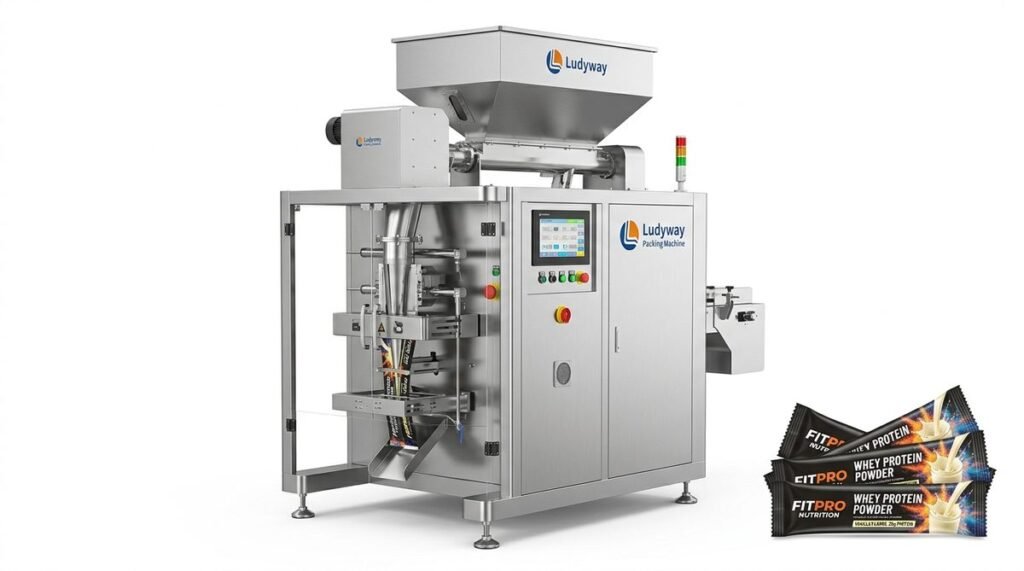
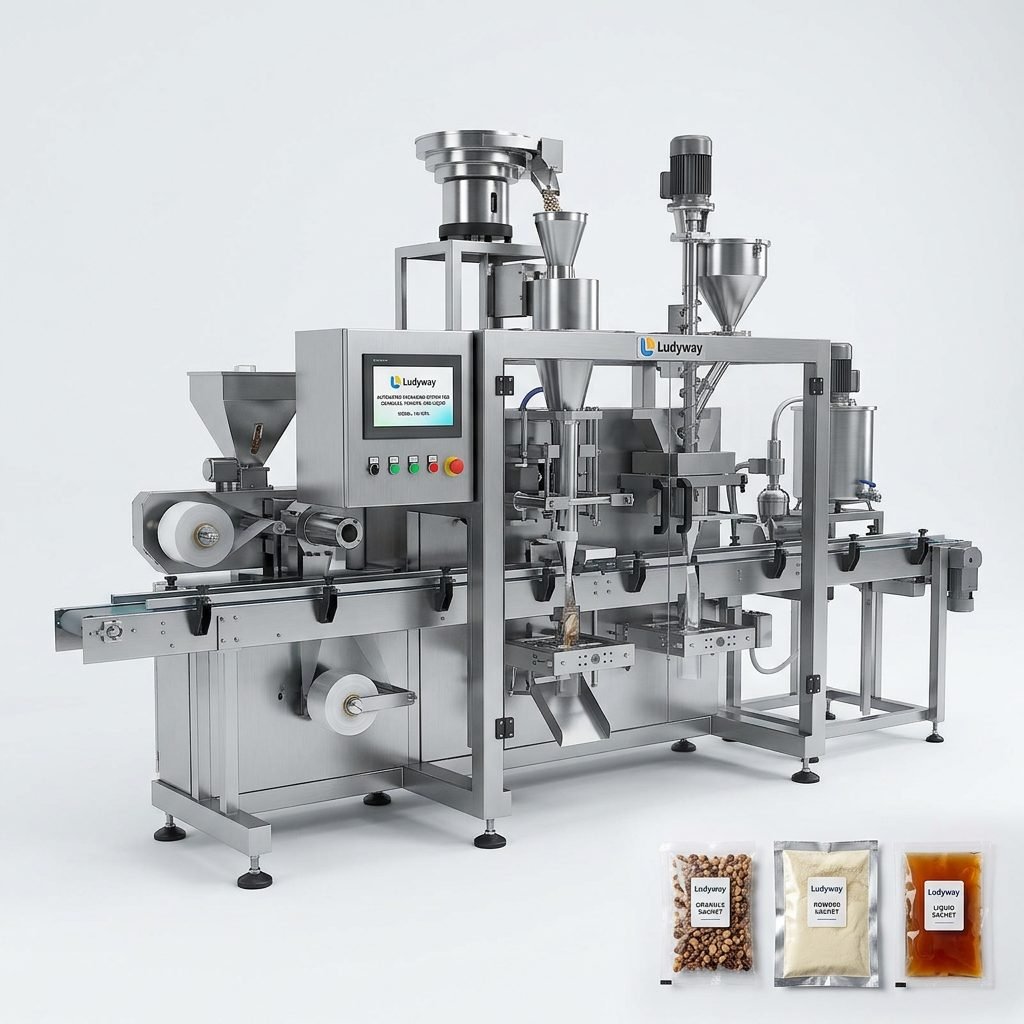
Sachet packaging is widely used for portion-controlled biscuit packs, especially in food service and hospitality channels across the United States. These machines form, fill, and seal individual pouches, often incorporating modified atmosphere packaging (MAP) capabilities to extend freshness. Look for models with precise temperature control and multi-language interface options if your production line serves diverse workforce environments.
| Machine Type | Best For | Typical Speed Range | Key Advantage |
|---|---|---|---|
| Multi-Lane Stick Pack | Mini cookies, biscuit bites, single-serve snacks | 400–1200 packs/min | Ultra-high output, compact footprint |
| Horizontal Flow Wrapper | Biscuit trays, stacked slugs, bars | 30–150 packs/min | Gentle handling, versatile format support |
| Sachet Machine | Portion packs, food service, hospitality | 200–800 packs/min | Excellent seal integrity, MAP compatible |
| Automatic Counting and Cartoning Line | Count-based packs, variety multipacks | 40–120 cartons/min | Full automation from biscuit feeding to case packing |
Key Factors to Consider When Buying a Biscuit Packaging Machine in the U.S.
Purchasing packaging equipment for the United States market involves navigating a unique set of operational, regulatory, and commercial considerations. Beyond the machine’s core specifications, you must evaluate how it fits into your existing production environment and long-term business strategy.
1. Production Capacity and Speed Requirements
Your target output volume is the single most important parameter. Calculate your required packs per minute (PPM) based on current orders plus a realistic growth buffer of 20–30%. U.S. retailers often demand rapid turnaround times, making it essential to choose a machine that comfortably exceeds your baseline needs. Remember that rated speeds often assume ideal film quality and product consistency; real-world throughput may be 10–15% lower.
2. Packaging Film and Material Compatibility
U.S. consumers and regulators increasingly demand sustainable packaging materials. Your machine must handle a wide range of film structures, including recyclable mono-materials, compostable films, and traditional multi-layer laminates. Verify that the sealing system can maintain consistent seal strength across different material thicknesses. Additionally, check compatibility with flexible packaging industry standards to ensure your material choices meet retailer specifications.
3. Automation Level and Labor Considerations
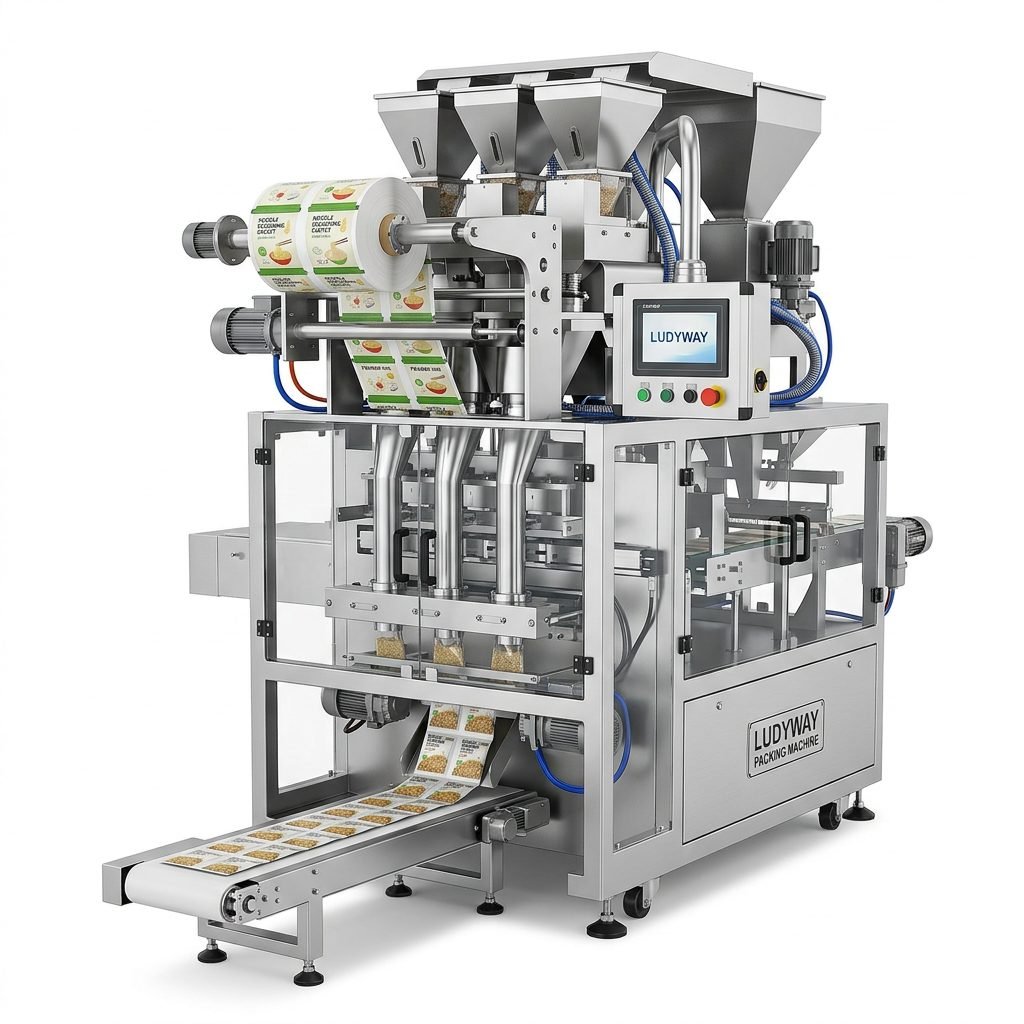
Labor availability and cost vary significantly across U.S. regions. Fully automated biscuit packaging lines—integrating feeding, wrapping, inspection, and cartoning—reduce dependency on manual labor and improve consistency. Evaluate features like automatic film splicing, servo-driven adjustments, and remote diagnostics. While the upfront investment is higher, the long-term ROI through reduced downtime and labor savings often justifies the cost for mid-to-large scale operations.
4. Footprint and Facility Integration
Measure your available floor space carefully. U.S. manufacturing facilities often operate in premium real estate environments where square footage comes at a high cost. Compact, vertical-form machines with intelligent layout design can maximize output per square foot. Ensure adequate clearance for maintenance access, film roll loading, and finished product conveyance.
Essential Features and Technological Innovations
Modern biscuit packaging machines offer a range of advanced features that directly impact product quality, operational efficiency, and compliance with U.S. market expectations. Prioritize the following capabilities when comparing different models and manufacturers.
- Servo-Driven Motion Control: Delivers precise film tension, accurate cut placement, and rapid format changeovers without mechanical adjustments. Reduces film waste and ensures consistent package appearance.
- Automated Cleaning Systems (CIP): Essential for facilities producing multiple biscuit varieties that may contain allergens. Quick, validated cleaning cycles minimize cross-contamination risks and downtime between production runs.
- Vision Inspection and Reject Systems: Integrated cameras check seal integrity, print quality, and product placement at full production speed. Defective packs are automatically rejected, safeguarding your brand reputation with U.S. retailers and consumers.
- IoT Connectivity and OEE Tracking: Real-time data on machine performance, availability, and quality metrics feed into your overall equipment effectiveness (OEE) dashboard. Remote monitoring capabilities allow suppliers to provide proactive technical support.
- Gas Flushing and MAP Capabilities: Extends biscuit shelf life significantly, a critical requirement for nationwide distribution across the United States where supply chains may span several weeks.
Cost Analysis and Budget Planning
Understanding the total cost of ownership (TCO) is essential for U.S. buyers. The purchase price of a biscuit packaging machine represents only a fraction of the long-term investment. A comprehensive budget should account for the following elements.
Upfront Investment Breakdown
Entry-level single-lane machines may start at a modest price point, while high-speed, multi-lane integrated lines with full automation can represent a significant capital expenditure. The table below provides a general framework for budgeting, though actual figures vary based on configuration and optional modules.
| Cost Category | Details | Estimated % of TCO |
|---|---|---|
| Machine Purchase | Base unit, feeding system, discharge conveyor | 55–65% |
| Installation and Training | On-site setup, operator training, qualification runs | 8–12% |
| Spare Parts Inventory | Critical wear components, seals, belts, sensors | 5–8% |
| Ongoing Maintenance | Annual service contracts, consumables, labor | 10–15% |
| Film and Packaging Material | Recurring cost, influenced by machine efficiency | Variable |
U.S. Compliance and Safety Standards
Any biscuit packaging machine operating in the United States must adhere to a complex framework of federal, state, and industry-specific regulations. Non-compliance can result in costly product recalls, legal liability, and damage to your brand. Before finalizing a purchase, verify that the equipment meets or exceeds the following standards.
FDA 21 CFR Compliance
Food contact surfaces and packaging materials must comply with FDA 21 CFR requirements. This includes using food-grade lubricants, stainless steel construction in product contact zones, and validation documentation demonstrating that the machine does not introduce contaminants into the biscuit packaging process. Request a detailed compliance certificate from your equipment supplier.
OSHA Machine Safety Standards
The Occupational Safety and Health Administration (OSHA) mandates specific guarding, emergency stop circuits, and lockout/tagout procedures for packaging machinery. Ensure your machine features Category 3 or 4 safety-rated interlocks on all access doors, transparent guarding for visibility, and easily accessible E-stop buttons positioned at critical operator interaction points.
UL and Electrical Certification
Electrical panels and control systems should carry UL listing or equivalent Nationally Recognized Testing Laboratory (NRTL) certification. This is often a non-negotiable requirement for insurance coverage and local building permits in U.S. manufacturing facilities. Confirm the machine’s electrical design matches your facility’s voltage, phase, and frequency specifications.
Supplier Evaluation and After-Sales Support
Selecting the right packaging machine manufacturer is as important as choosing the machine itself. For U.S. buyers, the supplier’s ability to provide responsive technical support, readily available spare parts, and comprehensive training directly impacts production uptime and long-term satisfaction. When evaluating potential partners, consider the following checklist.
- U.S.-Based Service Presence: Does the supplier have local service technicians, a North American parts warehouse, or a reliable network of certified service partners within the United States?
- Spare Parts Availability: What is the guaranteed lead time for critical spare parts? Ideally, the supplier should maintain an inventory of key components that can be shipped to your facility within 24–48 hours.
- Training Programs: Comprehensive operator and maintenance training should be included in the purchase package. Ask about both on-site and remote training options, as well as access to updated documentation and video resources.
- Customer References: Request references from U.S.-based companies running similar biscuit packaging applications. Direct feedback on machine reliability, support responsiveness, and overall experience is invaluable.
- Warranty Terms: Carefully review warranty coverage duration, what components are included, and any exclusions. A standard warranty typically covers 12–24 months, but extended coverage options are often available.
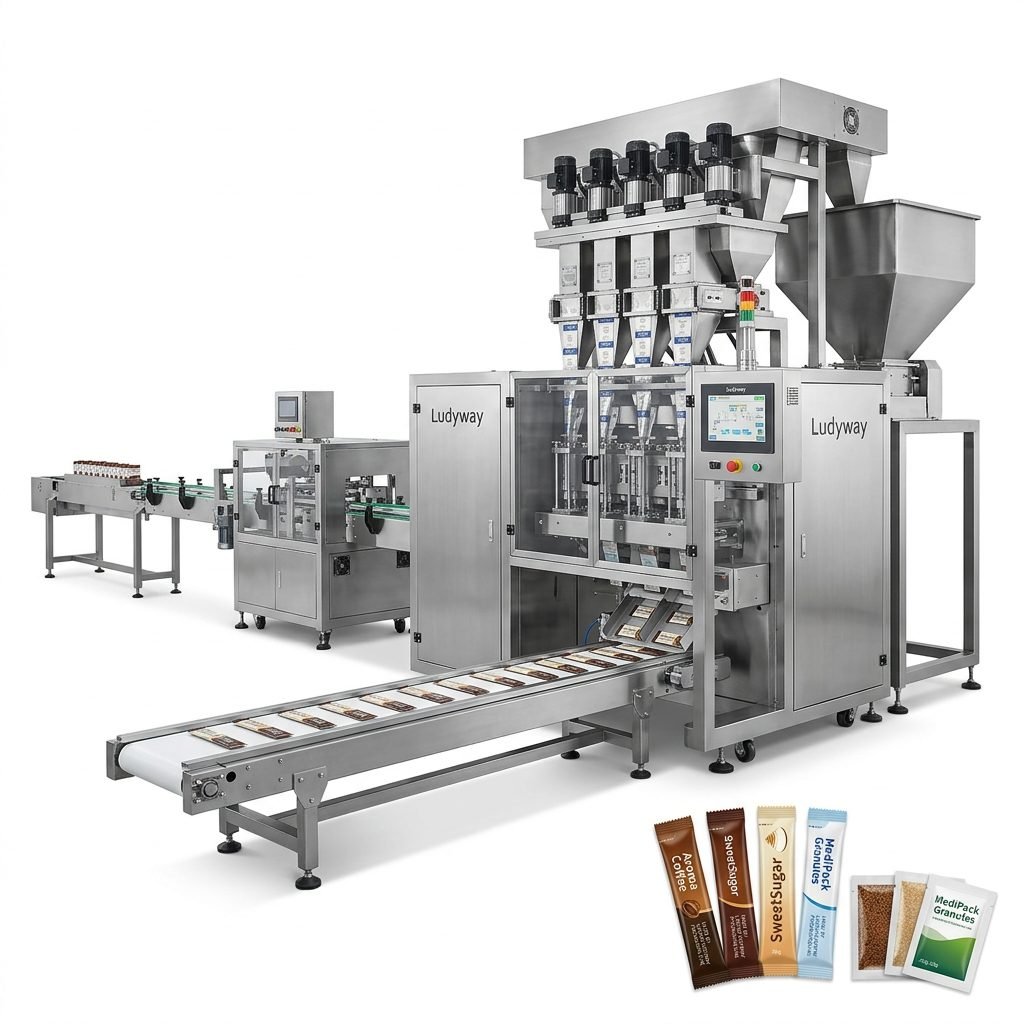
For companies seeking a partner with deep technical expertise and global manufacturing scale, a leading manufacturer like Ludyway Machinery, one of the largest packaging machine manufacturers in China with over 30 years of industry experience, can offer the engineering capability and comprehensive support required for advanced biscuit packaging lines. Their extensive portfolio of more than 50 intelligent packaging machine models, backed by a modern 20,000㎡ manufacturing facility, provides reliable options for businesses entering or expanding in the U.S. market. Always arrange a factory visit, whether virtual or in-person, to assess build quality and meet the engineering team behind your equipment.
Making the Final Decision
Purchasing a biscuit packaging machine for the United States is a strategic investment that shapes your production capabilities for years to come. Start by clearly defining your product range, target output, and budget parameters. Research machine types thoroughly, prioritize features that deliver measurable ROI, and rigorously evaluate suppliers based on their technical expertise and local support infrastructure. By following the framework outlined in this guide—and referencing authoritative resources from PMMI and the Flexible Packaging Association—you will be well-positioned to select equipment that drives efficiency, ensures compliance, and supports your brand’s growth in the competitive U.S. snack market.