Investing in a heat shrink packaging machine is a critical decision that directly impacts your production efficiency, product presentation, and bottom line. Whether you are wrapping single bottles, bundling multipacks, or sealing retail boxes, the right equipment ensures consistent output and protects your goods throughout the supply chain. However, with various technologies, tunnel configurations, and automation levels available, selecting the ideal system can feel overwhelming. This comprehensive guide breaks down the essential factors to help you match a machine to your application, budget, and long-term goals.
Understanding Heat Shrink Packaging Technology
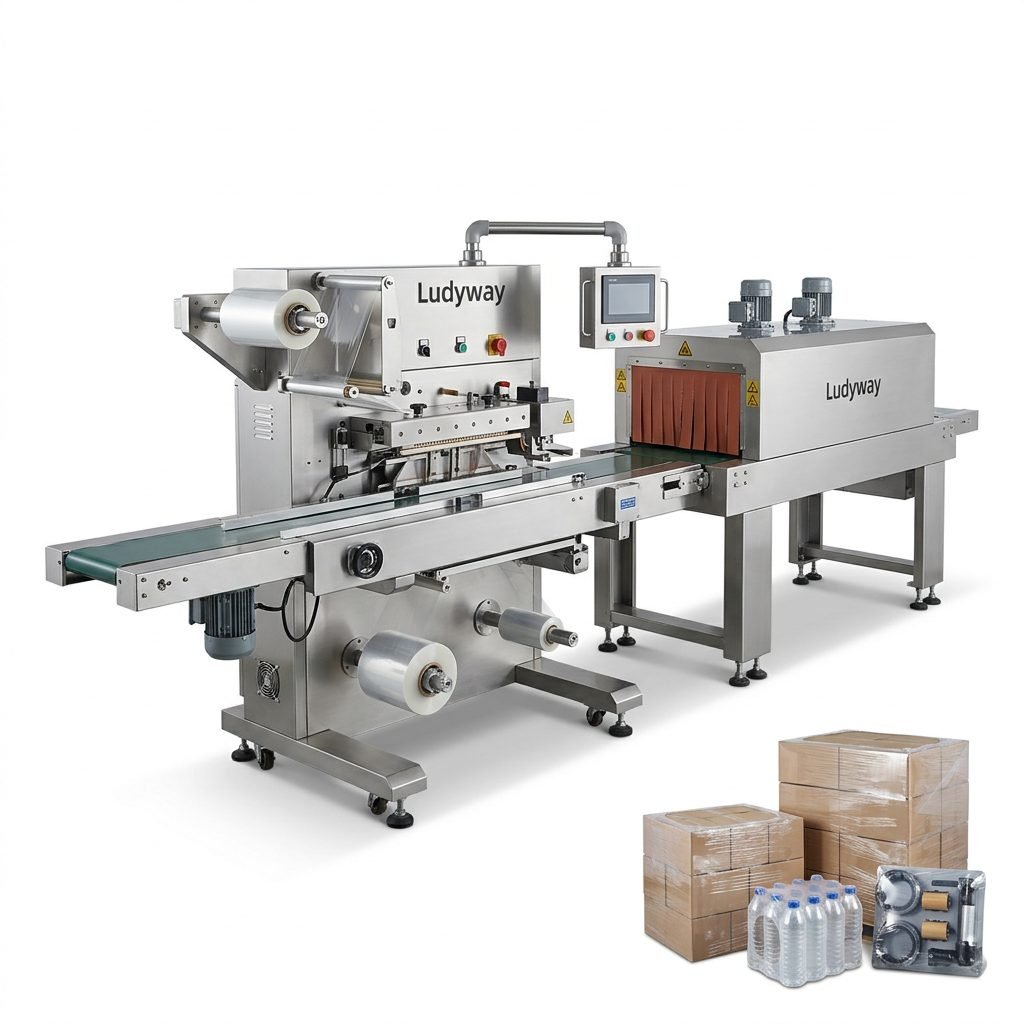
Heat shrink packaging, often simply called shrink wrapping, involves loosely enveloping a product in a polymer plastic film and then applying heat. The film shrinks tightly around the item, creating a durable, tamper-evident barrier that is transparent enough for barcode scanning and brand visibility. This process is distinct from stretch wrapping and is governed by the chemistry of polymer chains that retract to their original state when heated. The most common films include polyolefin (POF), which is food-safe and versatile, polyethylene (PE) for heavy-duty pallet loads, and PVC, though its use is declining due to environmental and olfactory concerns. Understanding the compatibility between your product and the film type is the first step; high-speed food lines often demand immediate-cut sealing systems that handle polyolefin efficiently.
Key Industries Relying on Shrink Technology
- Food and Beverage: Multipacks of bottled water, canned goods, fresh produce trays, and frozen meals.
- Pharmaceutical and Healthcare: Tamper-evident seals on bottles, boxes, and medical device kits.
- Cosmetics and Personal Care: Luxury box over-wrapping and bundling promotional sets.
- Consumer Electronics: Sealing boxed accessories, cables, and retail hardware.
- Publishing and Printing: Protecting books, magazines, and stationery from moisture and handling.
Critical Parameters: Speed, Tunnel Type, and Product Dimensions
Not all heat shrink machines are created equal. The primary technical specifications you need to match to your operational requirements are throughput speed, the heat tunnel configuration, and the maximum product size. A packaging market research report from PMMI highlights that throughput speed is often the primary differentiator in equipment selection. Conveyor speeds directly dictate labor costs and output potential. A semi-automatic L-bar sealer might be perfect for a startup producing 5 packs per minute, but a manufacturer shipping 50 bundles per minute requires a fully automated inline system with a wraparound sealing jaw and a recirculating hot air tunnel.
Recirculating Air vs. Radiant Heat Tunnels
| Feature | Recirculating Air Tunnel | Infrared Radiant Tunnel |
|---|---|---|
| Heat Distribution | Excellent uniformity, ideal for complex shapes | Intense direct heat, fast warm-up |
| Best Application | Retail boxes, loose items, polyolefin films | Heavy PE film, bulk water bottles, pallet loads |
| Film Scorch Risk | Lower, due to controlled airflow | Higher, requires precise conveyor speed control |
For most standard retail packaging, a recirculating forced-air tunnel is the industry gold standard. It minimizes the risk of dog-ears (excess film corners) and ensures a crisp, professional finish. Radiant systems, by contrast, are often reserved for industrial-scale pallet-wrapping applications where heavy-gauge polyethylene is the dominant material. You can also explore comprehensive packaging standards and regulations from PMMI to understand the safety and performance compliance requirements for these systems.
Evaluating Build Quality and Component Reliability
The longevity of a heat shrink machine depends heavily on the quality of its core components. A robust frame minimizes vibration at high cycle rates, while the sealing blade is the heart of the operation. When evaluating machines, look for hardened steel sealing jaws with a Teflon-coated surface to prevent film build-up and burning. The control system should offer precise PID temperature regulation and digital programmable logic controllers (PLCs) that store recipe settings for different product profiles. Demand consistency over raw speed; a machine that requires frequent re-tuning eats into your available production time.
- Frame Construction: Heavy-gauge steel with leveling feet to dampen operational vibration.
- Seal Integrity: Constant-heat sealing systems with active cooling to prevent residual stress on the film.
- Safety Compliance: Emergency stop cords, tunnel exit cooling fans, and heat guards to meet international ISO safety standards for packaging.
- Automation Integration: Capability to interface with upstream fillers and downstream check-weighers.
How to Assess Machine Suppliers and After-Sales Support
Beyond the technical sheet, the credibility and support infrastructure of your supplier are paramount. A machine is only as good as the service team behind it. Reputable manufacturers offer detailed documentation, remote diagnostics, and a ready supply of critical spare parts. It is wise to inquire about the availability of wear components like sealing wires, Teflon tape, and conveyor belts. Furthermore, check whether the supplier provides turnkey integration engineering. For complex projects, partnering with a solutions provider that can handle the entire line—from filling machines to end-of-line case packing—eliminates the risk of interface mismatches. Ludyway Machinery, for instance, leverages over 30 years of expertise to deliver customized packaging solutions that align with rigorous international standards.
Red Flags to Watch for When Choosing a Supplier
- Lack of documented spare parts lists with clear lead times for critical components.
- Inability to provide a Factory Acceptance Test (FAT) or virtual run-off before shipment.
- Proprietary parts that lock you into a single expensive supply chain.
- No local service engineers or reliance solely on third-party contractors.
Understanding Different Shrink Wrapper Formats
The physical layout and level of automation define the operator interface and integration complexity. Selecting the correct format depends on your product flow and labor strategy. The table below summarizes the most common configurations available in the market today, which are further detailed in the Flexible Packaging Association’s industry resources.
| Machine Type | Automation Level | Typical Speed Range | Ideal Usage Scenario |
|---|---|---|---|
| L-Bar Manual Sealer | Semi-Automatic | 1-10 packs/min | Low volume, varied sizes, start-up operations |
| Side Seal Inline Wrapper | Fully Automatic | 30-150+ packs/min | High-speed continuous flow, fixed-width products |
| Rotary Arm Wrapper | Automatic | Up to 50 packs/min | Large or unstable products, pallet wrapping |
Choosing Based on Your Production Scale
Matching the machine’s cycle rate to your actual and projected output prevents bottlenecks and premature obsolescence. It is critically important to calculate your true maximum throughput, not just your average rate. A machine that looks fast on paper might struggle if it cannot handle peak surge demands. Additionally, the precision of film handling becomes crucial when dealing with sustainability mandates. Many operations are now transitioning to recyclable mono-material films or thinner gauges to reduce plastic usage. These next-generation films often have a narrower shrink window, requiring machines equipped with highly responsive closed-loop temperature regulation to prevent melt-throughs or insufficient seals. For producers in regulated environments, ensuring materials comply with FDA food packaging and contact substance regulations is non-negotiable.
Small to Medium Production Checklist
- Opt for an L-bar sealer with a magnetic hold-down for easy operator access.
- Prioritize a small footprint and casters to reconfigure shop floor layouts.
- Ensure the machine can run center-folded or single-wound film without modification.
High-Volume Production Considerations
- Invest in a fully automatic side-seal wrapper with servo-driven flight bars.
- Integrate a product indexing conveyor and an automatic reject system for mis-sealed packs.
- Demand real-time statistical process control data and remote connectivity.
- Configure the system to handle future sustainable film innovations as outlined in the European Commission’s packaging and packaging waste regulation.
Navigating the Total Cost of Ownership
The sticker price of a heat shrink machine is only one part of the equation. A total cost of ownership (TCO) analysis yields a much more accurate picture of long-term financial viability. Calculate energy consumption per cycle, the cost and availability of replacement sealing wires and belts, and the labor required for film changes. A machine with a higher initial purchase price but superior film efficiency can outperform a budget model within the first year of operation. For example, precision film unwinding systems with minimal web slack reduce film consumption by 10-15%, quickly justifying the equipment premium. Similarly, predictive maintenance alerts that prevent one catastrophic failure often cover the entire annual service contract cost.
Key Takeaways for Smart Buyers
Selecting a heat shrink packaging machine requires balancing current needs against future flexibility. Don’t just buy a machine; invest in a scalable packaging platform. Verify the tunnel strategy, demand documented thermal performance sheets, and audit the supplier’s service network response times. The right partner helps you navigate the delicate interplay between film chemistry, cutting-edge automation, and airtight after-sales service. By rigorously stress-testing your volume forecasts and insisting on a thorough FAT, you ensure that the capital expenditure translates directly into sustained production reliability and retail-ready presentation for years to come.