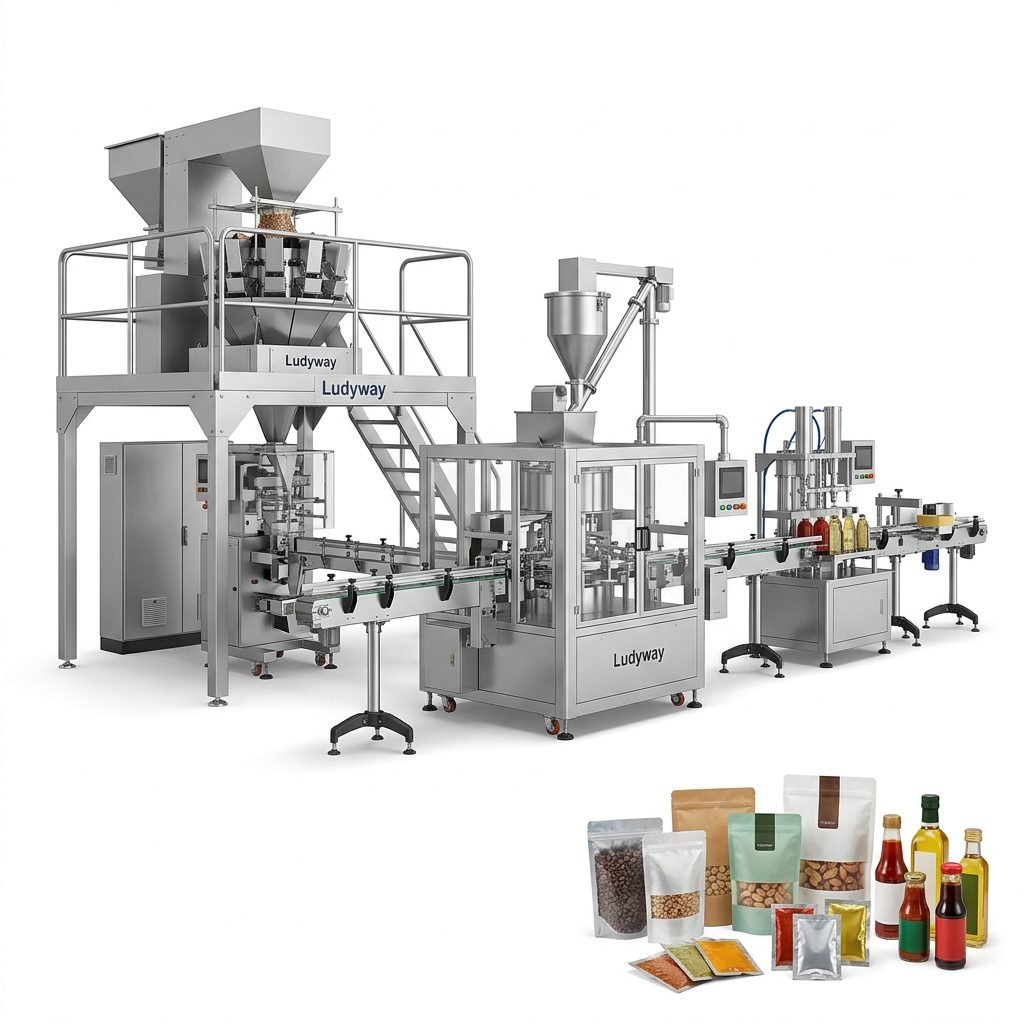
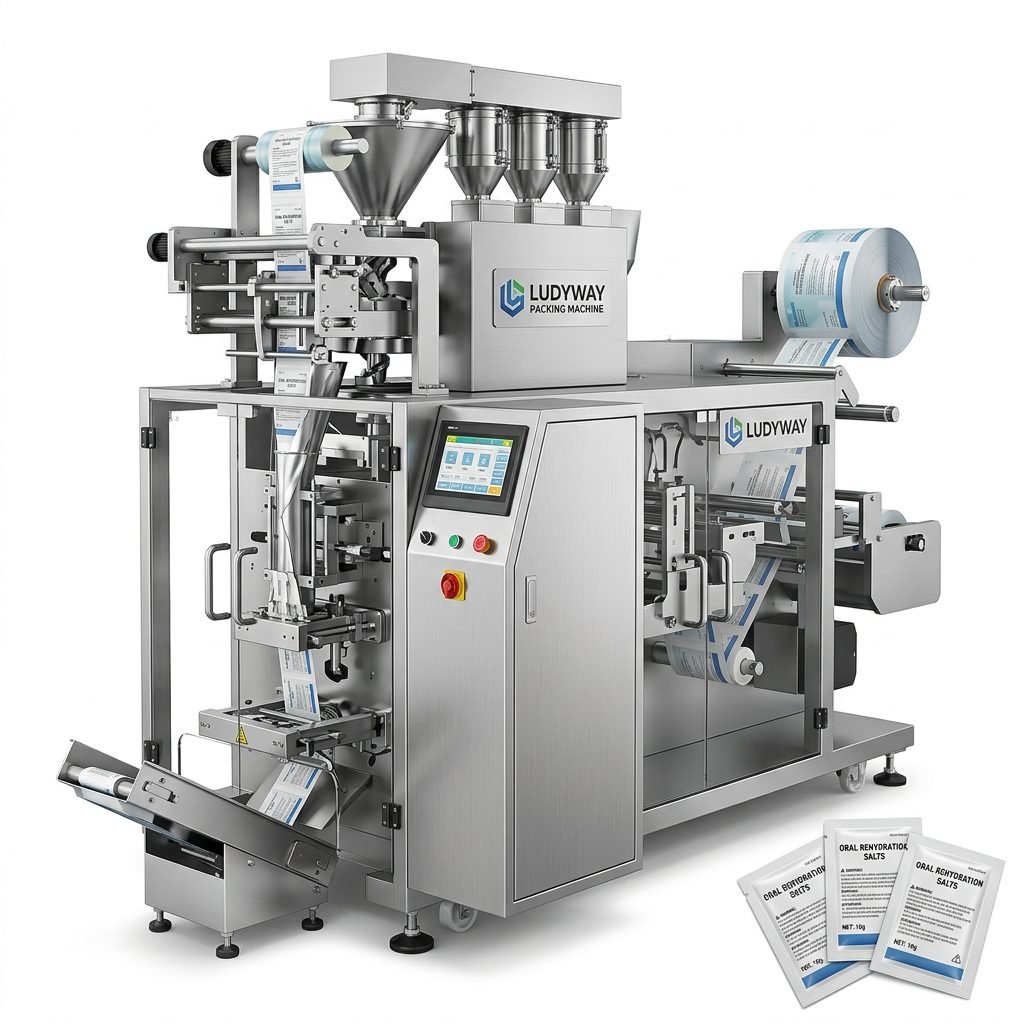
Selecting the right packaging machinery for a market as unique as the Marshall Islands requires a deep understanding of its specific logistical, environmental, and economic landscape. A standard piece of equipment from a temperate climate may fail prematurely in the Pacific. This guide walks you through the critical factors to consider, ensuring your investment is robust, efficient, and delivers a rapid return.
Understanding the Marshall Islands Context
The Republic of the Marshall Islands (RMI) presents a distinct set of challenges. With a population spread across atolls and a heavy reliance on imported goods, packaging is not just about aesthetics; it’s about product preservation and longevity. The tropical marine environment demands machinery that resists corrosion, while the market size favors versatile, compact systems. Your choice of equipment must directly address these realities.
Key Environmental and Logistical Challenges
- High Humidity and Salinity: Machinery components must be protected against rapid oxidation and electrical faults.
- Supply Chain Isolation: Access to spare parts is limited. Reliability and simple engineering are non-negotiable.
- Energy Costs: Electricity can be expensive and prone to fluctuation. Energy-efficient motors and drives are essential.
- Diverse Imported Products: From food and pharmaceuticals to cosmetics, the packaging machine needs to handle multiple formats.
Step 1: Prioritize Corrosion-Resistant Materials
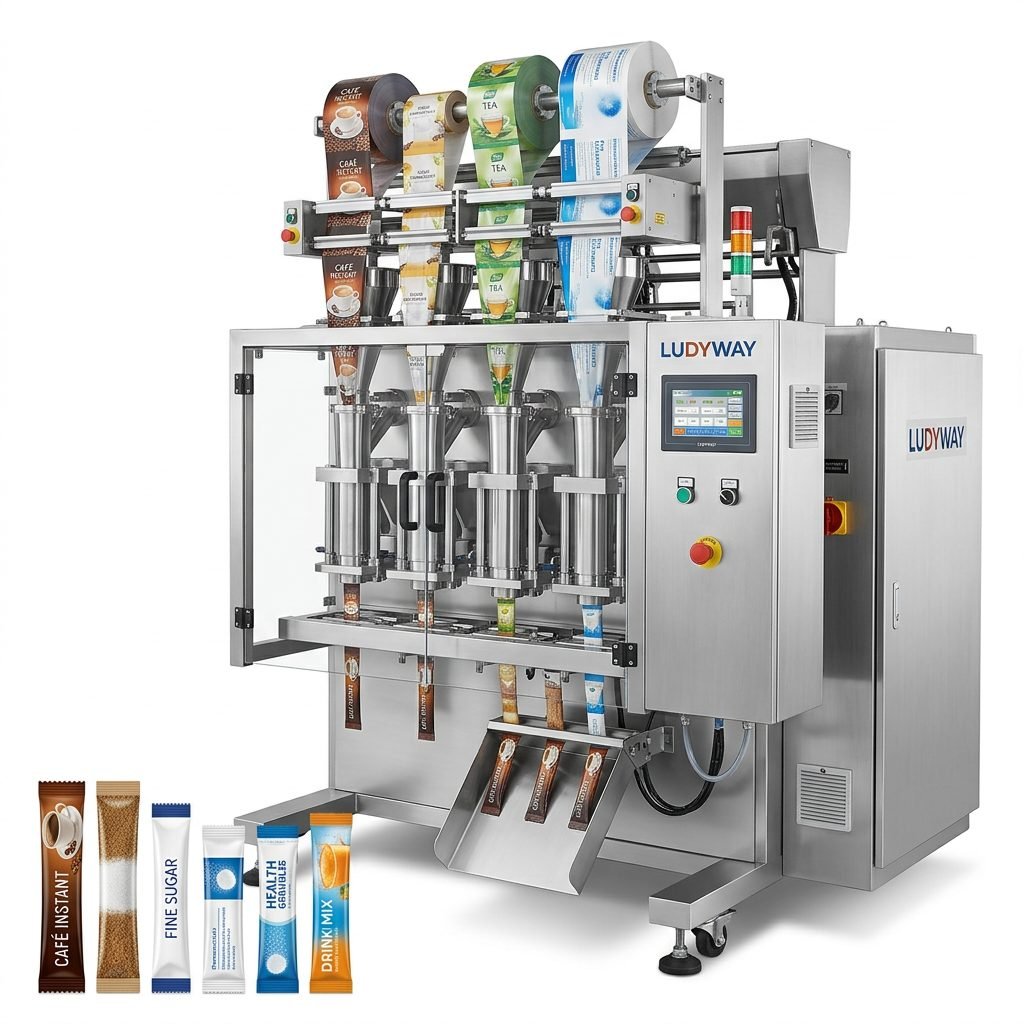
This is the single most important specification for the Marshall Islands. Standard painted carbon steel will degrade rapidly in the salty, humid air. You must insist on stainless steel 304 or 316 for all product contact parts and the machine frame. This is not an optional upgrade; it is a fundamental requirement for operational longevity. For specific food safety standards, materials must also be non-reactive.
Material Comparison for Tropical Climates
| Material | Corrosion Resistance | Suitability for RMI | Cost Implication |
|---|---|---|---|
| 316 Stainless Steel | Excellent (Marine Grade) | Highly Recommended | Higher initial investment |
| 304 Stainless Steel | Good | Suitable (requires regular cleaning) | Moderate |
| Anodized Aluminum | Moderate | Not recommended for critical parts | Low |
| Painted Carbon Steel | Poor | Not suitable | Lowest |
Step 2: Focus on Multi-Format Versatility
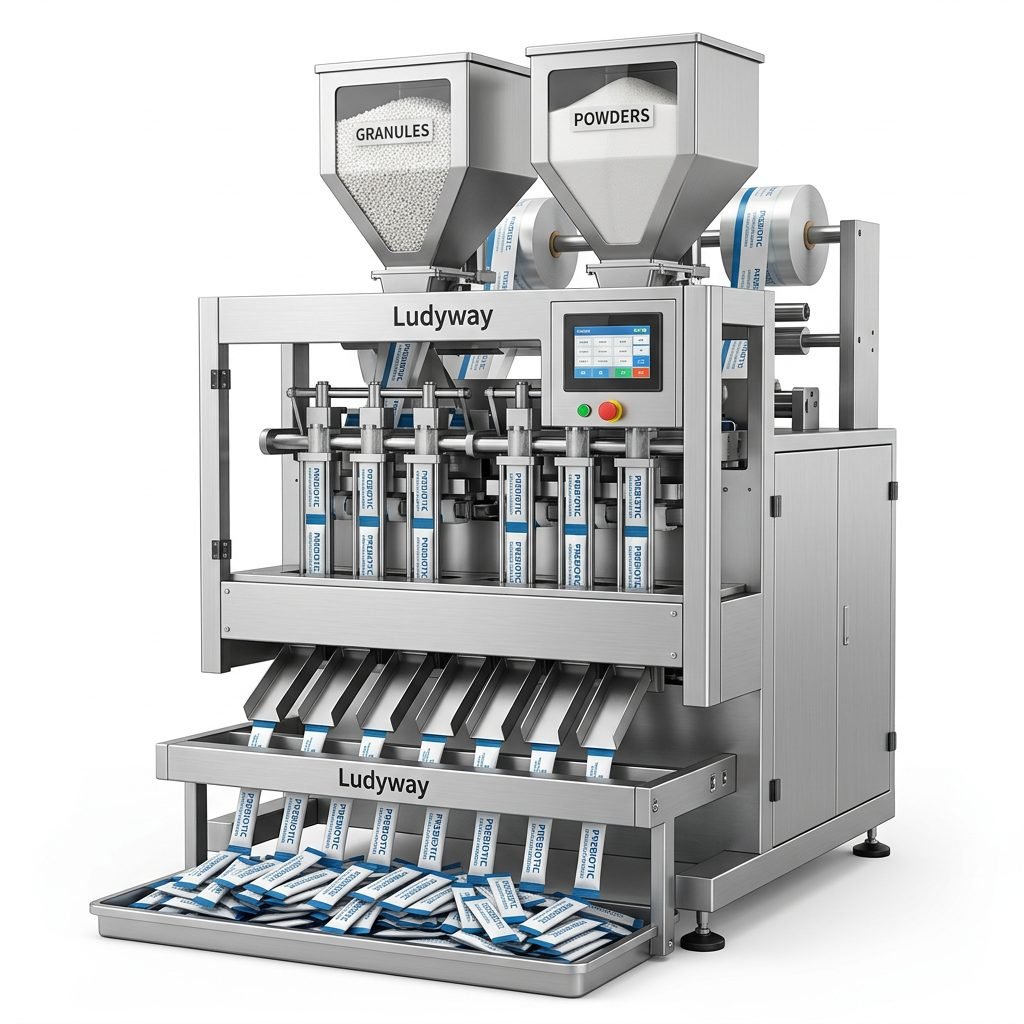
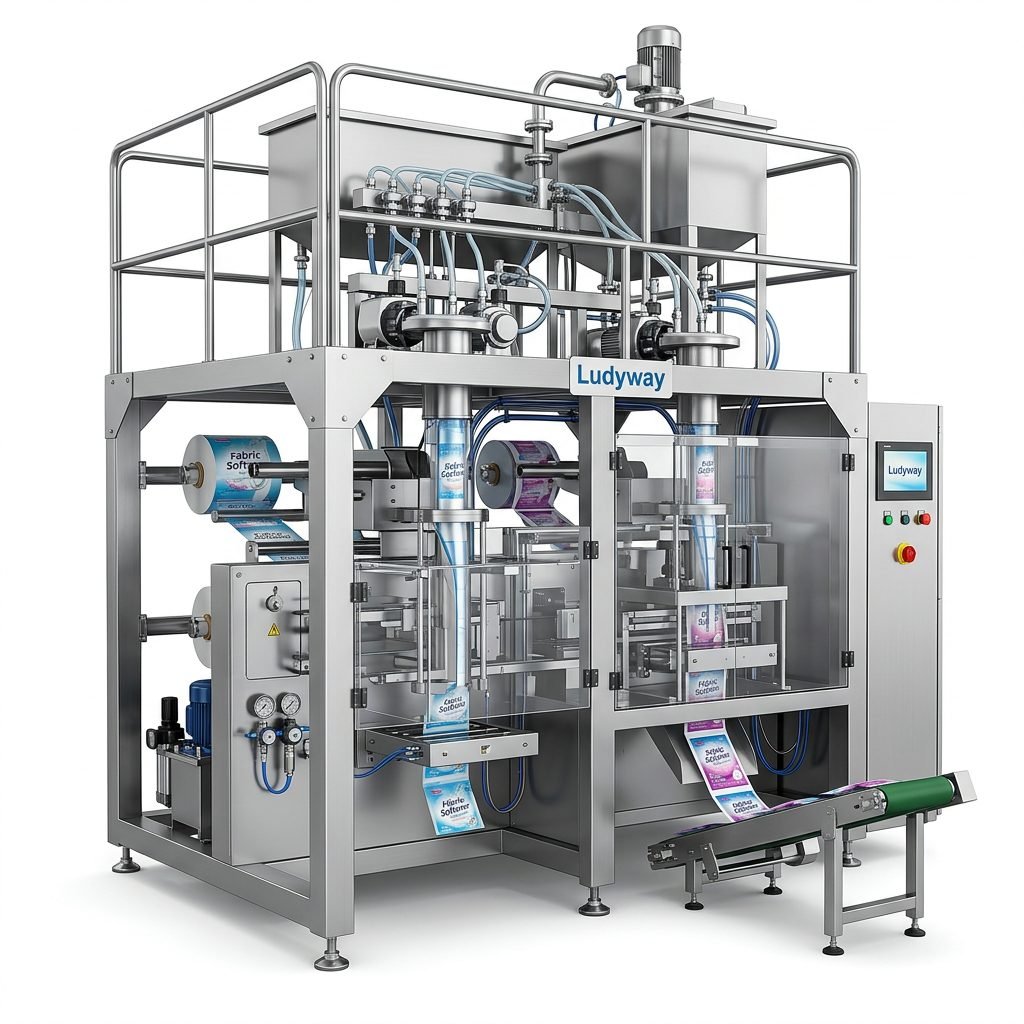
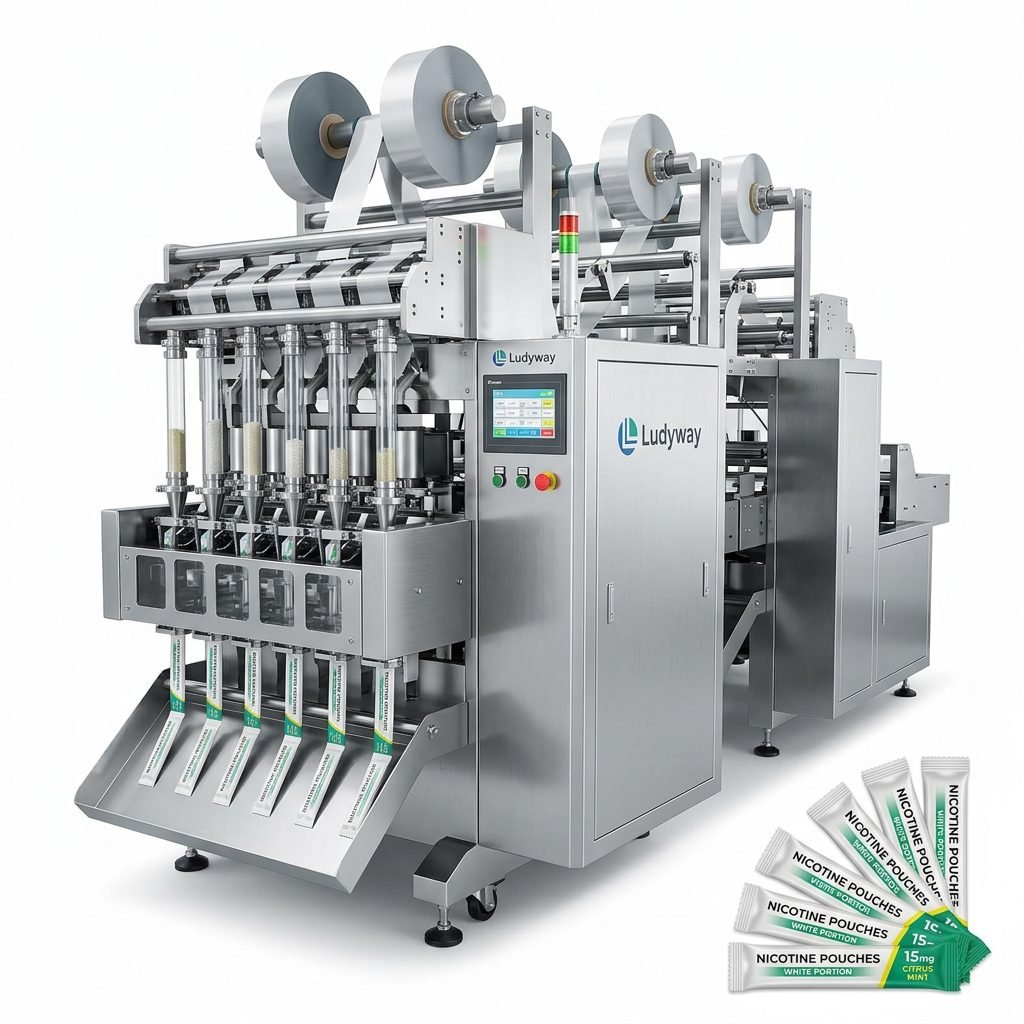
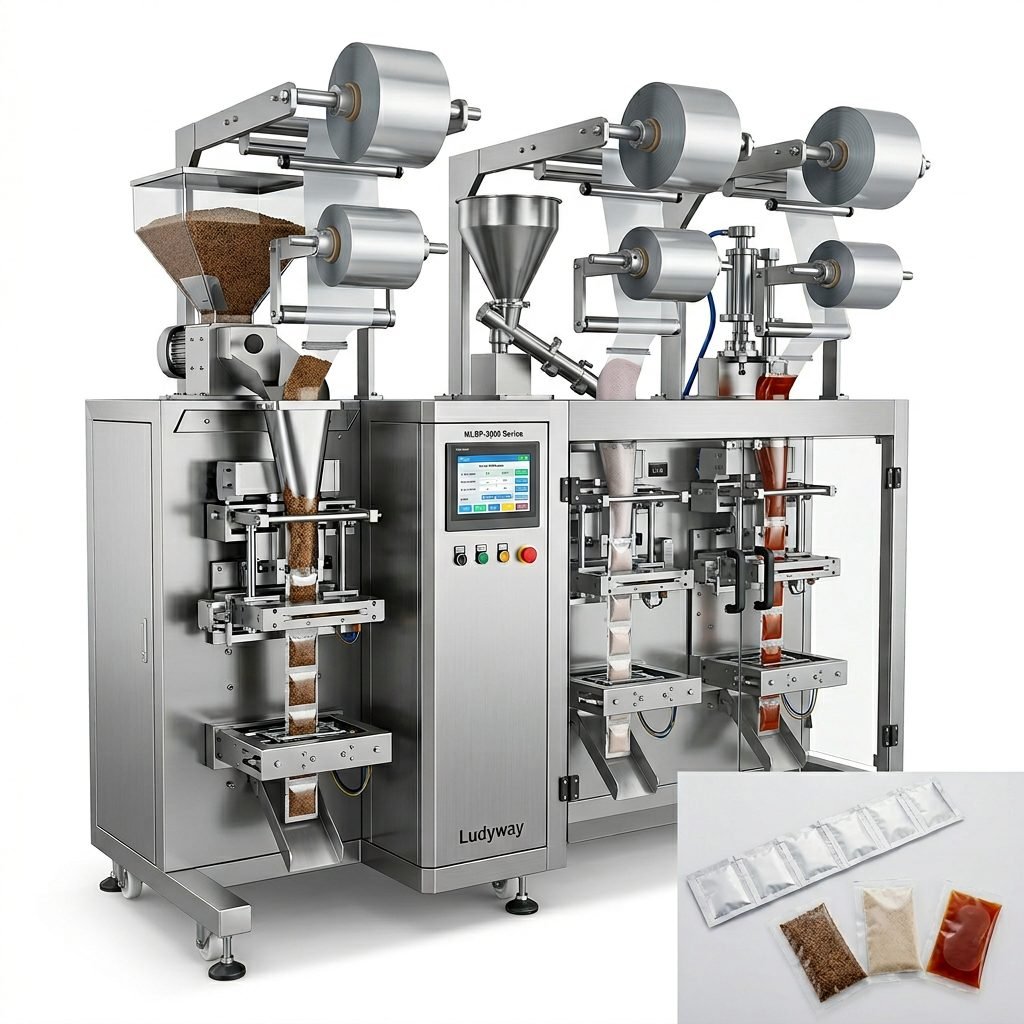
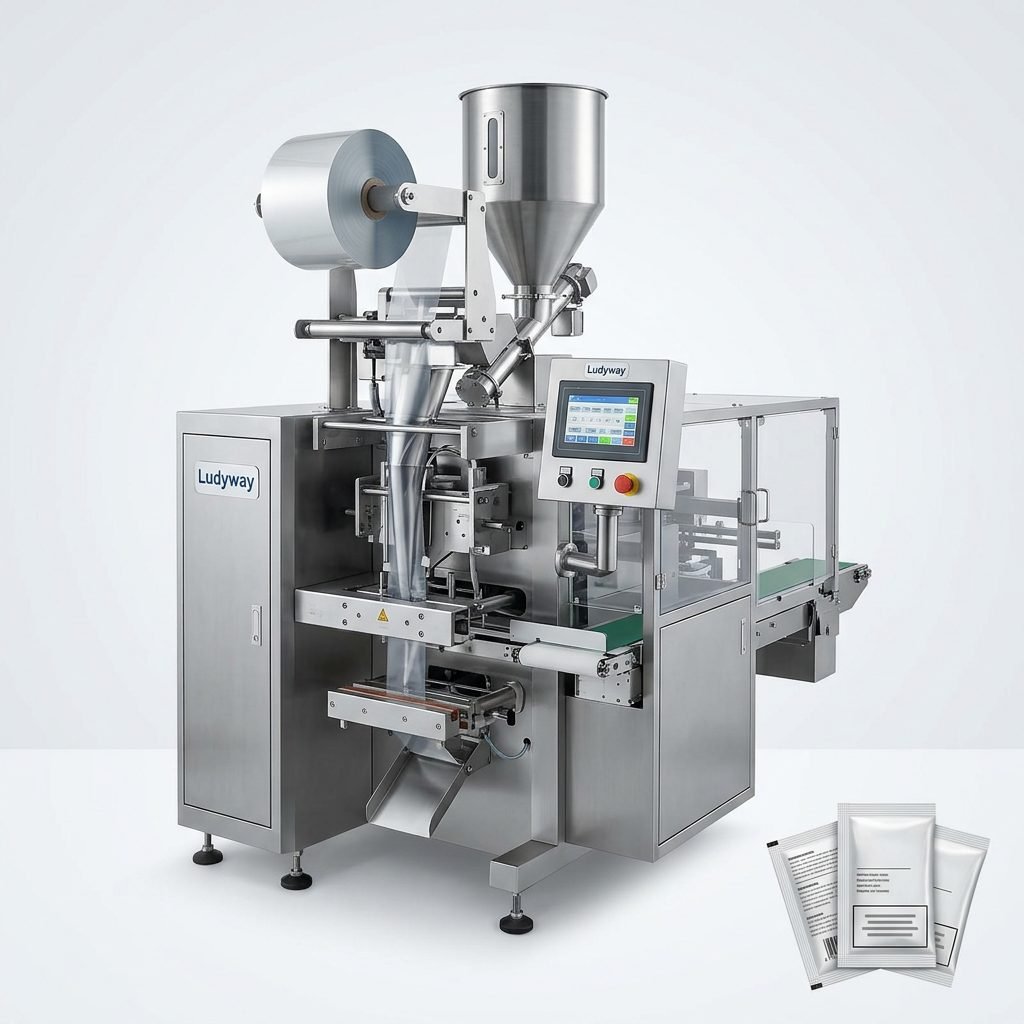
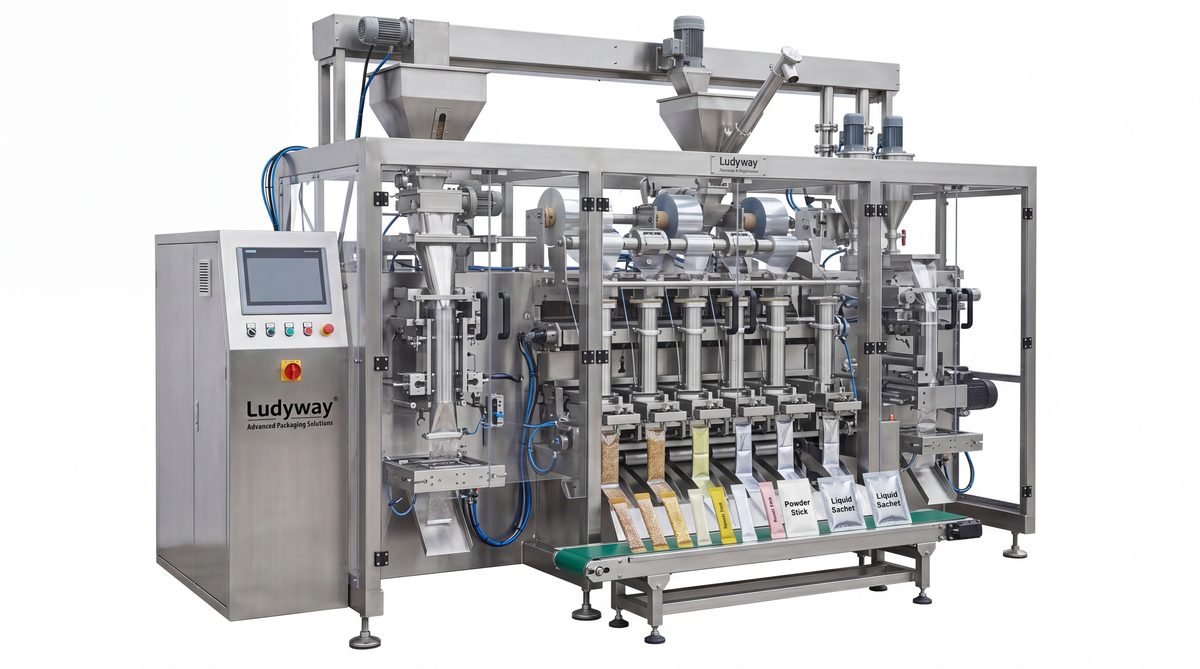
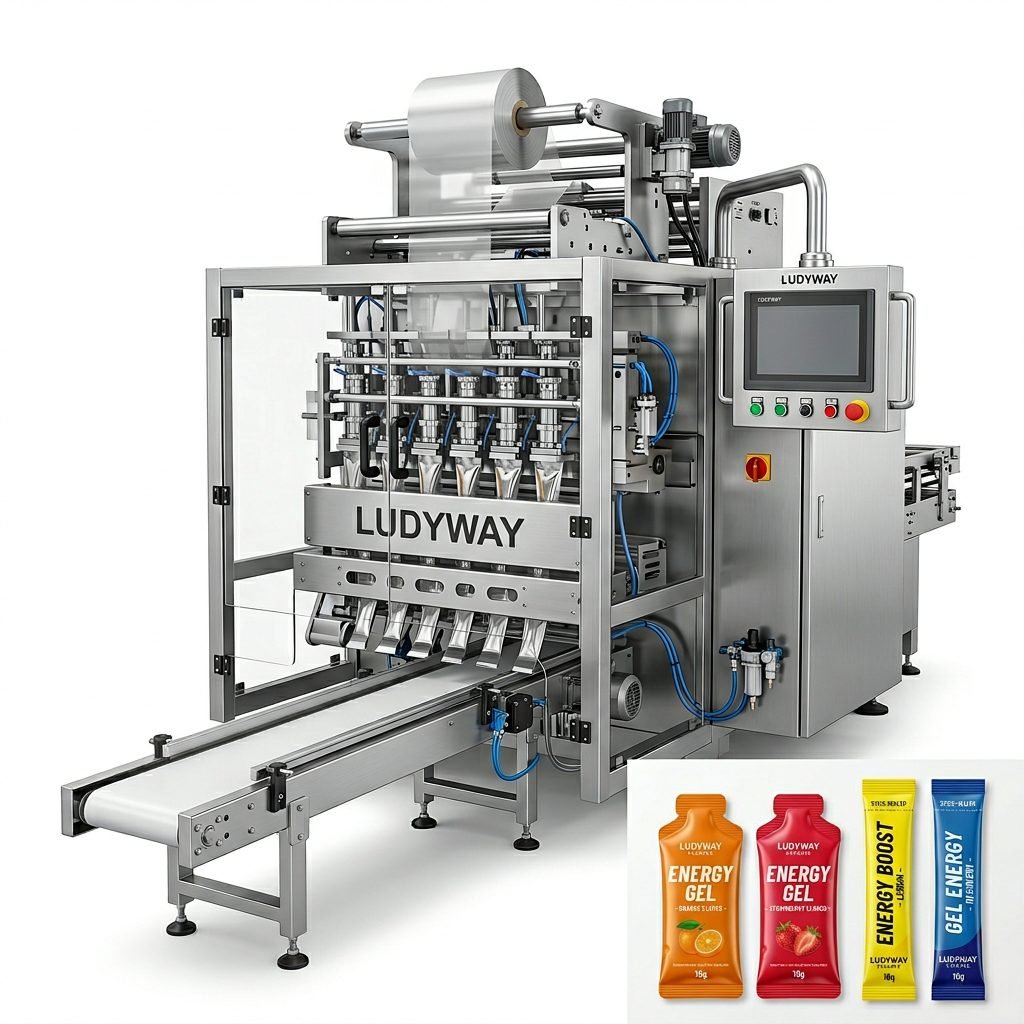
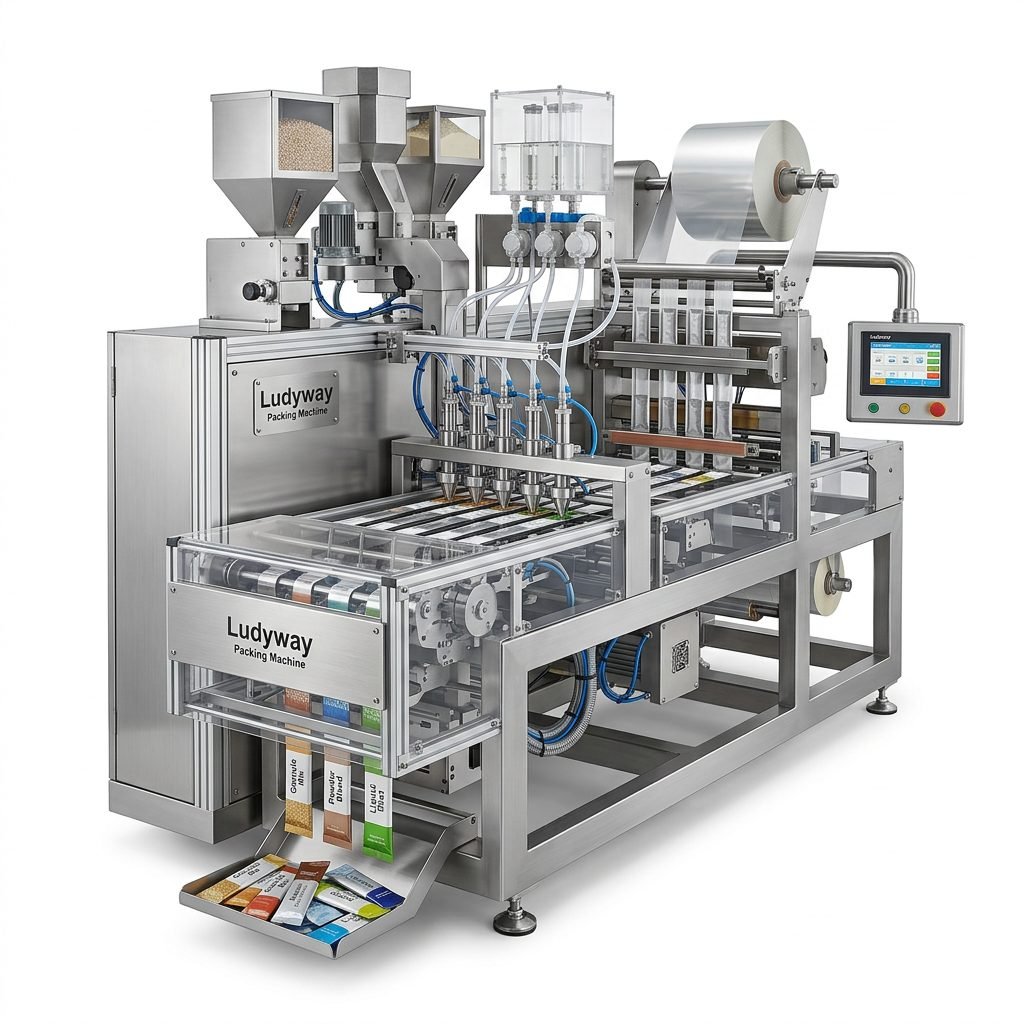
For a market the size of the Marshall Islands, a dedicated single-product line can be an underutilized asset. The ideal machine should be a versatile workhorse, capable of packaging granules, powders, and liquids. A multi-lane stick pack or sachet machine offers maximum flexibility. Look for models that allow quick changeovers between different product types and film materials, as production runs are typically shorter but highly diverse.
Key Versatile Features to Look For
- Interchangeable Filling Systems: The ability to swap between an auger filler for powders and a volumetric cup filler for granules or a liquid piston pump.
- Quick-Release Parts: Tool-less disassembly for rapid cleaning and changeover, critical for preventing cross-contamination between products like spices and supplements.
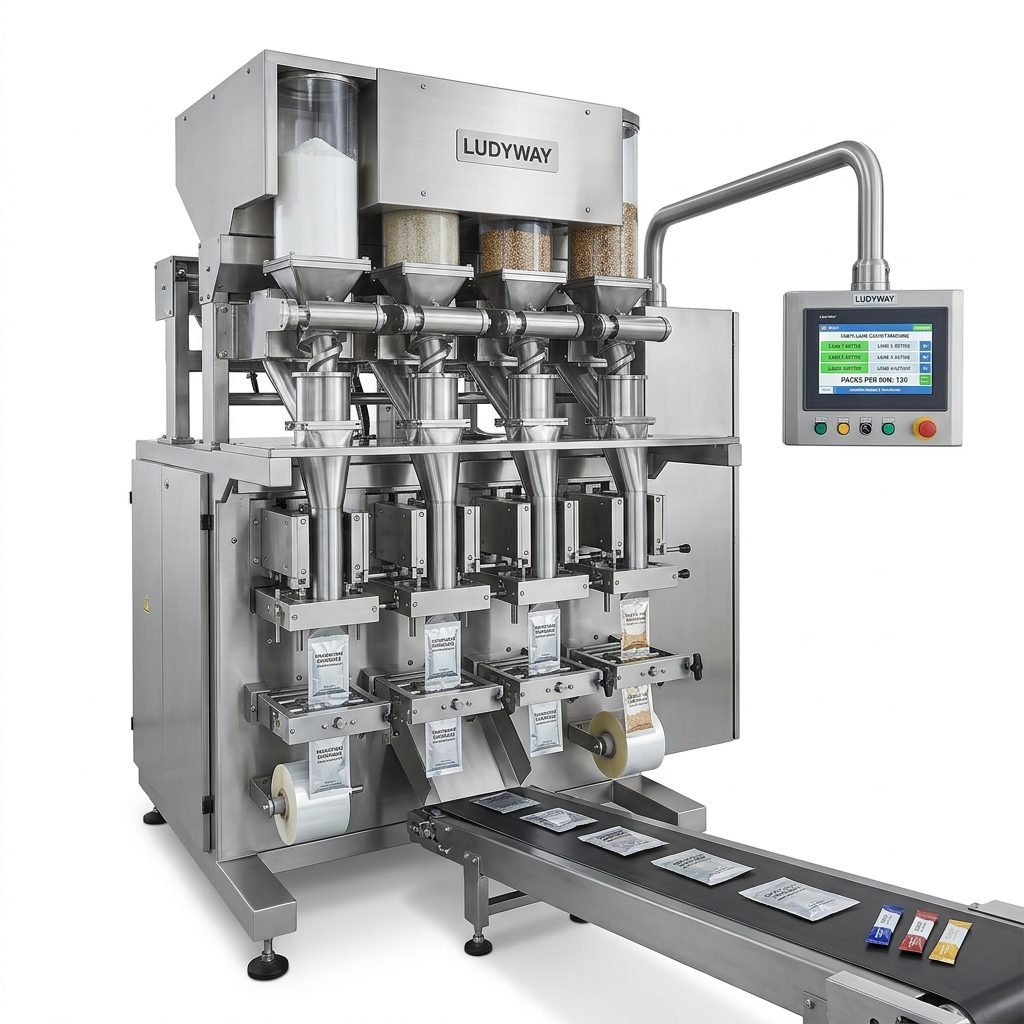
- Multi-Lane Capability: Packaging in 4, 6, or 8 lanes simultaneously maximizes output for high-demand products like salt, sugar, or instant drink mixes.
Step 3: Evaluate Compact Footprint and Mobility
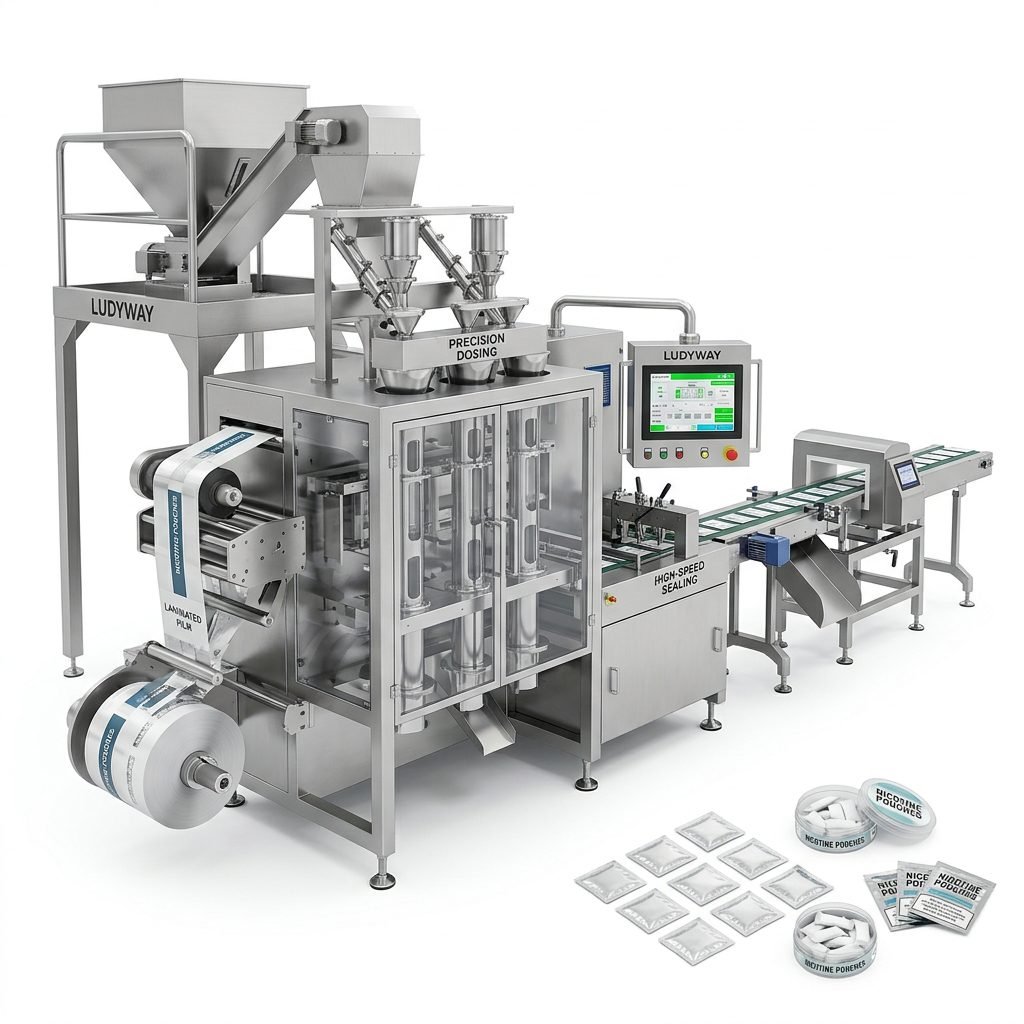
Real estate in processing facilities on remote islands is often at a premium. A massive, sprawling line is not practical. Prioritize a compact, vertical form-fill-seal (VFFS) system. These machines have a smaller footprint and can be easily integrated into existing production spaces. Mobility is also a subtle advantage; equipment mounted on heavy-duty casters allows for reconfiguration of the production floor as business needs evolve.
Step 4: Demand Electrical Stability and Thermal Protection
Power supply on islands can be unstable, with voltage spikes and drops. Your packaging machine must feature a robust electrical system with overload protection and an integrated voltage stabilizer. Furthermore, the internal temperature of control panels in a tropical environment can skyrocket. Advanced thermal management, such as active cooling for the servo drives and PLC, is essential to prevent unexpected downtime. Refer to resources like the PMMI industry standards for electrical safety guidelines.
Step 5: Plan for Low-Maintenance Autonomy
Given the distance from major industrial centers, after-sales service will not be immediate. The packaging machinery must be designed for operator-level autonomy. This means choosing a machine with a user-friendly HMI (Human-Machine Interface) that provides clear diagnostic feedback. Comprehensive, illustrated spare parts lists and remote support capability via internet connection are invaluable. A strategic approach is to procure a critical spares kit with the initial machine order to cover common wear items for the first two years of operation.
Essential Spare Parts Kit Checklist
- Sealing jaws (horizontal and vertical)
- Thermocouples and heaters
- Fuses, relays, and common sensors
- Belts and drive chains
- Forming tubes and shoulders for different bag widths
- Sealing gaskets and O-rings
Step 6: Consider the Total Cost of Ownership
The lowest purchase price is rarely the best value. A cost-effective choice for the Marshall Islands market is one that minimizes the total cost of ownership (TCO). This includes not just the initial capital expenditure, but also energy consumption, film waste rate, labor requirements, downtime due to mechanical failure, and the lifespan of critical components. A machine that wastes 2% less film or runs 10% faster can deliver a significantly better ROI over five years.
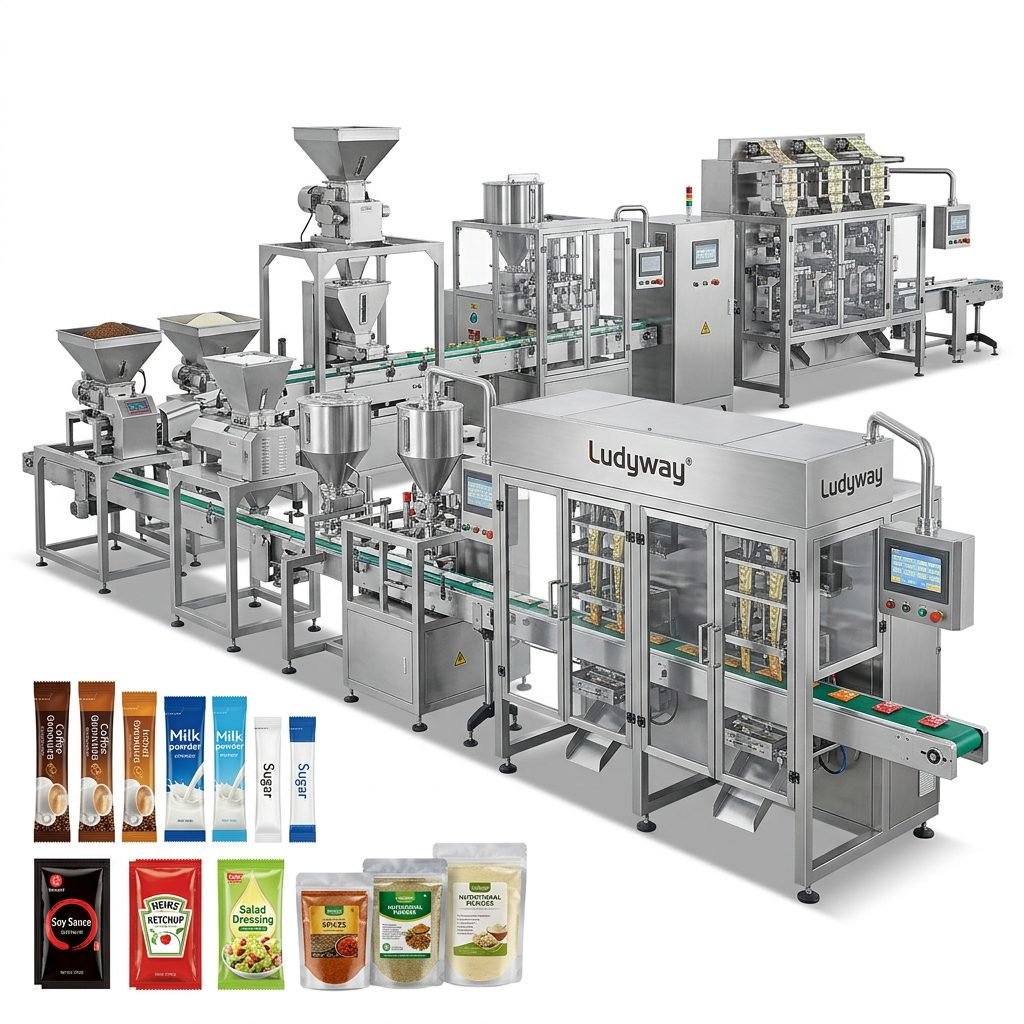
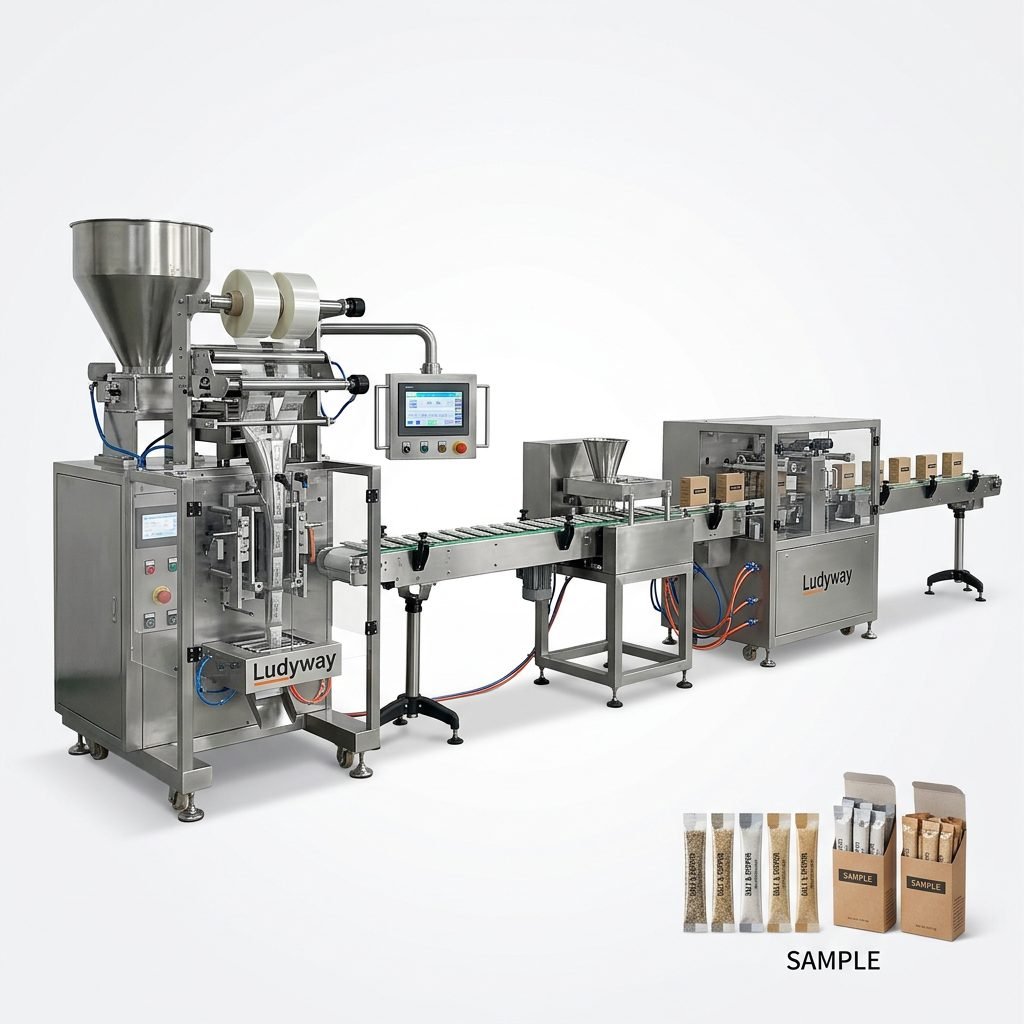
For businesses looking to commission a full turnkey line, a collaborative approach with the manufacturer is key. Companies like Ludyway, which has over 30 years of industry experience, provide integrated solutions that can be tailored to the specific products and climatic challenges of the Pacific region. Their expertise is not just in building a machine, but in engineering a reliable, long-term packaging process.
You can explore more about packaging trends and regulations through authoritative sources like the Flexible Packaging Association’s knowledge hub to stay updated on material innovations that can benefit shelf life in humid climates.
Conclusion
Choosing a packaging machine for the Marshall Islands is an exercise in engineering resilience. By prioritizing stainless steel construction, unparalleled versatility, a compact design, electrical robustness, and low-maintenance operation, you can select a system that thrives rather than just survives in a tropical marine environment. This strategic investment will ensure consistent production, protect your brand’s quality, and build a foundation for sustainable growth across the Pacific.