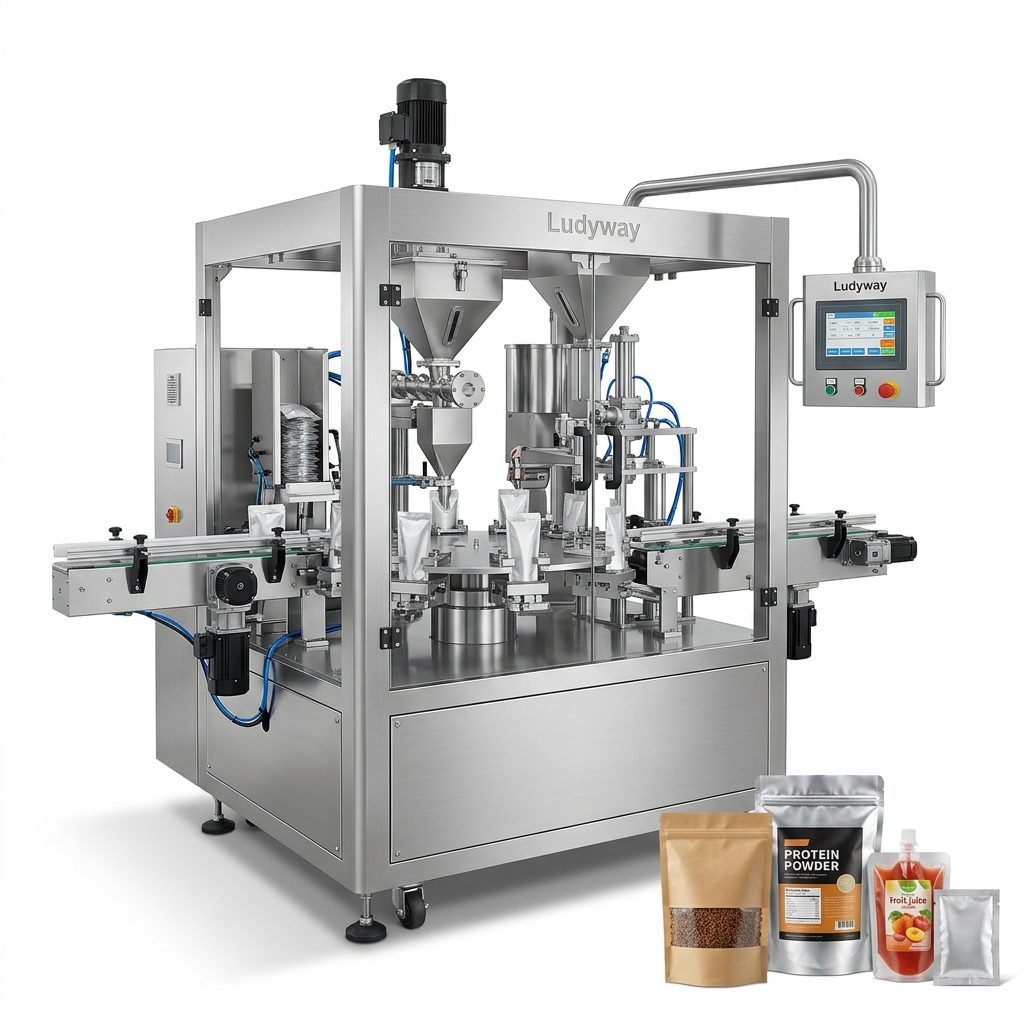
The confectionery market in Southeast Asia is expanding rapidly, driven by rising disposable incomes, urbanization, and a growing sweet tooth across the region. For manufacturers looking to capture this growth, setting up an efficient confectionery packaging machine production line is a strategic move that demands careful planning around equipment selection, local regulations, and operational workflow.
Understanding the Southeast Asian Confectionery Landscape
Countries like Indonesia, Thailand, Vietnam, and the Philippines are witnessing double-digit growth in packaged sweets and snacks. This surge means packaging operations must handle diverse product types—hard candies, soft gummies, chocolates, toffees, and powdered drink mixes—each requiring specific filling and sealing technologies. Humidity and temperature in the tropics also play a significant role in machine design and maintenance.

Key Equipment for a Complete Production Line
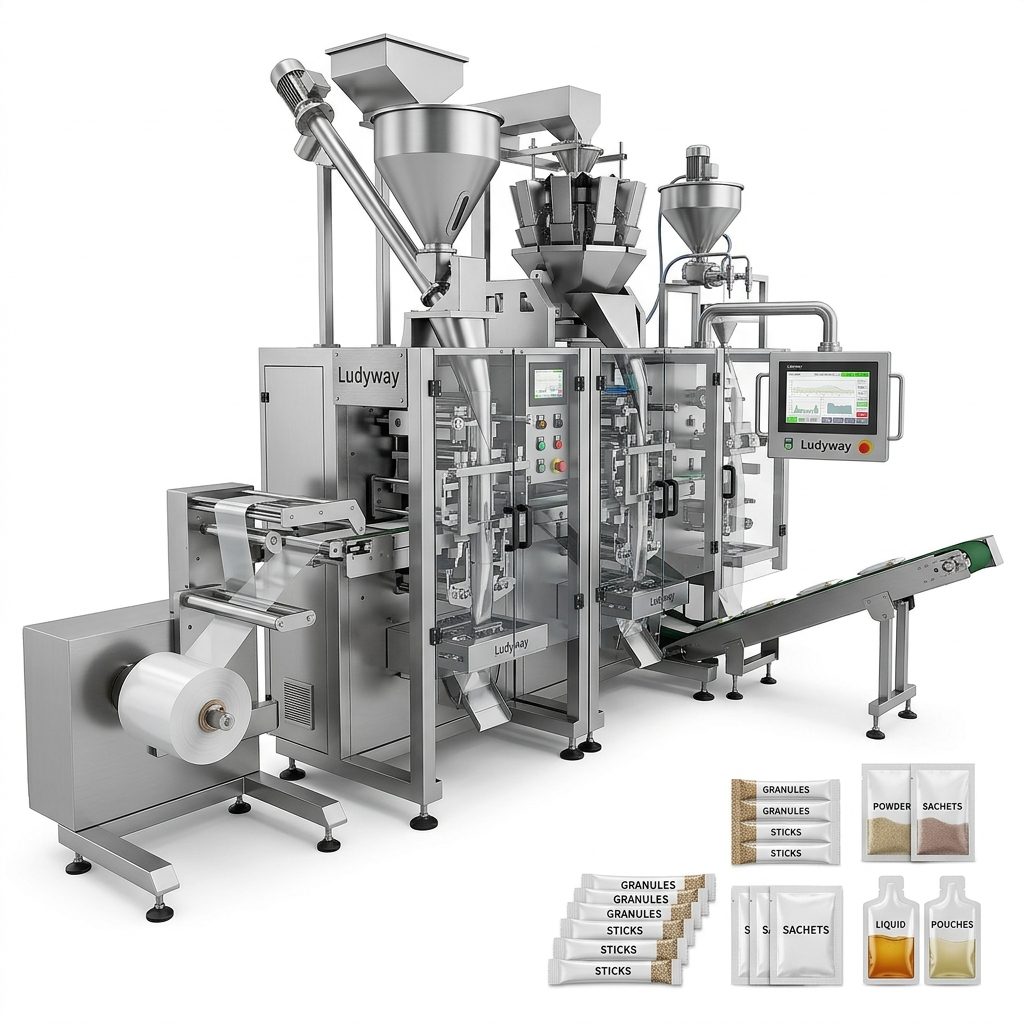
A typical confectionery packaging line integrates several core machines. The configuration depends on whether you are packing solid pieces, powders, or liquids. Below is a breakdown of essential equipment categories.
| Machine Type | Primary Function | Suitable Confectionery Products |
|---|---|---|
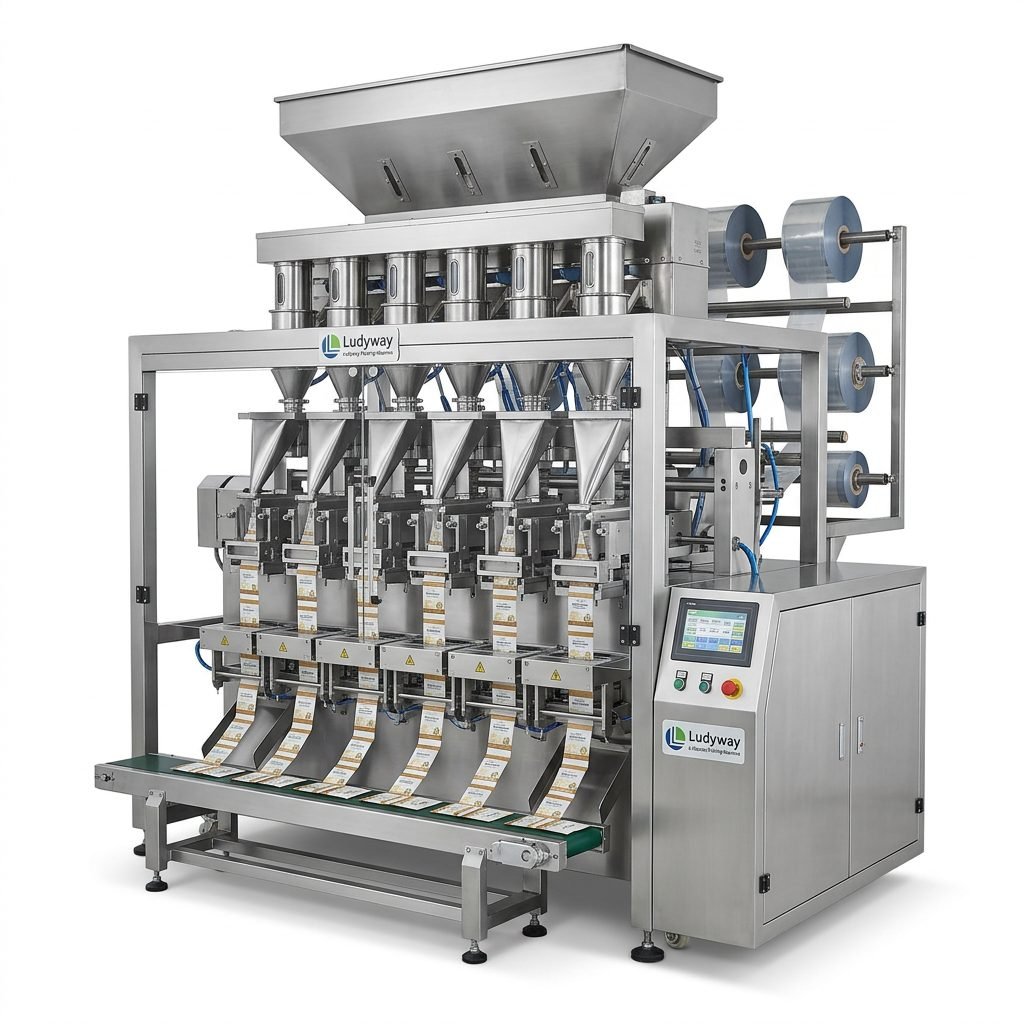
| Multi-Head Weigher | High-precision weighing for granules and pieces | Hard candies, gummies, jelly beans, wrapped chocolates |
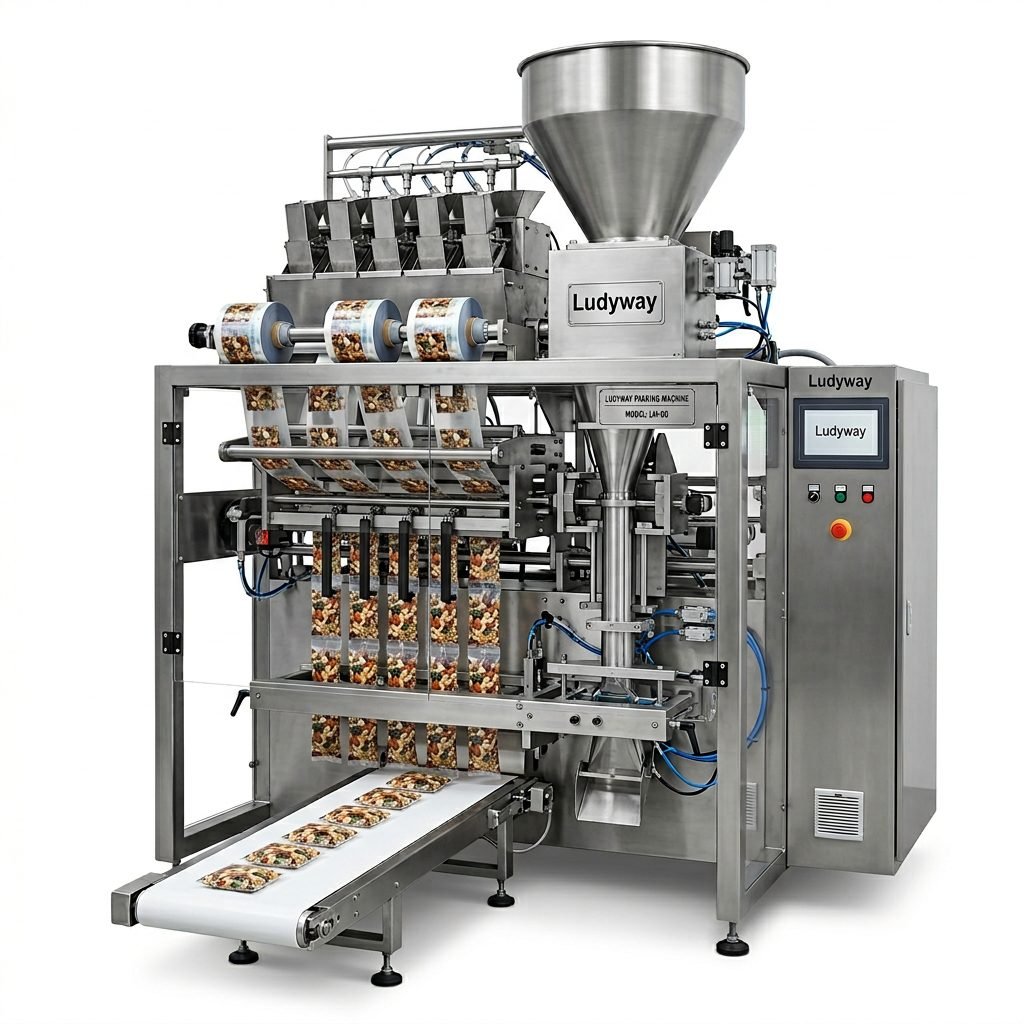
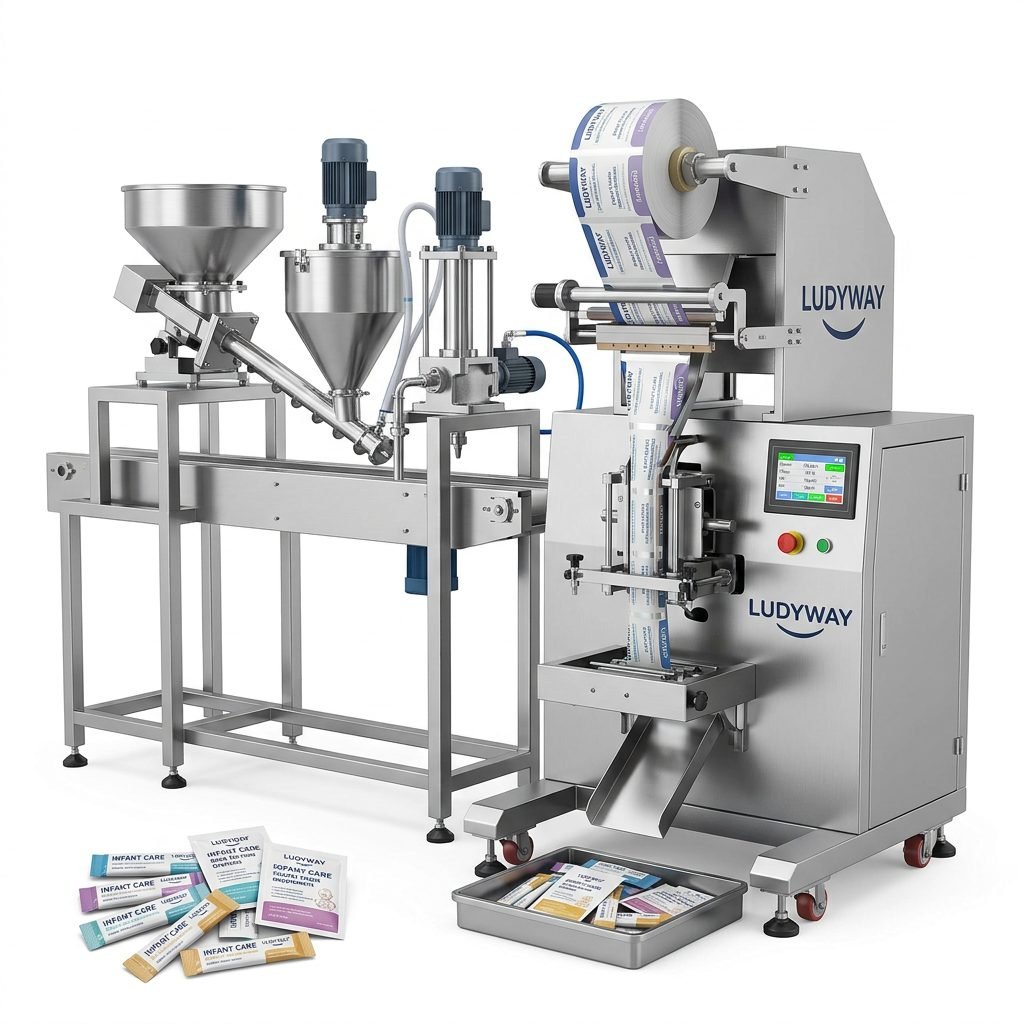
| Vertical Form Fill Seal (VFFS) Machine | Forms bags from roll film, fills, and seals | Loose candies, lollipops, marshmallows, toffees |
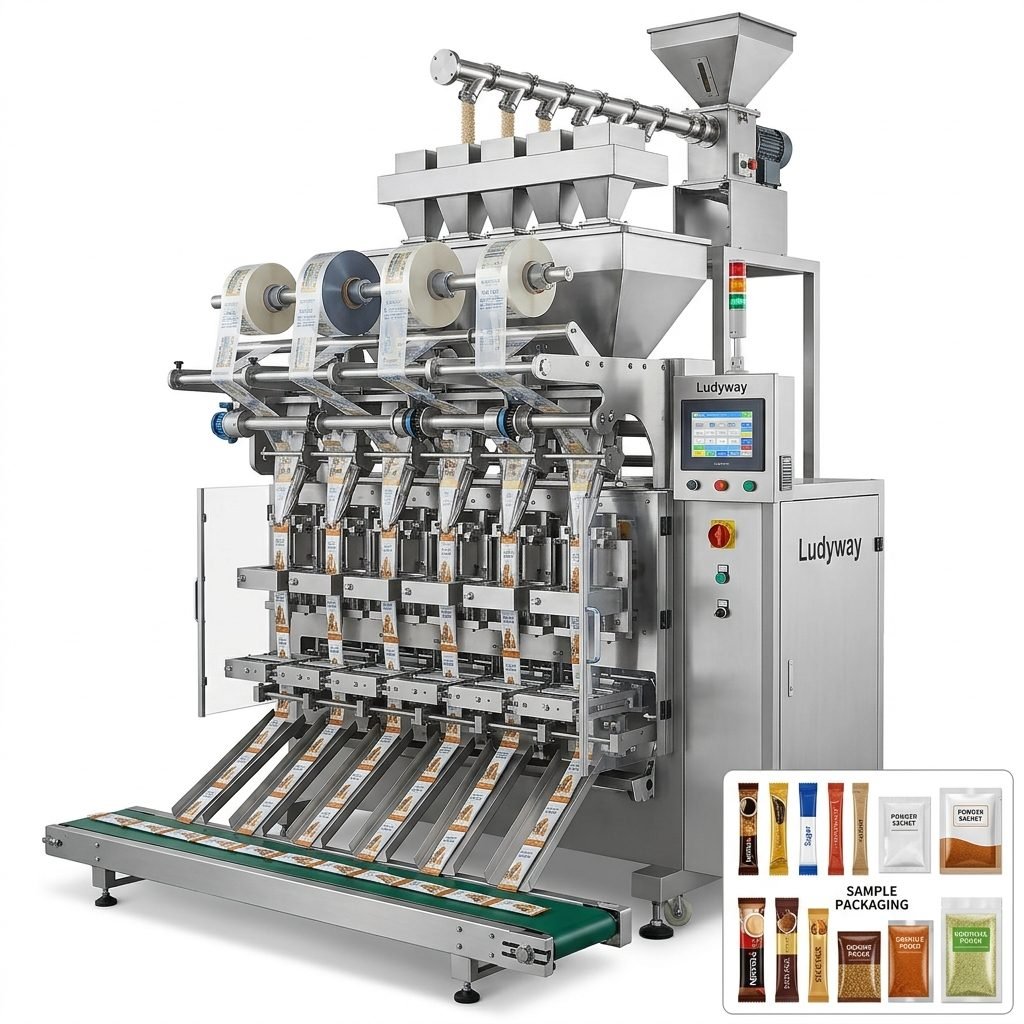
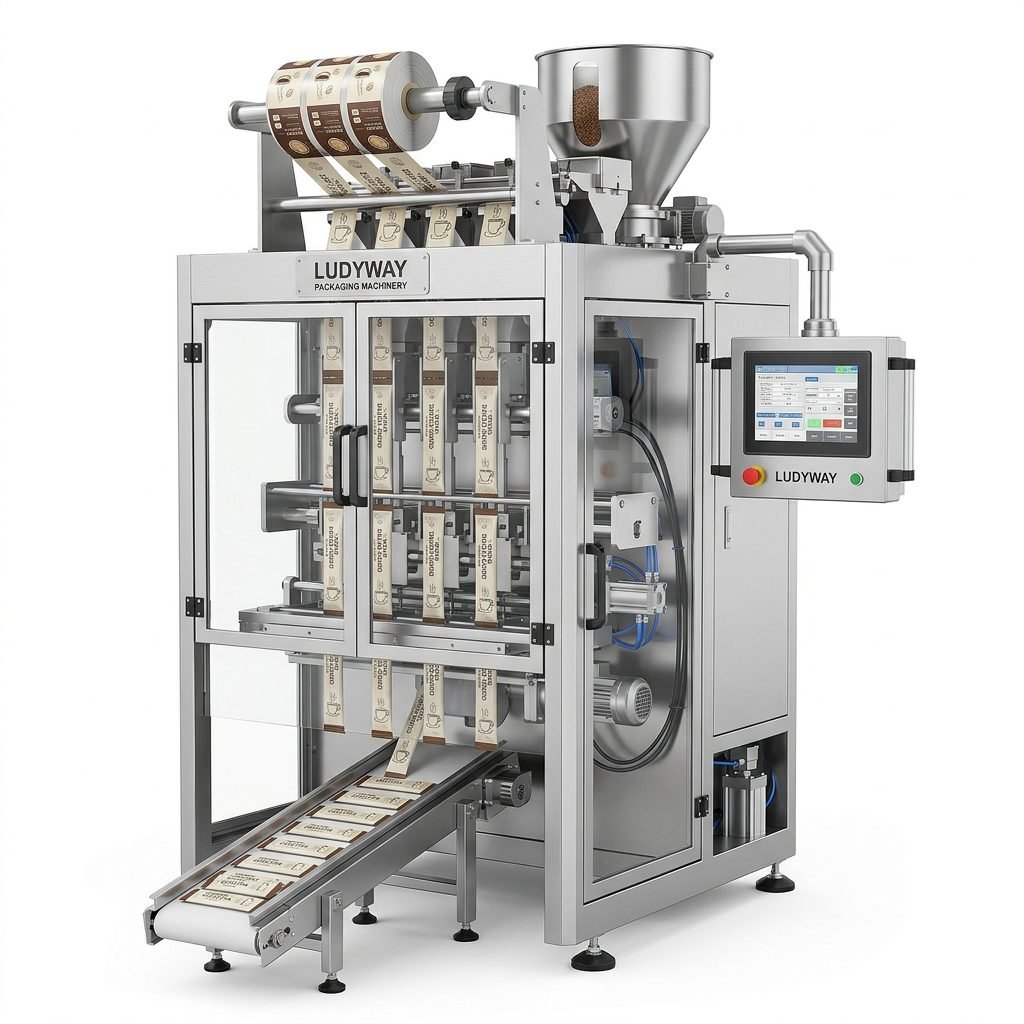
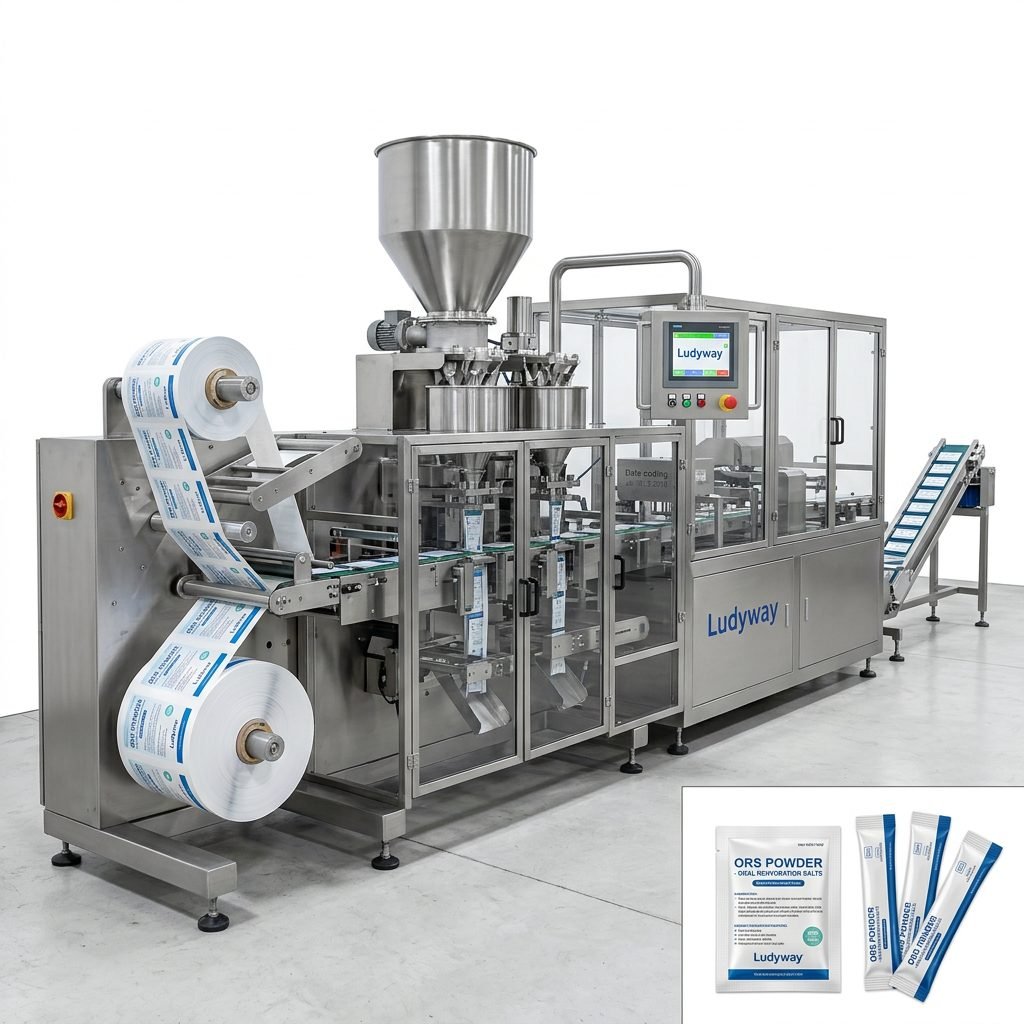
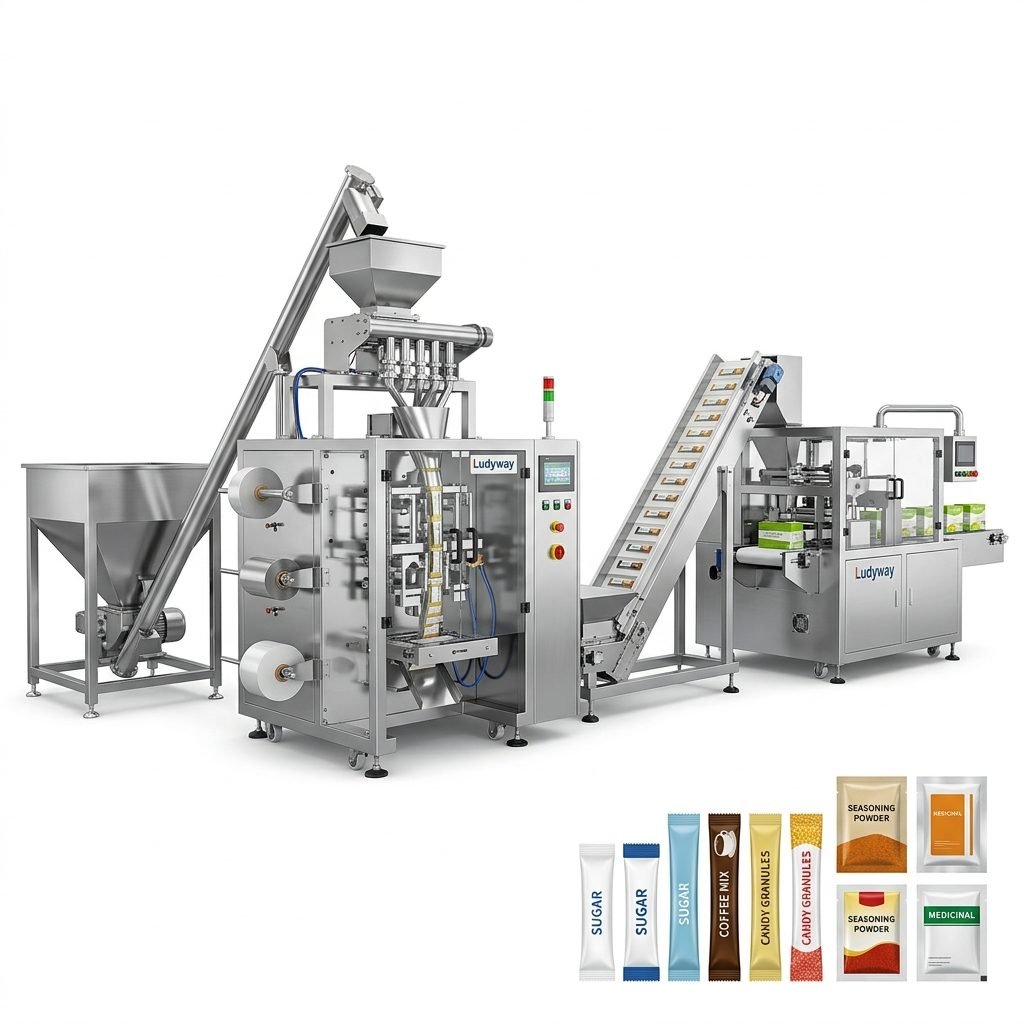
| Multi-Lane Stick Pack Machine | High-speed sachet and stick pack production | Powdered drinks, sugar sticks, candy powder, seasoning |
| Horizontal Flow Wrapper | Wraps individual or multipack solid items | Chocolate bars, candy bars, biscuit packs, gum packets |
| Cartoning Machine | Erects and loads cartons for secondary packaging | All types after primary packaging |
Planning Your Production Line Layout
Efficient factory floor planning in Southeast Asia requires attention to space utilization and material flow. Start with a clear understanding of your production volume and future scalability requirements. Key considerations include:
- Raw material intake and storage proximity to processing areas.
- Linear or U-shaped machine arrangement to minimize operator movement.
- Adequate space for conveyor systems between each packaging stage.
- Climate control for temperature-sensitive products like chocolates.
- Easy access for maintenance and cleaning, complying with food contact substance guidelines.
Navigating Local Regulations and Standards
Each country within ASEAN has its own food safety and machinery import regulations. In Thailand, for instance, adherence to FDA standards is mandatory for food contact materials. Vietnam requires specific labeling compliance, while Indonesia’s BPOM oversees food packaging safety. It is advisable to consult regional regulatory frameworks early, such as those documented by the Flexible Packaging Association, to ensure your machinery and packaging films meet local requirements.
Integrating Automation for Competitive Advantage
Labor costs in Southeast Asia are rising, making automation a critical investment. Modern confectionery packaging production lines incorporate features like automatic film splicing, servo-driven filling accuracy, and vision inspection systems for quality control. These technologies reduce product giveaway and reject rates. When evaluating turnkey solutions, prioritize machines that offer quick changeover capabilities to handle multiple SKU formats—a common requirement in the confectionery sector.
Steps to Implement an Automated System
- Define your target output speed (packets per minute) and product range.
- Select a primary filler matched to your product’s physical characteristics—flowability, shape, and fragility.
- Choose compatible weighing and feeding systems for consistent dosing, referencing best practices from PMMI’s business intelligence resources.
- Integrate checkweighers and metal detectors to protect brand integrity.
- Plan for secondary packaging automation, including cartoning and palletizing.
Maintenance and After-Sales Support in the Region
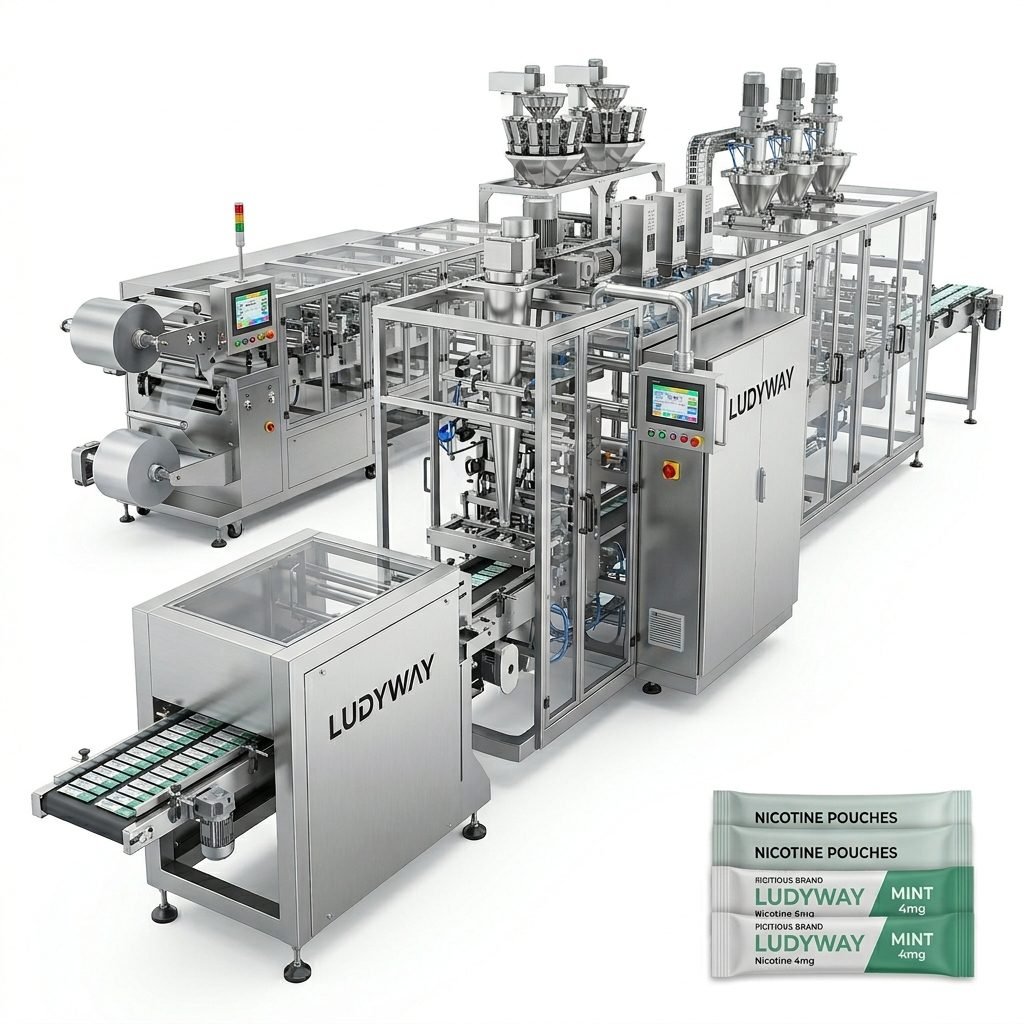
Humidity and dust in tropical climates can accelerate wear on sealing jaws and pneumatic components. A proactive maintenance schedule is non-negotiable. When sourcing equipment, evaluate the supplier’s local service network. Availability of spare parts and technical engineers within the ASEAN region drastically reduces downtime. This is especially critical during peak seasons like lunar new year or Ramadan, when production runs 24/7.
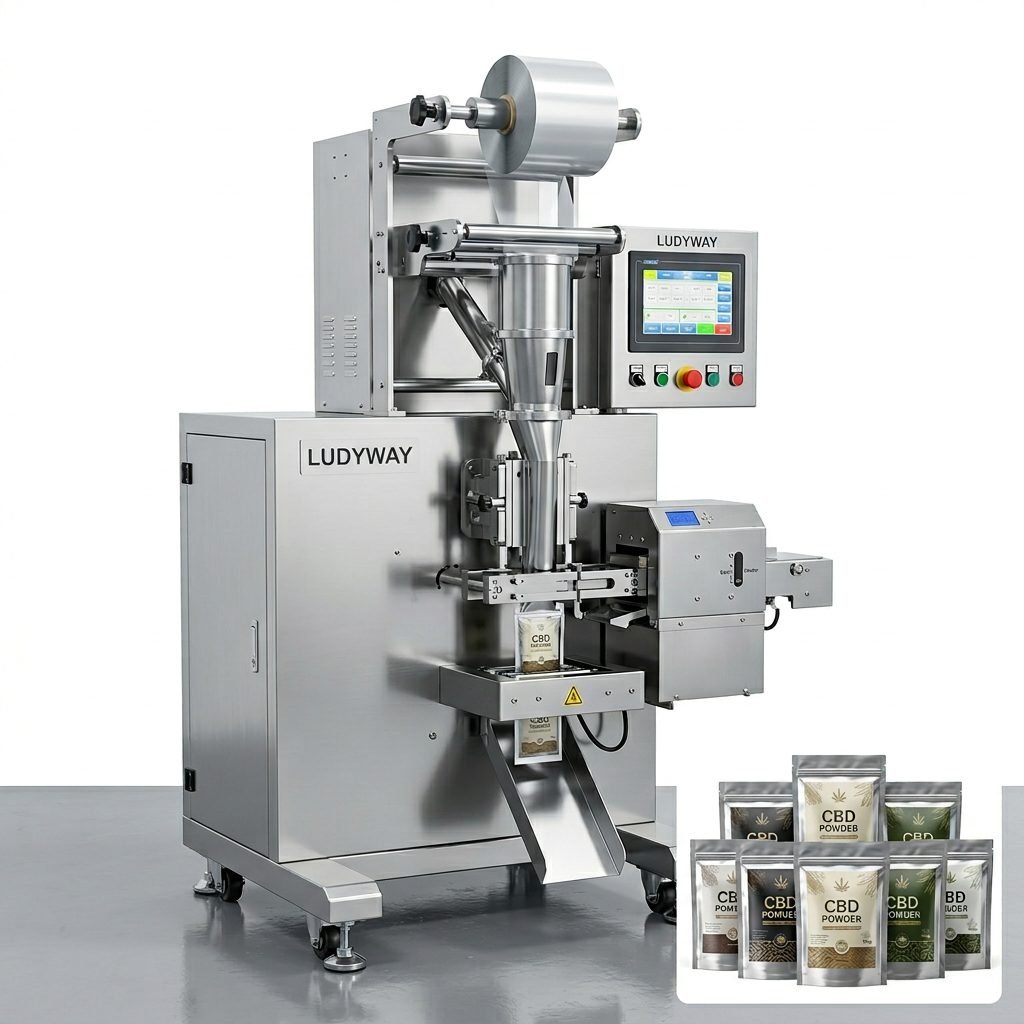
For companies seeking a comprehensive packaging partner with decades of global project experience, Ludyway offers specialized turnkey confectionery packaging lines that include multi-lane stick pack systems, VFFS baggers, and complete cartoning solutions, backed by a 20,000㎡ manufacturing facility and technical support across more than 100 countries.
Common Challenges and How to Solve Them
- Film Wrinkling: Often caused by humidity; use pre-conditioned film and maintain proper tension control.
- Product Bridging in Hoppers: Address with mechanical agitation or specialized auger fillers for sticky powders.
- Seal Integrity: Validate seal strength frequently under tropical storage conditions to prevent leakage.
- Operator Skill Gap: Invest in supplier-provided training programs and simplified HMI interfaces.
Industry insights from organizations like the 2025 State of the Industry report continue to highlight the shift toward flexible packaging formats in the confectionery sector, reinforcing the need for adaptable machinery that can handle various pouch styles and stick pack dimensions.