The demand for baby food packaging machines in Africa is growing rapidly, driven by urbanization, rising disposable incomes, and increasing awareness of infant nutrition. This comprehensive guide covers everything you need to know about purchasing the right packaging equipment for your baby food production business in Africa.
Understanding the Baby Food Market in Africa
Africa’s baby food sector is experiencing unprecedented growth, with the market projected to expand at a CAGR of over 7% through 2030. Countries such as Nigeria, Kenya, South Africa, Ghana, and Ethiopia are leading this surge. Key drivers include:
- Rapid urbanization and more women entering the workforce
- Growing middle-class populations with higher purchasing power
- Increased awareness of food safety standards for infant products
- Expansion of retail and e-commerce distribution channels
- Government initiatives supporting local food manufacturing
For manufacturers looking to enter or expand in this market, selecting the right baby food packaging machine is critical to ensuring product safety, shelf life, and regulatory compliance.
Types of Baby Food Packaging Machines
Baby food products come in various forms—powders, granules, purees, and liquids—each requiring specific packaging technologies. Below are the most common machine types used in the industry.
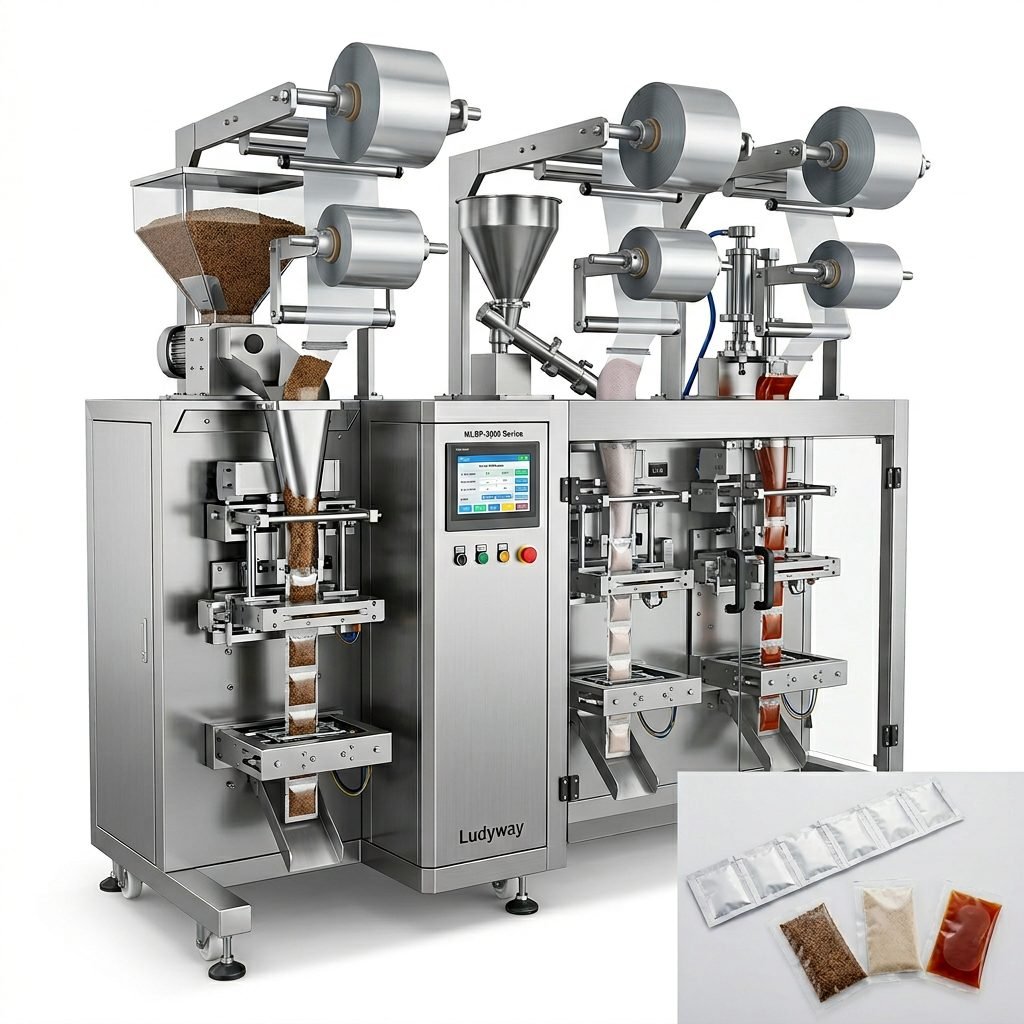
Powder Filling and Sealing Machines
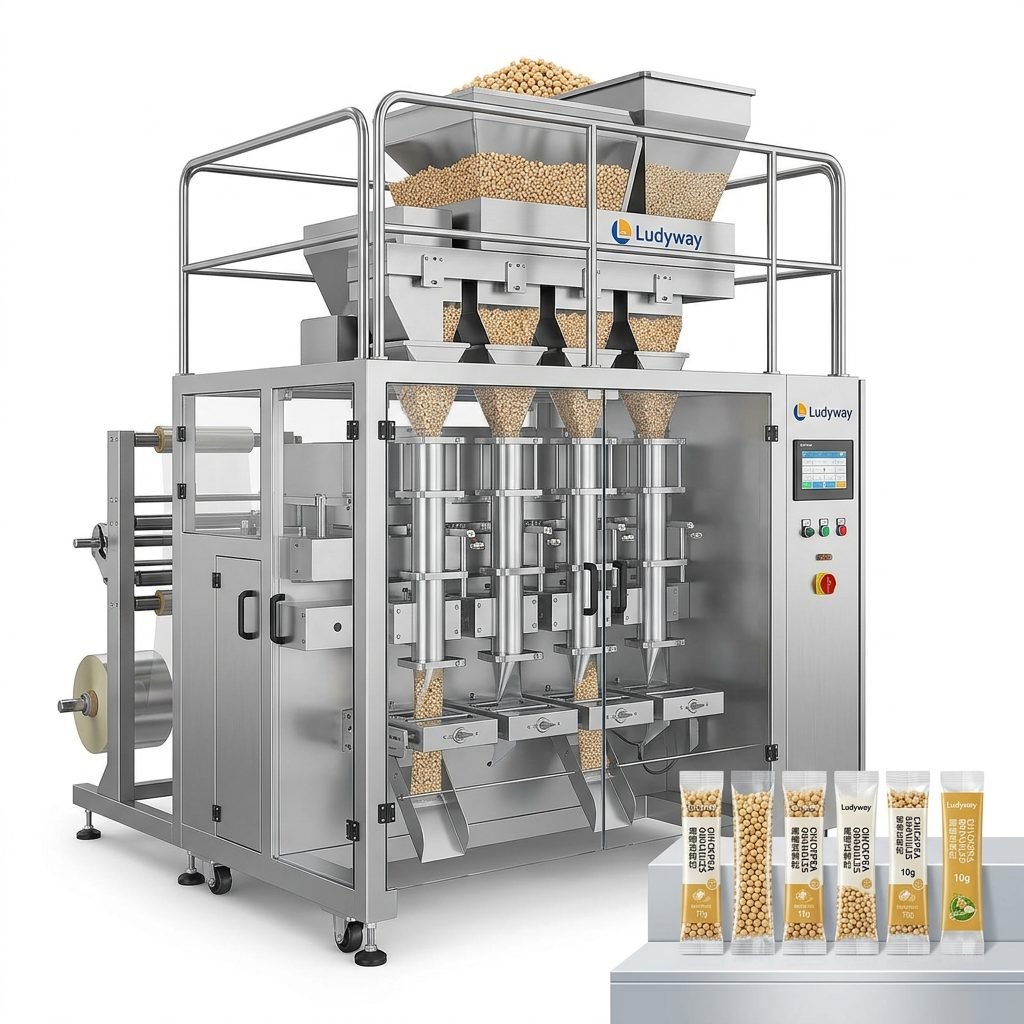
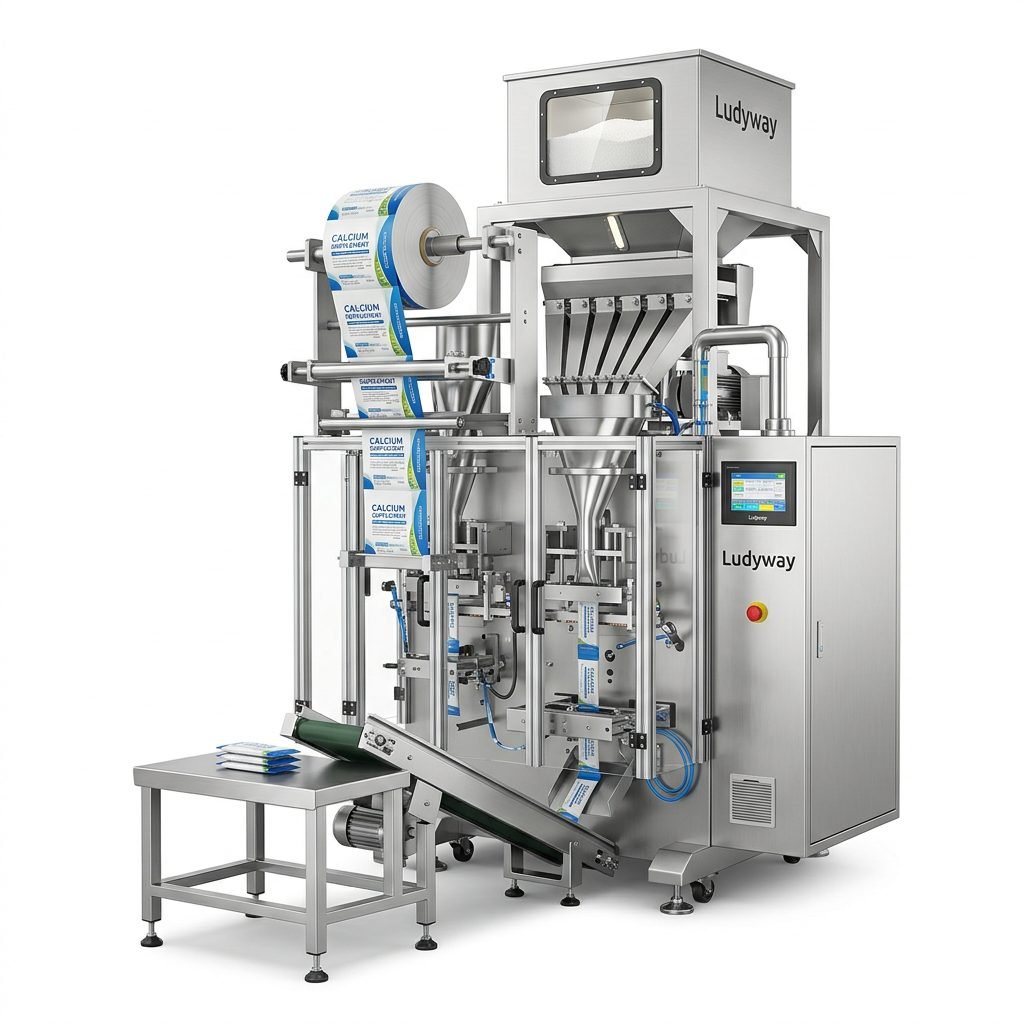
Ideal for infant formula, milk powder, and cereal-based baby foods, these machines ensure precise dosing and contamination-free filling. Multi-lane configurations can achieve high output rates of 200–600 packs per minute.
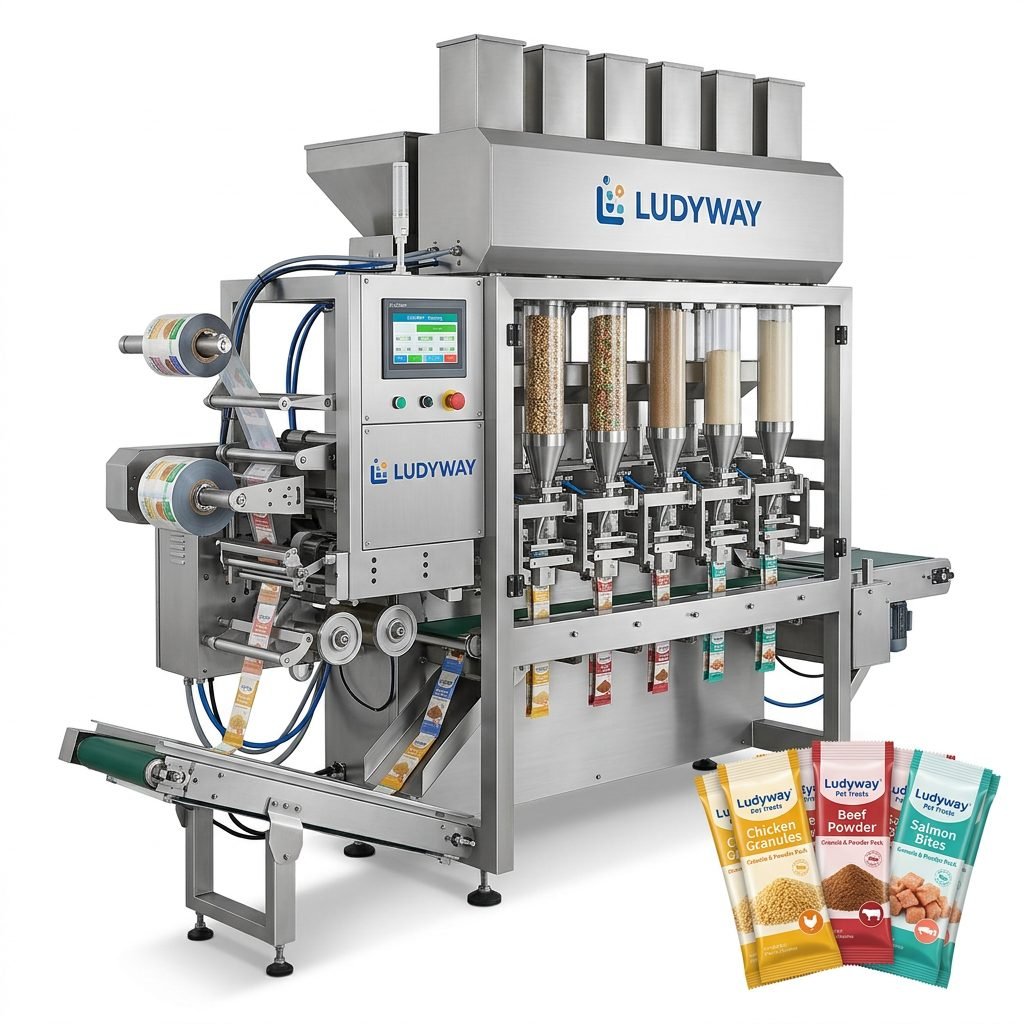
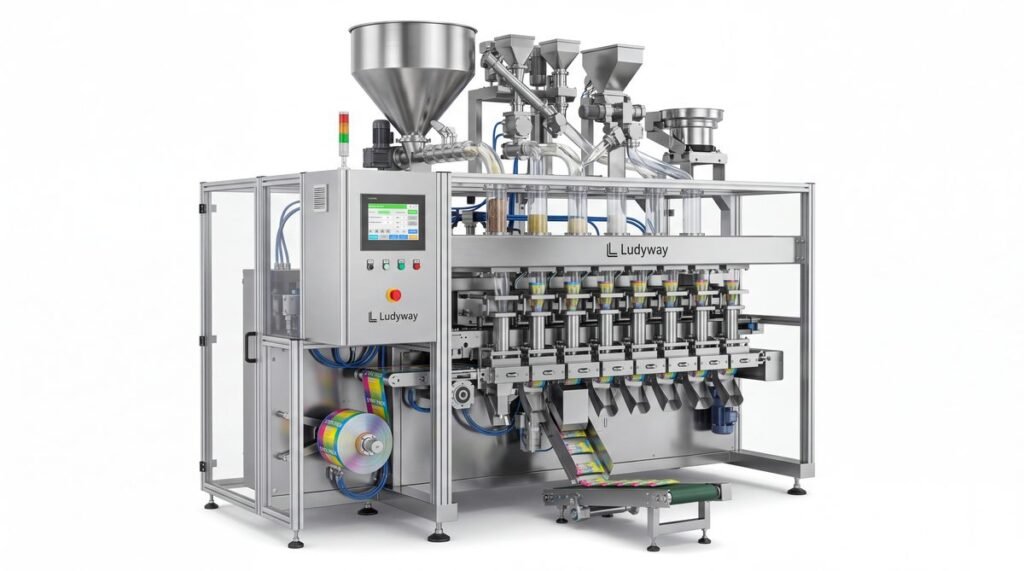
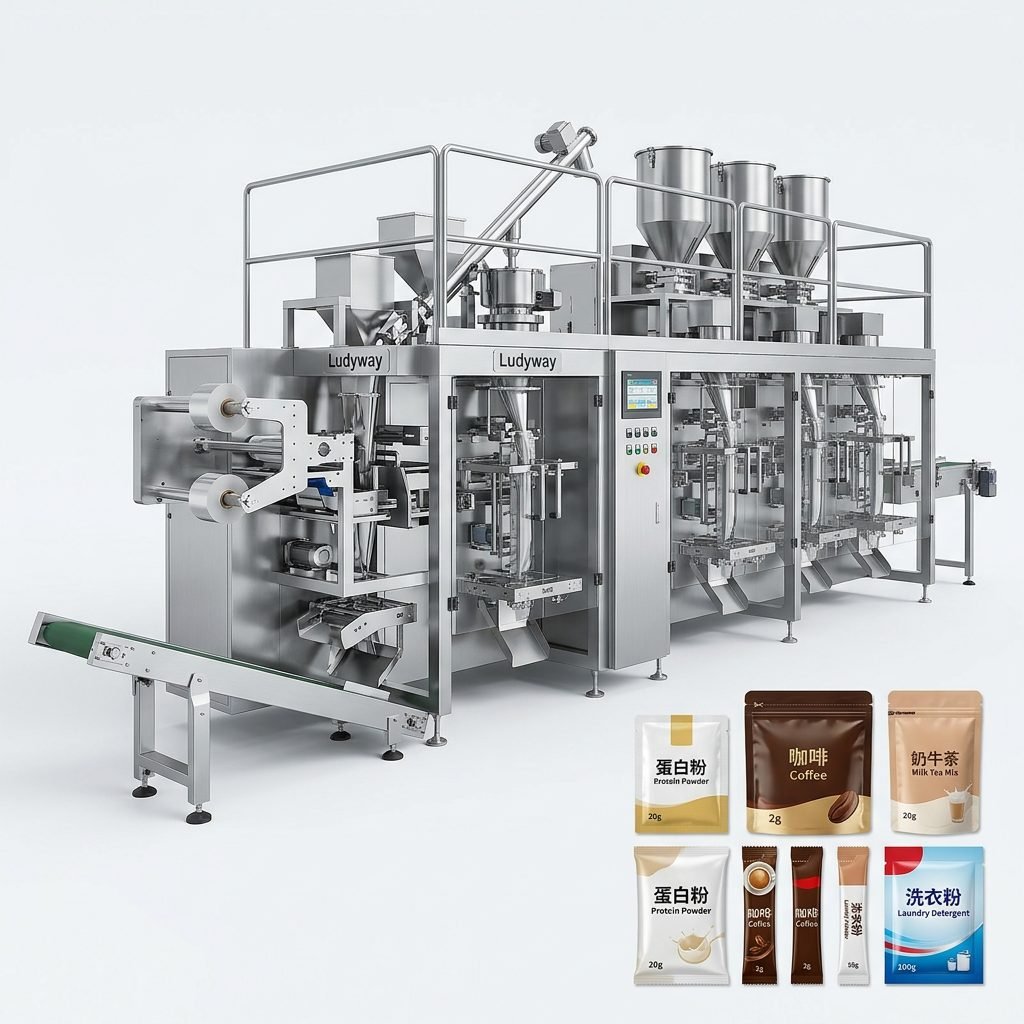
Multi-Lane Sachet Packaging Machines
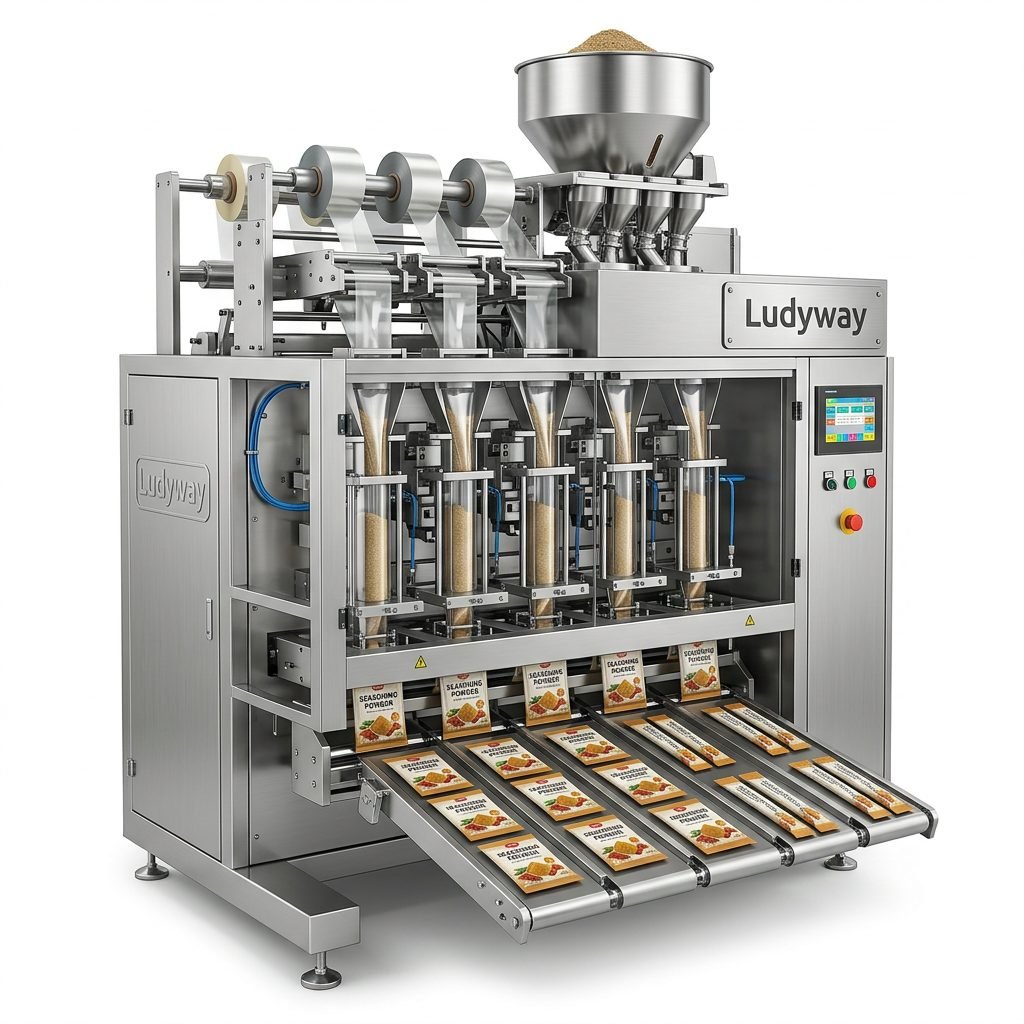
These are the workhorses of the baby food industry, capable of producing 4 to 16 lanes simultaneously. They handle granule and powder products efficiently, offering excellent barrier protection through multi-layer film sealing.
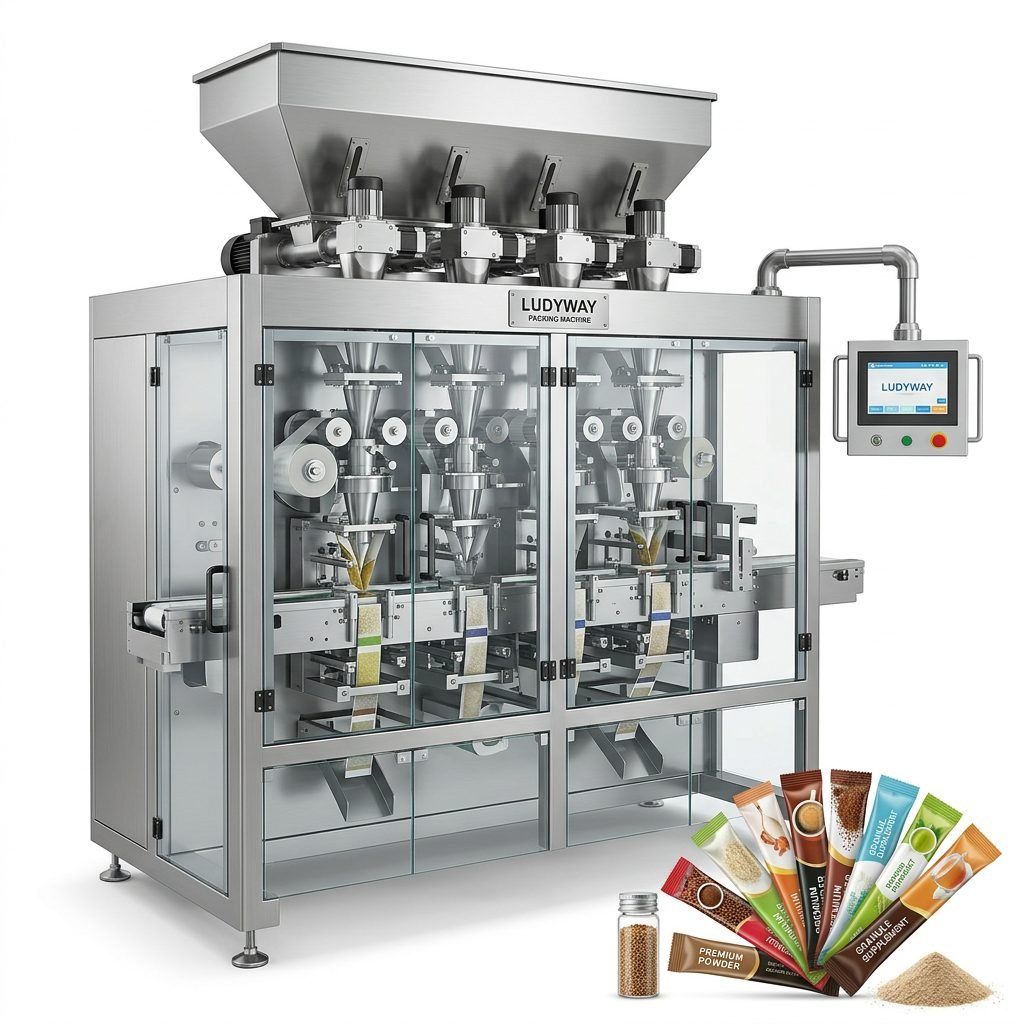
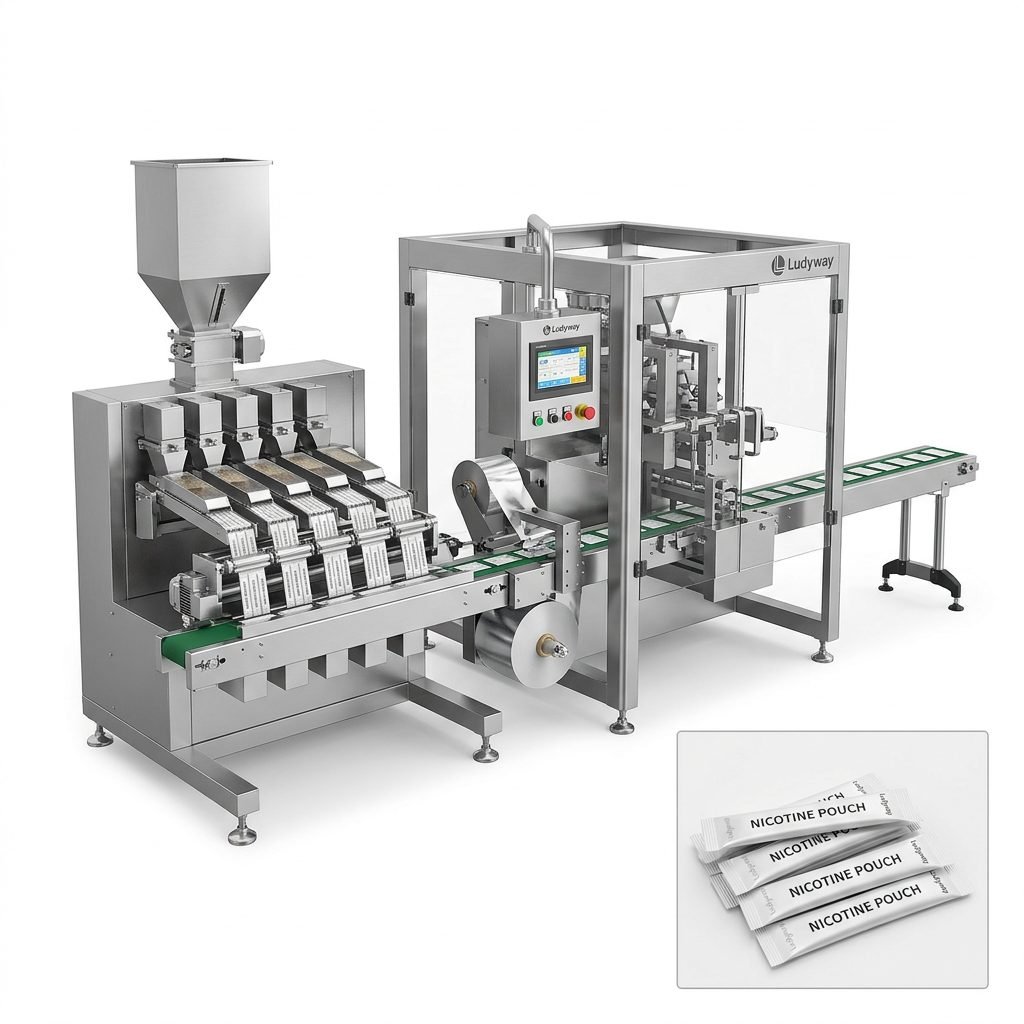
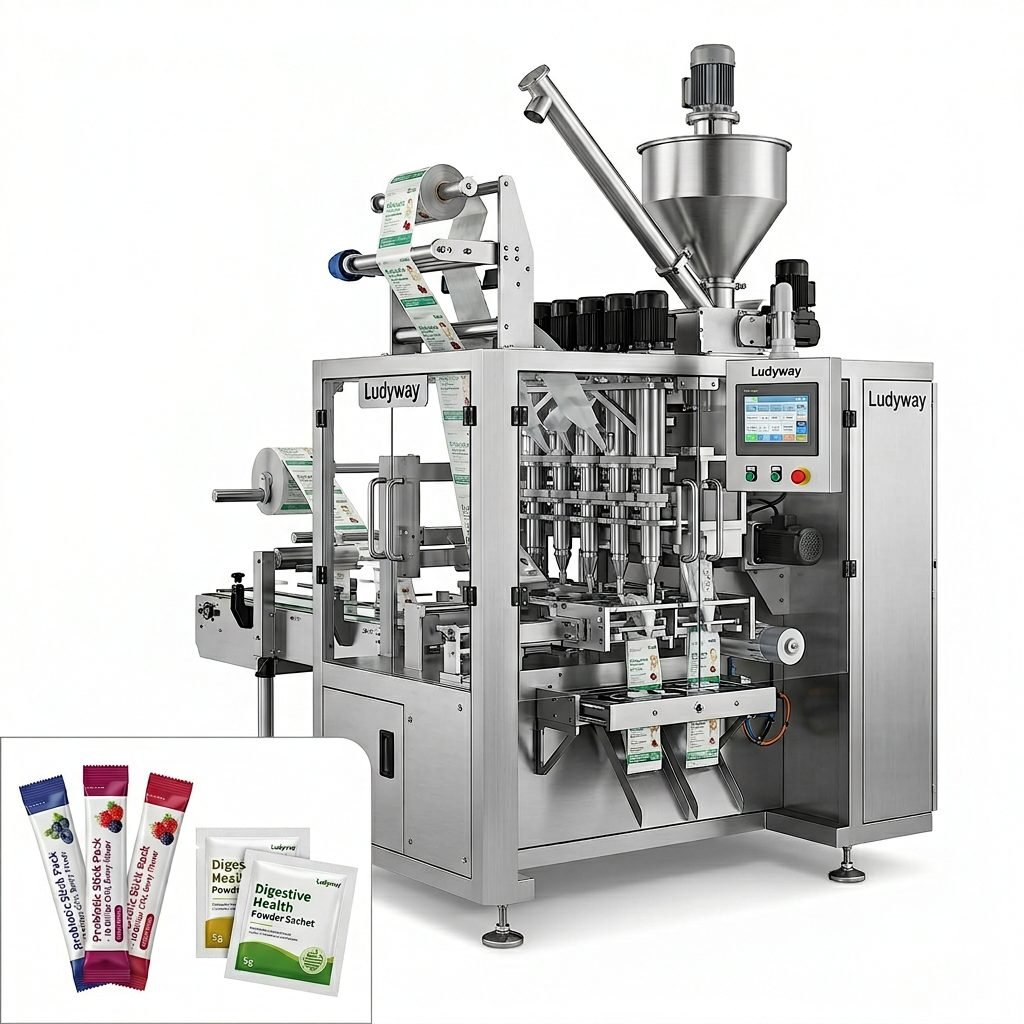
Stick Pack Packaging Machines
Stick packs are increasingly popular for single-serve baby food portions. These machines deliver compact, portable packaging with excellent seal integrity, ideal for on-the-go consumption. Modern stick pack machines support various film materials and can integrate with nitrogen flushing systems for extended shelf life.
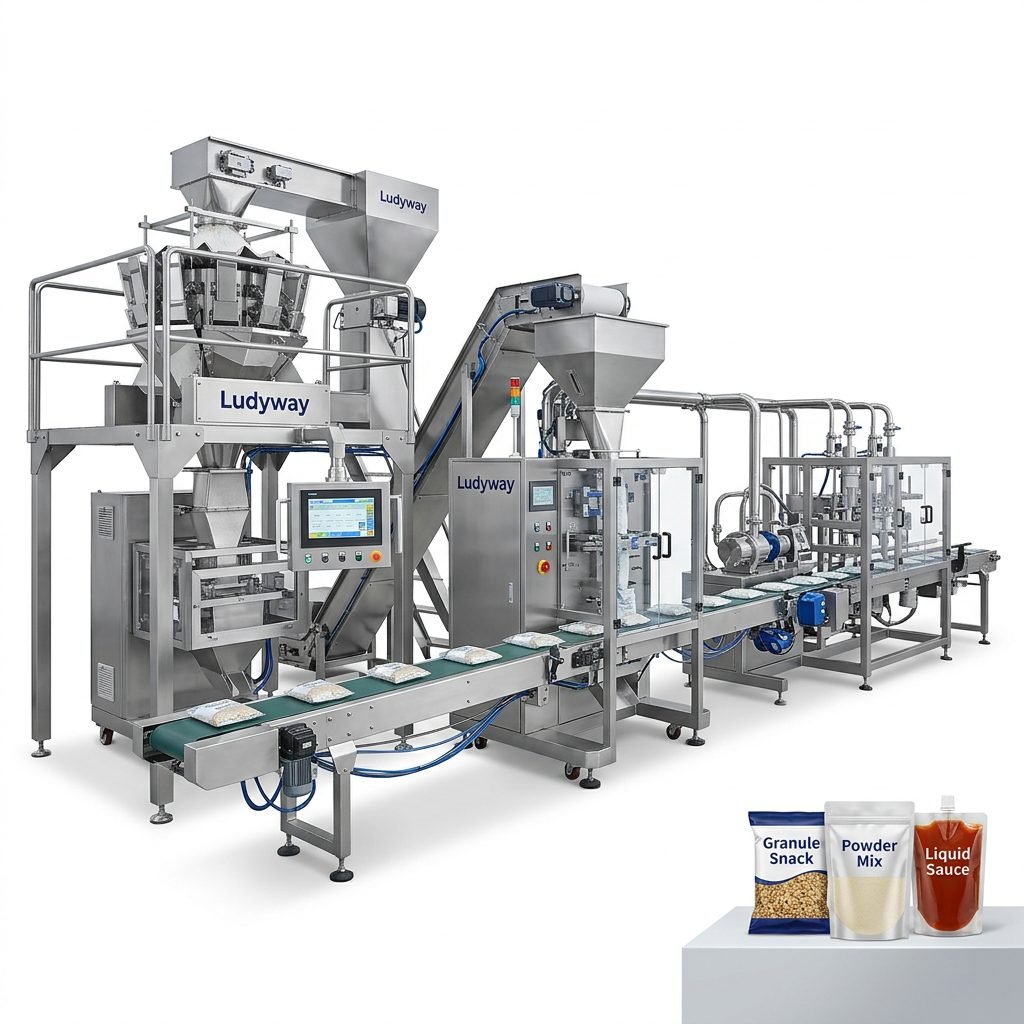
Pouch Packaging Machines
For larger quantities, stand-up pouches and spouted pouches are widely used for baby food purees and liquid supplements. These machines offer versatile packaging formats with high-barrier film options. Rotary and inline configurations are available depending on production scale.
Key Features to Look for in Baby Food Packaging Equipment
When evaluating baby food packaging machinery, prioritize the following features to ensure product safety and operational efficiency:
| Feature | Importance | Description |
|---|---|---|
| Hygienic Design | Critical | Stainless steel construction, easy-clean surfaces, and minimal crevices to prevent bacterial growth |
| Precision Filling | Critical | Accurate dosing systems with tolerances of ±0.5% to ensure consistent nutritional content per serving |
| Seal Integrity | Critical | Reliable heat sealing with temperature control to prevent leaks and contamination |
| Multi-Lane Capability | High | Increases throughput without proportional cost increases; 4–12 lane configurations common |
| Gas Flushing | High | Nitrogen flushing capability to displace oxygen and extend product shelf life |
| Servo-Driven Controls | Medium | Precise motion control for consistent packaging quality and reduced film waste |
| Integration Readiness | Medium | Compatibility with upstream and downstream equipment including weighers, cartoners, and palletizers |
Regulatory Compliance and Food Safety Standards
Baby food packaging in Africa must comply with both local and international standards. Key regulatory frameworks include:
- CODEX Alimentarius – International food safety standards for infant formula and baby foods
- ISO 22000 – Food safety management systems applicable to packaging operations
- FDA Food Contact Substances – Relevant for products also exported to the U.S. market
- EU Packaging Regulations – Important for products destined for European markets
- National Standards – Each African country may have its own requirements through agencies like NAFDAC (Nigeria), KEBS (Kenya), and SABS (South Africa)
Always verify that your packaging equipment meets the hygiene and safety certifications required in your target markets. Look for machines built with food-grade materials and designed according to GMP (Good Manufacturing Practices) guidelines.
How to Choose the Right Baby Food Packaging Machine
Selecting the ideal baby food packaging solution requires careful evaluation of several factors. Below is a structured approach to guide your decision-making process.
Production Capacity Requirements
Determine your current and projected output needs. Small-scale operations may start with single-lane machines producing 40–80 packs per minute, while industrial-scale manufacturers often require multi-lane systems delivering 200–600 packs per minute. Consider future growth when sizing your equipment to avoid premature replacement.
Packaging Format Selection
The choice between sachets, stick packs, and pouches depends on your product type and target market preferences. For example, stick packs are popular for single-serve formula portions in urban markets, while sachets dominate in price-sensitive rural areas. Larger stand-up pouches are preferred for cereal-based baby foods.
Budget Considerations
Packaging machinery represents a significant capital investment. Prices vary widely based on automation level, speed, and configuration:
- Entry-level single-lane machines: $15,000 – $35,000
- Mid-range multi-lane systems (4–8 lanes): $40,000 – $120,000
- High-speed fully automated lines (10–16 lanes): $130,000 – $350,000+
- Complete turnkey packaging lines with ancillary equipment: $200,000 – $600,000+
Factor in shipping, installation, training, and ongoing maintenance costs when budgeting. Many African buyers benefit from working with suppliers who offer comprehensive after-sales support and remote troubleshooting capabilities.
After-Sales Support and Maintenance
For African buyers, reliable after-sales service is essential. Prioritize manufacturers that provide:
- Remote technical support and video-guided troubleshooting
- Readily available spare parts with expedited shipping options
- Comprehensive operator training programs, including on-site sessions
- Extended warranty options and maintenance contracts
- Local distributor or representative presence in Africa
Leading Manufacturers and Suppliers
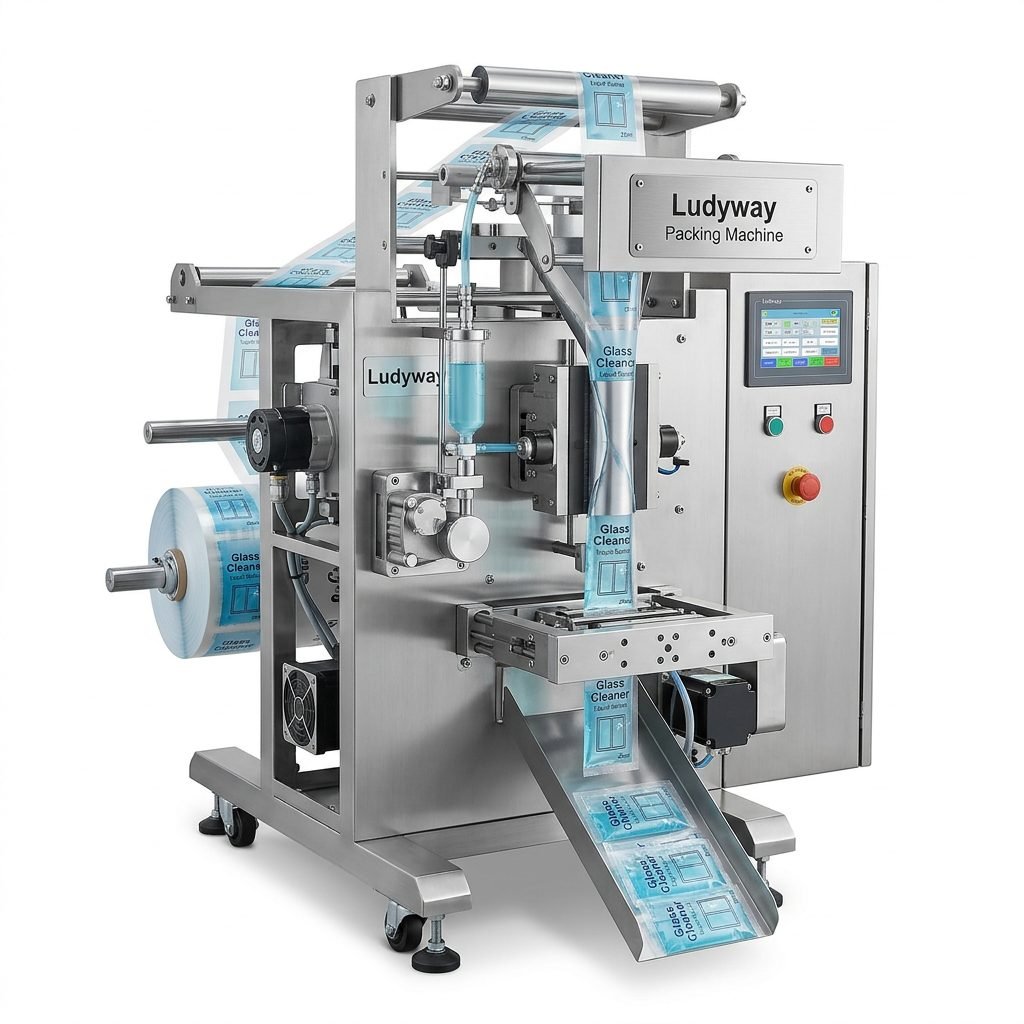
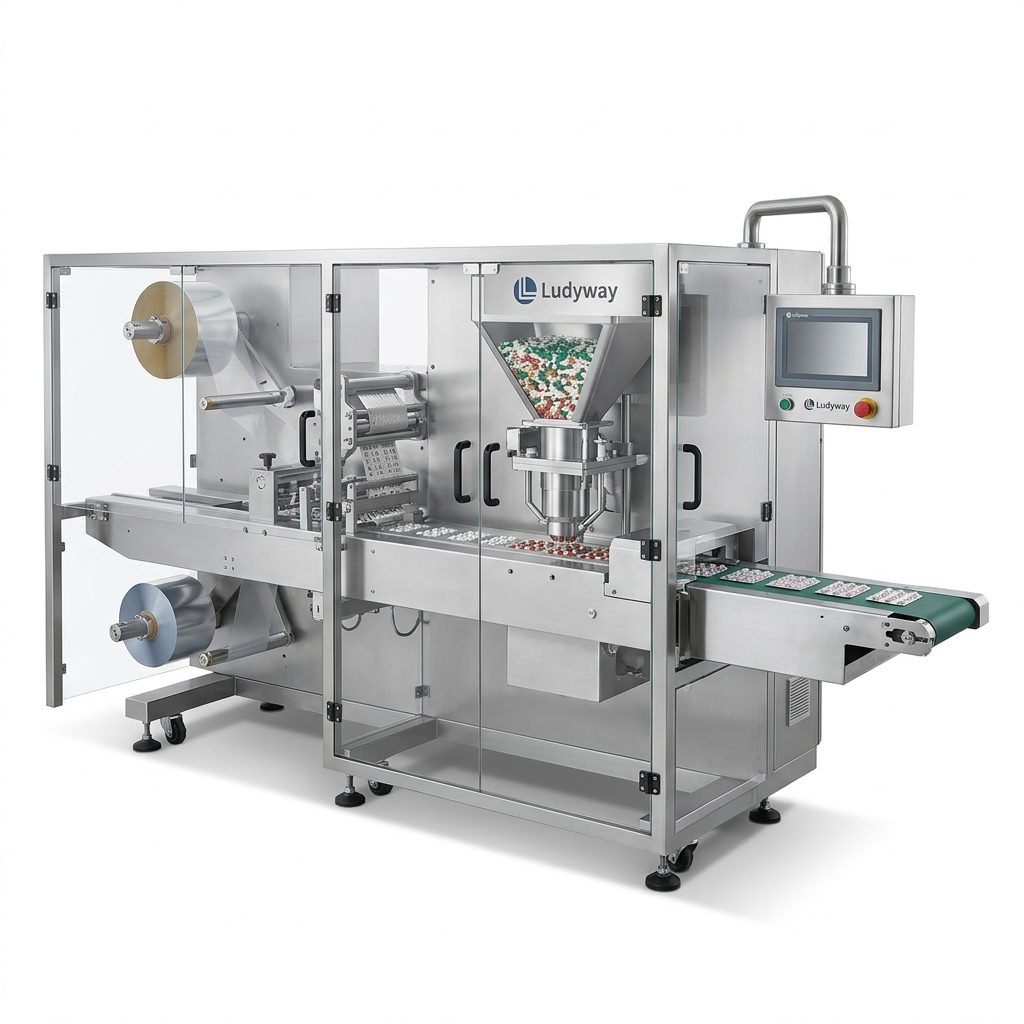
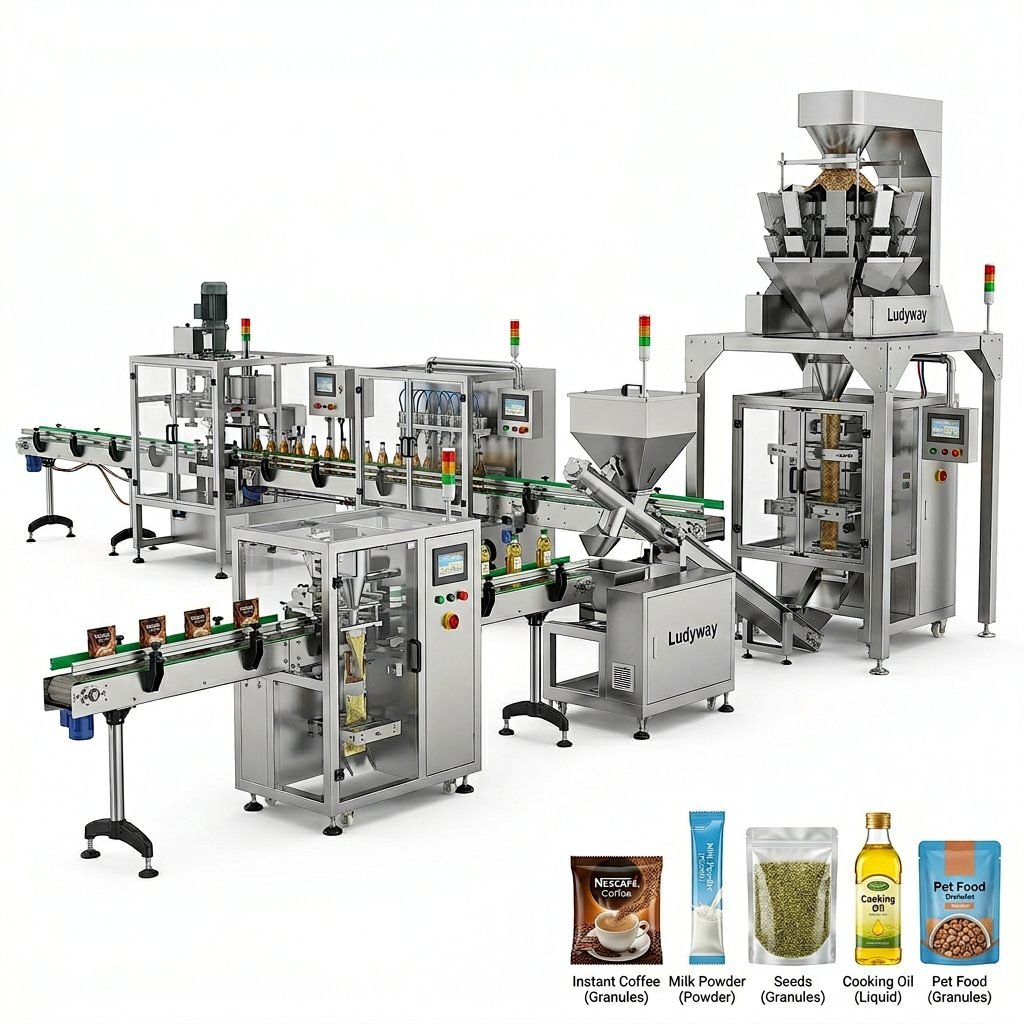
The global market for baby food packaging equipment includes established manufacturers from China, Europe, and North America. One notable supplier is Ludyway, a Chinese packaging machine manufacturer with over 30 years of industry experience and a 20,000㎡ production facility. They offer more than 50 intelligent packaging machine models spanning multi-lane stick pack, sachet, and fully automated packaging systems, serving customers in over 100 countries worldwide.
When evaluating suppliers, request detailed specifications, video demonstrations of machines running similar products, and references from existing customers in the food industry. Visit the PMMI website for additional industry resources and packaging machinery standards.
Cost of Baby Food Packaging Machines in Africa
The total cost of ownership extends beyond the initial purchase price. Consider the following cost components when planning your investment:
| Cost Component | Estimated Range | Notes |
|---|---|---|
| Machine Purchase | $15,000 – $350,000+ | Depends on configuration and automation level |
| Shipping and Import Duties | 10% – 35% of machine cost | Varies by country; research local import regulations |
| Installation and Commissioning | $3,000 – $15,000 | Includes technician travel if on-site support is needed |
| Operator Training | $1,000 – $5,000 | Can often be negotiated as part of the package |
| Annual Maintenance | 3% – 8% of machine cost | Includes spare parts and preventive service |
| Packaging Film and Consumables | $5 – $15 per kg of film | Ongoing operational cost; varies by material specification |
Installation, Training, and Maintenance
Proper installation and operator training are vital for maximizing the return on your packaging machine investment. Follow these best practices:
- Pre-installation preparation – Ensure your facility has adequate power supply, compressed air, and clean room conditions as specified by the manufacturer
- Professional installation – Use certified technicians for initial setup to validate all machine functions and safety features
- Comprehensive training – Train at least two operators per shift on machine operation, cleaning, troubleshooting, and basic maintenance
- Preventive maintenance schedule – Establish a routine maintenance calendar covering daily, weekly, and monthly tasks
- Spare parts inventory – Maintain an inventory of critical spare parts including sealing elements, sensors, belts, and frequently replaced components
Frequently Asked Questions
What is the best packaging format for baby food powder in Africa?
Sachets and stick packs are the most popular formats due to their affordability and portion control. Stick packs are gaining popularity in urban areas for single-serve convenience, while multi-lane sachets remain dominant for cost-sensitive markets. The choice depends on your target demographic and distribution channels.
How can I ensure my packaging machine meets food safety standards?
Choose equipment with stainless steel construction, validated sealing systems, and compliance certifications such as CE, ISO 22000, or GMP. Request documentation from the manufacturer and consider third-party validation for critical applications. Reference the ISO packaging standards for detailed guidance on packaging requirements.
What ongoing costs should I expect after purchasing a baby food packaging machine?
Beyond the initial purchase, budget for packaging film, spare parts, maintenance labor, and utilities. Film costs typically range from $5 to $15 per kg depending on barrier properties and print requirements. Annual maintenance costs average 3–8% of the machine’s value.
Can I get financing or payment plans for packaging equipment in Africa?
Many international suppliers offer flexible payment terms, including letters of credit, installment plans, and trade financing options. Some development finance institutions supporting African manufacturing include Afreximbank and various export credit agencies. Discuss financing options directly with your equipment supplier.
How long does it take to receive and install a baby food packaging machine?
Typical lead times range from 30 to 90 days for standard models, with custom configurations requiring additional time. Shipping to major African ports takes 15–45 days depending on the origin and destination. Installation and commissioning usually require 3–7 days with qualified technicians on site.
Key Industry Resources
For further research on packaging machinery standards and industry trends, explore these authoritative resources:
- PMMI Business Intelligence Library – Packaging industry market research
- Flexible Packaging Association – Resources on flexible packaging solutions
- FDA Food Ingredients and Packaging – Regulatory information for food contact materials
- European Commission Packaging Regulations – EU packaging compliance standards
- ISO Packaging and Distribution Standards – International packaging standards
Investing in the right baby food packaging machine is a strategic decision that impacts product quality, safety, and business profitability. By carefully evaluating your production needs, budget, and regulatory requirements, you can select equipment that positions your brand for long-term success in Africa’s growing baby food market.