Effective packaging is crucial for household products, impacting everything from shelf appeal to user convenience and cost efficiency. Selecting the right packaging equipment can streamline production, reduce material waste, and enhance product protection. This guide explores the main types of packaging machinery, provides a detailed buying guide, and shares practical tips to help you save on costs without compromising quality.
Core Types of Household Product Packaging Equipment
The packaging process for household items—from detergents and cleaners to personal care products—often requires specialized machinery. Understanding the different types is the first step toward optimizing your production line.
Vertical Form-Fill-Seal (VFFS) Machines
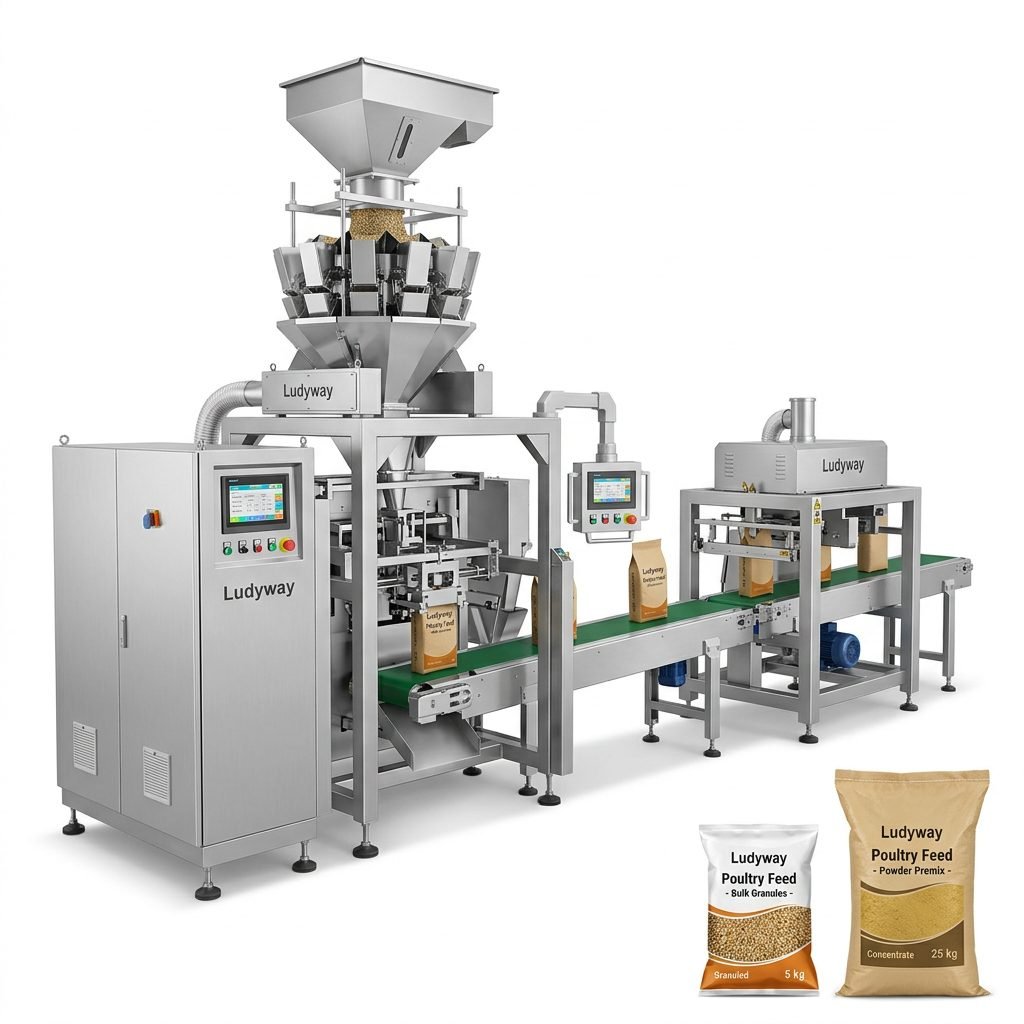
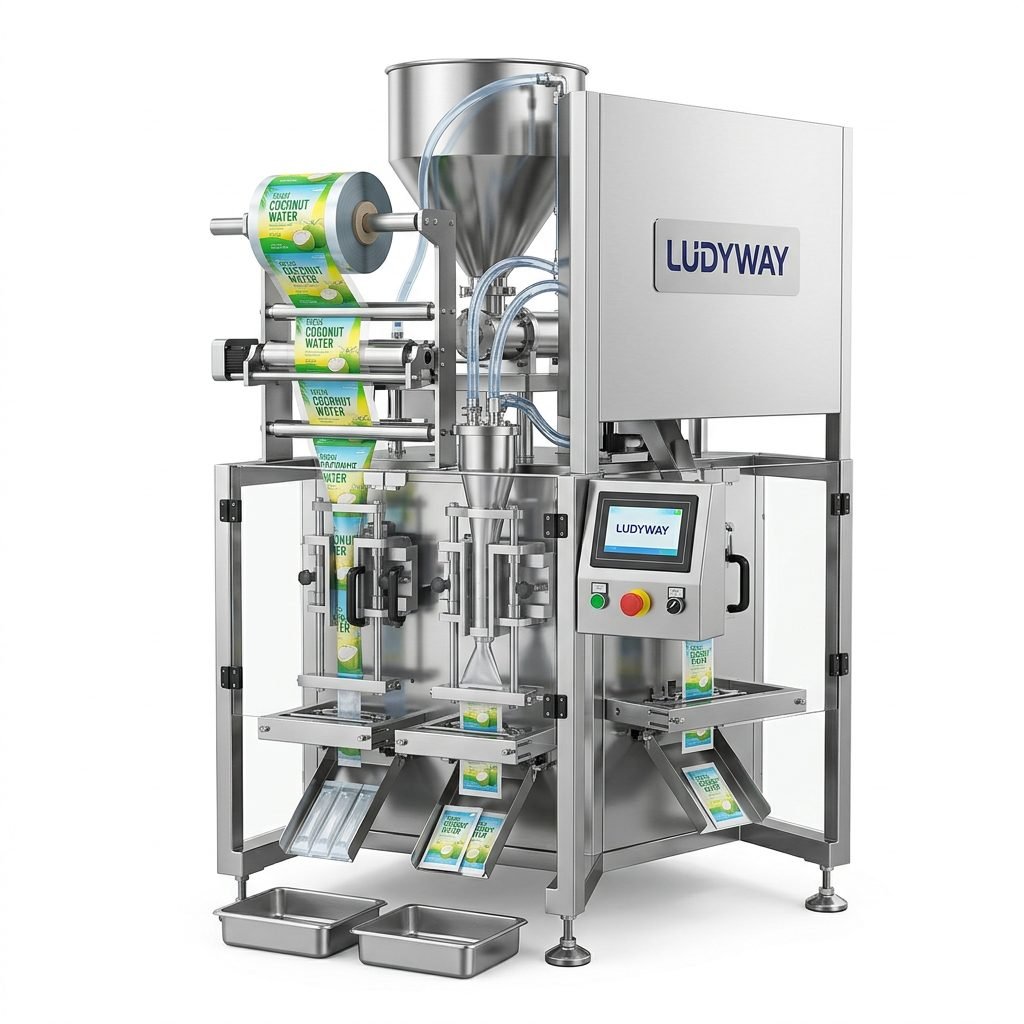
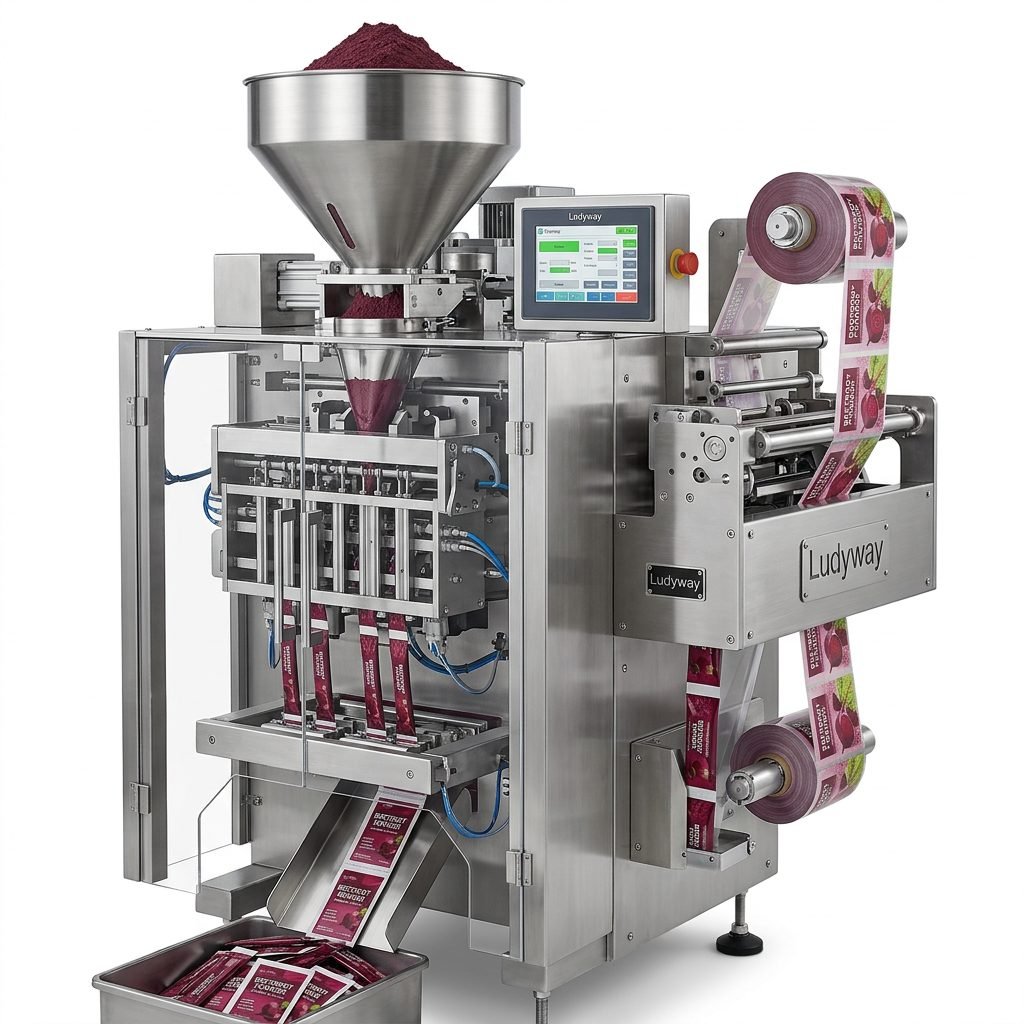
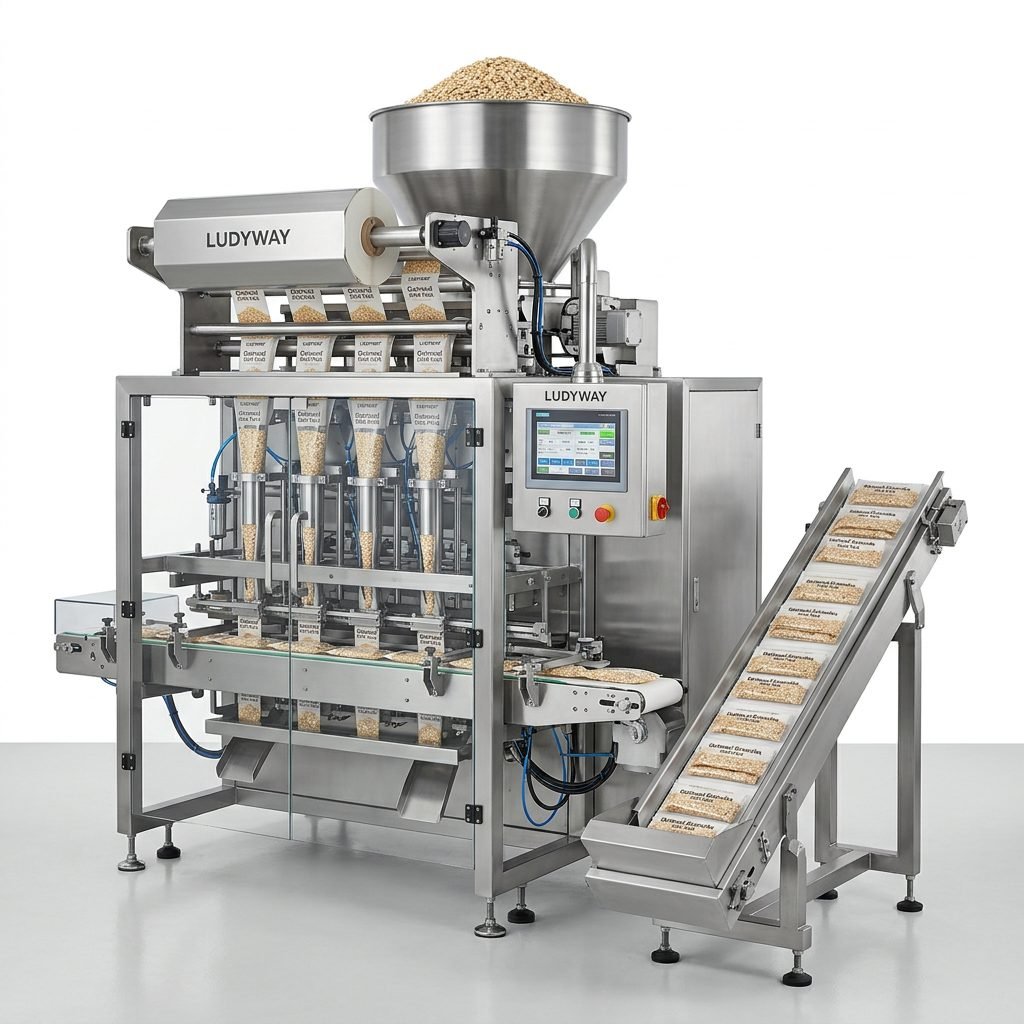
These are highly versatile and common for packaging granules, powders, and liquids like laundry detergent, dishwasher powder, or shampoo refills. The machine forms a bag from a roll of film, fills it with product, and seals it—all in one continuous operation. They are ideal for creating pillow pouches and stand-up bags with high efficiency.
Horizontal Form-Fill-Seal (HFFS) Machines
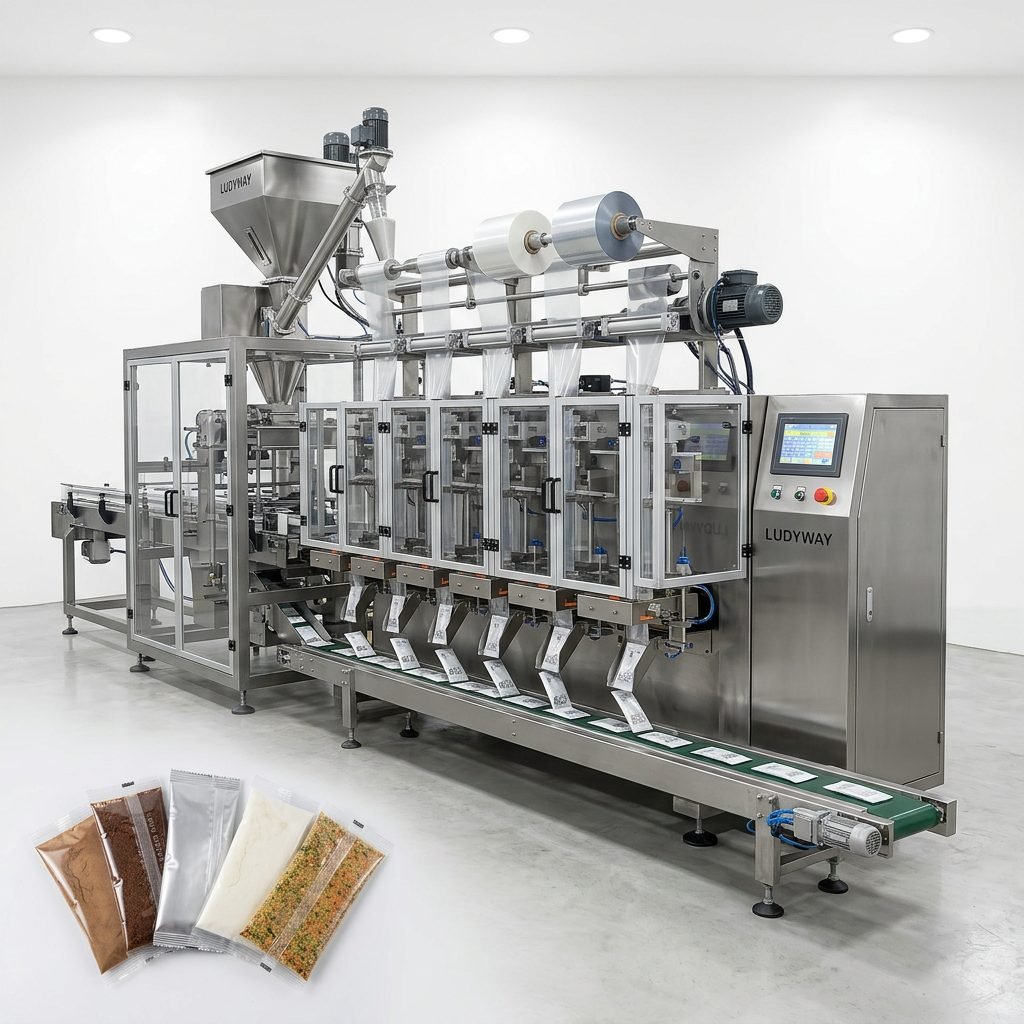
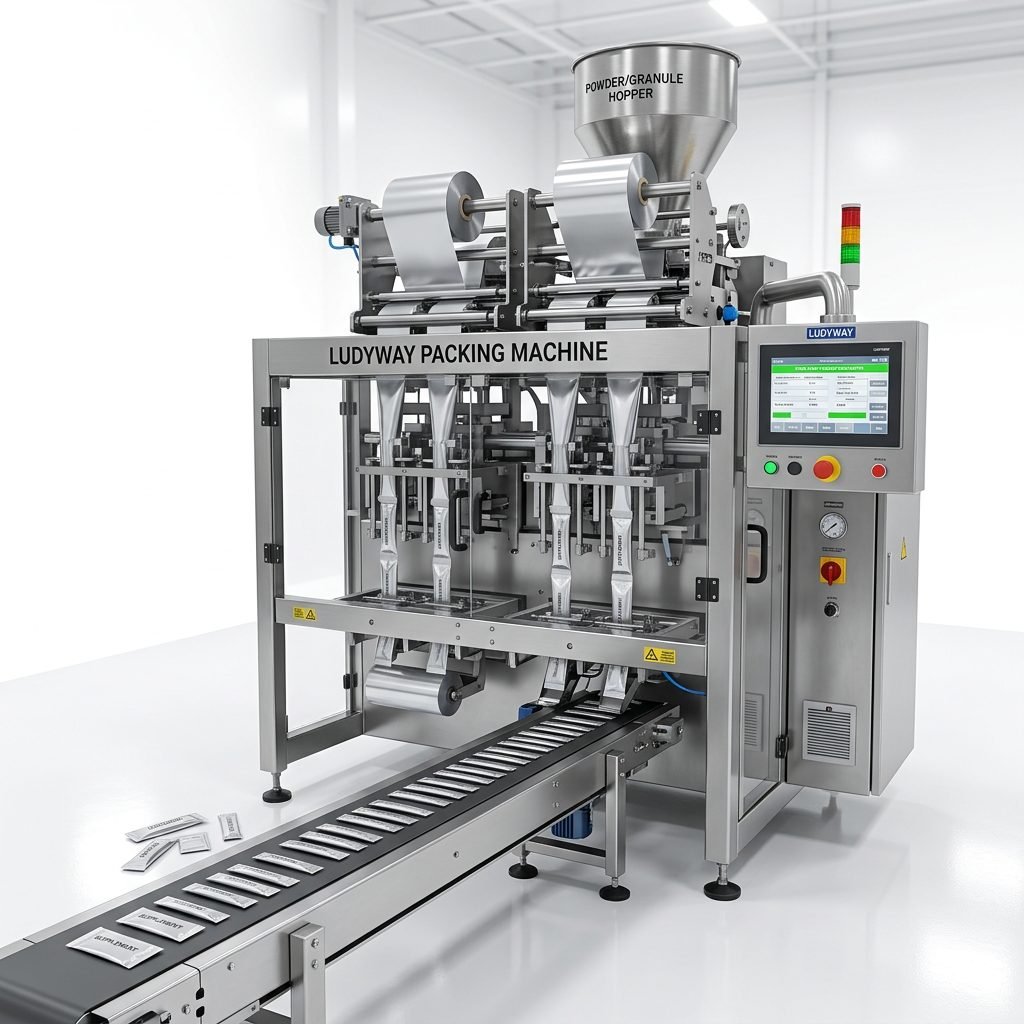
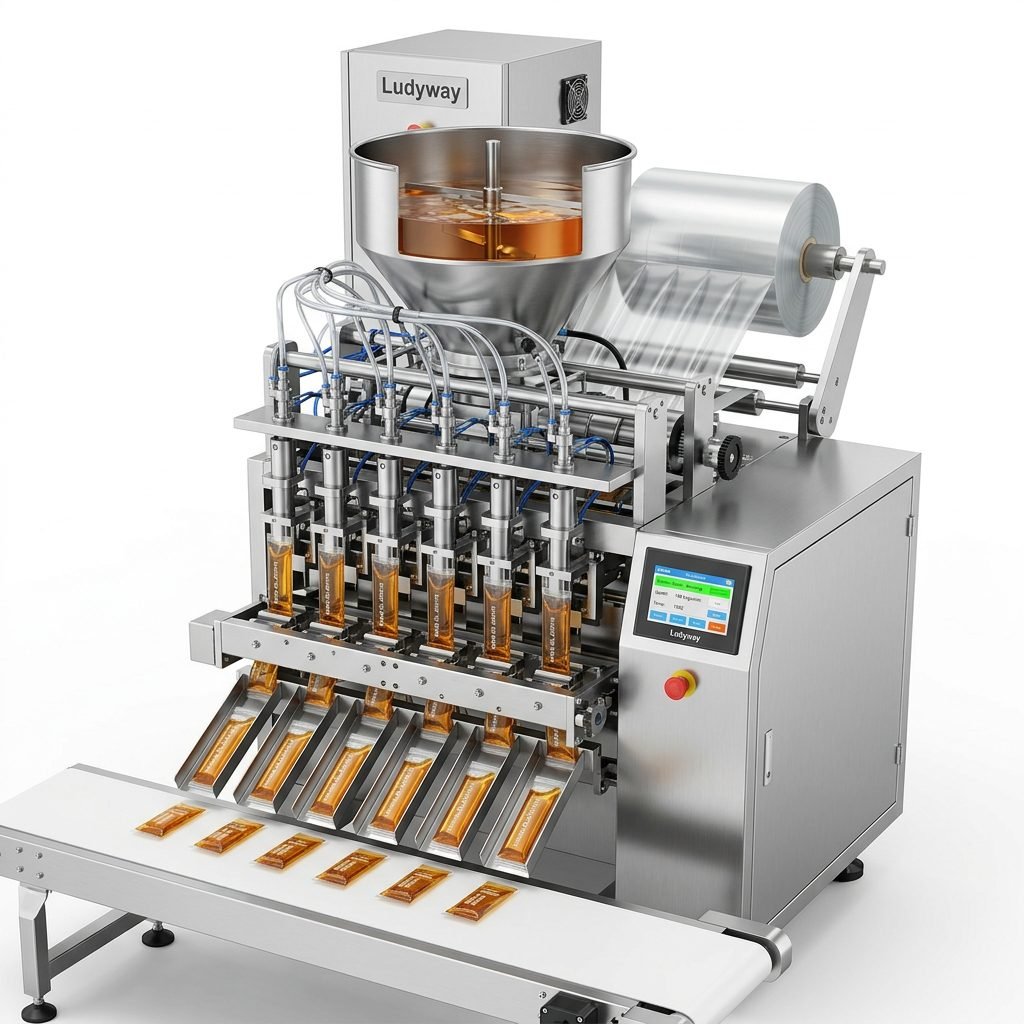
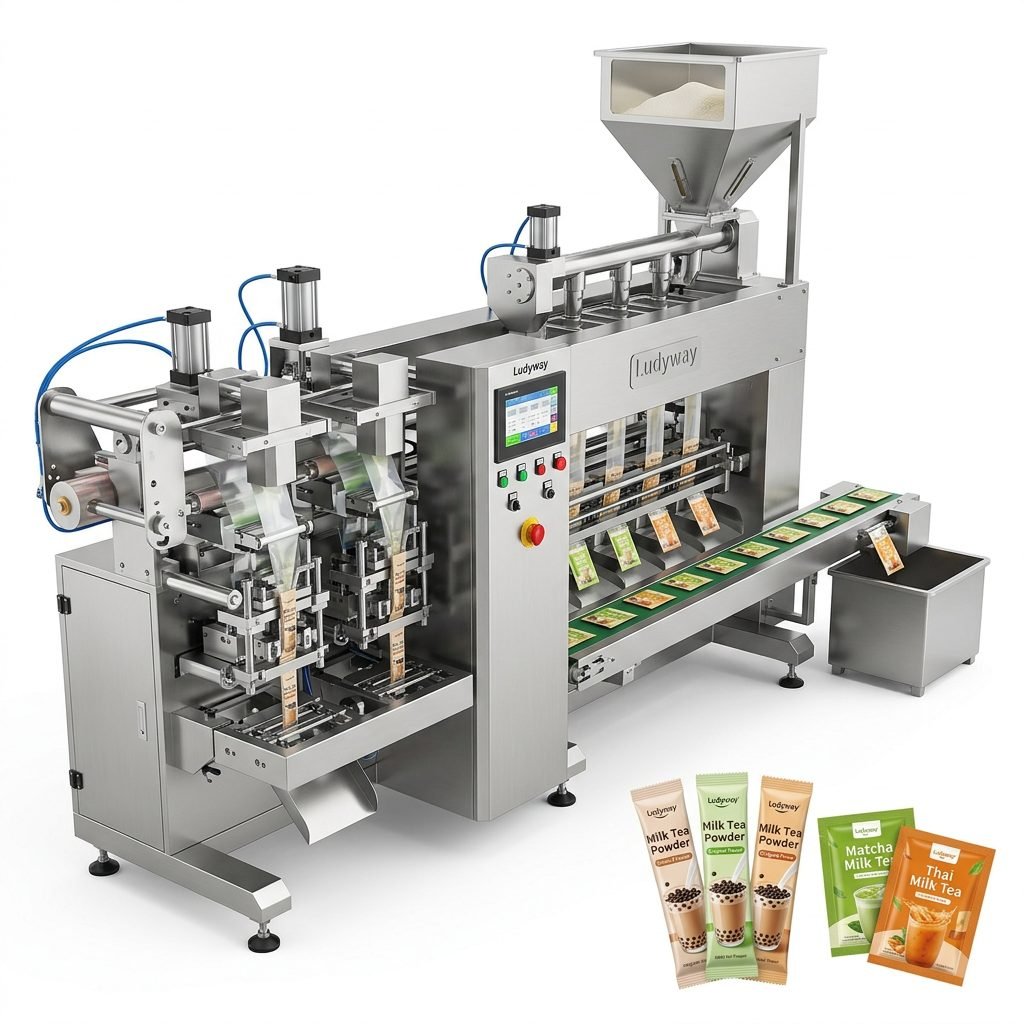
Perfect for producing sachets, stick packs, and portion packs, HFFS machines are often used for single-use products like dishwashing pods, fabric softener sheets, or sample-sized cleaners. They offer excellent precision for small, uniform packages and can handle multi-lane production for high output.
Capping and Sealing Machines
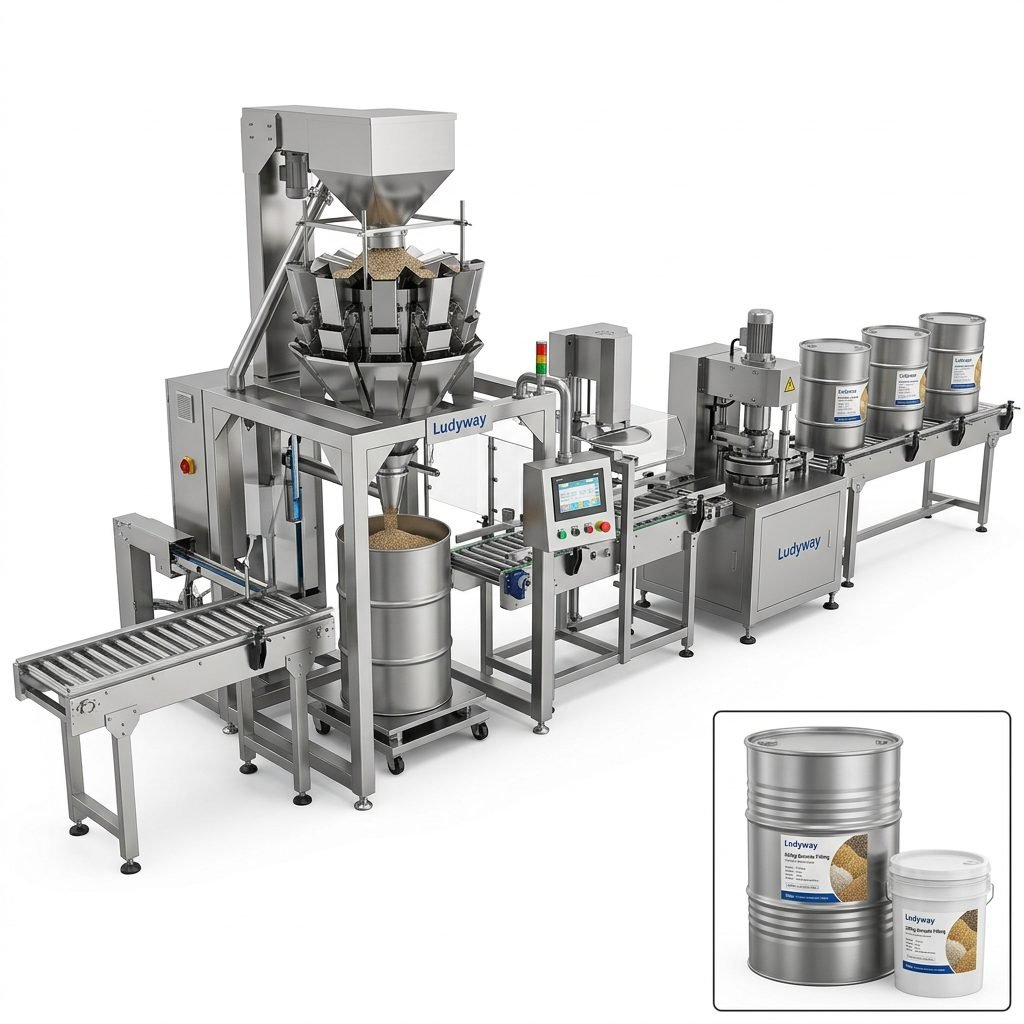
For bottled household products such as liquid soaps, disinfectants, or oils, capping machines are essential. They automatically place and tighten caps, lids, or sprayers onto containers with consistent torque. Sealing machines can apply foil, induction, or tamper-evident seals to ensure product safety and freshness.
Cartoning and Case Packing Equipment
After primary packaging, products often need to be grouped into cartons or cases for shipping. Automatic cartoners erect, load, and seal boxes, while case packers arrange multiple primary packages into shipping cases. This automation is key for maintaining speed in the final stages of production.
Labeling and Coding Systems
Accurate labeling and coding are non-negotiable for compliance and branding. Equipment ranges from simple pressure-sensitive labelers to advanced print-and-apply systems. Coding machines imprint batch numbers, expiry dates, and barcodes directly onto packages or labels.
Essential Buying Guide for Packaging Machinery
Investing in packaging equipment is a significant decision. Here’s a structured approach to ensure you choose machinery that aligns with your current needs and future growth.
1. Analyze Your Product and Production Requirements
Start by defining your product’s physical characteristics: Is it a powder, liquid, granule, or solid? What are its weight and volume? Then, calculate your required output speed (packages per minute) and consider seasonal demand fluctuations. This analysis will narrow down the machine type and capacity you need.
2. Evaluate Machine Features and Flexibility
Look for equipment that offers flexibility. Can it handle multiple package sizes with quick changeovers? Does it support different sealing methods or materials? Features like touch-screen PLC controls, automatic film tracking, and self-diagnostic alarms add significant value by reducing downtime and operator error.
3. Assess Build Quality and Supplier Reputation
The machine’s construction determines its longevity. Inspect the quality of critical components like servos, seals, and frames. Equally important is the supplier’s credibility. A reputable provider, like Ludyway Machinery, with decades of experience, offers not just a machine but reliable technical support, spare parts availability, and comprehensive after-sales service.
4. Consider Integration and Total Cost of Ownership
Will the new machine integrate smoothly with your existing conveyors or upstream/downstream equipment? Think beyond the purchase price. Calculate the Total Cost of Ownership (TCO), which includes energy consumption, maintenance costs, required operator skill level, and potential costs for future upgrades or modifications.
Practical Cost-Saving Tips for Packaging Operations
Reducing packaging costs isn’t just about buying a cheaper machine; it’s about optimizing the entire process for efficiency and minimal waste.
Optimize Packaging Materials
Material costs often outweigh machinery costs over time. Work with your supplier to conduct a packaging material audit. Can you use a thinner-gauge film without compromising integrity? Switching to a more sustainable or cost-effective laminate can yield substantial savings. Always request material samples and run trials on your equipment.
Implement Preventive Maintenance
A well-maintained machine runs more efficiently and has a longer lifespan. Create a strict schedule for cleaning, lubrication, and inspection of key parts like heating elements, cutters, and seals. This prevents catastrophic failures and unplanned downtime, which are major cost drivers. Providers like Ludyway often offer tailored maintenance plans.
Automate to Reduce Labor Dependency
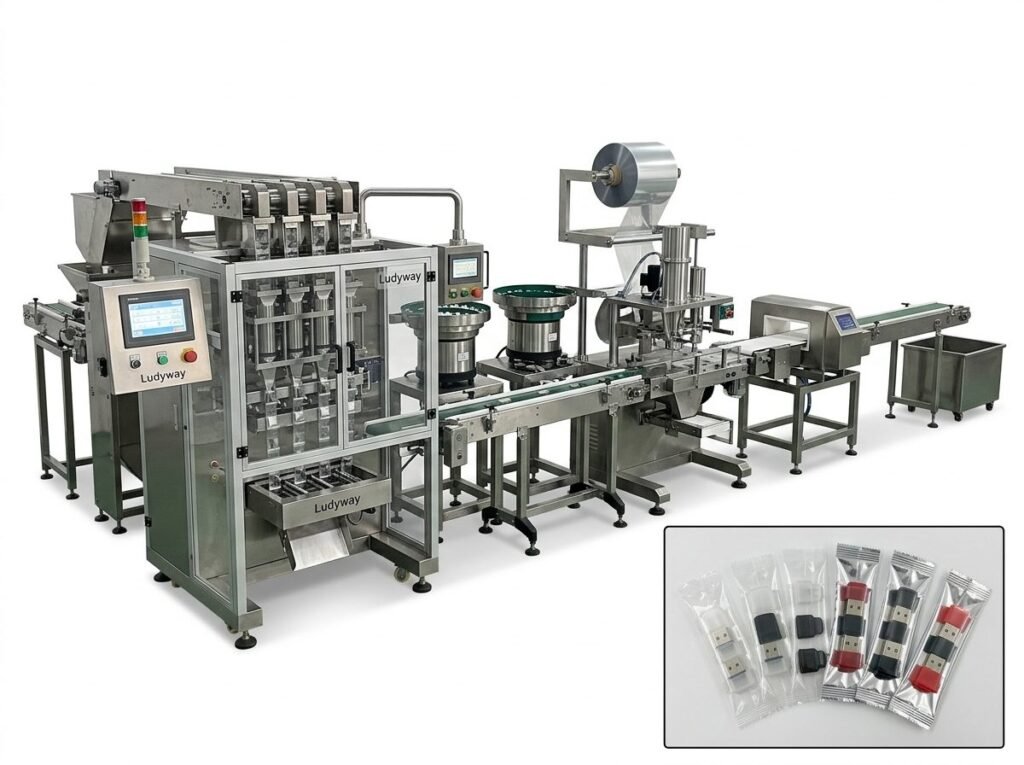
While automation requires upfront investment, it saves money long-term. Automated systems reduce manual handling errors, increase consistent output speed, and allow one operator to oversee multiple machines. Consider automated feeding systems, vision inspection systems, or robotic case packing to streamline your line.
Explore Used or Refurbished Equipment
For startups or businesses testing a new product line, high-quality refurbished machinery from a trusted vendor can be an excellent cost-saving option. These machines are often reconditioned to meet original specifications and come with a warranty, offering performance close to new equipment at a fraction of the cost.
Train Your Operators Thoroughly
A skilled operator can significantly boost efficiency and reduce waste. Ensure your team is fully trained not just on operation, but also on basic troubleshooting, minor adjustments, and optimal changeover procedures. Knowledgeable operators can identify small issues before they become expensive problems.
Conclusion
Choosing and operating household product packaging equipment is a strategic process that balances technical specifications, operational costs, and long-term business goals. By understanding the different machine types, following a meticulous buying guide, and implementing smart cost-saving practices, manufacturers can build a packaging operation that is both efficient and economical. Partnering with an experienced equipment provider ensures access to reliable technology and the expert support needed to navigate these decisions successfully.
Frequently Asked Questions (FAQs)
What is the most versatile type of packaging machine for household products?
Vertical Form-Fill-Seal (VFFS) machines are often considered the most versatile. They can handle a wide range of products—including granules, powders, and liquids—and can produce various bag styles, from simple pillow pouches to stand-up zipper bags, making them suitable for many household items.
How can I reduce packaging material waste in my production?
Key strategies include: optimizing film width and thickness through trials, ensuring your machine’s sealing jaws and cutters are precisely aligned and maintained, using servo-driven machines that offer more accurate film feeding, and implementing vision inspection systems to catch and reject defective packages early, preventing good product from being wasted in bad packages.
Is it better to buy a single high-speed machine or multiple slower ones?
This depends on your production layout and risk management. A single high-speed machine is more efficient for a dedicated, high-volume product line. Multiple slower machines offer production flexibility and redundancy; if one goes down, others can keep running. They are also better for handling multiple SKUs with frequent changeovers.
What should I look for in a packaging equipment supplier’s after-sales service?
Prioritize suppliers who offer prompt local technical support, availability of genuine spare parts, comprehensive operator and maintenance training, and clear warranty terms. The ability to provide remote diagnostics and support is a significant advantage for minimizing downtime.
Can I use the same machine to package different types of household products?
Yes, many modern machines are designed for flexibility. However, switching between vastly different products (e.g., from a fine powder to a viscous liquid) may require significant changeover, including cleaning, replacing parts like filling nozzles or augers, and recalibrating weight sensors. Always discuss your product range with the supplier during the selection phase.