The animal feed and pet food sector in South America is experiencing a significant transformation. With rising pet ownership in Brazil, Argentina, and Chile, and a booming livestock export market, manufacturers are under pressure to scale up production while maintaining product consistency and safety. Establishing an efficient animal food packaging machine production line is no longer just about buying equipment; it requires strategic planning around local climate conditions, raw material flow, and stringent international packaging standards.
Understanding the South American Market Demand
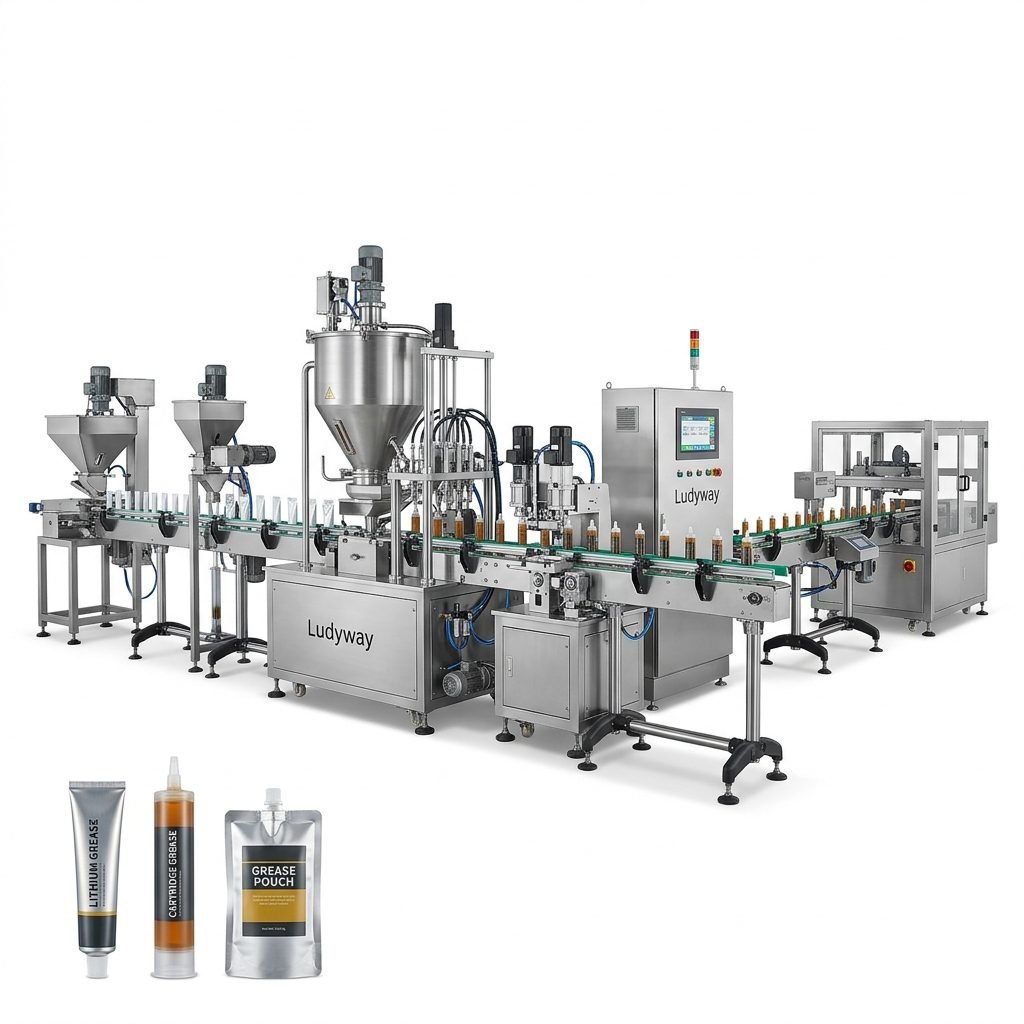
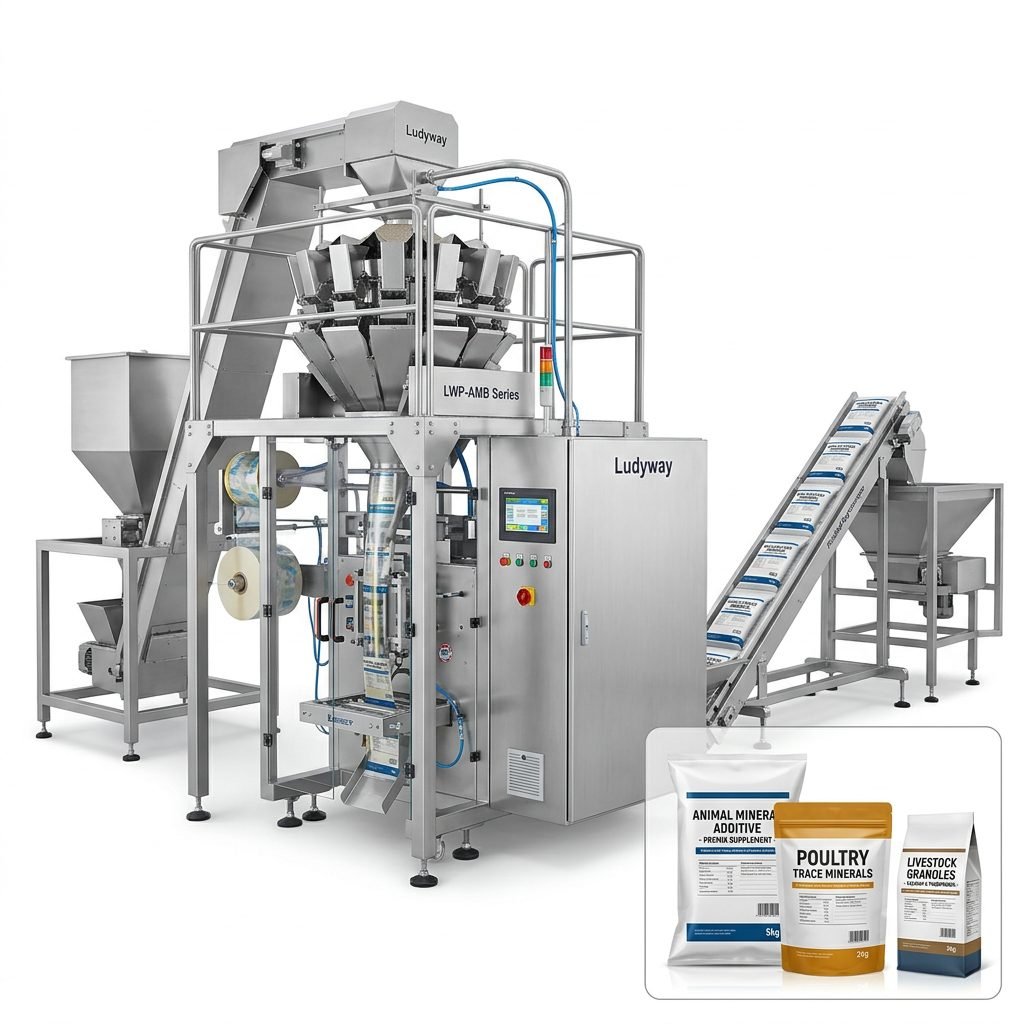
The demand for processed and packaged animal nutrition is driven by two main pillars. First, the companion animal market is demanding premium, single-serve, and fresh-preserved packaging formats. Second, the agricultural sector requires heavy-duty bulk packaging for feed additives, premixes, and mineral supplements. Successfully setting up a line here means choosing systems versatile enough to handle both high-moisture greasy treats and fine dusty powders without cross-contamination.
Key Components of a High-Efficiency Line
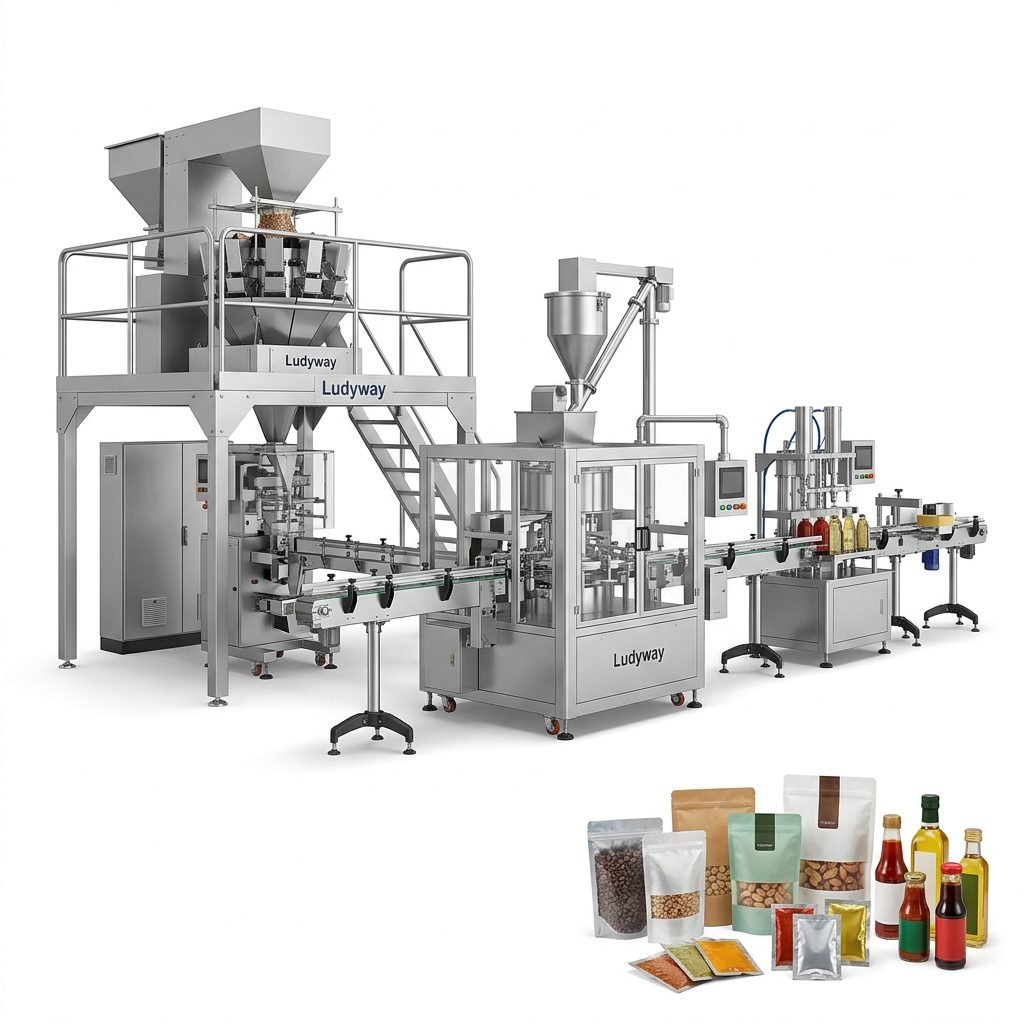
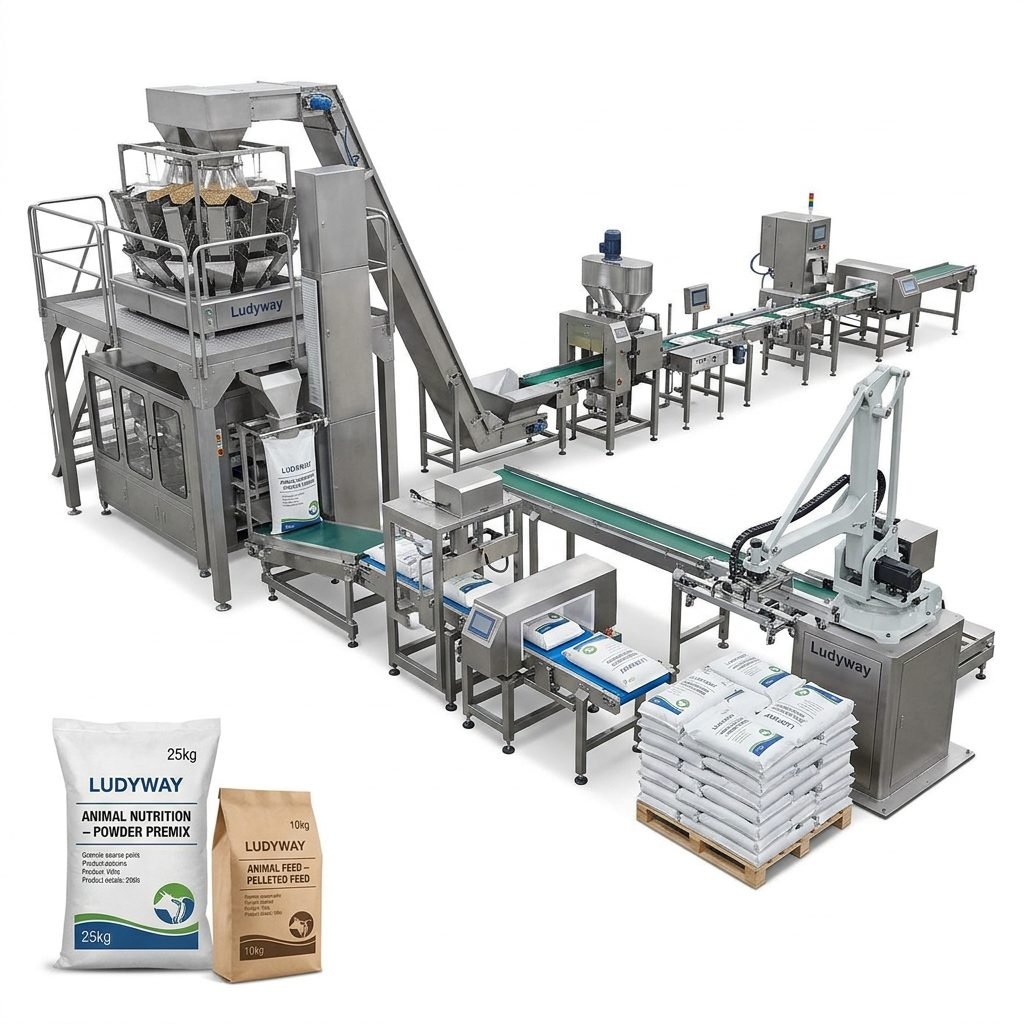
A turnkey solution involves more than just the main filling unit. To avoid bottlenecks common in humid South American environments, the integration of upstream and downstream systems is critical. A robust line typically comprises:
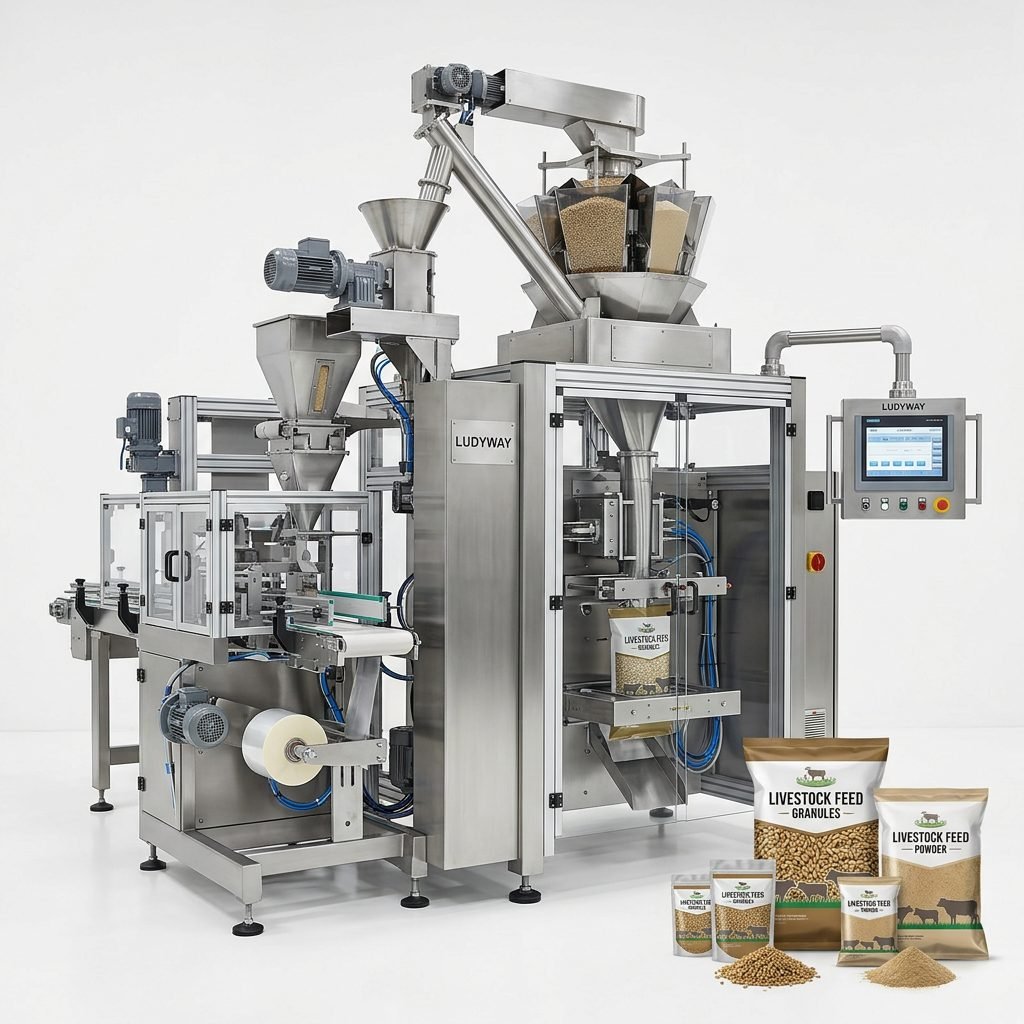
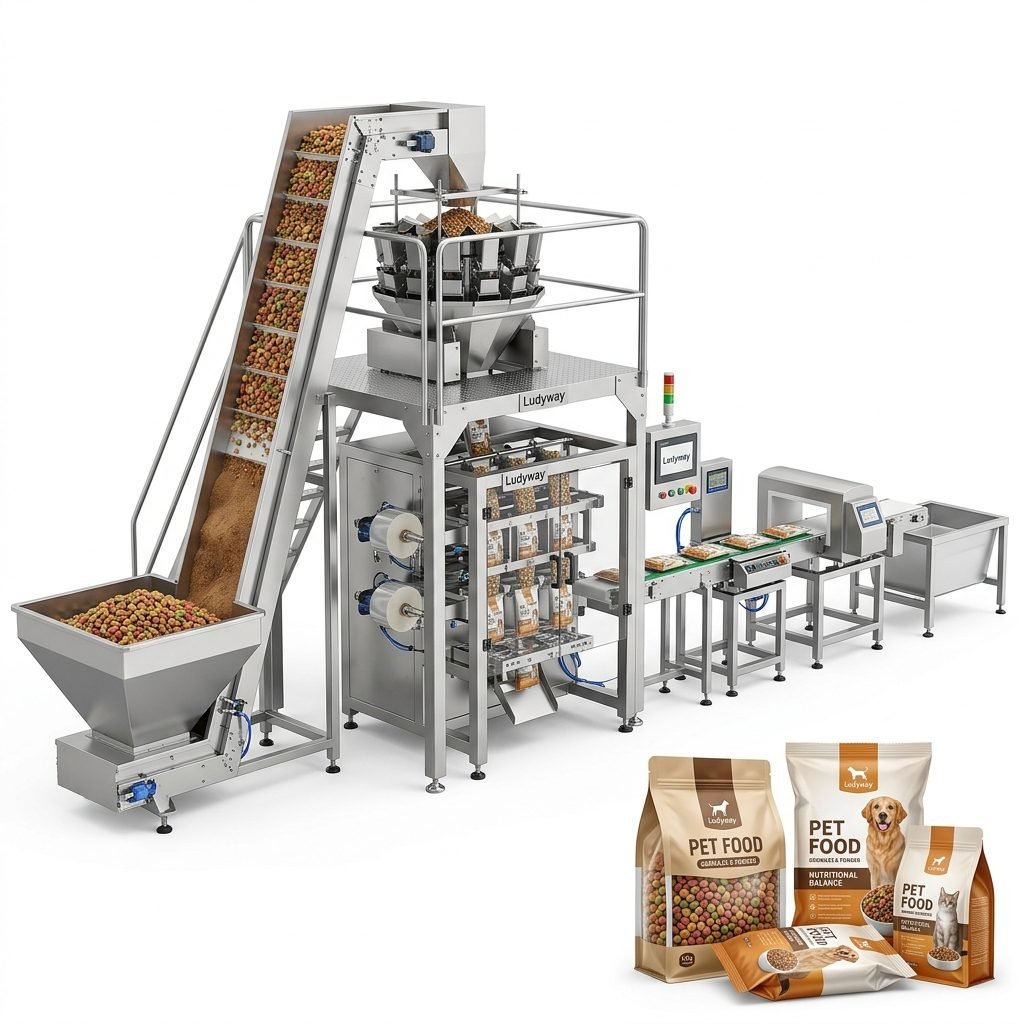
- Intelligent Feeding Systems: Z-type bucket elevators or vacuum feeders to protect powder integrity during transport.
- Multi-Head Weighing: High-precision scales for granular and pellet products.
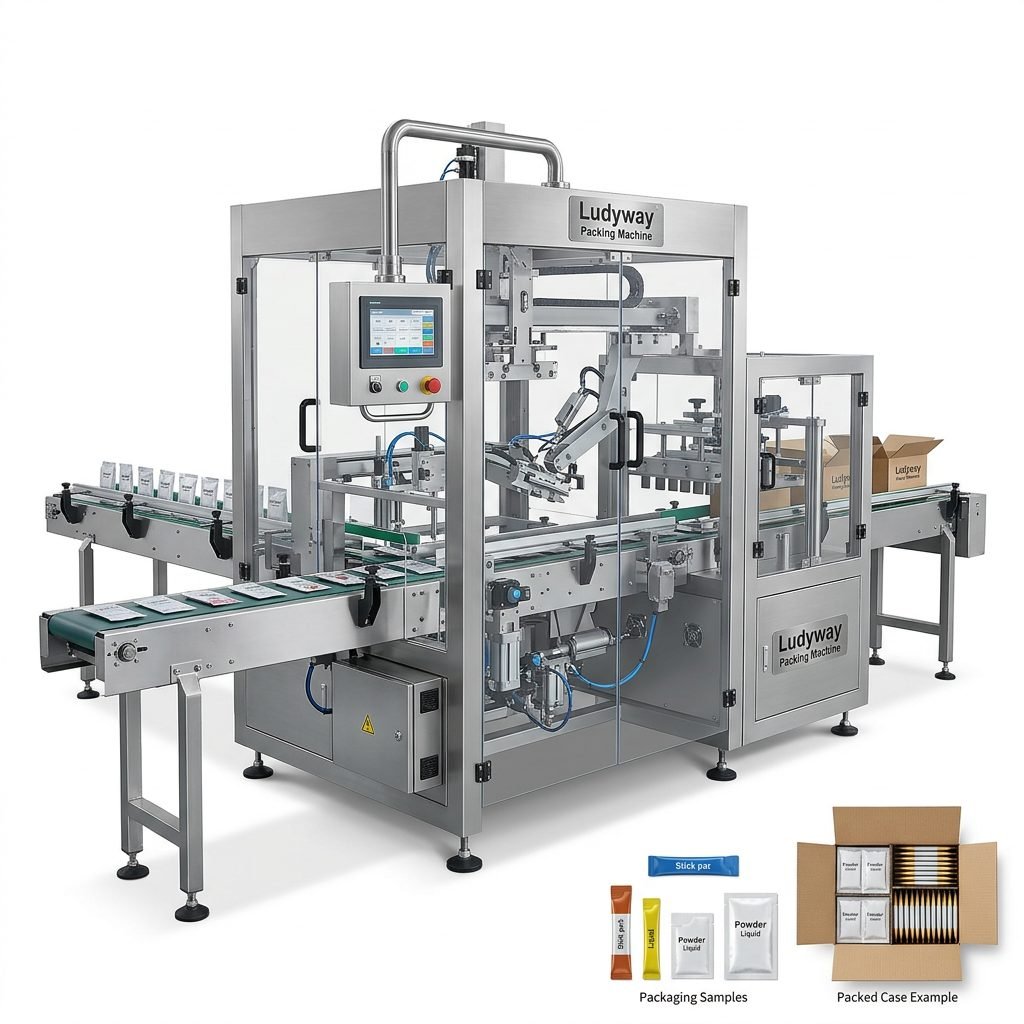
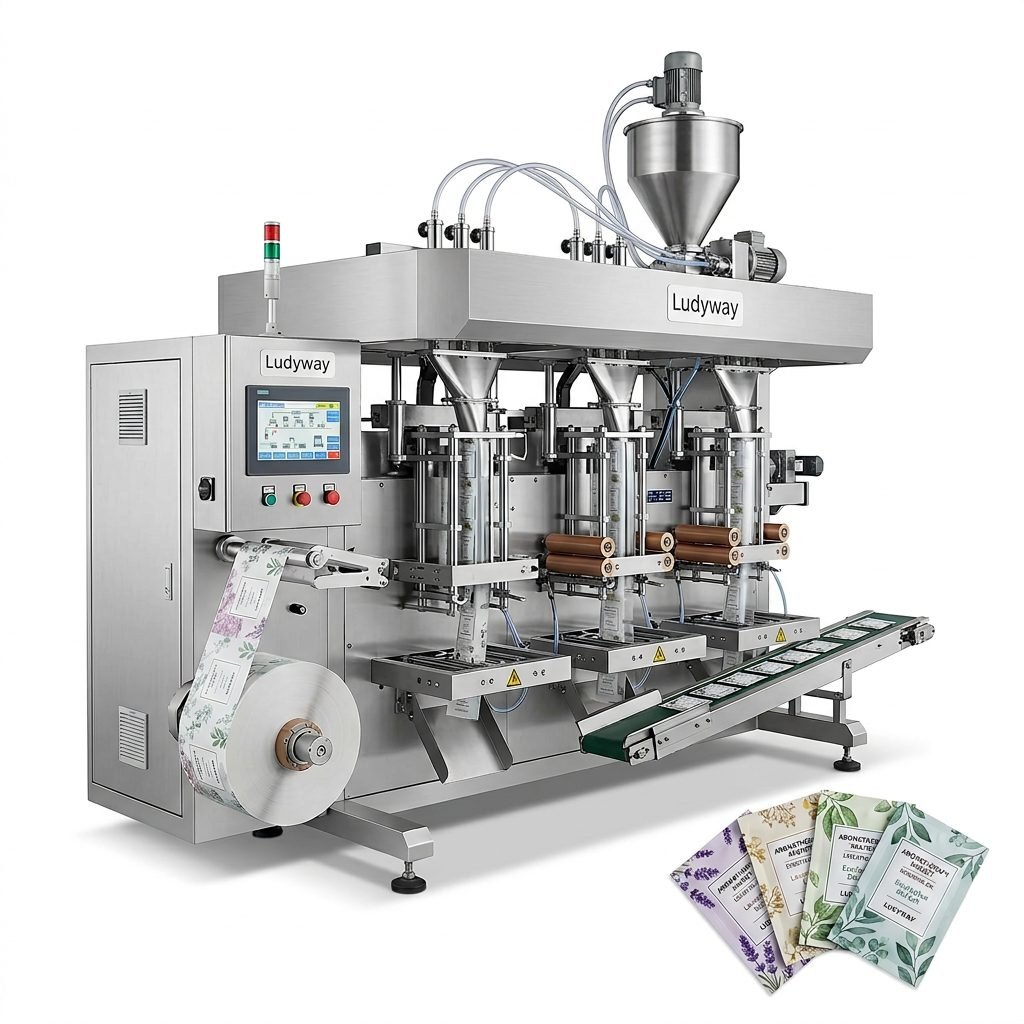
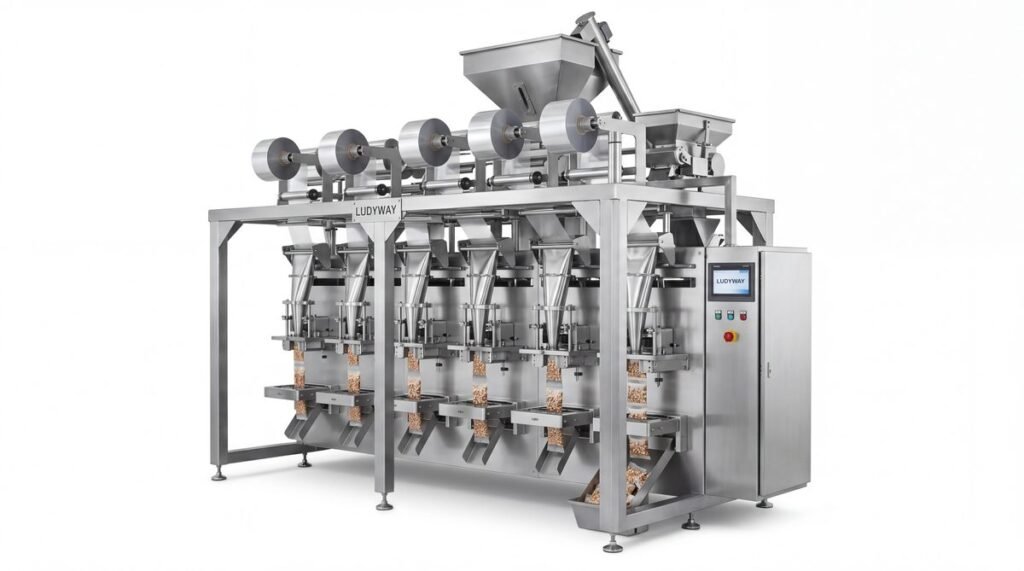
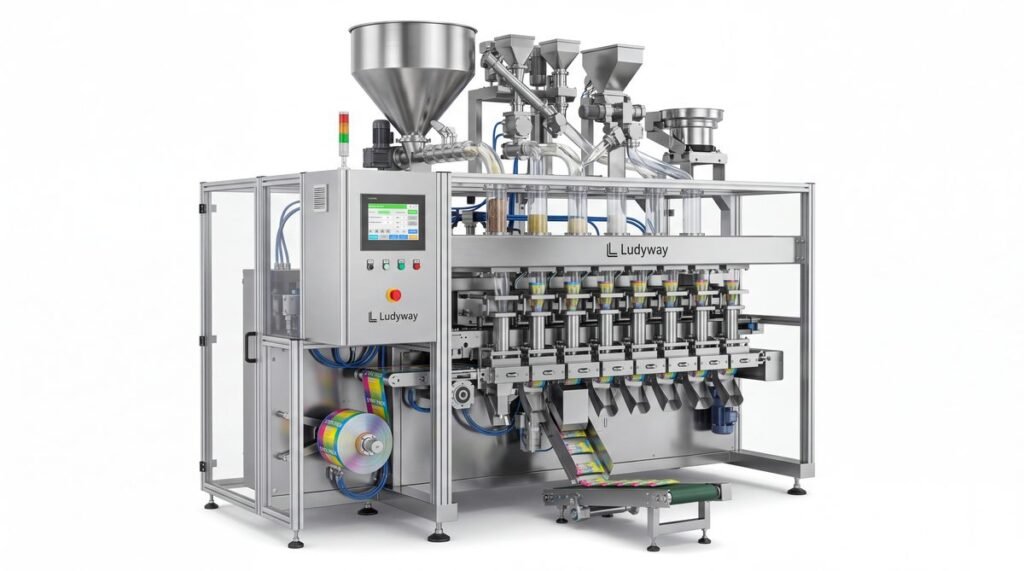
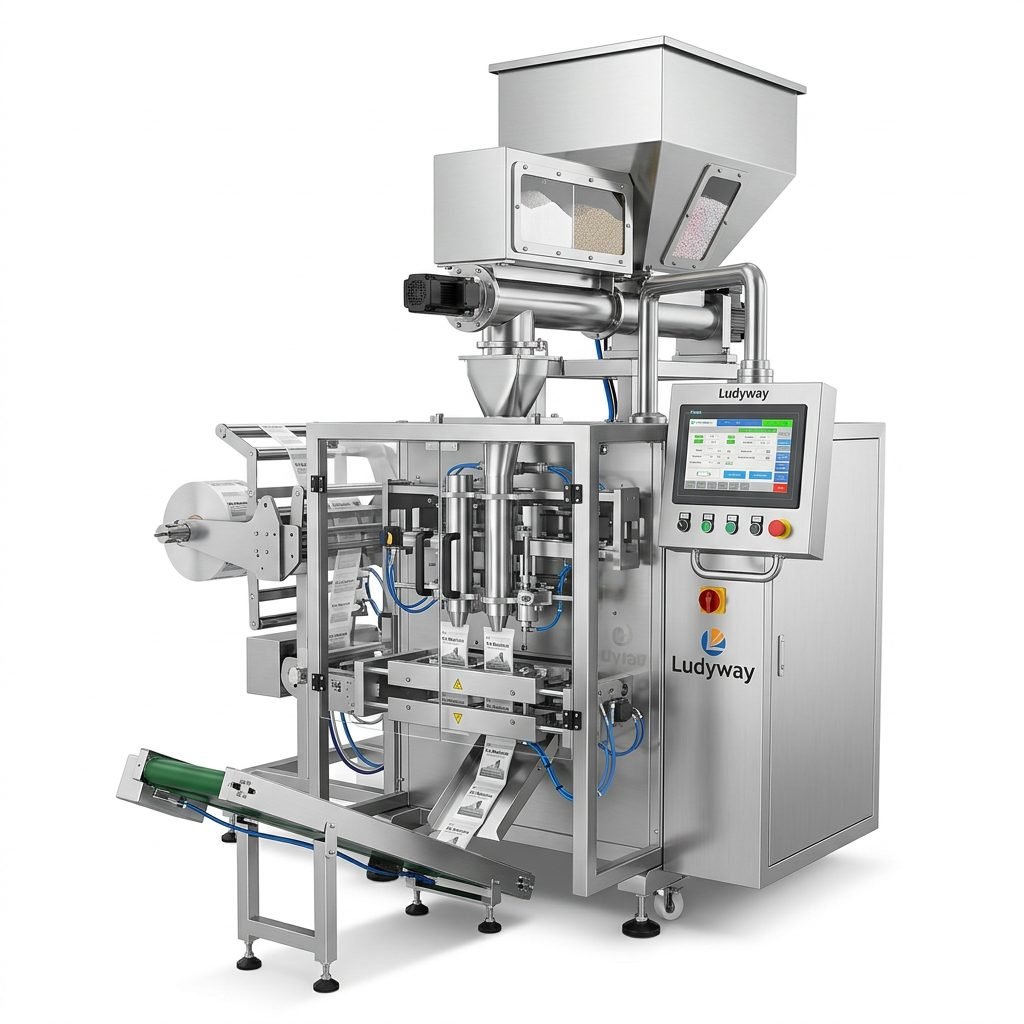
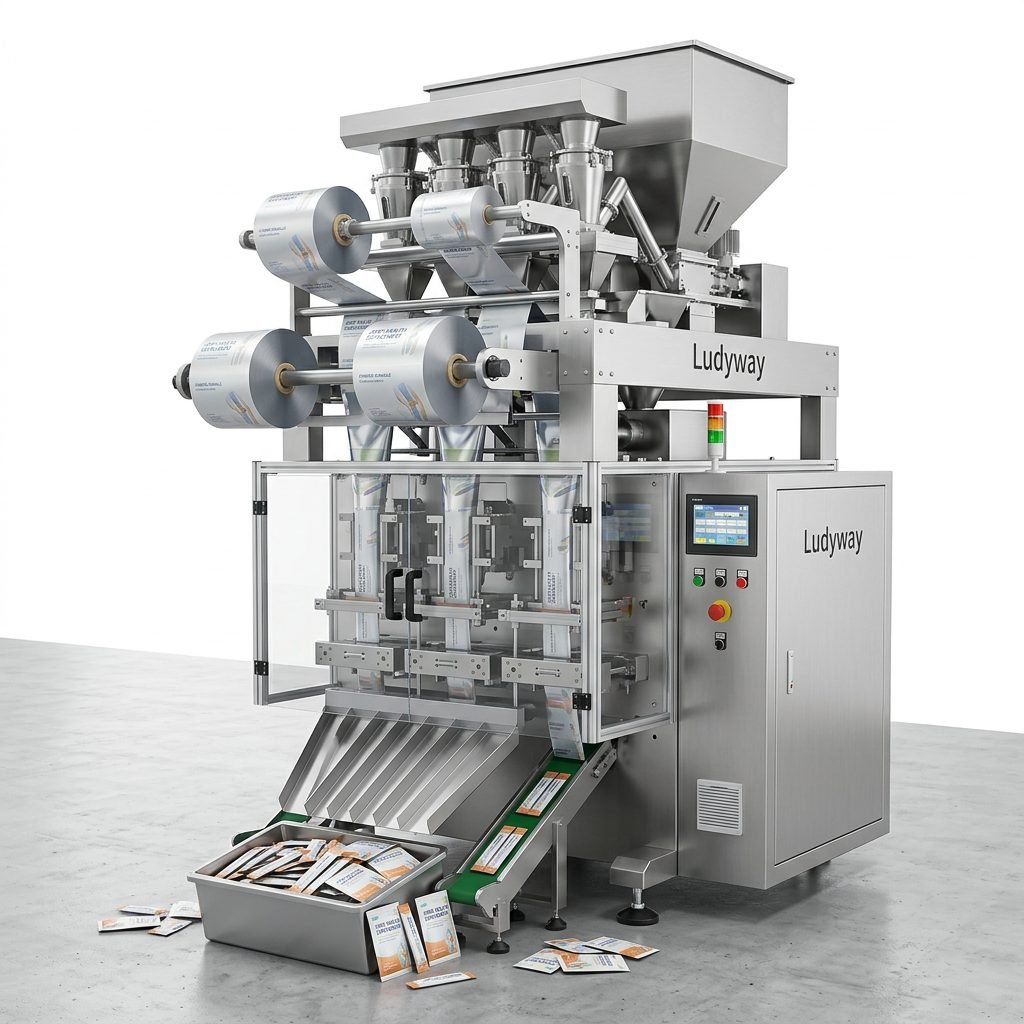
- Primary Packaging: Multi-lane stick pack or sachet machines operating at high speeds.
- Secondary Packaging: Automated cartoning and case packing machines for logistics readiness.
- Quality Inspection: Dynamic checkweighers and metal detectors.
Handling Diverse Material Characteristics
Animal feeds often contain difficult ingredients like sticky fats, oils, and hygroscopic components. It is crucial to select a packaging machine that features agitated hoppers and anti-corrosion contact parts. For bulk livestock operations, granule packaging lines must be able to fill woven bags or jumbo sacks seamlessly, reducing the reliance on manual labor.
Regulatory Compliance and Hygiene Standards
Before installing an animal food packaging machine production line, strict adherence to local and international regulations is required. The South American export market often follows HACCP principles and FDA guidelines for food contact materials.
| Standard | Region | Requirement Focus |
|---|---|---|
| HACCP | Global | Hazard analysis & critical control points |
| FDA 21 CFR | USA (Export) | Food contact substances |
| MERCOSUR Regulations | South America | Local food safety and labeling |
Furthermore, the packaging machinery should facilitate easy cleaning and CIP (Clean-in-Place) features to prevent bacterial growth in tropical climates. Stainless steel construction is non-negotiable for direct food contact parts.
Optimizing for Multi-Format Production
The modern South American animal food factory rarely runs a single SKU. Flexibility is key. A modular multi-lane packaging machine allows a producer to switch between 1g sachets for bird supplements and 5kg bags for dog kibble on the same platform. This adaptability ensures a faster return on investment (ROI) across different product categories.
Infrastructure and Installation Considerations
Setting up a line in South America requires specific electrical and pneumatic configurations. Machinery must be adapted to local voltages (often 220V/60Hz or 380V/50Hz) with voltage stabilizers recommended for rural areas. Additionally, planning for spare parts logistics is vital; partnering with a supplier that offers strong remote support and regional representation reduces costly downtime.
The Shift Toward Automation and Sustainability
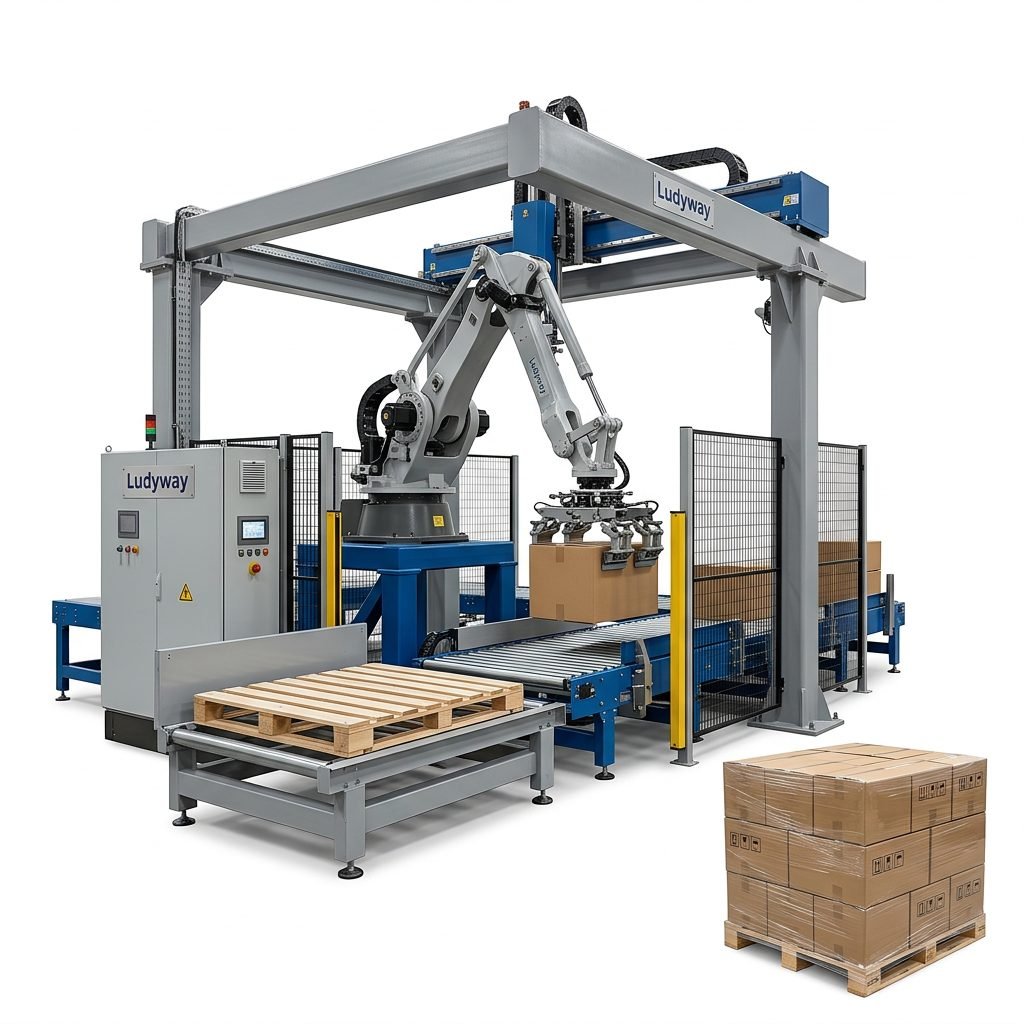
Labor costs in South America are shifting, and the search for consistency is leading to fully automated packaging lines. Integrating robotic palletizers and automatic stretch wrappers not only cuts down on repetitive strain injuries but also stabilizes pallets for intercontinental shipping. Concurrently, the push for sustainable packaging is driving the adoption of recyclable mono-materials. Machines must feature precise heat sealing controls to handle these new bio-based or recyclable films without sealing failures.
Selecting the Right Technology Partner
Choosing a manufacturer with a proven global footprint ensures the line is optimized for both current and future demands. For instance, Ludyway brings over 30 years of industry expertise, offering more than 50 intelligent packaging machine models designed for granule, powder, and liquid applications. Their turnkey solutions cover everything from initial material feeding to final case packing, supported by a modern 20,000㎡ manufacturing facility and a team serving customers in over 100 countries and regions. This kind of engineering support is invaluable when navigating the complexities of a South American setup.
Analyzing the total cost of ownership (TCO) is more important than the initial price tag. A machine with higher mechanical efficiency and lower film waste will pay for itself much faster in a production environment.
Key Operational Checkpoints Before Commissioning
- Validate sealing integrity through dye penetration or vacuum decay tests to prevent fat leakage.
- Ensure gas flushing systems function correctly for modified atmosphere packaging to extend shelf life.
- Calibrate multi-head weighers to handle variable densities found in mixed feed recipes.
- Conduct a 72-hour continuous run test to identify potential thermal or mechanical wear issues under high-capacity loads.
References for packaging standards and industry best practices can be found through organizations like the PMMI – The Association for Packaging and Processing Technologies and the Flexible Packaging Association. Additionally, regulatory details regarding food contact substances can be verified directly on the FDA – Food Packaging and Food Contact Substances page. Staying updated with these resources ensures your animal food packaging machine production line remains compliant and competitive in the evolving South American landscape.