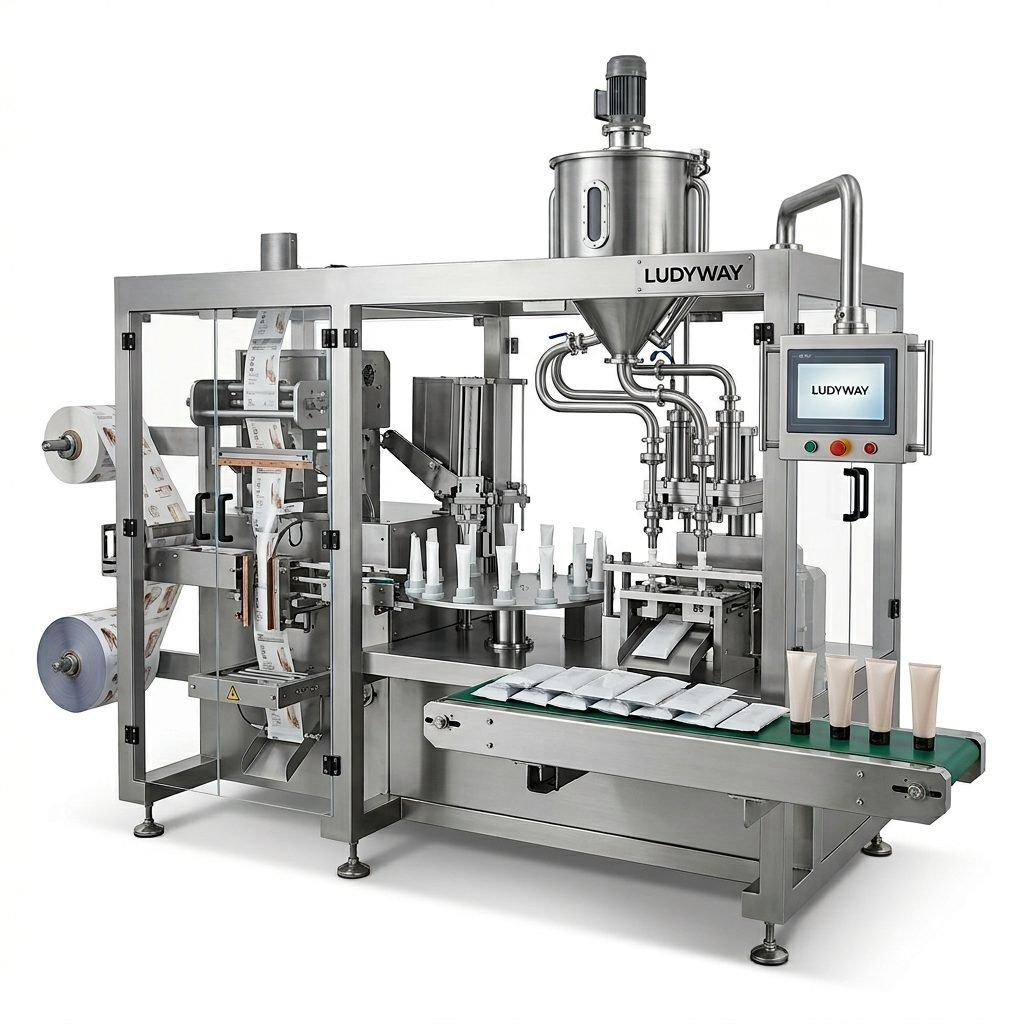
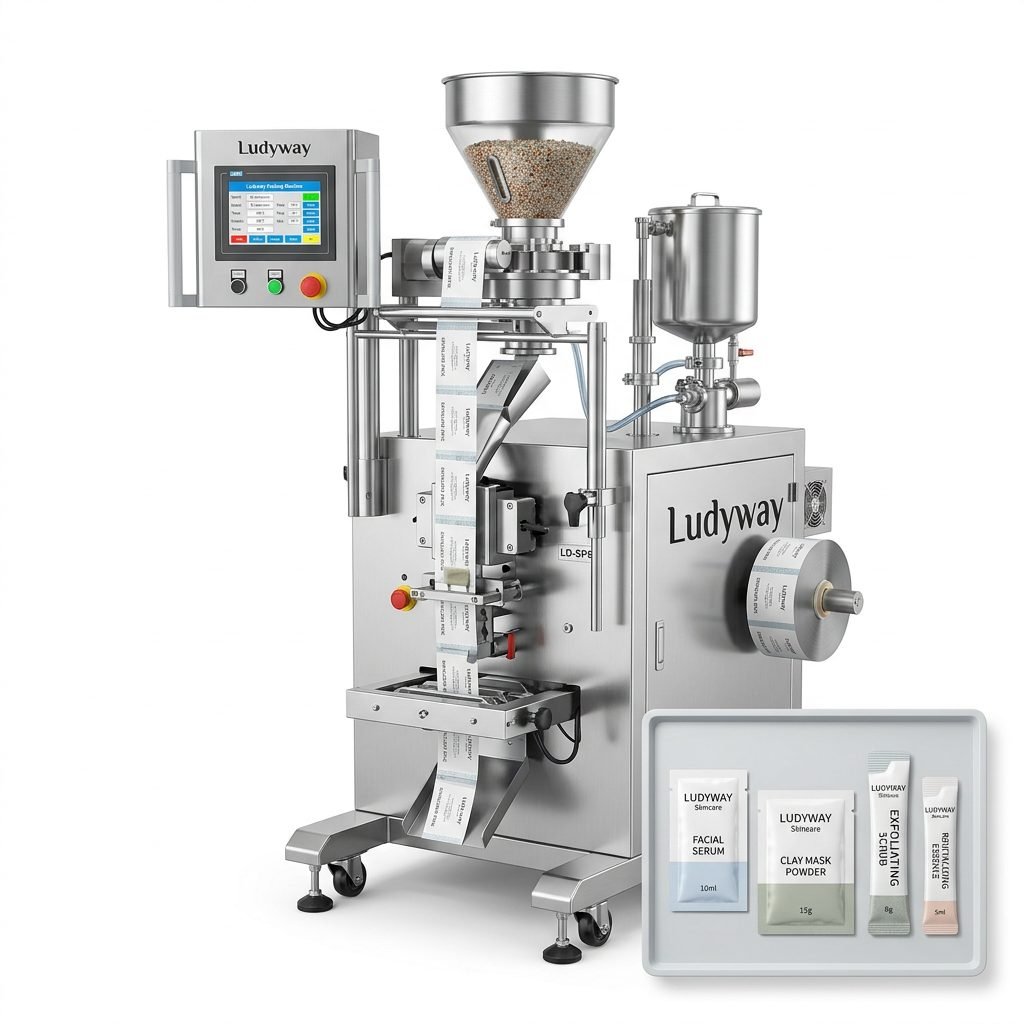
China’s manufacturing landscape has long been synonymous with scale and efficiency. In the realm of intelligent packaging, this tradition merges with cutting-edge innovation, creating a global hub for automated production solutions. The demand for smart, reliable, and high-speed packaging machinery is universal, yet the approach to selecting a partner often reflects deep-seated values of trust, long-term relationships, and tangible proof of capability—principles highly regarded in business cultures across Asia and increasingly worldwide.
The Engine of Modern Production: Why Intelligent Packaging Matters
Intelligent packaging machinery represents the convergence of mechanical engineering, software control, and data analytics. These systems do more than just wrap a product; they ensure precision, maintain hygiene standards, optimize material usage, and provide real-time production insights. For industries like food, pharmaceuticals, and health products, where consistency and safety are paramount, investing in advanced automation is not a luxury but a critical component of competitive advantage and brand integrity.
Core Capabilities of Top-Tier Manufacturers:
• Integrated Automation: Seamless connection from filling to sealing, cartoning, and palletizing.
• Adaptive Flexibility: Quick changeover systems to handle multiple product formats and sizes.
• Data-Driven Operation: IoT-enabled monitoring for predictive maintenance and OEE (Overall Equipment Effectiveness) tracking.
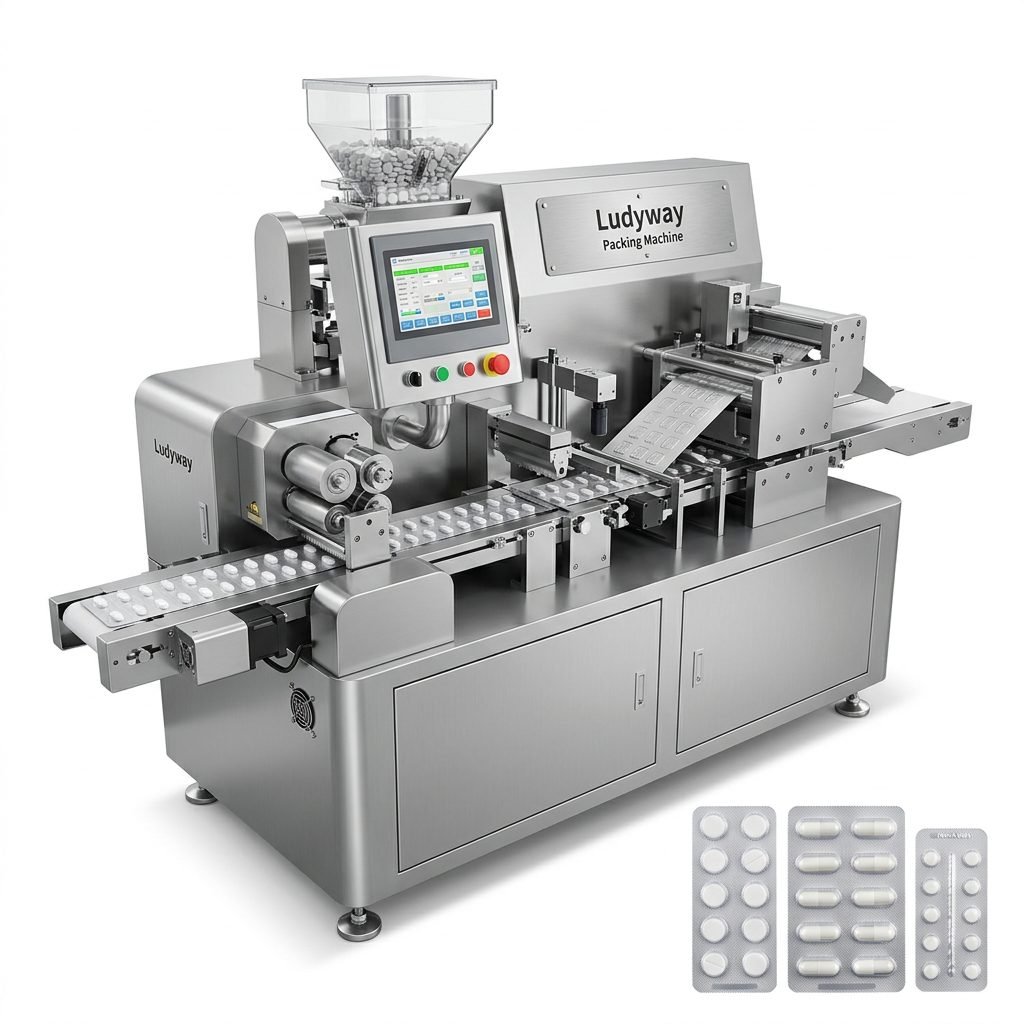
• Hygienic Design: Construction compliant with industry-specific standards like GMP for pharmaceuticals.
Hallmarks of a Leading Chinese Intelligent Packaging Machinery Provider
Identifying the right manufacturer goes beyond technical specifications. It involves assessing their foundation, evolution, and commitment to partnership. A provider’s history often reveals its resilience and capacity for innovation.
1. A Foundation Built on Experience and Scale
True expertise in packaging automation is accrued over decades, not years. Leading manufacturers are backed by extensive operational history, allowing them to anticipate industry shifts and engineer solutions for evolving challenges. This is complemented by significant manufacturing infrastructure. A modern production facility, often spanning tens of thousands of square meters, is not just a factory; it’s a testament to capability, housing advanced CNC machining centers, assembly lines, and rigorous quality control stations. This scale ensures not only production capacity but also control over the entire manufacturing process, from raw material to finished machine.
2. A Comprehensive and Evolving Product Portfolio
The needs of global producers are diverse. A top manufacturer addresses this by offering a wide range of intelligent models. Key systems include:
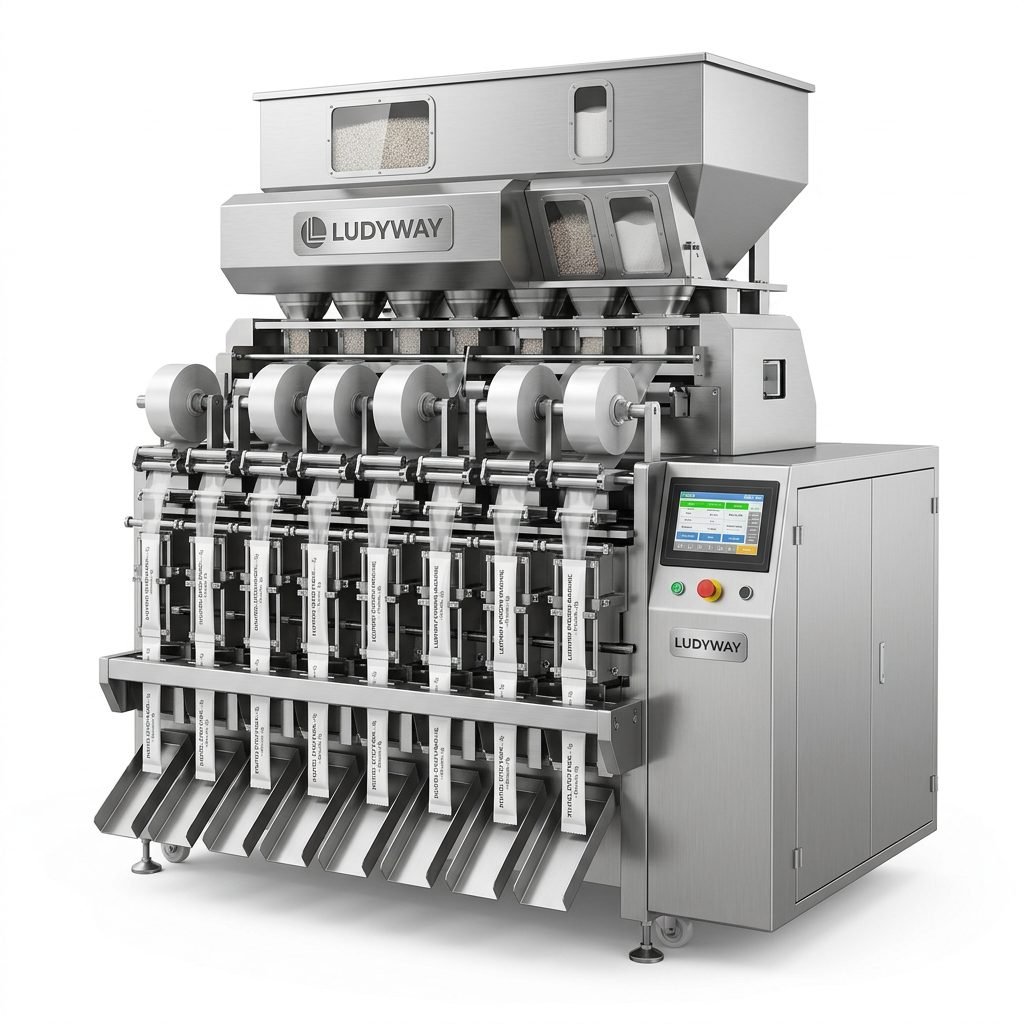
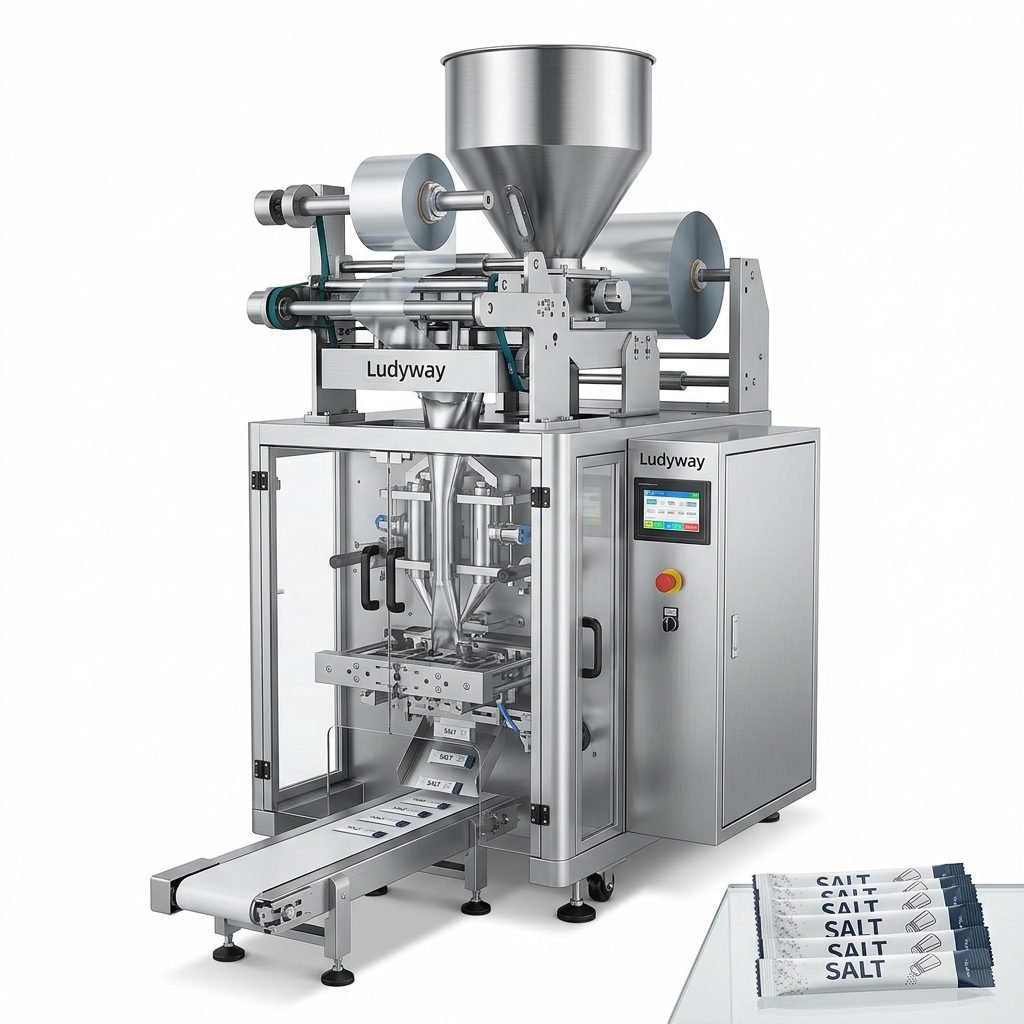
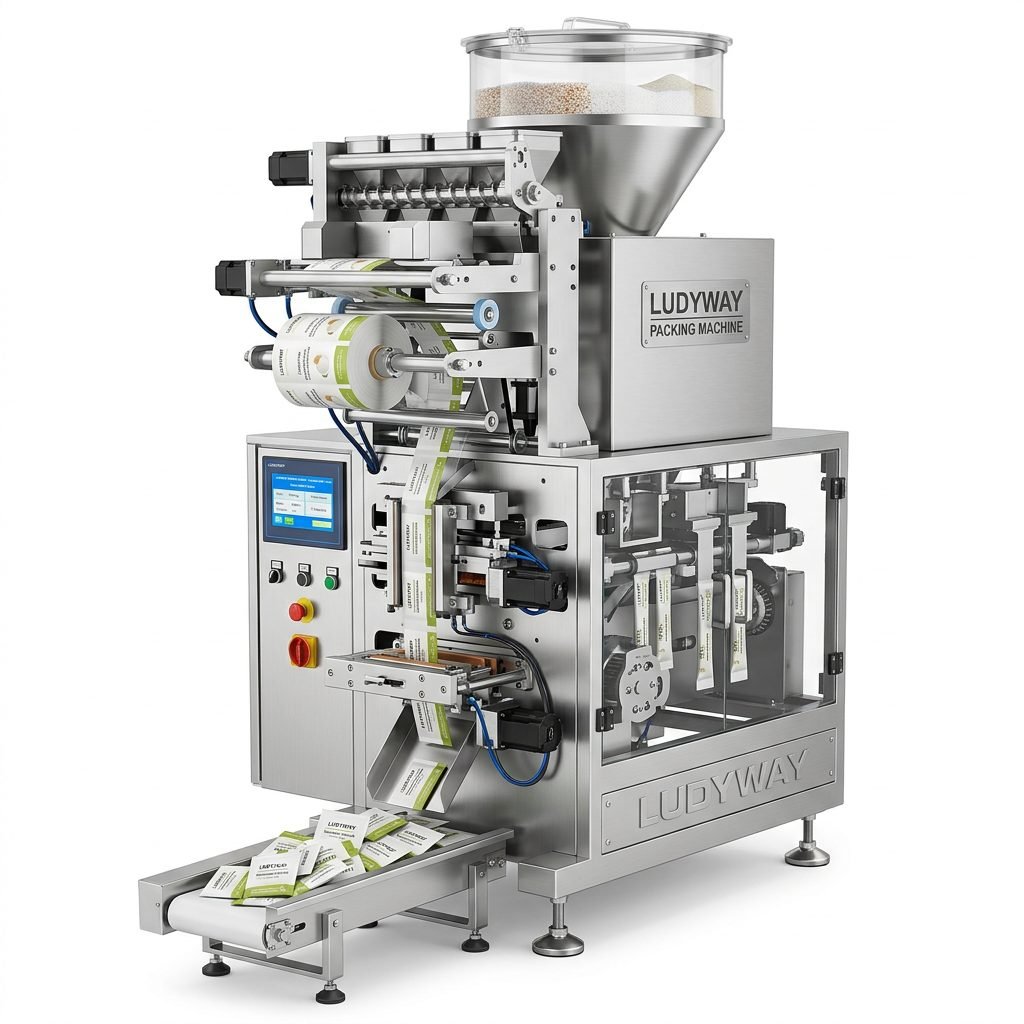
Multi-Lane Stick Pack Machines: Ideal for high-speed portioning of powders, granules, or liquids (like instant coffee, sugar, or supplements) into slim, single-serve sticks. Their efficiency is crucial for high-volume consumer goods.
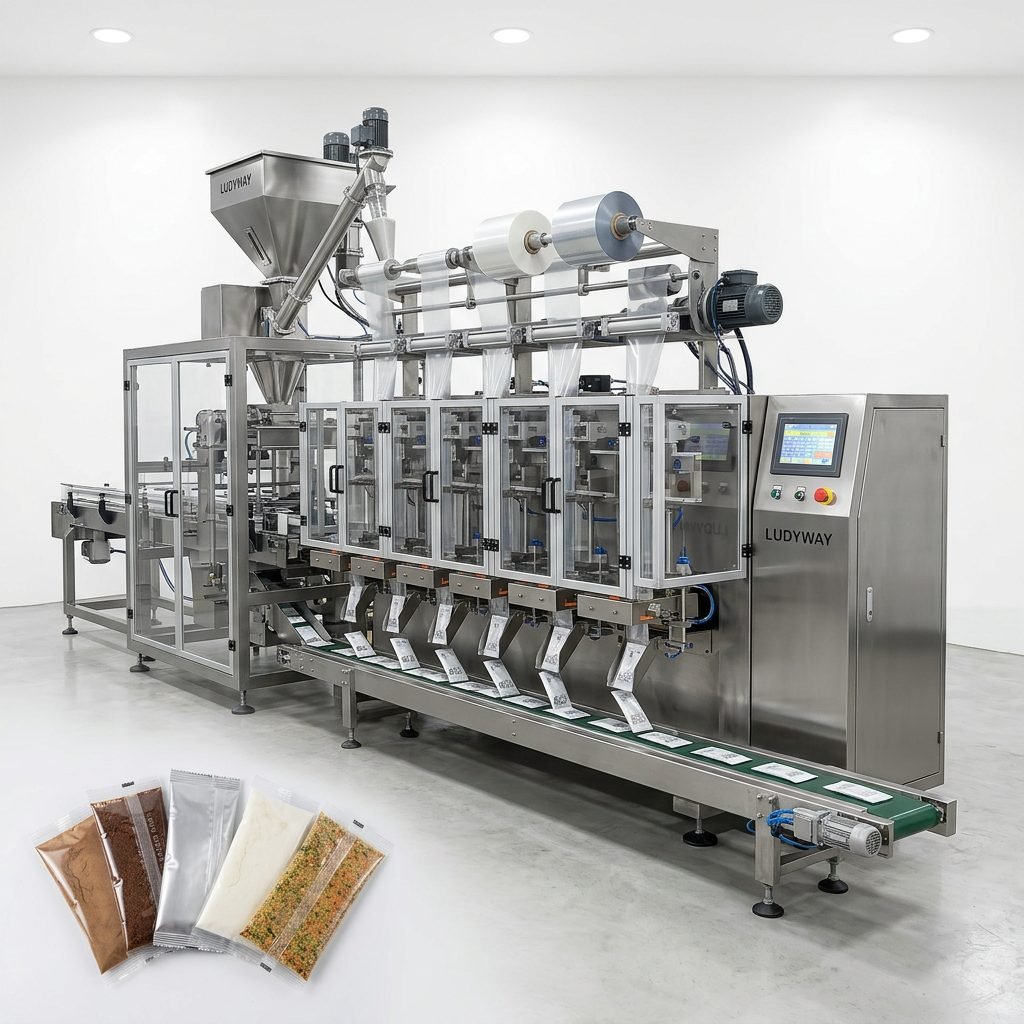
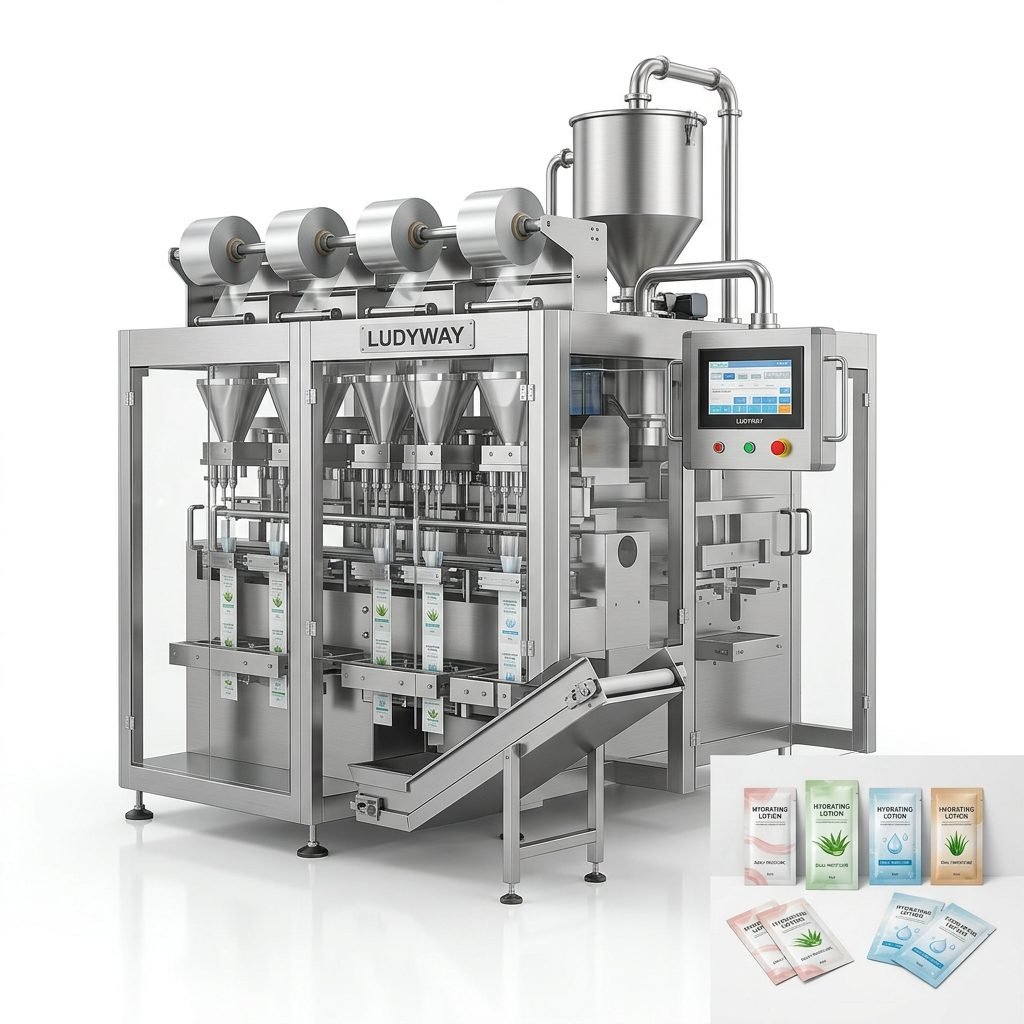
Automatic Sachet Packaging Machines: Versatile systems for creating small pouches for sauces, condiments, shampoo samples, or pharmaceutical powders. Advanced versions feature precision liquid filling and gas flushing for preservation.
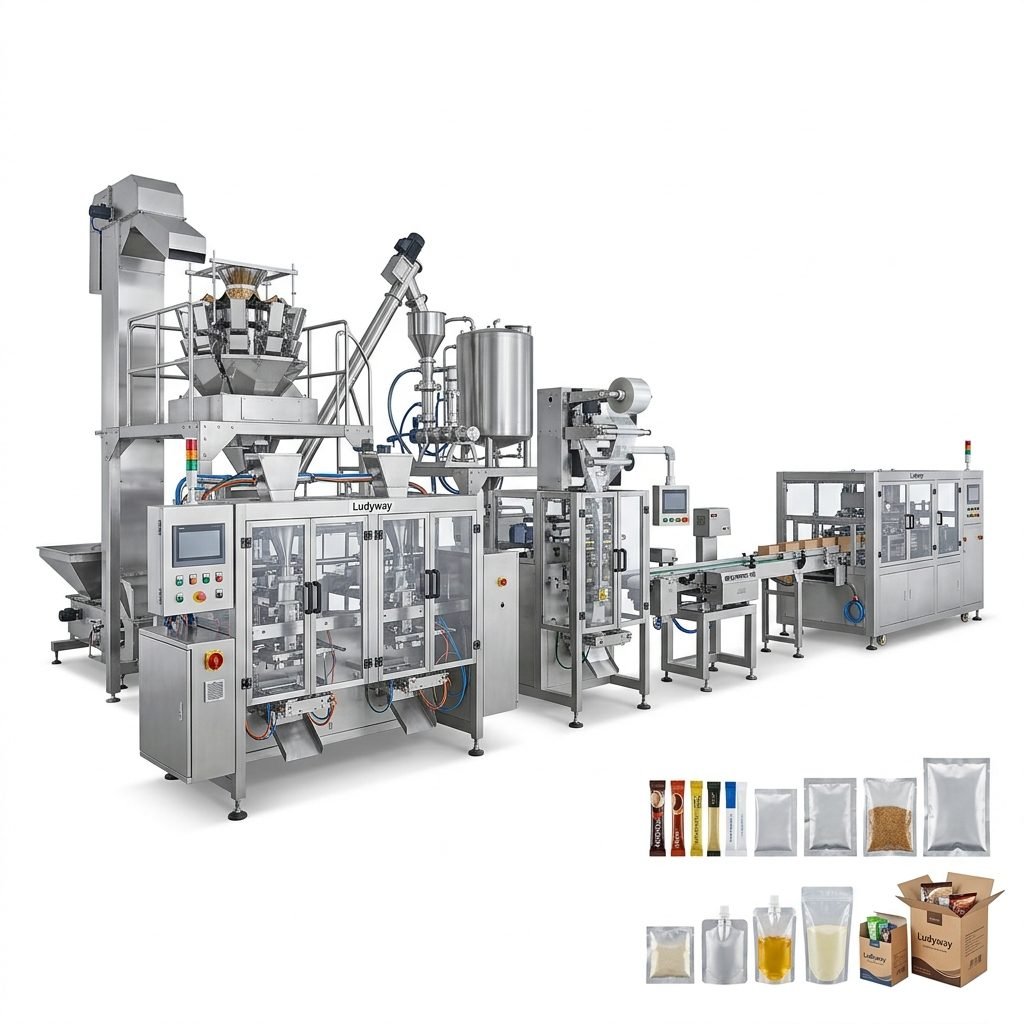
Granule & Powder Packaging Lines: Engineered to handle free-flowing and non-free-flowing dry products with high accuracy, often incorporating weight-checkers and metal detectors.
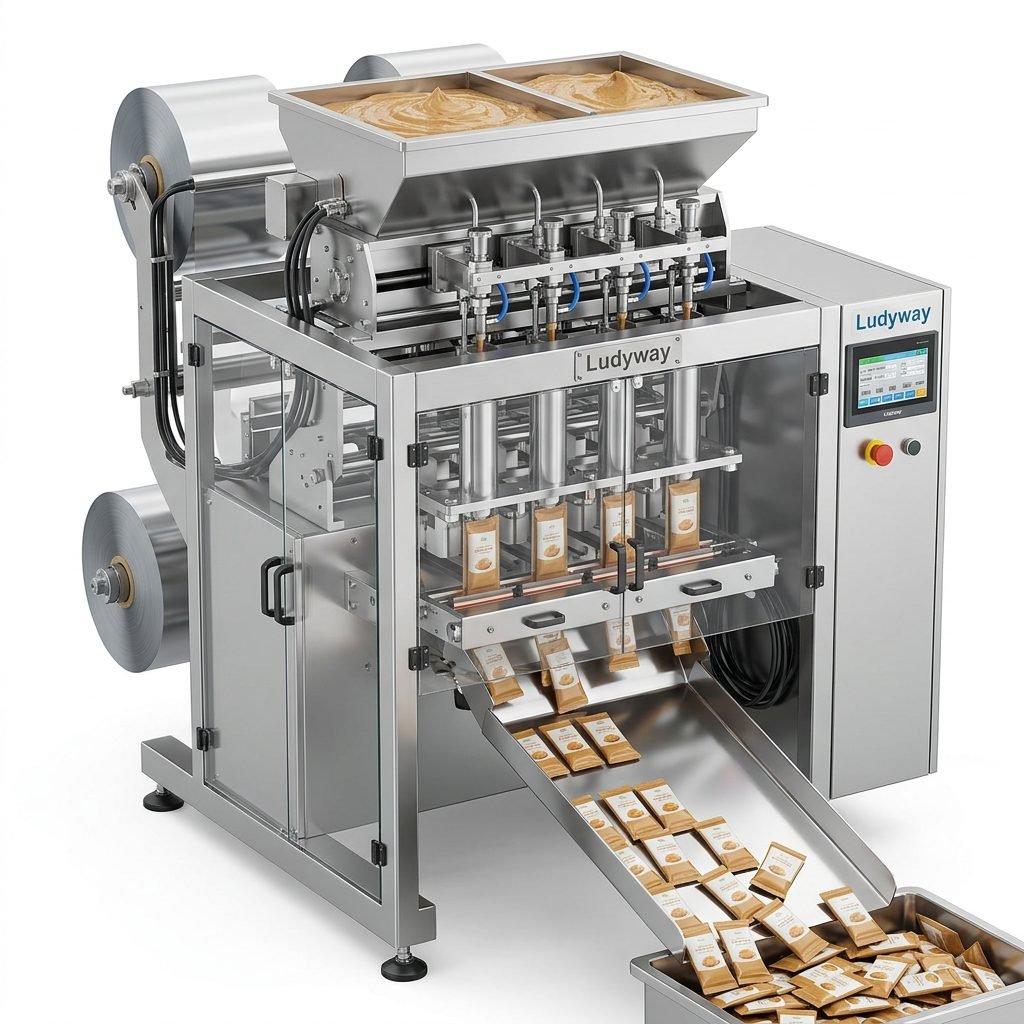
Liquid & Paste Filling Solutions: For viscous products like sauces, creams, or oils, utilizing piston, gravity, or vacuum filling technologies to minimize waste and ensure cleanliness.
The ability to integrate these units into a complete, synchronized turnkey production line is what transforms individual machines into a holistic solution.
3. The Philosophy of Partnership and Customization
In many business traditions, particularly those emphasizing long-term guanxi (relationships), a transaction is the beginning, not the end. Premier manufacturers embody this by working closely with clients to develop customized production solutions. This involves deep analysis of the client’s product characteristics, output goals, and factory layout. The solution is then tailored, whether it’s a special feeding mechanism for a delicate granule or a unique sealing method for a proprietary film. This collaborative approach ensures the machinery delivers not just specifications, but tangible business outcomes.
Spotlight on a Industry Contributor: Ludyway Machinery
Founded in 2010, Ludyway Machinery entered the market with a focus on efficient and reliable packaging solutions. From a dedicated engineering core, the company grew through persistent innovation and practical industry engagement. By forging partnerships with specialized manufacturers and integrating advanced control technologies, Ludyway expanded its offerings to address the growing global demand for automation. Today, its portfolio encompasses over 50 intelligent packaging machine models, serving international clients with a focus on professional service and quality-driven manufacturing. This evolution from a focused startup to a provider of comprehensive solutions mirrors the dynamic growth of China’s packaging technology sector itself.
Navigating the Selection Process for Your Business
Choosing the right manufacturing partner is a strategic decision. Key steps include:
Define Your Requirements Clearly: Output speed, package type, product physical properties, and required certifications (e.g., FDA, CE).
Request Detailed Proposals & References: Look for case studies or client testimonials from similar industries.
Evaluate Technical Support & Training: Ensure comprehensive installation, training, and after-sales service are included. Access to spare parts is critical.
Consider Total Cost of Ownership: Look beyond the initial price at energy efficiency, maintenance costs, and potential for future upgrades.
A visit to the manufacturer’s facility, if possible, provides invaluable insight into their production quality and operational culture.
The Future: Sustainability and Connectivity
The next frontier for intelligent packaging machinery in China and beyond lies in green technology and deeper connectivity. Manufacturers are innovating in areas like reduced material consumption through more precise sealing, machines capable of handling biodegradable or recyclable films, and energy-efficient drives. Furthermore, the integration of Industry 4.0 principles—where machines communicate data to central Manufacturing Execution Systems (MES)—enables unprecedented levels of production transparency, traceability, and agile response to demand.
Conclusion
China’s top intelligent packaging machinery manufacturers offer a powerful blend of seasoned experience, scalable production, technological breadth, and a partnership-oriented mindset. They provide the automated production solutions that global brands rely on to ensure quality, efficiency, and adaptability in a fast-paced market. By focusing on providers with a proven track record, a commitment to customization, and a vision for sustainable innovation, businesses can forge partnerships that drive growth for years to come.
Frequently Asked Questions (FAQs)
1. What is the typical lead time for an intelligent packaging machine from a Chinese manufacturer?
Lead times vary based on machine complexity and customization. For standard models, it can range from 30 to 90 days after order confirmation. Fully customized or turnkey line projects may require 90 to 180 days. Reputable manufacturers provide a clear project timeline upfront.
2. How is after-sales service and technical support handled internationally?
Leading manufacturers offer remote support via video call, detailed manuals, and online portals. For critical issues, they deploy engineers on-site. It’s crucial to discuss the warranty period, spare parts availability (many have global logistics networks), and the structure of support contracts before purchasing.
3. Can these machines handle my specific product, which is very delicate/highly viscous/unusual in shape?
Yes, customization is a key strength. Providers will often request product samples to conduct tests in their lab. They can engineer custom feeding systems, filling nozzles, or handling mechanisms to ensure your product is packaged efficiently and without damage.
4. What certifications should I look for to ensure machine safety and quality?
Key international certifications include CE (for the European market), UL/CSA (for North America), and relevant hygienic standards. For food or pharmaceutical applications, look for machines built with GMP-compliant materials and design principles.
5. Are these machines compatible with the existing production line equipment in my factory?
Integration capability is essential. Provide your potential supplier with details of your existing line (conveyor heights, control systems, communication protocols). A competent manufacturer will design the machine’s interfaces (mechanical and electrical) to ensure seamless integration with your current setup.