The snack food industry in Southeast Asia is experiencing unprecedented growth, driven by rising disposable incomes, urbanization, and a young demographic with evolving consumption habits. Among the most dynamic segments is the potato chips market, where demand for both international brands and local flavors continues to surge. For manufacturers looking to capitalize on this trend, setting up an efficient packaging machine production line is critical to achieving profitability, product consistency, and market competitiveness.
This comprehensive guide walks you through the essential steps, technical considerations, and strategic decisions involved in establishing a high-performance potato chips packaging operation in Southeast Asia, from initial site selection to full-scale production.
Understanding the Southeast Asian Potato Chips Market
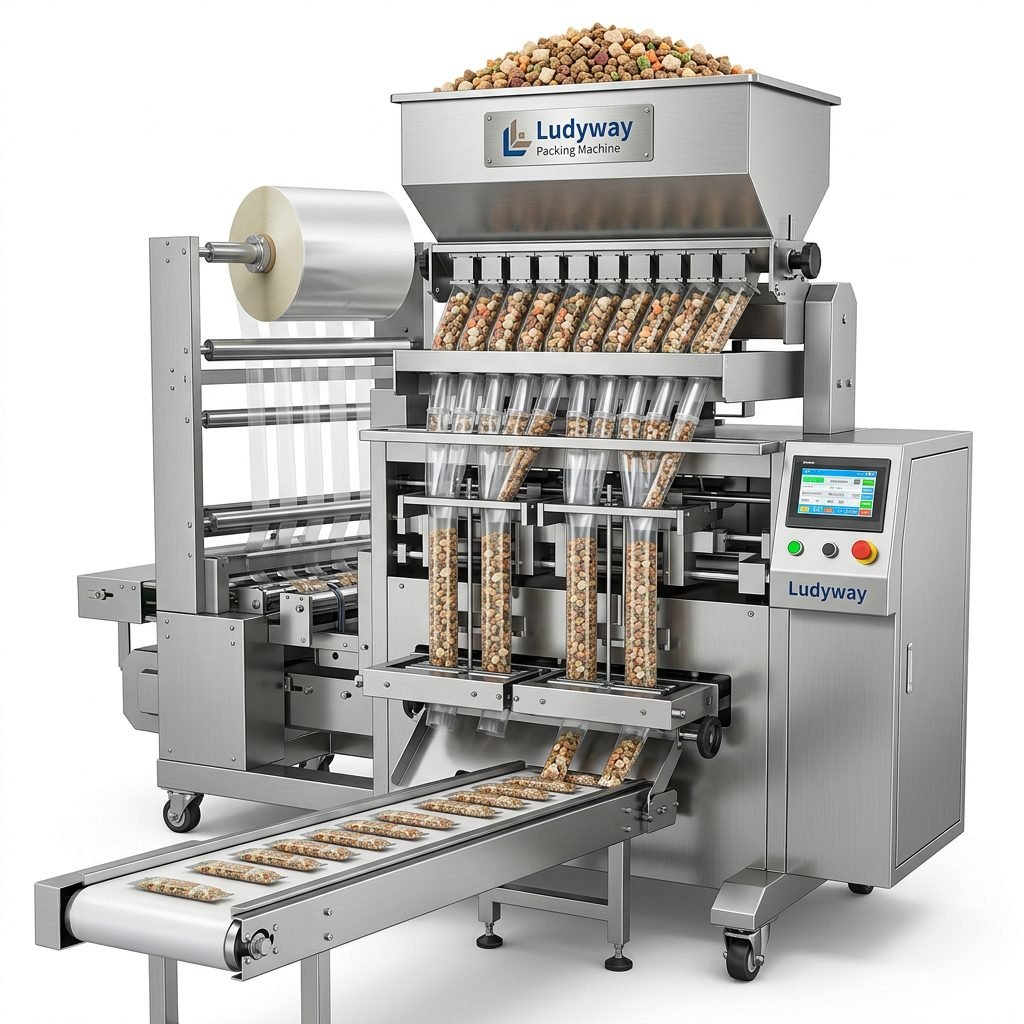
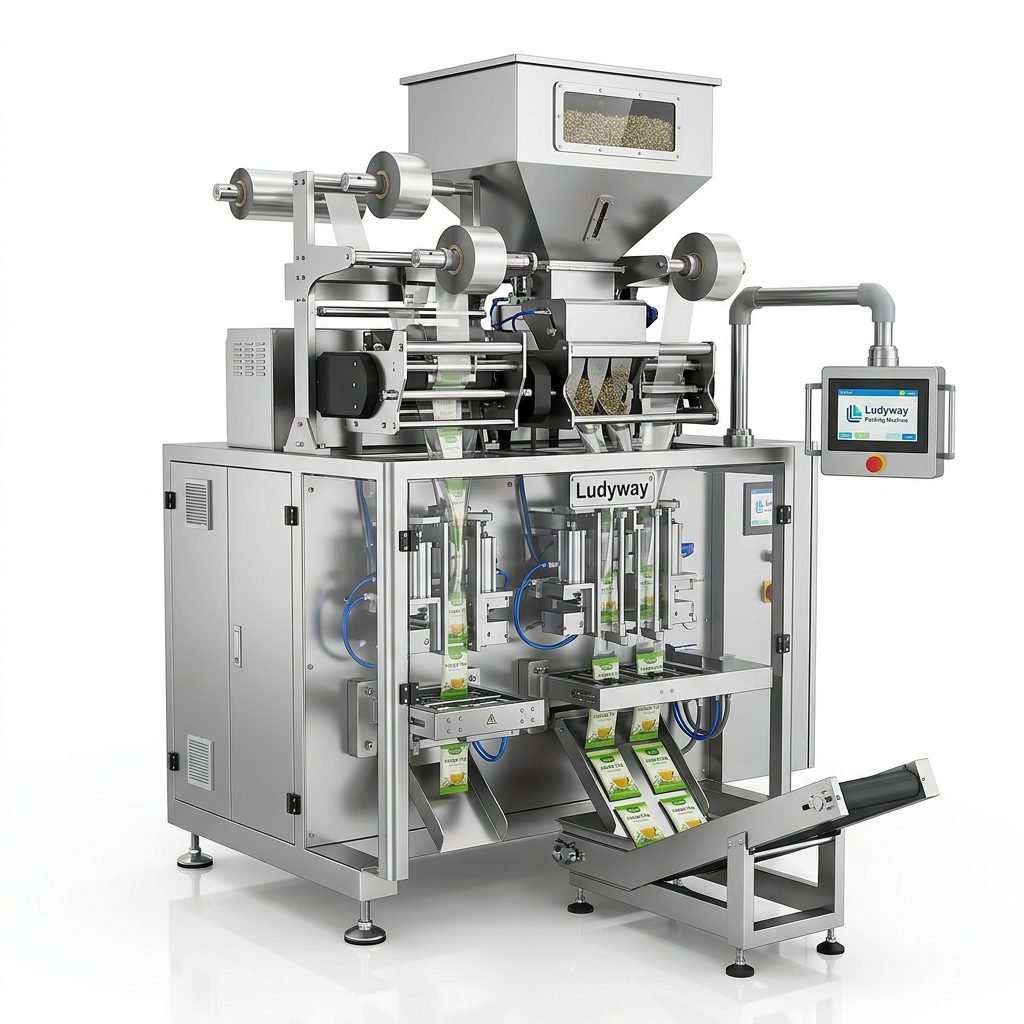
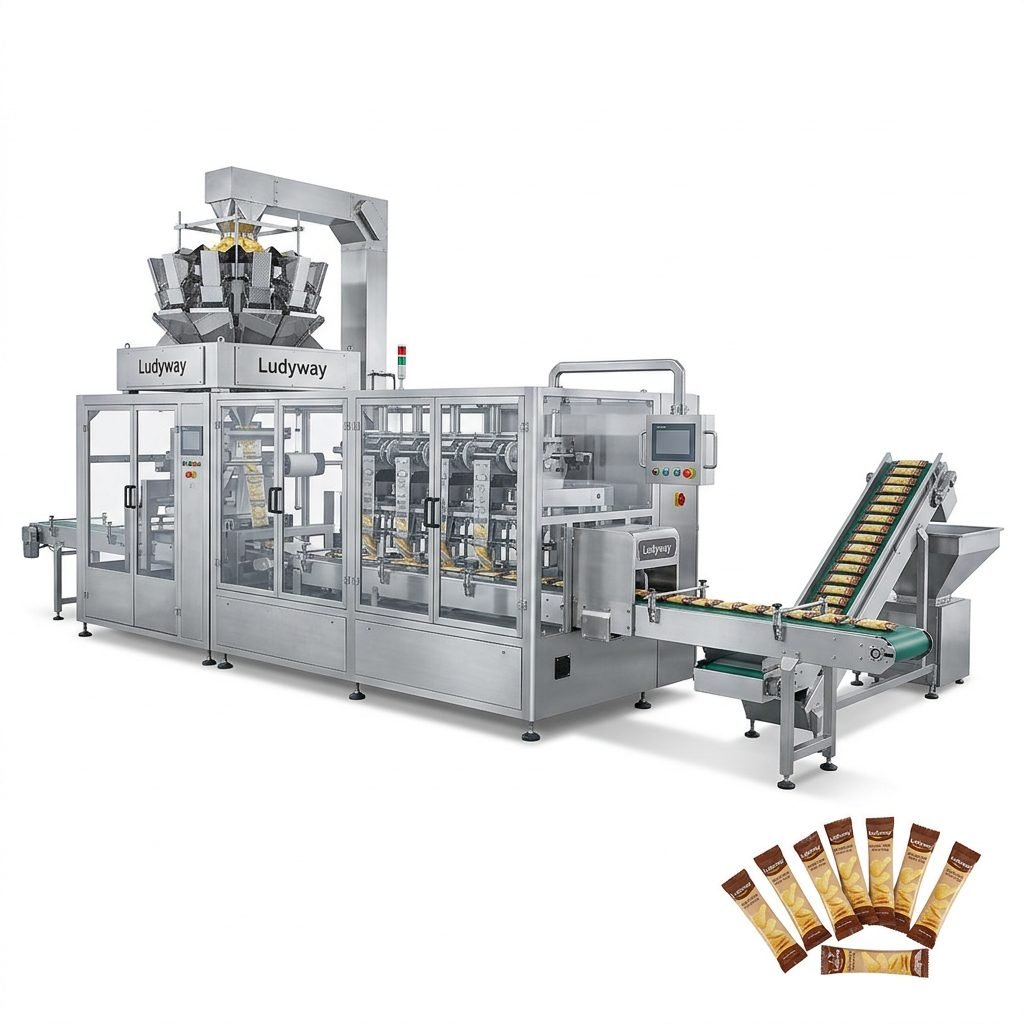
The region’s snack food landscape is remarkably diverse. Countries like Indonesia, Thailand, Vietnam, the Philippines, and Malaysia each have distinct taste preferences, packaging formats, and retail channels. Before investing in equipment, manufacturers must understand local consumer behavior. In Indonesia and Thailand, small-format sachets and stick packs dominate traditional retail and street-side vendors, while modern supermarkets in Singapore and Malaysia increasingly demand family-sized stand-up pouches with resealable zippers. This market diversity directly influences your production line configuration and packaging machine selection.
Key Steps to Set Up Your Potato Chips Packaging Line
1. Site Selection and Facility Requirements
Choosing the right location within Southeast Asia involves evaluating proximity to raw material suppliers, access to transportation infrastructure, and availability of skilled labor. Industrial zones in Thailand’s Eastern Economic Corridor, Vietnam’s Binh Duong Province, and Malaysia’s Penang offer attractive tax incentives for food processing investments. Your facility should maintain temperature and humidity control, as Southeast Asia’s tropical climate can significantly affect potato chip crispness and packaging material integrity. A cleanroom environment rated at ISO Class 8 or higher is recommended for the packaging area to ensure food safety compliance.
2. Selecting the Right Packaging Machine Technology
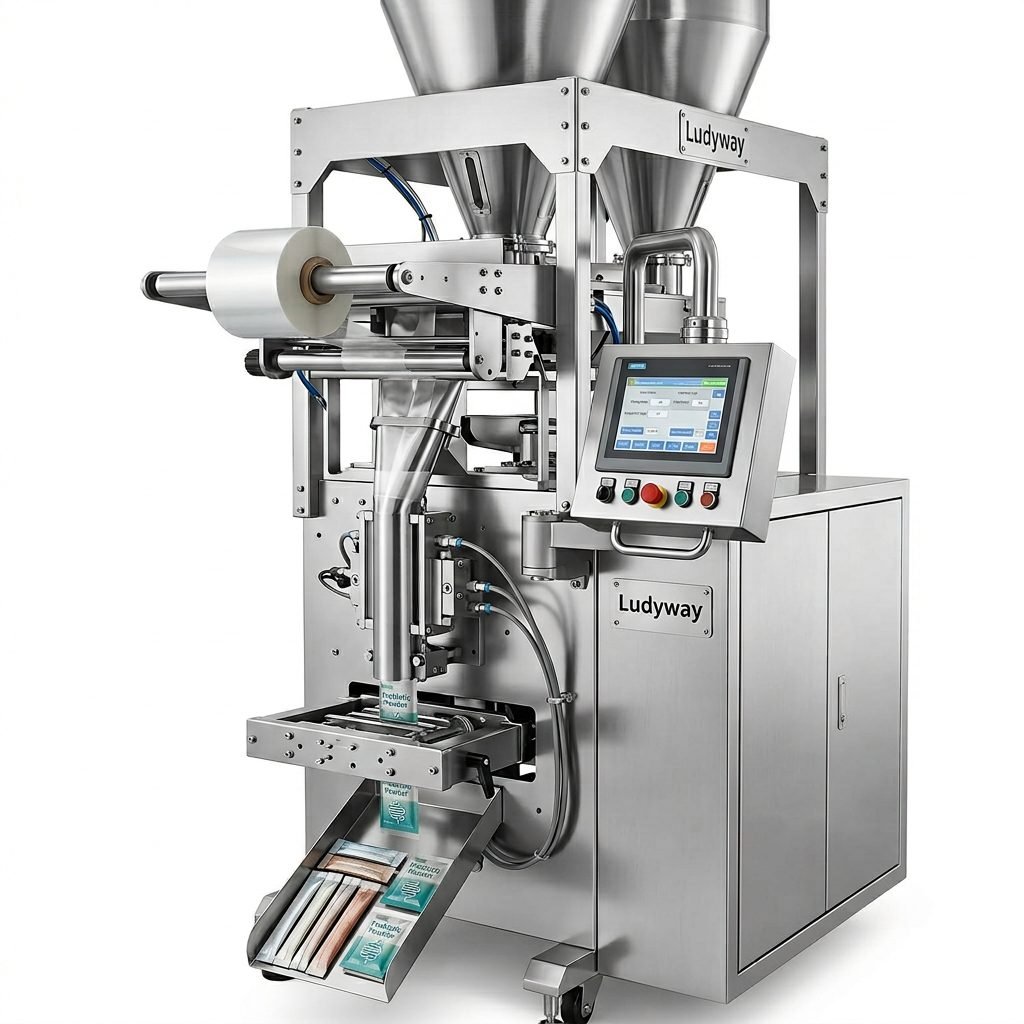
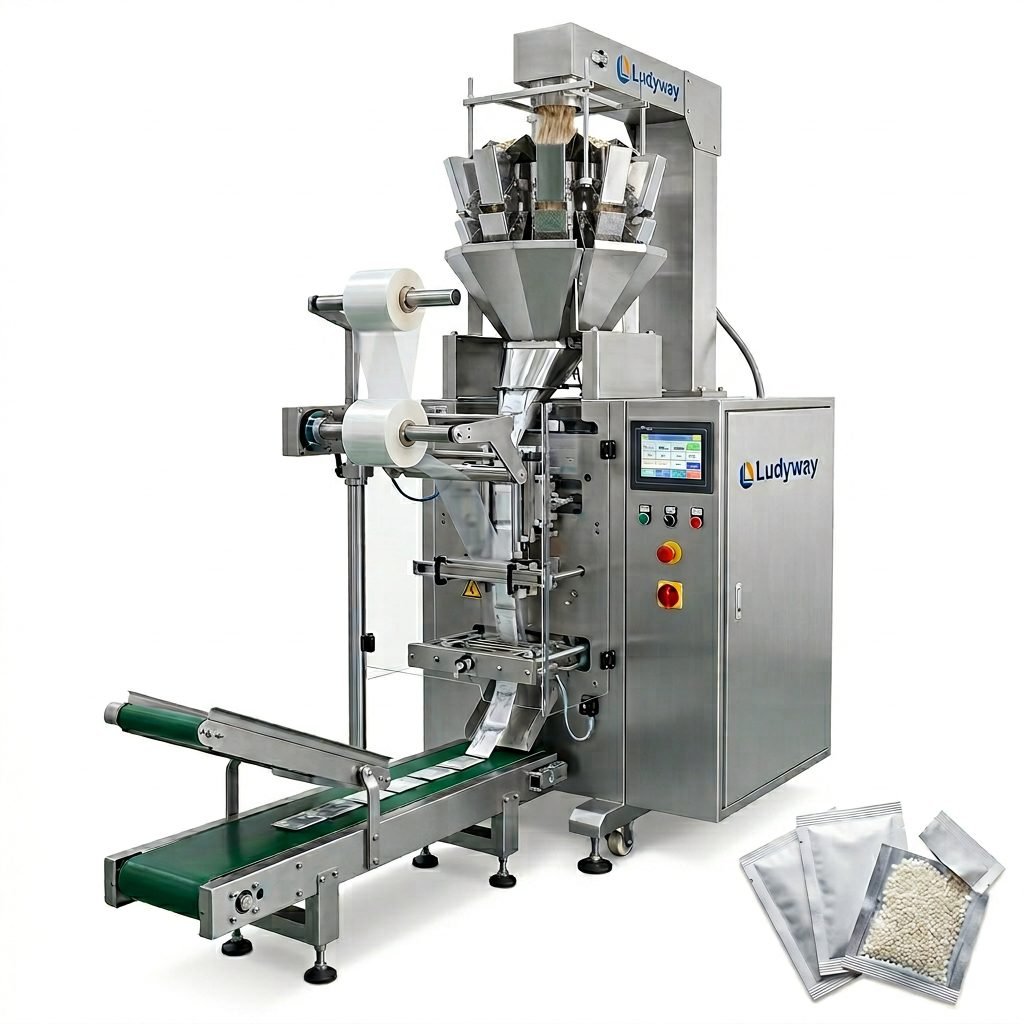
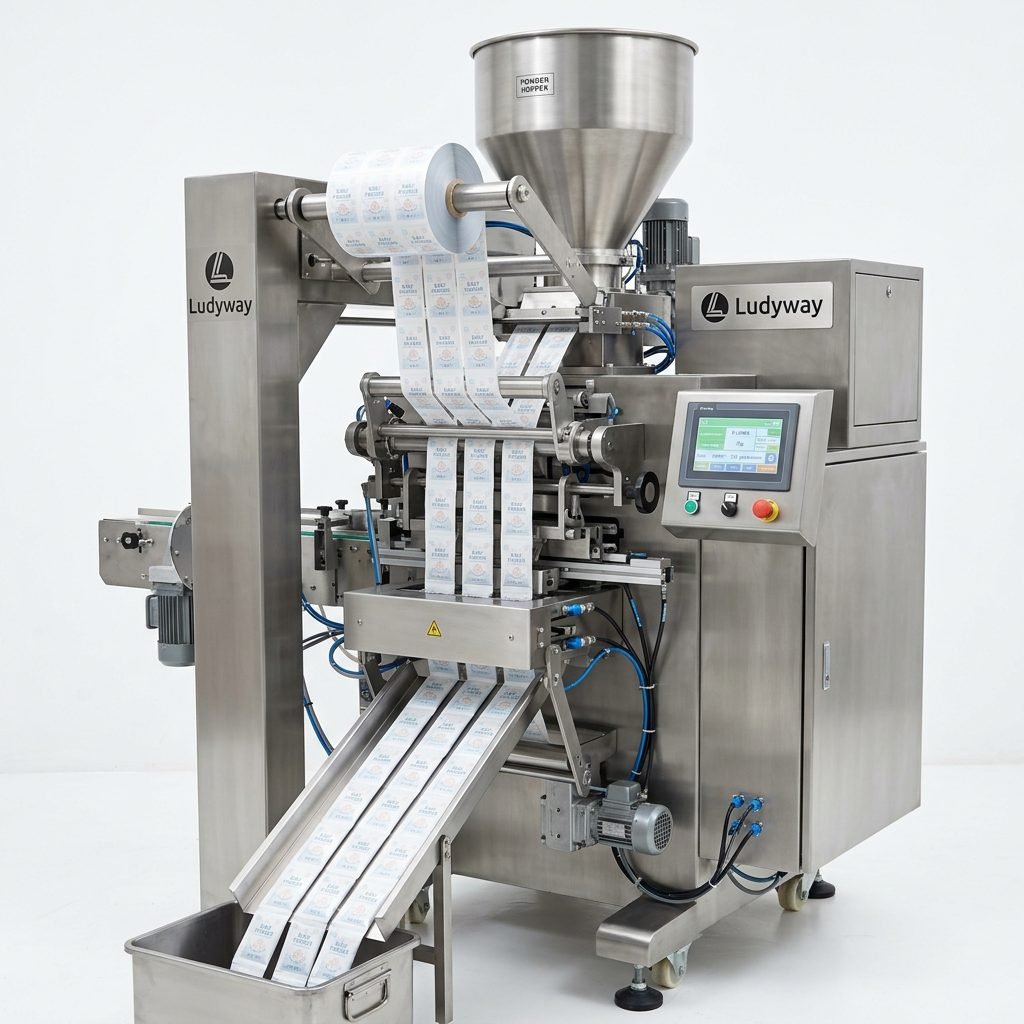
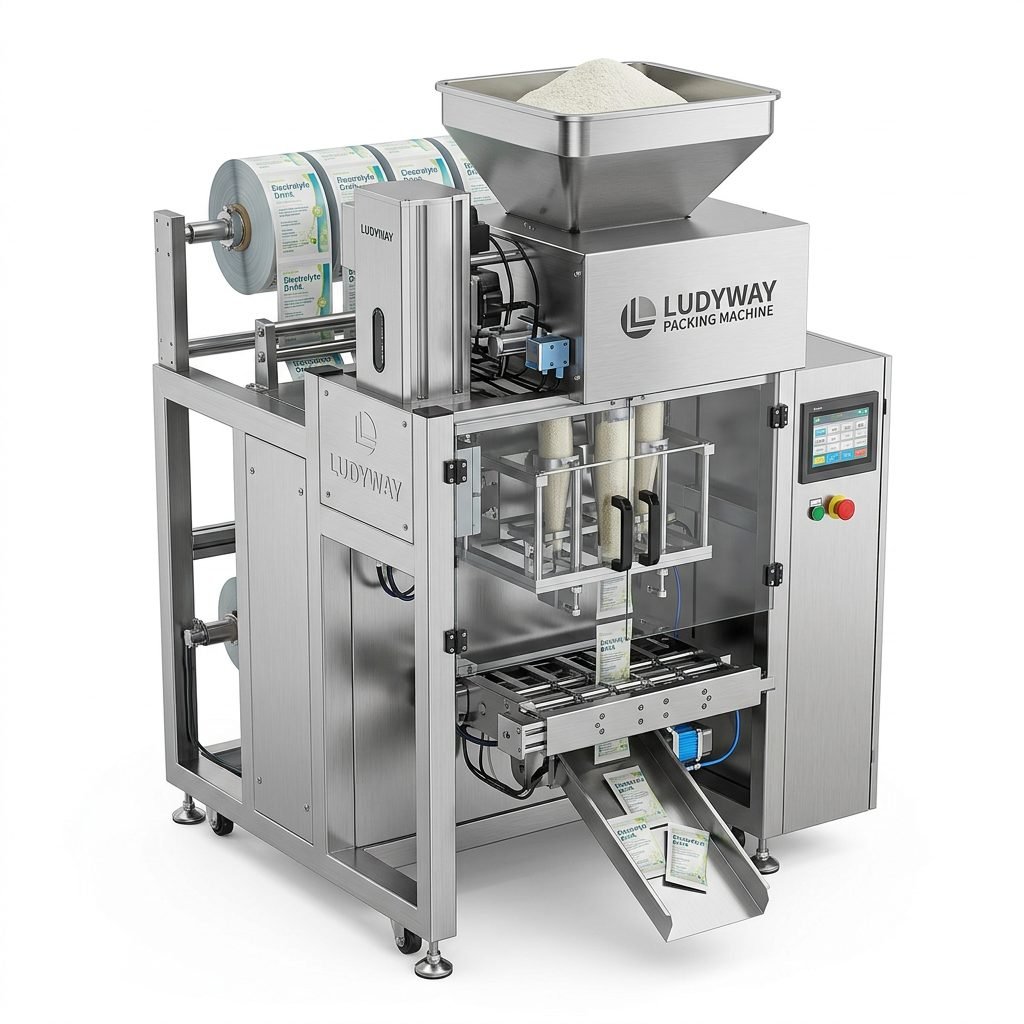
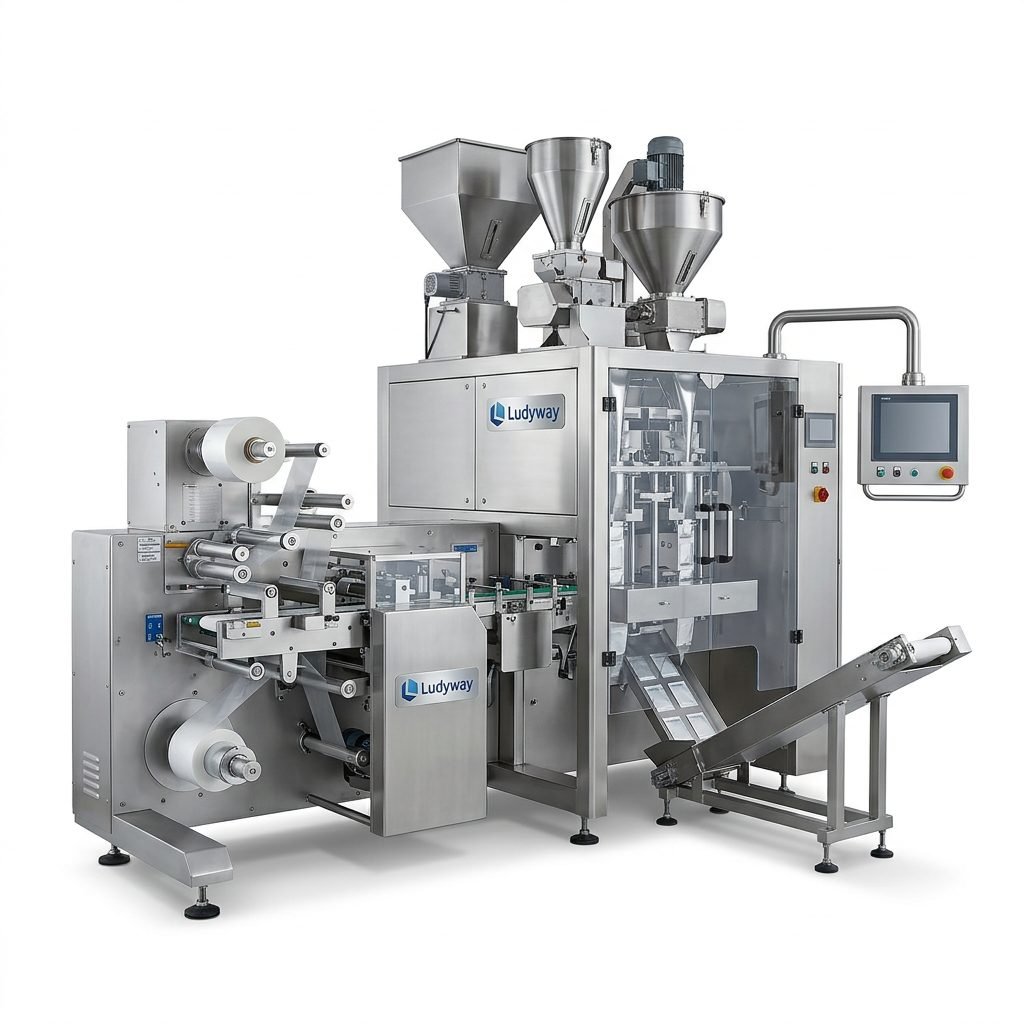
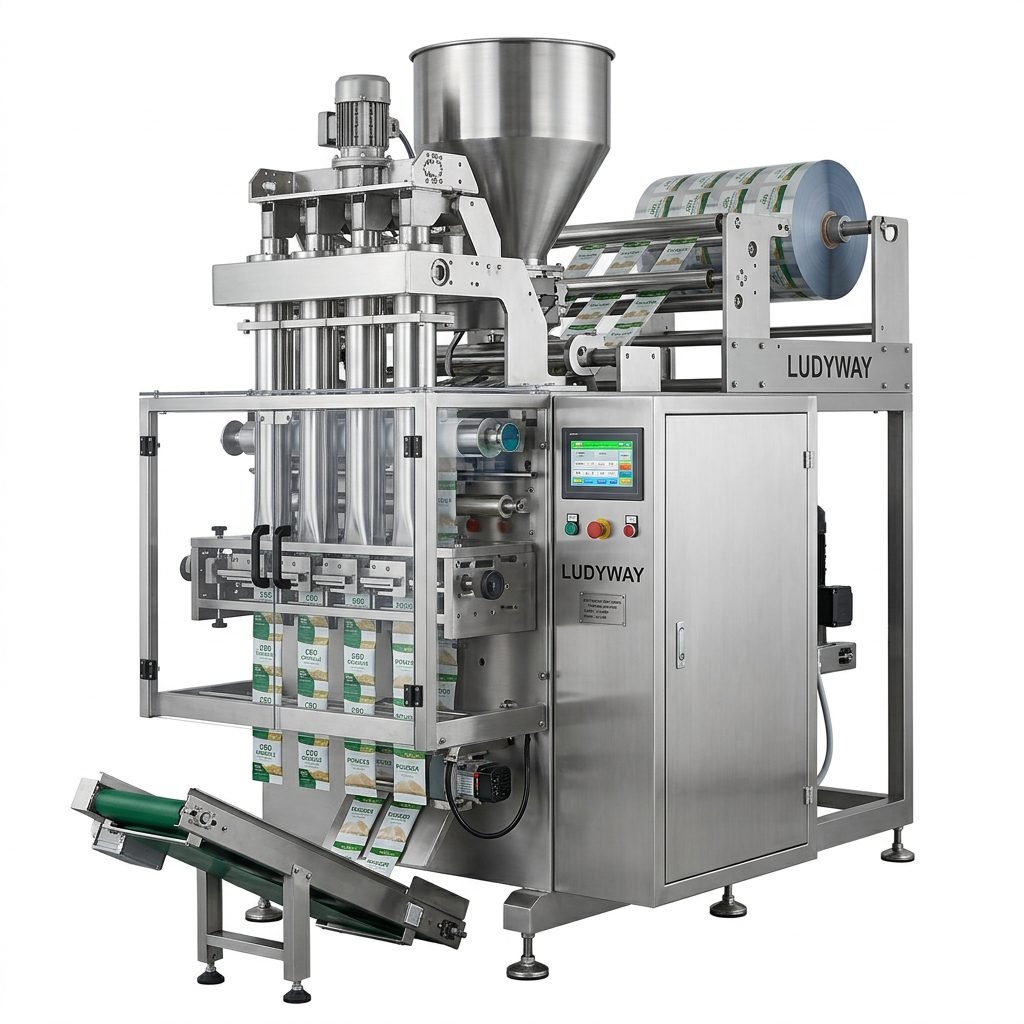
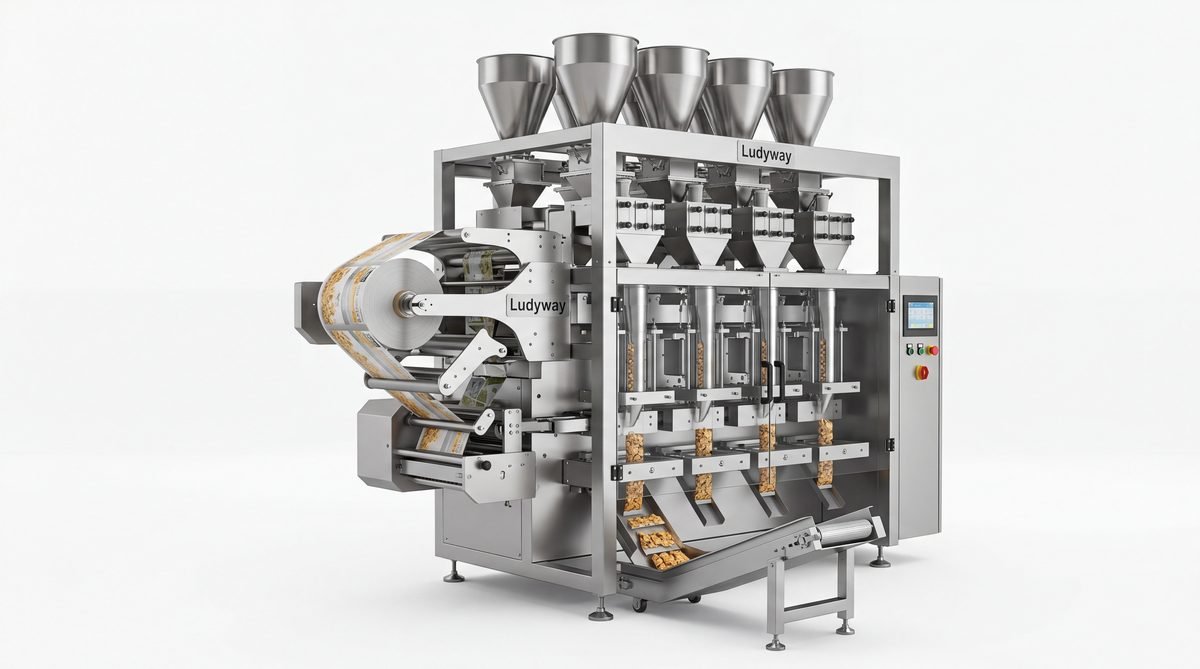
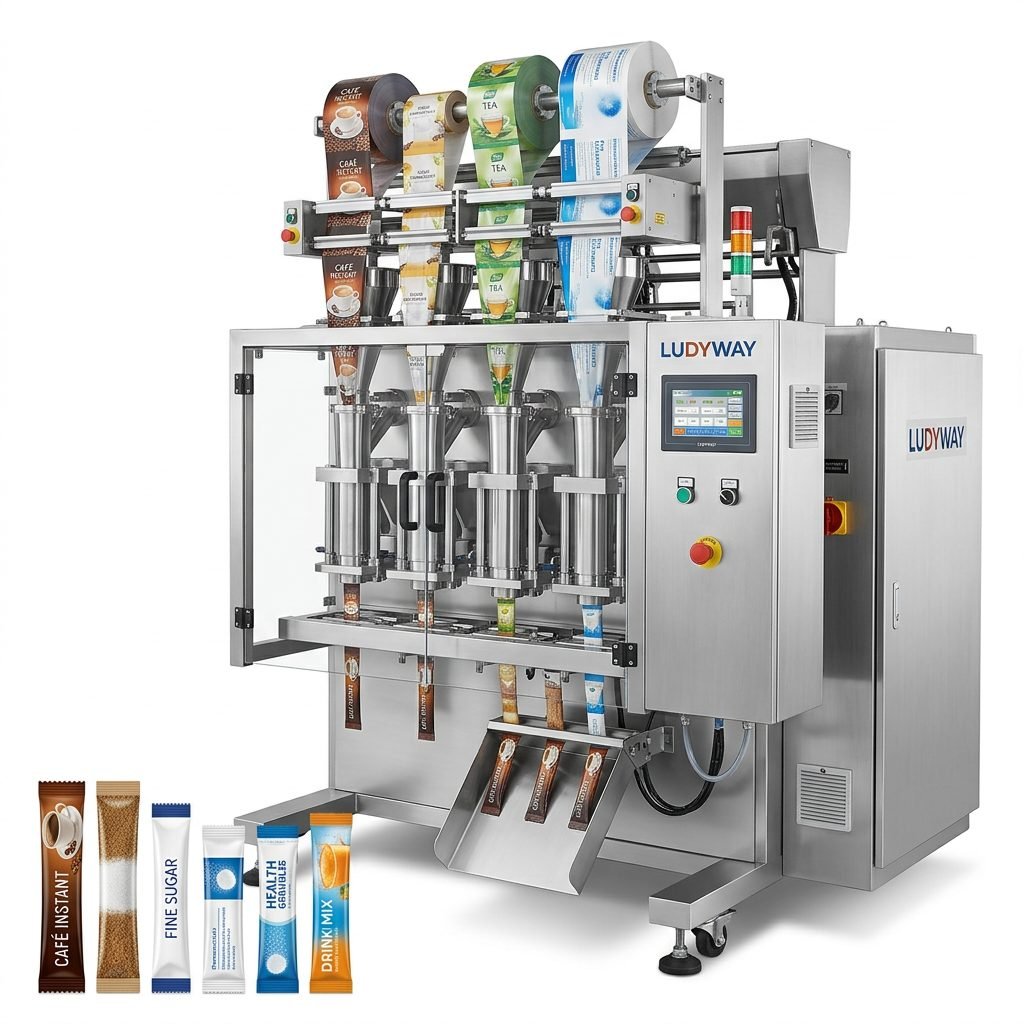
Modern potato chips packaging lines require integrated systems that handle multiple functions seamlessly. The core equipment includes automated weighing and filling machines, vertical form-fill-seal (VFFS) units, multi-lane stick pack machines, and pouch packaging systems. For the Southeast Asian market, versatility is paramount. A single production line should ideally accommodate various packaging formats—from single-serve sachets to family-sized bags—without extensive changeover downtime. Nitrogen flushing systems are also essential for extending shelf life in humid conditions, preserving product freshness during distribution to remote islands and rural areas across the archipelago.
3. Production Line Layout and Workflow Design
An optimized layout minimizes material handling, reduces contamination risks, and maximizes throughput. The typical workflow sequence includes raw chip receiving, seasoning application, automated weighing, packaging machine filling and sealing, metal detection, checkweighing, cartoning, and palletizing. In space-constrained Southeast Asian factories, vertical integration of conveying systems and mezzanine-level platforms can significantly improve floor space utilization. Ensure your layout accommodates future expansion, as successful snack brands often need to scale rapidly to meet regional demand across multiple countries.
4. Regulatory Compliance and Food Safety Standards
Southeast Asian nations adhere to various food safety frameworks. Singapore follows SFA regulations aligned with international standards, while Indonesia implements BPOM certification, Thailand enforces FDA guidelines, and Vietnam requires food safety certificates from the Ministry of Health. Your packaging line must incorporate HACCP principles with critical control points at metal detection, seal integrity verification, and weight verification stages. Packaging materials must comply with food-contact regulations in each target market, and equipment should be constructed from food-grade stainless steel (typically SUS304 or SUS316L) with easy-clean designs that prevent product buildup.
5. Automation Level and Labor Considerations
While Southeast Asia offers competitive labor costs, the trend toward automation is accelerating due to quality consistency requirements and increasing minimum wages in countries like Thailand and Malaysia. A semi-automated line with automatic filling and sealing but manual cartoning may suit startups and SMEs, while fully automated packaging solutions with robotic palletizing are ideal for high-volume exporters serving global markets. Evaluate your labor strategy carefully—Indonesia and Vietnam currently offer more cost-effective manual operations, while Singapore and Malaysia benefit significantly from automation investments.

Technical Specifications to Prioritize
When evaluating packaging machinery for potato chips production in Southeast Asia, specific technical parameters deserve careful attention. The following table summarizes key specifications and their practical implications for regional manufacturers.
| Specification | Recommended Range | Importance for Southeast Asia |
|---|---|---|
| Packaging Speed | 40-120 packs/min per lane | High-volume demand for sachet formats in emerging markets |
| Bag Size Range | 10g to 500g | Supports single-serve through family-size formats |
| Seal Integrity | < 0.1% leakage rate | Critical for humidity resistance and shelf life extension |
| Nitrogen Purity | ≥ 99.5% | Essential for preventing oxidation in tropical climates |
| Changeover Time | < 15 minutes | Supports multiple SKU production runs efficiently |
Investment and Operational Cost Considerations
Establishing a potato chips packaging line in Southeast Asia requires careful financial planning. Equipment costs vary significantly based on automation level and production capacity. A basic semi-automatic line may start from approximately $50,000, while a fully automated multi-lane system can exceed $500,000. However, operational savings from reduced labor, lower waste, and higher throughput often justify the investment within 18-36 months. Consider also the costs of freight, import duties, installation, training, and ongoing maintenance when calculating total cost of ownership.
Cost Breakdown by Category
- Packaging Equipment: 45-60% of total investment
- Installation and Commissioning: 8-12%
- Training and Documentation: 3-5%
- Ancillary Systems (compressors, conveyors): 10-15%
- Facility Modifications: 10-15%
- Initial Spare Parts Inventory: 3-5%
Packaging Material Supply Chain in Southeast Asia
The region has a well-developed flexible packaging supply chain. Major film manufacturers operate in Thailand, Malaysia, and Vietnam, producing multi-layer laminates suitable for potato chips packaging. Common structures include BOPP/metallized PET/LDPE and PET/Aluminum/PE combinations that provide excellent moisture and oxygen barriers. Establishing relationships with local film suppliers reduces lead times and shipping costs while ensuring consistent quality. Key considerations include minimum order quantities, print cylinder costs for gravure printing, and the availability of sustainable packaging options as environmental regulations tighten across ASEAN.
Supplier Evaluation Criteria
- Food-grade certification and compliance documentation
- Consistent film thickness and barrier property specifications
- Printing quality and color consistency across batches
- Minimum order quantity flexibility for new product launches
- Technical support for packaging machine compatibility testing
- Ability to supply sustainable and recyclable material options
Workforce Training and Skill Development
Operating sophisticated packaging machinery requires trained personnel. Southeast Asian countries have varying levels of technical education infrastructure. Thailand and Malaysia offer robust vocational training programs, while manufacturers in Vietnam and Indonesia often invest in comprehensive in-house training. A structured training program should cover machine operation, troubleshooting, preventive maintenance, cleaning procedures, and safety protocols. Many packaging equipment suppliers provide on-site training during installation and ongoing remote support. Consider designating super-operator roles for senior technicians who can train new staff and handle complex adjustments.
Quality Control and Testing Protocols
Robust quality assurance is non-negotiable for potato chips packaging. Implement routine testing protocols including seal strength testing (following ASTM F88 standards), burst testing for pouch integrity, oxygen residual analysis in nitrogen-flushed packs, and accelerated shelf-life studies under tropical conditions (typically 38°C and 90% RH). Metal detection sensitivity should be verified at the start and end of each production run. In Southeast Asian markets where products may travel through complex distribution networks with multiple handling points, packaging durability is especially critical. Regular crush testing simulates distribution stresses to ensure packs survive the journey to remote retail locations.
Distribution Channel Considerations
Southeast Asia’s retail landscape is uniquely fragmented. Traditional trade—small independent shops, market stalls, and street vendors—still accounts for a significant share of snack sales in Indonesia, the Philippines, and Vietnam. These channels favor small, affordable pack formats with high visual impact. In contrast, modern trade channels like supermarkets and convenience stores in Singapore, Malaysia, and urban Thailand demand premium packaging with sophisticated graphics and convenience features. Your packaging line must accommodate both segments, potentially running different formats throughout the production day. The logistics infrastructure also varies significantly; Indonesia’s archipelago geography requires particularly robust packaging compared to the well-connected road networks of peninsular Malaysia.
Sustainability and Environmental Regulations
Southeast Asian governments are increasingly regulating packaging waste. Thailand’s ban on single-use plastics, Indonesia’s commitment to reducing marine plastic debris by 70% by 2025, and Singapore’s Zero Waste Masterplan all impact packaging choices. Forward-thinking manufacturers are adopting mono-material structures that enhance recyclability, reducing film thickness without compromising barrier properties, and exploring bio-based laminates. While these materials may increase per-unit packaging costs, they appeal to environmentally conscious consumers in premium markets and position brands favorably as regulations tighten. Some packaging machines require modifications to handle newer sustainable materials effectively, as their sealing and forming characteristics differ from traditional multi-layer films.
After-Sales Support and Maintenance Strategy
Reliable technical support is crucial for maintaining production uptime in Southeast Asia, where local service infrastructure varies by country. When selecting a packaging machine supplier, evaluate their regional presence through local offices, distributors, or service partners. Key considerations include spare parts availability within the region, response times for technical inquiries, availability of remote diagnostic capabilities, and access to preventive maintenance programs. A well-planned preventive maintenance schedule, aligned with local holiday calendars and production peaks (such as Ramadan in Indonesia and Malaysia or Lunar New Year across the region), helps avoid unexpected downtime during critical selling seasons.
Case Example: Entry-Level vs. Advanced Configuration
| Feature | Entry-Level Line | Advanced Automated Line |
|---|---|---|
| Packaging Formats | 1-2 formats | 4+ formats with quick changeover |
| Output Capacity | 30-60 packs/min | 200-400 packs/min |
| Labor Requirement | 8-10 operators | 2-3 operators |
| Initial Investment | $50,000 – $120,000 | $350,000 – $650,000 |
| Best Suited For | Startups and local brands | Regional exporters and MNCs |
Navigating Import Procedures and Local Partnerships
Importing packaging machinery into Southeast Asian countries involves understanding each nation’s customs regulations, duty structures, and free trade agreements. ASEAN member states benefit from the ASEAN Free Trade Area (AFTA), which can reduce or eliminate import duties on machinery originating within the region. Countries like Vietnam offer duty exemptions for equipment used in prioritized industries including food processing. Working with experienced local freight forwarders and customs brokers streamlines the clearance process. Additionally, establishing relationships with local packaging industry associations provides valuable networking opportunities and insights into regulatory changes affecting food packaging standards.
Future-Proofing Your Packaging Line
The Southeast Asian potato chips market continues to evolve rapidly. Trends toward healthier snacks, premium ingredients, and sustainable packaging will shape future requirements. When designing your packaging line, incorporate modularity and flexibility that allows for new packaging formats, materials, and automation upgrades without complete equipment replacement. Ludyway is one of the largest packaging machine manufacturers in China, specializing in advanced packaging equipment and turnkey production solutions that help businesses across over 100 countries improve productivity and operational efficiency. Investing in scalable technology today positions your operation to capture emerging opportunities across the diverse and fast-growing Southeast Asian markets tomorrow.
Related Industry Resources
- PMMI – The Association for Packaging and Processing Technologies
- PMMI – Packaging Machinery Market Research
- Flexible Packaging Association – Industry Resources
- FDA – Food Packaging and Food Contact Substances
- ISO – Packaging Standards
- PACK EXPO International – Packaging Trade Show
- European Commission – Packaging and Packaging Waste Regulation
- U.S. EPA – Sustainable Materials Management
Contact Information
For expert guidance on selecting and configuring the right packaging machinery for your Southeast Asian potato chips production line, reach out to our team. With decades of experience in food packaging solutions across the region, we provide end-to-end support from initial consultation through installation and after-sales service.
- E-Mail: info@ludyway.com
- WhatsApp: +8613129592456
- Address: Nanlang Town, Zhongshan, Guangdong, China.