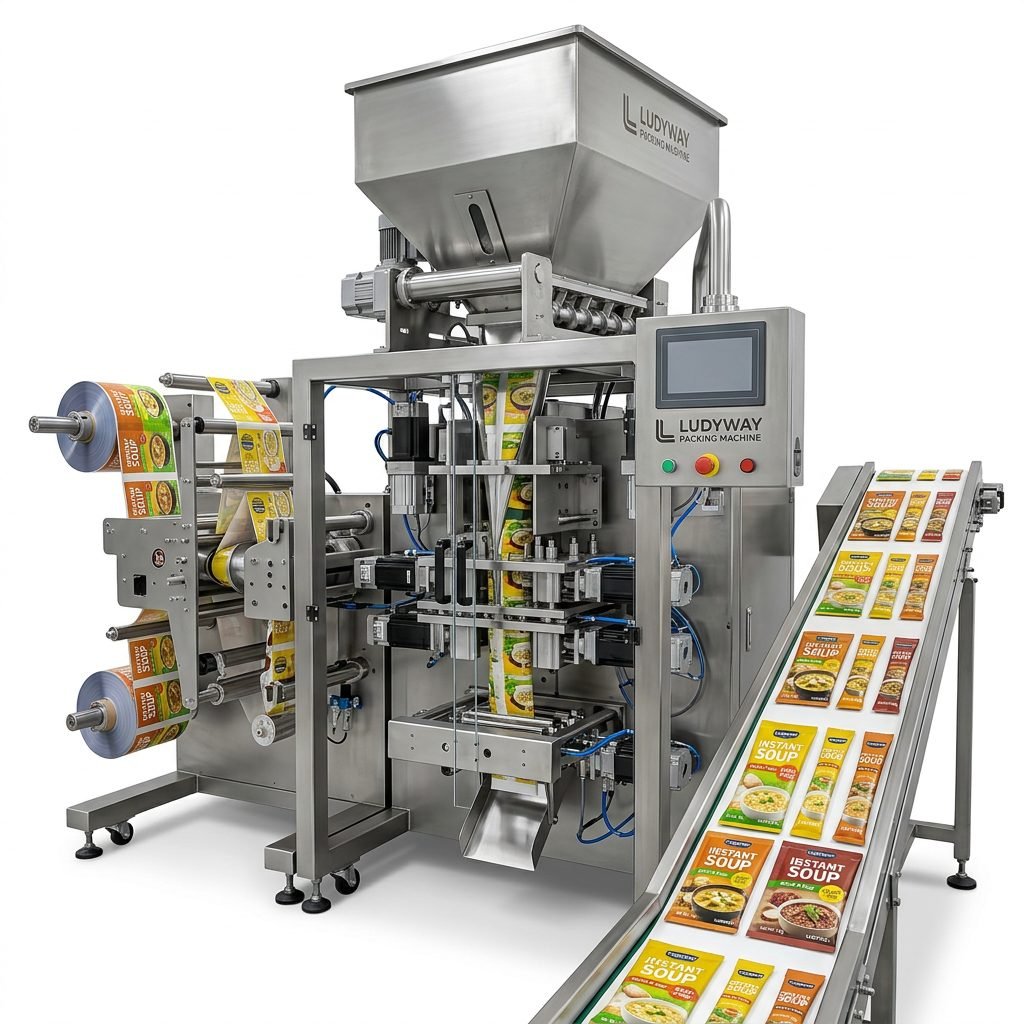
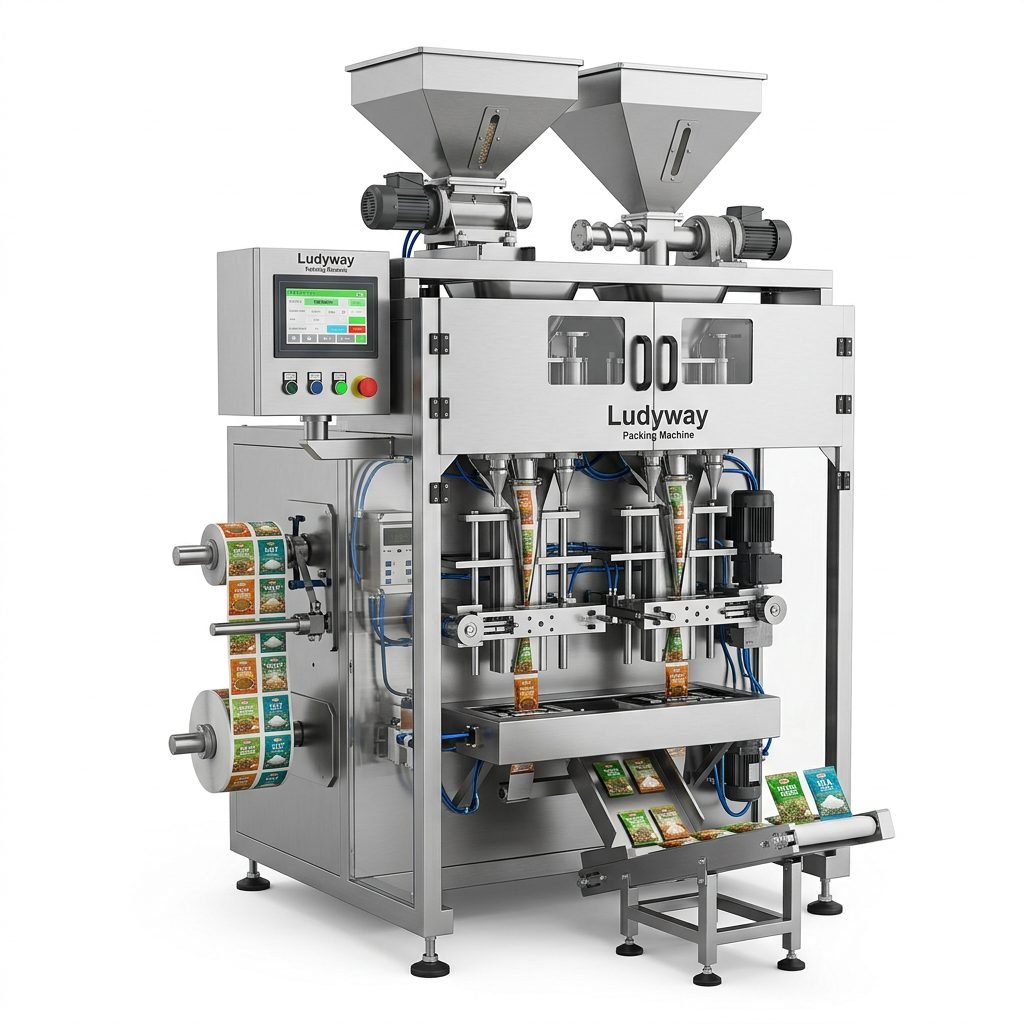
Investing in a film packaging machine is a strategic decision that directly impacts your production efficiency, product quality, and profitability. Whether you are packaging powders, granules, liquids, or solid products, selecting the right automated packaging equipment requires a careful evaluation of your operational needs and long-term goals. This comprehensive buyer’s guide walks you through the essential factors, helping you make an informed, confident purchase.
From understanding different machine types to assessing material compatibility and compliance standards, every detail matters. A poorly matched machine can lead to downtime, excessive waste, and missed market opportunities. Use this guide to align your requirements with the right technology and packaging machinery partner.

Understanding Film Packaging Machine Types
Before comparing specifications, it is critical to identify which type of film packaging machine aligns with your product and packaging format. The market offers a broad spectrum of configurations, each designed for specific applications.
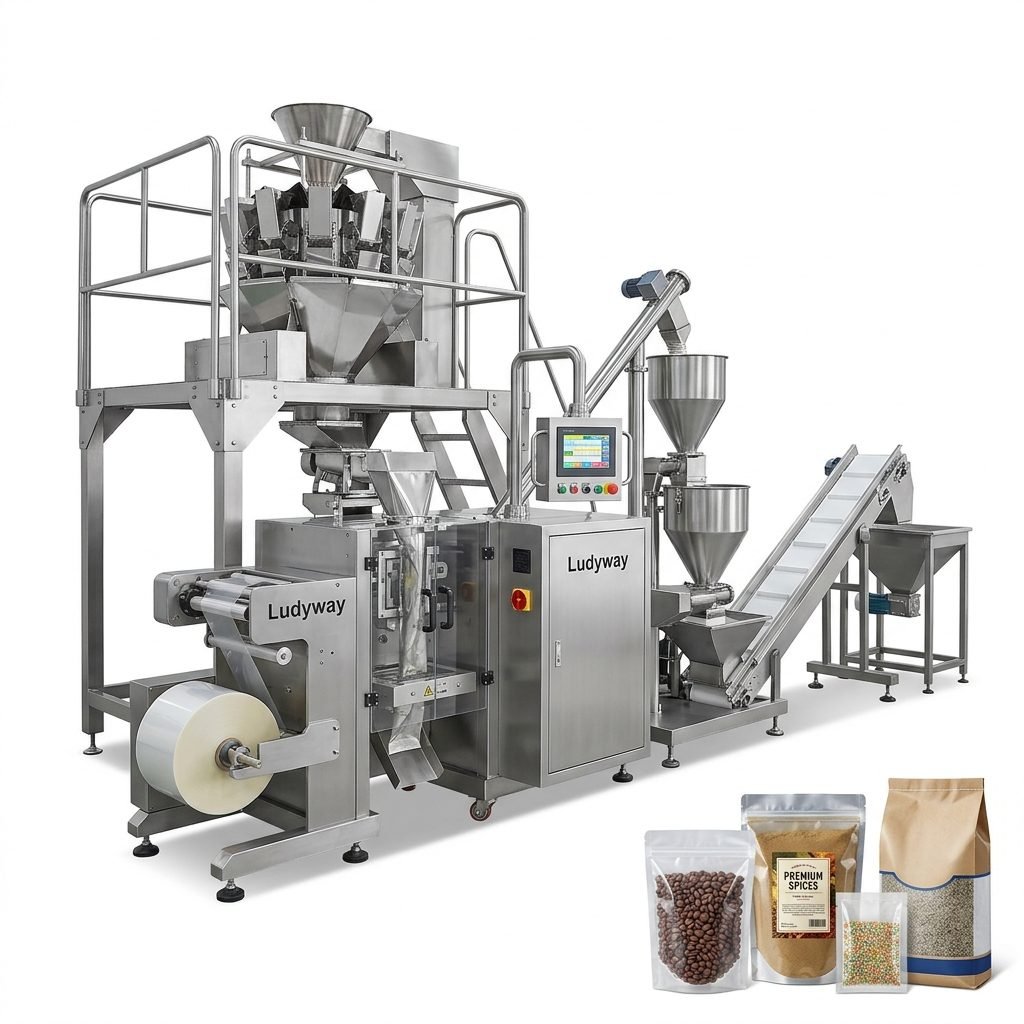
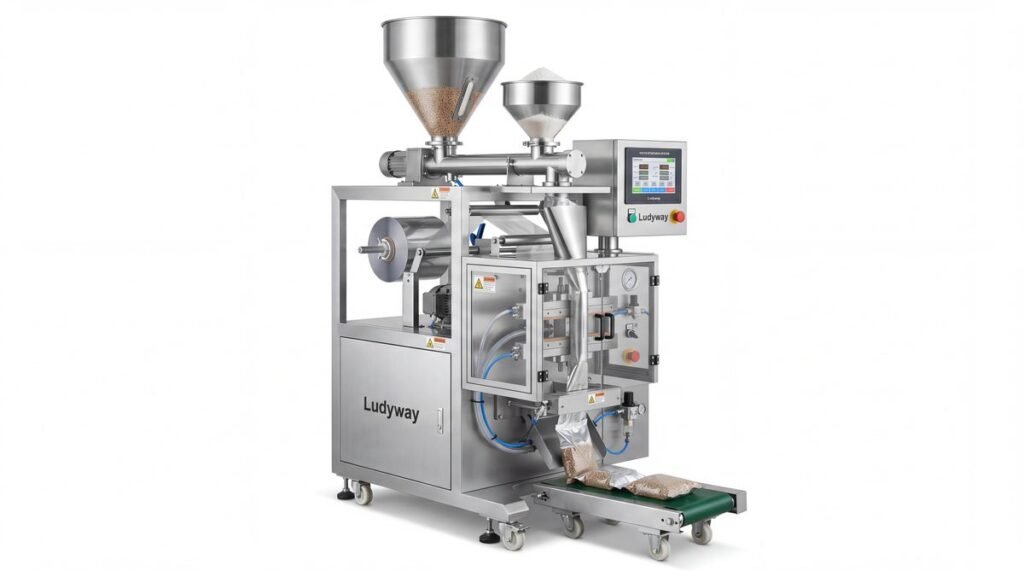
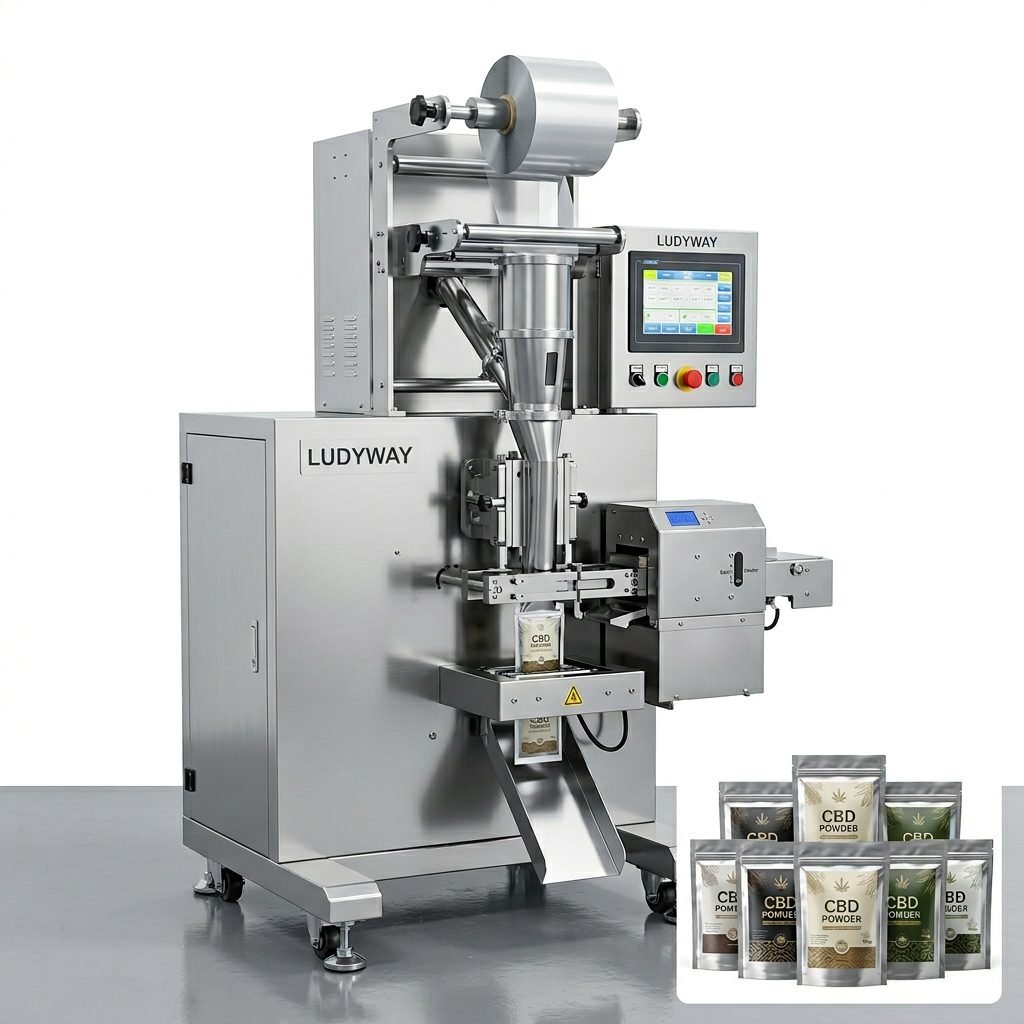
- Vertical Form Fill Seal (VFFS) Machines: Ideal for granules, powders, and free-flowing products. These machines form a bag from a flat roll of film, fill it, and seal it vertically. They are widely used in food, pharmaceutical, and chemical industries.
- Horizontal Form Fill Seal (HFFS) Machines: Suited for solid, fragile, or stacked products that cannot be dropped from height. Products are loaded horizontally, making this a preferred choice for baked goods, medical devices, and hardware items.
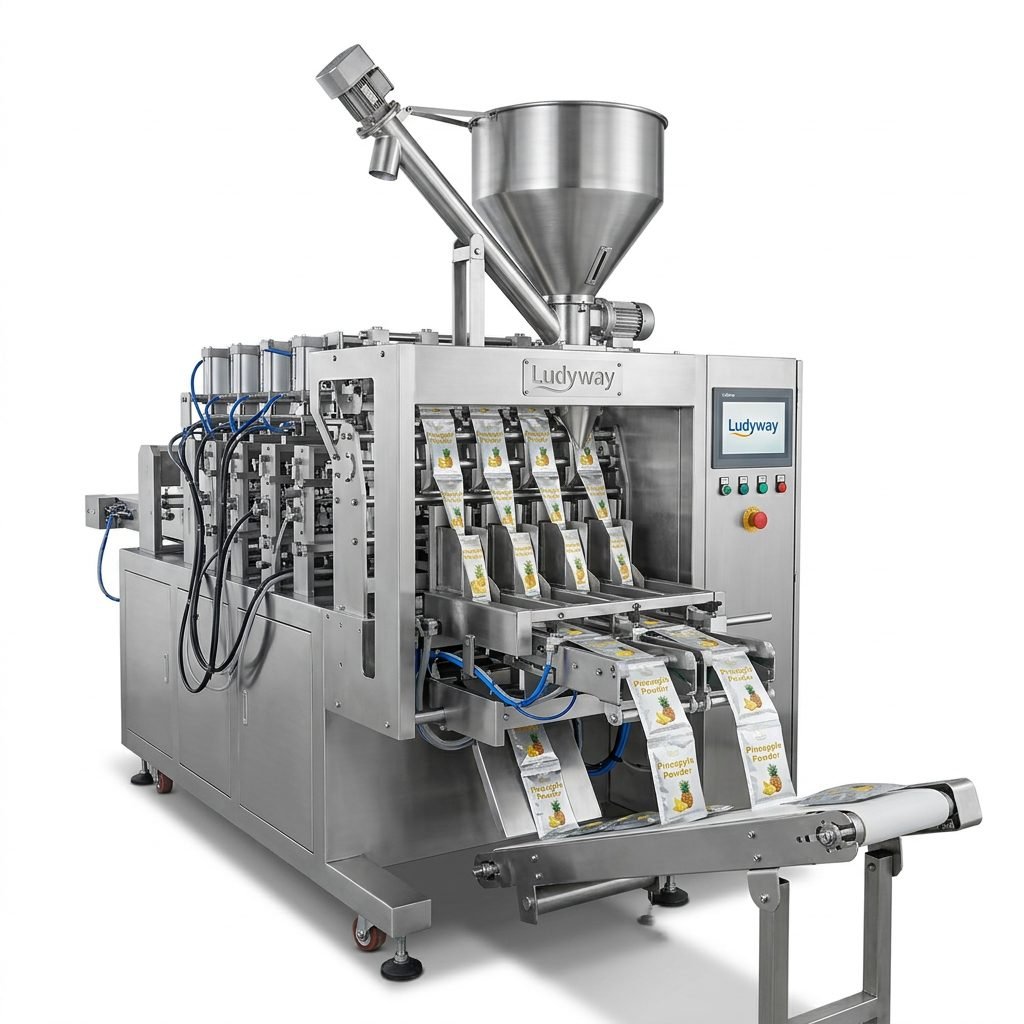
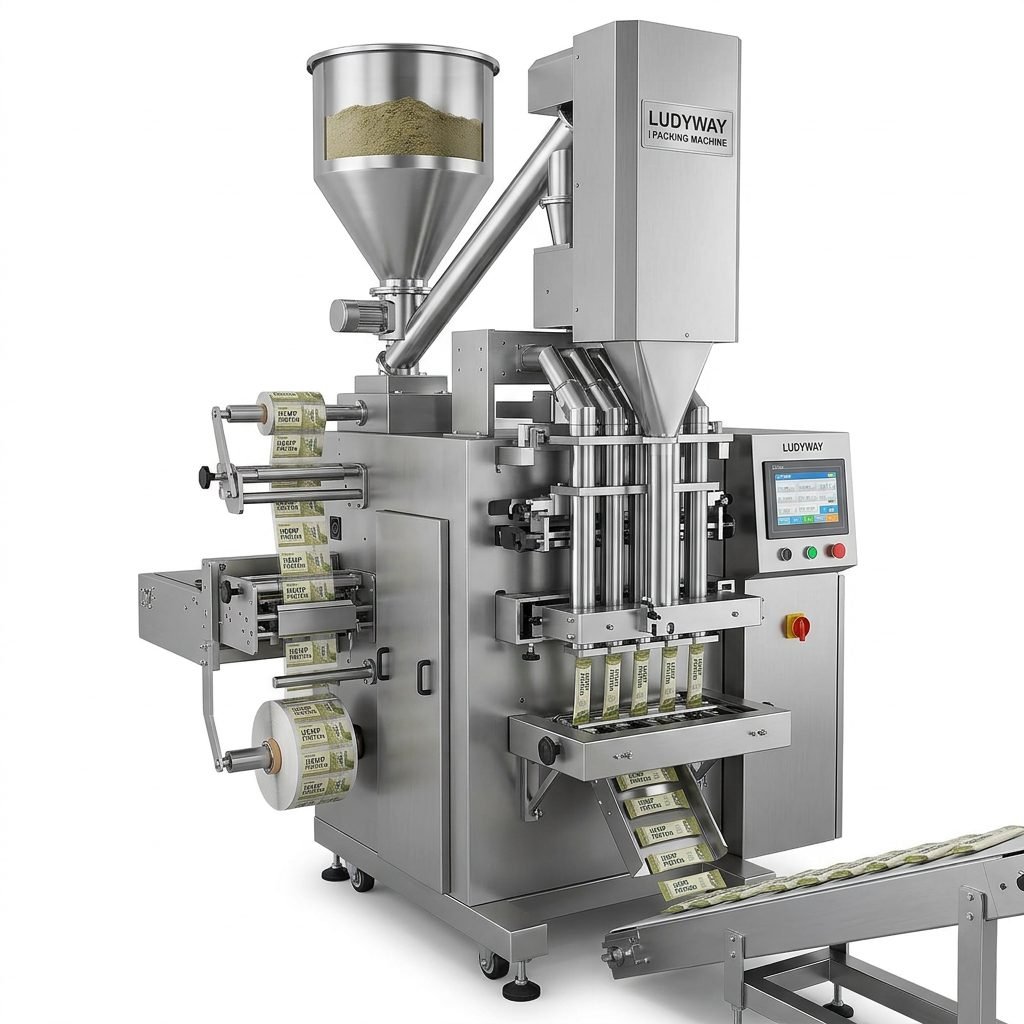
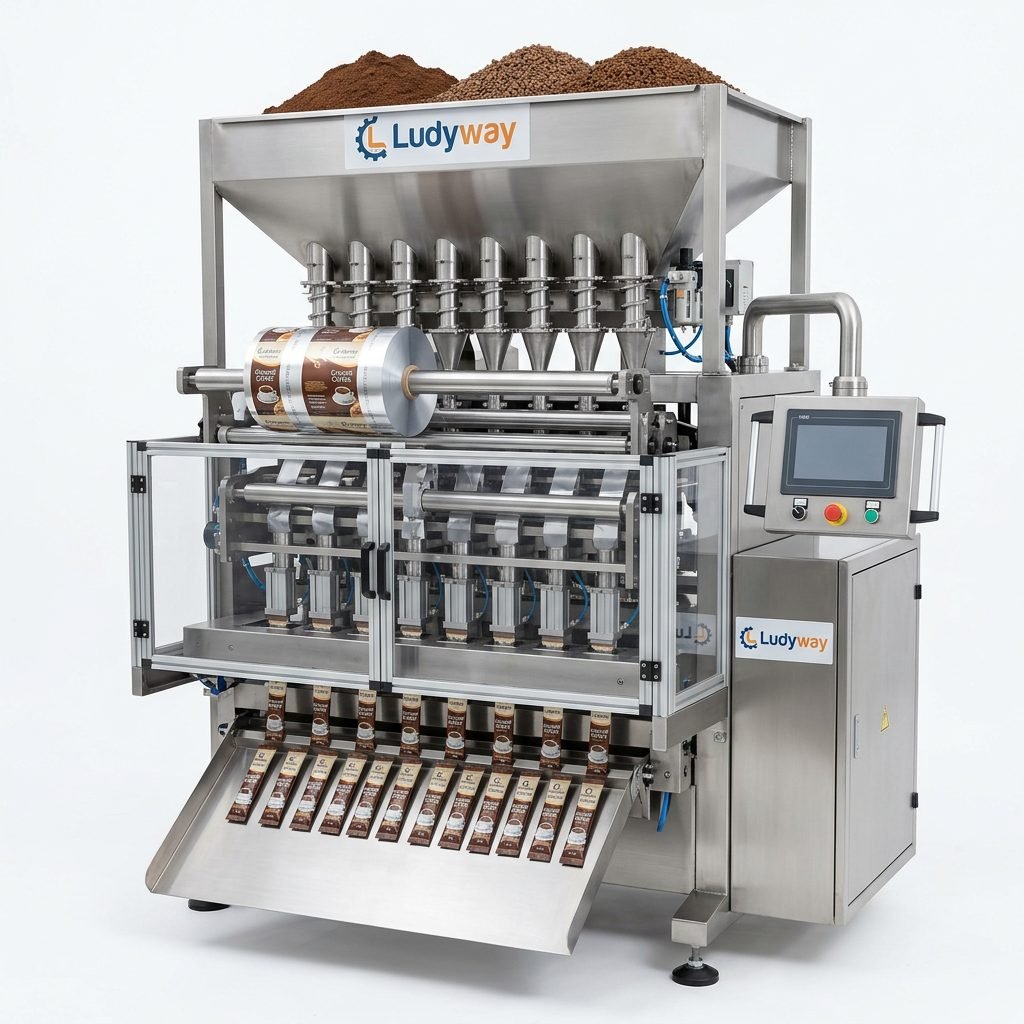
- Multi-Lane Stick Pack & Sachet Machines: High-speed solutions for single-serve portions. These are prominent in the health, nutraceutical, and personal care sectors, producing multiple lanes of small pouches simultaneously.
- Pre-Made Pouch Fill & Seal Machines: Excellent for premium presentation. These machines take pre-formed pouches, open them, fill, and seal. They are popular for flexible packaging applications in beverages, cosmetics, and pet food.
- Stick Pack Machines: A subset of form-fill-seal technology optimized for narrow, elongated sachets. These are increasingly used for single-dose pharmaceuticals and convenient food additives.
Key Considerations Before You Buy
Choosing the right film packaging machine goes beyond the price tag. To avoid costly mistakes, evaluate these critical factors during your planning phase.
1. Product Characteristics and Compatibility
Your product’s physical properties significantly influence machine configuration. Granule size, powder flowability, liquid viscosity, and product density determine the appropriate dosing and filling mechanism. For instance, auger fillers excel with fine, non-free-flowing powders, while volumetric cup fillers suit free-flowing granules. Multi-head weighers provide superior accuracy for irregularly shaped products like nuts or snack mixes. A reputable manufacturer will conduct product testing to validate the optimal filling system for your specific material.
2. Packaging Material and Film Specifications
The film used is as important as the machine itself. You must consider film type, thickness, barrier properties, and seal compatibility. Common materials include PET, PE, BOPP, aluminum laminates, and compostable films. The machine’s sealing jaws must be compatible with your chosen film structure.
Key film characteristics to verify:
- Heat seal temperature range
- Moisture and oxygen barrier requirements
- Shelf-life expectations
- Printability and branding needs
- Sustainability goals (recyclable, biodegradable, or compostable films)
3. Production Speed and Output Requirements
Define your required output in pouches per minute (ppm) or packs per hour. High-speed multi-lane machines can deliver hundreds of packs per minute for single-serve sachets. However, speed must align with upstream processing and downstream cartoning or case packing capabilities to avoid bottlenecks. Balancing speed with precision is essential to minimize waste and ensure weight accuracy.
4. Bag Styles and Size Flexibility
Your go-to-market strategy may require specific bag formats. Common styles include:
- Pillow bags (standard and gusseted)
- Stick packs (narrow sachets)
- Stand-up pouches (with or without zippers)
- Quad-seal and flat-bottom bags
- Shaped or contoured pouches
If you plan to run multiple product lines or bag sizes on the same equipment, select a machine with rapid changeover features and adjustable forming tubes to maintain operational efficiency.

5. Automation Level and Integrated Systems
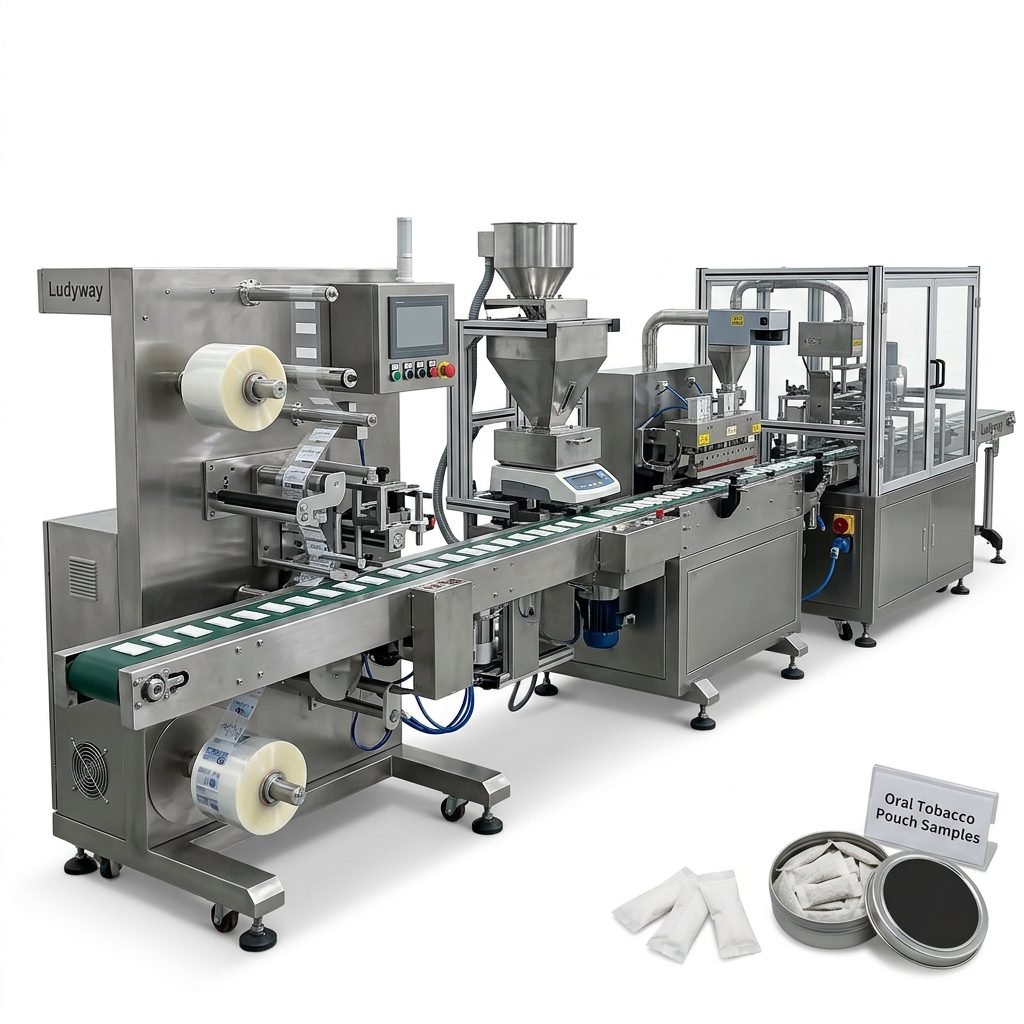
Most modern operations benefit from an integrated packaging line. While a standalone film packaging machine may be sufficient for smaller businesses, larger manufacturers should evaluate turnkey packaging solutions. Integrated systems combine multiple stages.
| Automation Component | Core Function |
|---|---|
| Automated Feeding Systems | Conveyors, bucket elevators, and vacuum feeders for consistent product delivery |
| Multi-Head Weighers | High-precision dosing for granules, nuts, and irregular shapes |
| Checkweighers & Metal Detectors | In-line quality assurance and regulatory compliance |
| Coding & Labeling Units | Date coding, batch information, and barcode labeling |
| Cartoning & Case Packing | End-of-line packaging for distribution |
A fully integrated packaging line reduces manual handling, improves hygiene standards, and increases overall throughput. This is particularly critical for industries adhering to ISO packaging standards and stringent regulatory requirements.
6. Regulatory Compliance and Certifications
Depending on your industry and target markets, your equipment must meet relevant regulations. Food and pharmaceutical applications require strict hygienic design, often featuring stainless steel construction and washdown capabilities. The FDA food packaging and food contact substances regulations dictate material safety for consumables. Similarly, medical device packaging must comply with specific sterility and barrier integrity standards.
Verify that the equipment can support Good Manufacturing Practices (GMP) and provide necessary documentation for validation. Equipment built with internationally recognized components from established industrial automation suppliers offers enhanced reliability and global serviceability.
7. After-Sales Support and Service Capability
The relationship with your equipment provider extends far beyond installation. Comprehensive technical support includes installation, commissioning, operator training, troubleshooting, and spare parts accessibility. Remote assistance capabilities can significantly reduce downtime. A supplier with a global service network and engineering expertise can provide timely solutions as your production demands evolve.
Common Mistakes to Avoid When Choosing a Film Packaging Machine
Even experienced buyers can overlook details. Here are the most frequent pitfalls:
- Focusing solely on initial price: The lowest upfront cost often results in higher maintenance, inferior seals, and excessive film waste.
- Ignoring film compatibility: Not all machines handle the full range of sustainable or high-barrier films required for modern markets.
- Underestimating changeover time: If you run multiple SKUs, a machine requiring hours-long changeover can cripple your production schedule.
- Overlooking factory layout: Confirm machine dimensions and required ancillary equipment space before ordering.
- Neglecting staff training: Ensure operators receive thorough instruction to maintain consistent output.

8. Customization and Engineering Capabilities
Off-the-shelf equipment rarely addresses every production variable. Factors such as specialized filling volumes, unique bag dimensions, factory layout constraints, or integration with existing equipment often necessitate customization. A supplier with in-house engineering capabilities can configure multi-lane systems, automated feeding mechanisms, coding options, and inspection functions tailored to your specific product and throughput requirements. This approach is particularly valuable for manufacturers upgrading from manual processes or introducing new packaging formats to the market.
Building a Long-Term Packaging Partnership
Your selected film packaging machine is a long-term asset. Beyond equipment specifications, consider the manufacturer’s track record, global experience, and capacity to support your growth. Ludyway Machinery, for instance, combines over 30 years of industry experience with a strong global growth trajectory, serving customers in more than 100 countries. Their approach integrates machine selection, system integration, customization, and lifecycle technical support, helping manufacturers build efficient, automated, and scalable packaging systems.
When evaluating partners, look beyond the purchase. Assess their capacity to provide industry-validated automation expertise, ongoing technical support, and a clear understanding of international market requirements. A collaborative partnership ensures your packaging line remains competitive, compliant, and capable of adapting to evolving consumer demands.
Evaluating Total Cost of Ownership (TCO)
The true cost of a film packaging machine extends well beyond the invoice price. Construct a TCO model that accounts for:
- Film waste rates during startup and production
- Energy consumption and utility costs
- Preventative maintenance schedules and spare part availability
- Training and labor costs for operators
- Expected machine lifespan and resale value
A precision-engineered machine from an experienced manufacturer often delivers substantially lower TCO over a decade of operation. Investing in quality engineering and robust components minimizes unplanned downtime, protects your brand’s shelf presence, and sustains high-speed output.
Getting Started with Your Selection Process
Begin by clearly defining:
- Your product portfolio — current items and future launches
- Target packaging formats — stick packs, sachets, pouches, or multi-lane configurations
- Desired automation level — standalone machine or integrated turnkey line
- Required certifications — industry-specific compliance documentation
- Budget and ROI timeline — including cost savings from automation
Presenting this information to potential suppliers will generate more accurate proposals and reduce the risk of misalignment. Request references, case studies, and if possible, conduct a factory acceptance test before shipment. With careful evaluation, the right film packaging machine becomes a cornerstone of your manufacturing efficiency and brand success.