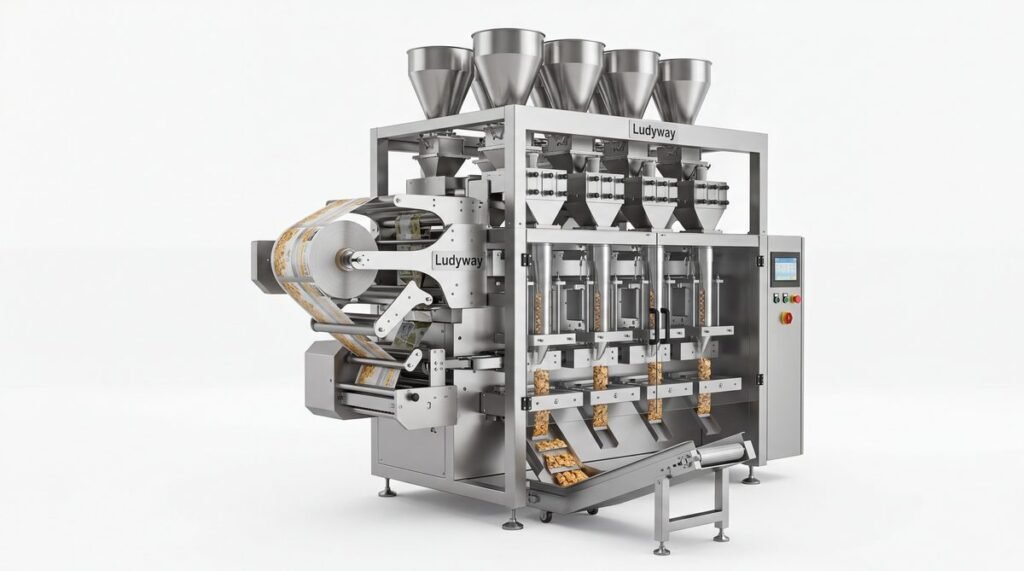
Expanding into the edible oil sector in the Middle East requires a deep understanding of regional standards, high-throughput demands, and strict hygiene protocols. Setting up a complete edible oil packaging machine production line is not just about purchasing equipment; it involves meticulous planning around viscosity handling, arid climate operation, and compliance with GCC food safety regulations.
Understanding Middle East Market Requirements
Before installing machinery, you must evaluate local consumer preferences. The Middle East market predominantly demands packaging in PET bottles (1L, 2L, 5L), tin cans, and flexible pouches. Olive oil, sunflower oil, and palm olein are staples. Your edible oil filling line must be versatile enough to handle different oil types with varying densities without compromising filling accuracy.

Step 1: Site Preparation and Utility Planning
Middle Eastern facilities often face extreme temperatures. Your production floor must be climate-controlled to maintain oil viscosity stability.
- Power Supply: Ensure stable three-phase electrical supply with automatic voltage regulators. Most high-speed liquid packaging machines require 380V/50Hz, which aligns with Gulf standards.
- Compressed Air: Invest in a high-quality air drying system. Oil-free compressed air is critical to prevent contamination in the pneumatic components of the bottle filling and capping system.
- Water Treatment: If your process includes bottle washing, integrate a water softening system to combat the region’s hard water, which can leave residues.
Step 2: Selecting the Core Filling Technology
For edible oils, volumetric piston fillers or high-precision magnetic flow meters are standard. A multi-head liquid filling machine can achieve speeds of up to 6,000 bottles per hour. Prioritize equipment with 316L stainless steel contact parts to resist the slight acidity of certain oils like olive oil.
- Hot Filling Capability: Some palm-based oils require filling at elevated temperatures (40-50°C) to prevent crystallization.
- Anti-Drip Nozzles: Essential to prevent oil drips on the bottle exterior, which can cause sealing failures and create slippery production floors.
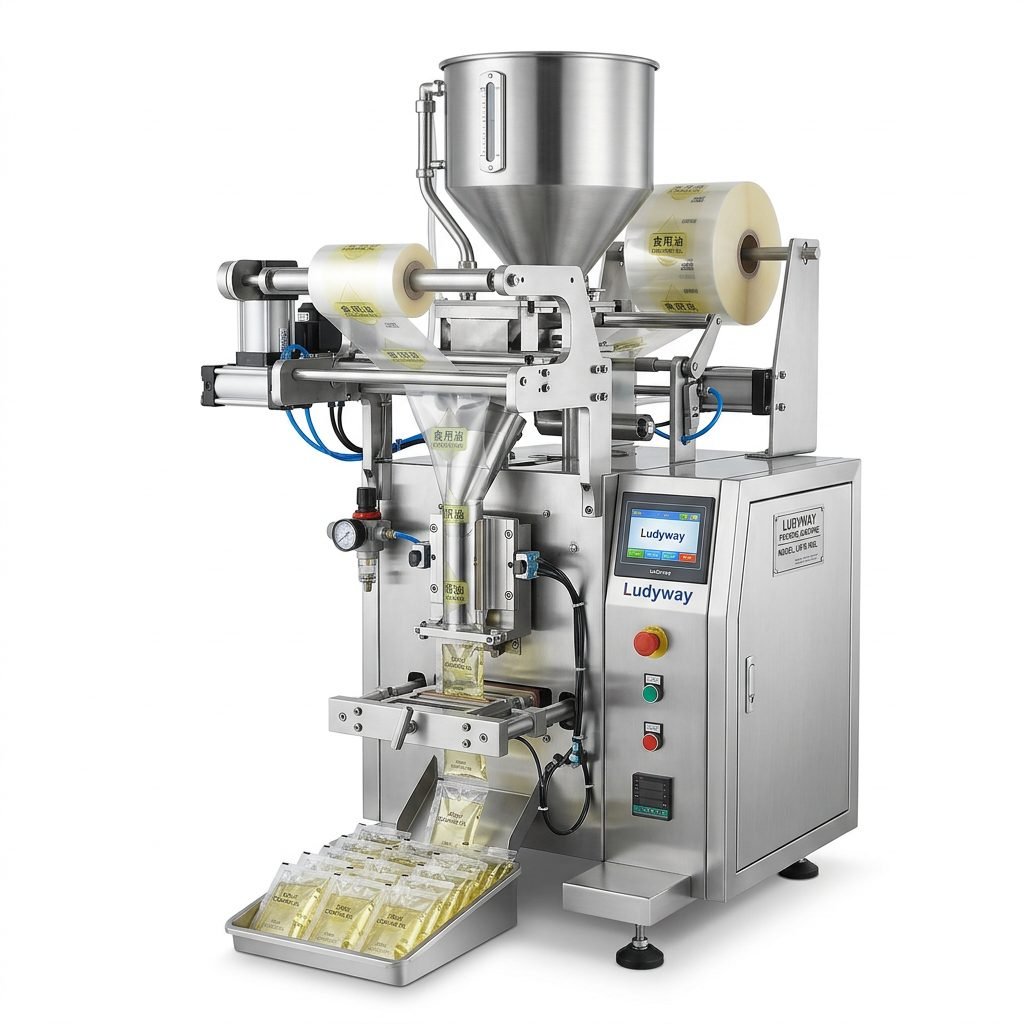
Step 3: Automation and Integrated Packaging Line Layout
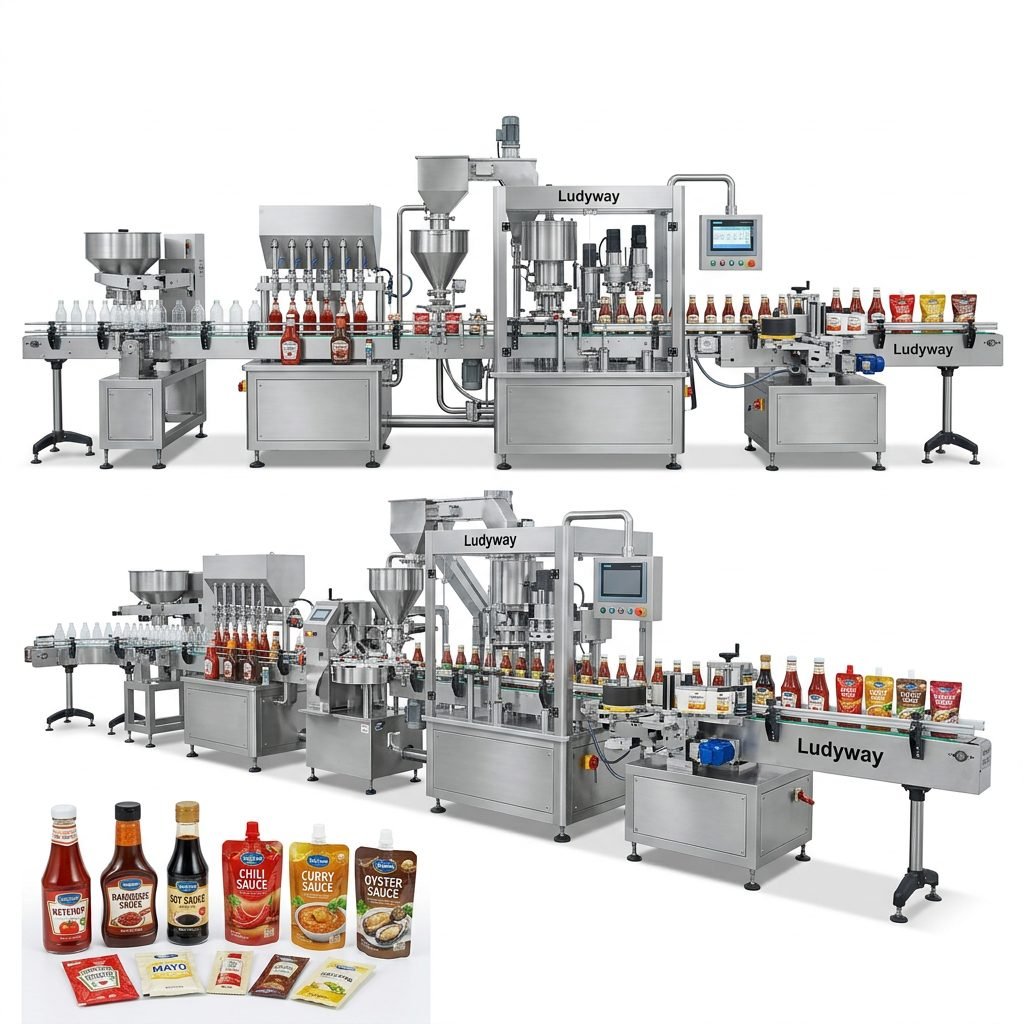
A turnkey line typically integrates:
| Zone | Equipment | Key Function |
|---|---|---|
| 1. Preparation | Bottle Unscrambler / Air Rinser | Automatic bottle sorting and cleaning |
| 2. Processing | Piston/Magnetic Flow Filler | High-accuracy weight or volumetric filling |
| 3. Sealing | Pick-and-Place Capping Machine | Tamper-evident cap tightening |
| 4. Quality | Dynamic Checkweigher + Rejector | Ensures net content compliance |
| 5. Labeling | Dual-Sided Wrap-Around Labeler | Applies front/back labels with date coding |
| 6. End-of-Line | Case Packer / Palletizer | Packs bottles into cartons for dispatch |
Step 4: Material Compatibility and Packaging Design
In the Middle East, UV-protected PET bottles are becoming popular to extend shelf life by filtering light that accelerates oil degradation. Coordinate with your packaging material suppliers to ensure the cap liner (usually EPE or aluminum foil) is compatible with your induction sealing machine. Poor liner bonding is a common cause of leakage in the hot Middle Eastern logistics chain.
Step 5: Regulatory Compliance and Certification
Exporting packaged oil within the Gulf Cooperation Council (GCC) requires adherence to the GSO 2535:2017 standard. Your line must support traceability features, such as batch coding and barcode scanning. Verify that your edible oil packaging machine production line components meet FDA or European Commission directives for food contact materials if you are exporting to broader international markets through regional hubs like Dubai.
Essential Compliance Checklist
- Net Content Accuracy: Integrate OIML-approved checkweighing equipment.
- Product Safety: Install X-Ray inspection or metal detection to catch foreign particles.
- Hygiene Design: Sloped surfaces and IP65-rated washdown controls for daily cleaning.
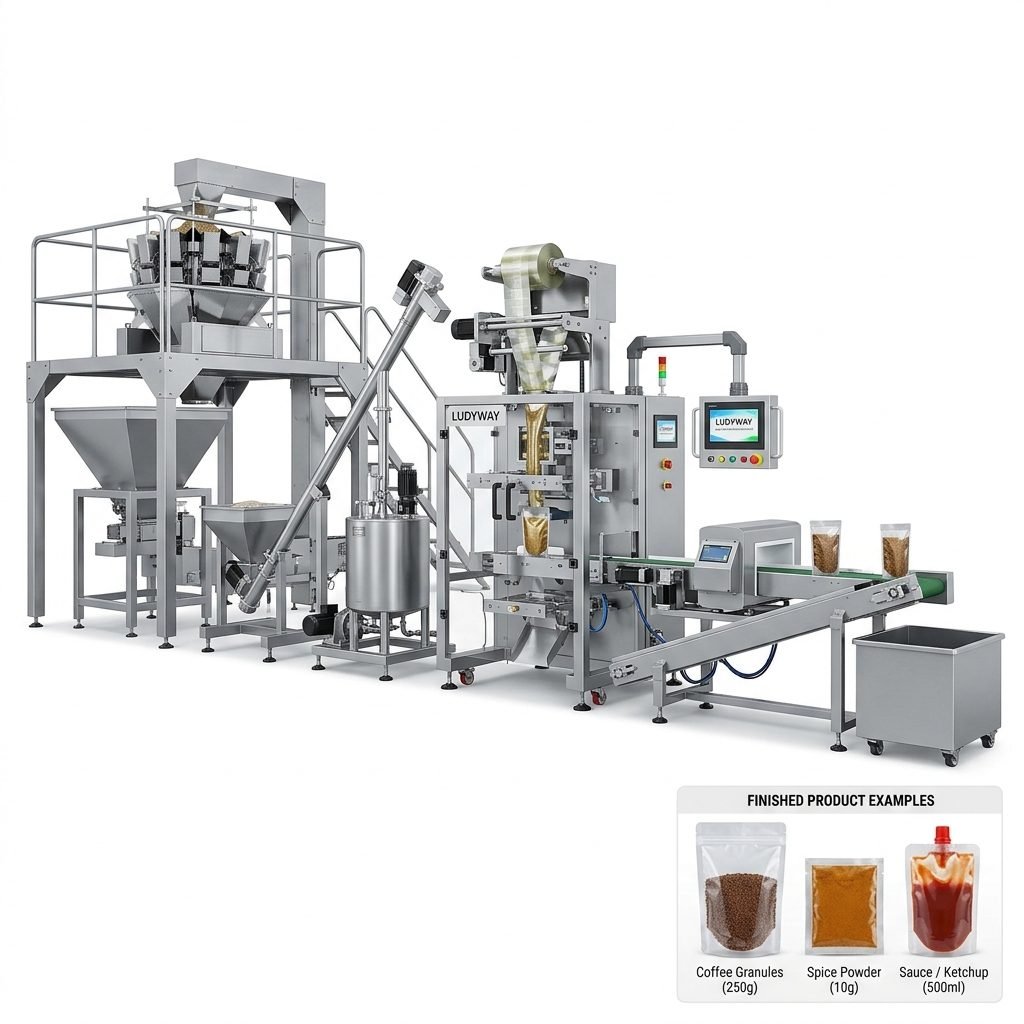
Key Performance Parameters to Target
| Specification | Small-Scale Plant | Industrial-Scale Plant |
|---|---|---|
| Throughput | 1,500 – 3,000 BPH | 6,000 – 12,000 BPH |
| Filling Accuracy | ±1.5% | ±0.5% |
| Container Size | 250ml – 2L | 500ml – 5L (Quick Changeover) |
| Control System | PLC with Touch Screen | Servo-Driven with IoT Data Logging |
| Power Consumption | Approx. 5-8 kW | Approx. 15-25 kW |
Step 6: Installation, Training, and After-Sales in the Region
The climate demands specific cooling solutions for electrical cabinets. During commissioning, focus on calibrating the filling temperature probes. A comprehensive training program for your operators on changeover procedures and troubleshooting is crucial for maintaining peak profitability. High humidity in coastal areas like Jeddah or Dubai requires rigorous sealing checks.
Partnering with a Reliable Machinery Manufacturer
Navigating the import of heavy machinery requires a supplier with strong export logistics and local technical support capabilities. Ludyway is a leading global packaging machine manufacturer with over 30 years of expertise, operating from a 20,000㎡ facility and delivering integrated projects to over 100 countries. We offer more than 50 intelligent models, including specialized liquid and pouch packaging systems, ensuring your project meets international quality and performance standards with robust after-sales support.
Global Project Delivery Reliability
- Rapid Spare Parts: Dedicated logistics hub for urgent Middle East shipments.
- Remote Technical Assistance: Pre-installed IIoT gateways for real-time troubleshooting.
- Compliance Assurance: Pre-configured safety and hygiene protocols matching Gulf standards.
Logistics and Operational Workflow Optimization
Plan the downstream space for pallet wrapping machines and shrink wrapping tunnels to secure finished goods for the dusty environment often encountered in regional transport. Efficient product flow from the filling room to the warehouse minimizes labor costs and bottle damage, ensuring your edible oil packaging line operates at maximum efficiency.
For more insights on packaging machinery export trends, consult the PMMI Business Intelligence reports. To understand specific material standards, the Flexible Packaging Association resources offer valuable technical data.