Choosing the best pouch packaging machine for food products depends on more than speed alone. The right equipment must match your product type, pouch format, production volume, hygiene standard, and future expansion plans. A machine that works perfectly for powdered drink mixes may be a poor fit for sauces, frozen snacks, or granules.
If you are comparing food pouch packaging systems for a new production line or an upgrade project, this guide explains what to look for, which machine types suit different foods, and how to avoid expensive buying mistakes.
Why Pouch Packaging Is So Popular in the Food Industry
Food brands increasingly choose pouch packaging because it combines convenience, shelf appeal, and production efficiency. Pouches are widely used for snacks, seasonings, sauces, coffee, sugar, powdered beverages, nutritional products, frozen foods, and ready-to-eat items.
- Lower material usage than many rigid packages
- Easy storage, transport, and retail display
- Flexible sizes for single-serve and family packs
- Good compatibility with automation
- Strong branding potential through custom printed film or premade pouches
- Optional features such as zippers, spouts, tear notches, and gussets
For manufacturers, the real question is not whether pouch packaging is useful, but which machine configuration delivers the best performance for a specific food product.
What “Best” Really Means for a Food Pouch Packaging Machine
There is no single machine that is best for every food application. The best choice is the one that gives you the strongest balance of:
- Accurate filling for your product characteristics
- Reliable sealing to protect freshness and shelf life
- Food-safe construction and easy cleaning
- Stable output at your required production speed
- Packaging flexibility for different pouch sizes and materials
- Low downtime and manageable maintenance
- Scalability for future SKUs and capacity growth
The Main Types of Pouch Packaging Machines for Food Products
1. Vertical Form Fill Seal Machines
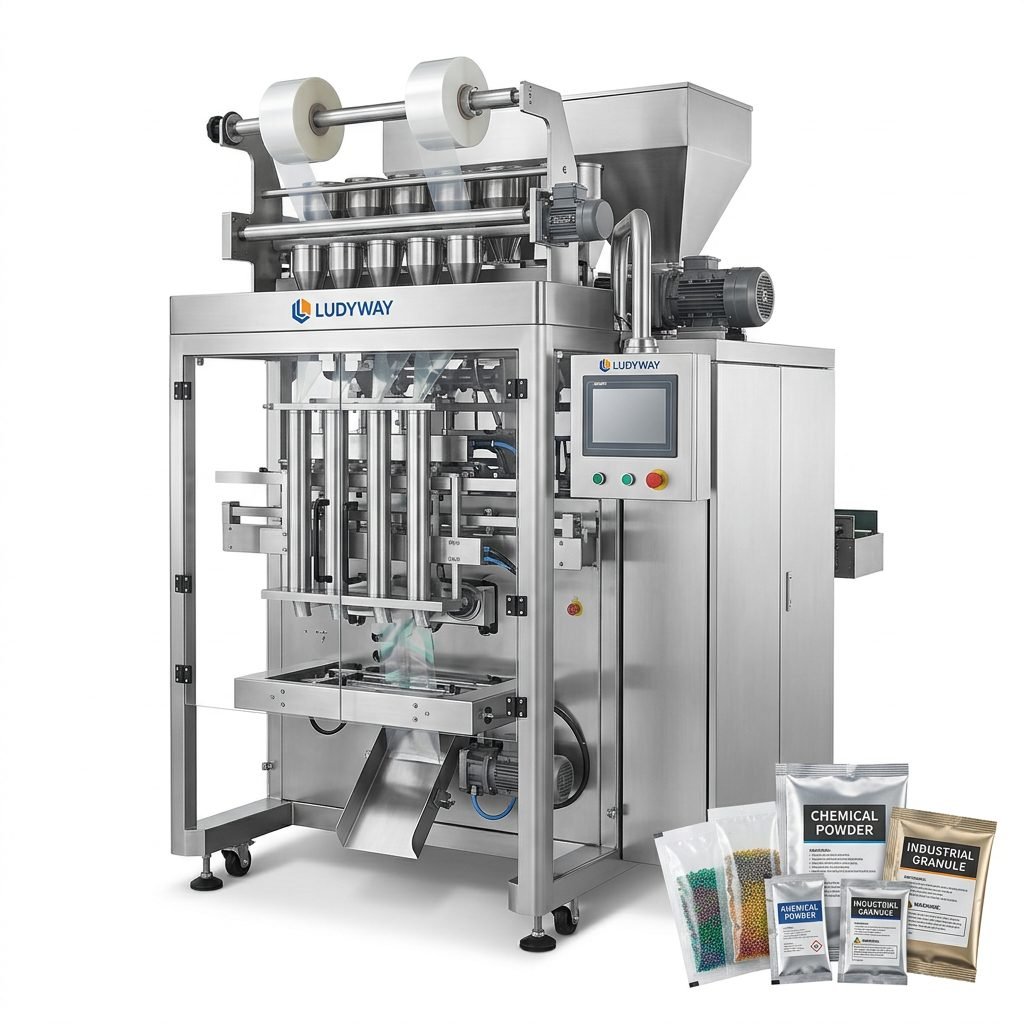
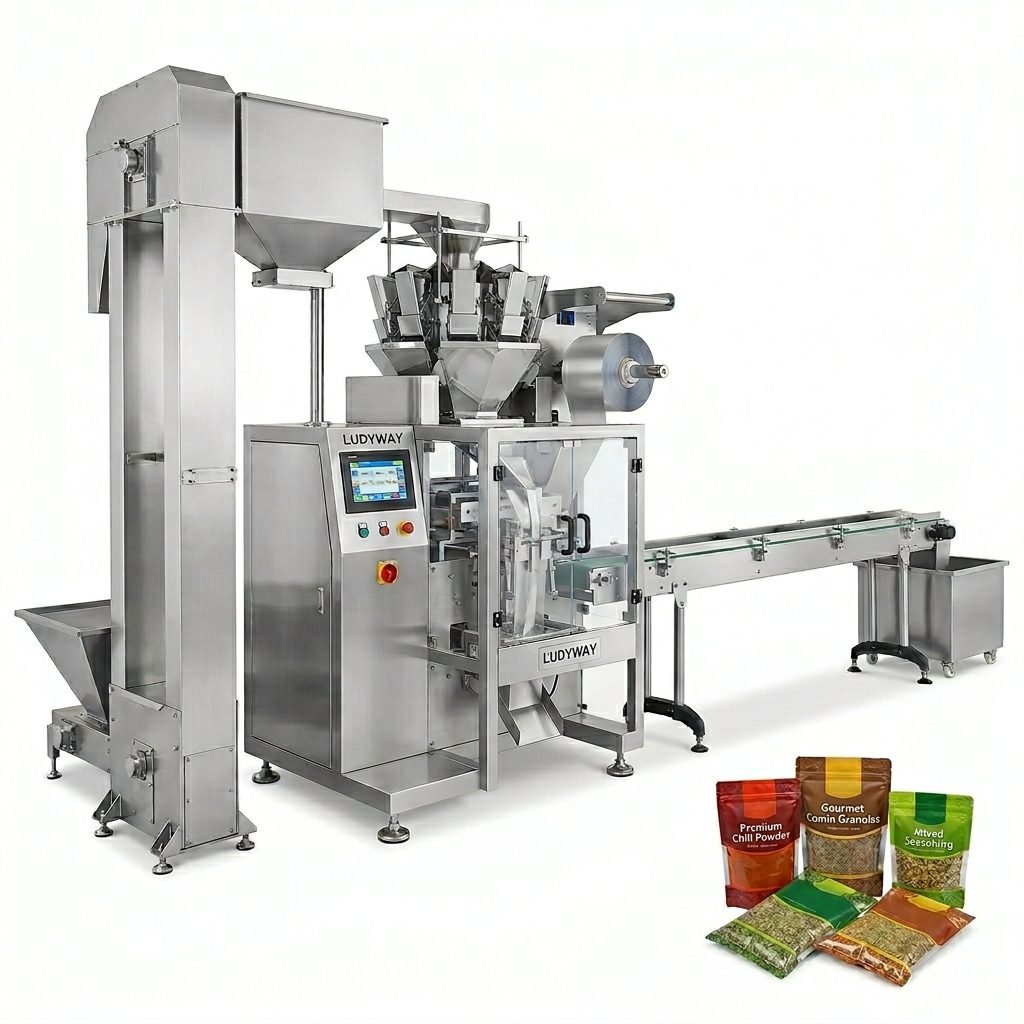
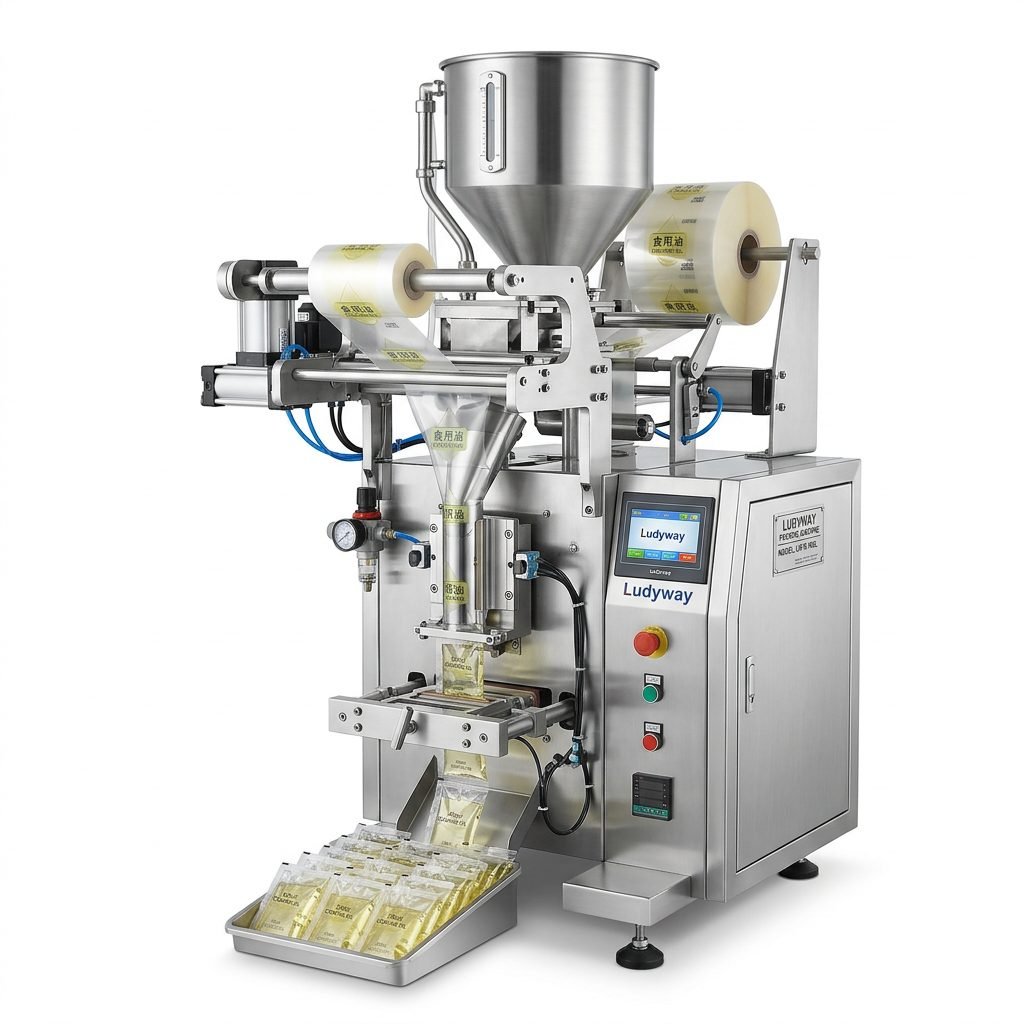
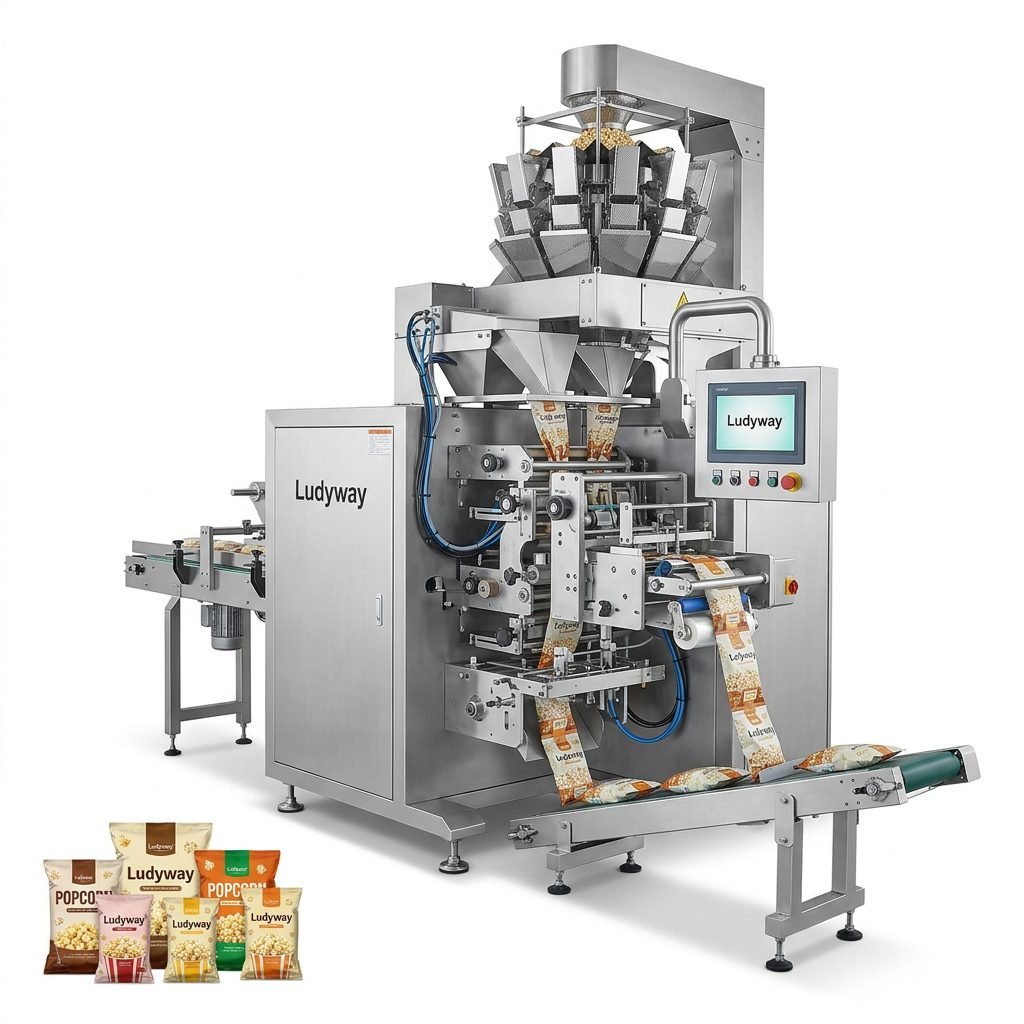
VFFS machines form the pouch from roll film, fill the product, and seal it in one continuous process. They are widely used for snacks, grains, sugar, coffee, frozen food, powders, and many granular products.
Best for: high efficiency, lower packaging material cost, and flexible pouch production.
2. Premade Pouch Packing Machines
These machines pick up premade pouches, open them, fill them, and seal them. They are commonly used for stand-up pouches, zipper pouches, and premium retail packaging.
Best for: attractive shelf-ready pouches, specialty food products, and brands needing premium presentation.
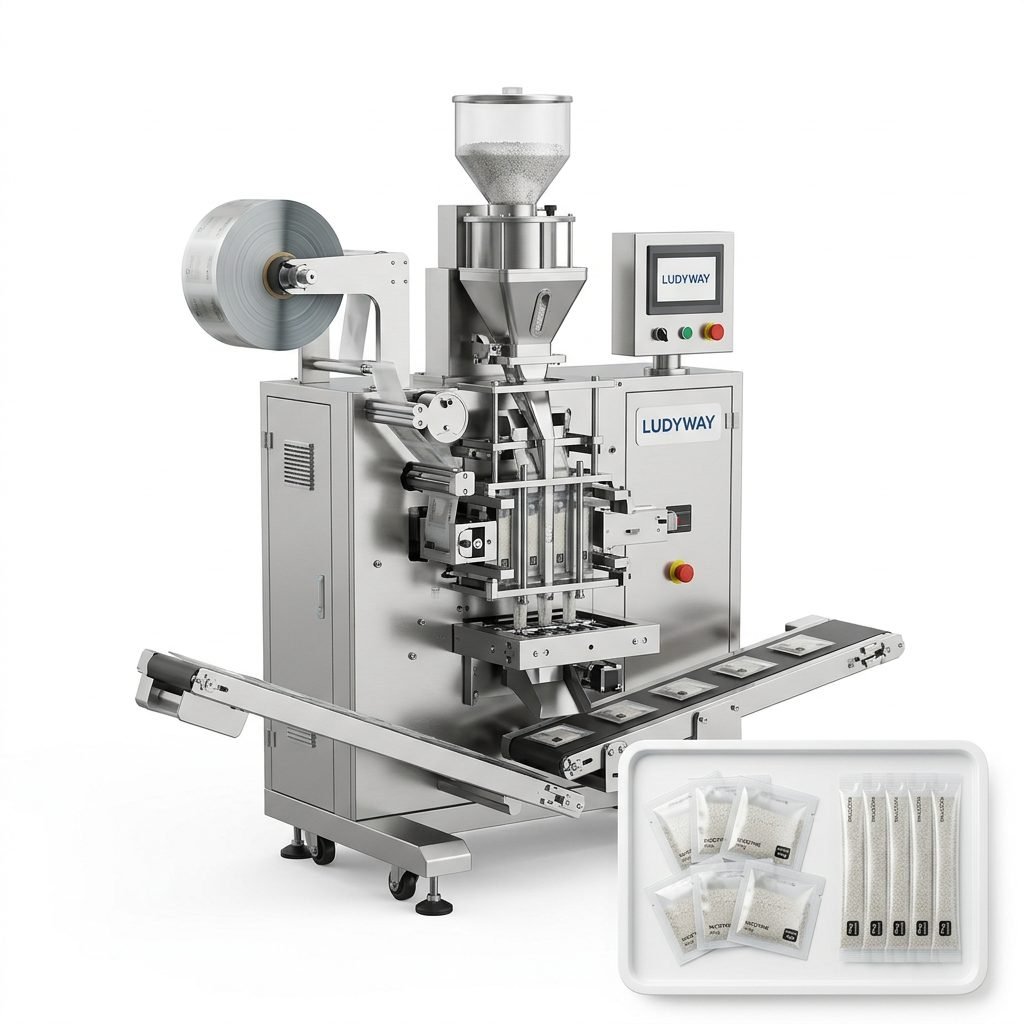
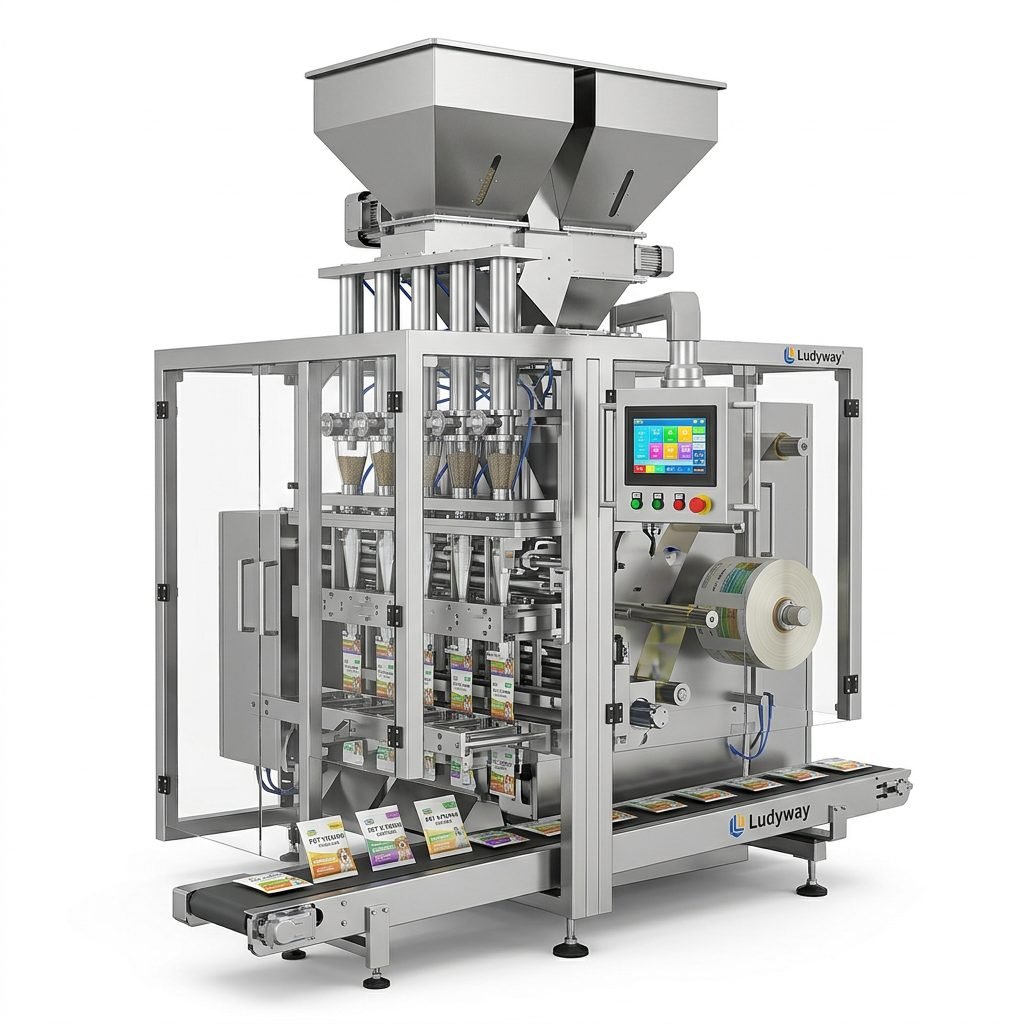
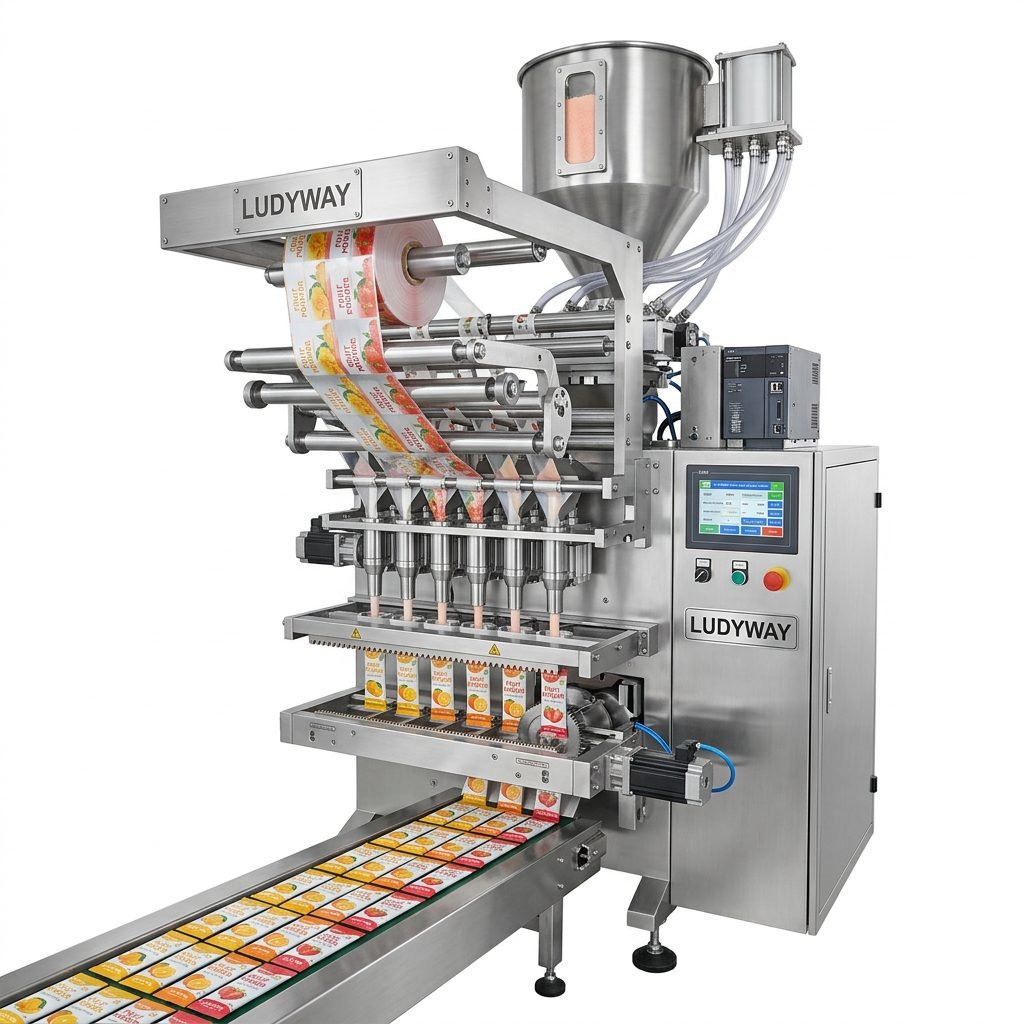
3. Multi-Lane Sachet and Stick Pack Machines
These are designed for small-dose packaging in multiple lanes simultaneously. They are ideal for powders, granules, liquids, and pastes in single-serve formats.
Best for: instant drinks, coffee, seasonings, nutritional supplements, sauces, and sample packs.
4. Rotary Pouch Packing Machines
Rotary systems usually handle premade pouches with multiple stations for opening, filling, sealing, coding, and discharge. They offer strong flexibility for product and pouch changes.
Best for: medium to high output with more complex pouch styles.
Best Machine by Food Product Type
| Food Product Type | Recommended Machine | Typical Filling System | Why It Fits |
|---|---|---|---|
| Powders | VFFS or multi-lane sachet machine | Auger filler | Good dosing precision and clean sealing |
| Granules | VFFS or premade pouch machine | Multihead weigher or cup filler | Fast, accurate, and suitable for free-flowing products |
| Liquids | Sachet/stick pack or premade pouch machine | Piston pump or liquid pump | Helps achieve stable volume control and tight sealing |
| Pastes and sauces | Premade pouch or multi-lane liquid machine | Piston filler | Handles viscous products with better consistency |
| Snacks and irregular solids | VFFS or premade pouch system | Multihead weigher | Protects product and improves weighing accuracy |
| Frozen foods | Heavy-duty VFFS or premade pouch system | Weigher-based system | Built for cold conditions and higher bag strength |
How to Choose the Right Filling System
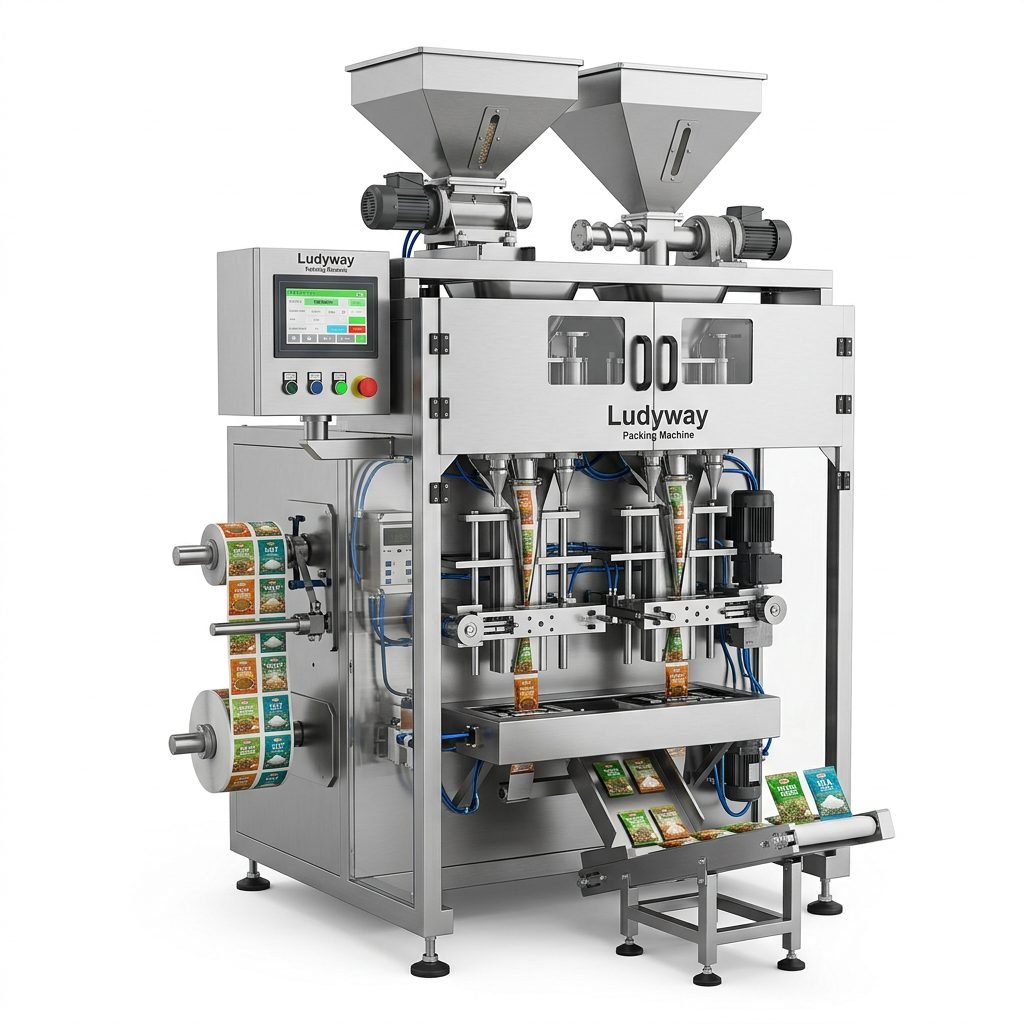
The pouch machine and the filling device must work together. Many packaging issues come from selecting the wrong dosing system rather than the wrong bagging frame.
Auger Filler
Best for flour, milk powder, protein powder, coffee powder, spice powder, and other non-free-flowing powders.
Multihead Weigher
Ideal for chips, nuts, candy, frozen vegetables, pet snacks, popcorn, and mixed granular foods where speed and weighing accuracy matter.
Volumetric Cup Filler
Suitable for uniform free-flowing granules such as sugar, salt, rice, and seeds. Often used when cost control is a priority.
Piston or Pump Filler
Used for liquids and pastes such as ketchup, honey, mayonnaise, sauces, soup concentrates, oils, and syrups.
Key Features to Look for in a Food Pouch Packaging Machine
- Stainless steel food-contact parts for hygiene and corrosion resistance
- Stable sealing temperature control for different films
- Servo-driven motion for accuracy and repeatability
- Simple touchscreen controls for recipe storage and fast changeover
- Dust control or anti-drip design based on product type
- Nitrogen flushing option for shelf-life protection
- Checkweigher, metal detector, and coding integration for line compliance
- Easy cleaning access to reduce sanitation time
For Small, Medium, and High-Volume Production: Which Is Best?
Small Batch Production
If you are a startup or running a niche food brand, a compact premade pouch machine or lower-speed sachet machine may be the best option. It reduces initial investment while still delivering professional packaging.
Medium Output Production
For growing companies, VFFS machines or rotary premade pouch systems usually provide the best balance between cost, flexibility, and speed.
High-Speed Industrial Production
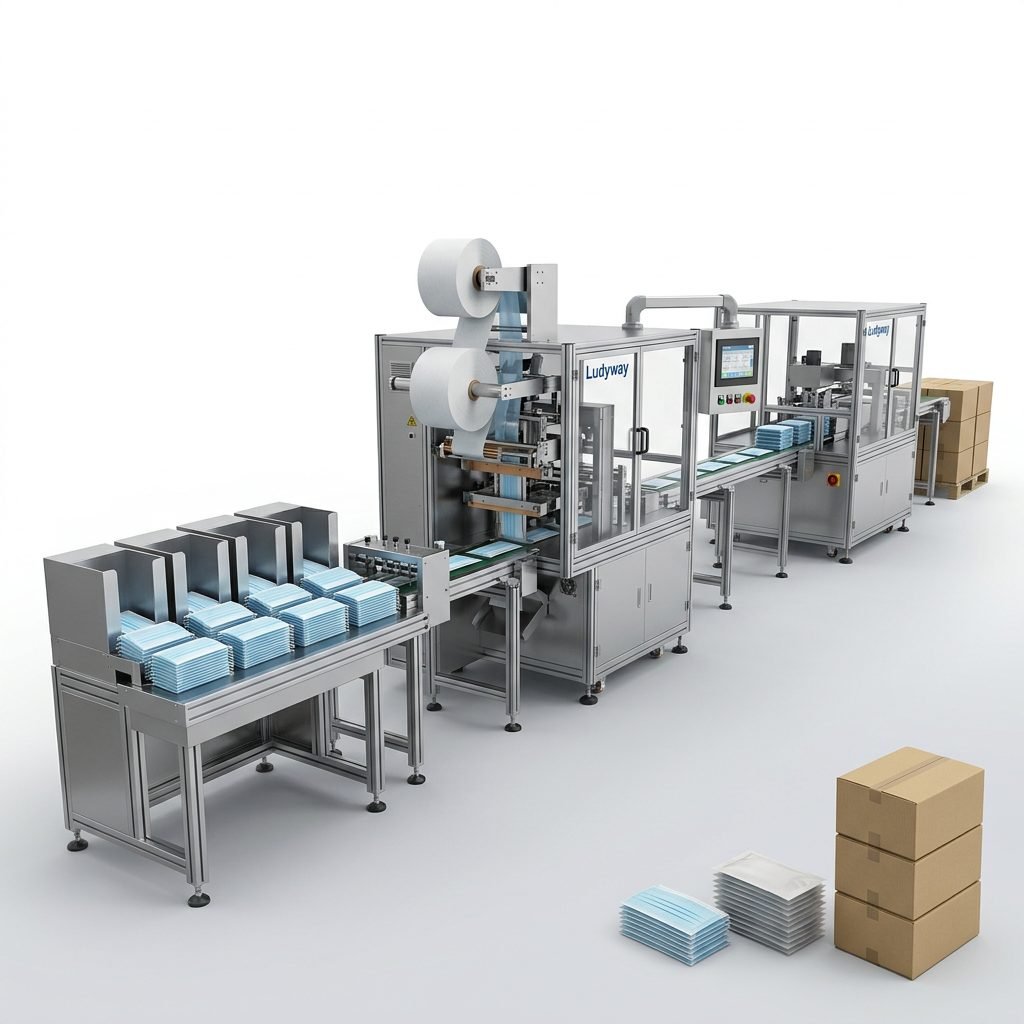
For large food plants, the best choice is often a fully integrated automated line with feeding, weighing, filling, sealing, inspection, cartoning, and end-of-line handling.
| Production Need | Best Machine Type | Main Advantage |
|---|---|---|
| Startup / pilot line | Compact pouch or sachet machine | Lower investment and flexibility |
| Growing food factory | VFFS or rotary premade pouch machine | Balanced speed and operational cost |
| Large industrial plant | Automated turnkey pouch packaging line | Maximum efficiency and line integration |
Common Mistakes When Buying a Food Pouch Packaging Machine
- Choosing speed over product compatibility
- Ignoring sealing performance with actual packaging film
- Not considering cleaning and sanitation time
- Buying a machine with no room for future SKU changes
- Overlooking integration with conveyors, checkweighers, or coding systems
- Failing to test real product samples before ordering
A smart purchase decision should be based on real production conditions, not only brochure specifications.
Should You Choose a Standalone Machine or a Complete Packaging Line?
If you only need one packaging process and your upstream operations are manual, a standalone machine may be enough. But if you want long-term efficiency, traceability, and labor savings, a complete line is often the better investment.
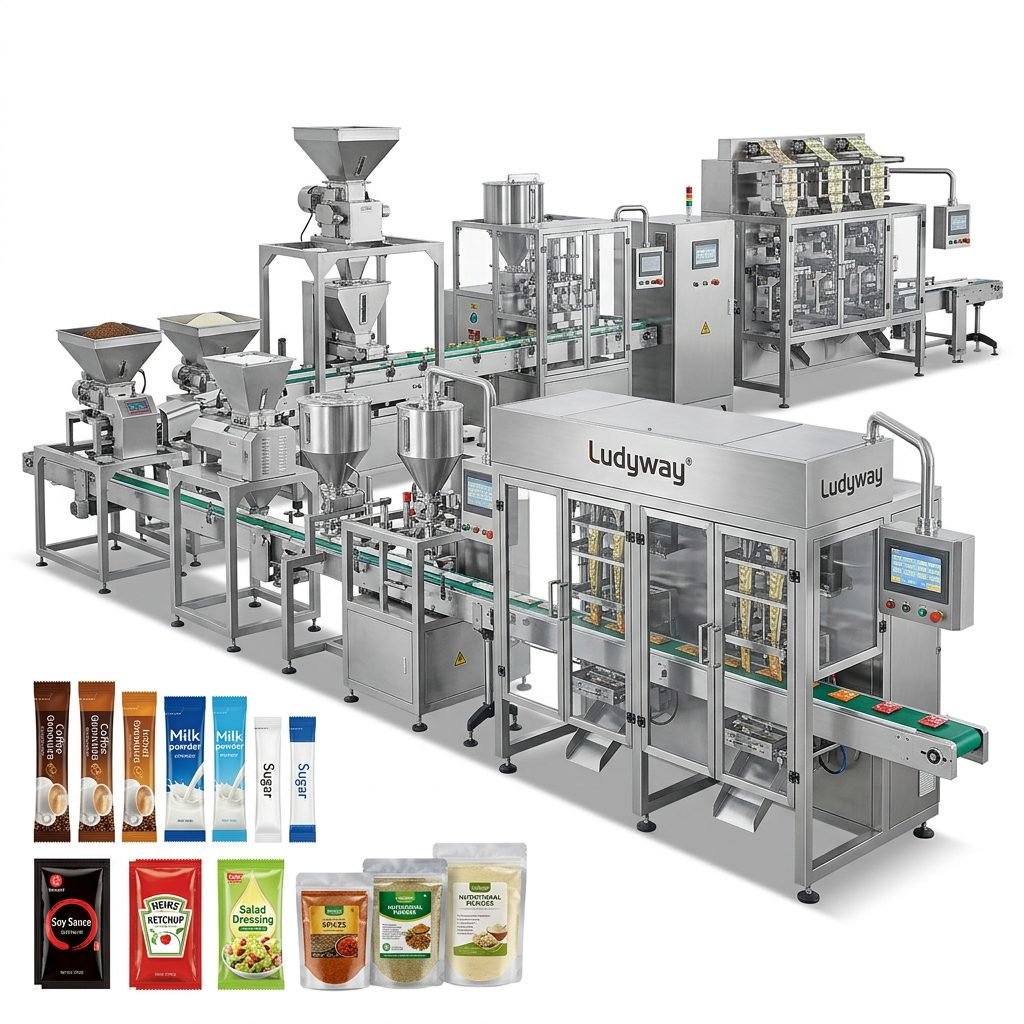
An integrated line can include:
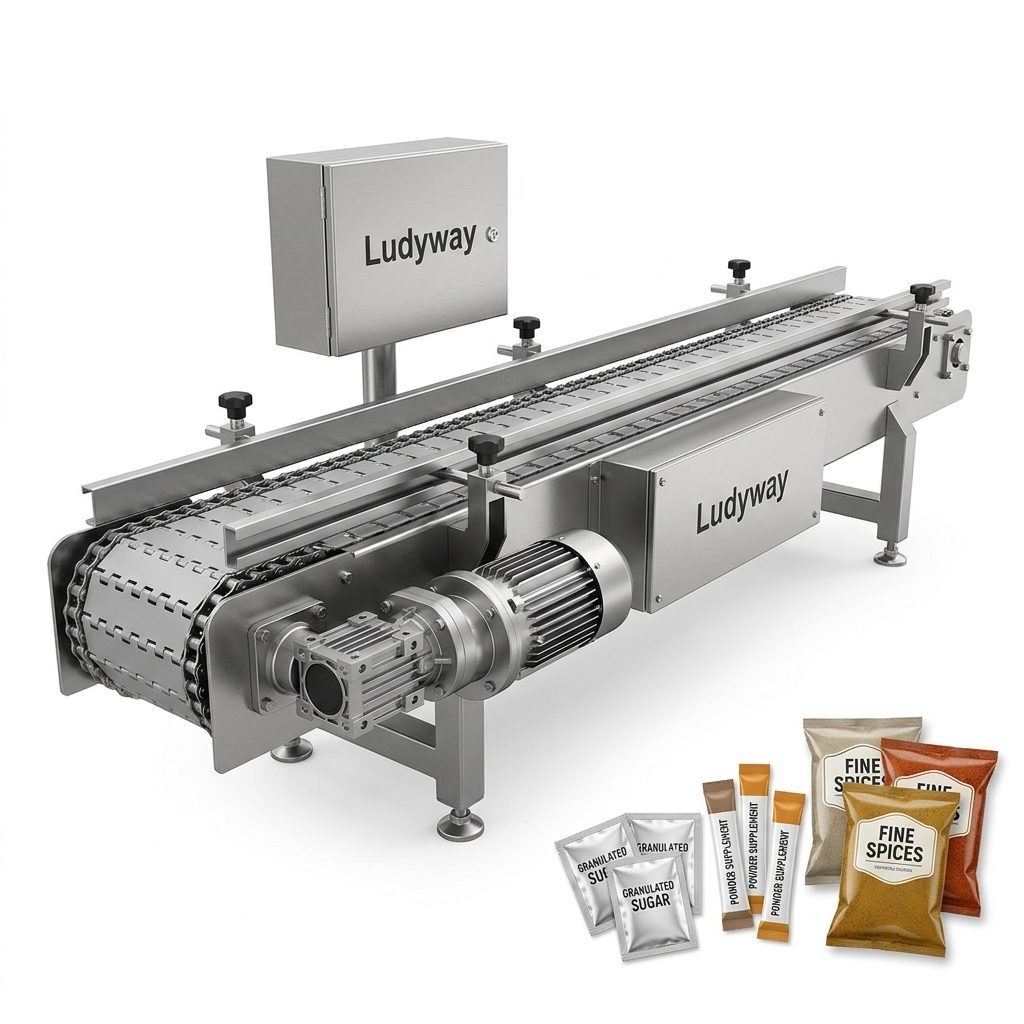
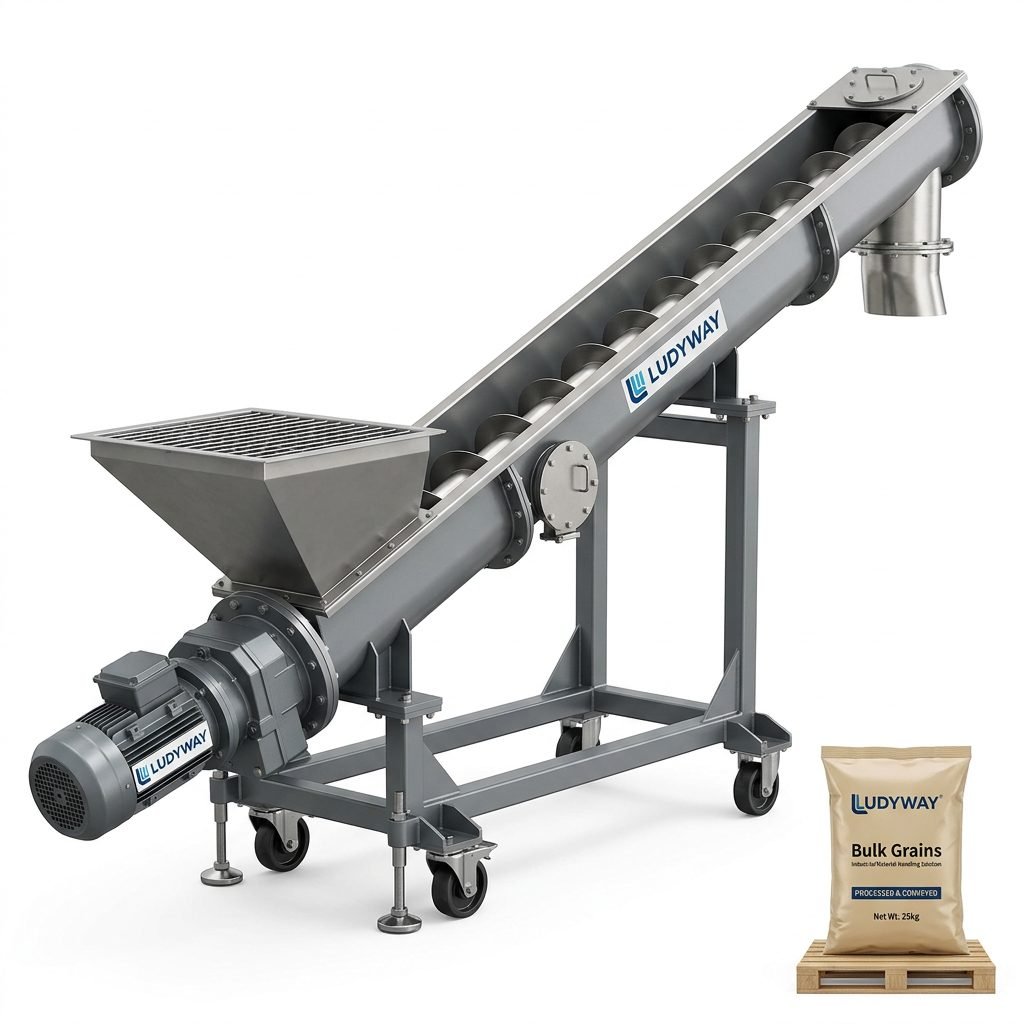
- Product feeding and conveying
- Weighing or dosing system
- Pouch forming or premade pouch handling
- Filling and sealing
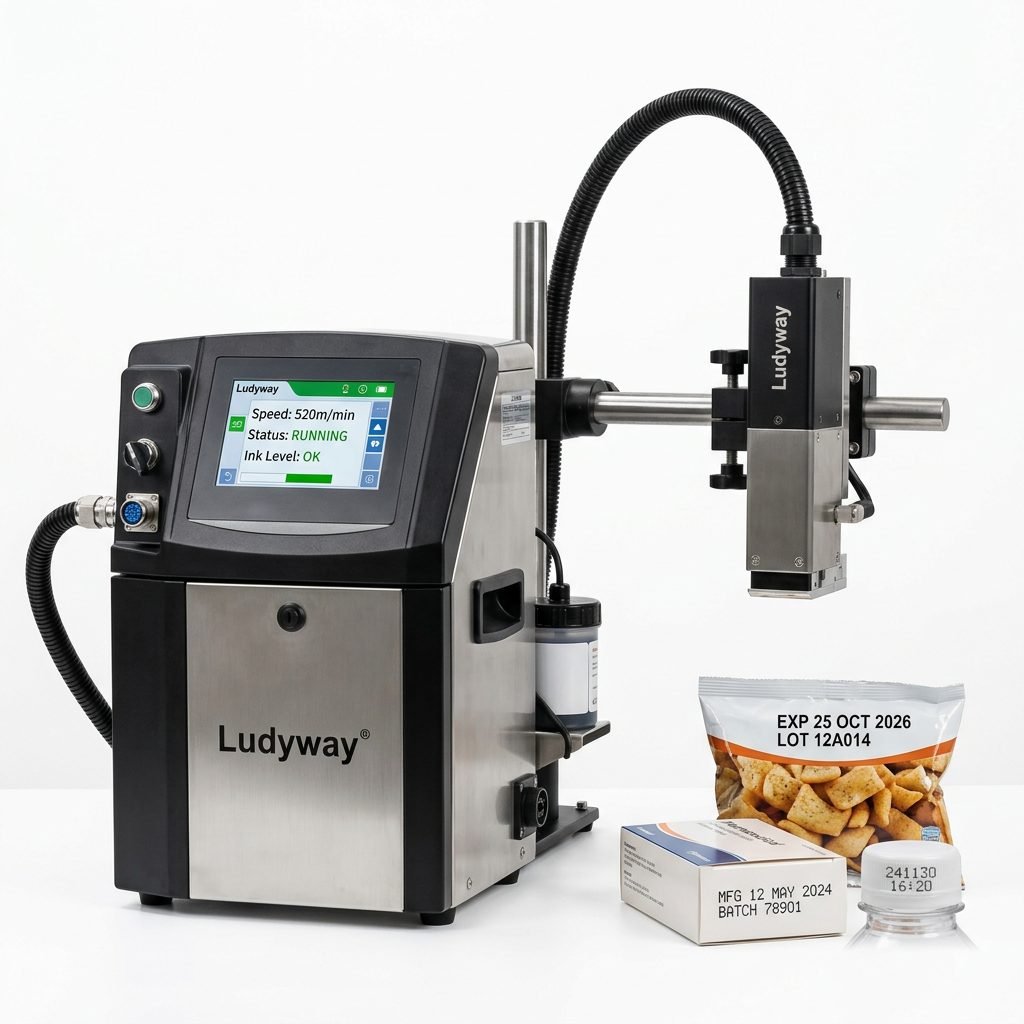
- Date coding and label printing
- Metal detection and checkweighing
- Cartoning, case packing, and palletizing
For food manufacturers seeking scalable automation, Ludyway pouch packaging machine solutions are often considered for both standalone systems and turnkey packaging lines thanks to the company’s broad machine range, export experience, and application-based customization capabilities.
How to Evaluate a Supplier Before You Buy
Even the best machine design can underperform if the supplier lacks engineering support. Before making a final decision, ask these questions:
- Do they have proven experience with your food category?
- Can they test your actual product and pouch material?
- Do they offer layout planning and line integration advice?
- Can they provide spare parts and remote technical support?
- Do they have customization ability for filling, sealing, or pouch structure?
- Can they support future expansion to a turnkey line?
Final Buying Recommendation by Application
For powder foods
Choose a machine with an auger filler, dust-control design, and stable sealing system.
For granules and snacks
Choose a multihead weigher + VFFS or premade pouch system for better accuracy and speed.
For liquid and paste foods
Choose a pump or piston filling pouch machine with anti-drip structure and strong seal integrity.
For premium retail pouch products
Choose a premade pouch packaging machine that handles stand-up pouches, zipper pouches, or shaped pouches.
For high-output single-serve food packs
Choose a multi-lane sachet or stick pack machine for the highest packaging efficiency.
Conclusion
The best pouch packaging machine for food products is the one built around your exact product, pouch style, hygiene target, and production plan. For powders, granules, liquids, and sauces, the most effective solution usually combines the right pouch machine with the right filling technology and the right level of automation.
If you compare machines by product fit, sealing quality, cleaning convenience, production scalability, and supplier support, you will make a much safer long-term investment and build a more reliable food packaging operation.