Investing in a chocolate bar packaging machine is a critical decision for confectionery manufacturers aiming to scale production, ensure product freshness, and maintain consistent brand presentation. Whether you produce solid chocolate bars, filled bars, or specialty shapes, the right packaging equipment can significantly impact your operational efficiency and bottom line. This guide breaks down the essential features, cost considerations, and selection criteria to help you make an informed purchase.
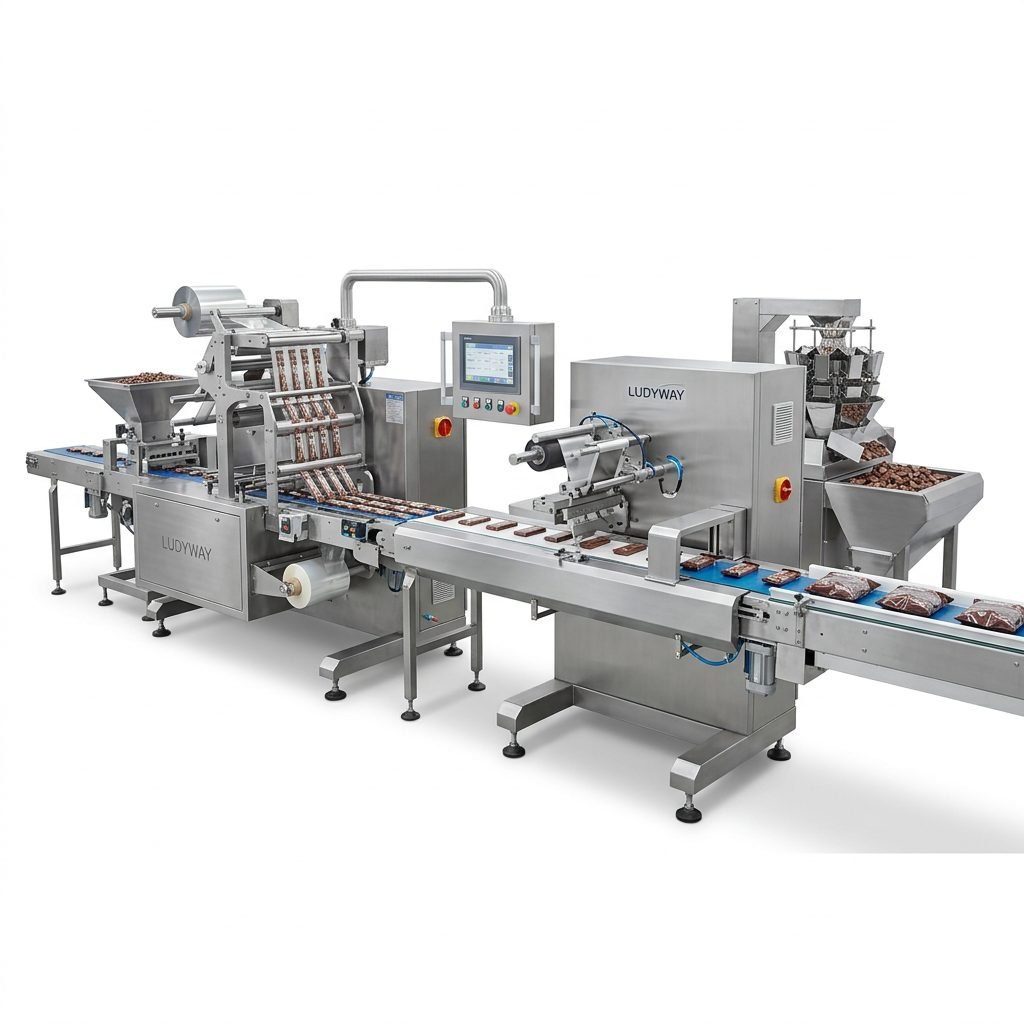
Understanding Chocolate Bar Packaging Machine Types
Before evaluating specific models, it helps to understand the primary machine categories available for chocolate bar packaging:
- Flow Wrapping Machines: The most common choice for solid chocolate bars, using a continuous film roll to wrap individual bars at high speed. Ideal for pillow-pack style wrapping with heat-sealed ends.
- Fold Wrapping Machines: Used for premium or specialty chocolates, creating elegant folded wraps with foil or paper-based materials for a high-end presentation.
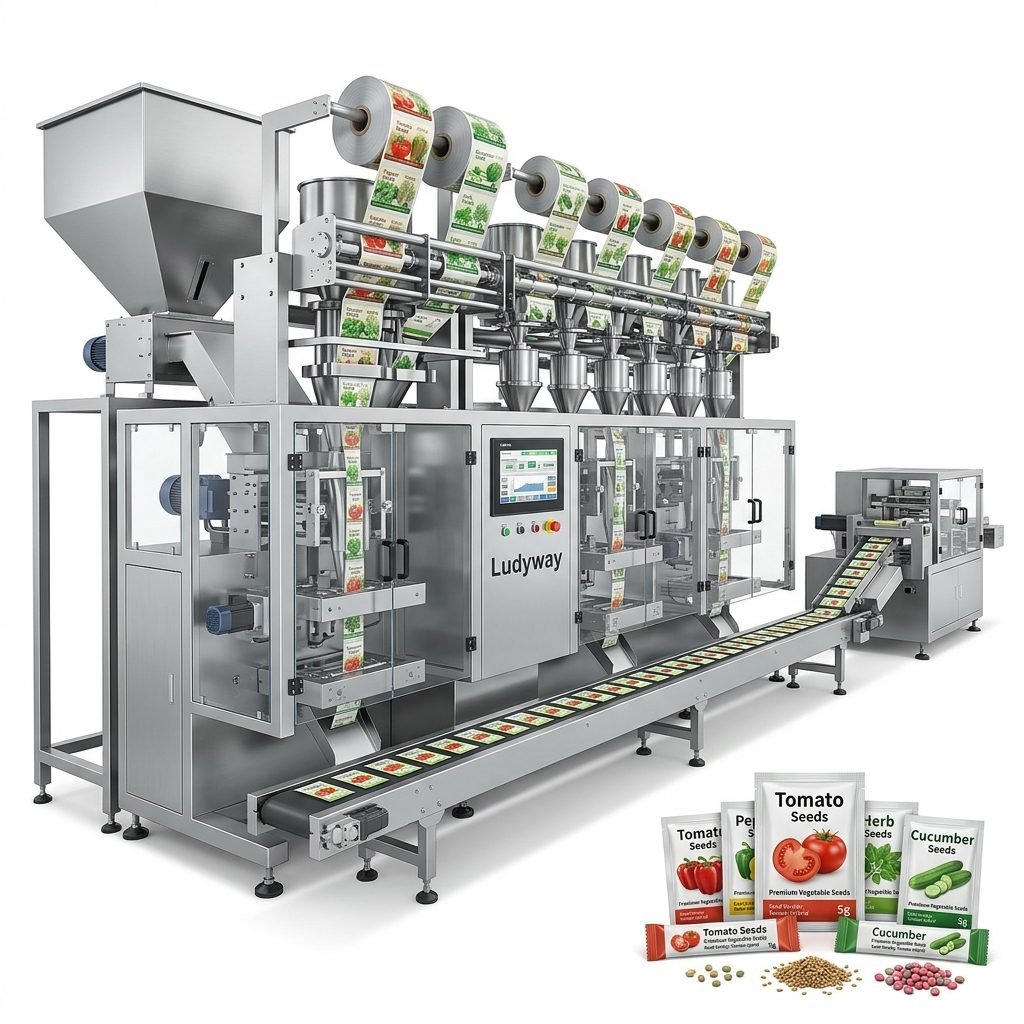
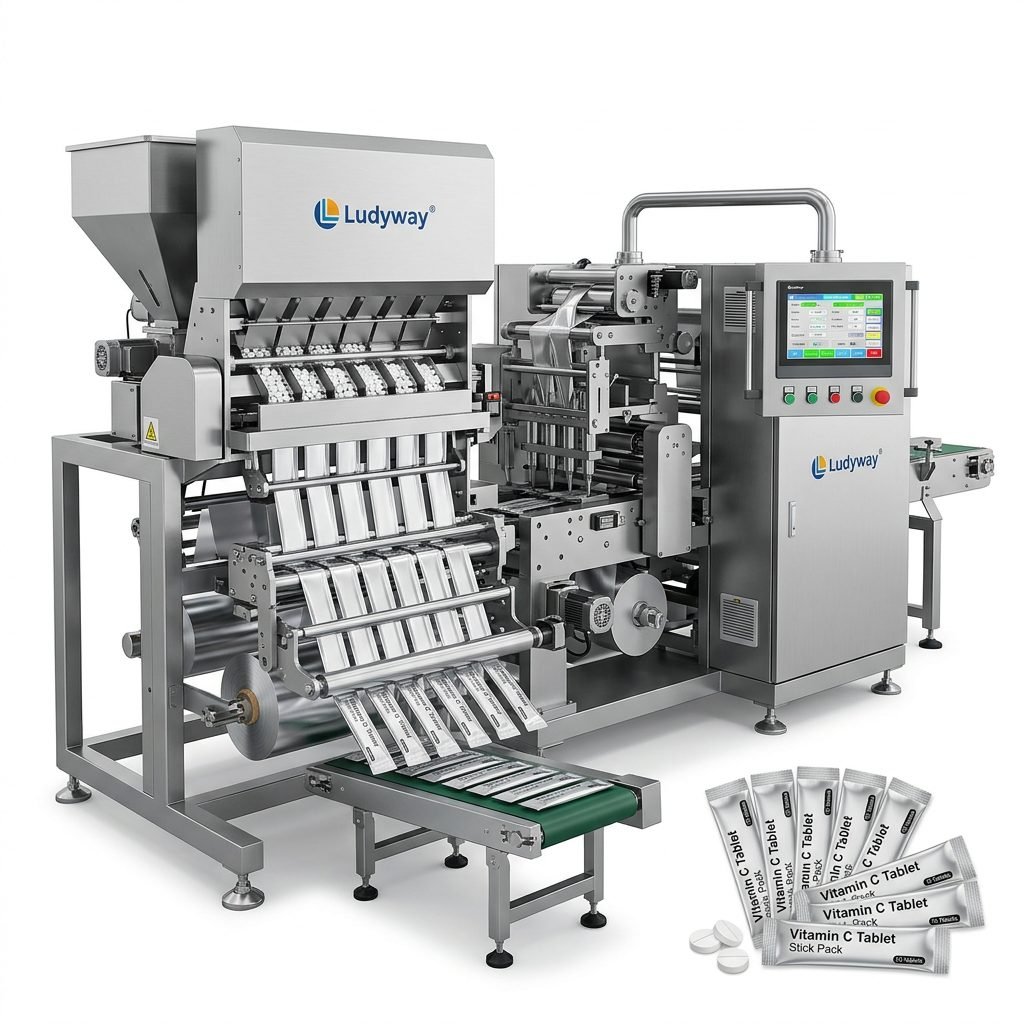
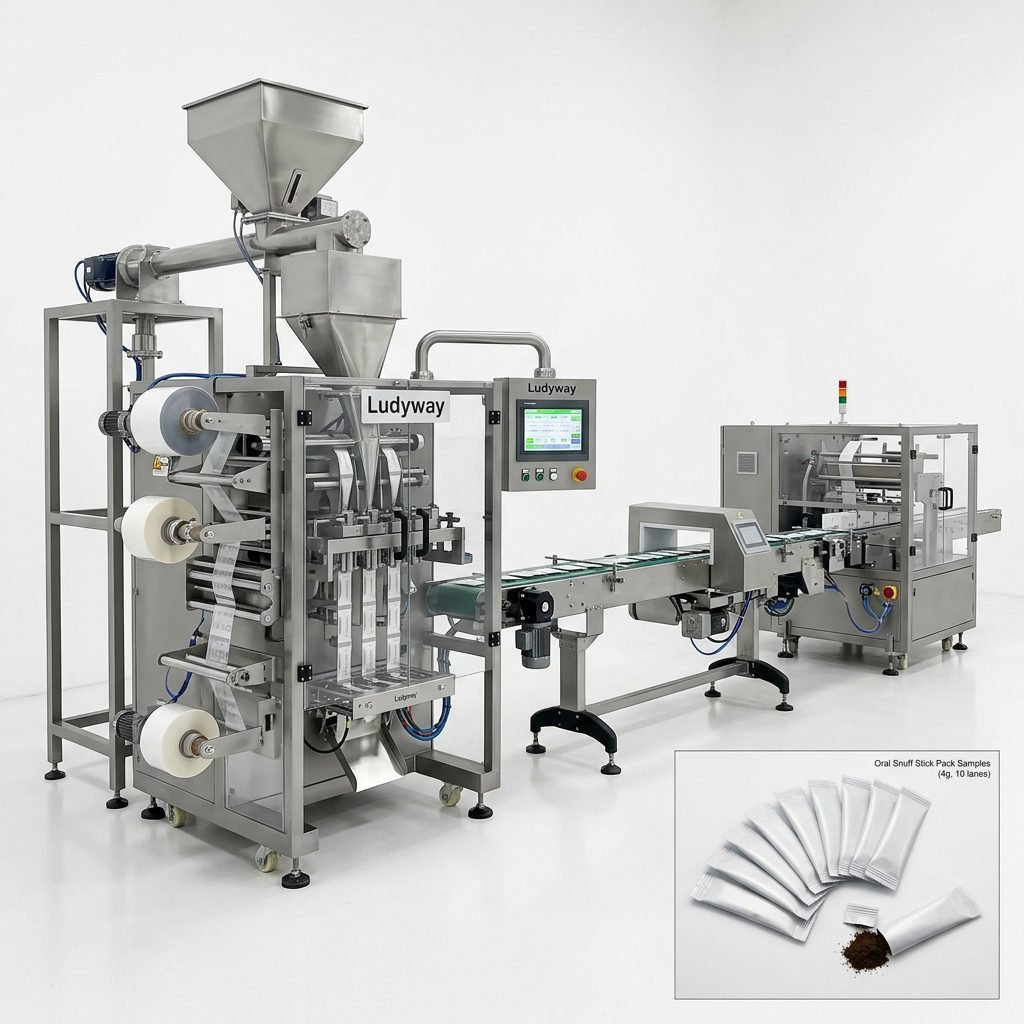
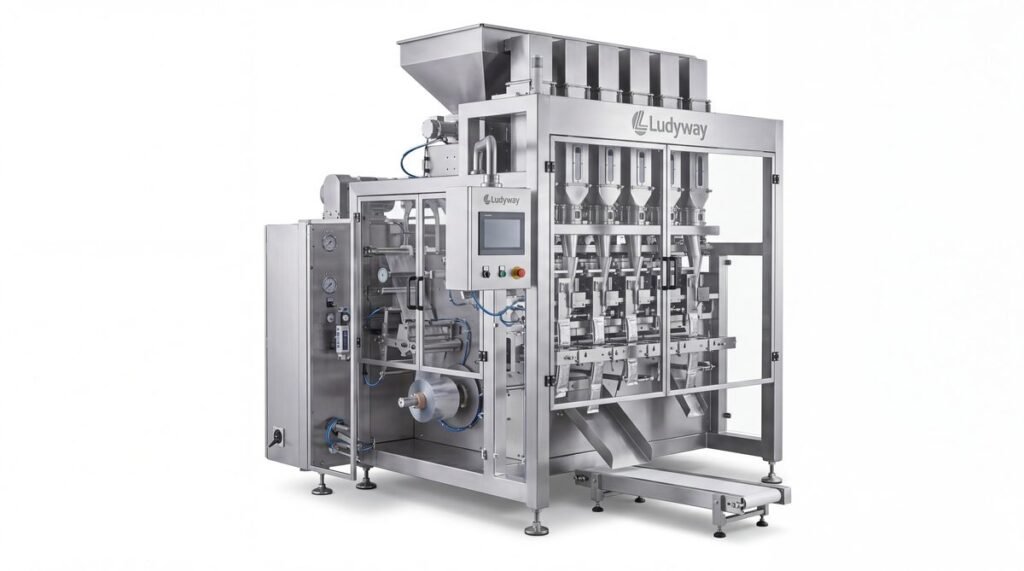
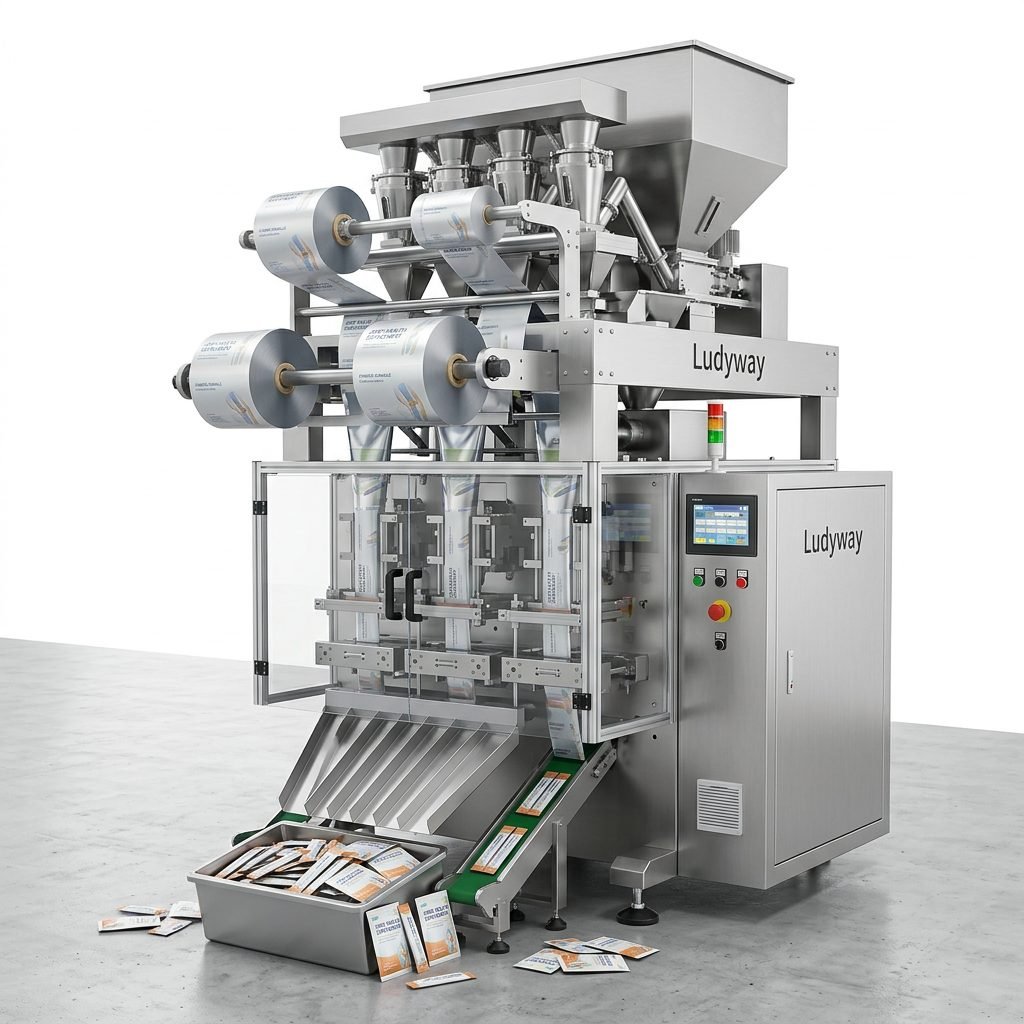
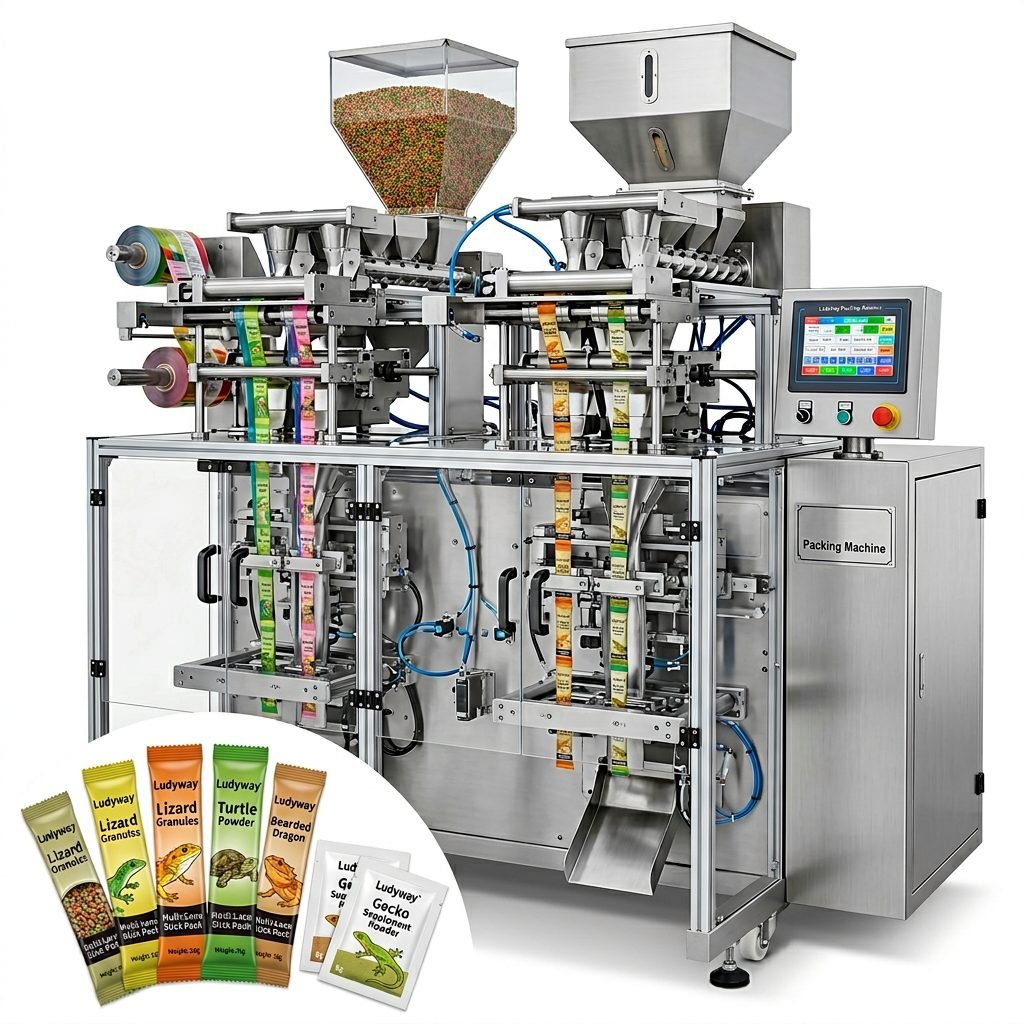
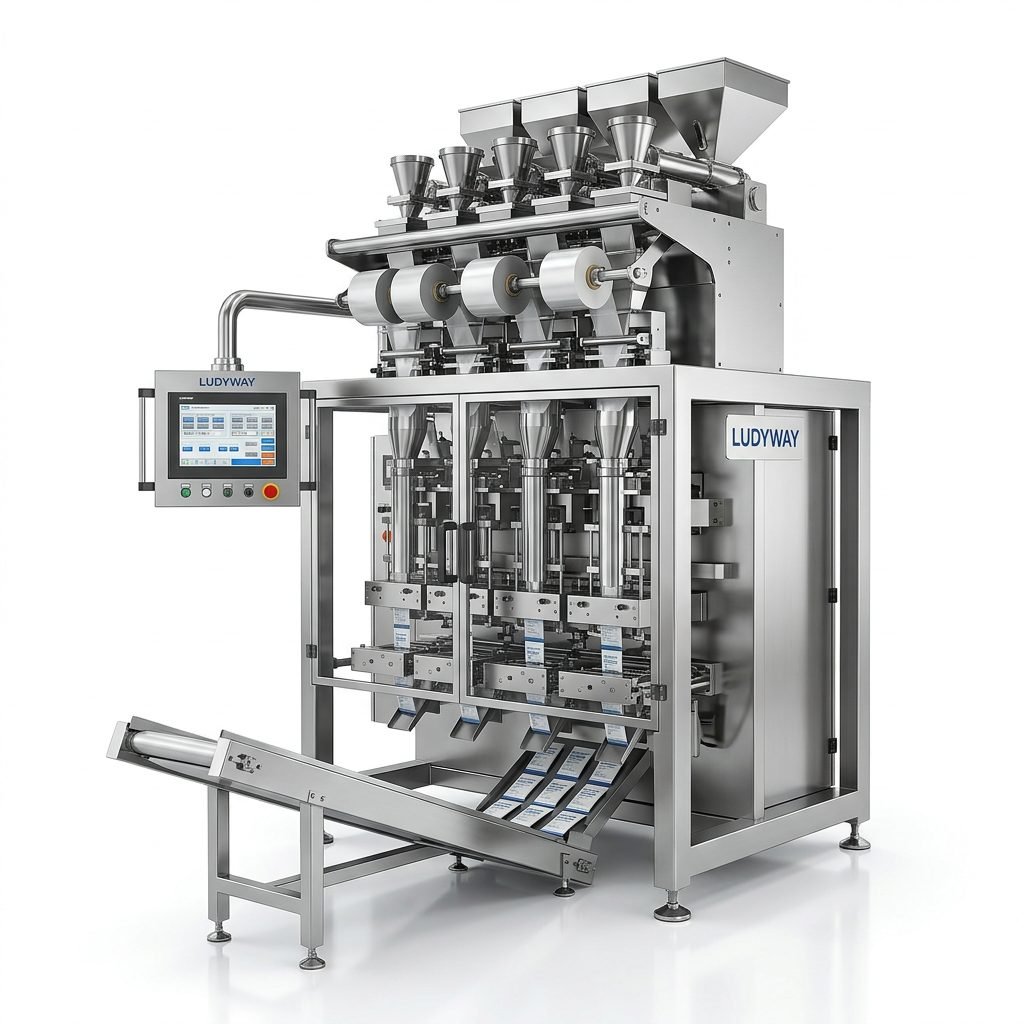
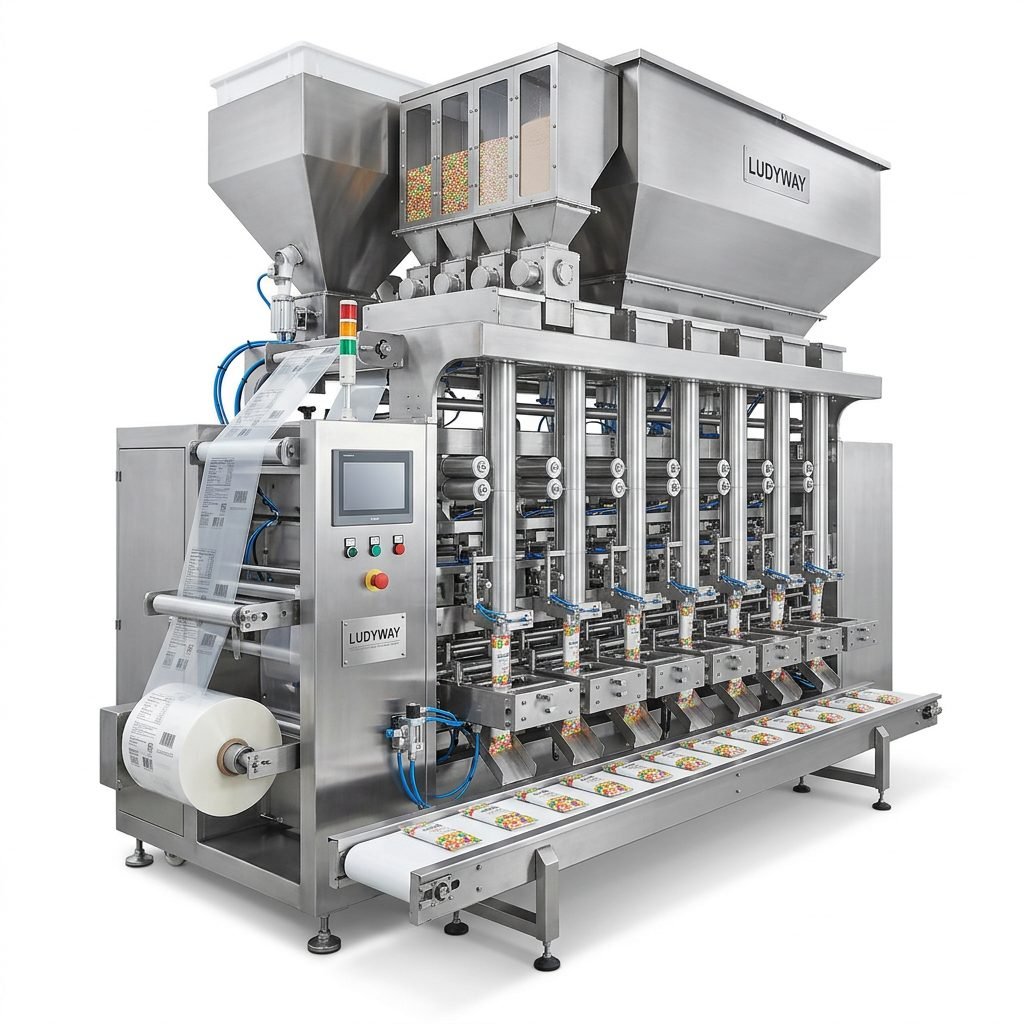
- Multi-Lane Stick Pack Systems: Suitable for mini chocolate bars or chocolate-coated snacks, offering high-speed parallel packaging across multiple lanes simultaneously.
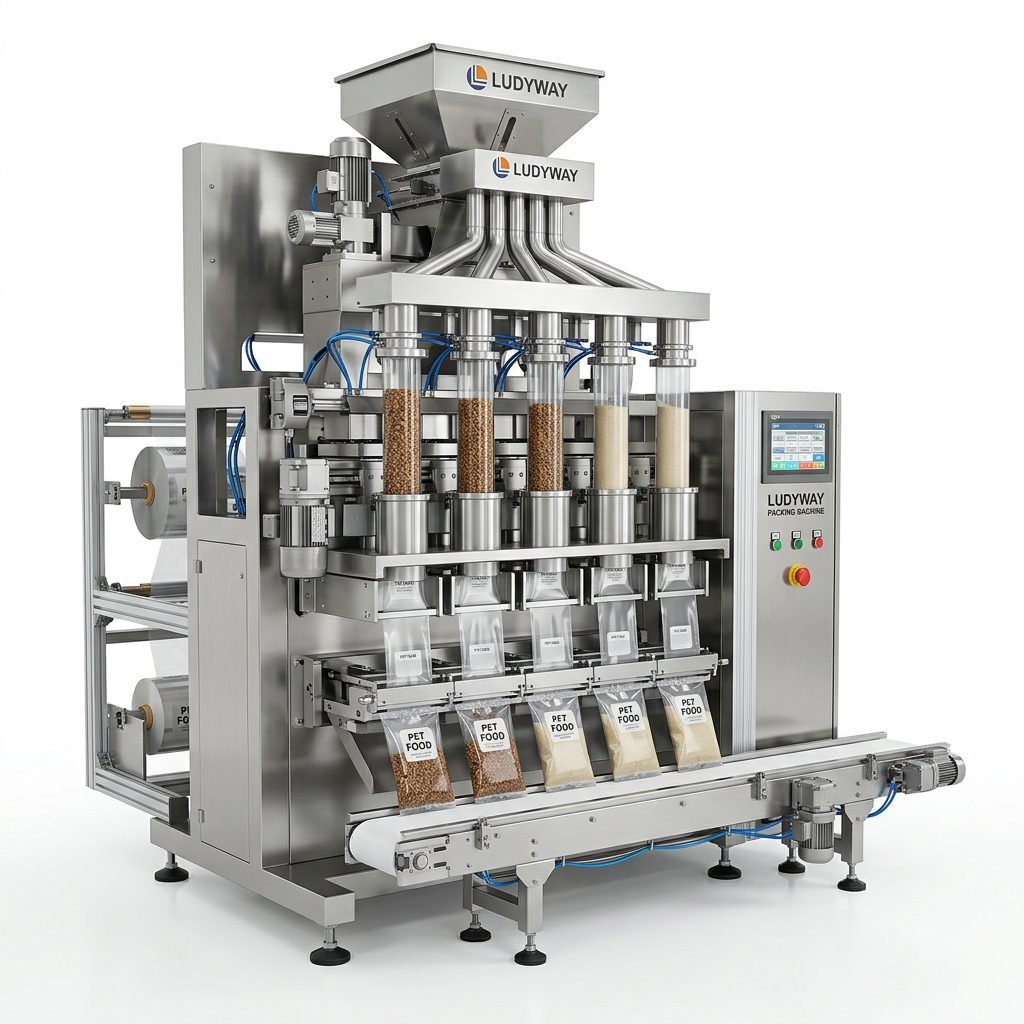
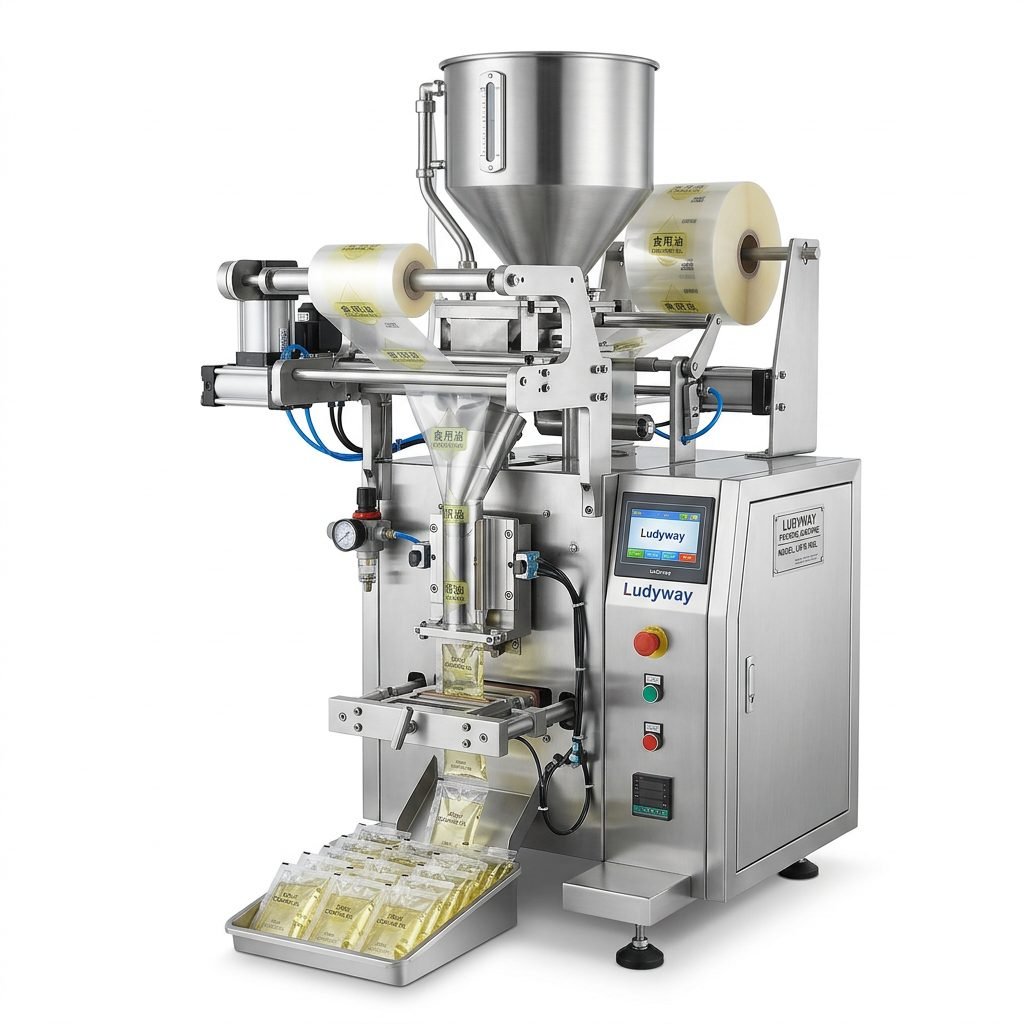
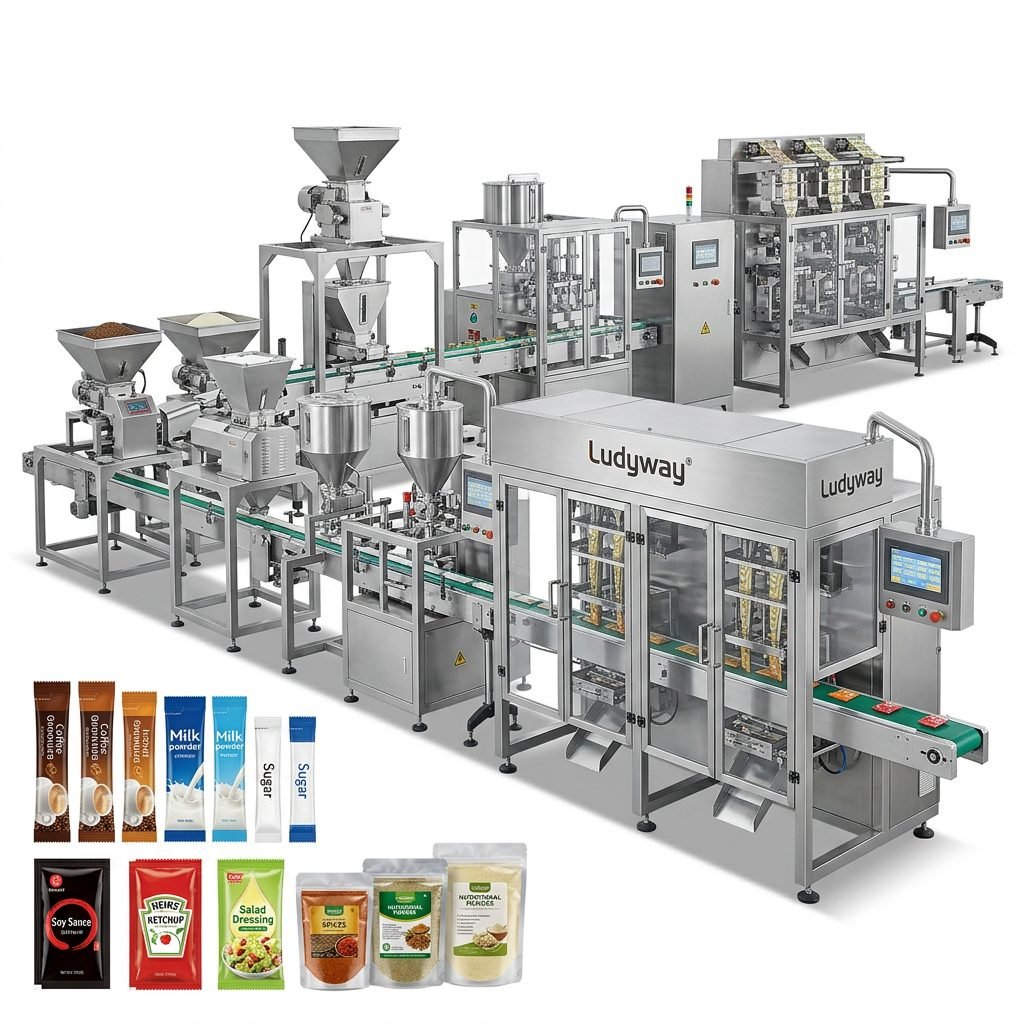
- Sachet and Pouch Packaging Machines: Designed for chocolate pieces, coated nuts, or chocolate powders, providing versatile format options for various product types.
Key Features to Evaluate Before Purchasing
When comparing chocolate bar packaging machines, certain features directly affect performance, product quality, and long-term reliability. Pay close attention to the following specifications:
Packaging Speed and Output Capacity
Production speed is measured in packs per minute (ppm) and varies widely across models. Entry-level flow wrappers may handle 40–80 ppm, while high-speed automated packaging lines can exceed 300 ppm. Match the machine’s rated speed to your current and projected production volumes to avoid bottlenecks.
Film Compatibility and Material Handling
Chocolate packaging requires materials that protect against moisture, oxygen, and light. Ensure the machine supports the films you plan to use — such as metallized BOPP, cold-seal films, or compostable barrier materials. Cold-seal compatibility is particularly important for heat-sensitive chocolate products, as it eliminates the need for high-temperature sealing that could cause melting or bloom.
Portion Control and Filling Accuracy
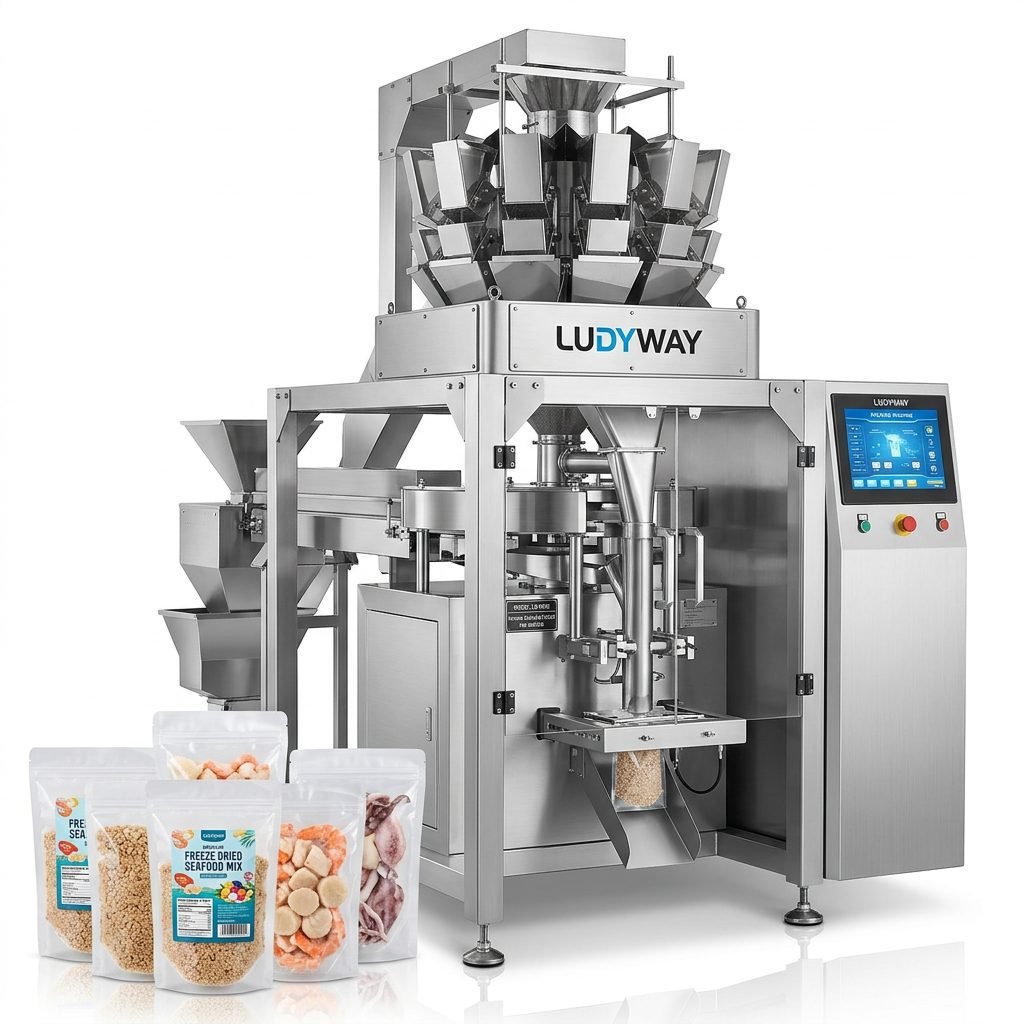
For chocolate bars with inclusions such as nuts, caramel, or crisps, precise portion control is essential. Look for machines equipped with servo-driven feeding systems and multi-head weighers that deliver consistent fill weights with minimal product giveaway. Advanced models feature automatic feedback loops that adjust filling parameters in real time.
Changeover Flexibility
If your production line handles multiple bar sizes or formats, quick-changeover features reduce downtime between runs. Tool-less adjustments, recipe memory storage, and modular design elements allow operators to switch packaging formats in minutes rather than hours. This flexibility is especially valuable for co-packers and contract manufacturers.
Cost Breakdown: What to Budget for Your Equipment
The price of a chocolate bar packaging machine depends on automation level, speed, and additional features. Below is a general cost framework to guide your budgeting:
| Machine Category | Estimated Price Range (USD) | Best Suited For |
|---|---|---|
| Entry-Level Flow Wrapper | $15,000 – $40,000 | Small to medium chocolatiers, startups |
| Mid-Range Automatic Flow Wrapper | $40,000 – $90,000 | Growing confectionery brands, mid-volume production |
| High-Speed Multi-Lane System | $90,000 – $250,000+ | Large-scale manufacturers, export-oriented producers |
| Complete Turnkey Packaging Line | $250,000 – $600,000+ | Fully integrated production with feeding, wrapping, cartoning, and palletizing |
Beyond the initial equipment purchase, factor in costs for installation, operator training, ongoing maintenance, and spare parts. Many manufacturers also offer extended warranty packages and service contracts that provide long-term peace of mind.
How to Choose the Right Chocolate Packaging Equipment
Selecting the optimal machine requires balancing technical specifications with your unique production environment. Use the following decision framework:
1. Define Your Product Range
Document every product variant you currently produce — and any you plan to launch within the next three to five years. Include dimensions, weight, shape, and packaging material requirements for each. A machine that handles only your current bestseller may limit future growth.
2. Assess Your Production Environment
Consider available floor space, power supply, compressed air requirements, and ambient temperature conditions. Chocolate production facilities often require climate-controlled environments to prevent melting, and your packaging equipment must operate reliably within those parameters. Verify that the machine’s construction materials meet food-grade standards and are compatible with your cleaning protocols.
3. Evaluate Automation and Integration Needs
Determine whether you need a standalone packaging unit or a fully integrated line that includes automatic feeding, alignment, wrapping, coding, and cartoning. Integrated lines reduce manual handling and labor costs but require higher upfront investment. A reputable turnkey packaging solutions provider can help design a system tailored to your workflow.
4. Verify After-Sales Support and Spare Parts Availability
Reliable technical support is essential for minimizing downtime. Before purchasing, confirm the manufacturer’s service network in your region, response times for technical inquiries, and the availability of critical spare parts. Ask about remote diagnostic capabilities and whether the supplier offers on-site installation and commissioning services.
5. Request Product Samples and Factory Testing
Reputable suppliers will run packaging trials using your actual product and film materials. This testing, often called Factory Acceptance Testing (FAT), validates that the equipment meets your quality and speed requirements before shipment. Always request sample runs and inspect seal integrity, print registration accuracy, and overall package appearance.
Industry Standards and Regulatory Compliance
Chocolate packaging equipment must comply with relevant food safety and machinery regulations. Key standards to verify include:
- FDA and EU food contact material regulations for all product-contact surfaces
- CE marking for equipment sold in European markets
- ISO 22000 and HACCP compatibility for food safety management systems
- GFSI-recognized certification readiness for packaging operations
For detailed regulatory guidance, refer to resources from the FDA Food Packaging and Food Contact Substances division and the PMMI – Association for Packaging and Processing Technologies, which provides extensive business intelligence and industry reports on packaging machinery trends.
Common Mistakes to Avoid When Buying Packaging Machinery
Even experienced buyers can overlook critical factors during the procurement process. Avoid these common pitfalls:
- Underestimating total cost of ownership: Focus on lifetime costs including energy consumption, film waste rates, and maintenance expenses — not just the purchase price.
- Ignoring film waste optimization: Machines with precise film registration and tension control can reduce material waste by 3–7%, translating to significant annual savings.
- Overlooking operator training requirements: Sophisticated equipment requires skilled operators. Budget for comprehensive training during installation and ongoing refresher courses.
- Choosing based on price alone: The lowest-cost machine may lack the durability, speed consistency, and support needed for reliable long-term production.
Partnering with an Experienced Packaging Machine Manufacturer
Selecting a manufacturer with deep industry expertise ensures you receive not just equipment, but a complete production solution backed by engineering knowledge and responsive support. Look for suppliers who demonstrate a track record in confectionery packaging applications, offer customizable configurations, and maintain a global service presence. One notable example is Ludyway, which has served customers in over 100 countries with advanced packaging systems designed for food, pharmaceutical, and health industry applications.
For further reading on packaging industry standards and market data, explore resources from the Flexible Packaging Association and review current State of the Industry reports from PMMI. Additionally, the European Commission Packaging and Packaging Waste Regulation provides valuable insights into sustainability requirements affecting packaging equipment design.
Making the right equipment investment today positions your chocolate production for efficient, profitable growth in the years ahead. Take time to evaluate your options thoroughly, request demonstrations, and engage with manufacturers who understand the unique challenges of confectionery packaging.