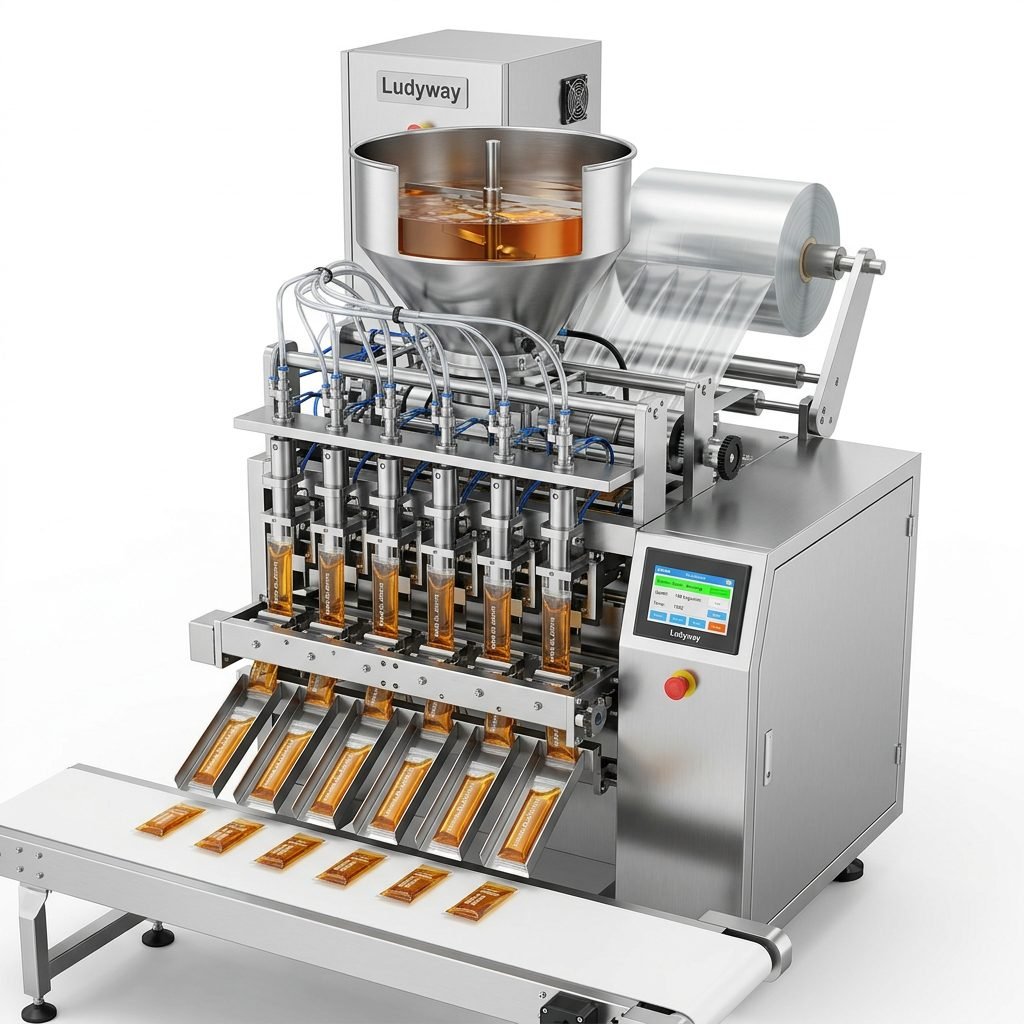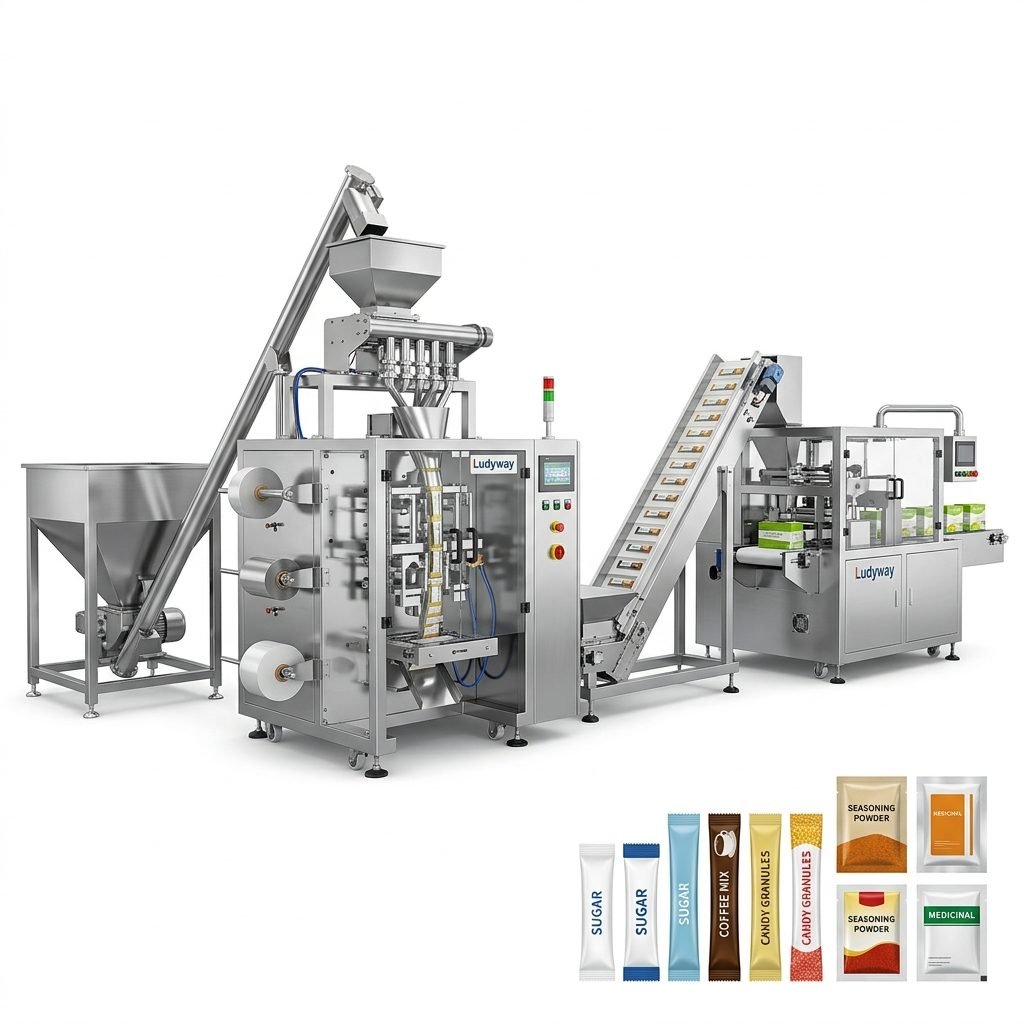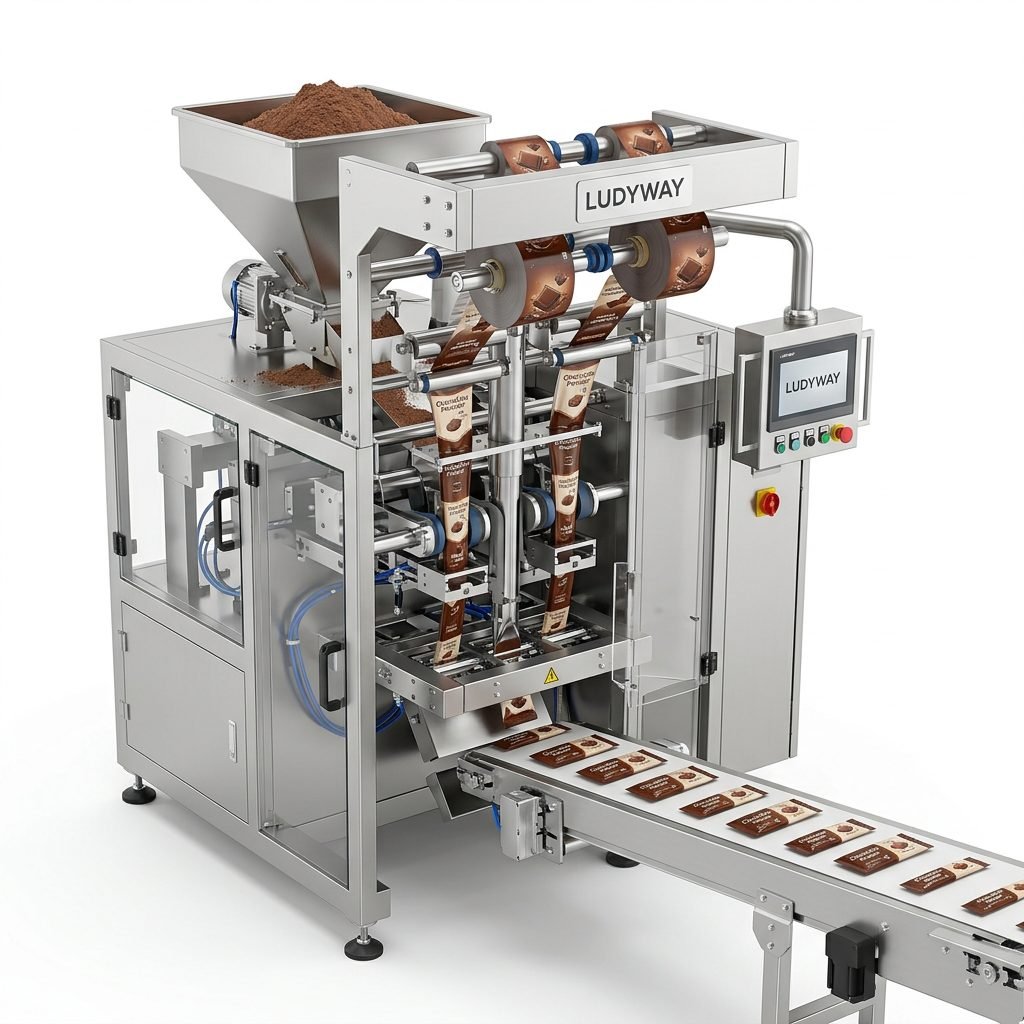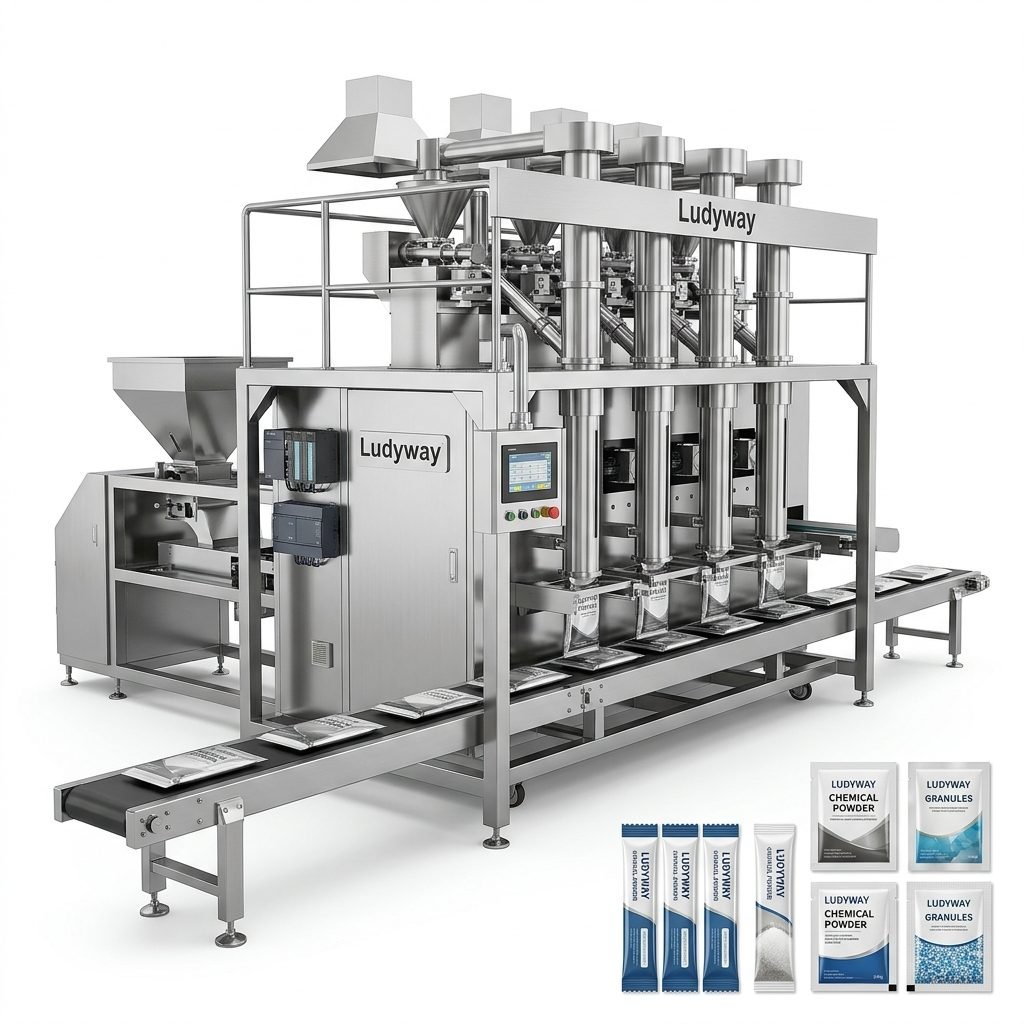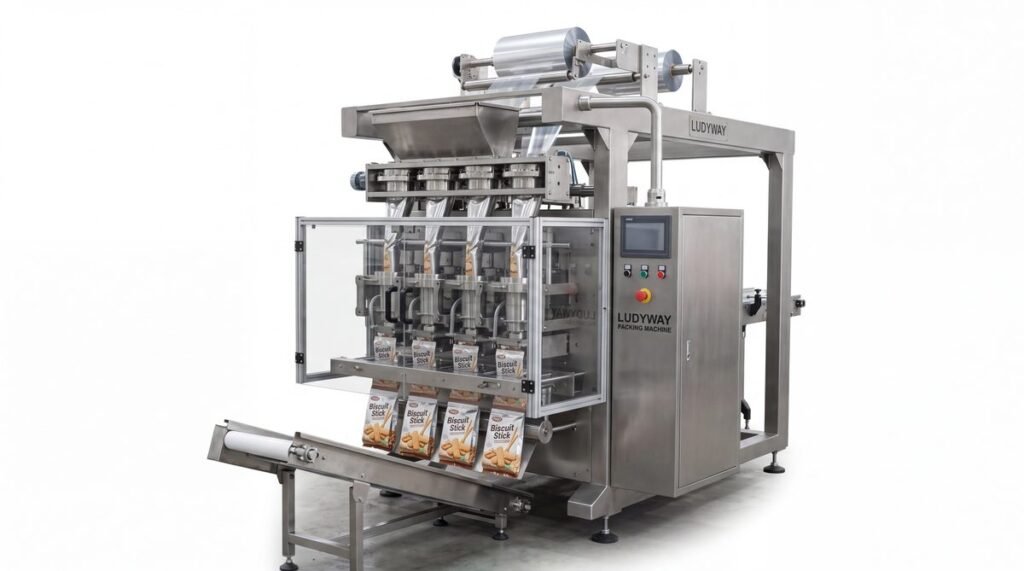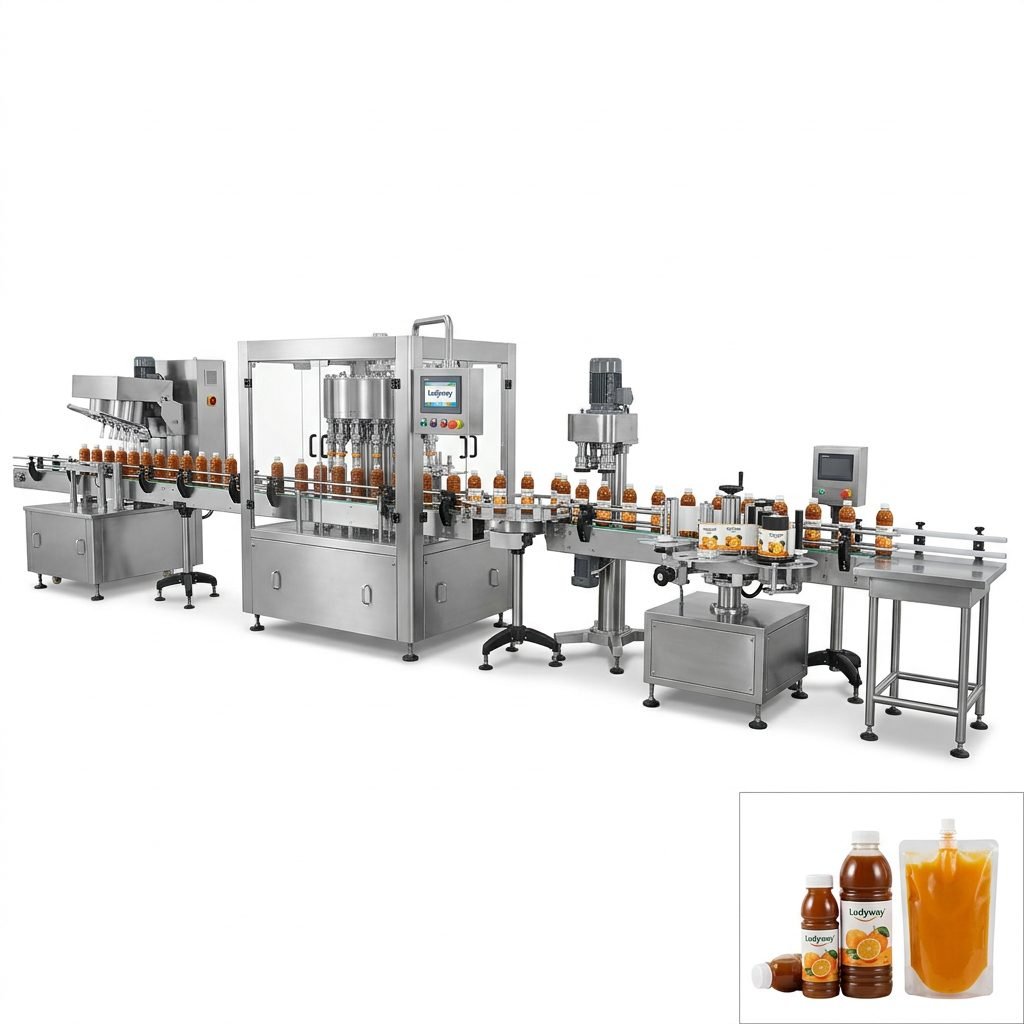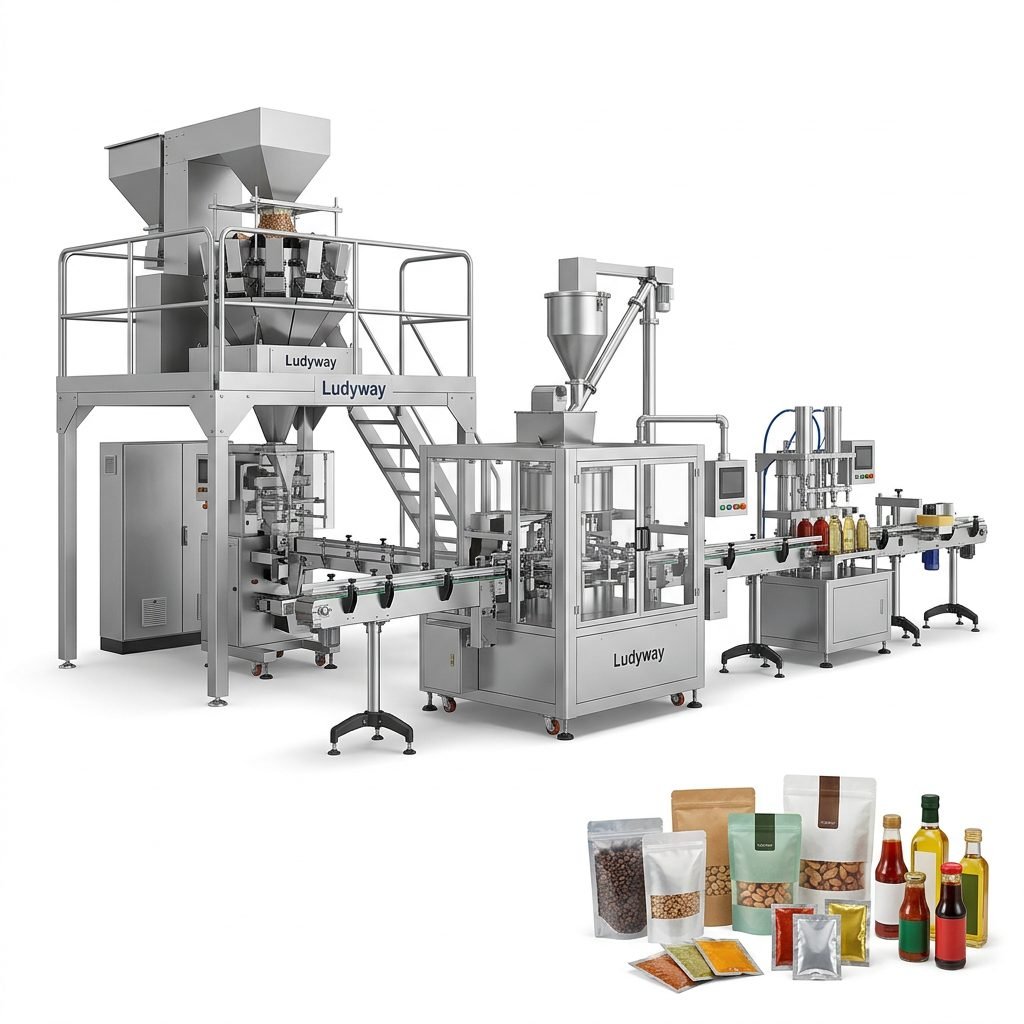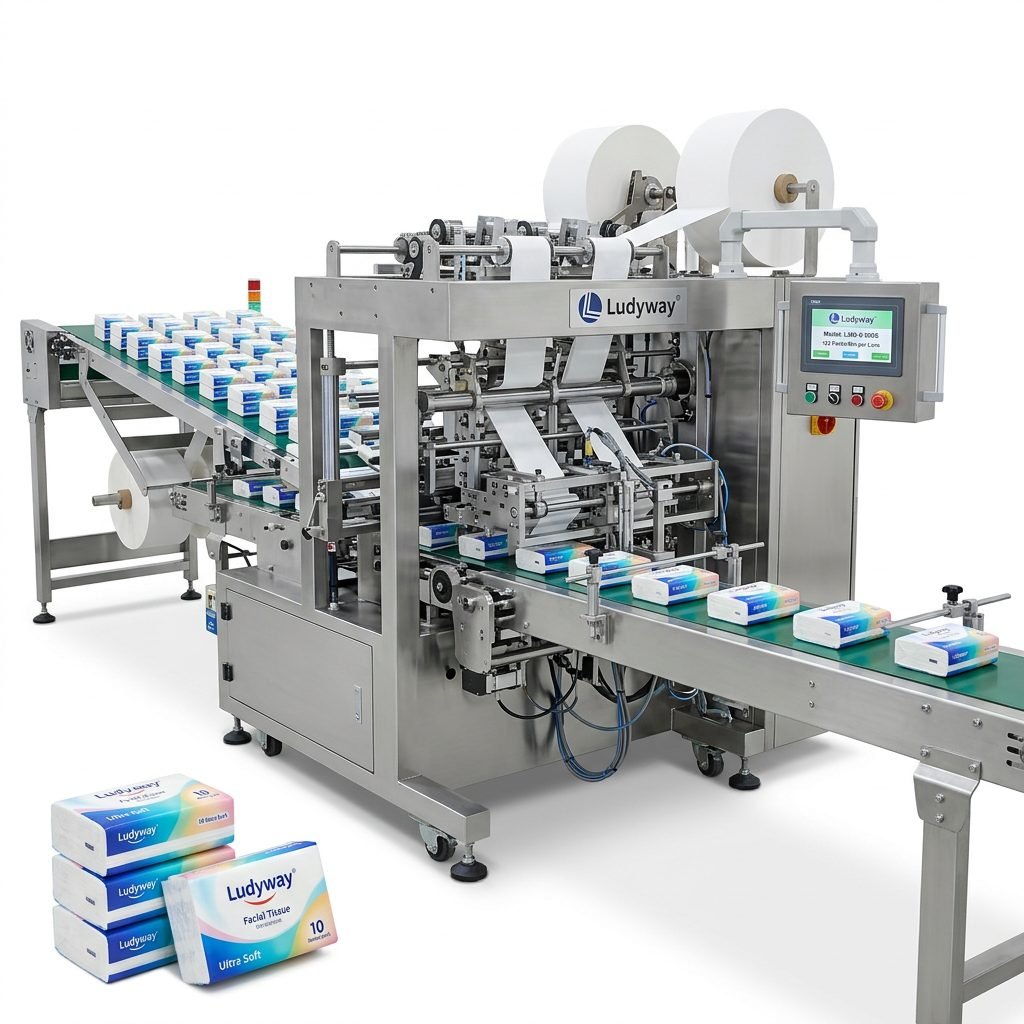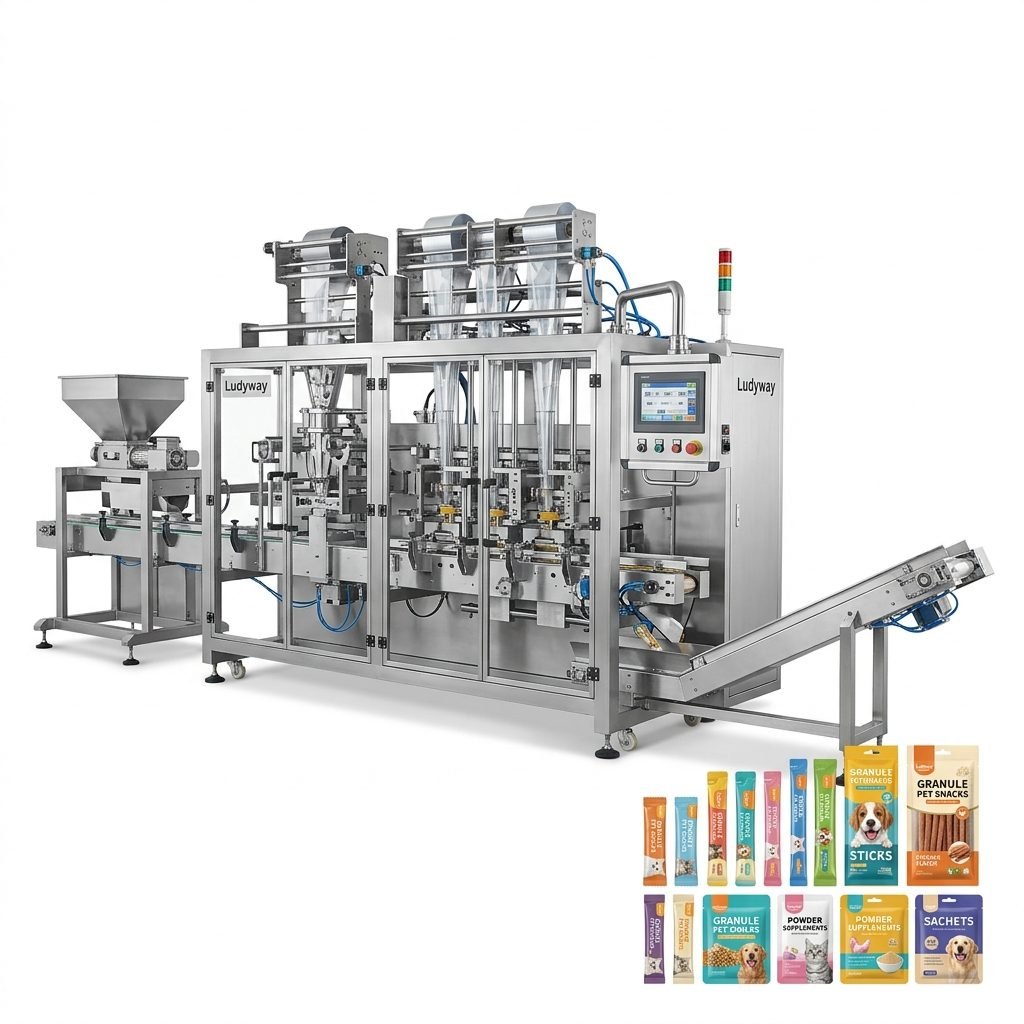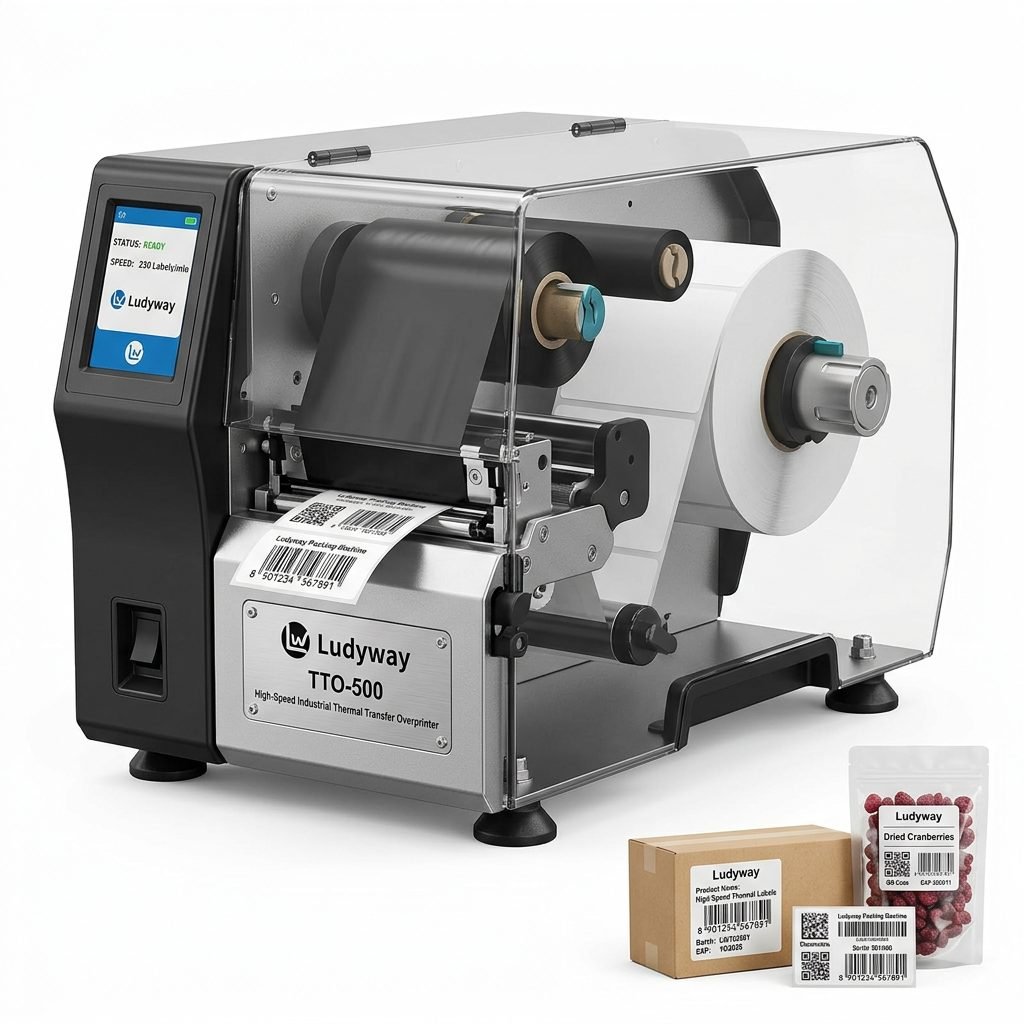
The North American frozen fruit market is experiencing unprecedented growth, driven by consumer demand for year-round healthy snacking, smoothie ingredients, and clean-label products. To remain competitive, processors are upgrading to high-speed automated packaging systems that preserve product integrity while maximizing throughput. Ludyway frozen fruit packaging machines have emerged as the superior choice for operations seeking industrial durability, precision, and compliance with stringent North American food safety standards.
Unlike standard vertical form fill seal (VFFS) equipment, machines engineered for frozen fruit must handle delicate, irregularly shaped products without crushing or clumping. Ludyway’s multi-lane frozen fruit packaging machines deliver the exact combination of gentle product handling and ultra-high speed that modern co-packers and private label producers demand.
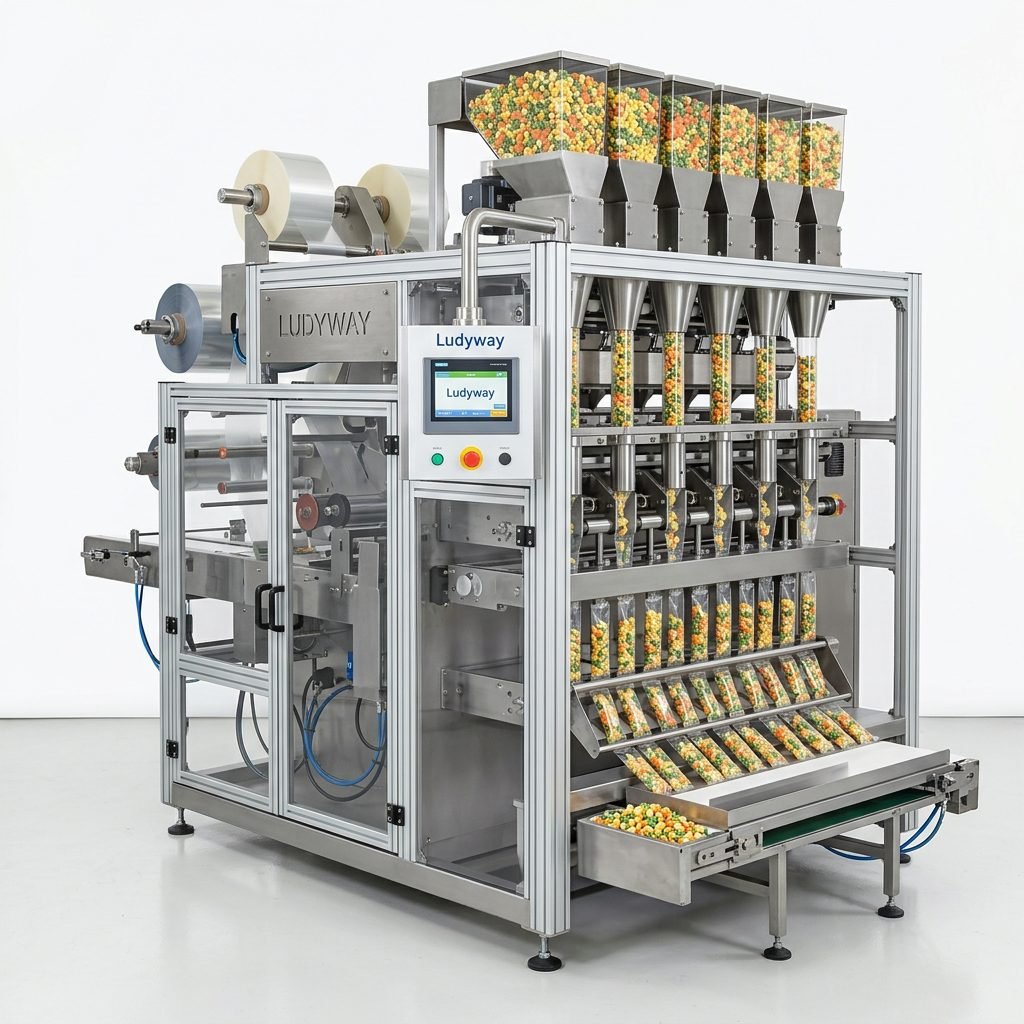
The Rise of IQF and Frozen Fruit Packaging in North America
Individually Quick Frozen (IQF) technology has revolutionized the frozen food aisle. Blueberries, strawberries, mango chunks, and mixed fruit blends retain their shape, flavor, and nutritional value thanks to flash-freezing. However, the packaging process poses significant challenges. Brittle frozen fruit is susceptible to shattering, while condensation and temperature fluctuations can affect seal integrity.
According to the PMMI Business Intelligence Library, the demand for flexible packaging machinery continues to accelerate, specifically for formats like stand-up pouches and stick packs. North American retailers increasingly favor resealable, freezer-ready formats that require robust machinery capable of running multiple film structures. Flexible Packaging Association data confirms that the shift toward convenient, portion-controlled frozen fruit packs is reshaping machinery requirements industry-wide.
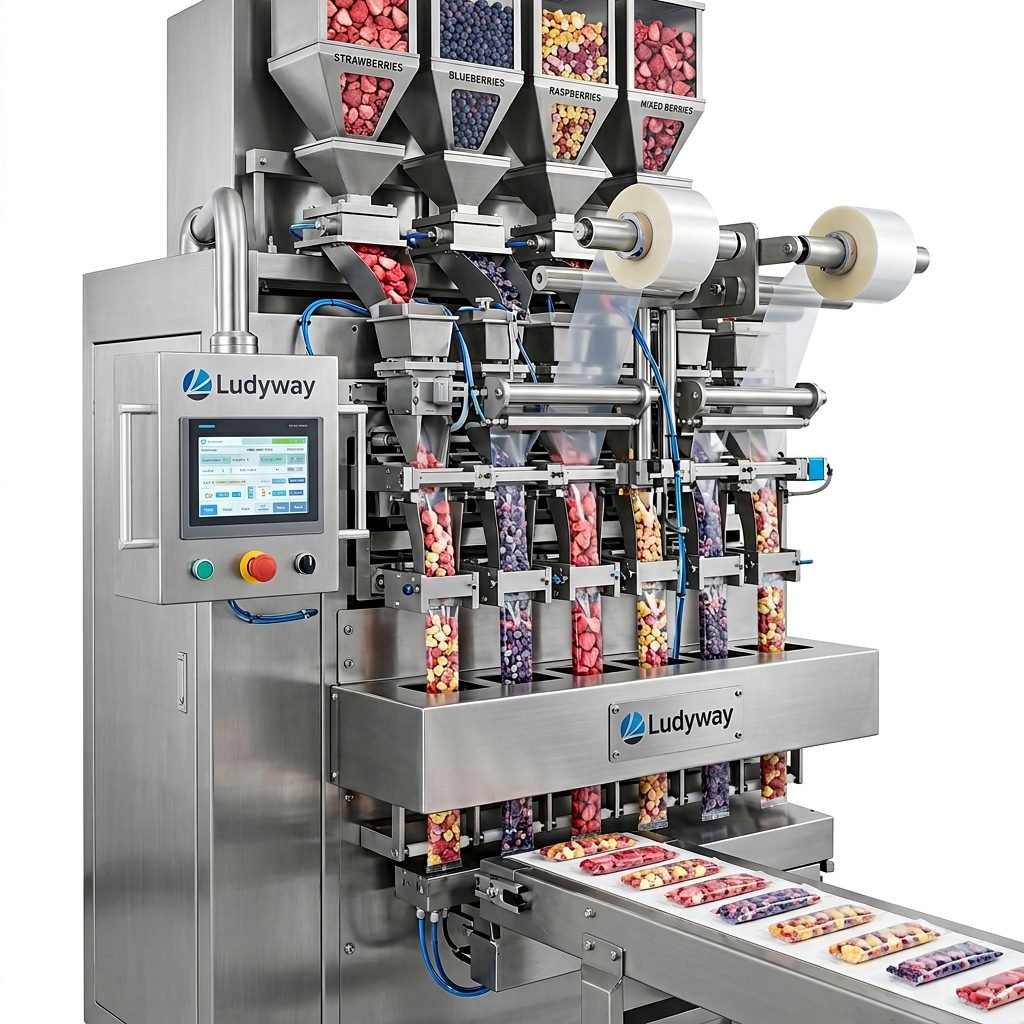
Why North American Processors Are Switching to Multi-Lane Frozen Fruit Machines
Traditional single-lane packaging lines simply cannot keep up with the volume required by major retail chains and foodservice distributors. The primary advantages of upgrading to a specialized system include:
- Enhanced Productivity: Multi-lane configurations allow simultaneous production of 4, 6, 8, or even 12 lanes, exponentially increasing output per shift.
- Product Integrity: Specially designed volumetric cups and multi-head weighers gently handle frozen fruit to minimize breakage and fines.
- Seal Reliability: Advanced temperature control ensures hermetic seals even in cold-chain environments, preventing freezer burn.
- Format Flexibility: Quick-change parts enable switching between sachet, stick pack, and pillow pouch formats with minimal downtime.
Key Features of Industrial-Grade Frozen Fruit Packaging Equipment
When evaluating machinery for a North American facility, several critical components determine long-term success. The most advanced systems incorporate IP65 washdown construction to withstand the rigorous sanitation protocols required by the FDA food packaging regulations. Stainless steel frames, sealed bearings, and sloped surfaces prevent water accumulation and bacterial growth.
Another essential feature is the integration of nitrogen flushing systems. For frozen berry mixes, oxygen displacement significantly extends shelf life and preserves color. The dosing accuracy must remain consistent despite product temperature variations, a challenge that lower-tier machines often fail to meet. The ISO packaging standards provide benchmarks, but only purpose-built frozen fruit machinery achieves the necessary repeatability for export-grade retail packaging.
Comparing Frozen Fruit Packaging Formats
| Format Type | Typical Weight Range | Machine Configuration | Ideal Fruit Application |
|---|---|---|---|
| Stand-Up Pouch (Zipper) | 200g – 1kg | Premade pouch rotary | Mixed fruit blends, mango chunks |
| Pillow Bag | 300g – 2kg | High-speed VFFS | Strawberries, raspberries |
| Stick Pack | 15g – 50g | Multi-lane stick pack | Freeze-dried fruit snacks |
| Sachet (3-side seal) | 5g – 50g | Multi-lane sachet | Smoothie boosters, single-serve |
Automation and Integration: Beyond the Basic Filler
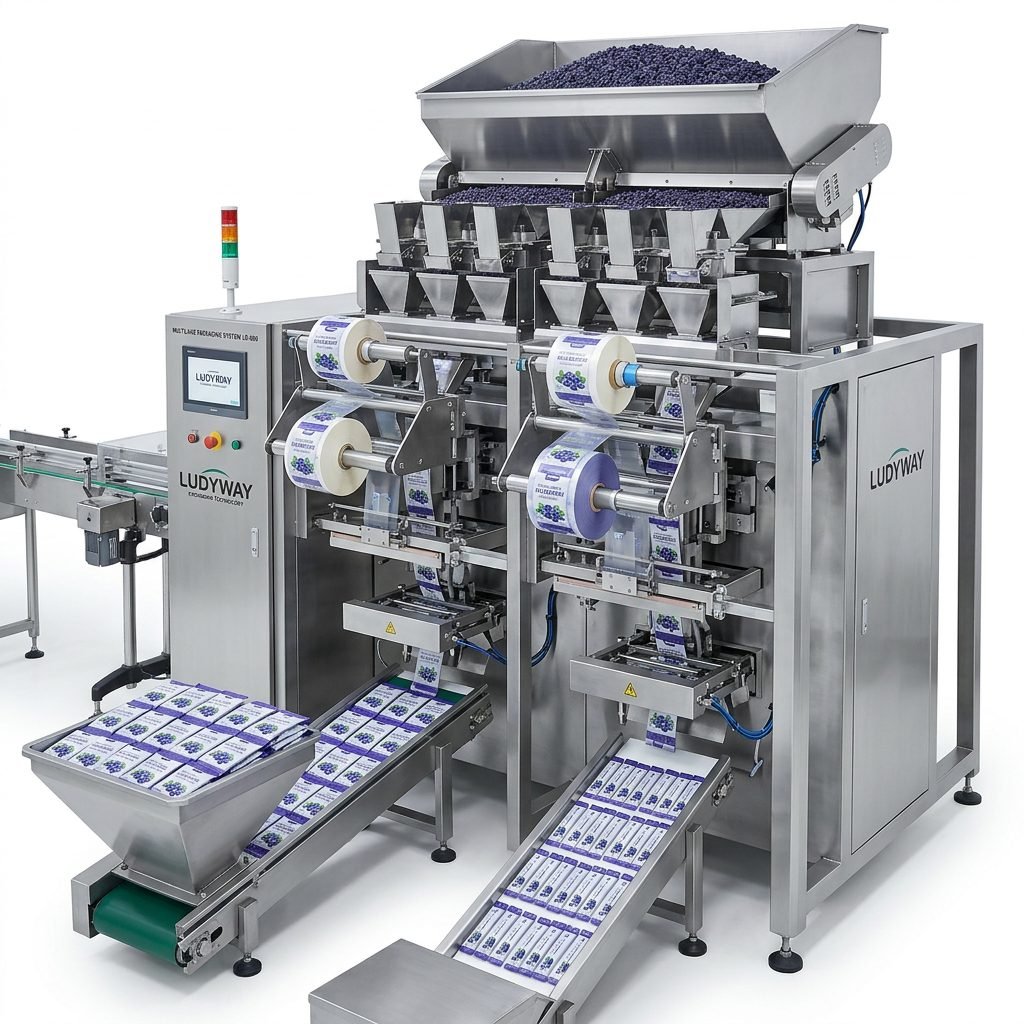
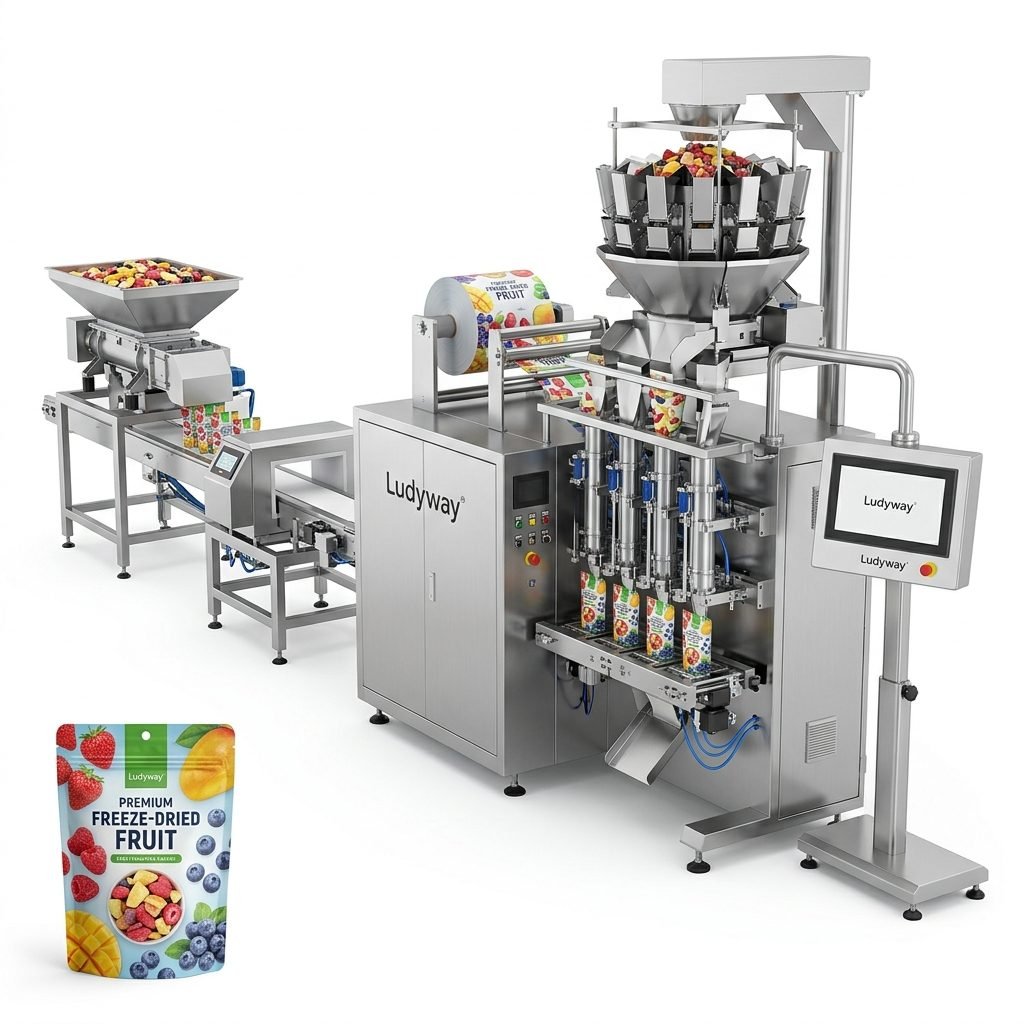
Modern packaging lines are no longer judged solely on filling speed. Turnkey integration is the standard for large North American frozen fruit processors. A complete line encompasses automatic feeding, multi-head weighing, nitrogen flushing, sealing, checkweighing, and secondary cartoning. Systems that offer state-of-the-industry automation capabilities drastically reduce manual labor dependency, a critical factor given the chronic workforce shortages in cold storage facilities.
Inclined conveyors and z-type bucket elevators designed for frozen products prevent bridging and ensure a steady product flow into the packaging machine. Once filled, automated case packers and ISO 11607 compliant sealing systems prepare the finished goods for palletizing without exposing the product to ambient temperatures. This fully sealed environment from freezer to case is a hallmark of premium North American production lines.
Material Compatibility and Sustainability
Sustainability mandates are reshaping packaging procurement across Canada and the United States. The European Commission packaging waste regulations and similar North American extended producer responsibility laws are driving adoption of recyclable mono-materials. Machinery must be capable of sealing delicate PE/PE laminated structures that require precise heat control to avoid wrinkling or burn-through.
Ludyway’s frozen fruit machines are configured to run recyclable films and bio-based laminates without sacrificing speed. Servo-driven jaw motion allows operators to fine-tune dwell time and pressure based on real-time film characteristics, a functionality that older pneumatic systems cannot match. This adaptability is essential given the rapid evolution of sustainable flexible packaging.

Hygienic Design and North American Compliance
Any equipment entering a North American frozen food facility must meet rigorous sanitation and safety standards. The machinery design philosophy centers on full washdown capability and tool-free disassembly. Key design elements that separate industrial frozen fruit packagers from standard machines include:
- Sloped cabinet tops preventing liquid pooling
- Continuous welded stainless steel frames with sanitary radius corners
- Sealed control panels rated for cold, humid environments
- Conformal coating on all printed circuit boards to resist condensation
- Quick-release film rollers and forming tubes for daily sanitation
Compliance with FDA food contact substance regulations is non-negotiable. All product contact parts must be manufactured from food-grade 304 or 316 stainless steel with full traceability. The ability to validate cleaning protocols through swab testing and ATP monitoring is built into the machinery layout through strategic access points.
Return on Investment for Frozen Fruit Processors
The financial case for upgrading to a specialized frozen fruit packaging machine is compelling. Consider the total cost of ownership over a five-year period. While a generic packaging machine may have a lower initial purchase price, factors such as film waste, product giveaway, unplanned downtime, and labor inefficiency quickly erode profitability.
Precision multi-head weighers integrated with the packaging machine can achieve accuracy within ±0.5 grams on mixed frozen fruit blends. Over millions of packages per year, this precision translates to tens of thousands of dollars in product savings. Furthermore, servo-driven systems consume significantly less compressed air than pneumatic alternatives, reducing utility costs in the processor’s P&L. The 2026 State of the Industry report underscores that automation investment is the primary strategy for margin protection in the packaging sector.
Selecting the Right Configuration for Your Facility
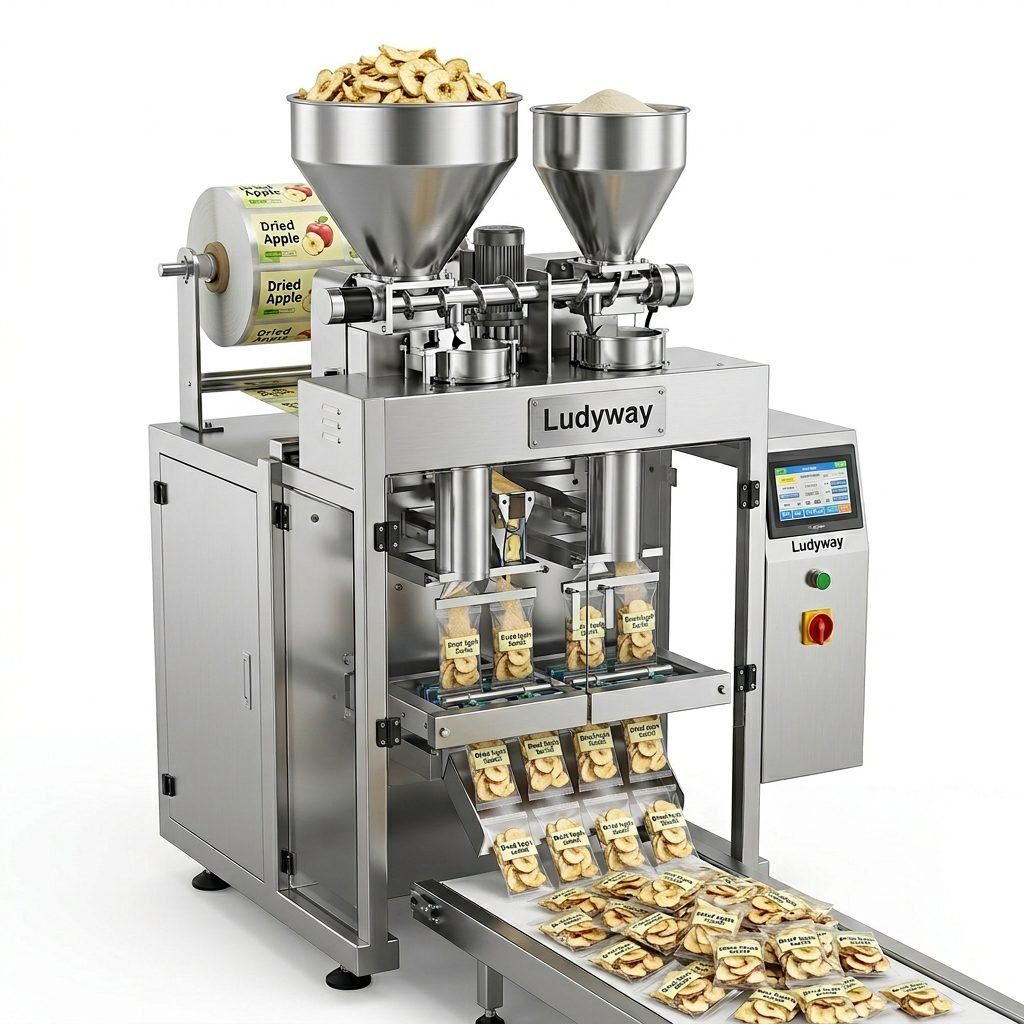
Choosing between a fully automated premade pouch system and a high-speed VFFS multi-lane setup depends on your product range and target markets. Retail-ready stand-up pouches with zipper closures command premium shelf placement but require a rotary pouch machine. Conversely, bulk frozen fruit destined for foodservice or industrial re-processing is ideally packaged in large pillow bags using a rugged VFFS system.
The table below summarizes common North American frozen fruit applications and their optimal machine pairing:
| Fruit Type | Recommended Format | Key Machine Feature |
|---|---|---|
| IQF Blueberries | Stand-up pouch, 400g | Gentle brushless weigher |
| Frozen Mango Chunks | Pillow bag, 1kg | Wide jaw opening, non-stick surfaces |
| Mixed Berry Blend | Zipper pouch, 600g | Vibratory distribution system |
| Freeze-Dried Strawberry Slices | Stick pack, 20g | Fragile product handling, nitrogen flush |
| Frozen Coconut Chunks | Large format pouch | Moisture-resistant sealing jaws |
Servo-Driven Accuracy and Intelligent Controls
One of the most transformative aspects of contemporary packaging machinery is the shift toward full servo motion. Each axis—film feed, vertical sealing, horizontal sealing, and cutting—is independently controlled by a dedicated servo motor. This eliminates the mechanical linkages that wear over time and cause registration drift. For frozen fruit applications where film must remain perfectly registered despite cold-induced stiffness, servo technology is indispensable.
The human-machine interface (HMI) now incorporates recipe management, enabling operators to switch between blueberry, mixed fruit, and mango packaging programs with a single touch. Automated film splice detection, web tension control, and temperature profiling ensure consistent performance across shifts. Data logging capabilities aligned with PACK EXPO International technology benchmarks provide the transparency required for SQF and BRC audits.
Supply Chain and After-Sales Support in North America
Acquiring machinery is only the first phase of a successful packaging line deployment. Timely technical support, spare parts availability, and field service are critical factors for North American operations. Extended downtime during the peak berry harvest season can result in significant financial losses. A robust support infrastructure includes remote diagnostics, preventive maintenance contracts, and strategically located spare parts depots to minimize disruptions.
Training programs for maintenance technicians and operators are equally vital. Comprehensive onboarding ensures that plant personnel can perform daily cleaning, film changes, and basic troubleshooting without relying on external service calls. Documentation compliant with ANSI/PMMI B155.1 safety standards should be provided as part of the machine delivery package, reflecting PMMI packaging machinery standards best practices.
Industry Outlook for Frozen Fruit Packaging
The macroeconomic indicators for frozen fruit continue to point upward. The Flexible Packaging Association consistently reports growth in frozen food packaging demand, with fruit being a standout category due to smoothie culture and clean-label snacking. FPA Knowledge Hub resources highlight the increasing overlap between sustainability goals and machinery capability requirements.
Processors who invest in flexible, high-speed frozen fruit packaging machines today position themselves to capture market share as retailers rationalize supplier bases and demand just-in-time delivery. The capacity to run sustainable films, deliver flawless seals, and operate with minimal human intervention defines the competitive edge in this maturing market. Referencing the 2024 State of the Industry report, the correlation between automation intensity and profit margins is clearly established across food packaging segments.
The North American frozen fruit sector demands packaging excellence. From material innovation to hygienic execution, every detail matters. Selecting a machinery partner with deep expertise and a comprehensive equipment portfolio is the surest path to operational success.