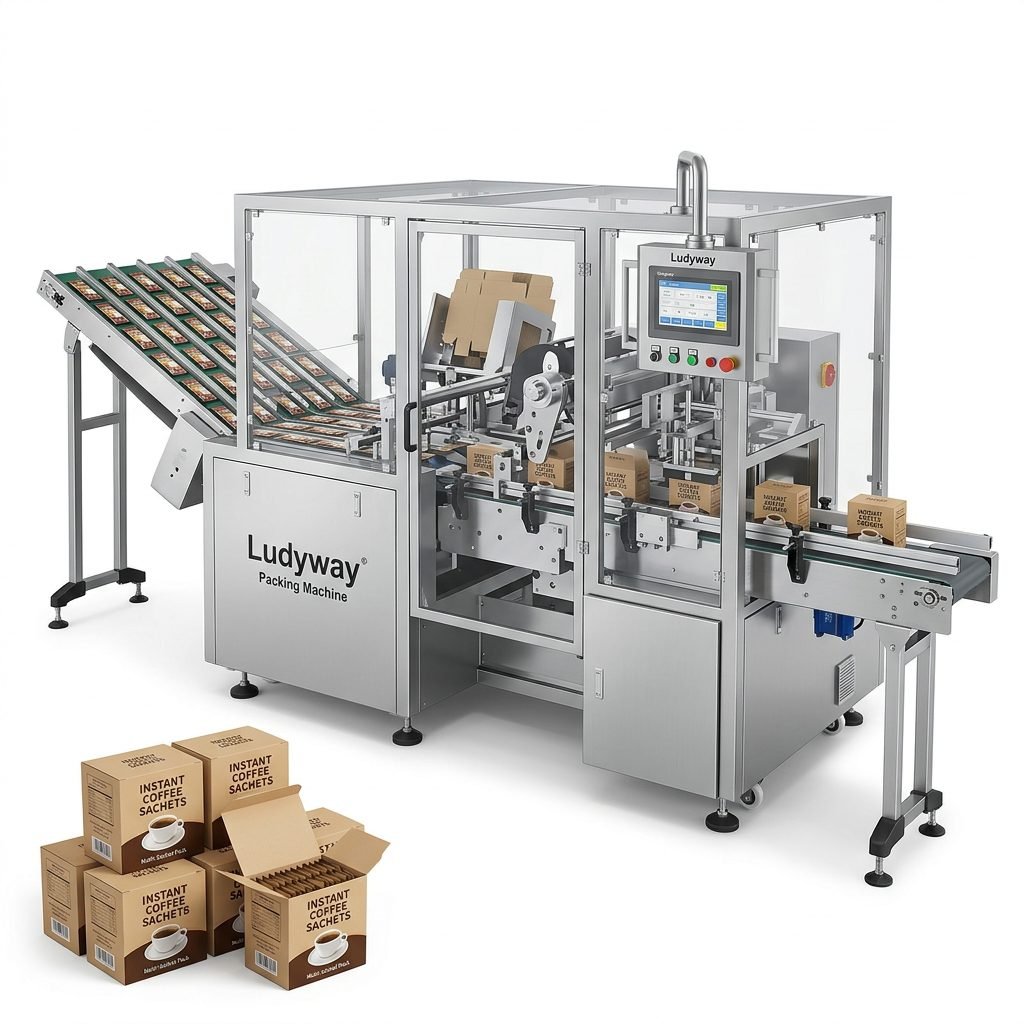
Setting up a MAP packaging machine production line in Asia requires careful planning, from understanding local regulations to selecting the right equipment for specific product types. Modified Atmosphere Packaging (MAP) technology extends shelf life and preserves product quality, making it essential for food, pharmaceutical, and chemical industries across the region. This comprehensive guide walks you through every step of establishing an efficient MAP packaging line tailored to Asian market conditions.

Understanding MAP Packaging Technology for Asian Markets
Modified Atmosphere Packaging involves replacing the air inside a package with a controlled gas mixture, typically combining nitrogen, carbon dioxide, and oxygen in precise ratios. For manufacturers entering Asian markets, understanding regional food preservation requirements is critical. The Flexible Packaging Association provides valuable industry data on packaging trends and regulatory standards that apply across different Asian economies.
MAP technology significantly reduces oxidation, microbial growth, and enzymatic reactions that cause spoilage. In humid Asian climates, this preservation method proves especially valuable for products ranging from granules and powders to liquids and semi-solids. The technology requires specialized equipment including gas flush systems, hermetic sealing mechanisms, and precise atmosphere control modules integrated into the packaging line.
Key Components of an Asian MAP Production Line
A complete MAP packaging line consists of several interconnected machines working in synchronization. Understanding each component helps in making informed procurement decisions when sourcing equipment from packaging machine manufacturers in Asia or internationally.
Core MAP Line Equipment Requirements
| Equipment Type | Primary Function | Key Specifications |
|---|---|---|
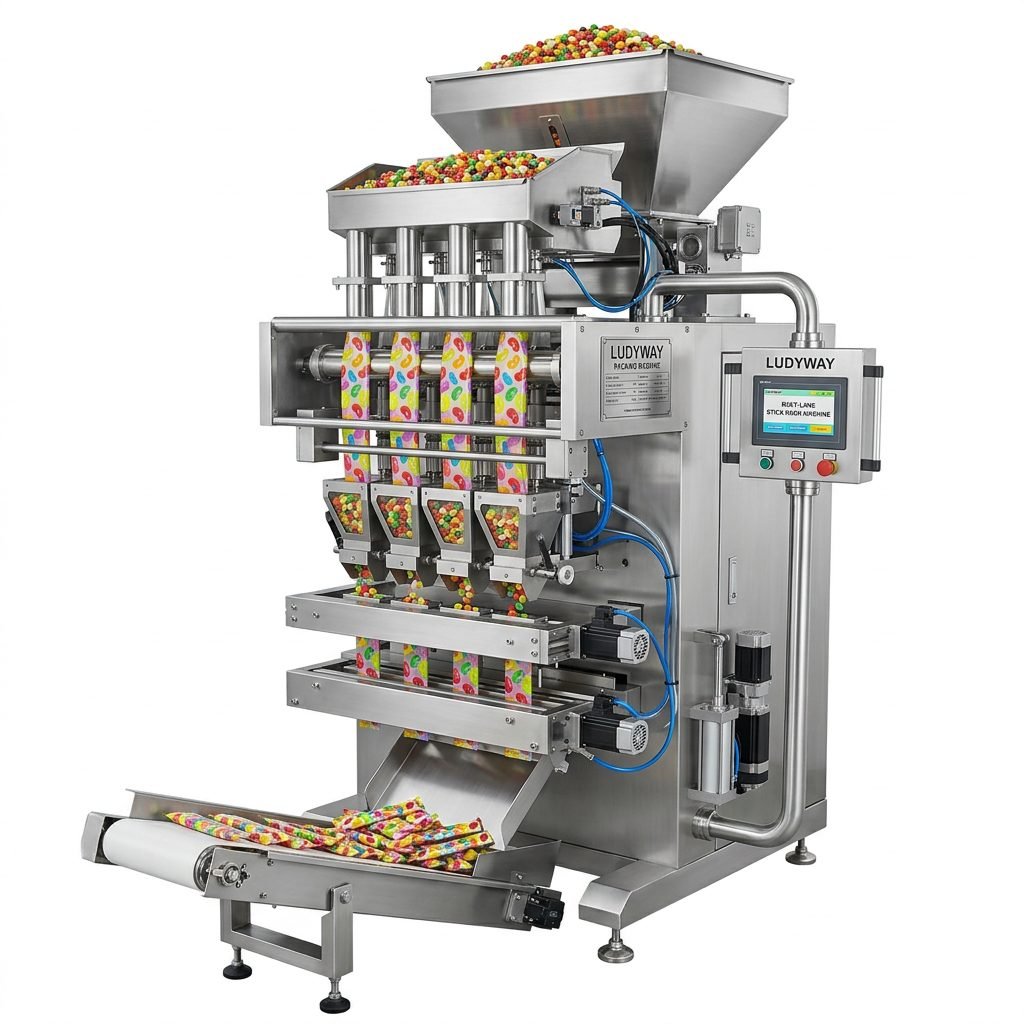
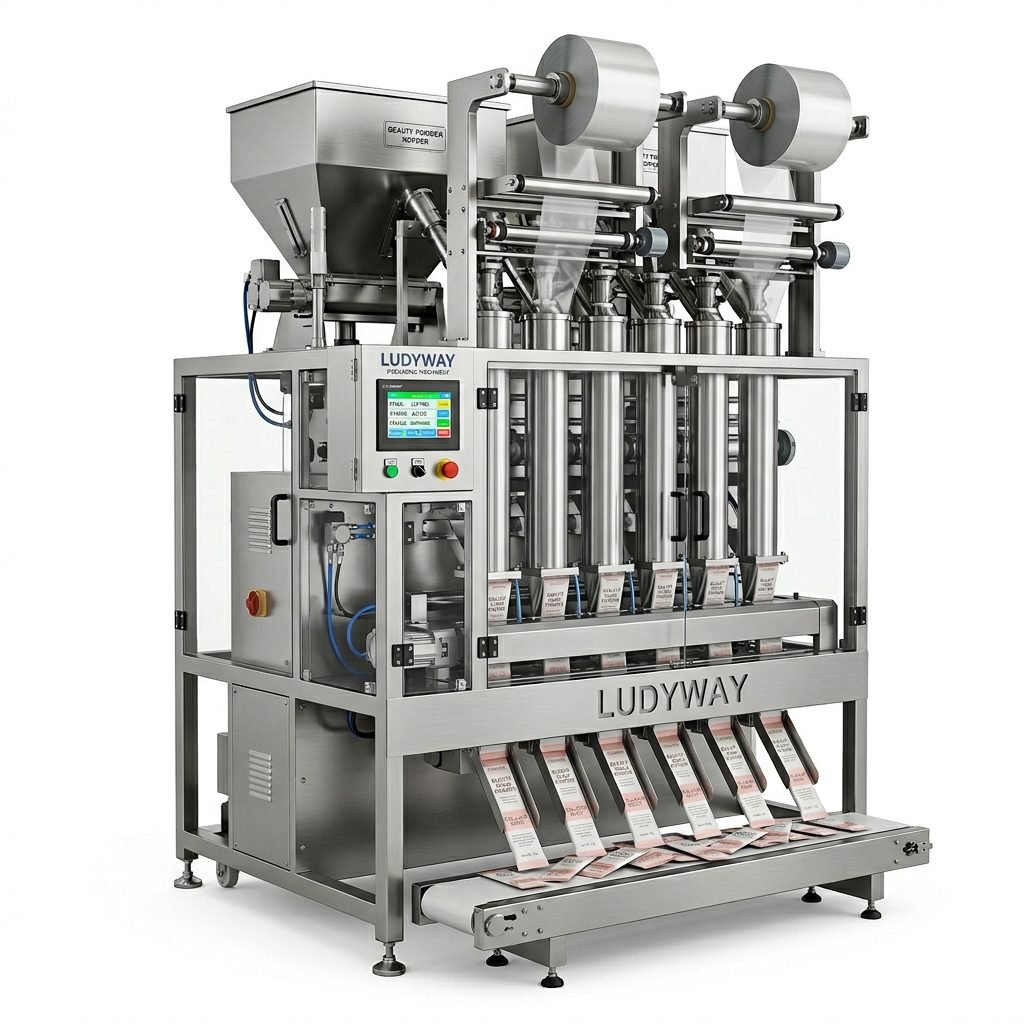
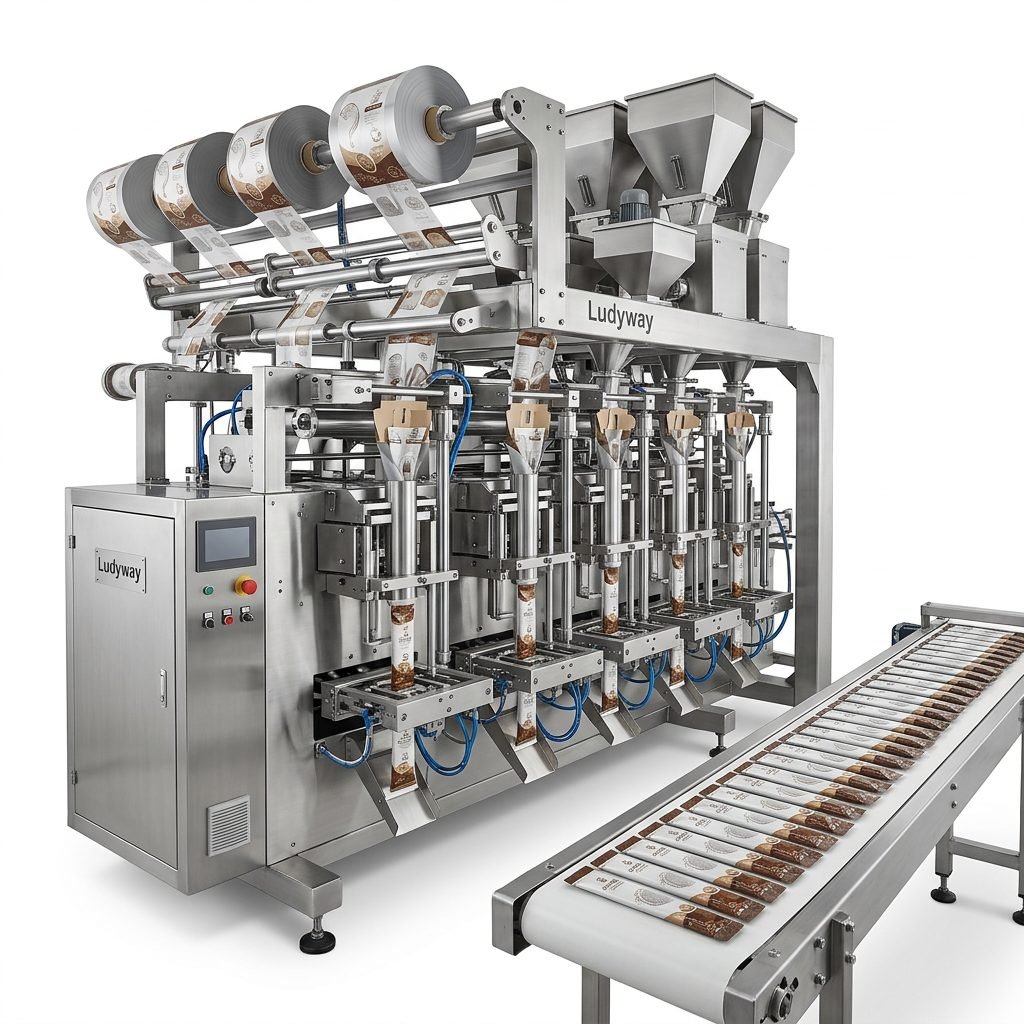
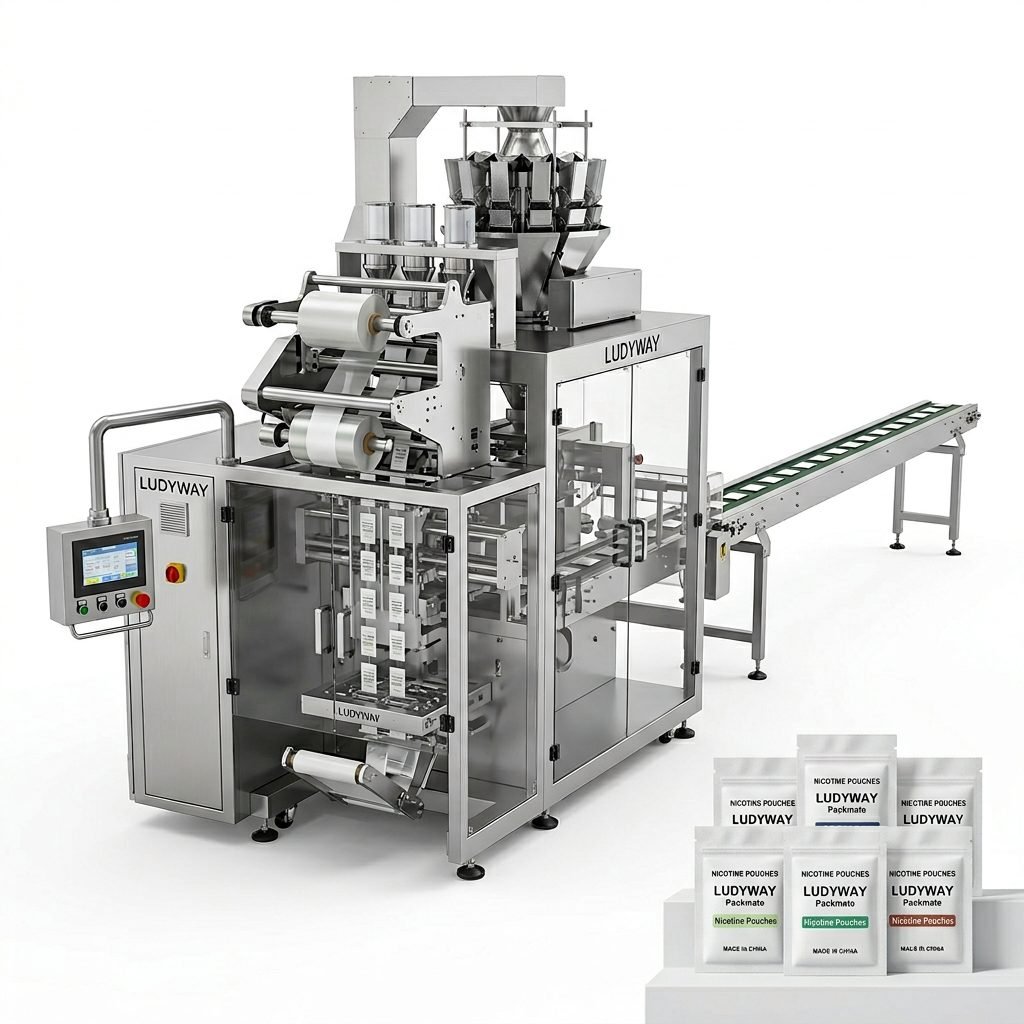
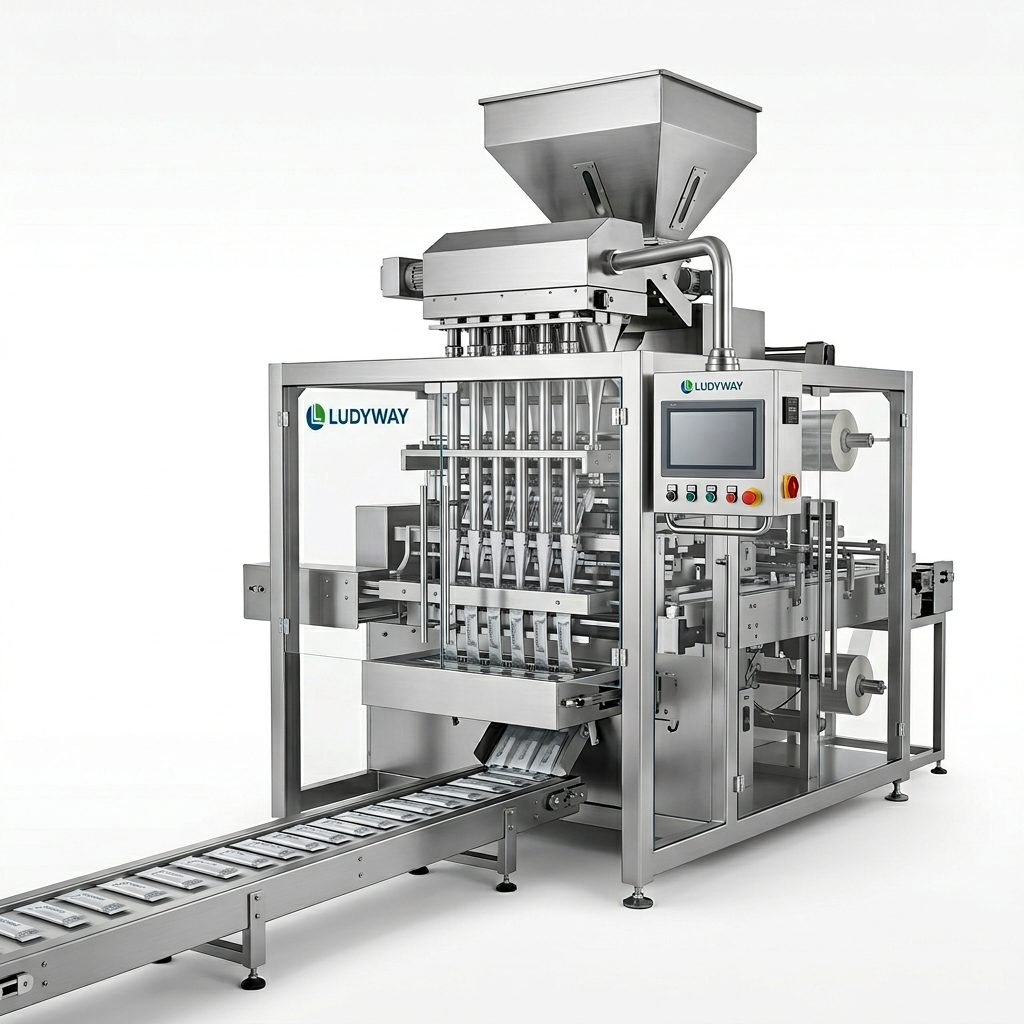
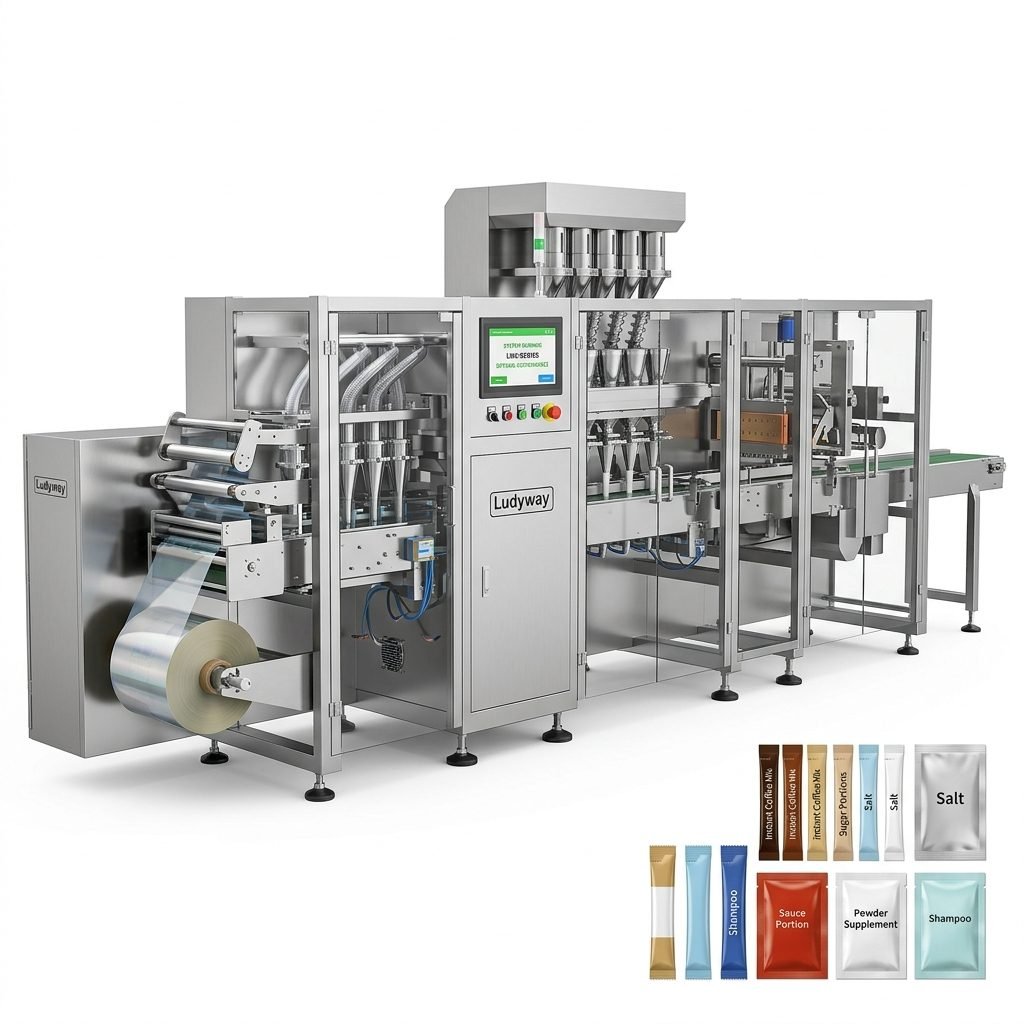
| Multi-Lane Stick Pack Machine | High-speed filling and sealing for granules and powders | 4-16 lanes, speeds up to 800 packs/min |
| Gas Flush System | Oxygen replacement with inert gases | Residual O2 below 1% |
| Automatic Cartoning Machine | Secondary packaging into cartons | Adjustable for multiple carton sizes |
| Checkweigher System | Weight verification and quality control | Accuracy ±0.1g, high-speed rejection |
| Metal Detector | Contaminant detection | Sensitivity Fe 0.5mm, SUS 1.0mm |
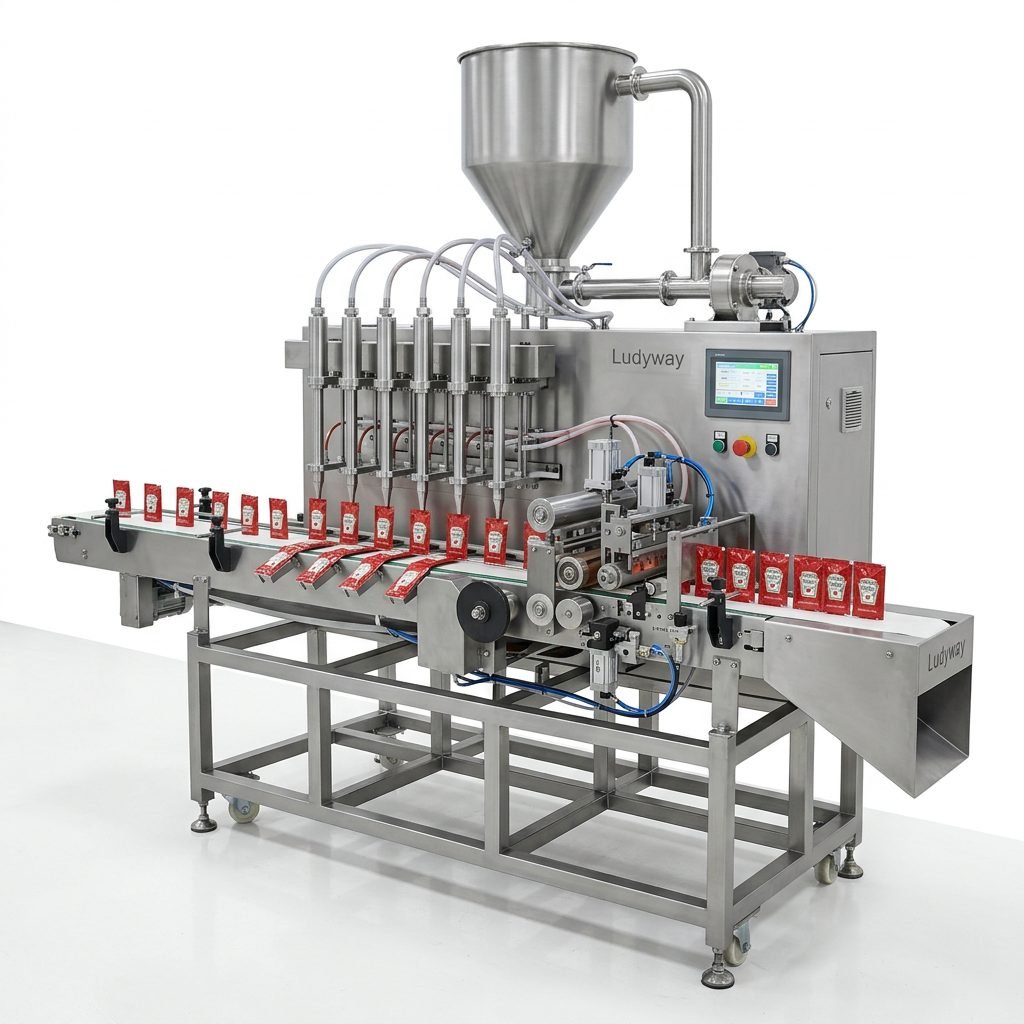
Regulatory Compliance and Standards in Asia
Each Asian country maintains distinct packaging regulations. Japan enforces strict food contact material standards, while China’s GB standards govern packaging materials and processes. Southeast Asian nations increasingly align with international standards such as ISO packaging standards and FDA food packaging guidelines for export-oriented production.
Key regulatory considerations include migration limits for packaging materials, gas purity requirements for MAP applications, and labeling mandates that vary significantly across ASEAN, China, Japan, and South Korea. Manufacturers should consult local authorities and the PMMI packaging industry resources for updated compliance information.
Site Preparation and Facility Requirements
Preparing a production facility for MAP packaging lines demands attention to environmental controls, utility infrastructure, and workflow optimization. Asian manufacturing facilities often face unique challenges including high ambient humidity and temperature fluctuations that can affect packaging integrity.
- Cleanroom specifications: ISO Class 7 or 8 depending on product sensitivity
- Compressed air quality: Oil-free, dried, and filtered to 0.01 micron
- Gas supply systems: Bulk nitrogen generation or cylinder banks with purity monitoring
- Temperature and humidity control: Maintain 20-25°C and 45-55% RH
- Electrical requirements: Stable power supply with voltage regulation for sensitive equipment
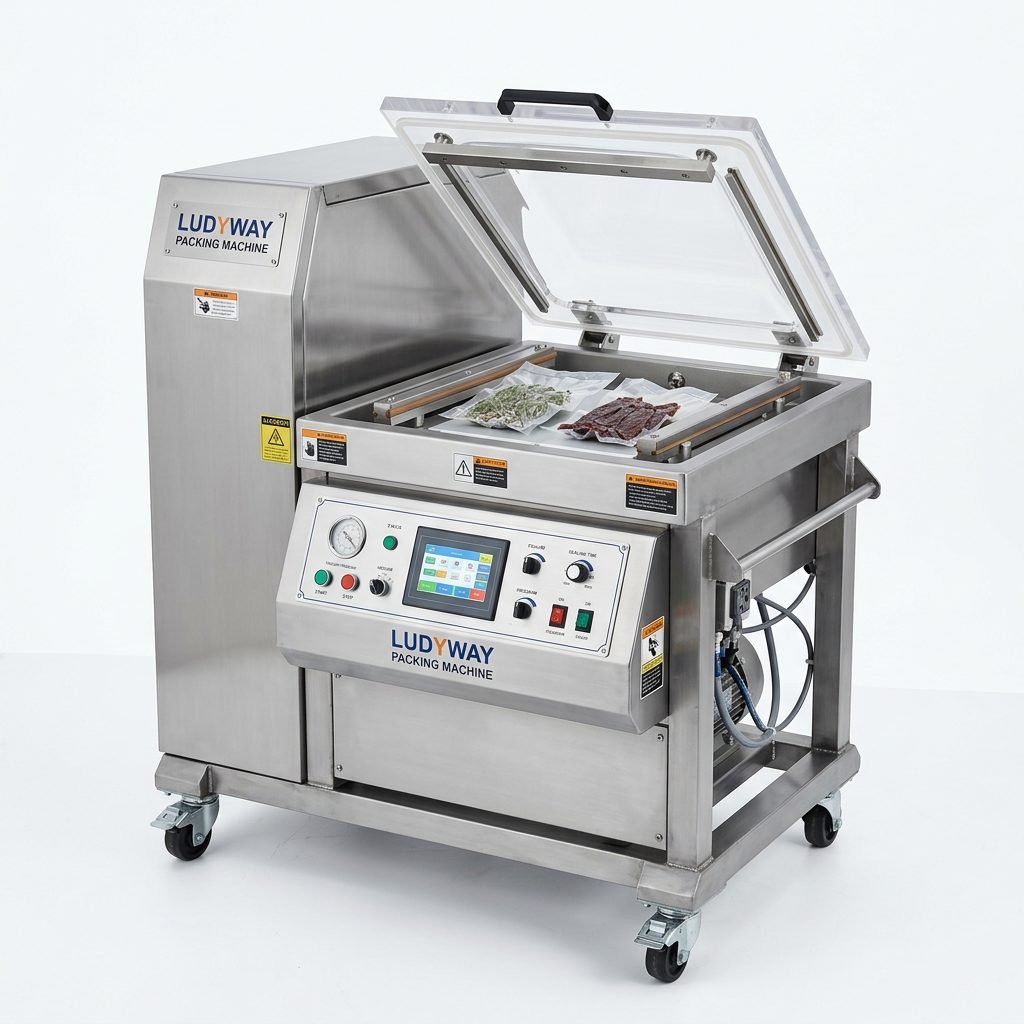
Selecting the Right MAP Packaging Machine
Choosing appropriate equipment determines production efficiency and product quality. Consider these critical factors when evaluating machines for Asian operations:
Production Capacity and Speed Requirements
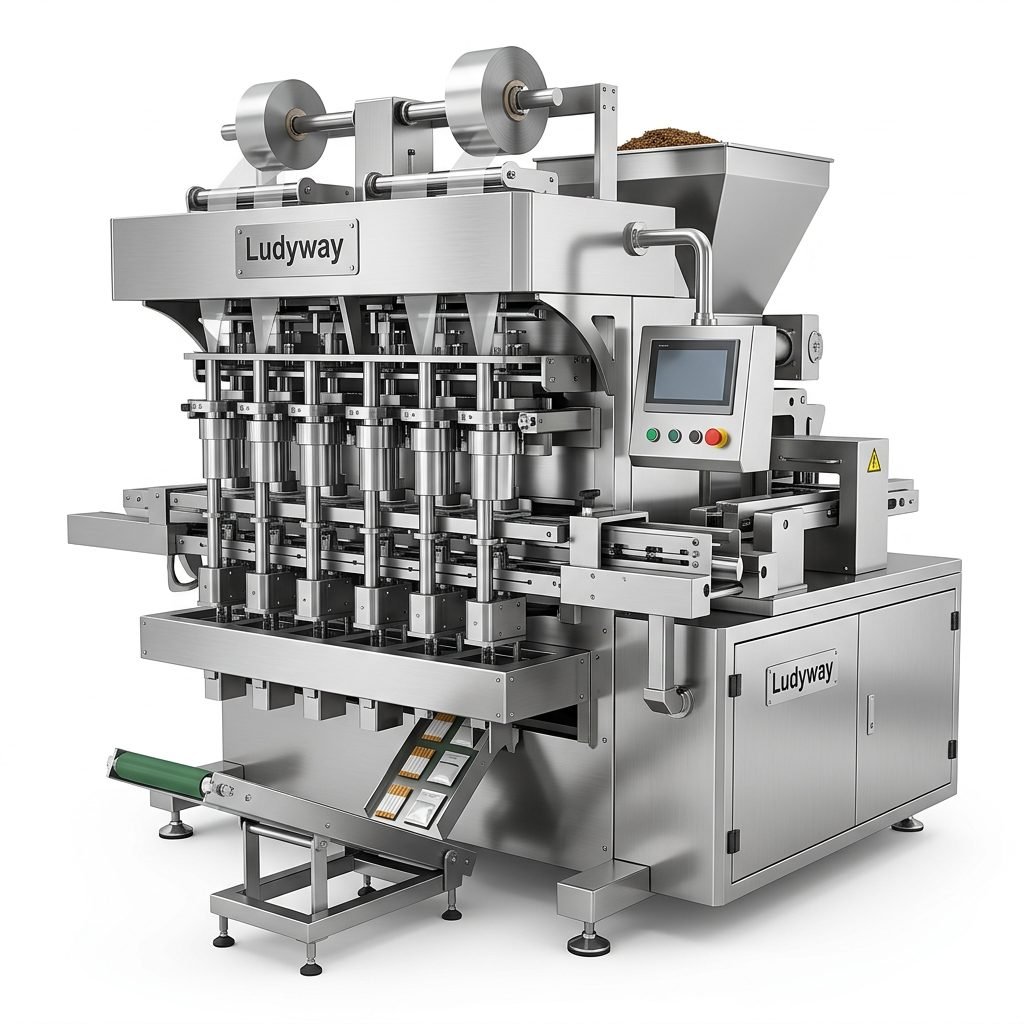
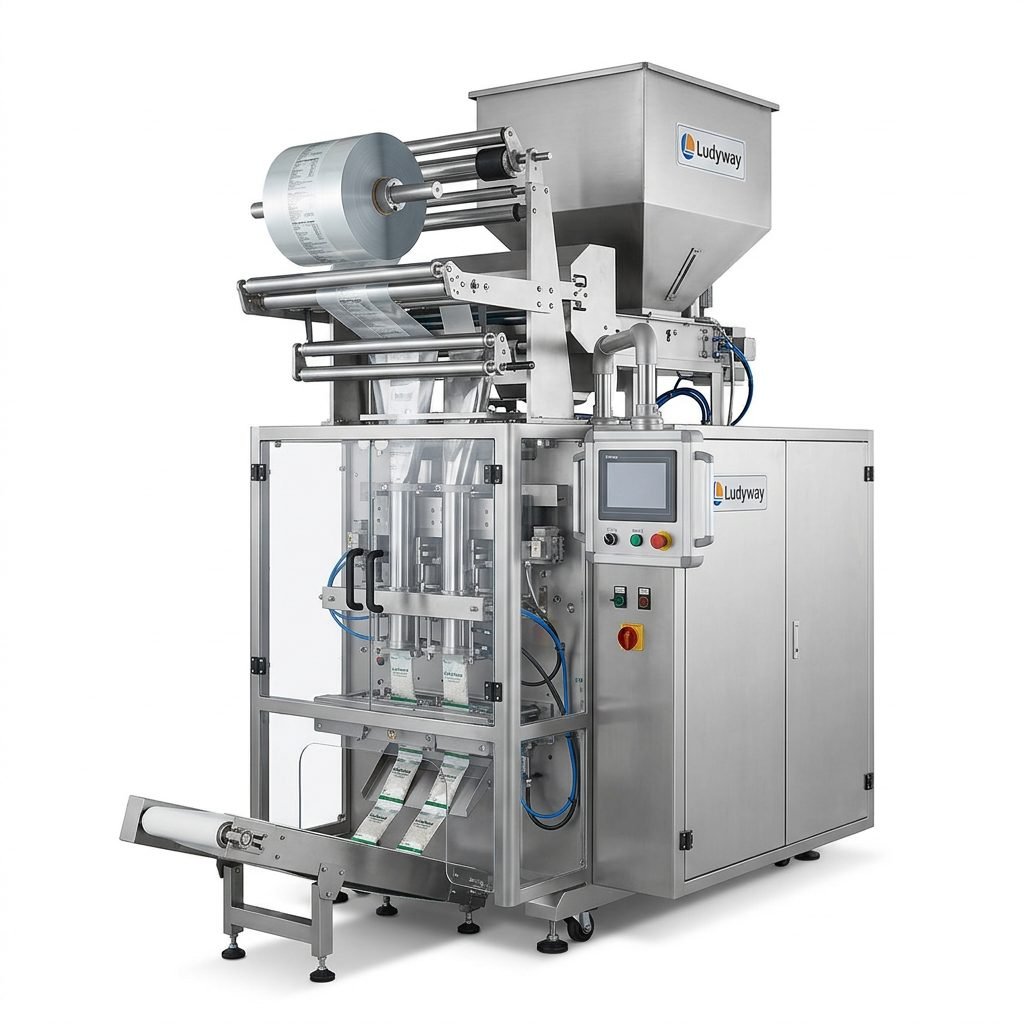
Multi-lane stick pack machines and sachet packaging systems offer varying throughput capacities. For high-demand Asian markets, equipment must handle 100-800 packs per minute depending on product type. Modular designs allow capacity expansion as market demand grows, a crucial consideration for manufacturers targeting multiple Asian countries.
Product Compatibility Testing
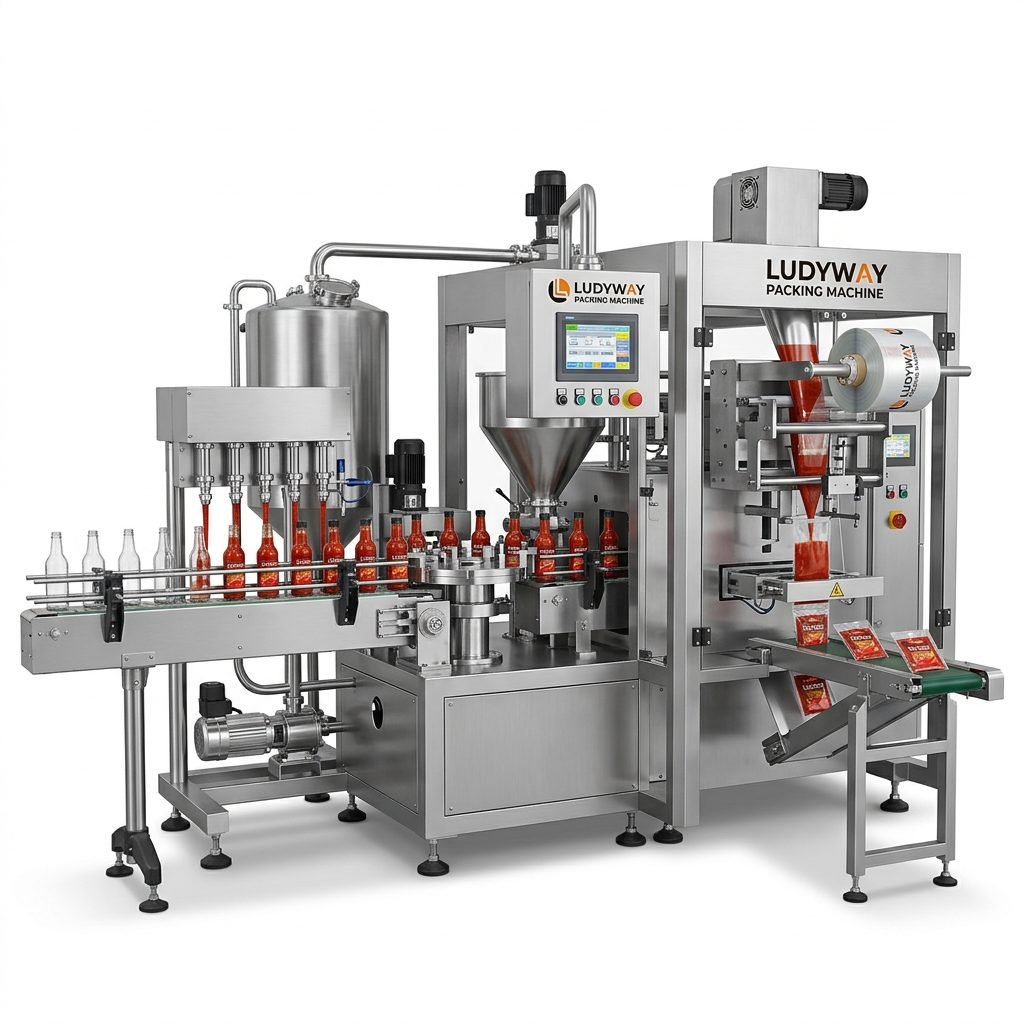
Granule size distribution, powder flow characteristics, and liquid viscosity all impact machine performance. Conduct thorough trials with actual product samples before finalizing equipment selection. Working with experienced manufacturers like Ludyway, with over 30 years of industry expertise and a modern 20,000㎡ manufacturing facility, ensures proper machine configuration for specific product requirements.
Installation and Commissioning Checklist
Proper installation sets the foundation for reliable long-term operation. Follow this structured approach for MAP line commissioning in Asian facilities:
- Pre-installation site audit: Verify utility connections, floor load capacity, and environmental controls
- Equipment positioning: Follow manufacturer layout drawings for optimal material flow
- Utility hookup verification: Electrical, compressed air, gas supply, and exhaust systems
- Dry run testing: Operate equipment without product to verify mechanical functions
- Product trial runs: Test with actual product at increasing speeds
- Gas analysis calibration: Verify MAP gas mixture ratios and residual oxygen levels
- Operator training: Comprehensive training for local staff on operation and maintenance
Operational Optimization for Asian Production
Maximizing MAP line efficiency requires attention to regional operational characteristics. Asian manufacturing often emphasizes high-volume production with rapid changeover capabilities. Implementing lean manufacturing principles alongside MAP technology delivers superior results.
Changeover Efficiency
Multi-product lines common in Asian contract packaging require quick format changes. Modern MAP machines feature tool-less changeover systems and programmable recipe management that reduces downtime between product runs. Investing in equipment with servo-driven adjustments rather than manual mechanical changes significantly improves operational flexibility.
Preventive Maintenance Programs
Tropical climates in many Asian regions accelerate equipment wear. Establish maintenance schedules accounting for local environmental conditions. Critical maintenance tasks include sealing jaw inspection, gas mixer calibration, and sensor cleaning on a frequency appropriate for humid, high-temperature operating environments.
Cost Considerations and ROI Analysis
| Cost Category | Typical Range (USD) | Payback Period |
|---|---|---|
| MAP Packaging Machine | $50,000 – $300,000 | 12-24 months |
| Gas Supply Infrastructure | $20,000 – $80,000 | 18-30 months |
| Auxiliary Equipment | $30,000 – $150,000 | 24-36 months |
| Installation and Training | $15,000 – $40,000 | 6-12 months |
Quality Control and Testing Protocols
MAP packaging quality depends on consistent gas mixture integrity and seal quality. Implement rigorous testing protocols aligned with ISO 11607 packaging standards and local Asian quality requirements. Key testing methods include:
- Residual oxygen analysis using calibrated gas analyzers
- Seal strength testing per ASTM F88 standards
- Burst testing for package integrity verification
- Shelf life validation under accelerated aging conditions
- Microbial challenge testing for high-risk products
Sustainability and Environmental Compliance
Asian markets increasingly demand sustainable packaging solutions. The European packaging waste regulations influence Asian export requirements, while domestic policies in countries like Japan and South Korea mandate specific recycling and waste reduction targets. MAP technology can support sustainability goals through precise gas usage optimization and compatibility with recyclable packaging materials.
Select packaging films that maintain barrier properties while meeting recyclability requirements. Mono-material structures are gaining preference over multi-layer laminates in many Asian markets. Additionally, nitrogen generation systems reduce the carbon footprint compared to delivered gas cylinders.
Future-Proofing Your MAP Production Line
Investing in flexible, upgradeable equipment ensures long-term competitiveness. Consider these forward-looking features when setting up Asian MAP operations:
- IoT connectivity for remote monitoring and predictive maintenance
- Data logging capabilities for traceability and continuous improvement
- Modular architecture allowing capacity expansion and technology upgrades
- Multi-format flexibility to handle diverse product portfolios
Common Challenges and Solutions
Asian MAP packaging operations face distinct challenges requiring practical solutions. Understanding these issues in advance helps prevent production disruptions:
Supply Chain Considerations
Spare parts availability and technical support responsiveness vary across Asian regions. Partner with packaging equipment suppliers that maintain regional service networks and local spare parts inventories. This reduces downtime risks and ensures prompt technical assistance when needed.
Workforce Training and Skill Development
Operating sophisticated MAP equipment requires specialized skills. Develop comprehensive training programs that cover machine operation, gas system management, and quality control procedures. Consider train-the-trainer approaches to build internal expertise and reduce dependency on external support. Reference materials from PMMI business intelligence provide valuable training frameworks and industry benchmarks.
Setting up a successful MAP packaging machine production line in Asia combines strategic planning, appropriate equipment selection, and ongoing optimization. By addressing regulatory requirements, environmental conditions, and operational best practices, manufacturers can establish efficient, high-quality packaging operations that serve growing Asian markets effectively. The investment in proper equipment and processes delivers returns through extended product shelf life, reduced waste, and enhanced market competitiveness across diverse Asian consumer segments.
For comprehensive MAP packaging solutions tailored to your specific production requirements, explore our range of multi-lane packaging machines and turnkey production line systems designed for granules, powders, and liquid products.