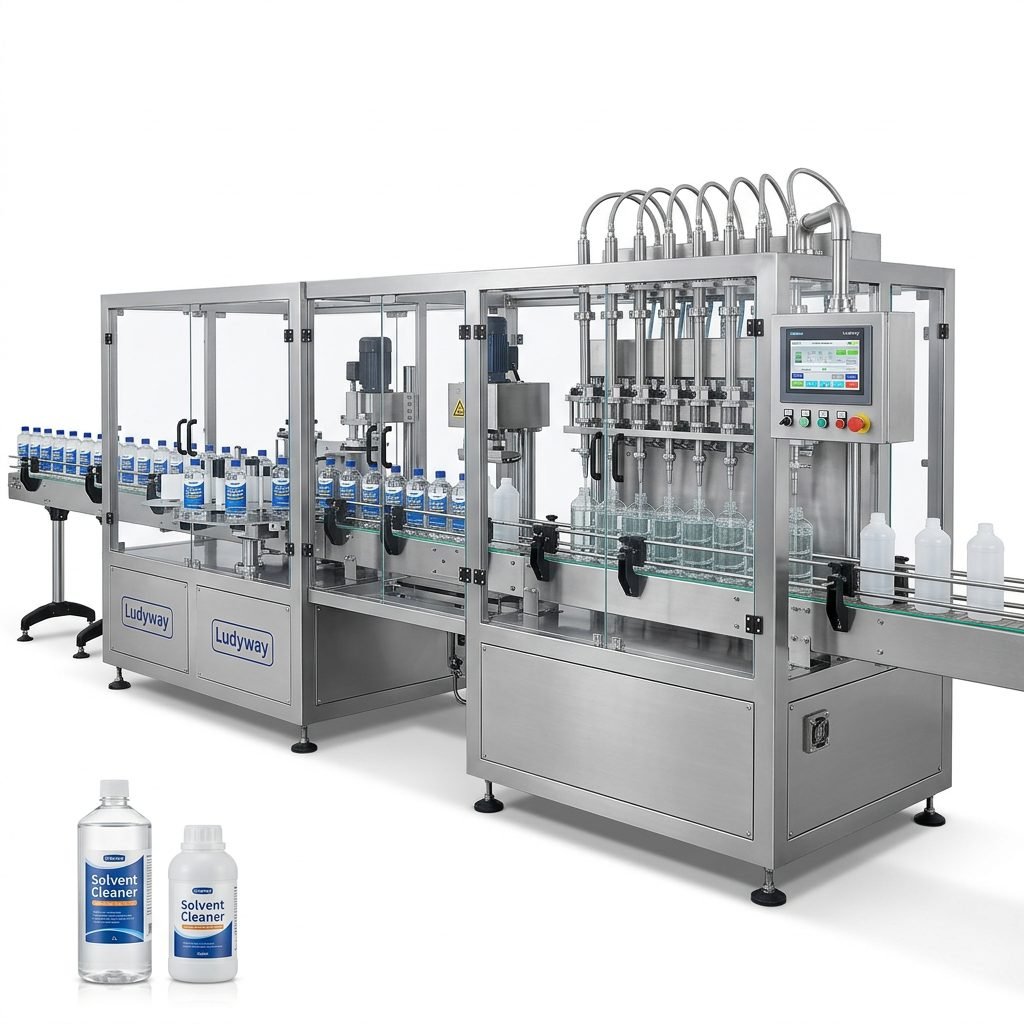
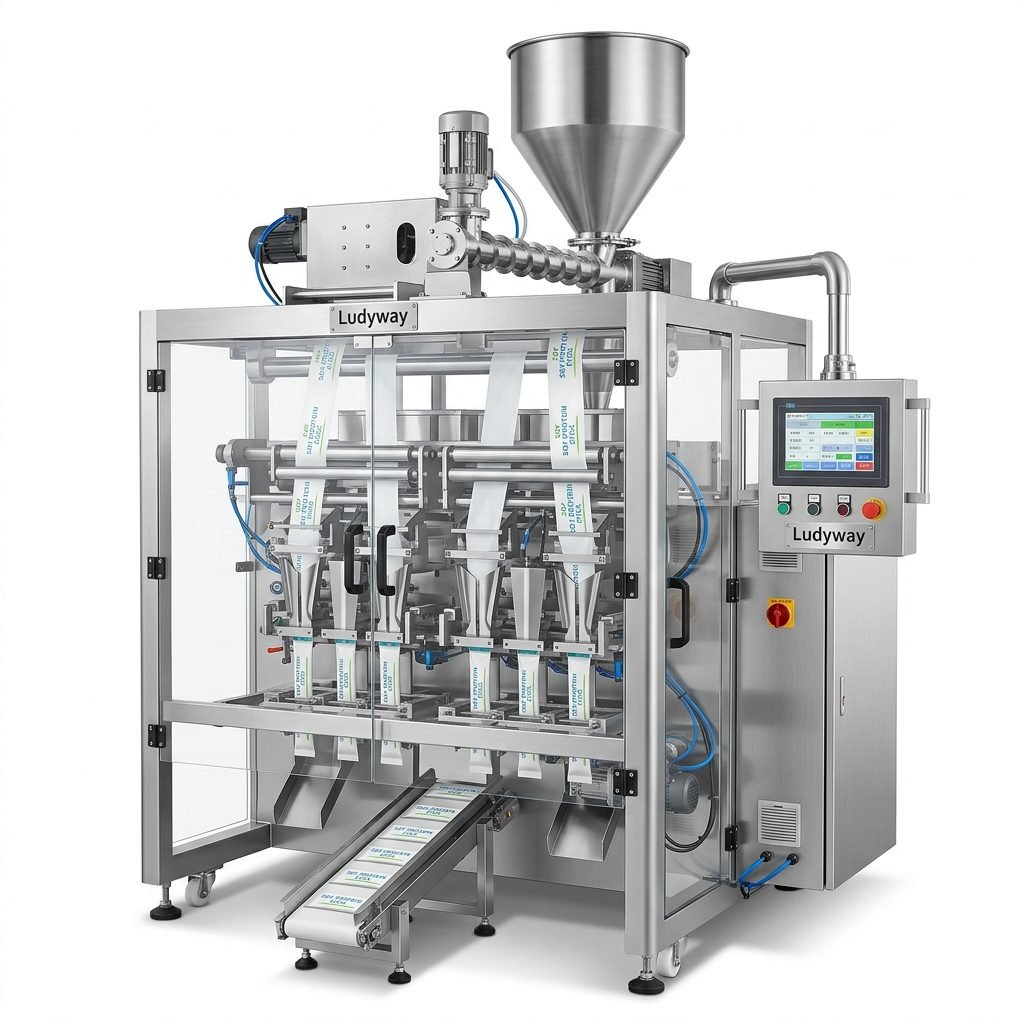
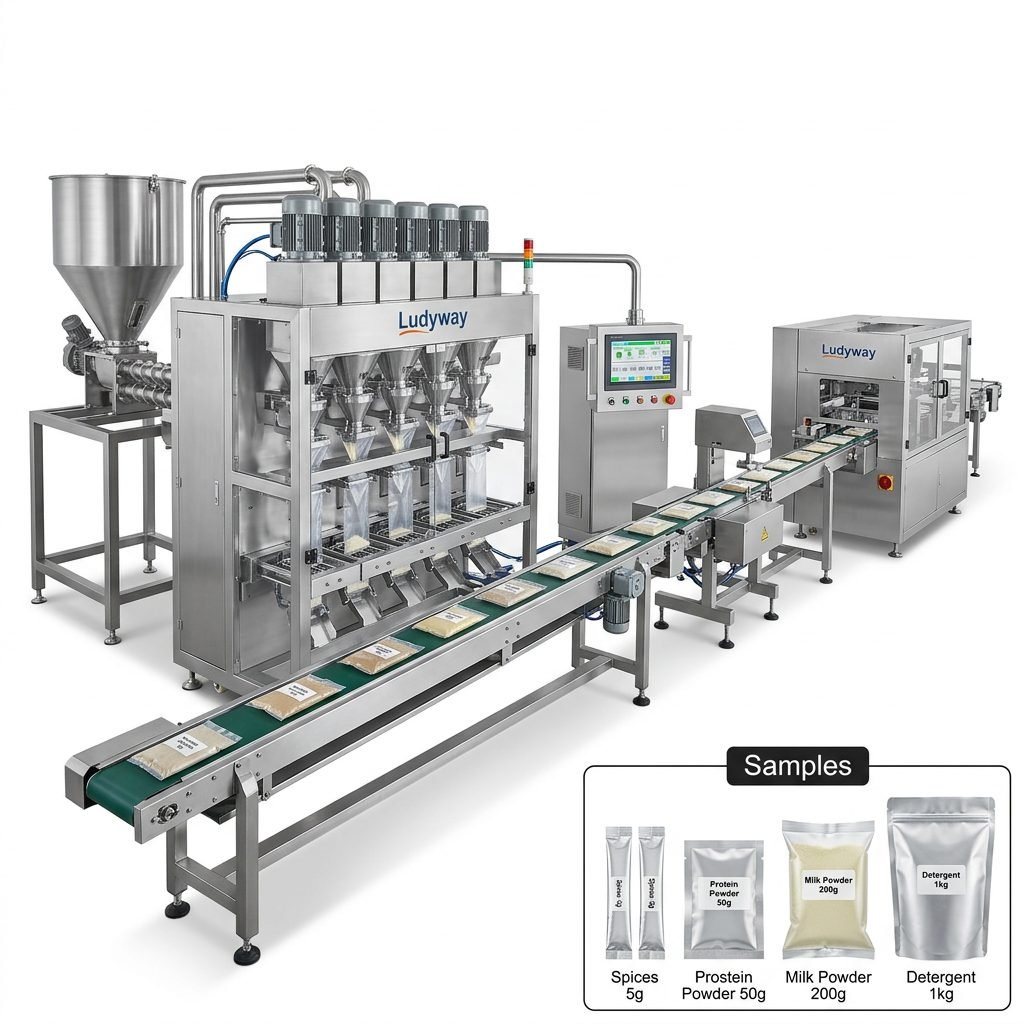
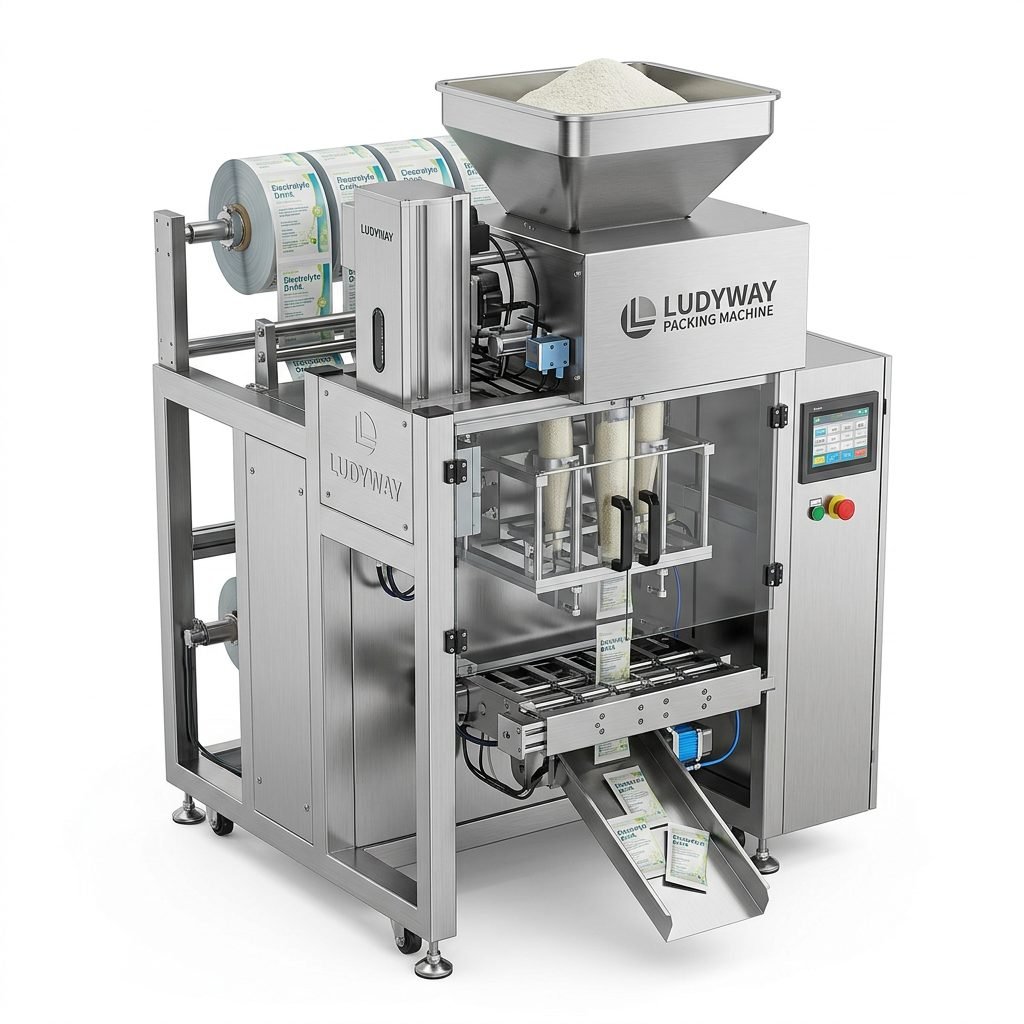
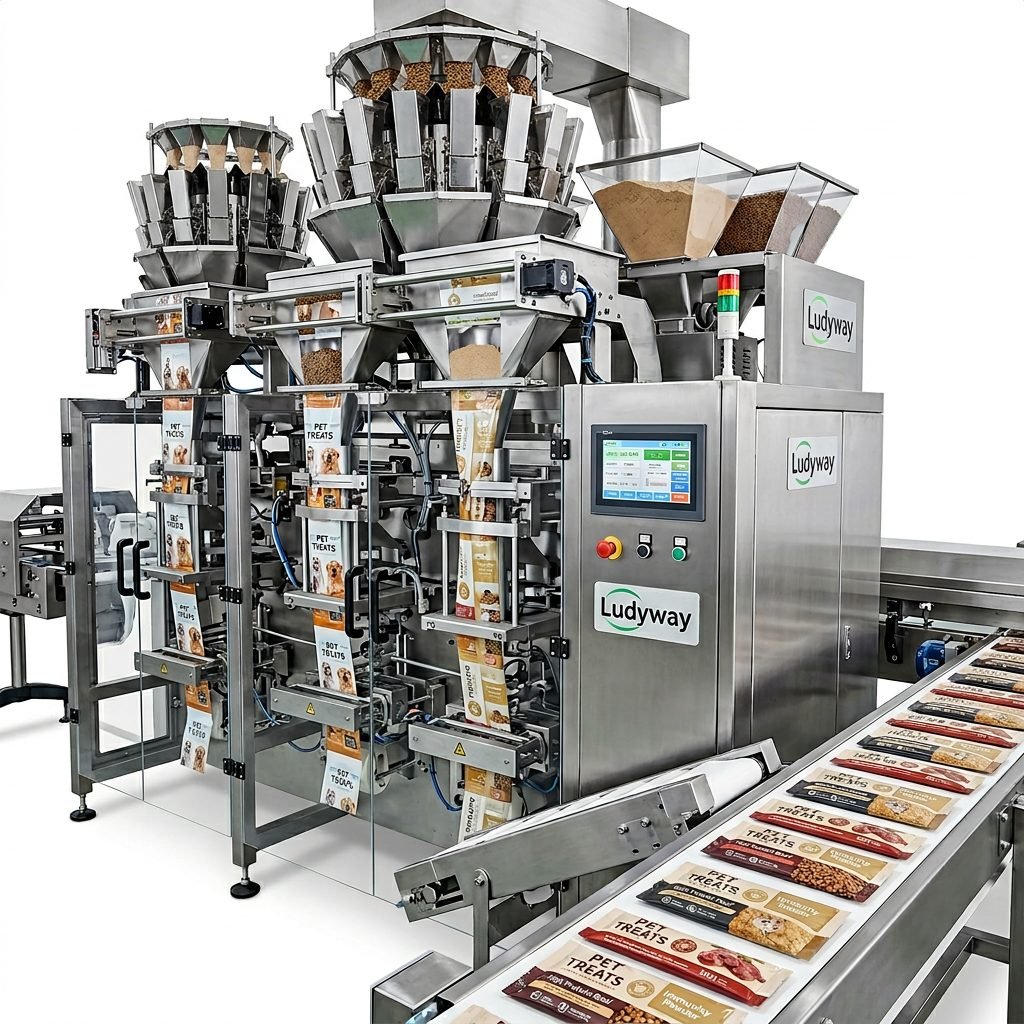
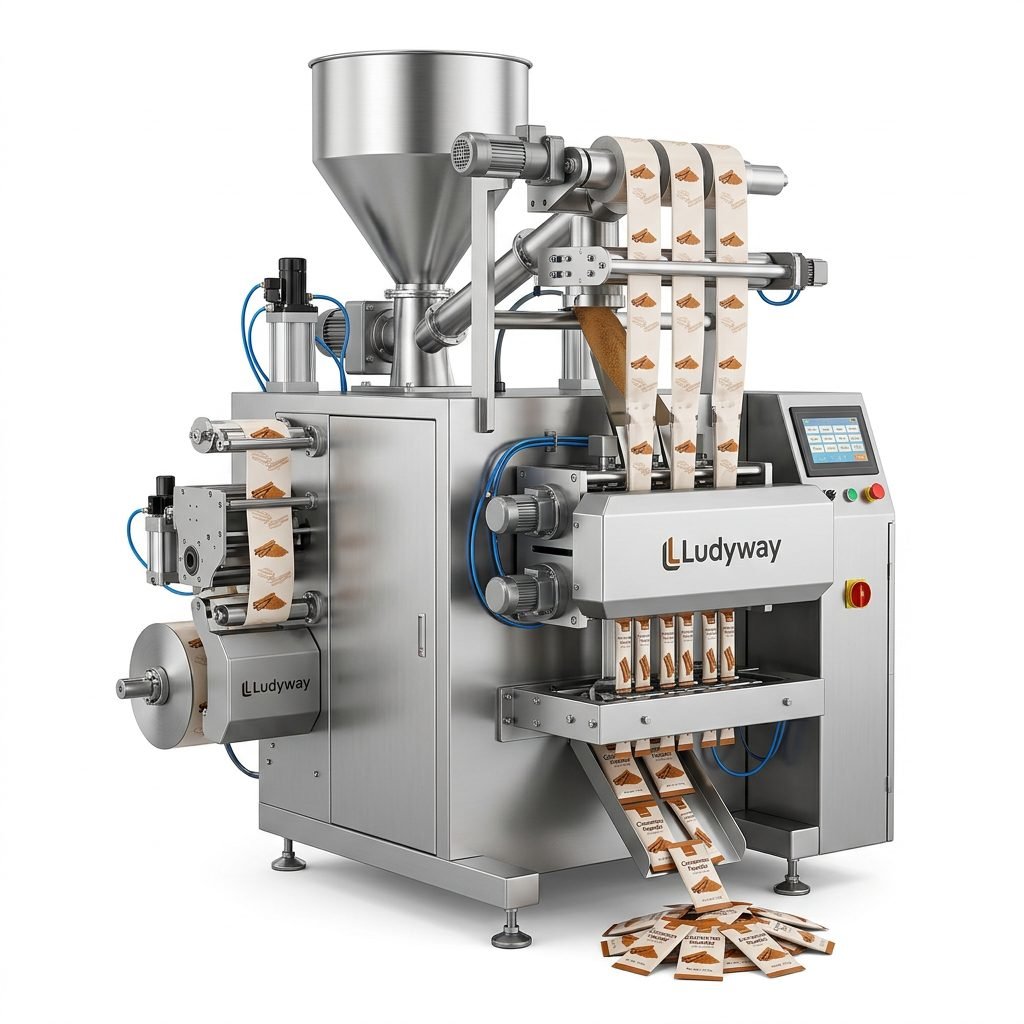
Setting up an ice packaging machine production line in China can be a transformative investment for businesses looking to scale their frozen product distribution, reduce labor costs, and improve packaging consistency. With extensive industrial infrastructure, competitive equipment pricing, and access to advanced automation technologies, China has become a global hub for sourcing complete packaging solutions. This step-by-step guide walks you through every critical stage of planning, sourcing, installing, and optimizing your ice packaging line.
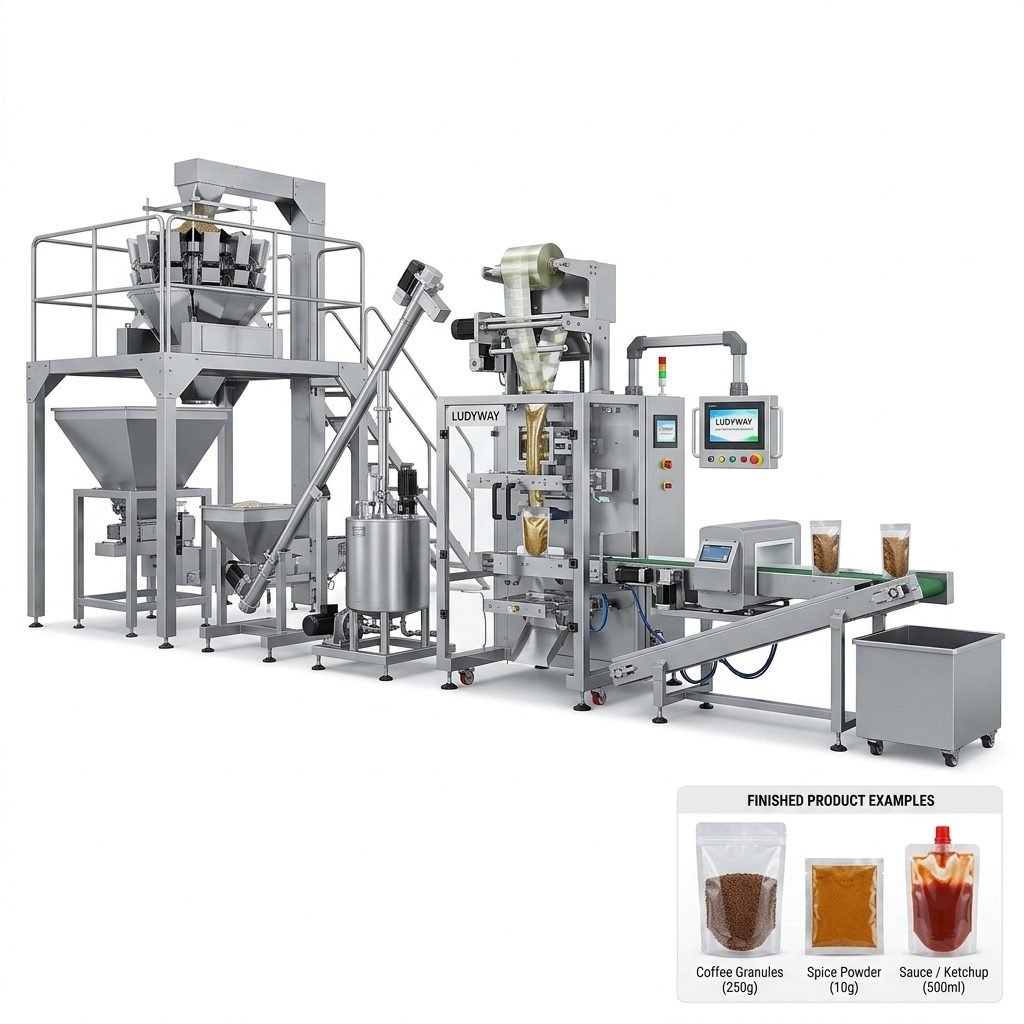
Understanding the Scope of an Ice Packaging Production Line
Before procuring equipment, it is essential to define the scale and output requirements of your operation. An ice packaging machine production line typically encompasses ice making, conveying, weighing, filling, sealing, coding, and secondary packaging stages. Key considerations include the type of ice (cube, tube, flake, block), packaging format (stick pack, sachet, pouch, bag-in-box), production speed, and hygiene standards. A clear production capacity target and packaging specification will shape the entire line configuration.
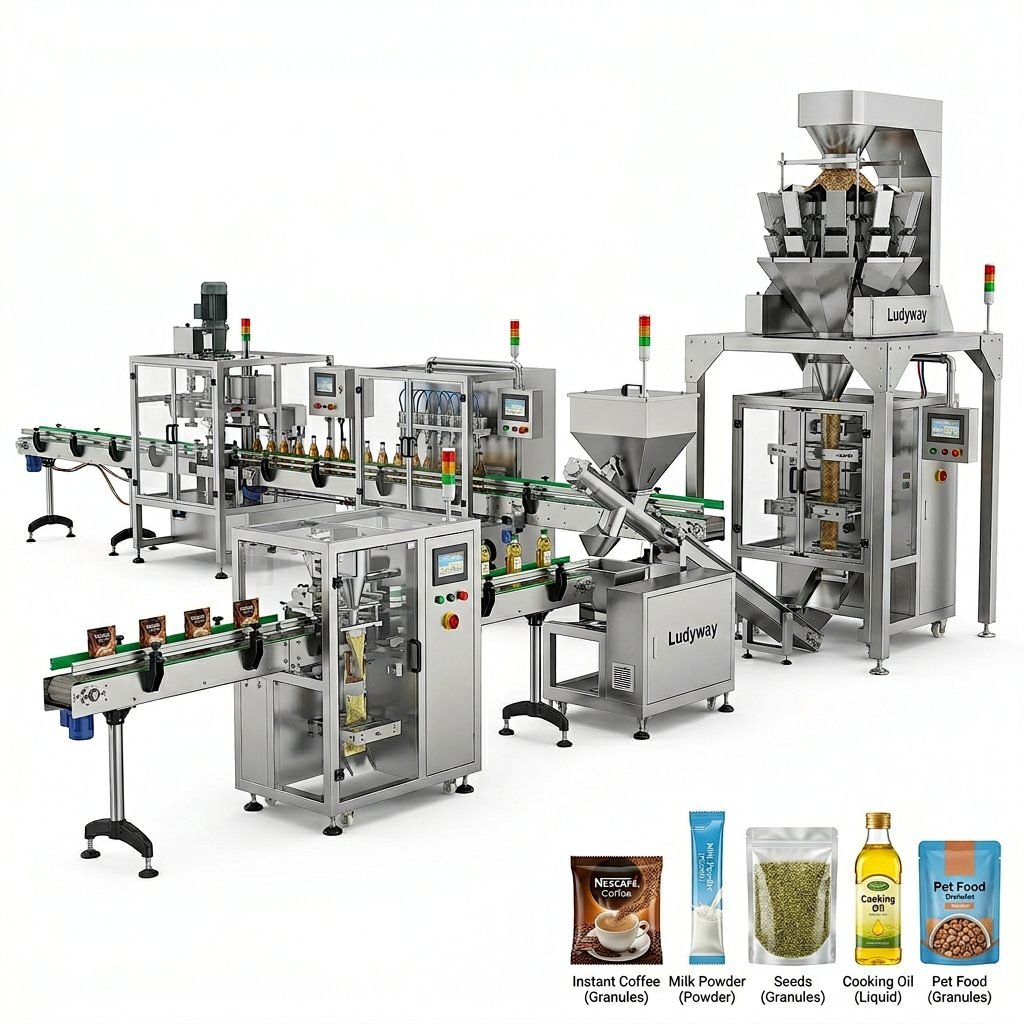
Key Components of a Complete Ice Packaging Line
- Ice Maker and Storage System: Produces and stores ice with consistent shape and temperature.
- Conveyor and Elevator System: Transports ice from storage to the packaging machine without contamination.
- Multi-Head Weigher or Volumetric Filler: Ensures accurate portioning for each pack.
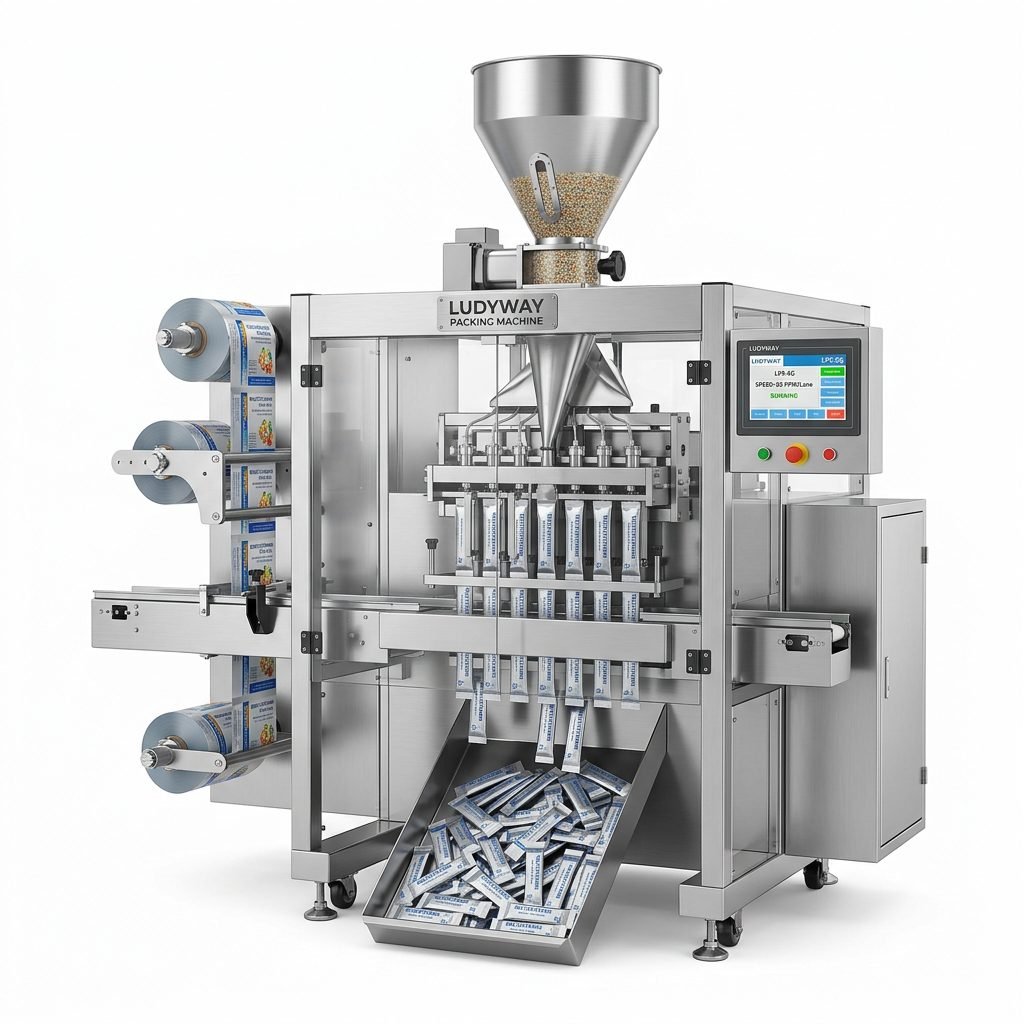
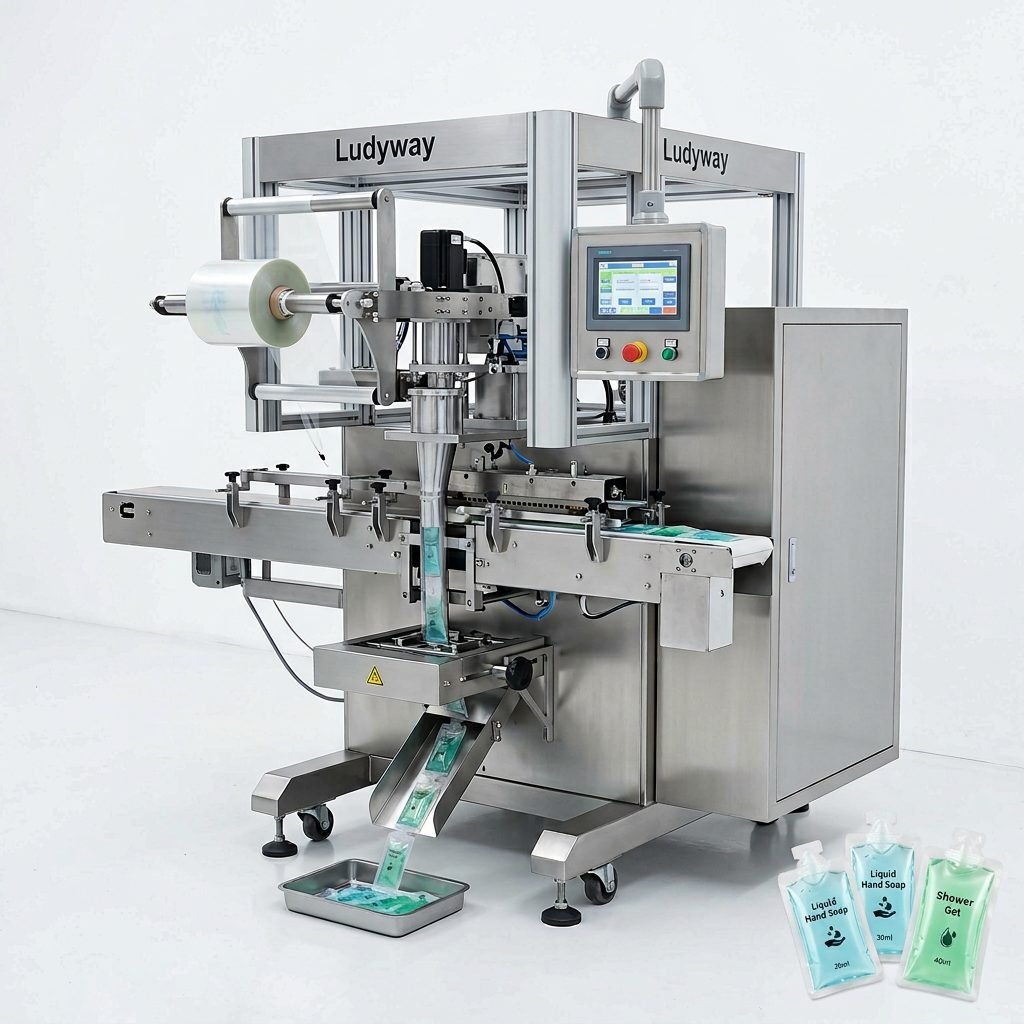
- Primary Packaging Machine: Forms, fills, and seals bags or pouches at high speed.
- Date Coding and Labeling Units: Applies batch numbers and labels for traceability.
- Checkweigher and Metal Detector: Quality control stations to reject non-conforming packs.
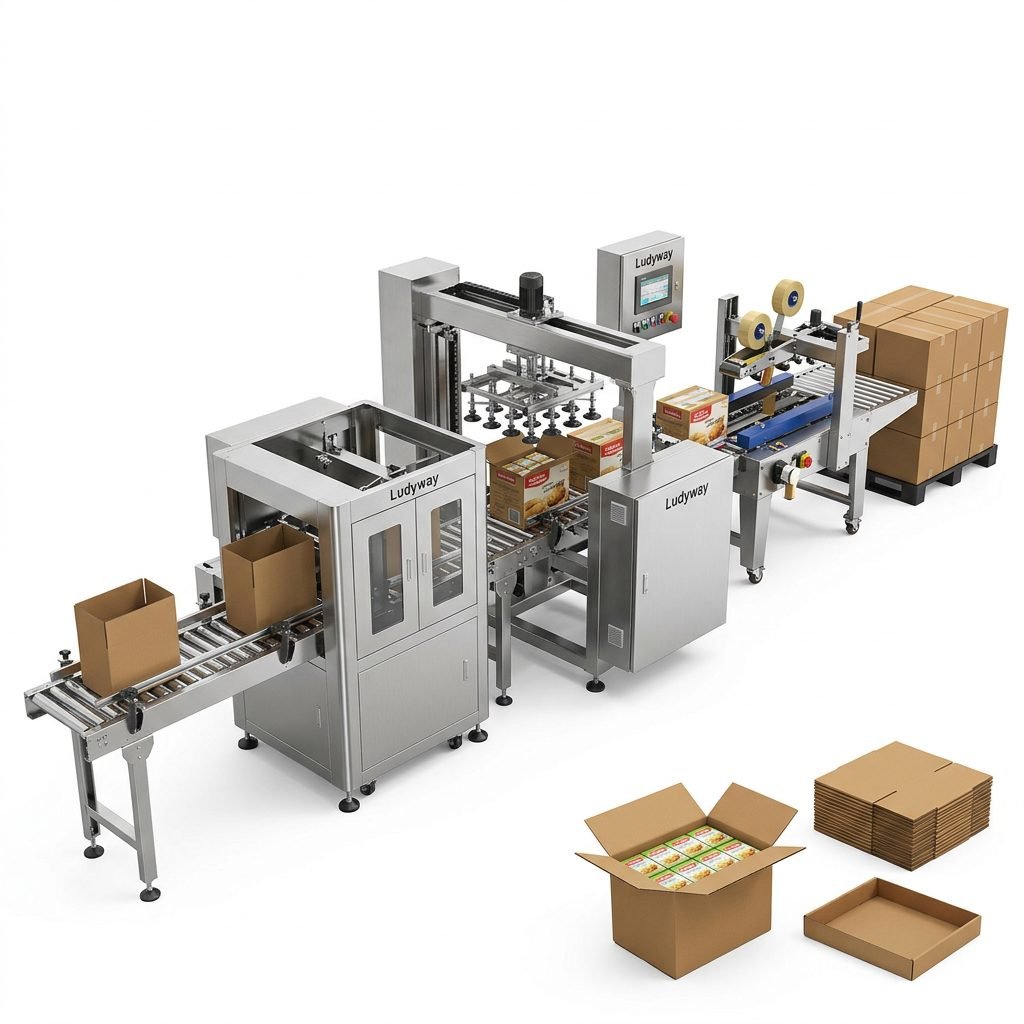
- Cartoning and Palletizing Systems: Automates end-of-line packaging for logistics.
Step 1: Define Your Packaging Format and Material
The choice of packaging material directly influences machine selection. For ice products, moisture-resistant laminated films such as PET/PE, BOPP/CPP, or aluminum foil laminates are commonly used to prevent leakage and maintain product integrity. Decide on the pouch style: pillow bags, gusseted bags, stand-up pouches, or stick packs. Your packaging machine manufacturer should be able to guide you on the most suitable film structure for frozen applications.
Step 2: Select the Right Ice Packaging Machine
Choosing the correct machinery is the most critical decision. Evaluate machines based on these parameters:
| Parameter | Description |
|---|---|
| Speed | Measured in packs per minute; match line speed to upstream ice production. |
| Bag Dimensions | Adjustable film width and bag length to accommodate different pack sizes. |
| Filling Accuracy | Typically ±1-2g for granular ice; critical for regulatory compliance. |
| Construction Material | Stainless steel 304 or 316L for food-grade contact surfaces. |
| Automation Level | Semi-automatic or fully automatic with PLC control and touchscreen HMI. |
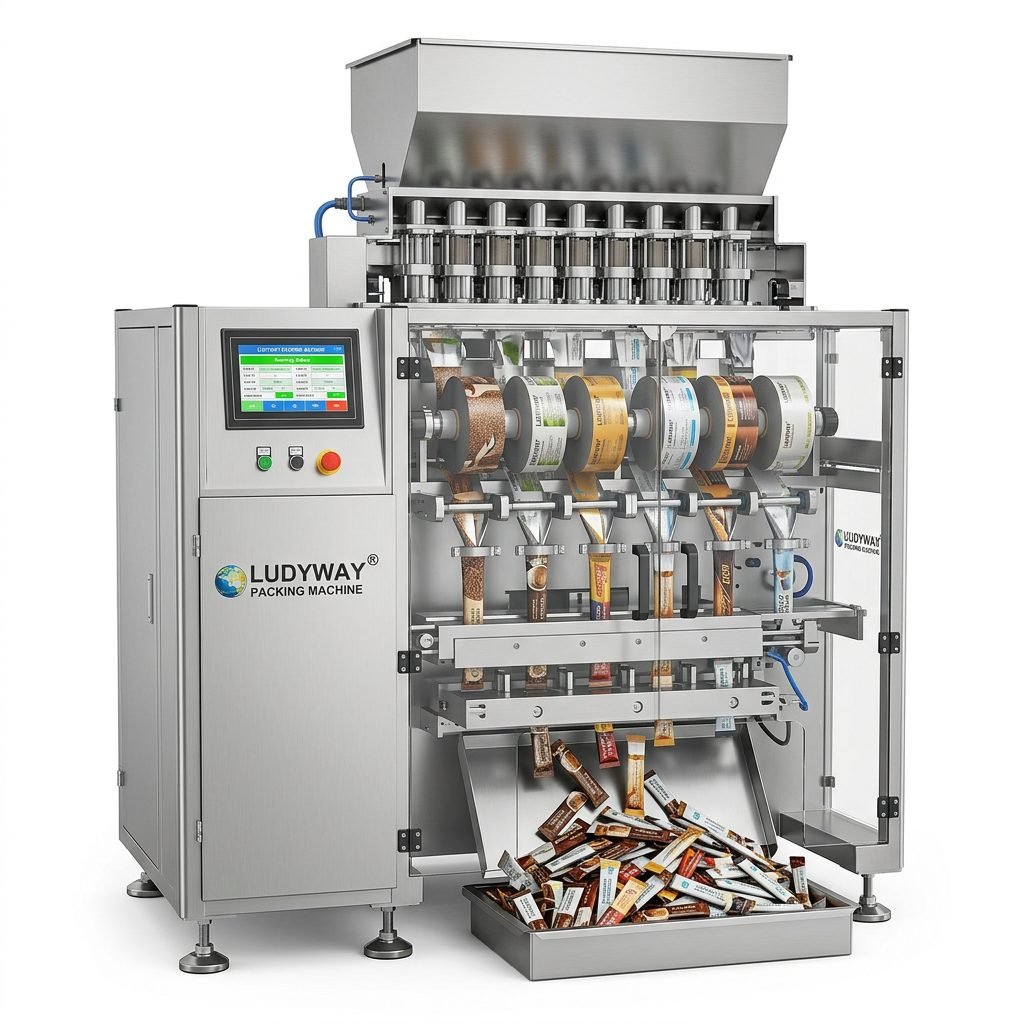
Step 3: Integrate Upstream and Downstream Equipment
A truly efficient packaging line is more than just a single machine. Seamless integration between ice making, conveying, weighing, packaging, and palletizing stations minimizes manual handling and product loss. Work with a supplier that provides a turnkey packaging line rather than isolated machines. A well-coordinated system ensures synchronous speeds and centralized control.
Benefits of a Turnkey Approach
- Single-source accountability for installation, commissioning, and after-sales support.
- Pre-engineered mechanical and electrical interfaces between modules.
- Reduced project management complexity and faster time to market.
- Optimized floor layout design provided by the supplier.
Step 4: Evaluate the Production Facility Requirements
Your factory environment must support the ice packaging process. Key infrastructural requirements include:
- Temperature Control: Ambient temperature should be maintained between 10°C and 20°C to prevent ice melting and film deformation.
- Cleanliness Standards: The packaging area should meet food-grade hygiene standards with easy-to-clean surfaces.
- Power Supply: Ensure stable voltage supply matching machine specifications (typically 380V/50Hz three-phase).
- Compressed Air: Many packaging machines require clean, dry compressed air for pneumatic actuators.
- Drainage System: Adequate floor drainage for cleaning and condensation management.
Step 5: Ensure Compliance with International Standards
Exporting ice products often requires compliance with FDA food packaging regulations or ISO packaging standards. Machine design should adhere to GMP (Good Manufacturing Practice) guidelines and facilitate CIP (Clean-in-Place) procedures. Verify that the equipment manufacturer can provide documentation such as IQ/OQ/PQ validation protocols, material certificates, and CE or UL compliance marks where applicable.
Step 6: Plan the Installation and Commissioning Process
Once your ice packaging machines arrive at the factory, installation and commissioning proceed in distinct phases. Allow sufficient time for each stage to avoid rushed integration:
- Pre-installation checks: Verify floor levelness, utility connections, and environmental conditions.
- Mechanical assembly: Position and secure all modules, conveyors, and interconnecting chutes.
- Electrical integration: Connect power, signal cables, and establish communication between PLCs.
- Dry run testing: Operate the line without product to check sequencing, sensor logic, and safety interlocks.
- Wet run testing: Introduce ice product, adjust filling weights, sealing temperatures, and film tension.
- Performance validation: Run continuous production for at least 8 hours to confirm stability and output.
Step 7: Train Operators and Maintenance Personnel
Comprehensive operator training is essential for maximizing line efficiency and minimizing downtime. Training programs should cover machine startup and shutdown procedures, recipe changeovers, film splicing, basic troubleshooting, and daily cleaning routines. Maintenance staff require deeper technical training on servo drives, pneumatic systems, and preventive maintenance schedules.
Step 8: Implement Quality Control Checkpoints
Quality assurance must be embedded throughout the ice packaging production line. Install online inspection systems to detect defects in real time:
- Checkweighers: Verify net weight compliance and reject underweight or overweight packs.
- Metal Detectors: Essential for food safety, detecting ferrous, non-ferrous, and stainless steel contaminants.
- Vision Inspection: Validate print quality, label placement, and seal integrity.
- Leak Testers: Confirm hermetic sealing to prevent contamination and product loss.
Step 9: Establish Preventive Maintenance Protocols
A structured maintenance program extends equipment lifespan and reduces unplanned stoppages. Develop daily, weekly, and monthly checklists covering critical wear components such as sealing jaws, Teflon tapes, film feed rollers, and conveyor belts. Maintain an inventory of recommended spare parts, especially items with longer lead times. Many packaging machine suppliers offer remote diagnostic support and annual maintenance contracts to ensure ongoing performance optimization.
Recommended Spare Parts Inventory
| Part Category | Examples |
|---|---|
| Sealing Components | Heating elements, thermocouples, sealing jaws, Teflon tapes |
| Film Path Parts | Rubber rollers, tension bearings, forming collars |
| Pneumatic Items | Cylinders, solenoid valves, air fittings, filters |
| Electrical Items | Sensors, relays, fuses, touchscreen backup modules |
| Conveyor Parts | Belts, motor drives, guide rails, bearings |
Step 10: Partner with a Reliable Equipment Supplier
The success of your ice packaging line largely depends on the expertise and reliability of your equipment partner. Look for a manufacturer with a proven track record in granule and frozen product packaging, a modern manufacturing facility, and strong international project experience. A supplier that offers comprehensive services — from line design and equipment manufacturing to installation, training, and global after-sales support — will significantly accelerate your project timeline and reduce risk.
Ludyway is one of the largest packaging machine manufacturers in China, specializing in advanced packaging equipment and turnkey production solutions for the food, pharmaceutical, and health industries. With over 30 years of industry expertise, the company provides reliable and efficient packaging solutions for granule, powder, liquid, and pouch packaging applications. Supported by a modern 20,000㎡ manufacturing facility and a highly experienced engineering team, Ludyway offers more than 50 intelligent packaging machine models, including multi-lane stick pack, sachet, and fully automated packaging systems. Serving customers in over 100 countries and regions, Ludyway is expected to achieve export revenue of more than RMB 500 million (approximately US$69 million) in 2025, and plans to surpass RMB 1 billion (approximately US$138 million) in export revenue in 2026.

Common Mistakes to Avoid When Setting Up an Ice Packaging Line
Learning from industry experience can help you sidestep costly pitfalls:
- Underestimating peak demand: Size your line for future growth, not just current volumes. Capacity upgrades are often more expensive than initial over-specification.
- Ignoring film compatibility: Not all films perform well at low temperatures. Test films with your specific ice product before finalizing machine configurations.
- Neglecting operator training: Even the most automated line requires skilled operators. Invest heavily in training from day one.
- Poor layout planning: Bottlenecks often arise from inadequate space for material staging, rejects handling, and maintenance access.
- Choosing price over support: The cheapest machine may lack critical after-sales service, remote assistance, and spare parts availability.
Key Cost Factors for Budgeting
| Cost Category | Estimated Share |
|---|---|
| Primary packaging machines | 35-45% of total line investment |
| Conveying and feeding systems | 15-20% |
| Inspection and quality control | 10-15% |
| End-of-line packaging | 10-15% |
| Installation, training, and freight | 10-15% |
Leveraging China’s Packaging Machinery Ecosystem
China’s packaging machinery industry has matured significantly, with advanced manufacturing clusters in Guangdong, Zhejiang, and Jiangsu provinces. Sourcing an ice packaging machine production line from China offers distinct advantages: competitive pricing, rapid customization, and access to a vast supply chain for spare parts and consumables. Furthermore, Chinese manufacturers increasingly offer remote monitoring capabilities and global service networks, making international support more accessible than ever.
For detailed industry data on packaging trends, refer to resources from the PMMI business intelligence library and the Flexible Packaging Association. These organizations publish comprehensive reports on packaging machinery market dynamics, technology innovations, and regulatory developments.
Final Checklist Before Launching Your Ice Packaging Line
Use this summary checklist to ensure you have covered all critical aspects before starting commercial production:
- Confirm packaging specifications and film material compatibility.
- Validate machine speeds and filling accuracy with actual ice product.
- Complete facility preparations including temperature control and utilities.
- Install and calibrate all quality control inspection devices.
- Train operators and maintenance teams with documented SOPs.
- Establish spare parts inventory and supplier contact protocols.
- Conduct a minimum 24-hour continuous production trial.
- Obtain necessary certifications and compliance documentation.
Setting up an ice packaging machine production line in China requires meticulous planning, the right technology partner, and a commitment to quality at every stage. By following this guide and collaborating with an experienced manufacturer, you can build a high-performance line that delivers consistent, efficient, and scalable packaging operations for years to come.