The animal feed industry in Asia is experiencing unprecedented growth. With the region accounting for over 40% of global feed production, manufacturers are under increasing pressure to modernize their operations. Setting up an animal food packaging machine production line requires careful planning, from understanding local regulations to selecting equipment that can handle diverse feed formulations.
Whether you’re producing poultry feed in Thailand, aquaculture pellets in Vietnam, or livestock supplements in India, the right packaging system can dramatically improve your operational efficiency and product shelf life. This guide walks you through every critical step of establishing a successful animal food packaging production line in Asia.
Understanding the Asian Animal Feed Market Landscape
Asia’s compound feed production exceeded 500 million metric tons in recent years, driven by rising meat consumption and expanding aquaculture operations. Countries like China, India, Indonesia, and Vietnam are leading this growth, creating substantial demand for automated packaging solutions that can scale with production volumes.
The market is characterized by several unique factors that influence packaging line design:
- Diverse product formats – From fine powders (vitamin premixes) to coarse granules (poultry pellets) and even semi-moist feeds
- Climate considerations – High humidity in tropical regions demands superior moisture-barrier packaging
- Regulatory variation – Each country maintains distinct labeling and food safety requirements
- Cost sensitivity – Balancing automation with affordable operational costs remains critical
Types of Animal Food Packaging Formats
Before selecting machinery, you must determine which packaging format best suits your product and market. The most common formats in Asia include:
| Packaging Format | Best For | Key Advantage |
|---|---|---|
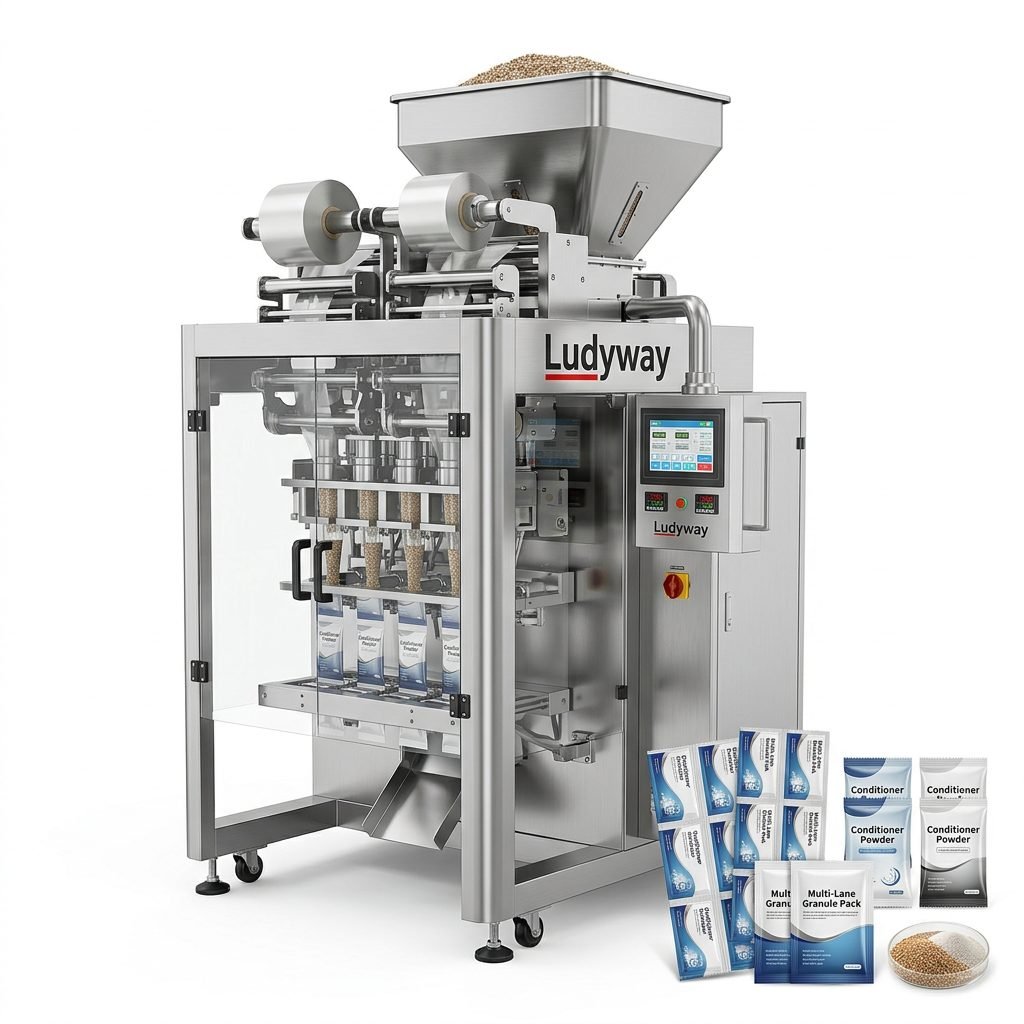
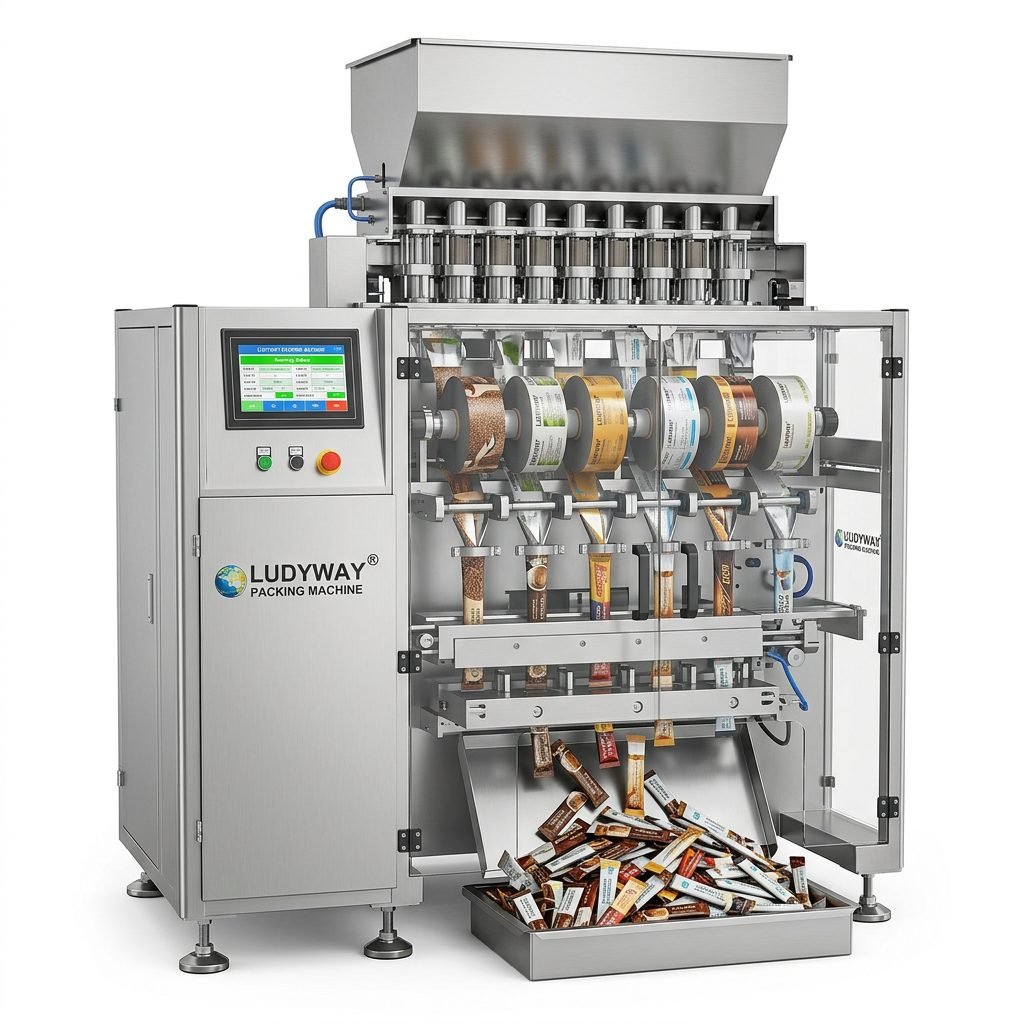
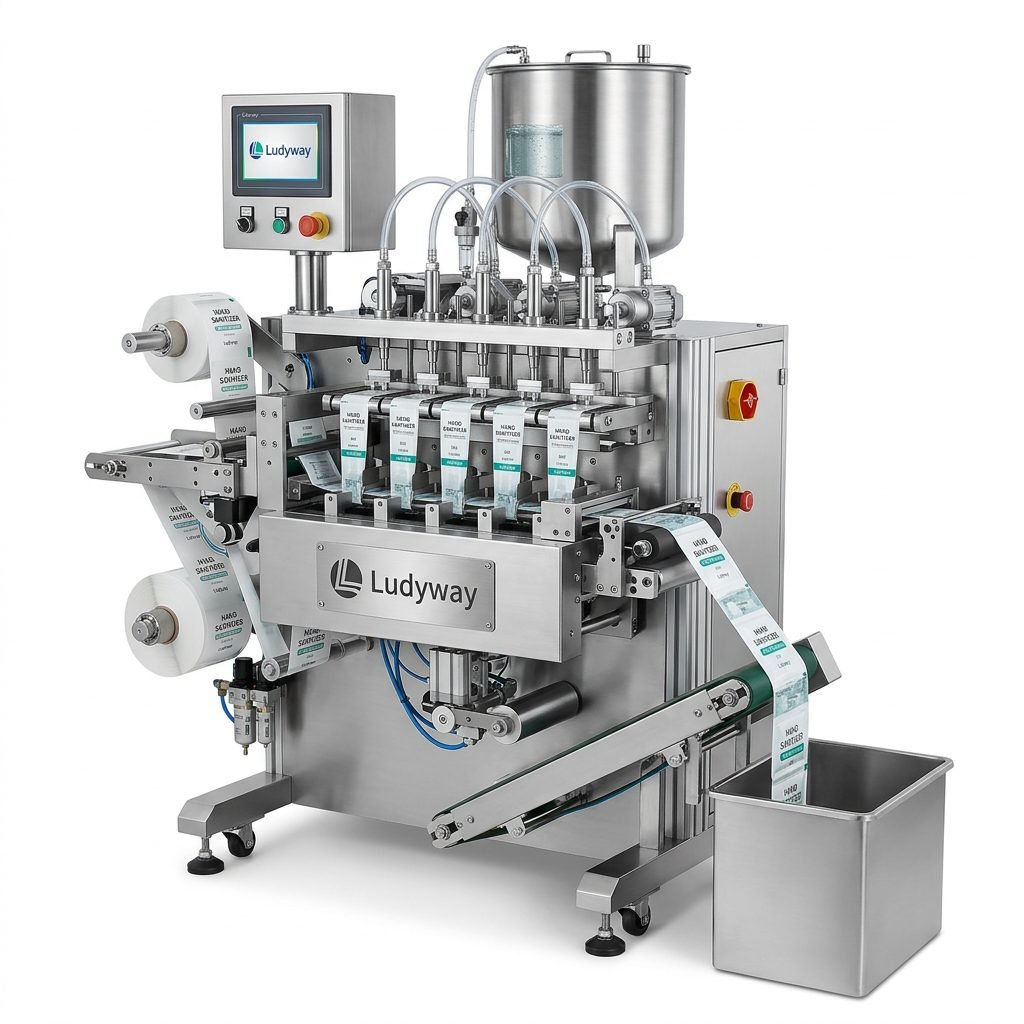
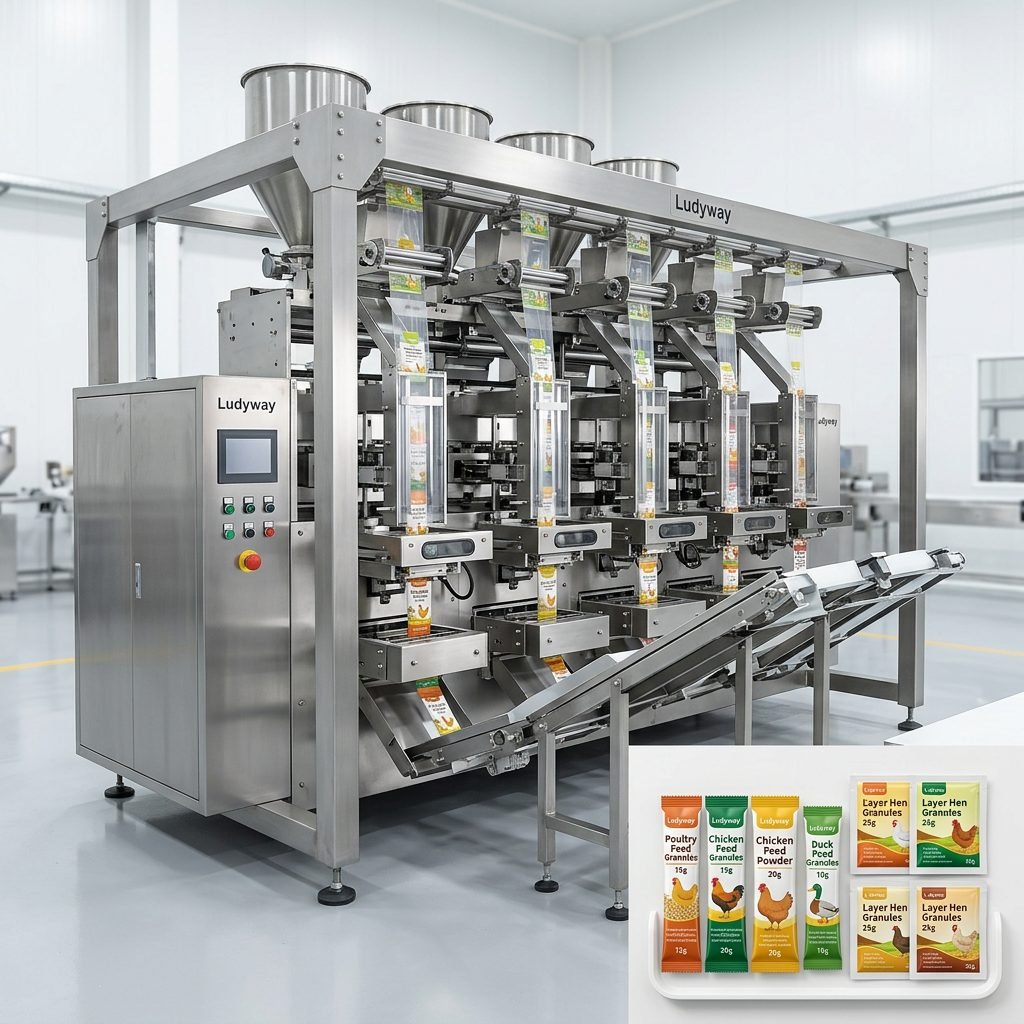
| Multi-Lane Stick Packs | Vitamin supplements, mineral premixes | Precise dosing, extended shelf life |
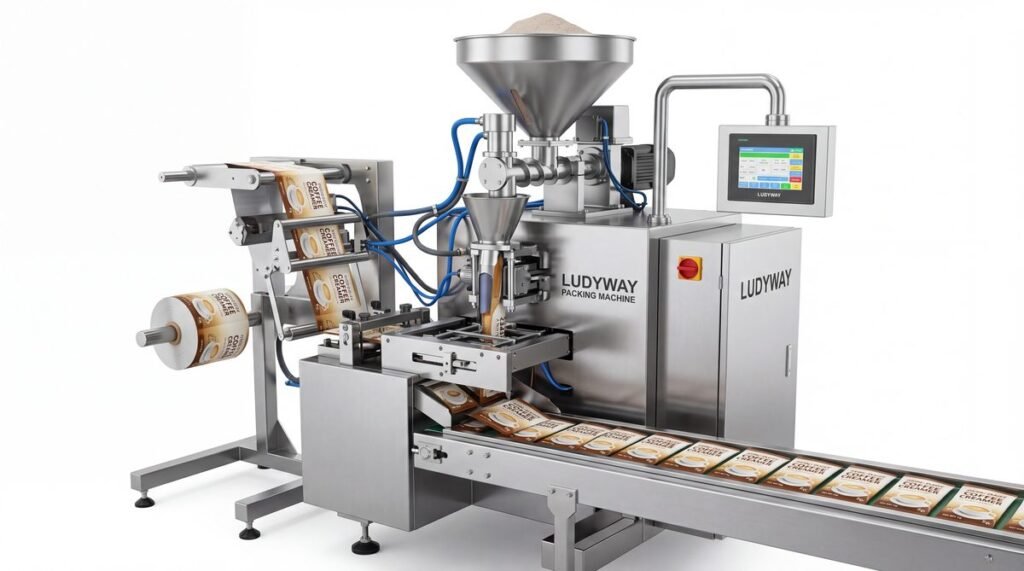
| Flat Sachets (Pillow Packs) | Small-volume aquafeed, pet treats | Cost-effective, high-speed production |
| Gusseted Pouches | Premium pet food, specialty feeds | Excellent shelf presence, resealable options |
| Bulk Bags (25kg-50kg) | Commercial livestock feed | High throughput, low packaging cost per kg |
Key Machinery for a Complete Production Line
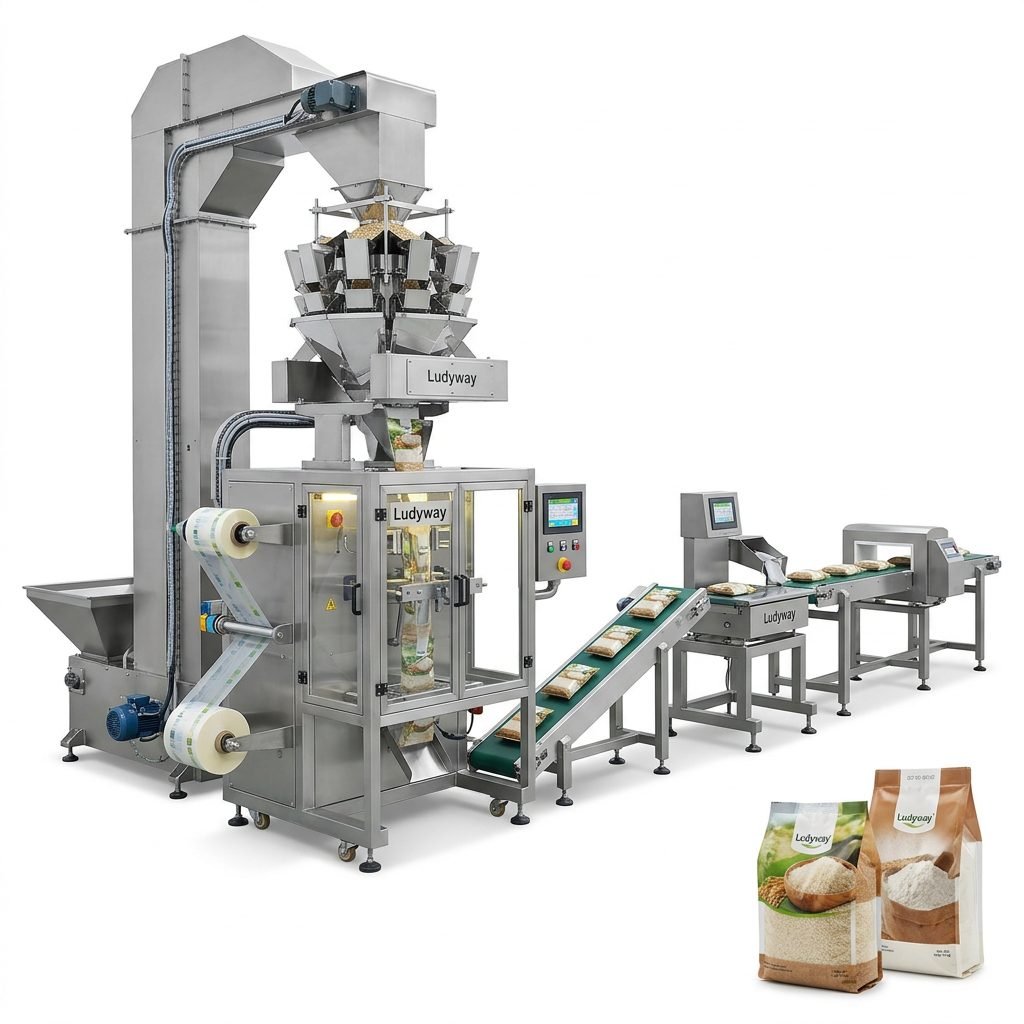
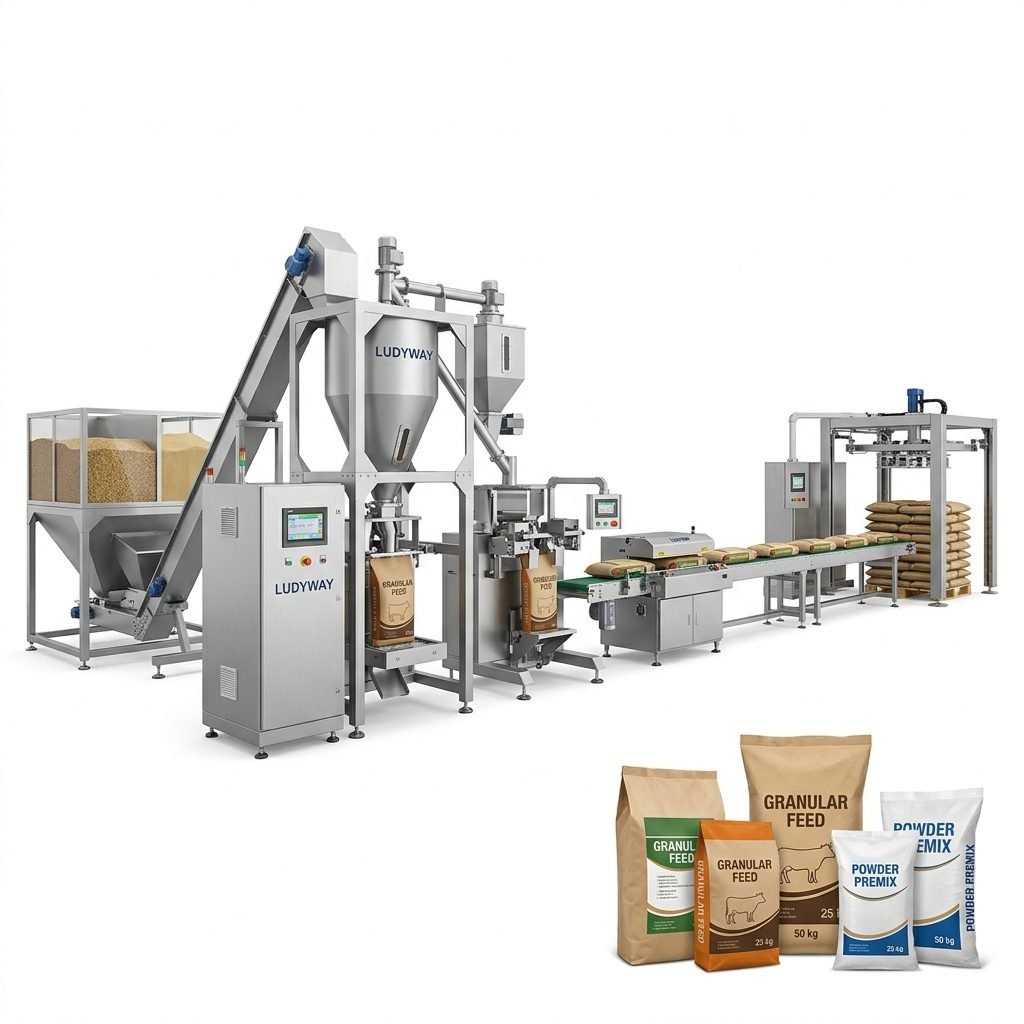
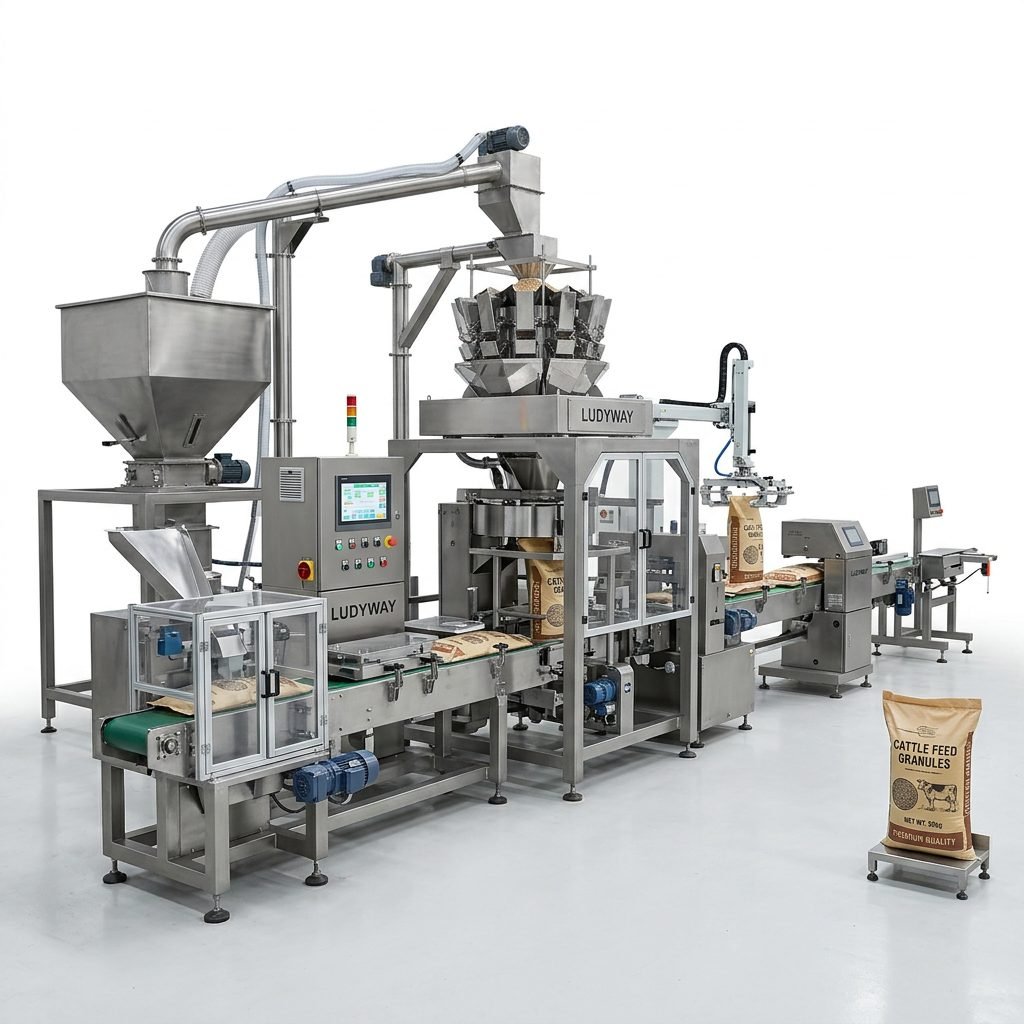
A fully integrated animal food packaging line consists of several interconnected machines. Understanding each component helps ensure you build a cohesive system rather than a collection of mismatched equipment.
1. Feeding and Conveying Systems
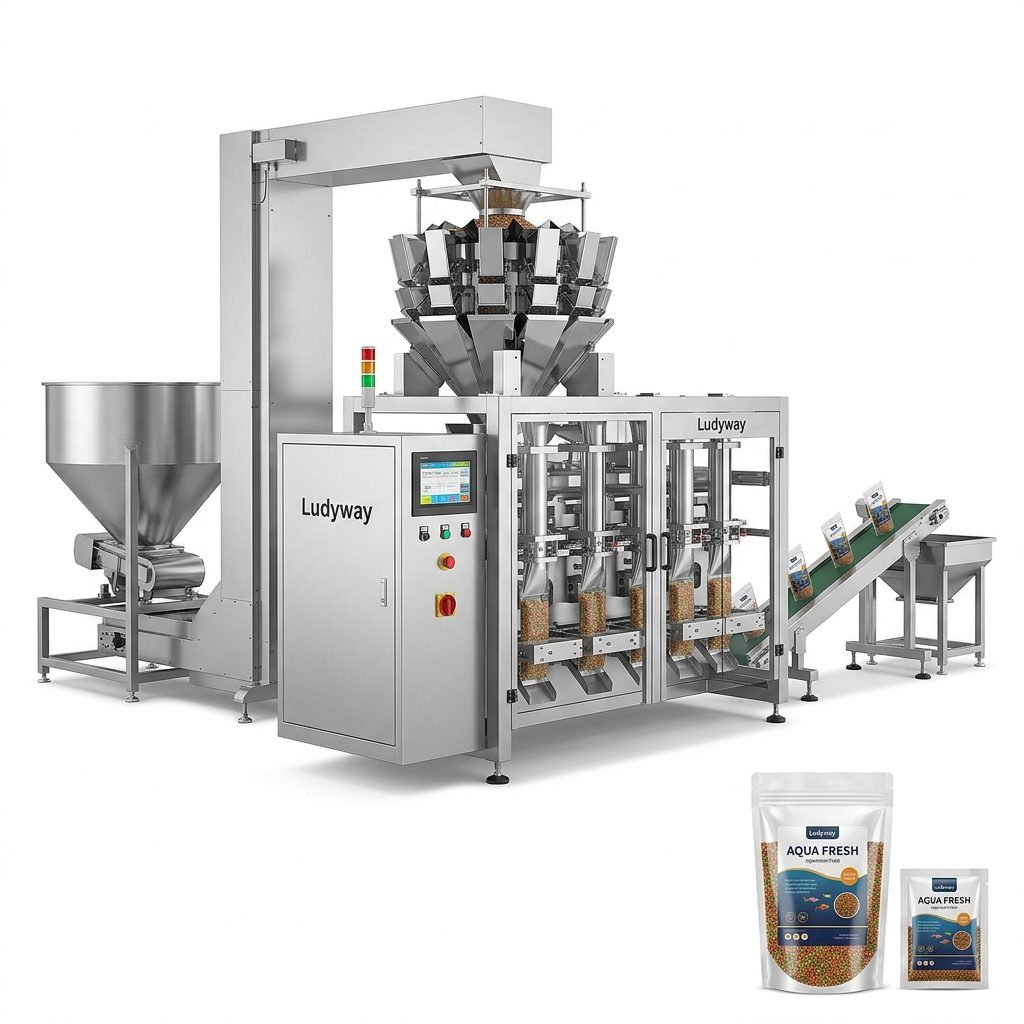
The starting point of any line, these systems transport raw materials to the packaging station. For animal feed, Z-type bucket elevators and vacuum feeders are popular choices, especially when handling dusty powders like fishmeal or vitamin premixes. Proper conveying prevents product segregation and maintains consistent flow rates.
2. Weighing and Dosing Units
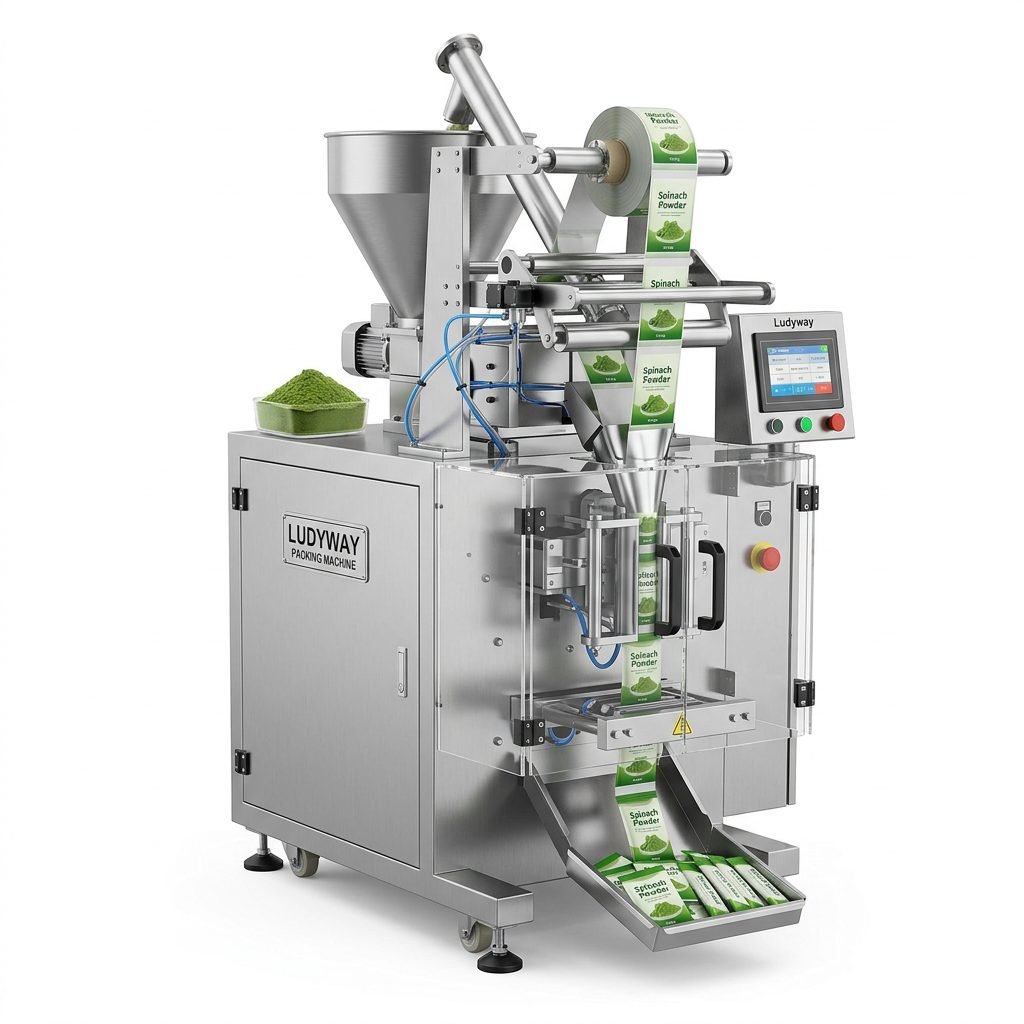
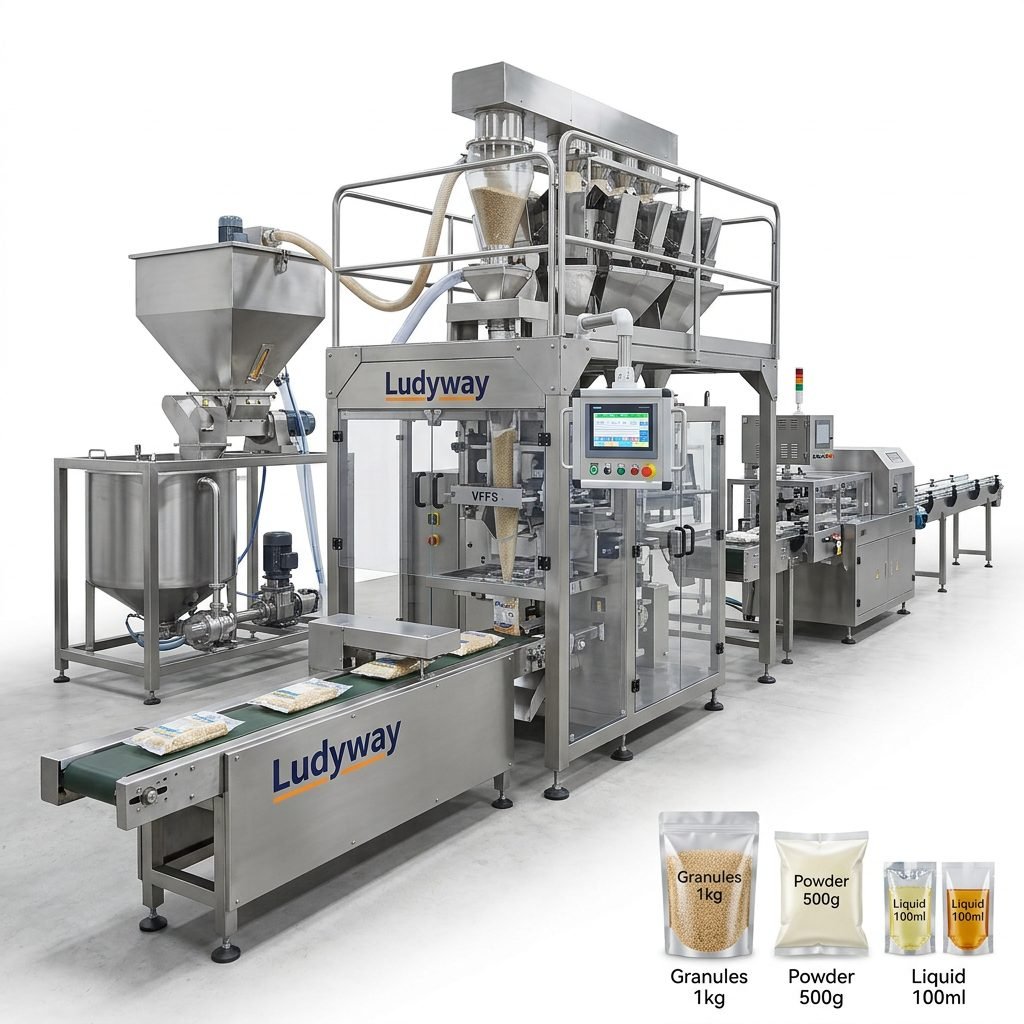
Accuracy in weighing directly impacts profitability. Multi-head weighers offer superior speed and precision for granules, while auger fillers excel with fine powders. For animal feed applications, look for systems with ±0.5% to ±1% accuracy depending on product characteristics.
3. Primary Packaging Machine
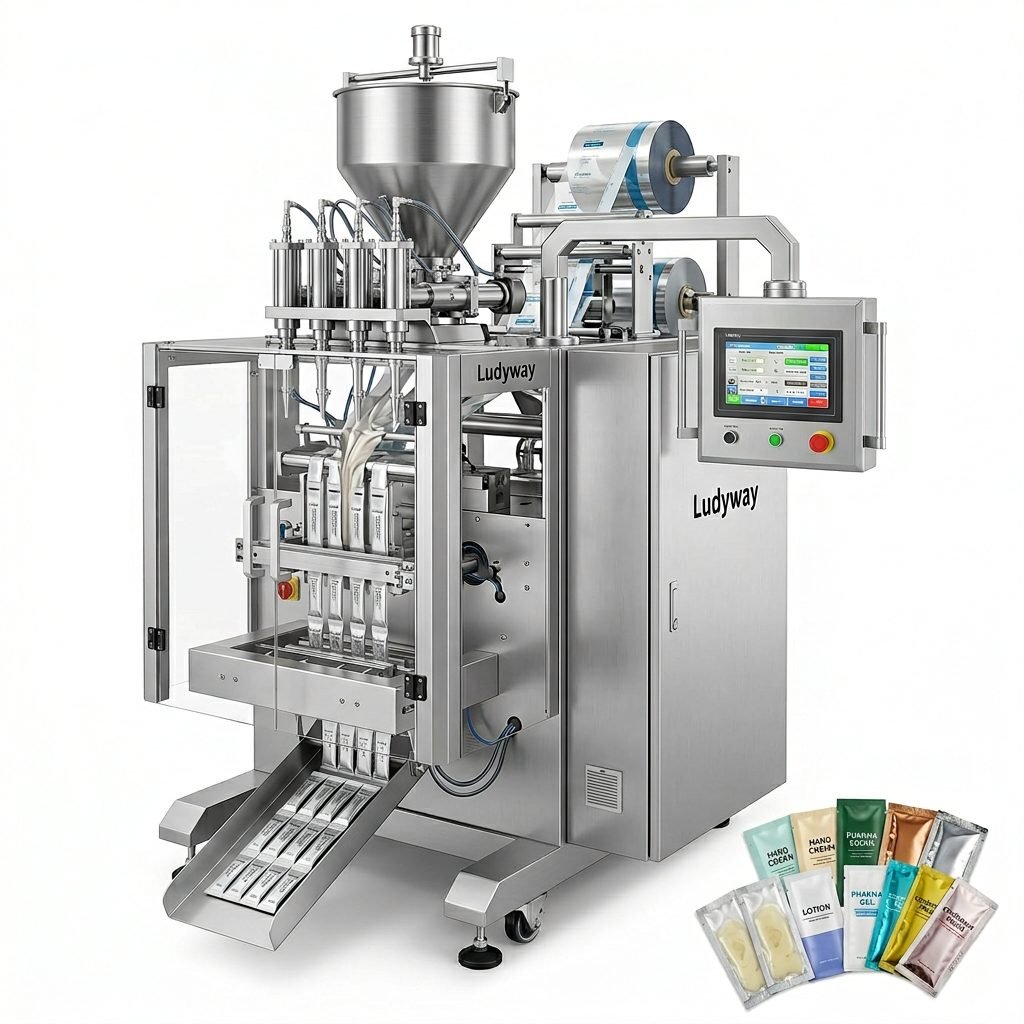
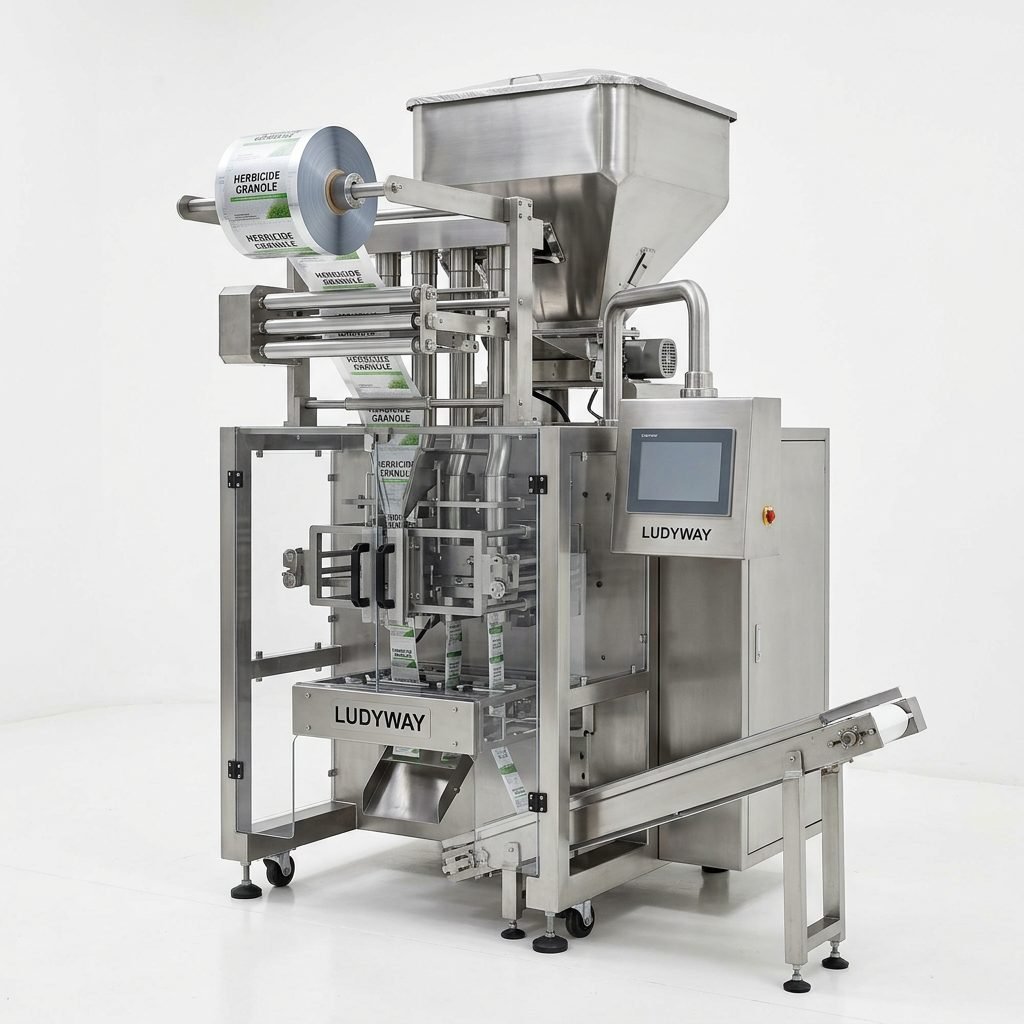
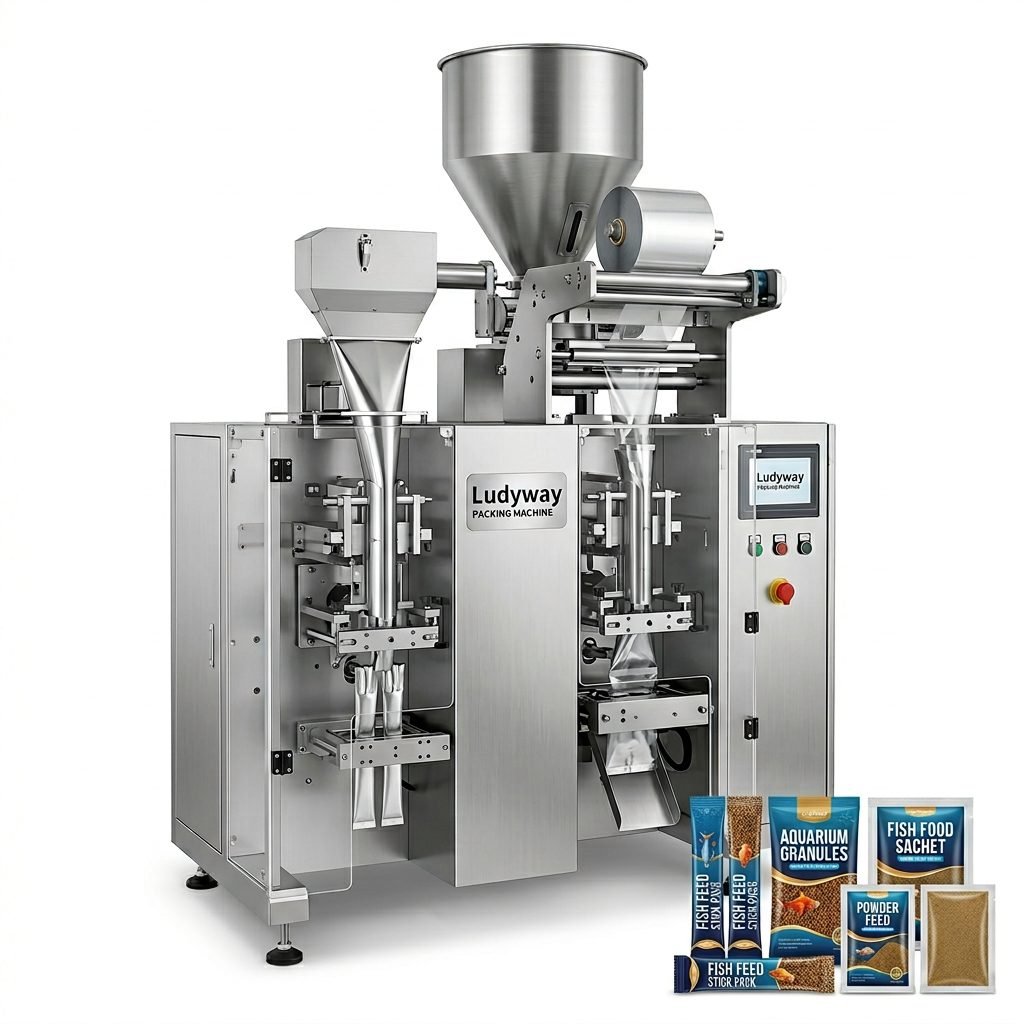
This is the core of your operation. A multi-lane stick pack machine can produce 400-600 packs per minute across 8-12 lanes, making it ideal for high-volume supplement packaging. Alternatively, vertical form-fill-seal (VFFS) machines handle larger bag formats up to 50kg for bulk livestock feed.
4. Secondary Packaging Equipment
After primary packaging, products typically move to cartoning machines, case packers, and palletizers. In Asia, where labor costs vary significantly by country, the level of automation in secondary packaging often depends on local wage rates and production volume targets.
Regulatory Compliance Across Asian Markets
Navigating the regulatory landscape is essential for successful market entry. Each country imposes specific requirements on animal feed packaging, and non-compliance can result in costly delays or rejected shipments. Key regulatory bodies and standards include:
- China – GB standards administered by the Ministry of Agriculture and Rural Affairs (MARA), covering feed labeling and hygiene
- Vietnam – National technical regulations (QCVN) enforced by the Department of Livestock Production
- Thailand – Department of Livestock Development (DLD) regulations aligned with FDA food packaging standards
- India – Bureau of Indian Standards (BIS) specifications and FSSAI guidelines for feed additives
- Indonesia – SNI certification requirements administered by the National Standardization Agency
For companies exporting across multiple Asian markets, adopting international standards such as ISO 22000 for food safety management and ISO packaging standards can streamline compliance efforts. Many manufacturers also reference PMMI packaging industry resources for guidance on machinery safety and performance benchmarks.
Site Preparation and Facility Requirements
Setting up the physical environment for your packaging line requires attention to infrastructure details that are sometimes overlooked during the planning phase. The facility must support both current production needs and future expansion.
Critical facility considerations include:
- Floor load capacity – Heavy machinery like bulk bag fillers and palletizers require reinforced concrete flooring rated for at least 2,000 kg/m²
- Power supply stability – Three-phase power with voltage stabilization is essential; many Asian manufacturing zones experience fluctuations
- Compressed air systems – Most modern packaging machines require clean, dry compressed air at 6-8 bar
- Dust extraction – Animal feed powders create respiratory hazards and explosion risks if not properly managed
- Climate control – Dehumidification systems protect hygroscopic ingredients and maintain packaging seal integrity
Installation and Commissioning Timeline
A typical animal food packaging line installation in Asia follows a structured timeline. While exact durations vary based on complexity, most projects follow this general sequence:
| Phase | Duration | Key Activities |
|---|---|---|
| Equipment Manufacturing | 8-16 weeks | Machine fabrication, assembly, factory acceptance testing |
| Shipping and Customs | 3-6 weeks | Ocean freight, import clearance, inland transportation |
| Mechanical Installation | 2-4 weeks | Positioning, leveling, utility connections, conveyor alignment |
| Commissioning | 1-3 weeks | Dry runs, product trials, parameter optimization, OQ/PQ testing |
Common Challenges and Practical Solutions
Even well-planned installations encounter obstacles. Being prepared for the most frequent issues can significantly reduce downtime and frustration during the startup phase.
Challenge: Product bridging in hoppers
Fine powders like vitamin premixes often form bridges that disrupt material flow. Installing mechanical agitators or vibratory discharge aids resolves this issue while maintaining consistent feed rates to the packaging machine.
Challenge: Seal integrity in humid environments
In tropical Asian climates, high humidity can compromise heat-seal quality. Using packaging films with enhanced moisture-barrier properties and adjusting seal temperature parameters for ambient conditions helps maintain package integrity throughout the supply chain.
Challenge: Skilled operator availability
Finding experienced packaging machine operators can be difficult in emerging manufacturing hubs. Investing in comprehensive training programs during commissioning and selecting equipment with intuitive HMI interfaces reduces the learning curve for local teams.
Selecting the Right Equipment Partner
Your choice of machinery supplier significantly influences project success. Beyond technical specifications, evaluate potential partners on their after-sales support capabilities in your specific Asian market. Local service teams, spare parts availability, and technical documentation in local languages all contribute to smoother long-term operations.
When evaluating suppliers, request detailed proposals that include Factory Acceptance Testing (FAT) protocols, Site Acceptance Testing (SAT) criteria, and comprehensive warranty terms. Reference visits to existing installations producing similar animal feed products provide valuable insights into real-world machine performance. For manufacturers seeking turnkey solutions, Ludyway offers integrated packaging systems backed by over 30 years of industry expertise and a global service network spanning more than 100 countries.
Future-Proofing Your Investment
The Asian animal feed market continues to evolve rapidly. Your packaging line should accommodate future changes in product formats, packaging materials, and production volumes. Key strategies for future-proofing include:
- Modular machine design – Equipment that accepts additional lanes or modules without complete replacement
- IIoT connectivity – Machines with industry 4.0 capabilities for remote monitoring, predictive maintenance, and production analytics
- Sustainable packaging compatibility – Systems capable of running recyclable mono-materials and bio-based films as Asian markets adopt stricter environmental regulations
- Quick-change tooling – Designs that allow format changes in under 30 minutes, supporting just-in-time production models
By anticipating these trends during the initial setup phase, you position your operation for sustained competitiveness in Asia’s dynamic animal nutrition market. A well-designed packaging line becomes a strategic asset rather than merely a production necessity.
For further guidance on packaging machinery standards and regulatory requirements, consult the PMMI packaging industry resources and Flexible Packaging Association knowledge hub, which provide extensive technical documentation and market intelligence for packaging professionals operating in global markets.