Establishing a soda can packaging machine production line in the United Kingdom requires meticulous planning, a deep understanding of regulatory frameworks, and strategic equipment selection. Whether you are launching a new beverage brand or scaling an existing operation, the efficiency of your packaging line directly impacts product quality, throughput, and long-term profitability. This guide provides a step-by-step approach to setting up a compliant and high-performance can packaging system tailored to UK market requirements.
Understanding UK Regulatory and Compliance Standards
Before procuring any machinery, familiarise yourself with the UK packaging regulations that govern food and beverage production. Compliance with food packaging and food contact substances standards is non-negotiable. In the post-Brexit landscape, UK-specific directives alongside retained EU legislation shape the operational boundaries.
- UKCA Marking: Replaces CE marking for goods placed on the GB market. Ensure all equipment carries the required conformity assessment.
- Food Safety Act 1990: Mandates that packaging materials and processes do not compromise product safety.
- Health and Safety Executive (HSE) Guidelines: Covers machine guarding, noise levels, and operator safety protocols.
- Environmental obligations: Align with packaging and packaging waste regulations to minimise environmental impact.
Planning Your Soda Can Packaging Line Layout
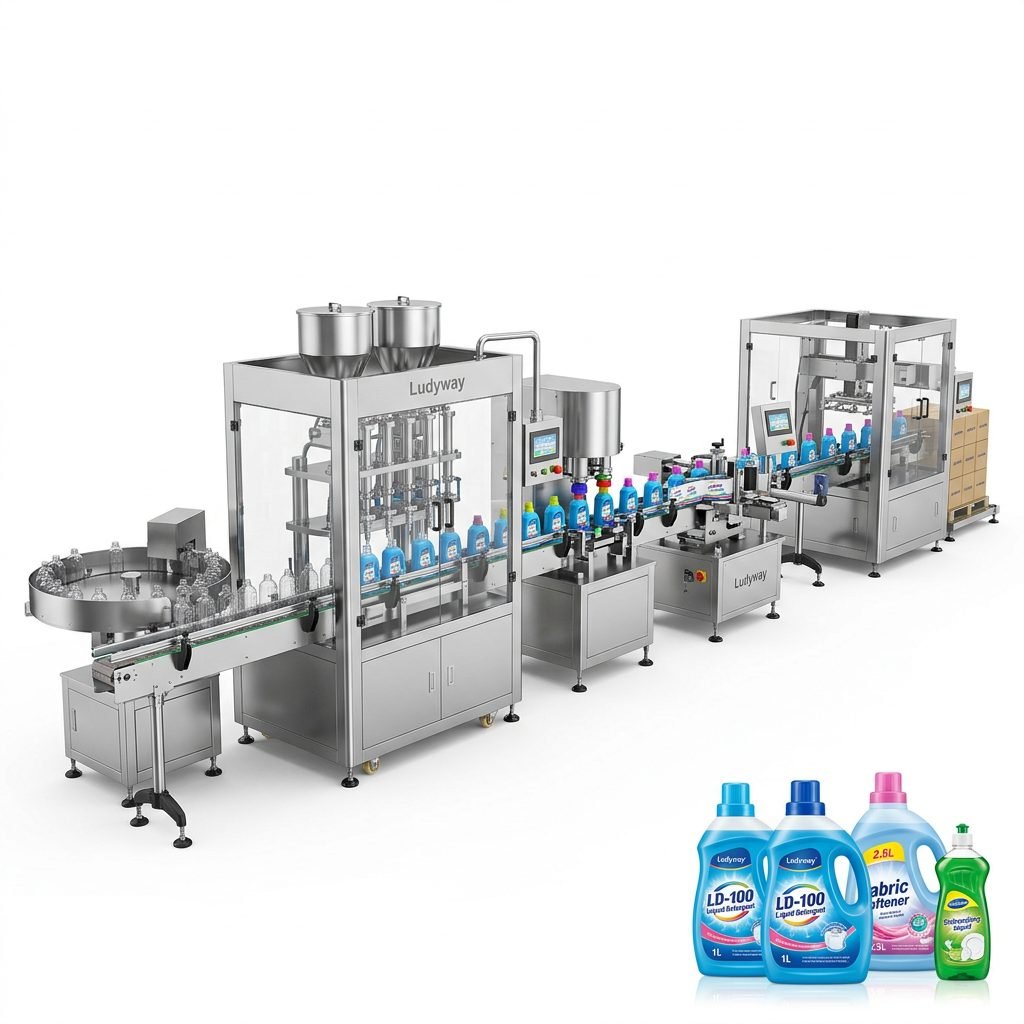
A well-designed floor plan optimises material flow and reduces bottlenecks. Consider the entire production journey from depalletising empty cans to palletising finished products. Key zones include:
- Can depalletising and rinsing station – prepares cans for filling.
- Filling and seaming section – the core of the operation where precision matters most.
- Labelling and coding zone – applies batch codes and product labels.
- Secondary packaging area – multi-packing, cartoning, and shrink-wrapping.
- Palletising and stretch-wrapping zone – readies finished goods for warehousing.
Allocate sufficient space for maintenance access and future scalability. A typical medium-speed line processing 600 cans per minute may require approximately 800–1,200 square metres of floor area depending on auxiliary equipment.
Key Equipment Selection Criteria
Choosing the right machinery determines the reliability of your entire operation. Evaluate each component against these parameters:
- Throughput speed: Match machine capacity to projected demand with a buffer margin of at least 20%.
- Material compatibility: Verify that filler and seamer components are compatible with your can dimensions and lid specifications.
- Changeover flexibility: If you produce multiple SKUs, quick-changeover features reduce downtime significantly.
- Energy efficiency: Modern servo-driven systems consume less power and reduce operational costs.
Core Machinery for a Soda Can Packaging Line
A complete line integrates several specialised machines. The table below outlines the primary equipment categories and their functions:
| Machine Type | Primary Function | Key Consideration |
|---|---|---|
| Can Depalletiser | Automatically unloads empty cans onto the conveyor | Speed synchronisation with filler |
| Can Rinser | Cleans cans using ionised air or water | Hygiene standards compliance |
| Rotary Filler | Fills cans with carbonated beverage | Dissolved oxygen and CO₂ control |
| Can Seamer | Seals lids onto filled cans | Seam integrity and double-seam inspection |
| Labelling Machine | Applies shrink-sleeve or adhesive labels | Label material and application speed |
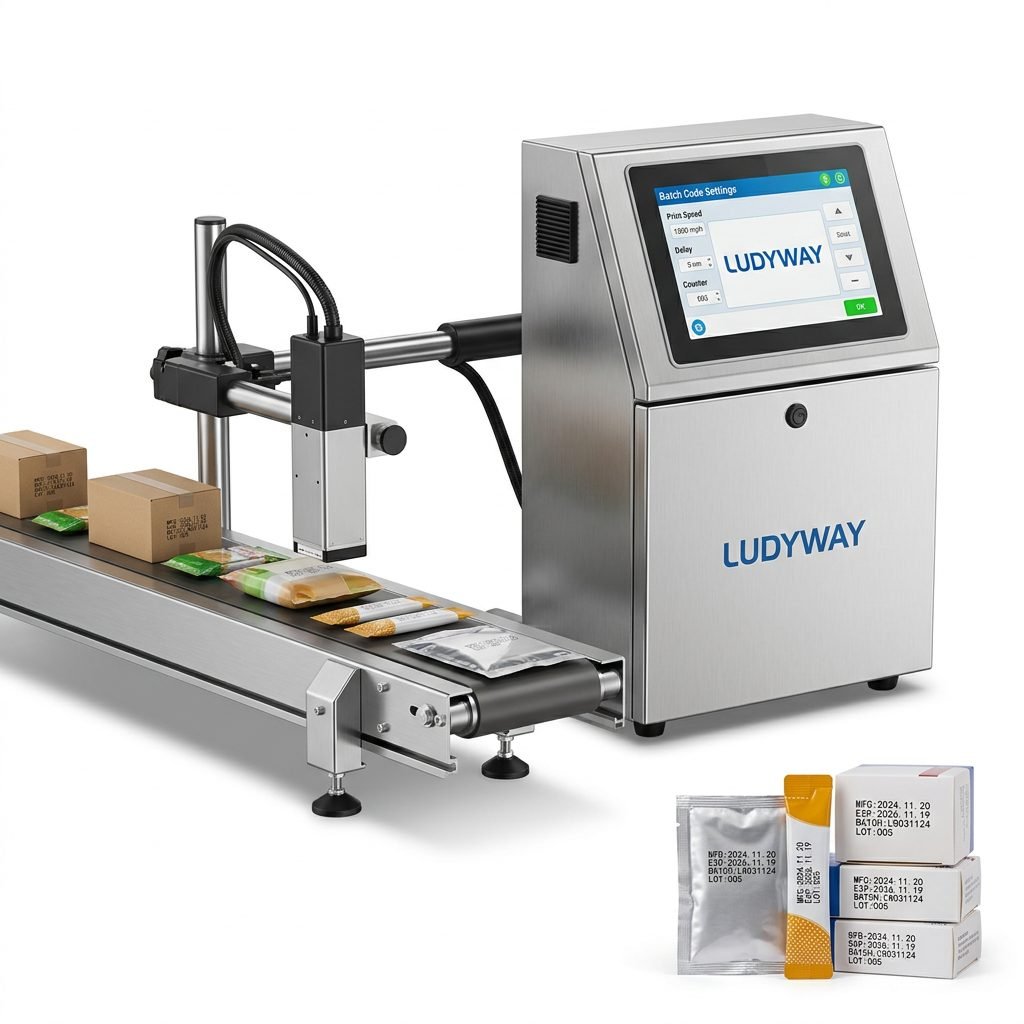
| Date Coding System | Prints batch codes and expiry dates | Legibility and permanence of ink |
| Shrink Wrapper | Wraps multi-packs or trays in shrink film | Film thickness and heat tunnel settings |
| Palletiser | Stacks finished products onto pallets | Pallet pattern flexibility |
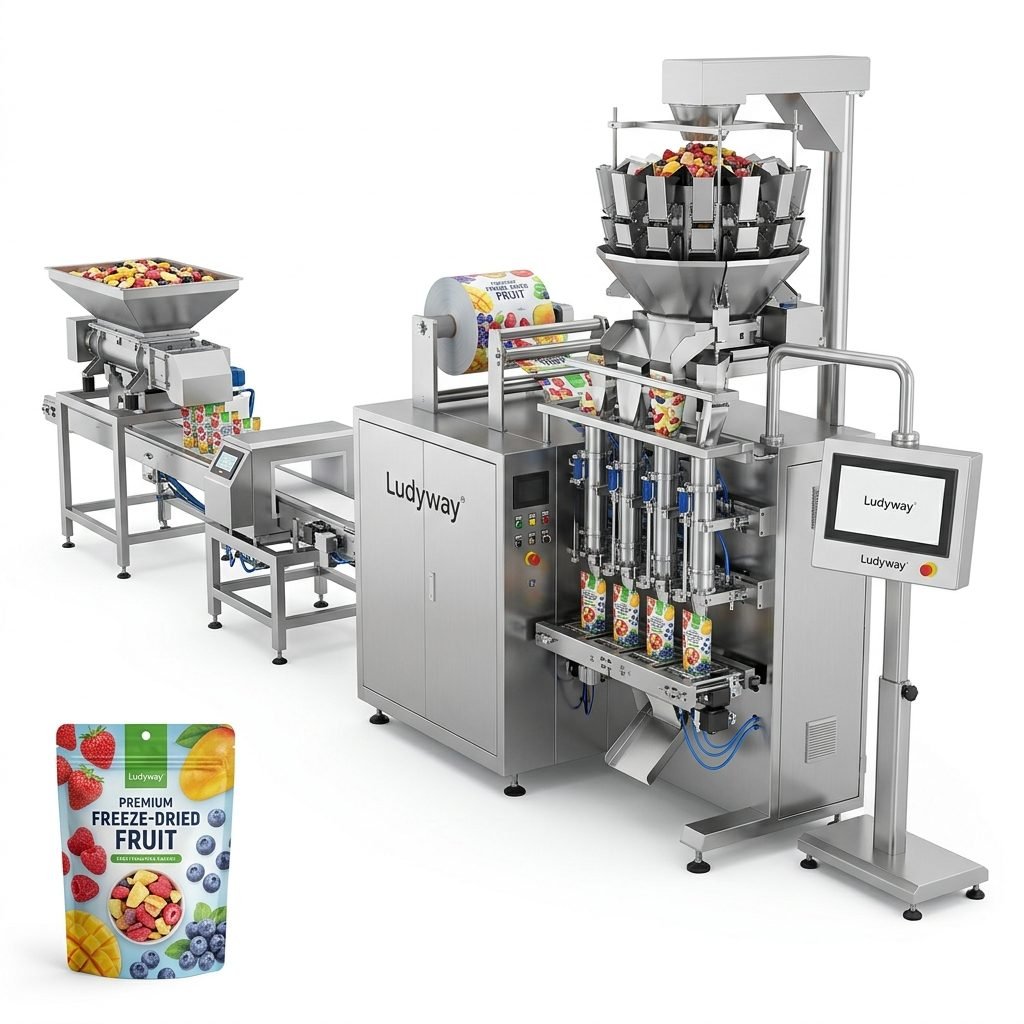
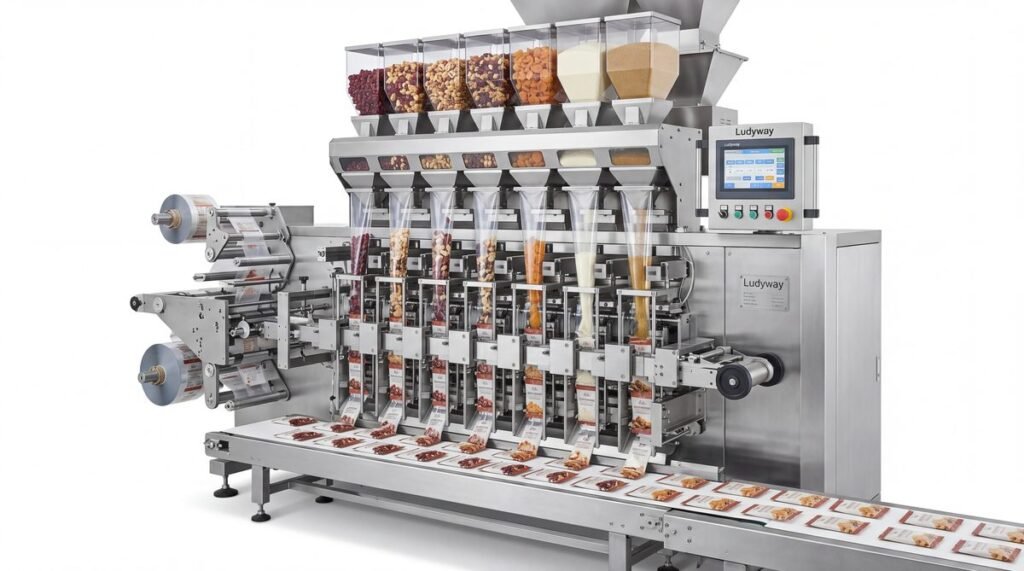
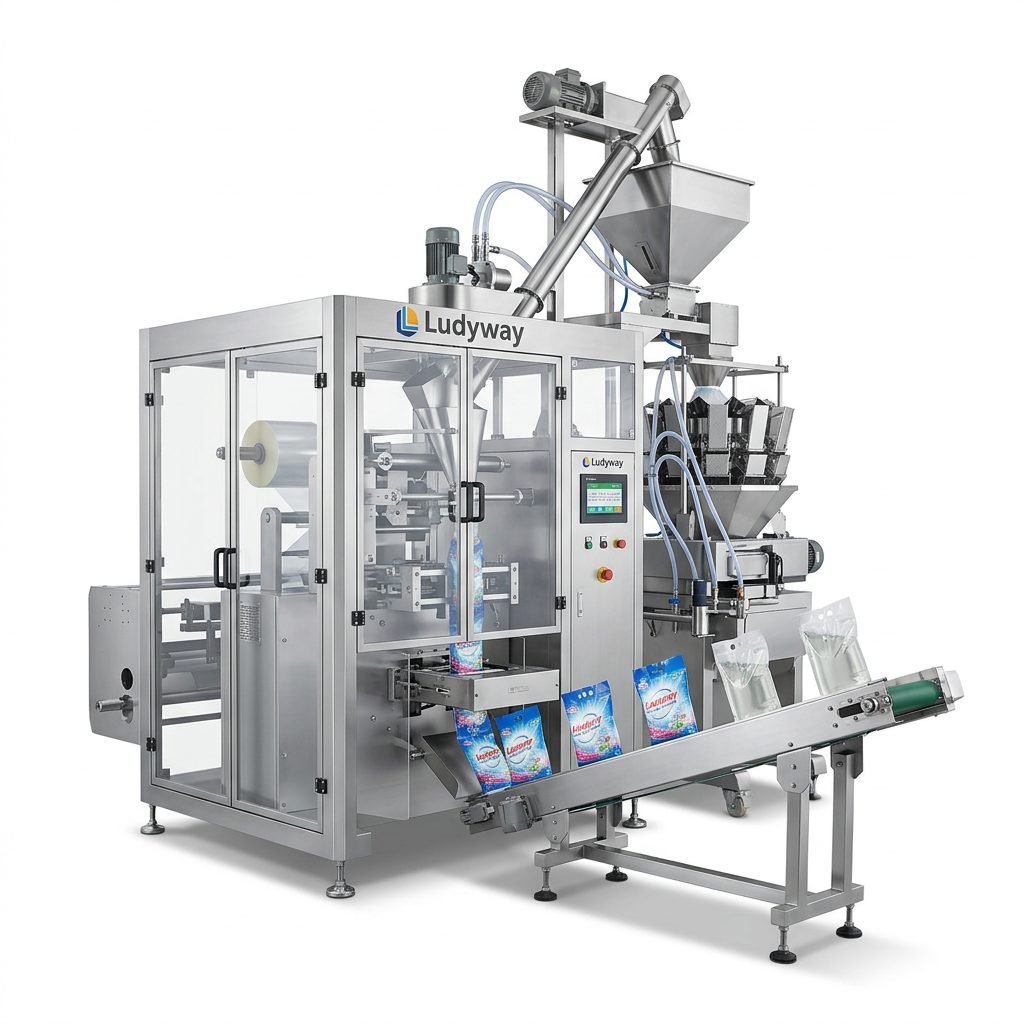
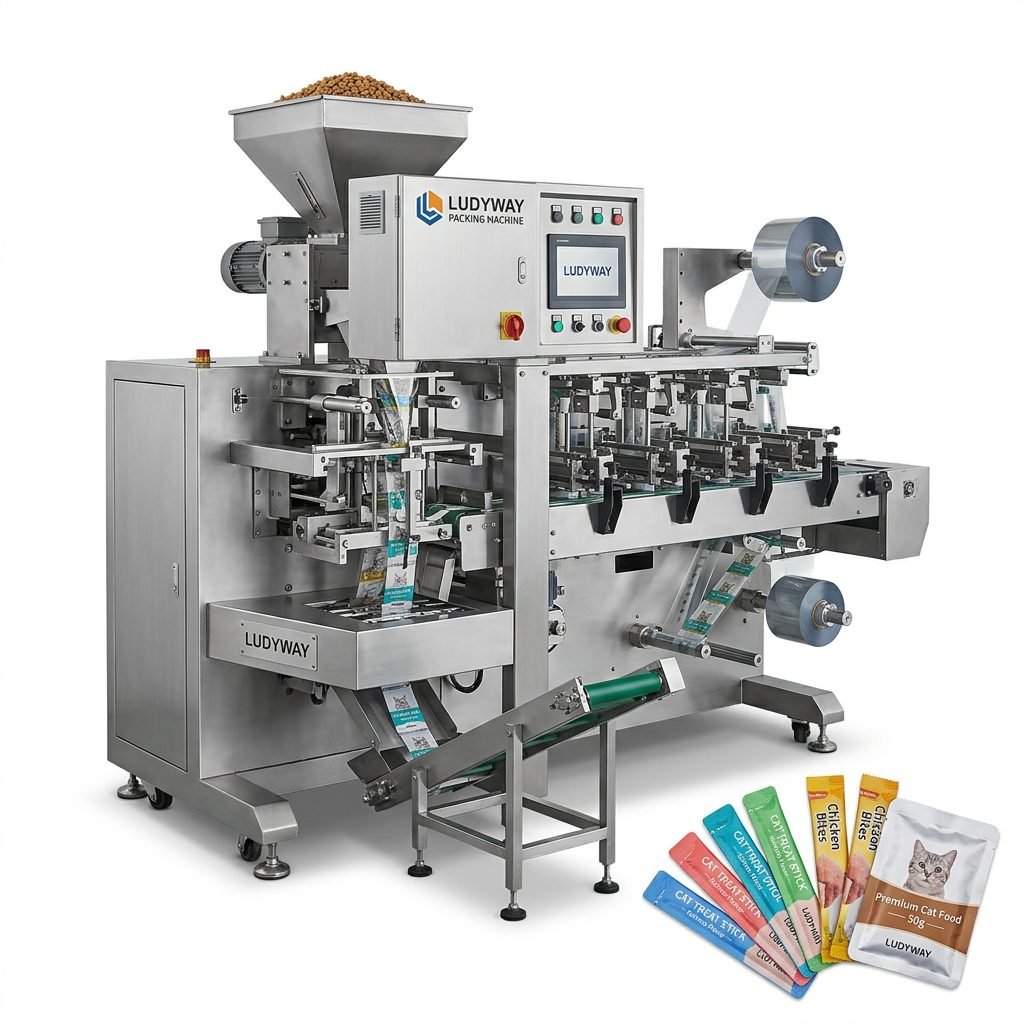
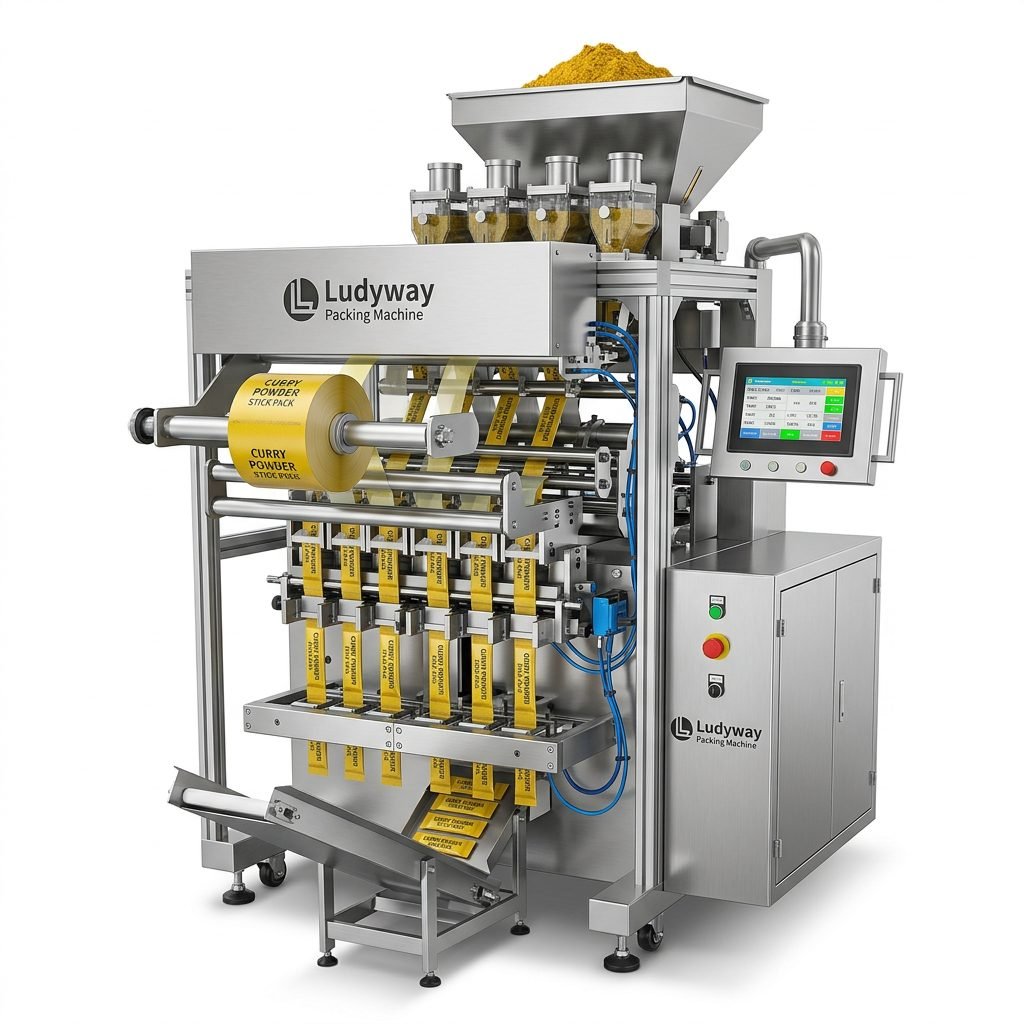
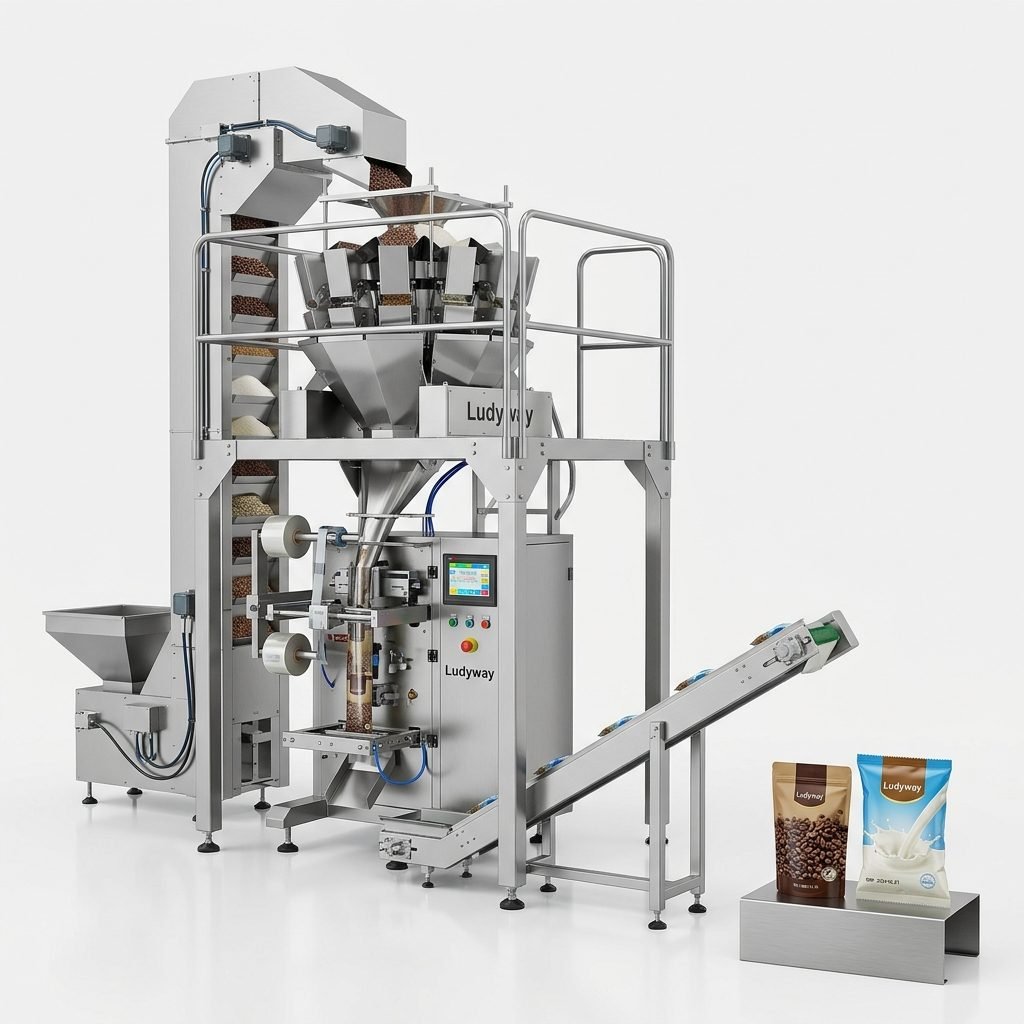
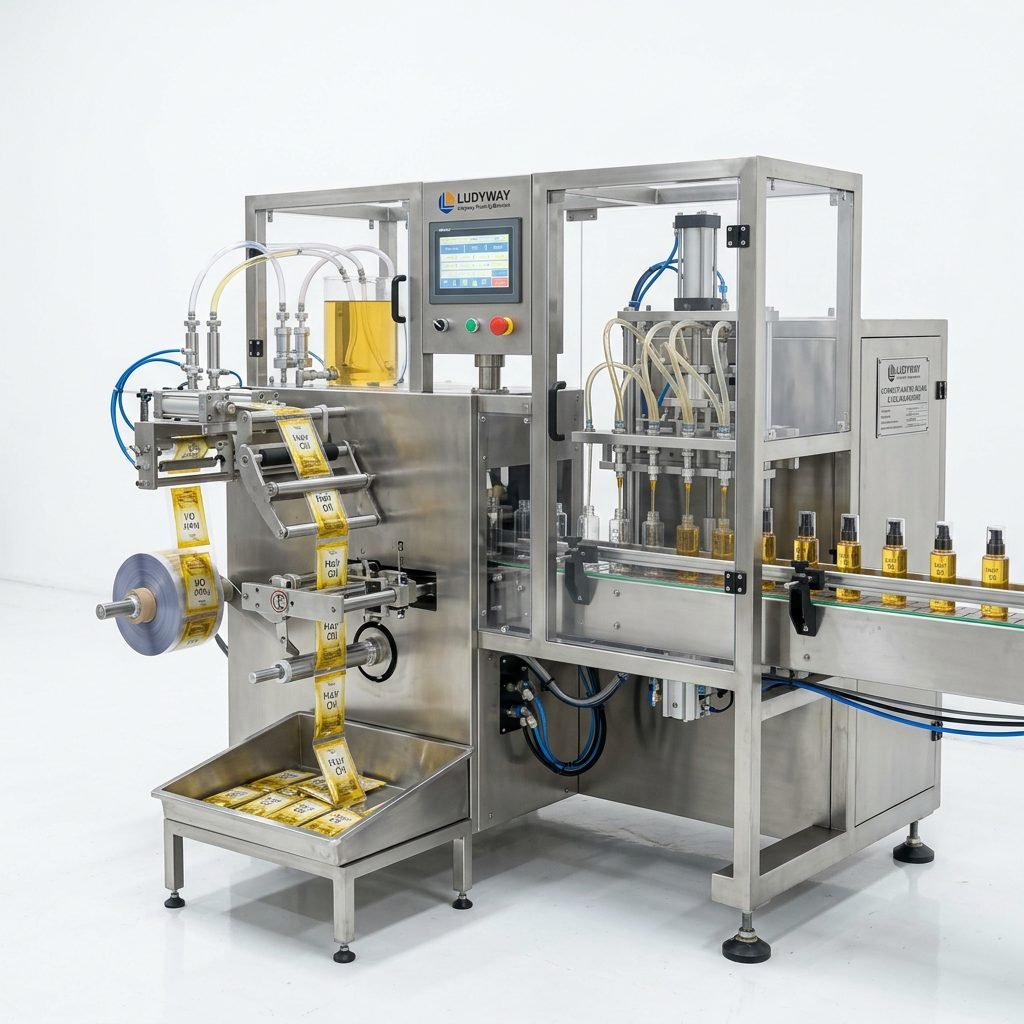
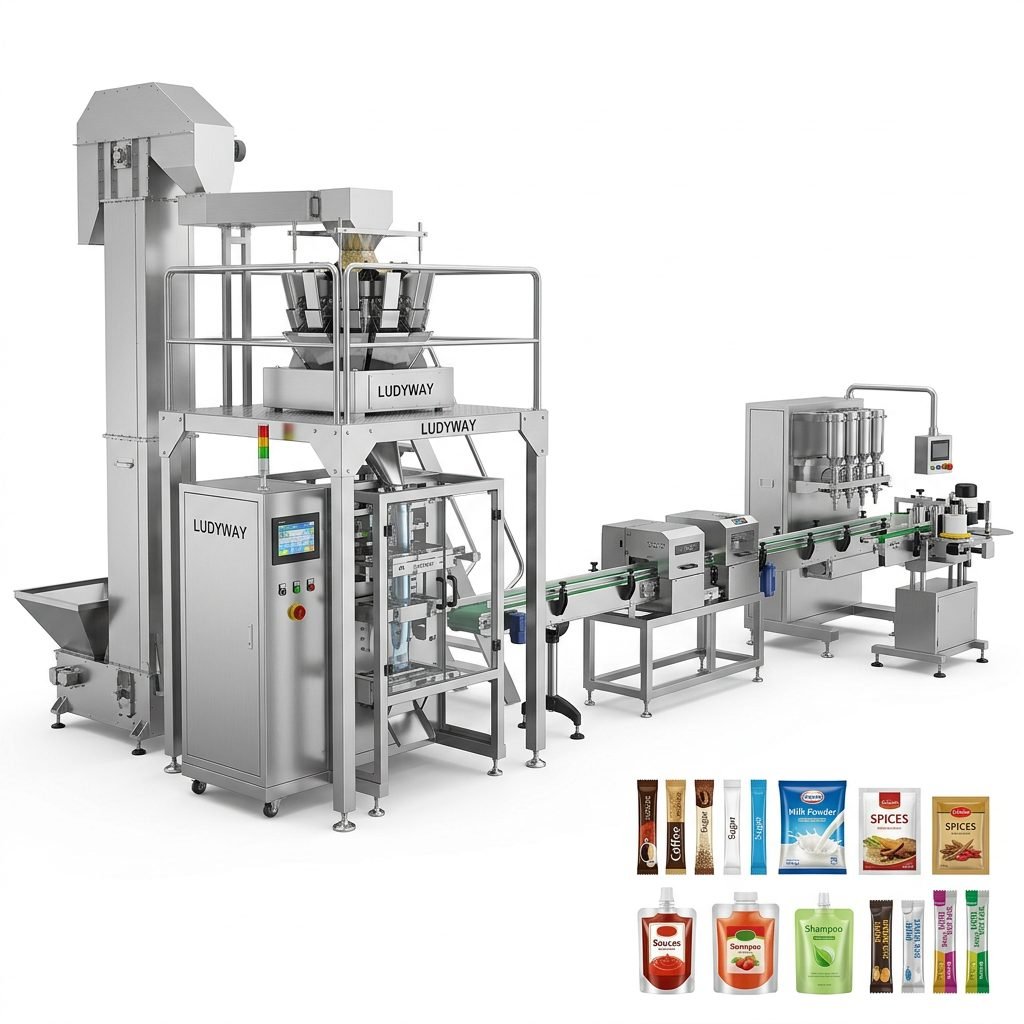
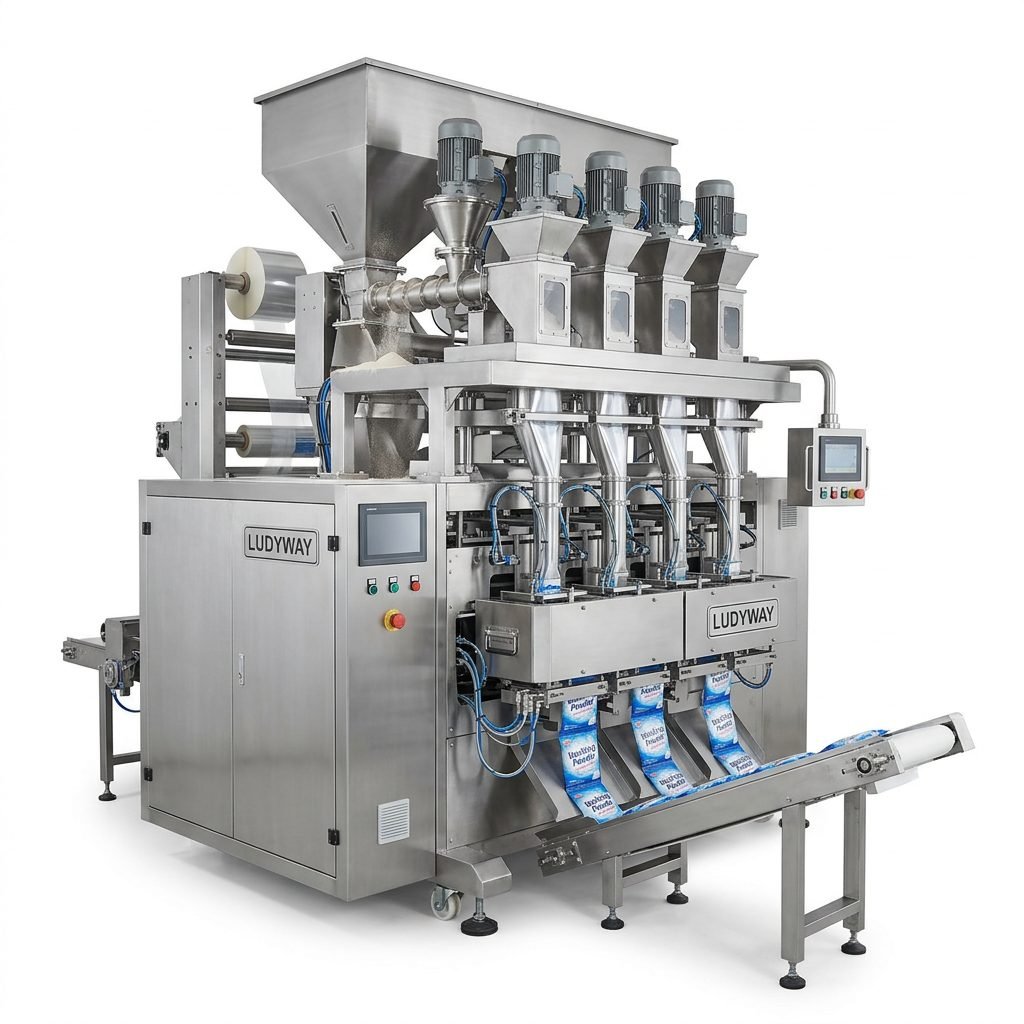
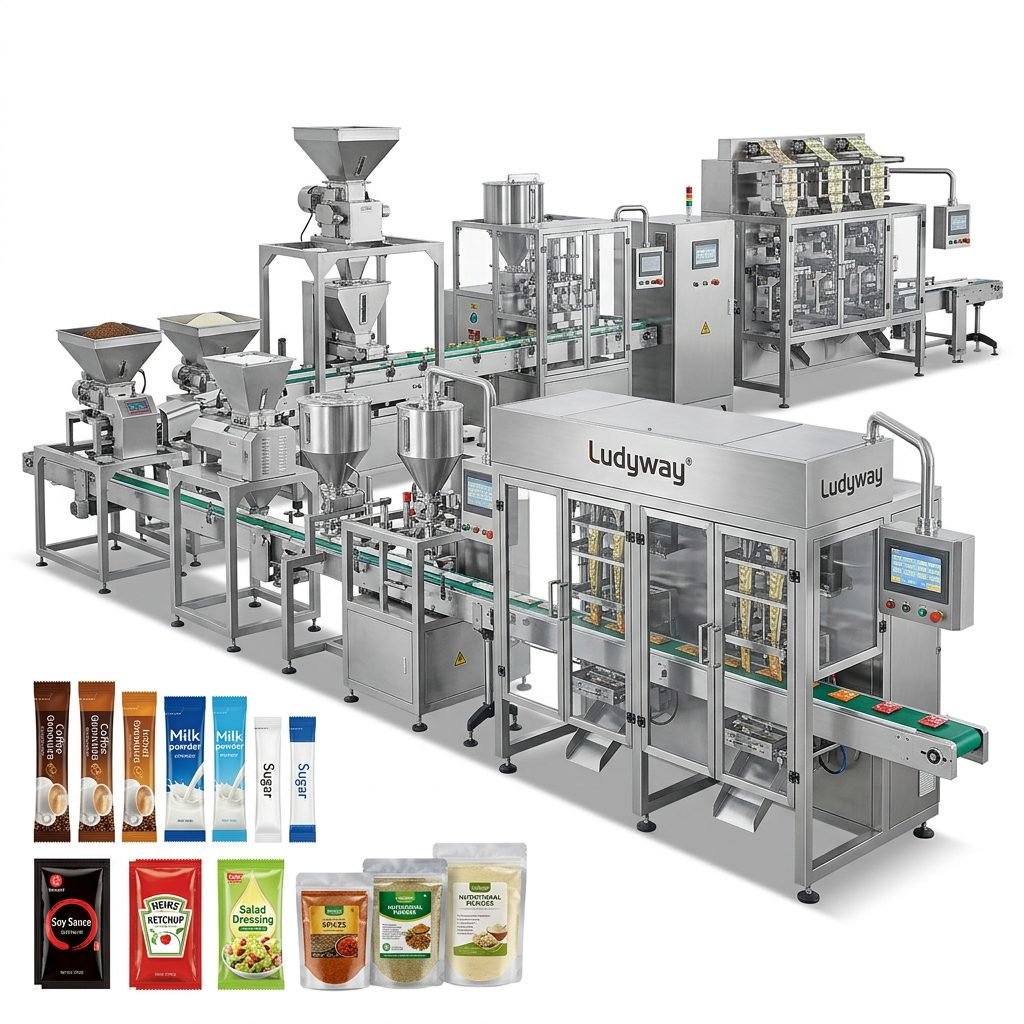
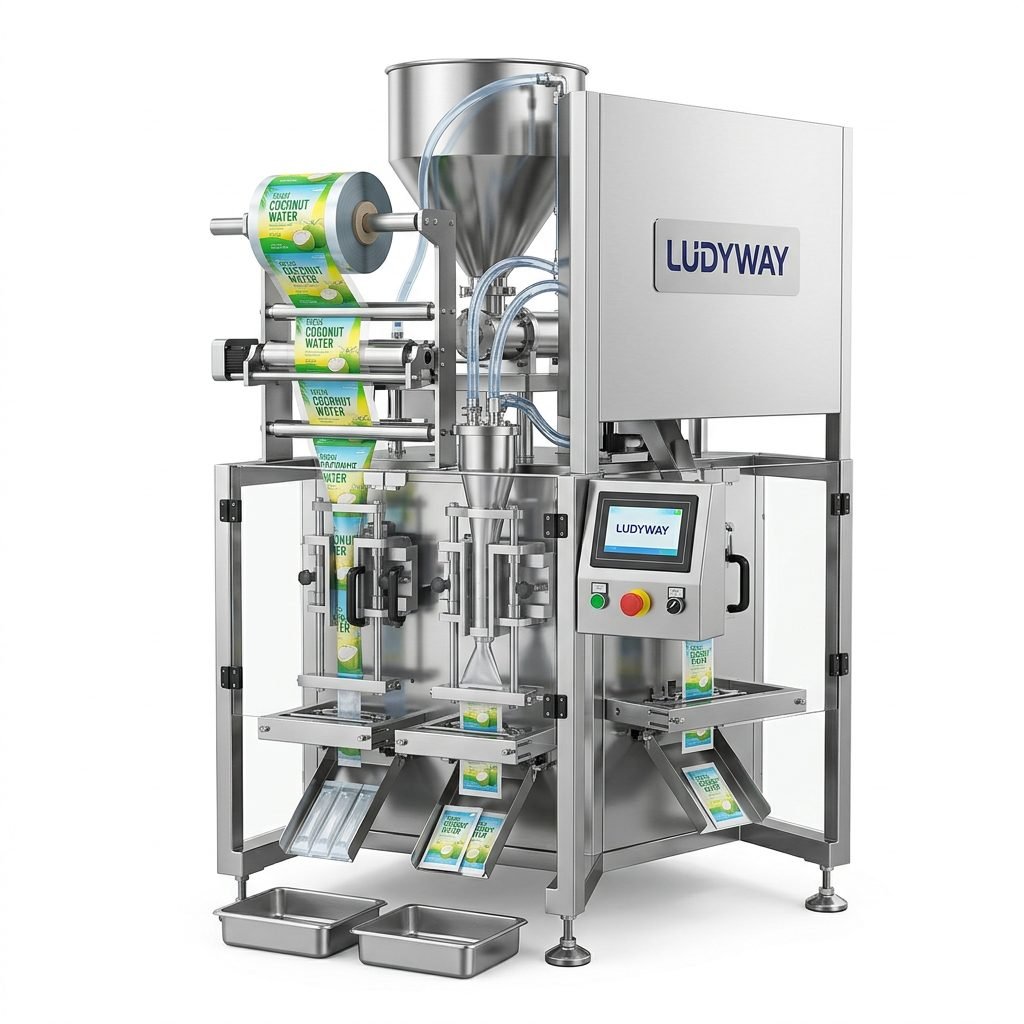
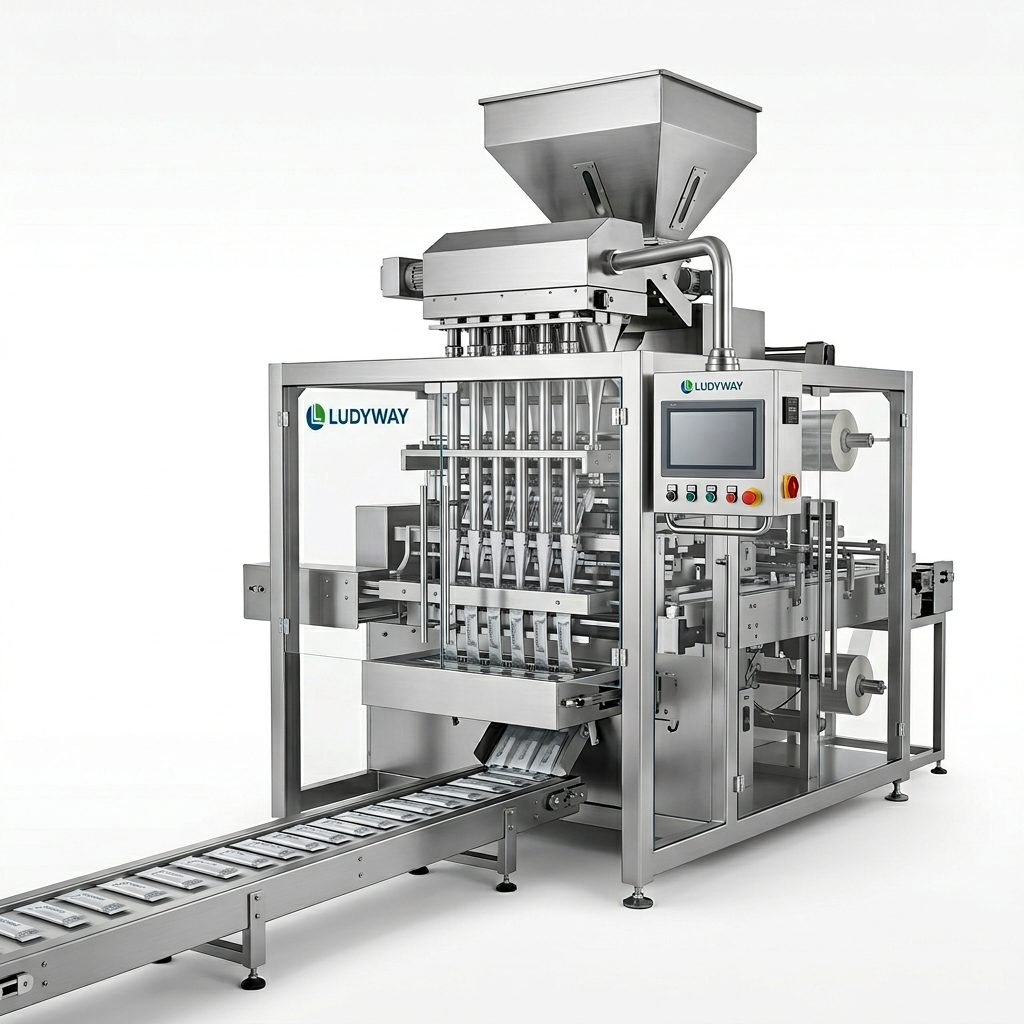
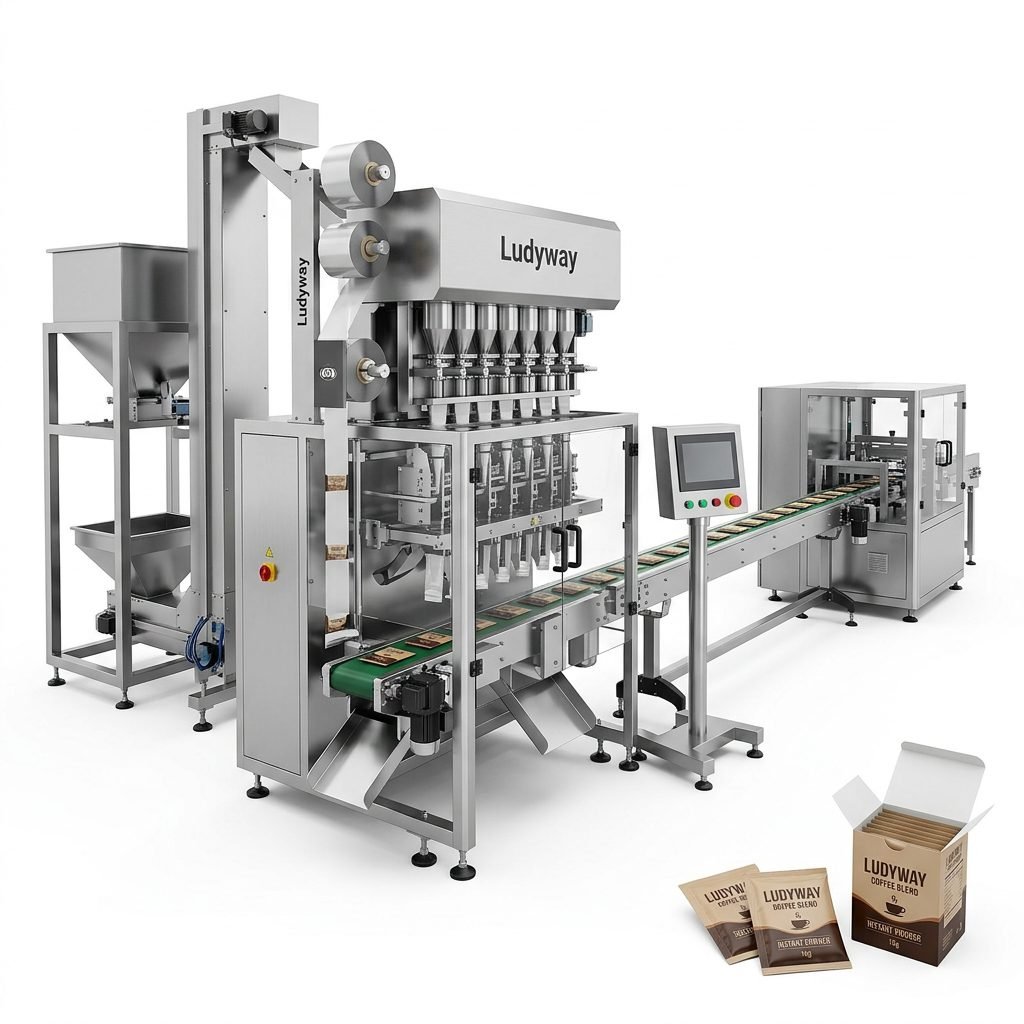
When sourcing equipment, partnering with experienced packaging machine manufacturers can streamline the integration process. Ludyway, one of the largest packaging machine manufacturers in China, provides advanced turnkey solutions including multi-lane stick pack and sachet packaging systems that complement diverse production requirements across food, beverage, and pharmaceutical sectors.
Carbonation-Specific Considerations for Soda Can Lines
Carbonated beverages present unique challenges that demand specialised engineering. The filler bowl pressure must be precisely maintained to prevent product foaming and ensure consistent fill levels. Critical factors include:
- Counter-pressure filling technology: Prevents CO₂ breakout during the fill cycle.
- Temperature control: Product temperature should remain between 2°C and 4°C for optimal carbonation retention.
- Deaeration systems: Reduce dissolved oxygen levels to extend shelf life.
- Seam quality monitoring: Automated vision inspection systems detect micro-leaks that compromise carbonation.
Consult the ISO packaging standards for guidance on test methods and performance criteria relevant to pressurised container packaging.
Integration with Ancillary Systems
A modern soda can line does not operate in isolation. Seamless integration with upstream and downstream systems is essential for real-time production monitoring. Key integrations include:
- Conveyor and material handling systems – ensure smooth can transfer between stations.
- Checkweighers and metal detectors – verify fill weight and detect contaminants.
- Pallet wrapping and case packing machines – automate end-of-line packaging.
- ERP and MES software – track production data and inventory in real time.
Installation, Commissioning, and Validation
Proper installation is the foundation of a reliable packaging line. Engage qualified engineers to handle mechanical assembly, electrical wiring, and pneumatic connections. The commissioning phase should follow a structured protocol:
- Factory Acceptance Testing (FAT) – verify machine performance at the supplier’s facility before shipment.
- Site Acceptance Testing (SAT) – validate performance after installation at your UK facility.
- Operational Qualification (OQ) – confirm equipment operates within specified parameters under simulated production conditions.
- Performance Qualification (PQ) – demonstrate consistent output quality during actual production runs.
Refer to PMMI’s state of the industry reports for benchmarks on packaging line efficiency and performance metrics.
Operator Training and Safety Protocols
Invest in comprehensive training programmes for all line operators. Training should cover machine operation, troubleshooting, cleaning procedures, and emergency stop protocols. Document all training sessions and maintain records for audit purposes. Regular refresher courses ensure that staff remain competent as equipment and procedures evolve.
Maintenance Strategies for Long-Term Reliability
Implementing a proactive maintenance programme maximises equipment lifespan and minimises unplanned downtime. Consider these strategies:
- Preventive maintenance: Scheduled inspections and part replacements based on manufacturer recommendations.
- Predictive maintenance: Use sensors and data analytics to anticipate component wear before failure occurs.
- Spare parts inventory: Maintain critical spare parts on-site to reduce lead times during breakdowns.
- Documentation: Keep detailed logs of all maintenance activities for traceability and continuous improvement.
Access resources from the PMMI packaging industry resources library for best practices on maintenance and workforce development.
Common Pitfalls and How to Avoid Them
Many first-time line builders encounter avoidable setbacks. The table below summarises frequent issues and their solutions:
| Common Pitfall | Impact | Solution |
|---|---|---|
| Underestimating space requirements | Restricted workflow and safety hazards | Conduct detailed CAD layout planning before installation |
| Inadequate utility provisions | Production delays and equipment malfunction | Verify compressed air, water, and electrical capacity in advance |
| Skipping factory acceptance testing | Discovering defects only after installation | Always conduct FAT at the manufacturer’s site |
| Neglecting operator training | Increased errors and machine damage | Implement structured training and certification programmes |
| Overlooking local regulatory nuances | Non-compliance penalties and market access issues | Consult UK-based regulatory experts during the planning phase |
Sustainability and Environmental Considerations
UK consumers and regulators increasingly prioritise environmentally responsible packaging. Aluminium cans already offer a strong sustainability profile due to their infinite recyclability, but your production line can further reduce environmental impact through:
- Energy-efficient motor systems with variable frequency drives.
- Water conservation through closed-loop rinsing and cleaning systems.
- Lightweight can utilisation to reduce material consumption and transport emissions.
- Waste segregation for recycling of shrink wrap, cardboard, and aluminium scrap.
Explore guidance from the EPA sustainable materials management programme and the Flexible Packaging Association’s industry data for additional sustainability insights.
Financing and ROI Considerations
Setting up a complete soda can packaging line represents a significant capital investment. Develop a comprehensive business case that accounts for equipment costs, installation, training, and ongoing maintenance. Typical payback periods range from 18 to 36 months depending on production volume and market conditions. Explore equipment financing options through UK-based commercial lenders and consider PMMI’s business intelligence resources for industry benchmarks on packaging machinery ROI.
Future-Proofing Your Packaging Line
Technology in the packaging sector evolves rapidly. Build flexibility into your line design to accommodate future innovations:
- Modular equipment design allows phased upgrades without complete replacement.
- IoT-enabled components facilitate remote monitoring and data-driven decision-making.
- Compatibility with multiple can formats enables product portfolio expansion.
- Scalable conveyor systems support increased throughput without major reconfiguration.
Keep abreast of emerging standards by monitoring updates from ISO 11607 packaging standards and the FPA regulatory affairs portal.
Conclusion
Setting up a soda can packaging machine production line in the UK is a multifaceted undertaking that demands careful planning, regulatory compliance, and strategic equipment selection. By following the structured approach outlined in this guide—covering layout design, machinery selection, installation, commissioning, and ongoing maintenance—you can establish a packaging operation that delivers consistent quality, operational efficiency, and long-term profitability. Engage with reputable equipment suppliers, consult industry resources, and invest in your workforce to build a packaging line that meets the evolving demands of the UK beverage market.
For further reading, explore the PACK EXPO International platform and the latest packaging machinery global growth trends to stay informed on industry developments.