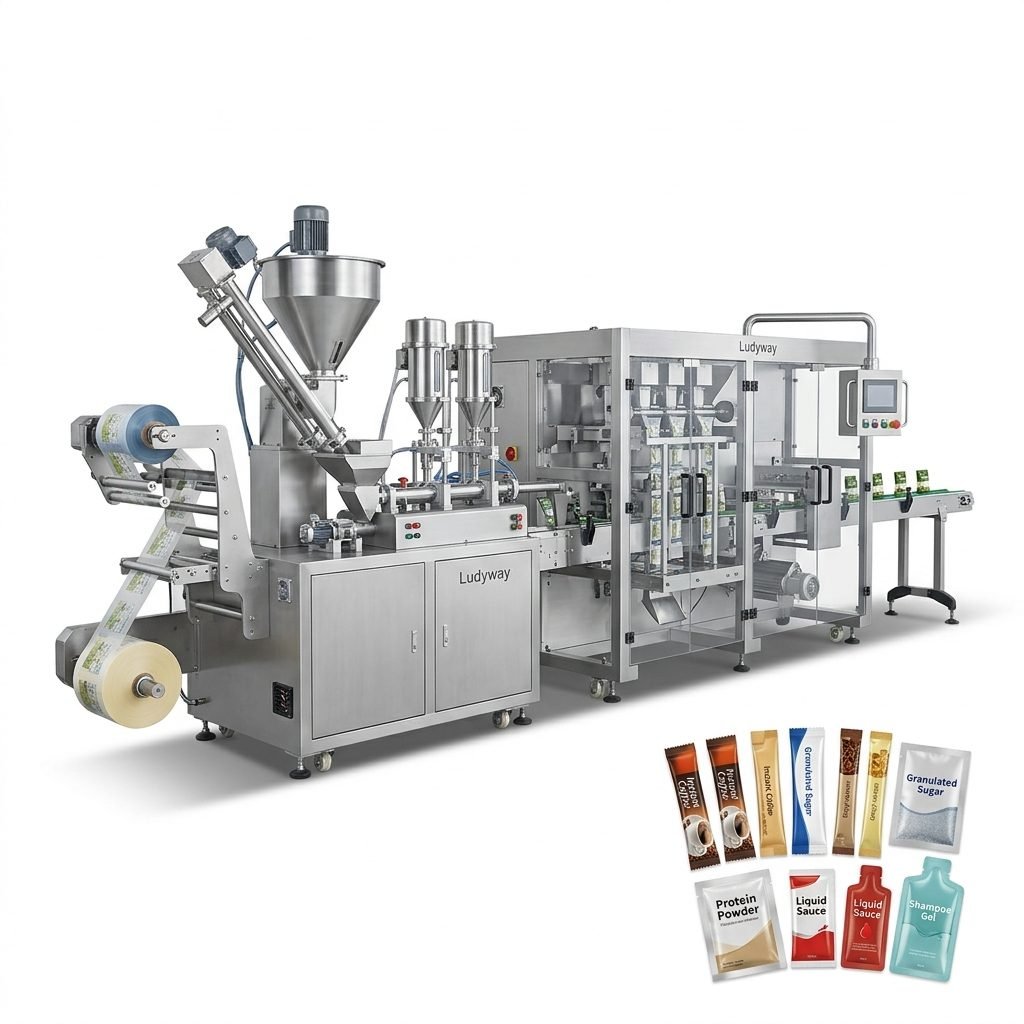
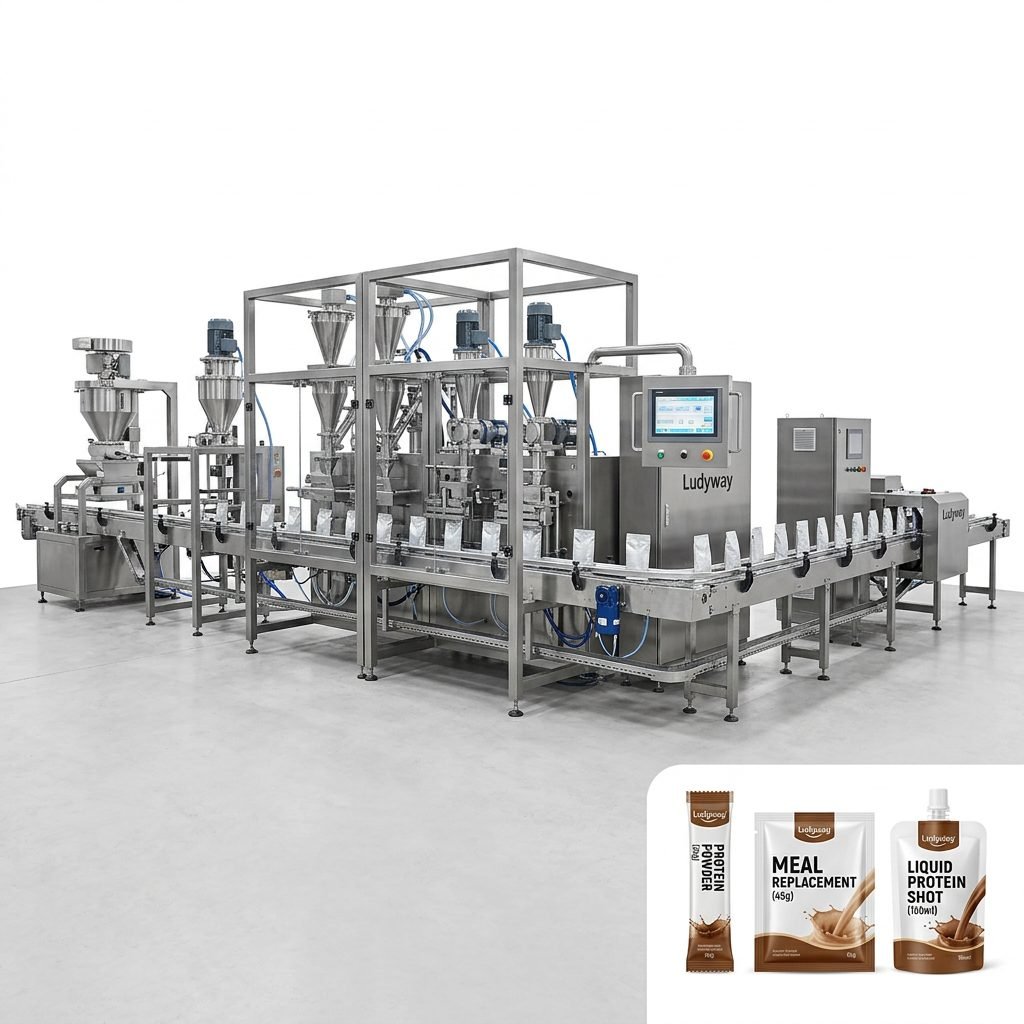
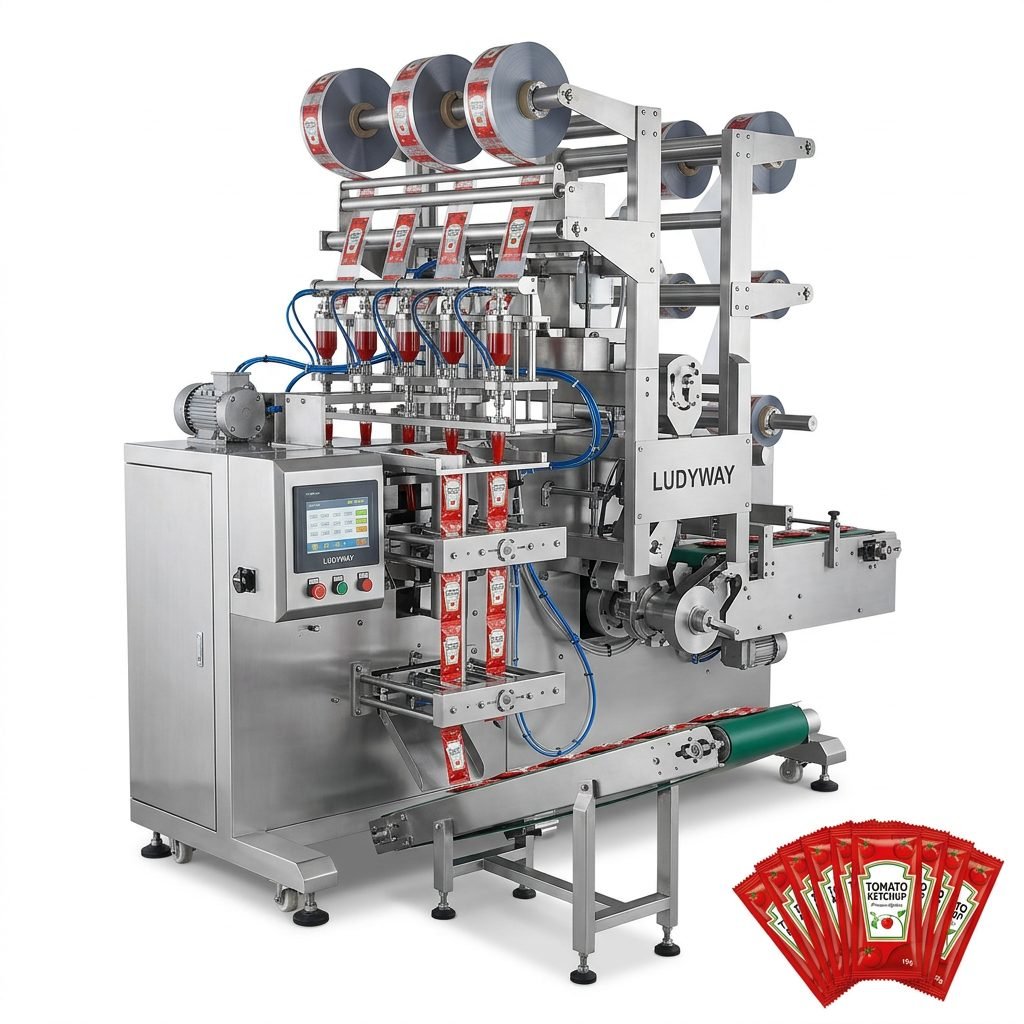
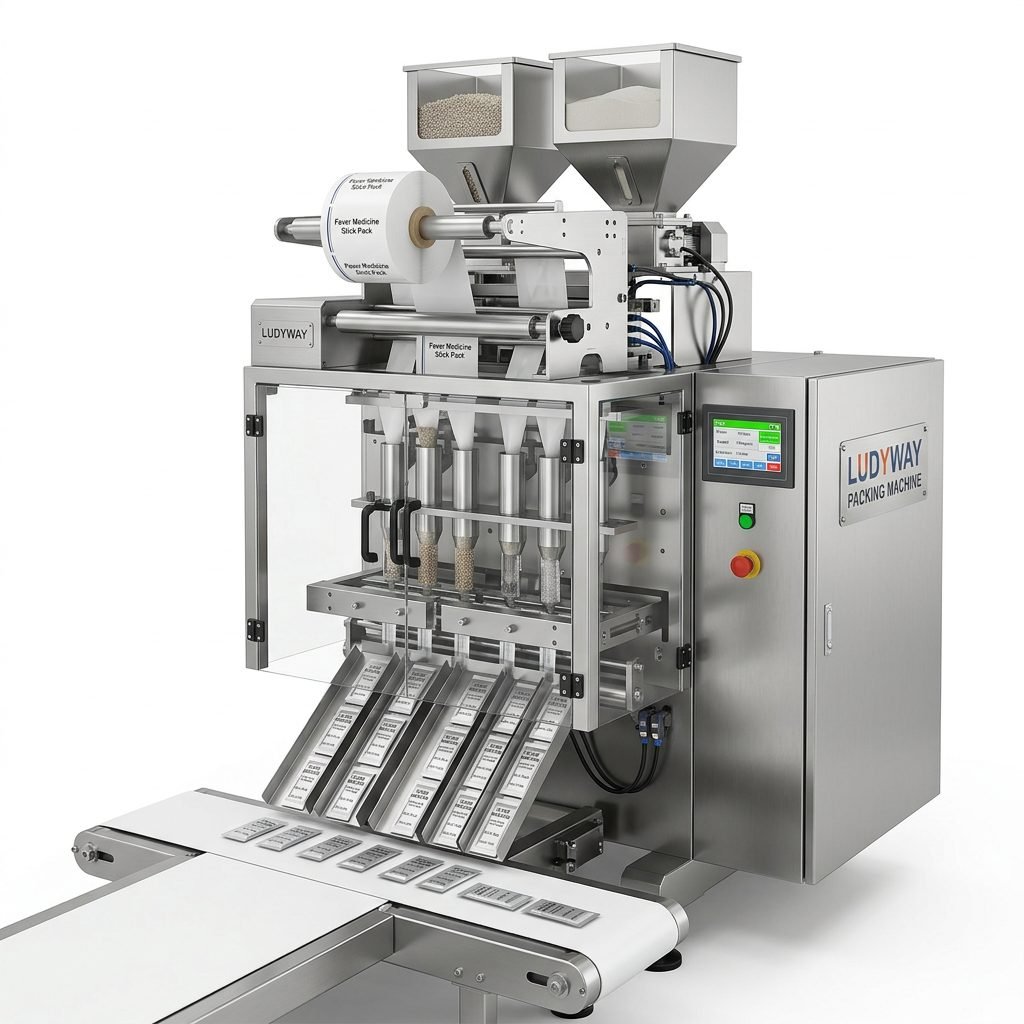
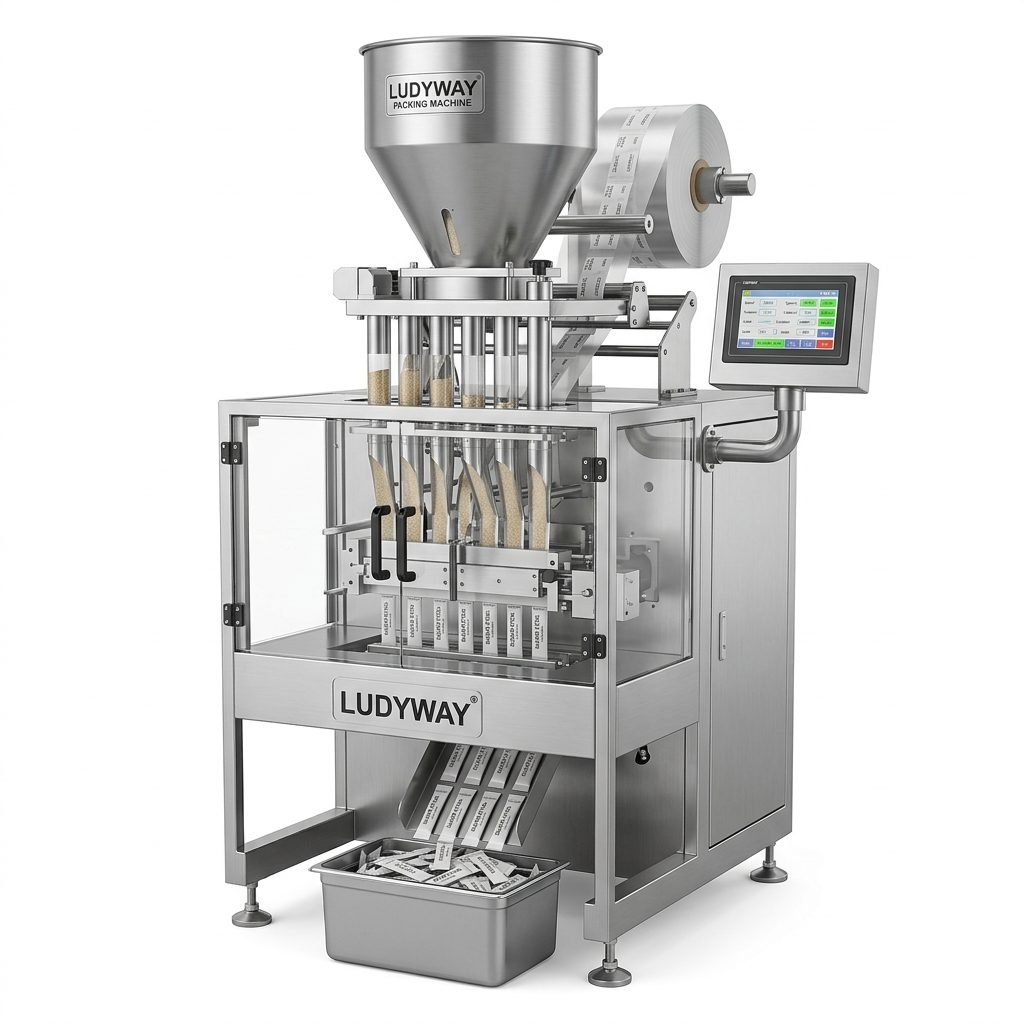
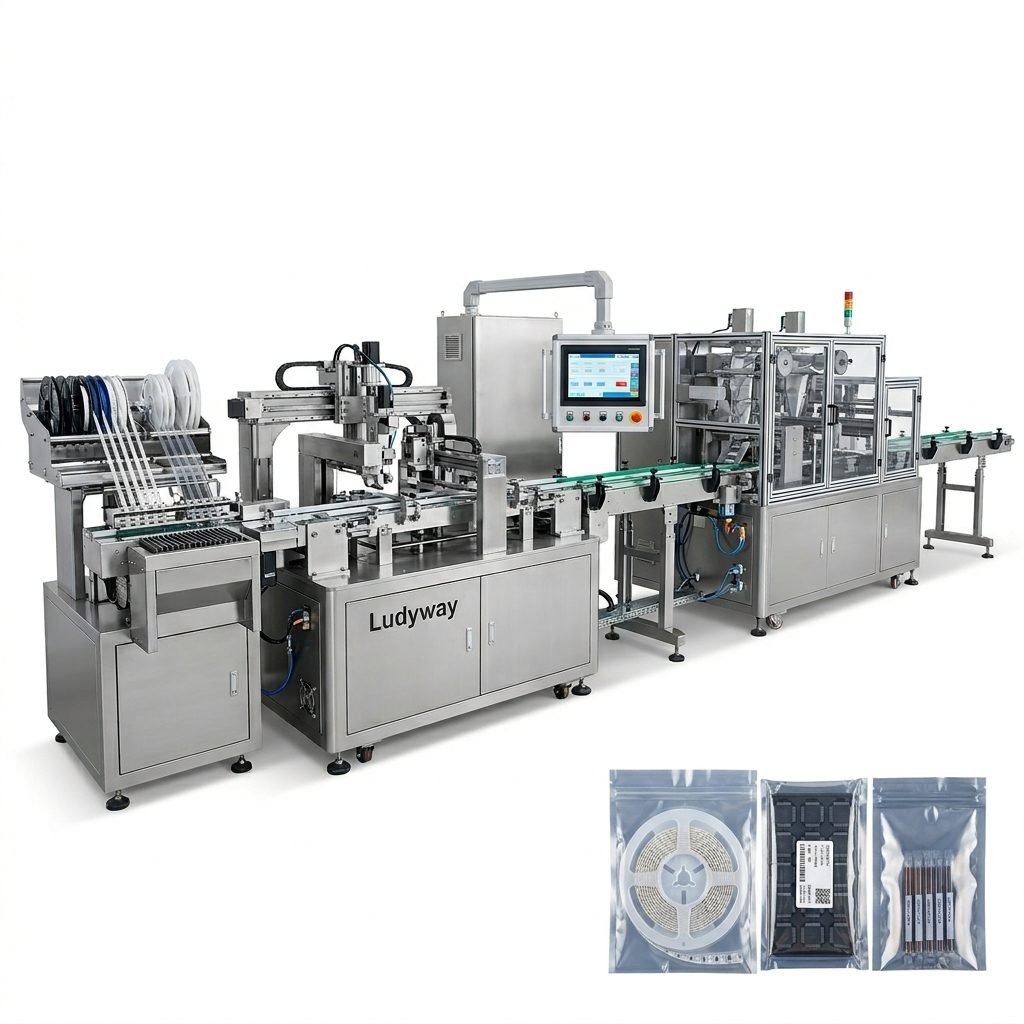
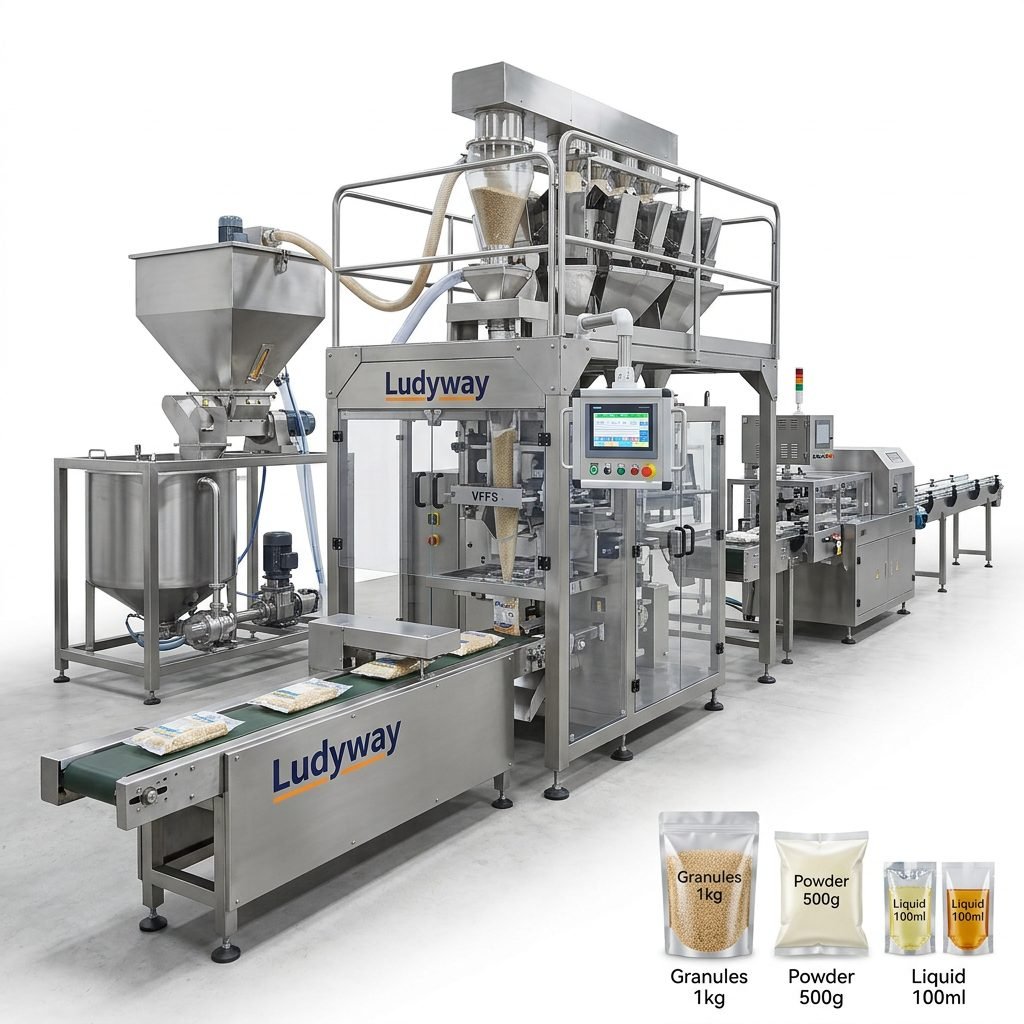
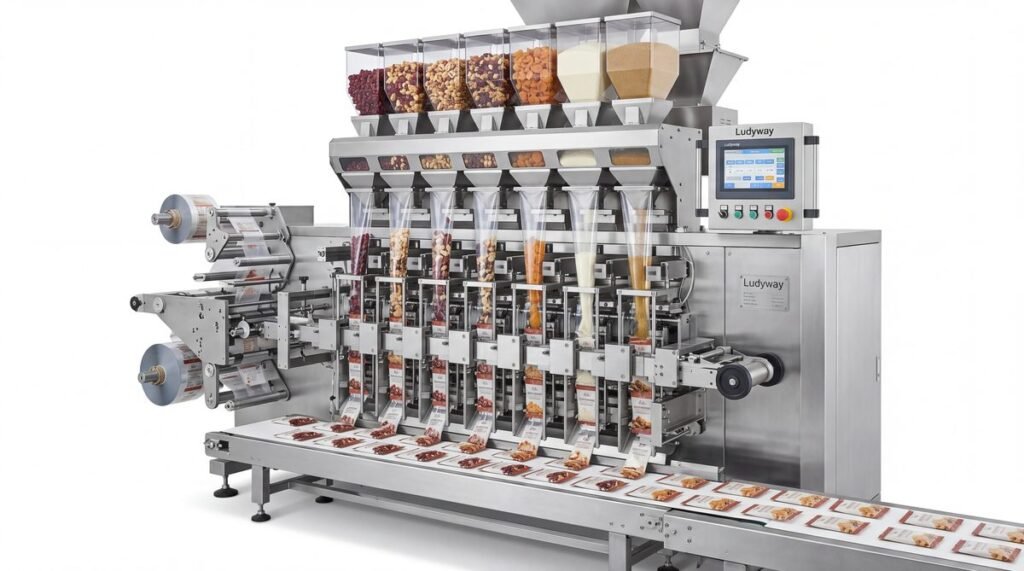
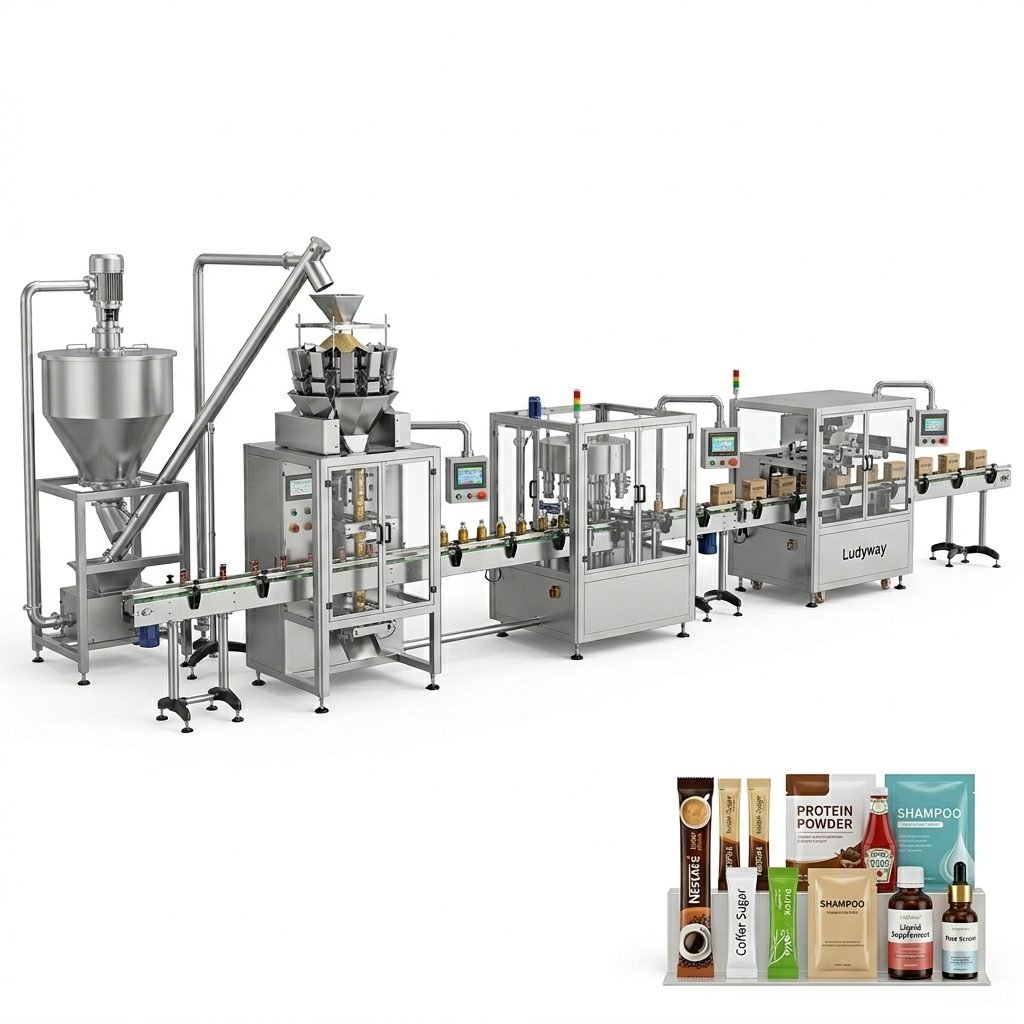
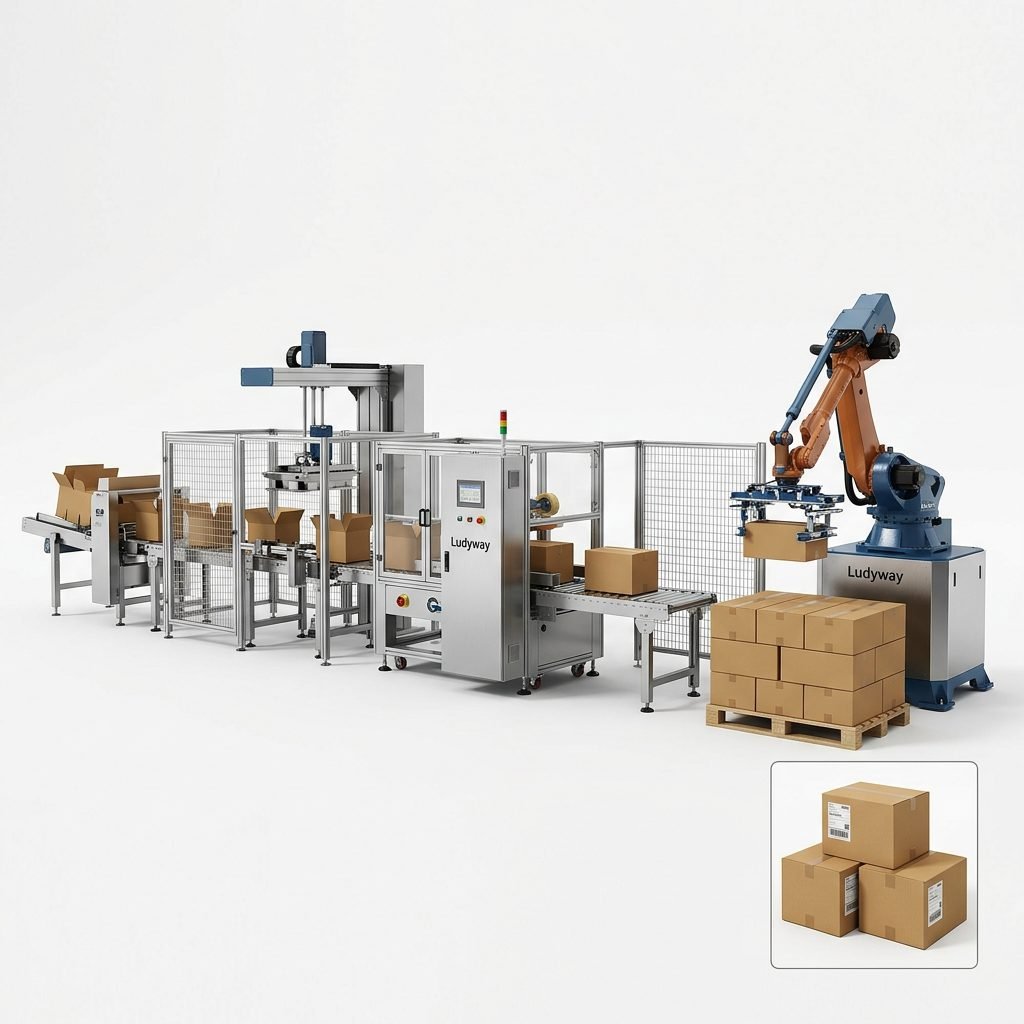
Automatic packaging systems are integrated machine-based solutions designed to fill, form, seal, label, code, inspect, count, cartoning, and prepare products for shipment with minimal manual intervention. In simple terms, they replace repetitive hand-packing work with a coordinated process that improves speed, accuracy, hygiene, and consistency.
For manufacturers in food, pharmaceuticals, cosmetics, chemicals, pet care, and health products, packaging automation is no longer just a scale-up option. It has become a practical way to control labor costs, reduce waste, improve traceability, and meet rising production demands.
What Is an Automatic Packaging System?
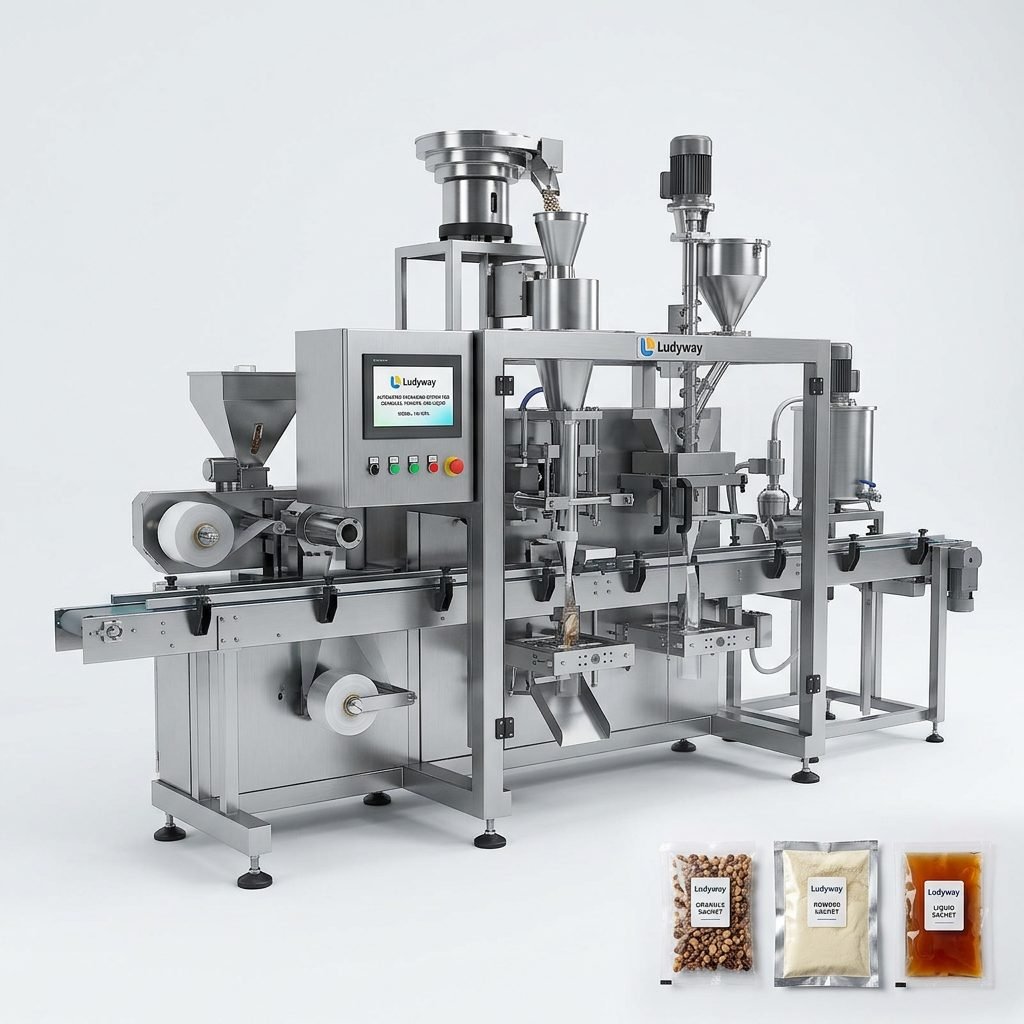
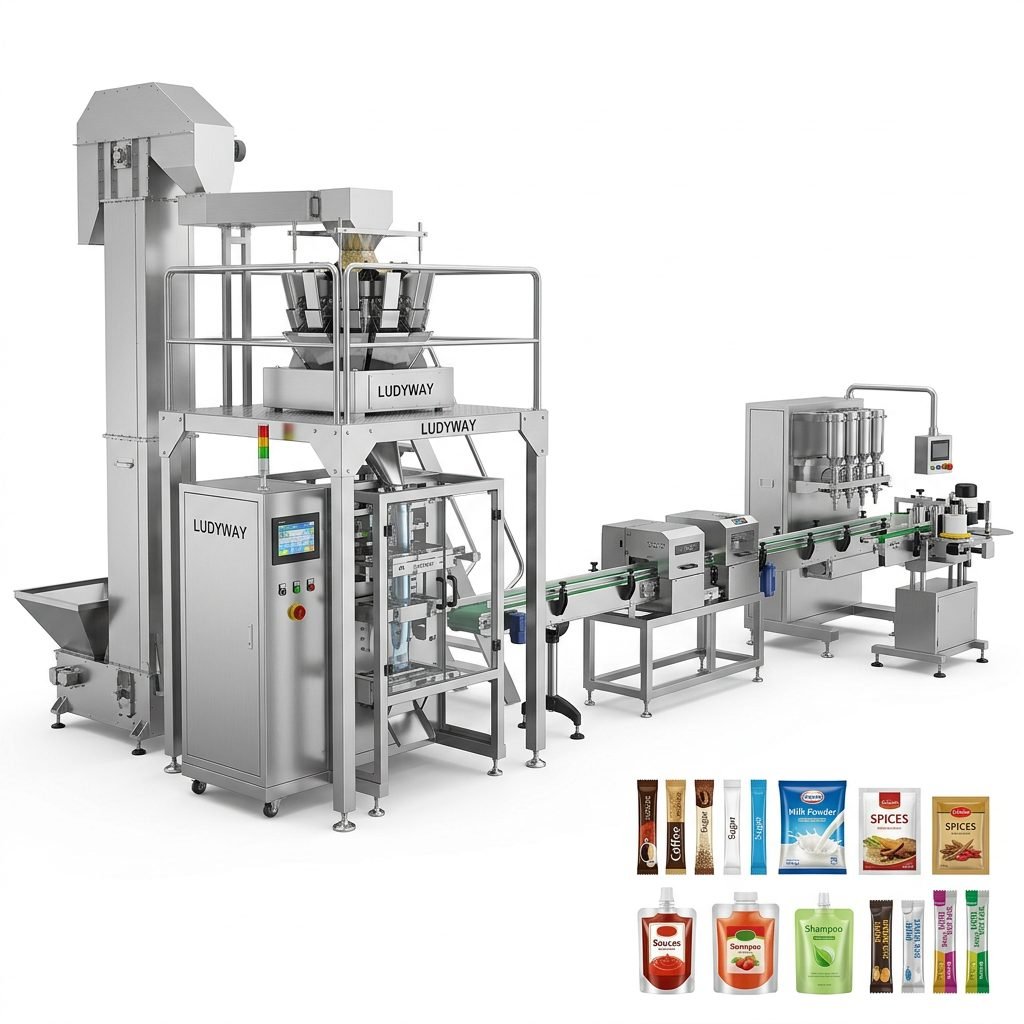
An automatic packaging system is a combination of machines, conveyors, controls, sensors, and software that handles one or more packaging steps automatically. Depending on the application, the system may package powders, granules, liquids, pastes, tablets, capsules, pouches, bottles, bags, cartons, or cases.
Instead of relying on operators to manually weigh, fill, seal, and transfer products between stations, an automated system performs these tasks in a connected workflow. This can range from a single automatic packing machine to a fully integrated turnkey line.
- Measures or doses the product
- Feeds packaging material
- Forms bags, sachets, pouches, or fills ready containers
- Seals and prints batch or date codes
- Inspects package quality
- Groups, cartons, palletizes, or prepares products for shipping
How an Automatic Packaging System Works
Although the exact setup depends on the product and package type, most systems follow a clear process flow. The goal is to move product from bulk input to finished packaged output with stable speed and repeatable accuracy.
- Product feeding: Bulk product enters the system through hoppers, pumps, augers, elevators, or conveyors.
- Dosing or weighing: The machine measures the required amount for each pack.
- Package forming or container handling: Film may be formed into sachets, stick packs, pouches, or bags, or premade containers may be indexed into place.
- Filling: Product is dispensed into the package.
- Sealing: Heat sealing, ultrasonic sealing, capping, or crimping secures the package.
- Coding and labeling: Date codes, batch numbers, barcodes, and labels are added.
- Inspection and rejection: Checkweighers, vision systems, or metal detectors verify package quality.
- Secondary packaging: Products may be cartoned, case-packed, wrapped, or palletized.
Main Types of Automatic Packaging Systems
There is no single packaging automation solution for every product. The best system depends on product form, output target, package style, hygiene standard, and line integration needs.
| System Type | Common Applications | Typical Products |
|---|---|---|
| Vertical form fill seal (VFFS) | Bags, sachets, stick packs | Powders, granules, snacks, seeds |
| Premade pouch systems | Stand-up pouches, zipper pouches | Coffee, pet food, supplements, sauces |
| Multi-lane sachet/stick pack machines | High-speed small-dose packaging | Drink powder, sugar, shampoo, serum |
| Bottle filling lines | Filling, capping, labeling | Liquids, tablets, capsules, oils |
| Cartoning and case packing lines | Secondary packaging | Sachets, pouches, bottles, tubes |
| Bulk bagging systems | Large bag filling | Feed, fertilizer, chemicals, grains |
1. Automatic Powder Packaging Systems
These systems often use auger fillers for accurate dosing. They are widely used for milk powder, protein powder, spices, pharmaceutical powders, and nutritional supplements.
2. Automatic Granule Packaging Systems
Granules usually require cup fillers, weigher systems, or counting solutions. Common products include sugar, salt, seeds, coffee beans, snacks, pet food, and fertilizer granules.
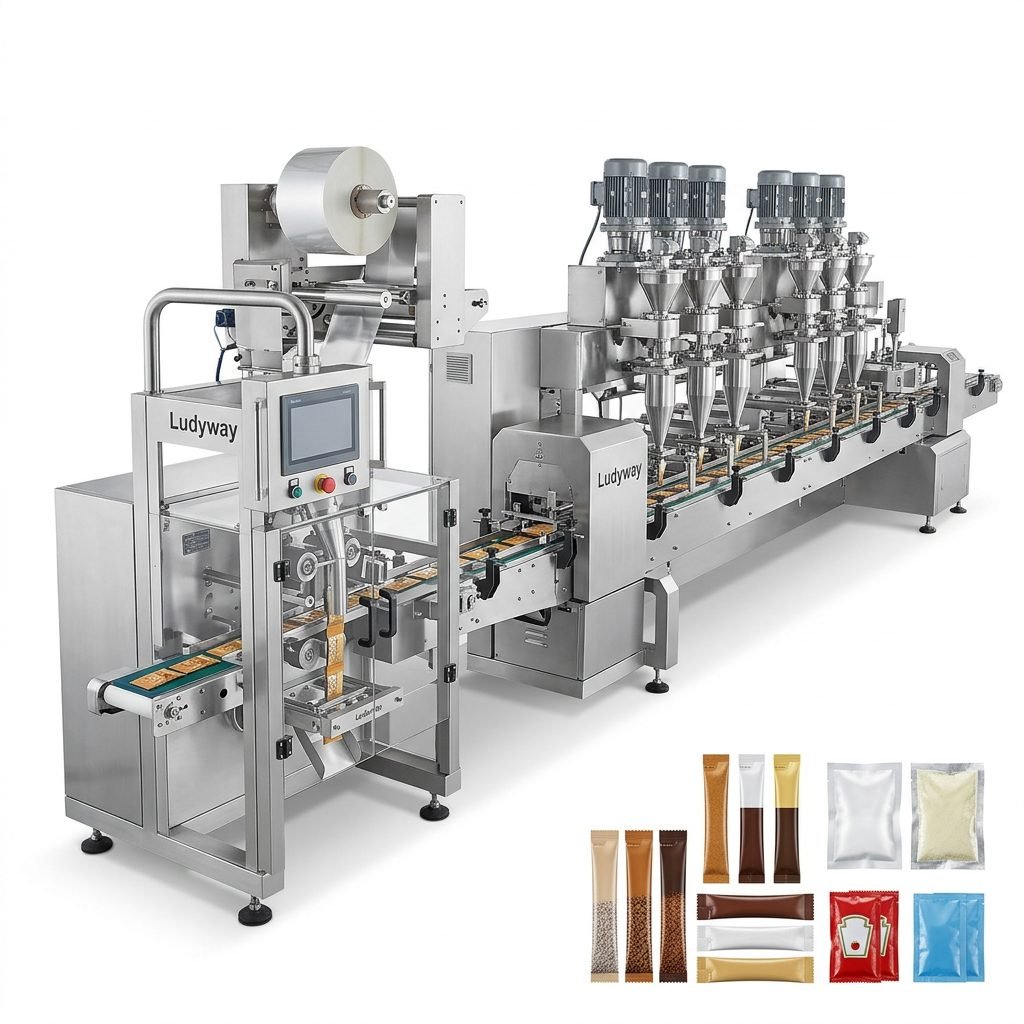
3. Automatic Liquid and Paste Packaging Systems
These use pumps, piston fillers, or flow meters. They are ideal for sauces, syrups, oils, hand wash, shampoo, detergents, oral liquids, and cosmetic serums.
4. Integrated Turnkey Packaging Lines
A turnkey line combines multiple processes into one solution, such as feeding, mixing, filling, sealing, coding, inspection, cartoning, case packing, and palletizing. This is often the preferred choice for factories planning long-term capacity growth.
Key Components of an Automatic Packaging System
Understanding the main components helps buyers compare systems more effectively.
- Product feeder: Screw feeder, bucket elevator, pump, or vibratory feeder
- Dosing unit: Auger filler, multihead weigher, piston pump, cup filler
- Packaging machine: Sachet machine, stick pack machine, pouch machine, bottle filler
- Sealing device: Heat sealer, capping unit, ultrasonic sealer
- Conveyor system: Transfers products between stations
- Coding and printing unit: Date, batch, barcode, QR code
- Inspection equipment: Checkweigher, vision system, metal detector, X-ray
- End-of-line equipment: Cartoner, case packer, palletizer, wrapper
- Control system: PLC, HMI touchscreen, sensors, servo controls
Benefits of Packaging Automation
Automatic packaging offers measurable business advantages beyond simply running faster.
| Benefit | Business Impact |
|---|---|
| Higher output | Supports increased demand and shorter lead times |
| Consistent pack quality | Improves appearance, seal integrity, and weight accuracy |
| Lower labor dependency | Reduces repetitive manual work and staffing pressure |
| Reduced product waste | Controls overfill, spillage, and reject rates |
| Better hygiene | Important for food, pharma, and health products |
| Traceability | Supports coding, inspection, and compliance records |
| Scalability | Makes future line expansion easier |
One of the most important advantages is process stability. When the machine is properly selected and maintained, it can deliver repeatable packaging quality shift after shift.
Industries That Use Automatic Packaging Systems
Packaging automation is used across many sectors where speed, cleanliness, accuracy, and efficiency matter.
Food Industry
- Seasonings and soup mixes
- Coffee, tea, sugar, and drink powders
- Sauces, ketchup, mayonnaise, and oils
- Rice, grains, seeds, snacks, and nuts
Pharmaceutical Industry
- Powder sachets
- Granule stick packs
- Tablet and capsule lines
- Oral liquid bottles and medical sachets
Cosmetics and Personal Care
- Face cream and serum sachets
- Shampoo and body wash packs
- Tube filling and capping lines
- Sample-size travel packaging
Chemical and Household Products
- Detergent powder and liquid packaging
- Cleaning products
- Industrial additives
- Agricultural chemicals and fertilizers
Pet Food and Animal Feed
- Dry kibble and pellets
- Wet pet food pouches
- Feed premix and nutrition powders
- Bulk feed bagging lines
Automatic vs Semi-Automatic Packaging Systems
Many manufacturers start with semi-automatic equipment and later upgrade to full automation. The right choice depends on output goals, labor availability, and budget.
| Factor | Semi-Automatic | Automatic |
|---|---|---|
| Operator involvement | High | Low |
| Output speed | Moderate | High |
| Consistency | Operator dependent | More stable |
| Investment level | Lower | Higher |
| Best for | Small batches, startups | High-volume and growing factories |
How to Choose the Right Automatic Packaging System
Selecting the right system requires more than comparing machine speed. A good solution should match your product characteristics, packaging format, factory layout, and long-term production plan.
Check Product Characteristics
- Is the product powder, granule, liquid, or paste?
- Does it flow easily or bridge in the hopper?
- Is it dusty, sticky, corrosive, fragile, or foam-forming?
- Does it require sanitary or sterile packaging conditions?
Define Packaging Format
- Sachet or stick pack
- Pillow bag or gusset bag
- Premade pouch or zipper pouch
- Bottle, jar, tube, vial, or bulk bag
Estimate Capacity Requirements
Know your expected packs per minute, shift hours, and annual growth. Buying a system that only matches today’s capacity can create a bottleneck sooner than expected.
Consider Integration Needs
You may need upstream and downstream equipment such as mixers, feeders, conveyors, coding units, metal detectors, cartoners, and palletizers. A disconnected machine can reduce the value of automation.
Review Compliance and Quality Standards
Food, pharmaceutical, and health-related products may require specific material contact standards, sealing validation, dust control, data traceability, and inspection functions.
Common Features to Look For
When comparing machines, these features often make the difference in long-term performance and ease of operation:
- Servo-driven motion control
- PLC and touchscreen HMI
- Quick size changeover
- Recipe storage for multiple products
- Accurate dosing system
- Stable sealing temperature control
- Low material waste design
- Easy cleaning and maintenance access
- Remote technical support capability
- Compatibility with coding, weighing, and inspection devices
Challenges of Packaging Automation
While automation brings major benefits, buyers should also understand the practical challenges.
- Higher initial investment: Full lines cost more than standalone or manual equipment.
- Technical setup requirements: Installation, debugging, and line balancing are critical.
- Operator training: Teams must learn operation, cleaning, and troubleshooting.
- Maintenance planning: Spare parts and preventive service are essential for uptime.
- Wrong machine selection risk: A poorly matched filler or package format can reduce efficiency.
These challenges can be managed through proper engineering evaluation, supplier communication, and realistic production planning.
Who Should Invest in an Automatic Packaging System?
Automatic packaging systems are especially valuable for companies that:
- Need to increase output without proportionally increasing labor
- Want better package consistency and lower reject rates
- Are expanding into export markets with stricter quality expectations
- Need traceability and compliance in regulated industries
- Run multiple SKUs and need flexible changeover
- Plan to build an integrated or smart production line
Why Turnkey Solutions Matter
Many manufacturers now prefer turnkey packaging lines because they reduce integration risk. Instead of sourcing every machine separately, a complete solution can be engineered for synchronized speed, footprint compatibility, product handling, and communication between units.
For buyers looking for scalable automation in food, pharmaceutical, health supplement, cosmetic, chemical, and pouch-based applications, Ludyway packaging automation solutions are often considered for standalone machines as well as integrated turnkey packaging lines.
Frequently Asked Questions
Is an automatic packaging system only for large factories?
No. While large factories benefit greatly, many medium-sized manufacturers also invest in automation to reduce labor dependence and improve consistency.
What products can be packed automatically?
Almost any product category can be automated, including powders, granules, liquids, pastes, tablets, capsules, pouches, and bottled goods.
How do I know which filler type I need?
It depends on product behavior. Powders often use auger fillers, granules may use weighers or cup fillers, and liquids usually use pumps or piston filling systems.
Can I start with one machine and expand later?
Yes. Many companies begin with a single automatic machine and later add coding, inspection, cartoning, or palletizing equipment as demand grows.
What is the biggest reason companies automate packaging?
The biggest reason is usually the combination of higher efficiency, more stable quality, and lower long-term labor pressure.
Final Thoughts
An automatic packaging system is more than a machine. It is a production strategy that helps manufacturers package products faster, cleaner, and more consistently. Whether the application involves stick packs, sachets, pouches, bottles, or bulk bags, the right system can improve efficiency across the entire packaging workflow.
If your business is dealing with rising output targets, labor constraints, or stricter quality requirements, packaging automation is often the next logical step. The key is choosing a system that fits your product, package style, factory layout, and future growth plan.