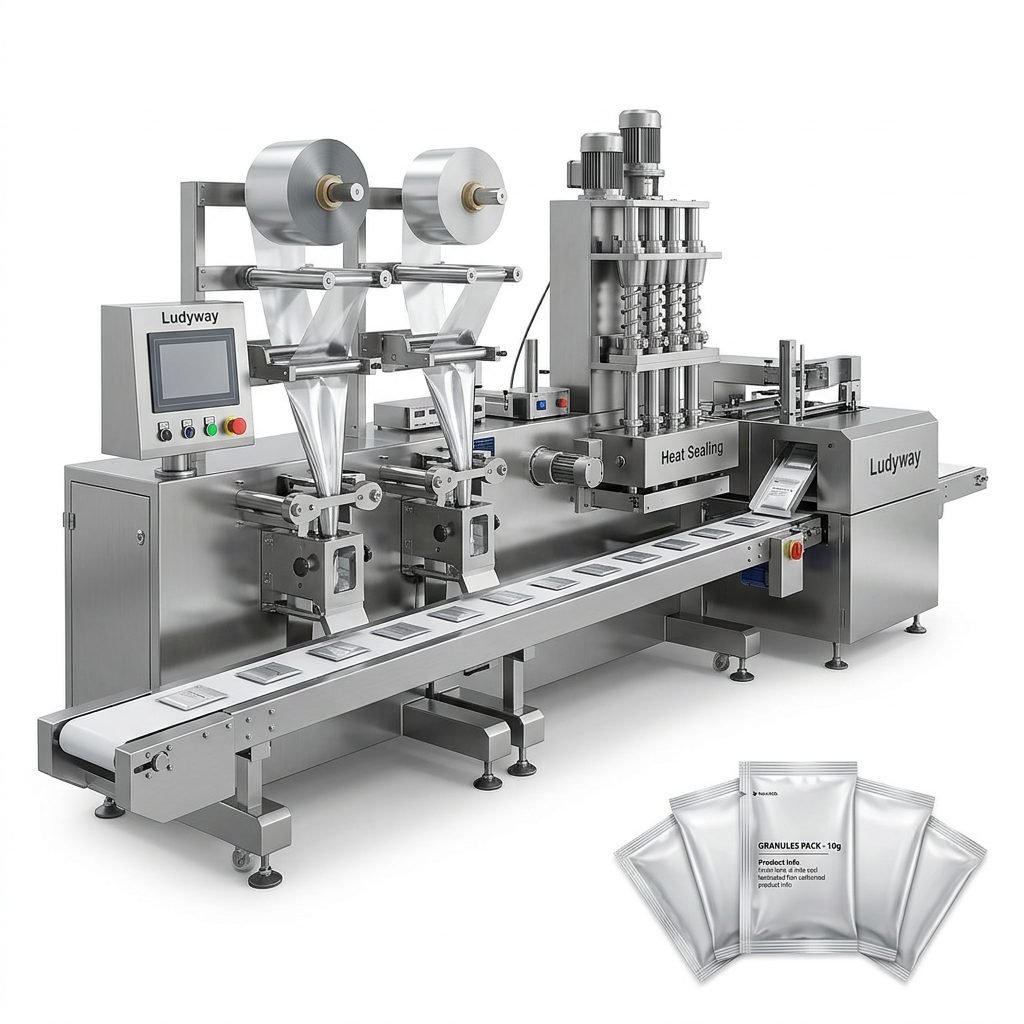
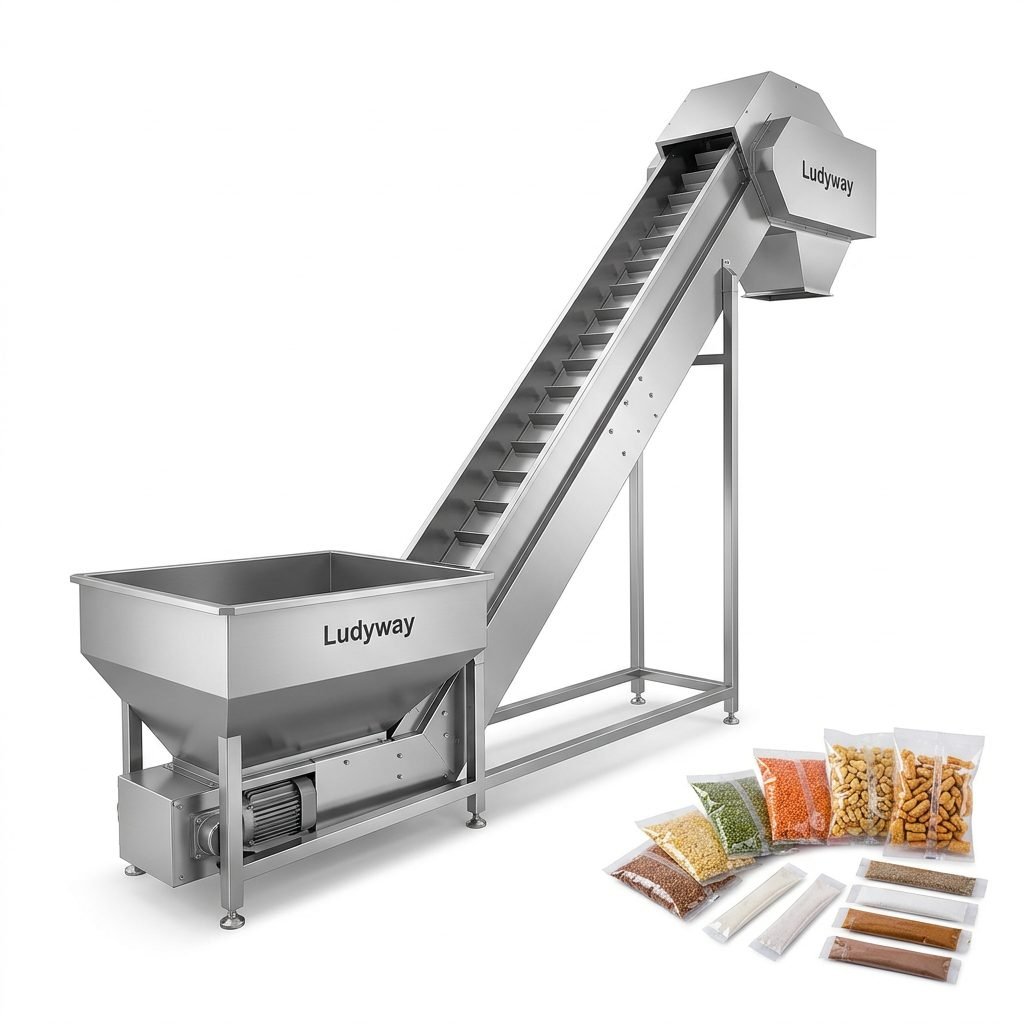
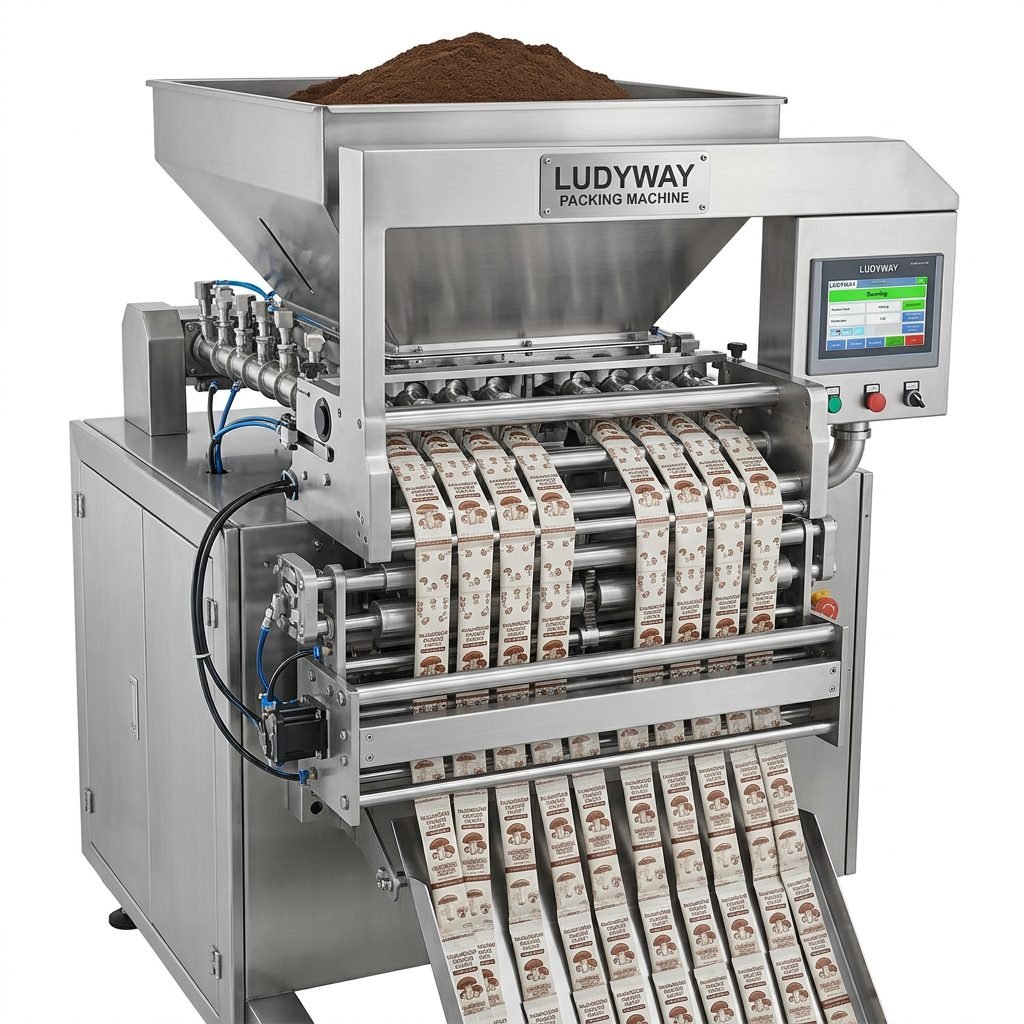
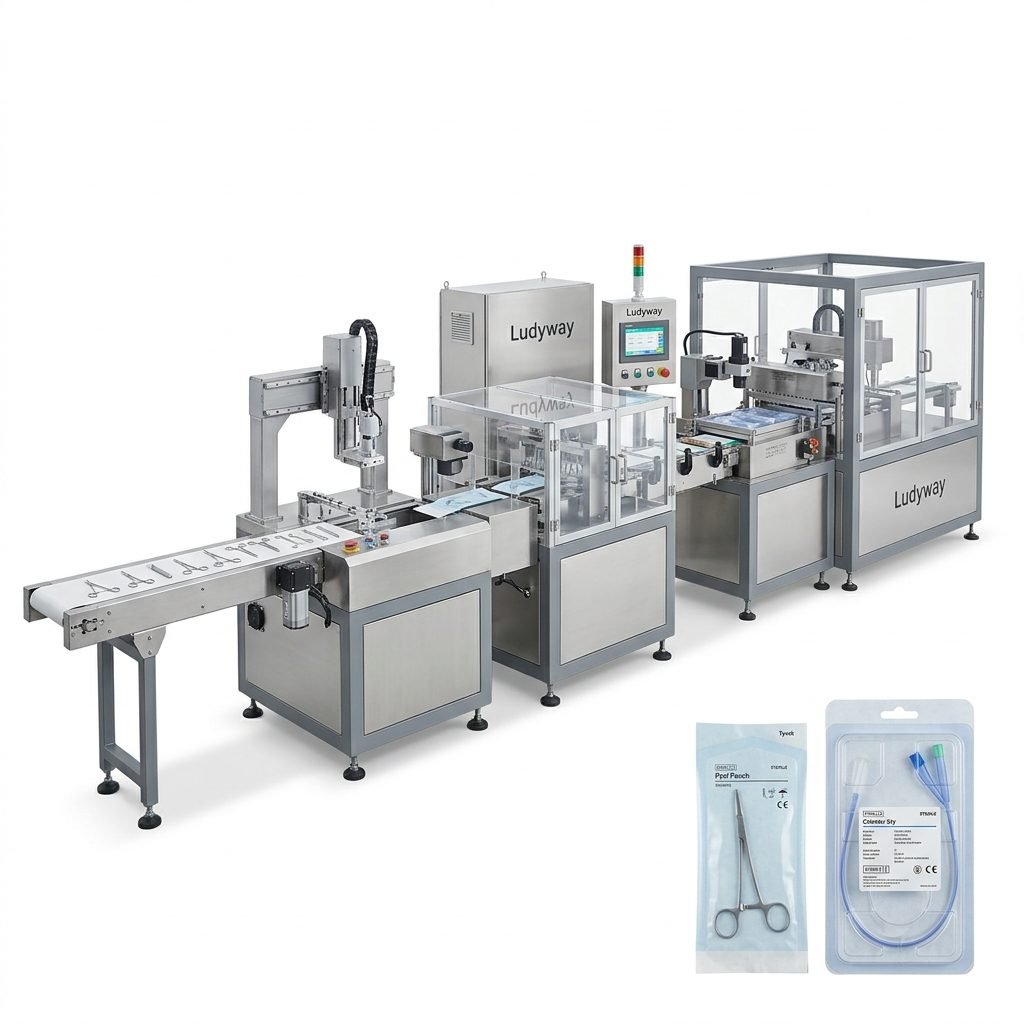
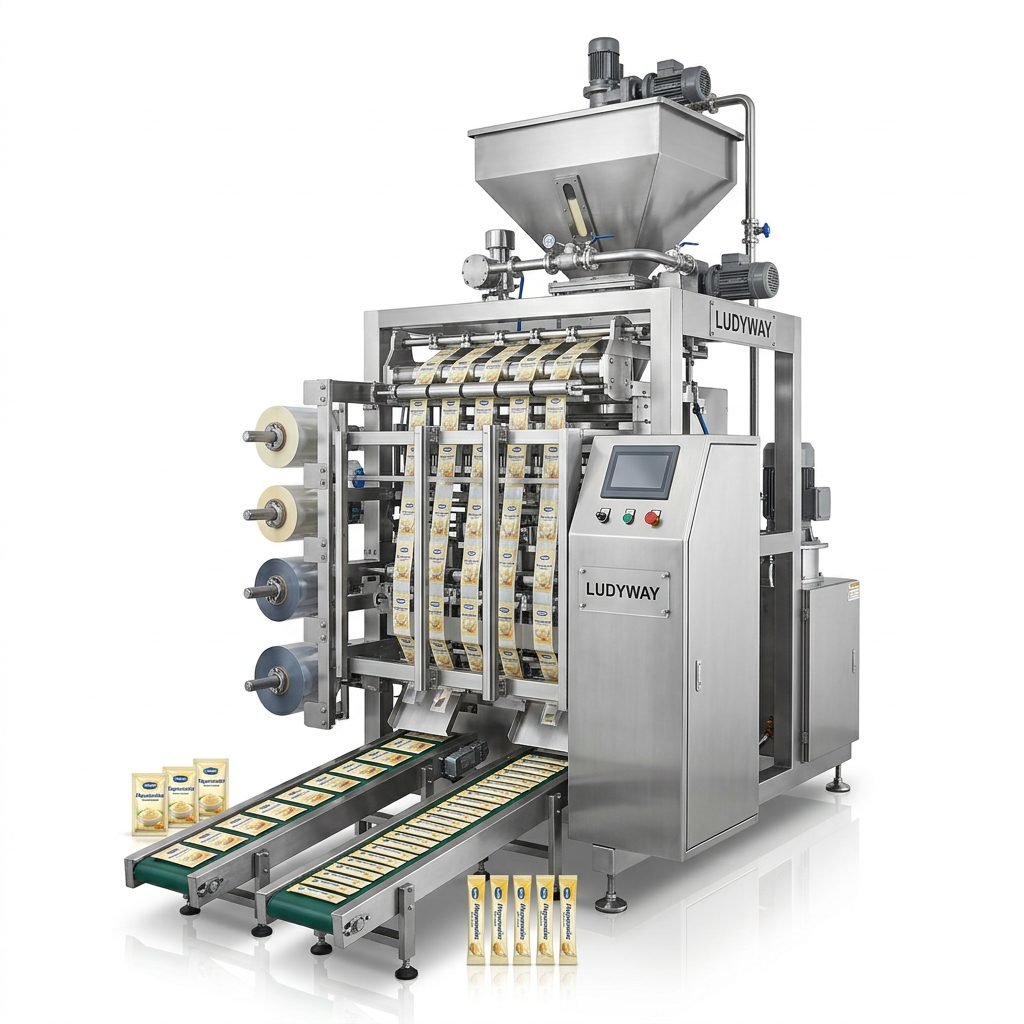
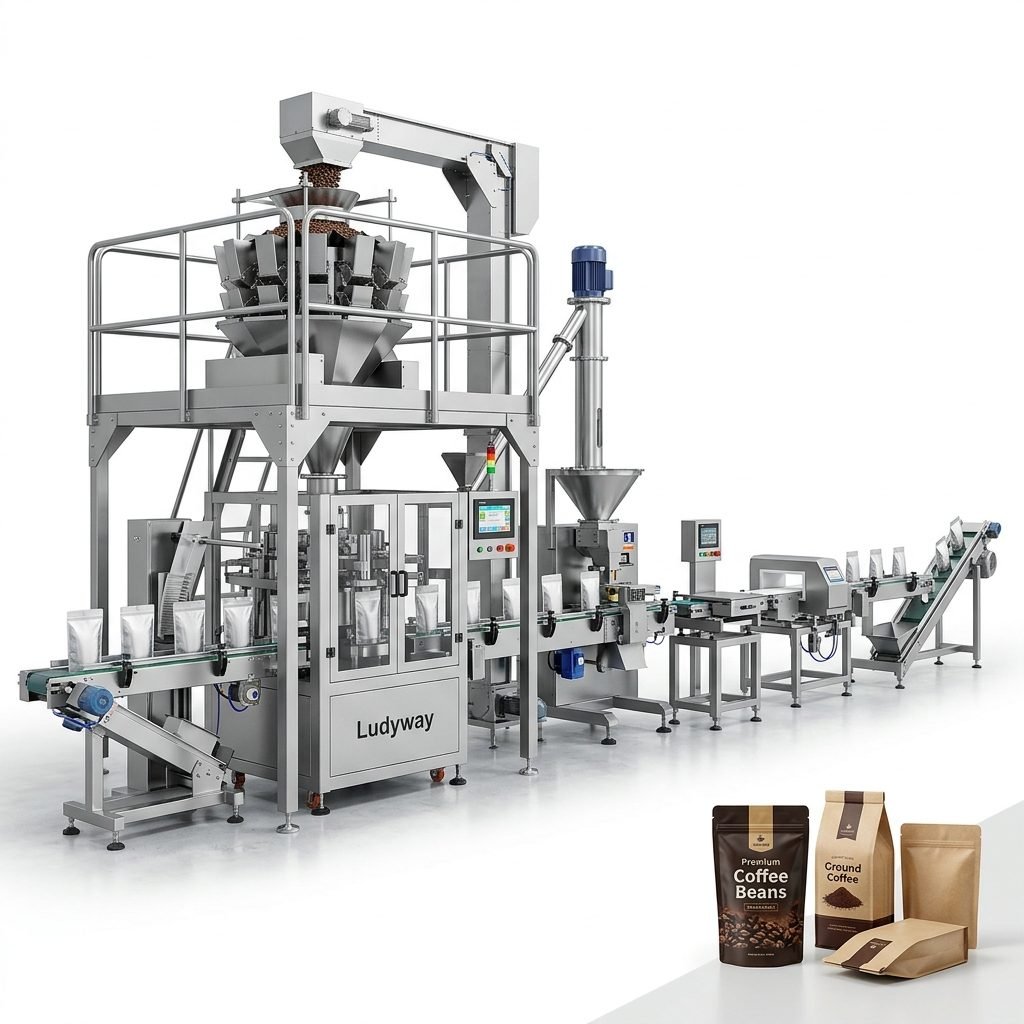
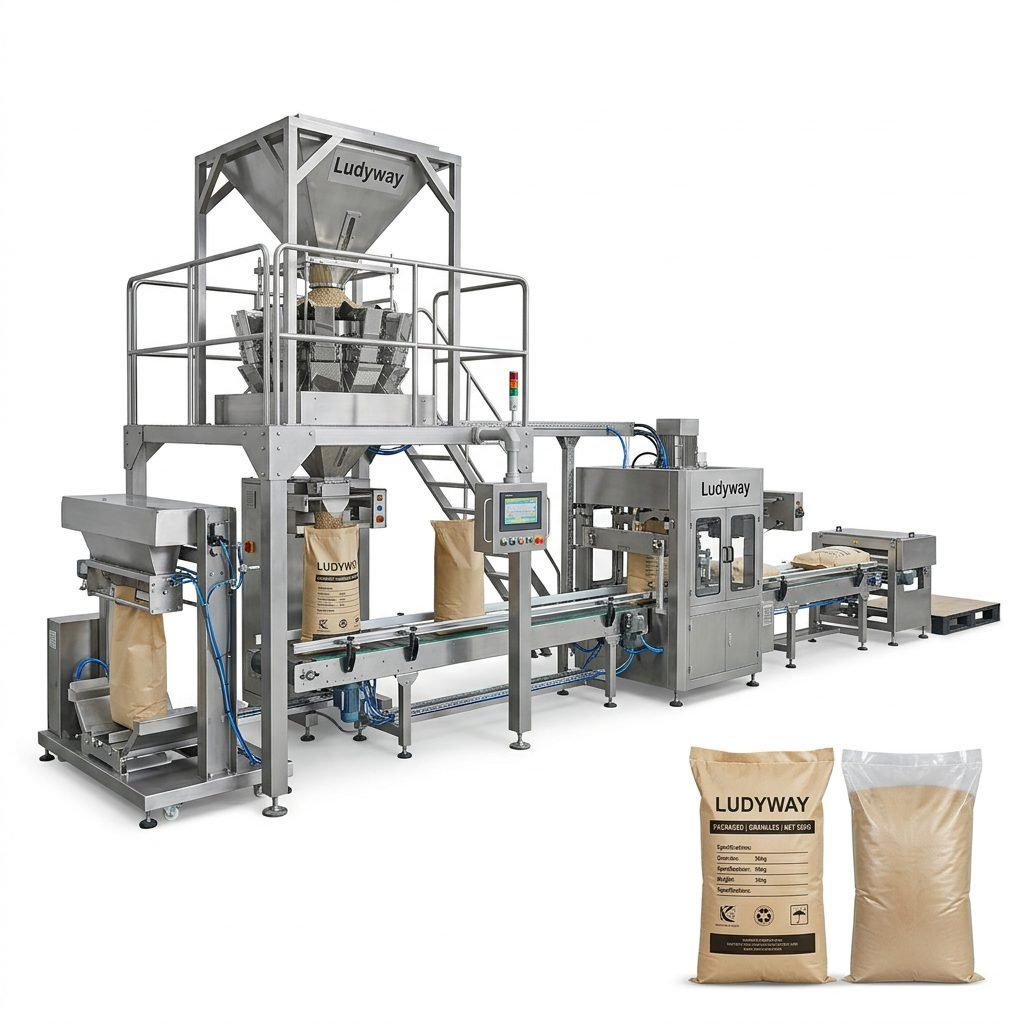
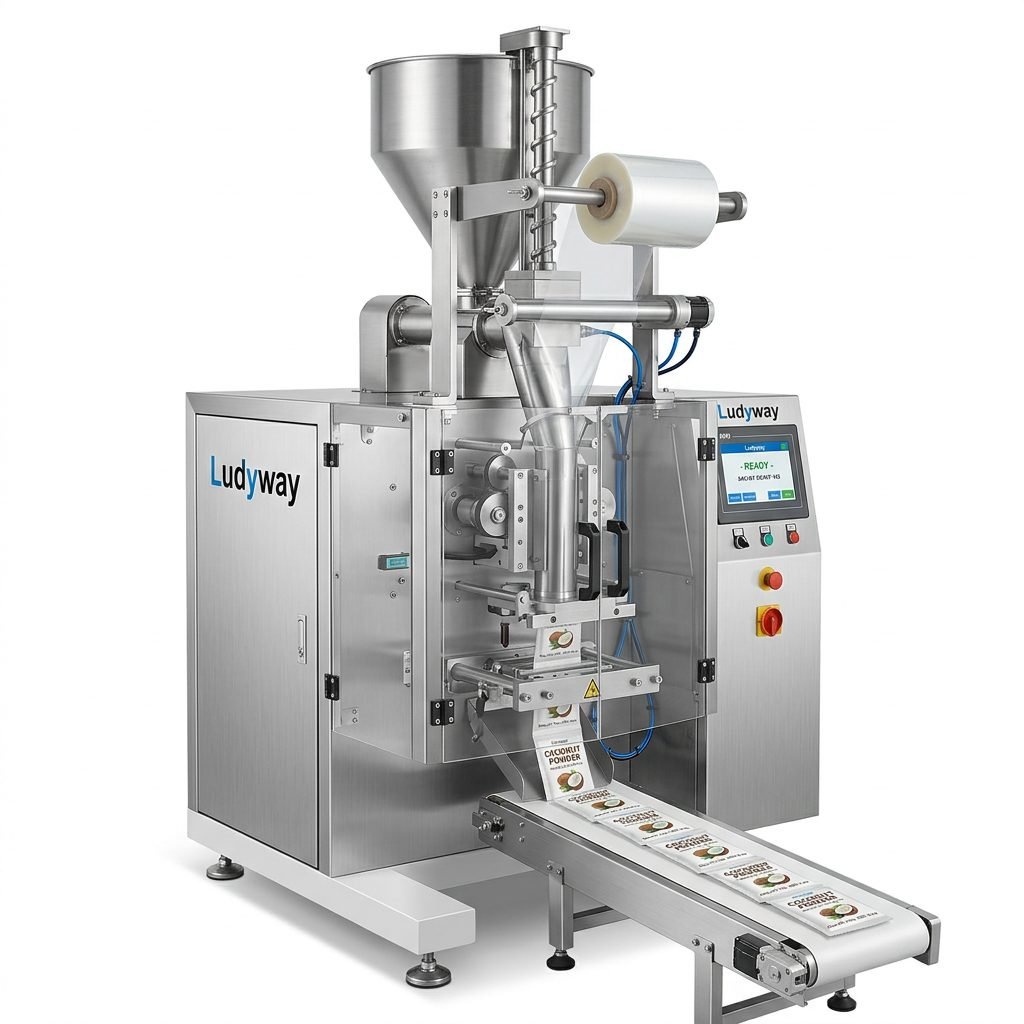
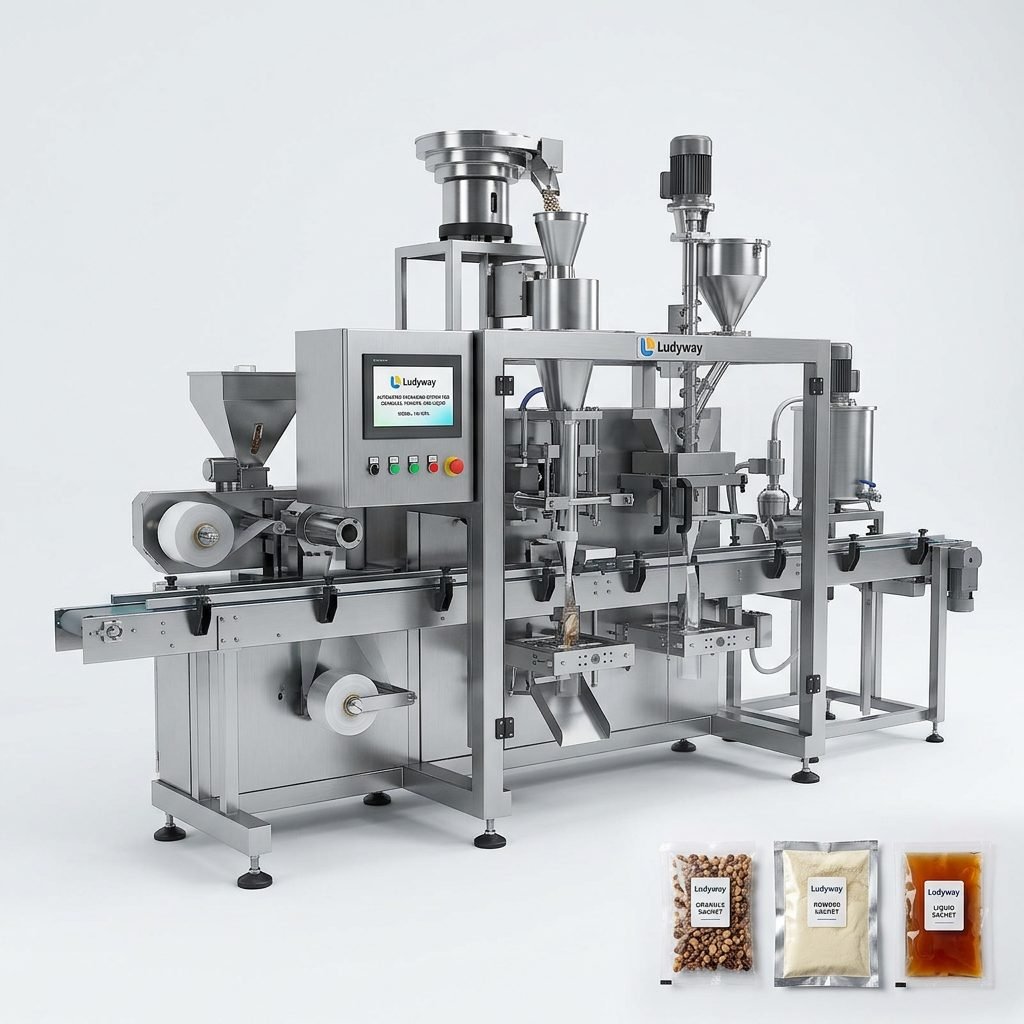
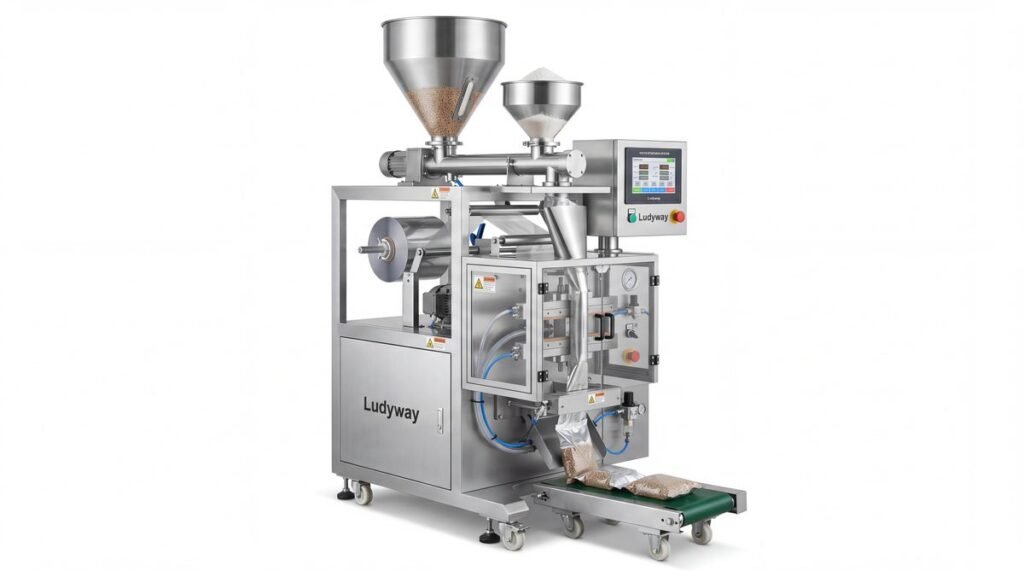
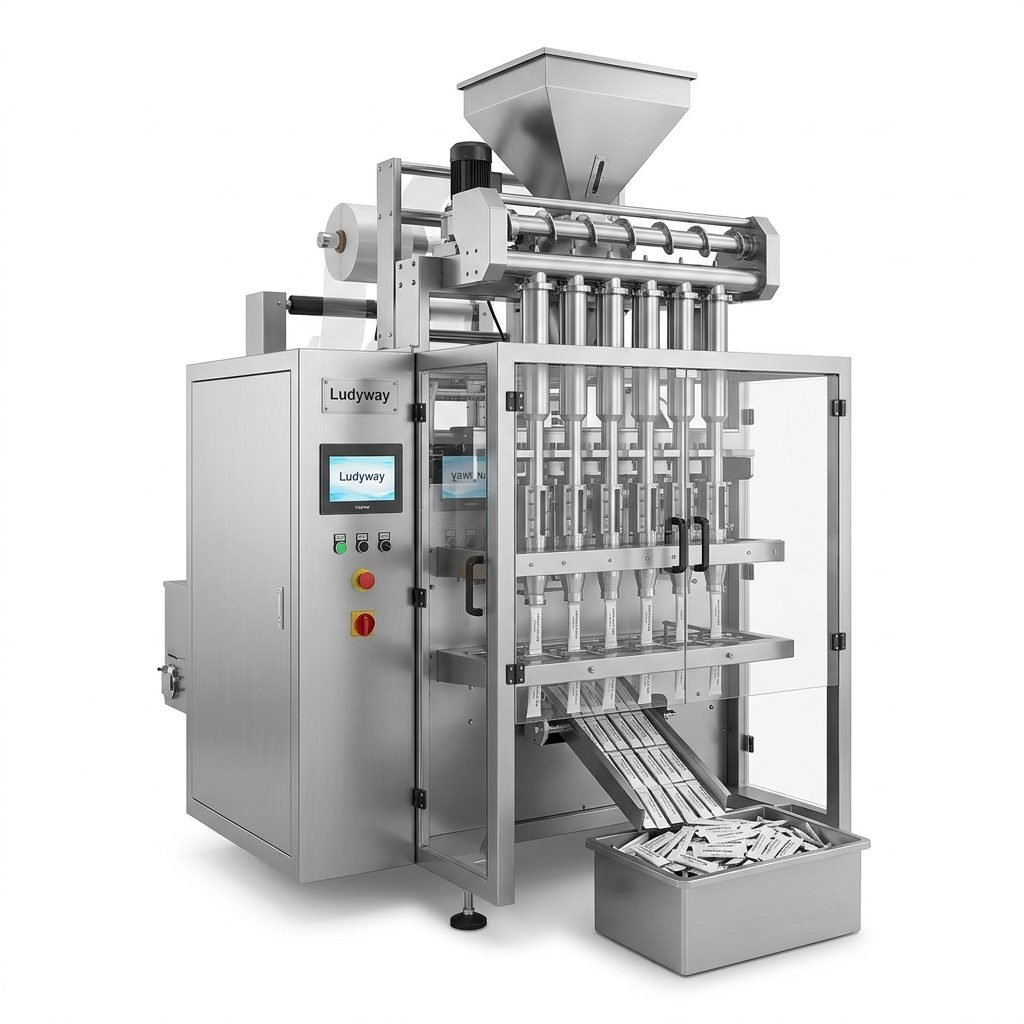
The Middle East food processing sector is experiencing unprecedented growth, driven by population expansion, urbanization, and increasing demand for processed meat and dairy products. For manufacturers looking to scale production, investing in a chub packaging machine is a strategic decision that can significantly impact operational efficiency and product quality. This guide walks you through everything you need to know before making a purchase in the region.

What Is a Chub Packaging Machine?
A chub packaging machine is a specialized form-fill-seal system designed to produce cylindrical, tube-shaped packages—commonly called “chubs”—used primarily for ground meats, sausages, cheese, dough, and other viscous products. Unlike traditional tray or vacuum packaging, chub packaging offers superior product protection, extended shelf life, and efficient material usage, making it a preferred choice for high-volume packaging and processing operations.
Why the Middle East Market Demands High-Performance Chub Machines
The Middle East presents unique opportunities and challenges for food manufacturers. Key drivers include:
- Growing halal meat processing industry requiring compliant, efficient packaging solutions
- Rising demand for frozen and chilled convenience foods across GCC countries
- Expansion of retail chains and supermarket formats demanding standardized packaging
- Government initiatives promoting food security and local manufacturing capabilities
- Increasing export opportunities to neighboring regions requiring durable, long-shelf-life packaging

Key Factors to Consider Before Buying
1. Product Compatibility and Material Handling
Not all chub machines handle every product type equally. Consider your specific product characteristics:
- Viscosity range – ground meat, cheese, dough, or semi-liquid products
- Temperature requirements – chilled, ambient, or hot-fill applications
- Particulate content – bone fragments, spices, or inclusions
- Fat content and lubricity affecting film seal integrity
2. Production Speed and Output Capacity
Your required output volume directly determines the machine category you need. Entry-level machines may produce 30-60 packs per minute, while high-speed industrial systems can exceed 120 packs per minute. Match your current needs with future growth projections to avoid premature equipment obsolescence.
3. Film Material Compatibility
Chub packaging relies on specialized multilayer films with barrier properties. Ensure your chosen machine supports the film types commonly available in the Middle East market. Consider flexible packaging industry resources for guidance on material specifications and regional supplier availability.
Chub Machine Specifications Comparison
| Specification | Entry-Level | Mid-Range | High-End Industrial |
|---|---|---|---|
| Speed (packs/min) | 30-60 | 60-100 | 100-150+ |
| Fill Weight Range | 50g – 1kg | 25g – 2.5kg | 10g – 5kg |
| Automation Level | Semi-automatic | Fully automatic | Fully automatic with inline integration |
| Typical Investment | $25,000 – $60,000 | $60,000 – $150,000 | $150,000 – $400,000+ |
| Best For | Small processors, niche products | Medium-scale production | Large industrial operations |
Regional Considerations for Middle East Buyers
Climate and Environmental Factors
Middle East manufacturing facilities face extreme ambient temperatures that can affect machine performance and film behavior. Look for machines with:
- Robust cooling systems for electronics and sealing components
- Temperature-compensated sealing controls
- Dust-resistant enclosures suitable for arid environments
- Stainless steel construction resistant to corrosion in coastal areas
Certifications and Compliance
Ensure your equipment meets relevant Middle Eastern and international standards. Reference the FDA food packaging regulations for export-oriented production, and verify compliance with GCC food safety requirements. Halal certification compatibility for machine cleaning and material contact surfaces is essential for meat processors.
Spare Parts Availability and Service Support
Downtime costs in the Middle East can be substantial. Prioritize suppliers with regional service presence, local spare parts inventory, and responsive technical support. Verify whether the manufacturer offers training programs for your in-house maintenance team.
Evaluating Chub Machine Suppliers
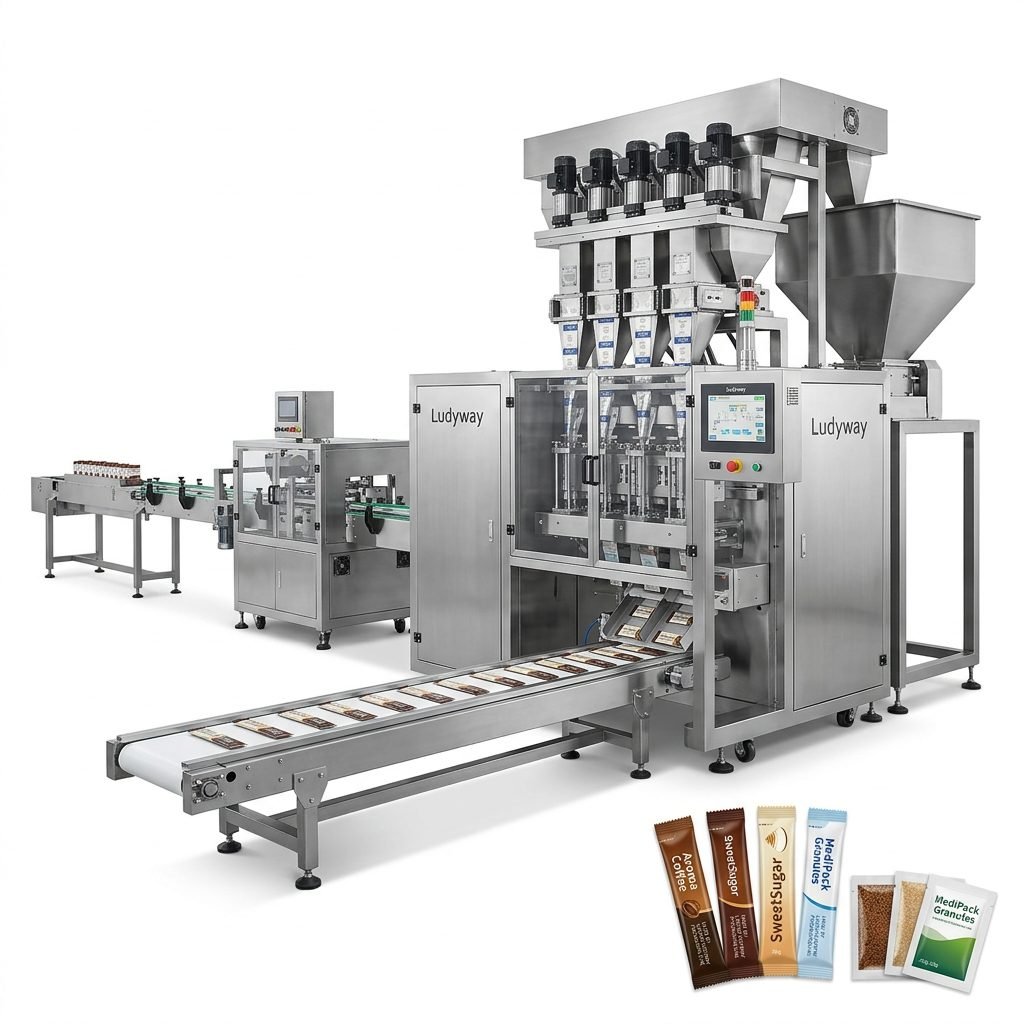
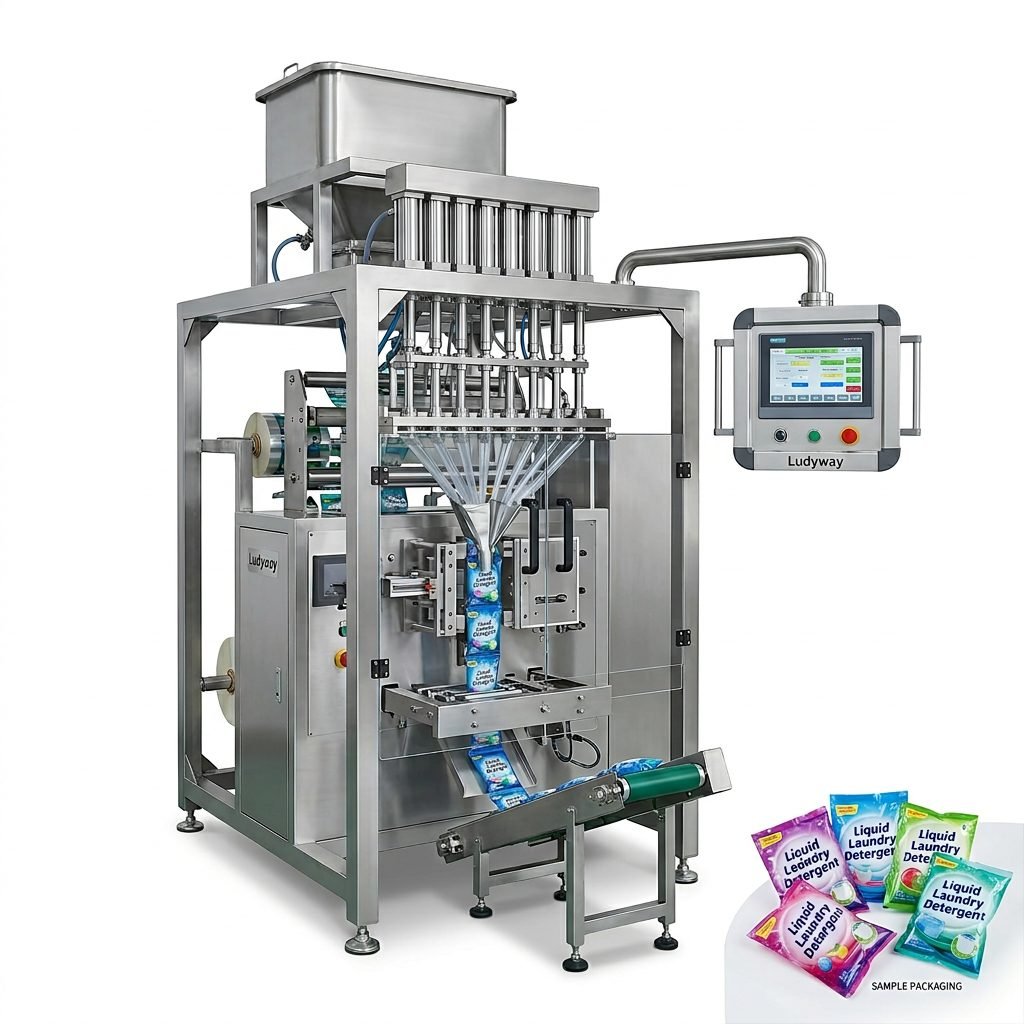
When sourcing a chub packaging machine for your Middle East operation, consider both international manufacturers and established regional distributors. Leading global manufacturers like Ludyway, one of the largest packaging machine manufacturers in China, offer comprehensive solutions backed by decades of engineering expertise and a presence in over 100 countries. Evaluate potential suppliers based on:
- Industry experience – years in business and specialization in food packaging
- Client references – particularly from Middle East or similar climate installations
- After-sales support – warranty terms, service contracts, and response times
- Customization capability – ability to adapt machines to your specific product and facility
- Documentation and training – comprehensive manuals and operator training programs
Total Cost of Ownership Analysis
Beyond the initial purchase price, calculate the total cost of ownership over the expected machine lifespan:
| Cost Component | Estimated Percentage of TCO | Notes |
|---|---|---|
| Initial Equipment Cost | 40-50% | Includes shipping, duties, and installation |
| Packaging Film Materials | 25-35% | Ongoing operational expense |
| Maintenance and Spare Parts | 10-15% | Preventive and corrective maintenance |
| Energy Consumption | 5-8% | Varies by machine efficiency rating |
| Operator Training and Labor | 3-5% | Initial and ongoing training costs |
Technology Trends in Chub Packaging
Modern chub packaging machines incorporate advanced features that improve efficiency and product quality. Look for:
- Servo-driven systems for precise fill accuracy and reduced waste
- Automated clipping and sealing with clip detection and rejection systems
- Integration with upstream filling and downstream weighing, labeling, and cartoning equipment
- IoT-enabled monitoring for predictive maintenance and production analytics
- Quick-change film systems reducing downtime between product runs
Financing and Import Considerations
Middle East buyers have access to various financing options including equipment leasing, trade finance, and supplier credit. When importing machinery into the region, factor in:
- Customs duties and clearance procedures specific to your country
- VAT or equivalent tax implications on capital equipment
- Freight and insurance costs for heavy machinery shipments
- Local agent or representative requirements for import documentation
Installation and Commissioning Timeline
A typical chub machine installation project follows this approximate timeline:
| Phase | Duration | Key Activities |
|---|---|---|
| Order Processing | 2-4 weeks | Specification confirmation, payment, production scheduling |
| Manufacturing | 8-14 weeks | Machine fabrication, assembly, factory testing |
| Shipping | 3-6 weeks | International freight and customs clearance |
| Installation | 1-2 weeks | Positioning, utility connections, calibration |
| Commissioning | 1 week | Test runs, operator training, final acceptance |
Making the Final Decision
Selecting the right chub packaging machine requires balancing immediate production needs with long-term business strategy. Request detailed proposals from multiple suppliers, evaluate total cost of ownership, and prioritize after-sales support and spare parts availability in the Middle East region. For insights into industry trends and certified equipment standards, consult the ISO packaging standards and relevant regulatory guidance. Investing time in thorough evaluation upfront yields significant returns in operational reliability and product quality over the life of the equipment.