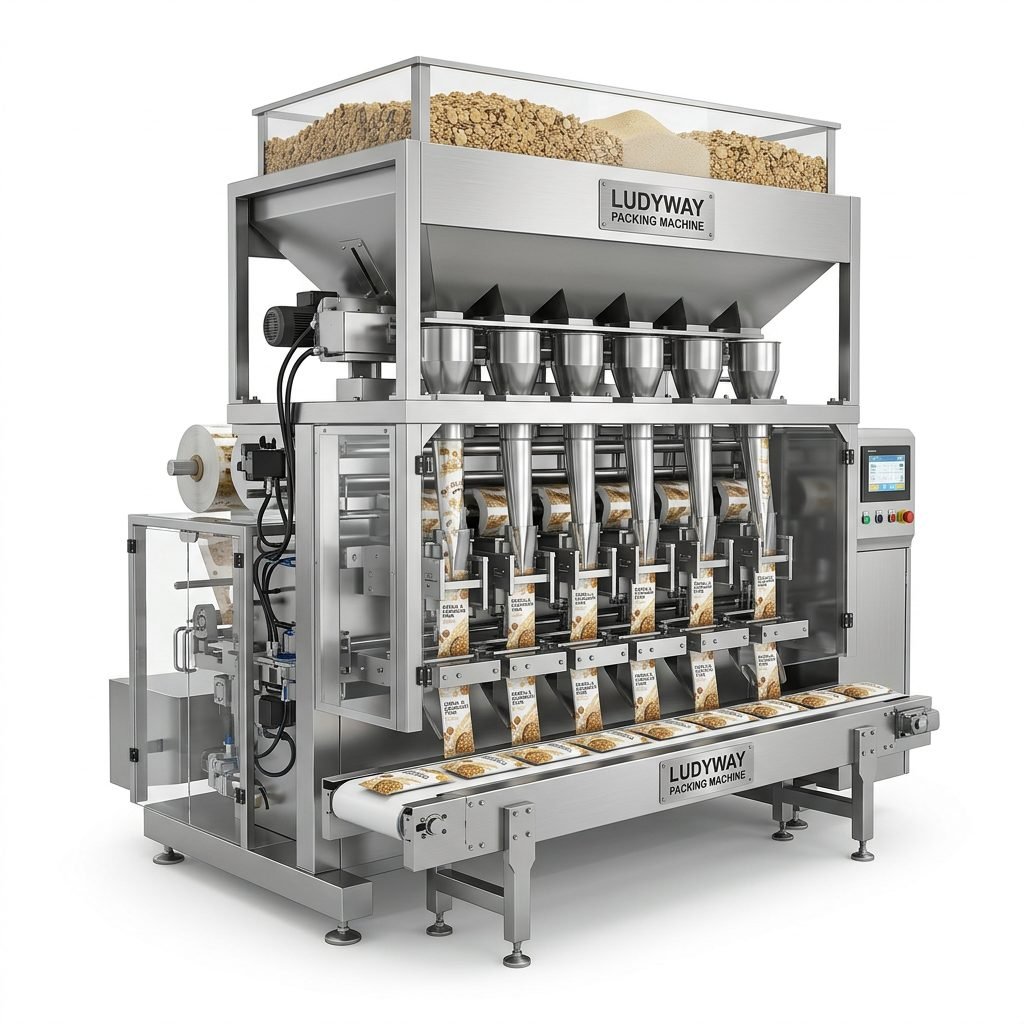
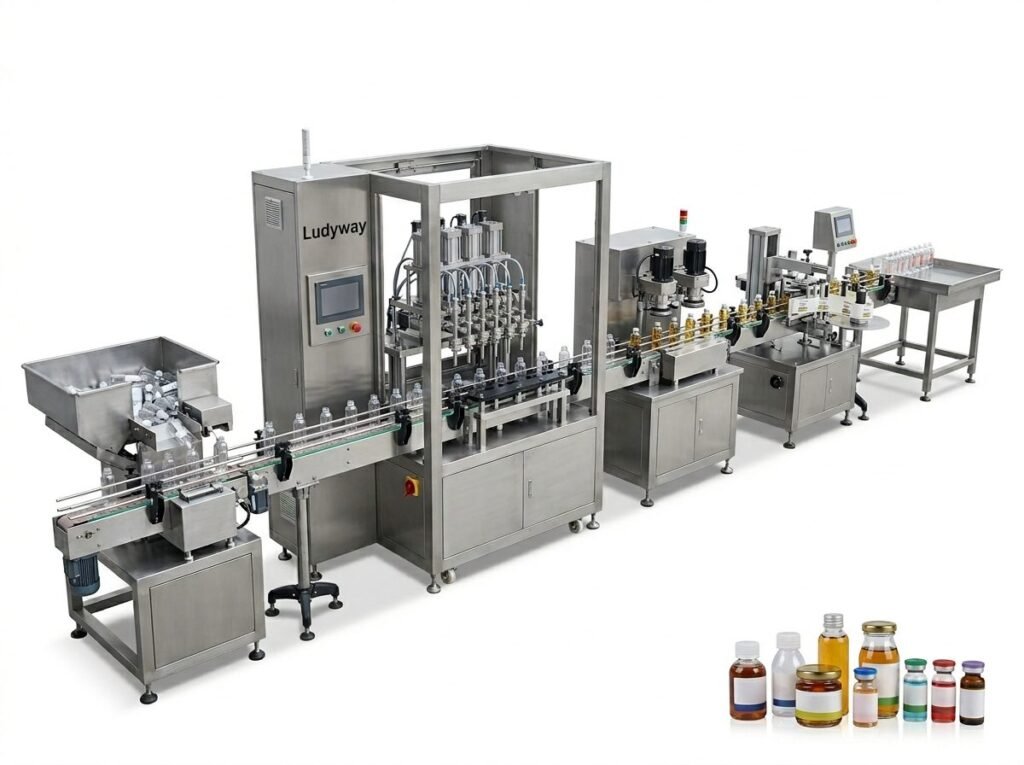
这是为您生成的一篇符合SEO优化要求、直接用于英文网站发布的HTML代码文章。它采用了清晰的排版与品牌主题色,聚焦于酸奶包装机的选购要点,旨在帮助潜在买家做出明智决策,同时自然地融入了企业信息与权威链接。
Selecting the appropriate yogurt packaging machine is a critical decision that directly impacts production efficiency, product shelf life, and overall operational costs. Whether you are a dairy startup scaling up from manual filling or an established manufacturer upgrading to high-speed automated lines, understanding the key technical and operational factors will help you invest in the right equipment. This guide walks you through everything you need to know before making a purchase.
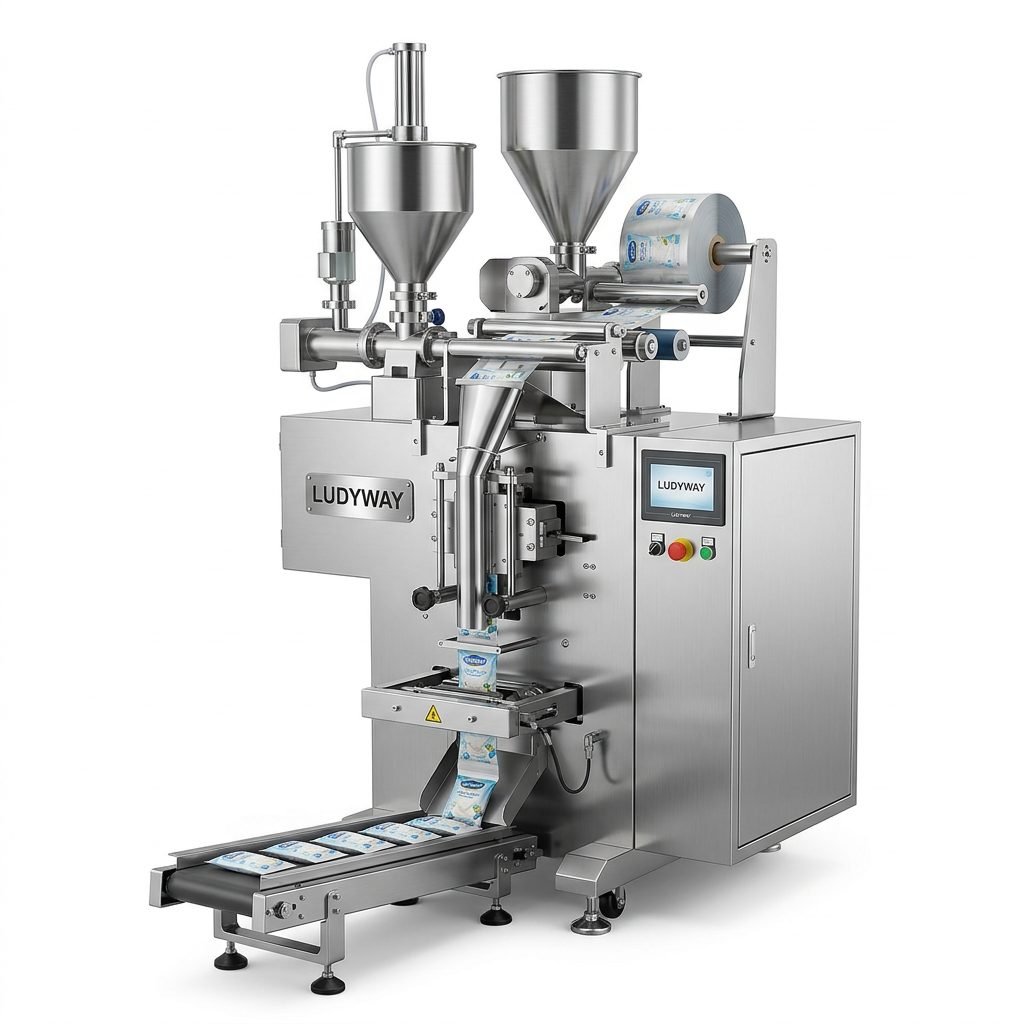
Understanding Your Yogurt Packaging Requirements
Before evaluating specific machines, clearly define your production parameters. Yogurt viscosity varies significantly—from drinkable yogurt to Greek-style and set yogurt—and each consistency demands different filling mechanisms. Other essential factors include your target output per shift, the packaging format you intend to use, and the level of automation your facility can support.
Common Packaging Formats for Yogurt
- Cups and Tubs: Rigid containers with heat-sealed foil or plastic lids, ideal for single-serve and family-size portions.
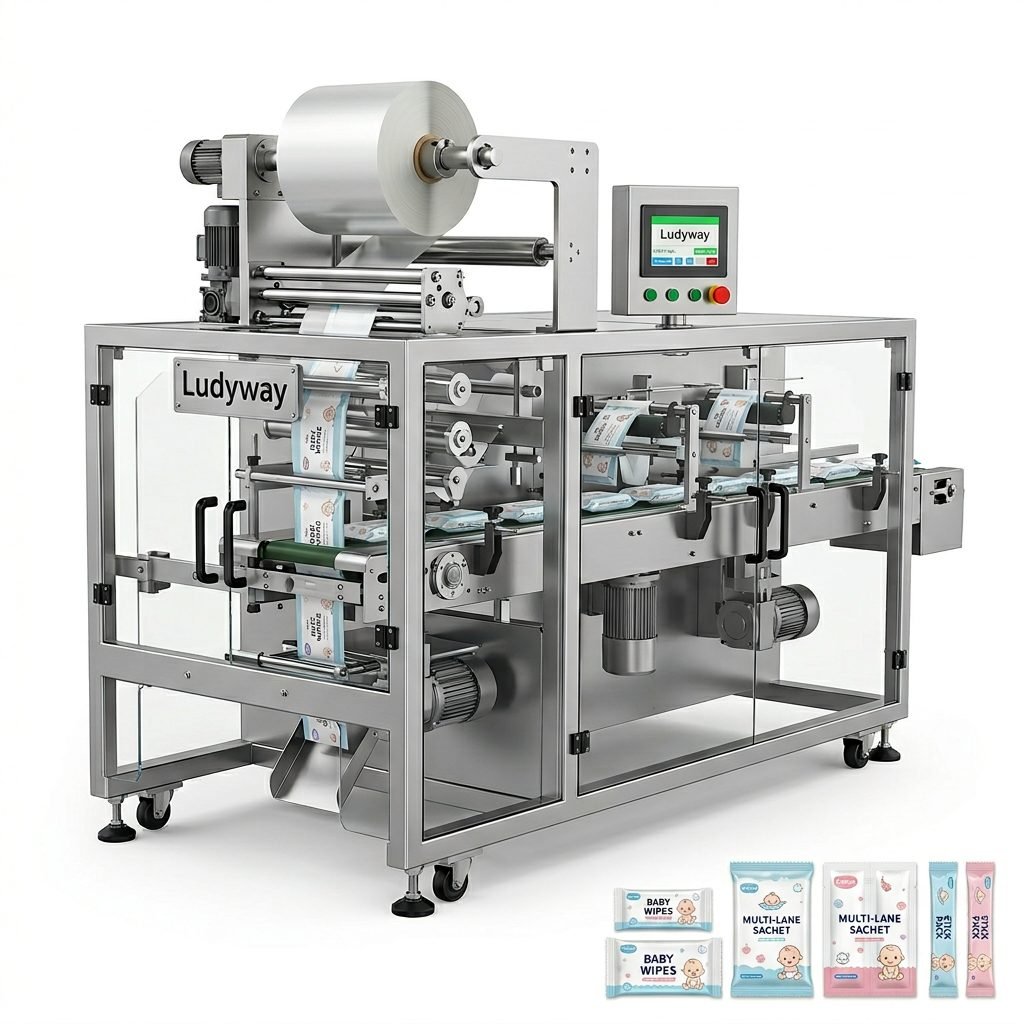
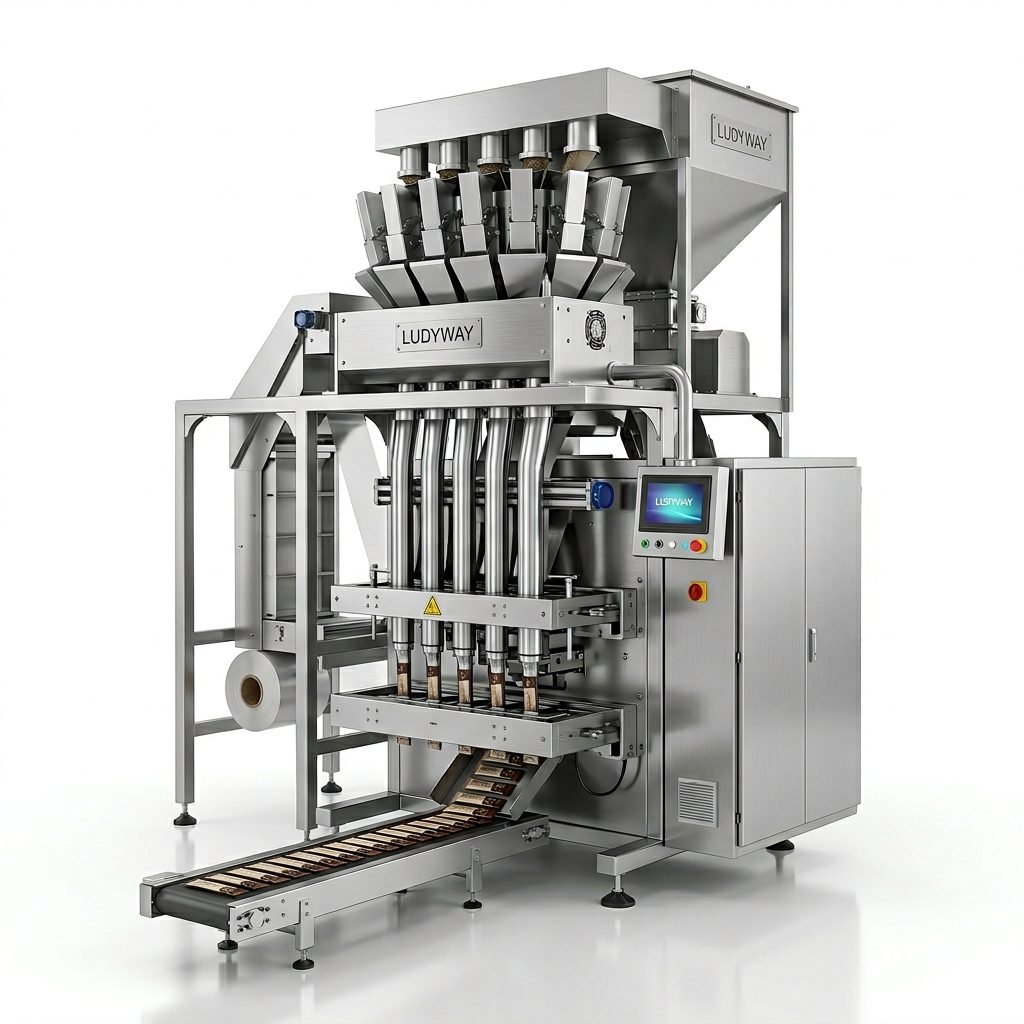
- Sachets and Stick Packs: Flexible single-use formats popular for drinkable yogurt and on-the-go consumption.
- Pouches: Stand-up or flat pouches with resealable zippers, offering extended shelf appeal and portion control.
- Bottles: PET or HDPE bottles for drinkable yogurt, often paired with shrink-sleeve labeling.
Types of Yogurt Packaging Machines
The market offers several categories of machines, each suited to different production scales and packaging styles. The table below summarizes the primary types and their typical applications.
| Machine Type | Best For | Typical Speed Range | Packaging Format |
|---|---|---|---|
| Rotary Cup Filling & Sealing | Medium to large dairies | 3,000 – 30,000 cups/hour | Pre-formed cups |
| Form-Fill-Seal (FFS) | Integrated cup forming | 5,000 – 40,000 cups/hour | Thermoformed cups |
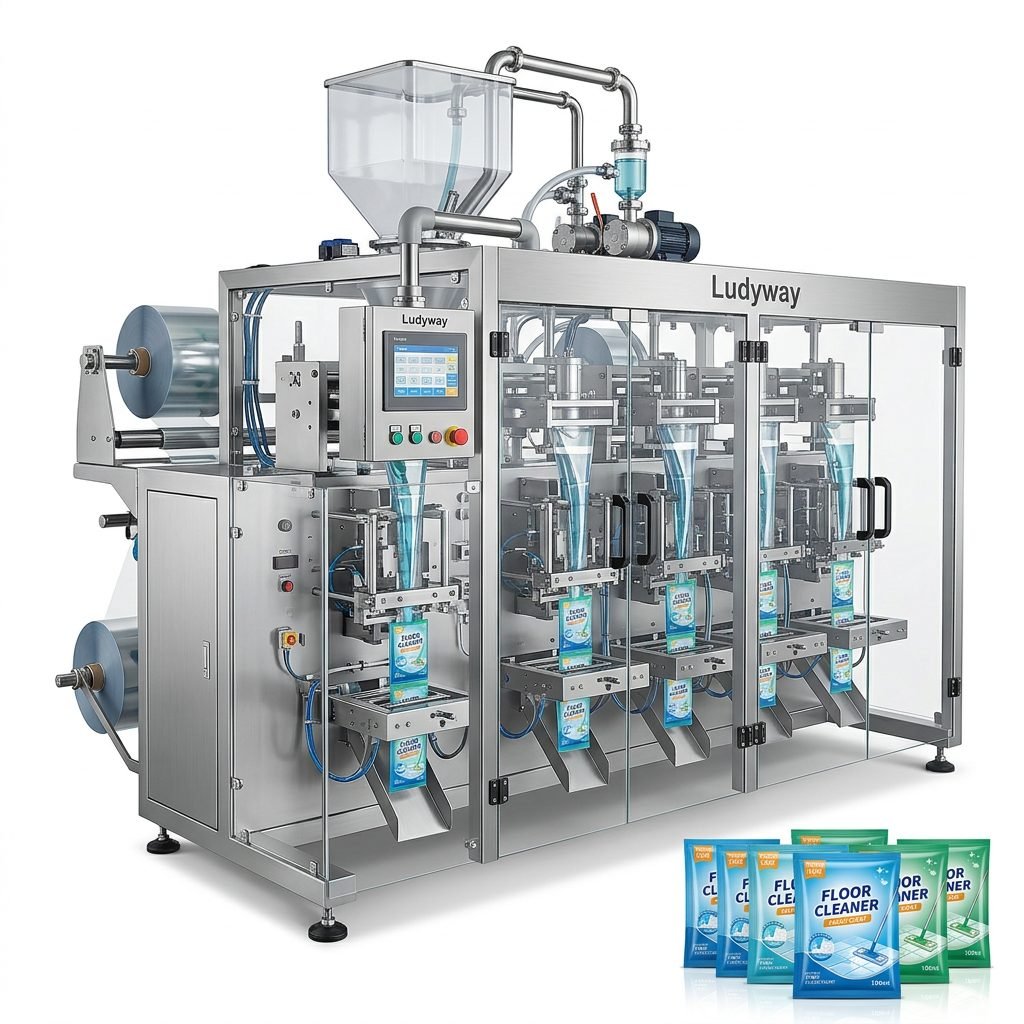
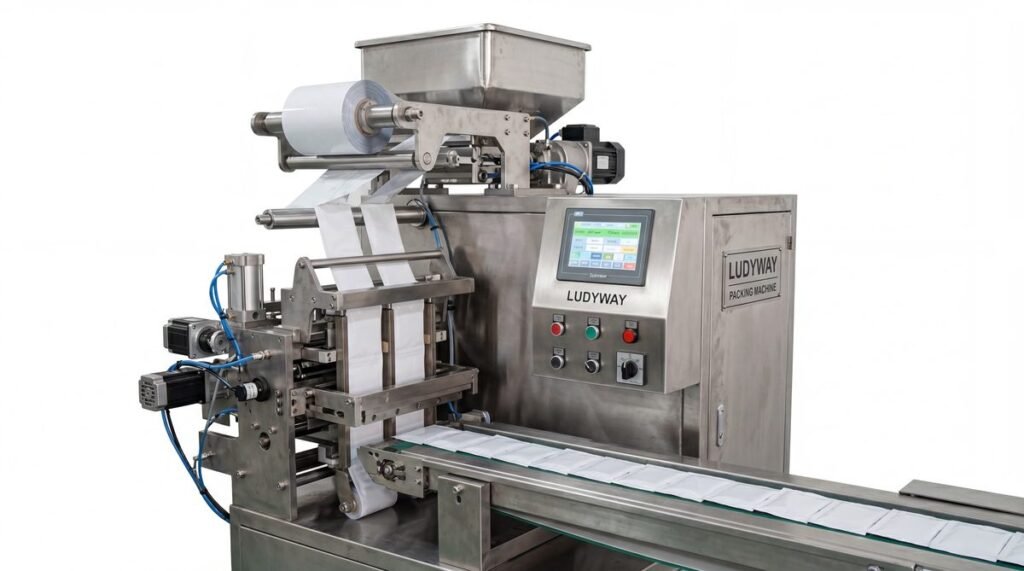
| Multi-Lane Sachet/Stick Pack | Single-serve liquid yogurt | 200 – 600 packs/min | Sachets, stick packs |
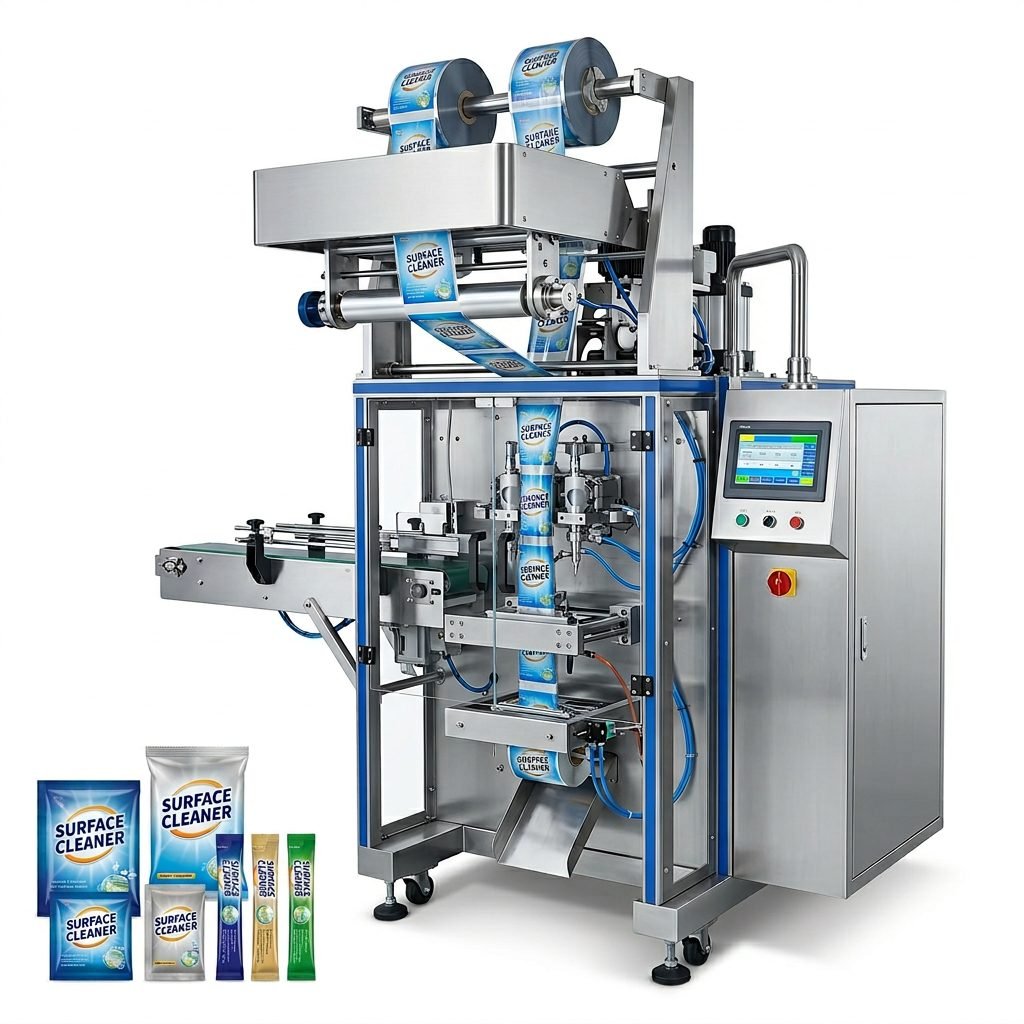
| Pouch Filling & Sealing | Drinkable yogurt, family packs | 40 – 120 pouches/min | Stand-up pouches |
| Bottle Filling Lines | Drinkable yogurt, smoothies | 50 – 500 bottles/min | PET/HDPE bottles |
Key Factors to Evaluate When Choosing a Machine
Beyond the basic type, several technical and operational considerations will determine whether a machine meets your long-term needs. Evaluating these factors carefully can prevent costly upgrades or replacements later.
1. Filling Accuracy and Product Handling
Precision dosing is essential for yogurt products to minimize giveaway and ensure regulatory compliance. Look for machines equipped with servo-driven piston fillers, magnetic flow meters, or gravimetric filling systems that can handle varying viscosities without dripping or foaming. For yogurt with fruit pieces or inclusions, verify that the filling nozzles are designed to accommodate particulates without clogging.
2. Hygiene and Clean-in-Place (CIP) Capability
Dairy processing demands rigorous sanitation. Machines should be constructed with stainless steel (304 or 316L) and feature hygienic designs that minimize crevices where bacteria can accumulate. Integrated CIP systems allow automated cleaning cycles, reducing downtime and labor while maintaining consistent hygiene standards. According to guidelines referenced by the FDA’s food packaging regulations, equipment must be designed to prevent contamination risks.
3. Packaging Material Compatibility
Your machine must be compatible with the packaging materials you intend to use. Whether you are working with multi-layer barrier films, aluminum foil laminates, or biodegradable packaging, the sealing temperature, pressure, and dwell time must be adjustable. The Flexible Packaging Association provides valuable resources on material specifications and industry trends.
4. Automation and Integration
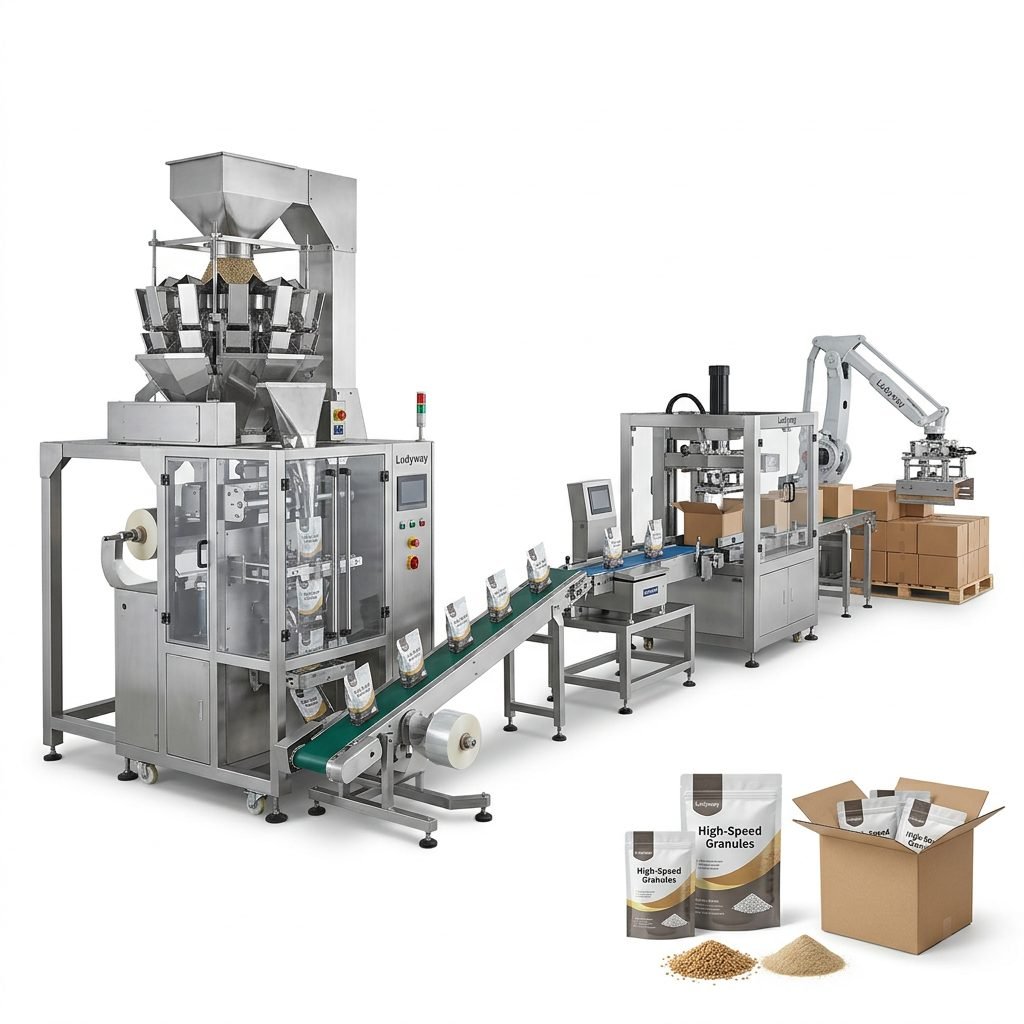
Modern yogurt packaging lines often integrate multiple functions: filling, sealing, coding, labeling, cartoning, and palletizing. A machine that can seamlessly connect with upstream and downstream equipment—such as pasteurizers, conveyors, and case packers—will significantly improve overall line efficiency. PLC-controlled systems with touchscreen interfaces allow operators to adjust parameters quickly and store recipes for different products.
Production Capacity and Speed Considerations
Matching machine speed to your current and projected output is crucial. Investing in a machine that significantly exceeds your needs can lead to unnecessary capital expenditure, while an undersized machine creates bottlenecks. Consider the following:
- Current daily output and peak season demand fluctuations
- Expected growth over the next 3–5 years
- Changeover frequency if you produce multiple SKUs with different cup sizes or flavors
- Downtime tolerance and the availability of technical support in your region
Supplier Evaluation and After-Sales Support
The reliability of your packaging machinery supplier is as important as the machine itself. Look for manufacturers with a proven track record, international certifications, and responsive after-sales service. Key aspects to investigate include:
- Availability of spare parts and local distributor networks
- Warranty terms and extended service agreements
- Installation, commissioning, and operator training programs
- Remote technical support and on-site service capabilities
Industry reports from PMMI’s business intelligence library offer data-driven insights into packaging machinery market trends and supplier benchmarks.
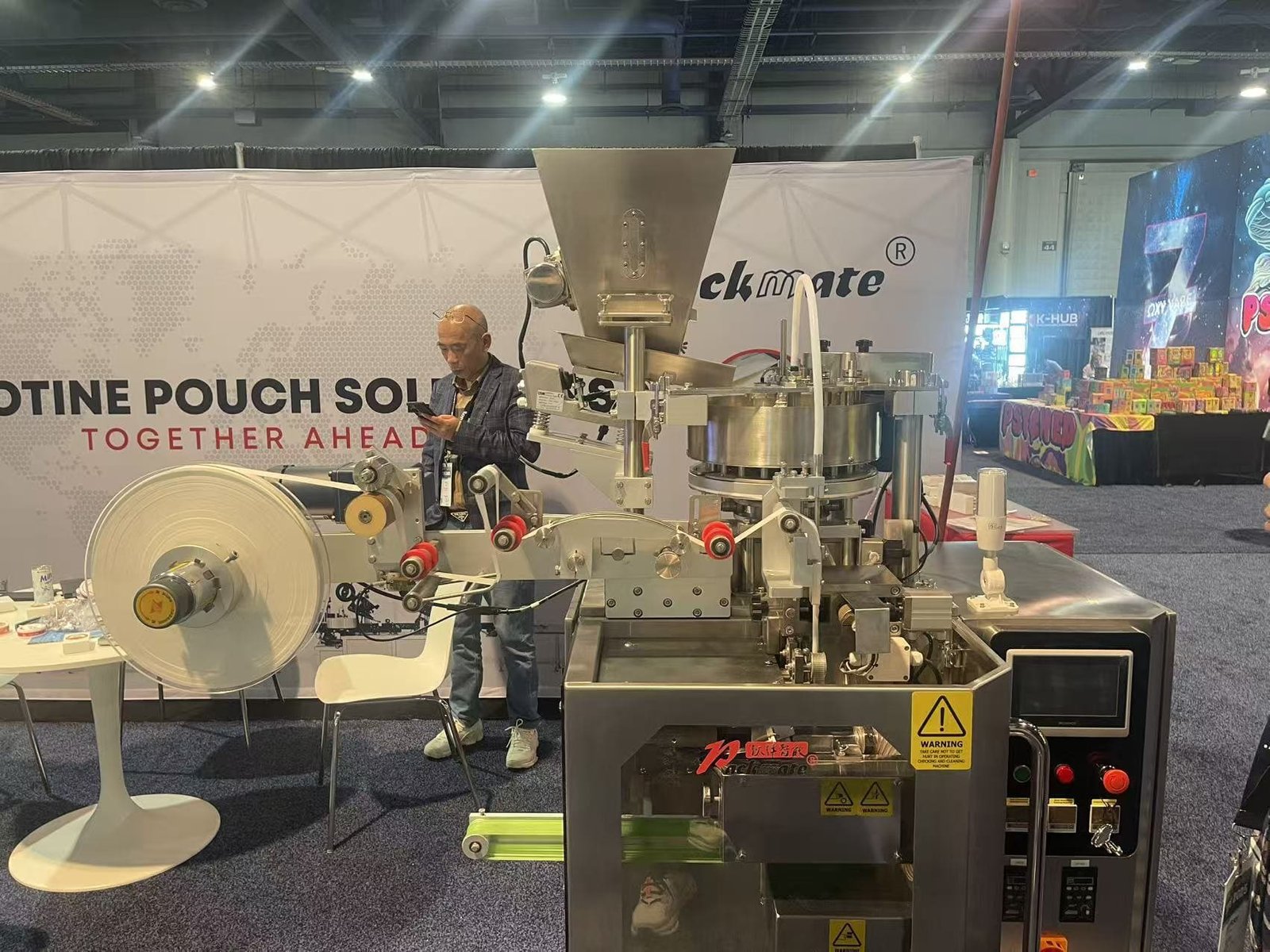
Cost Analysis: Beyond the Purchase Price
The initial machine price is only one component of the total cost of ownership. A comprehensive financial assessment should account for:
- Installation and facility modifications required to accommodate the new equipment
- Energy consumption and utility costs over the machine’s lifespan
- Consumables such as packaging film, lubricants, and cleaning chemicals
- Maintenance and spare parts budgets
- Labor savings resulting from automation
For many manufacturers, partnering with an experienced turnkey packaging solution provider simplifies the process by combining equipment selection, system integration, and ongoing technical support under one roof. Companies with decades of industry experience—such as Ludyway Machinery, a China-based manufacturer with more than 30 years in the packaging industry—offer integrated yogurt packaging lines that can be customized to specific production requirements.
Compliance and International Standards
Depending on your target markets, your packaging machinery may need to comply with specific regulations. CE marking is required for equipment sold in the European Economic Area, while FDA compliance applies to machinery used for food contact applications in the United States. Additionally, standards such as ISO packaging standards provide frameworks for quality and safety that are recognized globally.
Future-Proofing Your Investment
The packaging industry continues to evolve toward greater sustainability, digitalization, and flexibility. When selecting a yogurt packaging machine, consider features that will remain relevant as market demands shift:
- Modular design that allows for future upgrades without replacing the entire system
- Compatibility with recyclable and compostable packaging materials
- IoT-enabled monitoring for predictive maintenance and real-time production data
- Quick-change tooling to accommodate multiple packaging formats on a single platform
Making the Final Decision
Choosing the right yogurt packaging machine involves balancing technical specifications, budgetary constraints, and long-term operational goals. Start by clearly documenting your current and projected production requirements, then evaluate machines from reputable suppliers who can demonstrate successful installations in similar applications. Request references, visit operational facilities when possible, and prioritize suppliers who offer comprehensive after-sales support. The right partnership will not only deliver a reliable machine but also contribute to your production efficiency and business growth over the long term.