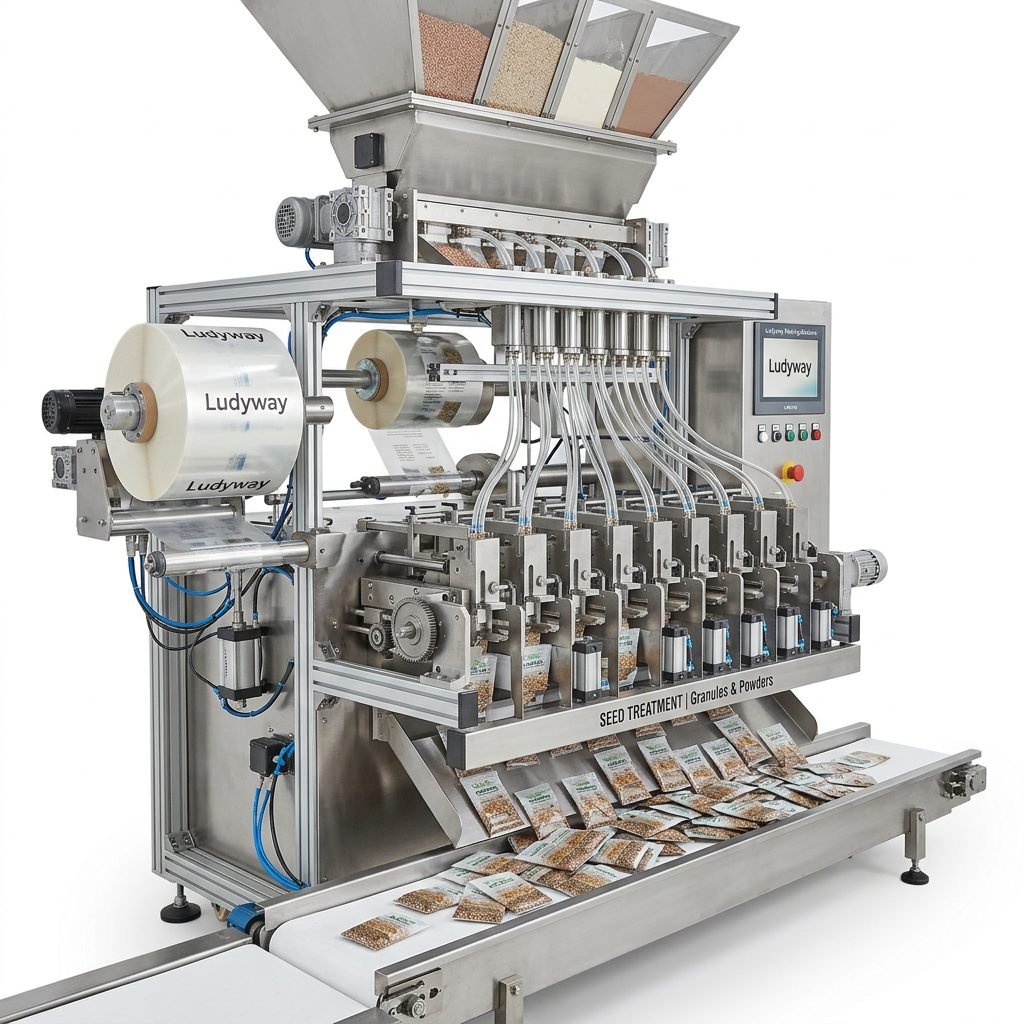
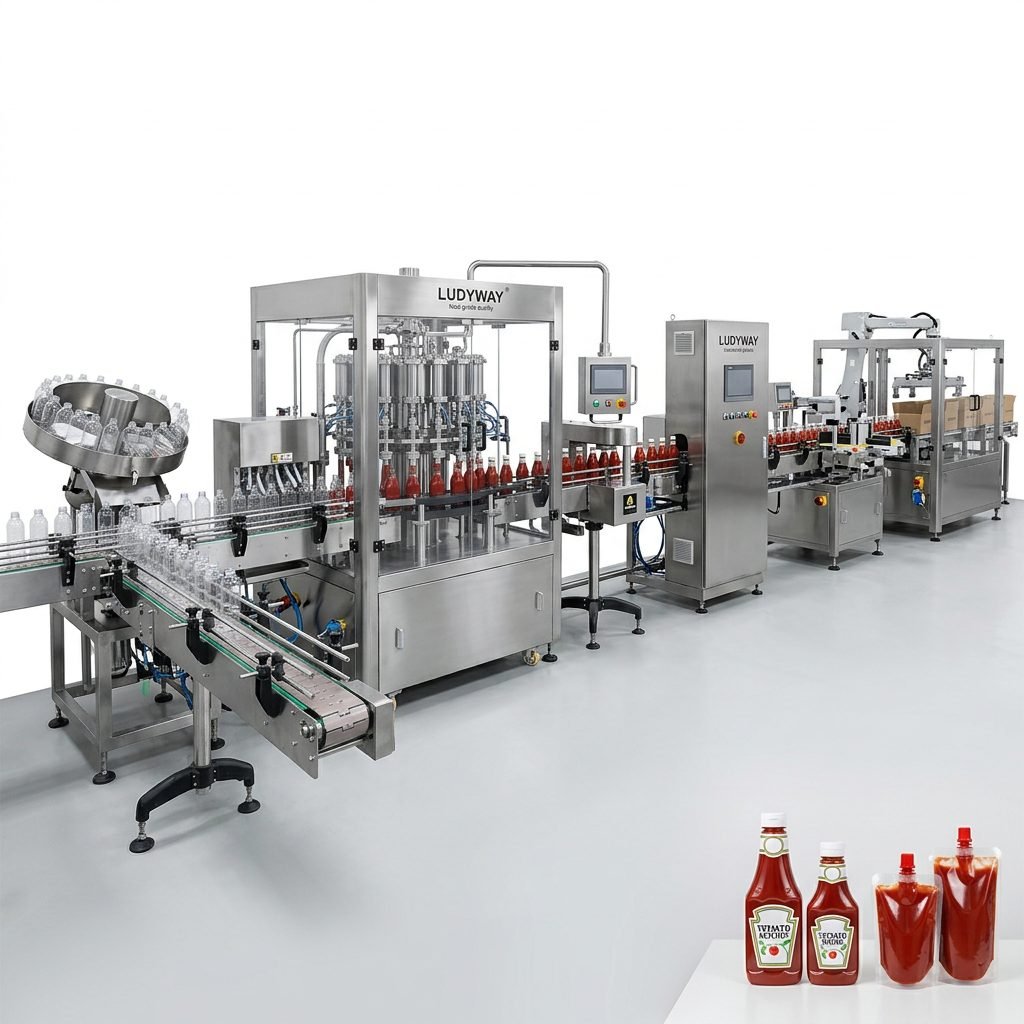
Investing in a cookie packaging machine is a critical decision for bakeries, contract packagers, and food manufacturers across the United States. The right equipment can dramatically improve production speed, extend product shelf life, and ensure consistent quality that builds brand trust. Whether you are packing soft-baked cookies, crunchy biscuits, or delicate sandwich varieties, understanding the available technologies and purchasing factors is essential for making a smart, long-term investment in automated packaging solutions.
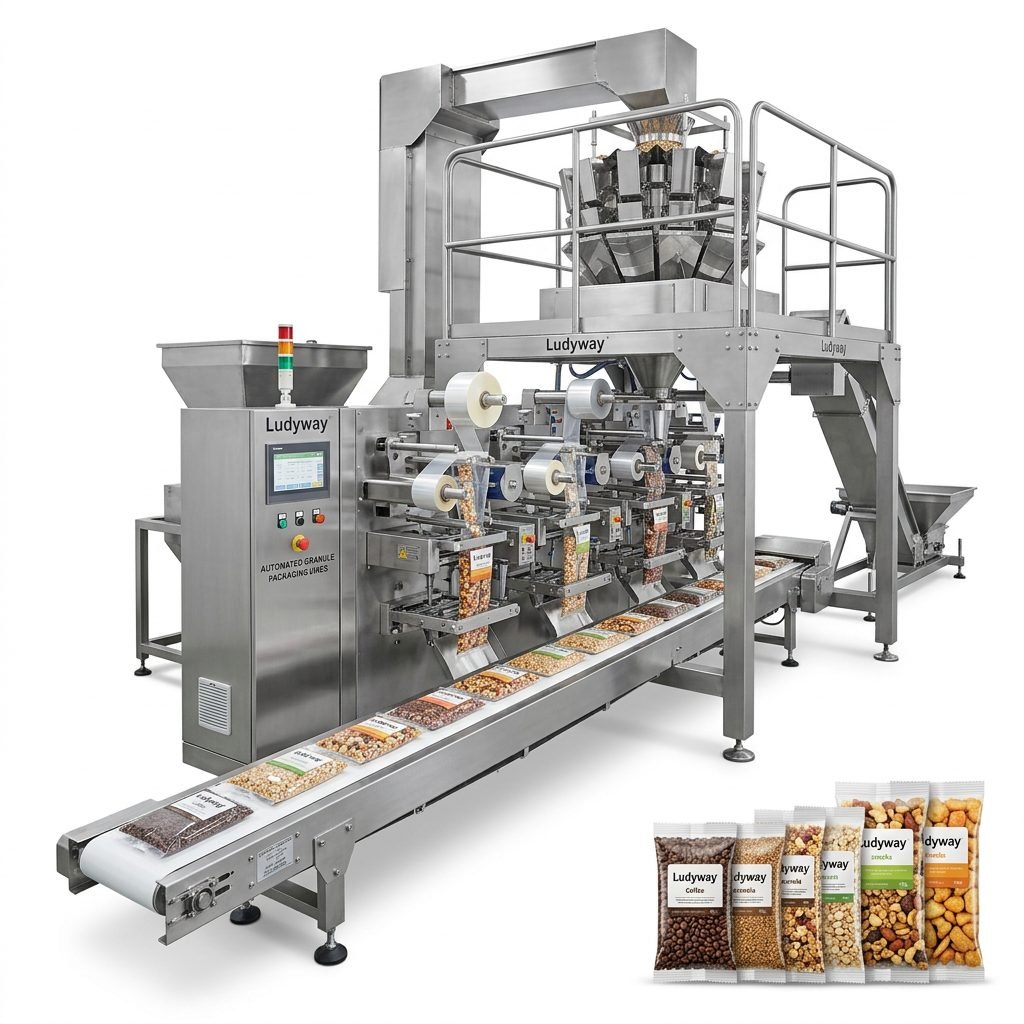
Why Upgrading Your Cookie Packaging Equipment Matters
The U.S. packaged food market demands speed, hygiene, and flexibility. Manual packaging processes often lead to inconsistent weights, slower throughput, and higher contamination risks. Modern cookie packaging machines are designed to handle various packaging styles, from flow wrap and pillow packs to vertical form fill seal (VFFS) pouches and tray sealing systems. By automating the packaging process, manufacturers can achieve output speeds of 30 to over 150 packs per minute, depending on the model and cookie format.
Types of Cookie Packaging Machines Available in the U.S. Market
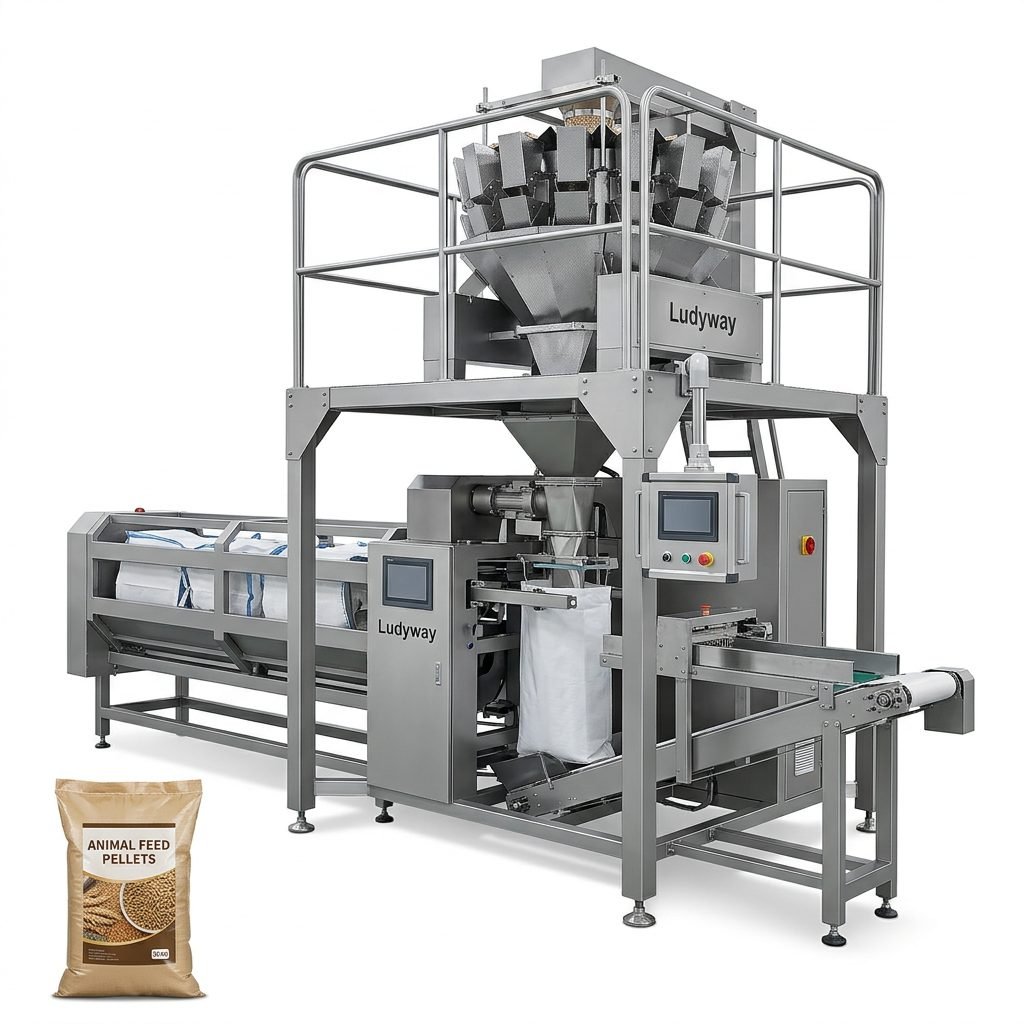
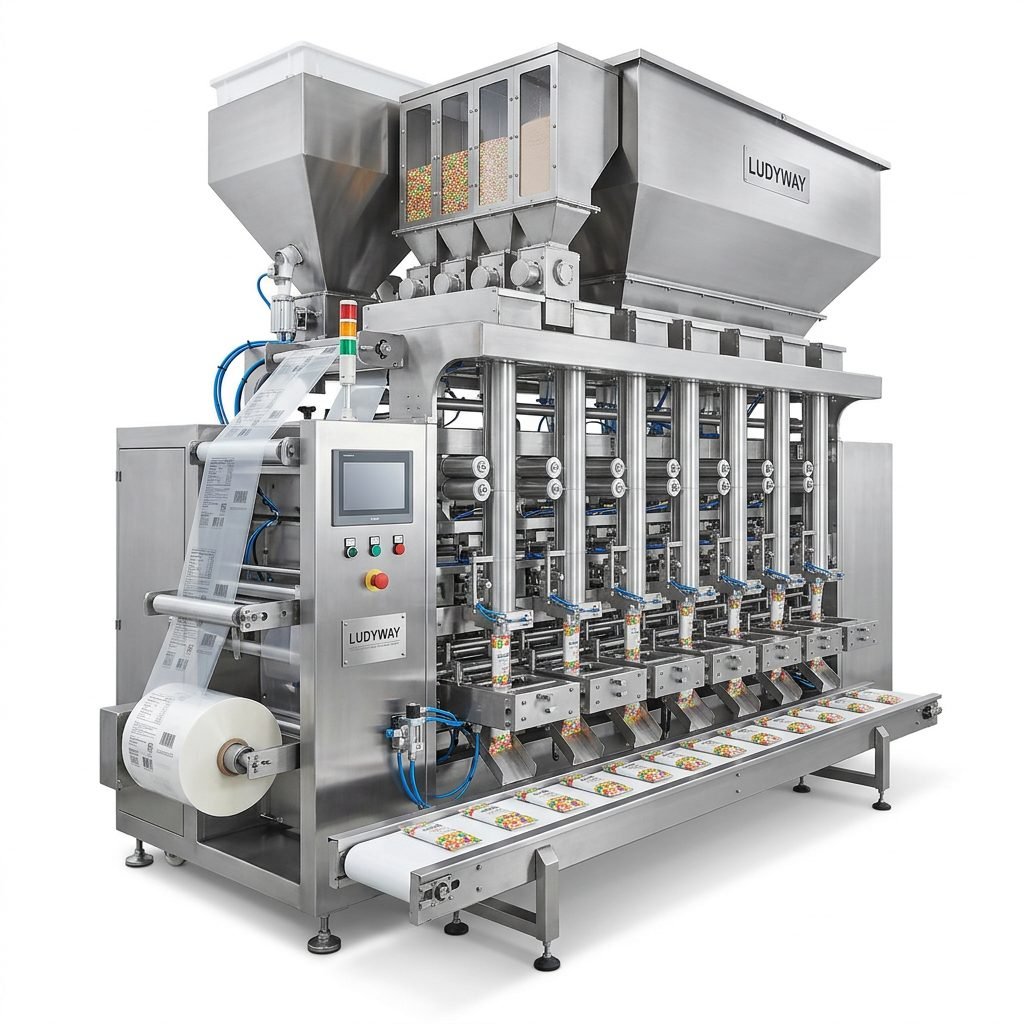
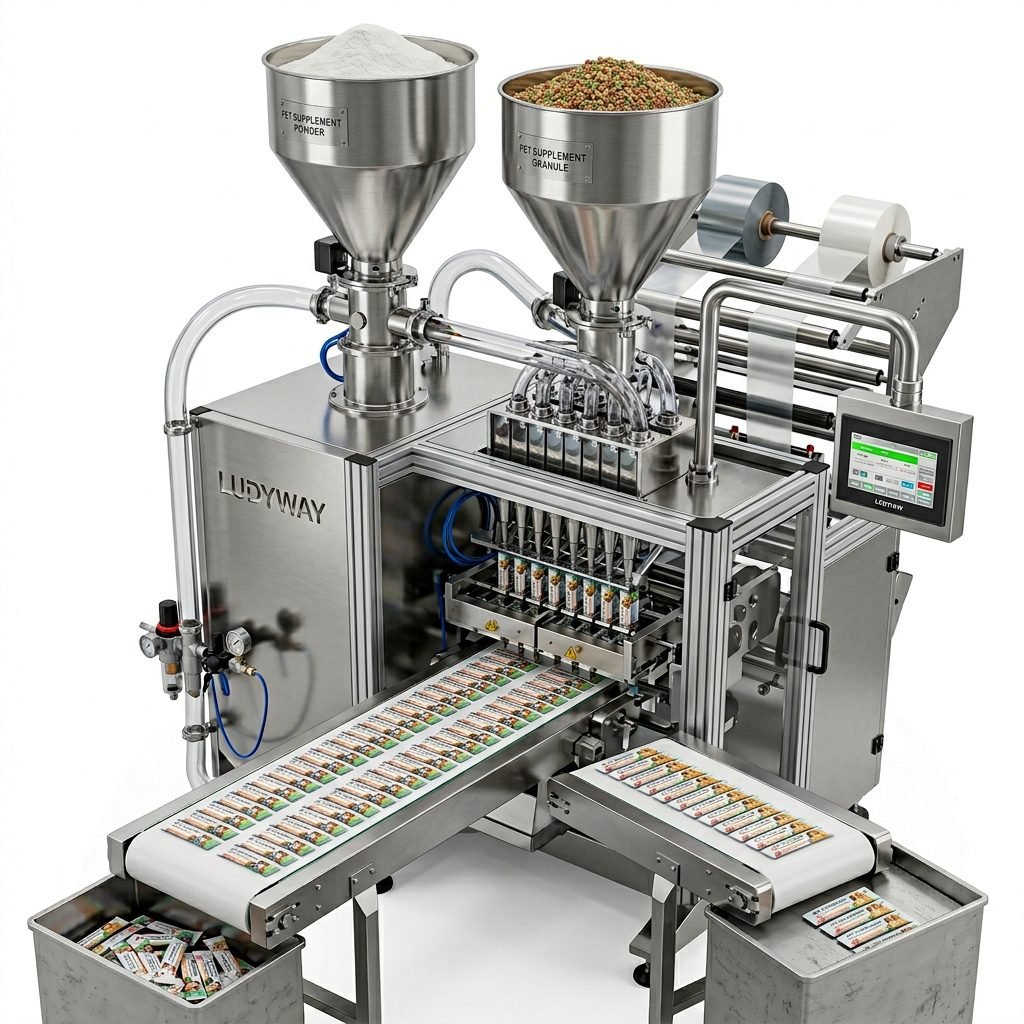
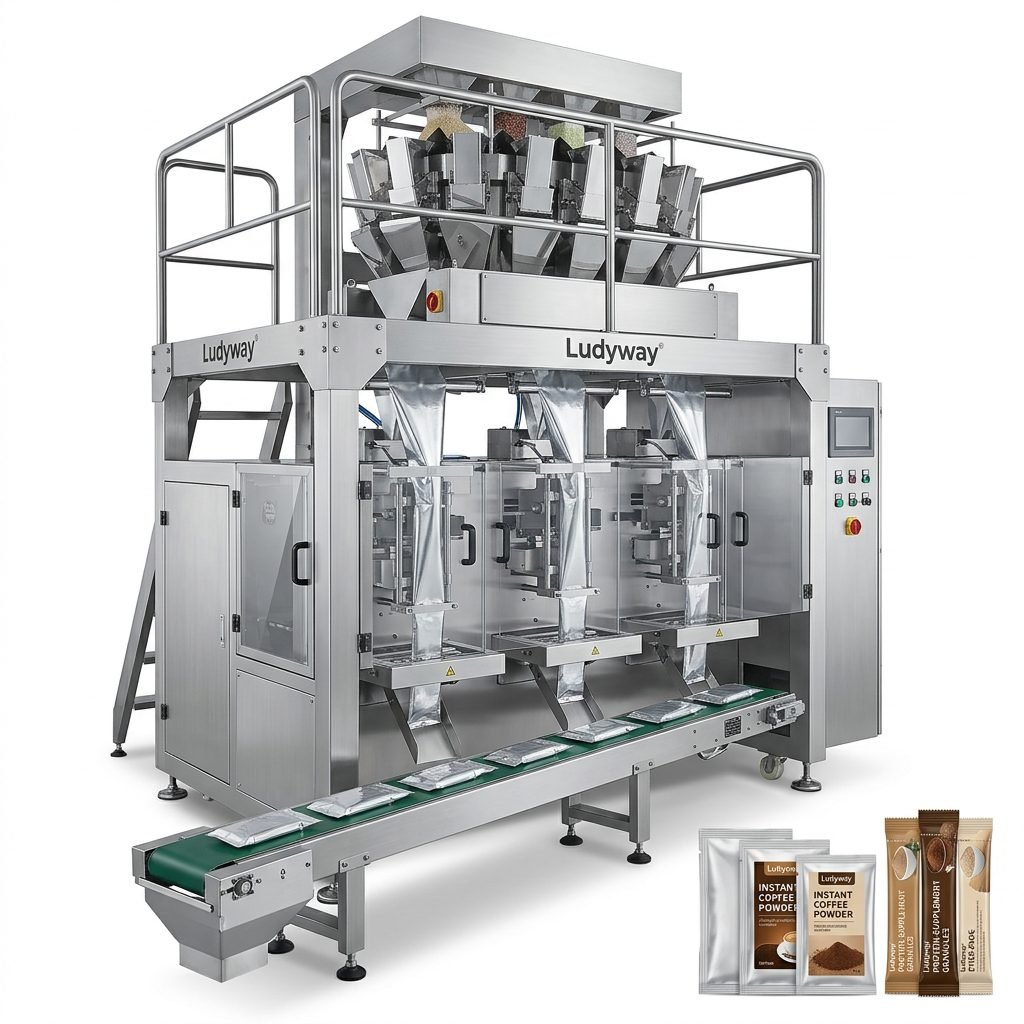
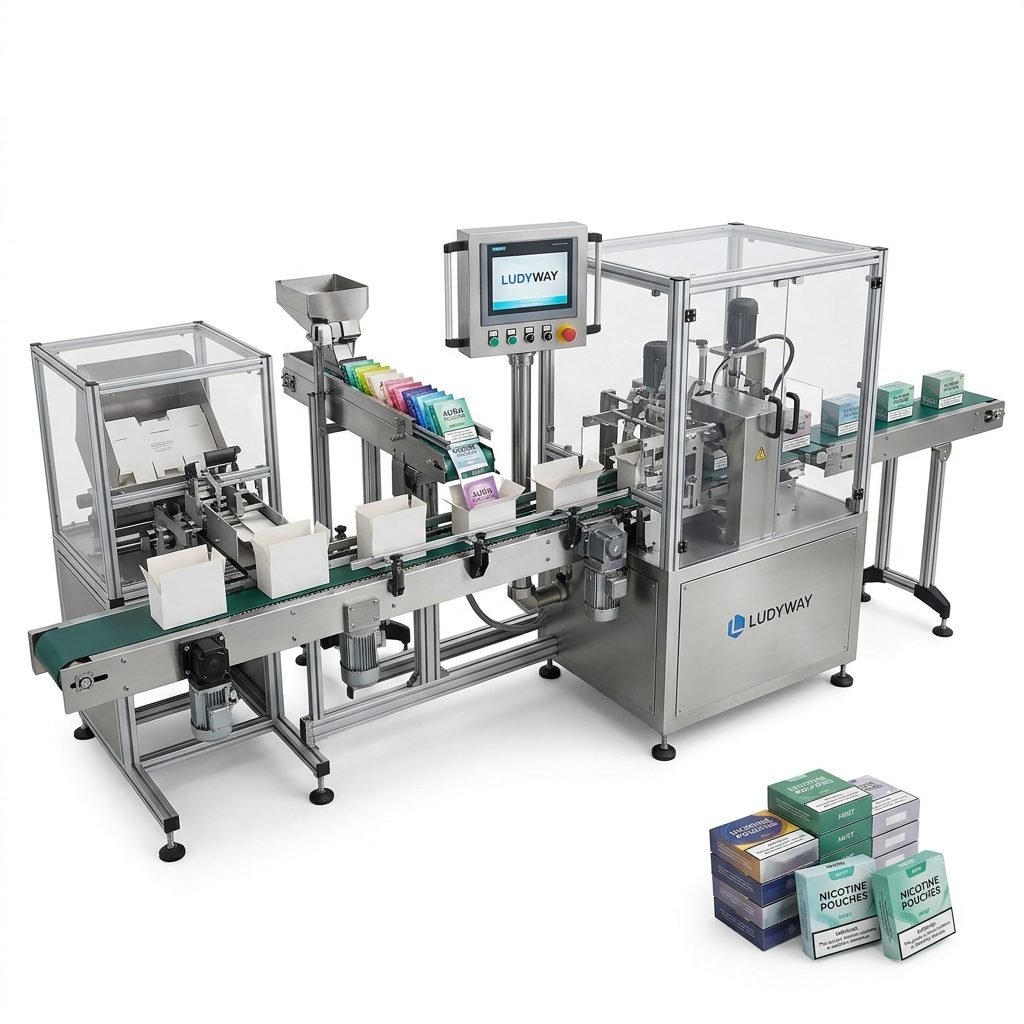
Choosing the right machine begins with understanding the primary configurations. Each type offers distinct advantages for specific cookie shapes, sizes, and desired packaging materials. The most common systems include horizontal flow wrappers, vertical fill seal machines, and pre-made pouch filling seal lines, all widely used in the U.S. packaging industry.
- Horizontal Flow Wrappers (HFFS) – Ideal for single cookies, stacks, or trays. Products are placed on an infeed conveyor, wrapped in film, and sealed with end-sealing jaws. These machines offer high flexibility for different product dimensions and are the standard for slug packs and on-edge cookie packaging.
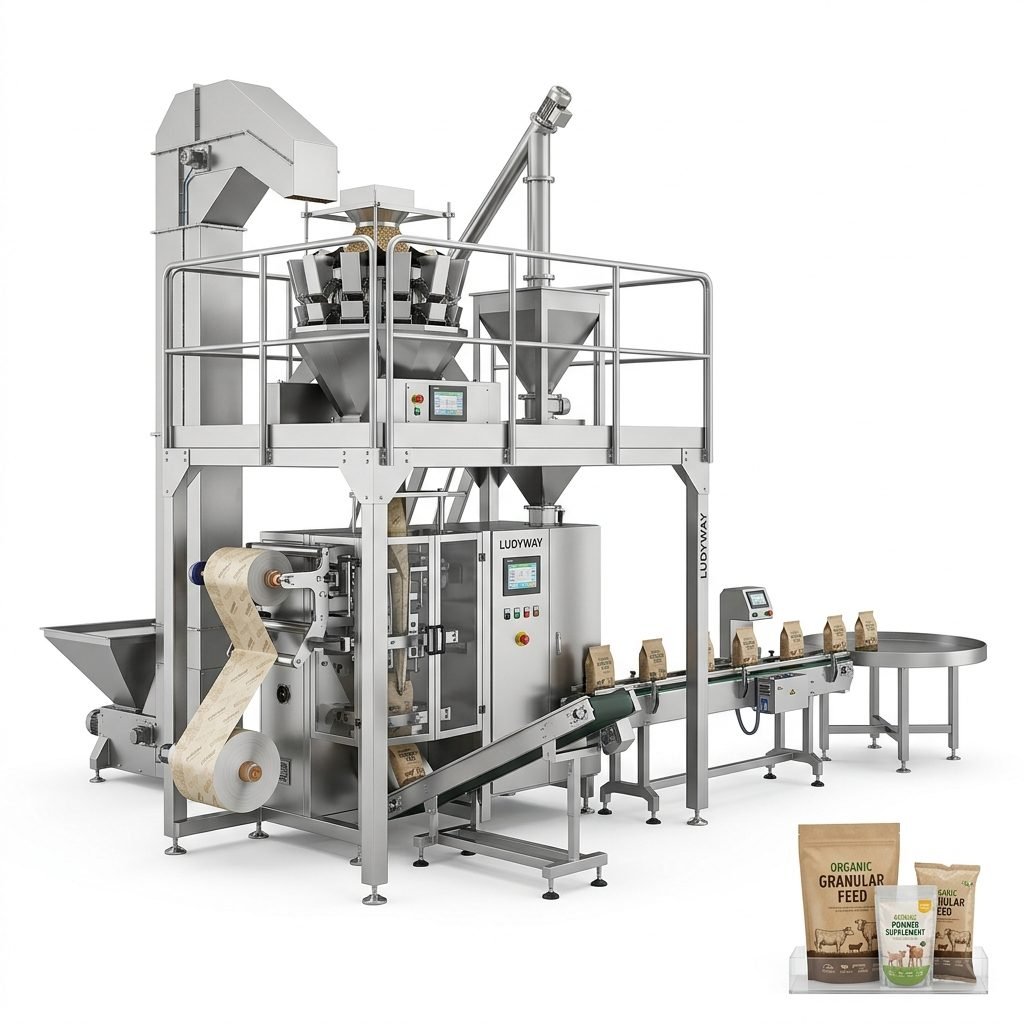
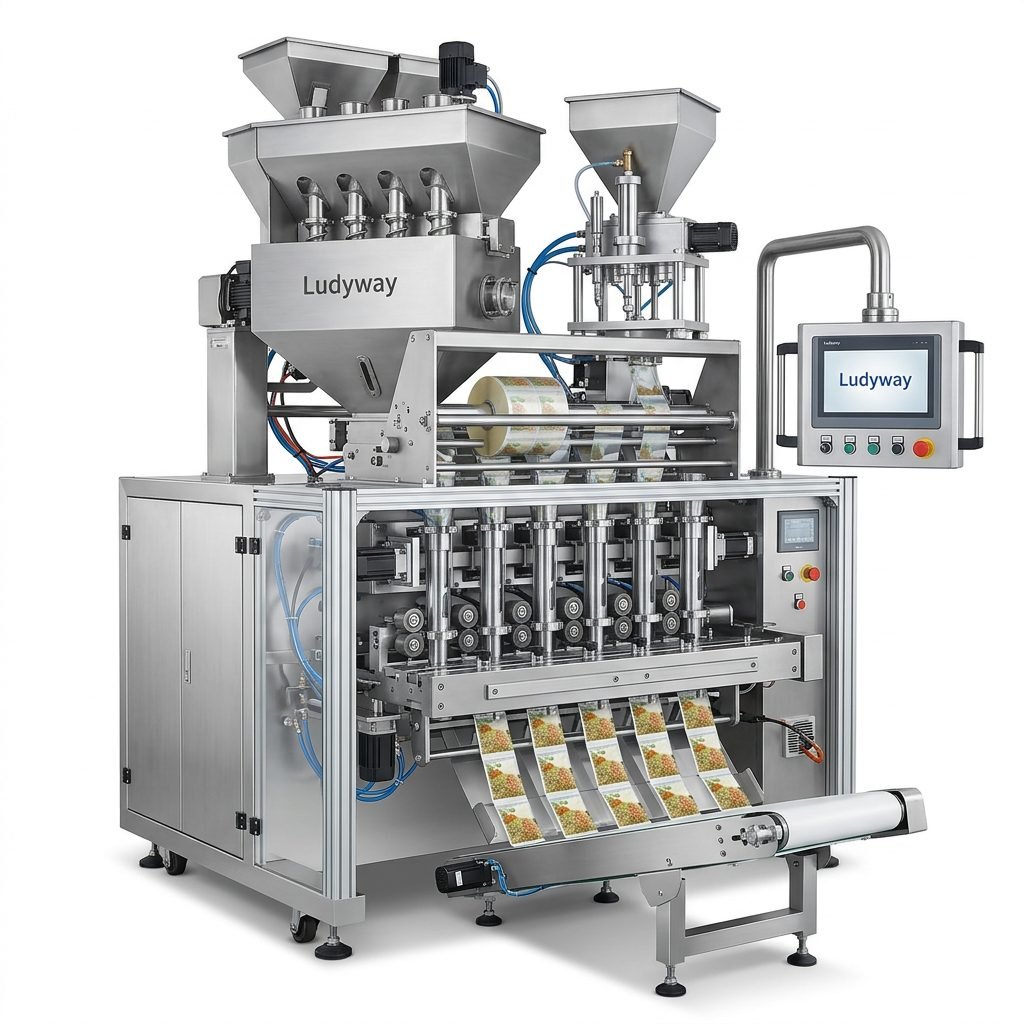
- Vertical Form Fill Seal (VFFS) Machines – Best suited for small, irregularly shaped cookies, mini biscuits, or cookies packaged as multi-count pillow bags. The film is formed into a tube, filled with product, and sealed vertically, making it a cost-effective choice for high-volume production of loose-fill cookie bags.
- Pre-Made Pouch Filling & Sealing Machines – Used for stand-up pouches, zipper resealable pouches, and quad-seal bags. This rotary or inline equipment opens, fills, and seals pre-formed pouches, delivering a premium shelf appearance that stands out on retail shelves.
- Tray Sealing and Overwrapping Machines – For delicate cookies requiring rigid protection, tray sealing systems with modified atmosphere packaging (MAP) extend shelf life significantly, a critical factor for nationwide distribution.

Key Factors to Evaluate Before Purchasing
Procuring a cookie packaging machine in the United States requires a comprehensive evaluation beyond just the initial purchase price. Focusing on operational efficiency, compliance, and total cost of ownership ensures you avoid costly downtime later. Below is a structured comparison of the critical decision-making factors:
| Evaluation Criteria | Key Considerations | Impact on Operations |
|---|---|---|
| Production Speed & Volume | Packs per minute, changeover time, shift capacity | Directly affects throughput and order fulfillment |
| Packaging Format Flexibility | Pillow packs, gusseted bags, quad-seal pouches, multi-packs | Enables product line expansion without new equipment |
| Film & Material Compatibility | Laminated films, biodegradable materials, cold seal films | Critical for shelf life, sustainability goals, and sealing integrity |
| FDA & Food Safety Compliance | Stainless steel construction, washdown capability, HACCP design | Mandatory for regulatory compliance and audit readiness |
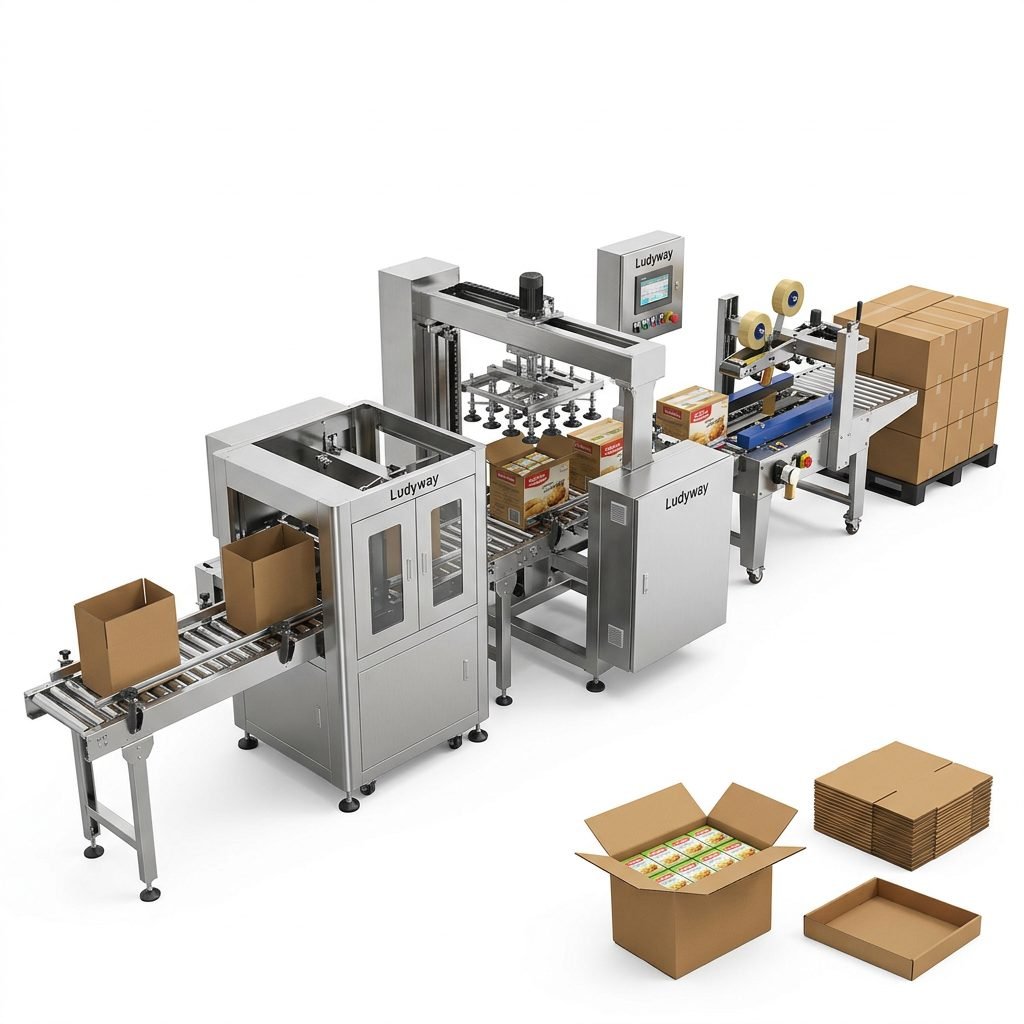
| Integration & Footprint | Compatibility with upstream conveyors, weighers, and downstream cartoners | Optimizes line efficiency and minimizes manual handling |
Understanding U.S. Regulations and Standards
Any cookie packaging machine operating in the United States must adhere to strict standards set by the Food and Drug Administration (FDA) for food contact surfaces and general manufacturing practices. Equipment should be constructed from 304 or 316 stainless steel in product contact zones. Additionally, looking for machinery that aligns with PMMI packaging standards and ANSI safety requirements ensures both operator safety and product integrity. The sanitation design should allow for easy disassembly and cleaning, reducing the risk of allergen cross-contamination, which is particularly crucial for facilities processing nut-based, gluten-free, or dairy-free cookies on shared lines.
Advanced Features That Boost Productivity
Modern cookie packaging equipment integrates advanced electronics and servo-driven controls to enhance precision and reduce waste. Features like automatic film tracking, no-product-no-bag sensors, and digital recipe management allow operators to switch between different cookie sizes in just minutes. Gas flushing technology, which replaces oxygen with nitrogen or carbon dioxide inside the package, can extend shelf life by up to 6 months, making it a major advantage for brands expanding into national retail chains and e-commerce fulfillment. Integrated checkweighers and metal detectors further ensure quality assurance without slowing down the line.
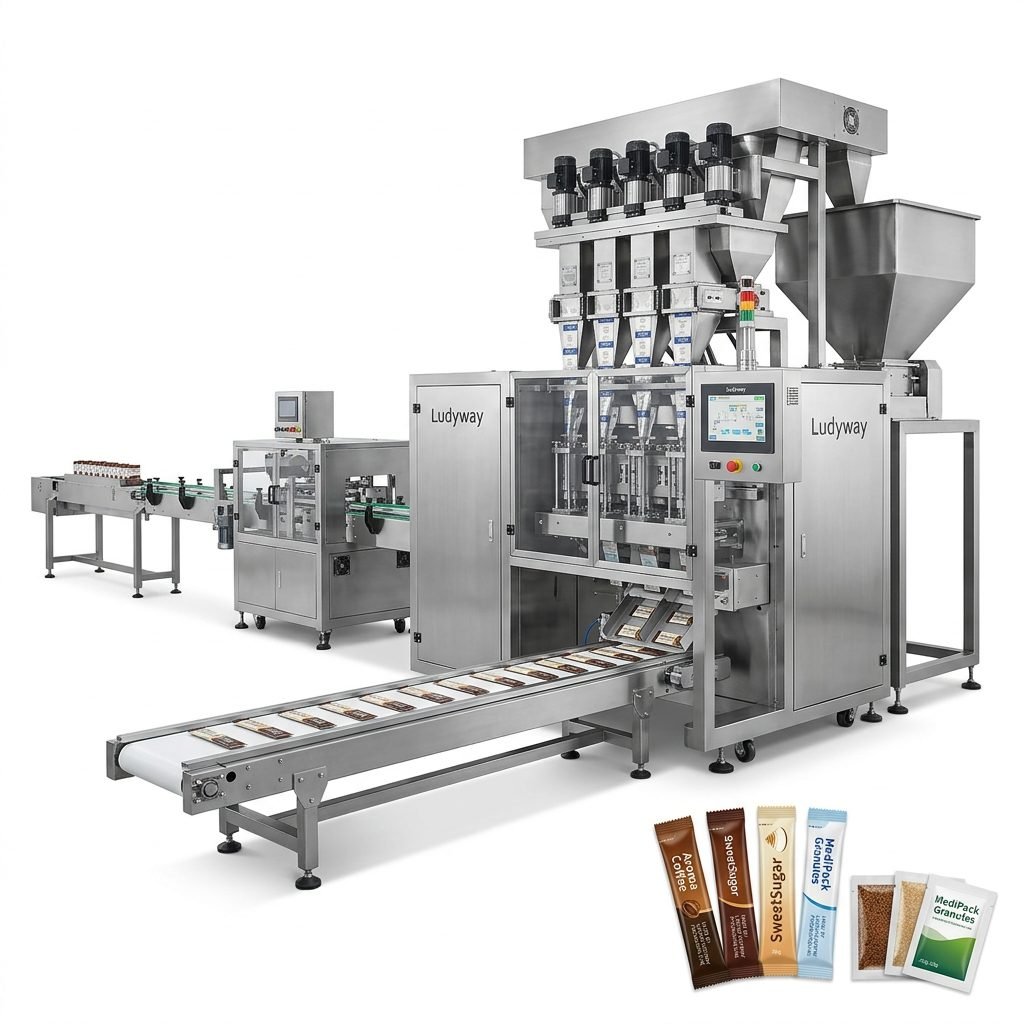
Servo-Driven Sealing and Cutting Precision
Older mechanical packaging machines often struggle with maintaining consistent seal integrity at high speeds. Servo-driven models provide precise control over jaw temperature, dwell time, and pressure, resulting in stronger seals and reduced film waste. This precision also enables the use of thinner, more sustainable film materials, lowering both packaging costs and environmental footprint over time.
Calculating Total Cost of Ownership (TCO)
While the upfront investment for an automated cookie packaging line may seem significant, calculating the total cost of ownership reveals a more complete picture. TCO includes installation, training, maintenance, spare parts inventory, film consumption rates, and energy usage. A machine that costs 15% more upfront but delivers 30% higher uptime and uses 20% less film will deliver lower TCO over its lifetime. For U.S. manufacturers facing rising labor costs, a reliable cookie packaging machinery solution with low maintenance requirements delivers significant operational savings within the first 18 to 24 months of operation.
Selecting a Reliable Supplier with Strong U.S. Support
Partnering with a supplier that offers responsive technical support, readily available spare parts, and localized service is critical for minimizing downtime in U.S. production facilities. Look for companies that provide remote diagnostics, on-site training, and clear warranty terms. Long-term success depends on a collaborative relationship where the supplier understands your production goals and scales with your business. Manufacturers like Ludyway have extensive experience in providing advanced packaging equipment and turnkey production solutions, offering reliable systems designed for high-efficiency food packaging operations globally. Evaluating a supplier’s engineering depth and track record in the international packaging industry gives you confidence in their ability to deliver consistent performance and support.
The Future of Cookie Packaging: Automation and Sustainability
The U.S. market is moving rapidly toward fully automated, smart packaging lines capable of real-time data collection and integration with plant-wide manufacturing execution systems (MES). Sustainability also plays a growing role, with more brands demanding recyclable mono-material films and reduced plastic usage. Investing in a flexible machine platform today ensures your facility can adapt to these evolving demands without requiring a complete equipment overhaul in the near future. Waste reduction algorithms, energy-efficient servo motors, and modular machine designs are shaping the next generation of cookie packaging technology.
Related Industry Resources
Staying informed about packaging innovations and standards is essential for making educated capital equipment decisions. Here are several authoritative resources for U.S. food packaging professionals:
- FDA Food Packaging & Food Contact Substances – Regulatory guidelines for food packaging materials and machinery in the United States.
- Flexible Packaging Association (FPA) – Industry insights, flexible packaging data, and sustainability resources for U.S. manufacturers.
- PMMI Business Intelligence and State of the Industry Reports – Market research and economic reports on the North American packaging machinery sector.
- ISO Packaging Standards – International standards for packaging machinery safety, performance, and validation testing.

Making Your Final Decision on a Cookie Packaging Machine
Purchasing the right cookie packaging machine for your U.S. operation is a strategic decision that influences product quality, brand reputation, and operational cost structure. Take the time to test your actual products on shortlisted equipment, verify supplier references in the U.S. market, and confirm service capabilities before signing a purchase agreement. A well-chosen machine will scale with your production needs and adapt to market trends, providing a strong return on investment for years to come. For additional guidance on the latest packaging machinery standards and industry performance benchmarks, the 2025 state of the industry report provides valuable data for equipment buyers evaluating future capacity investments.