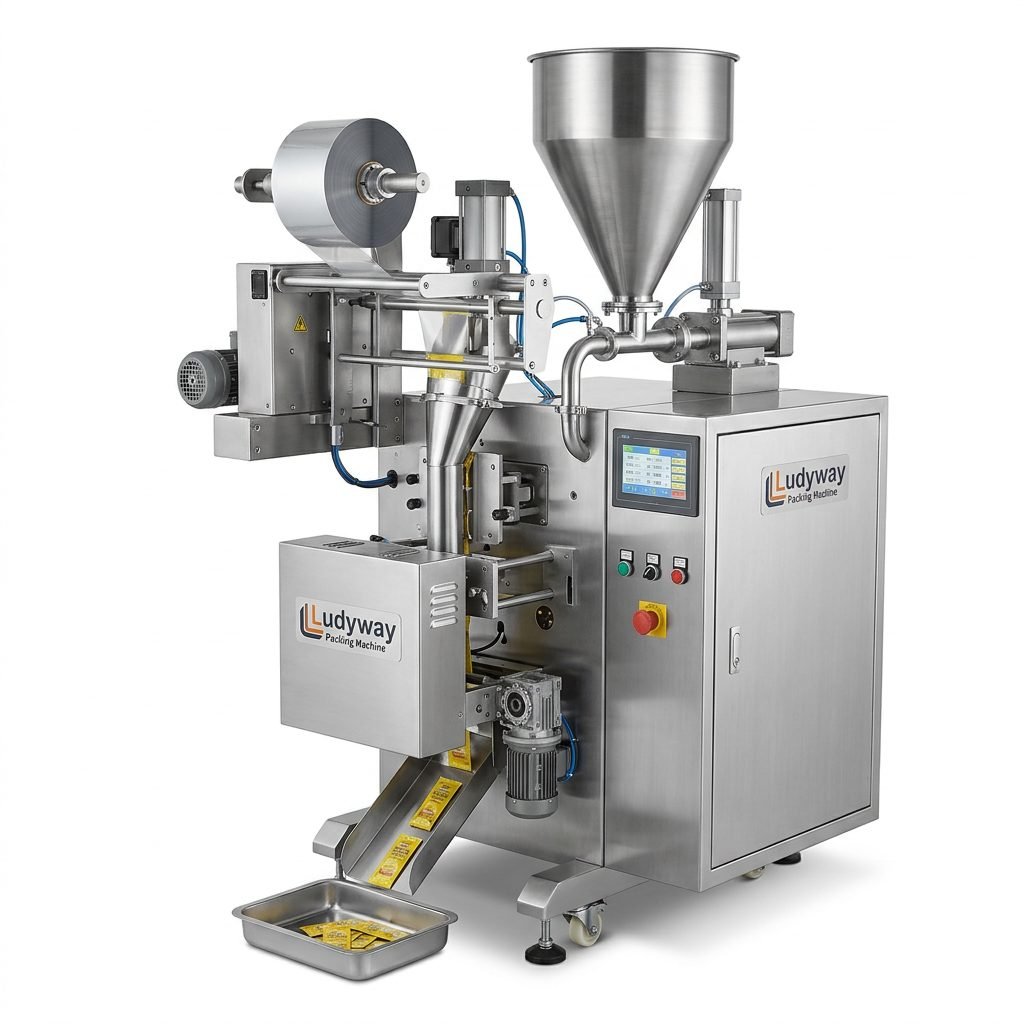
Investing in a pellet packing machine is a significant decision that directly affects your production efficiency, product quality, and long-term operational costs. With dozens of machine types, configurations, and suppliers available in the global market, the selection process can quickly become overwhelming. This guide walks you through the essential factors to evaluate before making a purchase, helping you choose equipment that aligns with your product characteristics, production goals, and budget.
1. Define Your Product Characteristics First
Before comparing machine specifications, start with a thorough analysis of the material you need to package. Product characteristics are the single most important factor in determining the right equipment configuration. Consider these critical properties:
- Flowability: Free-flowing granules require different dosing mechanisms compared to cohesive or sticky powders. A product with poor flowability may need agitated hoppers or specialized auger fillers.
- Particle size and distribution: Uniform pellets can use volumetric cup fillers, while irregular shapes may need multi-head weighers for accurate dosing.
- Bulk density: Light, fluffy powders require larger fill volumes and different dust control measures than dense granules.
- Moisture sensitivity: Hygroscopic products demand sealed filling environments and possibly nitrogen flushing capabilities.
- Abrasiveness: Hard, abrasive pellets accelerate wear on contact parts and require durable material construction.
2. Understand Your Target Packaging Format
The type of package you need determines the core machine category. Pellet packing machines come in various configurations based on the final packaging format:
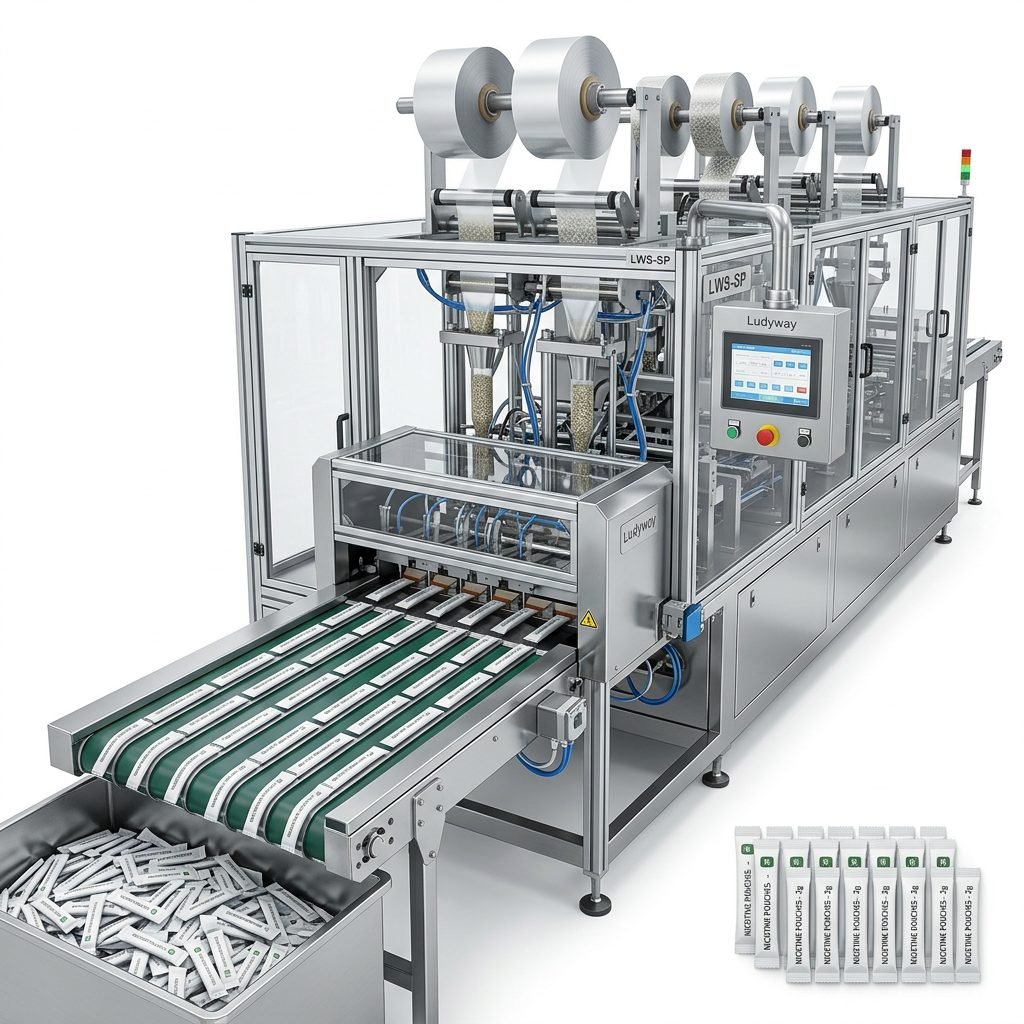
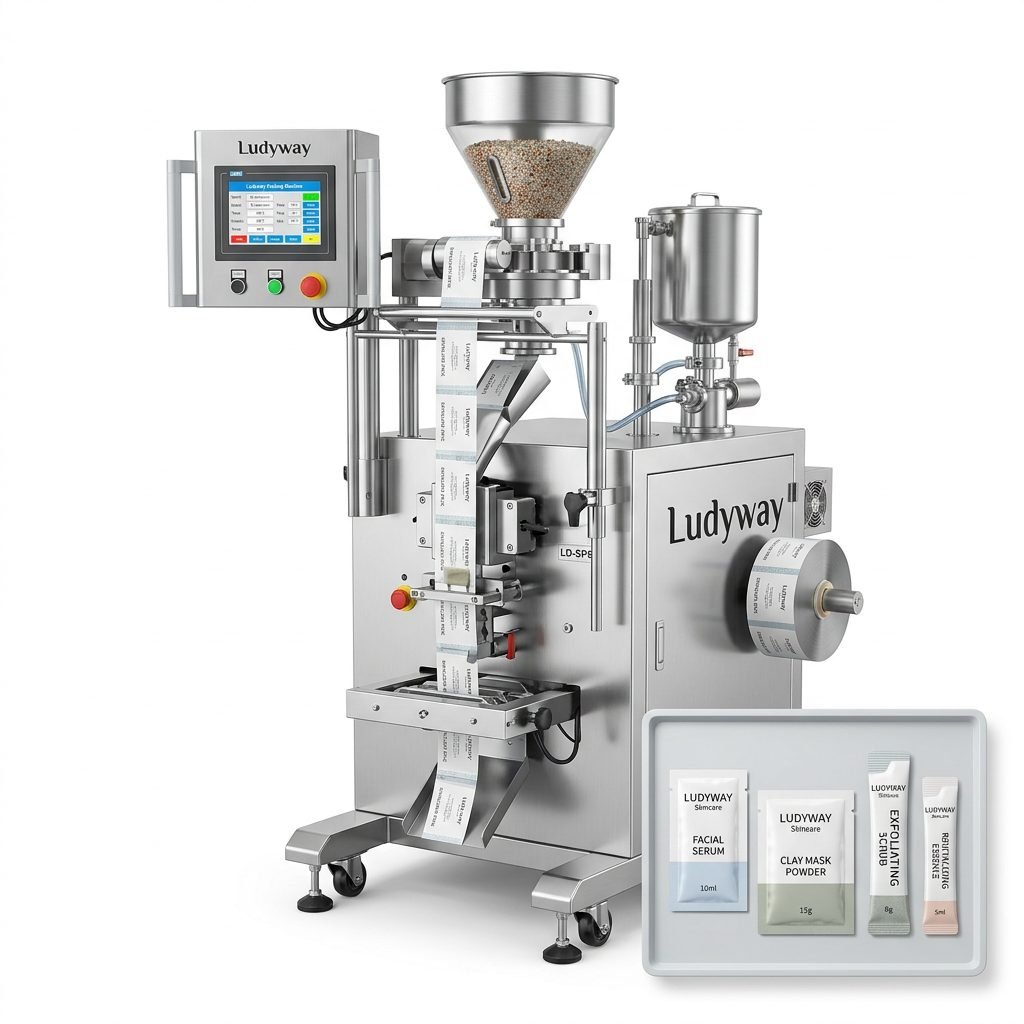
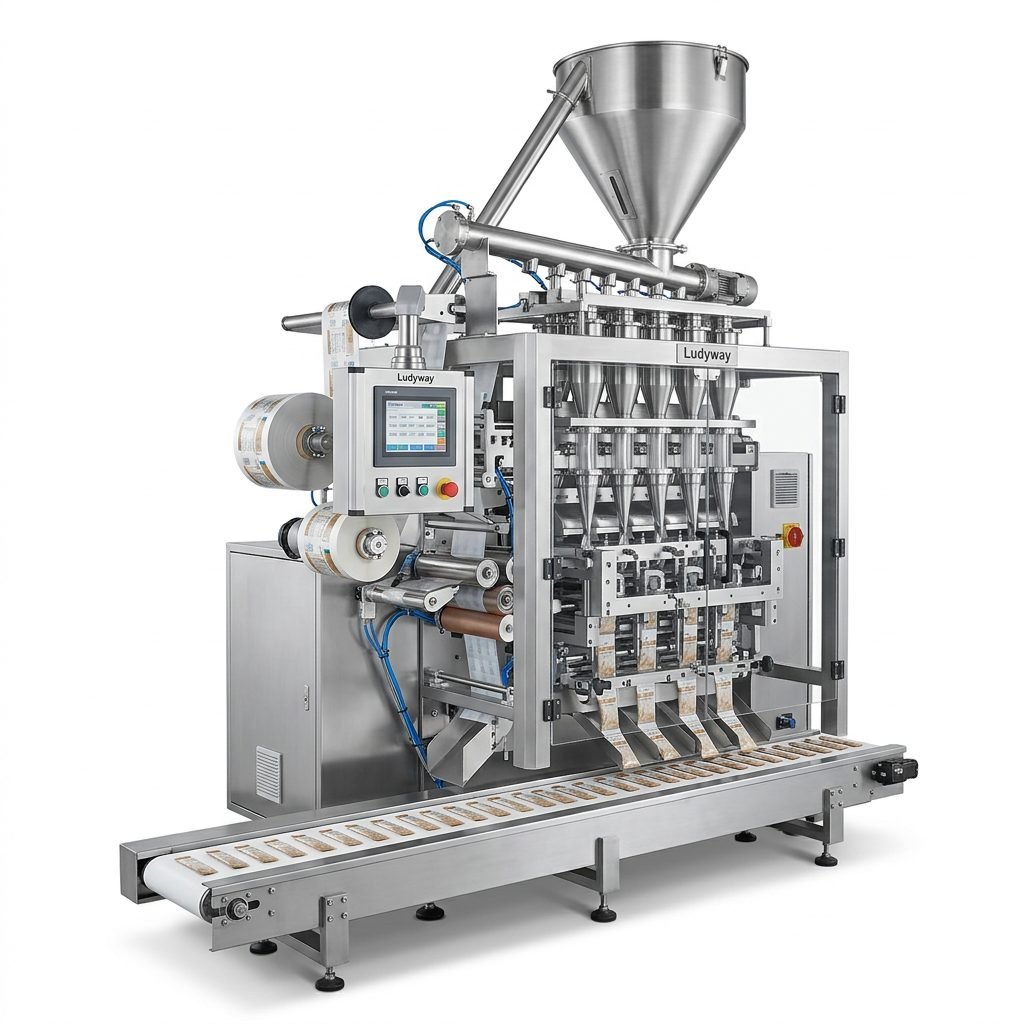
- Stick packs: Narrow, single-serve sachets ideal for dietary supplements, instant beverages, and pharmaceutical granules. Multi-lane stick pack machines can produce 400–600 packs per minute per lane.
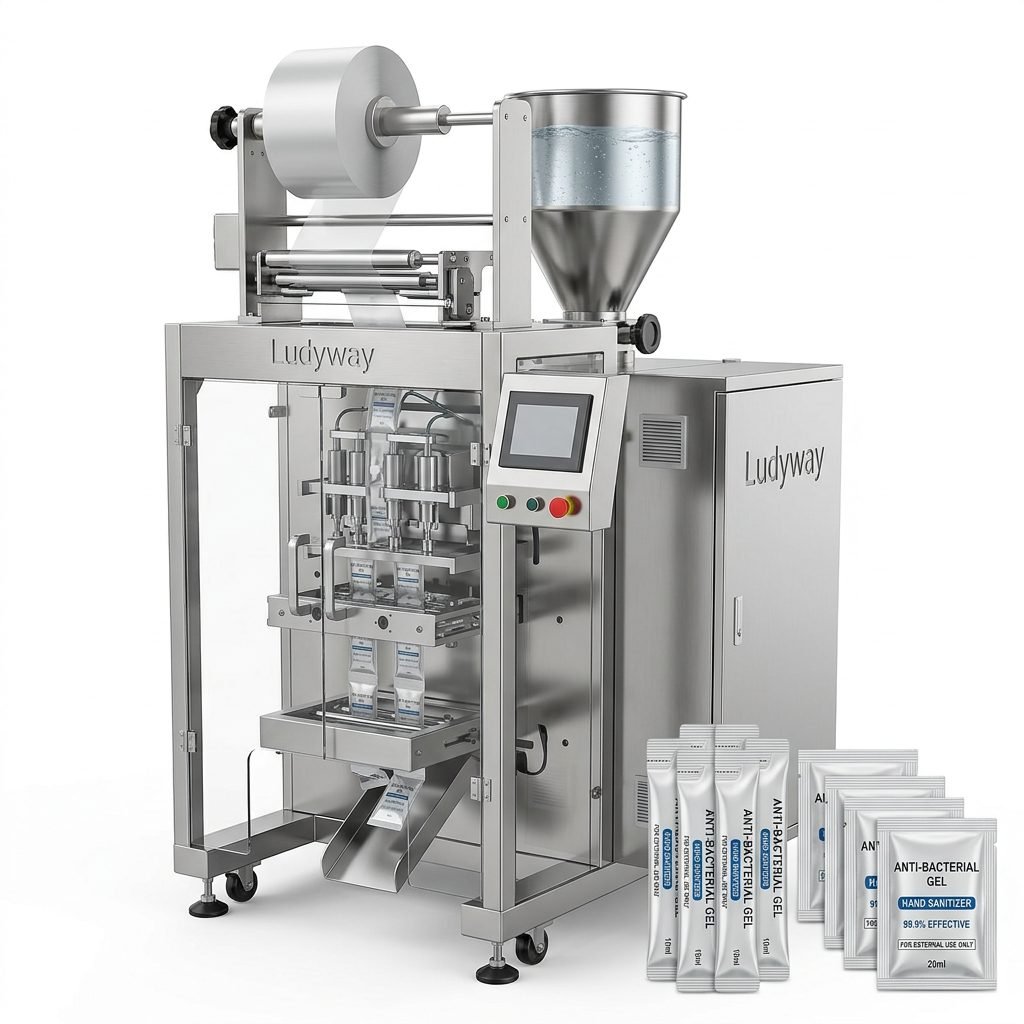
- Sachets and three-side-seal pouches: Flat or gusseted pouches for sample portions, condiments, and single-use products across food, cosmetics, and chemical sectors.
- Pillow bags: Common for snack pellets, pet food, and bulk granule packaging with back or fin seals.
- Gusseted and stand-up pouches: Retail-ready formats with enhanced shelf presence, requiring flexible packaging material compatibility and zipper application options.
- Bulk bags (10kg–50kg): Industrial pellet packaging for agricultural, chemical, and construction materials requiring robust weighing and filling systems.
3. Evaluate Production Speed and Capacity Requirements
Matching machine speed to your current and projected production needs prevents both under-investment and costly over-specification. When assessing speed, consider:
- Current daily output: Calculate in units per shift, not just theoretical maximums.
- Seasonal demand fluctuations: Some industries experience significant peak periods requiring surge capacity.
- Future growth projections: A machine should accommodate at least 3–5 years of projected growth without becoming a bottleneck.
- Changeover frequency: Frequent product or format changes reduce effective output; look for quick-change features and tool-less adjustments.
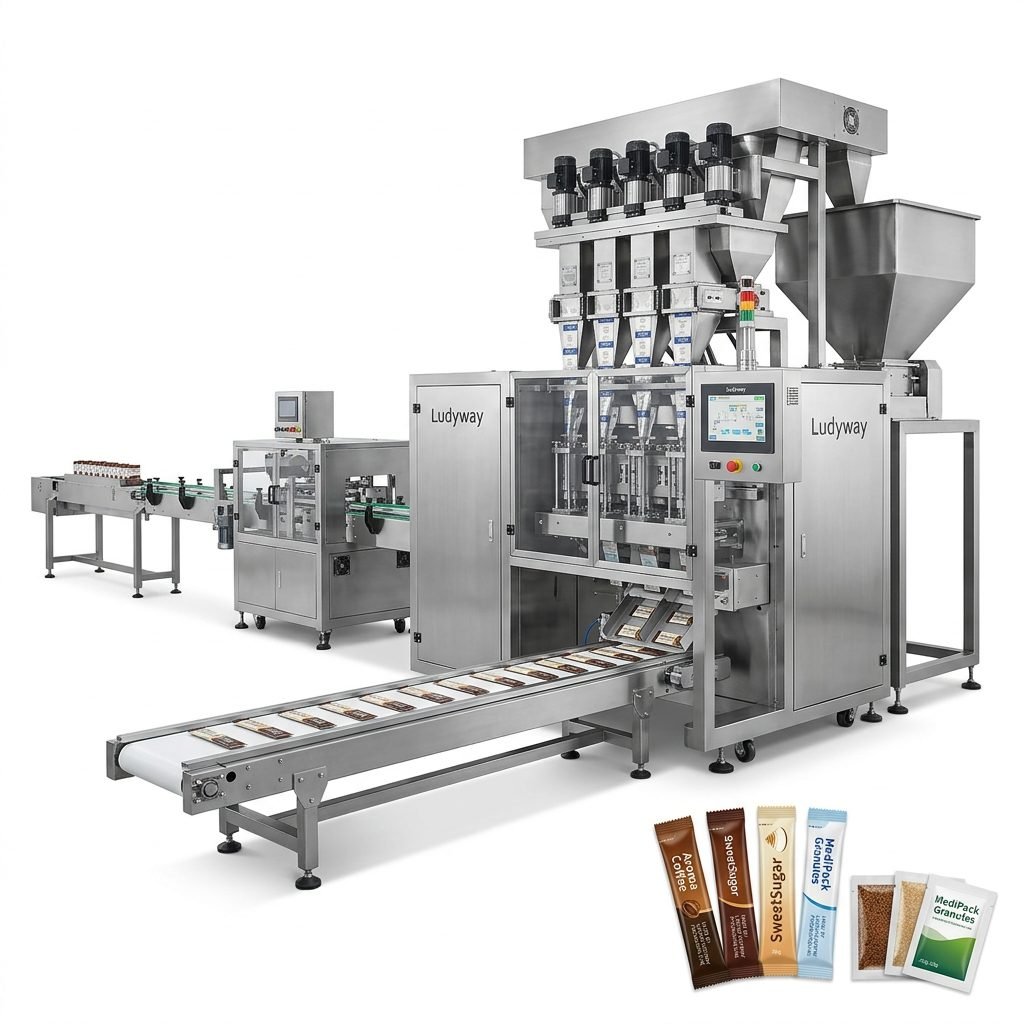
Single-lane machines typically operate at 30–80 packs per minute, while multi-lane systems can achieve 200–800 packs per minute depending on the number of lanes and product characteristics. For reference, industry data shows that automated packaging lines consistently outperform semi-automatic alternatives by 3–5 times in throughput.
4. Key Machine Configuration: A Comparison
Different dosing technologies suit different pellet and granule types. The following table summarizes the most common configurations available in modern pellet packing machines:
| Dosing System | Best For | Accuracy | Speed Range | Typical Applications |
|---|---|---|---|---|
| Volumetric Cup Filler | Free-flowing uniform pellets | ±1–2% | 30–80 ppm | Sugar, salt, plastic pellets |
| Auger Filler | Non-free-flowing powders and granules | ±0.5–1% | 20–60 ppm | Flour, protein powder, spices |
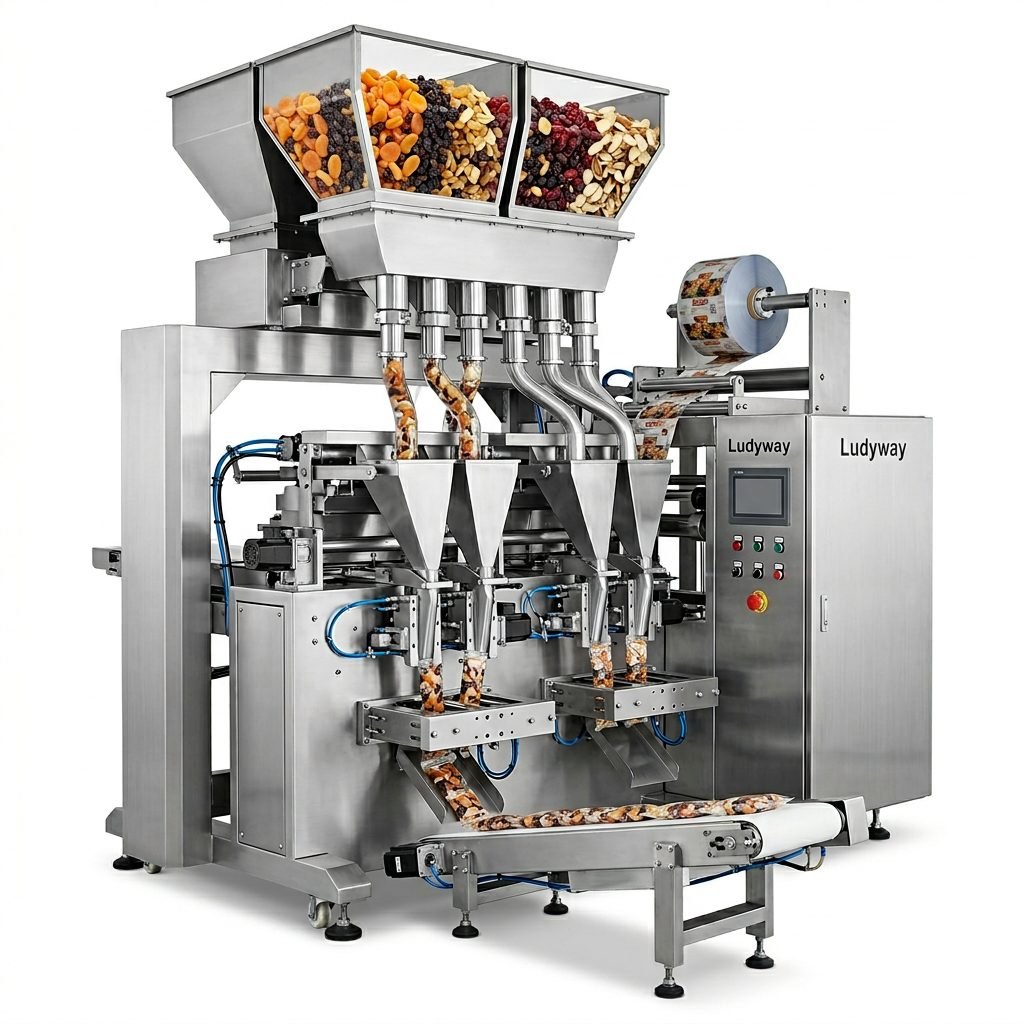
| Multi-Head Weigher | Irregular pellets, high-value products | ±0.1–0.5% | 60–120 ppm | Nuts, snacks, pet food |
| Linear Weigher | Medium-speed granular products | ±0.5–1% | 30–60 ppm | Rice, grains, seeds |
| Combination Scale | Mixed products, high precision | ±0.05–0.2% | 40–80 ppm | Pharma granules, premium foods |
5. Consider Industry-Specific Requirements
Each industry imposes unique demands on packaging equipment. Selecting a machine without considering these requirements can lead to compliance failures and costly retrofits. Key industry considerations include:
Food and Beverage
Food-grade stainless steel construction (typically 304 or 316L stainless steel), easy-clean designs, and compliance with FDA food contact substance regulations are essential. Look for IP65 or higher washdown ratings for wet cleaning environments. Metal detectable components and HACCP-compatible designs add operational safety.
Pharmaceuticals and Nutraceuticals
Stringent GMP requirements demand validated dosing accuracy, comprehensive documentation, and ISO packaging standards compliance. Serialization and track-and-trace capabilities are increasingly mandatory. Dust containment systems and HEPA-filtered enclosures protect both operators and product integrity.
Chemicals and Industrial Products
Corrosion-resistant materials, explosion-proof configurations for combustible dusts, and robust sealing systems for aggressive products are non-negotiable. Machines handling hazardous materials must comply with local and international safety directives.
6. Automation Level and Integration Capabilities
The degree of automation you choose affects labor requirements, consistency, and overall line efficiency. Evaluate where your operation falls on the automation spectrum:
- Semi-automatic: Lower initial investment but requires manual loading, unloading, or intervention at multiple stages. Suitable for lower volumes and frequent product changes.
- Fully automatic stand-alone: Automated filling, sealing, and discharge with minimal operator intervention. Ideal for dedicated production runs.
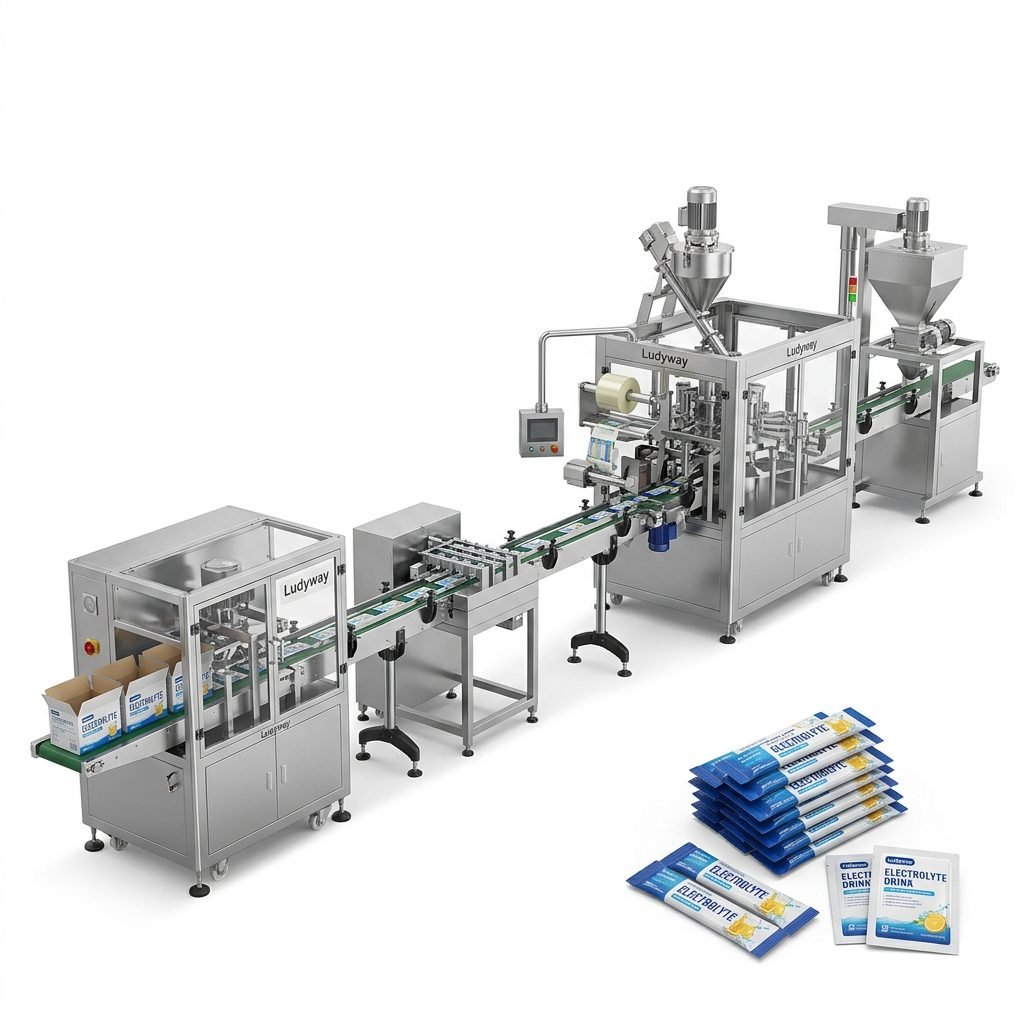
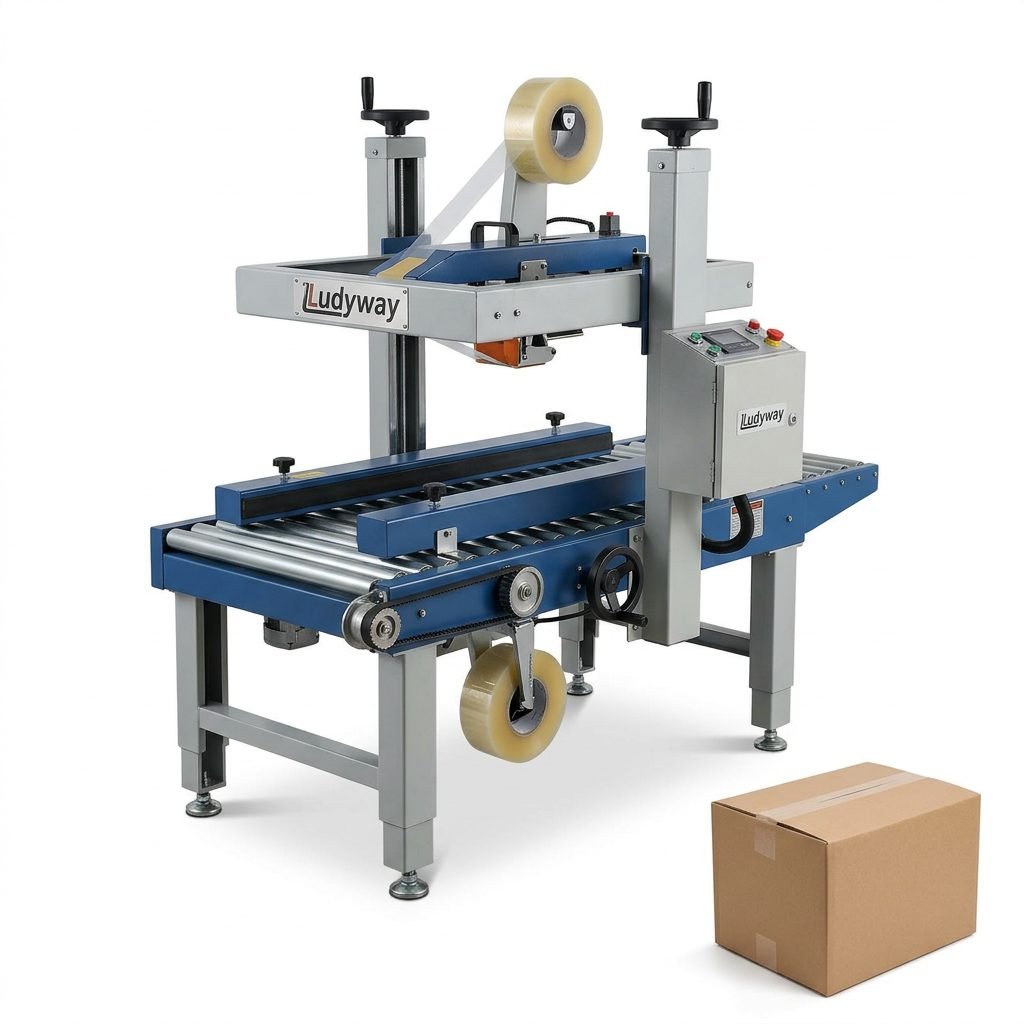
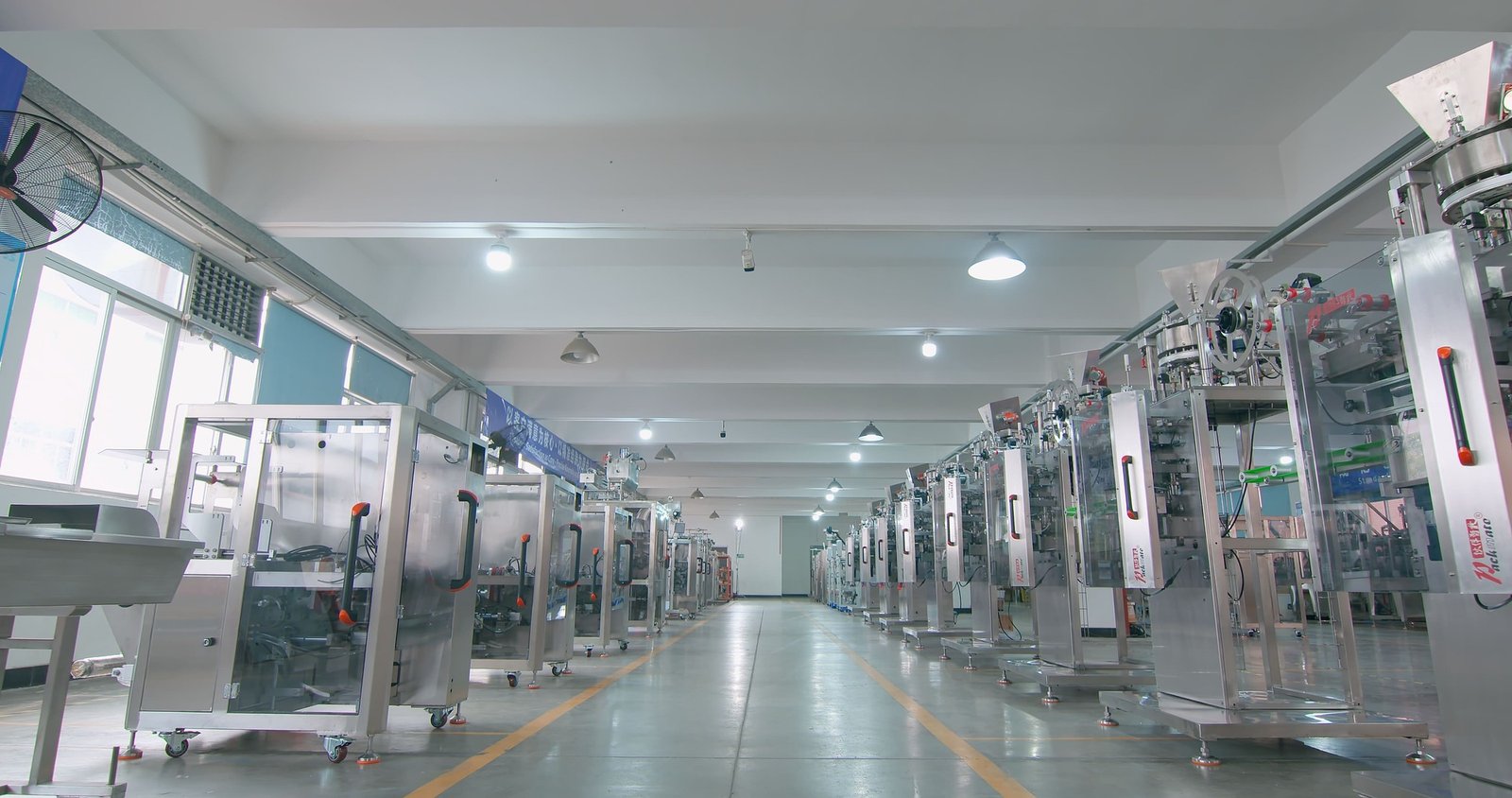
- Integrated packaging line: Connects feeding, dosing, packaging, coding, inspection, cartoning, and palletizing into one continuous system. Maximizes throughput and minimizes handling.
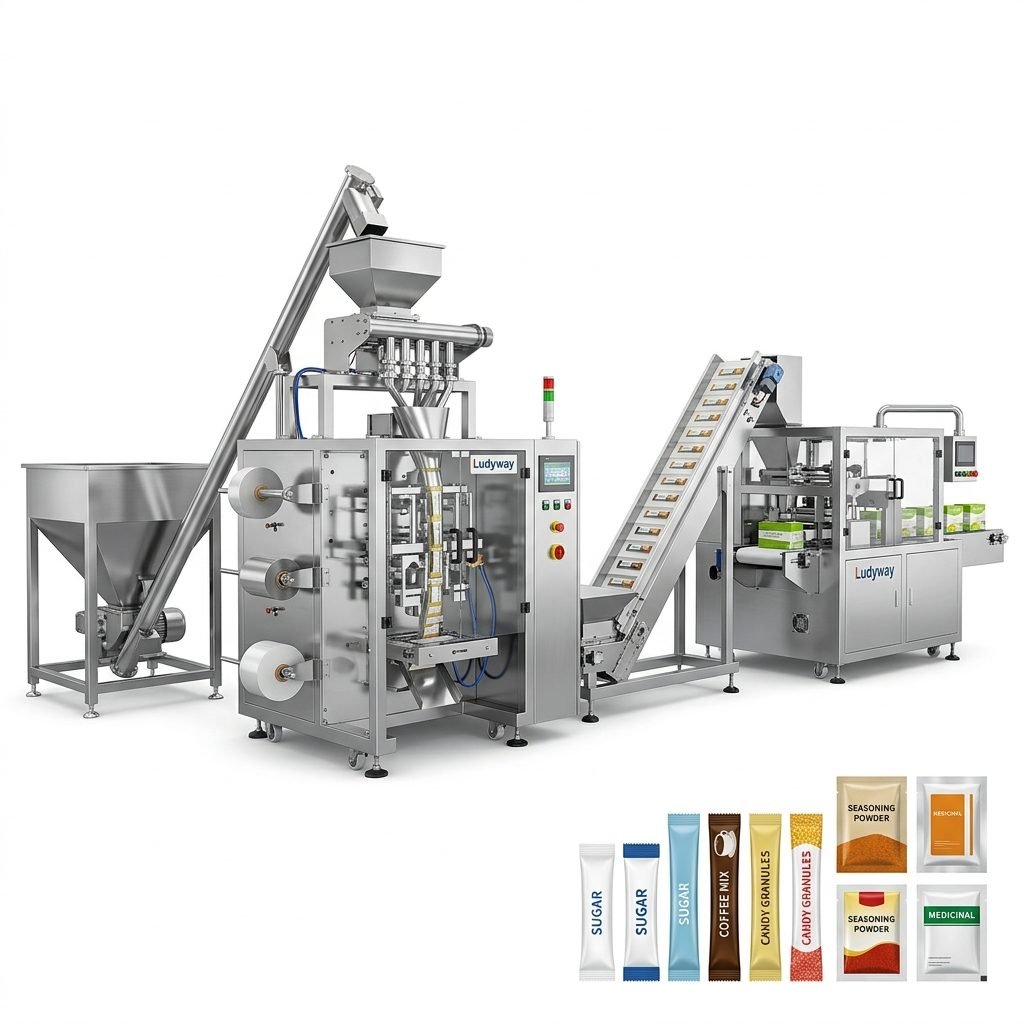
When planning for integration, consider upstream and downstream equipment compatibility. A machine that communicates via standard industrial protocols will simplify future line expansions. Experienced manufacturers, such as Ludyway Machinery, can provide integrated systems that connect multiple packaging stages with centralized control.

7. Key Technical Specifications to Verify
Beyond the obvious parameters, several technical details significantly impact machine performance and longevity. Request detailed specifications for the following:
- Frame and contact part materials: Verify the grade of stainless steel and surface finish (Ra values) for food or pharma applications.
- Sealing system: Temperature control accuracy and jaw design affect seal integrity. Look for PID-controlled heating with ±1°C precision.
- Film registration: Photoelectric registration systems with automatic correction minimize packaging material waste.
- Power consumption: Energy-efficient servo drives can reduce operating costs by 20–30% compared to pneumatic systems.
- Compressed air requirements: Understand the volume and pressure needed to avoid expensive facility upgrades.
- Noise levels: For operator comfort, look for machines operating below 75 dB(A) at standard production speeds.
8. Supplier Evaluation: Beyond the Quotation
Choosing the right supplier is as important as selecting the right machine specification. A low-price machine with poor support becomes expensive quickly. Evaluate potential partners on these criteria:
- Industry experience: How many installations does the supplier have in your specific industry? Relevant experience reduces project risk.
- Manufacturing capabilities: In-house manufacturing with proper quality control is preferable to fully outsourced assembly. Check for ISO 9001 certification and relevant quality management systems.
- Technical documentation: Comprehensive manuals, electrical diagrams, and spare parts lists should be available in your language.
- After-sales support: Clarify warranty terms, spare parts availability, response times, and whether remote diagnostic support is offered.
- Testing and validation: The supplier should offer factory acceptance testing (FAT) and, ideally, site acceptance testing (SAT) support.
9. Total Cost of Ownership Analysis
The purchase price represents only part of the total investment. A comprehensive total cost of ownership (TCO) analysis includes:
Direct Costs
- Machine purchase price and freight
- Installation and commissioning
- Facility modifications (power, air, extraction)
- Operator training programs
Ongoing Operational Costs
- Spare parts consumption: Sealing jaws, belts, and wear components have predictable replacement intervals.
- Packaging material waste: Machines with precise registration and tension control reduce film waste by 3–5% annually.
- Energy consumption: Compare kWh per thousand packs across machine options.
- Labor requirements: Fully automatic machines may reduce operator allocation from 3–4 workers to 1 per shift.
- Downtime costs: Reliable equipment with local spare parts availability minimizes production losses.

10. Common Selection Mistakes to Avoid
Learning from others’ experiences can save significant time and expense. Here are the most frequent mistakes buyers make when selecting a pellet packing machine:
- Focusing only on purchase price while ignoring reliability, support, and spare parts costs. The cheapest machine often has the highest lifetime cost.
- Underestimating changeover time for operations with frequent product switches. Fast-change features add upfront cost but pay back quickly in multi-product environments.
- Ignoring packaging material compatibility testing. Different films and laminates behave differently during forming, filling, and sealing.
- Not planning for future needs such as additional lane configurations, coding systems, or upstream automation integration.
- Skipping factory visits or live demonstrations before purchase decisions.
11. Making the Final Decision
After evaluating all factors, create a weighted decision matrix that reflects your priorities. Assign importance weights to criteria such as speed, accuracy, versatility, price, and supplier support, then score each shortlisted option. This structured approach reduces emotional bias and helps justify the investment to stakeholders.
Request detailed proposals from at least three qualified suppliers, including machine specifications, lead times, payment terms, warranty coverage, and after-sales service commitments. Where possible, visit reference sites to observe similar machines operating under real production conditions. The insights gained from existing users often reveal practical considerations that specifications alone cannot convey.
Ultimately, the right pellet packing machine is one that fits your product, your production environment, your budget, and your growth trajectory—not simply the one with the most features or the lowest price tag. Taking a systematic, long-term approach to equipment selection will deliver returns in productivity, quality, and operational peace of mind for years to come.
This guide draws on general packaging industry knowledge and publicly available resources from organizations such as PMMI, the Flexible Packaging Association, and ISO packaging standards. Always consult with equipment manufacturers and industry specialists for recommendations specific to your application.